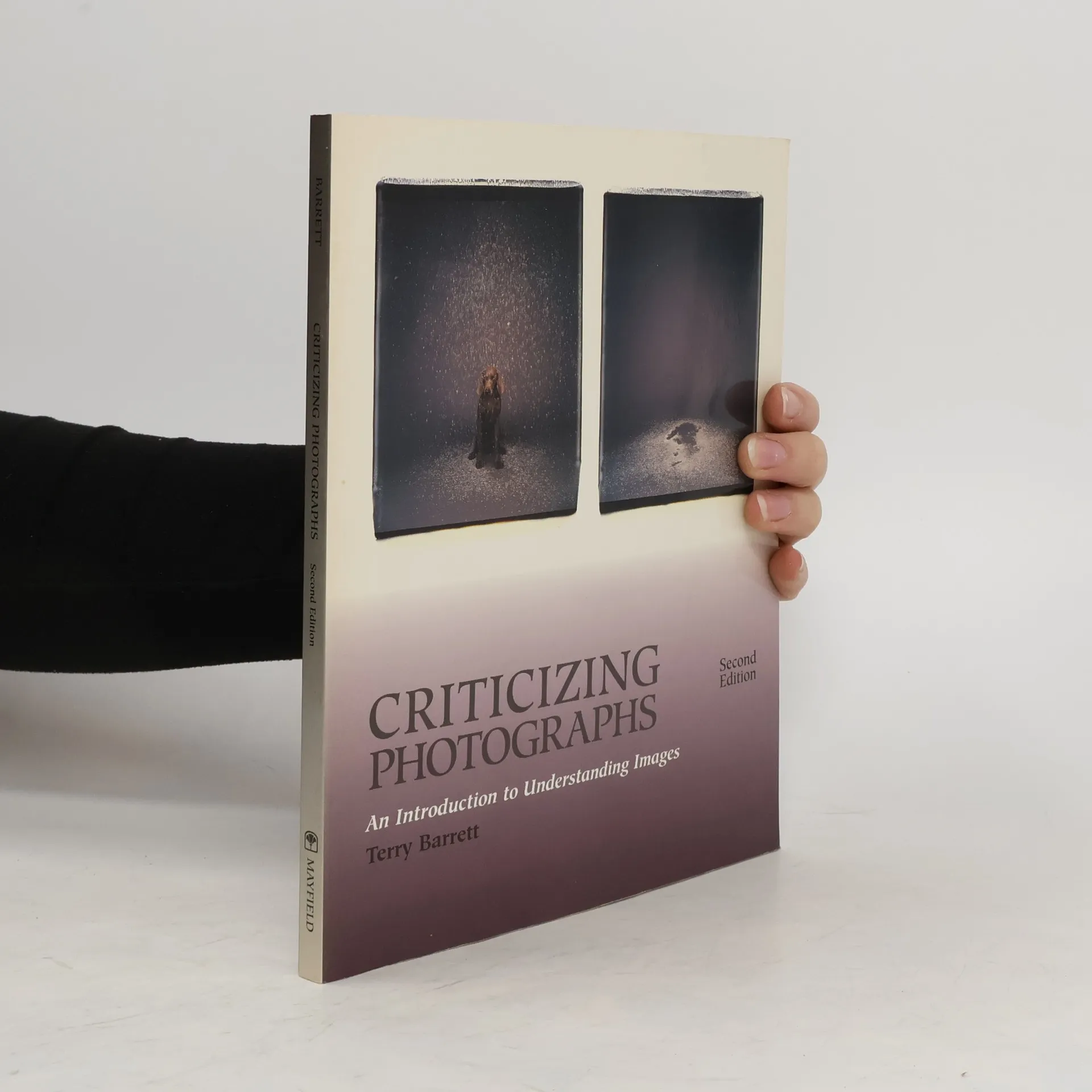
Emphasizing the understanding of images and their influences on how they affect our attitudes, beliefs, and actions, this fully updated sixth edition offers consequential ways of looking at images from the perspectives of photographers, critics, theoreticians, historians, curators, and editors. It invites informed conversations about meanings and implications of images, providing multiple and sometimes conflicting answers to questions such as: What are photographs? Should they be called art? Are they ethical? What are their implications for self, society, and the world? From showing how critics verbalize what they see in images and how they persuade us to see similarly, to dealing with what different photographs might mean, the book posits that some interpretations are better than others and explains how to deliberate among competing interpretations. It looks at how the worth of photographs is judged aesthetically and socially, offering samples and practical considerations for both studio critiques for artists and professional criticism for public audiences. This book is a clear and accessible guide for students of art history, photography and criticism, as well as anyone interested in carefully looking at and talking about photographs and their effects on the world in which we live.
Terry Barrett Books
Terry Berret is a distinguished professor of art education, specializing in criticism and aesthetics within educational contexts. His work in art criticism and museum education highlights a profound interest in how art and its interpretation can be integrated into the learning process. Berret consults with museum education departments and leads workshops designed to foster critical thinking and writing skills about art. His approach to art criticism in education aims to cultivate deeper understanding and engagement with the arts.