This author is celebrated for her sharp intellect and unflinching examination of social and political issues. Her works delve into the complexities of the human psyche, the search for identity, and the struggle against societal constraints. Through her powerful prose and philosophical inquiries, this self-educated intellectual became a voice for those grappling with oppression and injustice.
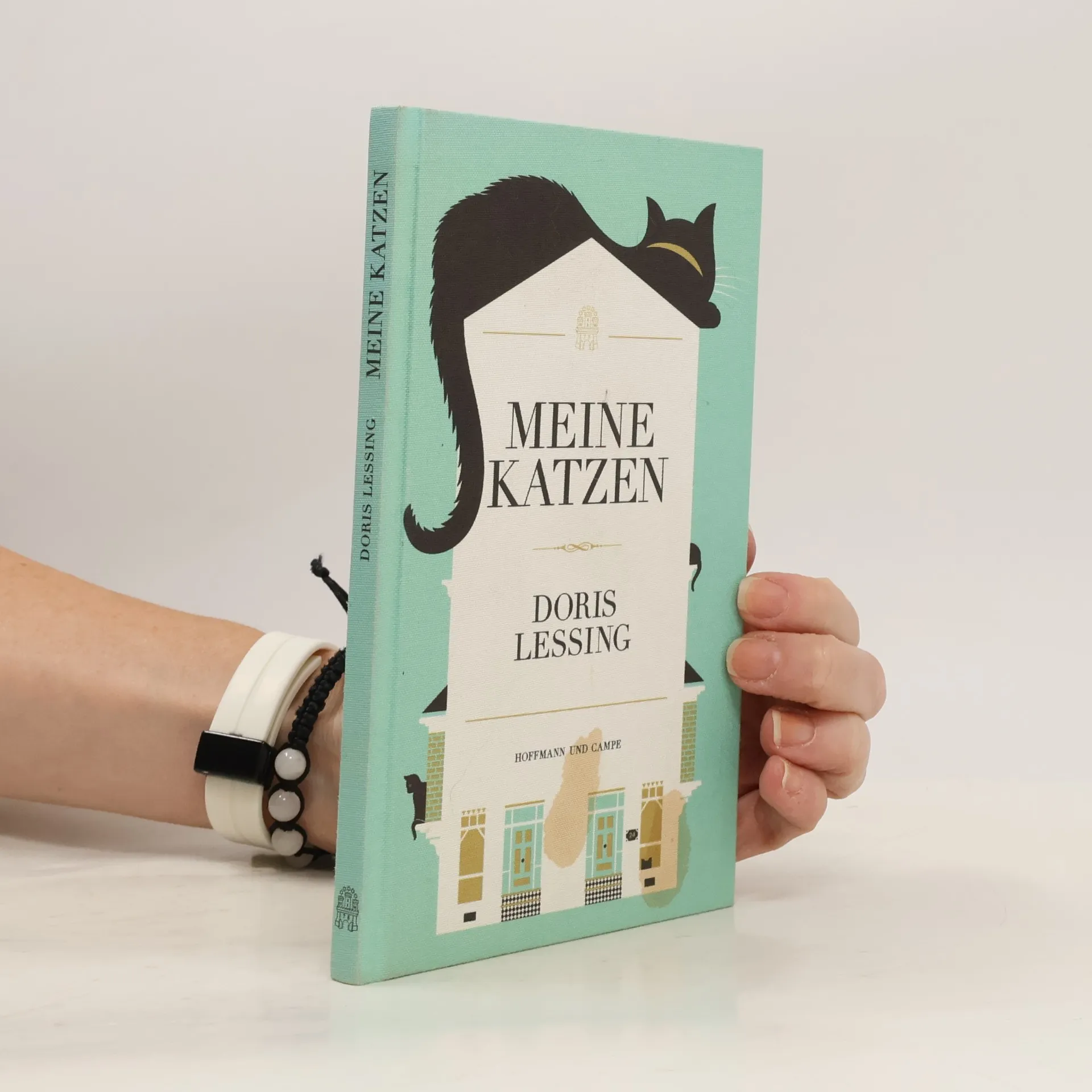
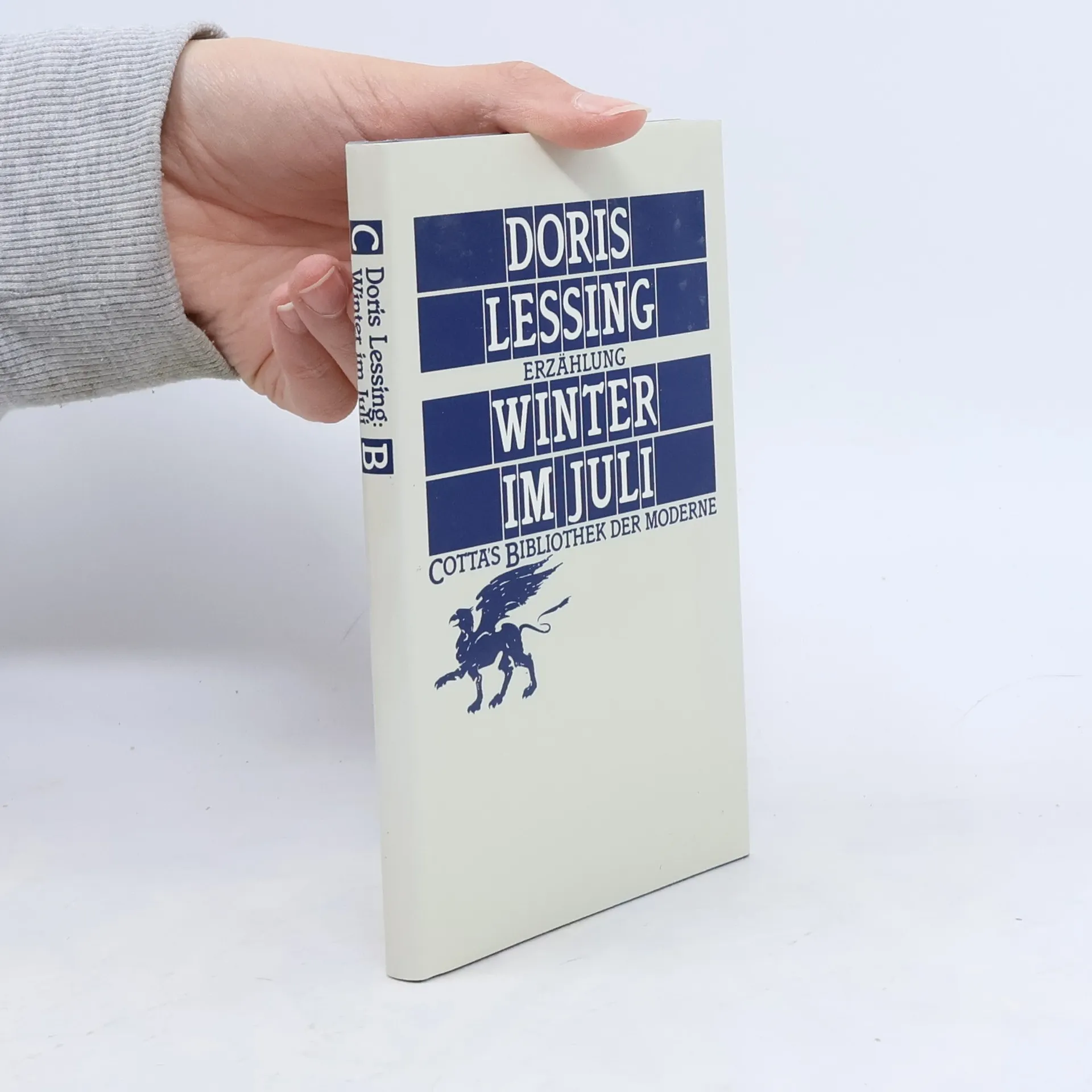
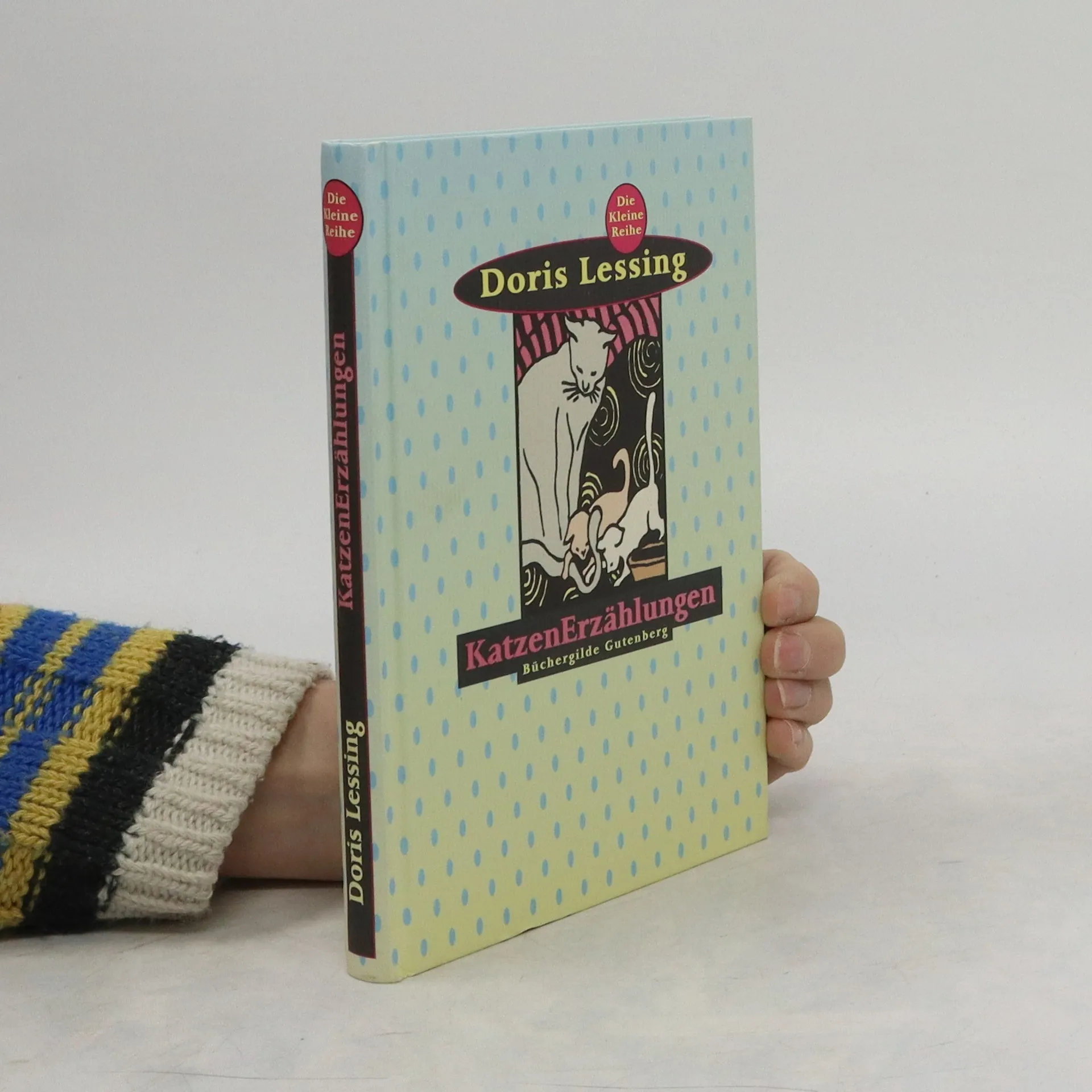
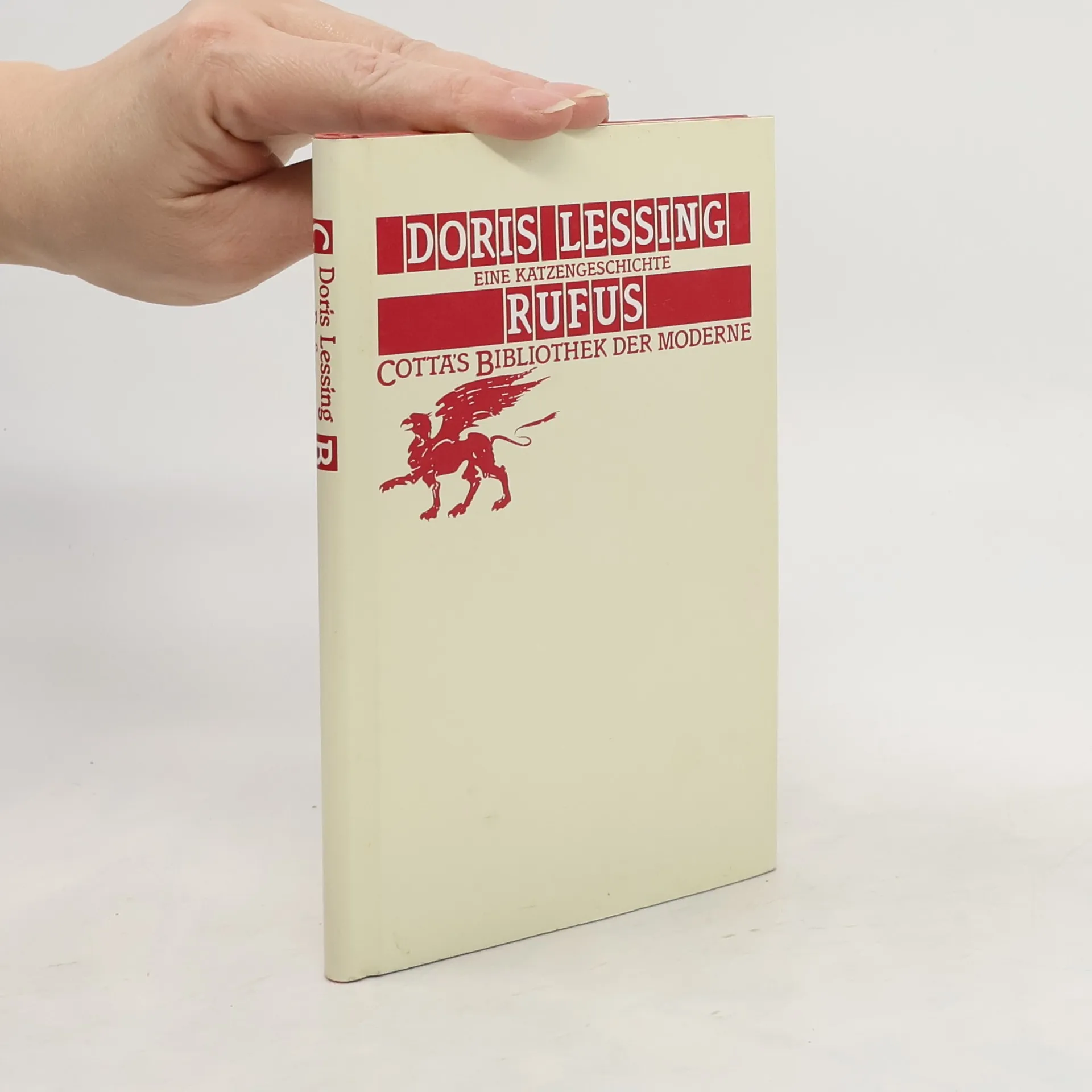
Mit Leidenschaft und Zärtlichkeit schreibt die große Erzählerin über die Marotten von Katzen und Menschen. Dieser liebevoll gestaltete Band vereint drei der schönsten Katzengeschichten von Doris Lessing. In "Rufus", "Katzen" und "El Magnifico am Ende seiner Tage" erinnert sie daran, wie raffiniert und kultiviert diese unvergleichlichen Geschöpfe sind, und was sie für uns bedeuten.
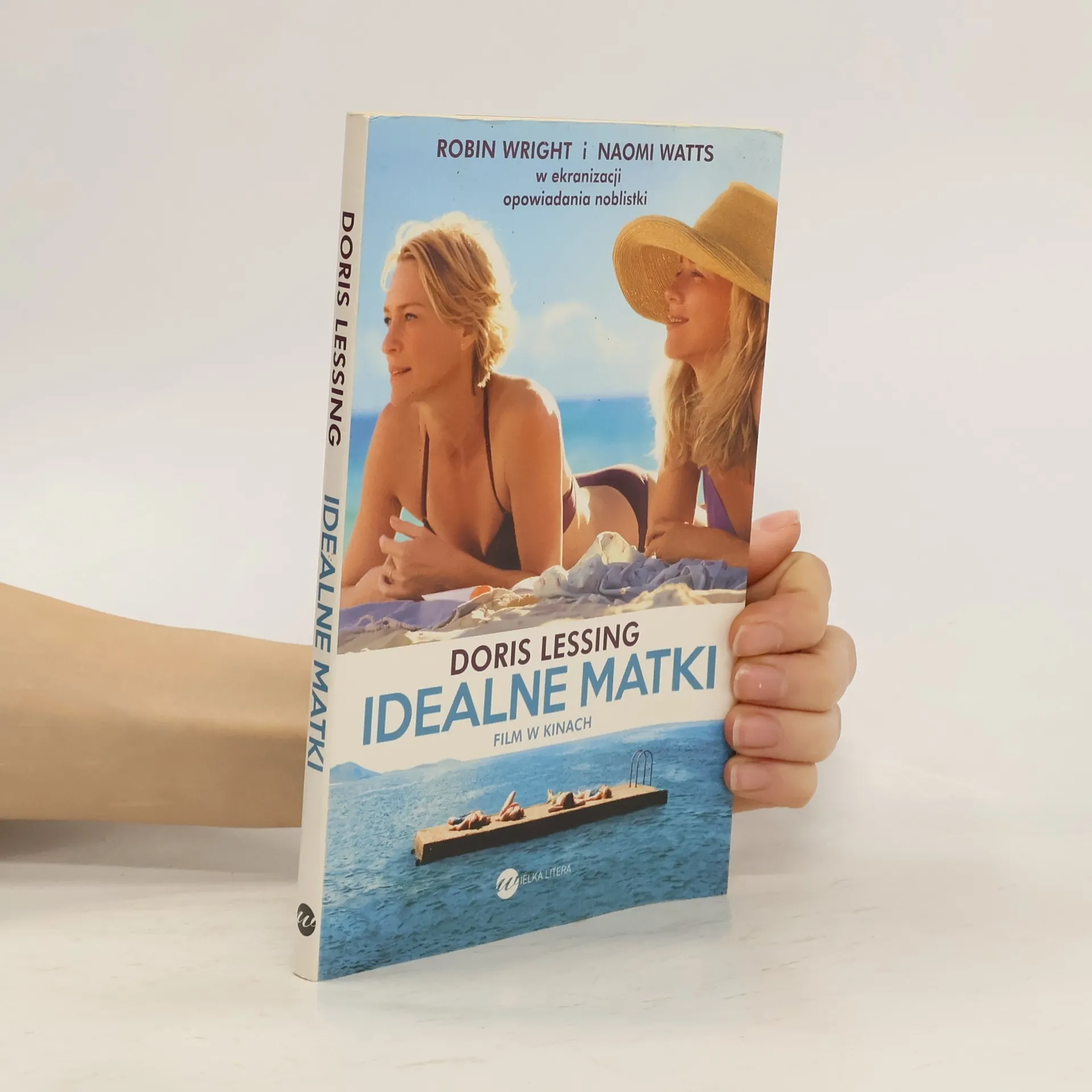
Jak wielka jest miłość, która niszczy samych zakochanych? Liz i Ros są nierozłączne, mieszkają po sąsiedzku w pięknych domach nad brzegiem oceanu. Obie są samotnymi kobietami i obie mają nastoletnich, atrakcyjnych synów. Jeden niedozwolony pocałunek niszczy ten przyjacielski układ i popycha bohaterów do uwikłania się w skandaliczne romanse, które trwają długie lata i niszczą wszystkich dookoła. A najbardziej najbliższych.
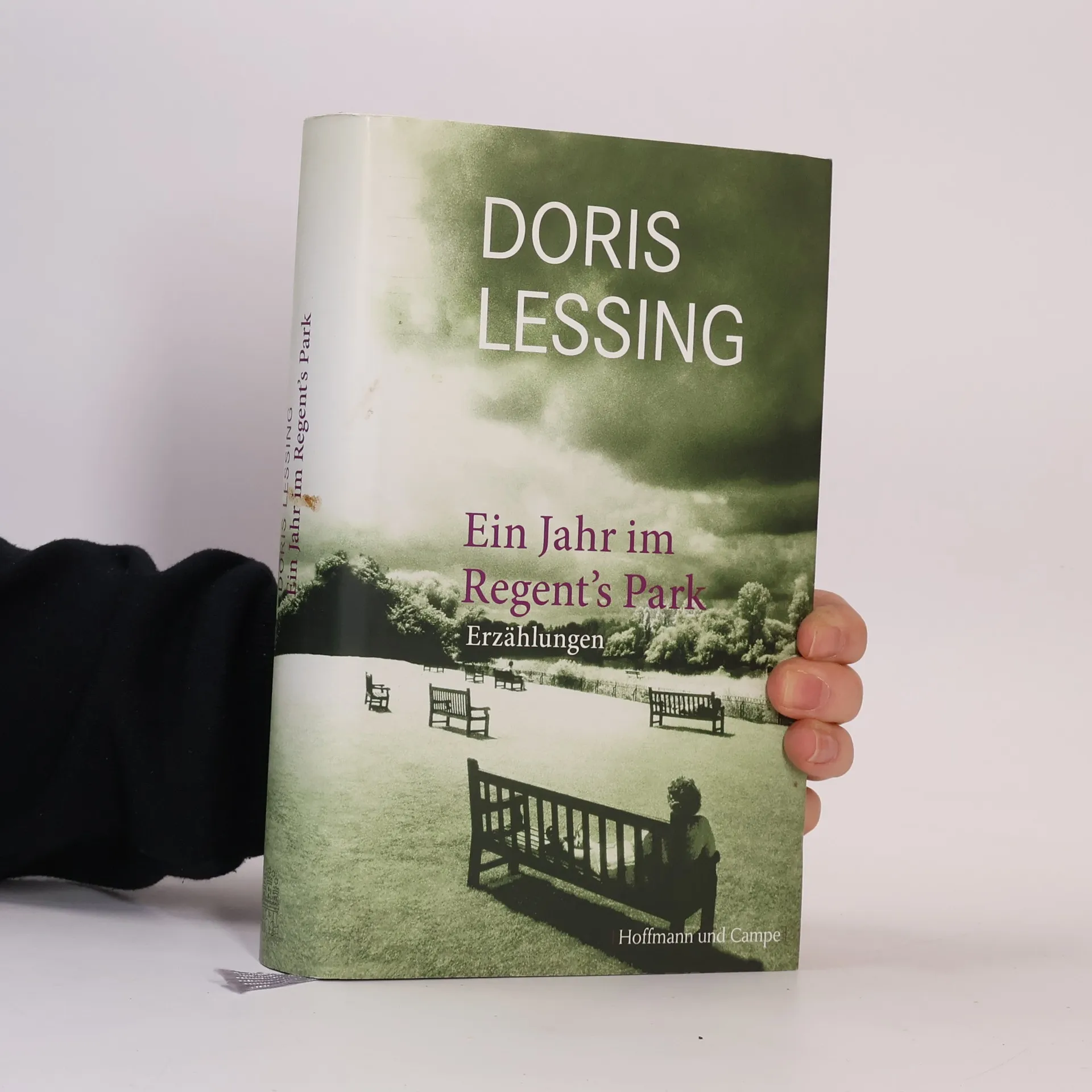
Doris Lessing präsentiert in "Ein Jahr im Regent's Park" ihre schönsten Erzählungen von den sechziger Jahren bis heute. Die über hundert Geschichten thematisieren psychologische Fragen und das Verhältnis zwischen Mann und Frau, sowie humorvolle Porträts ihrer Wahlheimat London. Lessings Beobachtungsgabe und menschliche Wärme zeichnen ihre Kurzprosa aus.
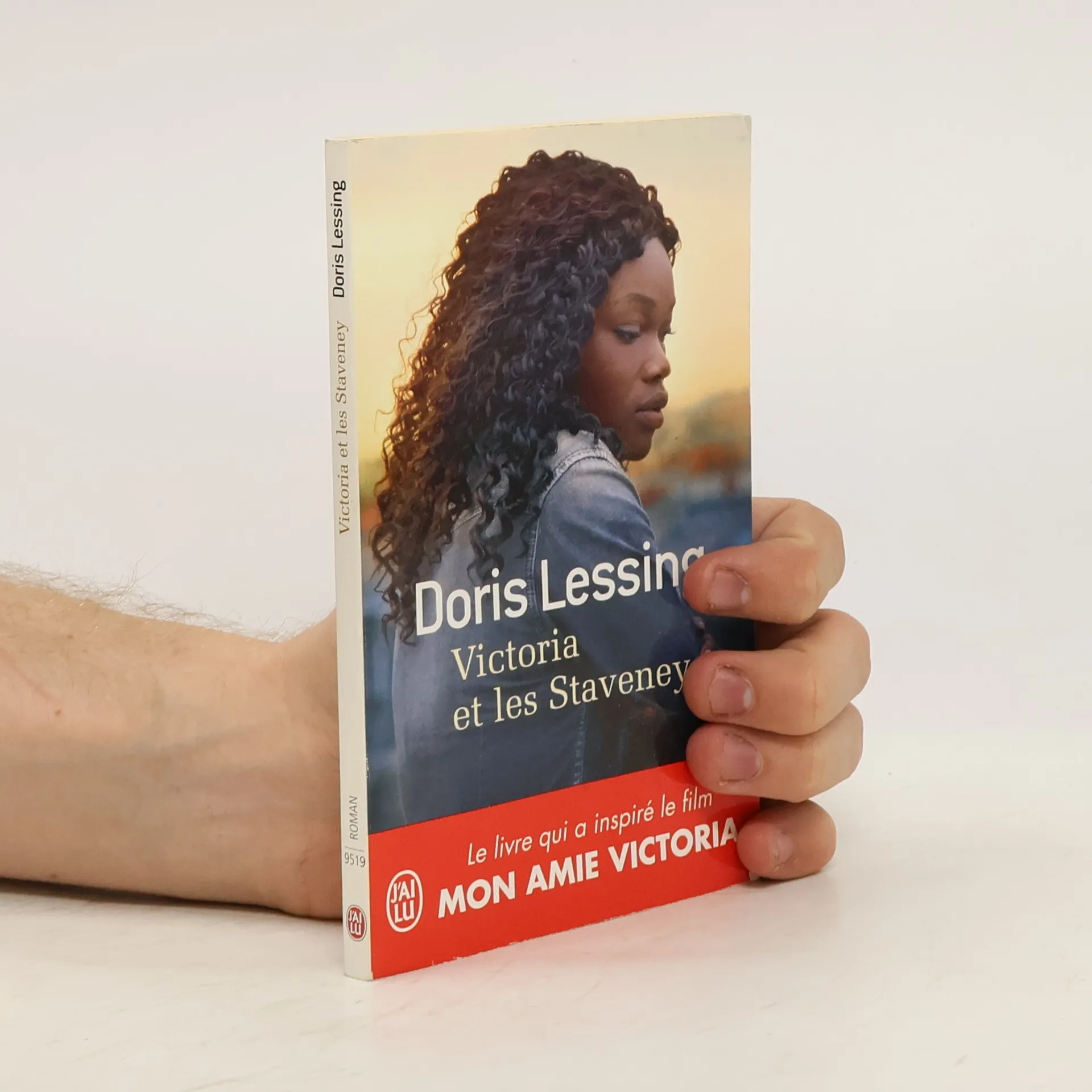
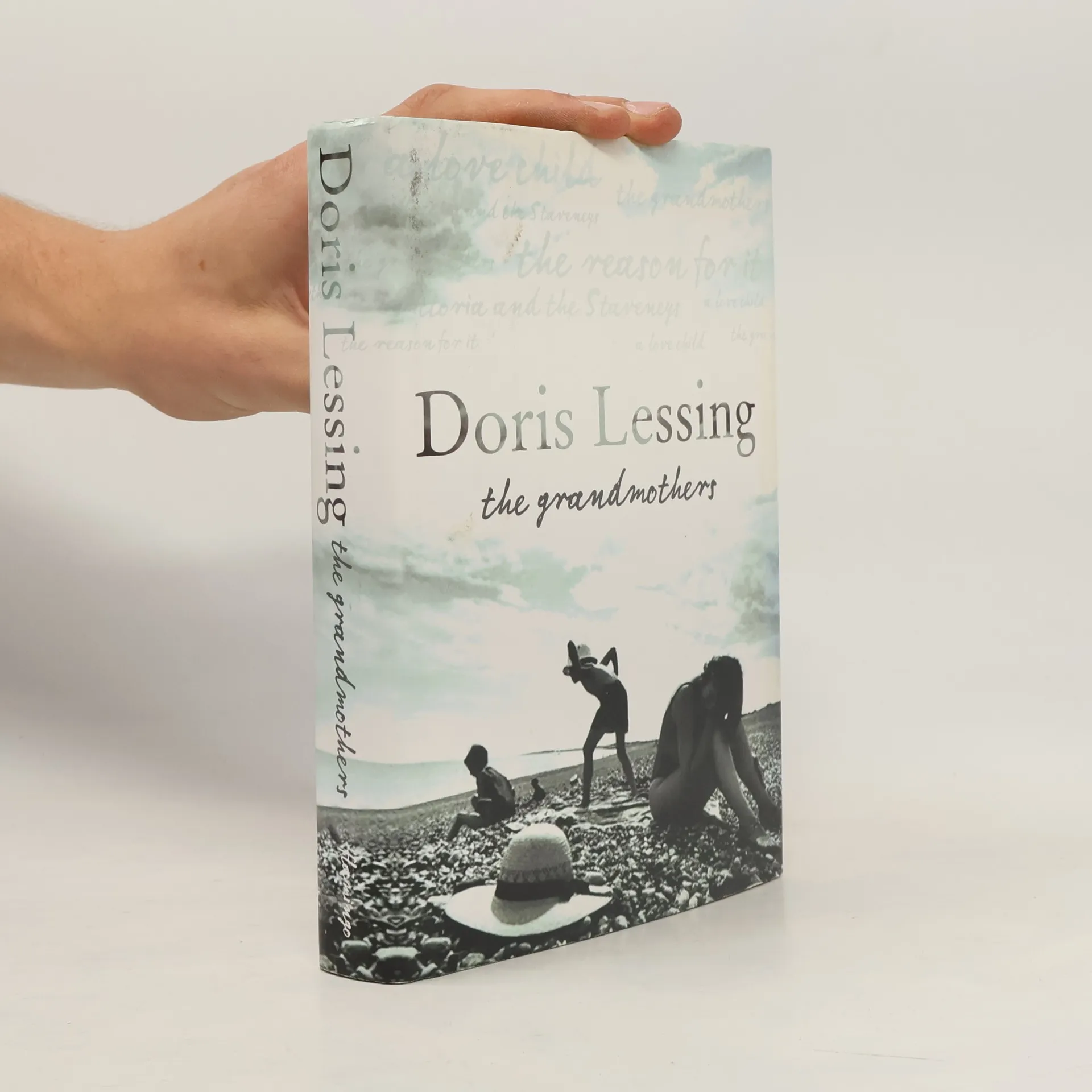
Victoria a neuf ans lorsqu'elle pénètre pour la première fois dans l'univers luxueux des Staveney, une riche famille blanche de Londres. Pour cette petite fille noire issue d'un milieu modeste, c'est un choc. Aussi lorsque, des années plus tard, elle leur présente Mary - la fille née de sa liaison avec leur fils Thomas - et qu'ils l'accueillent à bras ouverts, Victoria les laisse s'immiscer dans l'éducation de l'enfant, loin d'imaginer les conséquences qu'aura une telle décision. "C'est féroce, cinglant, affligeant, et d'autant plus juste que l'auteur ne sacrifie jamais à la caricature" - L'Express.
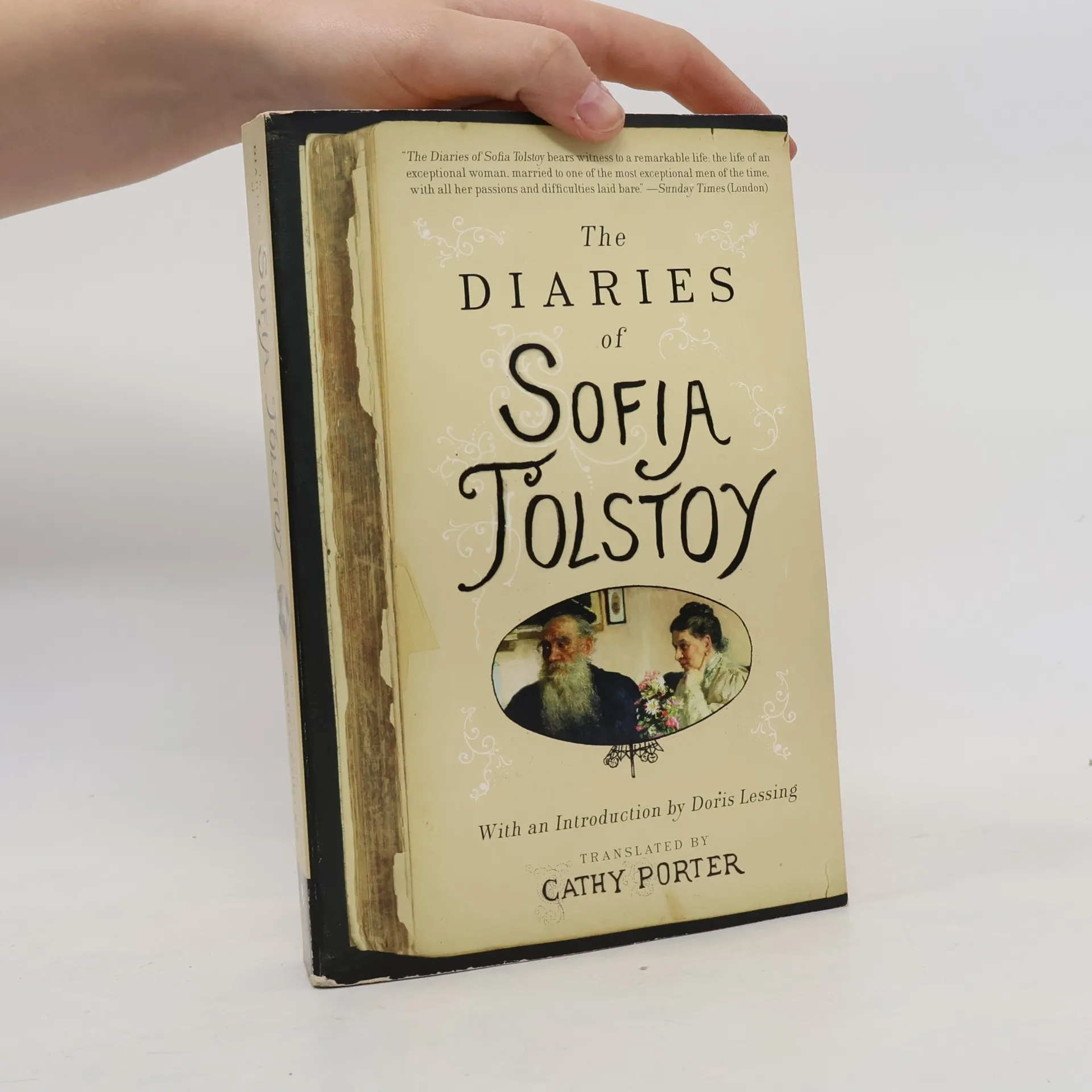
After marrying Count Leo Tolstoy, the renowned author of Anna Karenina and War and Peace , Sofia Tolstoy kept a detailed diary until his death in 1910. Her life was not an easy one: she idealized her husband but was tormented by him. She lived against the background of one of the most turbulent periods in her country’s history, as old feudal Russia was transformed by three revolutions and three major international wars. Yet it is as Sofia Tolstoy’s own life story—the study of one woman’s private experience—that these diaries are most valuable and moving. They reveal a woman of tremendous vital energy and poetic sensibility who, in the face of provocation and suffering, continued to strive for the higher things in life and to remain indomitable.
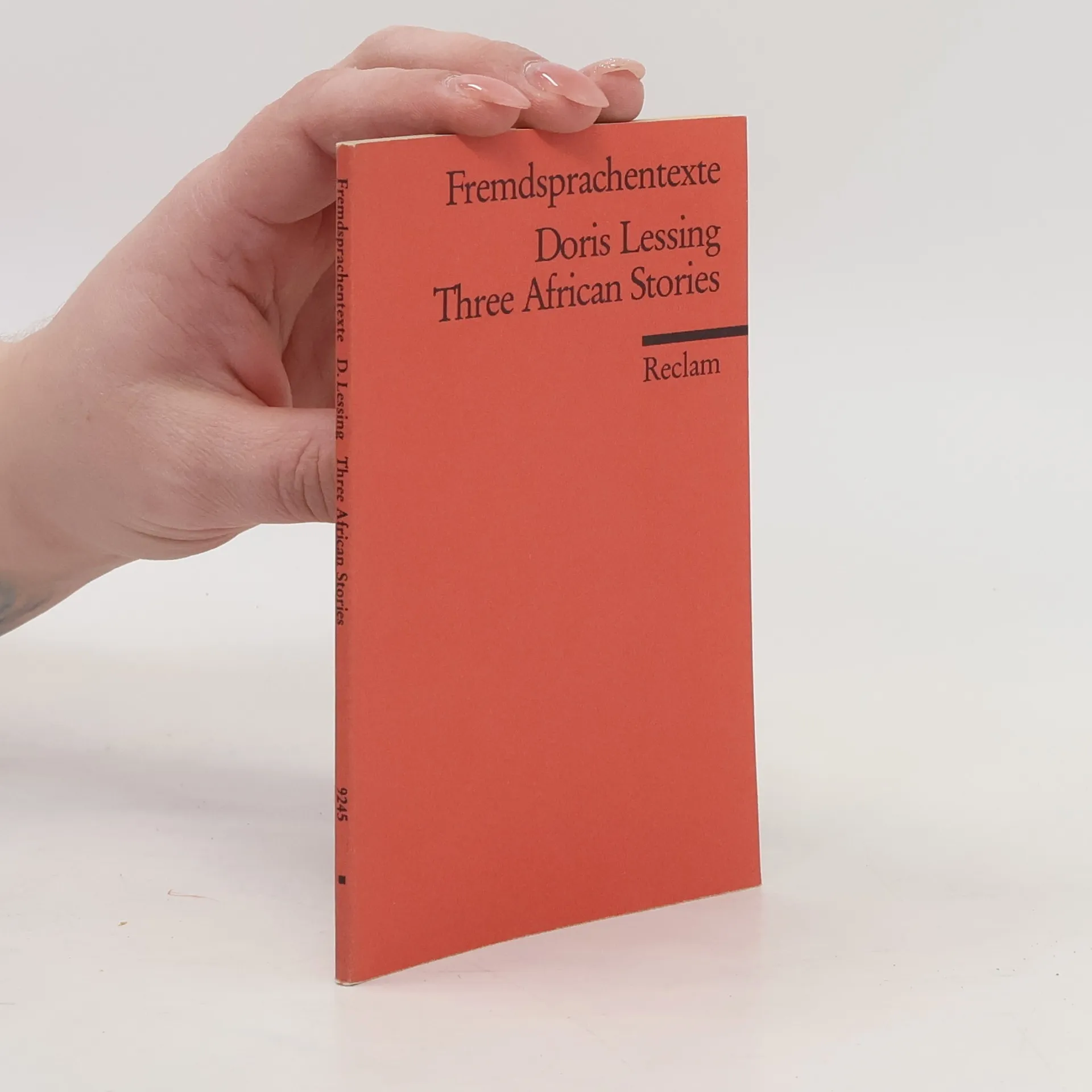
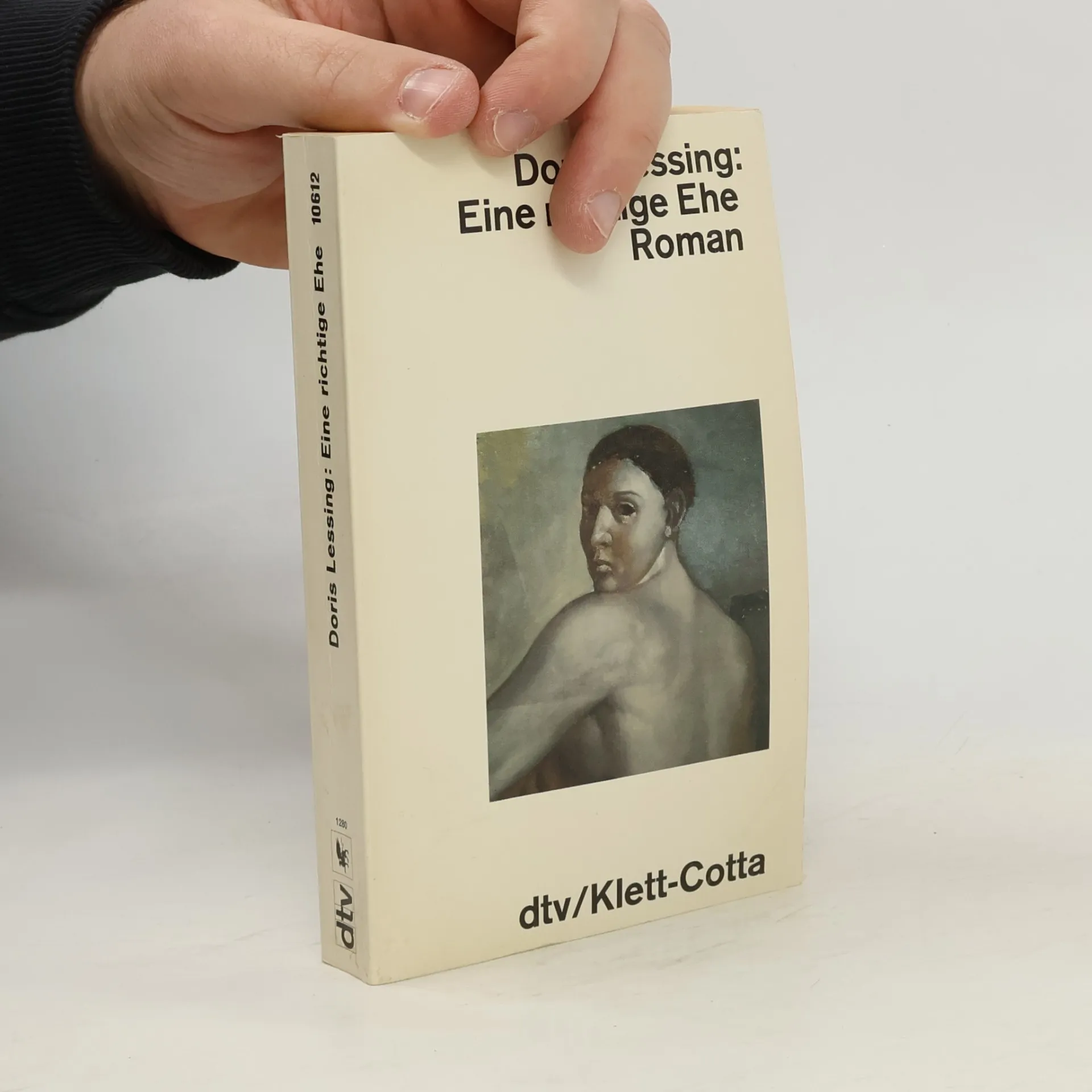
Susan Rawlings, eine Frau in den besten Jahren, die eigentlich alles hat, was nach landläufiger Meinung eine Frau sich nur wünschen kann: einen gutaussehenden, erfolgreichen Ehemann, vier wohlerzogene Kinder und ein schönes Haus mit Garten in Richmond, beginnt auf einmal, immer öfter die Tage in einem schäbigen Zimmer in einem Stundenhotel zu verbringen, wo es eines Tages zur Katastrophe kommt. Ungekürzte und unbearbeitete Textausgabe in der Originalsprache, mit Übersetzungen schwieriger Wörter am Fuß jeder Seite, Nachwort und Literaturhinweisen.
Als Teddy, das einzige Kind der Farquars, sein Augenlicht zu verlieren droht, eilt ihm der schwarze Koch, Gideon, mit seinem geheimen Heilwissen zu Hilfe. Doch 'Der Zauber ist nicht verkäuflich'. George Chester ist nicht zuletzt dank der Hilfe seines weisen, alten Dieners Smoke zu einem reichen Farmer geworden. Als er sich mit Smokes junger Frau einlässt, kommt es zu einem Unglück - und Chester zu seinem Spitznamen 'Leoparden-George'. In 'Die zweite Hütte' dagegen hat Major Carruthers mit seiner Farm kein Glück, aber ein gutes Herz. Sein Mitgefühl für die Not anderer wird ihm jedoch zum Verhängnis. Doris Lessings afrikanische Geschichten berichten pointiert und einfühlsam vom Zusammenleben von Schwarzen und Weißen. Das brüchige Selbstbewusstsein einer Schicht rückt ins Bild, die das schlechte Erbe des Kolonialismus schlecht verwaltet.
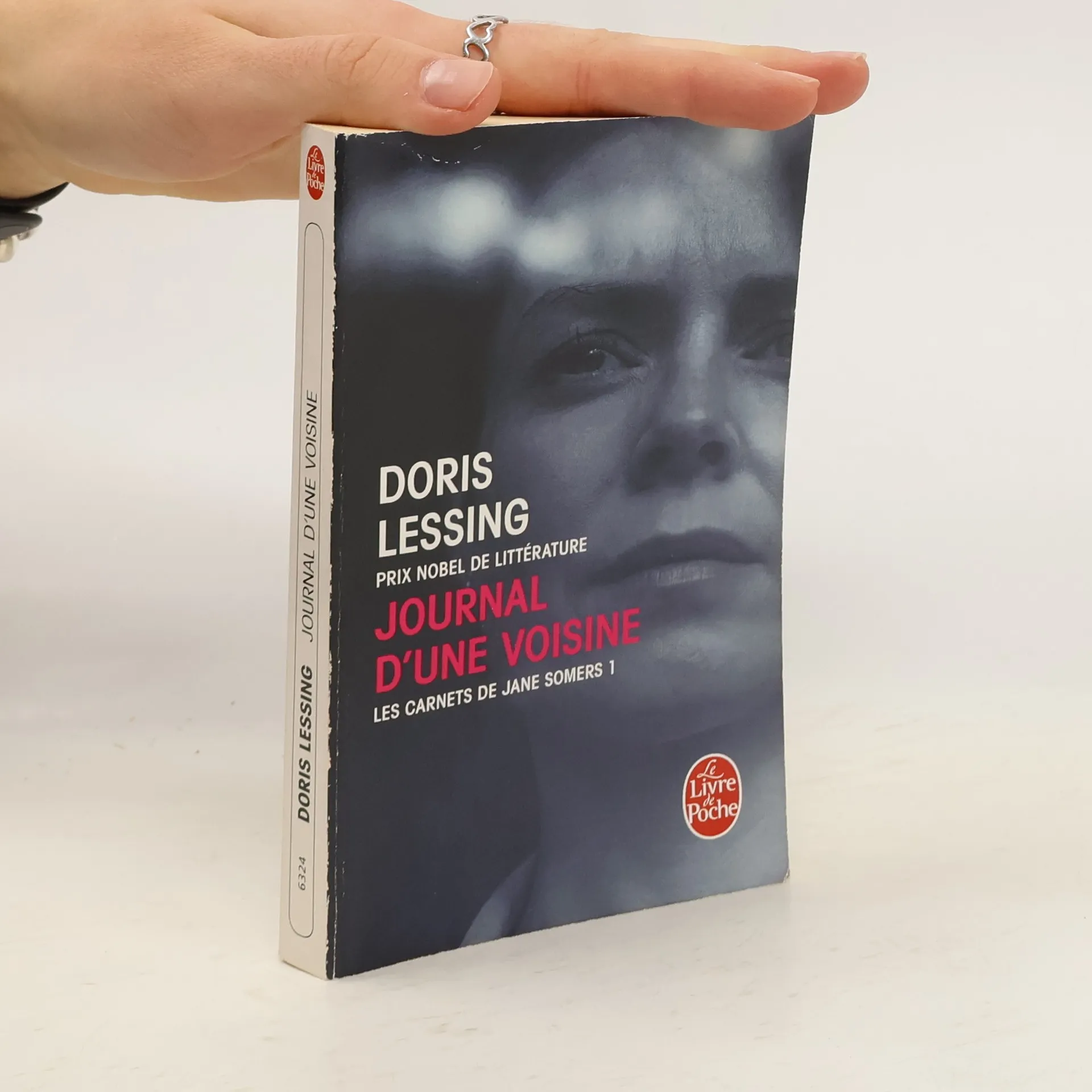
Janna, belle et élégante, avec un solide succès professionnel, fait la connaissance d'une petite vieille dame, Maudie, et de cette rencontre fortuite naît une étroite amitié, un lien presque symbiotique. La première commence à partager les manies et les habitudes de la seconde, ses maux de vieillesse, et entre ainsi en contact avec un monde désordonné et douloureux mais aussi fascinant, qui lui permet de découvrir des dimensions existentielles jusqu'alors ignorées. Le journal de Jane Somers se présente, dans le paysage contemporain de la littérature, comme l'un des plus impitoyables expériences d'auto-analyse jamais réalisées par un écrivain.
Doris Lessing's first book after winning the Nobel Prize for Literature
revisits her childhood in Southern Africa and the lives, both fictional and
factual, that her parents led.
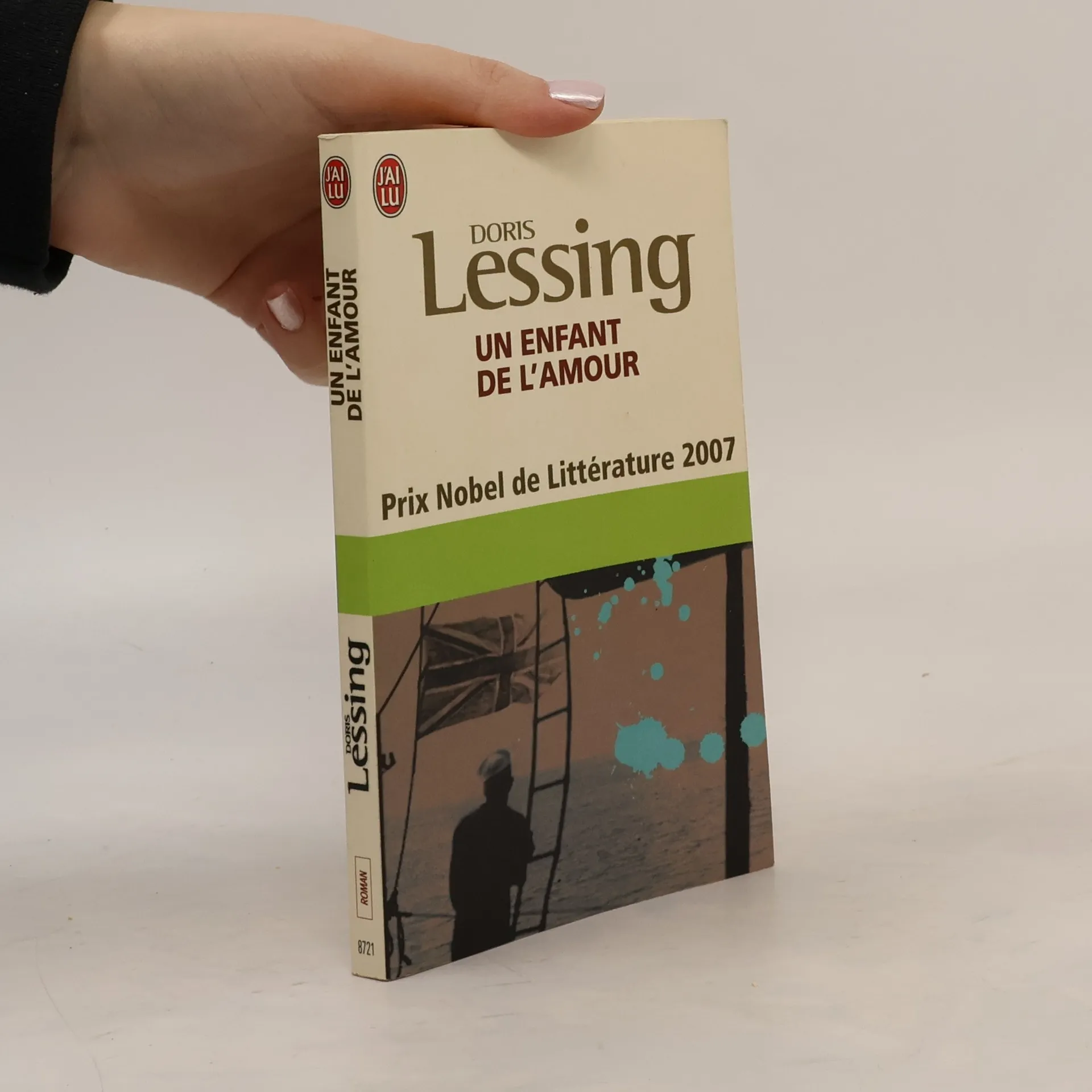
Londres, été 1939. James Reid, jeune homme rêveur et qui ne vit que par les livres, embarque pour l’Inde avec son régiment. Un voyage infernal, entre solitude, ennui et maladies, commence. Pourtant, lors d’une escale au Cap, sa vie bascule : il croit trouver en Daphne, épouse de militaire qui l’héberge, la femme idéale, l’ange dont il rêvait, le grand amour dont la littérature lui a inspiré le désir quasi mystique. La réalité est tout autre… Dans ce court roman, Doris Lessing met toute sa puissance de conteuse au service de ses thèmes de prédilection : les désillusions de l’amour, le fossé entre fantasme et réalité, et la démission des hommes, plus à l’aise dans le monde des idées que dans la vraie vie.
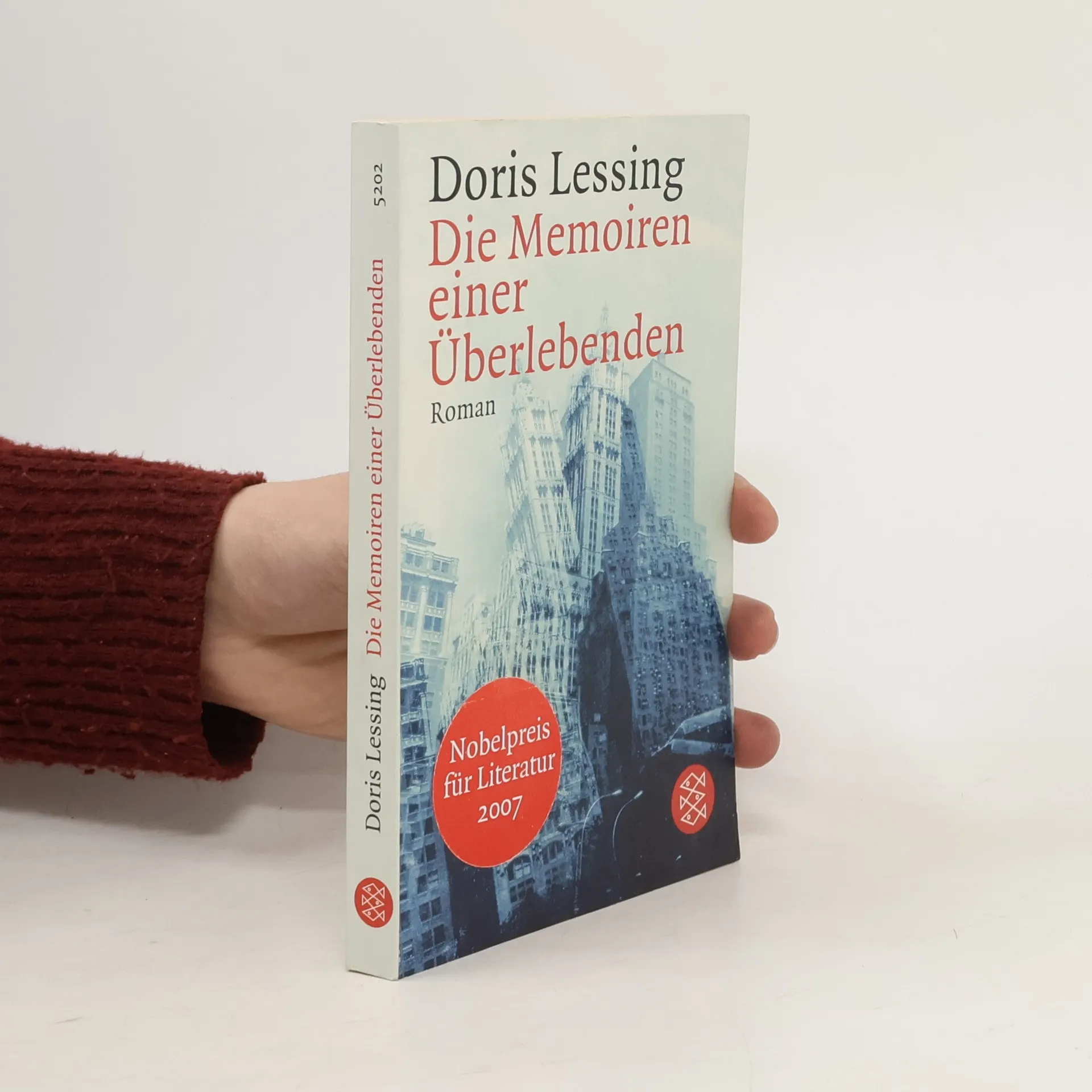
In ihrem Roman »Die Memoiren einer Überlebenden« beschwört Doris Lessing eine unbestimmte Zukunft: Das Leben in der Stadt ist zusammengebrochen, die Menschen sind ständig unterwegs und auf der Suche nach Überlebensmöglichkeiten. Jugendliche und Erwachsene besetzen leerstehende Häuser, plündern Geschäfte, und Horden von Kindern machen die Straßen unsicher. Das Chaos der Straße beobachtet die Hauptfigur, eine ältere alleinstehende Frau, vom Fenster ihrer Wohnung aus. Eines Tages steht ein junges Mädchen, Emily, samt ihrem Haustier Hugo, bei ihr im Wohnzimmer und verlangt unvermittelt nach Unterkunft. Während draußen alle Formen öffentlicher Ordnung aufgehört haben zu existieren, richten sich die beiden in ihrem neuen Leben zu zweit ein…
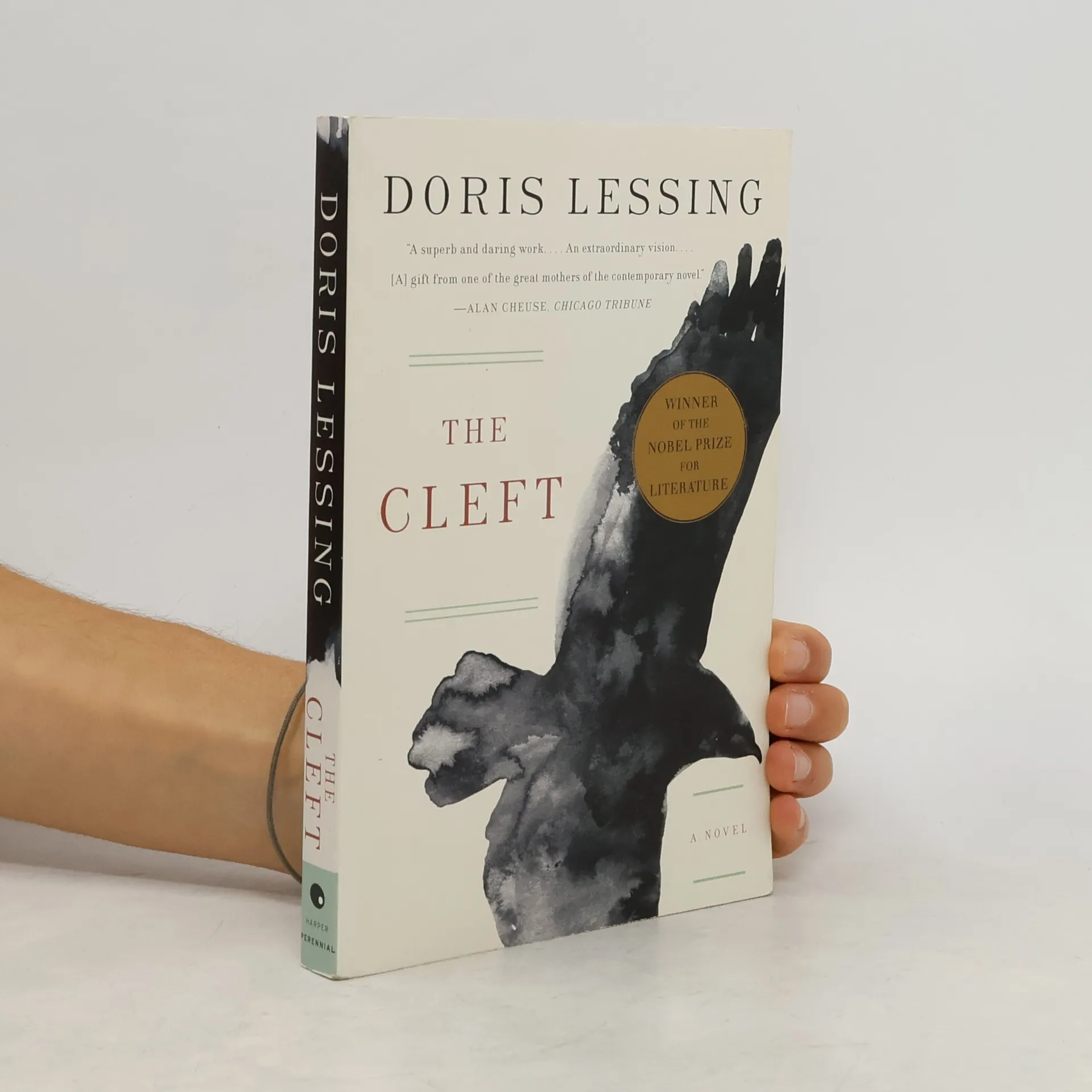
Exploring an alternative history of humankind's beginnings, this work by Doris Lessing delves into provocative themes that challenge conventional narratives. Renowned as one of the most significant writers of the past century, Lessing crafts a thought-provoking tale that invites readers to reconsider the foundations of human existence. The narrative is both brilliant and dark, reflecting her unique perspective on the complexities of humanity's origins.
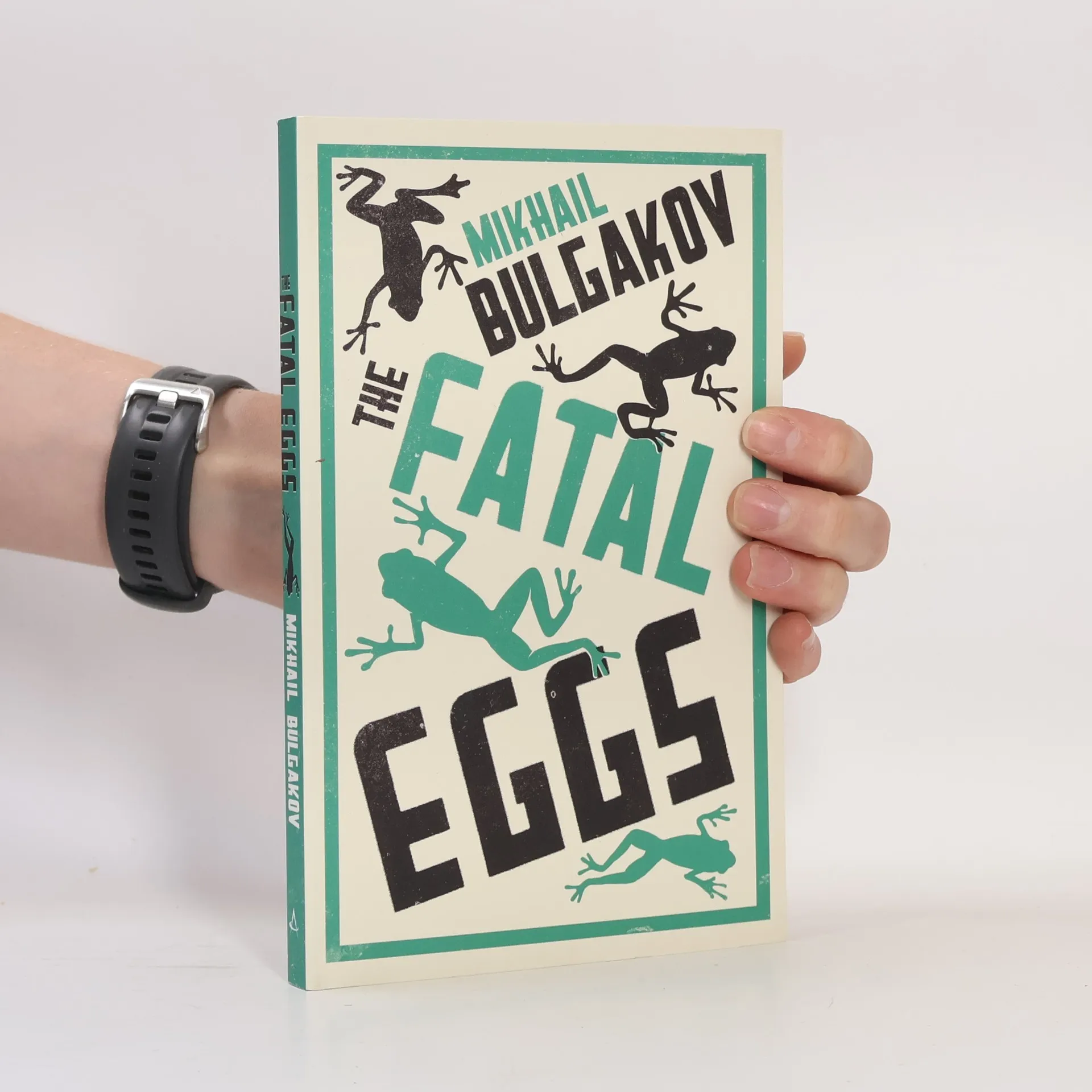
Professor Persikov, an eccentric zoologist, stumbles upon a new light ray that accelerates growth and reproduction rates in living organisms. In the wake of a plague that has decimated the country's poultry stocks, Persikov's discovery is exploited as a means to correct the problem. As foreign agents, the state and the Soviet media all seize upon the red ray, matters fet out of hand... Set in 1928 but written four years earlier, during Stalin's rise to power, The Fatal Eggs is both an early piece of science fiction reminiscent of H.G. Wells and a biting, brilliant satire on the consequence of the abuse of power and knowledge.
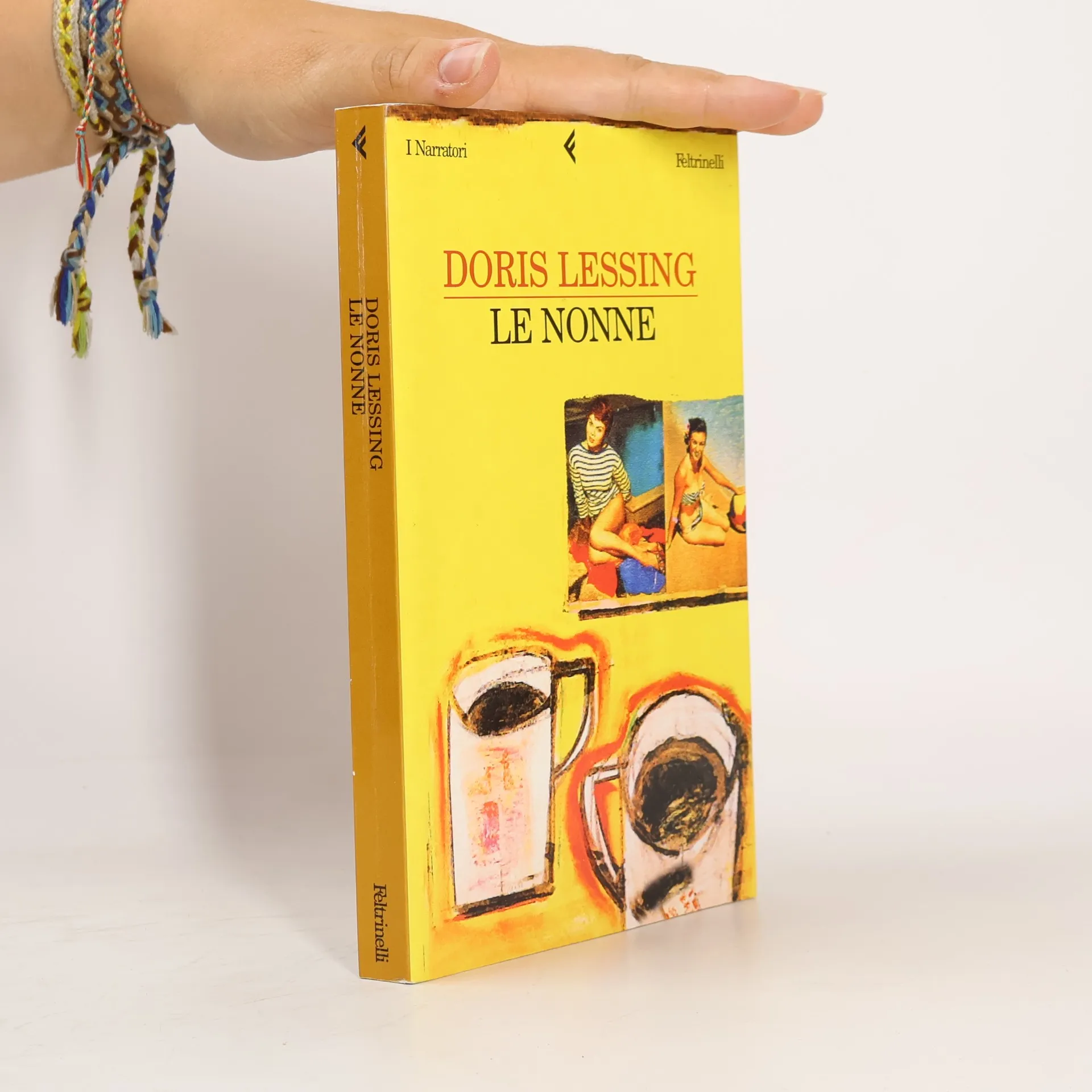
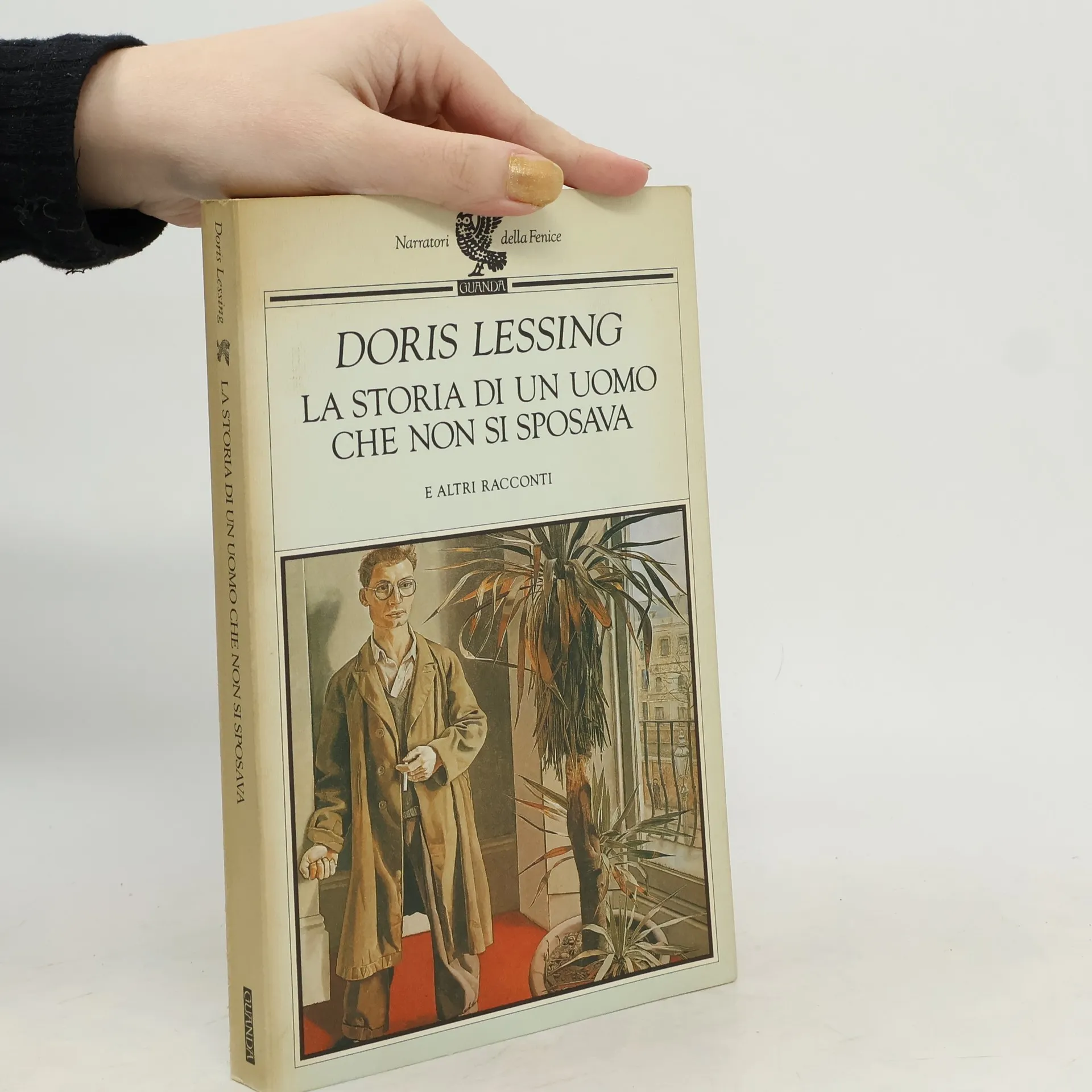
Tre racconti, pervasi dall'imprevisto, dal senso sconcertante delle umane possibilità, dalla sensazione da parte dei protagonisti di precipitare nella vita e di esserne, allo stesso tempo, ai margini. Due amiche, alla scomparsa dei mariti, iniziano una relazione ciascuna con il figlio adolescente dell'altra. Una ragazzina di colore, orfana e povera, ha una breve relazione con un ragazzo ricco, bianco, di famiglia liberale. All'insaputa del giovane, ha una figlia e quando la bambina ha sei anni, non potendo più mantenerla, si mette in contatto con la famiglia del ragazzo. Un soldato vive nel ricordo di una donna incontrata durante la seconda guerra mondiale, nella convinzione di aver concepito un figlio e di aver condotto un'esistenza sbagliata.
In four long, charged short novels, Doris Lessing explores human hopes, dreams, obsessions, and shortcomings. A young soldier is sent to India during World War II. After a brief, passionate encounter with a married woman, he carries the memory of a breathtaking love for the rest of his life, becoming unable to live in the present. Two friends begin relationships with each other's teenage sons, and only after several years are they able to break away from them. One day, long after, everything is revealed. The downfall of a civilization thousands of years ago draws eerie parallels to our own time. A young Black woman has a child with a young white man. It is only when thoughts of her daughter's future begin to torment her that she seeks him out, and she is forced to make the sacrifice of giving up her own child. Doris Lessing once again demonstrates her profound understanding of humanity, her wide-ranging scope, and her ability to bring people and environments to life.
In questo romanzo, che segue "Il diario di Jane Somers" e ad esso è in qualche modo accomunato, ritroviamo Janna che, nel libro precedente, era stata uno dei due poli dell'amicizia difficile e controversa con l'anziana Maudie. Janna ha ora cinquantacinque anni, splendidamente portati: è raffinata, sempre attivissima, e da caporedattore è passata vicedirettore della rivista in cui lavora. Gli anni di vedovanza le pesano un po', così come le pesa la non facile convivenza con la nipote diciottenne. Non c'è da stupirsi quindi che, incontrato un affascinante americano della sua età, se ne innamori, subito ricambiata. Sotto il sole di una bella estate londinese Janna e Richard esplorano le strade e i parchi della città, i sobborghi, i verdi dintorni, dimentichi dei propri impegni, spensierati perché hanno deciso di non dirsi nulla della loro vita. Scelgono di passare insieme un week-end, ma quando si ritrovano soli fra quattro pareti un invincibile pudore, un senso di disagio, la consapevolezza dei propri corpi sfioriti impediscono loro qualsiasi contatto fisico. Con grande finezza, la Lessing esplora il tema delle relazioni interpersonali, e l'inesorabile scandirsi di un 'tempo' esterno che non coincide quasi mai col tempo interno di ognuno.
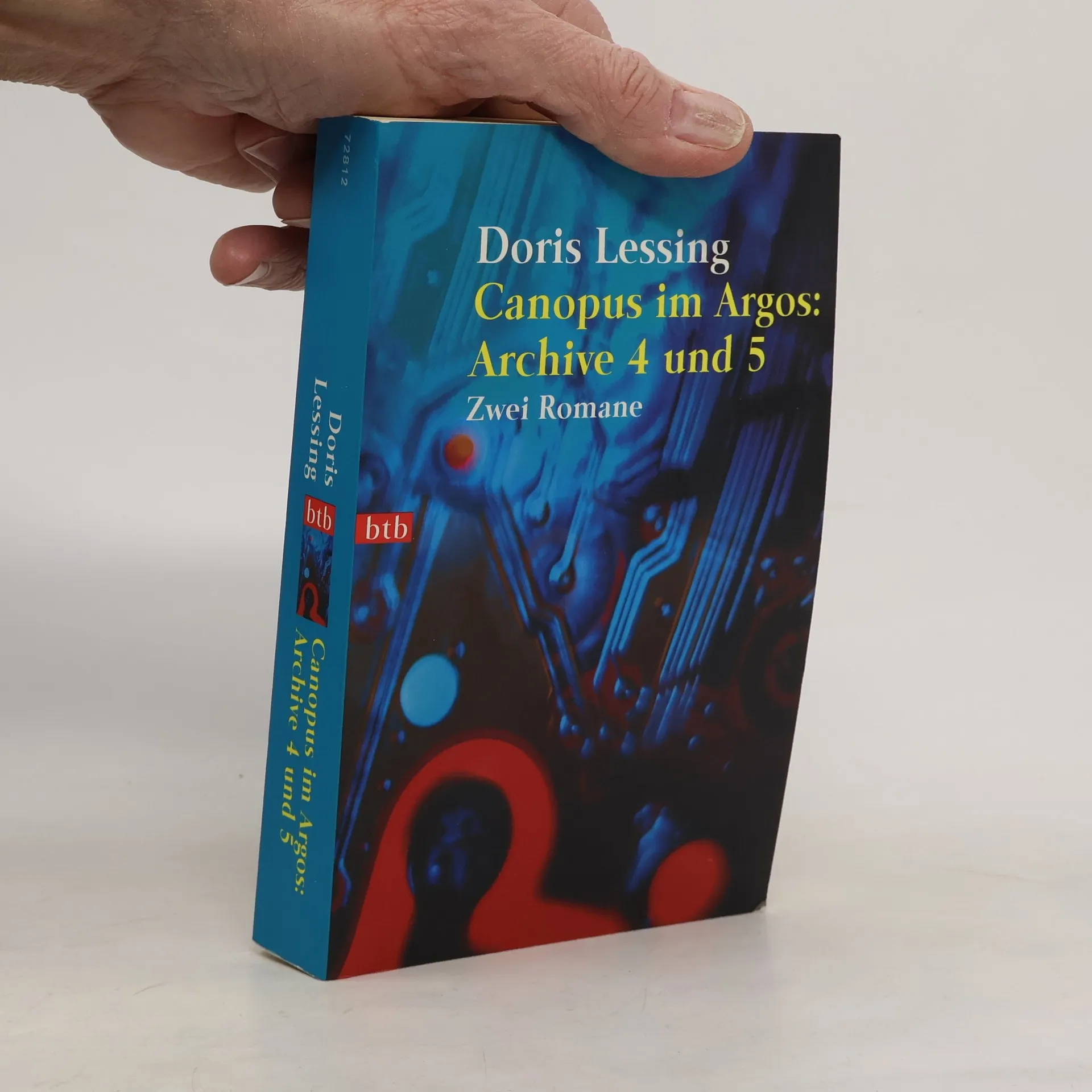
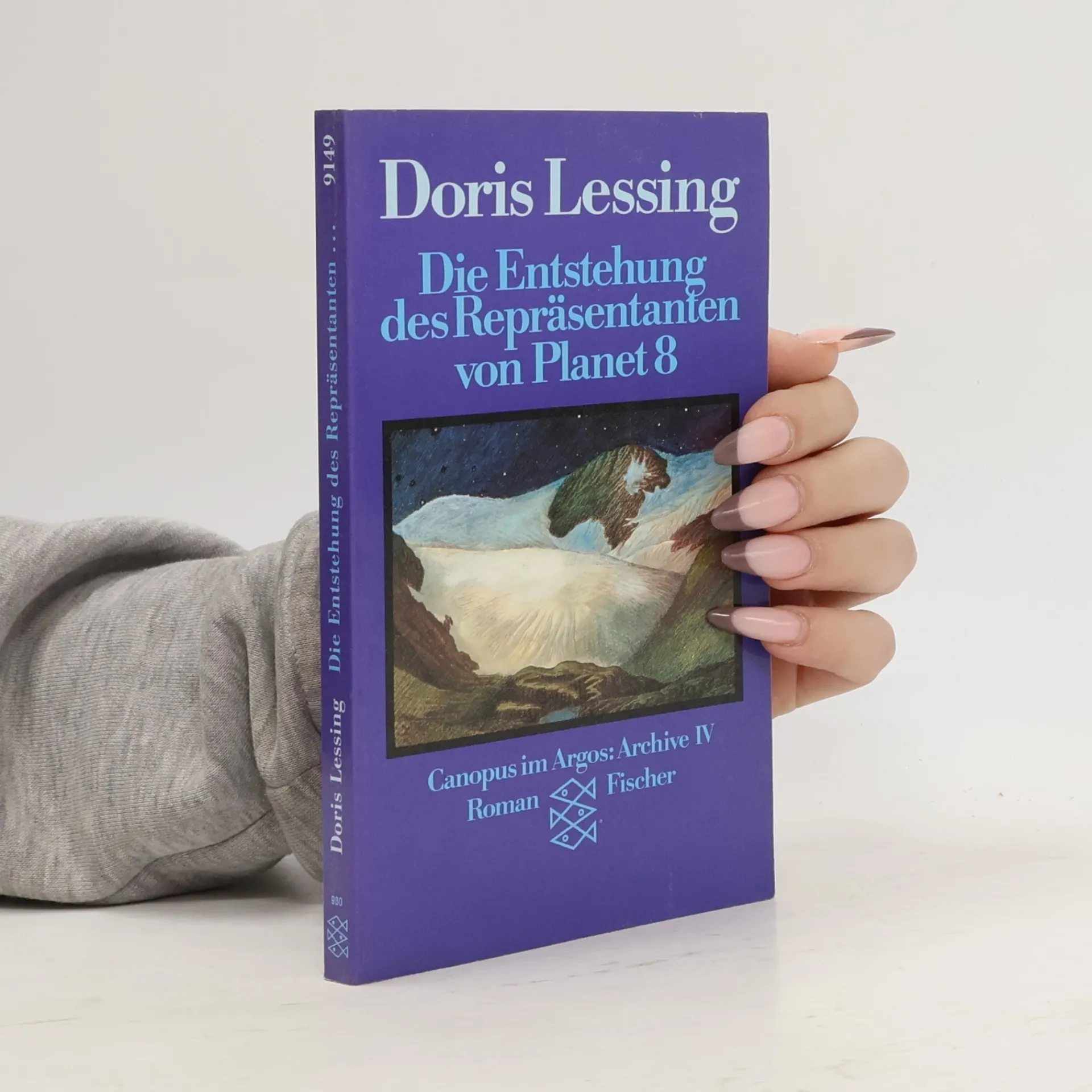
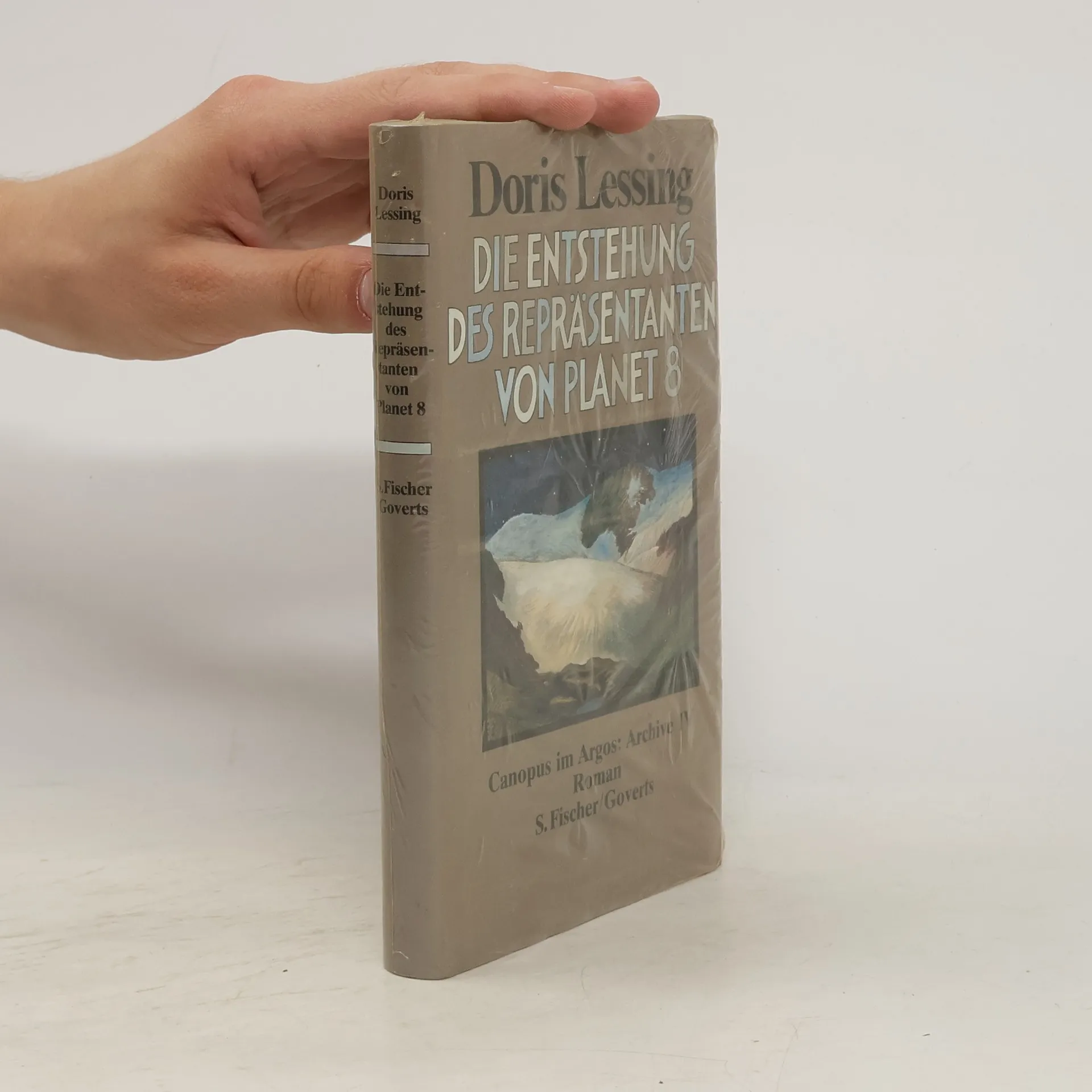
Mit einer hellsichtigen Mischung aus Mythen, Fabeln und Allegorien entwirft Doris Lessing in ihrem „Canopus-Zyklus“ eine eindringliche Parabel auf die Geschichte der Menschheit. In diesem Band sind der 4. und 5. Roman der Saga geeint. Roman 4 führt auf den am Rande des canopischen Imperiums gelegenen Planeten 8, eine Welt der Harmonie und des Überflusses, gesegnet von tropischem Klima. Bis eines Tages die erste Schneeflocke fällt, Zeichen einer kommenden Eiszeit, und der Überlebenskampf beginnt. Der 5. Roman spielt im Reich der Volyen. Hier hat die herrschende Kaste die Bevölkerung versklavt, Revolution, Invasionen und Aufstände sind an der Tagesordnung - ein politisch hochexplosives Klima, dem sich auch der canopische Gesandte nicht entziehen kann.
Frances Lennox ladles out dinner every night to the motley, exuberant, youthful crew assembled around her hospitable tableher two sons and their friends, girlfriends, ex-friends, and ftesh-off-the-street friends. It's the early 1960s and certainly "everything is for the best in the best of all possible worlds." Except financial circumstances demand that Frances and her sons Eve with her proper ex-mother-in-law. And her ex-husband, Comrade Johnny, has just dumped his second wife's problem child at Frances's feet. And the world's political landscape has suddenly become surreal beyond imagination.... Set against the backdrop of the decade that changed the world forever, The Sweetest Dream is a riveting look at a group of people who dared to dream-and faced the inevitable cleanup afterward -- from one of the greatest writers of our time.
The celebrated author explores new ways to view ourselves and the society we live in, and gives us fresh answers to such enduring questions as how to think for ourselves and understand what we know.
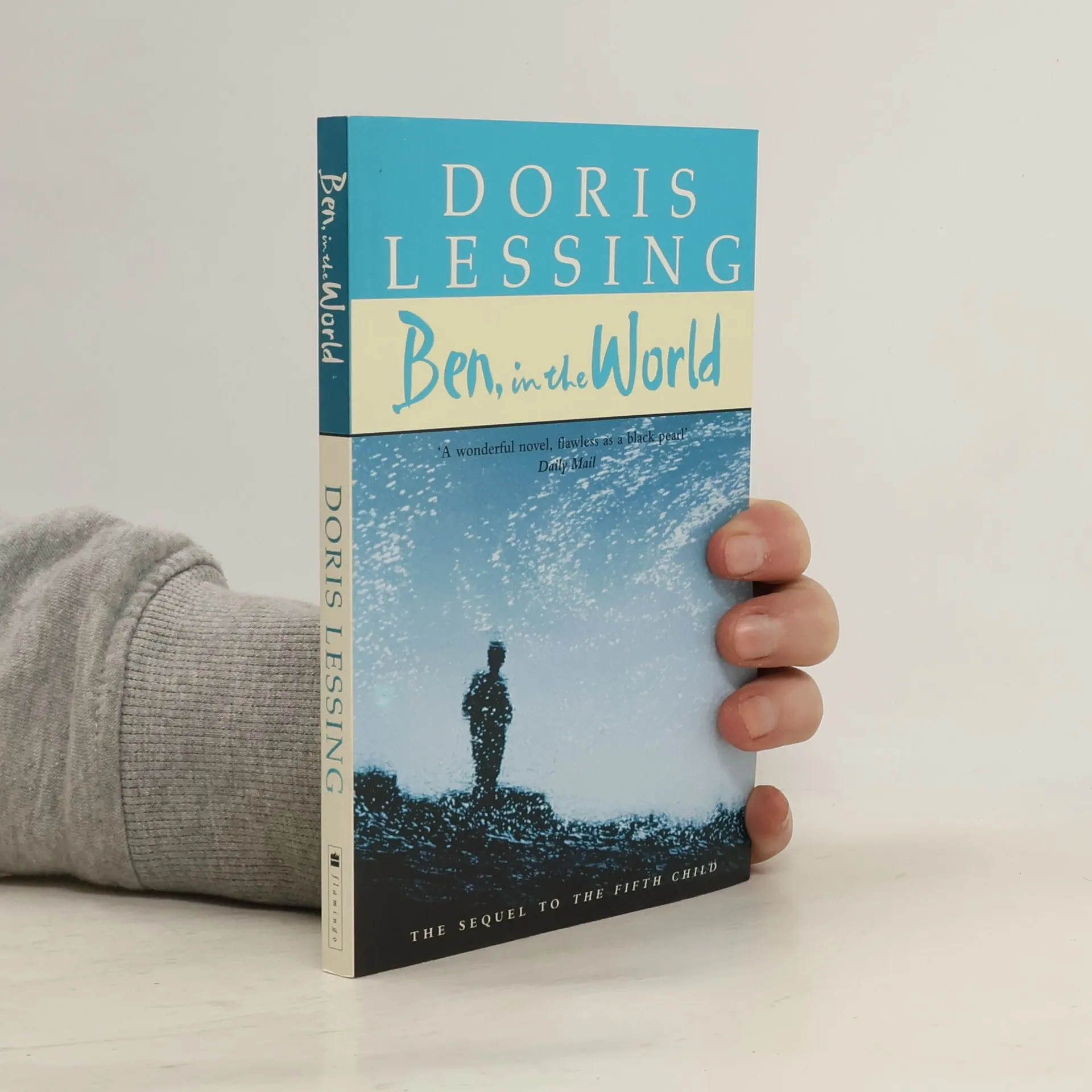
Many will recall the powerful impact The Fifth Child, Doris Lessing's 1988 novel, made on publication. Its account of idyllic marital and parental bliss irredeemably shattered by the arrival of the feral fifth child of the Lovatts made for unnerving and compulsive reading. That child, Ben, now grown to legal maturity, is the central character of this sequel, which picks up the fable at the end of the childhood where the first book ended and takes our primal, misunderstood, maladjusted teenager out into the world, where again he meets mostly with mockery, fear and incomprehension but with just enough kindness and openness to keep him afloat as his adventures take him from London to the South of France and on to South America in his restless quest for community, companionship and peace. As in Mara and Dann, Doris Lessing in this newest book returns to a plain, unadorned prose fit for fables; again, we have a childlike perspective at the heart of the book; again, the world in all its malevolence and misapprehenison swirls around at the edge, while, occasionally, a strong character steps forward to try to stake out some values and practise some good behaviour. Again, it is one of Lessi
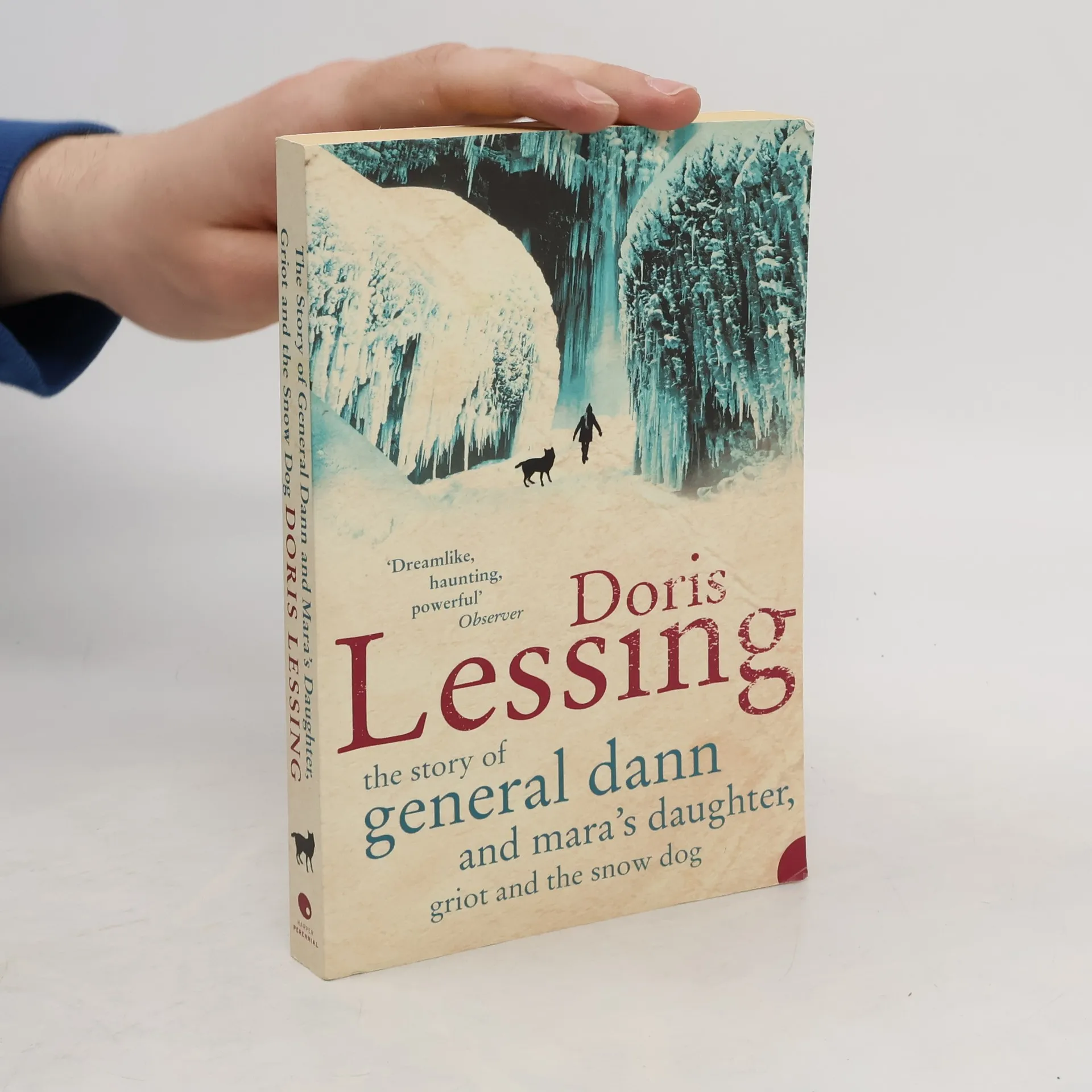
Set in a future Ice Age where the northern hemisphere is buried in snow, the story follows Mara and her younger brother, Dann, who are abducted from their Mahondi home. Raised in a challenging rural village, they face threats from nature and a hostile community. As drought drives them north in search of sustenance, they navigate cities filled with crime and corruption, exploring the complexities of human nature and society. This imaginative narrative offers a profound reflection on survival and the human condition.
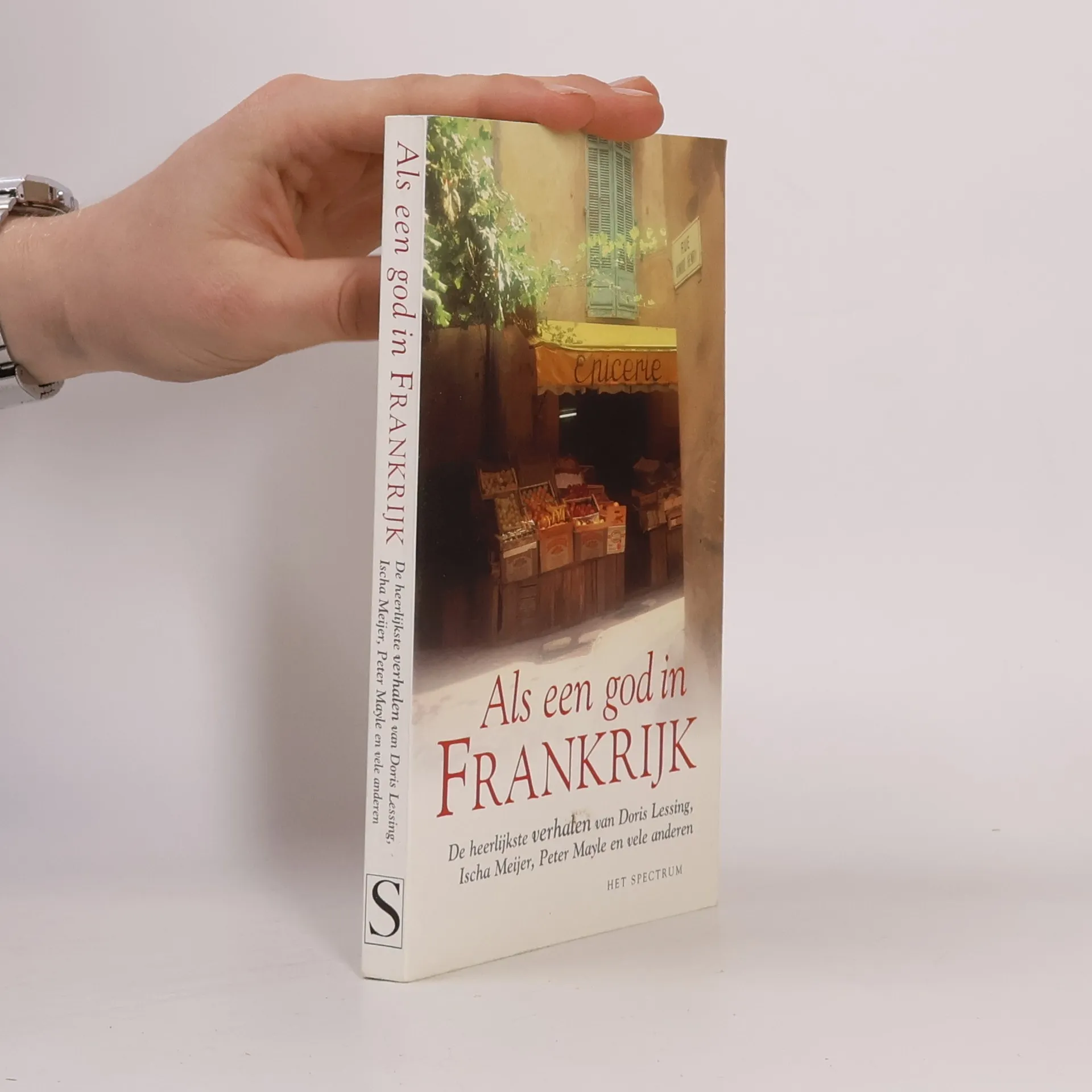
De heerlijkste verhalen van Doris Lessing, Ischa Meijer, Peter Mayle en vele anderen
195 pages
7 hours of reading
Prachtige verhalen over Frankrijk van uiteenlopende auteurs als Simon Carmiggelt, Doris Lessing, Ischa Meijer, James Thurber, Inez van Dullemen, Peter Mayle en vele anderen.
I want, therefore I am. The cry of children down the ages (I want! I want!) turns out to be the cry of adults also. The things we desire — love, money, wisdom, power — have not changed since the world began, but it seems we want more of them, and now . But what if we get what we hope for? What if we don't?
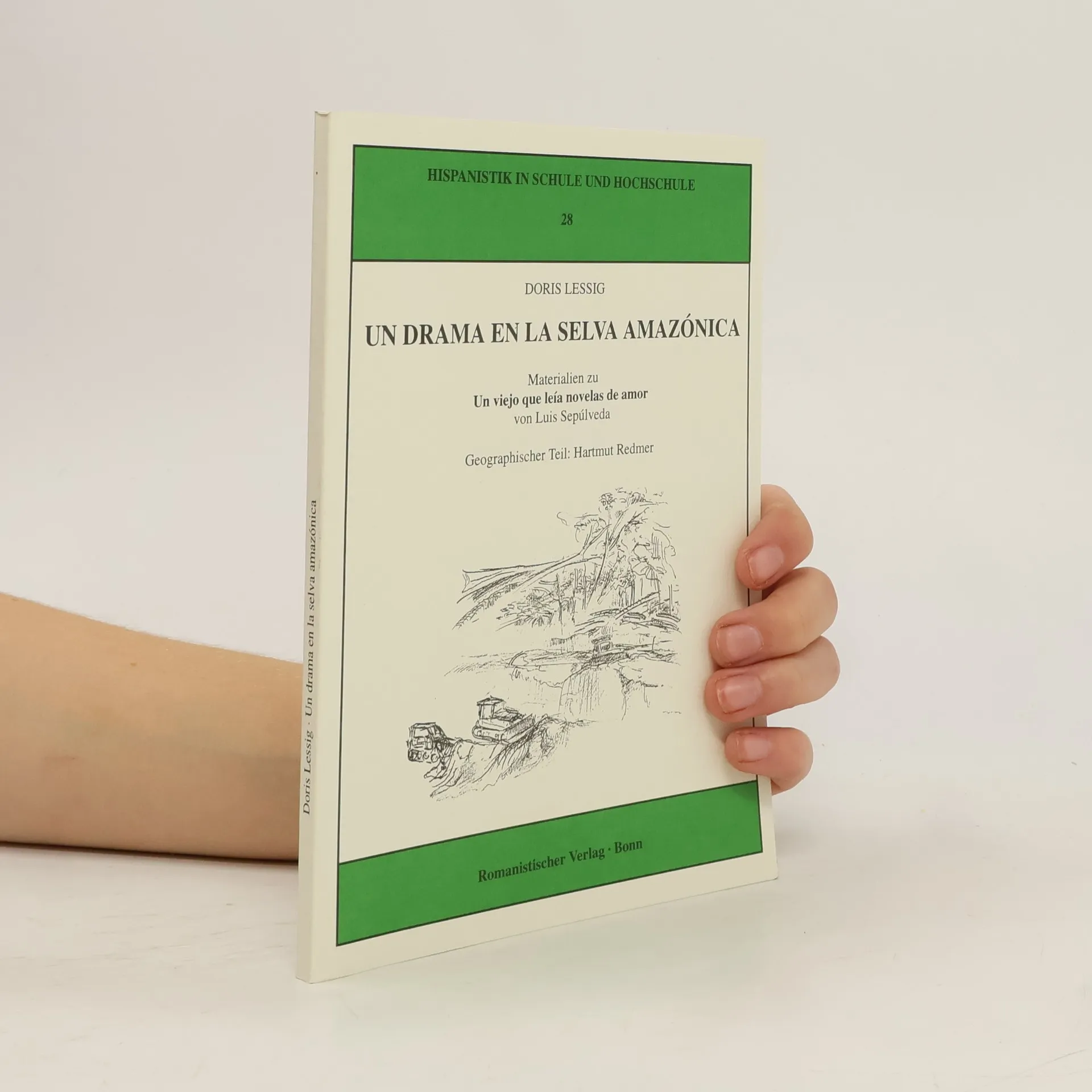
das Bändchen bietet eine umfangreiche Didaktisierung des Erfolgsromans von Sepúlveda, mit Vokabellisten, Zusatztexten, Übungen. Geeignet für Grund- und Lei- stungskurse.
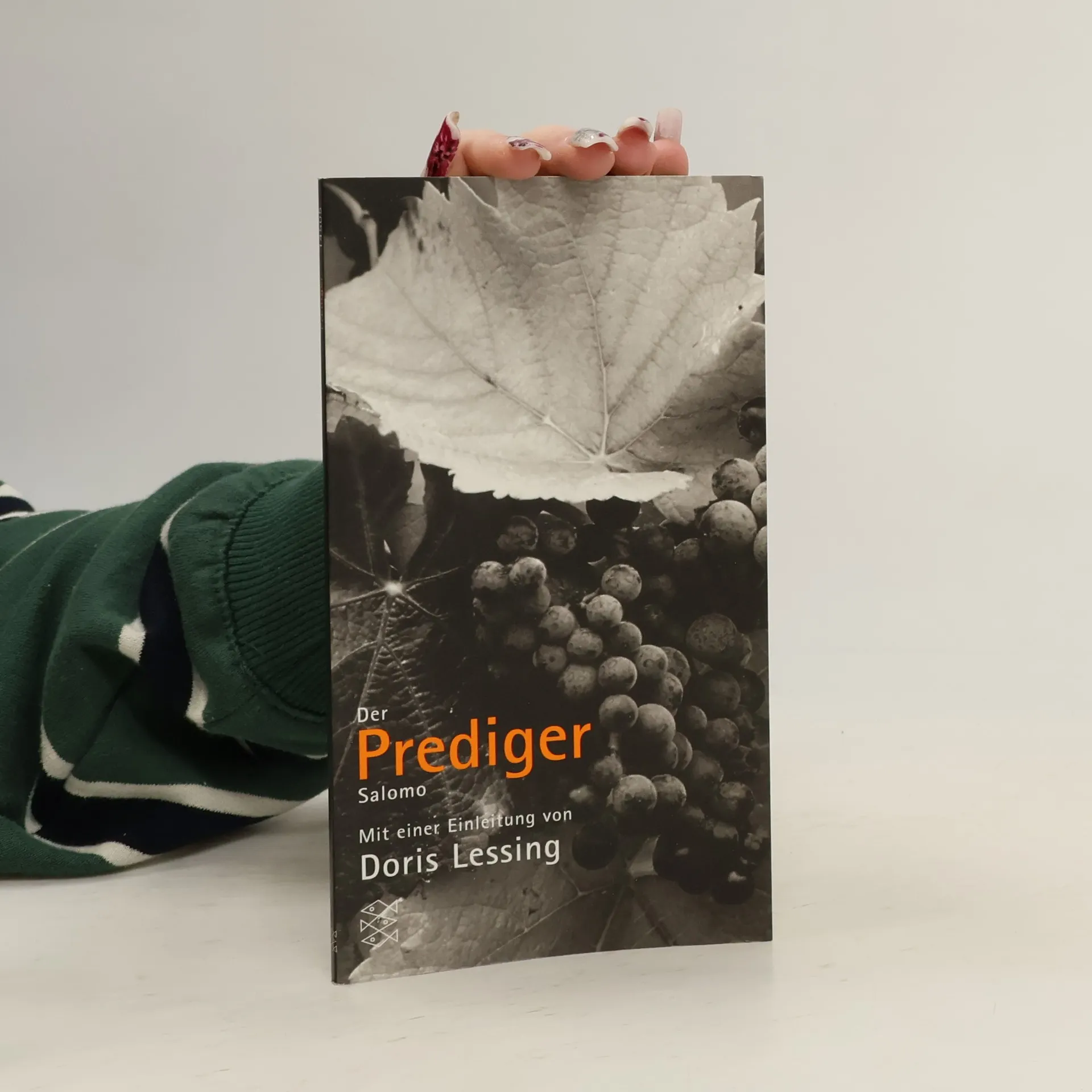
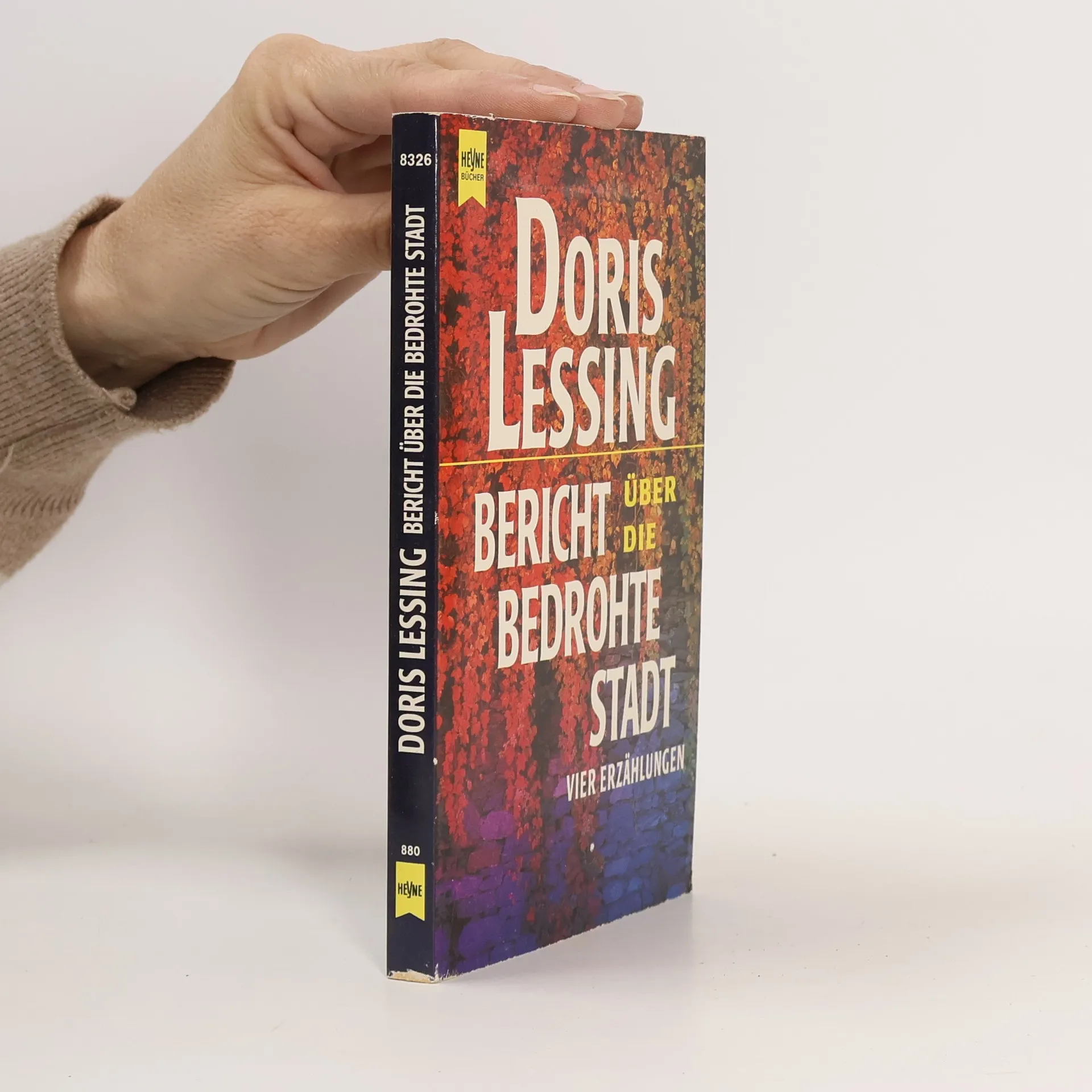
Von der Nobelpreisträgerin für Literatur, Doris Lessing, eine markante Science-Fiction-Kurzgeschichte. Unbekannte Beobachter senden Berichte über eine Stadt, die von Zerstörung bedroht ist. Sie sammeln Informationen über die Bewohner und ihr Verhalten. Bald wird klar, dass dies alles andere als ein fremder Planet ist. Wie in vielen ihrer gefeierten Science-Fiction-Romane nutzt Doris Lessing in „Bericht über die bedrohte Stadt“ die Traditionen dieses Genres, um die uns bekannte Welt und die menschliche Natur selbst aus einer völlig neuen und oft unbarmherzigen Perspektive zu betrachten.
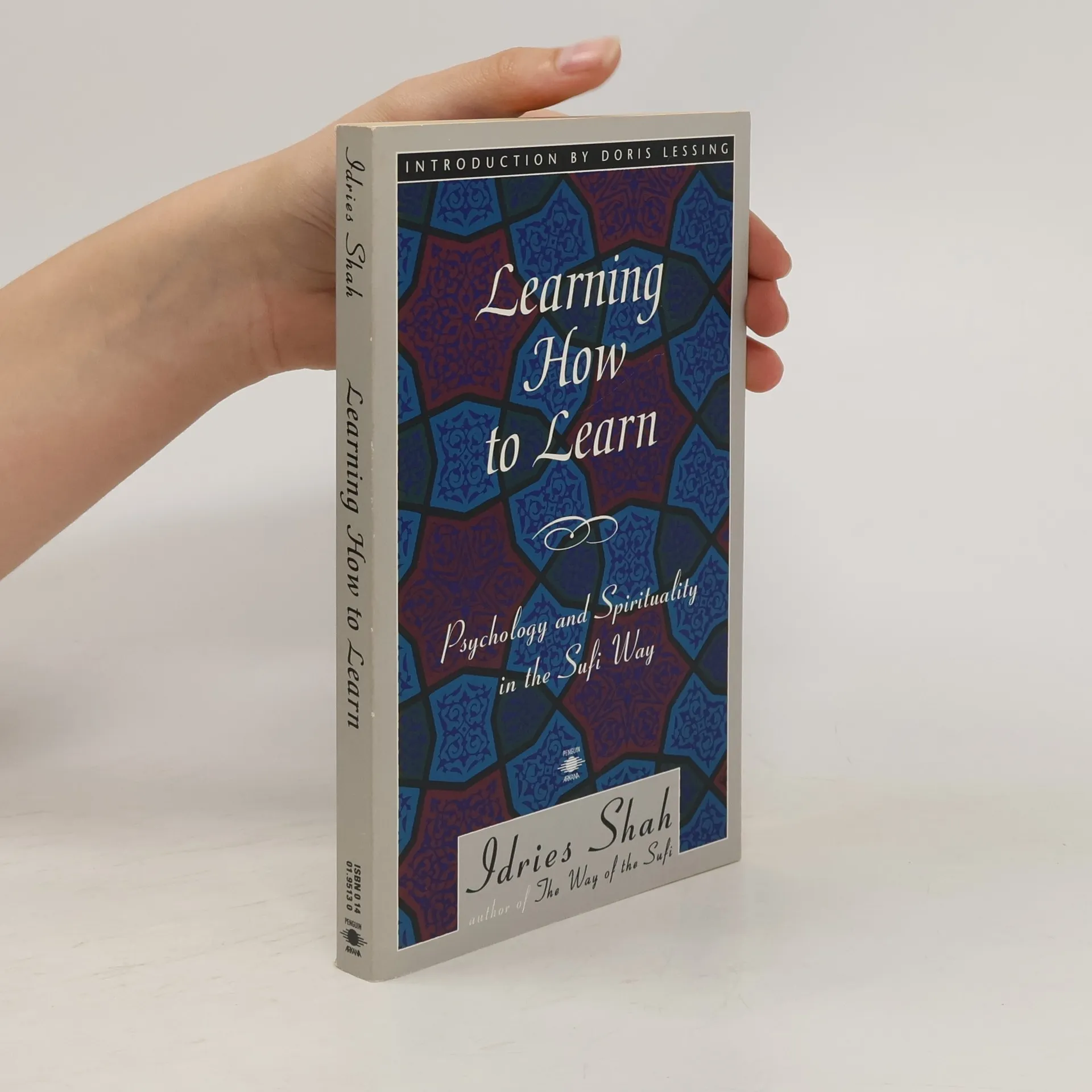
In response to the many inquiries he has received about the Sufi tradition from people from all walks of life, leading Sufi expert Idries Shah presents a clarifying series of questions and answers that illustrates how traditional Sufi concepts can resolve our social, psychological, and spiritual problems.
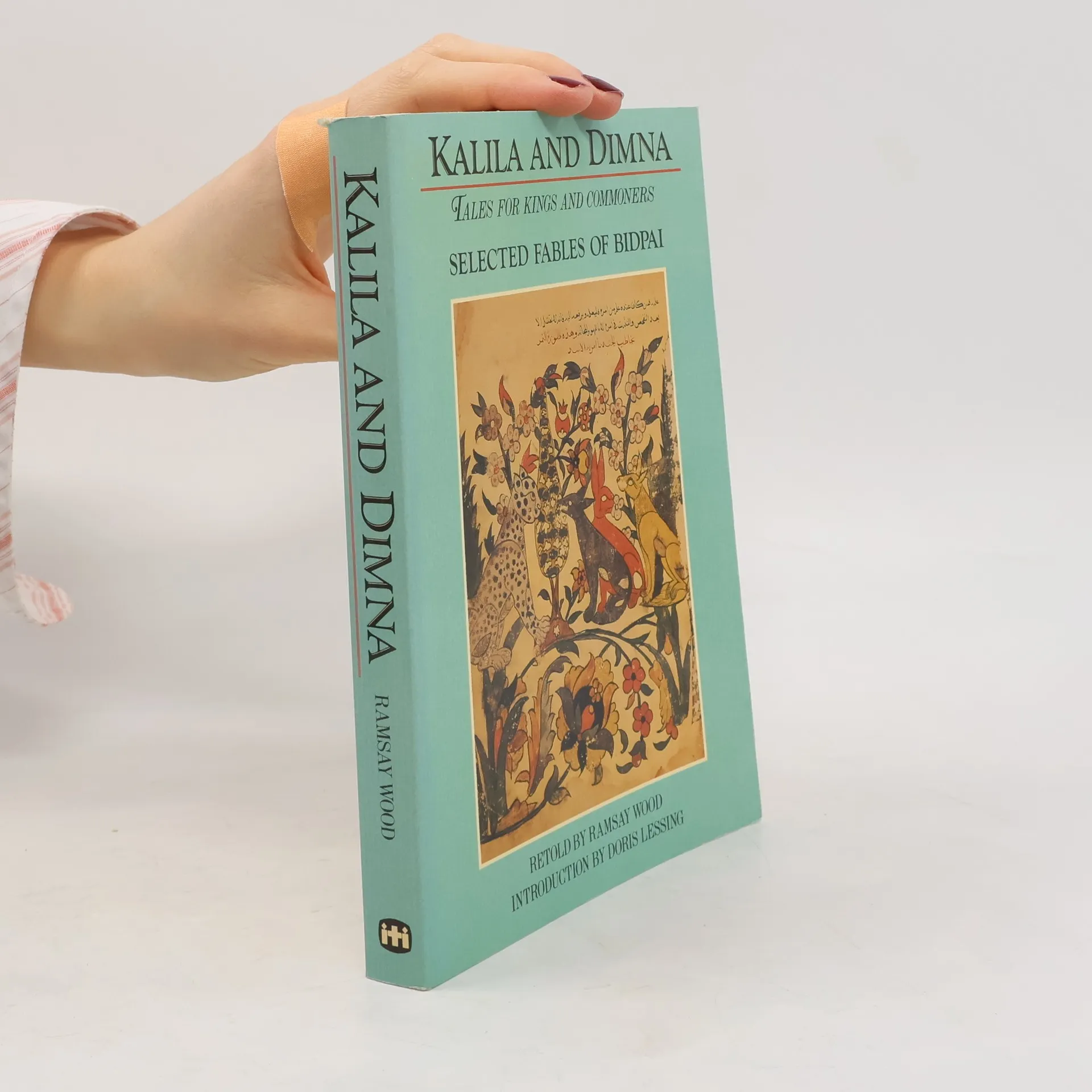
Tales for Kings and Commoners. Selected Fables of Bidpai
172 pages
7 hours of reading
This multi-layered collection of animal stories, known in Europe since 1483 as "The Fables of Bidpai," features interwoven tales that have influenced world literature for over 2000 years. Originating from ancient cultures, these narratives have inspired fables from Aesop to La Fontaine. In its original Arabic form, it serves as a 'Mirror for Princes,' offering indirect lessons on governance through engaging stories. The fables, rich in insight into human nature, provide sage advice without overt moralizing.
Ramsay Wood's modern retelling, based on various scholarly translations, is the first comprehensive English version in over 400 years. It highlights themes of deceit, political intrigue, and the complexities of life, showcasing a cast of characters ranging from kings to cunning animals. These stories, filled with humor and poignancy, educate both rulers and commoners about the realities of existence, revealing the often-hidden truths beneath our daily lives.
Wood's captivating style blends oral storytelling traditions, making the tales accessible and relevant for contemporary readers. This beautifully illustrated collection is a treasure for all ages, emphasizing the importance of wise leadership, managing power, and the value of true friendship. Critics praise it for its vibrancy and depth, positioning it alongside classic retellings in literary history.
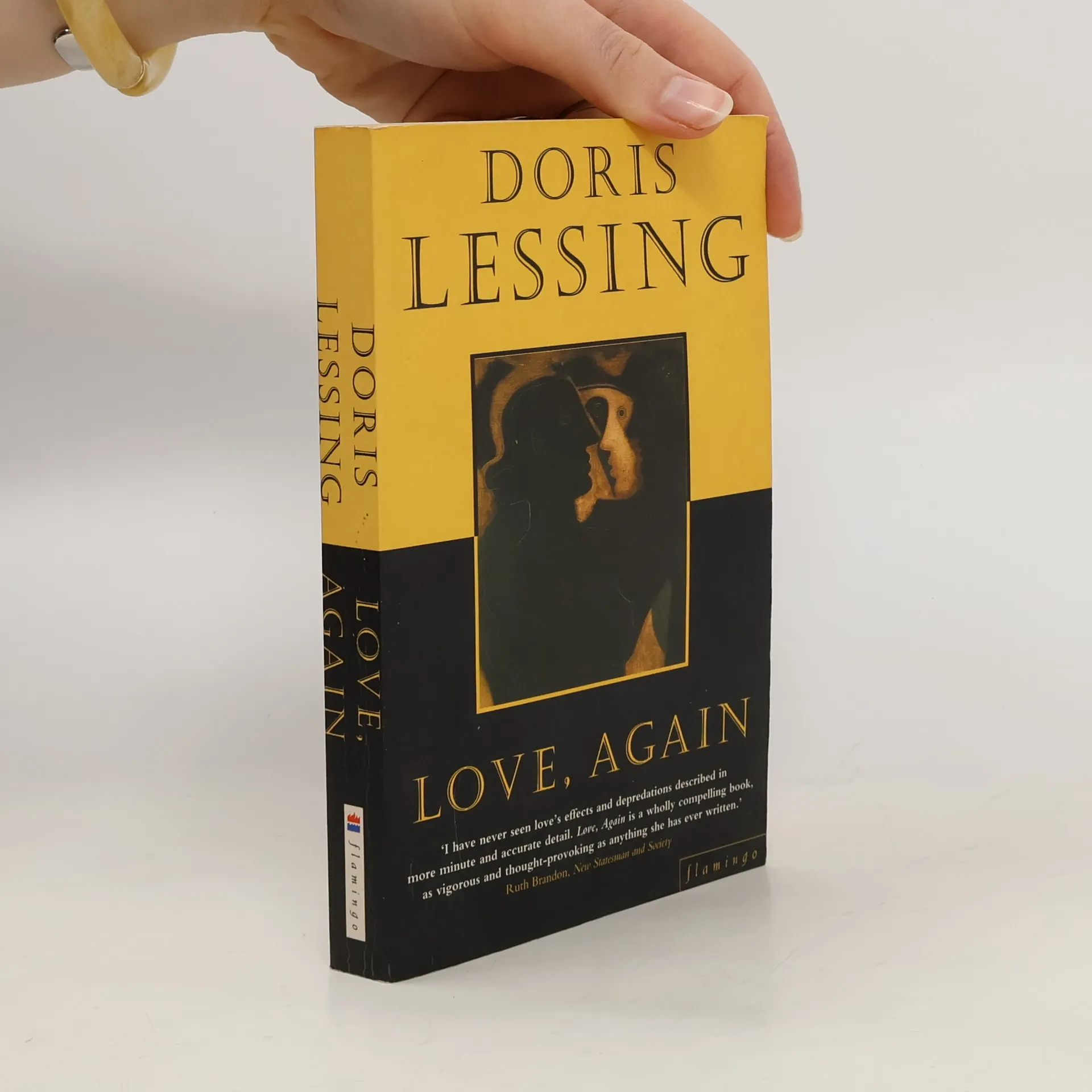
A fierce, compelling account of the nature and origins of love from Doris
Lessing, one of the most acclaimed writers of the twentieth century and winner
of the Nobel Pize for Literature 2007.
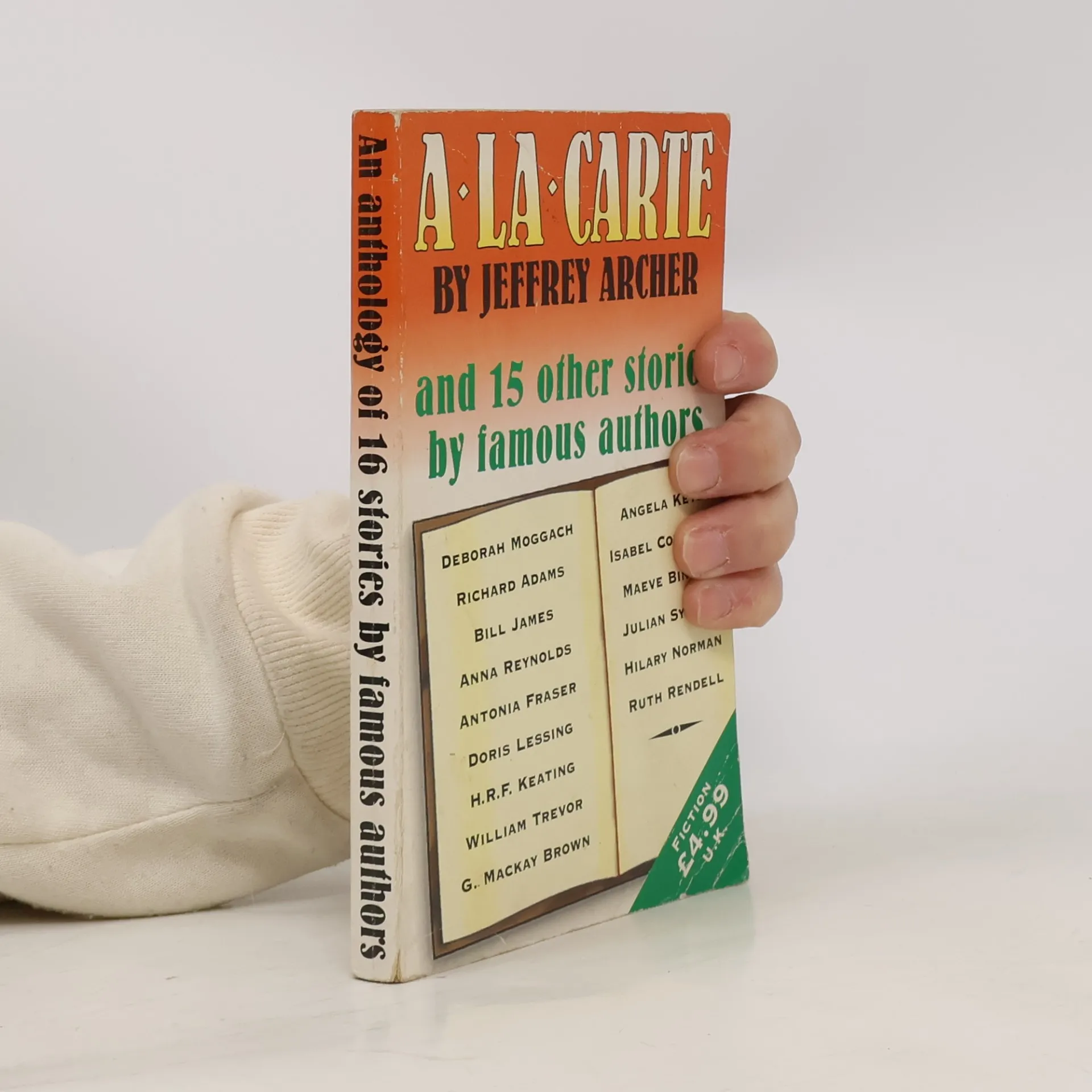
An anthology of short stories by famous authors who have given freely their talents for the National AIDS Trust charity.Foreward - HRH Diana, Princess of WalesIntroduction - Auberon WaughThe Inspiration - Jason CheritonA La Carte and fifteen other stories:A La Carte - Jeffrey ArcherLucky Dip - Deborah MoggachA Dog in the Dark - Richard AdamsTail - Bill JamesA Safe Place - Anna ReynoldsThe Case of the Parr Children - Antonia FraserRomance 1988 - Doris LessingThe Bunting Affirms - H.R.F. KeatingOld Flame - William TrevorThe Village - George Mackay BrownSound Proof - Angela KeysThe Nice Boys - Isabel ColegateRecipe for Victory - Maeve BinchyThe Flowers that Bloom in the Spring - Julian SymonsVampire - Hilary NewmanPaperwork - Ruth RendellPostscript - Sir John Gielgud
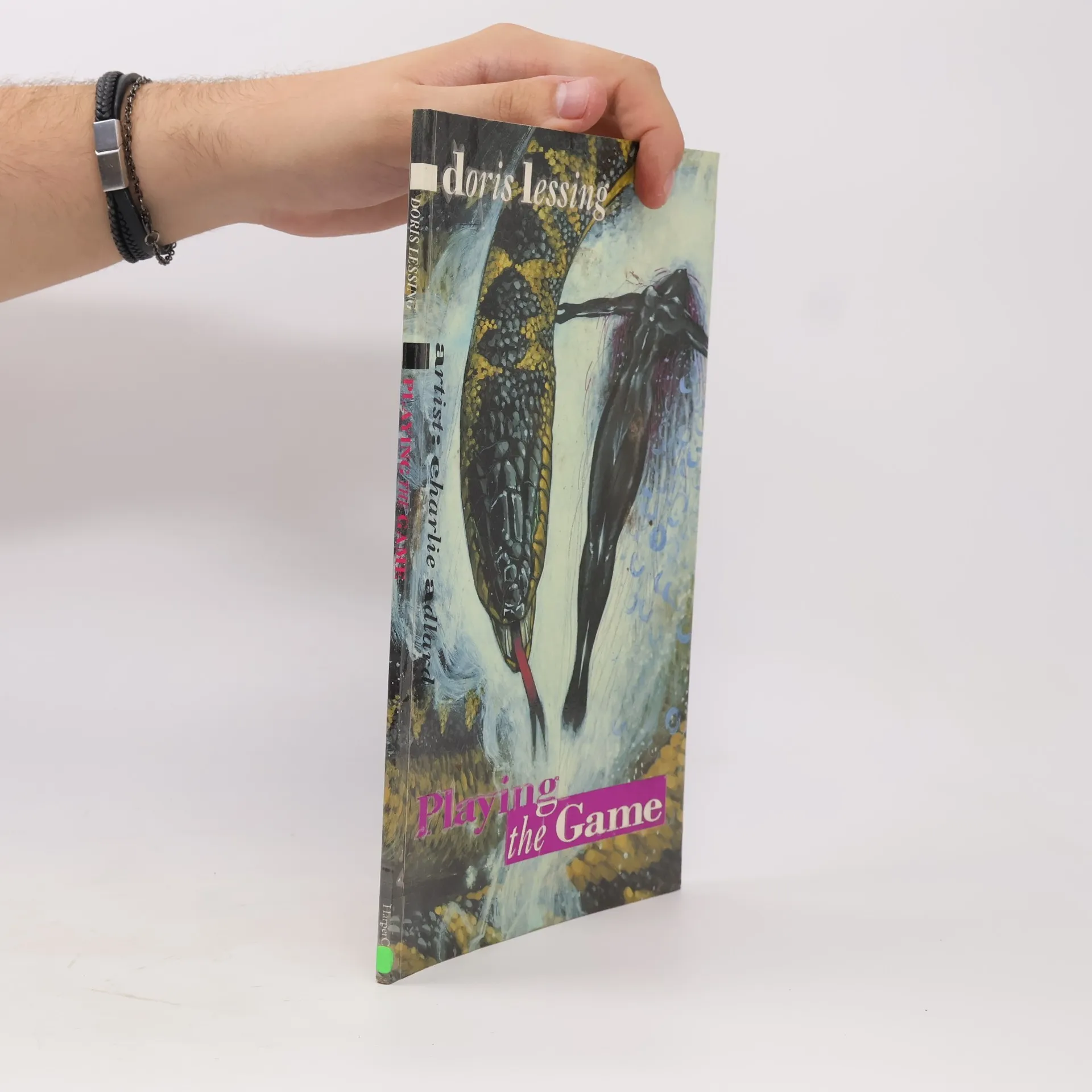
Like the author's Canopus in Argos novels, this graphic novel is an exercise in speculative imagination. It marks a venture into new creative territory for Lessing, and is illustrated by the young British artist Daniel Vallely.
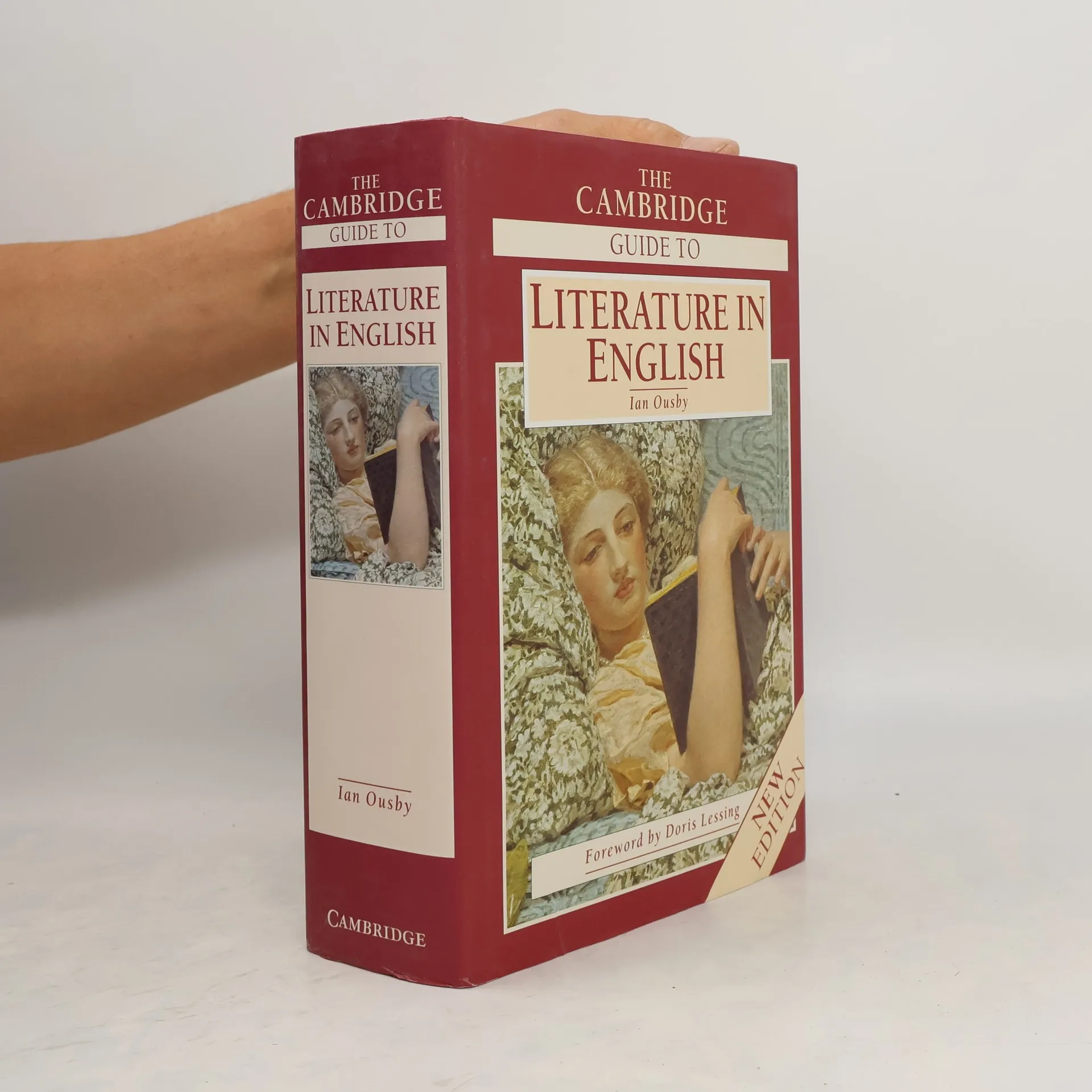
Substantially enlarged and updated for this new edition, The Cambridge Guide to Literature in English is the definitive guide to the vast and extraordinarily rich heritage of literature written in English. It covers all the major novelists, poets and dramatists - from Shakespeare, Milton, Wordsworth, Austen, Dickens to Conrad and to contemporary writers from all over the English-speaking world - Saul Bellow, Adrienne Rich, Les Murray, Wole Soyinka, and Janet Frame. More than 100 specialist contributors provide detailed biographical and critical articles not only on writers and their works. Substantial coverage is also given to such literary genres as popular fiction, science fiction, detective novels, and children's classics. All literary concepts and movements are described in detail. • Over 4,500 alphabetical entries, cross-referenced throughout • Includes all literature in English - British, Irish, American, Australian, African, Canadian, New Zealand, Indian and Caribbean • Illustrated throughout with over 115 photographs and line drawings
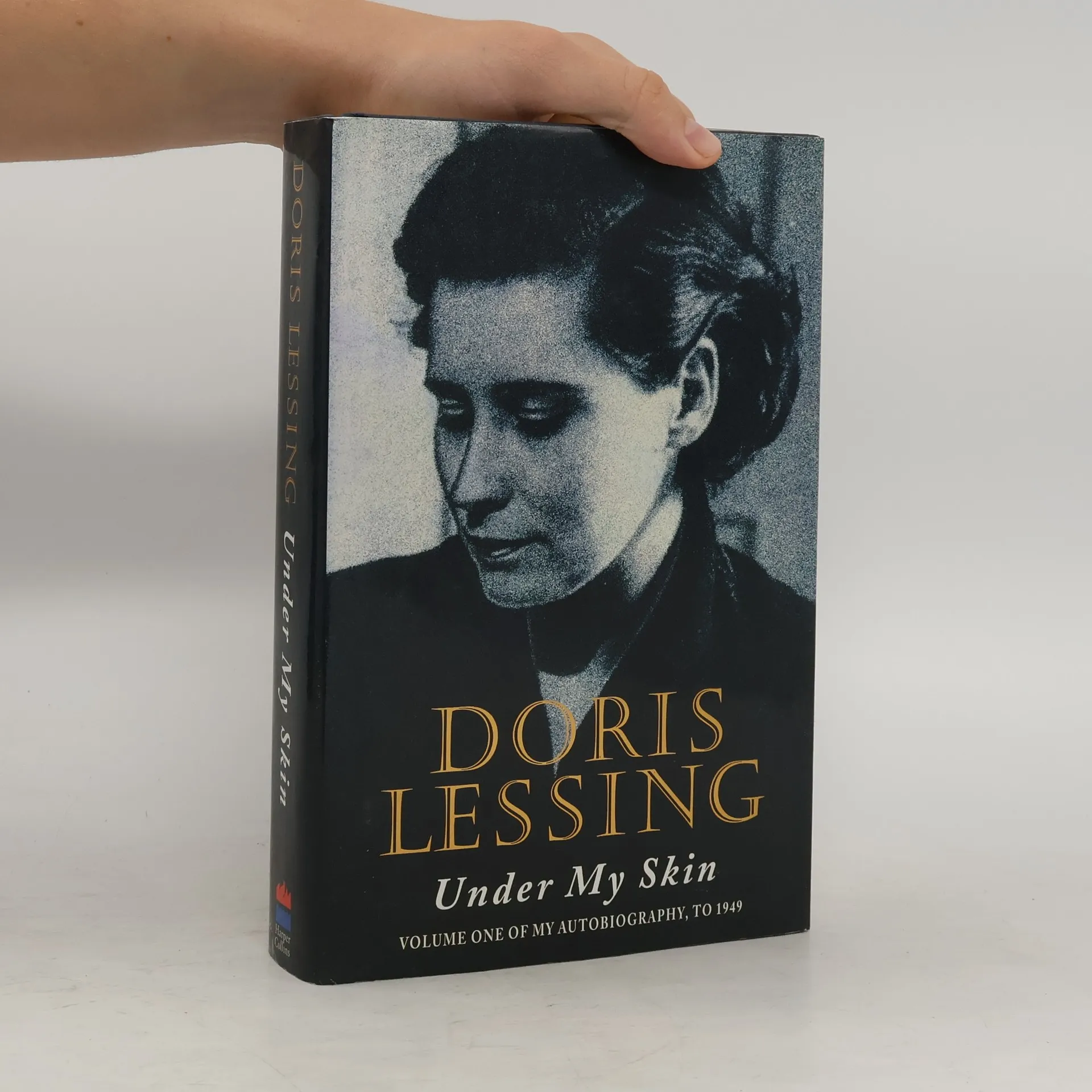
A collection of interviews with the winner of the Nobel Prize for Literature that serves as an invaluable companion to her work. Doris Lessing is one of the greatest literary figures of the twentieth and twenty-first centuries. These interviews give us her thoughts on her early years as a communist and fledgling writer in Southern Rhodesia, her views on marriage, the family and feminism, on other writers from Tolstoy to Lawrence, and on her later experiments in psychotherapy and mysticism. She reveals how these preoccupations have influenced her own work, from ‘The Golden Notebook’ to her acclaimed autobiographical masterpiece ‘Under My Skin’. The book is essential reading for anyone who wishes to understand not just Lessing, but also the profound impact she has had on our age.
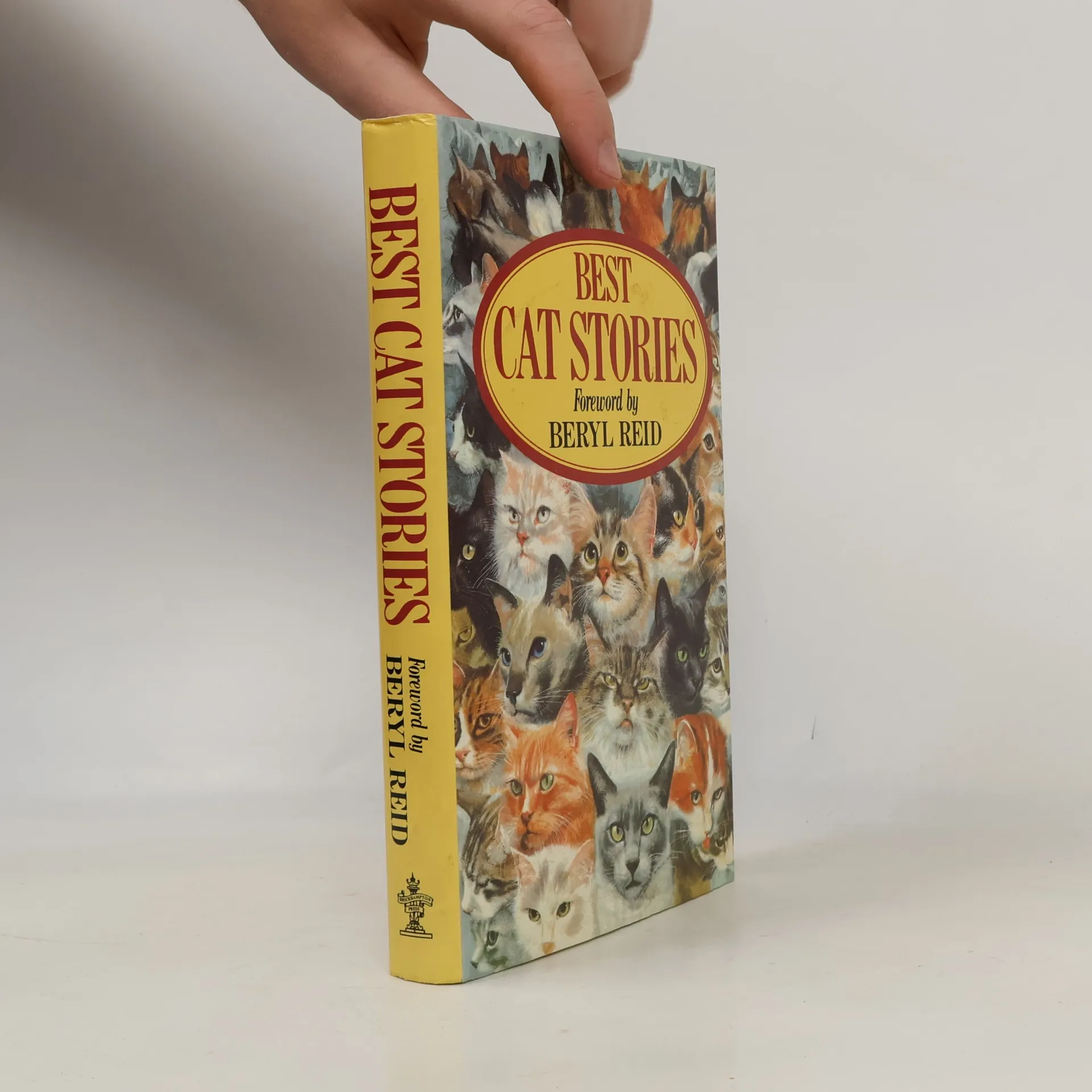
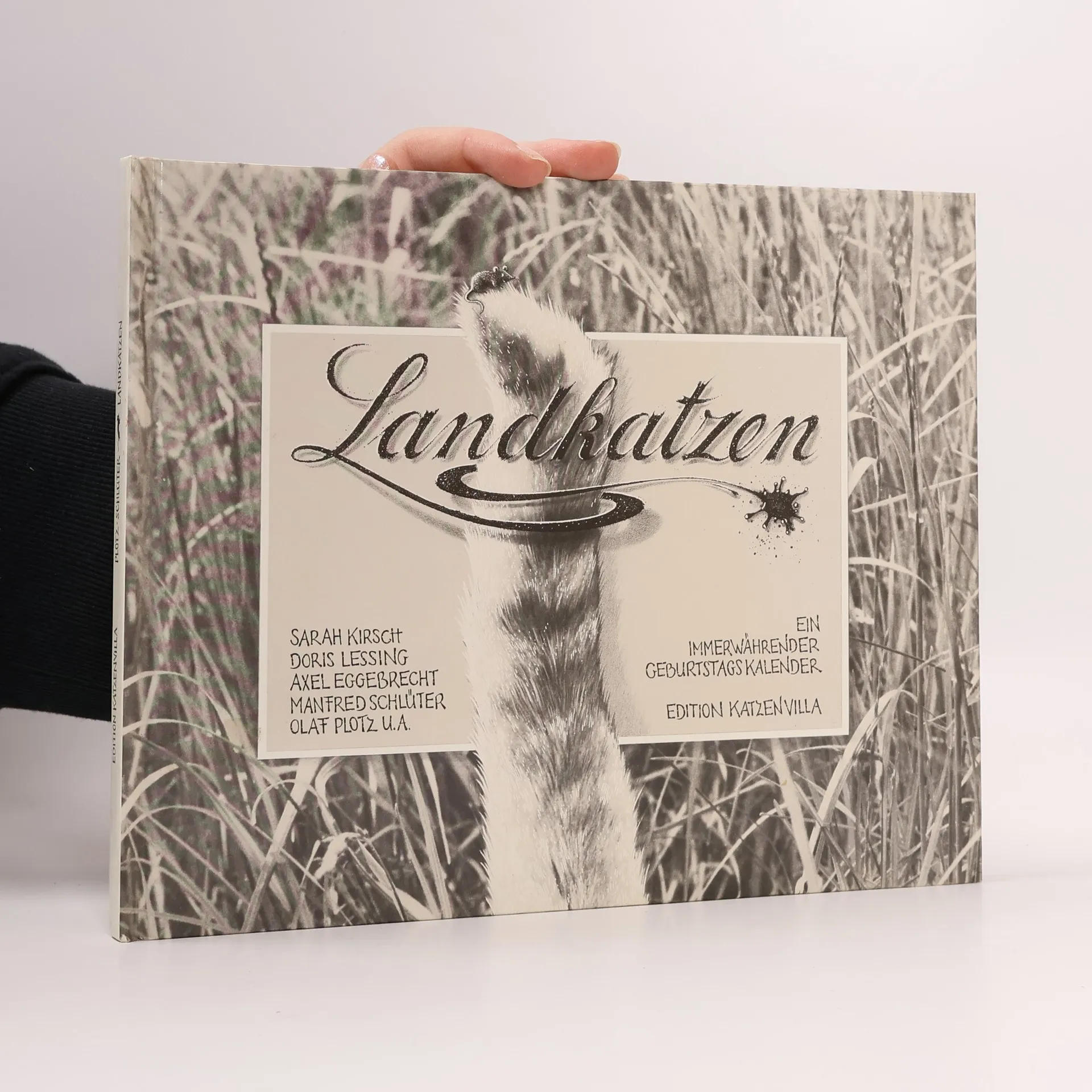
An anthology of 23 cat stories from classic authors, cats which are comic, heroic, spoiled, fat and even a desert island cat, embellished with specially commissioned line drawings by William Geldart.
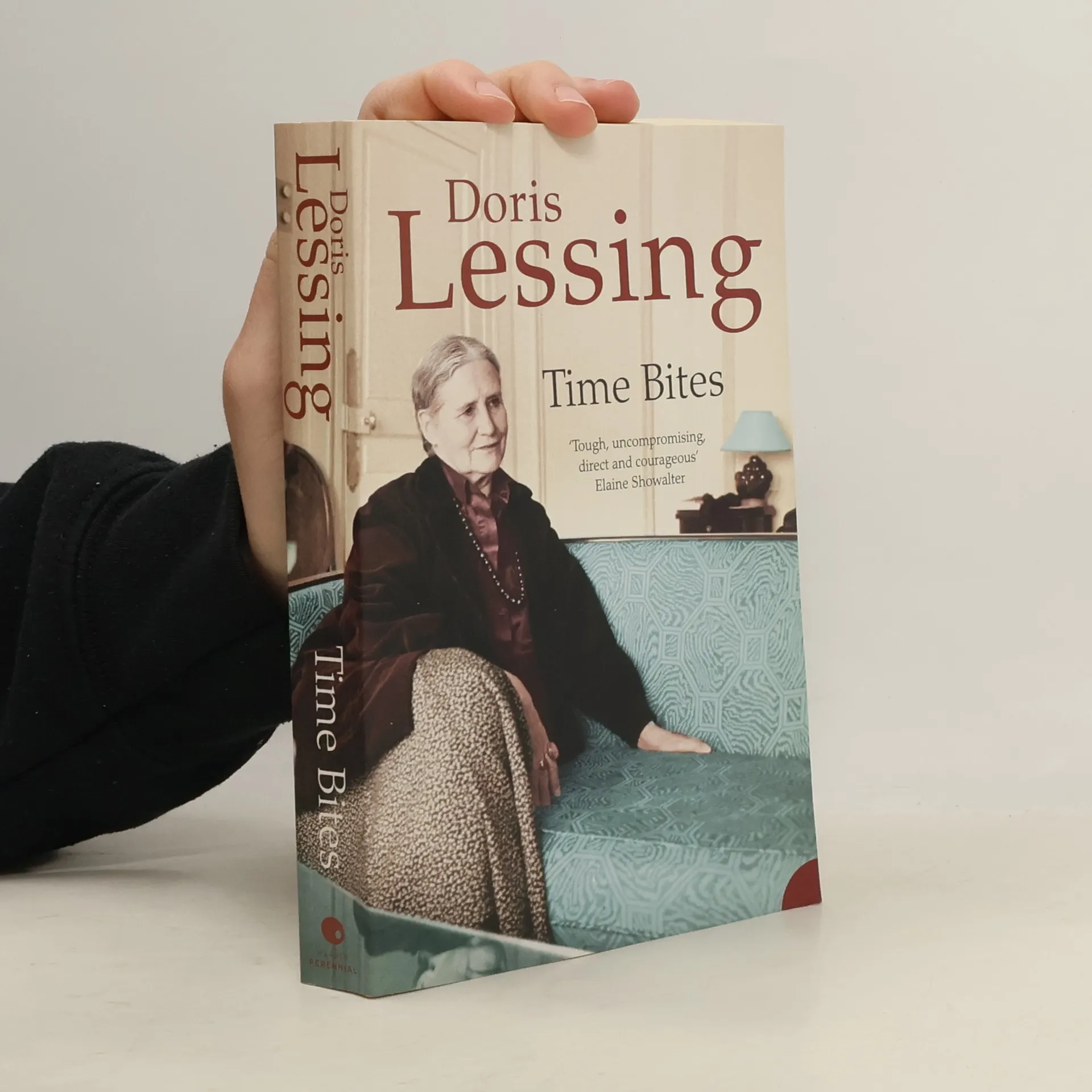
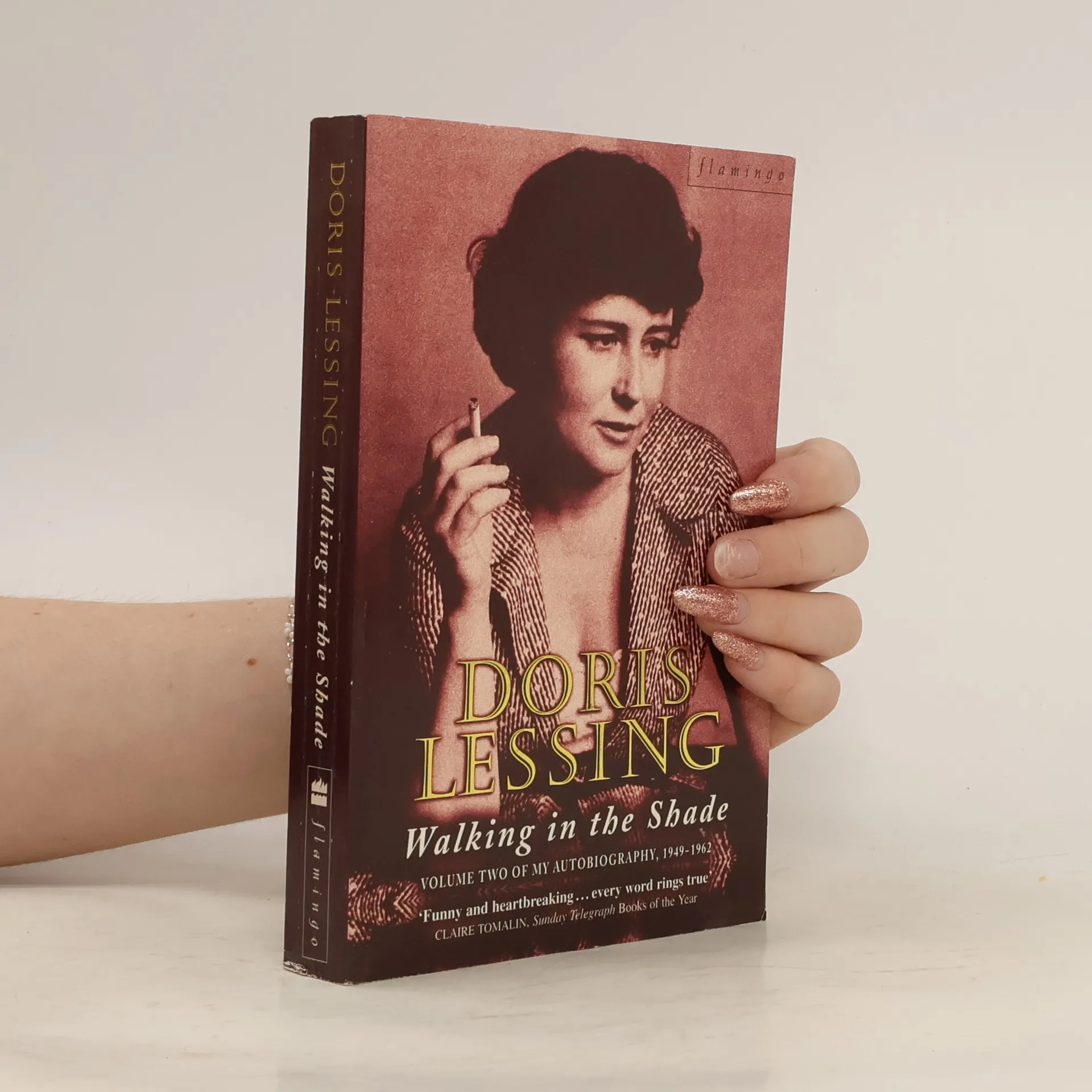
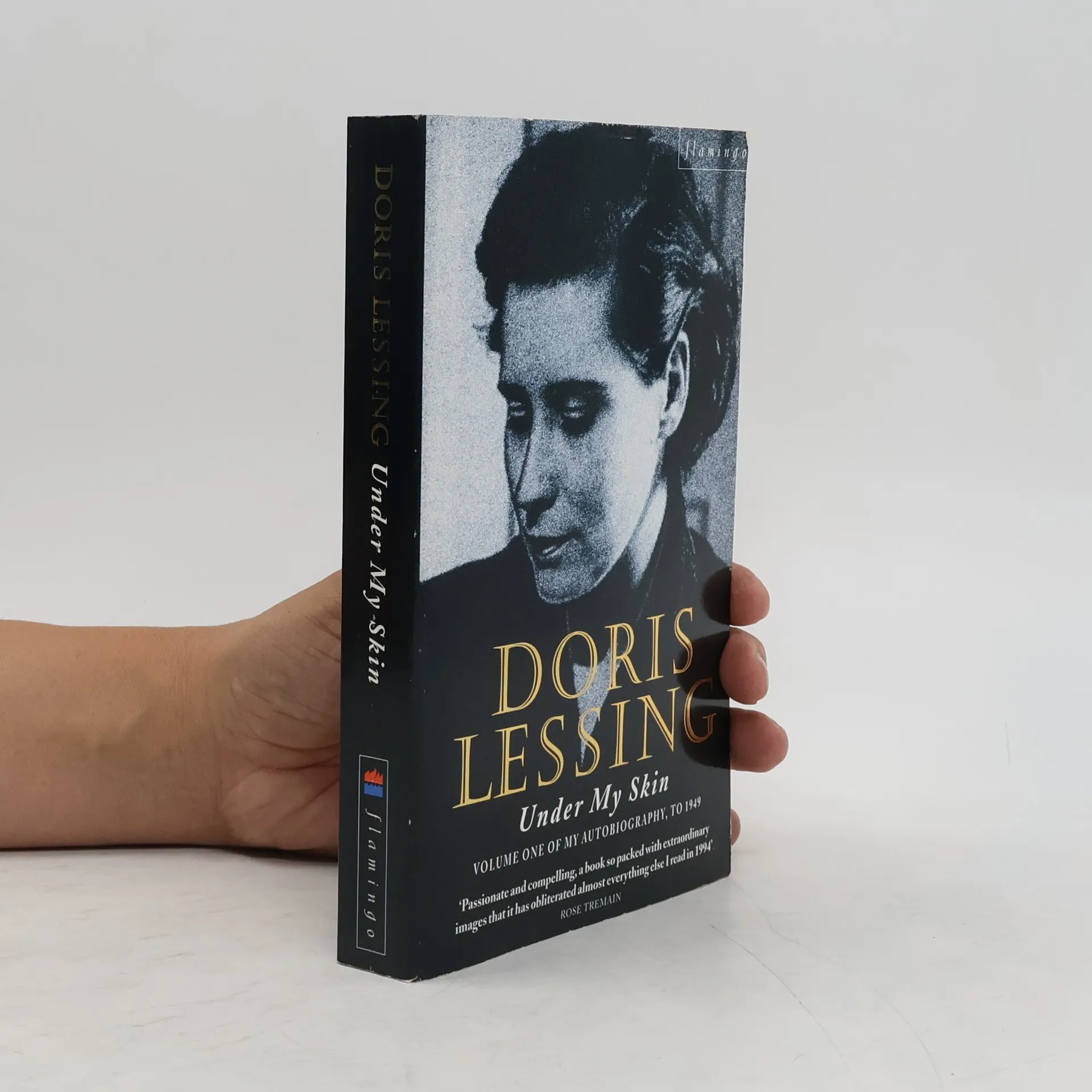
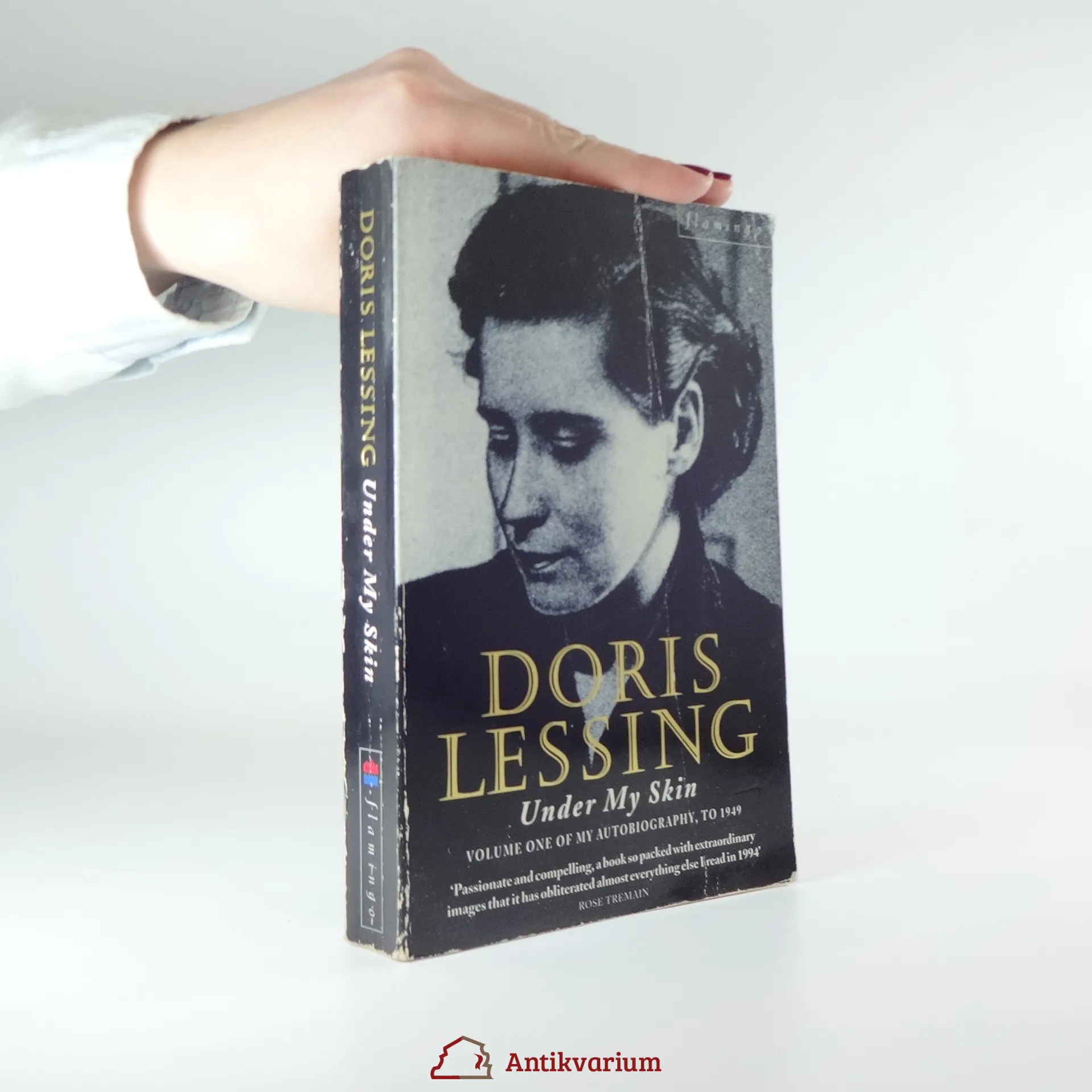
This book begins with Lessing's childhood in Africa, recalling her marriages and involvement in communist politics and ends on her arrival in London in 1949, with the typescript of her first novel - The Grass is Singing - in her suitcase.
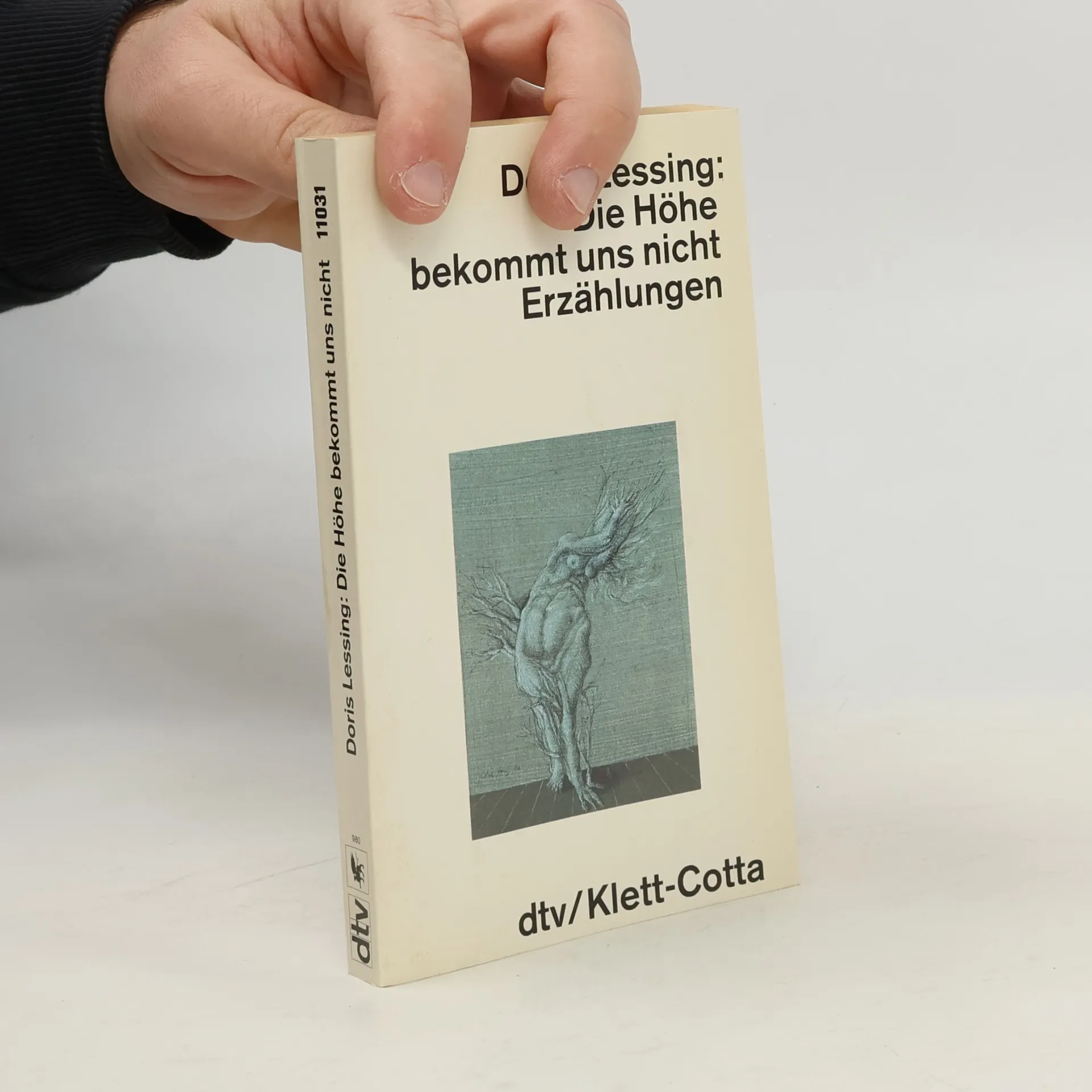
»Rufus besaß die Intelligenz des Überlebenskünstlers. Er war ein zerzauster Kater, unter dessen schmutzigem, struppigem Fell die Knochen hervortraten. Aber er hatte eine wunderschöne Farbe, wie Feuer, wie ein Fuchs.«
In this portrait of Doris Lessing's homeland, the author recounts the visits she made to Zimbabwe in 1982, 1988, 1989 and 1992, after being banned from the old Southern Rhodesia for 25 years for her political views and opposition to the minority white Government. The visits constitute a journey to the heart of a country whose history, landscape, people and spirit are evoked by the author in a narrative of detail. She embraces every facet of life in Zimbabwe from the lost animals in the bush to political corruption, from AIDS to a successful communal enterprise created by rural blacks, and notes the kind of changes that can only be appreciated by one who has lived there before.
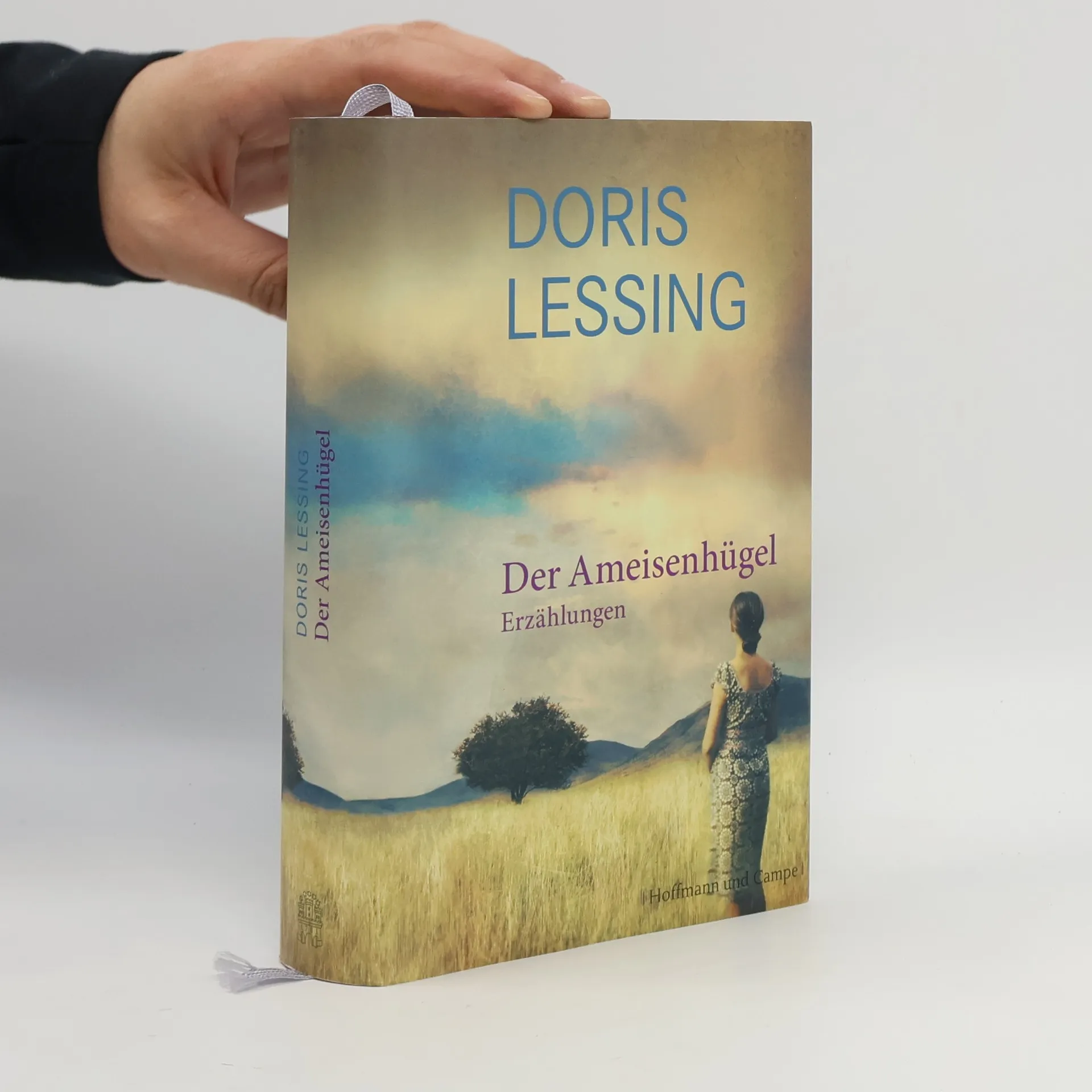
Published in America as The Real Thing: Stories and Sketches. Across eighteen short stories, Lessing dissects London and its inhabitants with the power for truth and compassion to be expected of the Nobel Prize for Literature 2007. 'During that first year in England, I had a vision of London I cannot recall now … it was a nightmare city that I lived in for a year. Then, one evening, walking across the park, the light welded buildings, trees and scarlet buses into something familiar and beautiful, and I knew myself to be at home.' Lessing’s vision of London – a place of nightmares and wonder – underpins this brilliantly multifaceted collection of stories about the city, seen from a cafe table, a hospital bed, the back seat of a taxi, a hospital casualty department; seen, as always, unflinchingly, and compellingly depicted.
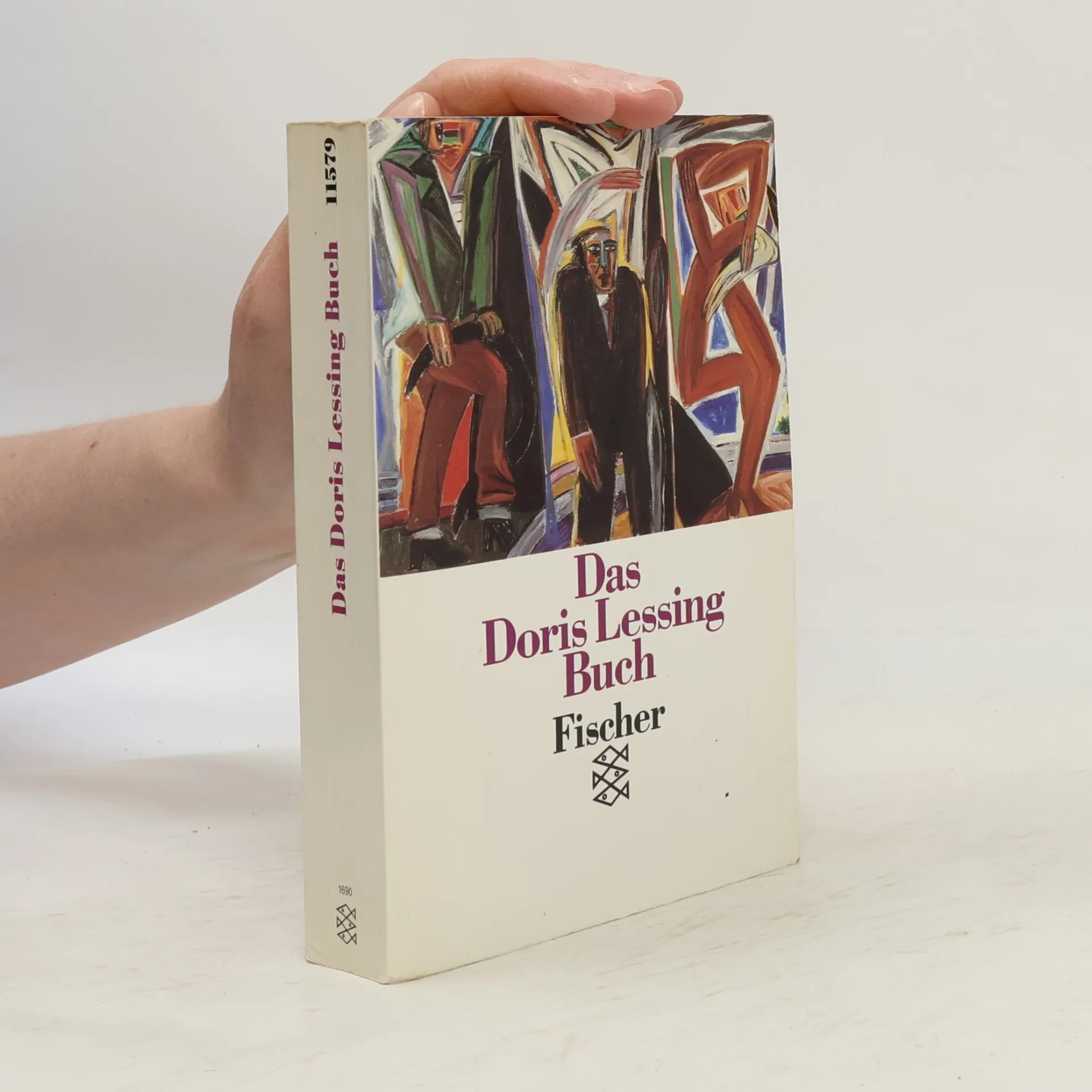
Der Band bietet einen Überblick über das schriftstellerische Schaffen Doris Lessings und ermöglicht ein erstes Kennenlernen dieser Autorin von Weltrang.
Approaching a liberal arts tradition in the classroom, across the curriculum, and beyond, The McGraw-Hill Reader offers rich and diverse readings in education, the social sciences, business and economics, the humanities, and the sciences. This new eleventh edition offers a new focus on reading and composing across various media; it includes over 100 selections from prominent thinkers and writers; each essay was chosen to provoke critical thought and encourage effective writing.
A classic tale from Doris Lessing, Winner of the Nobel Prize for Literature 2007, of a family torn apart by the arrival of Ben, their feral fifth child.
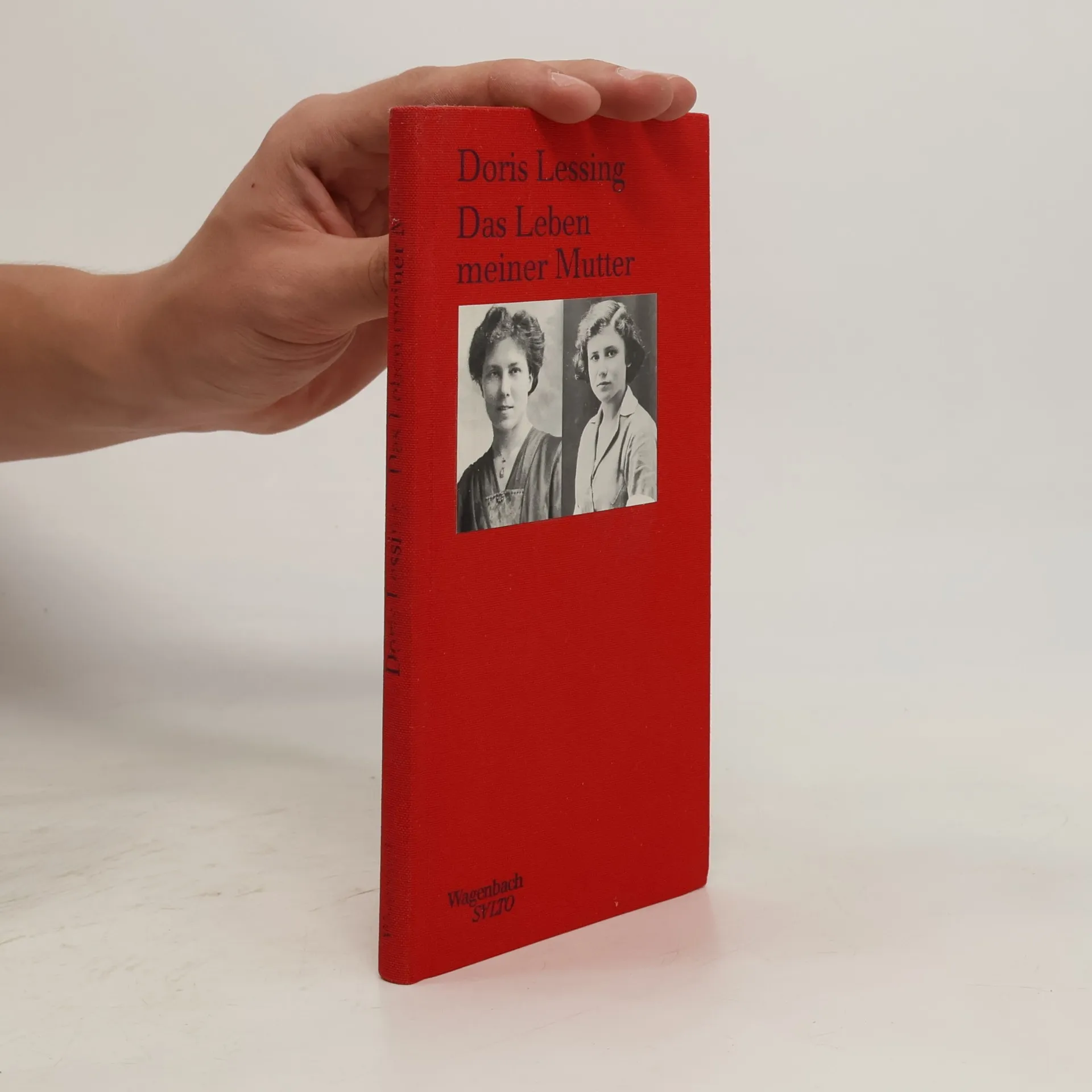
Das wohl persönlichste Erinnerungsbuch der großen englischen Erzählerin: die nachdenkliche Auseinandersetzung mit zwei eigenwilligen Frauen: ihrer Mutter und sich selbst. Die Tochter, die in der Tat klüger wurde als viele andere, erinnert sich an das Rhodesien der dreißiger Jahre, an das Leben ihrer Mutter und an sich selbst, 'das Idealbild einer schwierigen Heranwachsenden'. Sie beschreibt, ratlos noch heute, wie unerträglich ihre Mutter war und wie unerträglich sie, die Tochter.
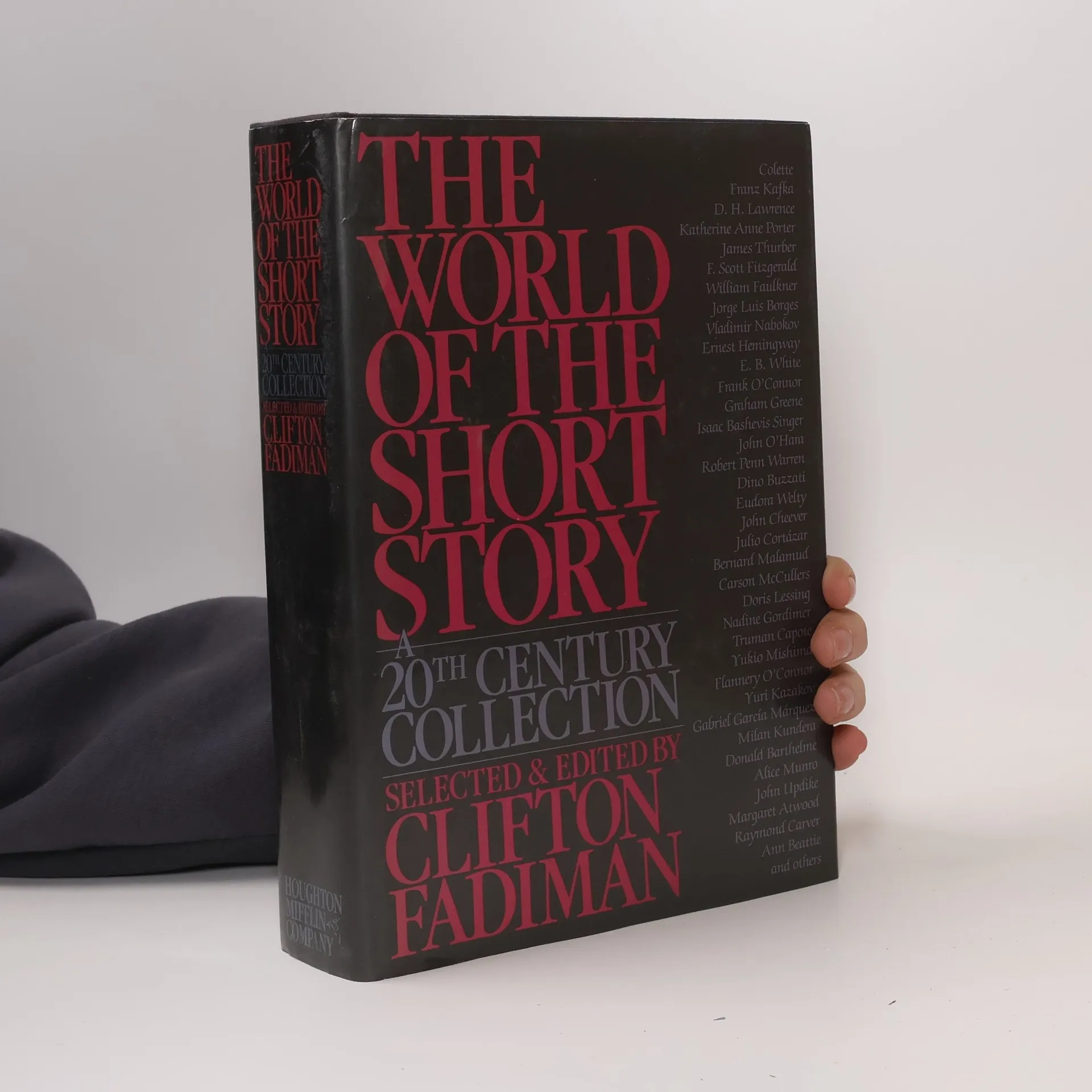
At age 82, Clifton Fadiman continues his prolific publishing career, here presenting 62 of the world's best short stories from 16 countries. His criteria? "Each story had to be both interesting and of high literary merit." Fadiman fulfills both requirements and much more, offering a cornucopia of superior 20th-century writers that includes Franz Kafka, D. H. Lawrence, Isaac Babel, F. Scott Fitzgerald, William Faulkner, Ernest Hemingway, John Cheever, Sean O'Faolain, Graham Greene, Robert Penn Warren, Colette, John Updike, Donald Barthelme, and James Thurber. (Regrettably, J. D. Salinger is not included due to lack of permission.) Here is a truly remarkable collection of this century's short stories that readers from all over the world will read with delight.
Janna, bella ed elegante, con alle spalle un solido successo professionale, conosce una piccola e vecchia signora, Maudie, e da questo incontro casuale nasce una stretta amicizia, un legame quasi simbiotico. La prima comincia a condividere le manie e le abitudini della seconda, i suoi malanni senili, e viene così a contatto con un mondo disordinato e dolente ma anche affascinante, che le permette di scoprire dimensioni esistenziali da lei ignorate fino a quel momento. Il diario di Jane Somers si configura, nel panorama contemporaneo della letteratura in lingua inglese, come uno dei più impietosi esperimenti di autoanalisi mai compiuti da uno scrittore.
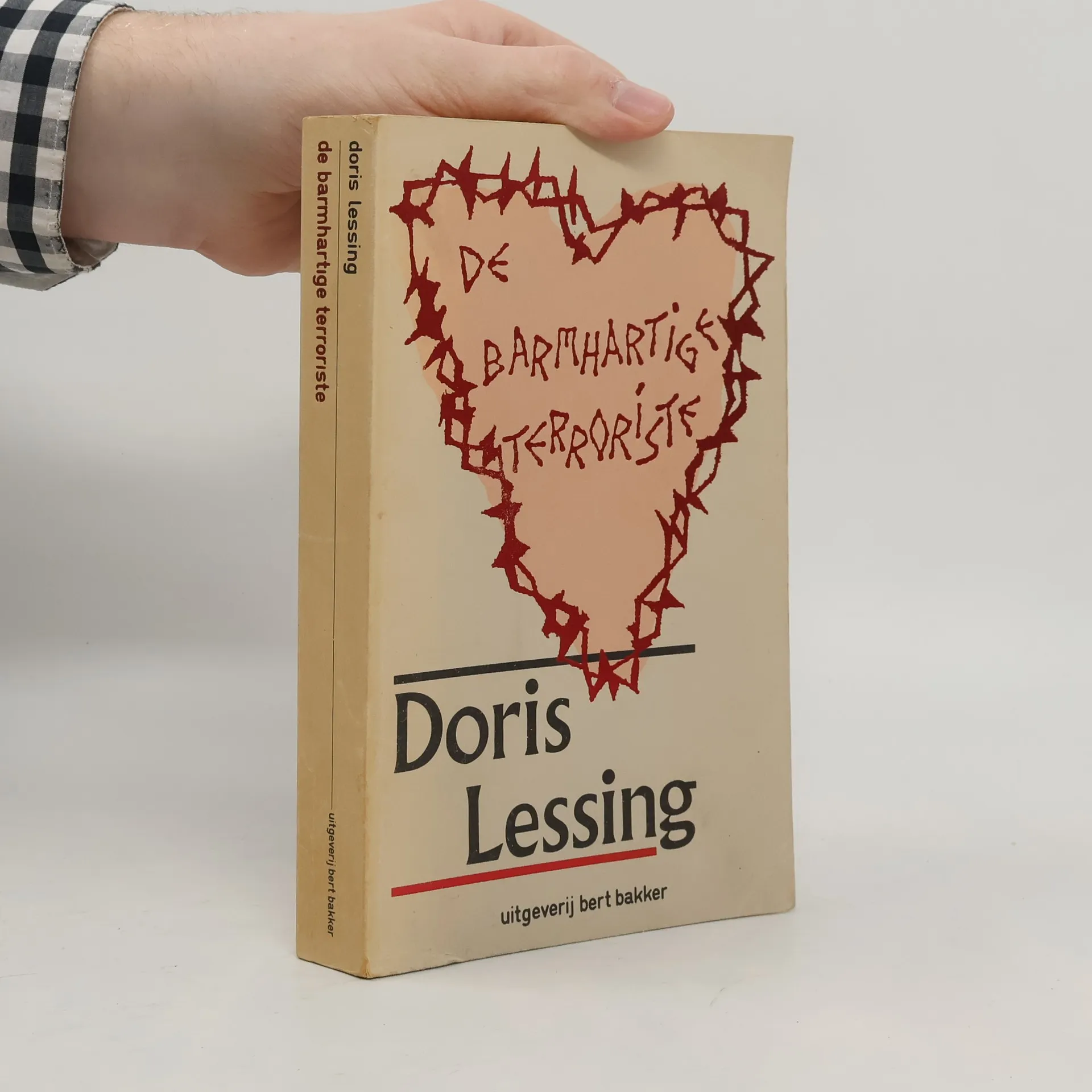
A hugely significant political novel for the late twentieth century from one of the outstanding writers of the modern era In a London squat a band of bourgeois revolutionaries are united by a loathing of the waste and cruelty they see around them. These maladjusted malcontents try desperately to become involved in terrorist activities far beyond their level of competence. Only Alice seems capable of organising anything. Motherly, practical and determined, she is also easily exploited by the group and ideal fodder for a more dangerous and potent cause. Eventually their naive radical fantasies turn into a chaos of real destruction, but the aftermath is not as exciting as they had hoped. Nonetheless, while they may not have changed the world, their lives will never be the same again...
Documents Relating to The Sentimental Agents in the Volyen Empire is an sf novel by Nobel Prize in Literature-winner Doris Lessing. It concludes her five-book Canopus in Argos series & comprises a set of documents that describe the final days of the Volyen Empire, located at the edge of our galaxy & under the influence of three other galactic empires, the benevolent Canopus, the tyrannical Sirius & the malicious Shammat of Puttiora. The Sentimental Agents is a social satire written in the tradition of Jonathan Swift & George Orwell focusing on the debasement of language in political rhetoric. In this fictional universe it's propaganda that keeps fragile empires afloat. When language becomes too distorted, some succumb to a condition called "undulant rhetoric" & are placed in a Hospital for Rhetorical Diseases. Because of its focus on characterization & social/cultural issues, & no emphasis on technological details, this book is soft sf, or "space fiction" as Lessing calls her Canopus in Argos series. While The Sentimental Agents can be read as a stand-alone book, she does continue with the history of the Sirian Empire, picking up from where she left off in The Sirian Experiments ('80), 3rd book in the series.