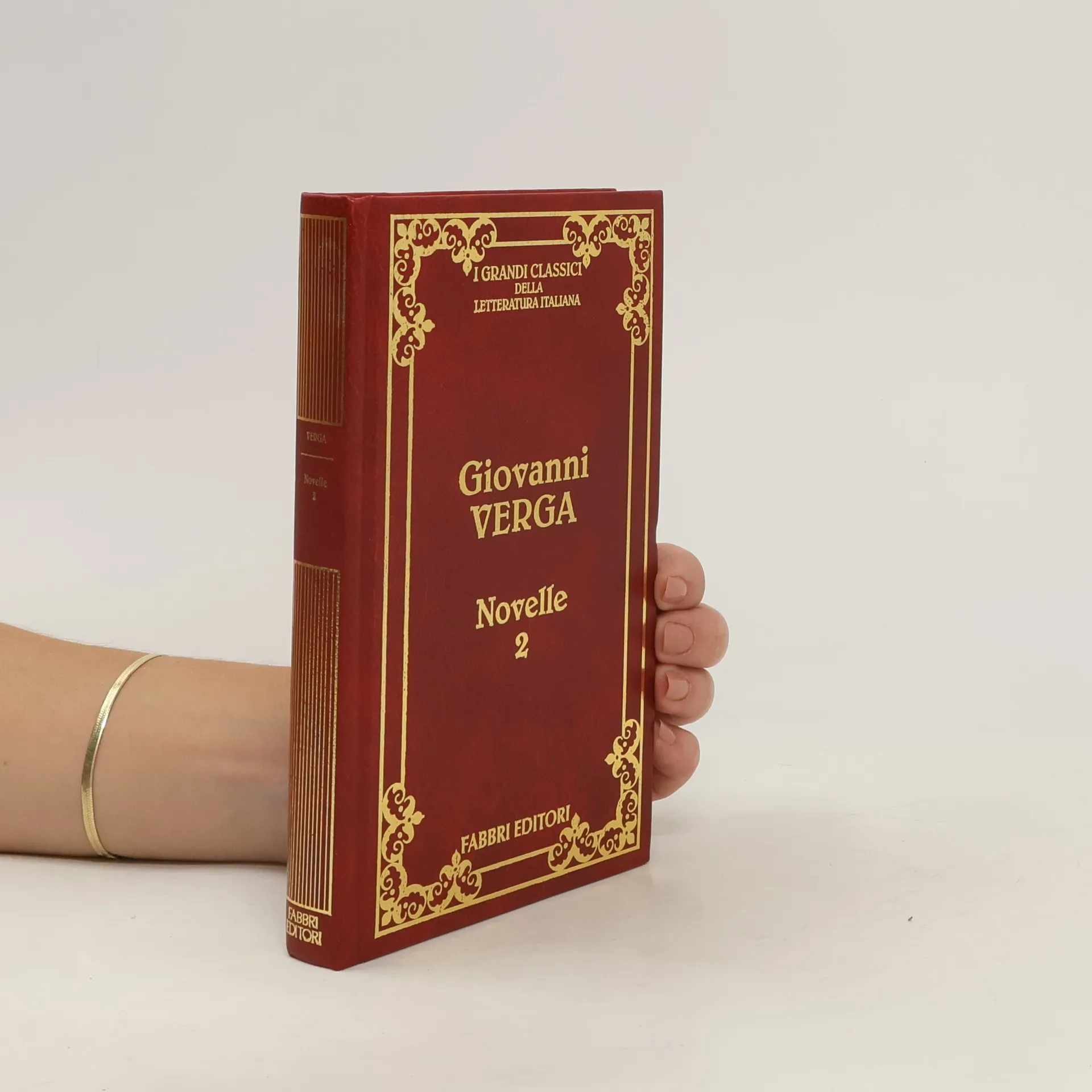
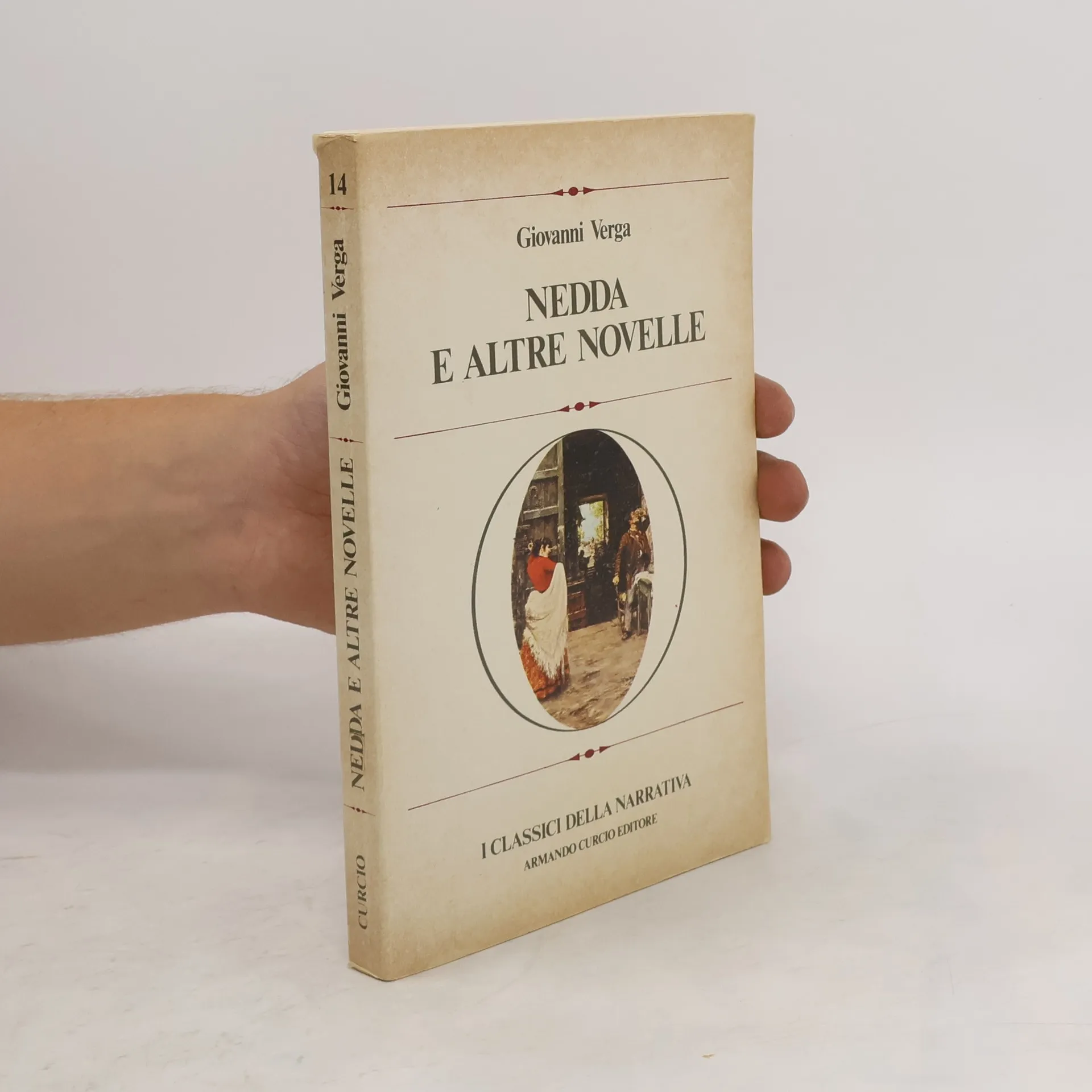
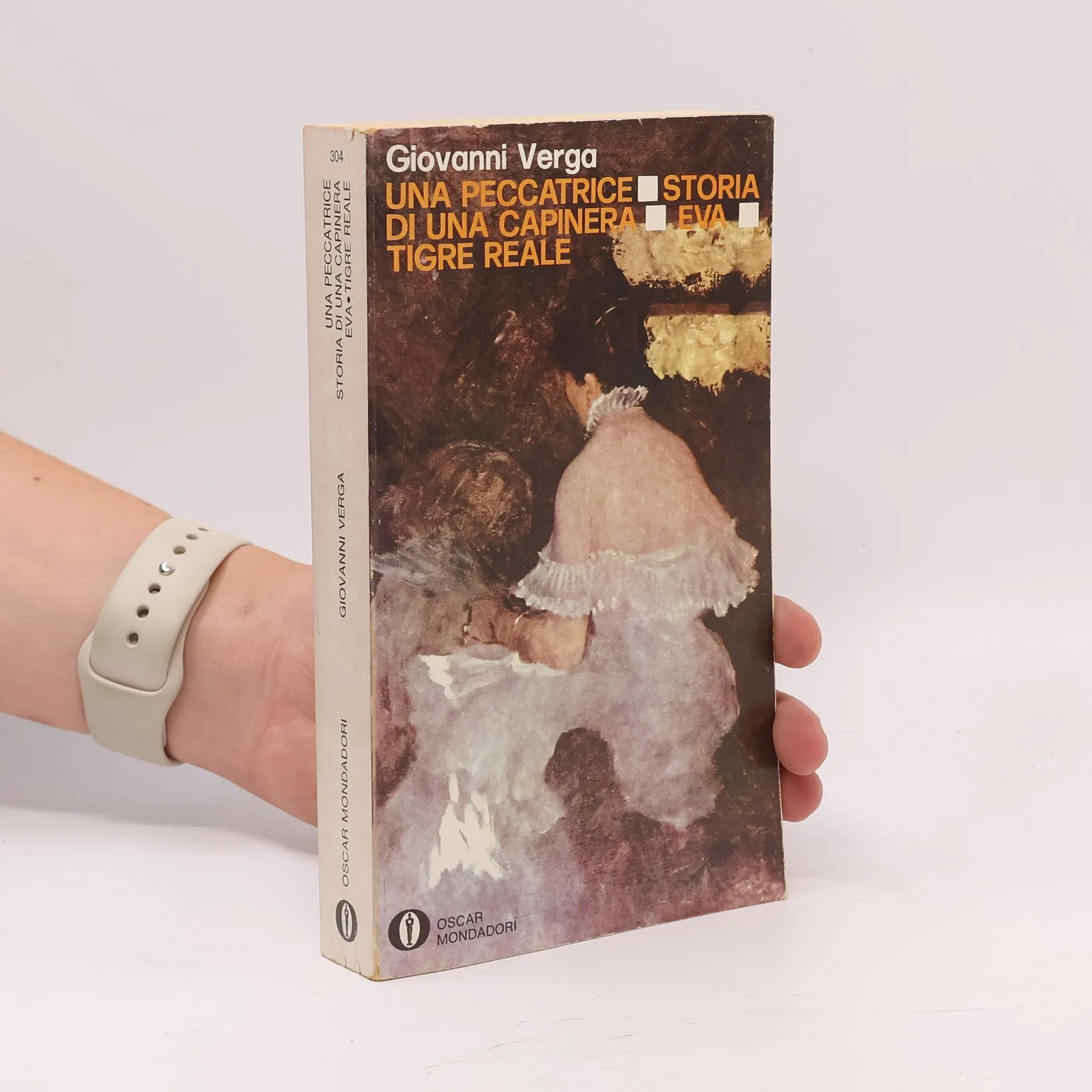
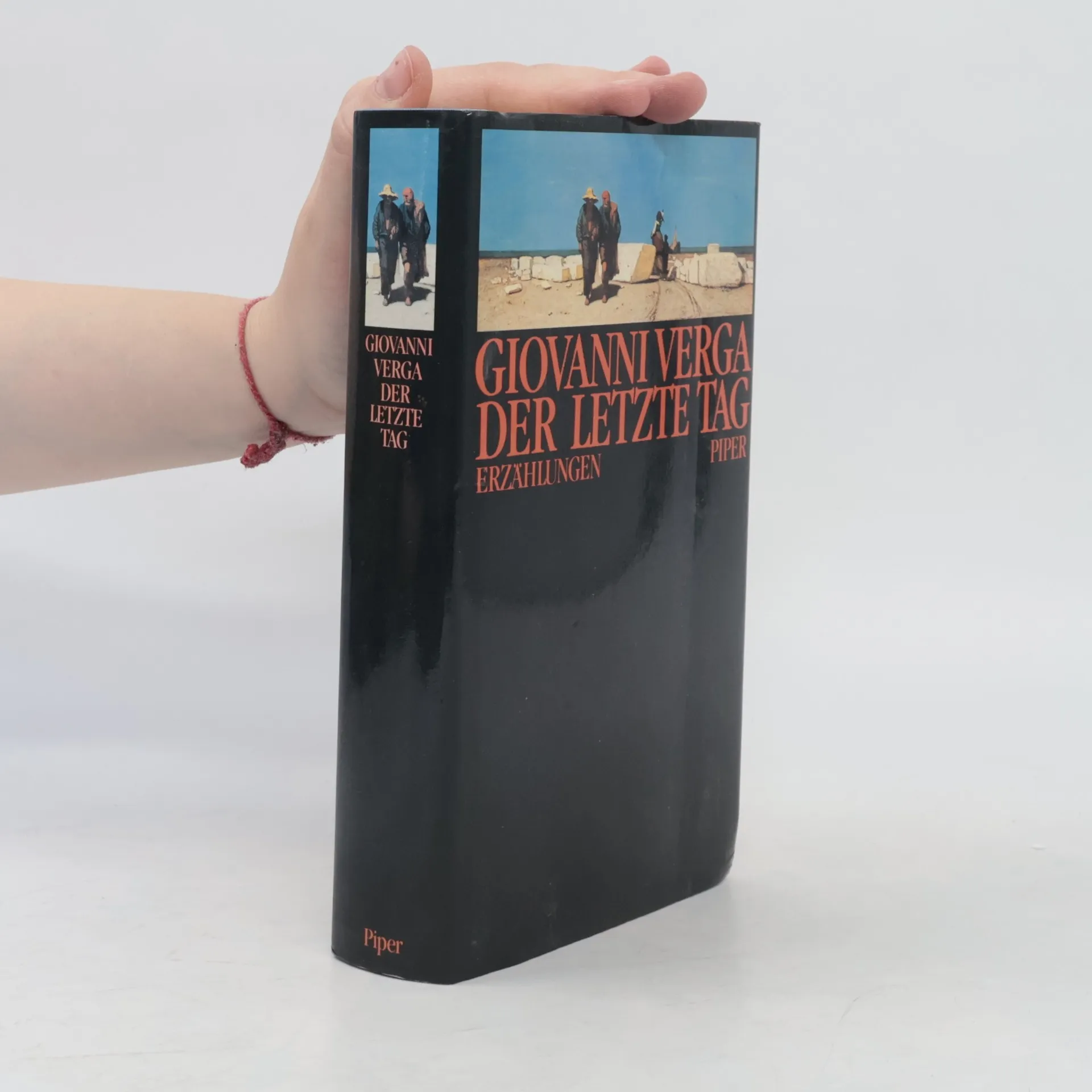
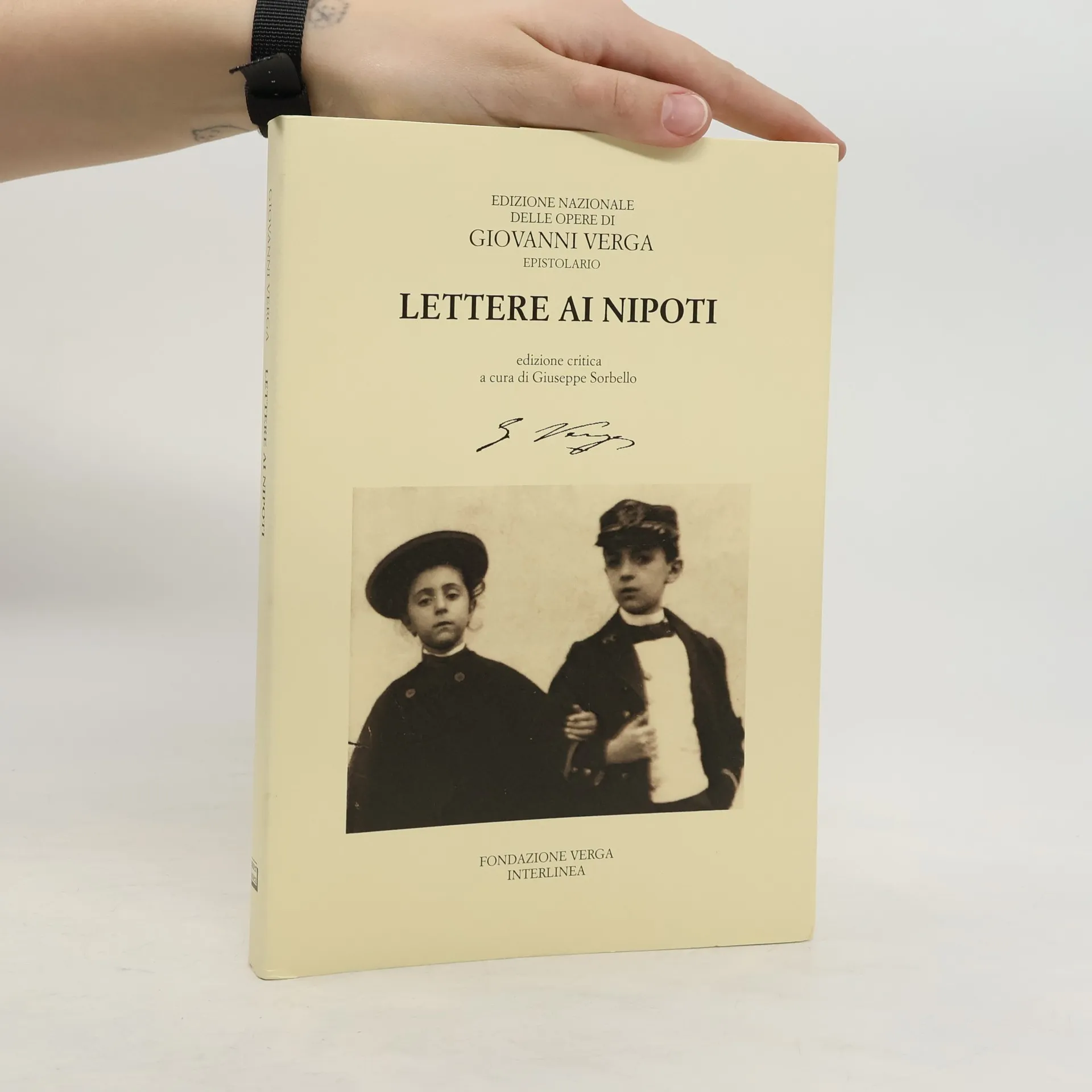
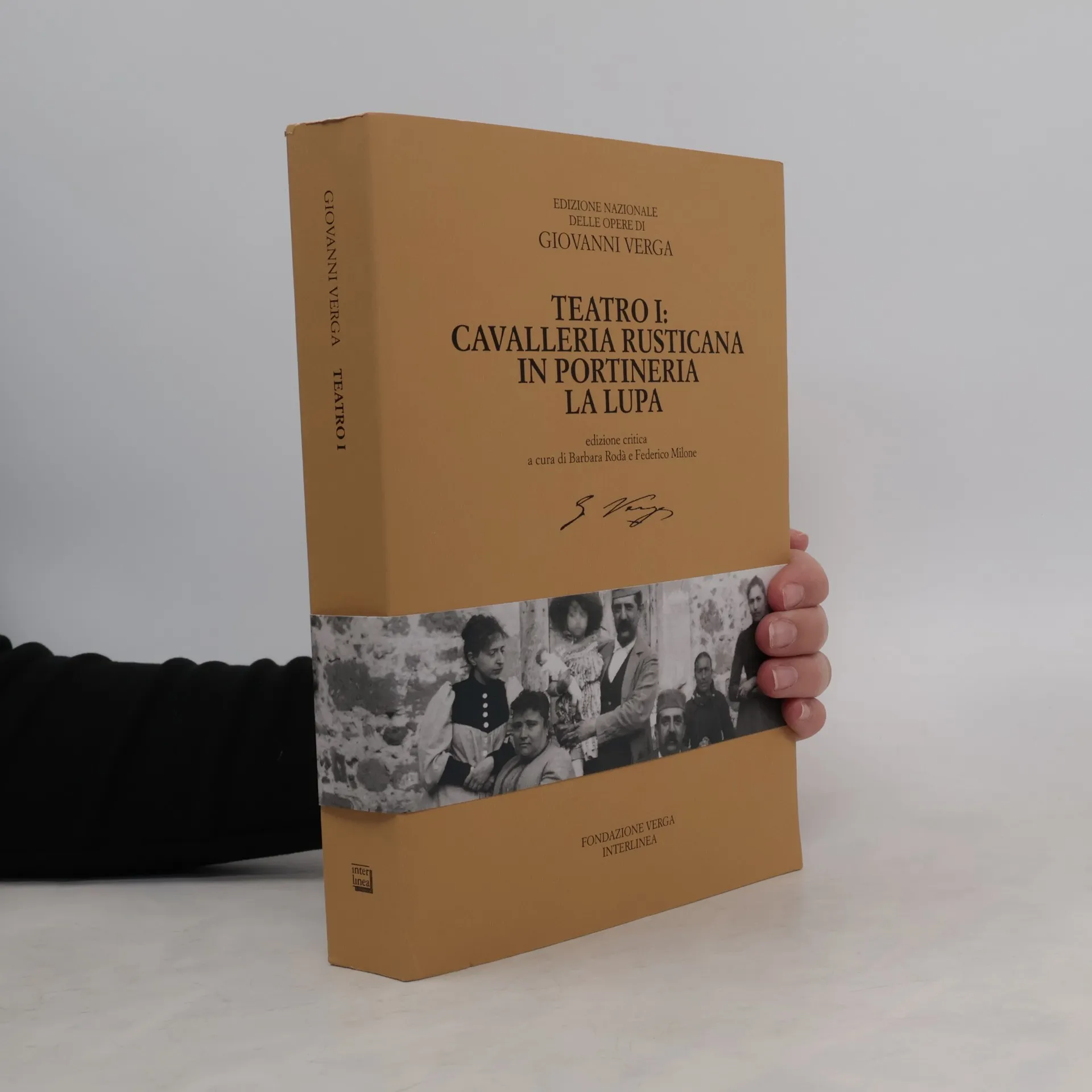
Giovanni Verga was an Italian realist writer renowned for his depictions of life in Sicily. His work is characterized by keen observation of rural life and character psychology, often focusing on traditional values and social hierarchies. Verga masterfully employed dialogue to develop characters and convey authentic emotions, making his narratives resonate deeply with readers. His contributions stand as a significant pillar of Italian realism and the literary portrayal of the Sicilian people.
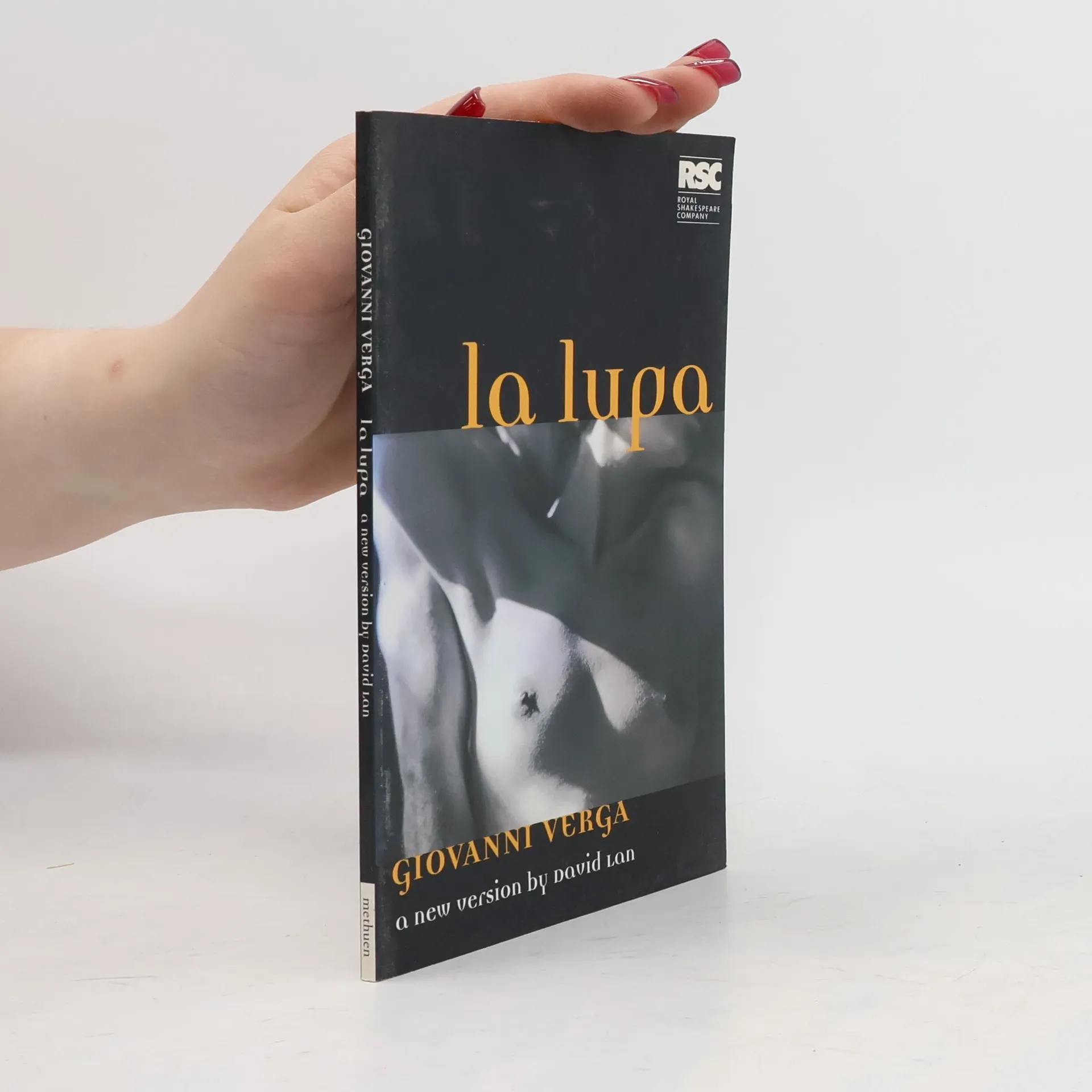
David Lan's new version of Verga's classic play "Mothers like me? We should be burned alive. We should be fed to the pigs, mothers like me." A mother fumes about her daughter's love affair as they hurtle towards tragedy in Verga's passionate Italian drama, first performed in 1894. David Lan's acclaimed new version premiered at the RSC in June 2000.
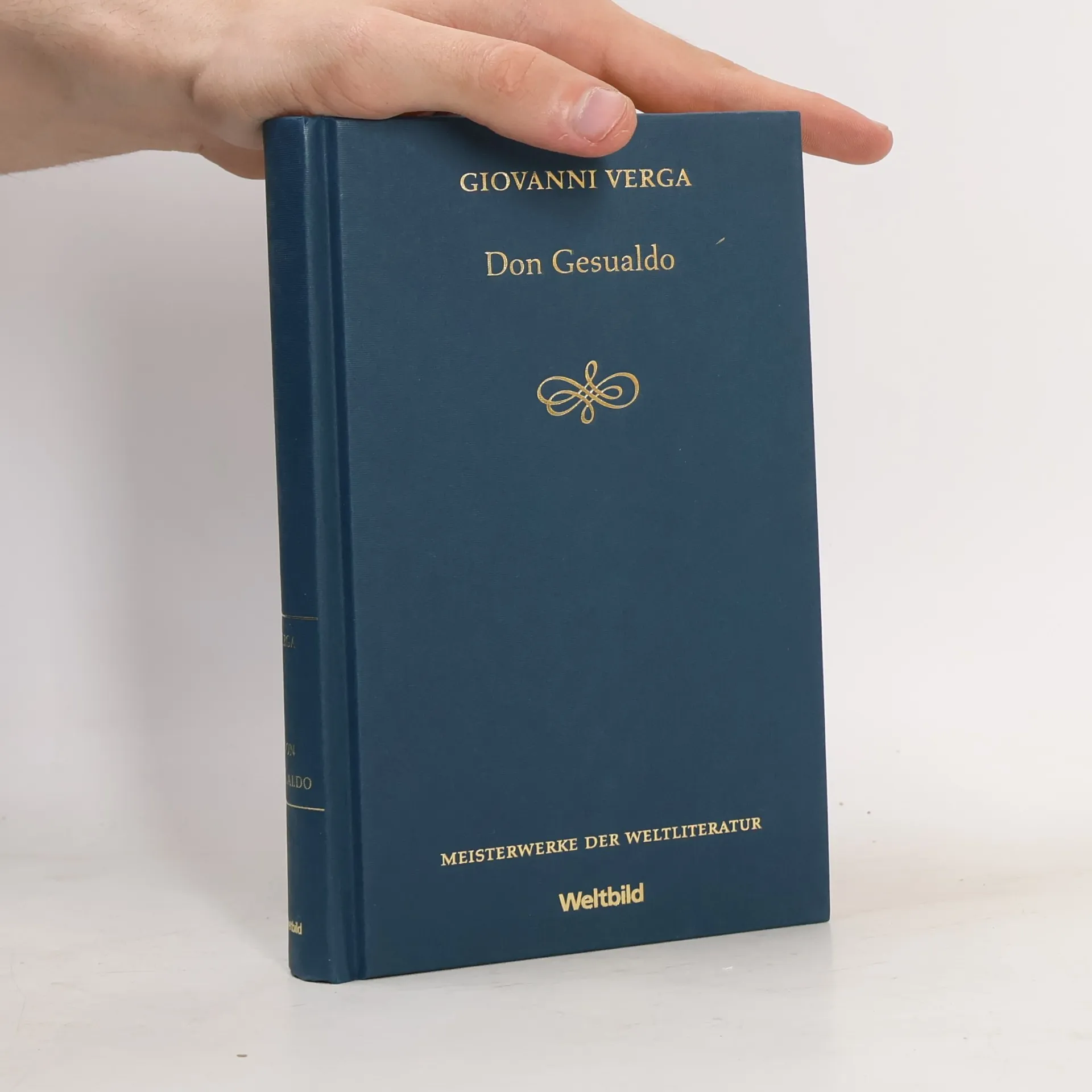
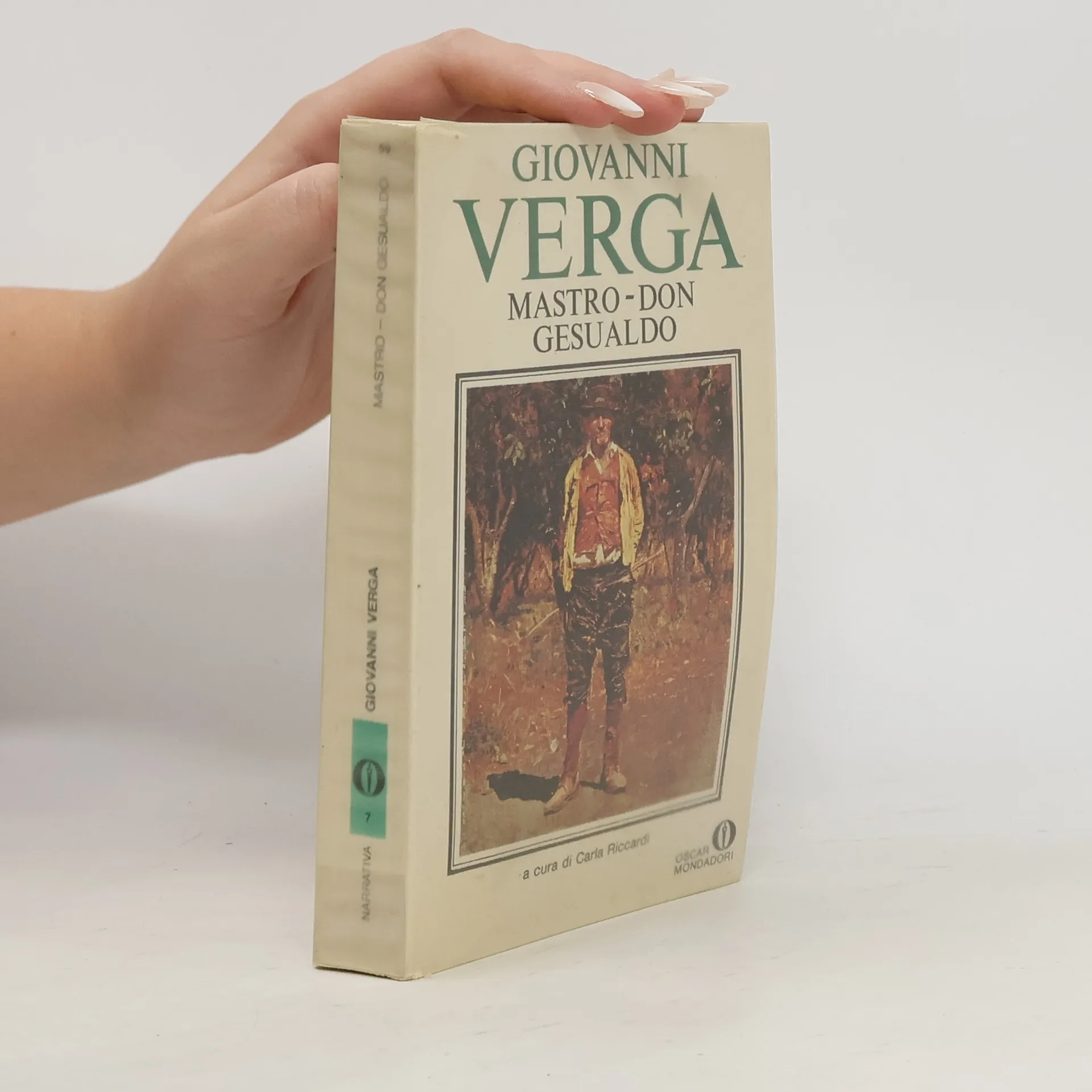
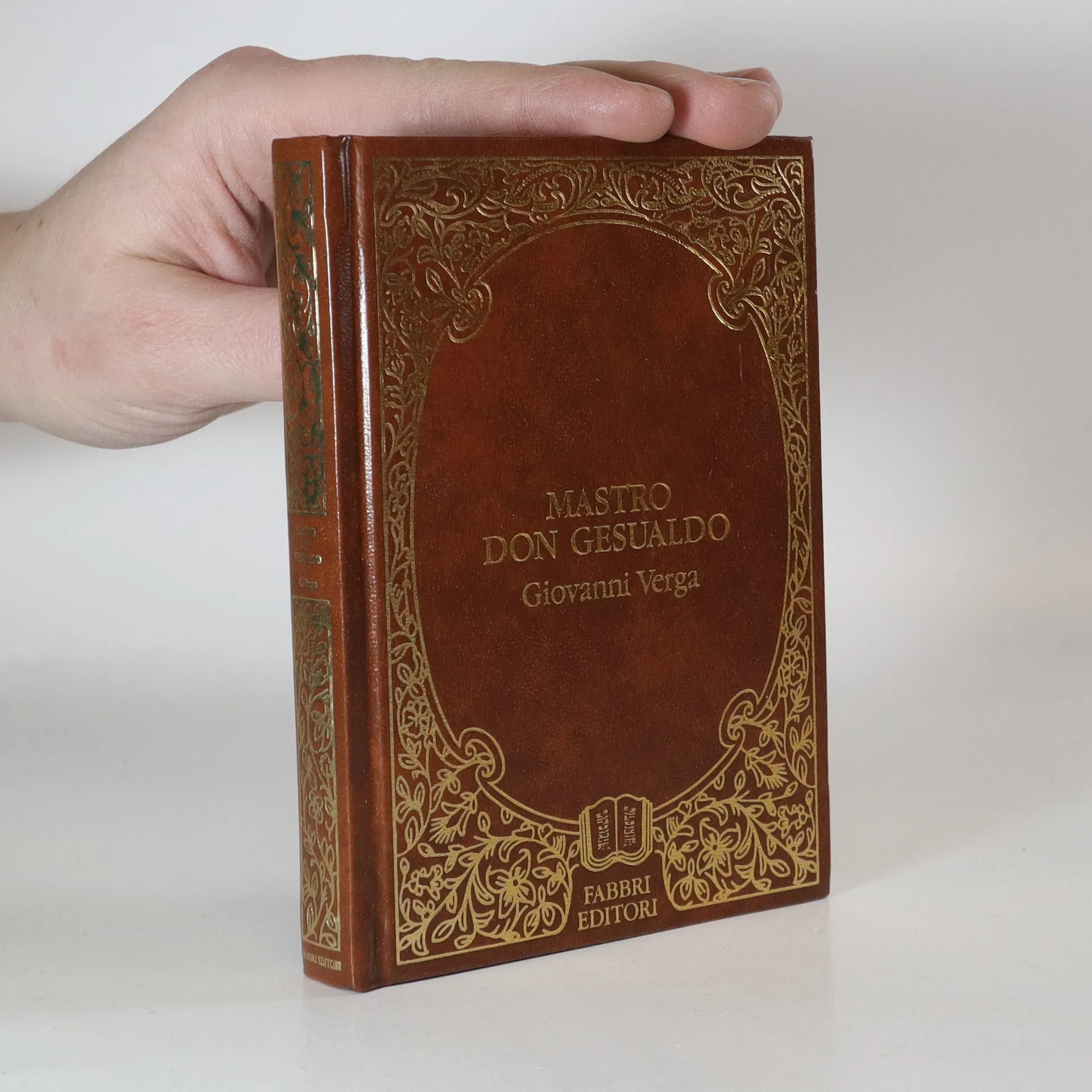
On the face of things, Mastro Don Gesualdo is a success. Born a peasant but a man' with an eye for everything going', he becomes one of the richest men in Sicily, marrying an aristocrat with his daughter destined, in time, to wed a duke. But Gesualdo falls foul of the rigid class structure of mid-19th century Sicily. His title Mastro Don, 'Worker Gentleman', is ironic in itself. Peasants and gentry alike resent his extraordinary success. And when the pattern of society is threatened by revolt, Gesualdo is the rebels' first target.
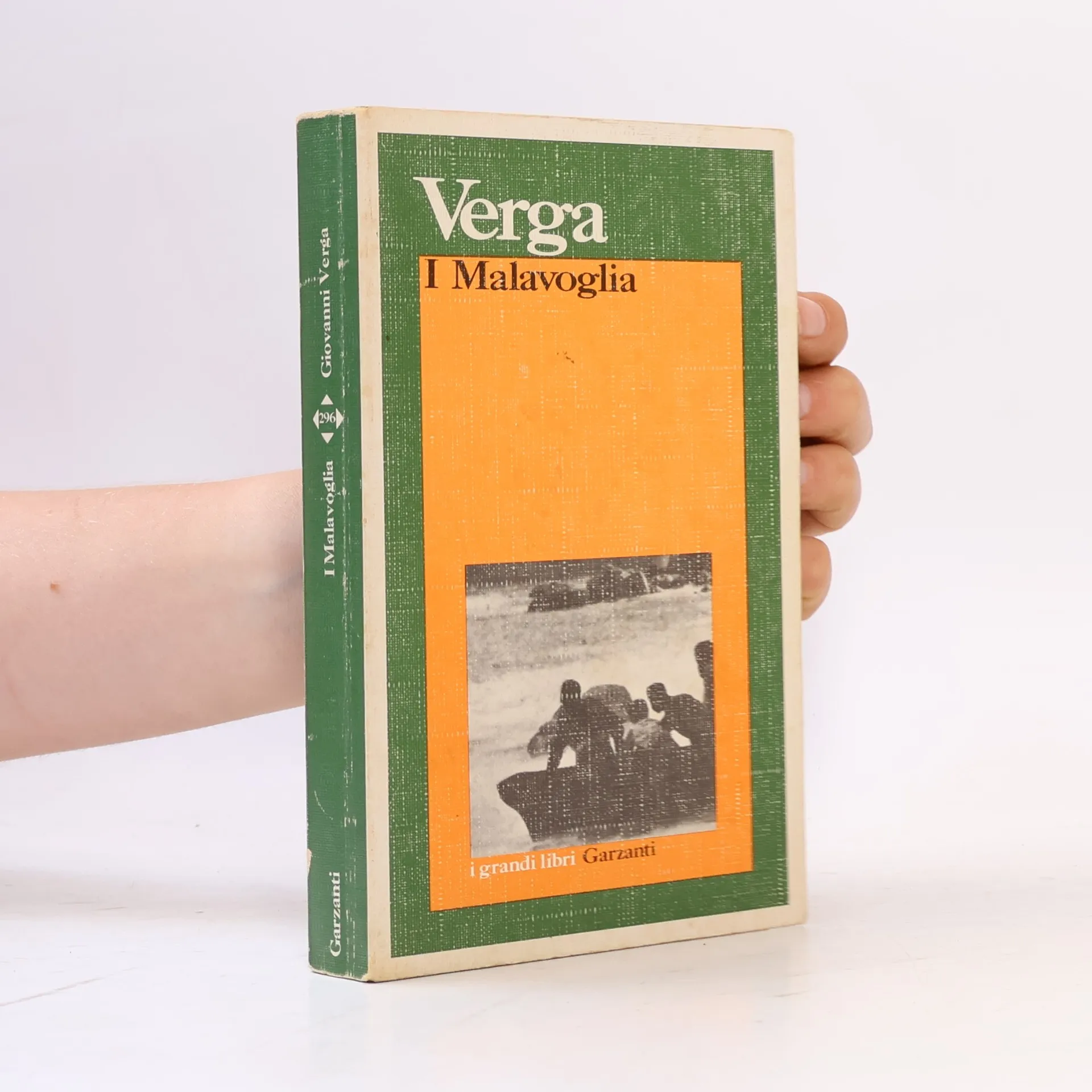
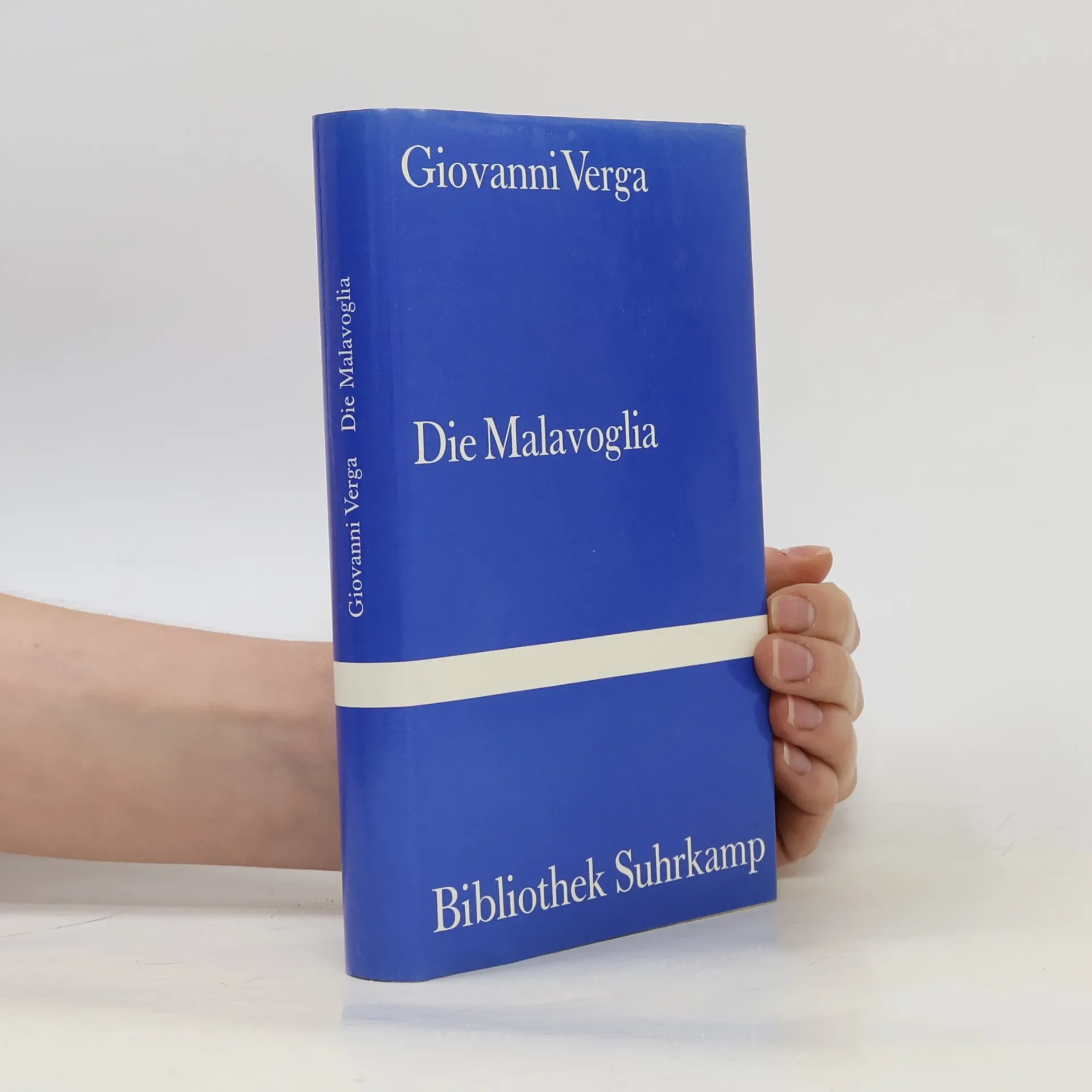
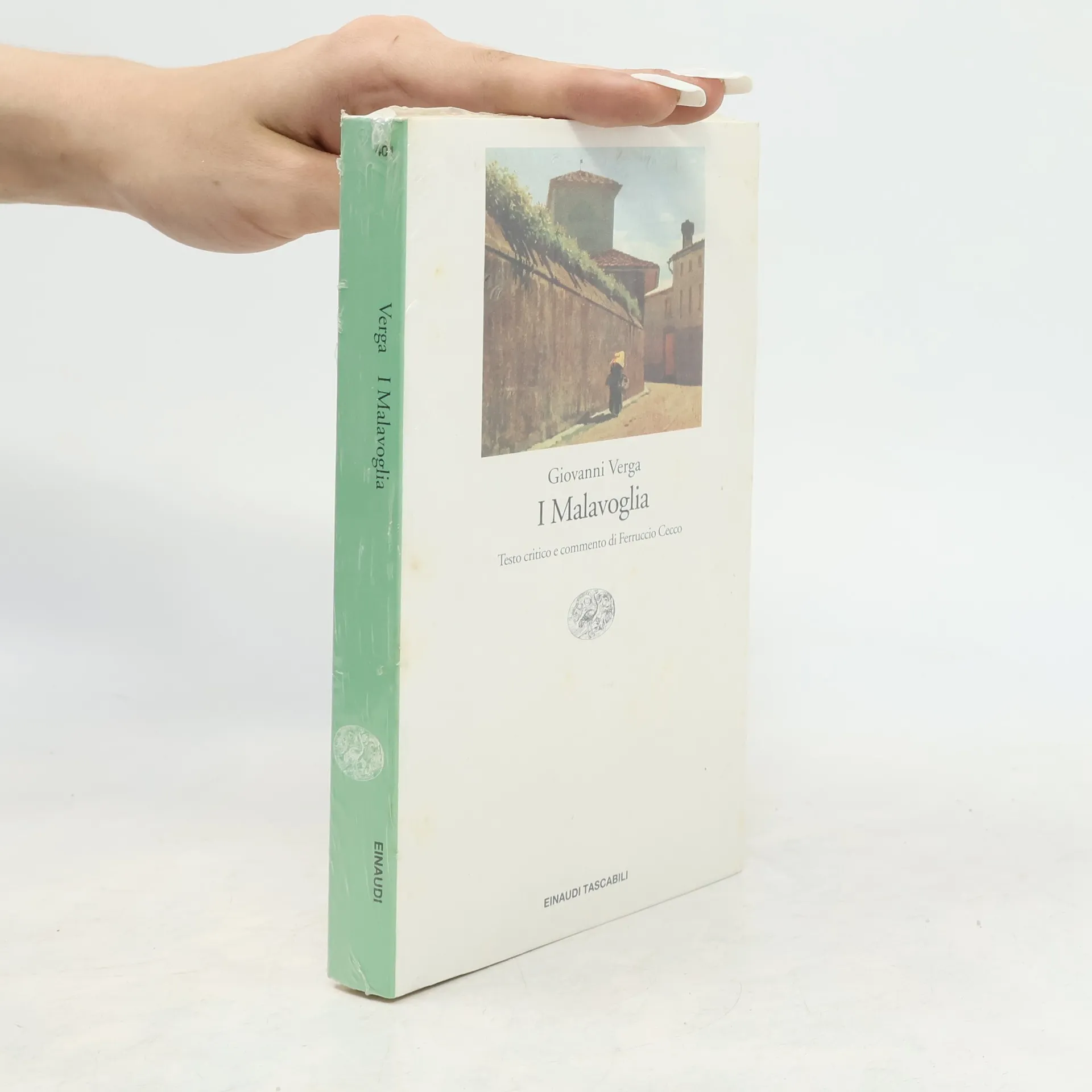
Nei Malavoglia (1881) Verga si immerge nella realtà locale di un paese siciliano, Aci Trezza, e racconta la semplice e rissosa quotidianità in cui vivono i Toscano, detti appunto i Malavoglia. Avvertendo come poco espressive le realtà borghesi, Verga cerca di rompere l'impianto romanzesco classico, reinventando le regole del gioco narrativo per dare spazio alla coralità dei personaggi, ritratti nella loro vitale specificità. Questa edizione mette in luce la storia e la formazione del testo attraverso i successivi progetti e abbozzi dell'autore. L'ampio commento a piè di pagina, oltre a spiegazioni letterali e notazioni intertestuali, sottolinea l'organizzazione delle sequenze e la funzione dei motivi, individua le voci principali del romanzo e i controcanti interni, fornisce gli elementi per comprendere i congegni della macchina narrativa.
„La Lupa“ ist eine Erzählung von Giovanni Verga aus der Novellensammlung Sizilianische Novellen. Giovanni Verga war ein italienischer Schriftsteller und einer der Hauptvertreter des Verismus, des italienischen Naturalismus.
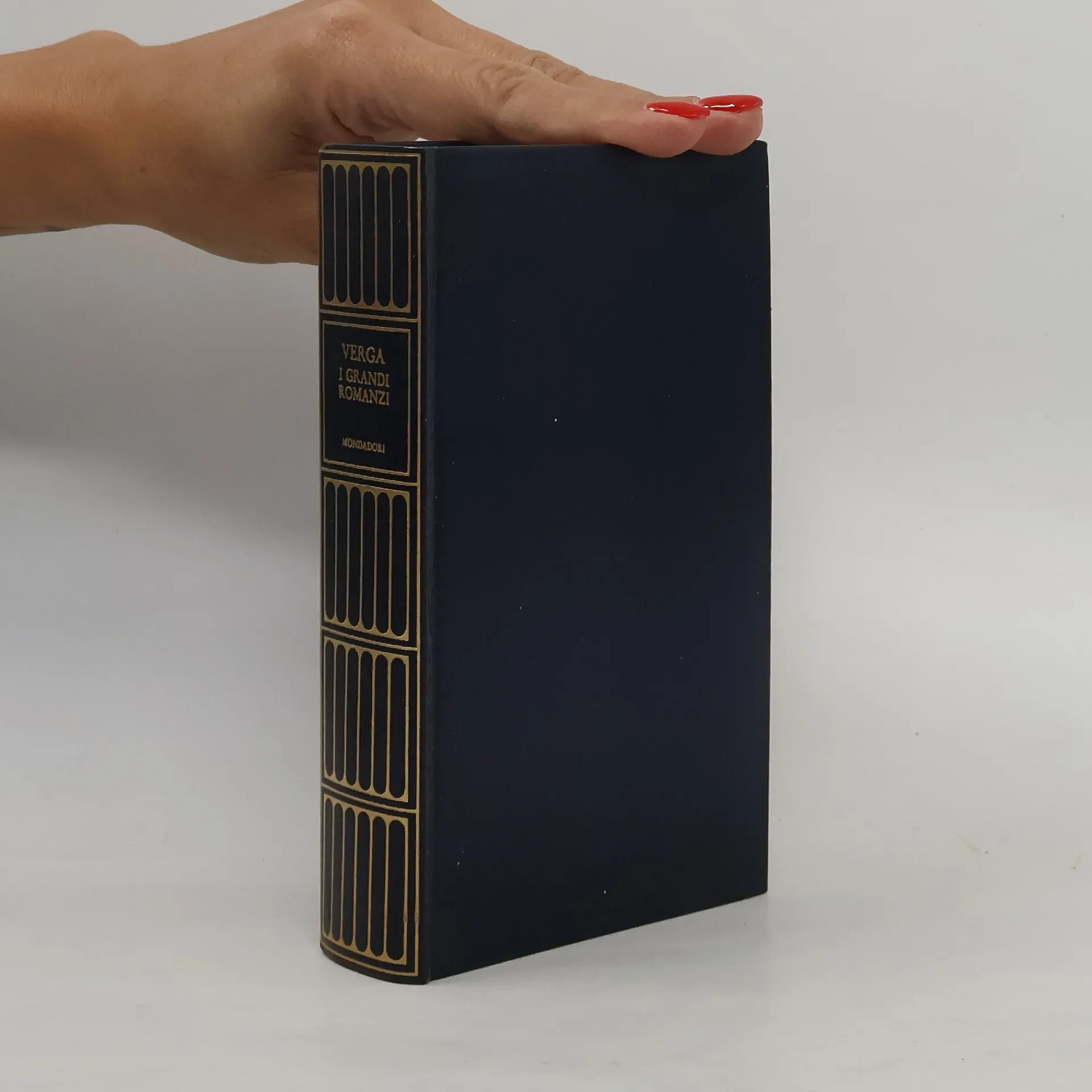
I grandi romanzi. I Malavoglia. Mastro Don Gesualdo. Prefazione di Riccardo Bacchelli. Testo e note a cura di Ferruccio Cecco e Carla Riccardi 16mo. pp. XLVII - 843. . Ottimo (Fine). . . .
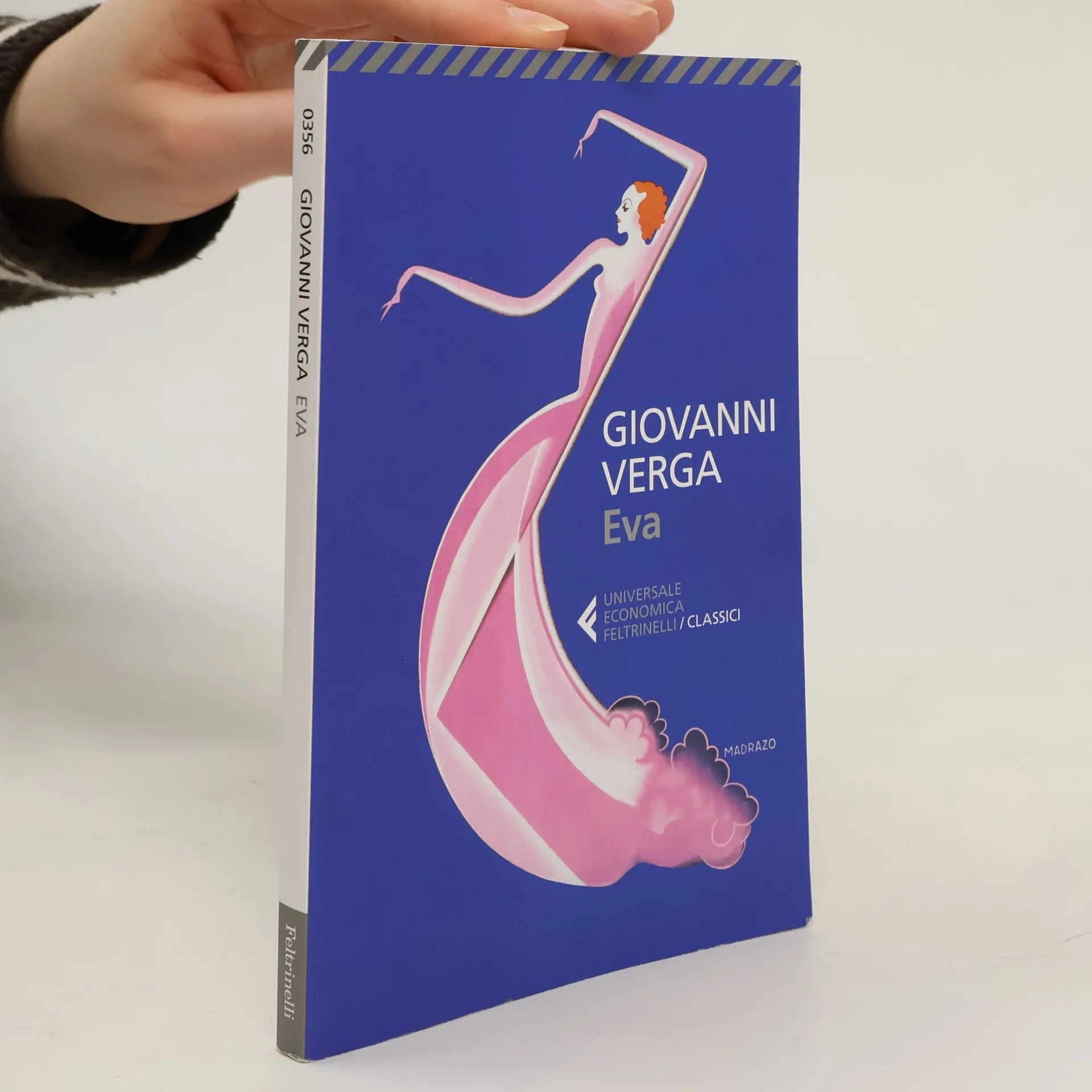
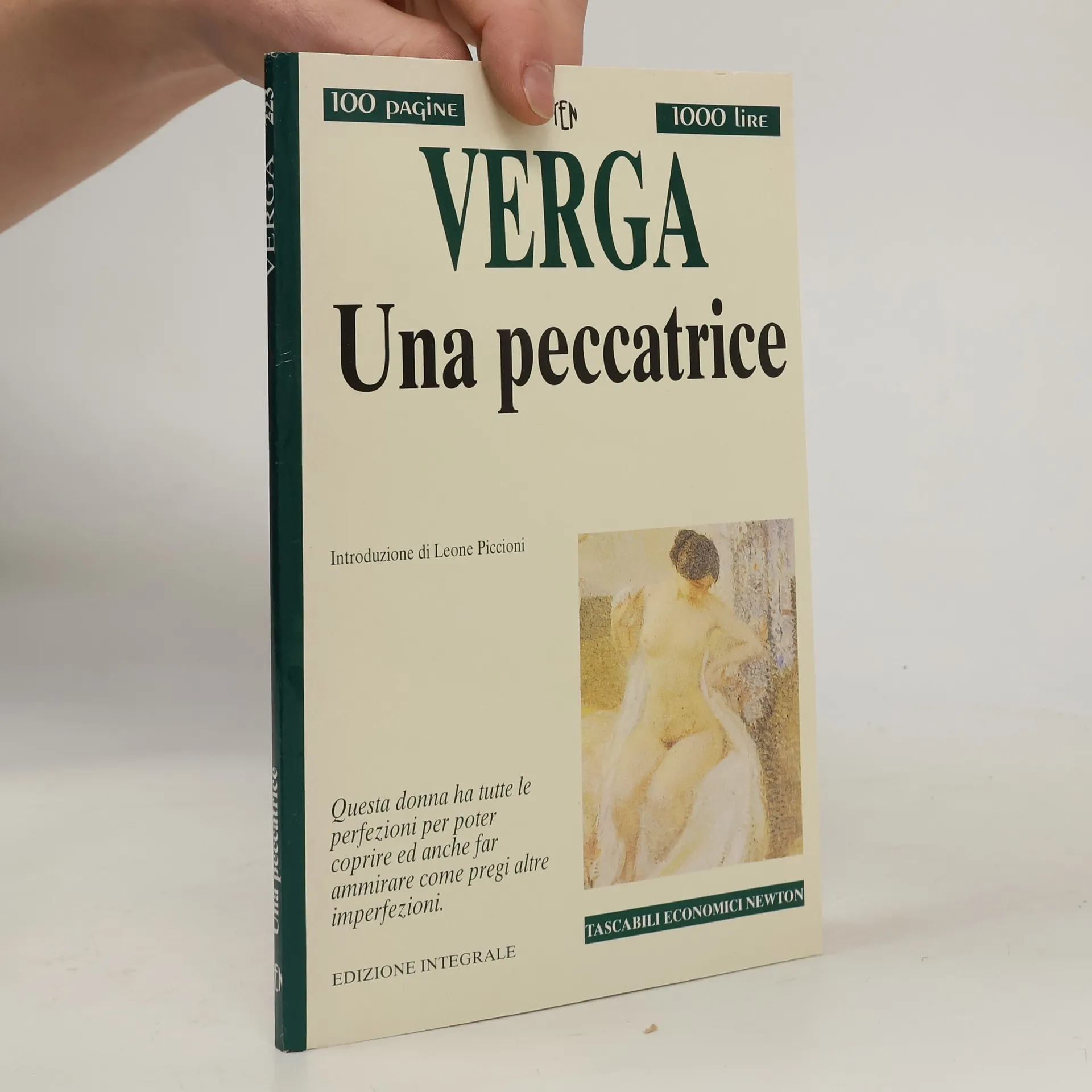
Il romanzo, che a detta di Verga, doveva essere consegnato per la stampa "assolutamente agli editori di Milano" esce per i tipi Treves nel 1873: fin da subito fu un successo e uno scandalo. Articolato su più livelli narrativi, Eva offre il ritratto dell'artista nell'Italia unita agli albori della civiltà urbano-borghese. Con note di febbrile concitazione melodrammatica, il pittore Enrico Lanti rievoca le sue avventure d'amore e d'arte, sullo sfondo della "civiltà delle Banche e delle Imprese industriali". Al centro del romanzo si staglia il profilo inedito e sorprendente di Eva, una ballerina dal fascino radioso e impudico che proclama con limpida voce: "Una donna non è che come vuol essere". Una figura femminile che, per arditezza spregiudicata, confligge non solo con le tante silhouette sbiadite della nostra letteratura romantico-sentimentale e le femmes fatales dei racconti fantastici della Scapigliatura, ma anche con le protagoniste della produzione del Verga verista. Eva colpisce per la schiettezza borghesemente moderna dei suoi discorsi e comportamenti: e così, nella Milano della Belle époque, riscatta con le sue scelte di autonomia e libertà la malasorte delle tante traviate che, nei libri o sulle scene teatrali, redimevano con il sacrificio e la morte un'esistenza da "peccatrici".
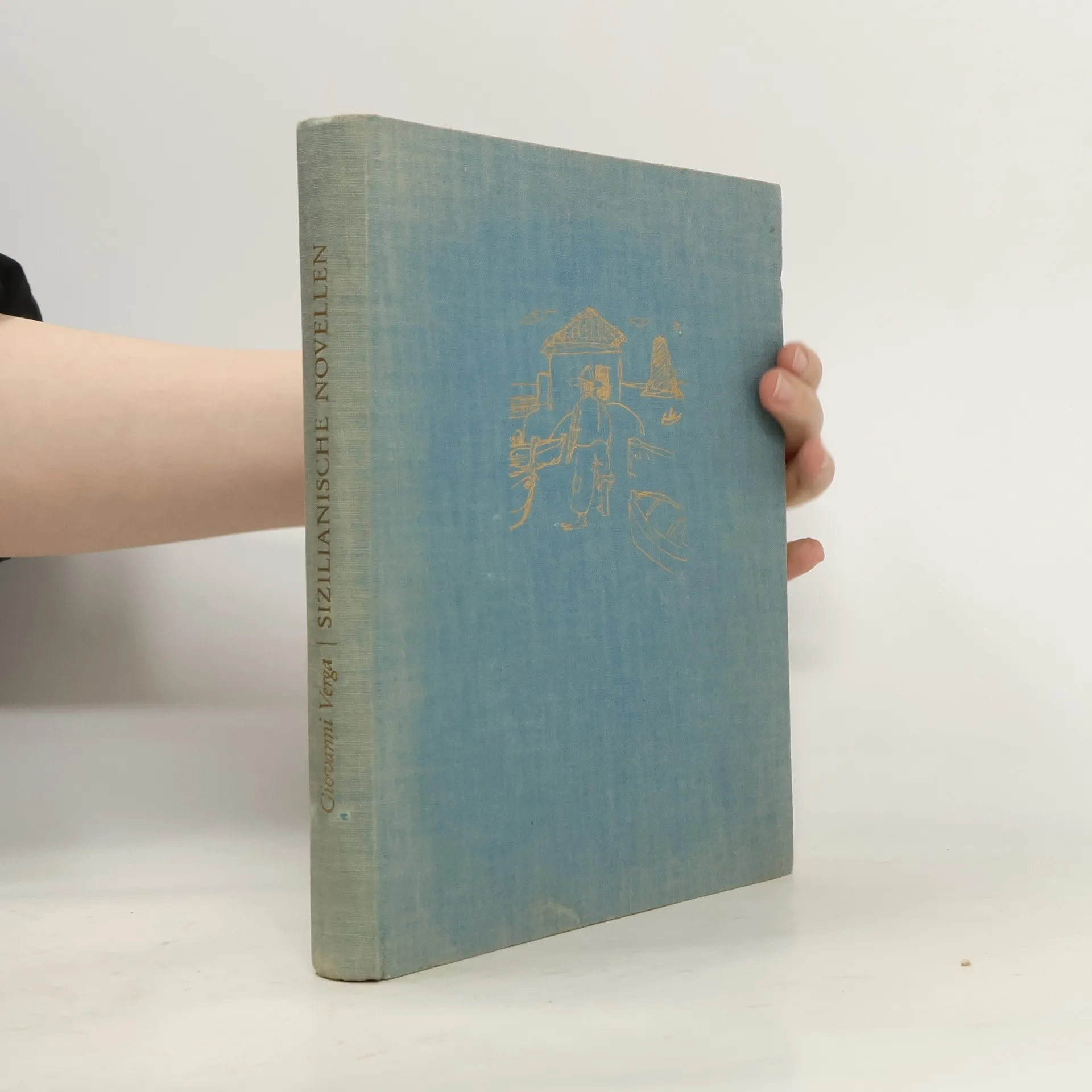
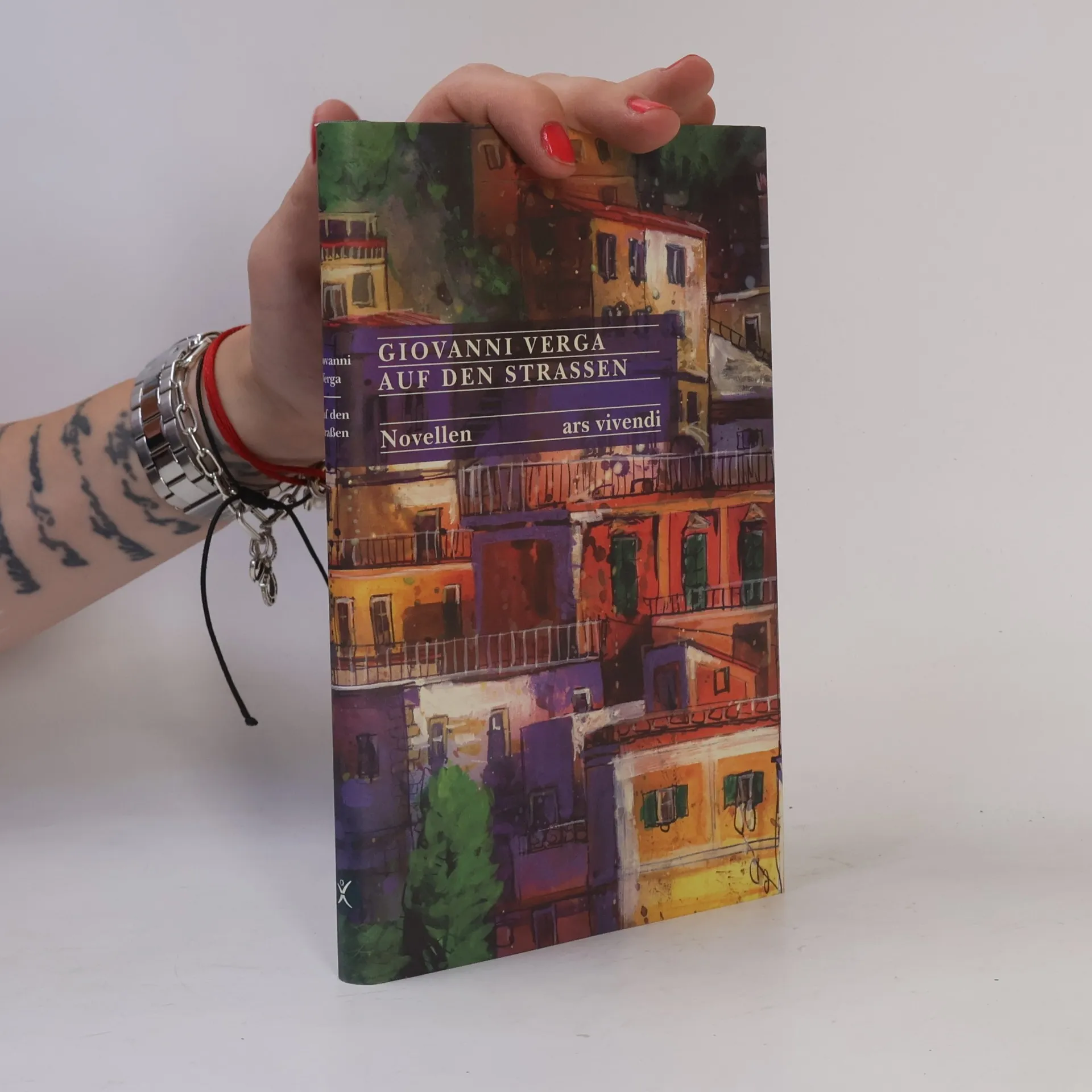
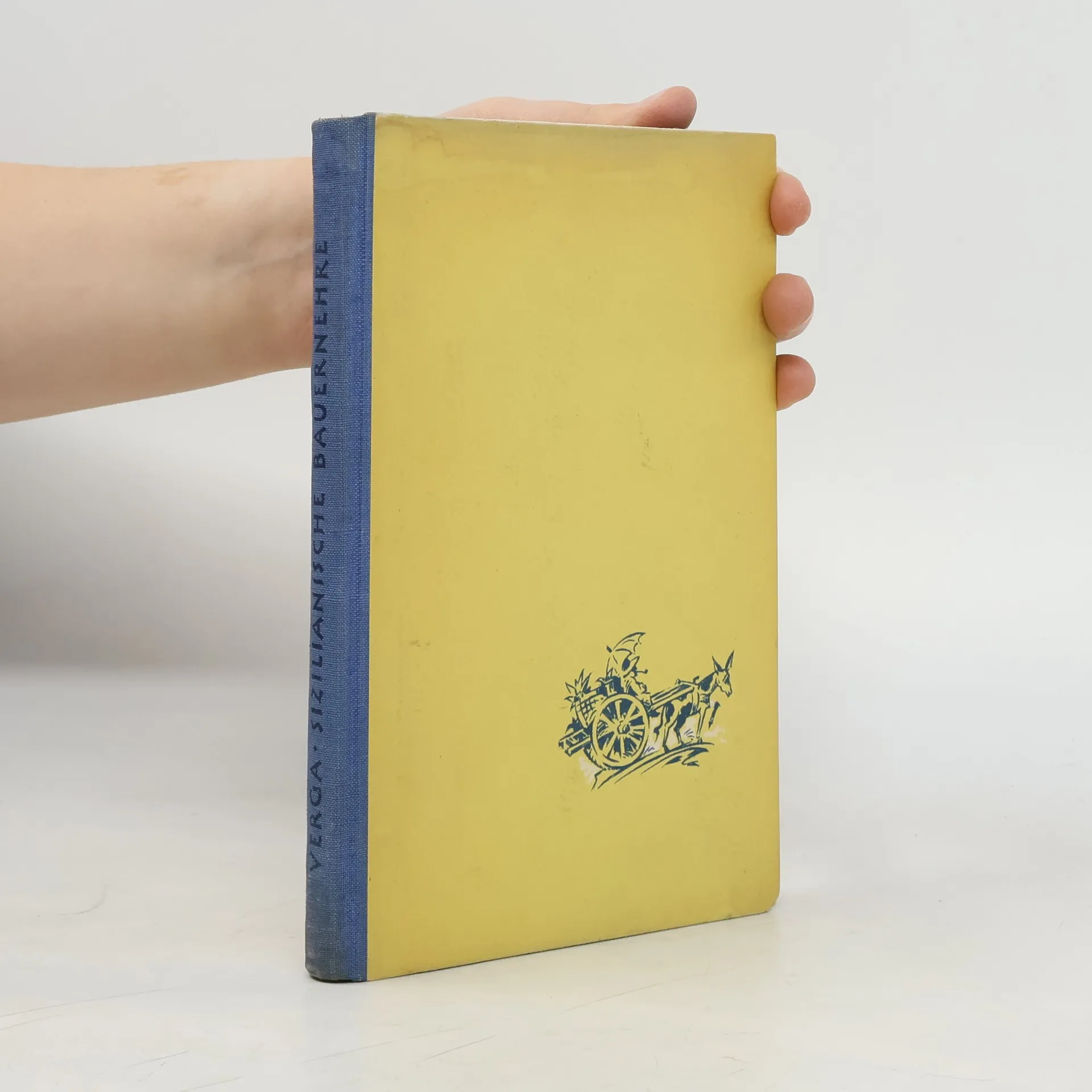
Diese zwölf Novellen, in denen alle Themen des Verismus erscheinen – vor allem die sozioökonomischen Bedingungen Siziliens der damaligen Zeit – sind eine Art Vorarbeit für den späteren Roman Mastro-don Gesualdo. Im Mittelpunkt des Interesses stehen nicht mehr die Gefühle und die populäre Moral – die Armen, die kämpfen, um den verheerenden Schlägen des Lebens zu widerstehen – sondern die gnadenlosen Gesetze des Profits, jener Kult der „Roba“, der auch den Titel einer der bekanntesten Novellen der Sammlung trägt. Der Besitz und die Ansammlung von Reichtum verderben die Gefühle und werden zum einzigen Gesetz, dem alles untergeordnet ist, wodurch der Mensch zum Tier degradiert wird.
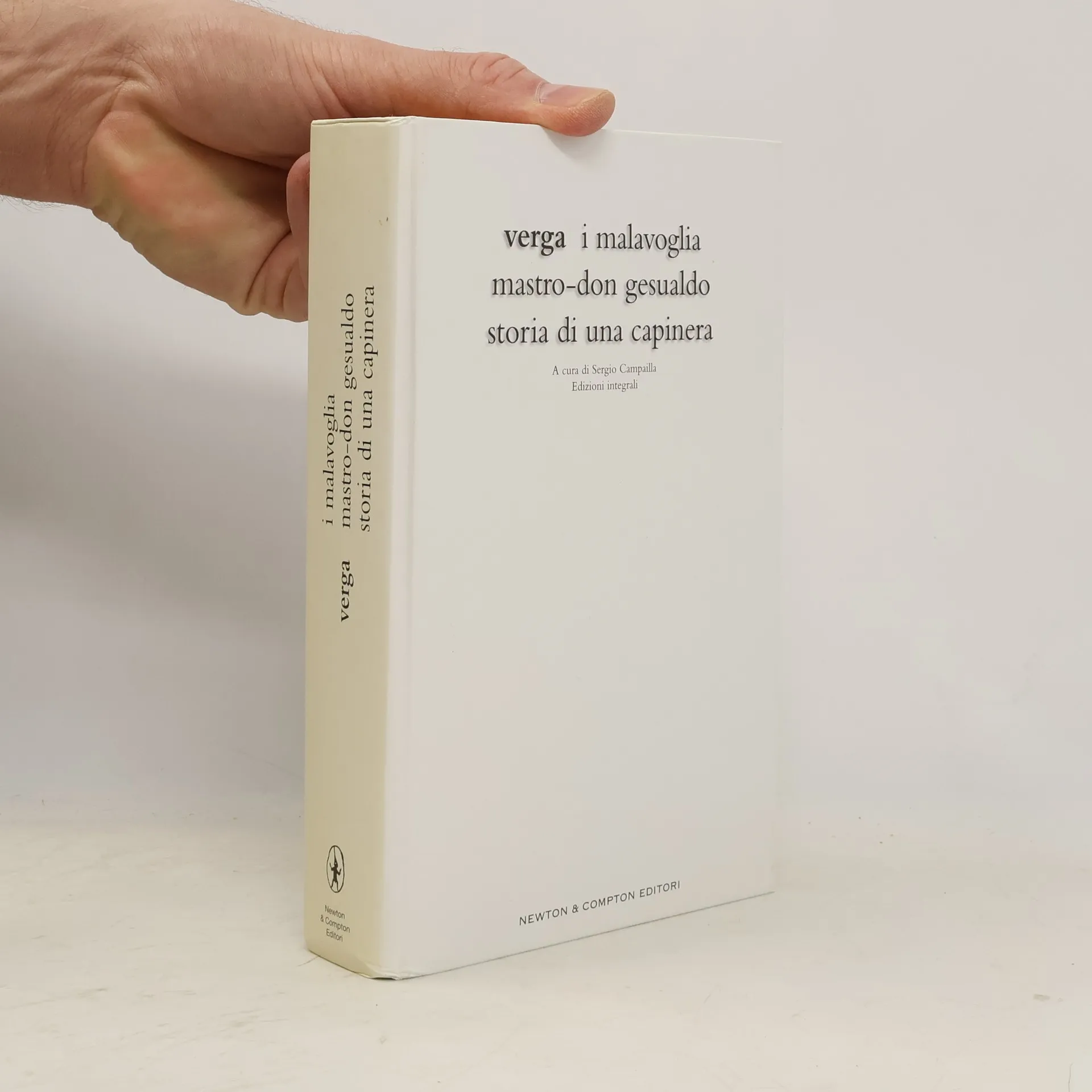
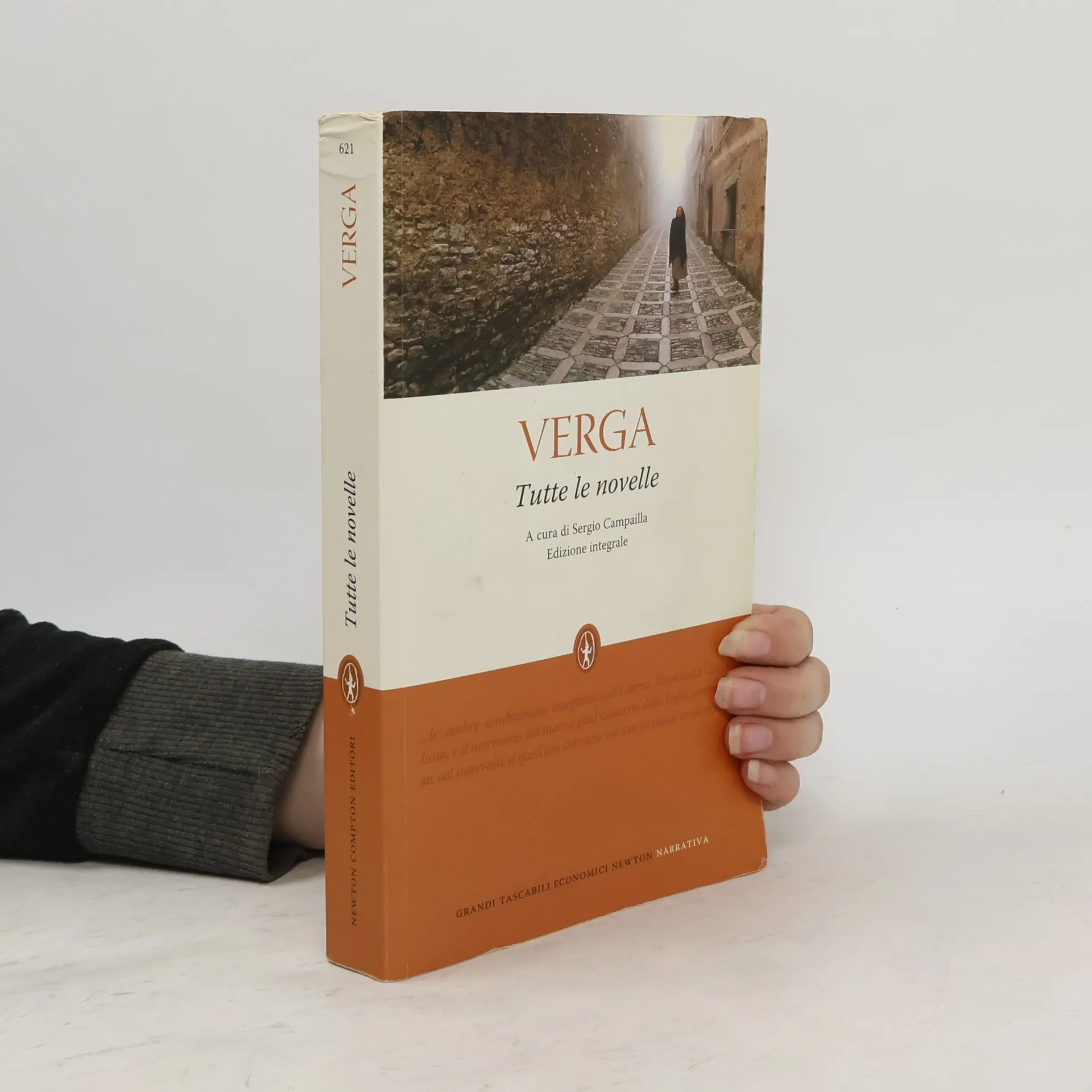
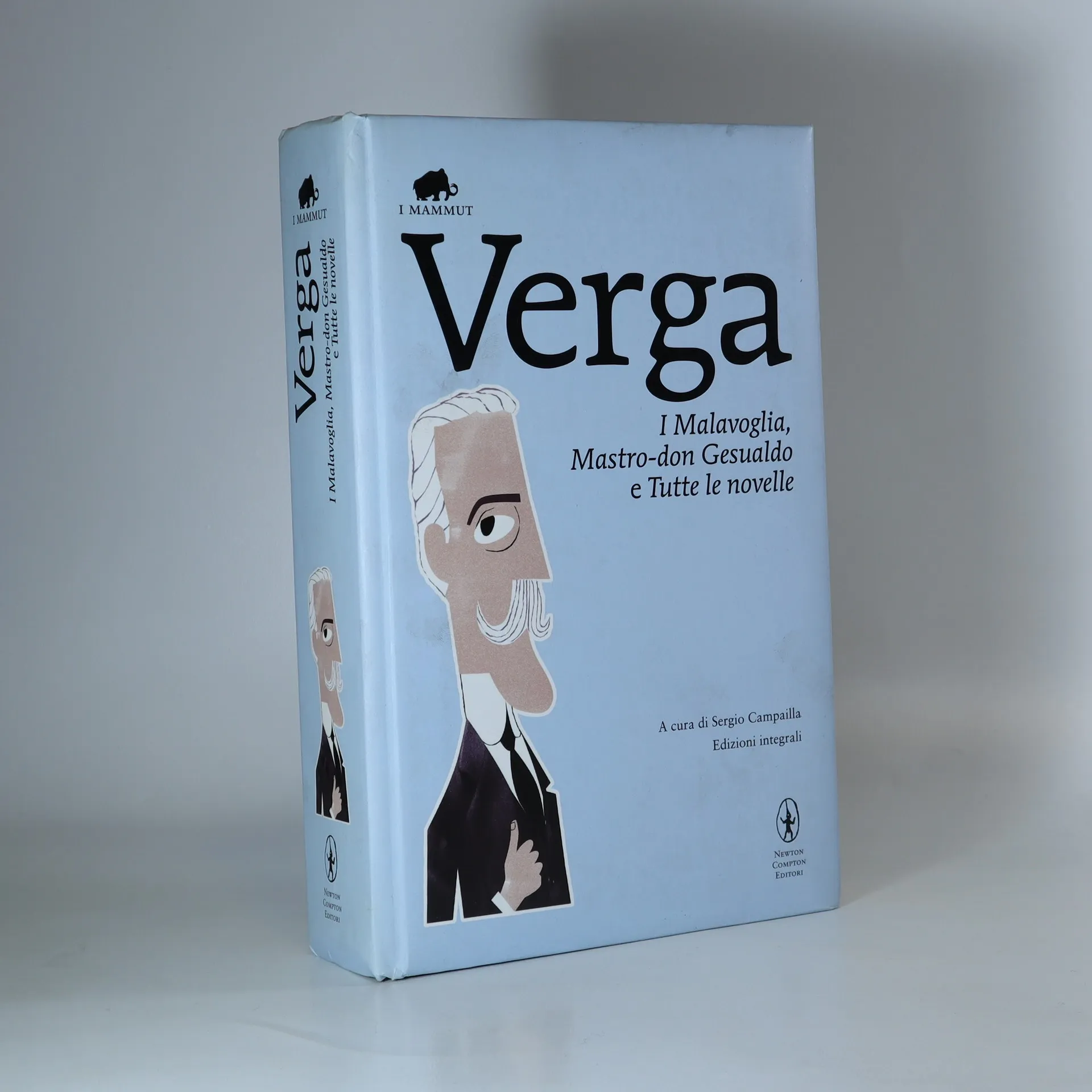
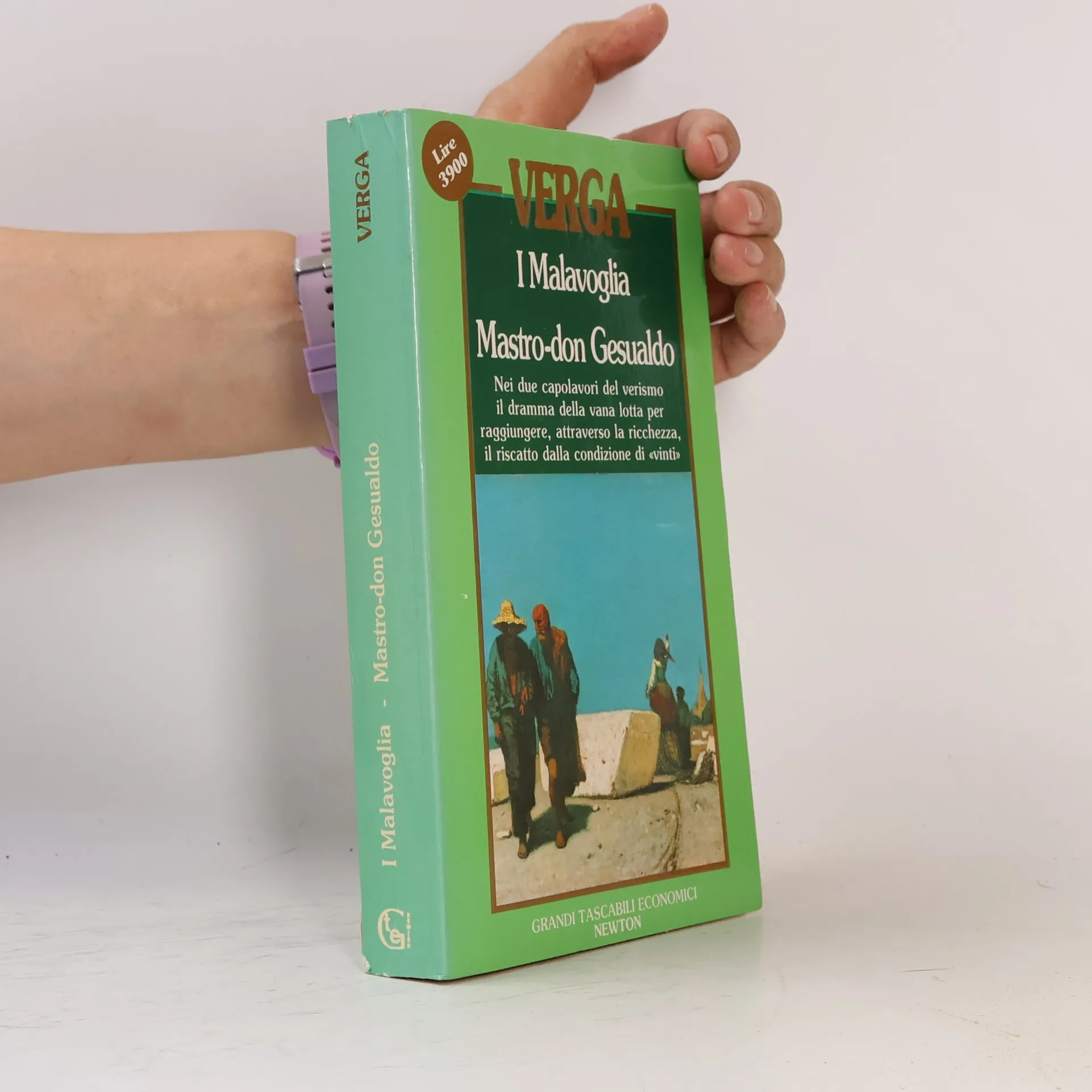
A cura di Sergio Campailla, Edizioni integrali esplora l'umanità dei vinti, coloro che sono inesorabilmente falciati dalla storia, un tema centrale nel verismo di Giovanni Verga. La sua straordinaria capacità di rappresentare la condizione umana in una Sicilia vissuta in prima persona emerge chiaramente. In un romanzo corale, una famiglia di pescatori di Aci Trezza esprime un attaccamento alla tradizione familiare, che sembra l'unica salvezza, ma si avvia verso un triste naufragio. Mastro-don Gesualdo racconta il cambiamento sociale di classi in decadenza e in ascesa, illustrando la storia di un muratore arricchito che dedica le sue energie a un amore sterile per la “roba”. Temi ricorrenti nella novellistica verghiana, non solo siciliana, includono la lotta disperata per la sopravvivenza, il conflitto per il possesso e il desiderio di elevarsi, che si rivela vano di fronte a un destino segnato. Tra le pagine più riuscite di Verga ci sono Rosso Malpelo, Ciàula scopre la luna e La roba. Nato nel 1840 a Catania e attivo a Firenze e Milano, il suo ritorno in Sicilia e l'incontro con la dura realtà meridionale hanno orientato la sua produzione verso un'analisi oggettiva della vita. Morì a Catania nel 1922.
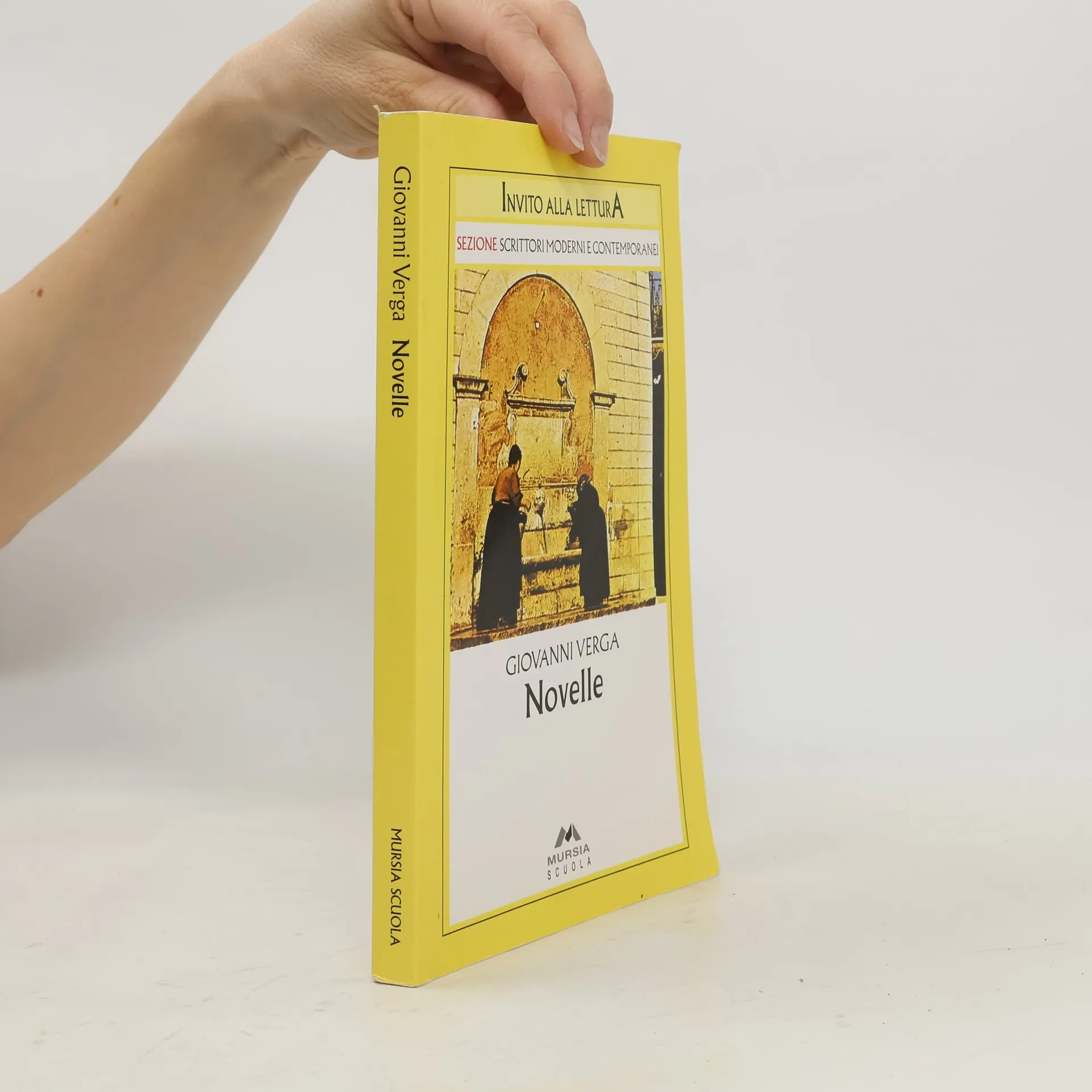
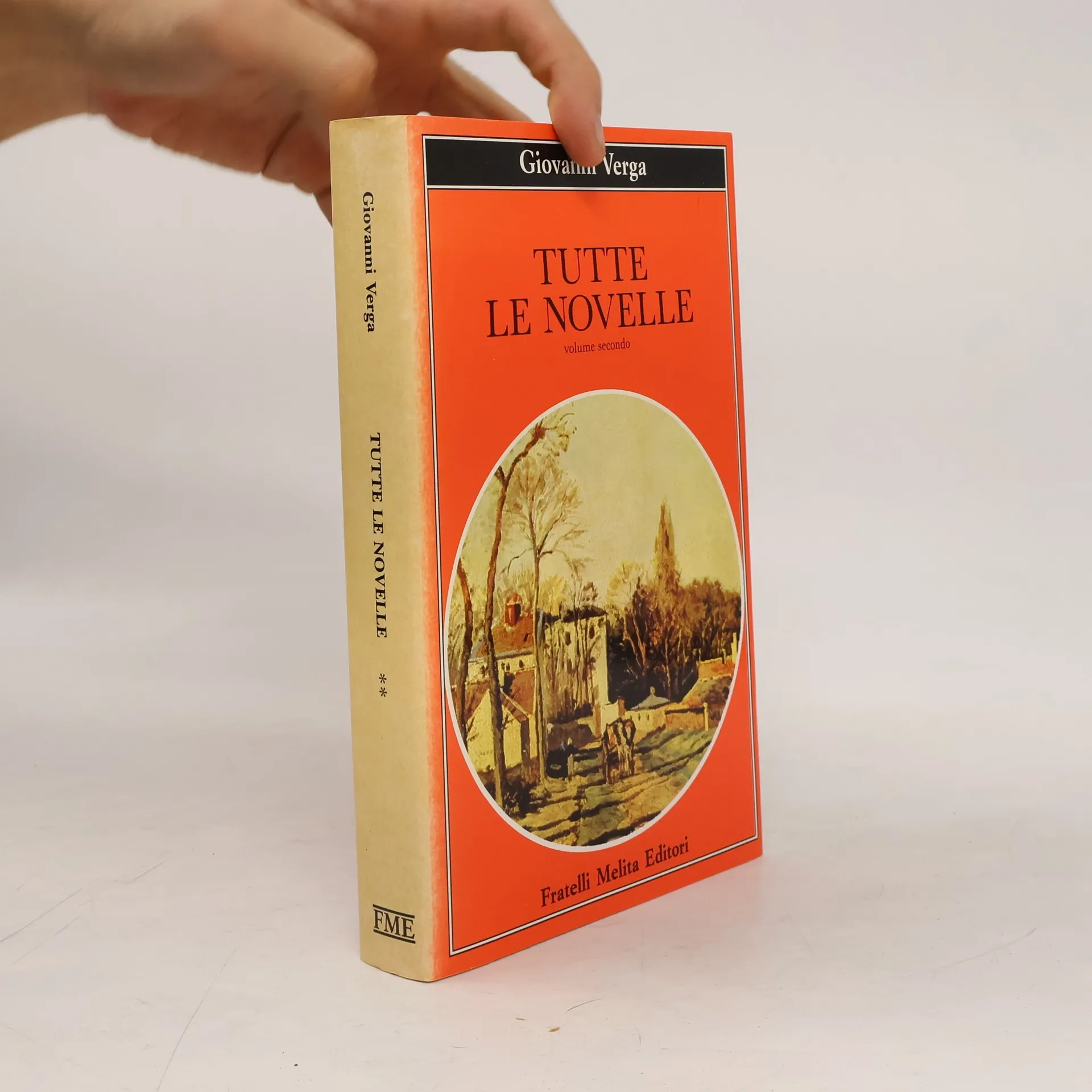
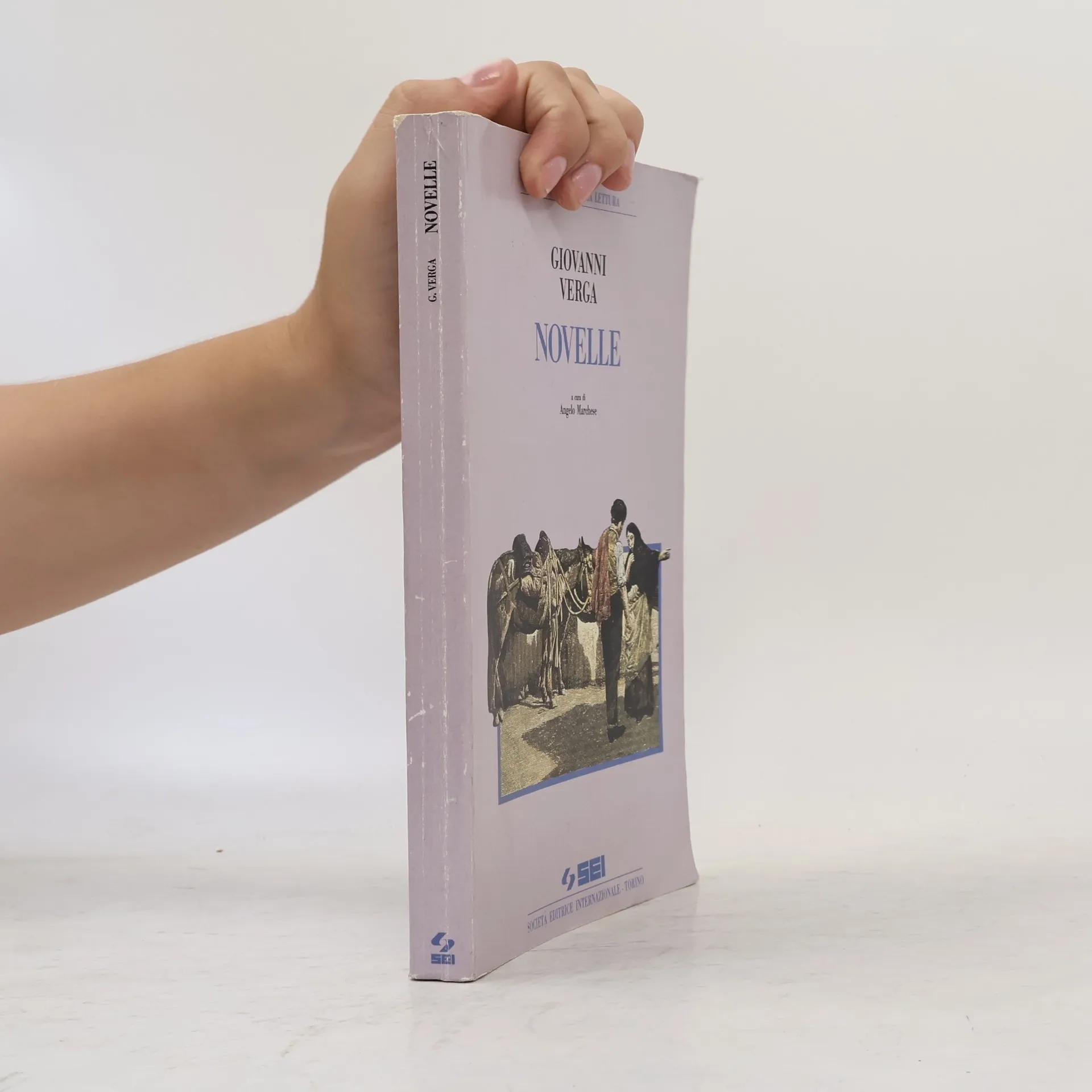
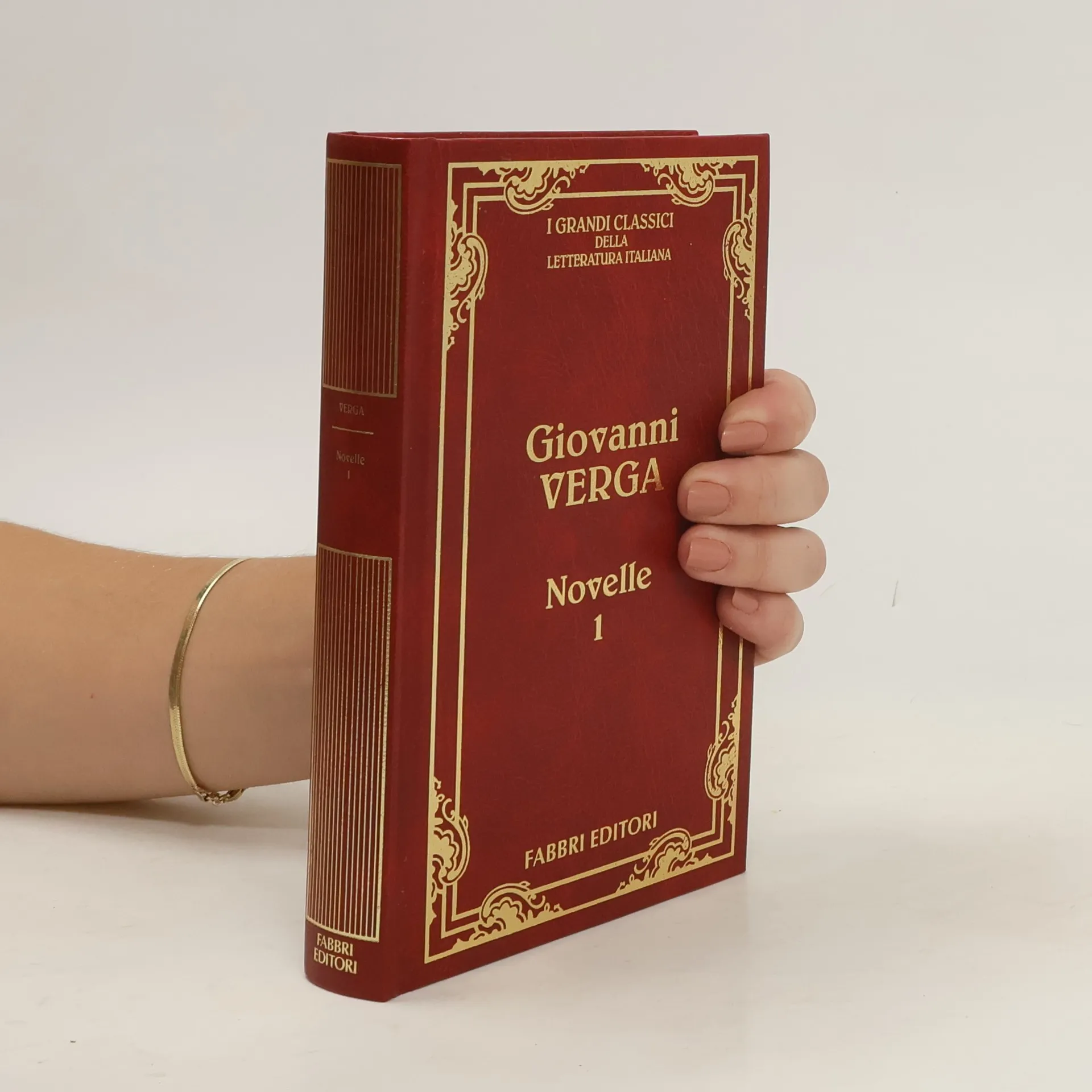
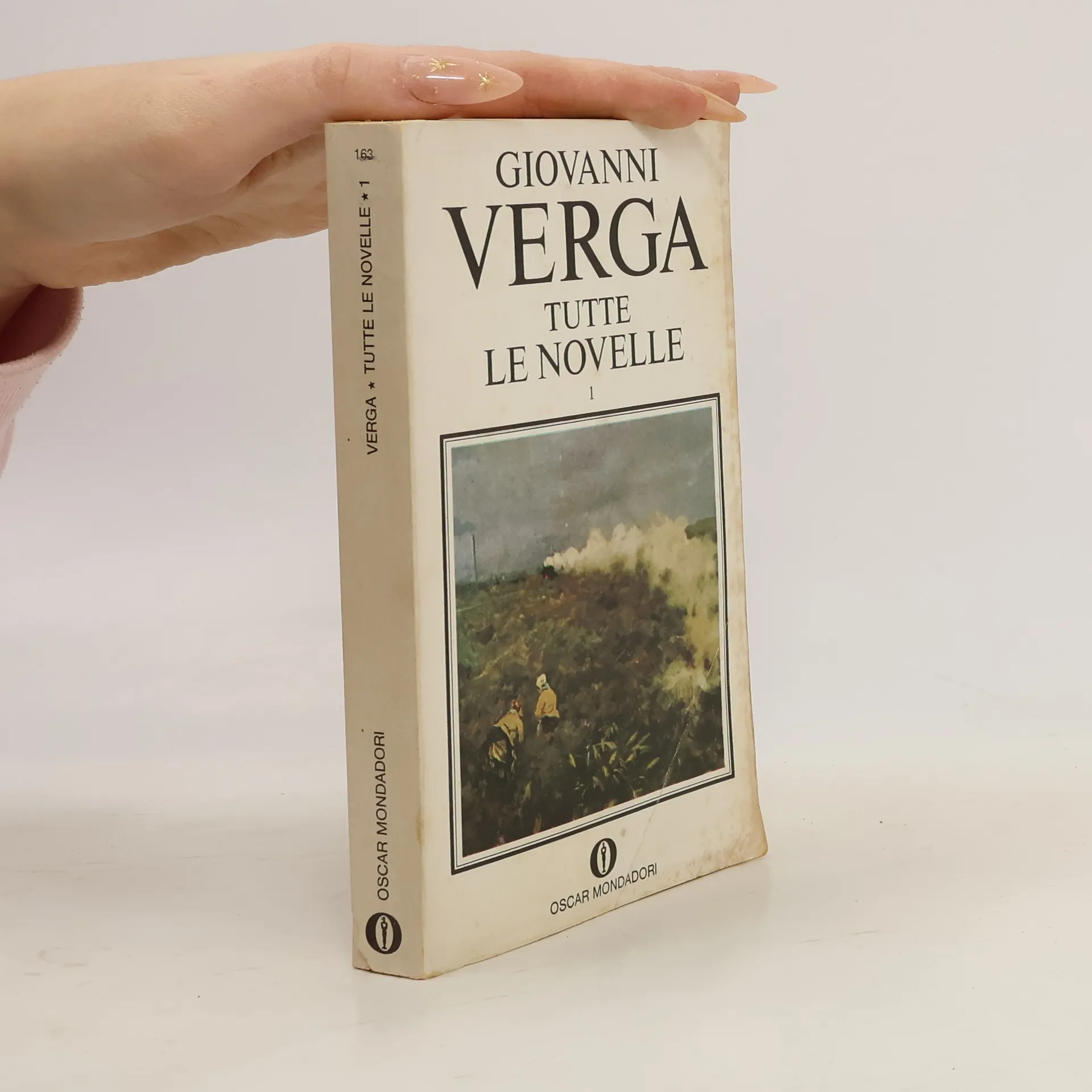
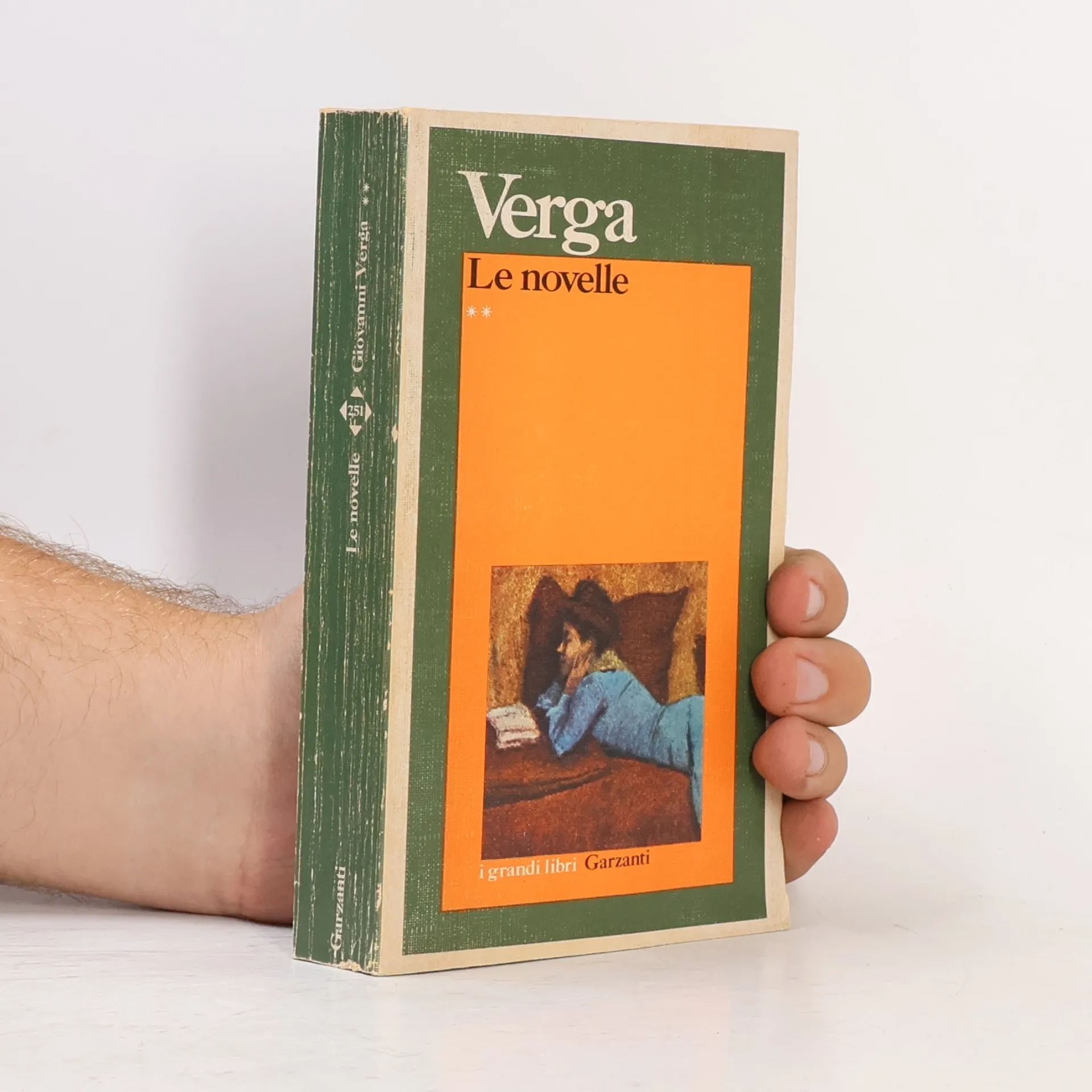
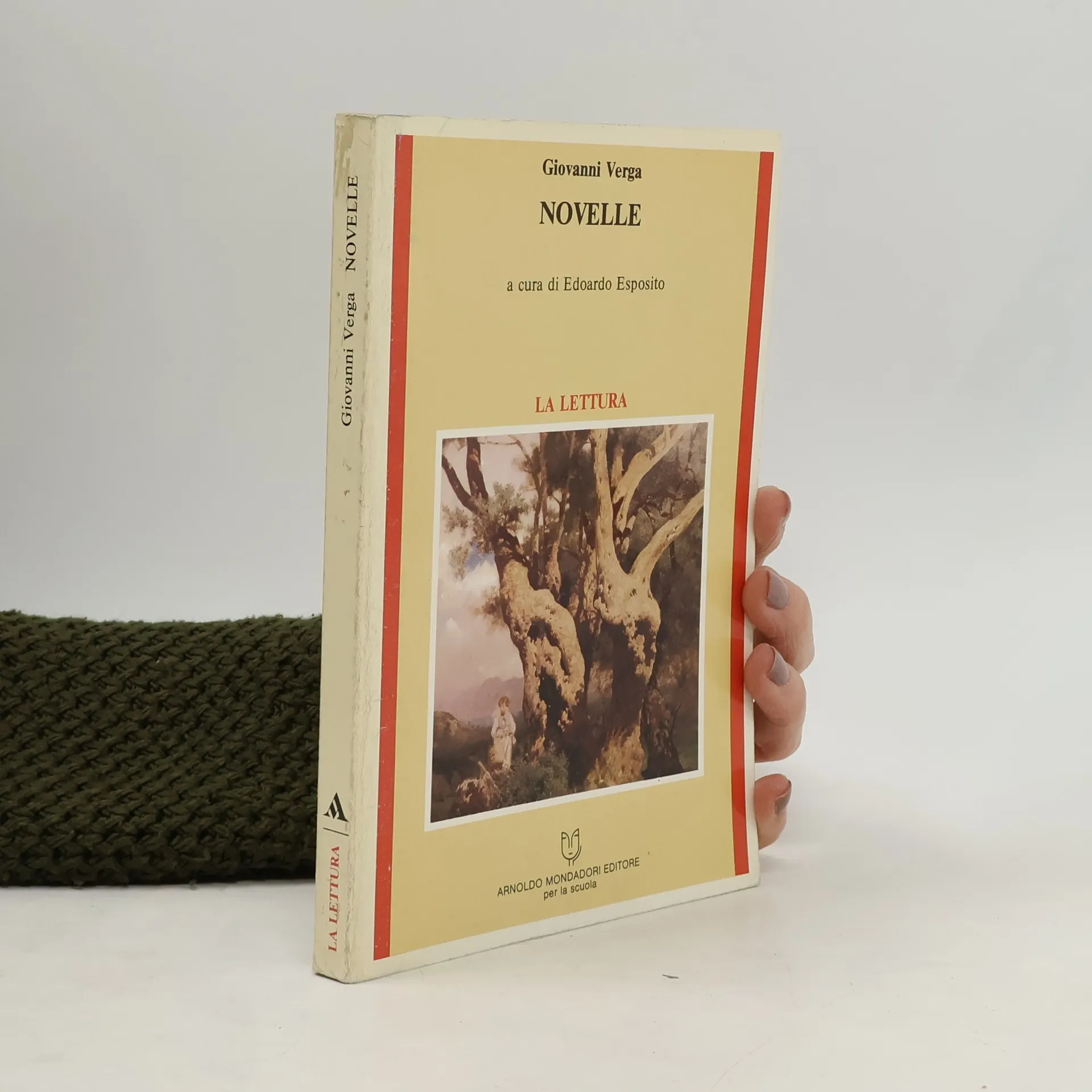
Dopo i primi romanzi, l'arte del Verga cambia radicalmente, rappresentando il mondo degli umili e dei diseredati con drammatica verità. La prima novella, Nedda (1874), è seguita da raccolte come Primavera e altri racconti (1876), Vita dei campi (1880), Novelle rusticane (1883), Per le vie (1883), Vagabondaggio (1887), I ricordi del capitano d'Arce (1891) e Don Candeloro e C.i (1894). Queste opere esplorano sentimenti elementari e situazioni esasperate, spesso culminando in catastrofi: Nanni Lasca uccide la Lupa, Alfio elimina il rivale, Jeli il pastore uccide il signorino che gli ha sottratto la sua amata. Luigi Russo osserva che "le passioni di questi primitivi" si concentrano sulla casa, con le sue leggi d'onore e lavoro. Non si tratta più di passioni di nomadi o sognatori, ma di una gente che investe tutto in un mondo e una religione. I loro drammi si configurano come drammi religiosi, dove amore, desiderio, onore e vendetta trascendono le persone, richiamandosi a un'etica ideale, elementare ma rigorosa nelle sue leggi. Indice: - Novelle - Vita dei campi - Novelle rusticane - Per le vie.
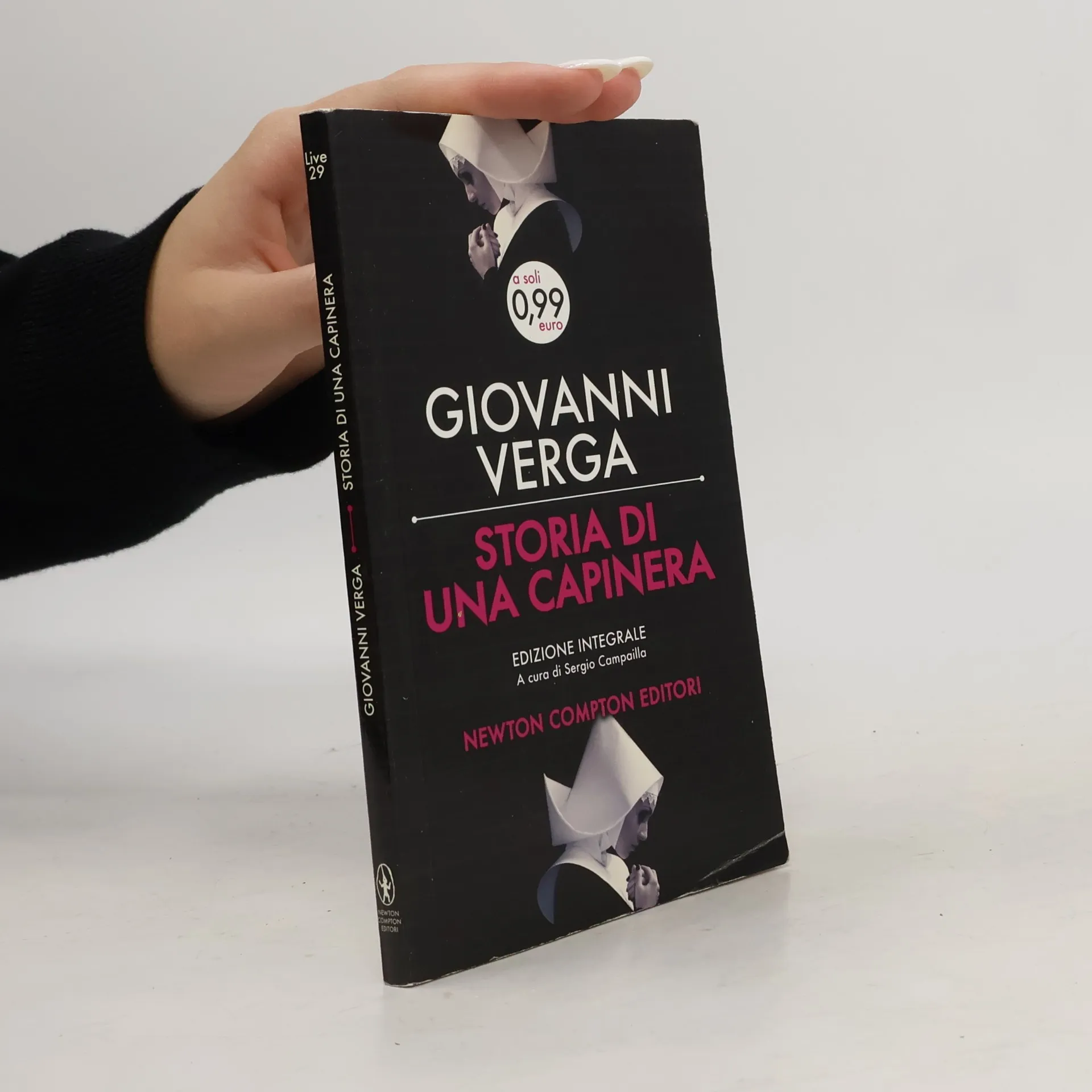
Lontano dai temi del verismo cari a Verga, considerato a suo tempo una polemica denuncia della condizione femminile, Storia di una capinera, adattato per il cinema da Zeffirelli, è piuttosto un grande dramma intimo, sentimentale, umano, spinto fino all’eccesso. Scritto nel 1869 e pubblicato in volume nel 1871, questo romanzo di Verga, ispirato a una storia vera, ha goduto e continua a godere di una straordinaria fortuna. La giovane Maria, costretta dal padre alla vita del convento pur senza vocazione, scrive all’amica Marianna lettere che testimoniano il suo turbamento di giovane novizia. Maria riscopre nuovi orizzonti in contrasto con la vita monacale e soprattutto l’amore che, osteggiato da tutti, crescerà in lei assumendo una tensione parossistica.
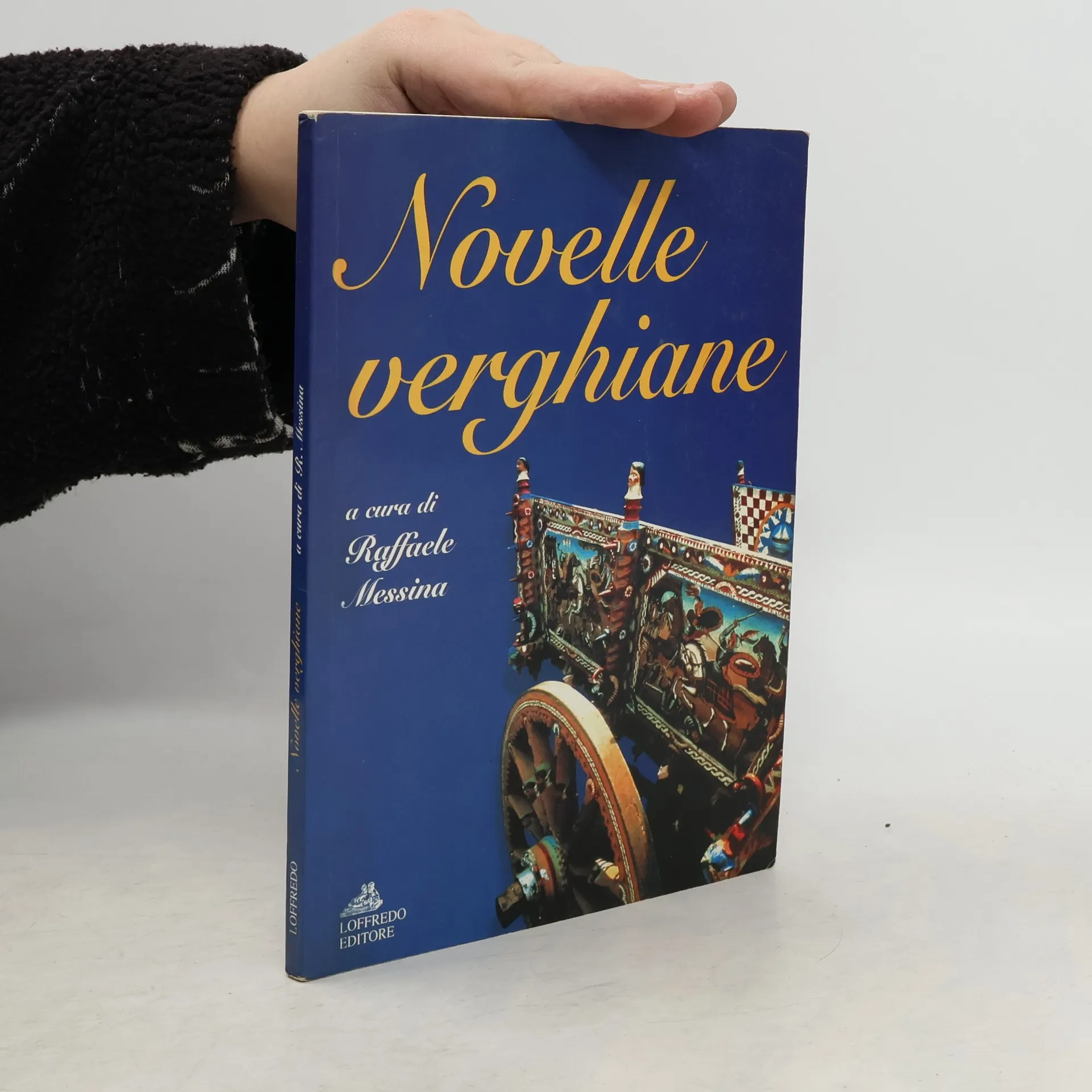
La Sicilia è una terra aspra e difficile, che concede poco, ma che ha regalato nel corso del tempo grandi storie, scritte da chi ha saputo coglierne il nucleo incandescente e metterlo in scena in forma narrativa. Tra questi, un posto di primissimo piano spetta a Giovanni Verga, l'autore dei "Malavoglia" e di Mastro don Gesualdo, ma anche di un numero eccezionale di novelle nelle quali si sperimenta un nuovo modo di fare racconto, ricorrendo ai criteri di un realismo asciutto e crudo in grado dì far avvertire al lettore le condizioni di vita -i costumi e le prassi sociali - della Sicilia del secondo Ottocento.
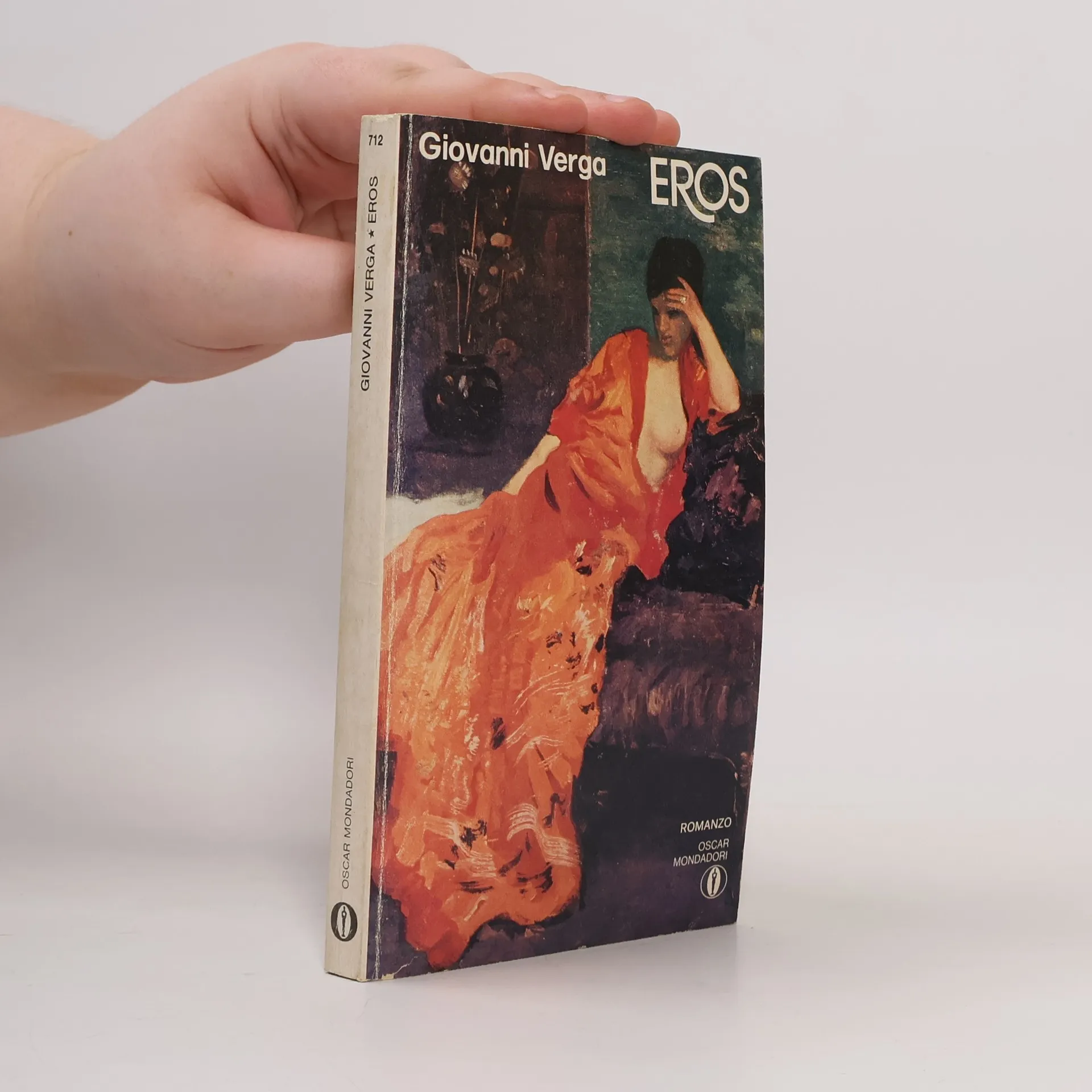
Pietro Brusio, un giovane di Catania, studente di legge e con passioni letterarie, si innamora perdutamente di una donna incontrata casualmente durante una passeggiata ai giardini pubblici della città. La donna si chiama Narcisa Valderi ed è la moglie del conte di Prato. Lei, però, non sembra accettare la corte assidua del giovane che, desideroso di riscattarsi, compone in breve tempo un dramma, il Gilberto, che lo rende subito celebre. Grazie alla notorietà ottenuta riesce a conquistare la donna, ora innamorata persa di lui.
Il protagonista è il giovane e ricco nobile Alberto Alberti, noto per i suoi successi sociali, soprattutto con le donne. Sembrerebbe che nulla possa ostacolare la sua vita felice, ma Alberto cerca invano il compimento e il senso della vita nell'amore. Il suo insaziabile desiderio di una perfetta realizzazione emotiva fallisce a causa della sua stessa incapacità di agire. Egli si limita a cercare e aspettare, senza mai impegnarsi per una vera relazione, poiché non comprende che l'amore è, prima di tutto, sacrificio, dedizione e fiducia.
Kyle Freeman, ein aufstrebender junger Dokumentarfilmer, erhält das beste Angebot seines Lebens: Er soll einen Beitrag über eine mysteriöse Sekte drehen, deren Mitglieder zusammen mit ihrer Anführerin Schwester Catherine ein grausames Ende fanden. Kyle und sein Kameramann Dan gehen an die Arbeit, doch bald machen seltsame Geräusche und merkwürdige Erscheinungen die Dreharbeiten zum Horrortrip. Schwester Catherine mag zwar tot sein, das hält sie aber noch lange nicht davon ab, Dan und Kyle die Hölle auf Erden zu bereiten ...
Weg mit dem Lehrbuch - Italienisch durch Eintauchen meistern
64 pages
3 hours of reading
Entdecken Sie mit der Lesemethode von Ilya Frank die Welt der Fremdsprachen ab Niveau A2. Diese Methode kombiniert Originaltexte mit direkten Übersetzungen und fördert ein tiefes Verständnis. "La Lupa" erzählt die fesselnde Geschichte einer geheimnisvollen Figur in Sizilien und bietet Einblicke in menschliche Emotionen und Beziehungen. Ein Muss für Liebhaber tiefgründiger Erzählungen.
Weg mit dem Lehrbuch - Italienisch durch Eintauchen meistern
64 pages
3 hours of reading
Entdecken Sie mit der Lesemethode von Ilya Frank eine innovative Art, Fremdsprachen ab Niveau A2 zu lernen. Diese Methode kombiniert Originaltexte mit direkten Übersetzungen und fördert ein tiefes Verständnis. "La Lupa", eine fesselnde Erzählung aus Sizilien, bietet komplexe Charaktere und emotionale Tiefe. Ein Muss für Liebhaber eindrucksvoller Geschichten.
Ungekürzter Originaltext - Italienisch durch Spaß am Lesen lernen, auffrischen und perfektionieren
68 pages
3 hours of reading
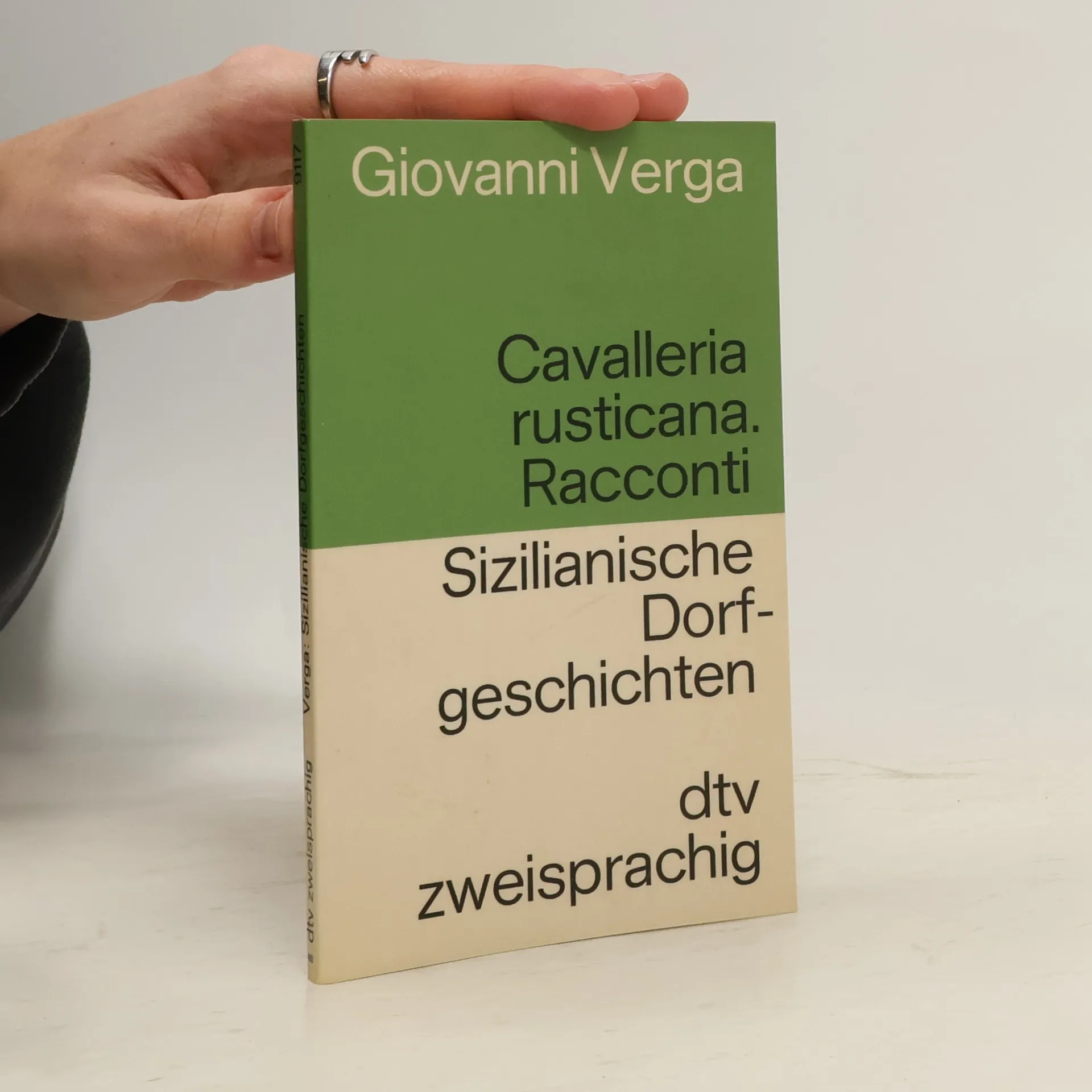
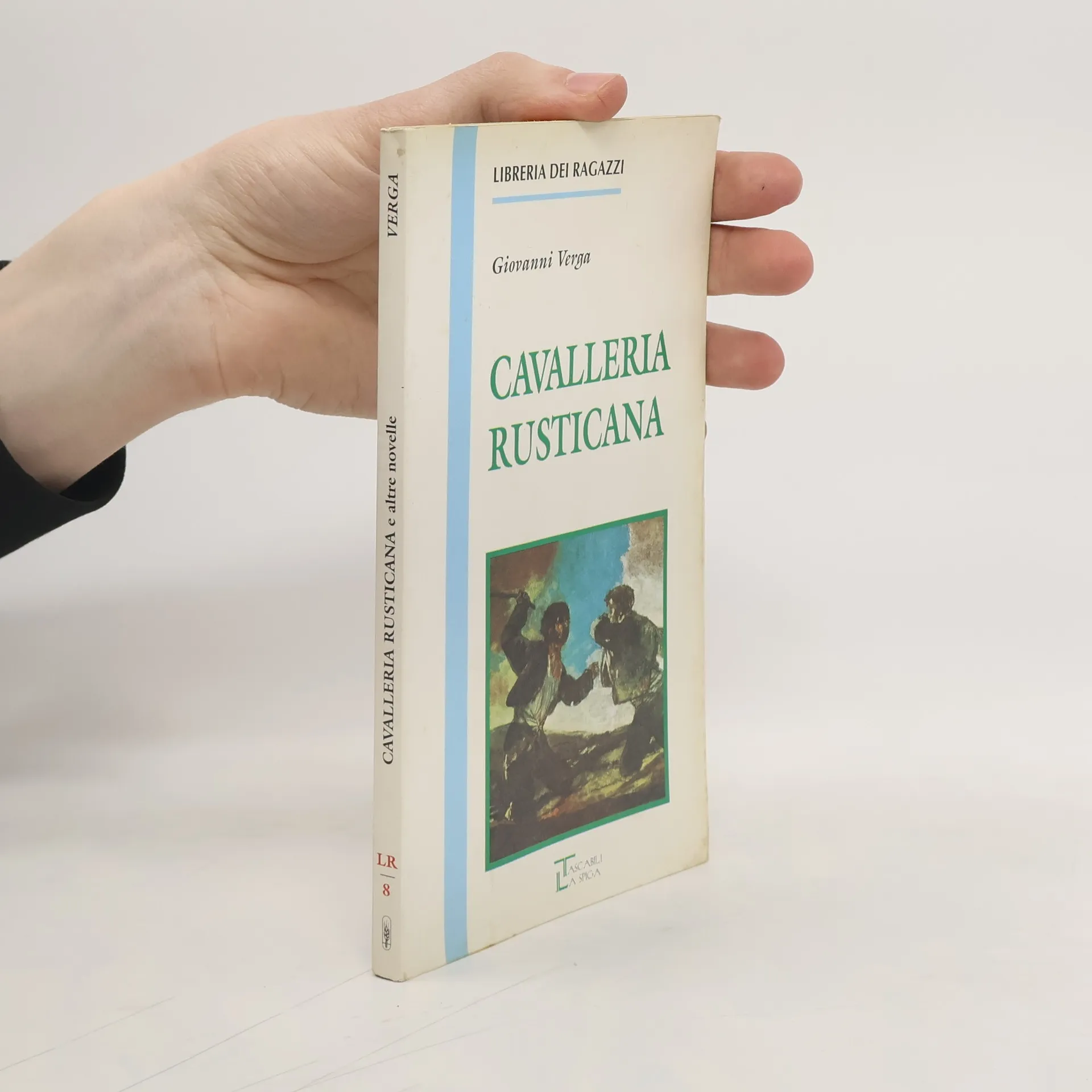
"Cavalleria Rusticana" von Giovanni Verga ist eine Erzählung aus der Sammlung Sizilianische Novellen und ein Beispiel für den italienischen Verismus. Dieses zweisprachige Buch (Italienisch-Deutsch) nutzt eine innovative Lesemethode, die das Lesen im Original erleichtert und den Wortschatz sowie die Grammatik spielerisch verbessert.
Ungekürzter Originaltext - Italienisch durch Spaß am Lesen lernen, auffrischen und perfektionieren
"La Lupa" von Giovanni Verga ist eine Erzählung aus der Sammlung Sizilianische Novellen. Dieses zweisprachige Buch (Italienisch-Deutsch) ermöglicht Anfängern und Wiedereinsteigern, das Original mühelos zu lesen. Die innovative Lesemethode fördert den Wortschatz und das Hörverständnis ohne Wörterbuch.
Ungekürzter Originaltext - Italienisch durch Spaß am Lesen lernen, auffrischen und perfektionieren
"Primavera" von Giovanni Verga ist Teil der Sizilianischen Novellen und bietet den ungekürzten Originaltext in einer zweisprachigen Ausgabe (Italienisch-Deutsch). Die innovative Lesemethode von Ilya Frank erleichtert das Lernen von Fremdsprachen und verbessert den Wortschatz sowie das Hörverständnis, ohne dass ein Wörterbuch nötig ist.
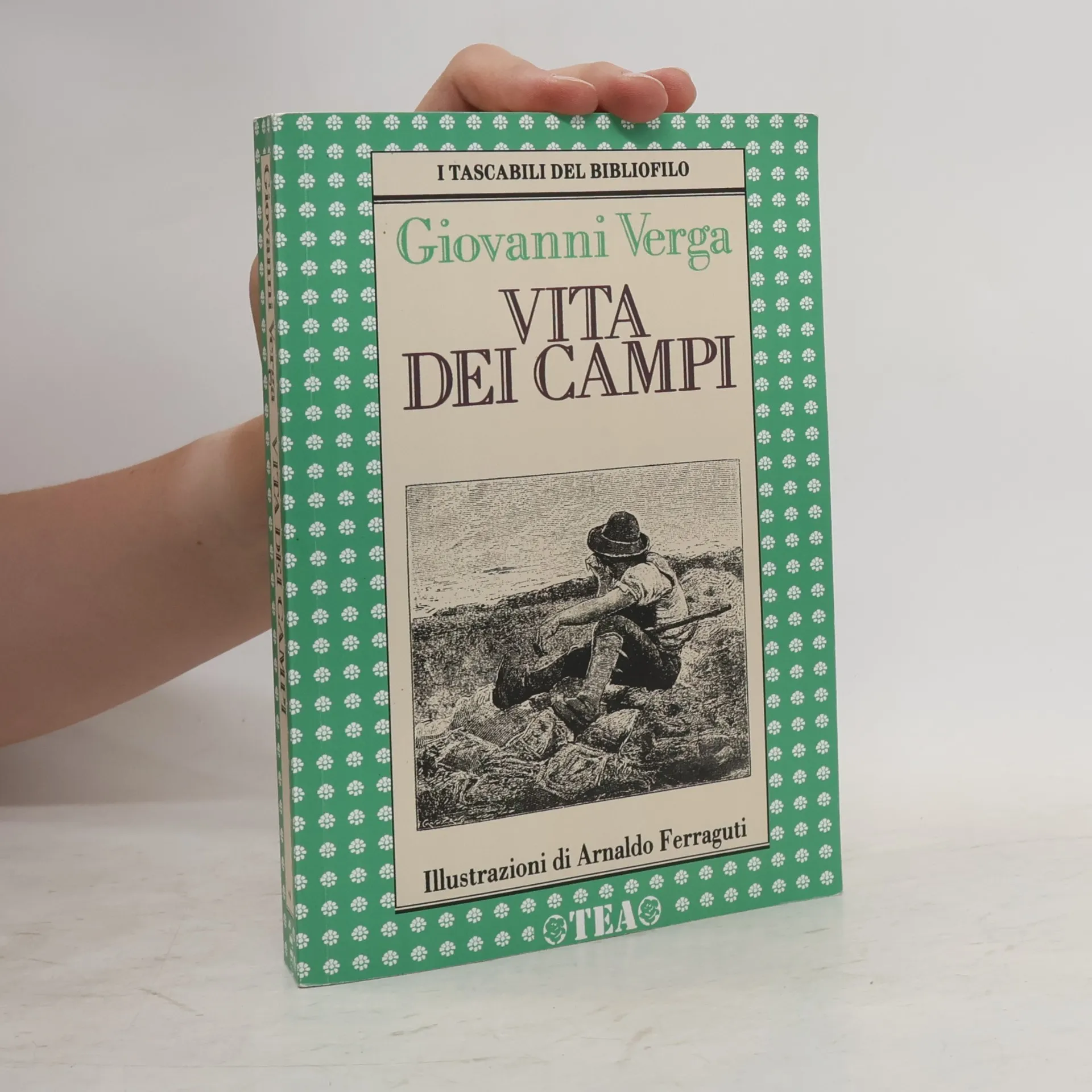
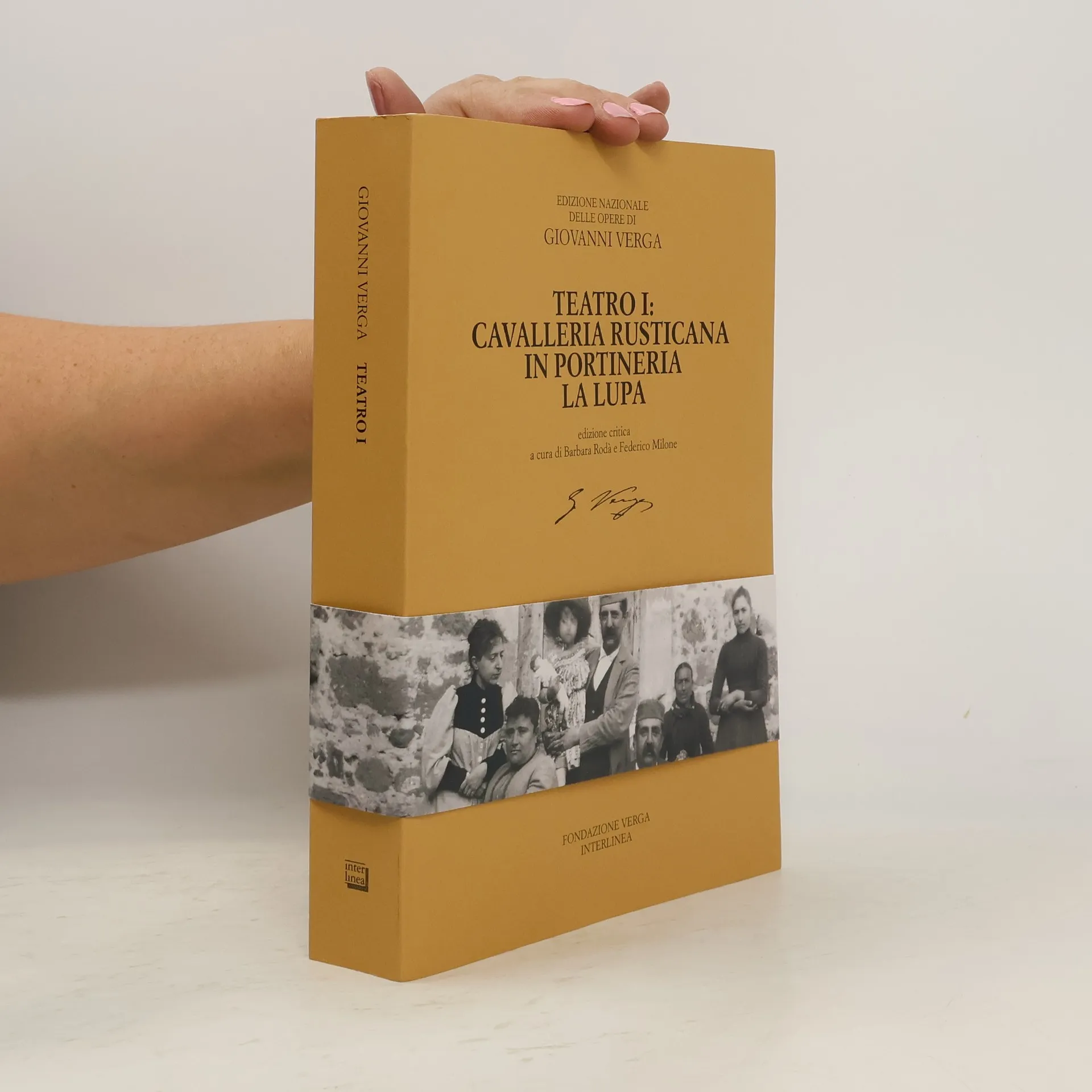
L'edizione della "Vita dei campi" di Giovanni Verga qui riprodotta fu pubblicata nel 1897 dall'editore Treves. Comprende alcune delle novelle più famose, illustrate da una serie di incisioni di Arnaldo Ferraguti. Riproduzione a richiesta dell'edizione: Tea, 1993 (I tascabili del bibliofilo 7) ISBN 88-7819-368-2
Weg mit dem Lehrbuch - Italienisch durch Eintauchen meistern
72 pages
3 hours of reading
Entdecken Sie die innovative Lesemethode von Ilya Frank, die Originaltexte mit klaren Übersetzungen kombiniert, ideal für Sprachniveau A2. Erleben Sie 'Cavalleria Rusticana', eine fesselnde Erzählung über Liebe und Eifersucht in Sizilien, die tiefgründige Charaktere und emotionale Konflikte erforscht. Ein Muss für Literaturfreunde.
Leseprobe: https: //easyoriginal.com/leseproben/DI2.pdf Innovative Lesemethode: https: //easyoriginal.com/lesemethode/ "Cavalleria Rusticana" ist eine Erzählung von Giovanni Verga aus der Novellensammlung Sizilianische Novellen. Giovanni Verga war ein italienischer Schriftsteller und einer der Hauptvertreter des Verismus, des italienischen Naturalismus. Ungekürzte Originaltext.Spaß am Lesen im Original - und das schon als Anfänger oder Wiedereinsteiger.Innovative Lesemethode von Ilya Frank.Fremdsprachen durch Spaß am Lesen lernen, auffrischen und perfektionieren.Effiziente und mühelose Erweiterung des Wortschatzes dank der innovativen Lesemethode.Es bereitet keine Mühe, um im Original zu lesen und kein Wörterbuch ist notwendig, um jedes Wort genau zu verstehen. Nebenbei erlernt man den Wortschatz und wiederholt / verbessert die Grammatik.Dank der integrierten Hörbücher wird auch das Hörverständnis trainiert.
com/leseproben/DI10.pdf Innovative Lesemethode: https: //easyoriginal.com/lesemethode/ "Primavera" ist eine Erzählung von Giovanni Verga aus der Novellensammlung Sizilianische Novellen. Giovanni Verga war ein italienischer Schriftsteller und einer der Hauptvertreter des Verismus, des italienischen Naturalismus. Ungekürzter Originaltext. Zweisprachiges Buch Italienisch-Deutsch. Spaß am Lesen im Original - und das schon als Anfänger oder Wiedereinsteiger. Innovative Lesemethode von Ilya Frank. Fremdsprachen durch Spaß am Lesen lernen, auffrischen und perfektionieren. Effiziente und mühelose Erweiterung des Wortschatzes dank der innovativen Lesemethode. Es bereitet keine Mühe, um im Original zu lesen und kein Wörterbuch ist notwendig, um jedes Wort genau zu verstehen. Nebenbei erlernt man den Wortschatz und wiederholt / verbessert die Grammatik. Dank der integrierten Hörbücher wird auch das Hörverständnis trainiert.
Ungekürzter Originaltext - Italienisch durch Spaß am Lesen lernen, auffrischen und perfektionieren
228 pages
8 hours of reading
com/leseproben/DI2.com/lesemethode/ Giovanni Verga war ein italienischer Schriftsteller und einer der Hauptvertreter des Verismus, des italienischen Naturalismus. Ungekürzter Originaltext. Zweisprachige Bücher Italienisch-Deutsch. Spaß am Lesen im Original – und das schon als Anfänger oder Wiedereinsteiger. Innovative Lesemethode von Ilya Frank. Fremdsprachen durch Spaß am Lesen lernen, auffrischen und perfektionieren. Effiziente und mühelose Erweiterung des Wortschatzes dank der innovativen Lesemethode. Es bereitet keine Mühe, um im Original zu lesen und kein Wörterbuch ist notwendig, um jedes Wort genau zu verstehen. Nebenbei erlernt man den Wortschatz und wiederholt / verbessert die Grammatik. Dank der integrierten Hörbücher wird auch das Hörverständnis trainiert.
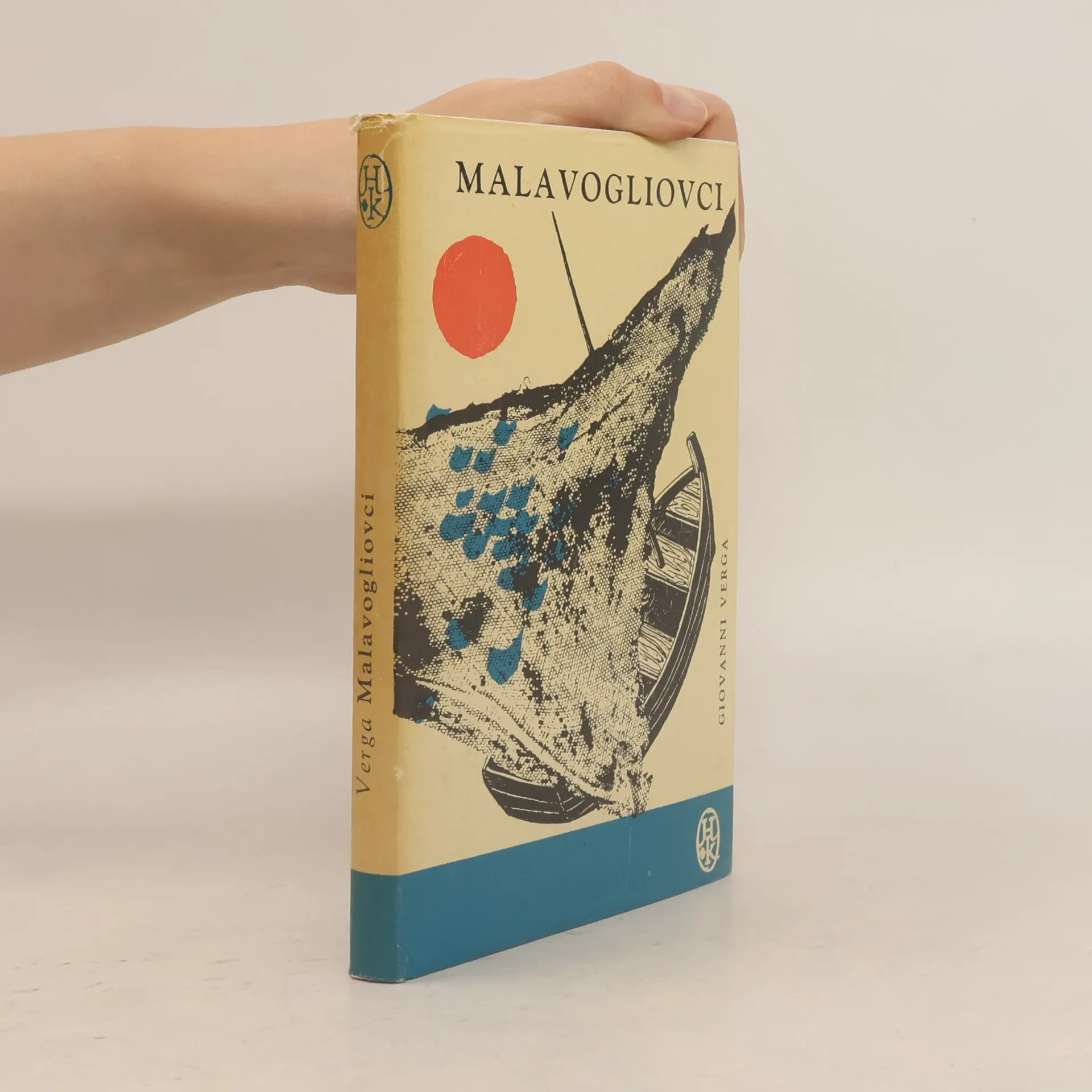
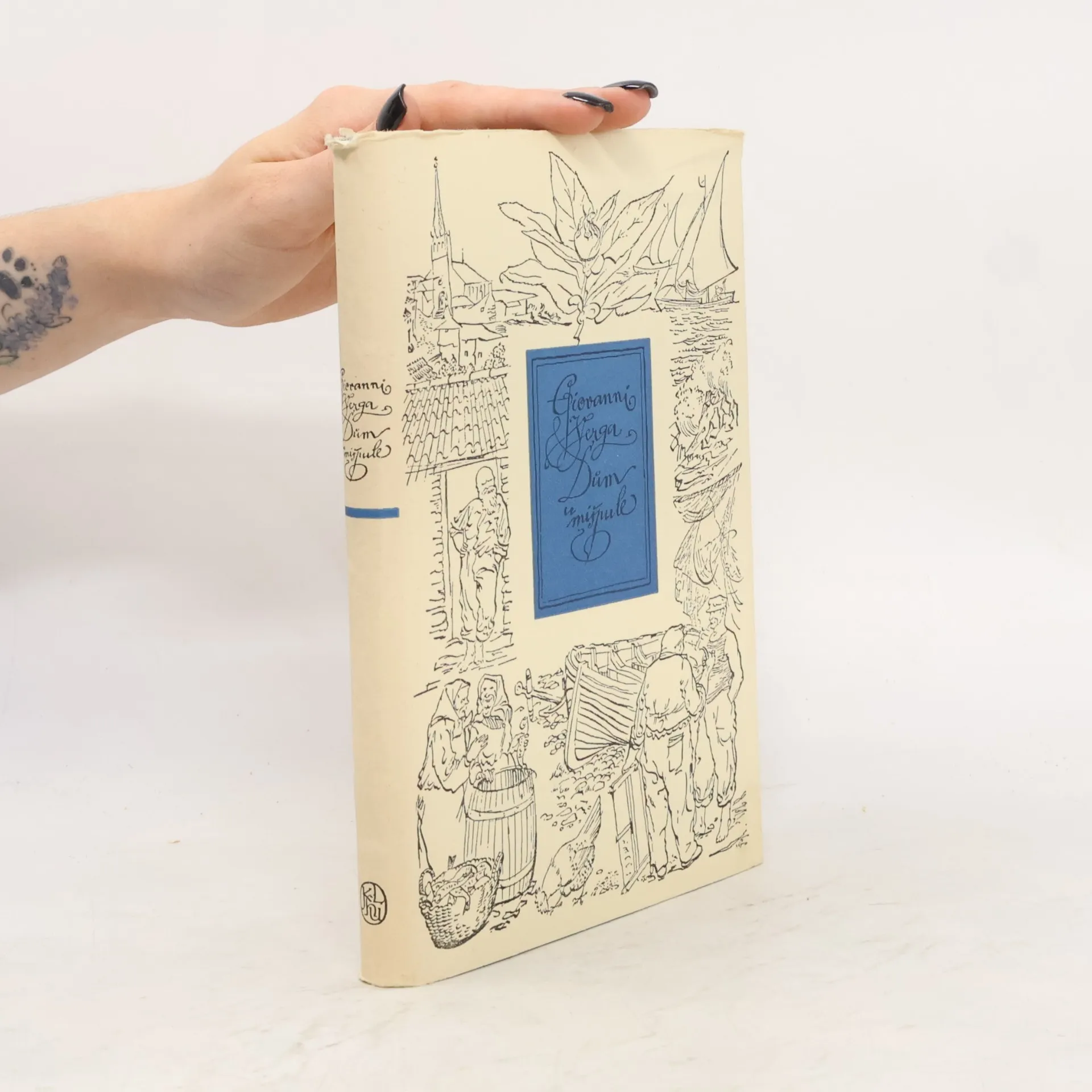
Three generations of fishermen conduct an epic struggle against nature, fate, and society in this tale by realist writer Giovanni Verga. Written in 1881 and set in the Sicilian village of Aci Trezza during the 1860s, the novel recounts an impoverished family's attempts to pay off a crushing debt, to reclaim their lost boat and ancestral home, and to reunite their scattered clan.
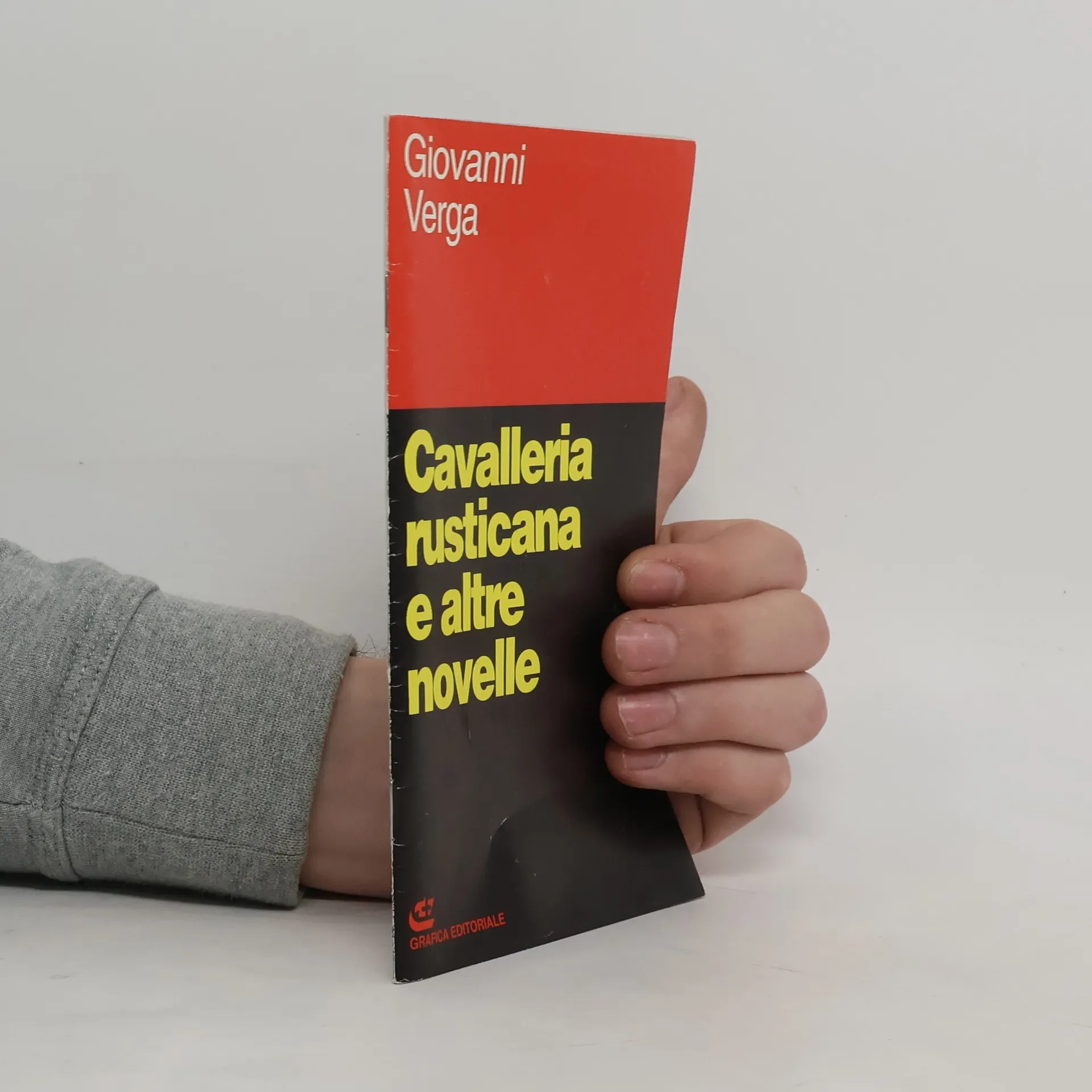
Le storie di Giovanni Verga (1840-1922) sono meravigliose evocazioni della vita quotidiana italiana, con particolare attenzione alla sua Sicilia natale. In uno stile di prosa originale e dinamico, ritrae temi umani eterni come l'amore, l'onore e l'adulterio con un linguaggio ricco e colorato. L'ispirazione per l'opera di Mascagni, 'Cavalleria Rusticana', descrive il trionfale ritorno a casa di un giovane dall'esercito, rovinato quando scopre che la sua amata è promessa a un altro uomo. La consapevolezza acuta di Verga delle difficoltà e delle aspirazioni della vita contadina si può vedere in racconti come 'Nedda', 'Vite pittoresche' e 'Pane nero', mentre altri come 'Il reverendo' e 'Don Licciu Papa' mostrano il dominio della chiesa e della legge nelle comunità siciliane che ritrae così vividamente.
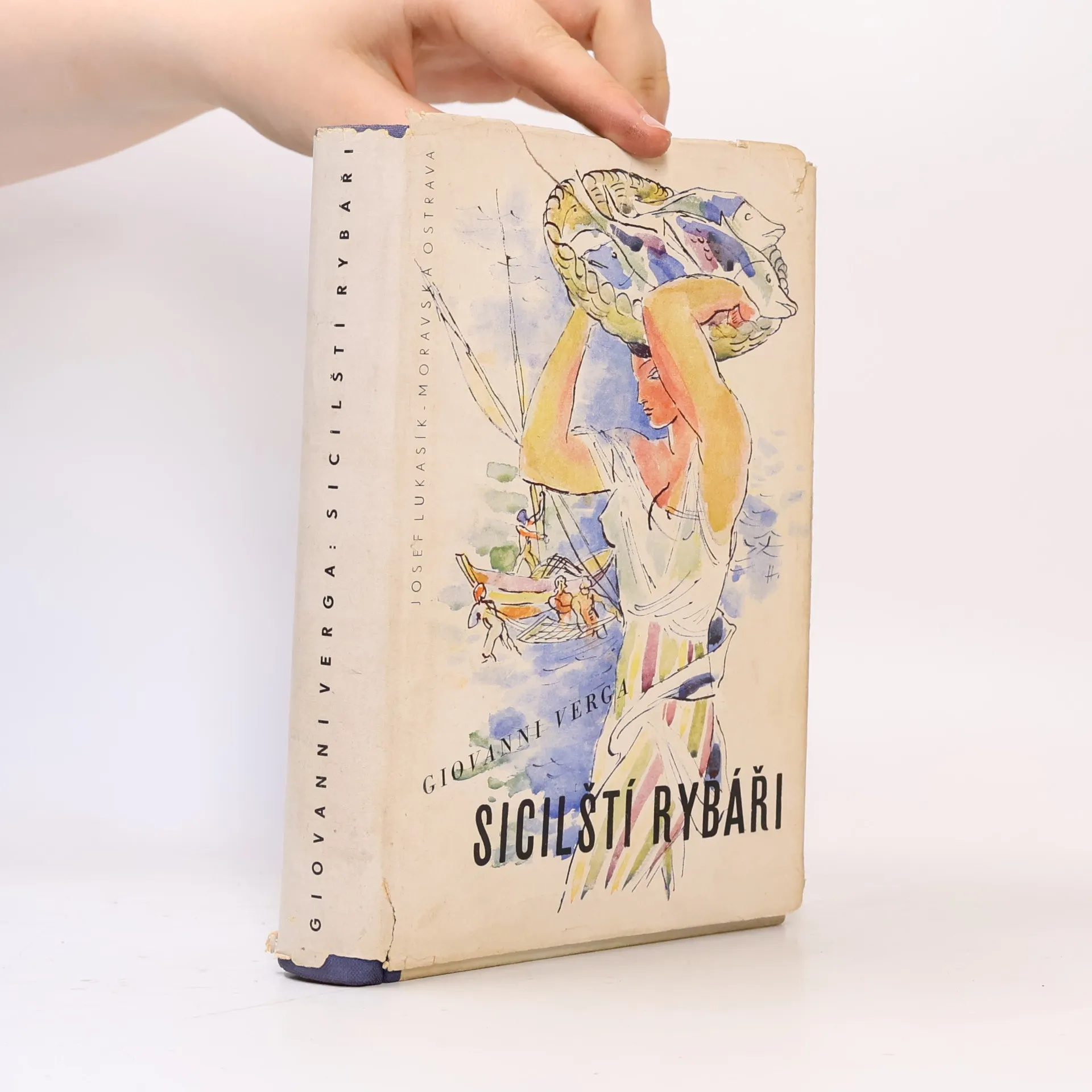
Román sicilského spisovatele (1840-1922) spadá svým vznikem do druhého období jeho tvorby, kdy po řadě romanticky laděných společenských románů vytvořil originální realistická díla z prostředí rodné Sicílie. Líčí v něm dramatické osudy patriarchální rybářské rodiny, její rozklad aúporný boj za záchranu rodného domu.
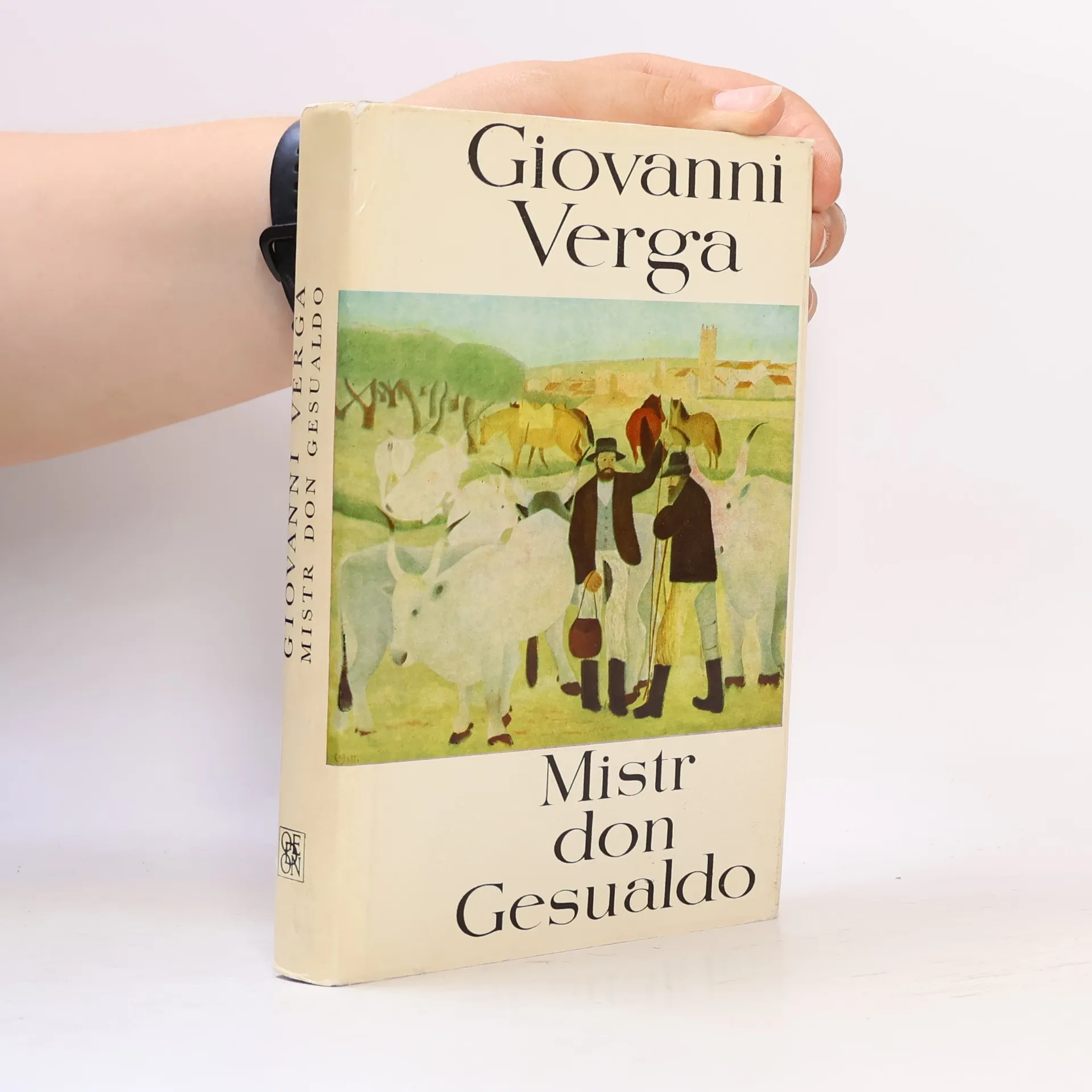
Zakladatel verismu si vybral pro své dílo, nazývané prvním velkým románem moderní italské literatury, prostředí malého sicilského města. Za ústřední postavu zvolil dona Gesualda, jenž zdravým rozumem a tvrdou prací přemohl bídu a stal se postupně zednickým mistrem, stavitelem, podnikatelemi statkářem, prvním boháčem v kraji, avšak na všech místech nalézá závist, nepřízeň a místo rodinného citu chlad a osamělost. Román je výbornou ukázkou života, podřízeného nepravým hodnotám, jejichž silou don Gesualdo roste, ale také padá. Autor zároveň cele ovládá jazykové prostředky, jimiž vyjadřuje svéráz Sicilanů.