C. P. Snow was a British novelist and scientist whose work frequently explored the collision between two cultures: the humanities and science. He became particularly renowned for his novels, which delve into the moral dilemmas and societal workings within the educated elite. Snow himself often highlighted society's failure to grasp the interconnectedness of scientific and literary thought. His prose is marked by an analytical perspective on human motivations and social structures, offering readers a profound insight into the complexities of intellectual and political life.
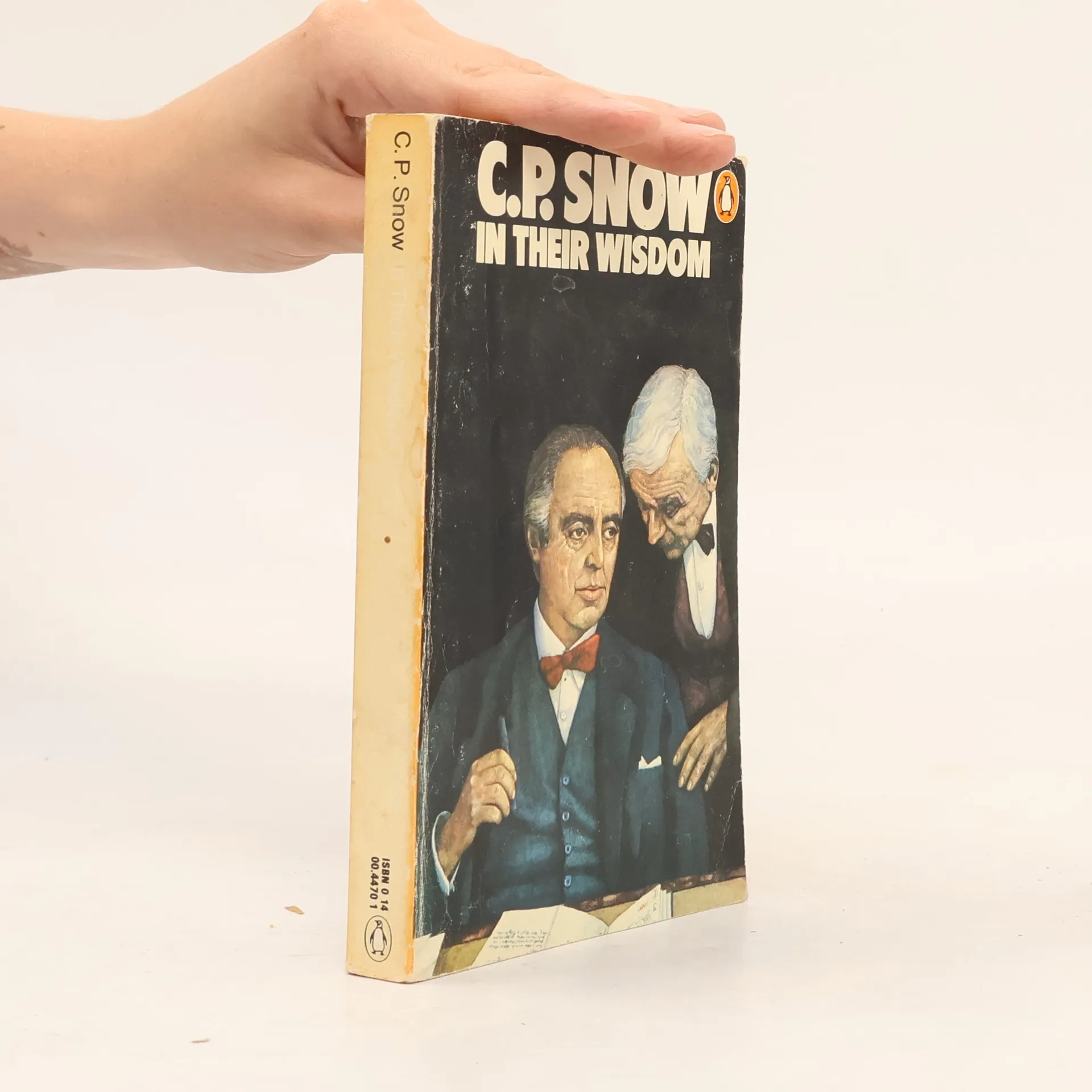
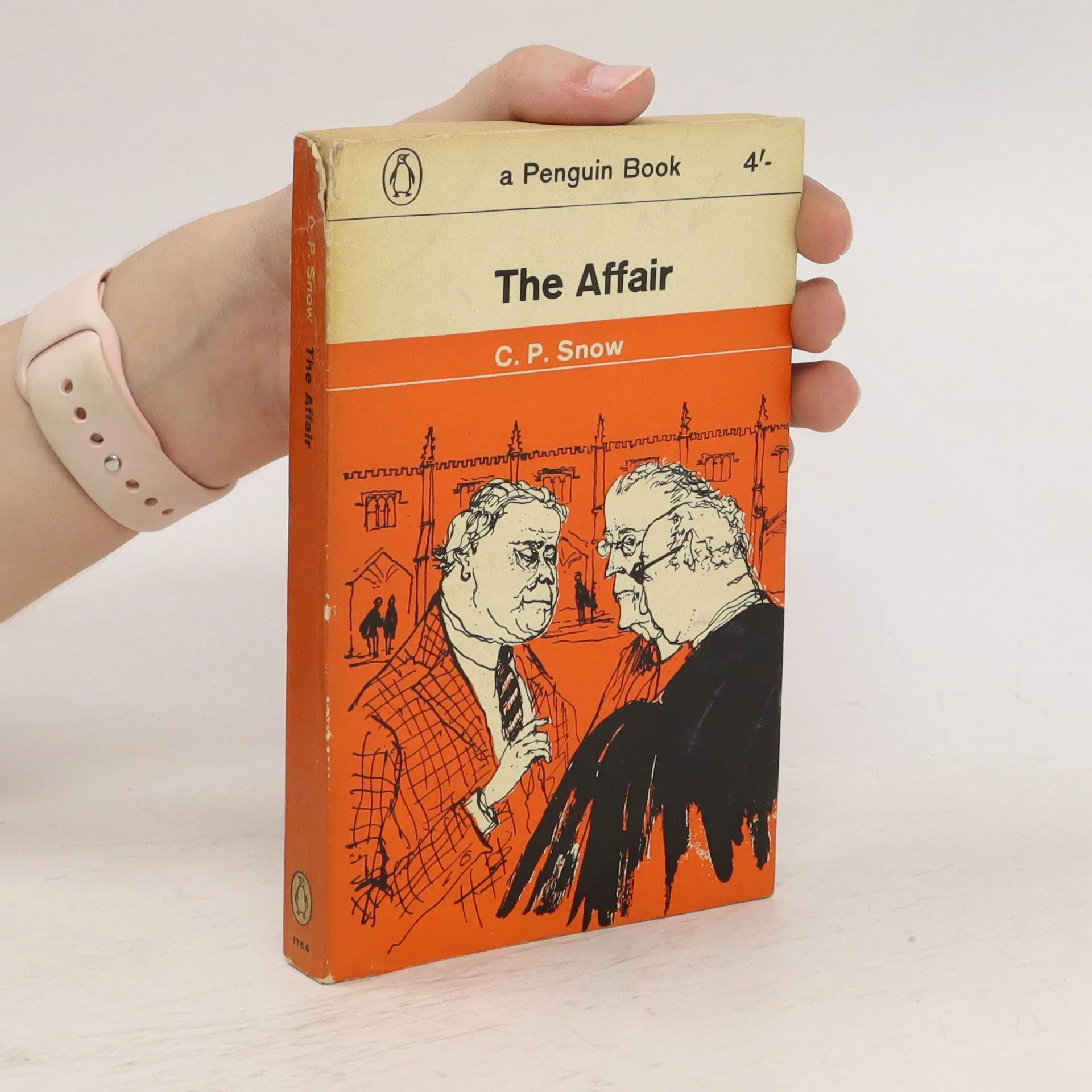
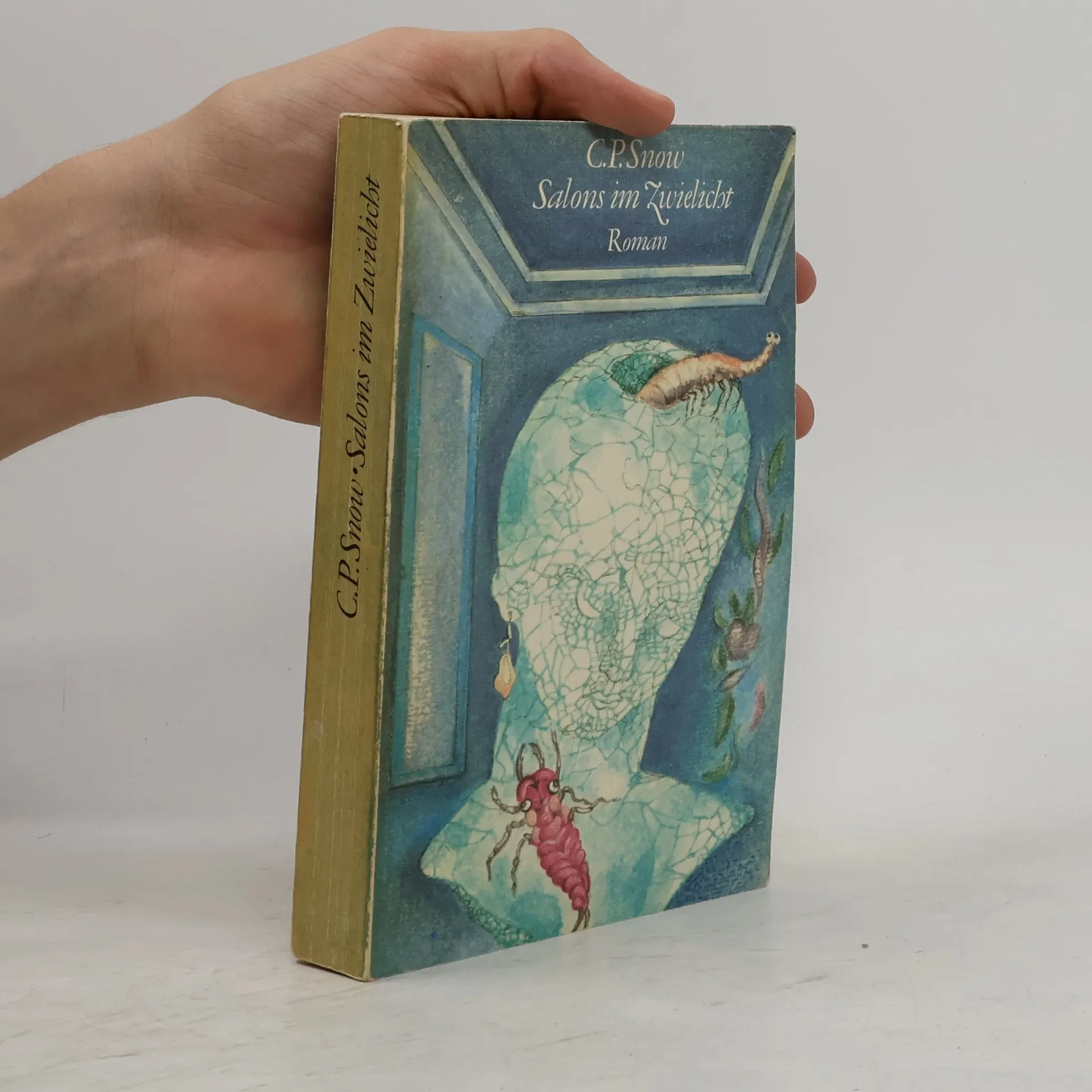
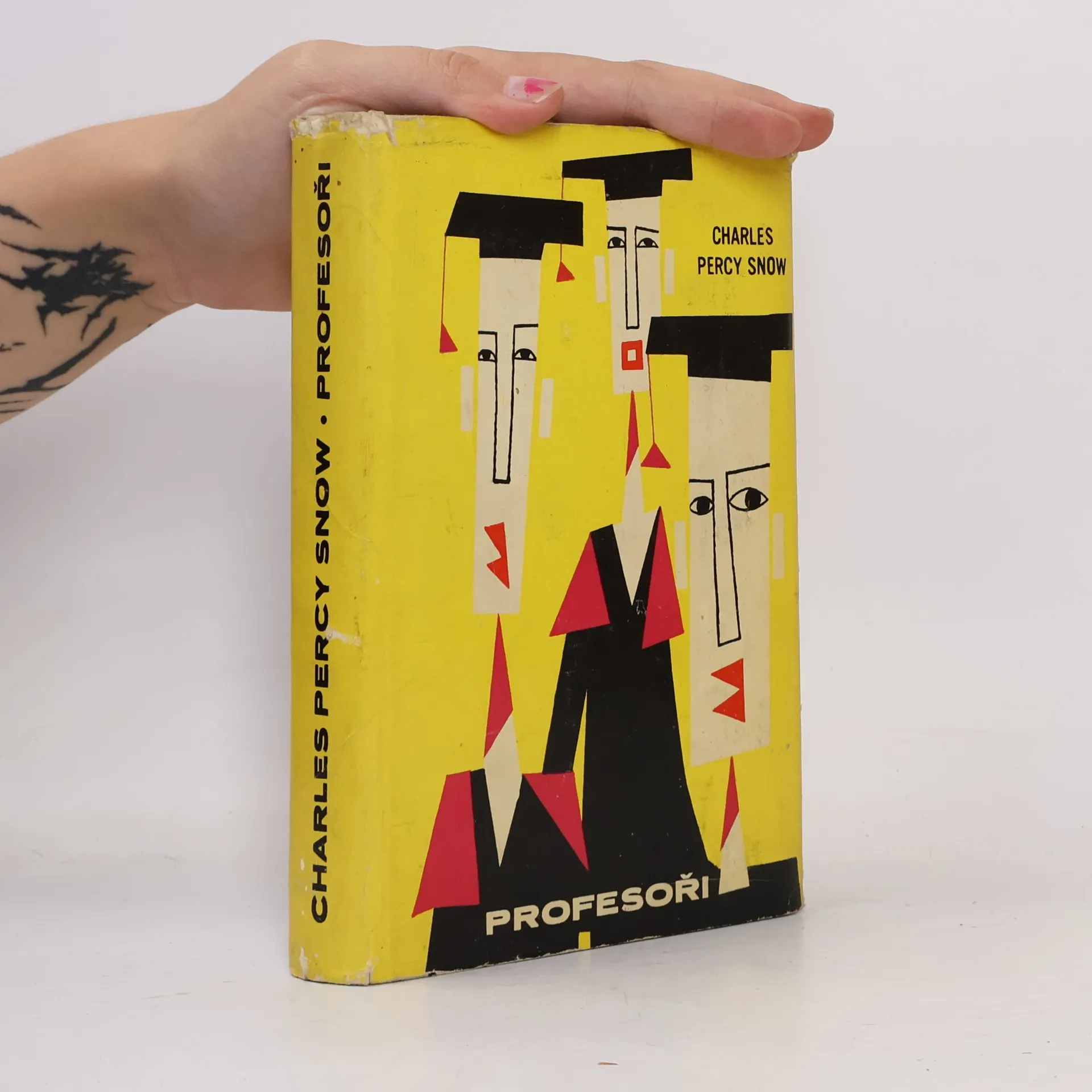
Economic storm clouds gather as bad political weather is forecast for the nation. Three elderly peers look on from the sidelines of the House of Lords and wonder if it will mean the end of a certain way of life. Against this background is set a court struggle over a disputed will that escalates into an almighty battle.
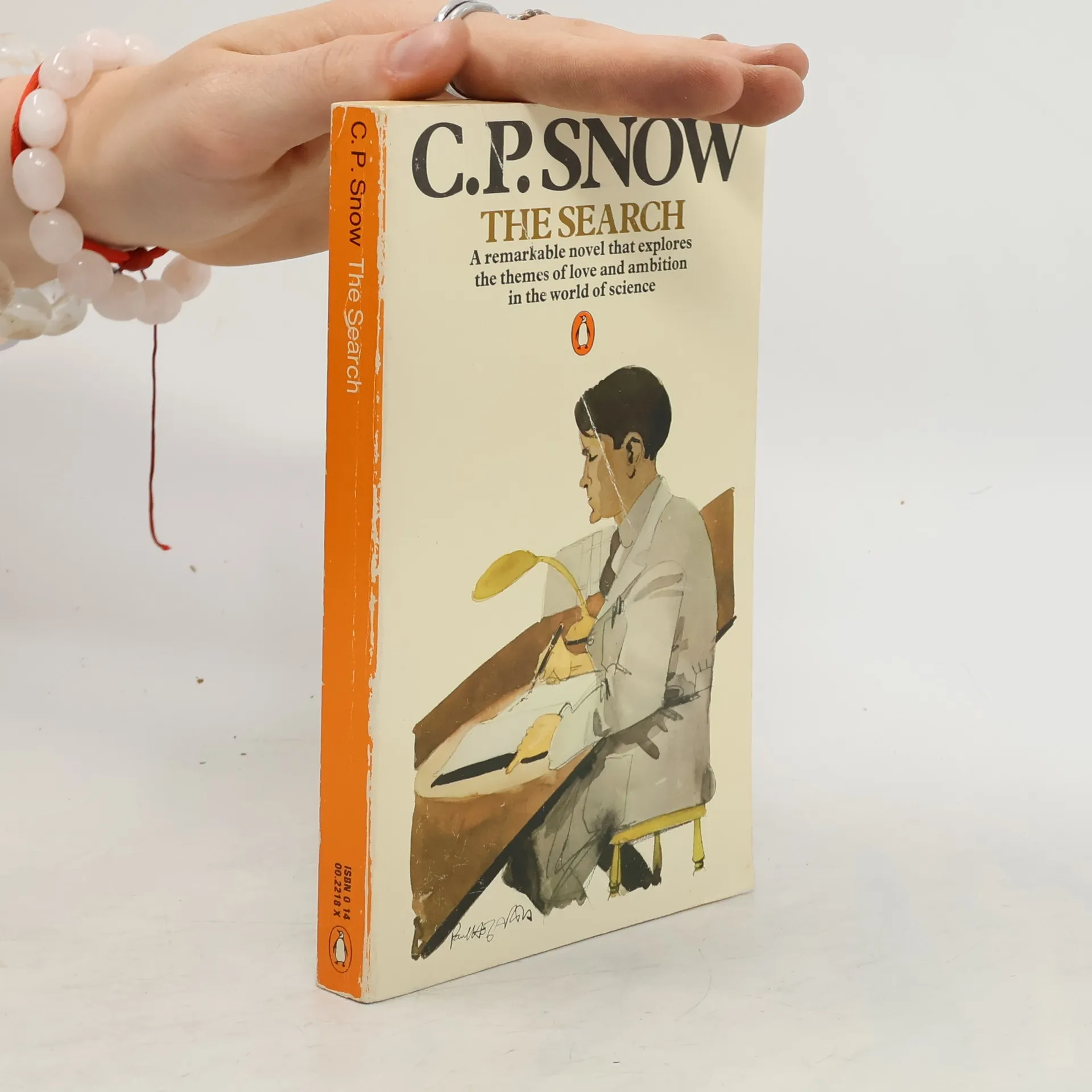
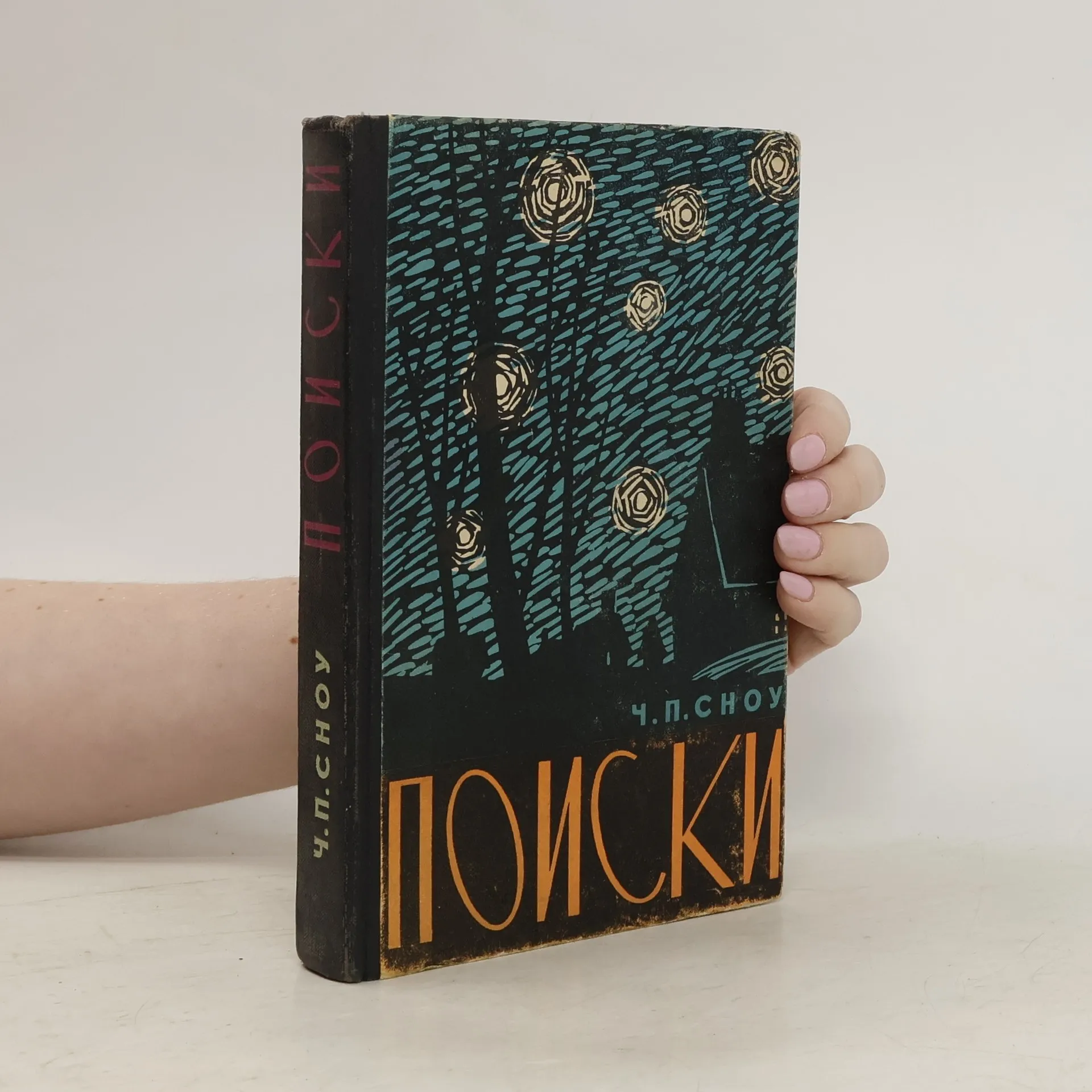
This story told in the first person starts with a child’s interest in the night sky. A telescope starts a lifetime’s interest in science. The narrator goes up to King’s College, London to study. As a fellow at Cambridge he embarks on love affairs and searches for love at the same time as career success. Finally, contentment in love exhausts his passion for research.
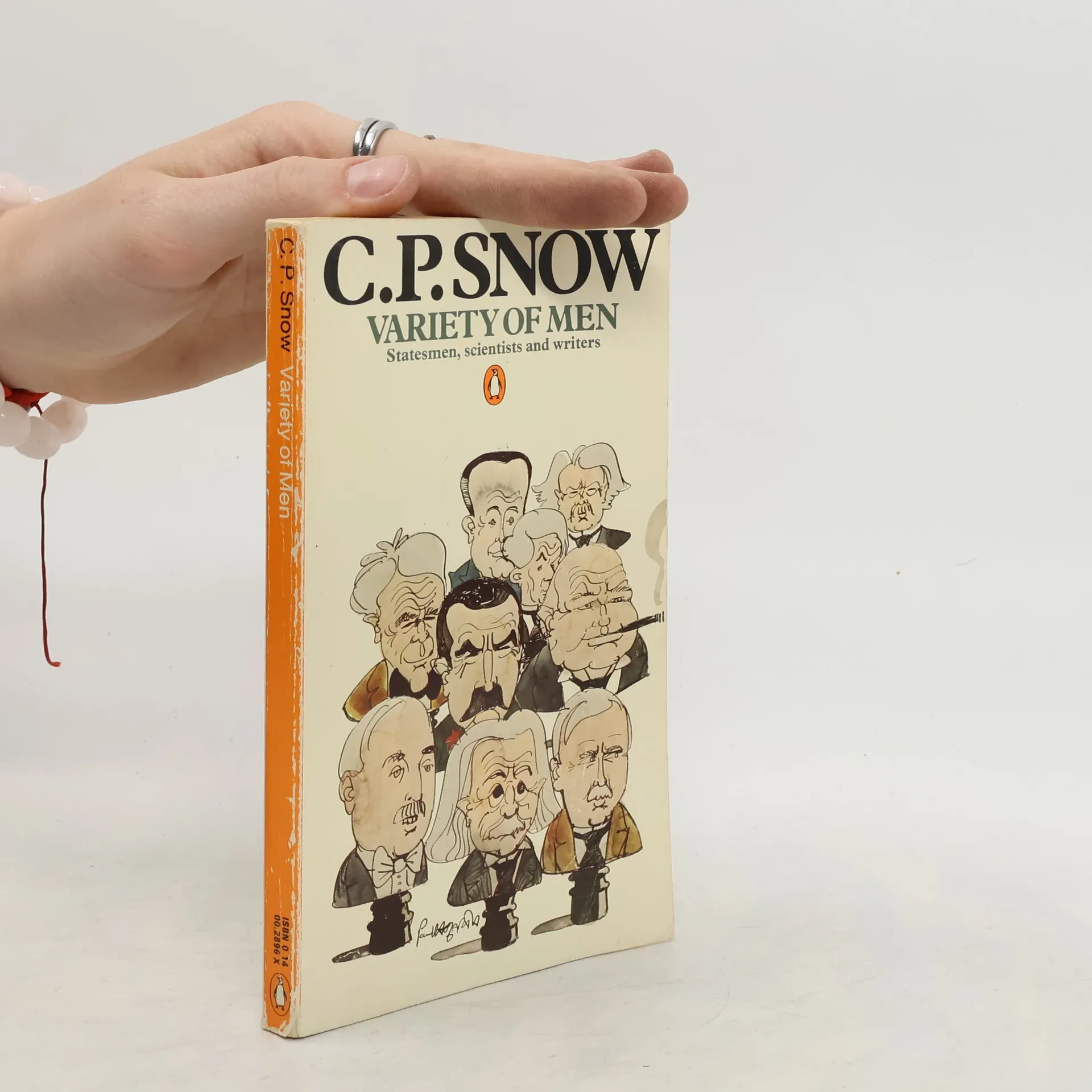
Portrayal of nine men who have affected the shape and spirit of the twentieth century. Although they would seem at a glance to be very different sorts of men: Robert Frost and Stalin, Churchill and Einstein, C. P. Snow has related them to each other by parallels he finds in their natures as well as by contrasts. He calls his book "a set of personal impressions."
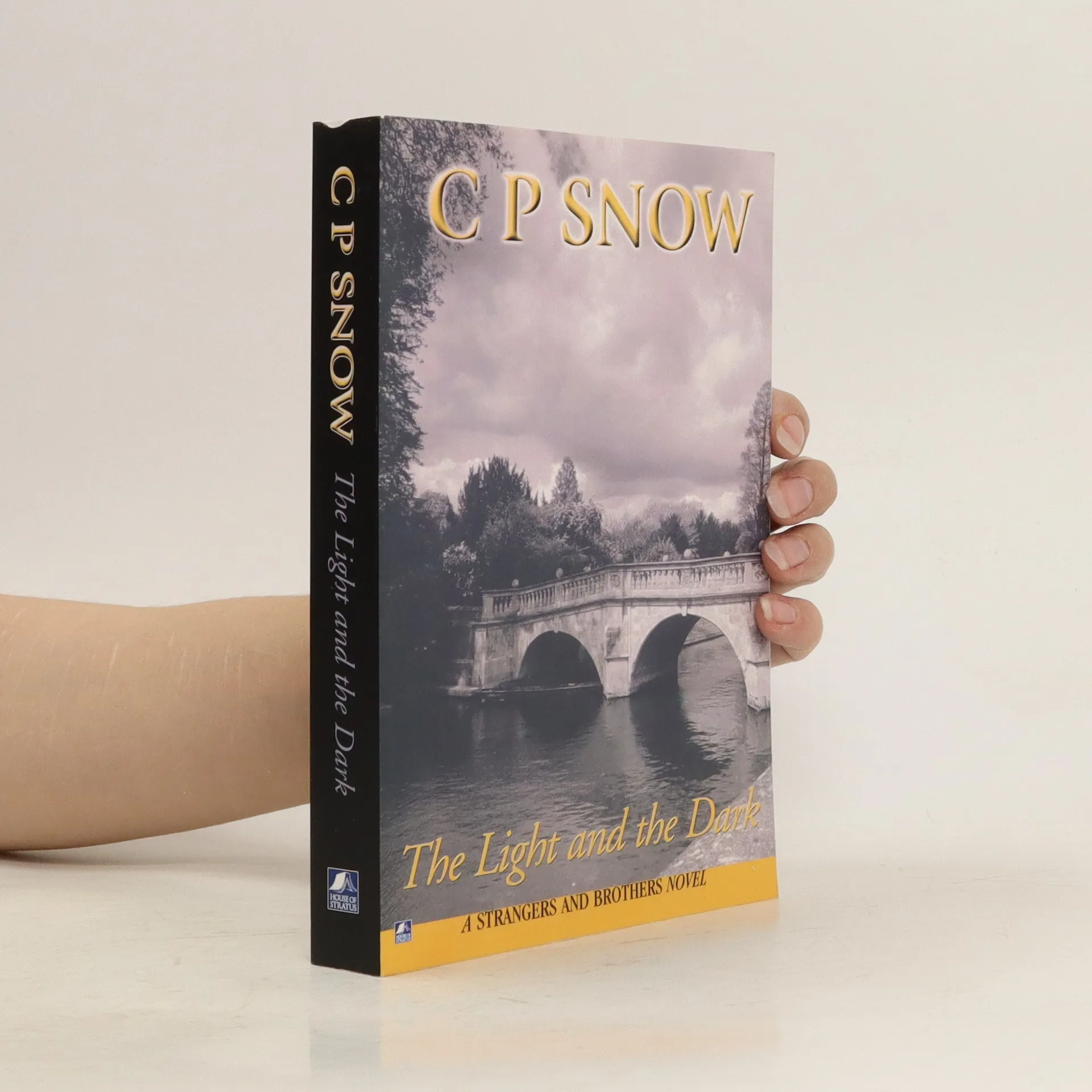
The Light and the Dark is the fourth in time sequence of narrative (although published as the second of the series) in the 'Strangers and Brothers' series. The story is set in Cambridge, but the plot also moves to Monte Carlo, Berlin and Switzerland. Lewis Eliot narrates the career of a childhood friend. Roy Calvert is a brilliant but controversial linguist who is about to be elected to a fellowship.
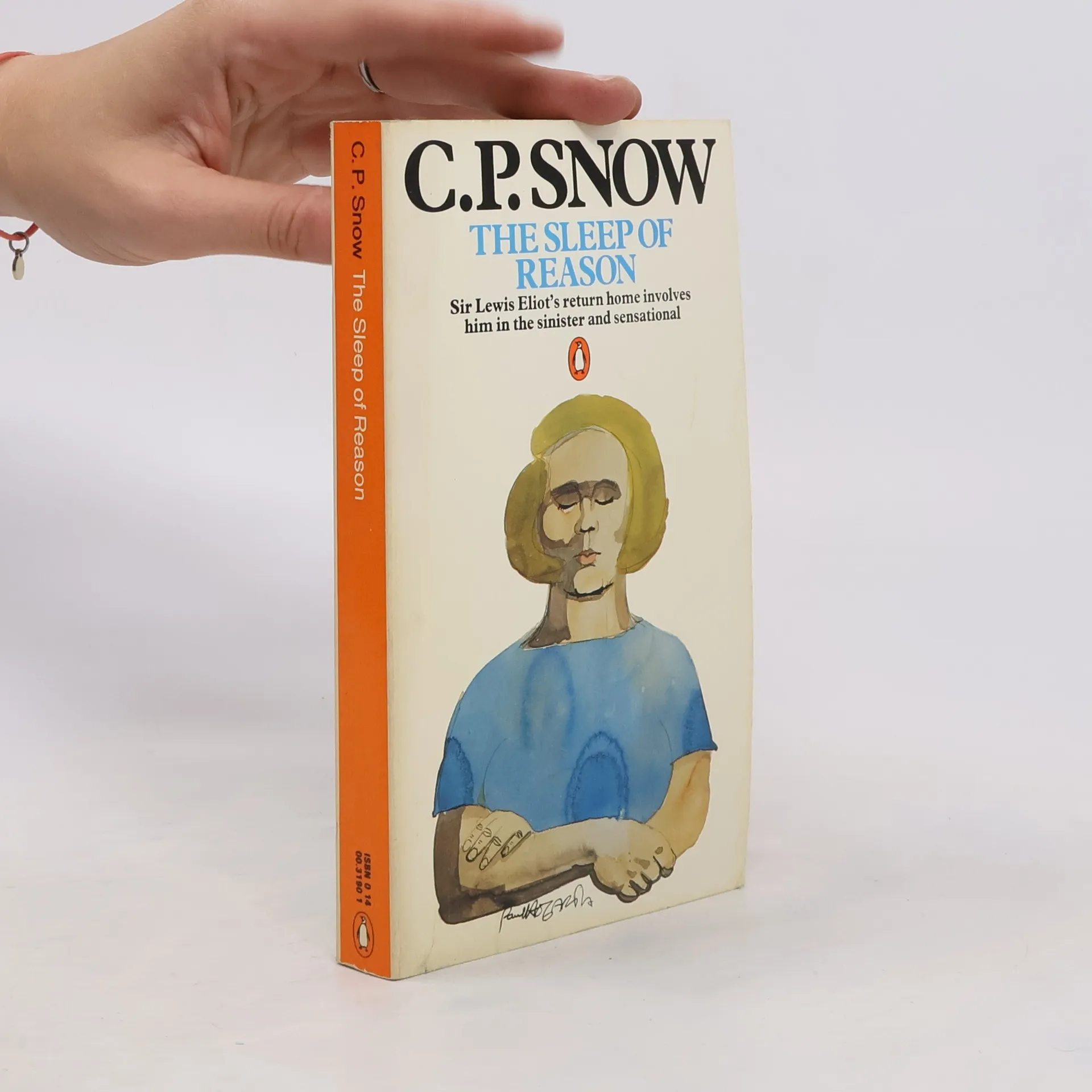
The penultimate novel in the 'Strangers and Brothers' series takes Goya's theme of monsters that appear in our sleep. The sleep of reason here is embodied in the ghastly murders of children that involve torture and sadism.
The prize-winning fifth book in C. P. Snow's Strangers and Brothers sequence.
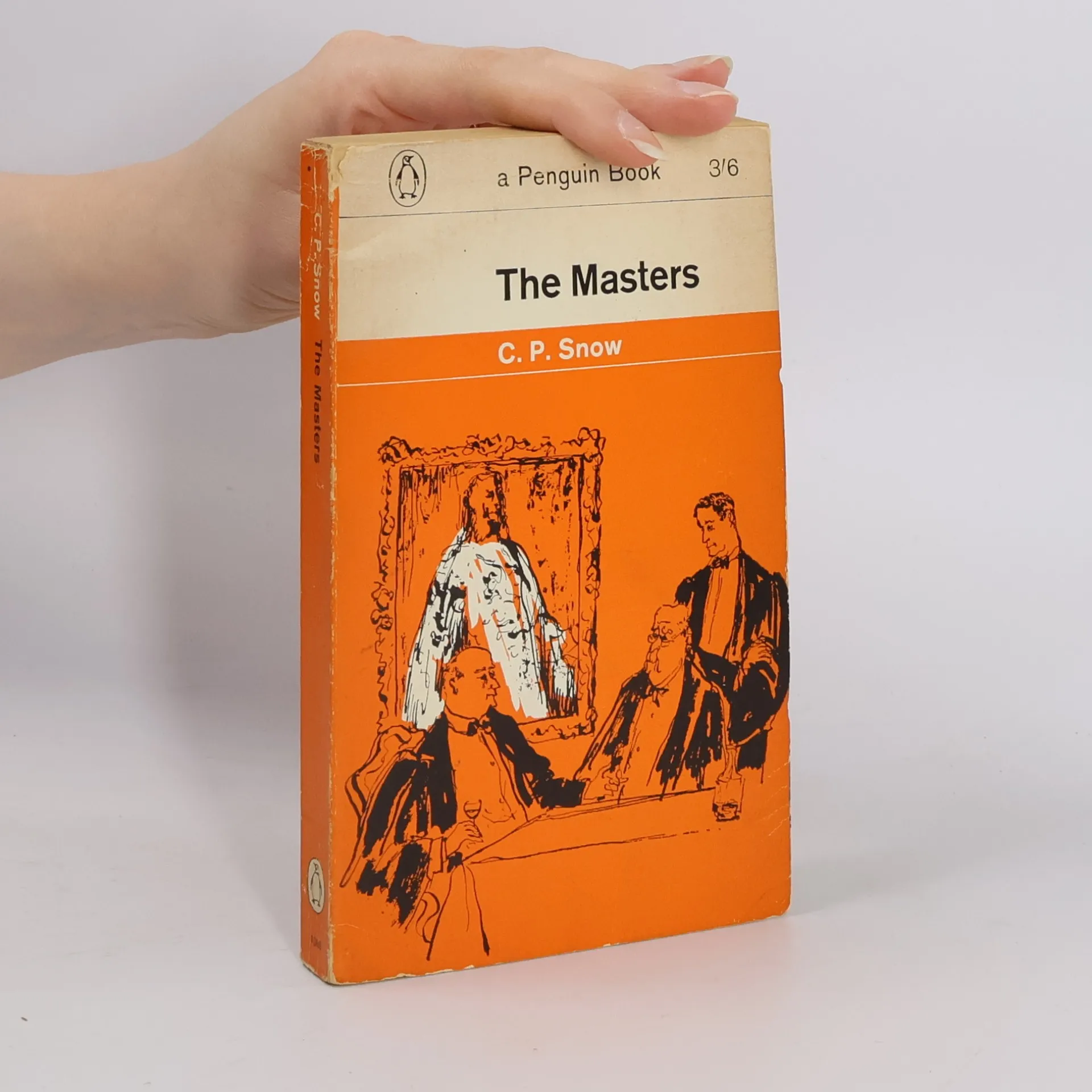
Set in 1937, it follows the struggle for the mastership of a Cambridge
college.
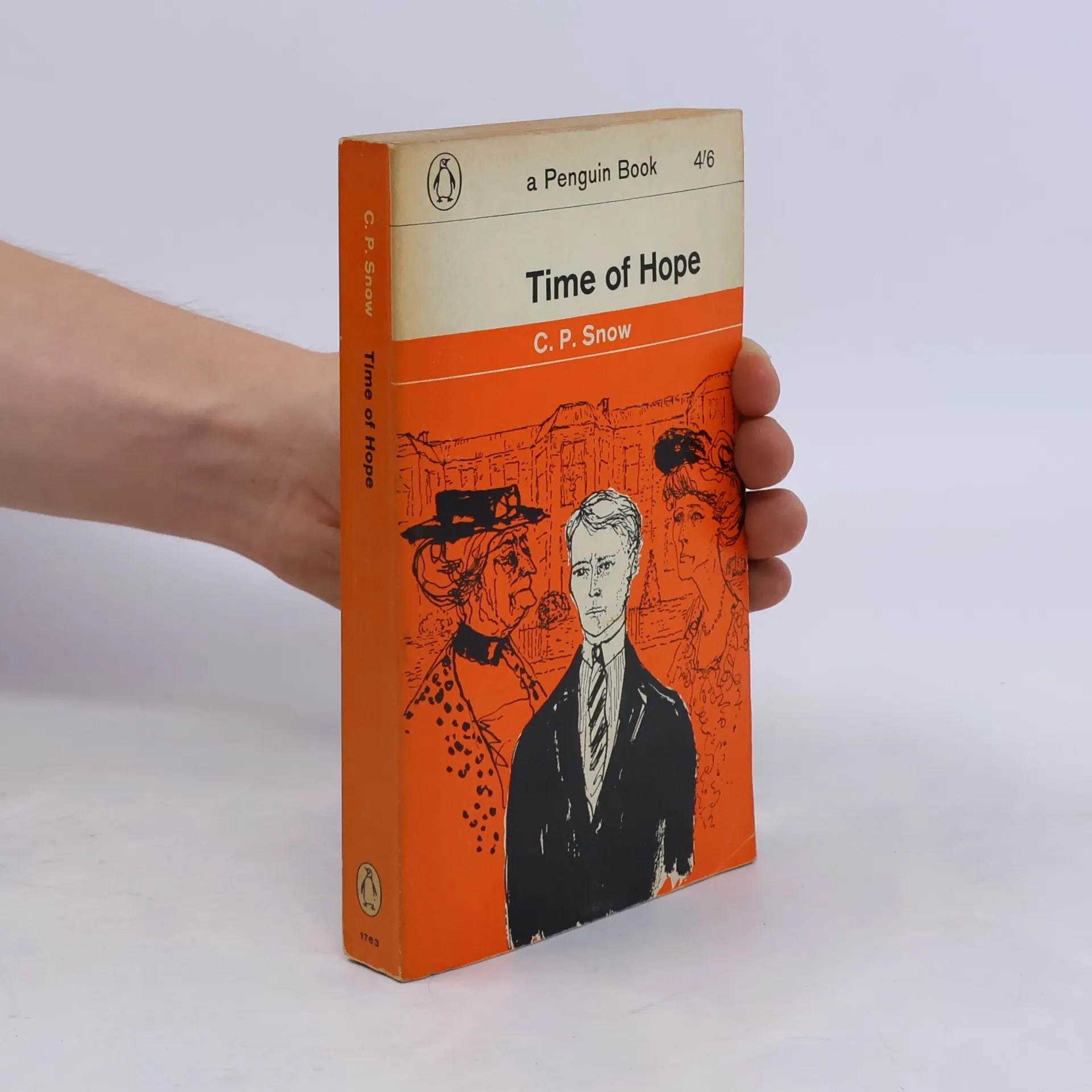
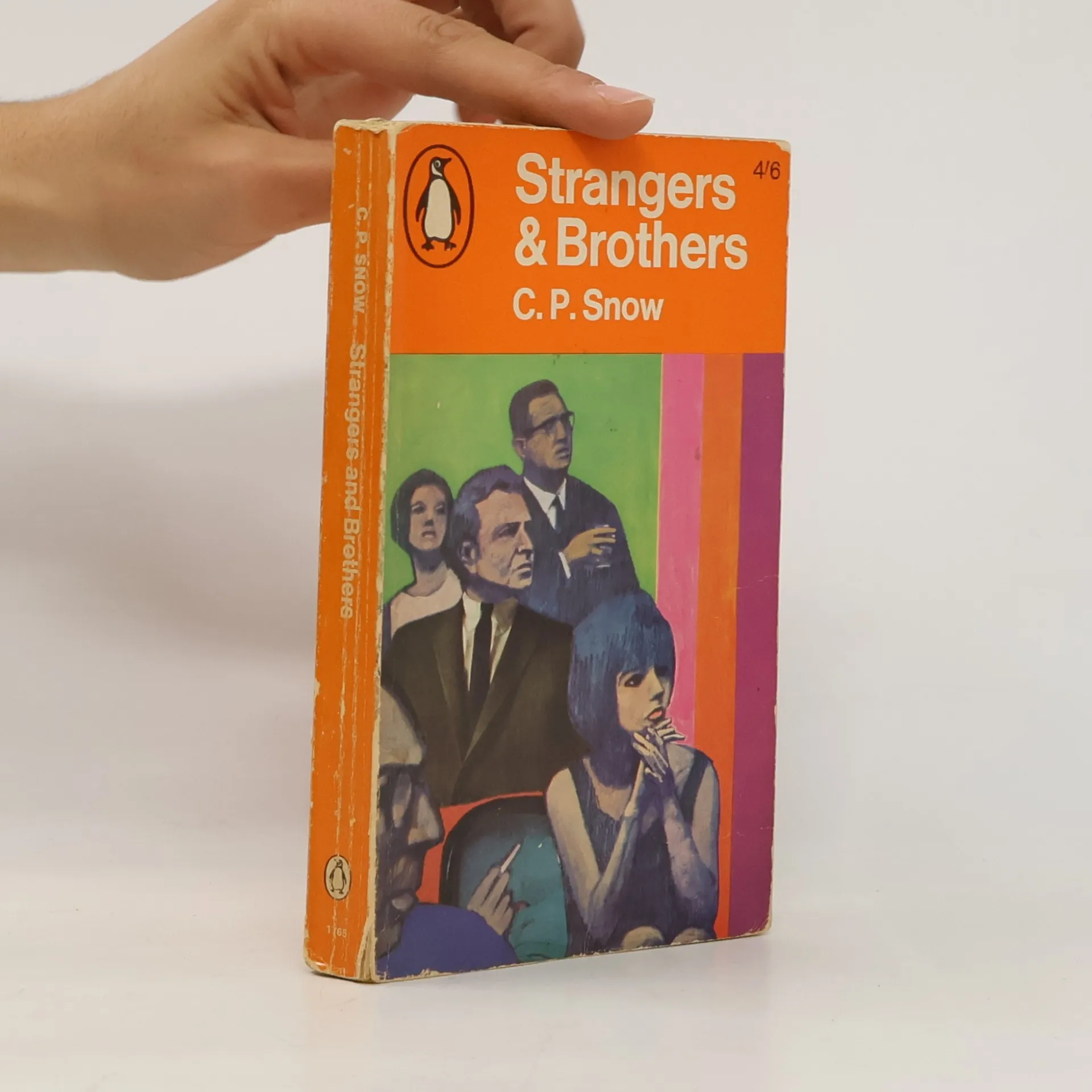
The life of Lewis Eliot - documented across eleven novels with C. P. Snow's distinctive blend of precision and compassion - begins in Time of Hope.The novel opens in the summer of 1914 when nine-year-old Lewis hears the news of his father's bankruptcy, and closes in 1933, when, although hindered in his promising career as a lawyer by the neuroses of his wife, he realises that he cannot bear to leave her. In the course of this ambitious but ultimately unremarkable man's early life rage the great questions of the age - questions of class, of gender, of ideology and of war - asked and answered with wisdom and tolerance.A meticulous study of the public issues and private problems of post-war Britain, C. P. Snow's Strangers and Brothers sequence is a towering achievement that stands alongside Anthony Powell's A Dance to the Music of Time as one of the great romans-fleuves of the twentieth century.
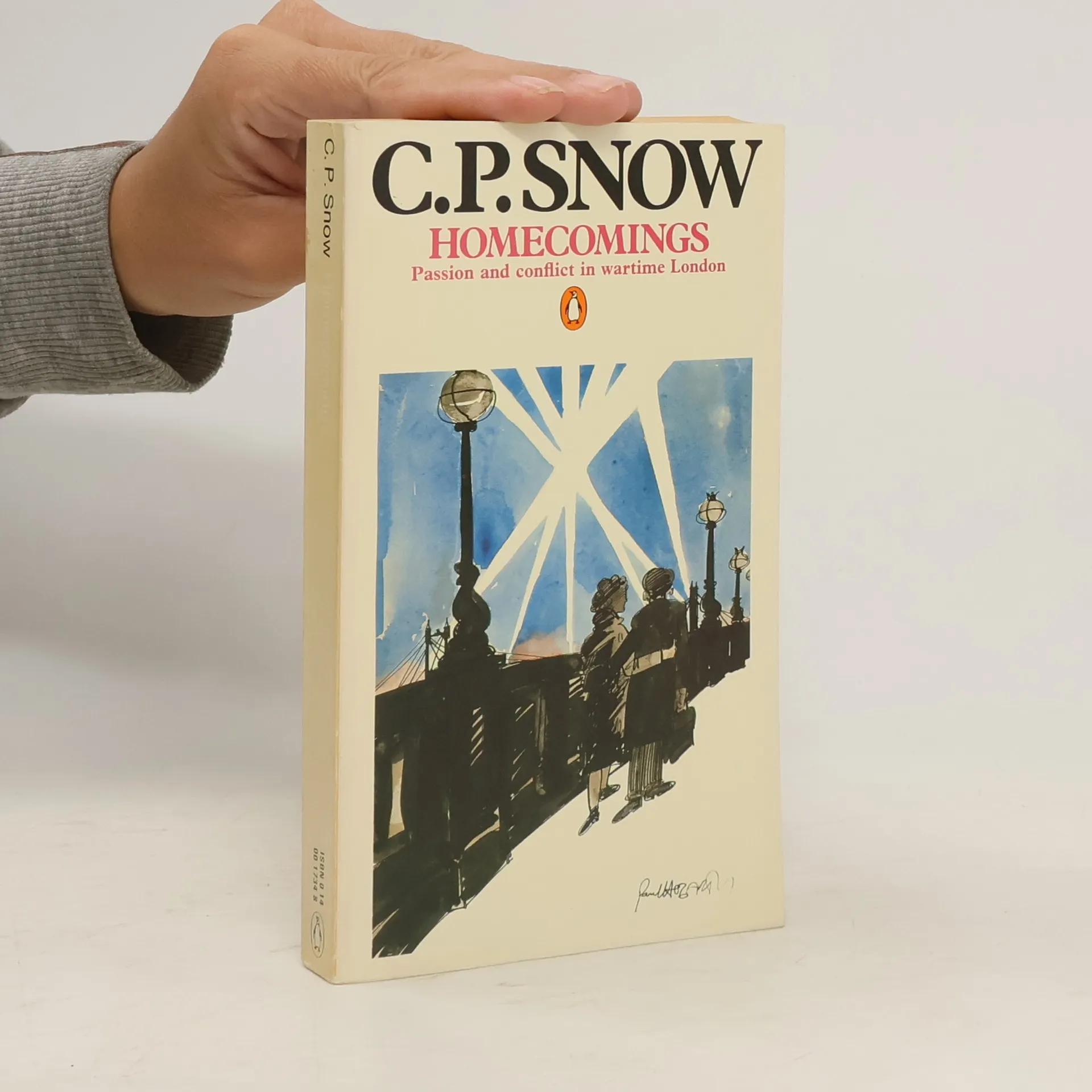
Homecomings is the sixth in the Strangers and Brothers series and sequel to Time of Hope. This complete story in its own right follows Lewis Eliot's life through World War II. After his first wife's death his work at the Ministry assumes a larger role. It is not until his second marriage that Eliot is able to commit himself emotionally.
It is the onset of World War II in the fifth in the Strangers and Brothers series. A group of Cambridge scientists are working on atomic fission. But there are consequences for the men who are affected by it. Hiroshima also causes mixed personal reactions.
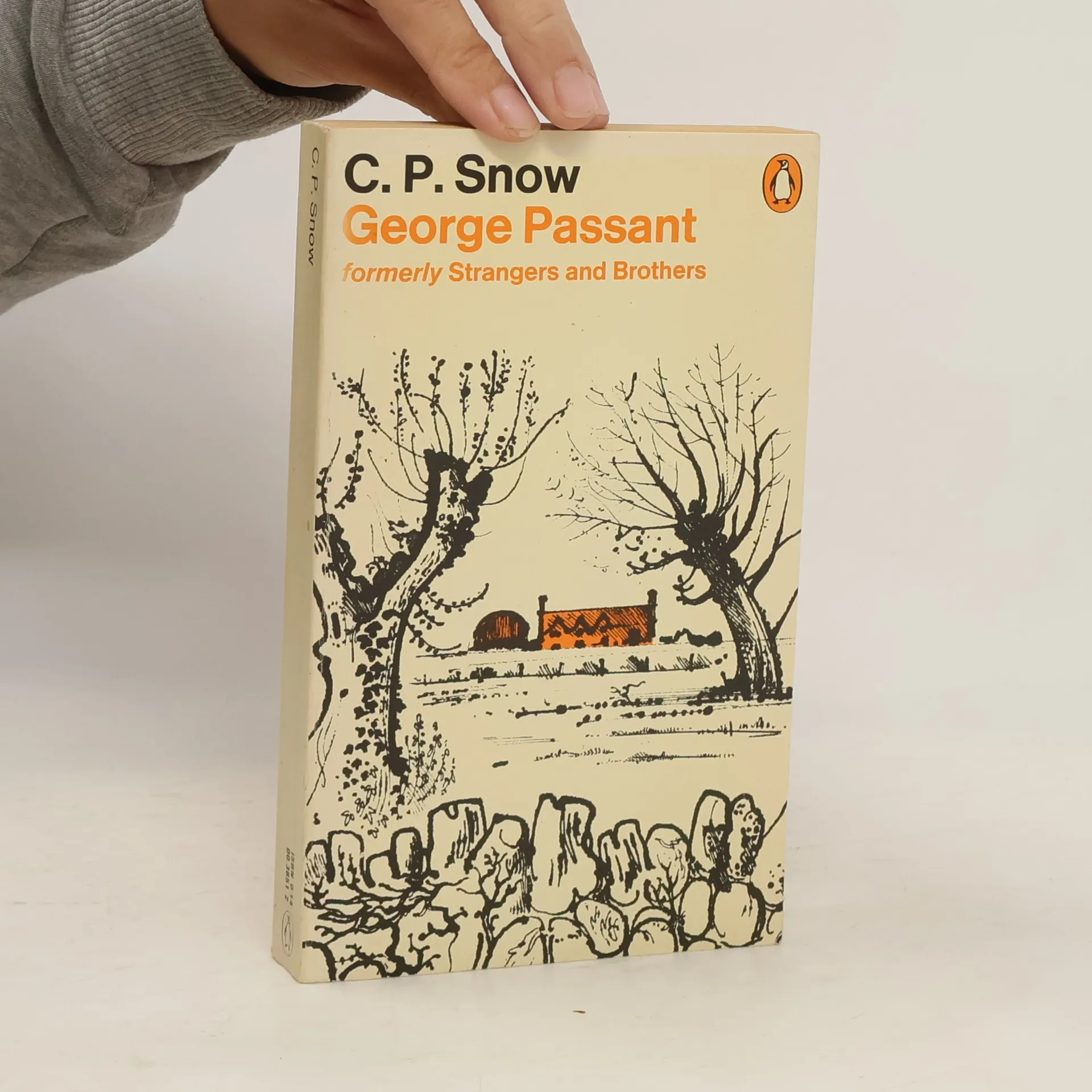
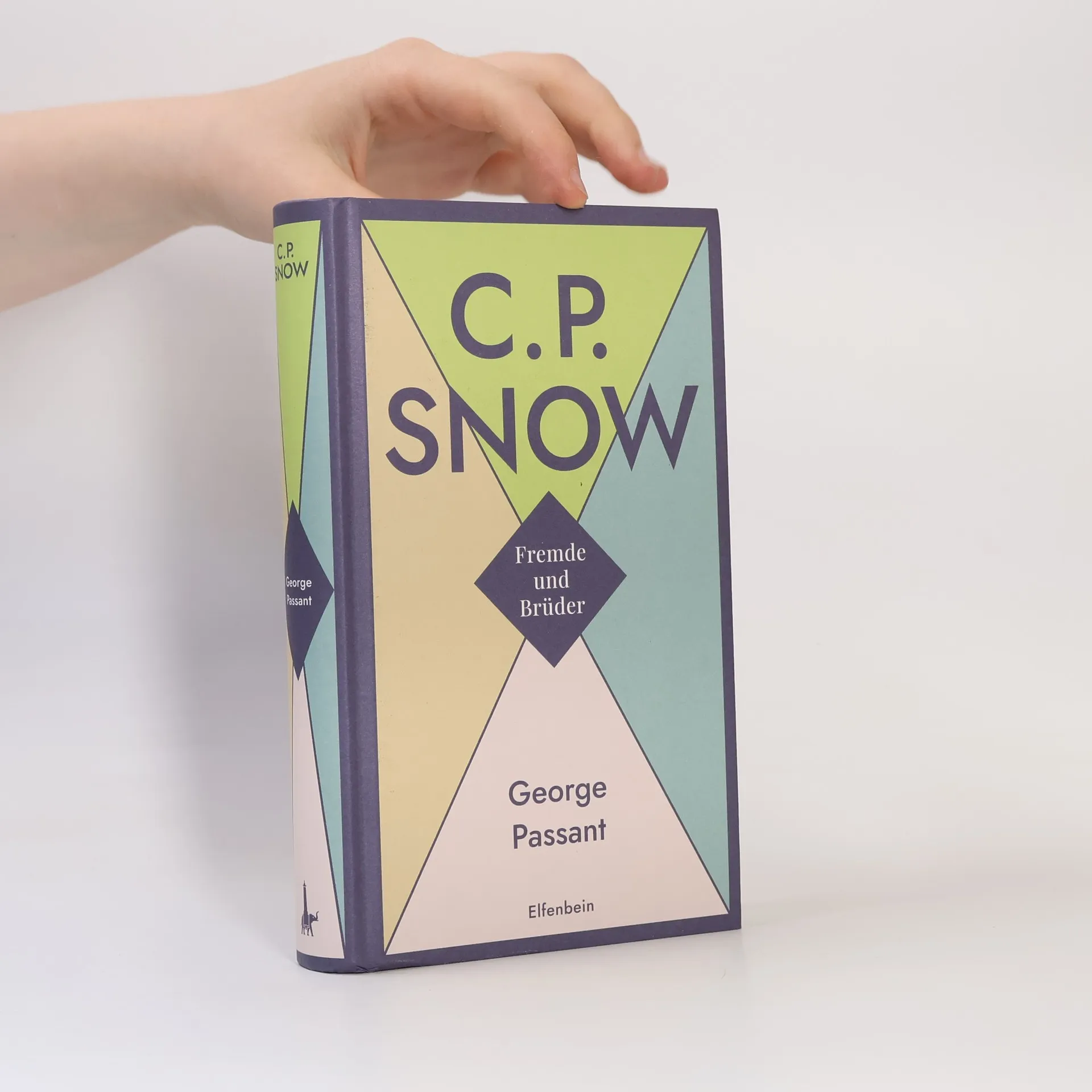
Lewis Eliot, the diffident protagonist of the Strangers and Brothers sequence, retreats to the background in this absorbing study of his mentor, George Passant, a charismatic solicitor's clerk. In the years of economic depression between the wars, George - an idealistic radical bursting with notions of creating the world anew - gathers about him a group of young people who, restive and ambitious, trust him to emancipate them from the constraints of their provincial lives. But when his lofty aspirations become muddied with a need for money and desire for sexual freedom, his power over the group becomes a danger to them all. Politics, people and the rapidly changing social landscape of inter-war Britain are narrated with Snow's trademark subtlety and precision in this fascinating analysis of a god with feet of clay. A meticulous study of the public issues and private problems of post-war Britain, C. P. Snow's Strangers and Brothers sequence is a towering achievement that stands alongside Anthony Powell's A Dance to the Music of Time as one of the great romans-fleuves of the twentieth century.
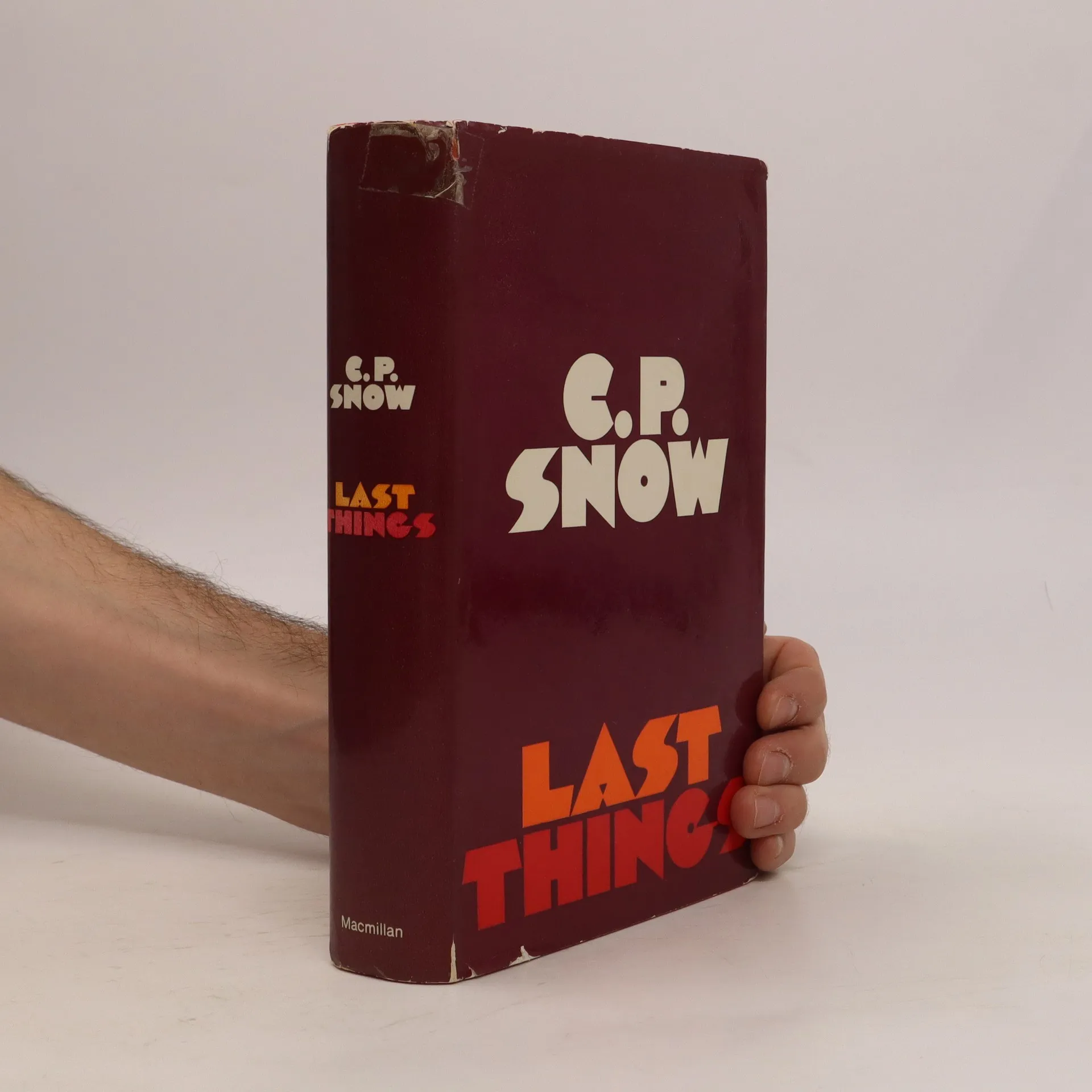
The last in the 'Strangers and Brothers' series has Sir Lewis Eliot's heart stop briefly during an operation. During recovery he passes judgement on his achievements and dreams. Concerns fall from him leaving only ironic tolerance. His son Charles takes up his father's burdens and like his father, he is involved in the struggles of class and wealth, but he challenges the Establishment, risking his future in political activities.
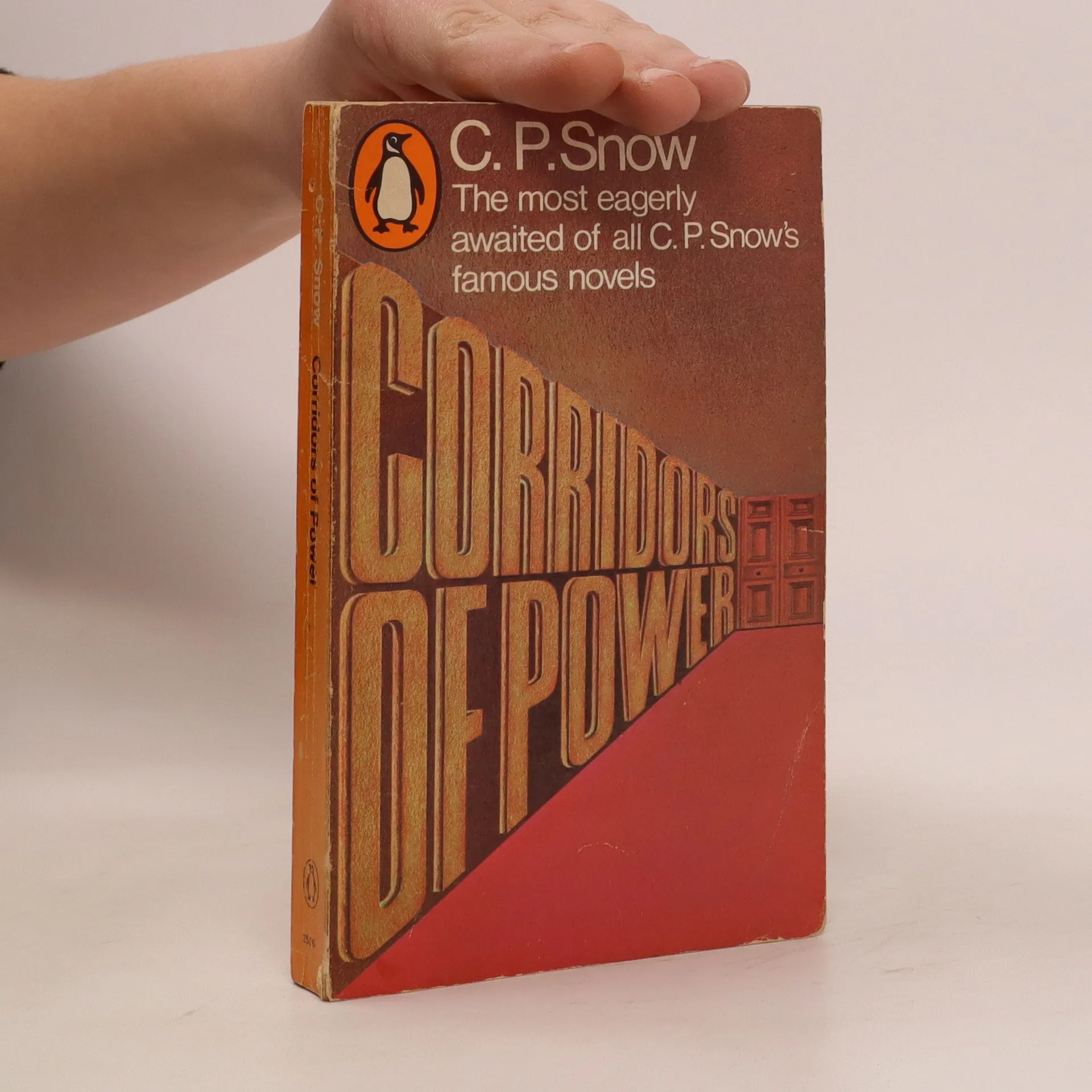
The corridors and committee rooms of Whitehall are the setting for the ninth in the Strangers and Brothers series. They are also home to the manipulation of political power. Roger Quaife wages his ban-the-bomb campaign from his seat in the Cabinet and his office at the Ministry. The stakes are high as he employs his persuasiveness
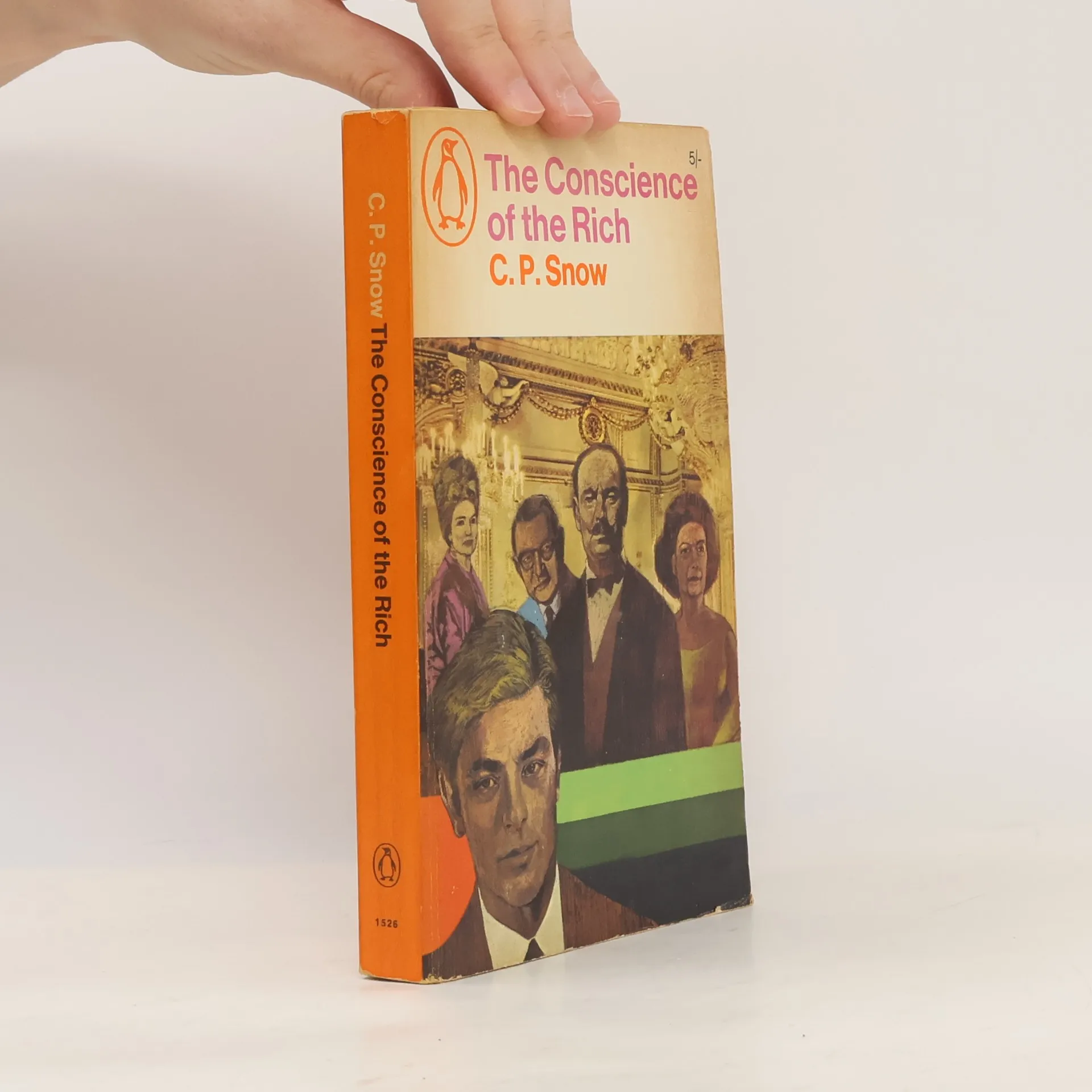
Seventh in the Strangers and Brothers series, this is a novel of conflict exploring the world of the great Anglo-Jewish banking families between the two World Wars. Charles March is heir to one of these families and is beginning to make a name for himself at the Bar. When he wishes to change his way of life and do something useful he is forced into a quarrel with his father, his family and his religion.
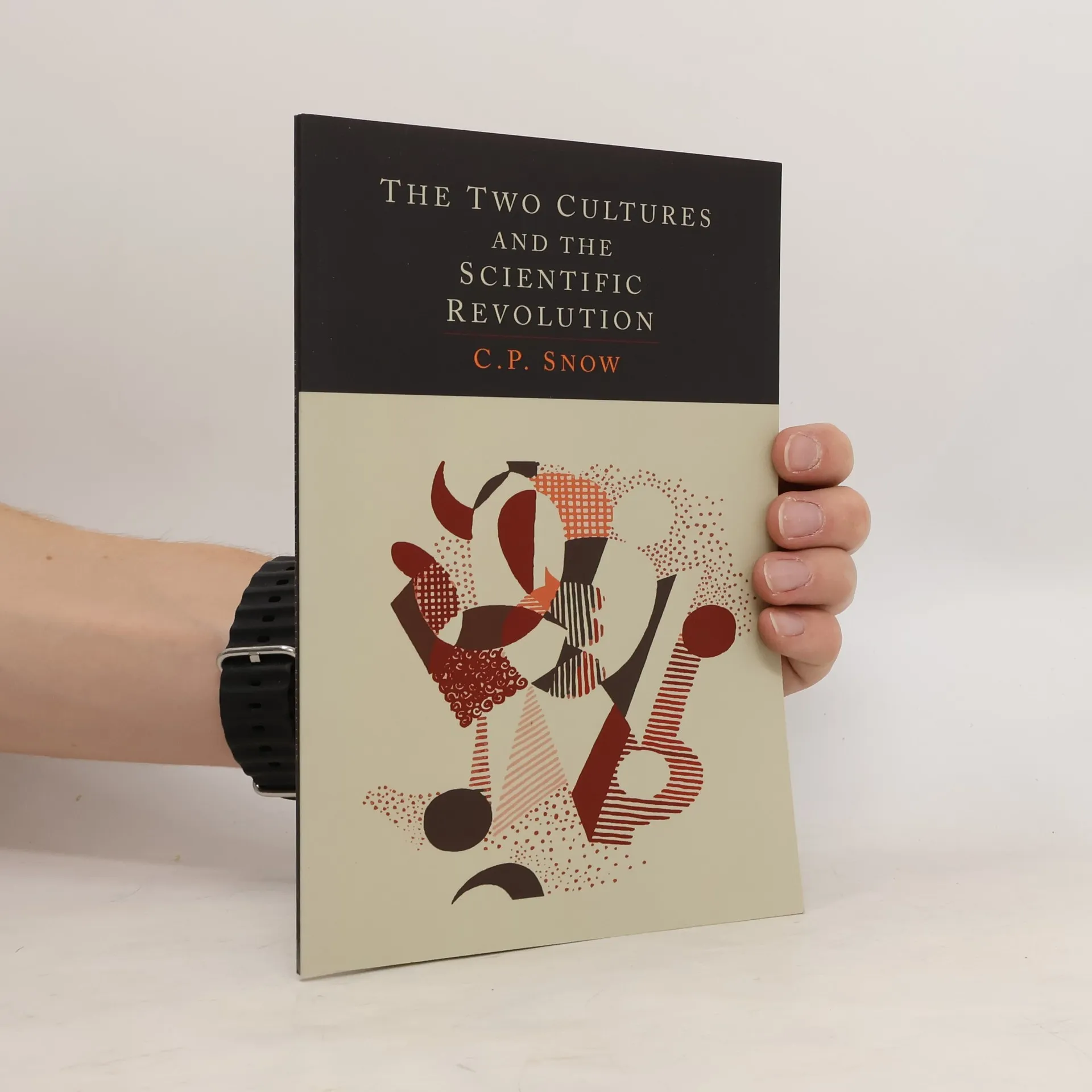
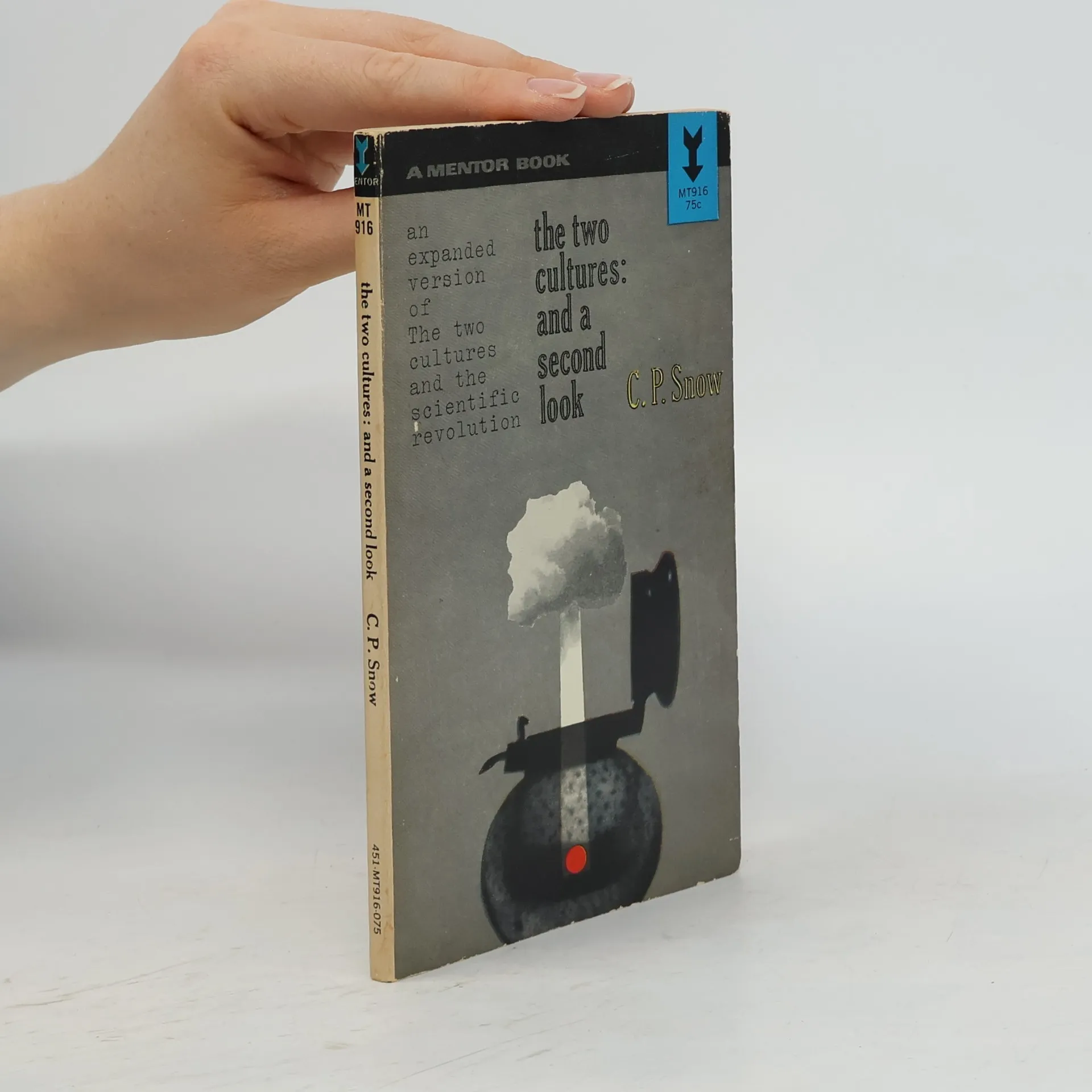
Exploring the divide between the sciences and the humanities, this influential lecture by C. P. Snow argues that this separation hinders societal progress and problem-solving. Originally delivered in 1959, the lecture sparked significant discussion and debate in both the UK and the US, highlighting the need for interdisciplinary understanding. This reprint preserves the original text, allowing contemporary readers to engage with Snow's critical insights into the intellectual landscape of Western society.
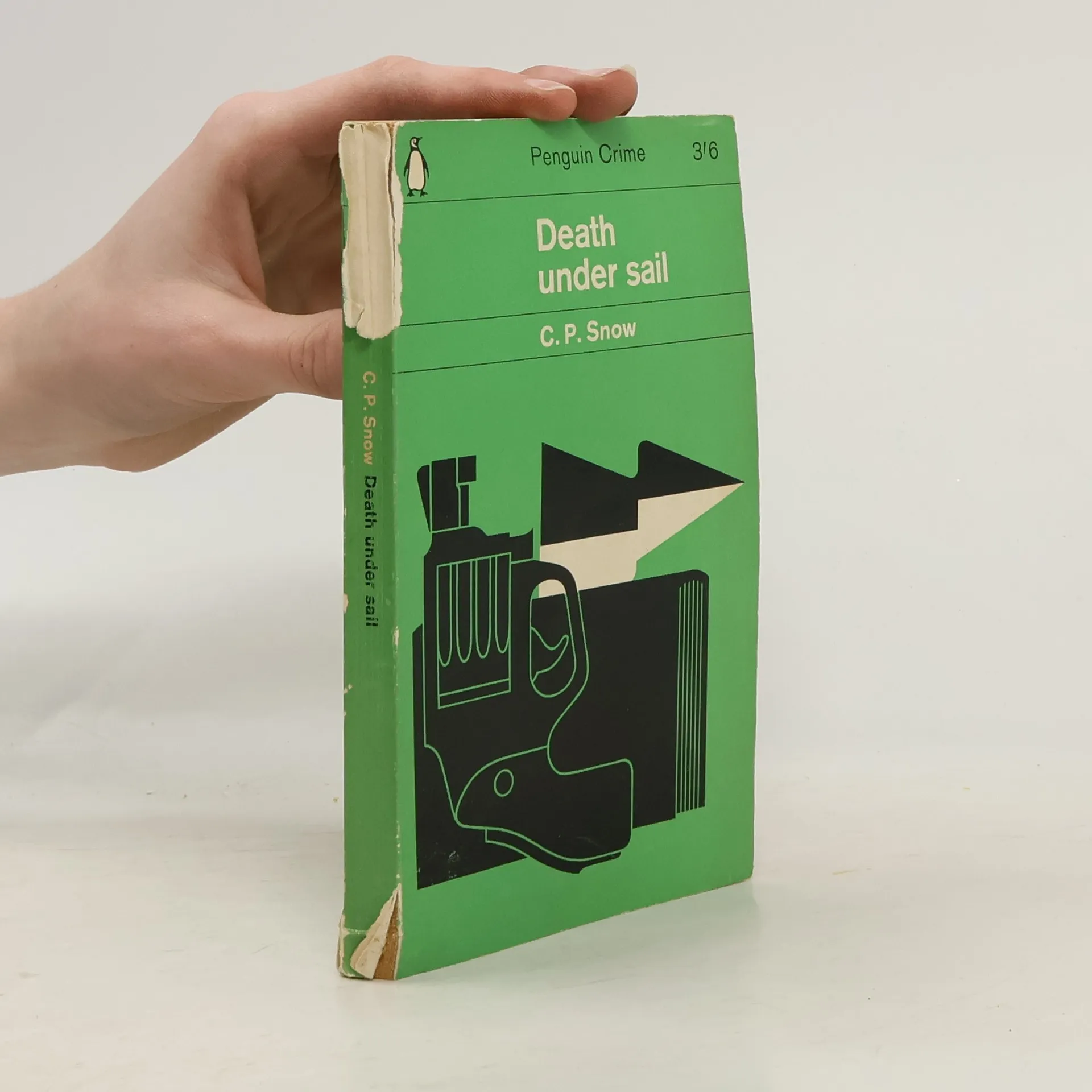
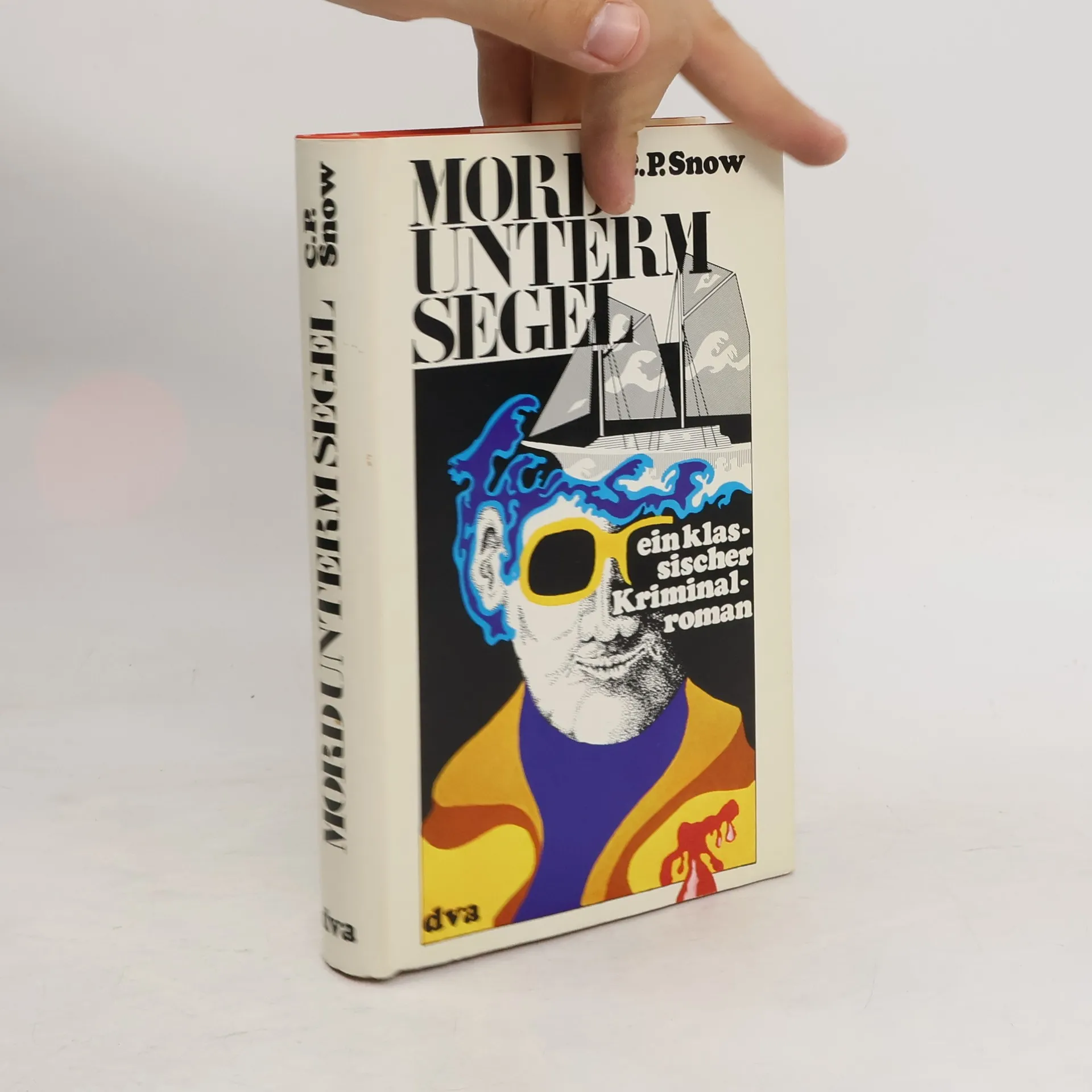
Humphrey Leigh, retired resident of Belgravia, pays a social visit to an old friend, Lady Ashbrook. She is waiting for her test results, fearing cancer. When Lady Ashbrook gets the all clear she has ten days to enjoy her new lease of life. And then she is found murdered.
Thomas Freer is a prosperous solicitor who is also the Registrar, responsible for his cathedral’s legal business. His son Stephen is one of a secret group of young men and women known as the core. When Stephen’s group activities land them in terrible trouble, no one guesses that the consequences will lead to a death and more.
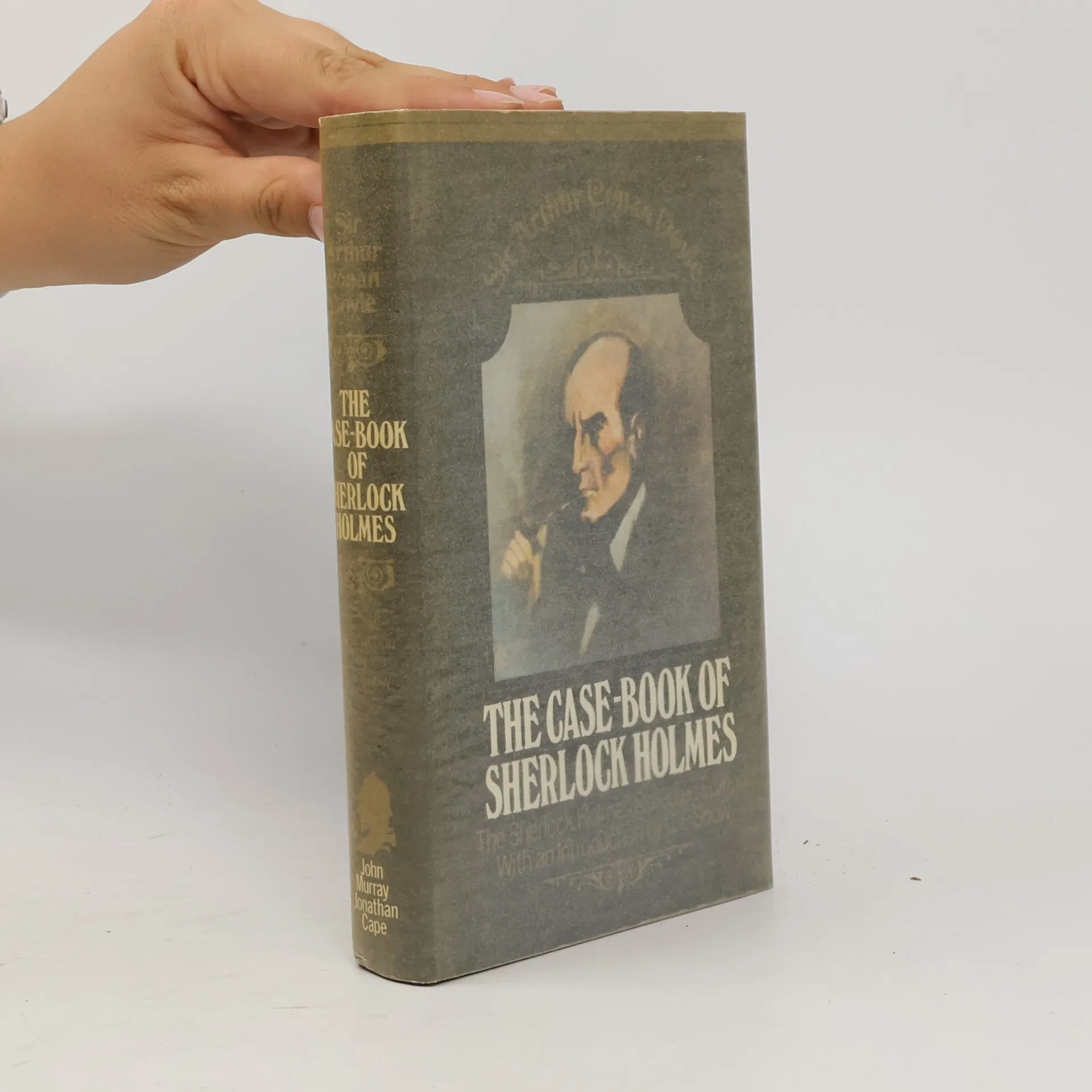
The Sherlock Holmes Centenary Edition - With an Introduction by C.P. Snow
261 pages
10 hours of reading
These two fascinating sets of stories, The Casebook of Sherlock Holmes and His Last Bow, make a glorious farewell to the greatest detective of them all and his erstwhile companion, Dr Watson.
A former congressman exposes the role of the Israeli lobby in suppressing free debate on the Middle East and in shaping American policy in the region. More than 210,000 copies sold.
In Whitehall, het regeringscentrum in Londen, leveren de verschillende politieke partijen rond de verkiezingen in het midden van de jaren vijftig een harde, niet altijd eerlijke strijd.
Die Handlung erstreckt sich vom Beginn des Ersten Weltkriegs bis zu den Studentenunruhen von 1968 und wird aus der Perspektive des pensionierten Hochschullehrers Lewis Eliot erzählt. Eliot, ein britischer Akademiker aus der Mittelschicht, reflektiert seinen Lebensweg von bescheidenen Verhältnissen in einer Provinzstadt über seine Karriere als Anwalt, Beamter und Dozent in Cambridge. Die Romane bieten eine tiefgründige Analyse der britischen Arbeitswelt des 20. Jahrhunderts, beleuchten das Zusammenspiel von Privatleben und beruflichem Ansehen sowie die moralischen Entscheidungen, die in einem sich wandelnden sozialen und politischen Kontext getroffen werden müssen. Snow erzählt dabei clever und oft amüsant, während er liebevoll ausgearbeitete Charaktere präsentiert, die die Romane miteinander verbinden. Der zweite Teil, „George Passant“, erschien bereits 1940 unter dem Titel „Strangers and Brothers“ und stellt den schüchternen Eliot in den Hintergrund. George, ein charismatischer und radikaler Idealist, versammelt in der Zeit der Wirtschaftskrise eine Gruppe junger, ehrgeiziger Menschen um sich, die auf seine Führung hoffen. Doch als seine hohen Ambitionen durch Geldnot und den Wunsch nach sexueller Freiheit gefährdet werden, wird seine Macht über die Gruppe zur Bedrohung.
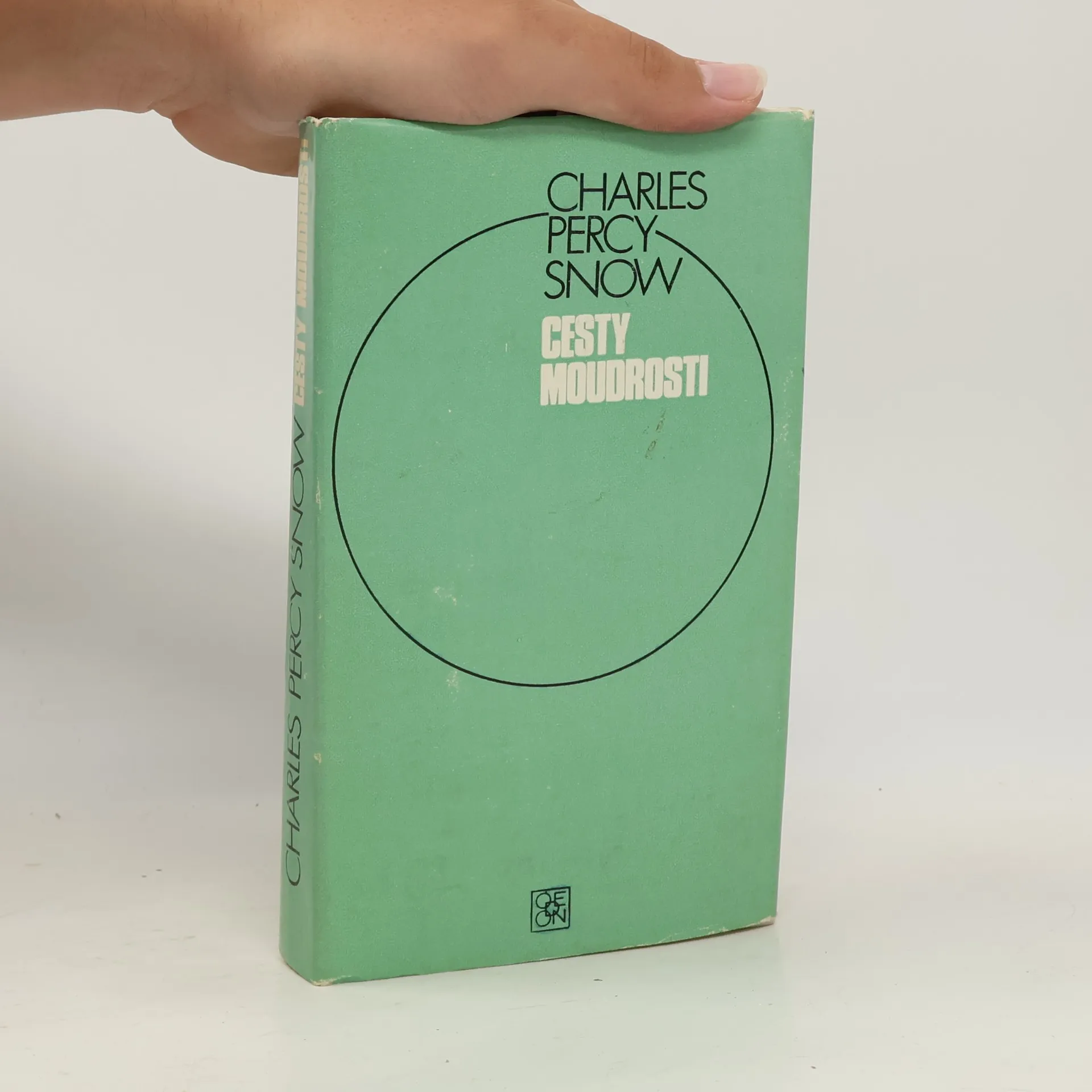
Společenskokritický román, v němž se na pozadí hospodářských a vnitropolitických sporů současné Anglie řeší vleklá soudní pře v složité dědické záležitosti, přičemž situace je zvažována očima tří starých pánů, pohledem historika, politika a přírodovědce.