

Daphne du Maurier Biography
Daphne du Maurier carved a unique space in popular culture and the modern imagination with her magically atmospheric settings like Jamaica Inn and Manderley, which possess a life and character of their own. Driven by an obsession with the past, she extensively researched family histories and historical periods, lending her work a rich, distinctive depth. While contemporary writers explored experimental techniques and challenging social themes, du Maurier crafted 'old-fashioned' novels rich with fantasy, adventure, and suspense, captivating a devoted readership, particularly women. Yet, beneath the surface of these popular narratives lay a powerful psychological realism, exploring intense family dynamics and the lingering impact of memory.


Daphne was born into a creative and successful family. Her grandfather was the brilliant artist and writer George du Maurier and her father was Gerald du Maurier, the most famous actor-manager and matinee idol of his day. Her mother, Muriel Beaumont, was also an actress.
She was the second of three sisters and had a privileged upbringing in Hampstead. The family bought a holiday home in Cornwall in the 1920s and that house - Ferryside at Bodinnick - became Daphne's favourite haunt and a place of solitude that enabled her to work seriously on her early writing career. Her first novel, The Loving Spirit, was published in 1931 and her success went from strength to strength.
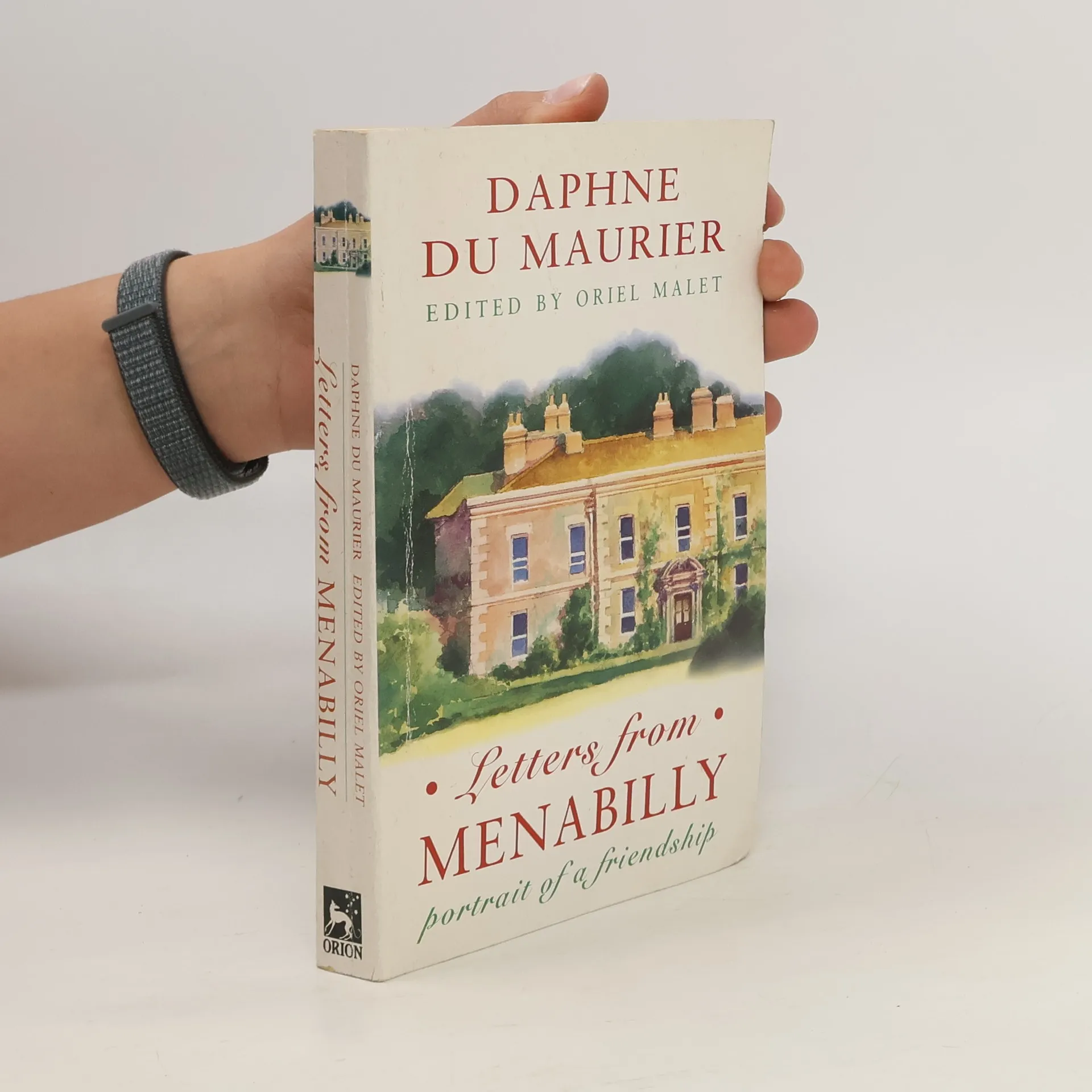
In 1932 she married Frederick Browning, a military man, and they had three children. She lived at Menabilly, the Rashleigh owned manor house just outside Fowey, for about 25 years and wrote many of her books in a writing-hut in the grounds with a view over The Gribbin (pictured above). She continued to live a privileged life, with staff to run her home and look after the children, and was proud to be the family breadwinner with the success of her writing.
When she eventually left Menabilly she rented Kilmarth, the dower house to the Menabilly estate, and continued to write until health and old age prevented it.
For a long time Daphne du Maurier was described as a romantic novelist. This is completely misleading as she wrote dark, often gothic and edgy novels and short stories, with unexpected twists or suspenseful endings.