
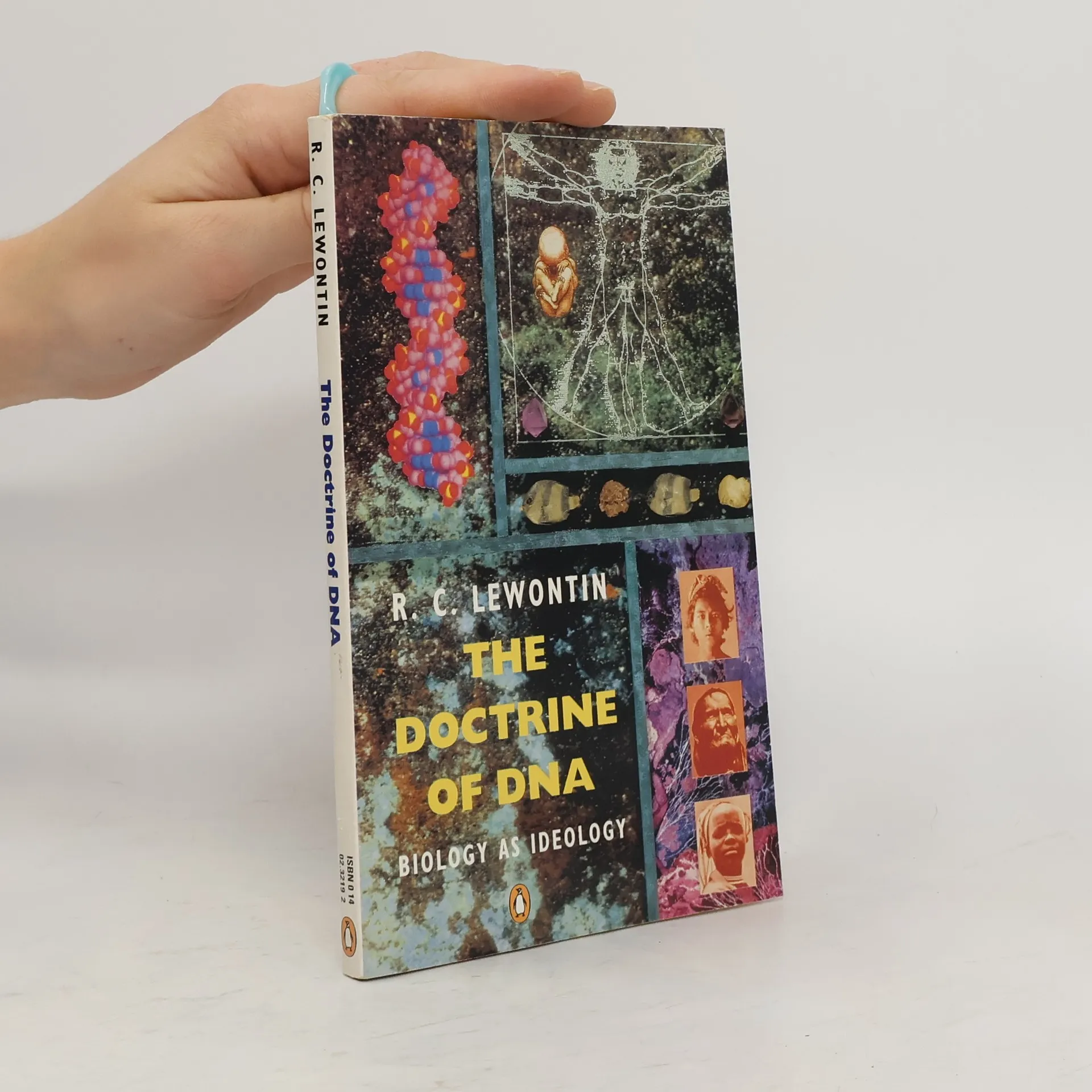
Not In Our Genes
- 322 pages
- 12 hours of reading
Three eminent scientists analyze the scientific, social, and political roots of biological determinism.
An evolutionary biologist, geneticist, and social commentator, this author was instrumental in developing the mathematical foundations of population genetics and evolutionary theory. Their work delves into profound questions about life, evolution, and human nature, with an influence that extends far beyond the scientific realm.


Three eminent scientists analyze the scientific, social, and political roots of biological determinism.
This book, the latest in the continuing debate between the genetic reductionists (such as Richard Dawkins, John Maynard Smith and E.O. Wilson) and those who argue for a rather more complex relationship between genes and the environment (such as Stephen Jay Gould, Steven Rose and Niles Eldredge). Lewontin is a forceful writer and this is an effective statement of the case against the selfish gene.

Following in the fashion of Stephen Jay Gould and Peter Medawar, one of the world's leading scientists examines how "pure science" is in fact shaped and guided by social and political needs and assumptions.
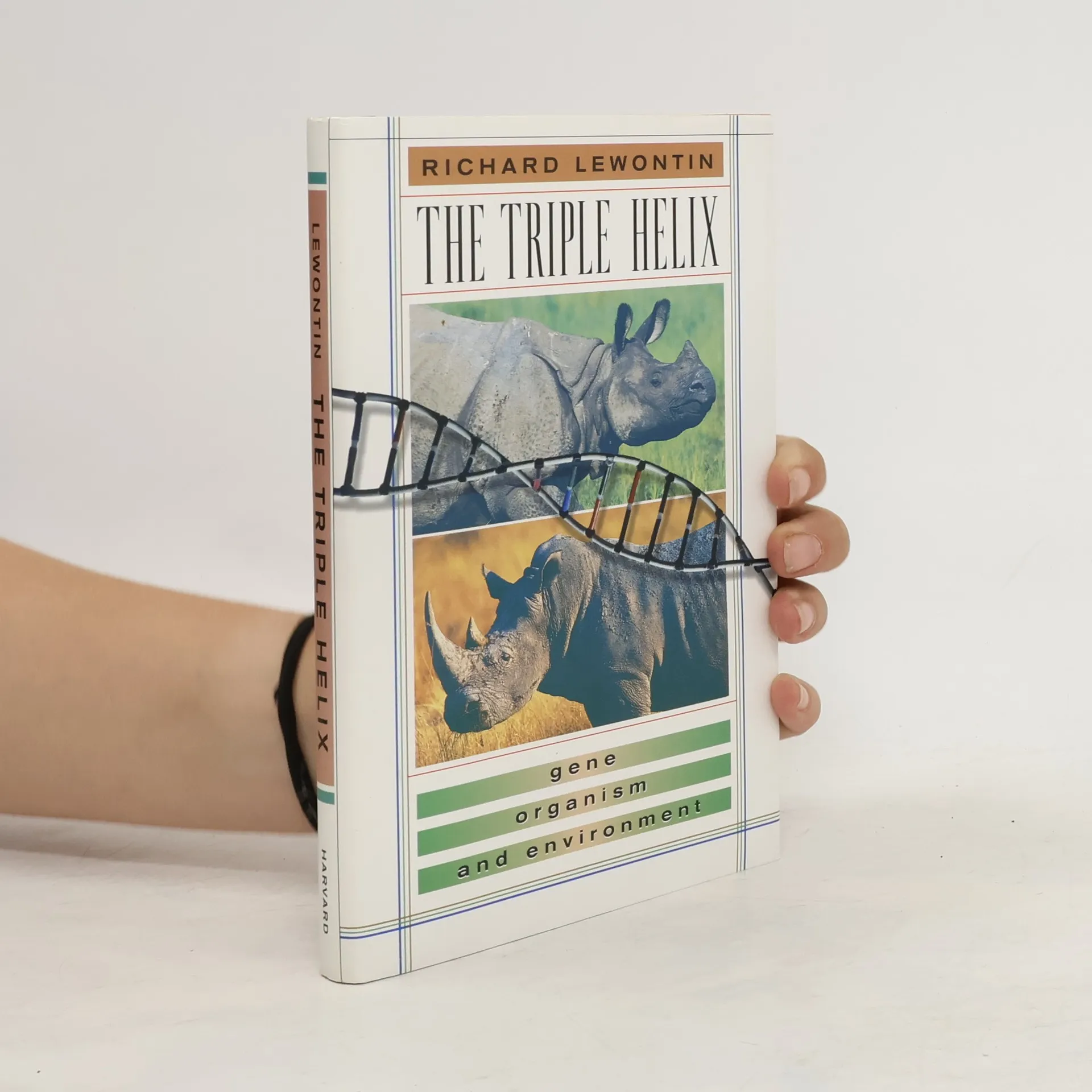
Rejecting the notion that genes determine the organism, which then adapts to the environment, he explains that organisms, influenced in their development by their circumstances, in turn create, modify, and choose the environment in which they live."--BOOK JACKET.
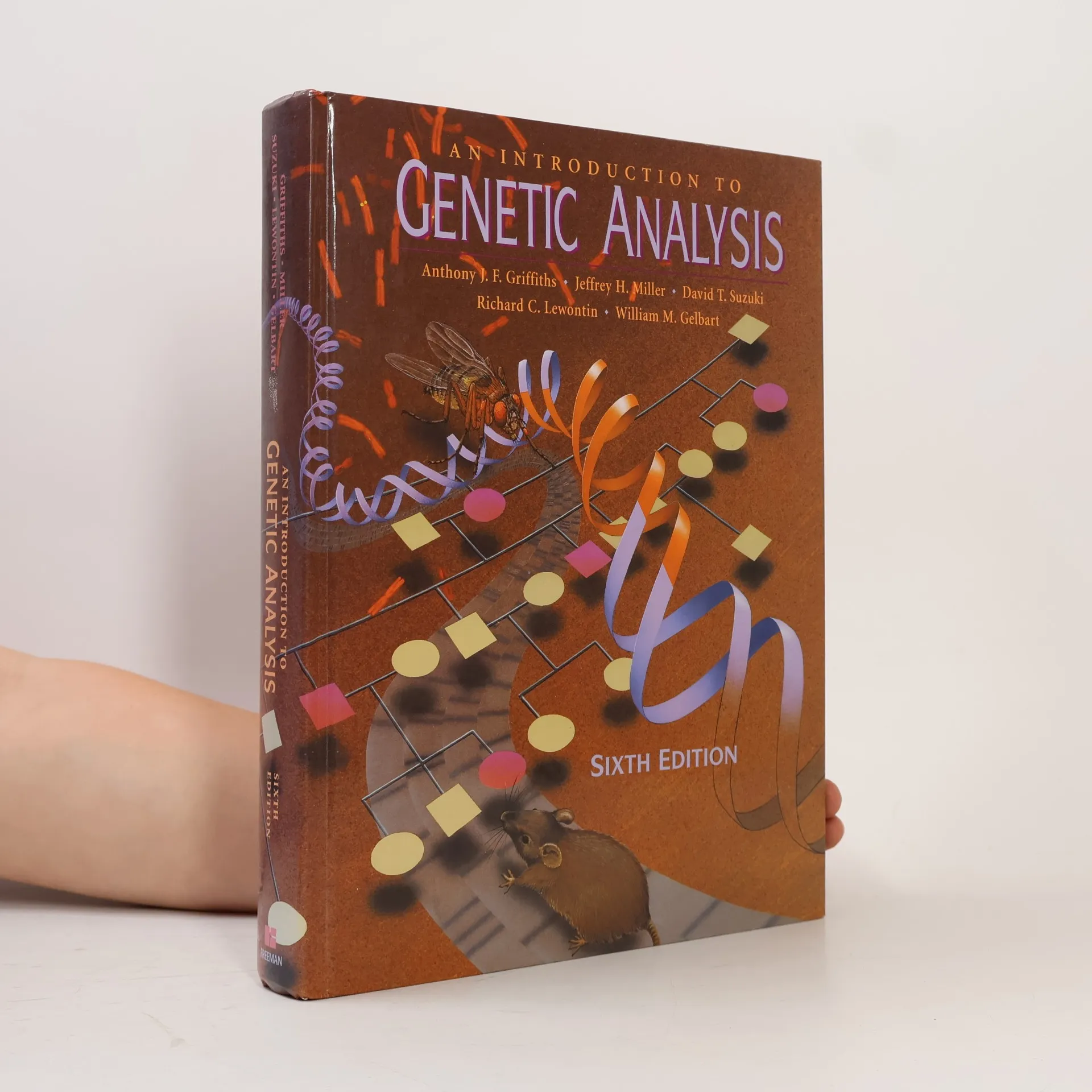
The author team welcomes a new coauthor, Sean B. Carroll, a recognized leader in the field of evolutionary development, to this new edition of Introduction to Genetic Analysis (IGA). The authors’ ambitious new plans for this edition focus on showing how genetics is practiced today. In particular, the new edition renews its emphasis on how genetic analysis can be a powerful tool for answering biological questions of all types.
En este libro, Richard Lewontin explora la interacción entre genes, organismos y ambiente en el desarrollo de los seres vivos. A través de ejemplos, argumenta que la historia de un organismo es el resultado de sus genes y su entorno, y que ambos están influenciados por eventos celulares. Propone un análisis profundo de las partes y sus conexiones para entender la evolución.
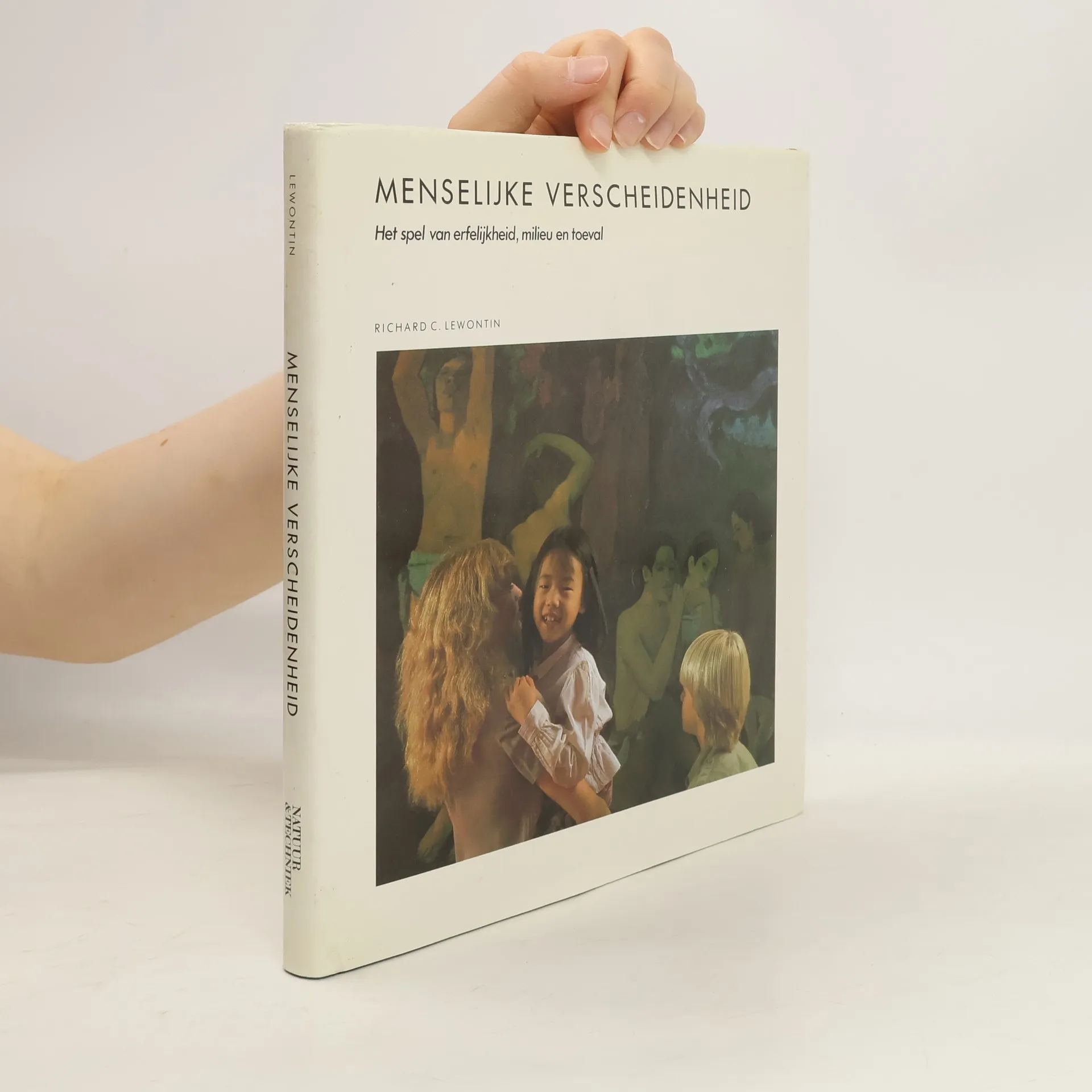
Beschreven wordt welke erfelijke verschillen er tussen mensen kunnen bestaan en welke invloed het milieu uitoefent.
Der Autor, ein renommierter Evolutionsbiologe, bietet einen tiefgehenden Überblick über die Auswirkungen der Evolutionsbiologie und Genforschung auf die Gesellschaft. Er beleuchtet gängige Missverständnisse, die das Verständnis von Biologie und Evolution erschweren. Der Begriff "Dreifachhelix" symbolisiert die Wechselwirkungen zwischen Gen, Organismus und Umwelt. Das Buch richtet sich an wissenschaftlich Interessierte, die sich mit politischen Aspekten der Genforschung auseinandersetzen, sowie an Mathematiker und Informatiker, die biologische Konzepte erkunden möchten.
Genetische, kulturelle und soziale Gemeinsamkeiten