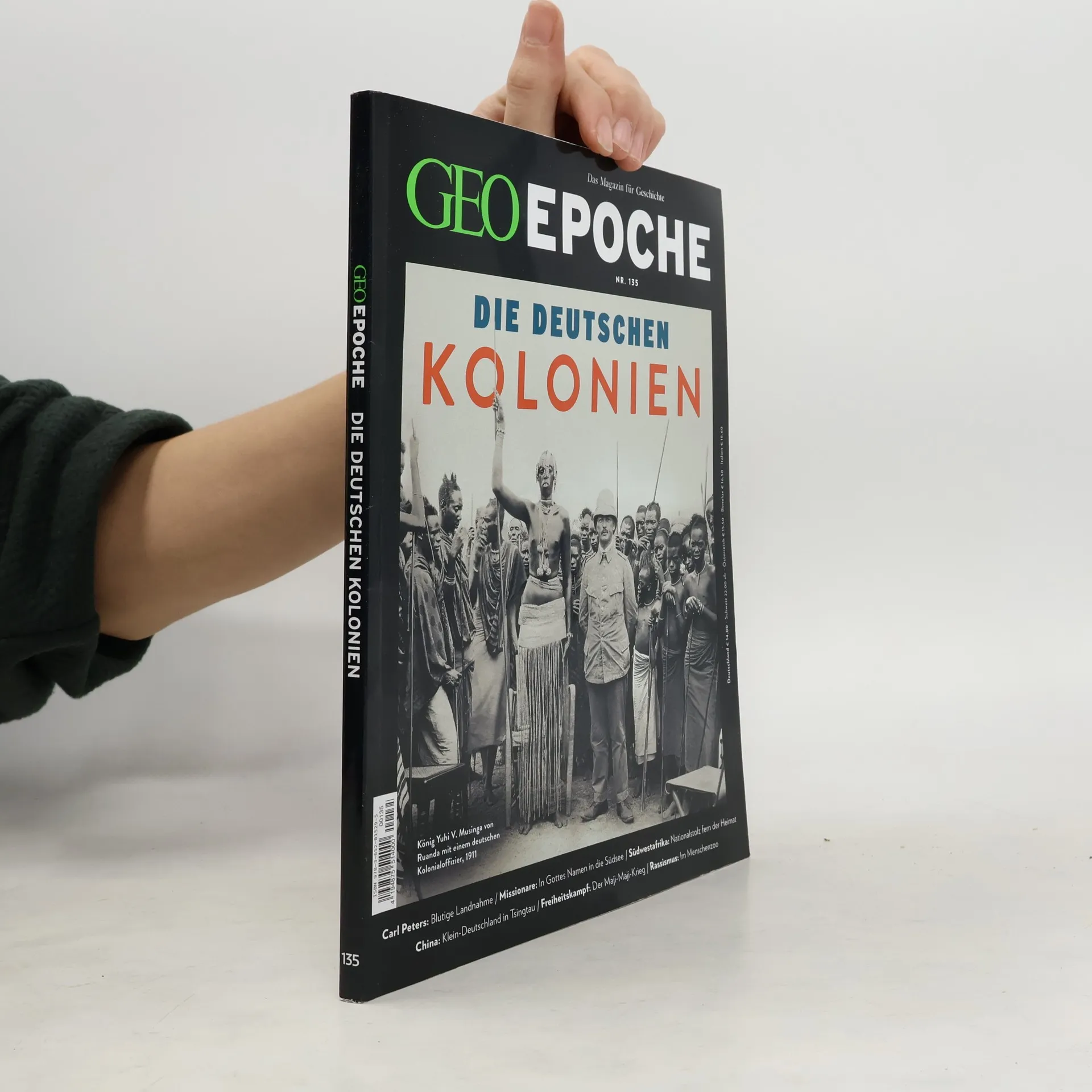
Carl Peters Book order (chronological)
September 27, 1856 – September 10, 1918
This figure was a German colonial ruler, explorer, politician, and author, instrumental in establishing the German colony of East Africa. A proponent of Social Darwinism and Völkisch philosophy, his views on the indigenous population marked him as one of the most controversial colonizers even in his own time.
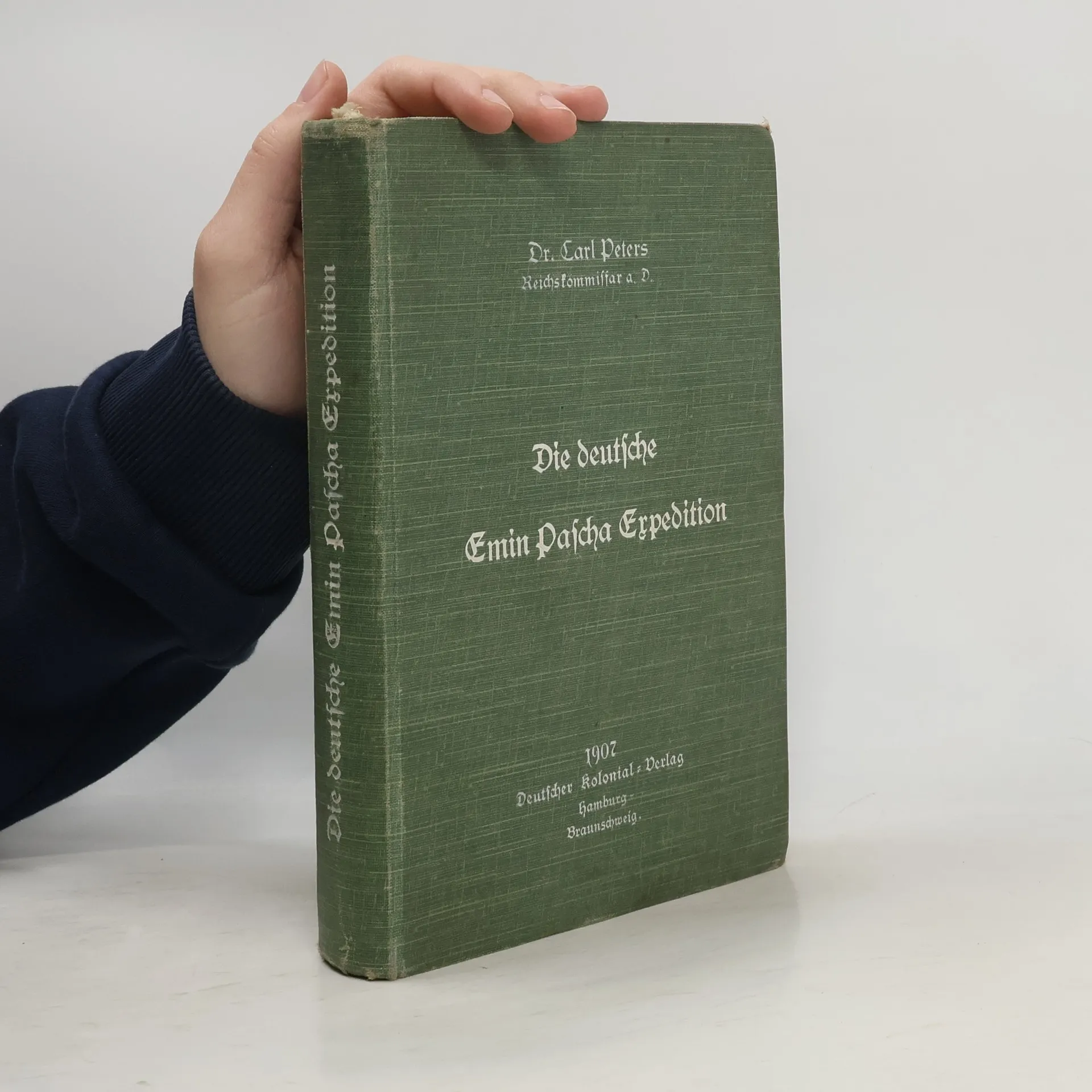



Die Deutsche Emin-Pascha Expedition
- 644 pages
- 23 hours of reading
Carl Peters war ein einflussreicher Publizist und Kolonialimperialist, der für seine rassistischen Ansichten bekannt war. Als Afrikareisender prägte er die koloniale Politik seiner Zeit und hinterließ einen umstrittenen Erbe in der Geschichte des Imperialismus. Sein Leben und Wirken spiegeln die komplexen und oft problematischen Beziehungen zwischen Europa und Afrika im späten 19. und frühen 20. Jahrhundert wider.
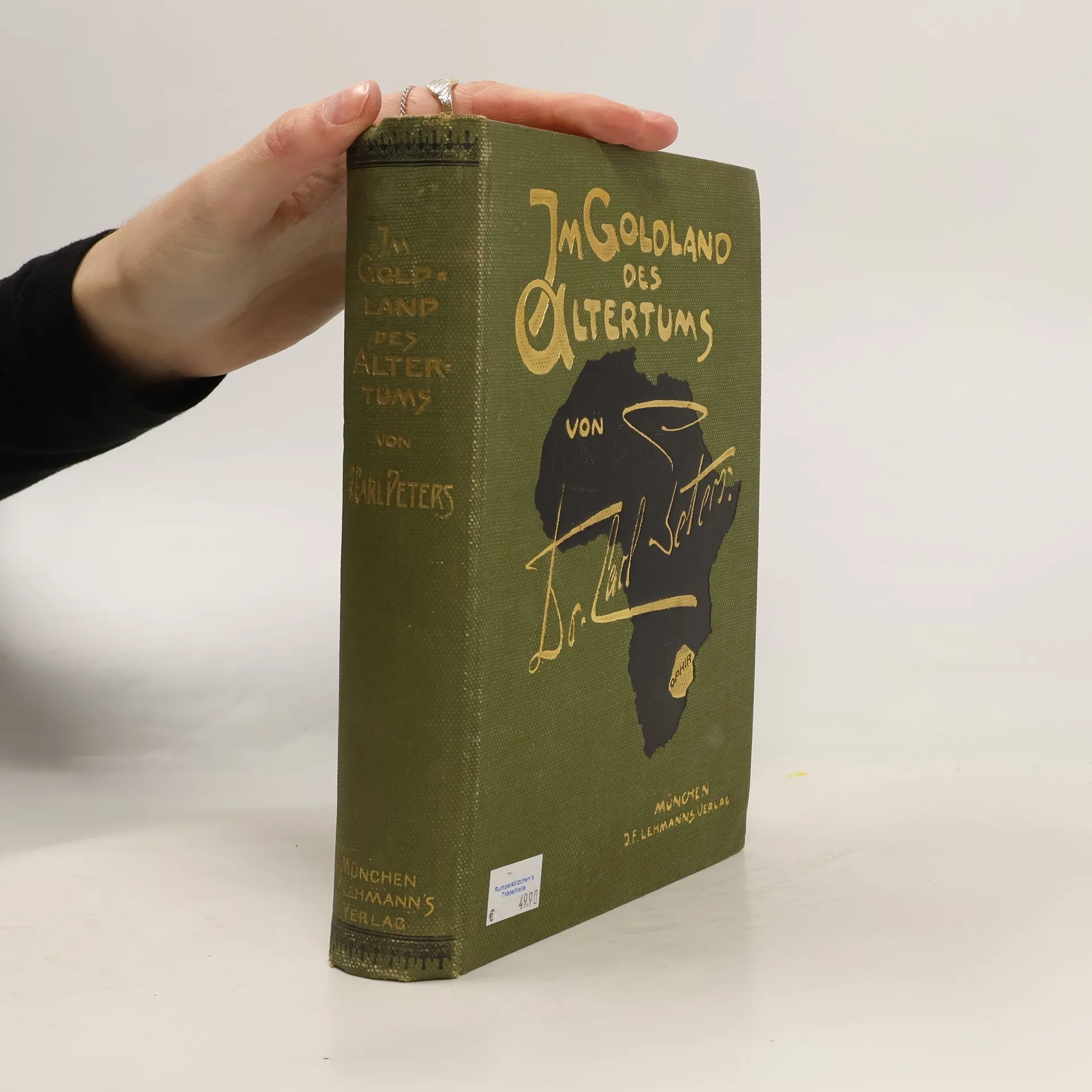
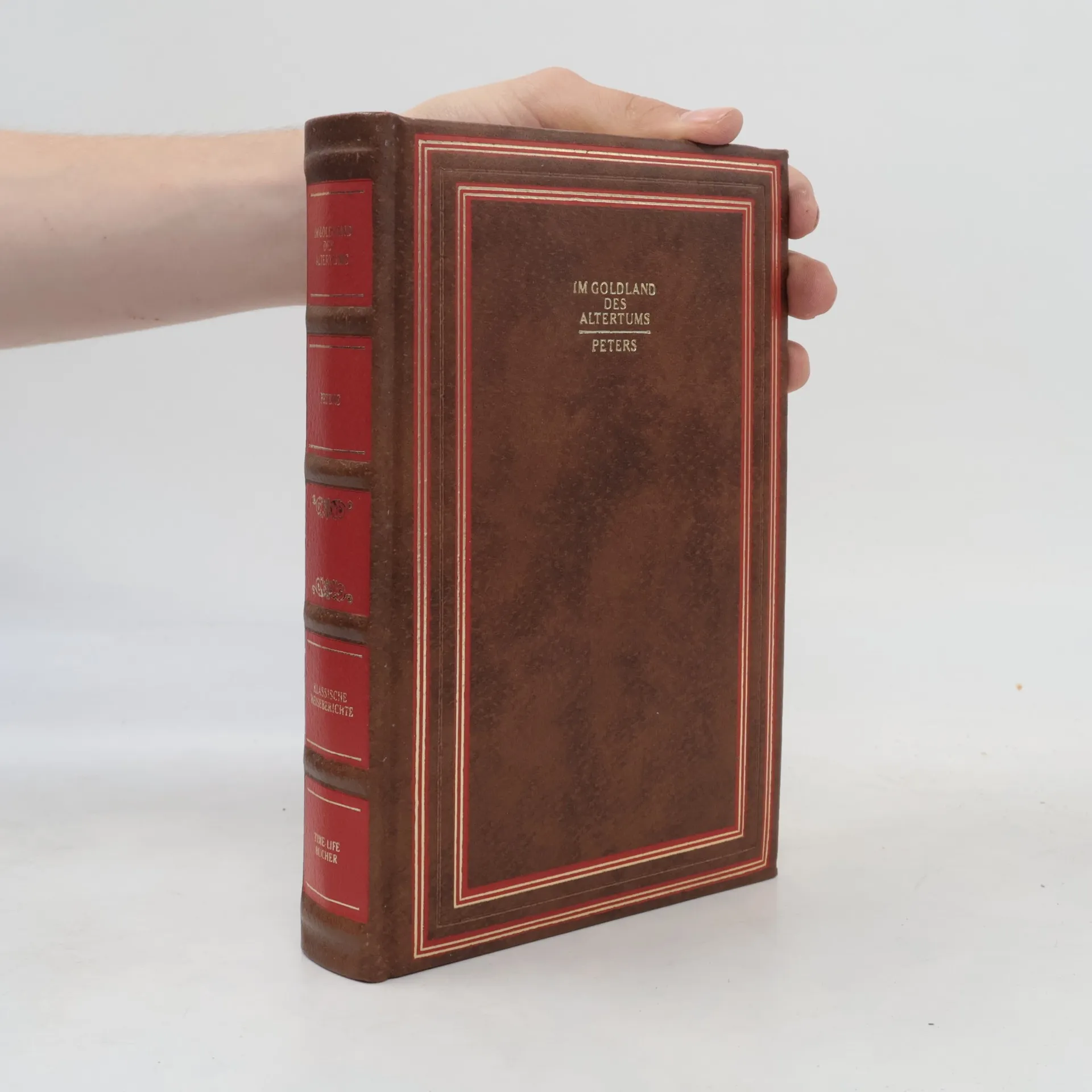
Im Goldland des Altertums
- 408 pages
- 15 hours of reading
Forschungen zwischen Zambesi und Sabi, Nachdruck des Originals von 1902.
Wie Deutsch-Ostafrika entstand!
Persönlicher Bericht des Gründers
Im Goldland des Altertums
Forschungen Zwischen Zambesi und Sabi