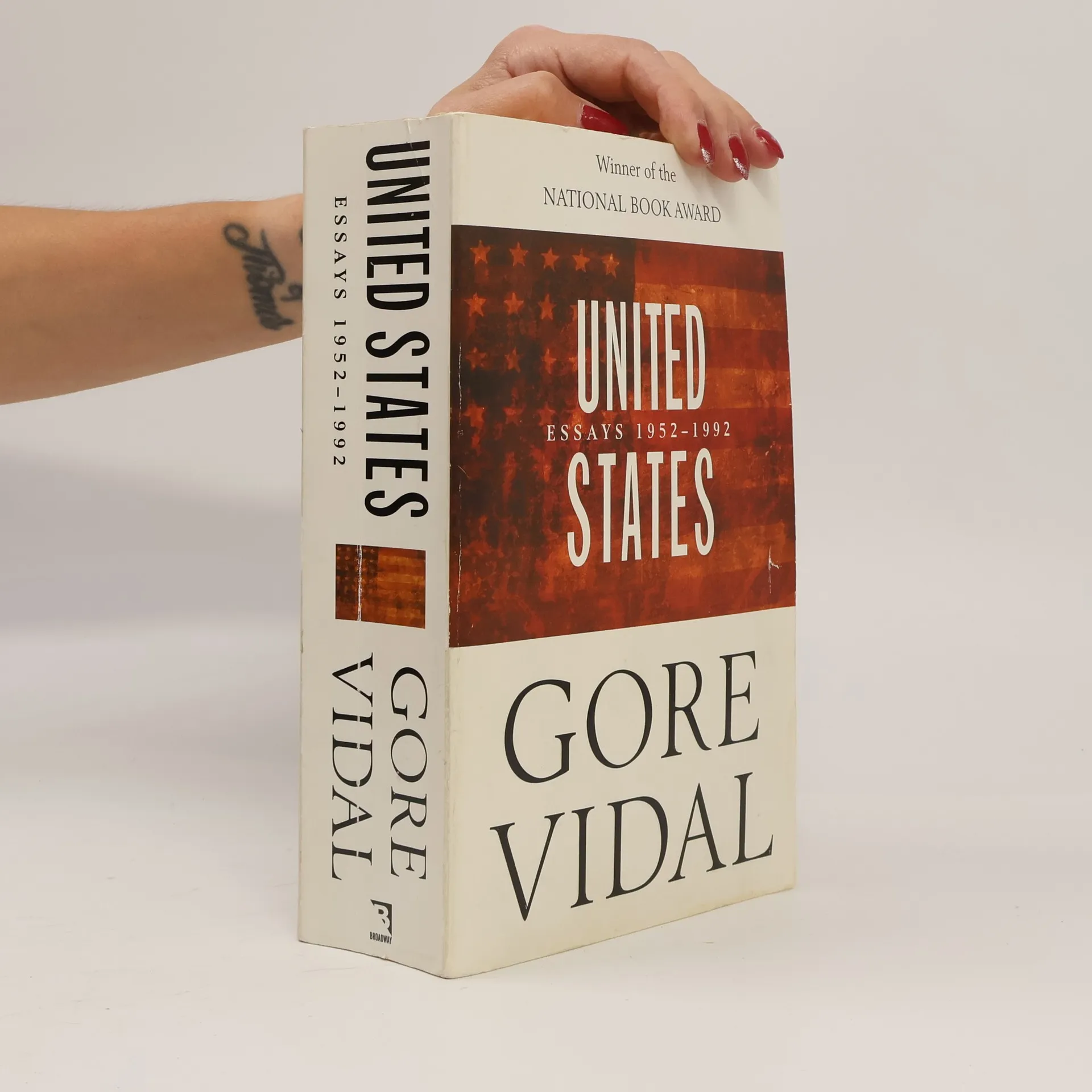
From the age of Eisenhower to the dawning of the Clinton era, Gore Vidal’s United States offers an incomparably rich tapestry of American intellectual and political life in a tumultuous period. It also provides the best, most sustained exposure possible to the most wide-ranging, acute, and original literary intelligence of the post—World War II years. United States is an essential book in the canon of twentieth-century American literature and an endlessly fascinating work.
Gore Vidal Books
October 3, 1925 – July 31, 2012
Gore Vidal was a celebrated American author whose work was characterized by sharp intellect and a keen satirical eye on American society. Through his novels, essays, and plays, he frequently explored themes of power, decadence, and critiques of U.S. foreign policy. His distinctive style, often described as aphoristic and aristocratic, reflected a penchant for paradox and irony. Vidal left an indelible mark on American literature as both an astute observer and a formidable critic of his era.


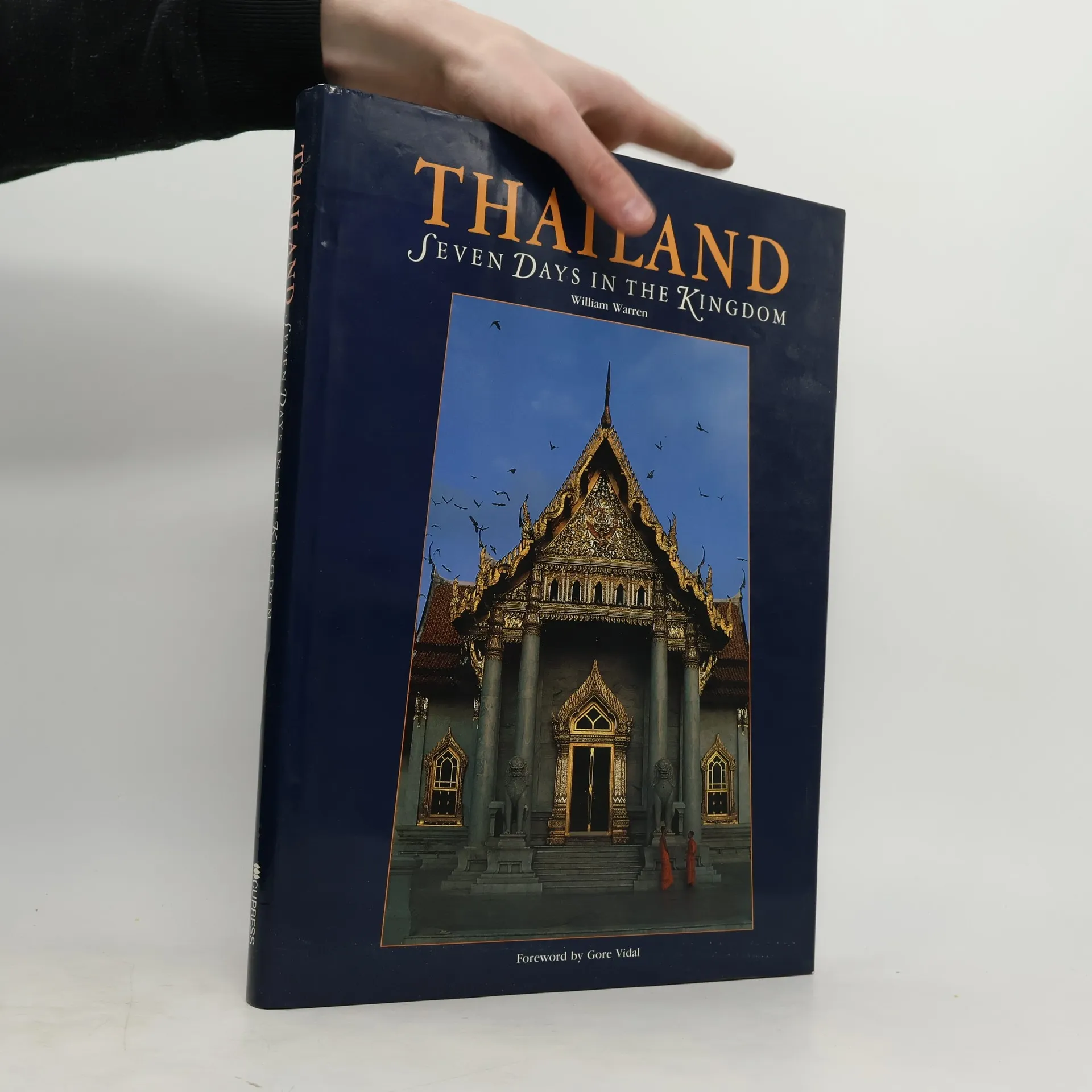
pp. 428, SIGNED and dedicated by Beny.
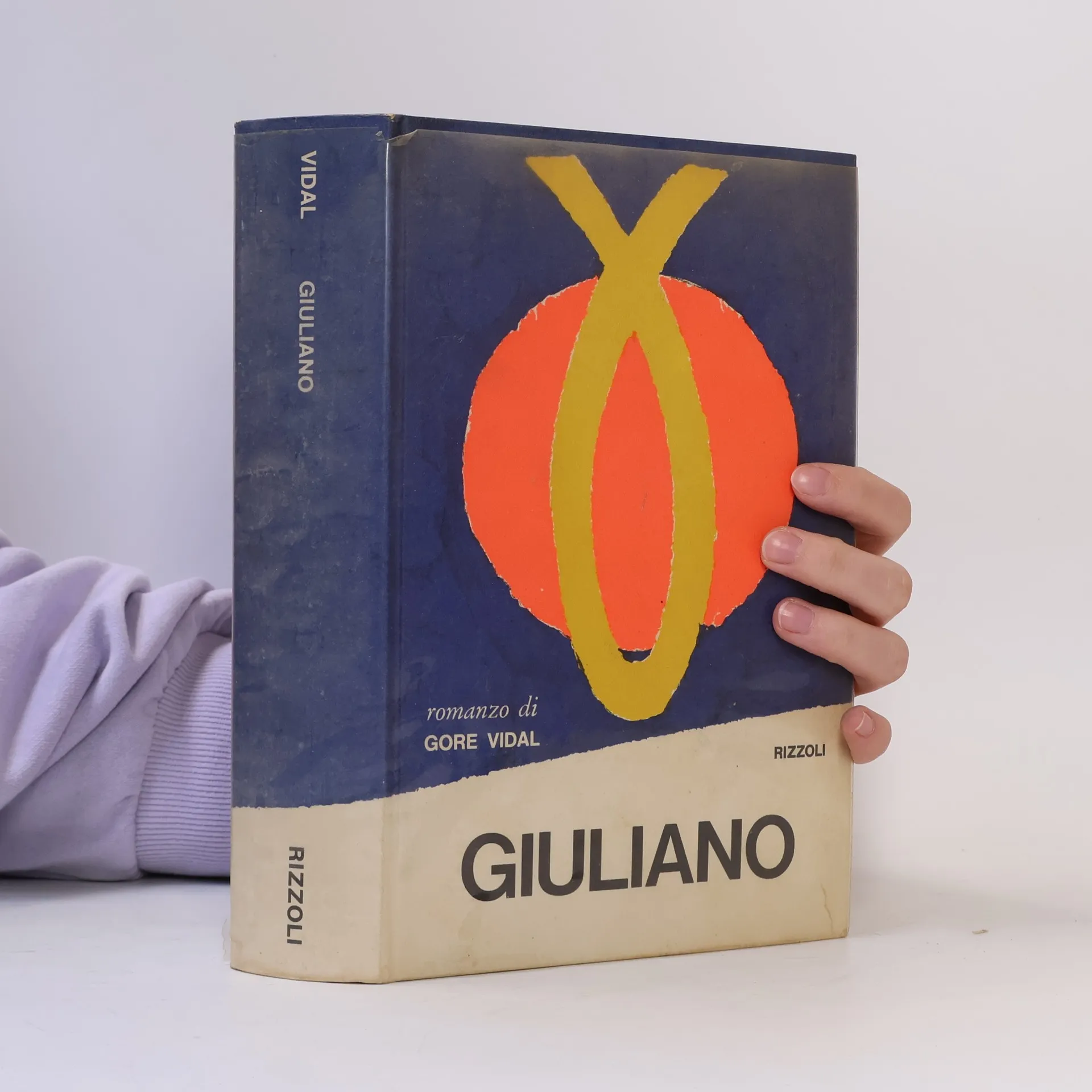
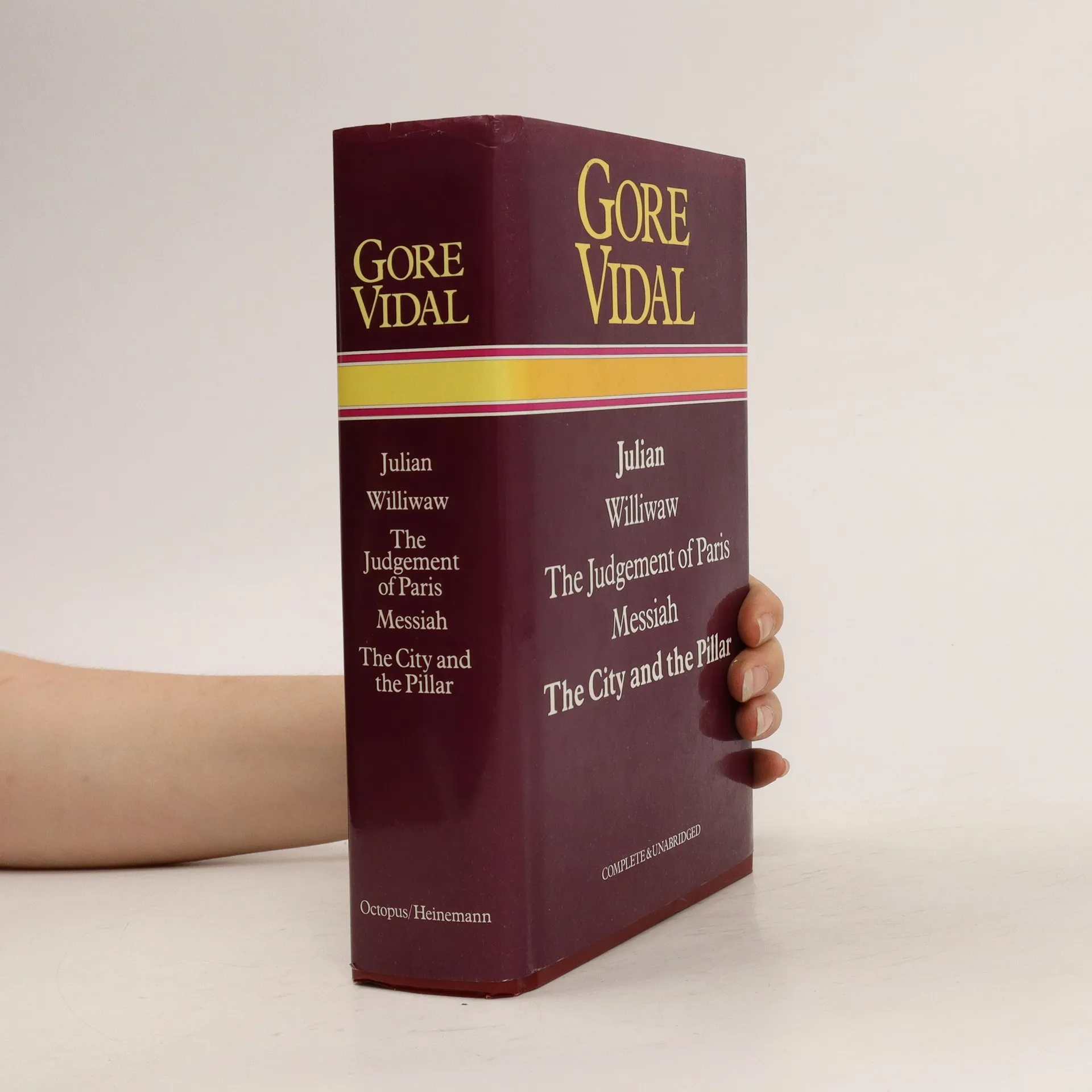
Juilian, fourth-century Emperor who tried to reinstate pagan worship. Williwaw-a tale of a US patrol boat WWII. The Judgement of Paris-Entertaining account of travels and affairs in Italy, Egypt & Paris. The City and the Pillar-Tragedy -homosexual underground.
Gore Vidal again demonstrates in these seven stories the maturity of craftsmanship and individuality which has gained him an important place among writers. He has wit; he has variety; he has a style. Of the hundreds of new writers to come out of the Second World War, only a handful have continued to develop, to grow. He has survived notoriety and early success to achieve a career of letters that is unique, a body of work that is substantial, a perception of reality which is precise and illuminating. After reading 'A Moment of Green Laurel,' published here for the first time, one appreciates the comment of The Times Literary Supplement: 'It is quite possible for a successful young novelist like Mr. Gore Vidal to live in America and prevent anything he does not want from impinging on his consciousness and, as he matures, a correlation between his standards and those he does not follow. From the fusion a peculiarly American literature develops.'
Vidal in Venice
- 160 pages
- 6 hours of reading
The author offers his personal impressions of Venice, recounts its long history, and describes the paintings, sculpture, and architecture of the city
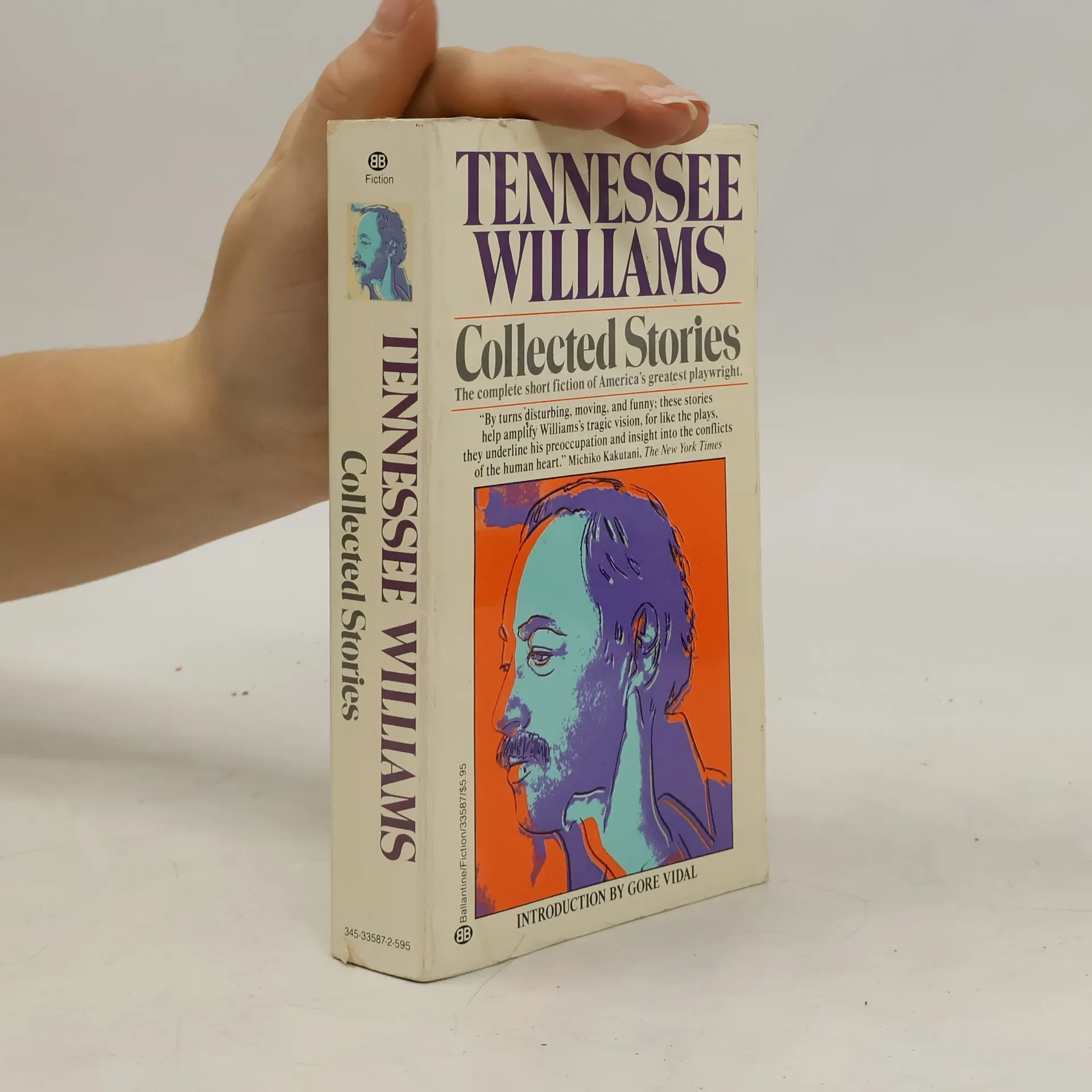
Collected stories
- 611 pages
- 22 hours of reading
Recreates the milieux Williams knew and chronicled so movingly--from his gypsy youth in St. Louis and New Orleans to his days of celebrity in Hollywood and New York.
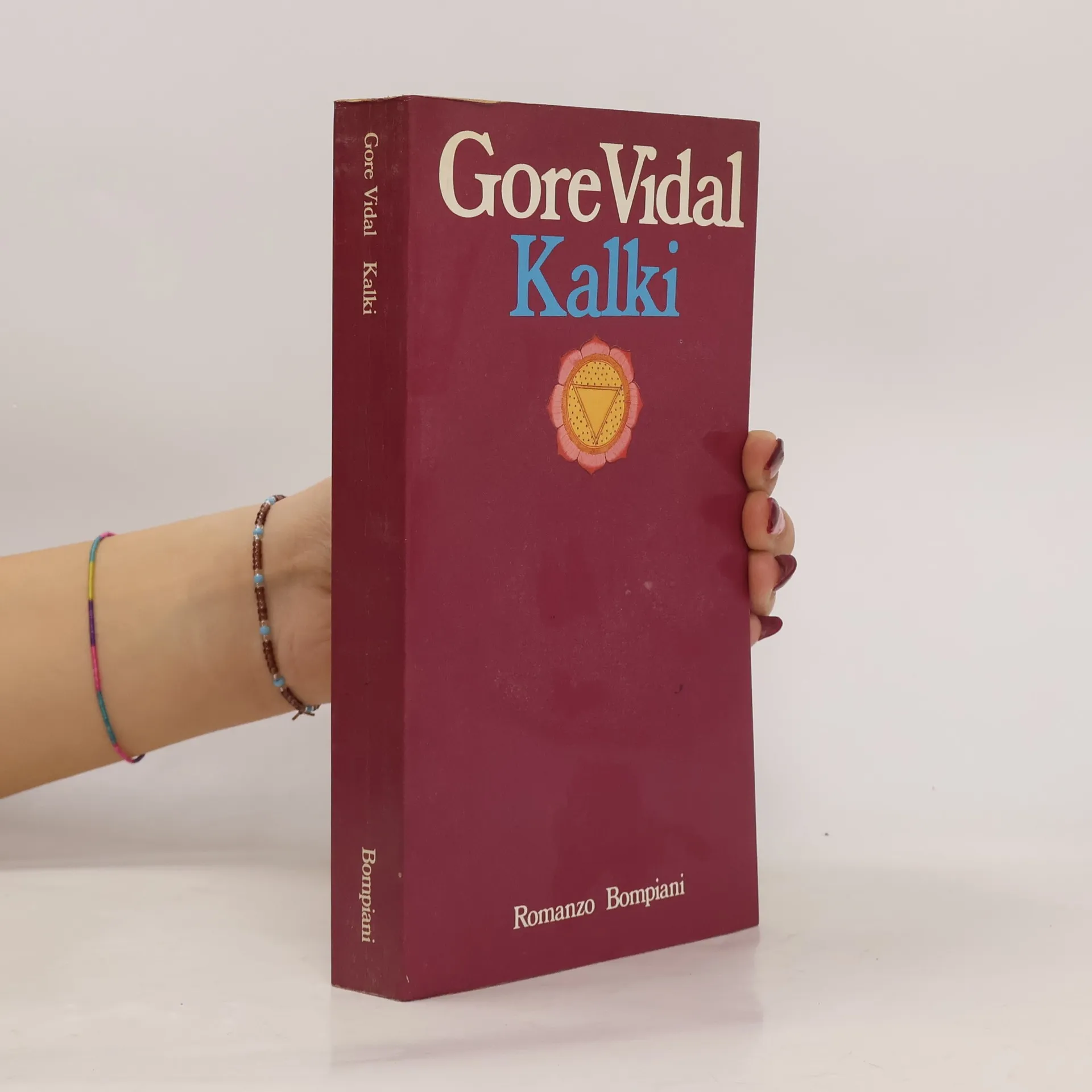
Kalki
- 288 pages
- 11 hours of reading
Teddy Ottinger, a lesbian pilot and part-time journalist, becomes the personal pilot of Kelly, a former G.I. from New Orleans who is an expert in chemical and biological warfare from his time in Vietnam. Together with some followers, he declares himself the reincarnation of the Hindu god Kalki and becomes the leader of a religious cult that gains worldwide followers. However, Kelly/Kalki has a deeper goal: he wants to annihilate all of humanity and repopulate the world with his descendants. This is a dark, inventive, and gripping novel about religion and culture, and somewhat a companion story to Messiah, though not quite as original or compelling.
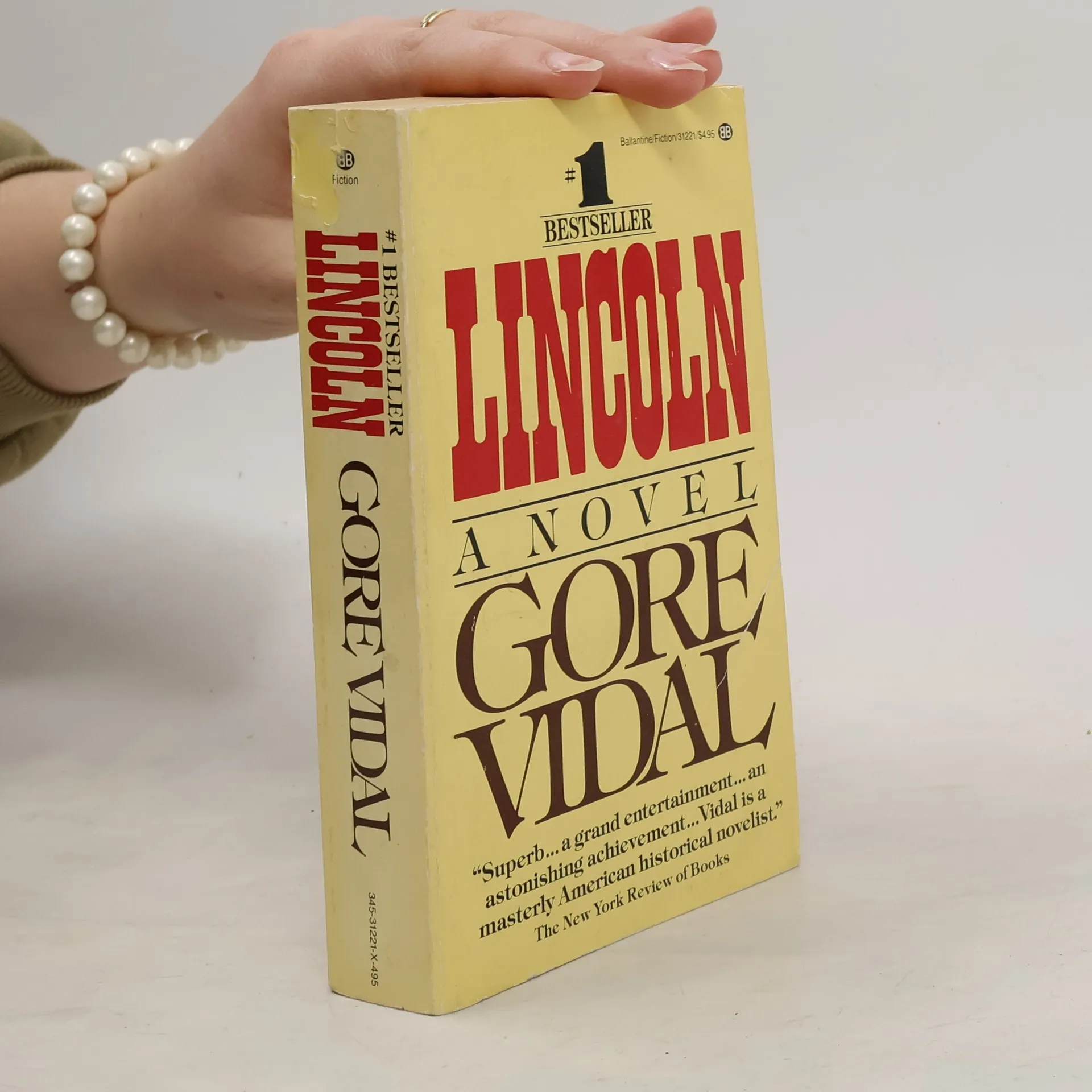
Lincoln
- 657 pages
- 23 hours of reading
"The portrait is reasoned, judicious, straightforward and utterly convincing." THE NEW YORK TIMES BOOK REVIEW In this profoundly moving work of epic proportion and intense human sympathy, Abraham Lincoln is observed by his loved ones, his rivals, and his future assassins. In this brilliantly realized, vividly imagined work of fiction, Gore Vidal gives us a portrait of America's great president that is at once intimate and public, stark and complex, and that will become for future generations the living Lincoln, the definitive Lincoln. "Richly entertaining....For the general reader the elegant explication of the issues of the day gives hearty satisfaction: history lessons with the blood still hot." THE WASHINGTON POST
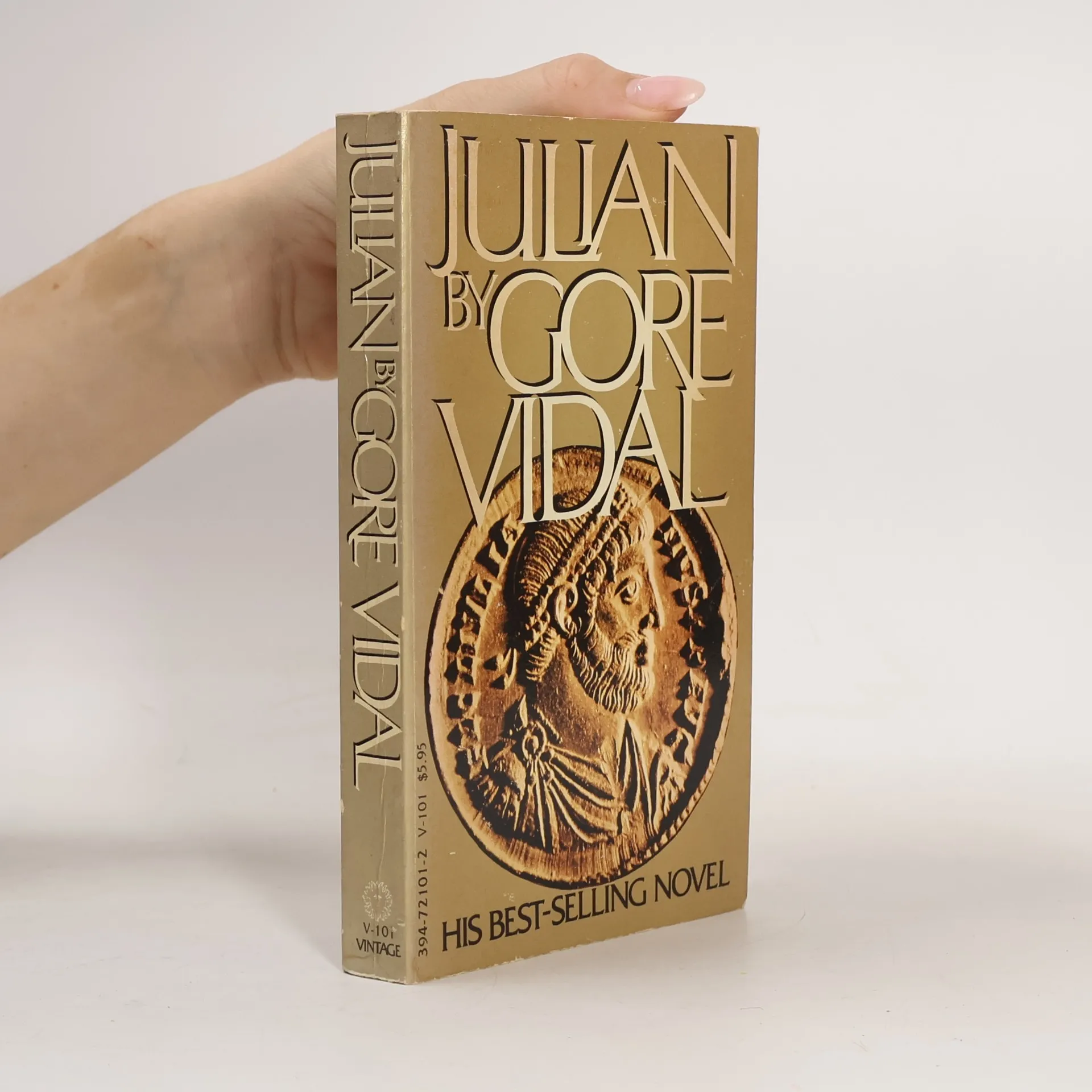
The remarkable bestseller about the Roman emperor who famously tried to halt the spread of Christianity, Julian is widely regarded as one of Gore Vidal's finest historical novels. Julian the Apostate, nephew of Constantine the Great, was one of the brightest yet briefest lights in the history of the Roman Empire. A military genius on the level of Julius Caesar and Alexander the Great, a graceful and persuasive essayist, and a philosopher devoted to restoring the gods of Hellenism, he became embroiled in a fierce intellectual war with Christianity that provoked his murder at the age of thirty-two, only four years into his brilliantly humane and compassionate reign. A marvelously imaginative and insightful novel of classical antiquity, Julian captures the religious and political ferment of a desperate age and restores with blazing wit and vigor the legacy of an impassioned ruler.
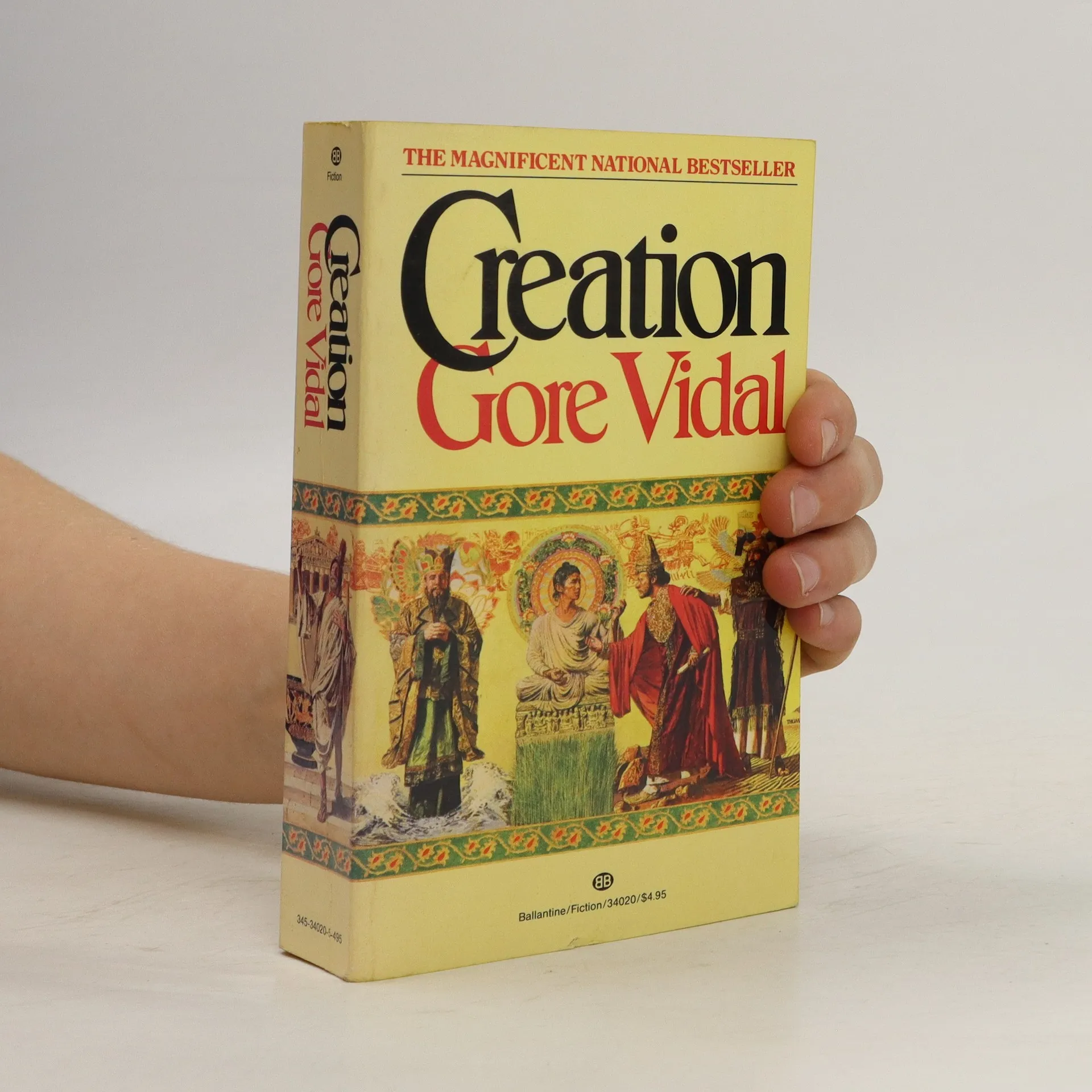
Creation
- 593 pages
- 21 hours of reading
Once again the incomparable Gore Vidal interprets and animates history -- this time in a panoramic tour of the 5th century B.C. -- and embellishes it with his own ironic humor, brilliant insights, and piercing observations. We meet a vast array of historical figures in a staggering novel of love, war, philosophy, and adventure . . . "There isn't a page of CREATION that doesn't inform and very few pages that do not delight." -- John Leonard, The New York Times
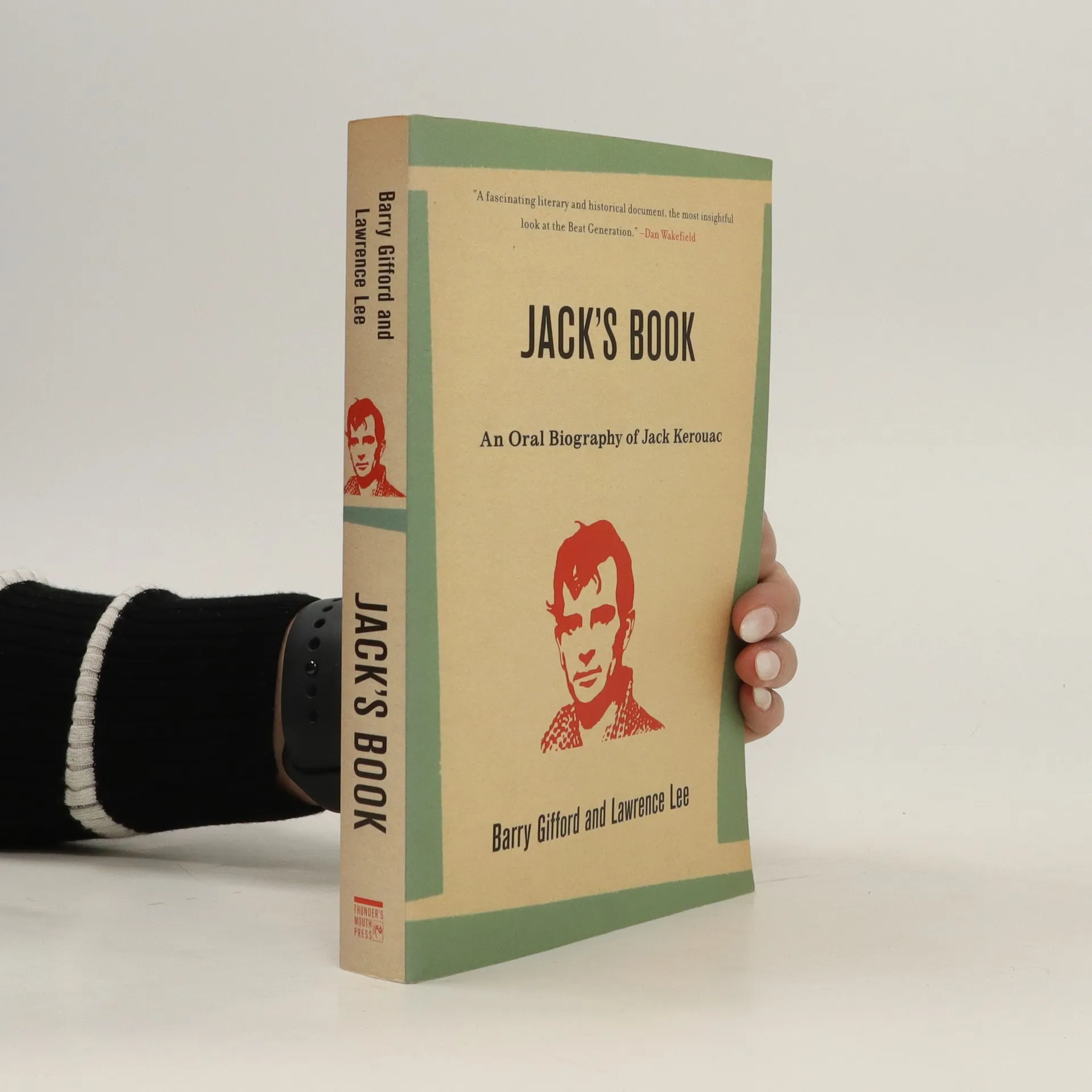
Jack's Book
- 304 pages
- 11 hours of reading
Here, in what has become a classic of its kind since its publication in 1978, is the fascinating story of Jack Kerouac, "King of the Beats" and American literary legend, recorded through the voices of his friends and lovers. Authors Barry Gifford and Lawrence Lee retraced Kerouac's life at home and on the road and talked with the prophets, musicians, poets, socialites, and working people who knew Jack Kerouac. Some are famous like Allen Ginsberg, Gore Vidal, William Burroughs, Gary Snyder, among others; and some are not like Jack's boyhood buddies, his lovers, and his barroom companions. All, however, have contributed to a remarkably vibrant, riveting portrait of a life. We see Jack at Columbia University and on the scene of Greenwich Village; speeding across the tarmac of America with Neal Cassidy ("Dan Moriarty" in Kerouac's classic novel, On the Road); at home with his possessive mother; in California, drinking wine and talking Buddhism; and finally, in Florida, where his life ends tragically at forty-seven years old. Jack's Book, like Kerouac's novels, makes a unique contribution to our understanding of a man and a generation that shaped the dreams and visions of those who followed.
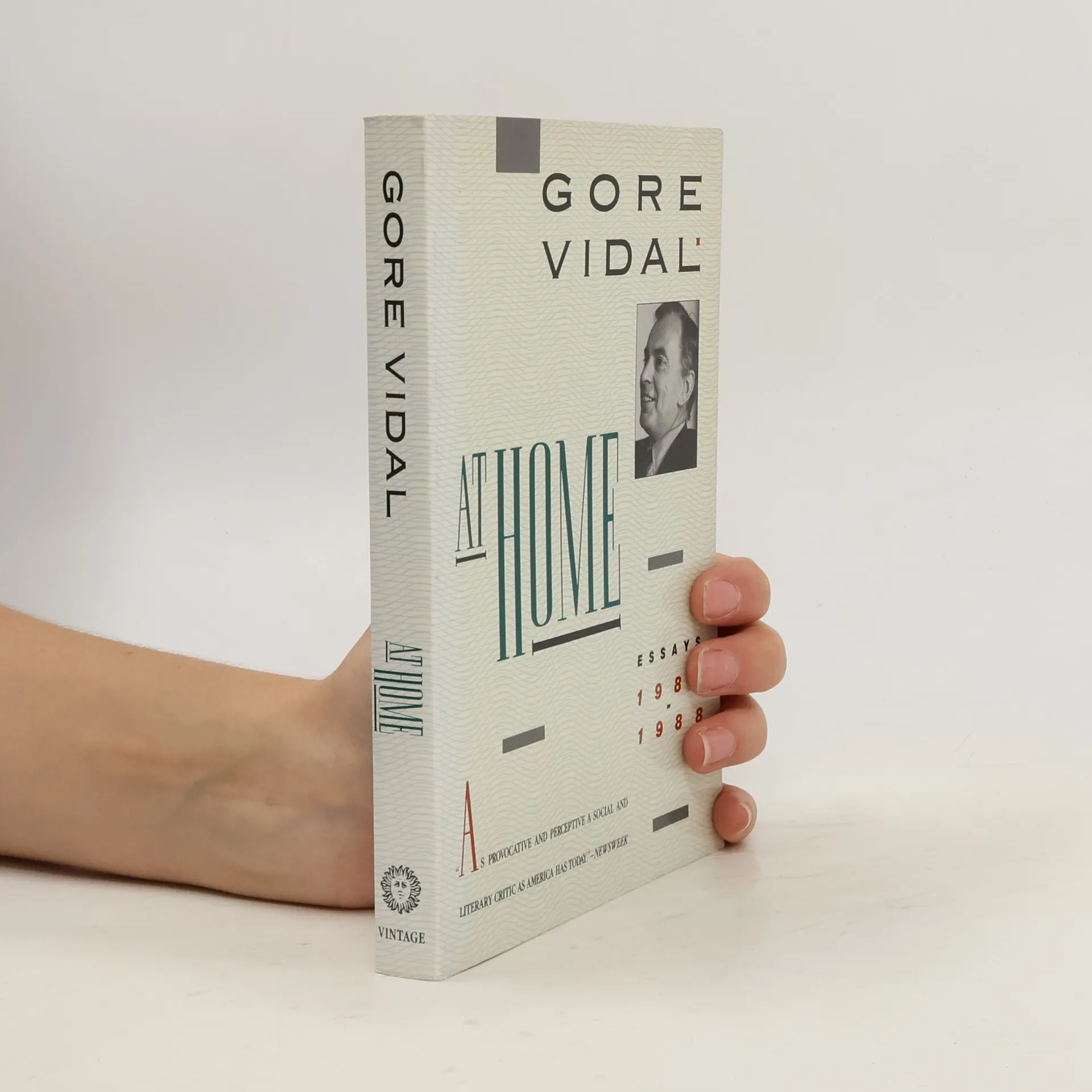
At Home brings together 24 essays on subjects ranging from Henry James to Nancy Reagan, Oscar Wilde to Oliver North, Hollywood to Mongolia.
The Selected Essays of Gore Vidal
- 480 pages
- 17 hours of reading
Gore Vidal—novelist, playwright, critic, screenwriter, memoirist, indefatigable political commentator, and controversialist—is America's premier man of letters. No other living writer brings more sparkling wit, vast learning, indelible personality, and provocative mirth to the job of writing an essay.This long-needed volume comprises some twenty-four of his best-loved pieces of criticism, political commentary, memoir, portraiture, and, occasionally, unfettered score settling. It will stand as one of the most enjoyable and durable works from the hand and mind of this vastly accomplished and entertaining immortal of American literature.
Burr
- 512 pages
- 18 hours of reading
Gore Vidal's classic novel of Aaron Burr - the man who shot Alexander Hamilton. In 1804, Colonel Aaron Burr, Vice-President of the United States, shot and killed Alexander Hamilton in a duel. Three years later, on the order of President Thomas Jefferson, he was tried for treason: for plotting to dismember the United States. Gore Vidal, romping iconoclastically through American history, debunks, in this historical novel of Burr's life, the common and casually held notion of the man as a scoundrel and an adventurer. Instead he appears as one of the 'host of choice spirits' forced to live among coarse, materialistic, hypocritical people, among them Jefferson and Hamilton. Here, the latter appears as a power-hungry 'parvenu' from the West Indies and the former as a semi-literate slave-owning tyrant. American politics, suggests Vidal, had a penchant for the vulgar. Even then. Veering backwards to the revolution and the early days of the republic, stopping at dinner-parties on the way, and reaching forward to the future, Burr is a novel about treason, both the particular and in general. For what, asks Vidal, really belongs to whom? What properly belongs to the Constitution, to the nation, to the family even, intriguingly, to novelists and historians?
Argues that there are no longer intellectuals working outside of the academic world, criticizes the New Left, and explains the decline of bohemia.
Palimpsest : a memoir
- 448 pages
- 16 hours of reading
Gore Vidal's autobiography encompasses his boyhood as page to his grandfather, Senator Gore; St. Albans school; the army; homosexual life in New York in the 40s and 50s; the early years of television; Hollywood; literary reflections, and much more.
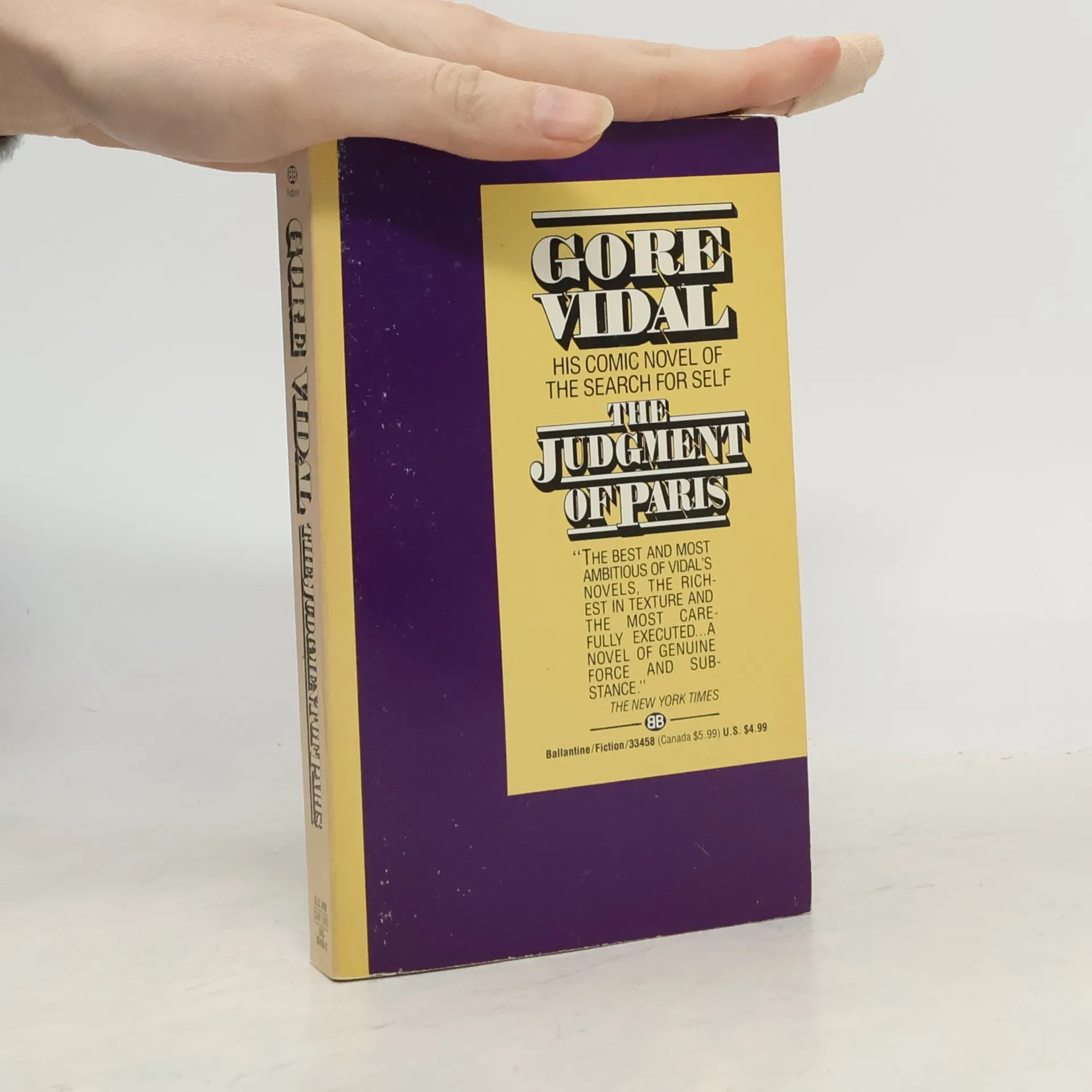
Set in post-war Europe, fresh-out-of-law-school Philip Warren takes a year to discover his future. In this classic coming-of-age story, Philip journeys through various affairs, misadventures, and cities full of unforgettable characters that prompt his self-discovery and lessons on taking pleasure in both love and life. Power, knowledge, and love are the temptations of three alluring women as Philip wanders from Paris to Rome. Yet his choice matters less than the act of choosing in this witty odyssey of self-discovery.
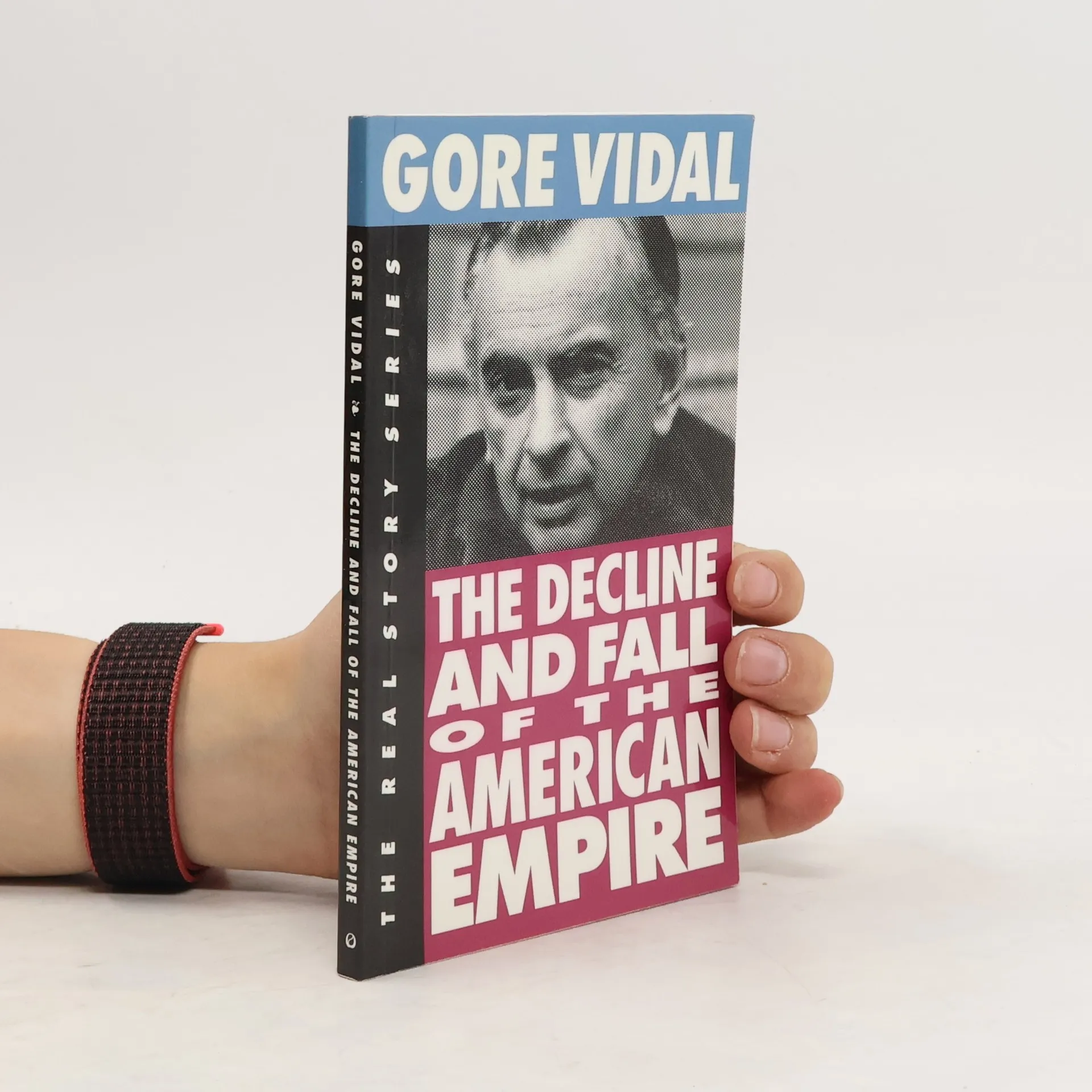
The Decline and Fall of the American Empire
- 95 pages
- 4 hours of reading
Six essays on the theme of empire and republic, with particular focus on the national security state and the failure of the U.S. economic system.
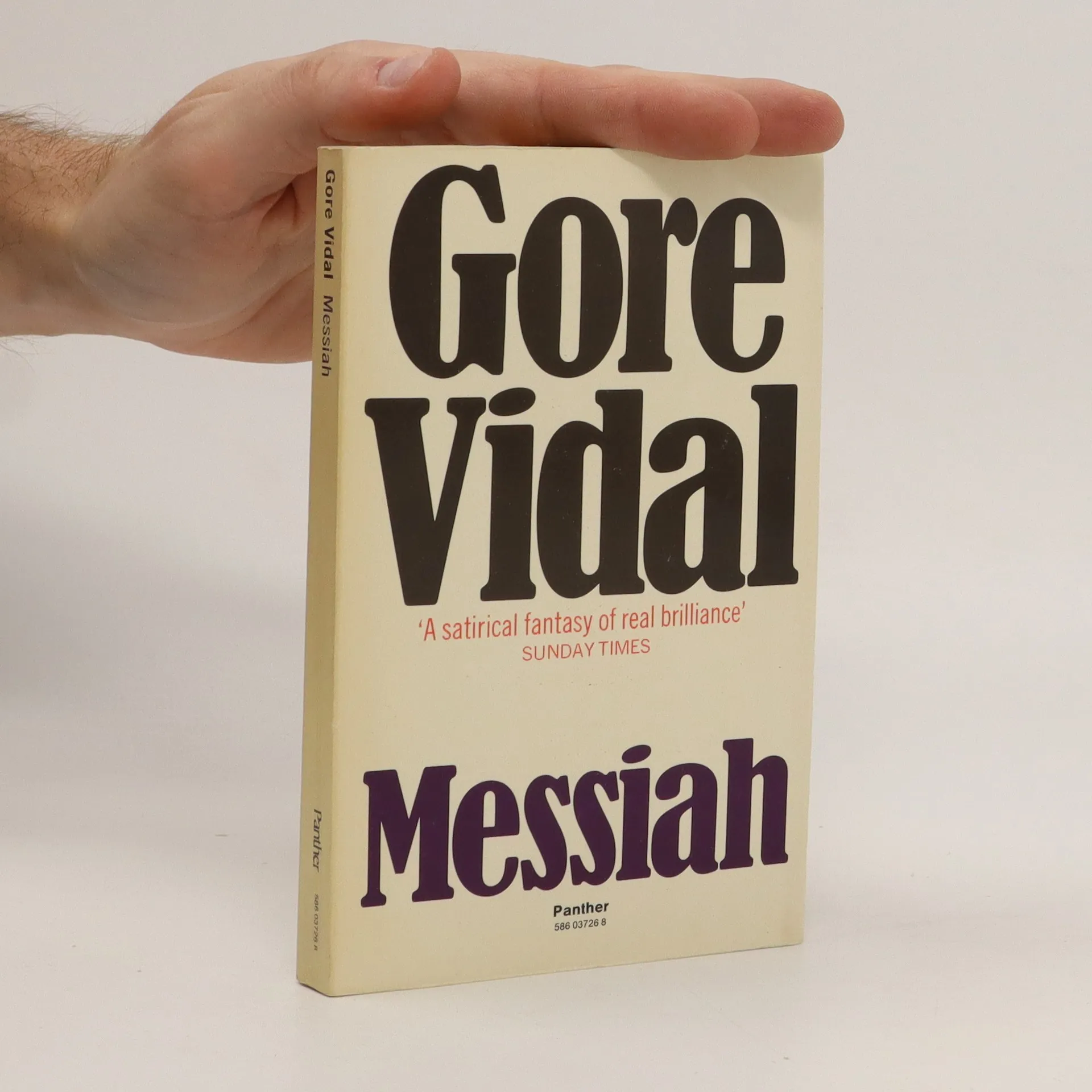
Gore Vidal's satirical fantasy, with a new introduction by the author. From his long-time hiding-place in provincial Egypt, Eugene Luther tells the story of John Cave, a former Californian undertaker, his rise to power and the subsequent global impact of his new religion.
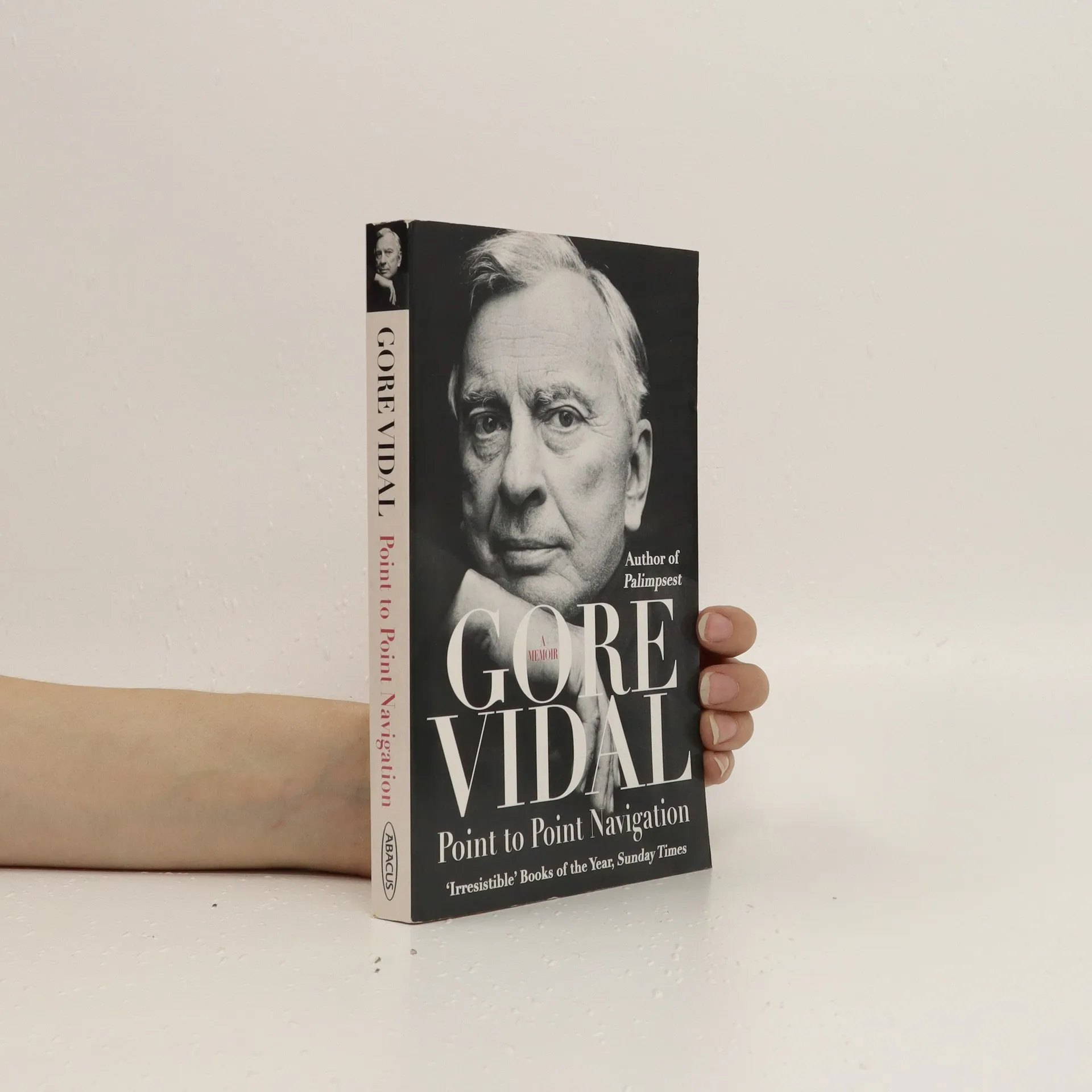
Point to point navigation: a memoir 1964 to 2006
- 224 pages
- 8 hours of reading
* In this sequel to PALIMPSEST, Gore Vidal ranges freely over his remarkable life with his signature wit and literary elegance.
Gore Vidal's ninth collection features a series of incisive essays that showcase his sharp intellect and wit, addressing diverse topics ranging from notable figures like Clare Boothe Luce and Charles Lindbergh to critical discussions on civil liberties and terrorism. His controversial take on the Bill of Rights initiated a dialogue with Timothy McVeigh, while his analyses of literary giants and political figures provide a rich exploration of America's evolving identity. Written during a pivotal political era, this collection serves as a reflective commentary on the American dream's complexities.
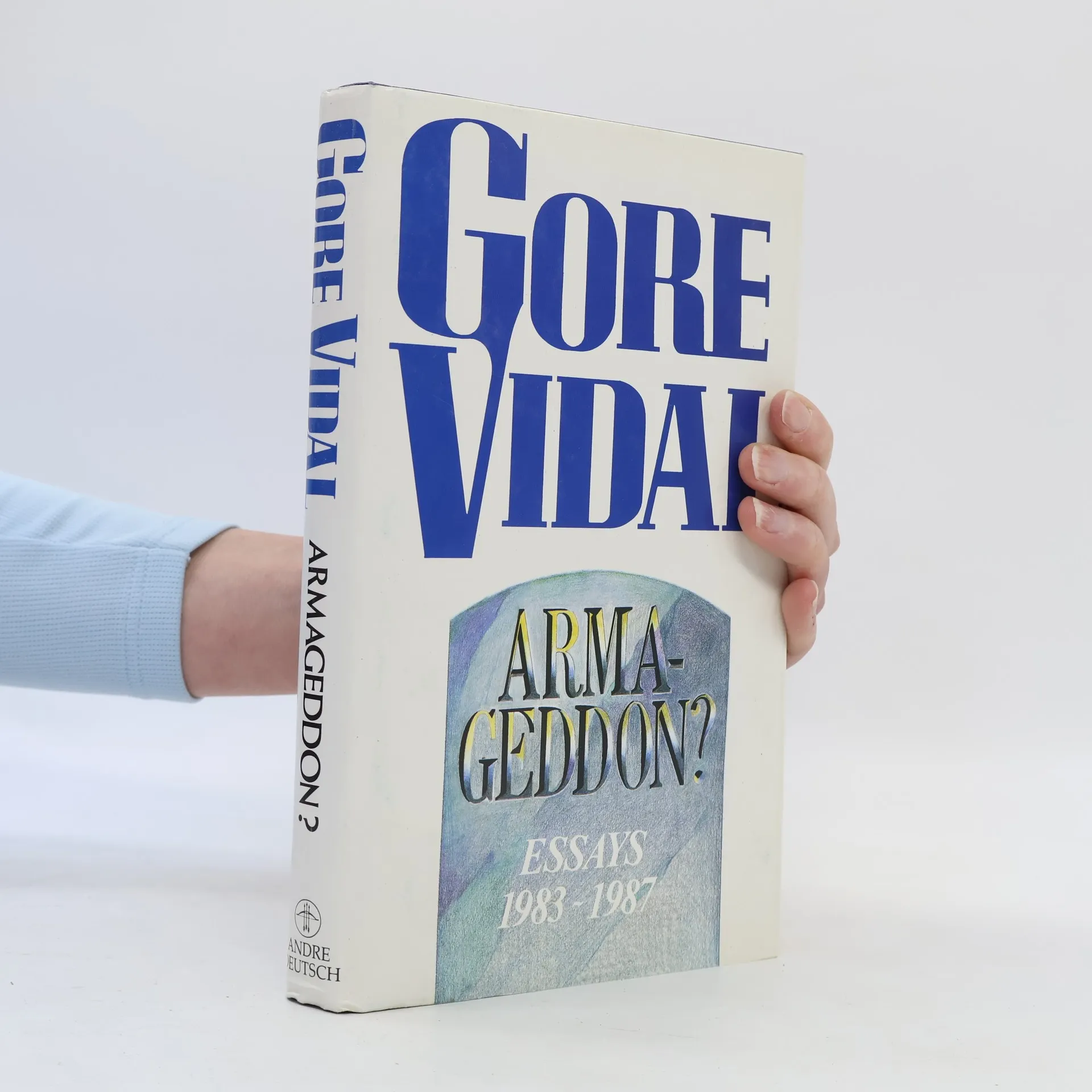
Offers a series of essays analyzing the development of United States foreign policy and criticizing the country's role in the world, its intervention in other lands, and the domestic impact of such policies.
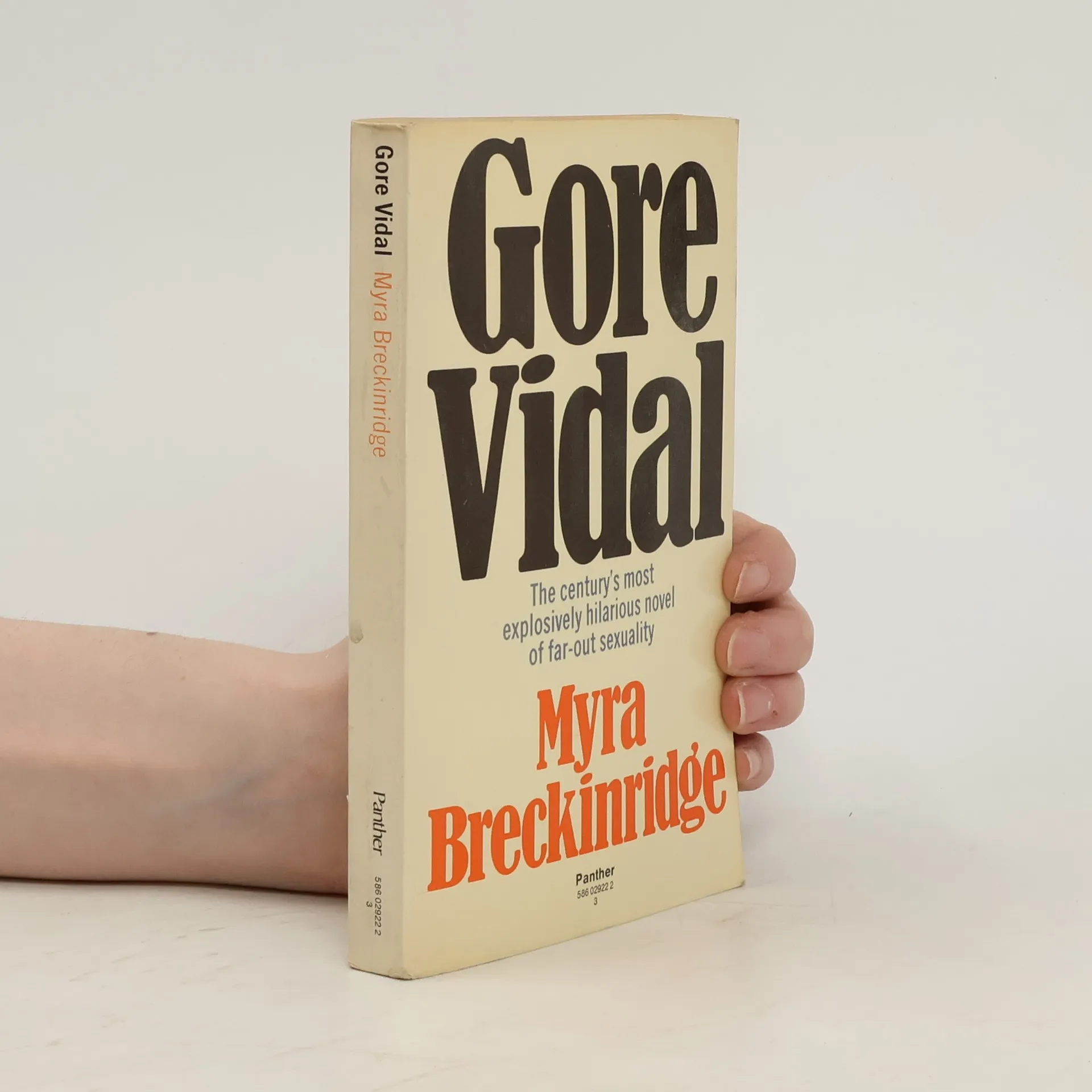
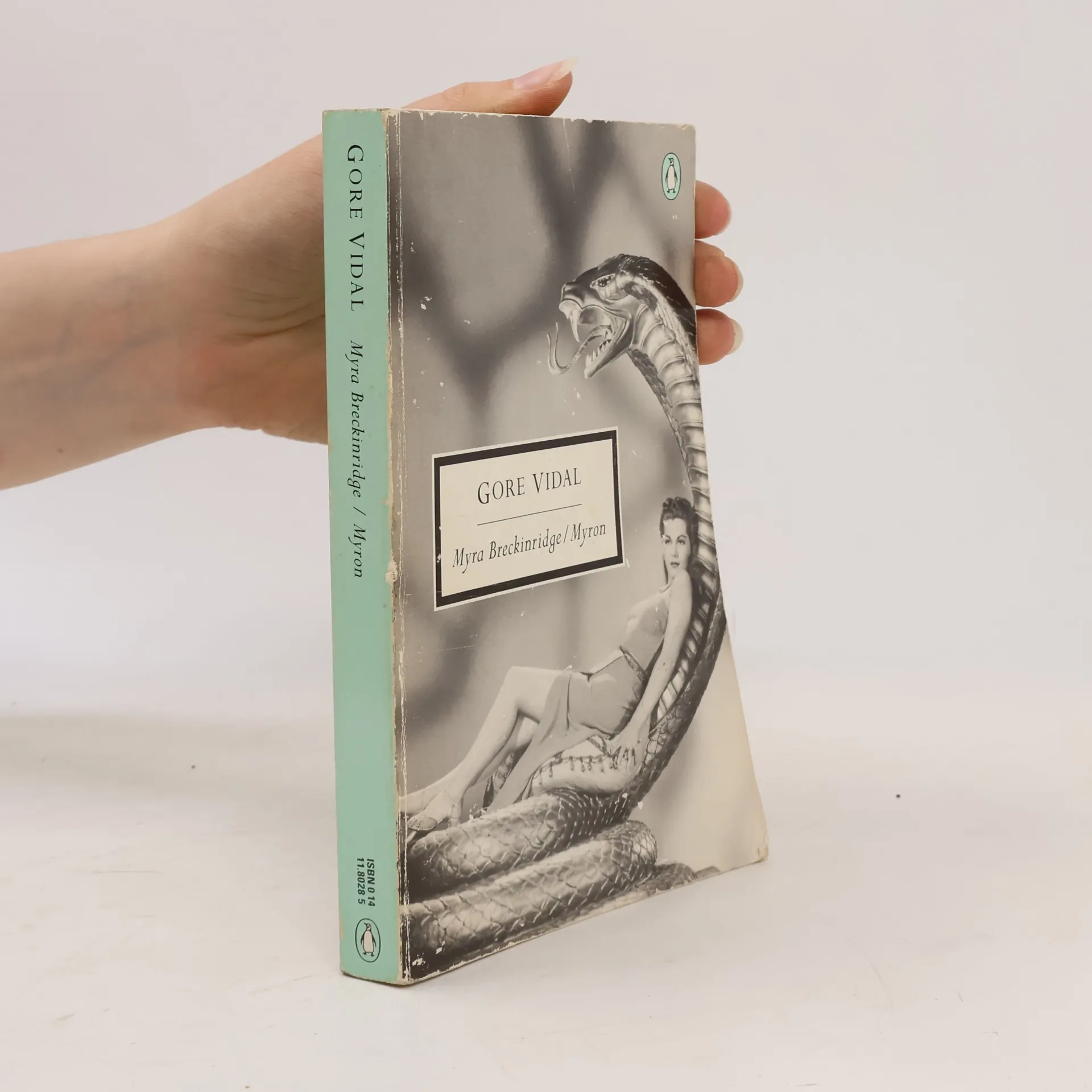
The outrageous and immortal, gender-bending and polymorphously perverse, over-the-top, and utterly on-target comic masterpiece from the bestselling author of Burr, Lincoln, and the National Book Award-winning United States. With a new introduction by Camille Paglia "I am Myra Breckinridge, whom no man will ever possess." So begins the irresistible testimony of the luscious instructor of Empathy and Posture at Buck Loner's Academy of Drama and Modeling. Myra has a secret that only her surgeon shares; a passion for classic Hollywood films, which she regards as the supreme achievements of Western culture; and a sacred mission to bring heteronormative civilization to its knees. Fifty years after its first publication unleashed gales of laughter, delight, and ferocious dissent ("Has literary decency fallen so low?" asked Time), Myra Breckinridge's moment to instruct and delight has once again arrived.
Imperial America
- 192 pages
- 7 hours of reading
In the long-awaited conclusion to his bestselling trilogy, Vidal has written his most devastating exploration of Imperial America to date. Not since the 1846 attack on Mexico in order to seize California, he writes, has an American government been so nakedly predatory.
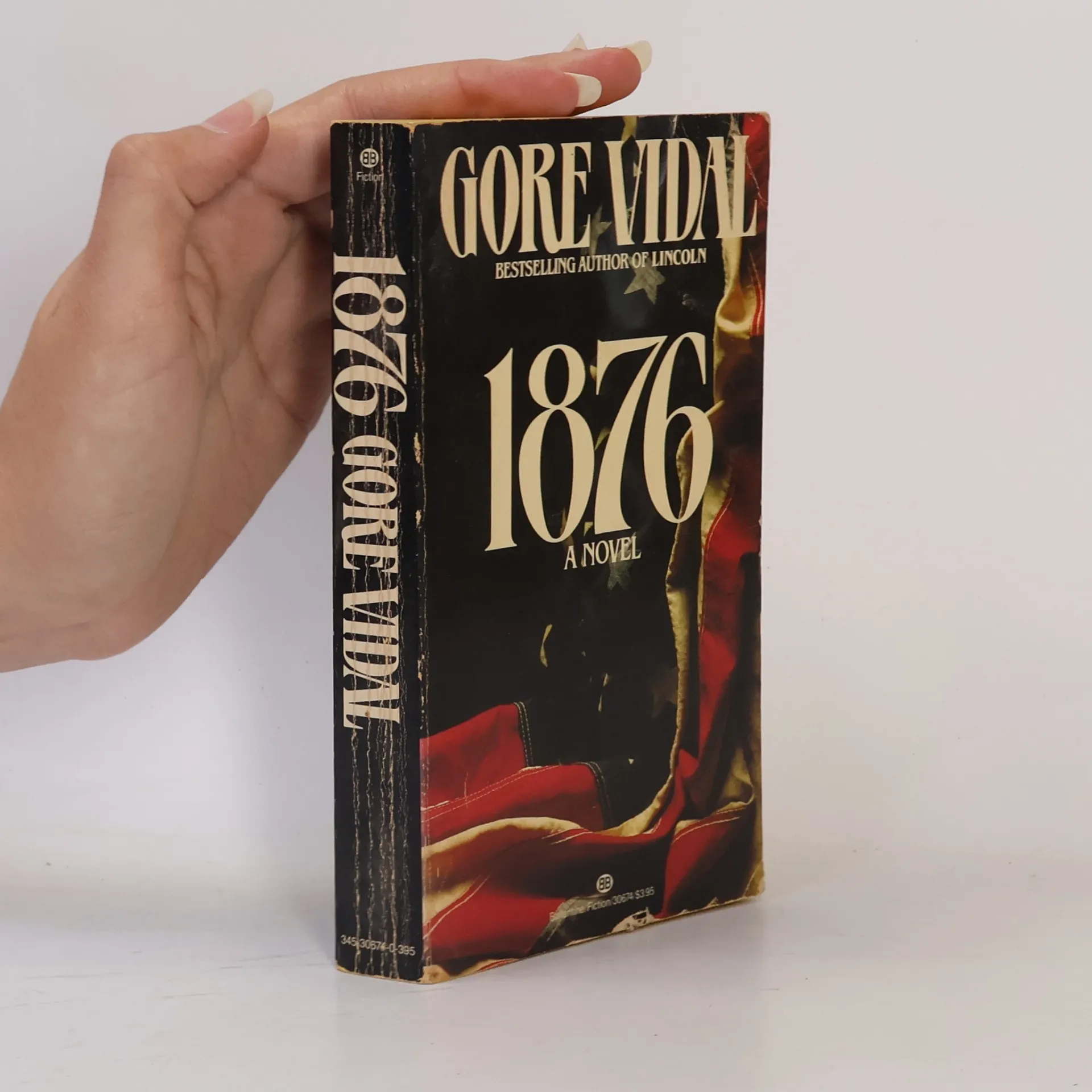
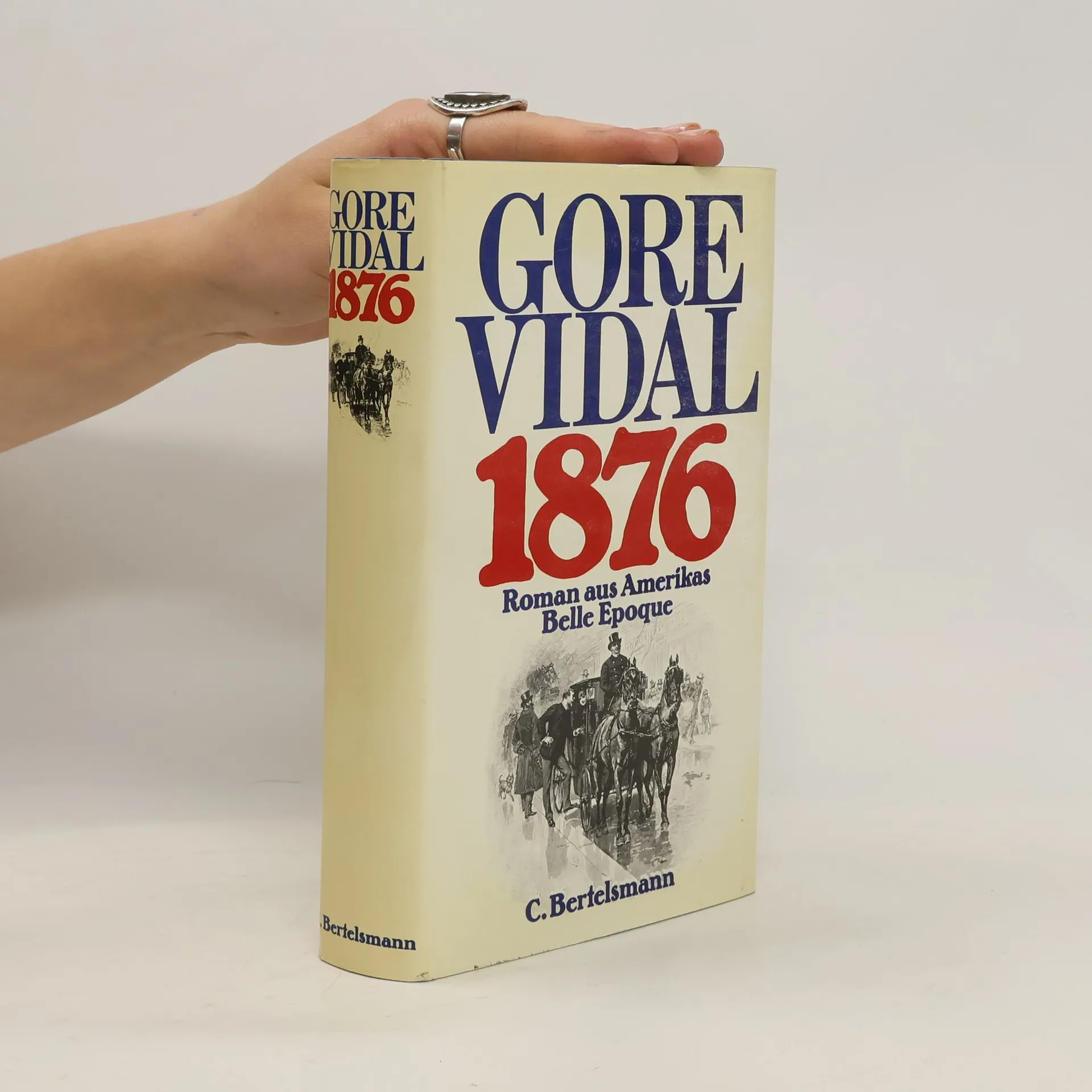
The third volume of Gore Vidal's magnificent series of historical novels aimed at demythologizing the American past, 1876 chronicles the political scandals and dark intrigues that rocked the United States in its centennial year. ------Charles Schermerhorn Schuyler, Aaron Burr's unacknowledged son, returns to a flamboyant America after his long, self-imposed European exile. The narrator of Burr has come home to recoup a lost fortune by arranging a suitable marriage for his beautiful daughter, the widowed Princess d'Agrigente, and by ingratiating himself with Samuel Tilden, the favored presidential candidate in the centennial year. With these ambitions and with their own abundant charms, Schuyler and his daughter soon find themselves at the centers of American social and political power at a time when the fading ideals of the young republic were being replaced by the excitement of empire. ------A glorious piece of writing, said Jimmy Breslin in Harper's. Vidal can take history and make it powerful and astonishing. Time concurred: Vidal has no peers at breathing movement and laughter into the historical past. ------With a new Introduction by the author. From the Hardcover edition.
The American Presidency
- 95 pages
- 4 hours of reading
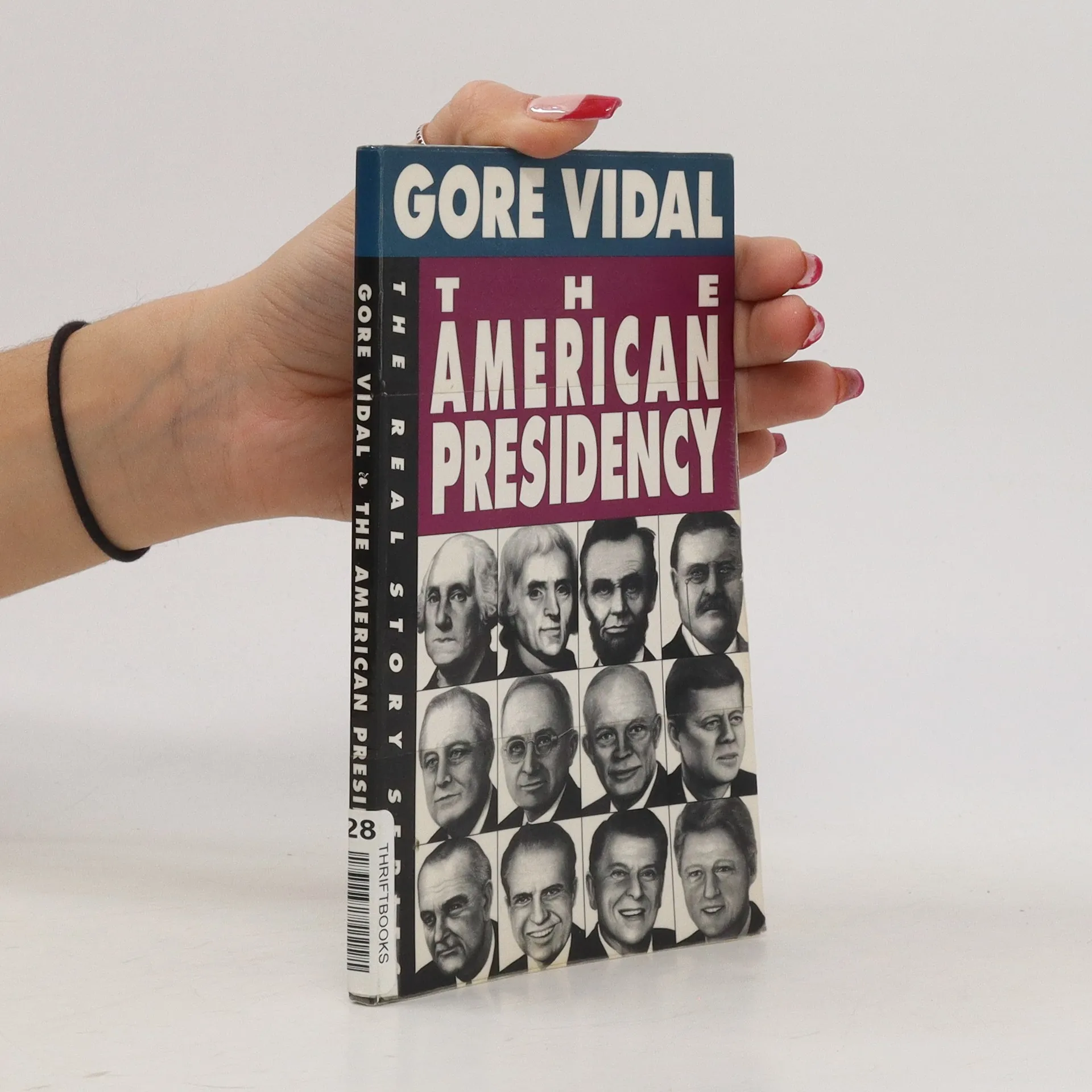
An entertaining, insightful history of the men who've held the office, from the division between Jefferson and Hamilton through Bill Clinton's campaign for national health care.
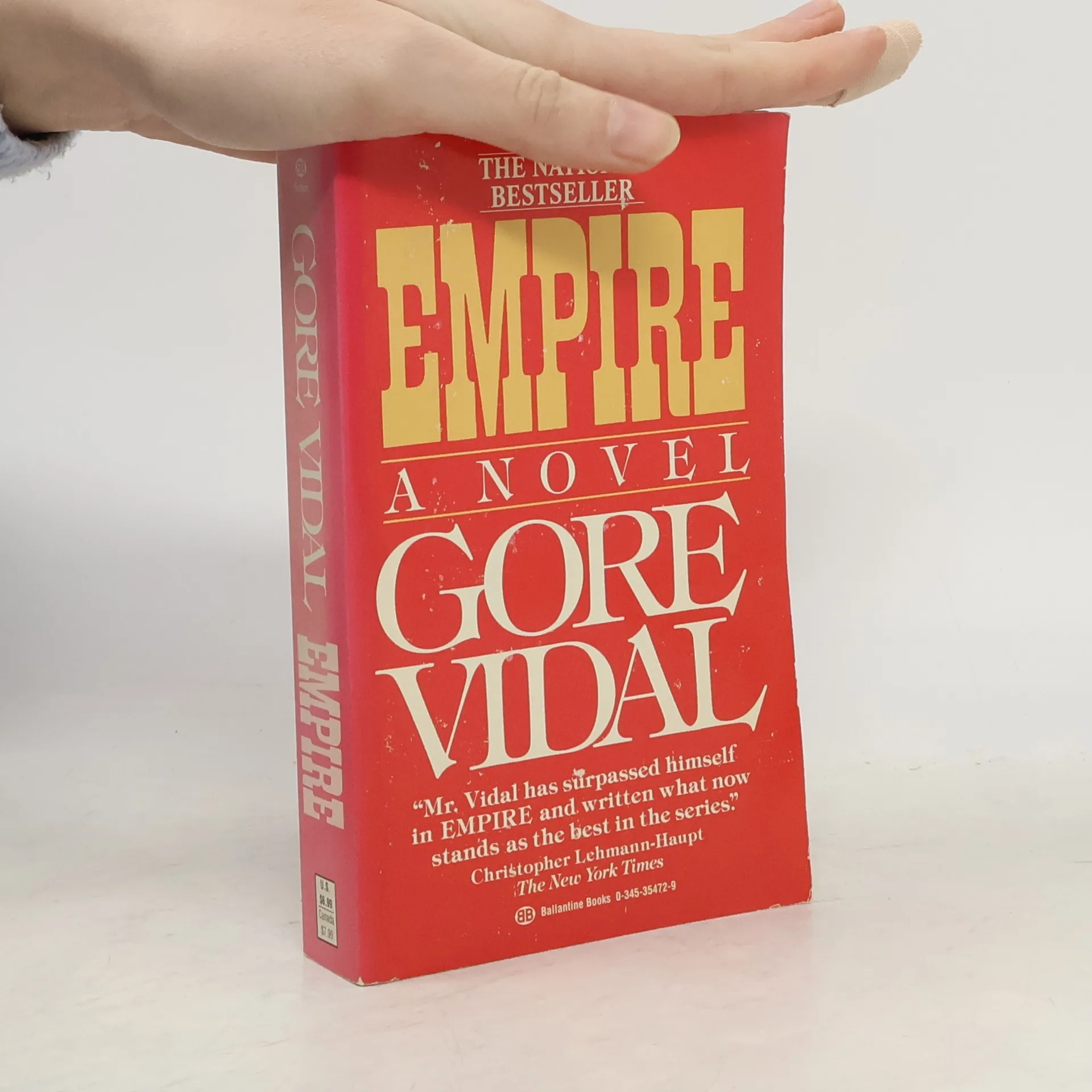
Empire
- 480 pages
- 17 hours of reading
The brilliant successor to Burr and Lincoln, a stunning historical novel of Theodore Roosevelt's Washington, America's Gilded Age and the expanding American empire, seen through the eyes and minds of the remarkable men and women who ruled it.
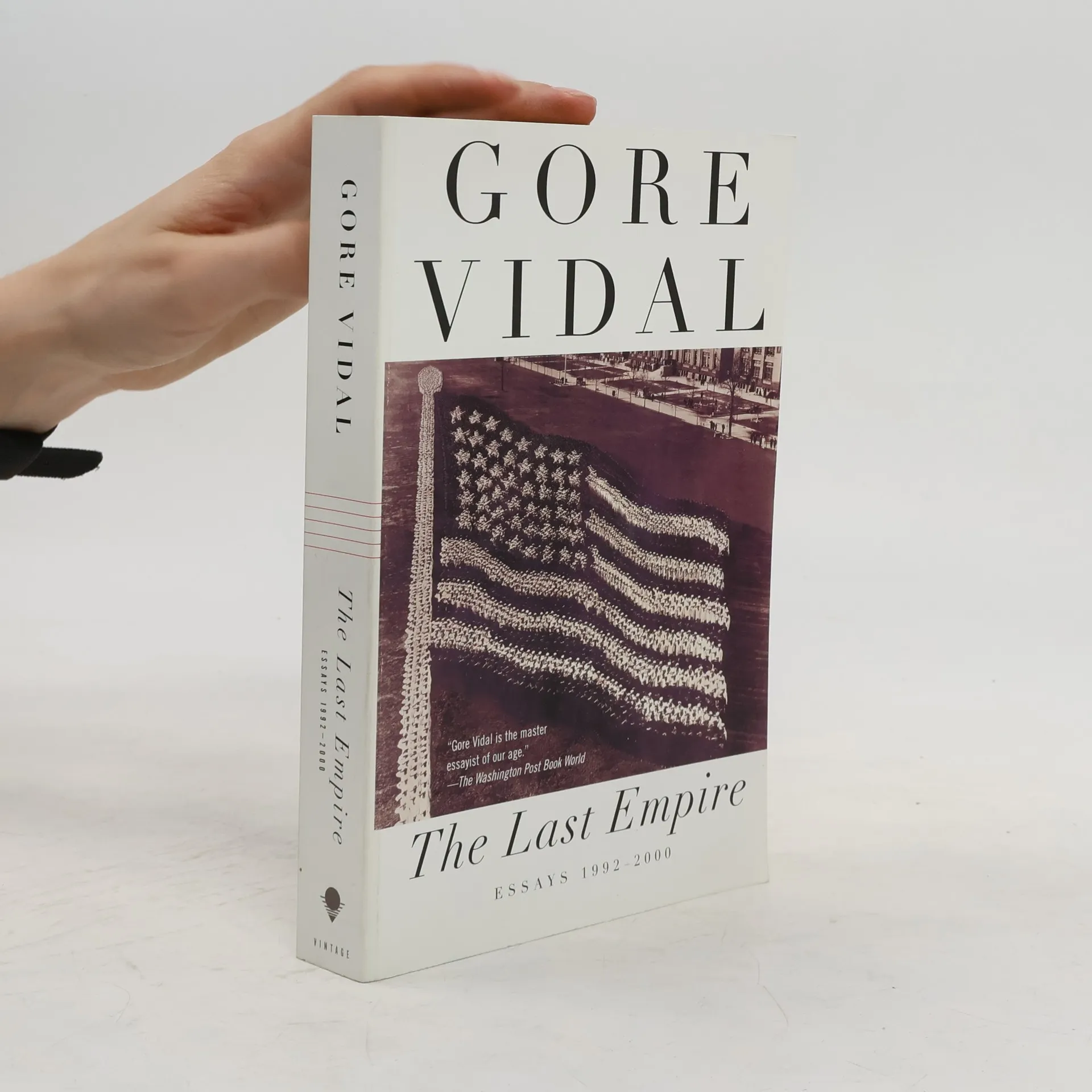
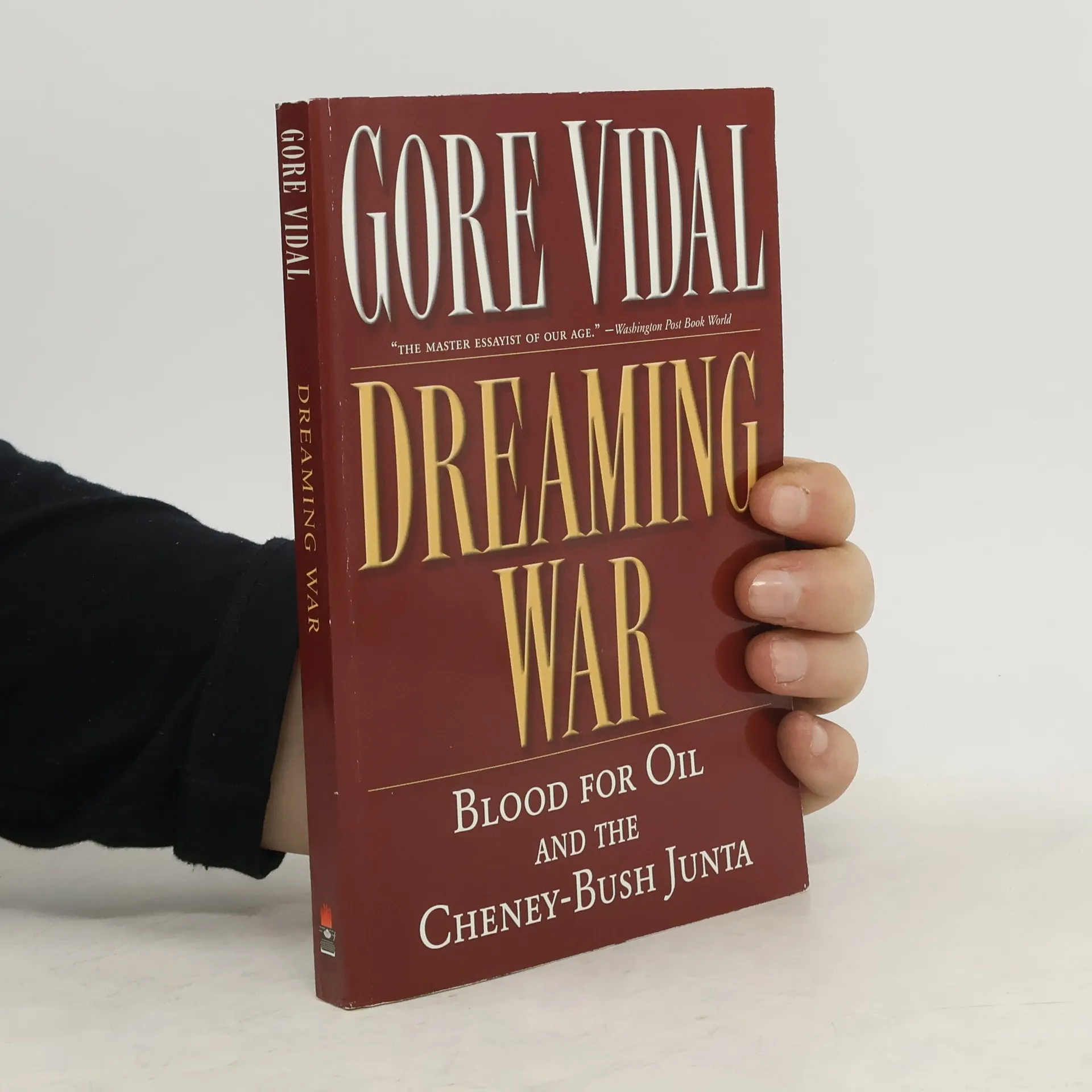
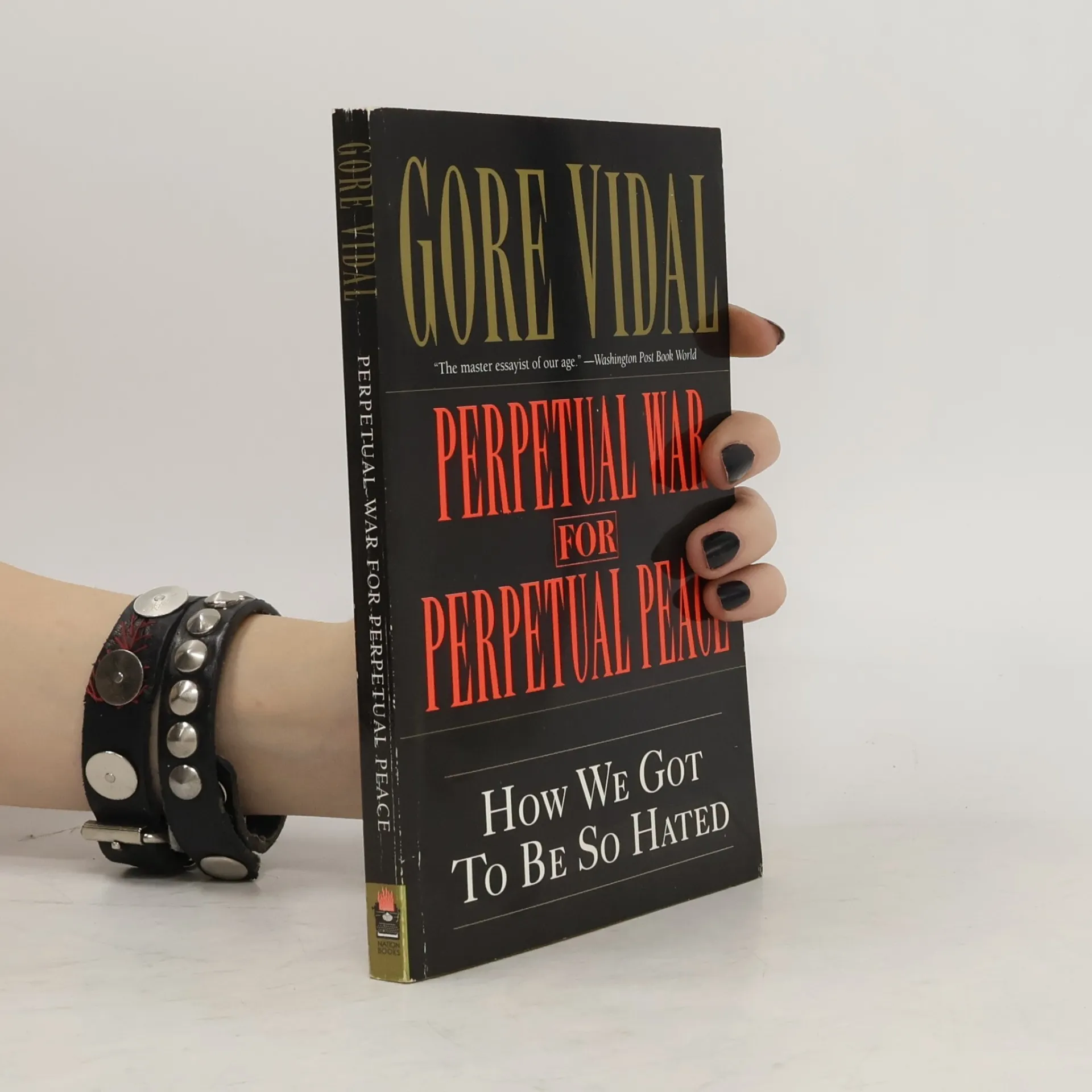
The United States has been engaged in what the great historian Charles A. Beard called "perpetual war for perpetual peace." The Federation of American Scientists has cataloged nearly 200 military incursions since 1945 in which the United States has been the aggressor. In a series of penetrating and alarming essays, whose centerpiece is a commentary on the events of September 11, 2001 (deemed too controversial to publish in this country until now) Gore Vidal challenges the comforting consensus following September 11th and goes back and draws connections to Timothy McVeigh's bombing of the federal building in Oklahoma City. He asks were these simply the acts of "evil-doers?" "Gore Vidal is the master essayist of our age." — Washington Post "Our greatest living man of letters."—Boston Globe "Vidal's imagination of American politics is so powerful as to compel awe."—Harold Bloom, The New York Review of Books
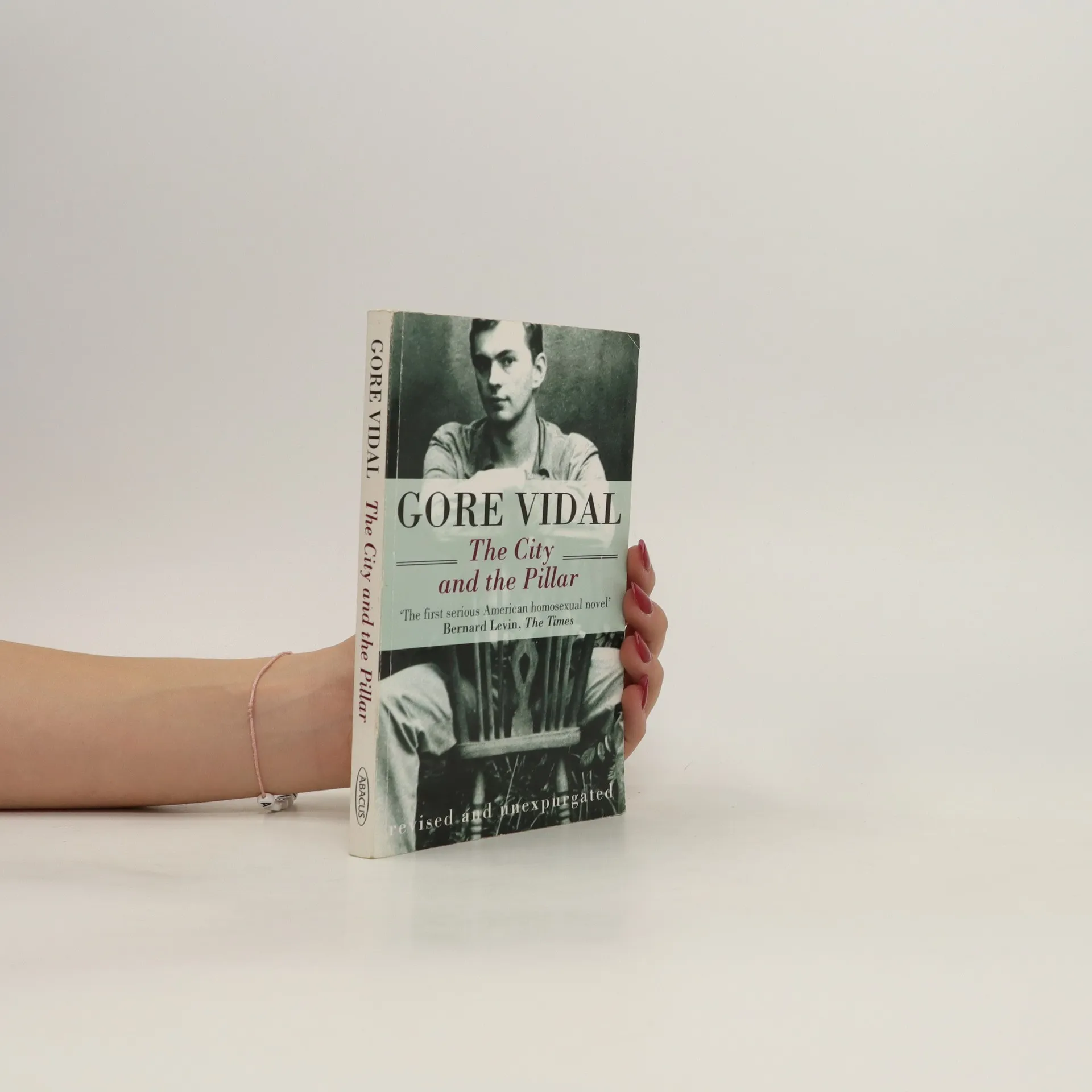
The City and the Pillar
- 186 pages
- 7 hours of reading
Jim Willard, former high-school athlete and clean-cut boy-next-door-, is haunted by the memory of a romanctic adolescent encounter with his friend Bob Ford. As Jim pursues his first love, in awe of the very same masculinity he possesses himself, his progresss through the secret gay world of 1940's America unveils surreptitious Hollywood affairs, the hidden life of the military in the Second World War and the underworld bar culture of New York City. With the publication of his daring thrid novel The City and the Pillar in 1948, Gore Vidal shocked the American public, which has just begun to hail him as their newest and brightest young writer. It remains not only an authentic and profoundly importatnt social document but also a serious exploration of the nature of idealistic love.
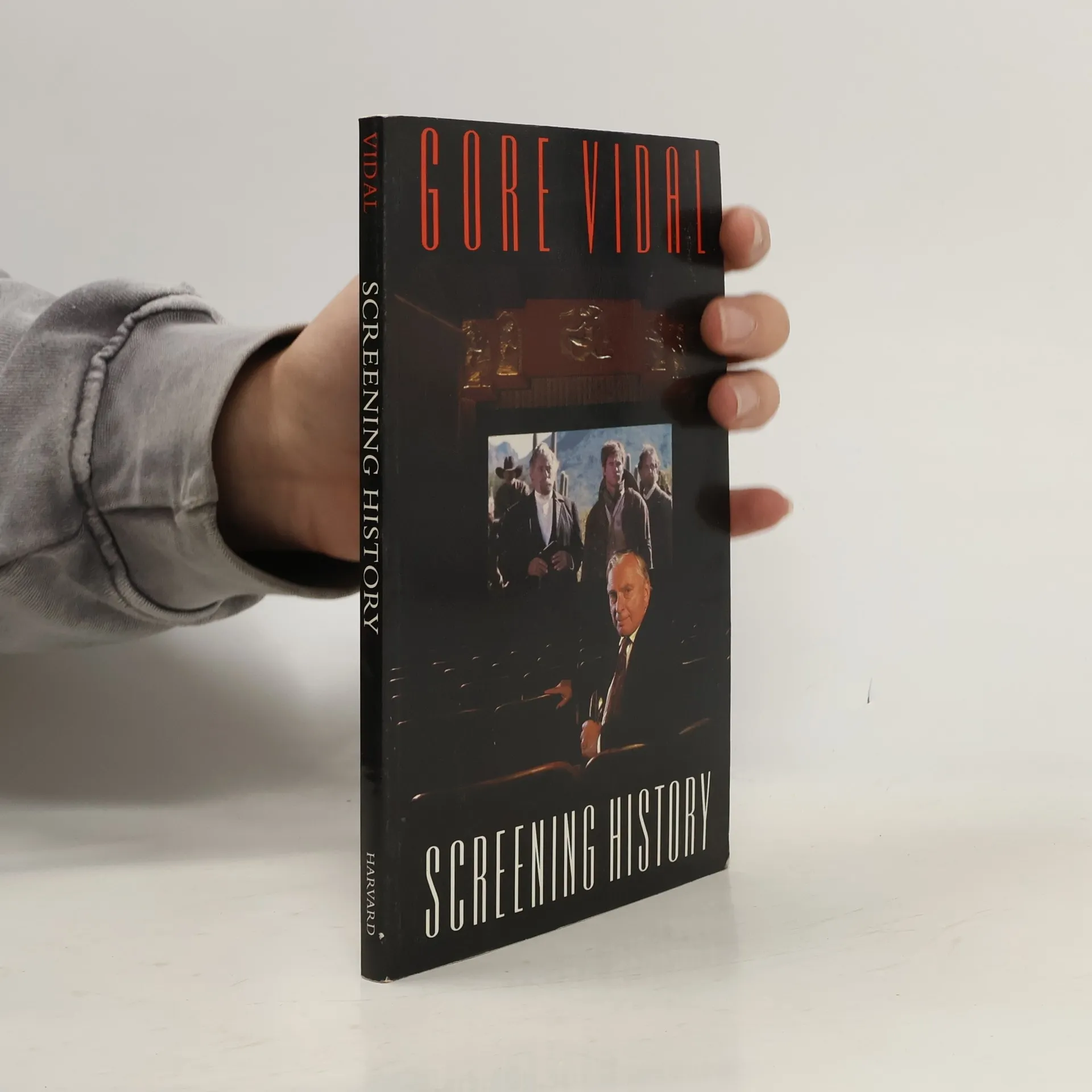
William E Massey Sr. Lectures in History of American Civilization: Screening History
- 110 pages
- 4 hours of reading
Vidal intertwines fond recollections of films savored in the movie palaces of his Washington, DC, boyhood with strands of autobiography & trenchant observations about American politics. Never before has the renowned author revealed so much about his own life or written with such immediacy about the forces shaping America. 26 halftones.
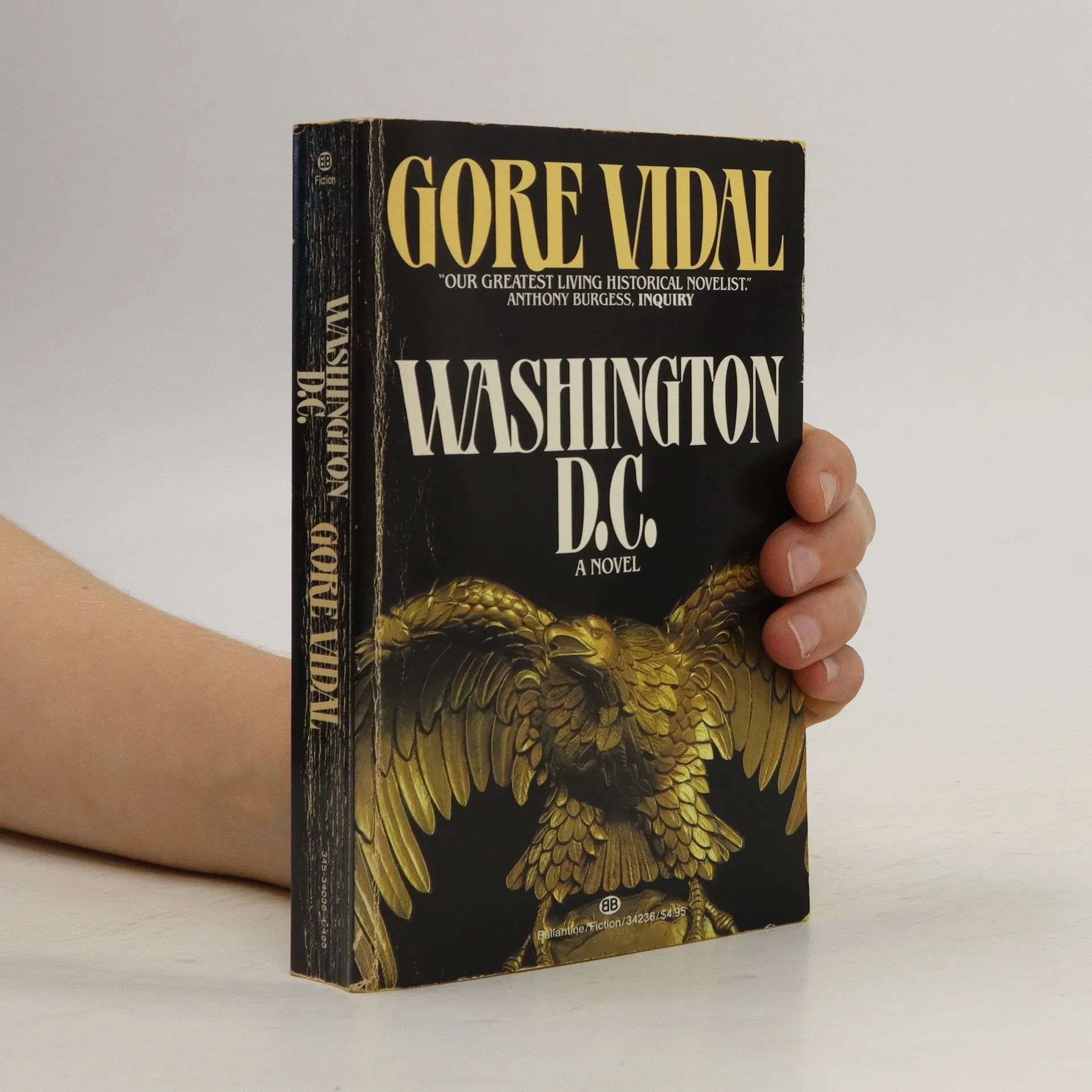
This stunning and illuminating portrait of national politics from the New Deal to the McCarthy era superbly blends historical figures with fictional characters. We follow the lives of Blaise Sanford, the ruthless Washington newspaper tycoon; his son, Peter, a liberal editor both fascinated and repelled by the imperial city; Peter's beautiful and self-destructive sister Enid; her husband, Clay Overbury, a charismatic and ambitious politician; and James Burden Day, the powerful conservative senator. With characteristic wit and insight, Vidal chronicles life in the nation's capital at a time when these men and others transformed America into "possibly the last empire on earth".
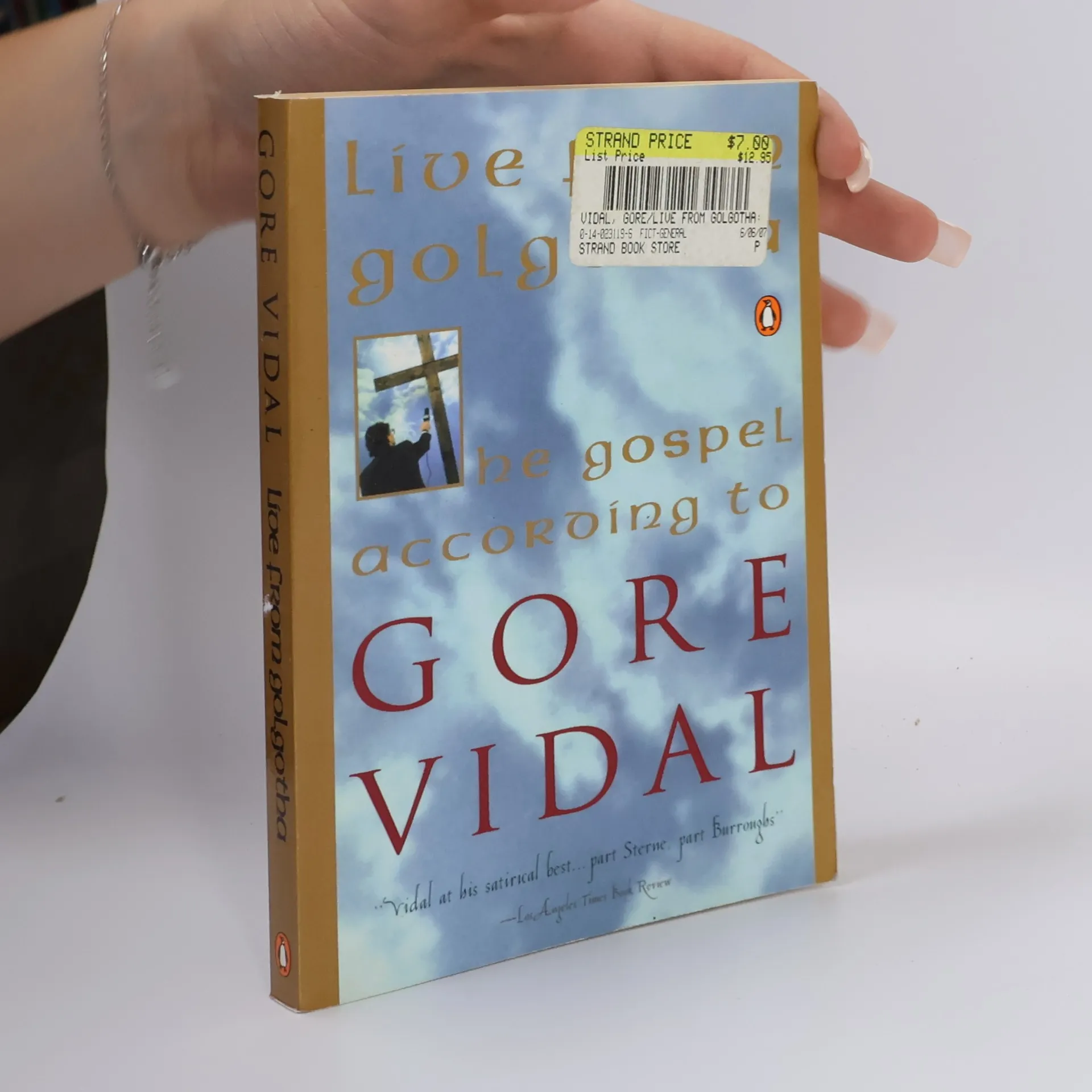
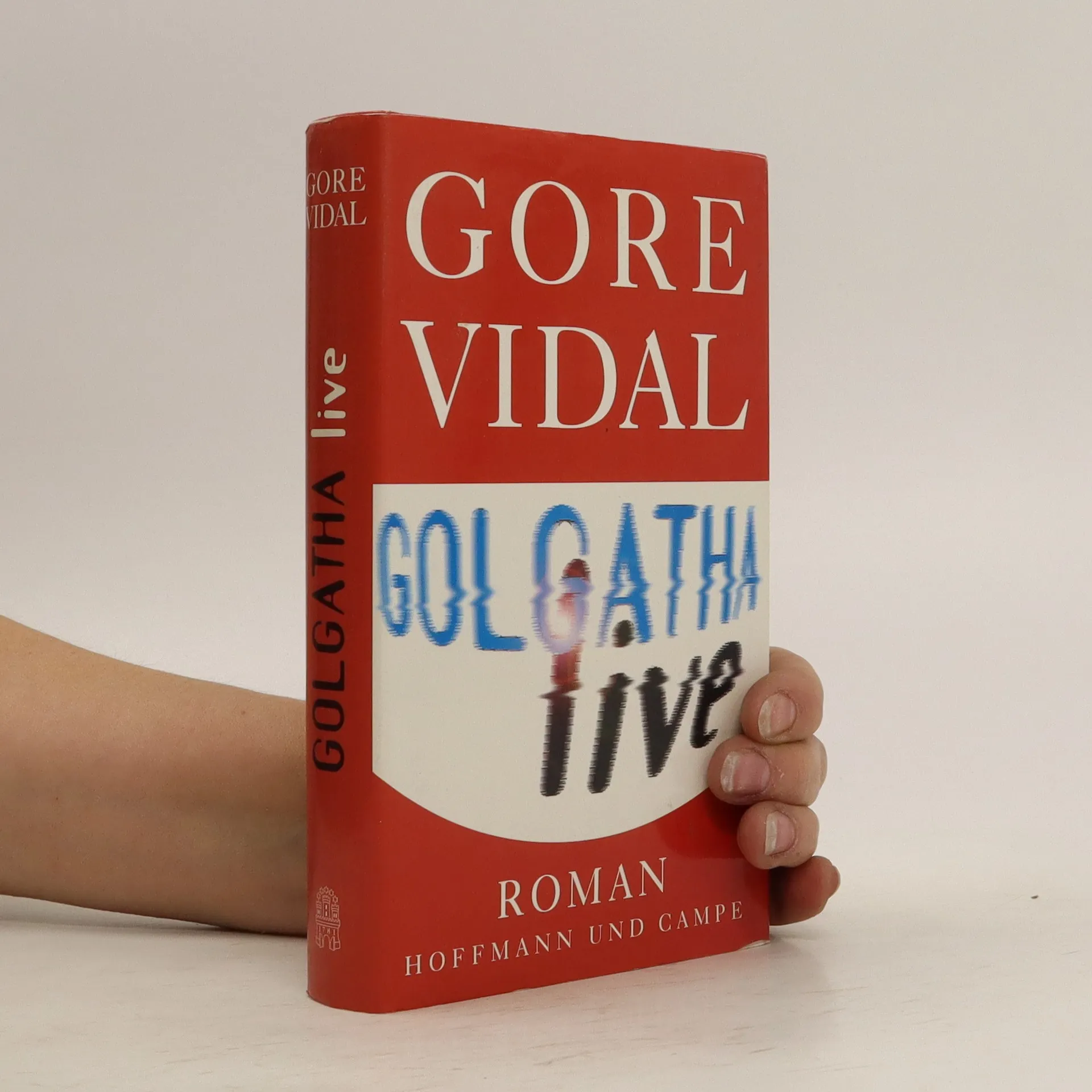
Timothy (later St. Timothy) is in his study in Thessalonika, where he is bishop of Macedonia. It is A.D. 96, and Timothy is under terrific pressure to record his version of the Sacred Story, since, far in the future, a cyberpunk (the Hacker) has been systematically destroying the tapes that describe the Good News, and Timothy's Gospel is the only one immune to the Hacker's deadly virus. Meanwhile, thanks to a breakthrough in computer software, an NBC crew is racing into the past to capture--live from the suburb of Golgotha--the Crucifixion, for a TV special guaranteed to boost the network's ratings in the fall sweeps.As a stream of visitors from twentieth-century America channel in to the first-century Holy Land--Mary Baker Eddy, Shirley MacLaine, Oral Roberts and family--Timothy struggles to complete his story. But is Timothy's text really Hacker-proof? And how will he deal with the truth about Jesus' eating disorder? Above all, will he get the anchor slot for the Big Show at Golgotha without representation by a major agency, like CAA 1,896 years in the future? Tune in.
Death Likes It Hot
- 212 pages
- 8 hours of reading
Early in his career, bestselling novelist Gore Vidal wrote three sparkling mysteries under the pseudonym Edgar Box starring amateur sleuth Peter Cutler Sargeant II. Death Likes It Hot, originally published in 1954, is the third of the trilogy. This edition features a new introduction by the author. Young public relations whiz Peter Cutler Sargeant II is invited by socialite Rose Veering to spend a weekend at her palatial Easthampton home. Sargeant, eager to escape New York city's summer heat, readily accepts, although his aging hostess soon has him doing double duty arranging publicity for an upcoming society party. Publicity soon arrives in a gruesome form when a guest is drowned. Was it an accident or murder? As the police investigate, Sargeant does his own snooping into the lives of his fellow suspects - and what he learns convinces him that something is dangerously amiss. This diabolically funny locked-room mystery is filled with Vidal's witty observations and dissections of the upper class.
Death in the Fifth Position
- 240 pages
- 9 hours of reading
Set against the backdrop of a ballet company, the story follows Peter Sargent, a charismatic public relations man, who is tasked with managing press for an important performance. The plot thickens when a talented dancer falls to her death during the show, leading Sargent to uncover a web of rivalries, affairs, and hidden agendas among the dancers. As he navigates the intricate dynamics behind the scenes, Sargent uses his charm and sharp instincts to unravel the mystery and identify the killer.
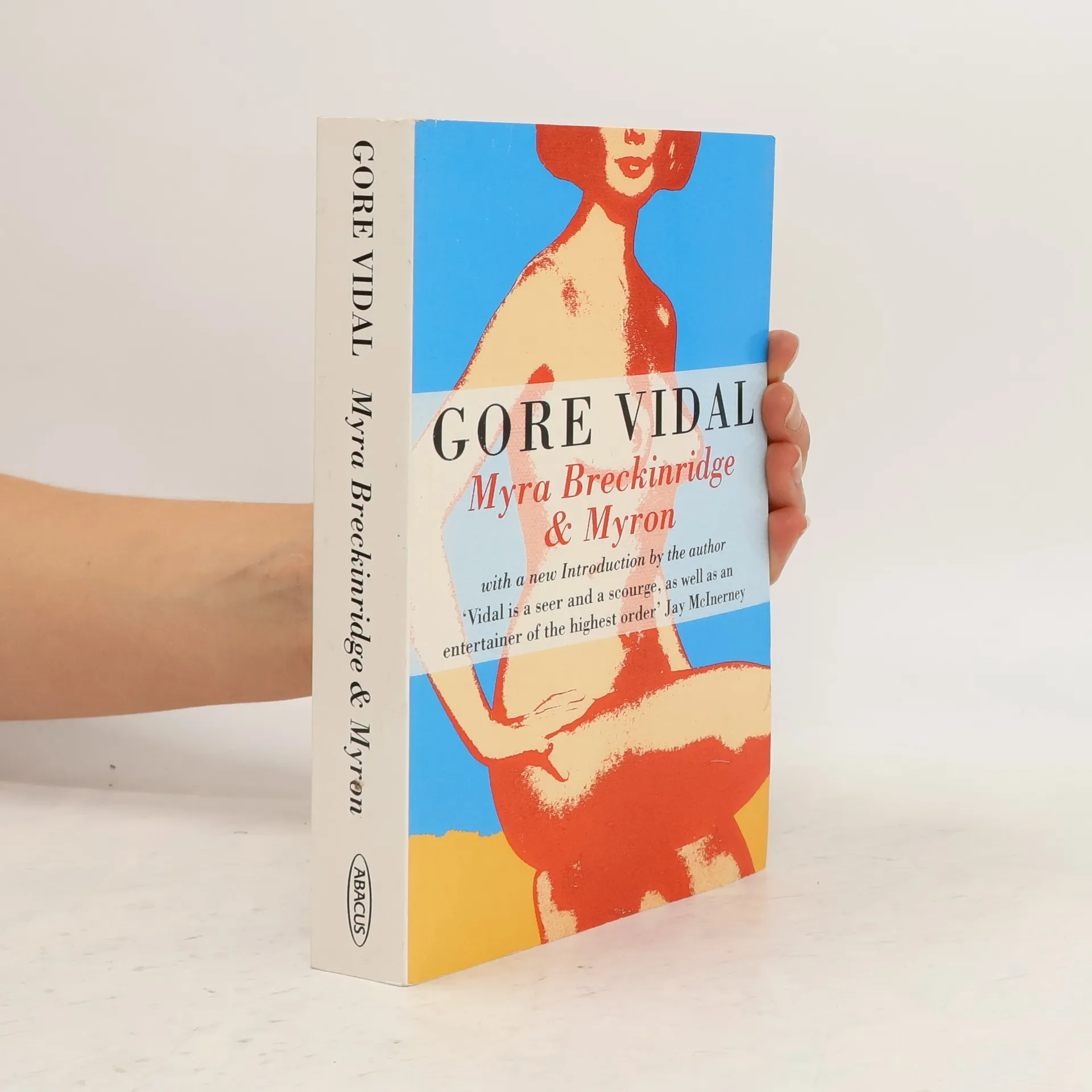
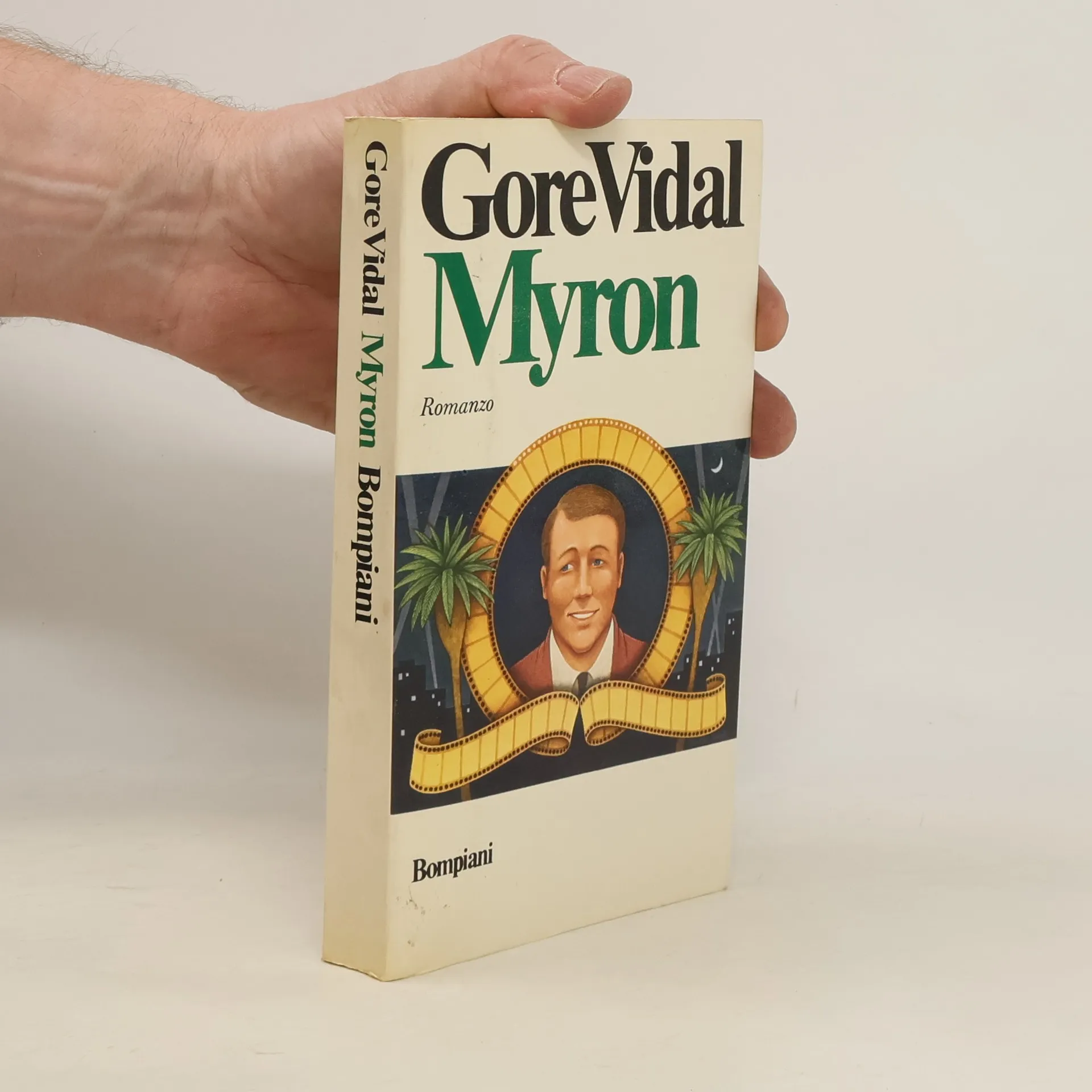
Myra Breckinridge And Myron
- 448 pages
- 16 hours of reading
Gore Vidal's two related novels in a single volume, with a new introduction by the author. Myra Breckinridge arrives in Hollywood intending to prove that it is possible to work out in life all one's fantasies - and survive. And in Myron she returns to battle it out with her eponymous alter ego.
The Golden Age
- 467 pages
- 17 hours of reading
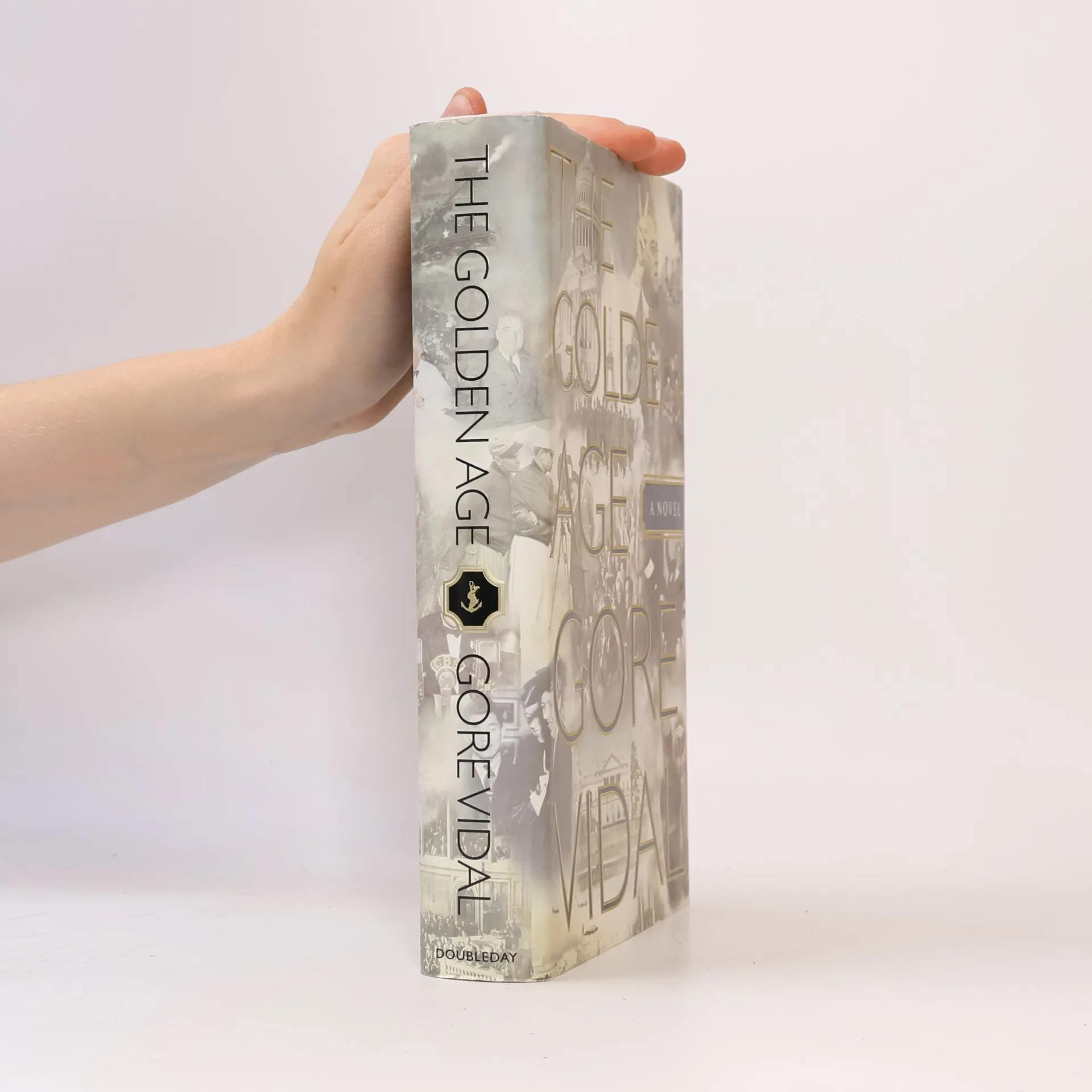
The concluding volume in Gore Vidal's American empire novels presents a vibrant tapestry of American political and cultural life from 1939 to 1954, capturing the transformation of the nation from a republic into an empire amid the tumult of World War Two and the Cold War. Central to the narrative are Caroline Sanford, a D.C. newspaper publisher turned Hollywood producer, and her nephew Peter Sanford, who publishes the independent journal The American Idea. They witness Franklin Roosevelt's skillful efforts to draw a reluctant nation into World War Two, followed by Harry Truman's commitment to a prolonged struggle against Communism. Despite their skepticism about these developments, they observe the emergence of an American global empire. The story unfolds primarily in Washington, D.C., while also highlighting the influential Hollywood film industry and New York's cultural scene. Alongside historical figures such as Eleanor Roosevelt, Harry Hopkins, and Wendell Wilkie, Vidal himself appears vividly in the narrative, enriching the exploration of this pivotal era in American history.
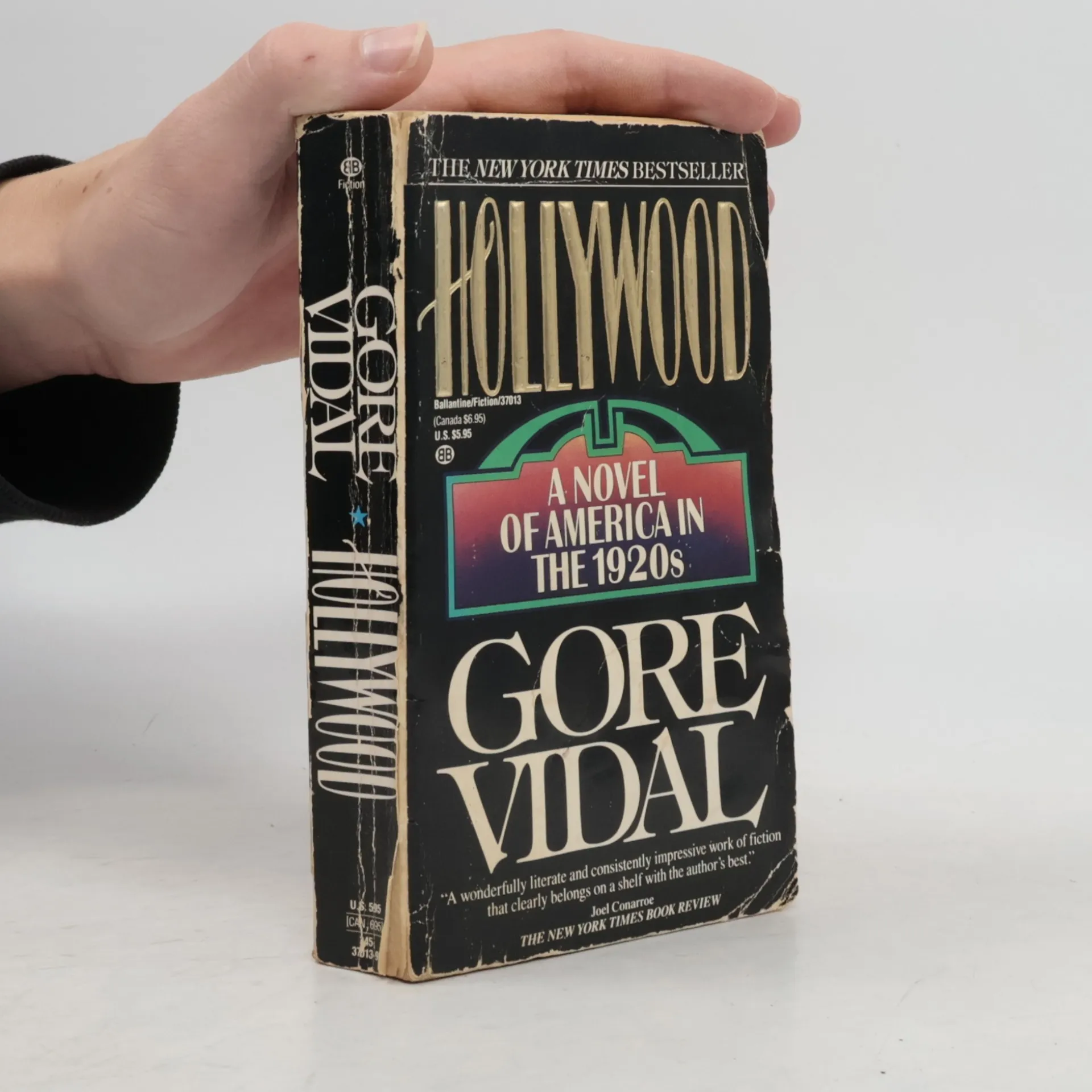
Hollywood: A novel of America in the 1920s
- 419 pages
- 15 hours of reading
In 1917 an actress's rise to stardom is paralleled by the birth of Hollywood.
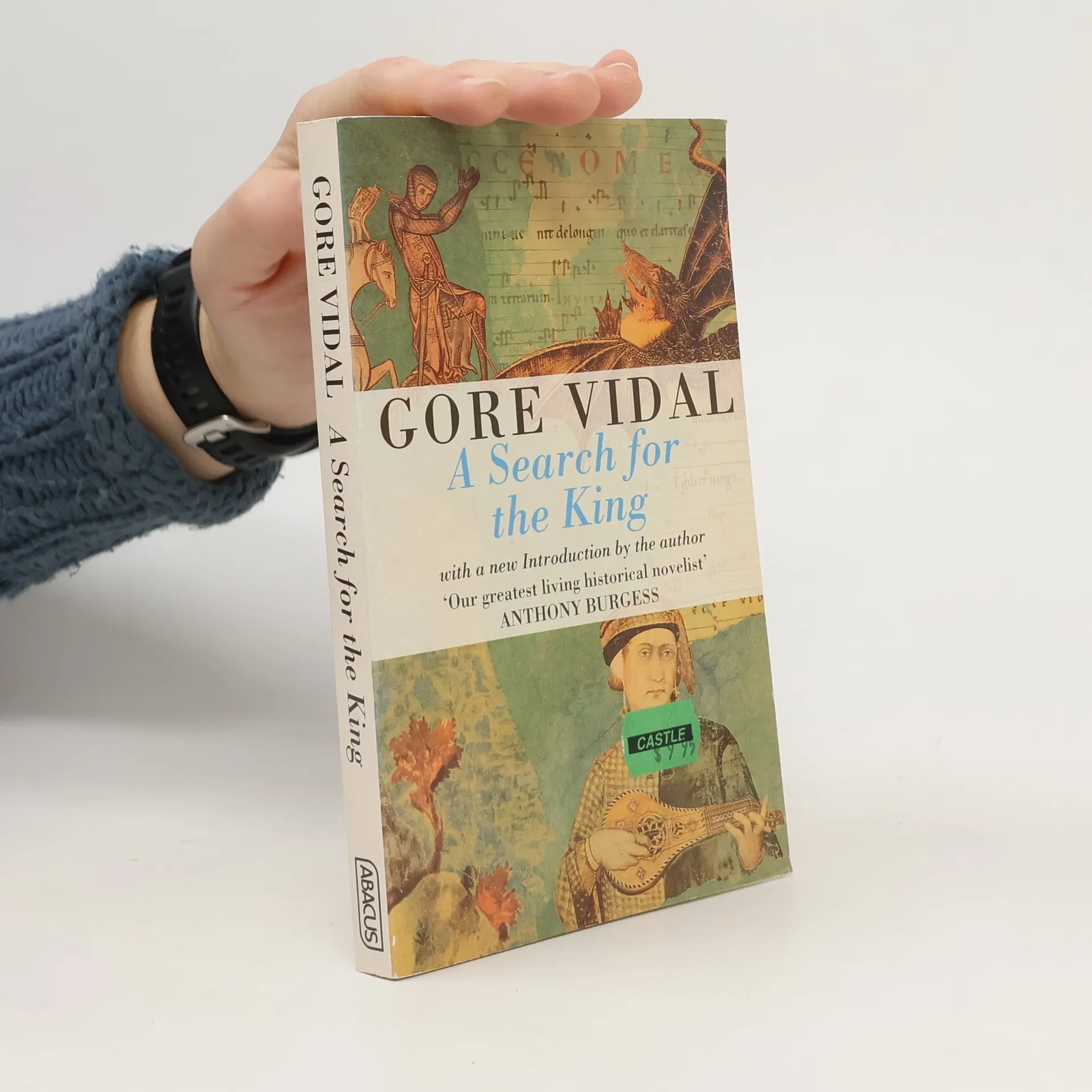
A Search for the King
- 224 pages
- 8 hours of reading
Gore Vidal's story of the faithful troubadour Blondel's search for Richard the Lionheart, kidnapped and held to ransom by Duke Leopold of Austria after the Third Crusade. It interweaves historical characters with giants, dragons, werewolves, libidinous ladies of the manor and a very nasty vampire.
"Gore Vidal, one of the master stylists of American literature and one of the most acute observers of American life and history, turns his immense literary and historiographic talent to a portrait of the formidable trio of George Washington, John Adams, and Thomas Jefferson." "In Inventing a Nation, Vidal transports the reader into the minds, the living rooms (and bedrooms), the convention halls, and the salons of Washington, Adams, Jefferson, and other key figures who helped found the American Republic. Vidal's splendid and percipient prose animates key moments of decision in the birthing of our nation, and we come to know these men in ways we have not until now - their opinions of each other, their worries about money, their concerns about creating a viable democracy. Vidal brings them to life and illuminates the force and weight of the documents they wrote, the speeches they gave, and the institutions of government they fashioned. Above all, Inventing a Nation presents a powerful, compassionate, immensely moving portrait of George Washington, whose resolution, integrity, and intelligence rescued the fledgling Republic many times in its early days."--Jacket.
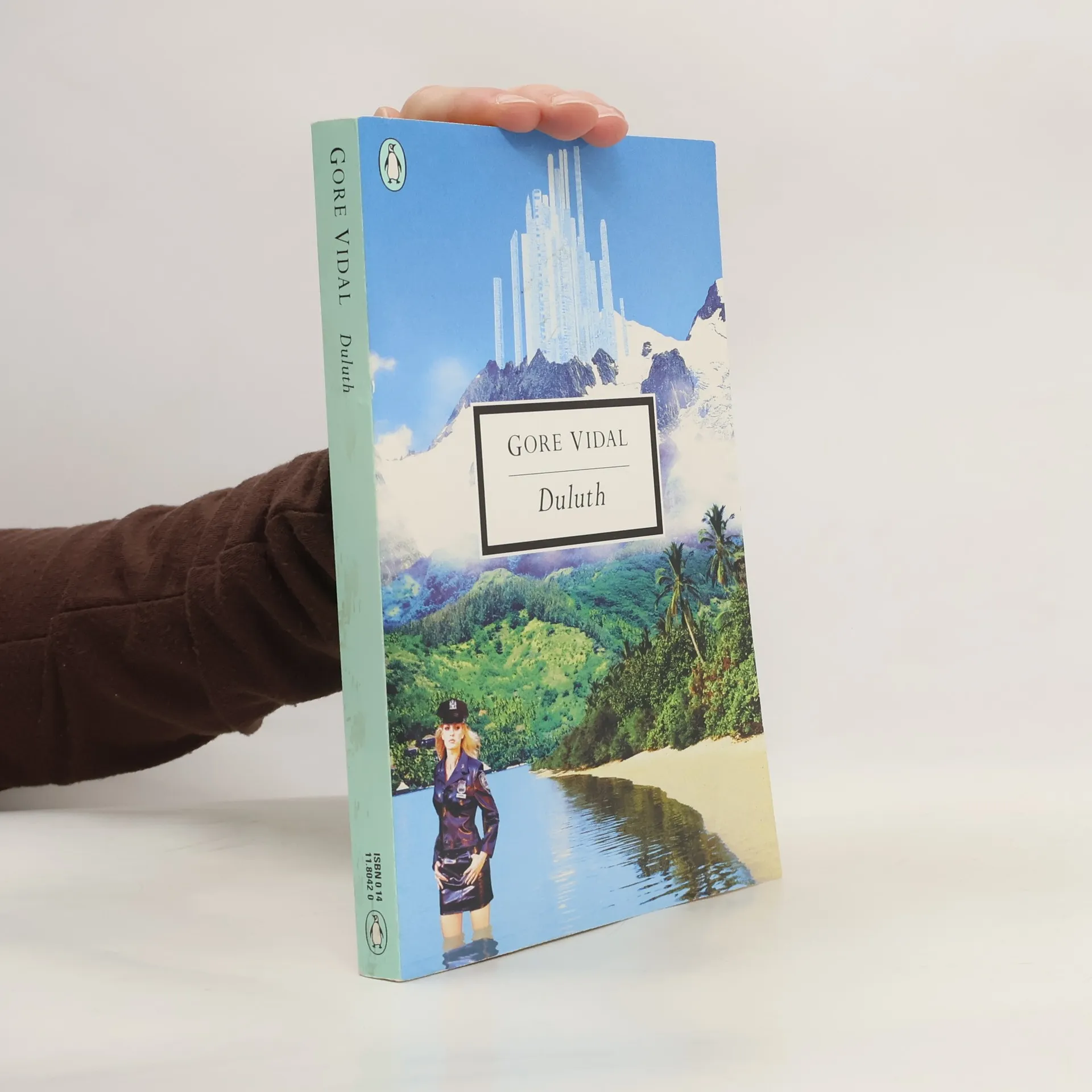
Perhaps Vidal's most outrageous novel, this is an indescribable fantasy purportedly set in the city of Duluth (which, however, is near the Mexican border) & involving a tv show also named "Duluth" (a parody of "Dallas"), a spaceship that has landed nearby, the antics of a policewoman, Darlene Ecks, & much else. "A wild spoof of absolutely everything: social pretenses, law enforcement, marriage, open marriage, racism, literature, tv, science fiction, and sex. Dozens of plots perk along at an amazing pace...raunchy, dirty, outrageous, rife with cliches--& often very funny."--People "One of the most brilliant, most radical, & most subversive pieces of writing to emerge from America in recent years."--The New Statesman "Vidal belongs to that group of writers of our time who, precisely because they have always kept their eyes open to the disorders & distortions of our age, have chosen irony, humor, comedy--in other words, the whole range of literary instruments belonging to the universe of the laugh--as their means of settling accounts."--Italo Calvino
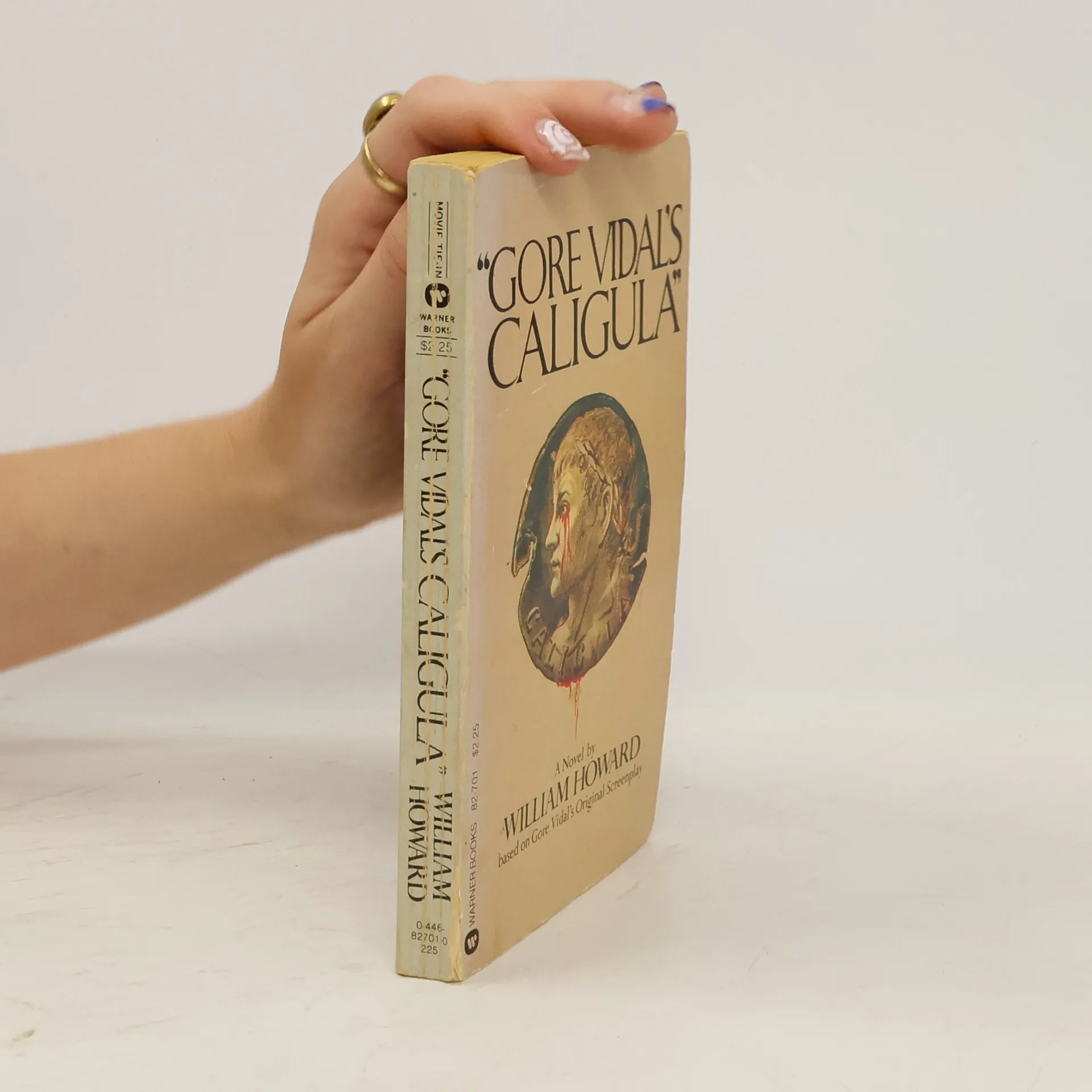
Caligula. A symbol of the dark age of Roman history. An incredible monster in human form. This capricious king had his grandfather murdered... engaged in the most heinous acts of depravity... turned the palace into a brothel. Once a beloved figure among the people, he showed the utmost cruelty and transformed Rome into a city of terror. Be thankful you were not born during Caligula's time! Otherwise...
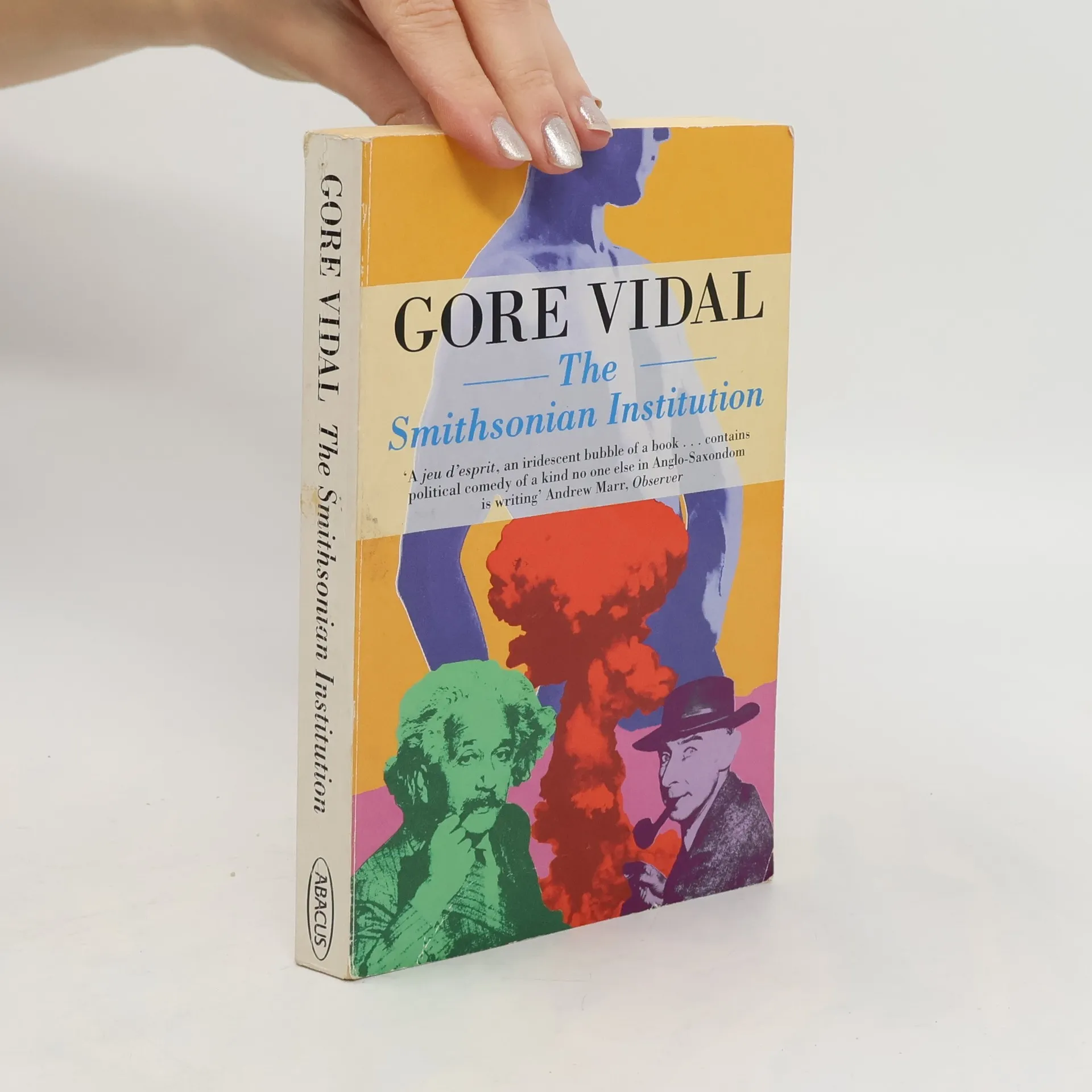
The Smithsonian Institution
- 272 pages
- 10 hours of reading
Good Friday, 1939, and T., a sixteen-year-old schoolboy, arrives at the Smithsonian Institute in Washington. The museum is closed, but T. manages to slip in, and it would appear that somehow, he is expected. An old man, Bentsen, shows him around, and T. realises that all is not as it seems. As he goes to examine a Native American exhibit, he is drawn magically into the nineteenth-century world of a reservation of Sioux Indians. They like what they see of T. and immediately get the pot boiling. T. is forced to take refuge in the tent of a young Squaw. They become lovers, and she helps him to escape back to the safety of the Smithsonian. Back with Bentsen, T. explores the Smithsonian further and begins to fathom the mysteries of time travel. The Smithsonian scientists have discovered how to get back to the past, but still don't know how to travel to the future. T. puts his brilliant mathematical brain to the problem. However, given a glimpse into the future, T. sees his own untimely death, and becomes determined to prevent the outbreak of WWII...
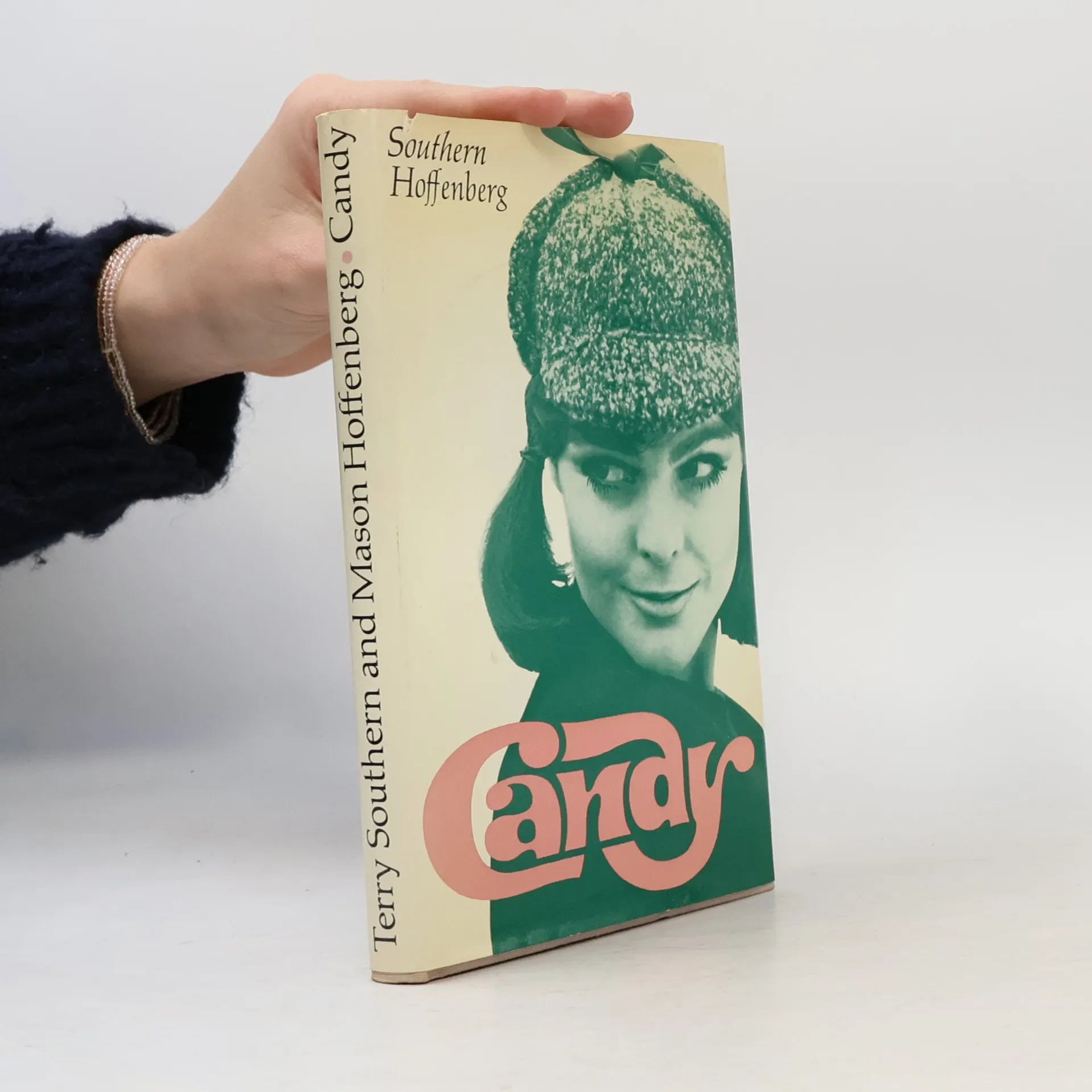
Banned upon its initial publication, the now-classic Candy is a romp of a story about the impossibly sweet Candy Christian, a wide-eyed, luscious, all-American girl. Candy -- a satire of Voltaire's Candide -- chronicles her adventures with mystics, sexual analysts, and everyone she meets when she sets out to experience the world.
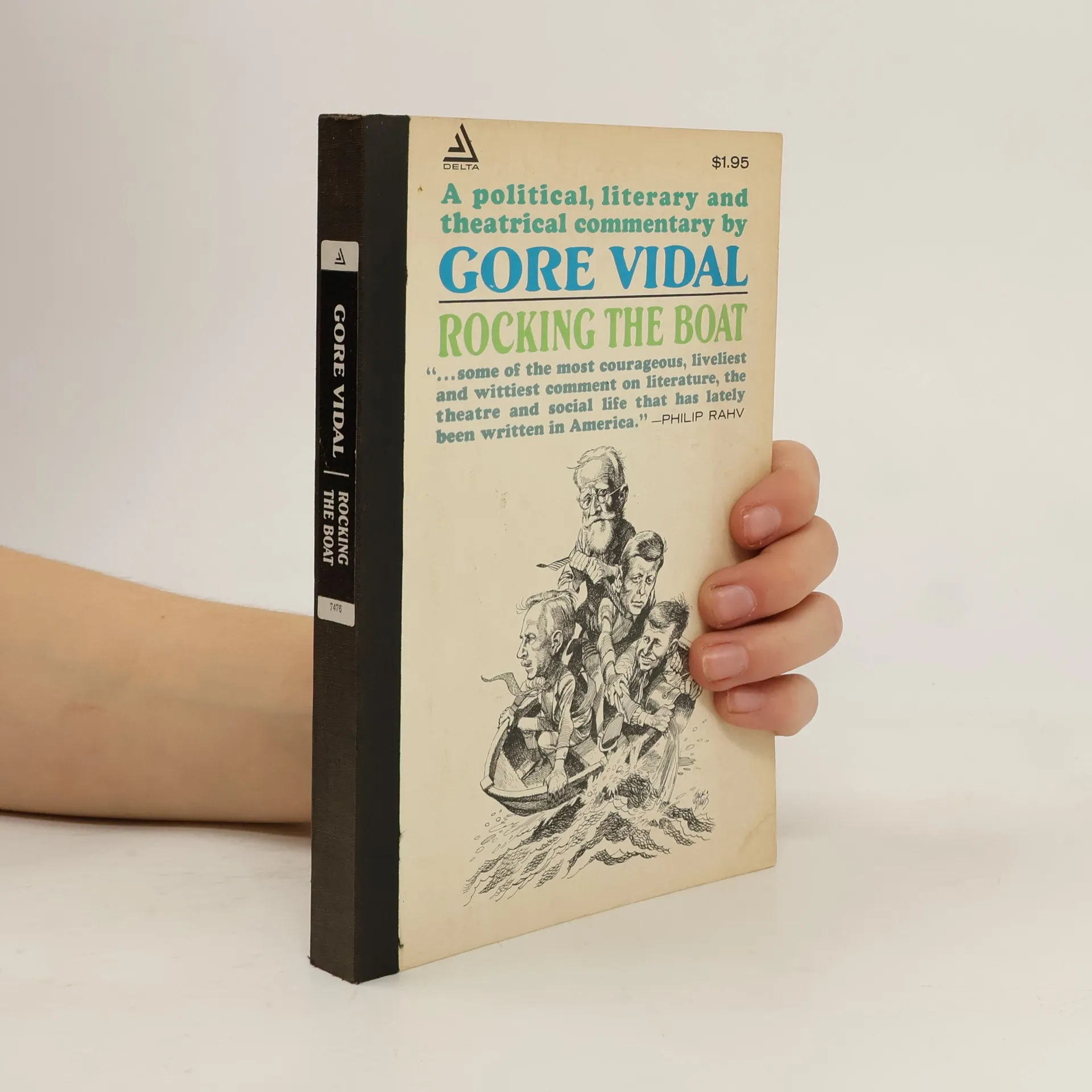
Vidal's first collection of essays, gathering many (but not all) of the essays and reviews he had written between 1951 and 1962.
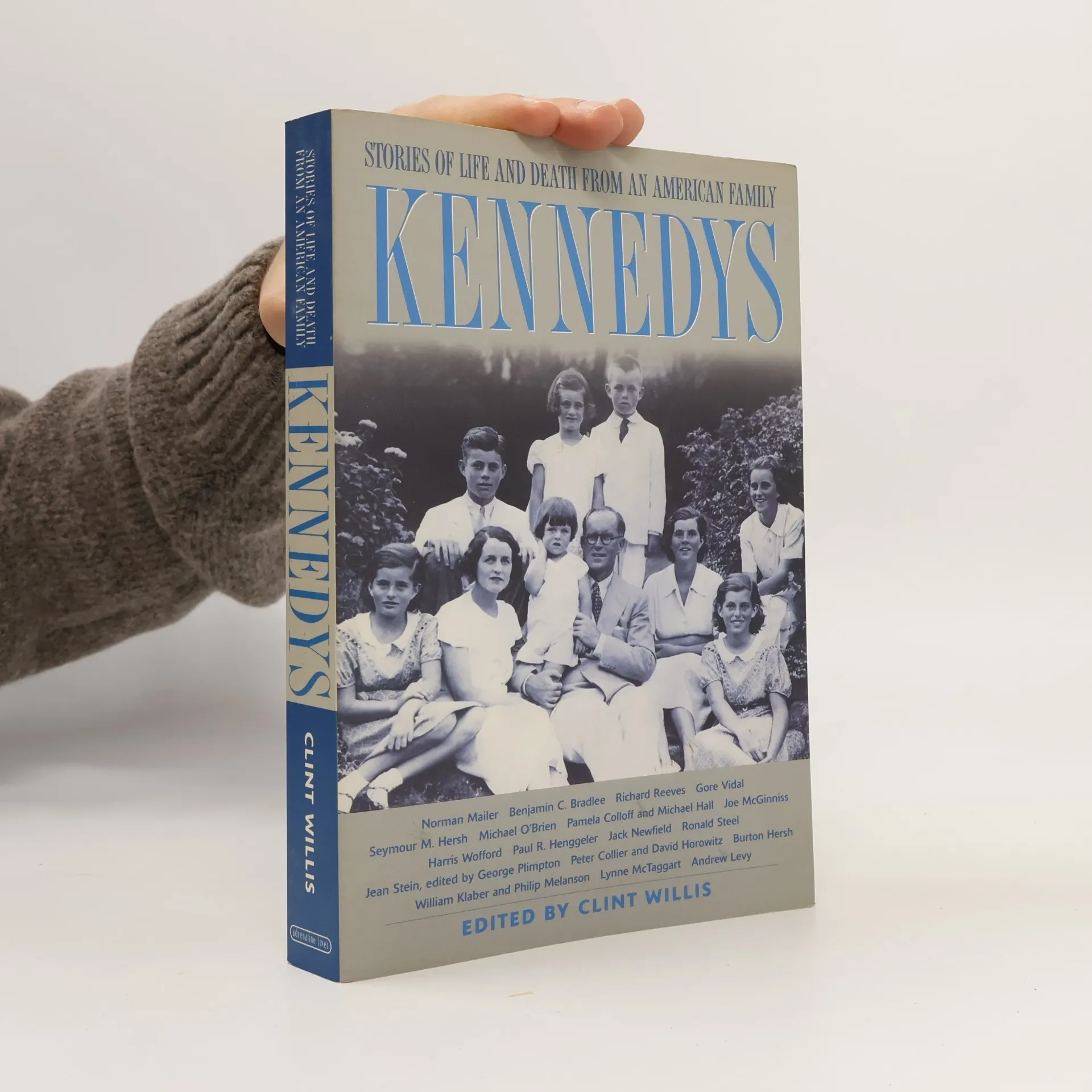
Kennedys: Stories of Life and Death from an American Family collects 21 of the best stories about the Kennedys. Here are the real stories of brothers John, Robert, and Teddy, told by the finest political writers and social observers of the past half-century. Norman Mailer's celebrated Esquire essay about the 1960 Democratic Convention shows JFK and Jackie at the start of a new epoch in American politics and culture. Writers like Richard Reeves and Jack Newfield trace disparate threads in the Kennedy epic, from the first soldier's death in Vietnam on JFK's watch to Teddy's ineffectual but strangely moving run for the presidential nomination in 1979. Inevitably, the book recounts tragedy, from the 1948 plane crash that killed the beloved and impetuous Kathleen to the assassinations of JFK and Robert. Kennedys deals with scandal as well, but writers such as Gore Vidal, Joe McGinniss, and Seymour M. Hersh mine the stories for new meaning. The essays in this collection offer insights into the loves, hatreds, and dearest ambitions of the Kennedys and help to explain their remarkable grip on our culture.
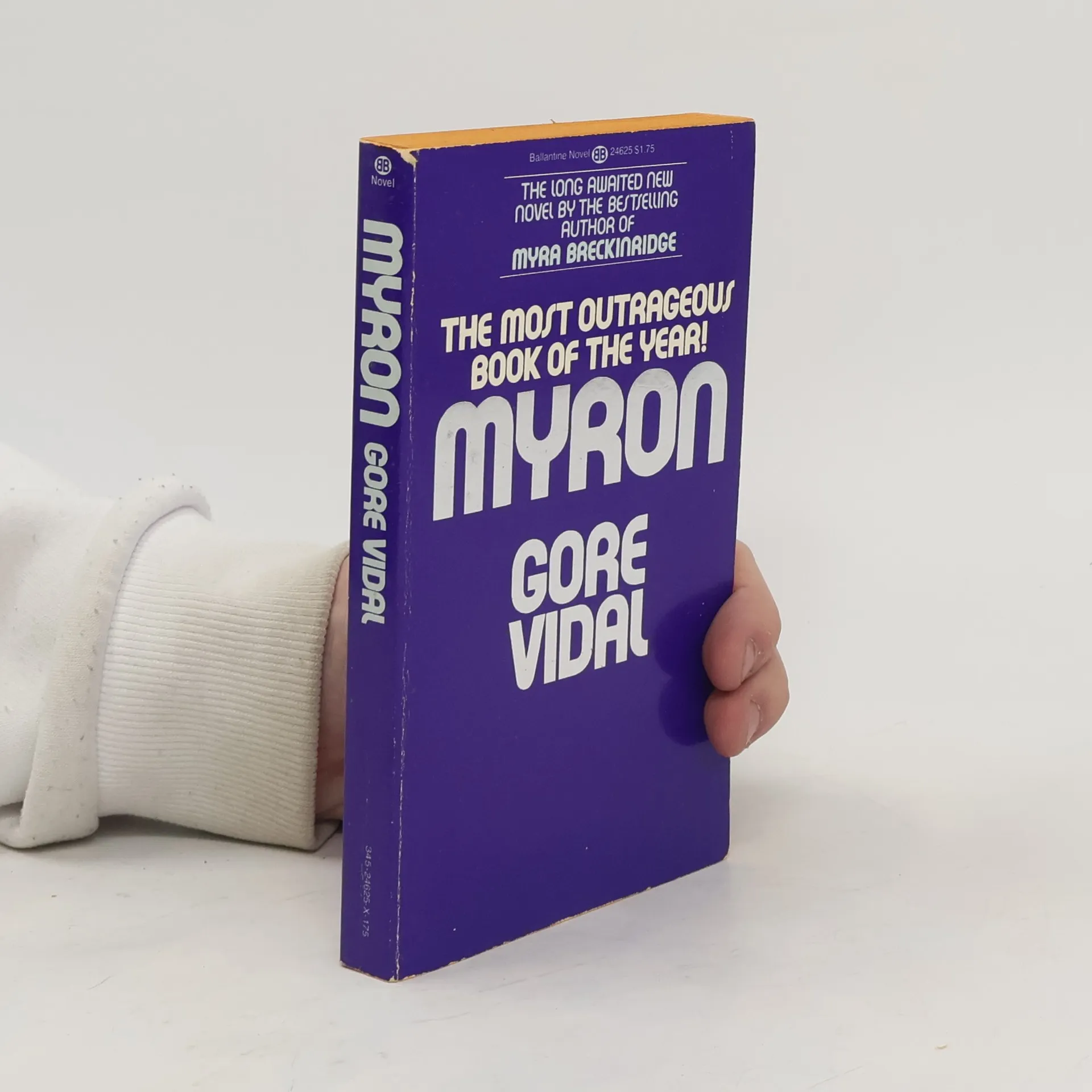
Myra's personality is altered by her sex change operation and Myron is transported back through time to the year 1948
244 pages. First english edition, first printing. Political & childhood reminscences. Only published in England. Inscribed by Vidal on the title page.
Black List
Quinze grands journalistes américains brisent la loi du silence
- 442 pages
- 16 hours of reading
Dresse l'état des lieux du journalisme aux Etats-Unis et présente les pressions qui s'exercent derrière la scène des grands médias américains par l'Etat central.
Das ist nicht Amerika!
- 319 pages
- 12 hours of reading
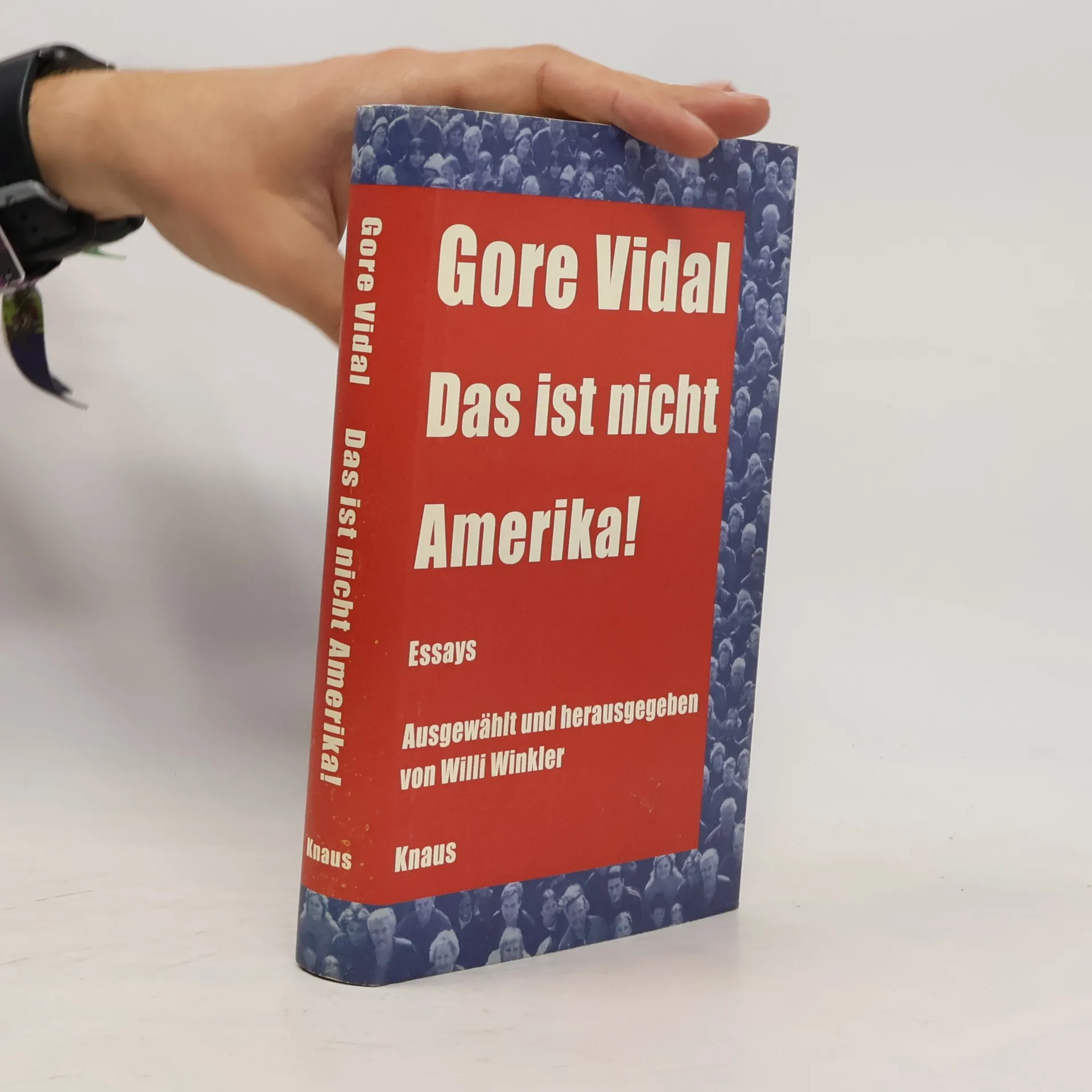
Das ist nicht Amerika! Während Clinton seinen Abschied zelebriert, bewundert die Welt den neuen Reichtum und die technologischen Innovationen Amerikas. Doch der Erfolg hat seine Schattenseite, und Gore Vidal leuchtet sie in seinen Essays schonungslos aus: die Zunahme schlecht bezahlter, unqualifizierter Arbeit, die Aushöhlung der Bürgerrechte, die orientierungslose Außenpolitik. In vielerlei Hinsicht ist Amerika ein Empire ohne Kompass, und man fragt sich, ob Al Gore, der farblose Favorit für die Clinton-Nachfolge, die Kraft und das Programm hat, es wieder auf Kurs zu bringen. Schartzüngig und provokant schreibt Gore Vidal über sein Land, Sex and Drugs, echte und falsche Terroristen und lässt keine Gelegenheit aus, literarische Größen, wie zum Beispiel John Updike, vorzuführen. Ob er die Gigantomanie der Medienkonzerne karikiert oder Sand in Getriebe der politischen Cliquenwirtschaft streut - Vidals Essays sind literarische Meisterwerke.
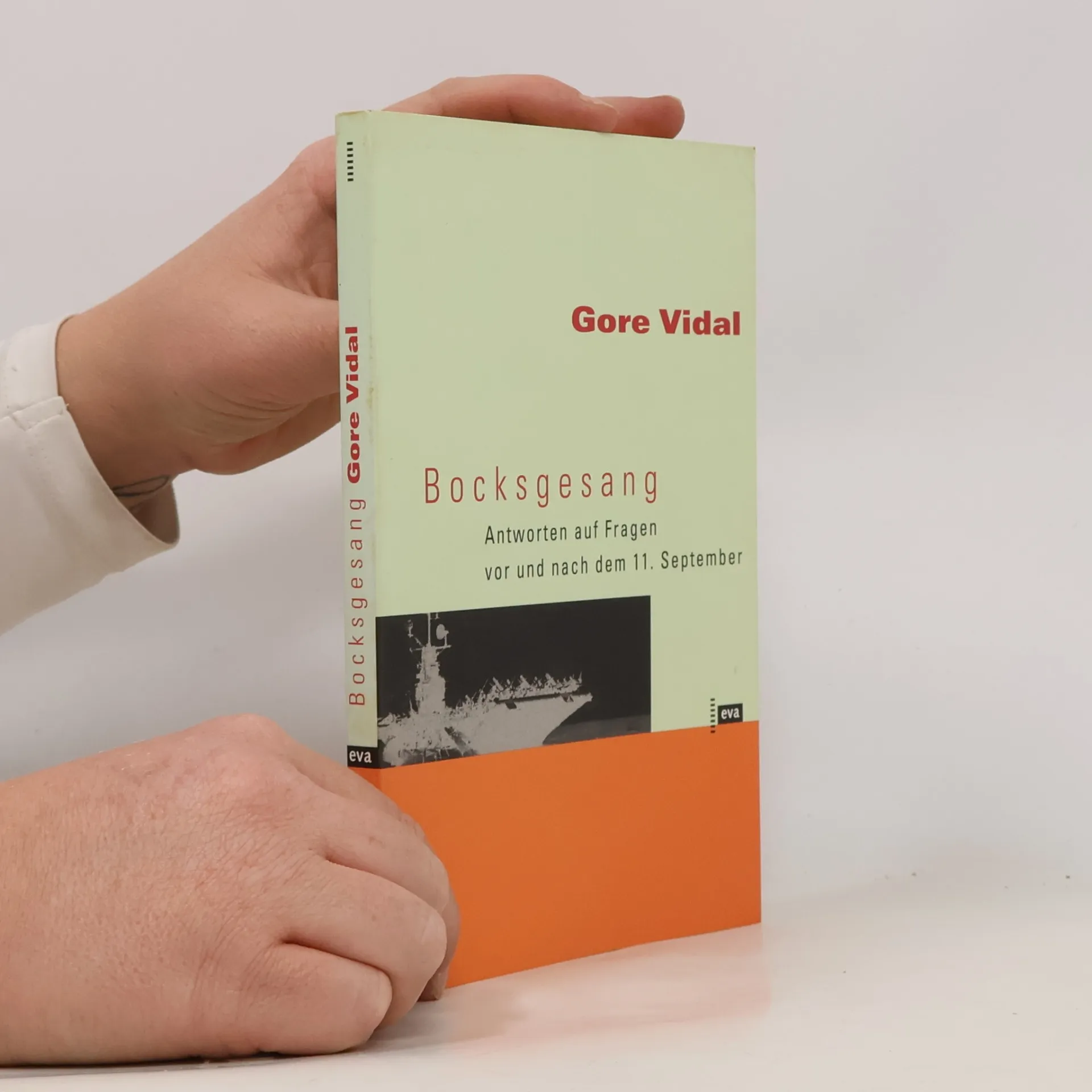
Bocksgesang
- 120 pages
- 5 hours of reading
War denn die Welt vor dem 11. September nicht in Ordnung? Diese Frage kann man nicht ernsthaft stellen! Gore Vidal redet über Pearl Harbor, politische Lügen, amerikanischen Patriotismus und Mickey Mouse - was hat das mit den Attentaten vom 11. September zu tun? Diese Frage trifft den Kern des Problems! Vidals Buch beantwortet sie. In seinen neun Essays befasst Vidal sich mit den Taktiken amerikanischer Regierungen seit dem zweiten Weltkrieg, und er tut dies mit dem ihm eigenen Sprachstil, der prägnant und nie ohne Wortwitz schnellstens zum Kern eines Problems vordringt.
La serie Narrativas del Imperio de Gore Vidal abarca la historia de los Estados Unidos desde la Revolución hasta los años posteriores a la Segunda Guerra Mundial. Con su amplio lienzo y un gran elenco de personajes ficticios e históricos, las novelas de esta serie presentan un panorama de la experiencia política e imperial americana interpretada por uno de sus observadores más mundanos, conocedores e irónicos. Para la mayoría de los estadounidenses, Abraham Lincoln es una figura monolítica, el Gran Emancipador y Salvador de la Unión, querido por todos. En Lincoln de Gore Vidal, conocemos a Lincoln el hombre y a Lincoln el animal político, el presidente que entró en una capital sitiada donde la mayor parte de la población apoyaba al Sur y donde incluso aquellos que favorecían a la Unión tenían serias dudas de que el hombre de Illinois pudiera salvarla. Lejos de ser firme en su aborrecimiento de la esclavitud, Lincoln agoniza sobre el mejor curso de acción y llega a su gran decisión solo cuando todo lo demás parece fallar. A medida que la Guerra Civil devasta su nación, Lincoln debe enfrentar una profunda agitación personal, la pérdida de su querido hijo y los ataques de una esposa vista como traidora por sus conexiones con el Sur. Brilliantemente concebido y magistralmente ejecutado, Lincoln de Gore Vidal permite que el hombre vuelva a respirar.
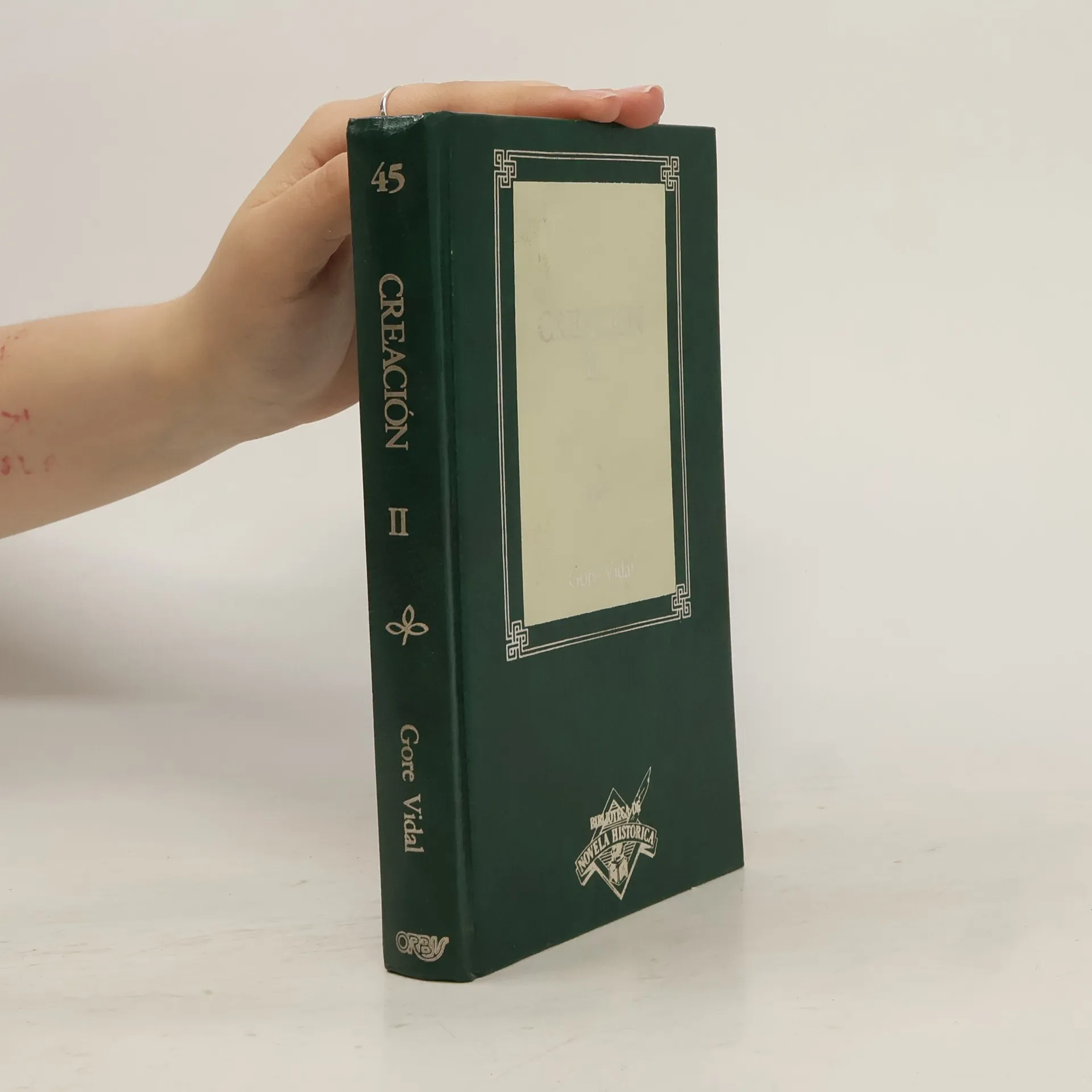
Creación II.
- 306 pages
- 11 hours of reading
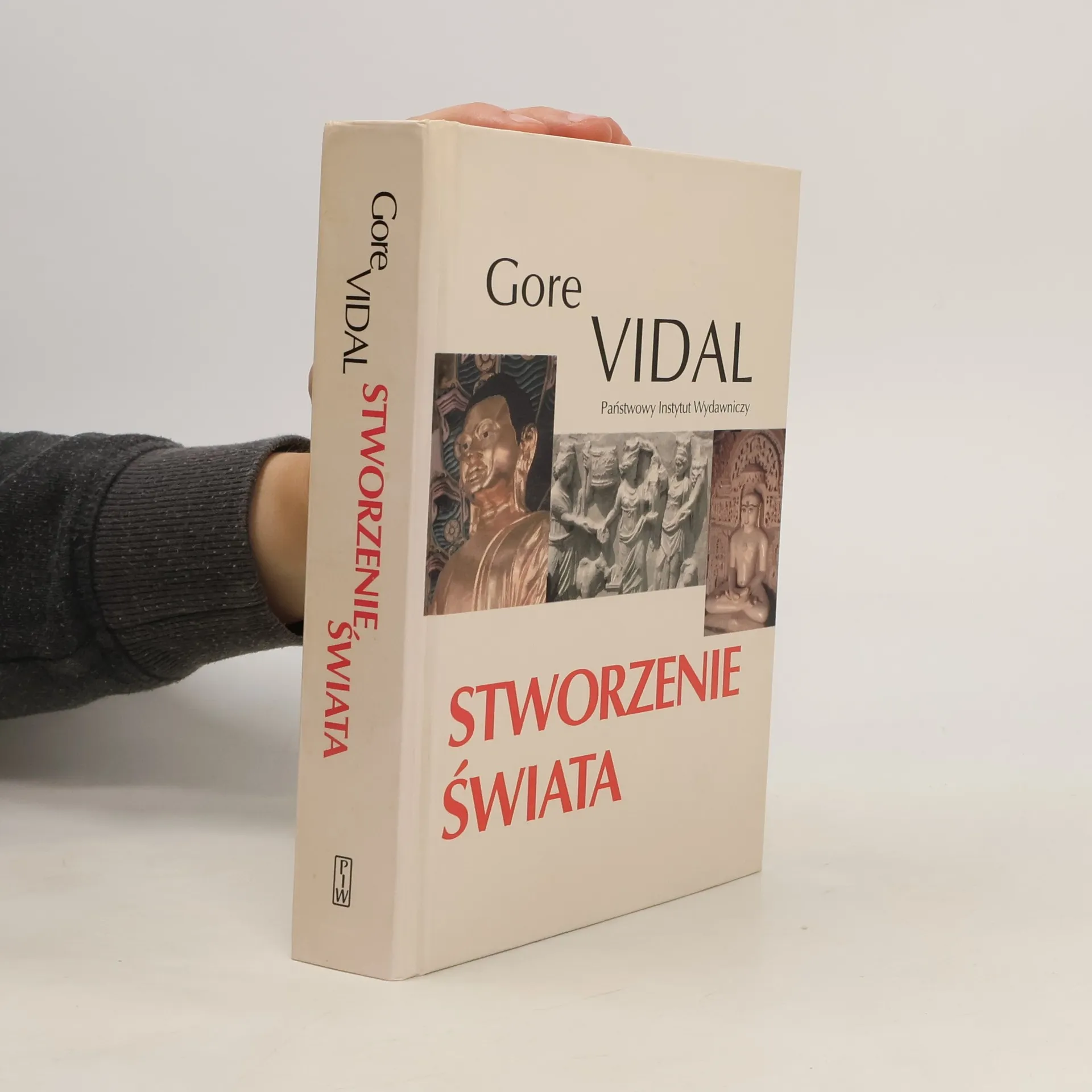
Stworzenie świata
- 599 pages
- 21 hours of reading
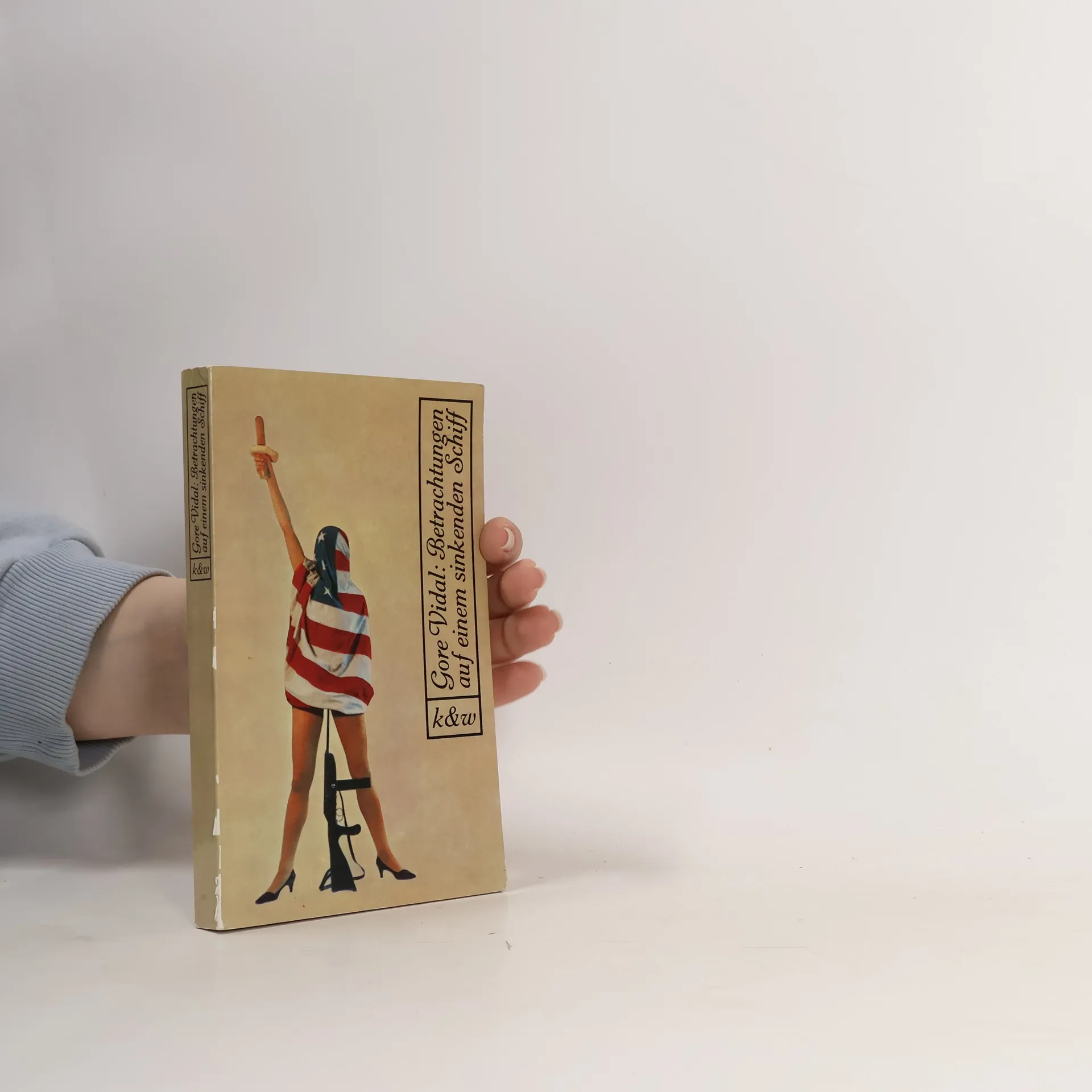
Betrachtungen auf einem sinkenden Schiff
- 181 pages
- 7 hours of reading
Immer diese Morde: Neuauflage des lange vergriffenen Erfolgs-Thrillers
- 173 pages
- 7 hours of reading
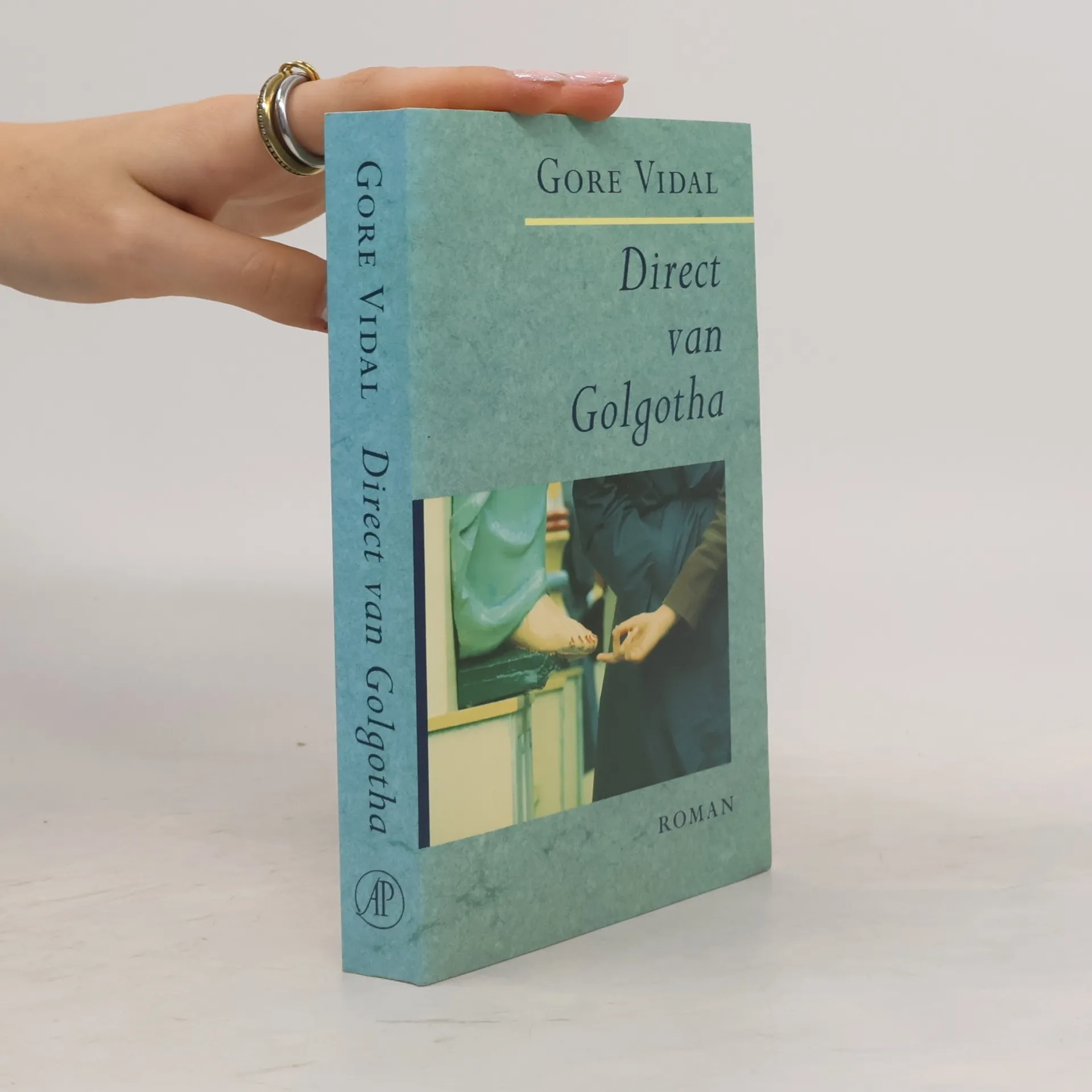
Direct van Golgotha
- 236 pages
- 9 hours of reading
Satire over de dood van Jezus en de eerste jaren van het christelijk geloof.
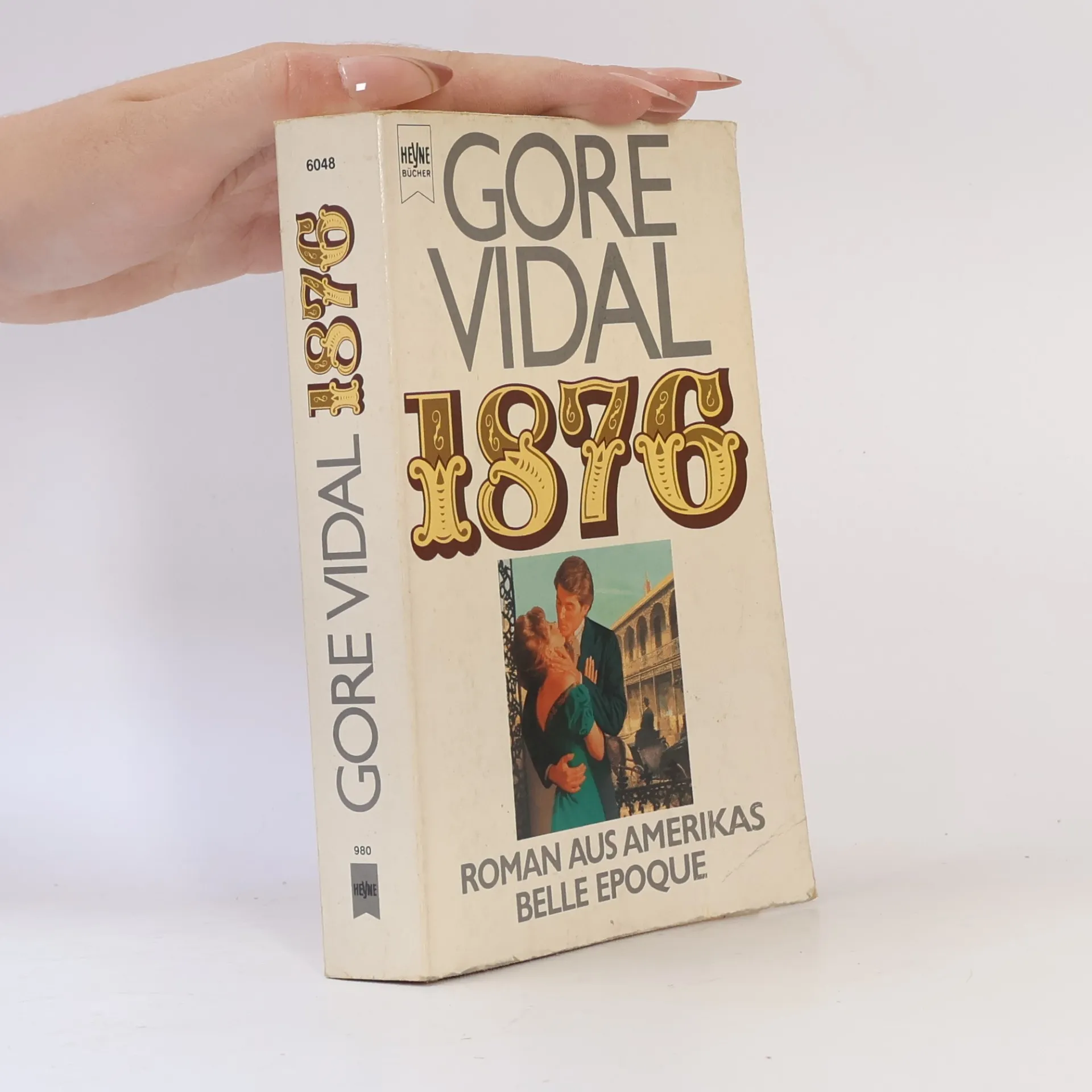
1876. Roman aus Amerikas Belle Époque
- 448 pages
- 16 hours of reading
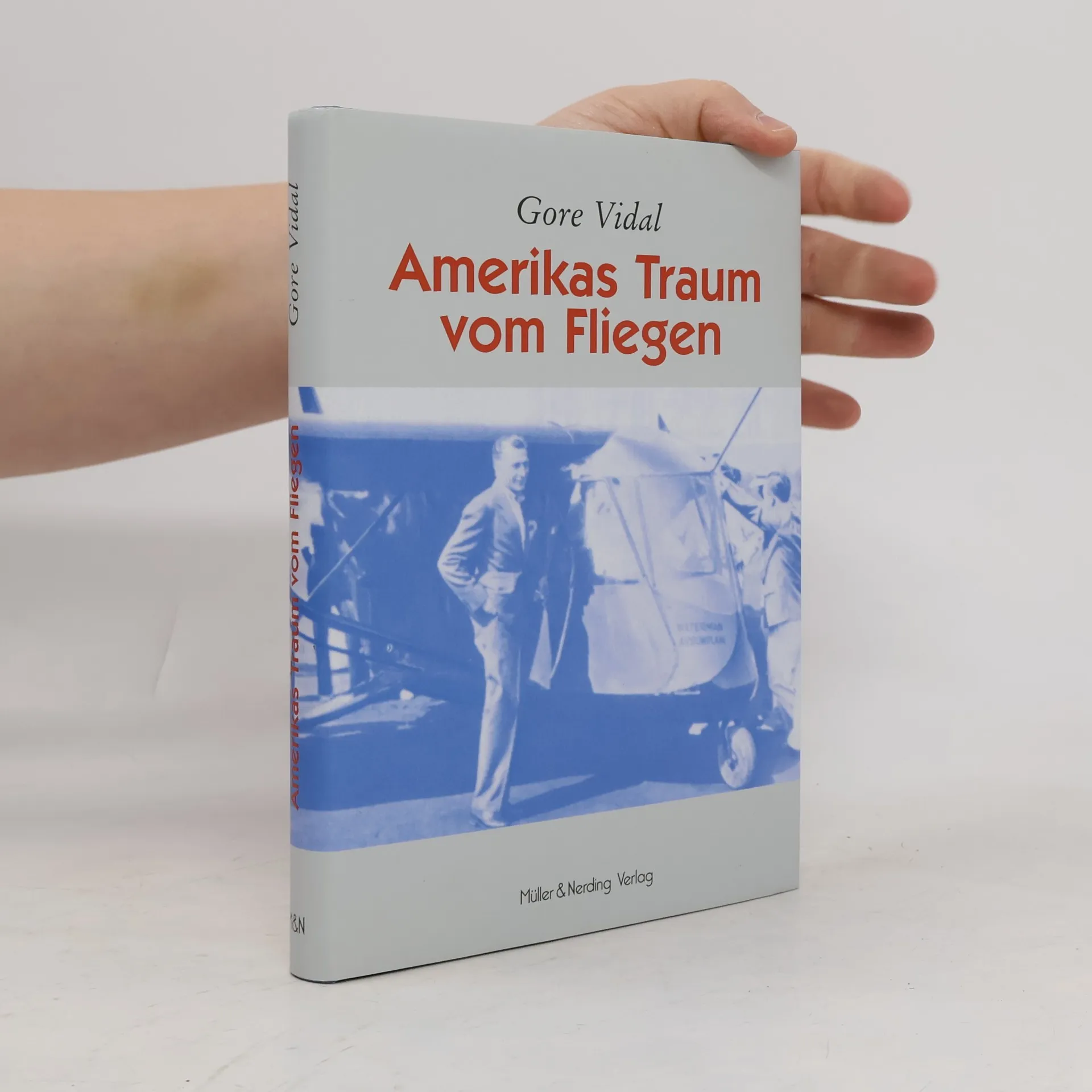
Amerikas Traum vom Fliegen
- 208 pages
- 8 hours of reading
Zehn ewige Fragen nach Liebe, Glaube, Hoffnung
- 189 pages
- 7 hours of reading
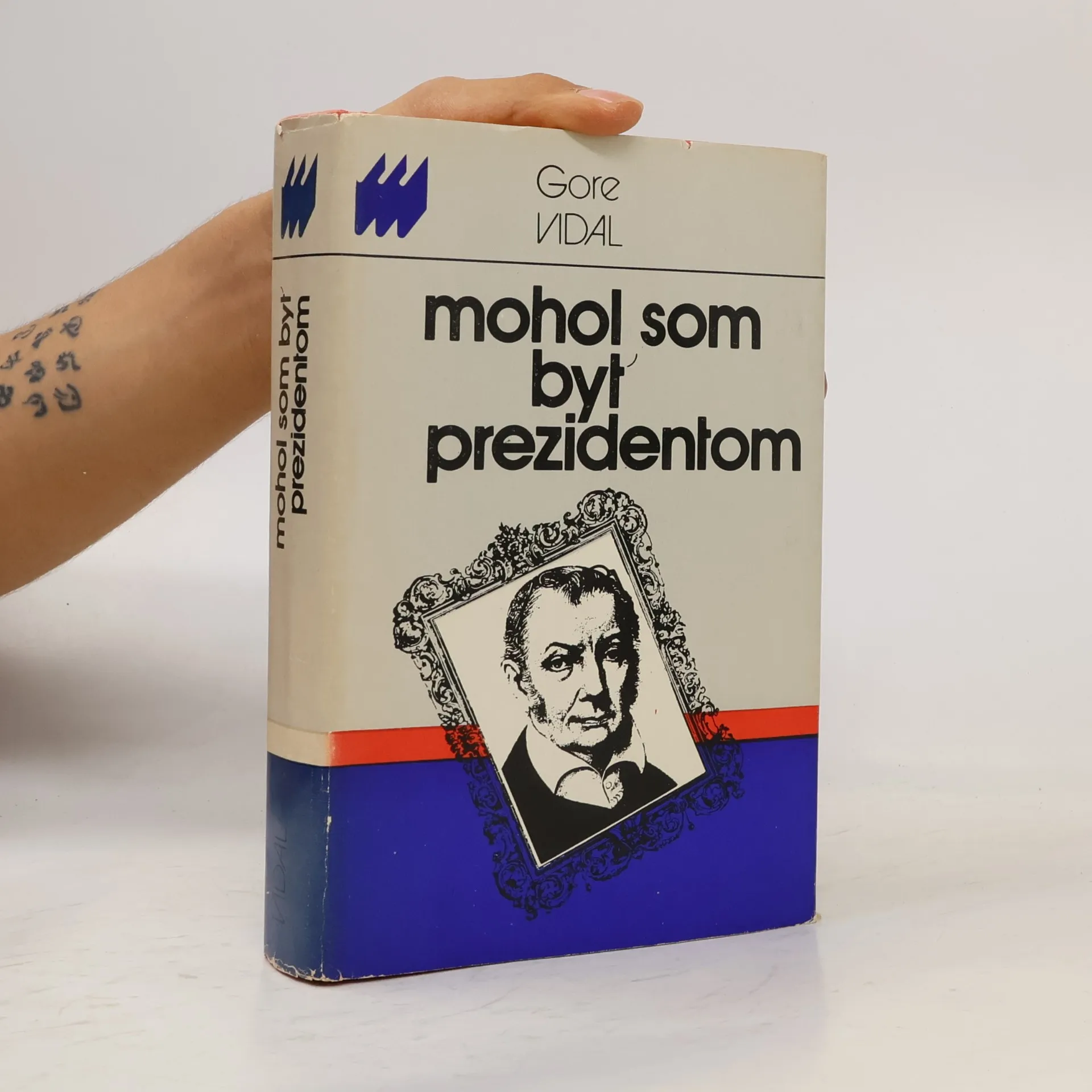
Vidalov historický román Mohol som byť prezidentom zobrazuje životný príbeh pozoruhodnej postavy americkej revolúcie, jedného zo zakladajúcich otcov republiky, tretieho amerického viceprezidenta a súčasného „hrdinu" prvého veľkého politického škandálu Spojených štátov Aarona Burra (1756—1836). Burr prežil nesmierne farbistý život, plný dobrodružných zvratov (v devätnástich vojnový hrdina, plukovník, viceprezident, čo v súboji zastrelil svojho politického protivníka, súdený za zradu a pokus odtrhnúť západné štáty od Únie, politik s ambíciami vyhlásiť sa za mexického cisára, vášnivý milenec a nežný otec). O sebe i o velikánoch americkej revolúcie Georgeovi Washingtonovi, Thomasovi Jeffersonovi, Alexandrovi Hamiltonovi a iných rozpráva bez zábran, vidí ich malicherné slabosti, zbavuje ich glorioly; sú to jeho politickí protivníci, ktorí vyhrali boj, kým on ho prehral a stal sa čiernou ovcou amerických dejín. Keď Vidalov román vyšiel roku 1973 v newyorskom nakladateľstve Random House, stal sa pre svoje umelecké majstrovstvo i provokatívny prístup k stvárneniu historickej témy veľkým bestsellerom.
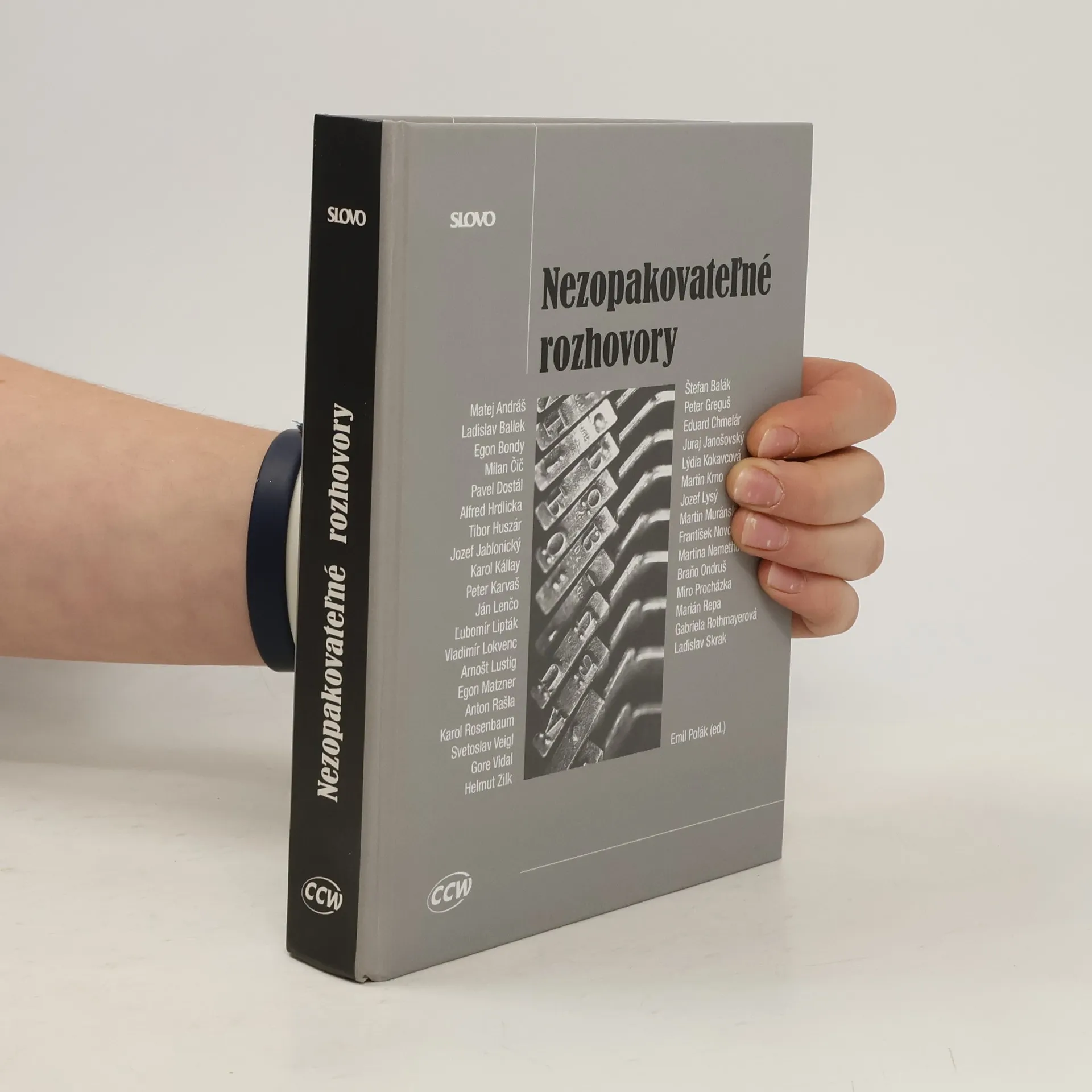
Nezopakovateľné rozhovory
- 304 pages
- 11 hours of reading
Kniha prináša 20 rozhovorov s našimi i zahraničnými osobnosťami, ktorá vyšli na stránkach týždenníka Slovo prevažne na prelome dvadsiateho a dvadsiateho prvého storočia. Títo ľudia, ktorých dielo a život sa už uzavreli, boli nielen svedkami, ale aj aktérmi udalostí druhej polovice dvadsiateho storočia, no aj aktívnymi účastníkmi či pozorovateľmi prevratných zmien po roku 1989, ktoré v čase vzniku rozhovorov už nadobúdali jasné kontúry. Zahraničné osobnosti sa rôznym spôsobom viažu aj k Slovensku, k prelomovej dobe, ktorú sme žili a žijeme. Väčšina oslovených bola aktívna už v čase druhej svetovej vojny. Prišli na svet v prvej tretine minulého storočia a do ich osudov výrazne zasiahlo Povstanie, ktorého sa viacerí zúčastnili. Čítanie rozhovorov, aj keď to iste vtedy redakcia Slova tak nekoncipovala, je ako čítanie jedného príbehu Slovenska.