»Dieser Spinner ist ein Genie«, sagte der Dirigent George Szell nach einem Konzert von Glenn Gould. Seit der kanadische Pianist im Alter von vierzehn Jahren zum ersten Mal öffentlich Beethovens 4. Klavierkonzert spielte, versetzte er sein Publikum in Erstaunen. Aber er wurde auch scharf angegriffen: wegen seiner Manieriertheit – ungebügelter Frack und ein kurzbeiniger Hocker, auf dem er, fast auf dem Boden sitzend, spielte –, wegen seines kompromisslosen Repertoires wie seiner progressiven Bach-Interpretationen, wegen seiner an Besessenheit grenzenden Suche nach dem perfekten Flügel. Und nicht zuletzt wegen seiner exzentrischen Lebensweise und seines bizarren Aufzugs: Er trug selbst im Sommer Handschuhe und Schal. Und dann beschloss Gould im Alter von zweiunddreißig Jahren auch noch, keine öffentlichen Konzerte mehr zu geben. Der Musikjournalist Jonathan Cott besuchte schon als Jugendlicher jedes New Yorker Konzert von Gould; 1960 lernte er sein Idol persönlich kennen. 1974 führten die beiden drei mehrstündige Telefongespräche für den Rolling Stone, die den Kern dieses Buchs bilden.
Glenn Gould Book order (chronological)
Glenn Gould was a Canadian pianist, celebrated particularly for his interpretations of Johann Sebastian Bach's keyboard works. His playing was distinguished by remarkable technical proficiency and a unique ability to articulate the polyphonic textures inherent in Bach's music. While Bach dominated his recordings, Gould's repertoire was diverse, encompassing works by composers such as Beethoven, Mozart, and 20th-century figures. After the age of 31, Gould abandoned live concerts to focus entirely on studio recording and other ventures, including writing, composing, and broadcasting.



Foreword by Yo-Yo Ma and Introduction by Tim Page highlight the enduring legacy of Glenn Gould, a musical genius who transcended time despite his brief life (1932-1982). Gould gained fame with his 1955 recording of Bach’s Goldberg Variations, captivating audiences with his dynamic virtuosity and passionate artistry during his nine years on the international concert circuit. In 1964, he retired from live performances to focus on recordings and documentaries. This photographic collection, featuring over 200 images, is the first dedicated to Gould's life, showcasing previously unpublished family photos from the Glenn Gould Estate, as well as rare images from CBC Archives, Sony Classical, and the National Archives of Canada. Celebrating the seventieth anniversary of his birth, the book includes insightful commentary from Tim Page and extensive captions by Malcolm Lester, the Estate's literary advisor. It also features quotes from Gould and notable figures like Leonard Bernstein and Yehudi Menuhin, creating a vibrant portrait of this unique creative genius. Yo-Yo Ma reflects on his transformative experience with Gould's music, emphasizing the profound impact it had on his own musical journey. The collection serves not only as a tribute but also as a testament to Gould's lasting influence in the world of music.
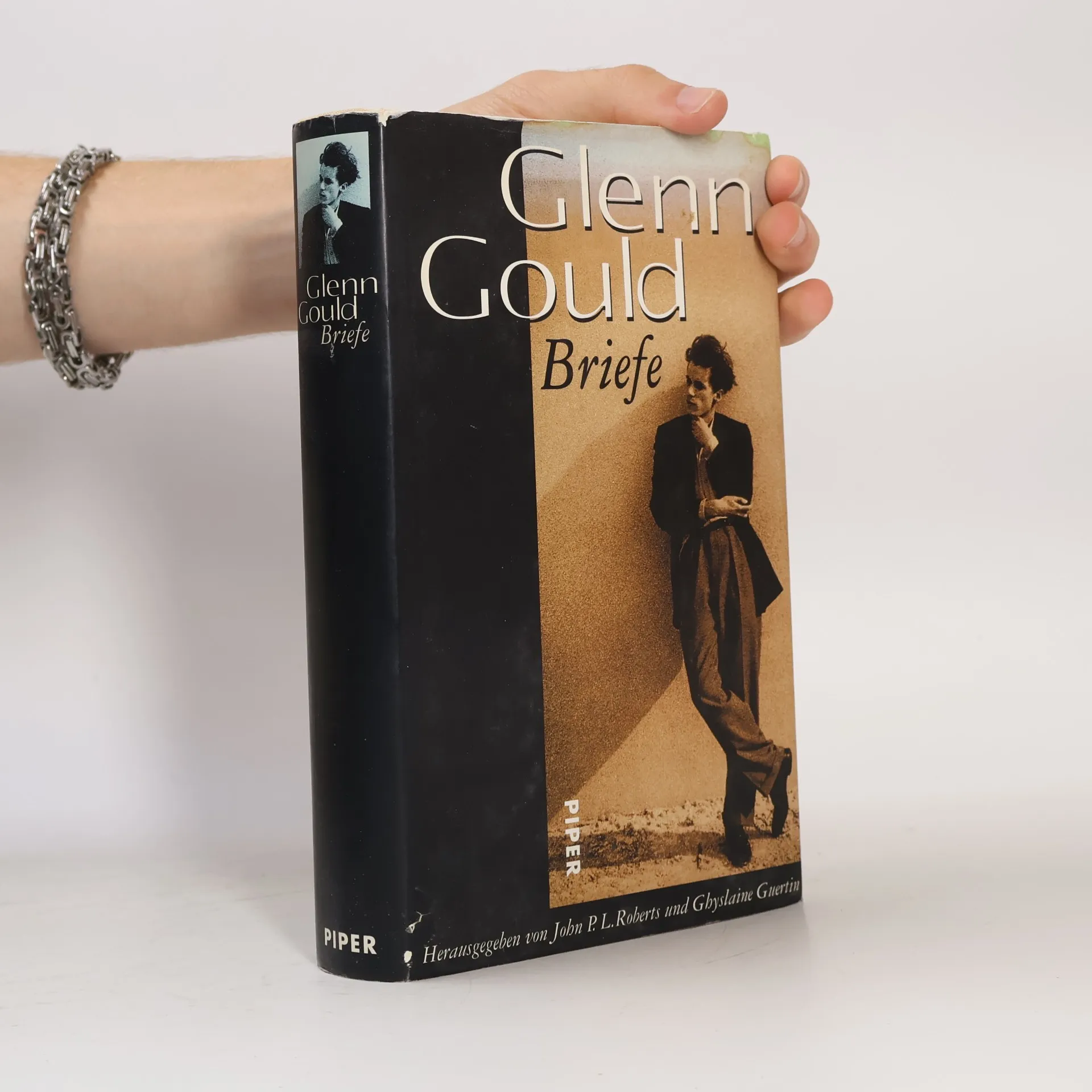
Briefe
- 366 pages
- 13 hours of reading
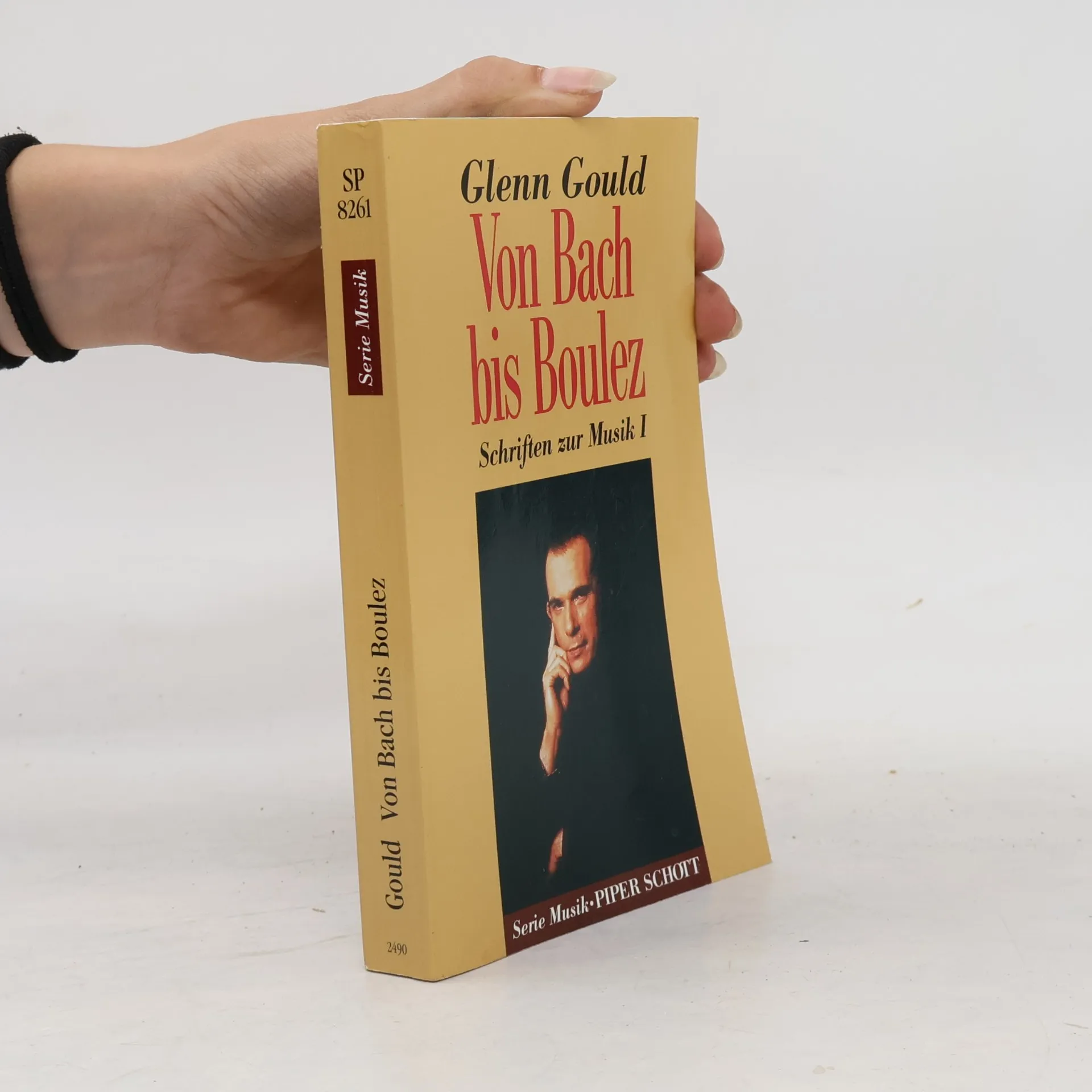
Serie Musik: Schriften zur Musik I. Von Bach bis Boulez.
- 360 pages
- 13 hours of reading
Von Bach bis Boulez. Hrsg. u. eingel. v. Tim Page
- 359 pages
- 13 hours of reading
Glenn Goulds Spielweise spiegelt sich in seinem Schreiben wider: unberechenbar und provokant. Er hinterfragt und kritisiert nahezu jede musikalische "heilige Kuh", von Bach bis Boulez.
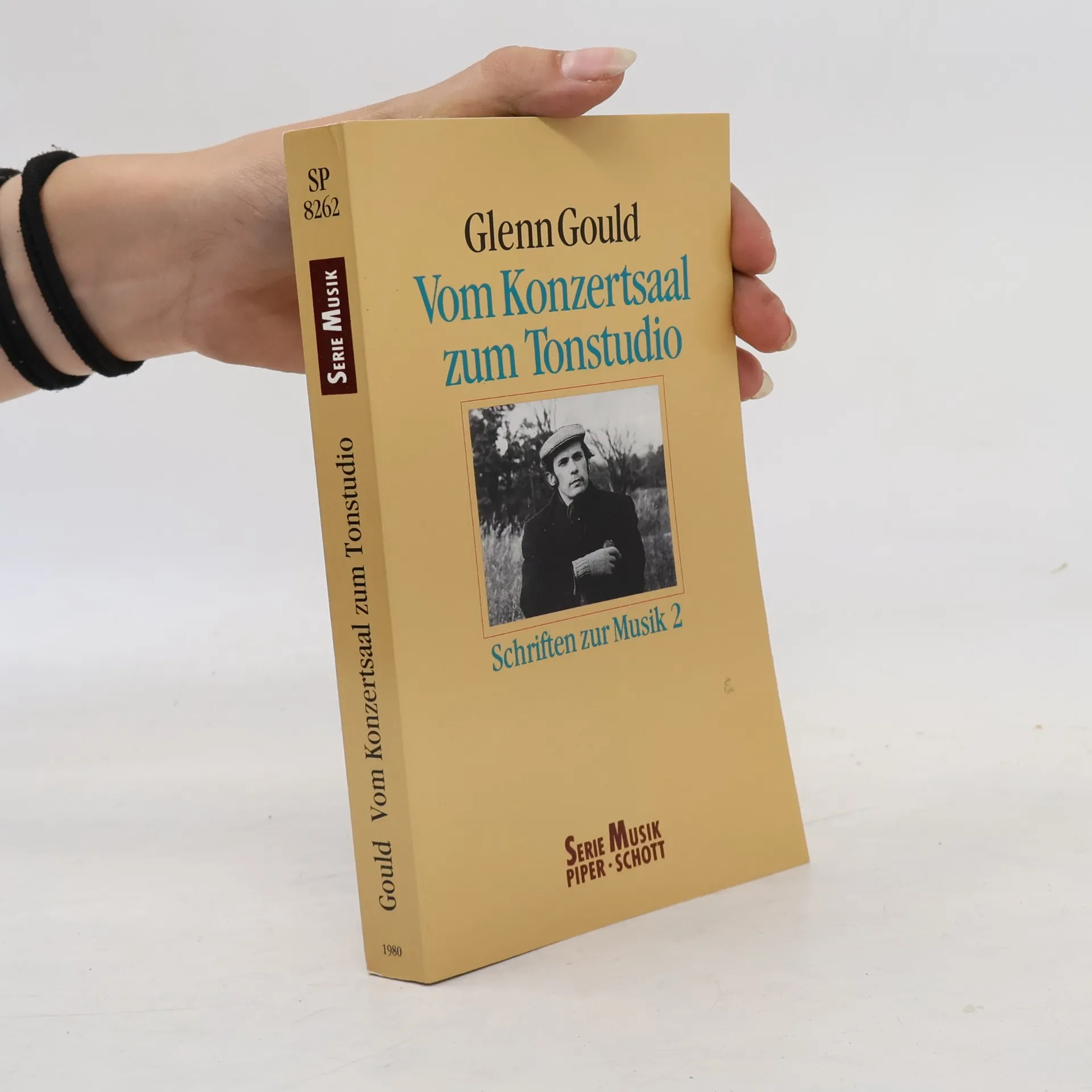
Vom Konzertsaal Zum Tonstudio
- 320 pages
- 12 hours of reading
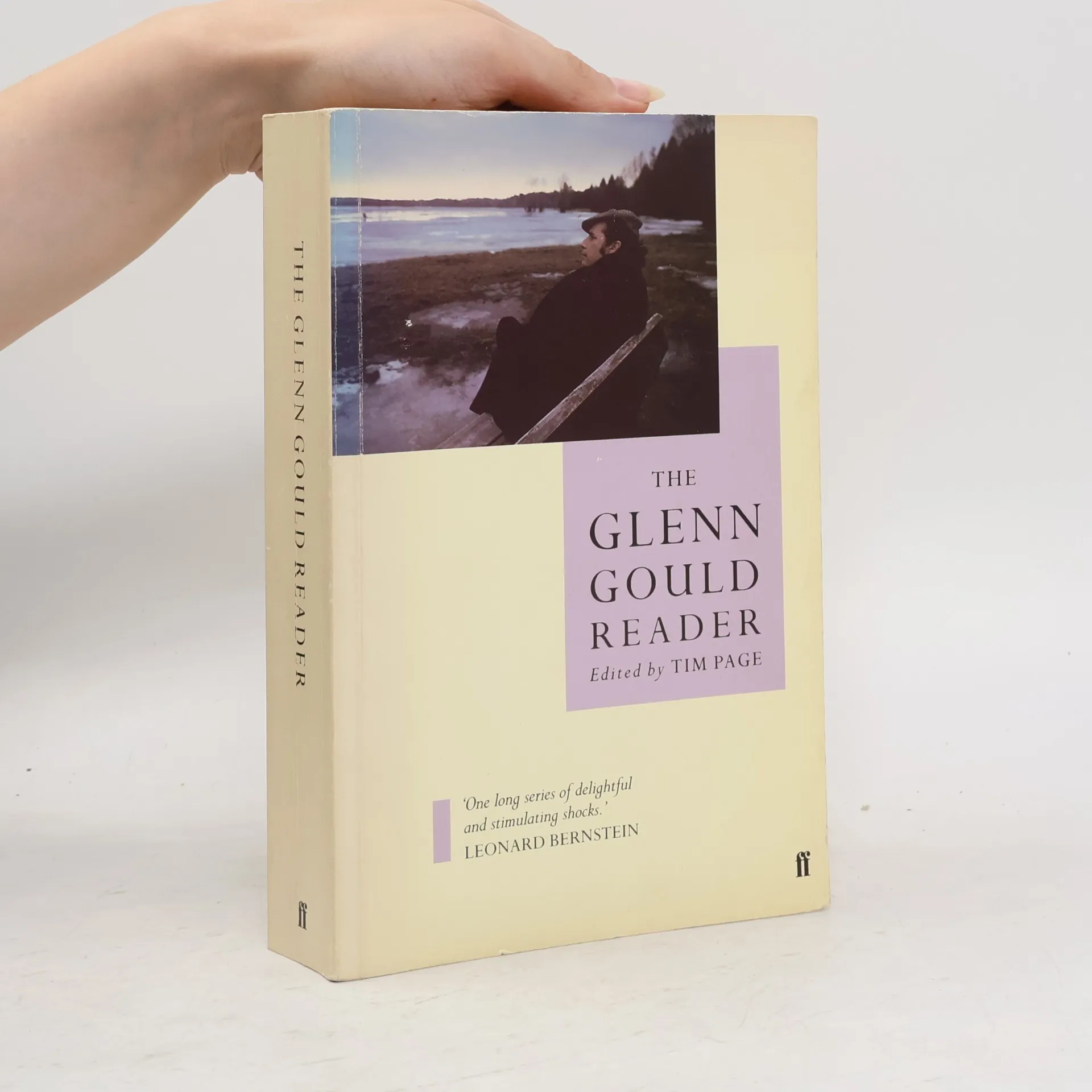
The Glenn Gould Reader
- 492 pages
- 18 hours of reading
When Glenn Gould died in 1982 at the age of fifty, he left behind an astonishing legacy: in twenty-six years he had proved himself to be not only an extraordinary pianist but a brilliant critic. His writing - which appeared primarily in music journals and on record sleeves - was often as provocative as his performances: demanding, compelling, occasionally infuriating, but always the product of a singular artistic vision. This is a wide-ranging selection from Gould's criticism.
Conversations with Glenn Gould
- 159 pages
- 6 hours of reading
Pianist Glenn Gould (1932–82) was one of the most unique and charismatic musicians of the twentieth century, known for his interpretations of Bach, Beethoven, and Mozart at brisk tempos with remarkable clarity. A true eccentric, Gould was famous not only for his musical talent but also for his peculiar habits, such as humming during performances and wearing unconventional attire, including fingerless gloves and fur coats. In 1964, at the peak of his controversial career, he withdrew from live performances to concentrate on recording and writing. Jonathan Cott, a noted author and poet, was among the few who interviewed Gould, capturing their conversation in 1974 for Rolling Stone. After Gould's passing, Cott compiled these interviews into a collection, enhancing it with an introduction, photographs, and lists of Gould's recorded works and media appearances. In this engaging dialogue, Gould shares his opinions on various subjects, including his aversion to Mozart's piano sonatas, his preference for composers like Orlando Gibbons and Richard Strauss, and his admiration for Petula Clark, while expressing his distaste for the Beatles. This collection is widely regarded as one of Gould's finest interviews and a remarkable showcase of his personality.
Glenn Gould Variations
- 324 pages
- 12 hours of reading