
Explore the latest books of this year!
Bookbot

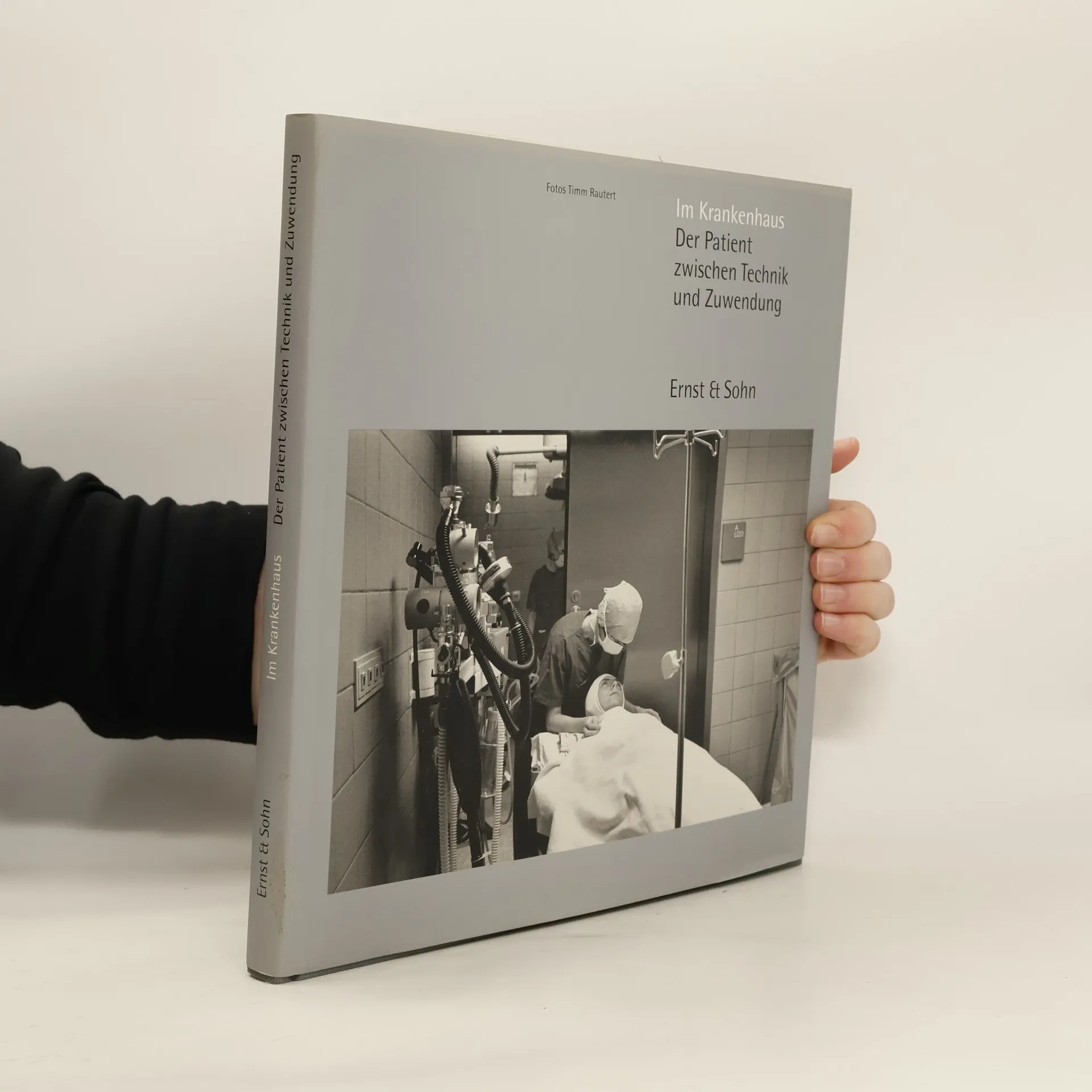
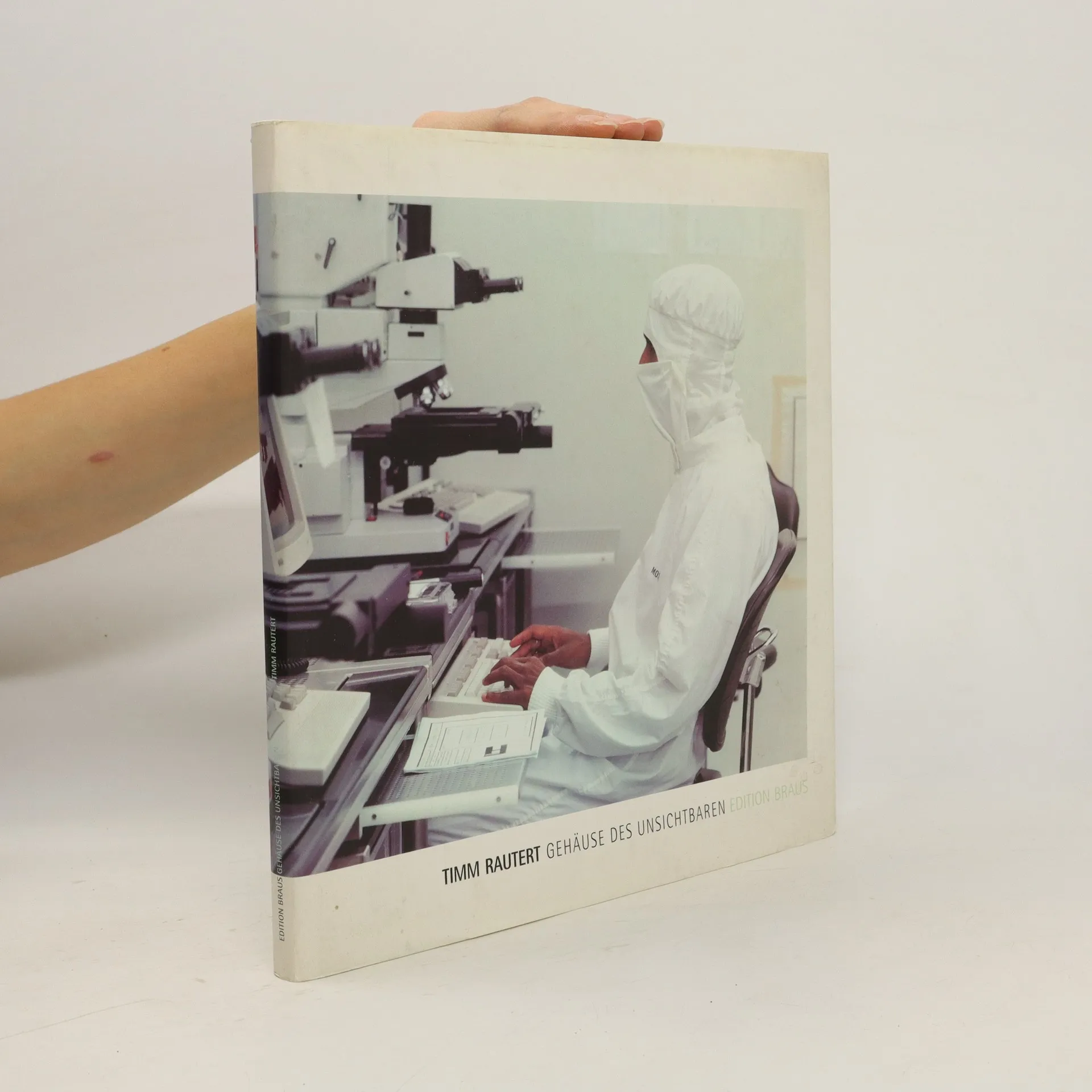
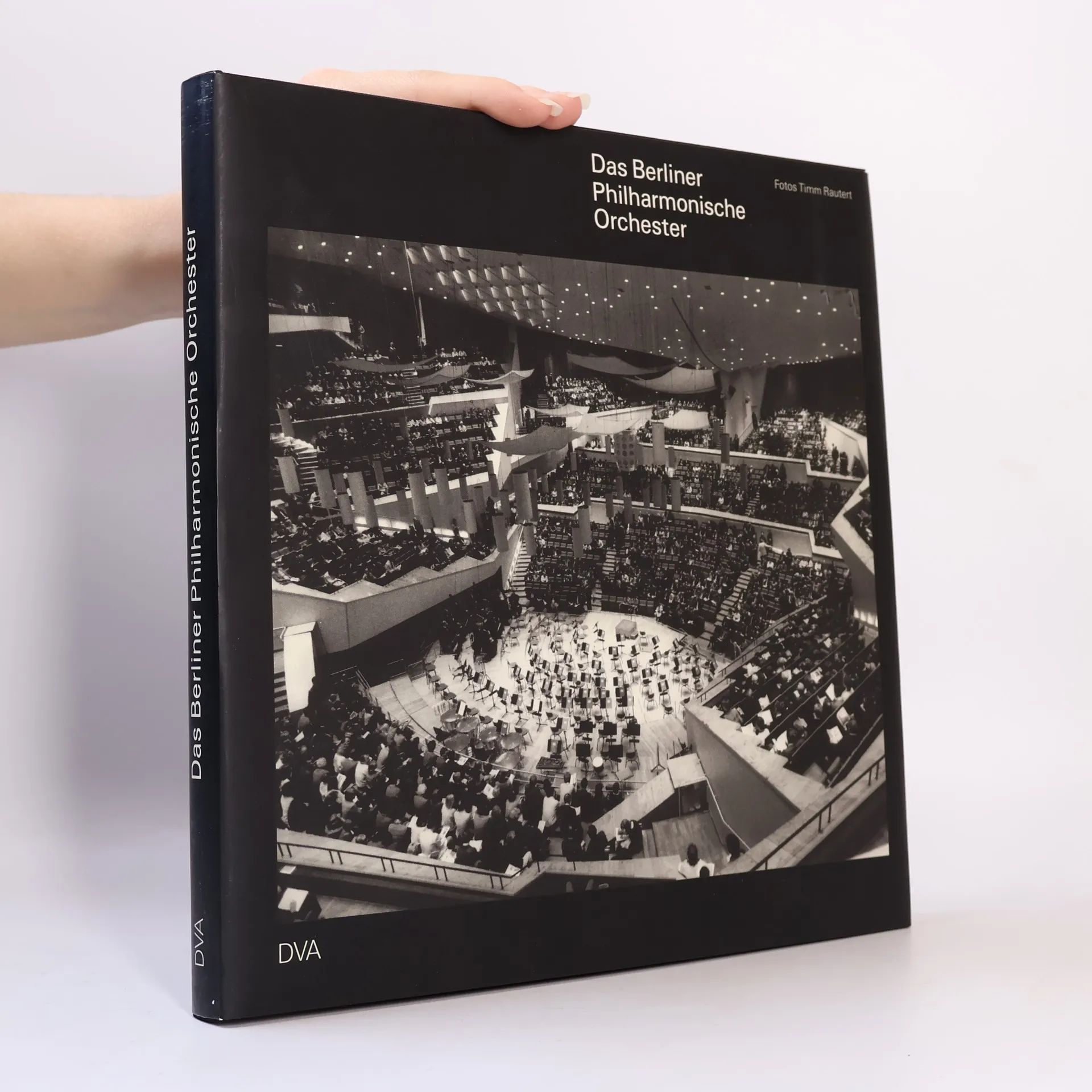
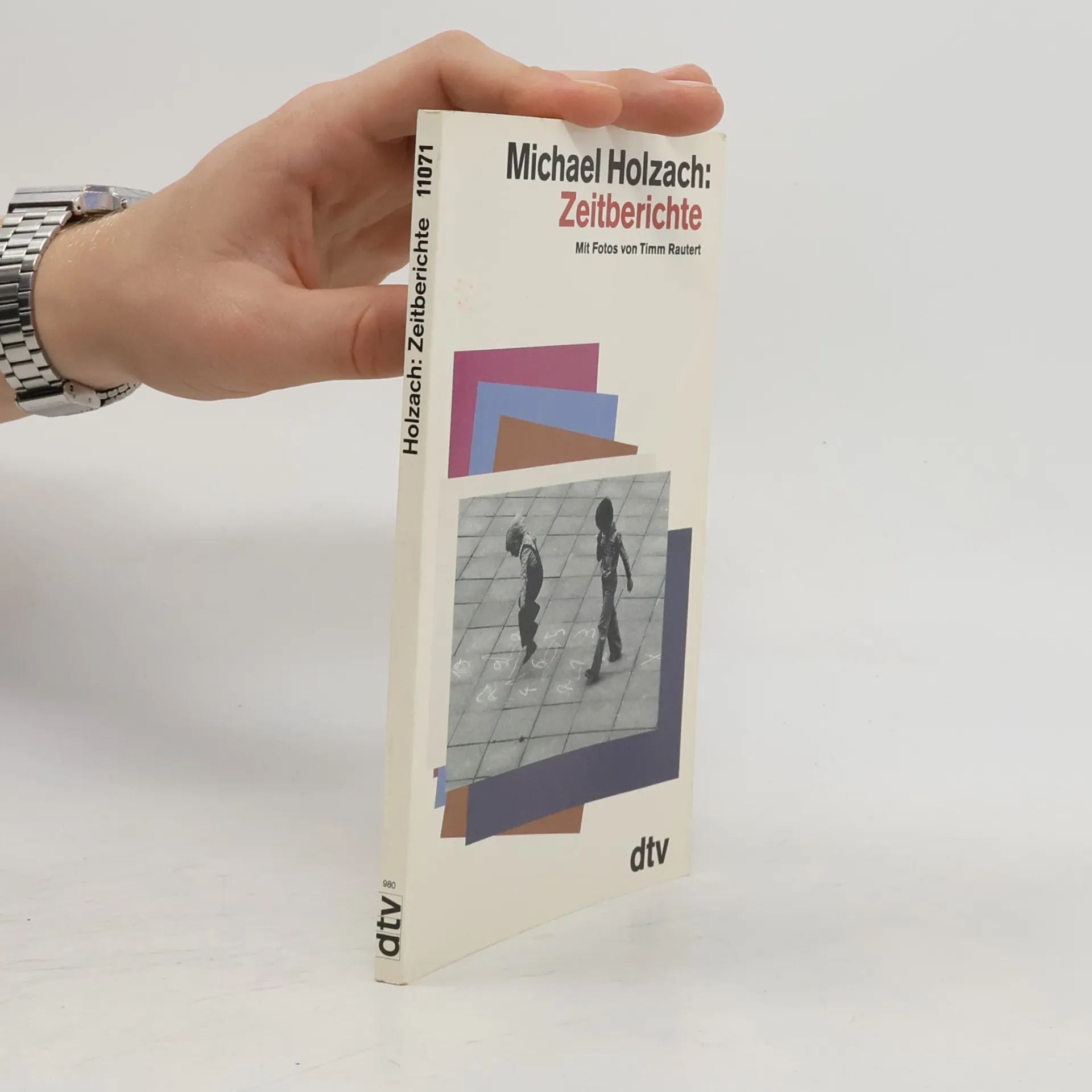
Timm Rautert

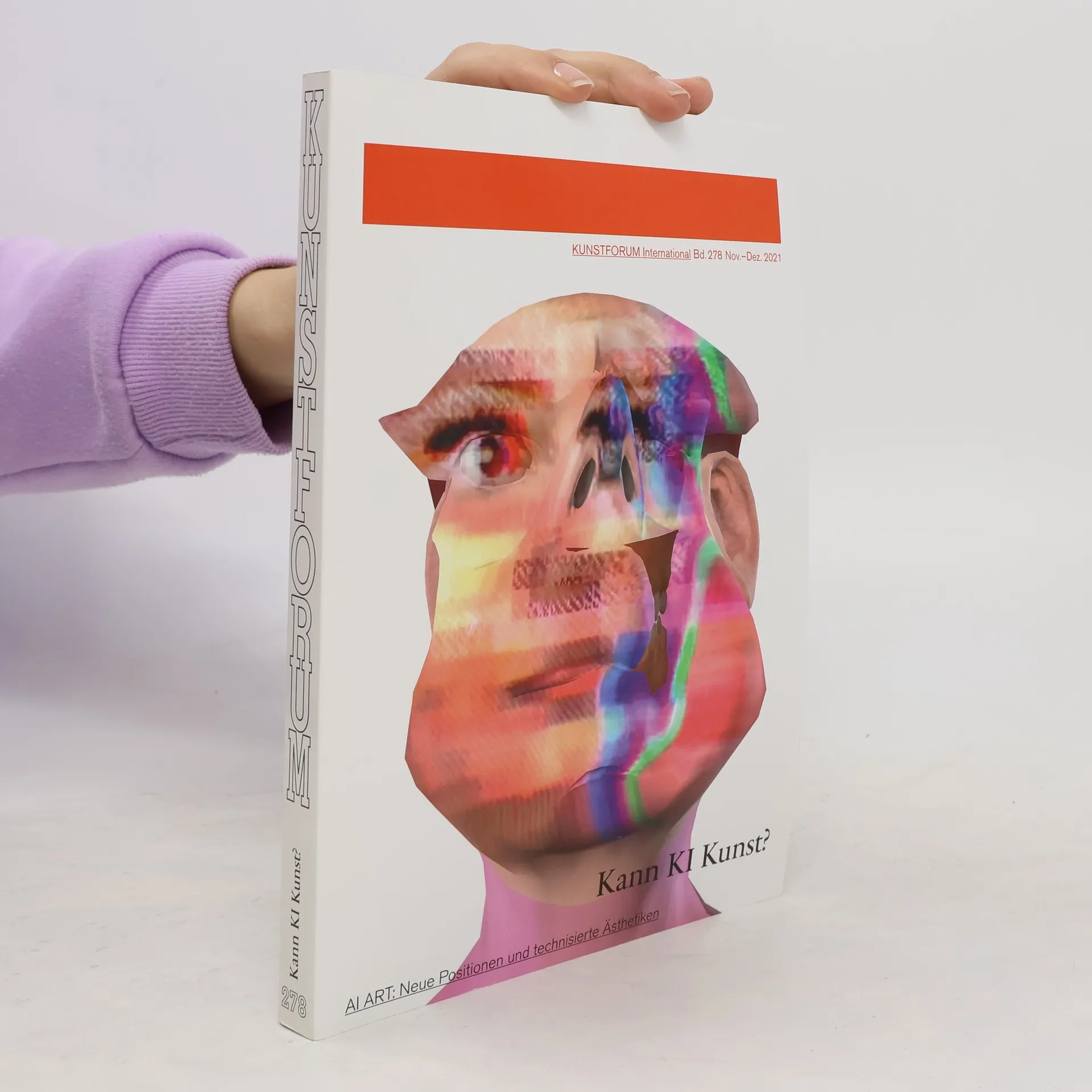
    Kann KI Kunst?
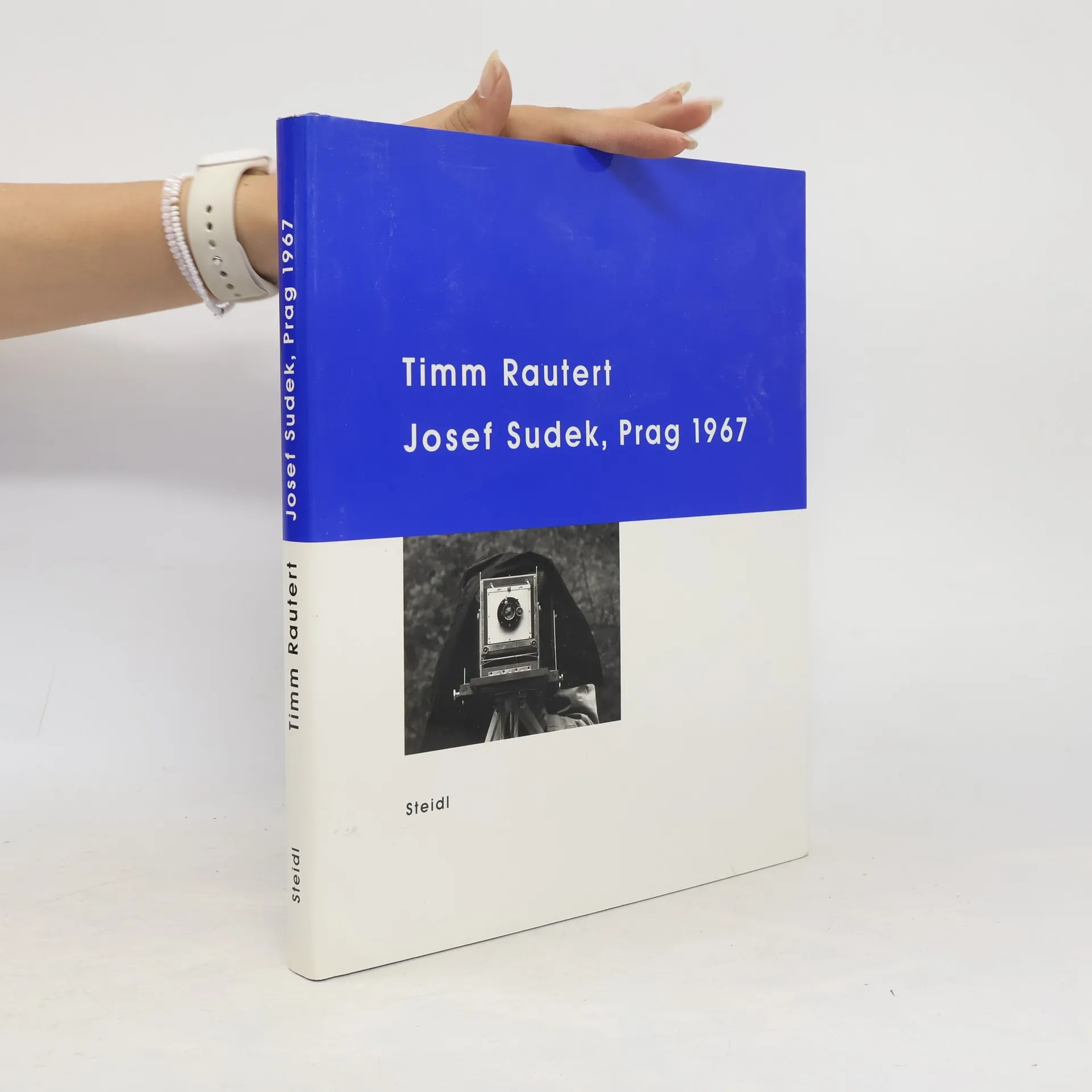
    Josef Sudek, Prag 1967
    Deutsche in Uniform
    L' ultimo programma
    Josef Sudek, Prague 1967
    Weltraum
    • Timm Rautert met Josef Sudek for the first time on a study trip to Prague in the spring of 1967. The photography student and the seventy-one-year-old Sudek — arguably the most important Czech landscape and still-life photographer of the twentieth century and a cult figure in his native country — instantly took to each other, and Rautert began photographing the artist at his studio and home. He accompanied him on his strolls in parks in Little Prague on the left bank of the Vltava river as he searched for adequate perspectives, and documented his work process in and outside the darkroom. The Sudek series is an extraordinary chronicle of a fascinating personality and place in the run-up to the Prague Spring, and marks the beginning of Rautert’s career during which the portrait and people at work were always of major importance to him.
      Josef Sudek, Prague 1967
    • Das neue Buch des Fotografen Timm Rautert handelt von nichts Geringerem als dem Weltuntergang. In einem von Rautert verfassten „Bericht“ werden 3 Personen auf dem Weg zum Campo Sant'Angelo in Venedig beobachtet. Dort treffen sie auf eine riesige Menschenmenge, die aus rätselhaften Gründen vom bevorstehenden Weltende angezogen wurde. Begleitet wird der „Bericht“ von schw./w. Fotografien des menschenleeren Campo Sant'Angelo, auf denen die Zeit zum Stillstand gekommen scheint. Die Bilder vermitteln durchaus die panoramatische Raumwirkung des Platzes. Aber es geht offensichtlich nicht um das medienhistorische Dispositiv des Panoramas, denn durch bewusste „Anschlussfehler“, Wechsel des Standpunktes und dem Prägedruck ARCHIVIO DI STATO der Bilder, wird ihnen die Aura offizieller Dokumente gegeben. THE FINAL PROGRAMME ist ein medialer Hybrid aus Fotografie, Literatur und philosophisch-physikalischer Spekulation.

      L' ultimo programma
    • Deutsche in Uniform

      • 95 pages
      • 4 hours of reading

      In shooting these landmark 1974 portraits of Deutsche in Uniform, Timm Rautert met his subjects in their own territories, but then set them against a neutral background, separating them from their work aesthetics. This portable studio setting gives special significance to the moment of representation, when the subject is captured as a symbol of the state or an occupational group. By using not only names and job titles but also quotes from interviews, Rautert also prompts observers to focus on the subject or the connection between the individual's gestures and his official work clothes. In contrast to today's professional clothing, which is transformed into outfits by logos, the uniforms he photographed reflect a time of social upheaval. And indeed change was Deutsche in Uniform was followed by a 1976 series about the extinction of traditional trades and professions.

      Deutsche in Uniform