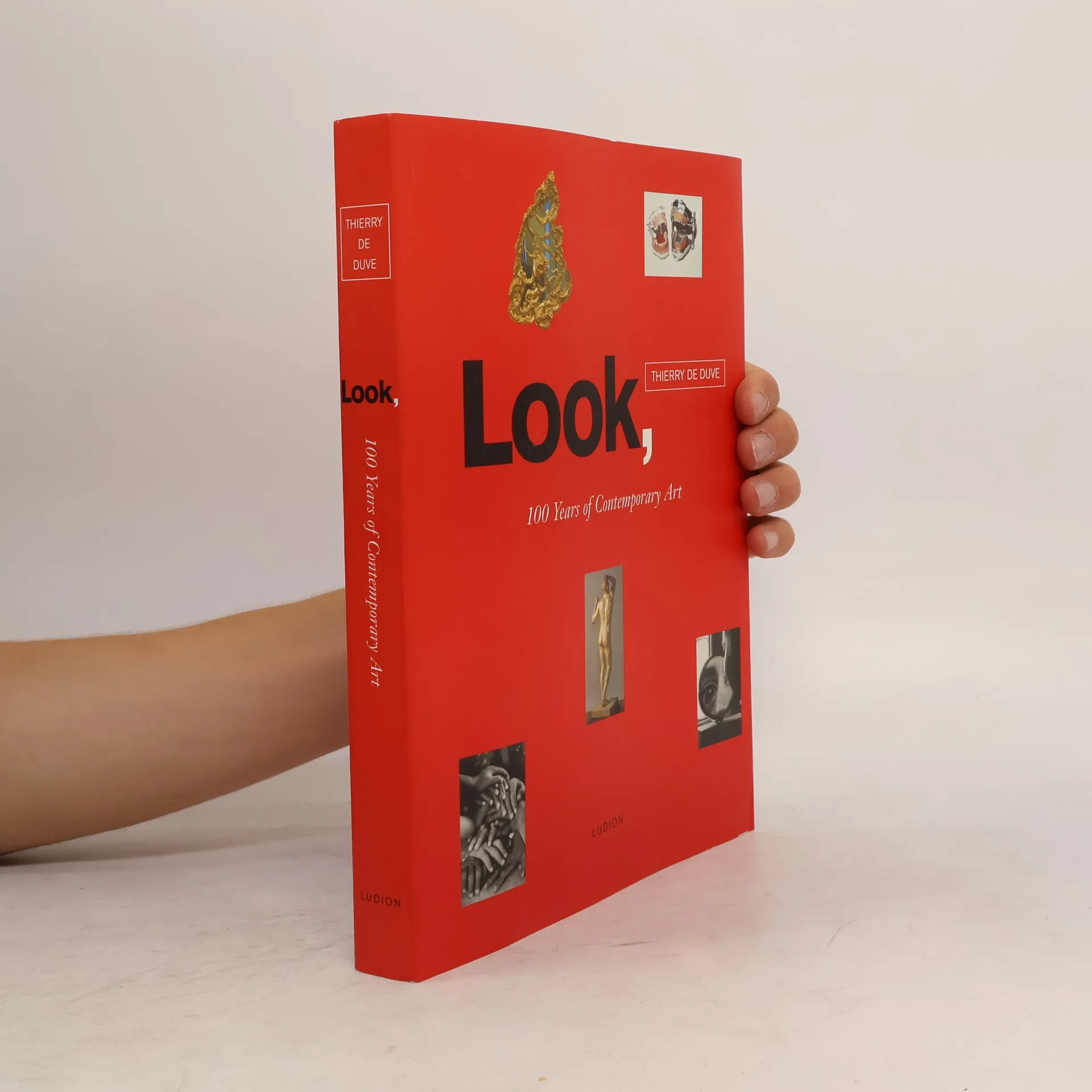
Look, 100 Years of Contemporary Art
- 318 pages
- 12 hours of reading


Thierry de Duve is a Belgian scholar of the history and theory of modern and contemporary art, dedicated to reinterpreting modernism. Much of his earlier work grapples with the challenges presented by Marcel Duchamp's readymades and their implications for aesthetics. De Duve outlines an aesthetic theory for our time, updating Kantian aesthetics by replacing the paradigm of "this is beautiful" with "this is art," and reassessing modernism while acknowledging its inherent failures. For him, art has no essence but is simply what we designate as such, with artistic creation reflecting a tragic endeavor to account for messianic desires about how life should be, while also informed by a postmodern weariness of modernism's naivety and inevitable shortcomings.
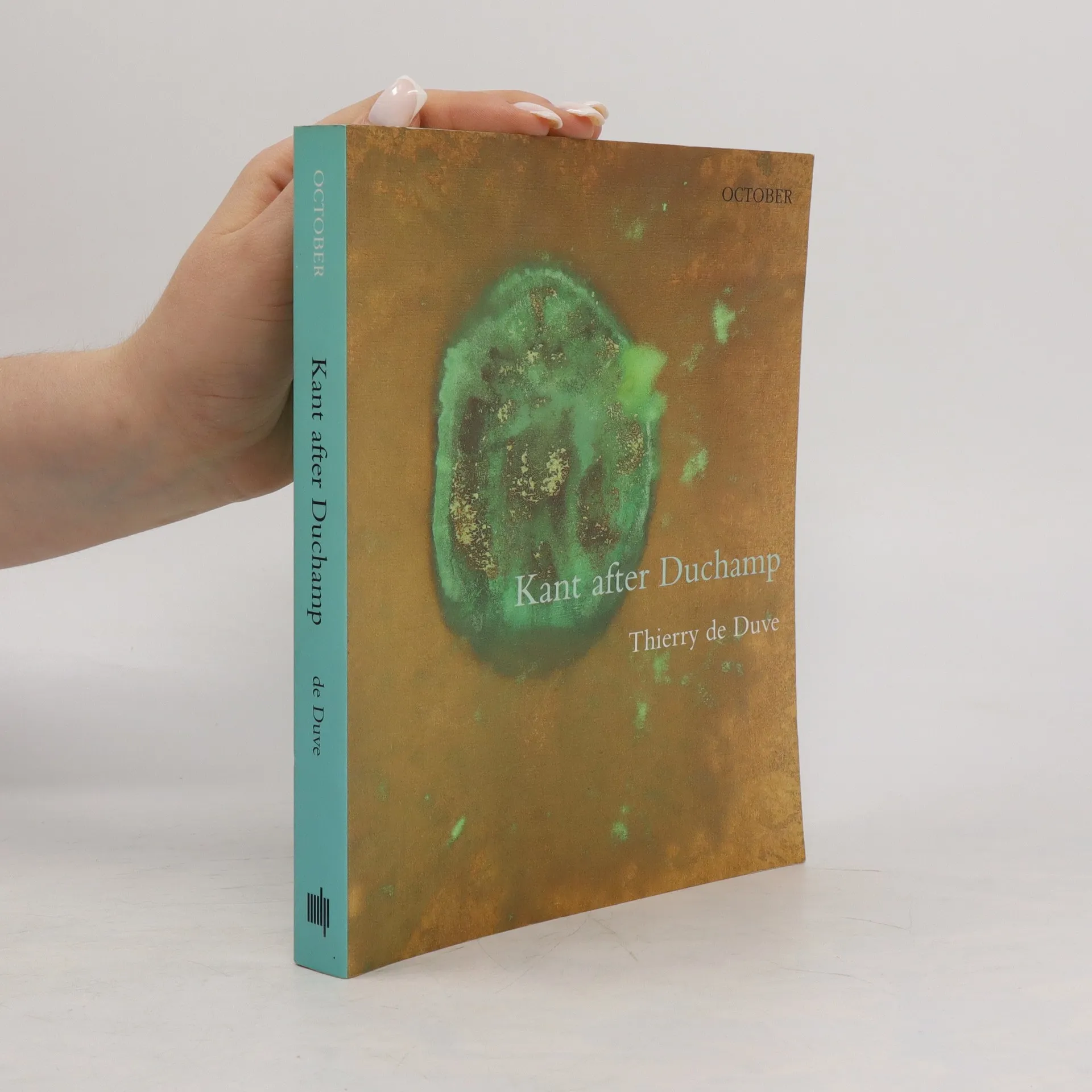
Kant after Duchamp brings together eight essays around a central thesis with many implications for the history of avant-gardes. Although Duchamp's ready mades broke with all previously known styles, de Duve observes that he made the logic of modernist art practice the subject matter of his work, a shift in aesthetic judgment that replaced the classical "this is beautiful" with "this is art." De Duve employs this shift (replacing the word "beauty" by the word "art") in a rereading of Kant's Critique of Judgment that reveals the hidden links between the radical experiments of Duchamp and the Dadaists and mainstream pictorial modernism.
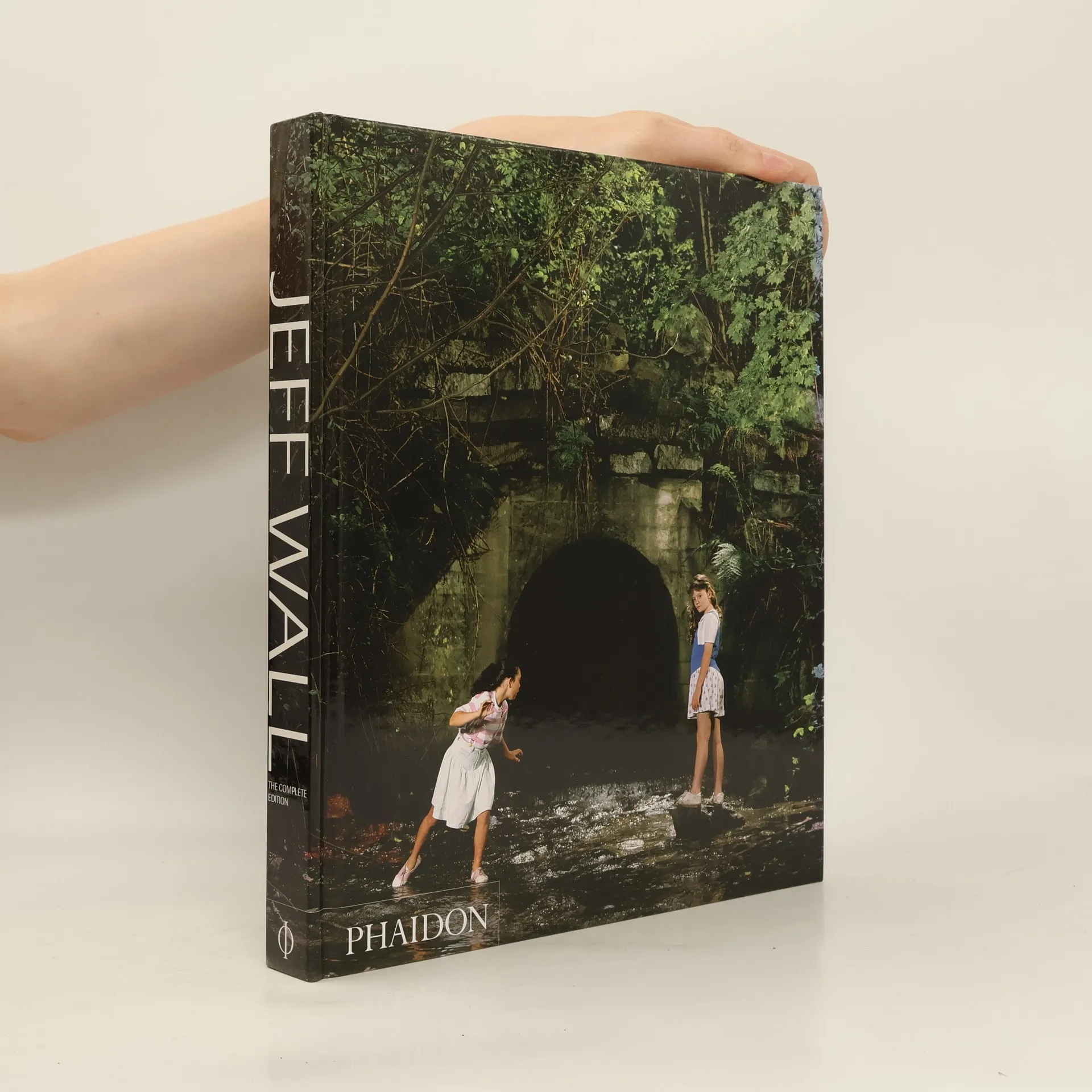
A complete overview of the pioneering artist who brought photography to contemporary art.
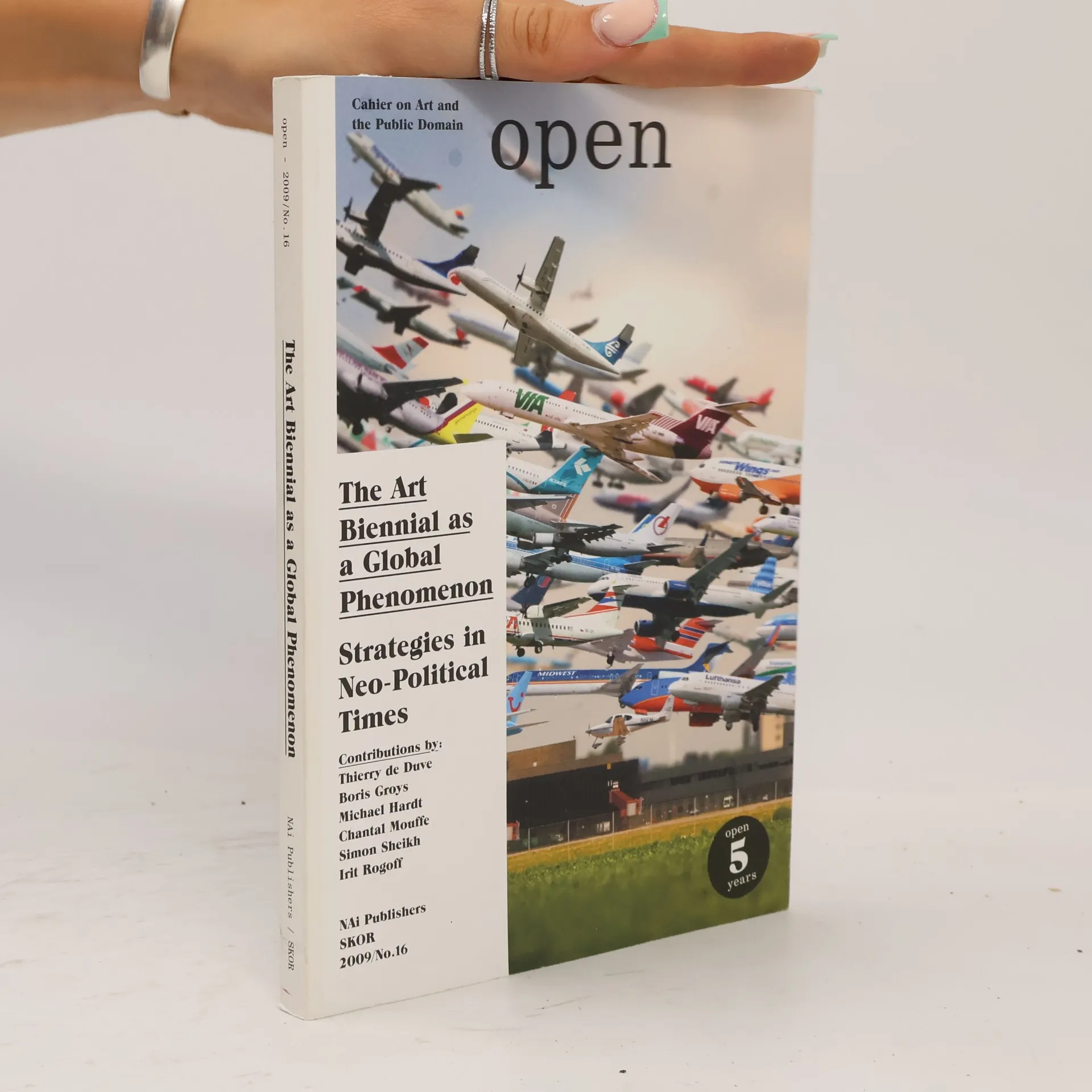
This year, Open celebrates its fifth anniversary with this extra edition, which addresses the role of the art biennial in city marketing. Open 16 is published concurrently with the first Brussels Biennial.
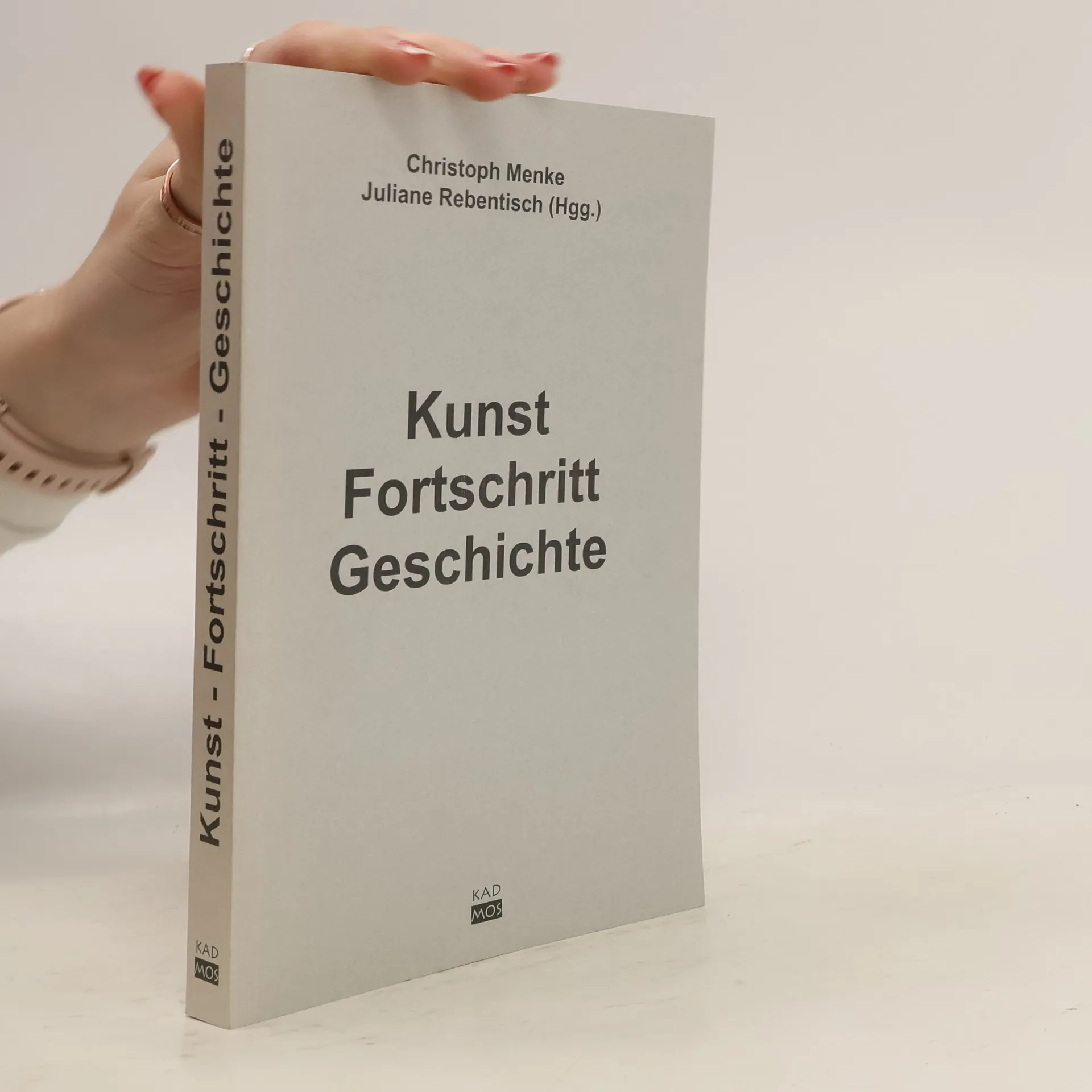
Spätestens 1970 hat die Kunst eine Schwelle erreicht, nach der alles möglich, alles erlaubt zu sein scheint. Durch diese Situation ist kunsttheoretisch insbesondere der Begriff des Fortschritts, und mit ihm: ein ganzes Geschichtsmodell, in die Krise geraten. Die erneuerte Rede vom "Ende der Kunst" zeugt davon ebenso wie die Ablösung der modernen Werkästhetik durch Theorien der ästhetischen Erfahrung. Während sich mithin in der philosophischen Ästhetik eine generelle Skepsis gegenüber der geschichtlichen Platzierung von Werken oder künstlerischen Strategien eingestellt hat, ist eben dies jedoch nach wie vor ein zentrales Anliegen der Kunstkritik. So ist die Feststellung von Neuem für sie ebenso elementar wie dessen normative Auszeichnung: Man kann eben doch nicht alles zu jeder Zeit machen. Und das hat nicht nur einen innerkünstlerischen, sondern immer auch einen gesellschaftlichen und politischen Sinn. Von daher stellt sich die Frage, auf welche Weise heute, mit Blick auf die Entgrenzungstendenzen in der Kunst der letzten vierzig Jahre, - doch oder immer noch - von künstlerischem Fortschritt gesprochen werden kann und welche Konsequenzen dies für den Begriff von Kunst hat. Die Beiträge des Bandes diskutieren diese Frage für Bildende Kunst, Film, Musik, Literatur und Theater.
Publikacja w języku angielskim prezentuje minimalistyczne prace na szkle izraelskiego artysty Nahuma Teveta, inspirowane dziełem Marcela Duchampa z 1917 roku. Duchamp, poprzez pisuar jako sztukę, otworzył drzwi do interpretacji, że wszystko może być sztuką, a każdy może być artystą. Tevet, wychowany w kibucu, wykorzystał proste materiały do stworzenia swoich szklanych prac. Rysunki oprawił w ramki z dostępnych surowców, umieszczając papier za szklaną taflą, przytrzymując go tekturą i metalowymi klipsami. Te ubogie środki stały się podstawą jego minimalistycznej serii. Prace, o umiarkowanych wymiarach, przypominają malarstwo sztalugowe, są zawieszone na ścianach jak obrazy lub rysunki za szkłem. Każda praca wykorzystuje standardowe klipsy do papieru, co tworzy system wieszania. Wszystkie wiszą na gwoździach, z użyciem sznurka łączącego klipsy, a artysta decyduje o długości sznurka oraz położeniu gwoździa. Publikacja zawiera teksty Thierrego de Duve analizujące twórczość Teveta, zapis rozmowy artysty z Sarah Watson oraz bogaty materiał ilustracyjny dokumentujący jego prace.