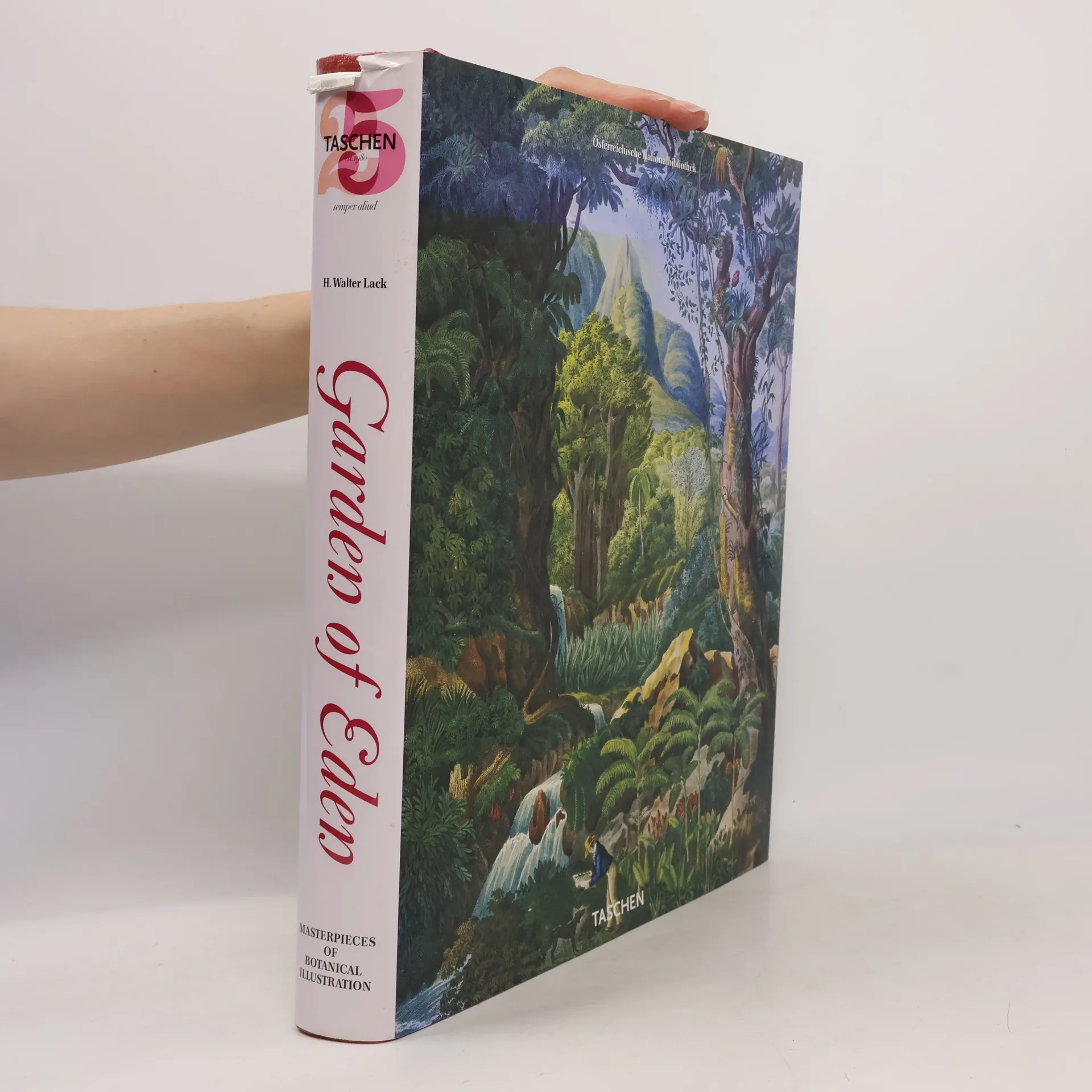
The long tradition of botanical illustration finds its tribute in this new book, whose publication coincides with the exhibition of botanical illustration at the National Library of Vienna. TASCHEN has chosen 100 works from the library's extensive archives to be reproduced in this masterpiece of botanical book illustration. Beginning with 6th-century Byzantine manuscripts, it traces the tradition right up through recent publications of the 20th century. With positively exquisite color reproductions, this is truly a divine book.
Hans Walter Lack Books
January 1, 1949

The Bauers - Joseph, Franz & Ferdinand
- 496 pages
- 18 hours of reading
Filled with stunning 18th- and 19th-century illustrations, this book brings together the life and art of the celebrated Bauer Brothers, renowned botanical artists. Joseph, Franz, and Ferdinand Bauer achieved individual success: Joseph served as court painter to the Prince of Lichtenstein, Franz worked at Kew Gardens as the "Botanick Painter to His Majesty," and Ferdinand created a seminal collection of 1,500 paintings based on his travels in Australia, providing a detailed account of the continent's natural history. Drawing on the Natural History Museum's holdings, the narrative unfolds chronologically, beginning with the brothers' formative years in Feldsberg, Austria, where they produced over two thousand drawings of plant specimens under the guidance of a local abbot. They mastered plant dissection and microscopy, gaining a reputation for their extraordinary precision. Their meticulous detail and exquisite coloring methods are showcased in superbly reproduced illustrations. This volume celebrates the Golden Age of botanical artistry through the lives and contributions of the Bauer brothers, highlighting their indelible impact on the field.
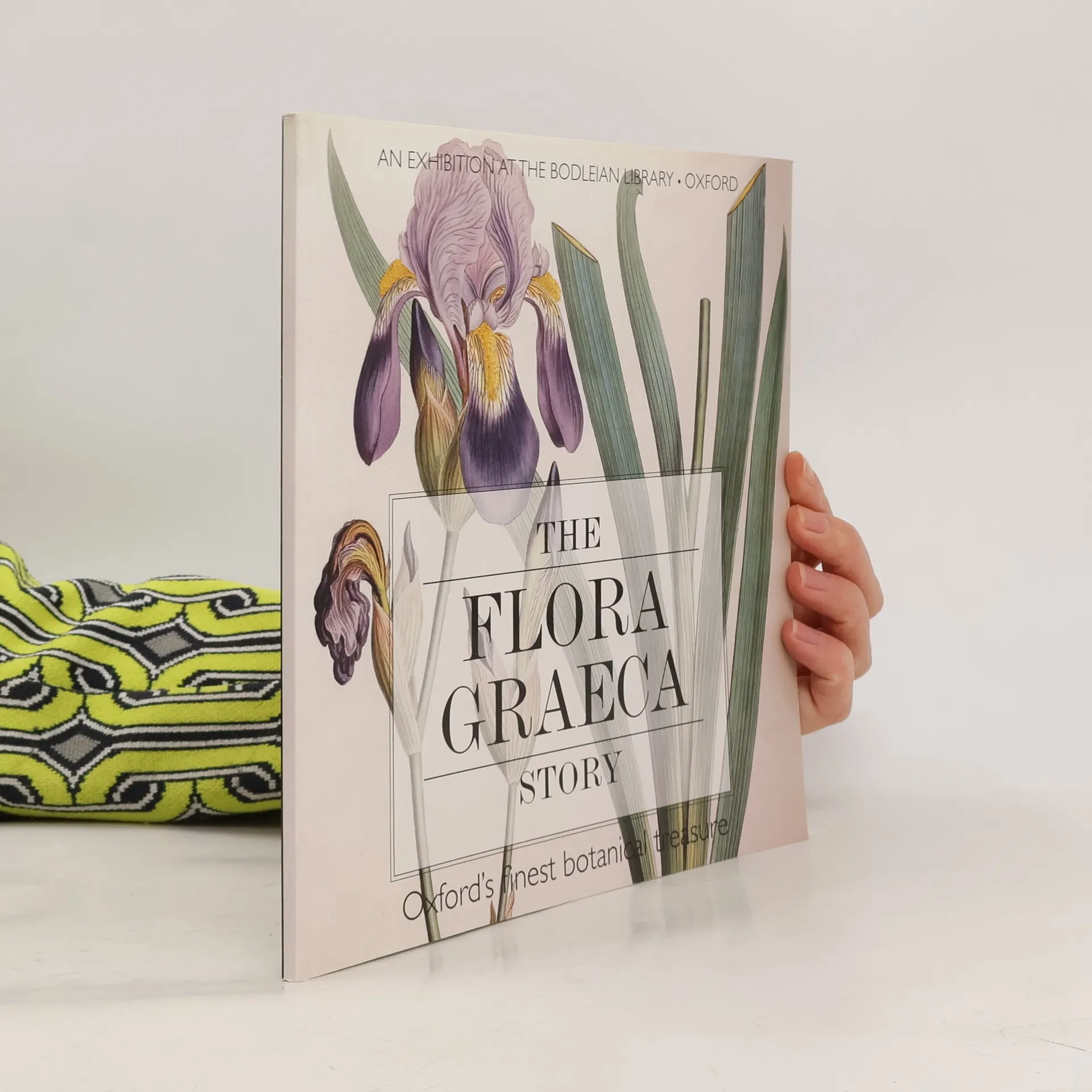
The Flora Graeca Story
Oxford's Finest Botanical Treasure - An Exhibition at the Bodleian Library Oxford
- 50 pages
- 2 hours of reading
Exhibition catalogue
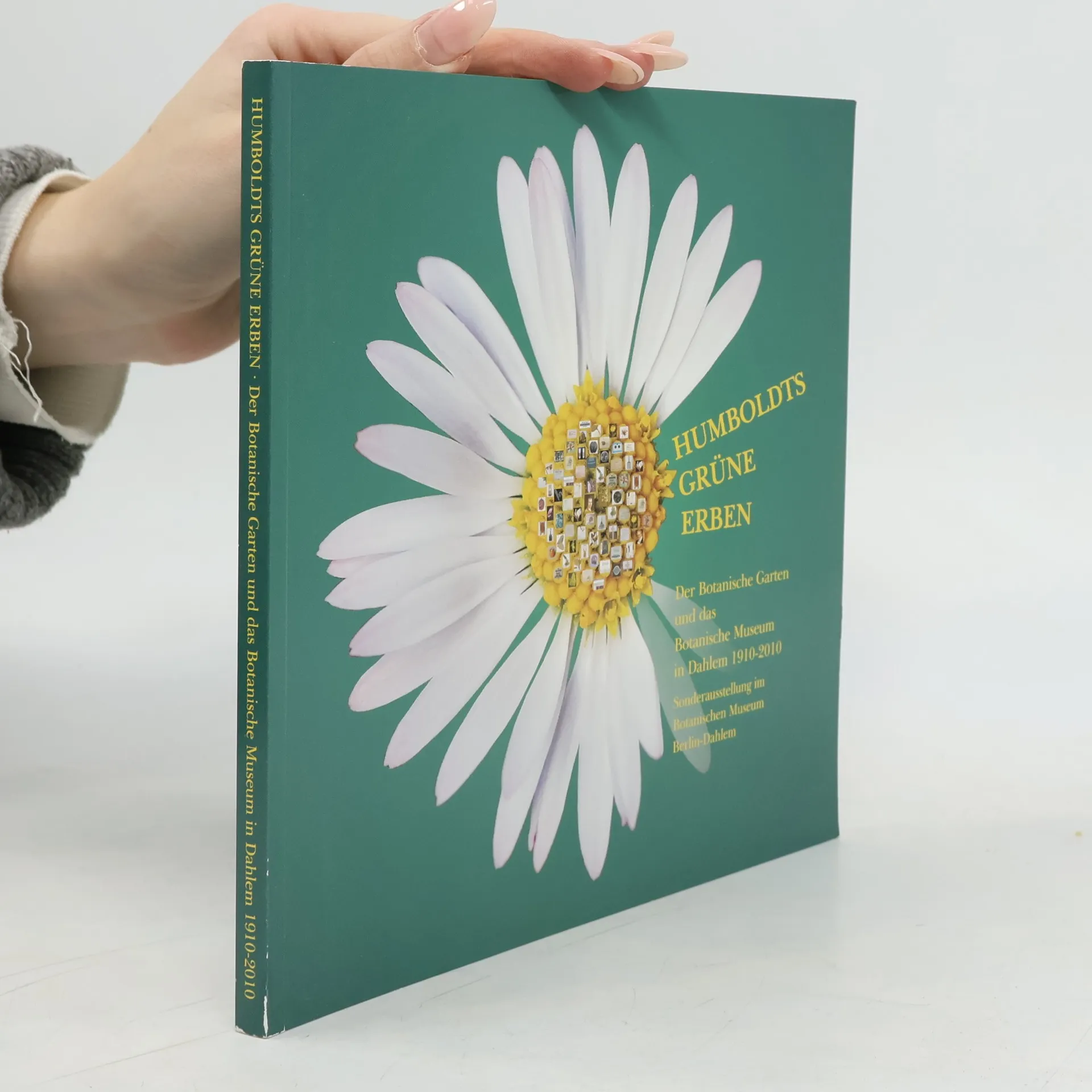
Humboldts grüne Erben
Der Botanische Garten und das Botanische Museum in Dahlem 1910–2010
- 150 pages
- 6 hours of reading
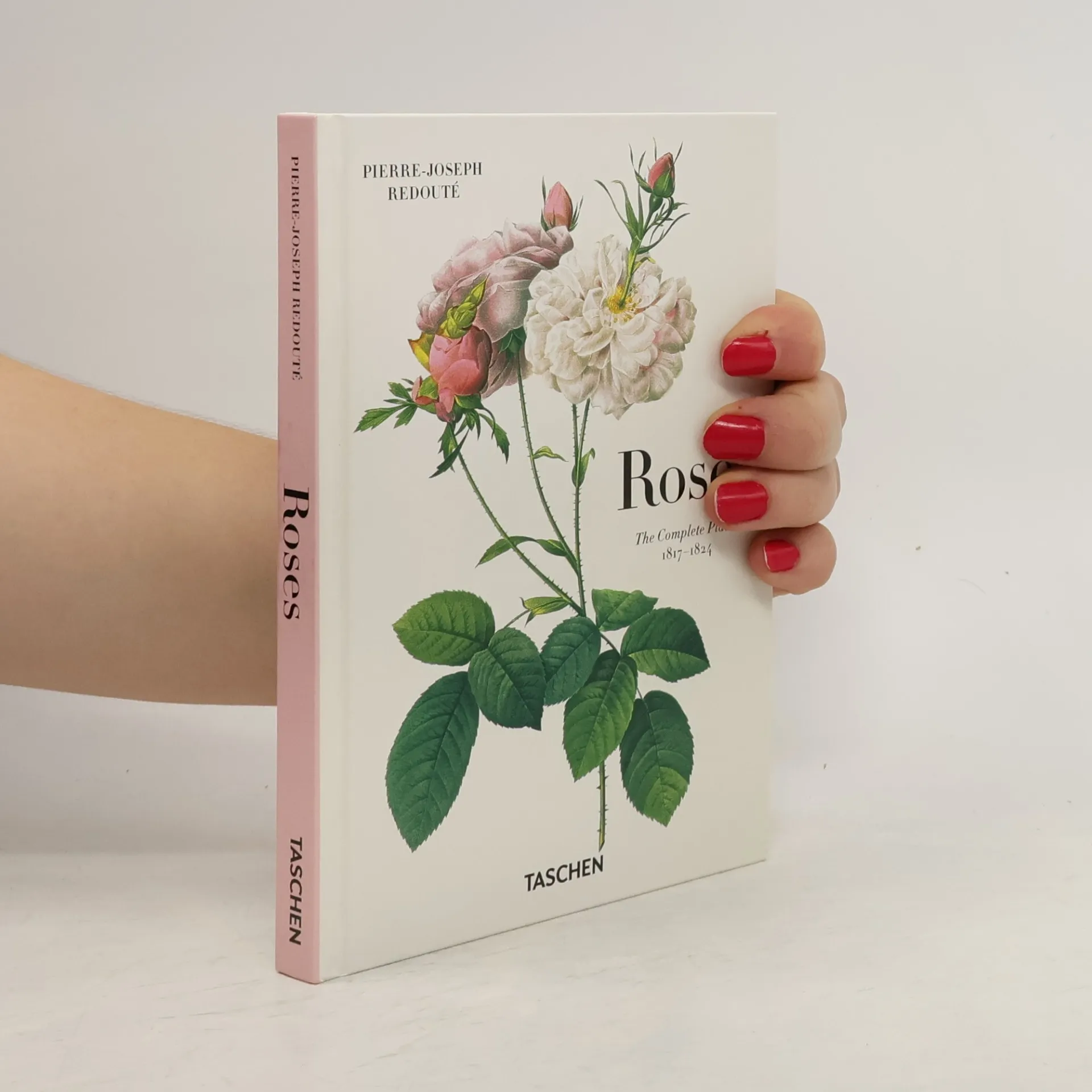
Redouté. Roses
- 192 pages
- 7 hours of reading
Die verehrte Tradition der botanischen Illustration reicht bis zur Renaissance zurück. Sie entstand aus dem Wunsch, die Natur in ihrer unberechenbaren Pracht zu katalogisieren, und der Prozess erforderte die präzisesten und talentiertesten Künstler. Mit bemerkenswerter Fähigkeit, die komplexesten Motive der Natur einzufangen, gilt Pierre-Joseph Redouté als der beste Maler und Graveur der botanischen Illustration. Das Arbeiten mit lebenden Pflanzen anstelle von Herbariumsproben verlieh seinen Aquarellen eine ungewöhnliche Subtilität und Frische. Er war auch ein Innovator in Drucktechniken und führte die „Stichätzung“ in Frankreich ein, stets bestrebt, eine größere Genauigkeit in seiner Kunst zu erreichen. Redouté erwarb zufällig einige der einflussreichsten Mäzene seiner Zeit, darunter Marie Antoinette und Kaiserin Josephine Bonaparte, was sicherstellte, dass seine Arbeiten gut finanziert und ausgestellt wurden. Seine beeindruckende Sammlung umfasst über 2.000 Gemälde von Pflanzen, die mit großer Genauigkeit und strikter Treue zur Natur dargestellt sind. In dieser exquisiten Ausgabe von Les Roses richtet Redouté seine Aufmerksamkeit auf die romantischste, begehrenswerteste und eindrucksvollste Blume. Ursprünglich zwischen 1817 und 1824 in drei Bänden veröffentlicht, bleibt es sein bekanntestes und gefeiertes Werk.
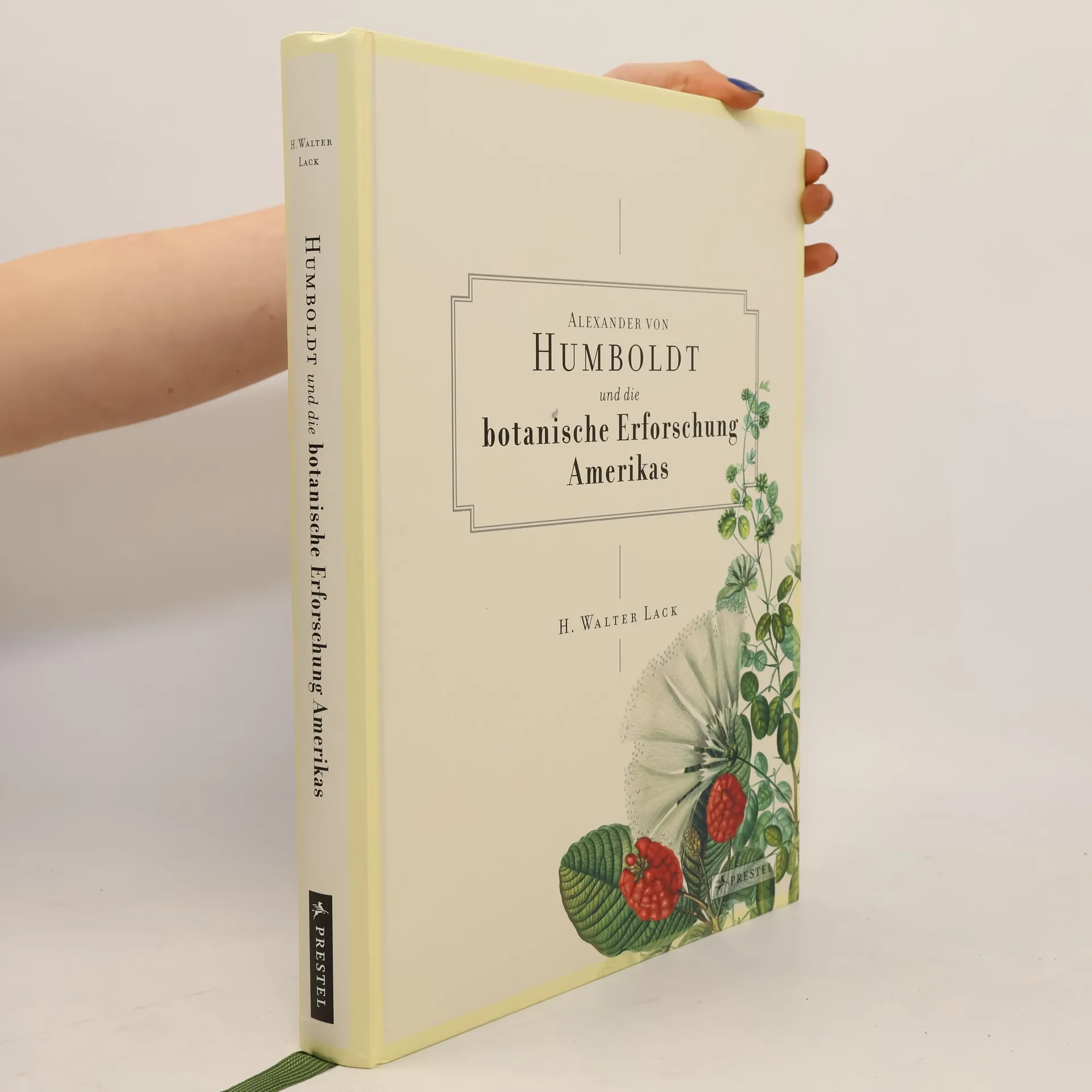
Alexander von Humboldt und die botanische Erforschung Amerikas
- 278 pages
- 10 hours of reading
Humboldts Pflanzenschatz aus den Tropen Amerikas Zum Humboldt-Jahr 2009 erscheint ein opulenter Band mit bisher nie gezeigten Pflanzenbildern seiner großen Amerikaexpedition. Humboldt sammelte im Dschungel Südamerikas mehr als 60.000 Pflanzen, von denen rund 6.300 bis dahin in Europa unbekannt waren. Ihre künstlerische Darstellung vertraute er den besten Malern, Zeichnern und Kupferstechern seiner Zeit an, die unübertroffen die Vielfalt und Schönheit der Pflanzen abbildeten. 1799 bricht Alexander von Humboldt zusammen mit dem französischen Botaniker und Arzt Aimé Bonpland zu seiner ersten großen Expedition nach Amerika auf. er ist der erste Europäer, der nicht als Eroberer nach Südamerika kommt, sondern aus rein wissenschaftlichen gründen. Als er nach fünf Jahren gesund und munter zurückkehrt, ist die Überraschung groß, denn seiner Rückkehr eilte das Gerücht voraus, er sei am gelben Fieber auf Kuba gestorben. seinen unbändigen Enthusiasmus und die abenteuerlichen Umstände, unter denen Humboldt die Pflanzen sammelte, hält er in seinen Reisenotizen fest, die sich noch heute wie Passagen aus einem Abenteuerroman lesen. Dieser Band vereint die brillantesten Pflanzenillustrationen von Humboldts Sammlung, ausgewählt und kommentiert von dem international renommierten Botaniker Prof. H. Walter Lack.
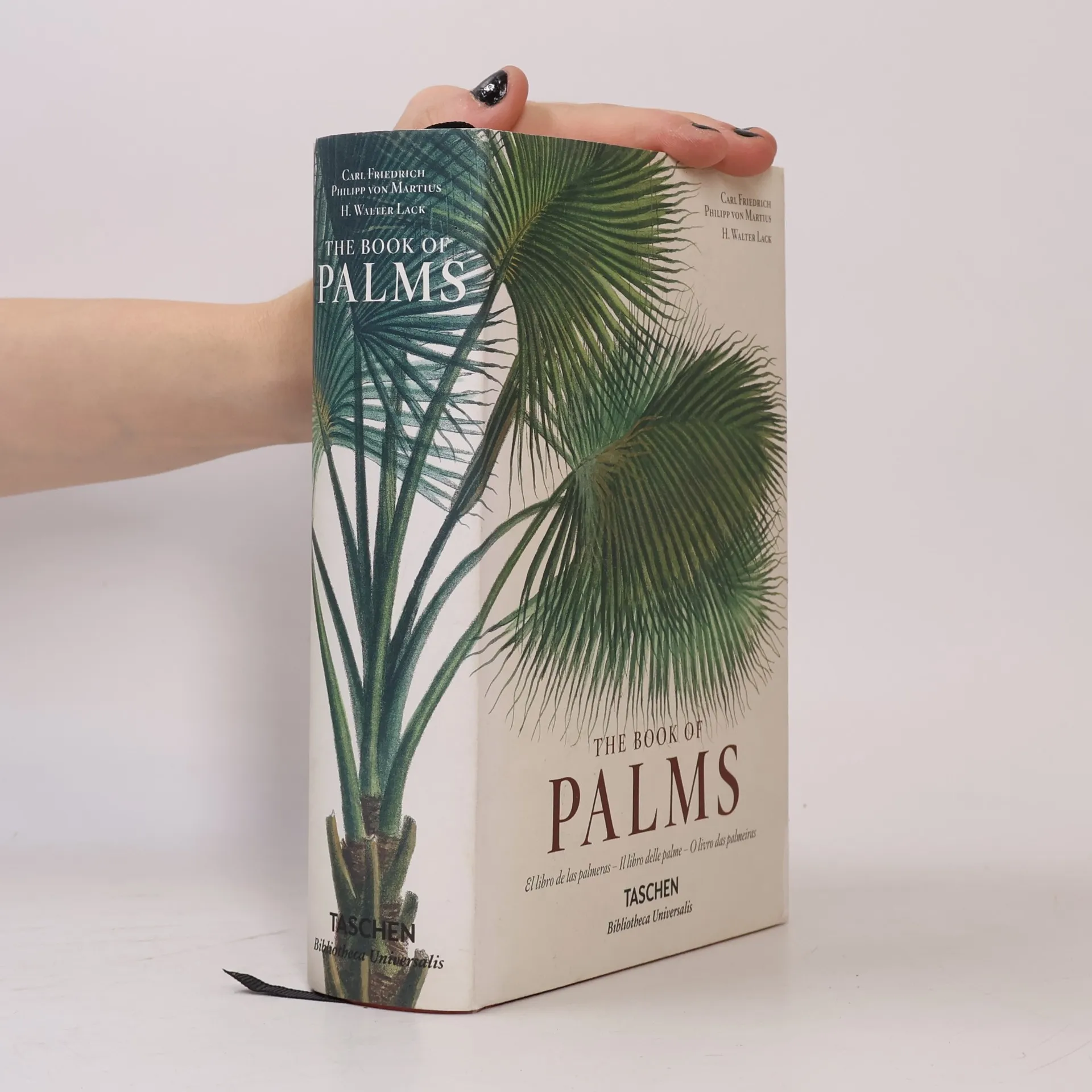
Martius. The Book of Palms
- 512 pages
- 18 hours of reading
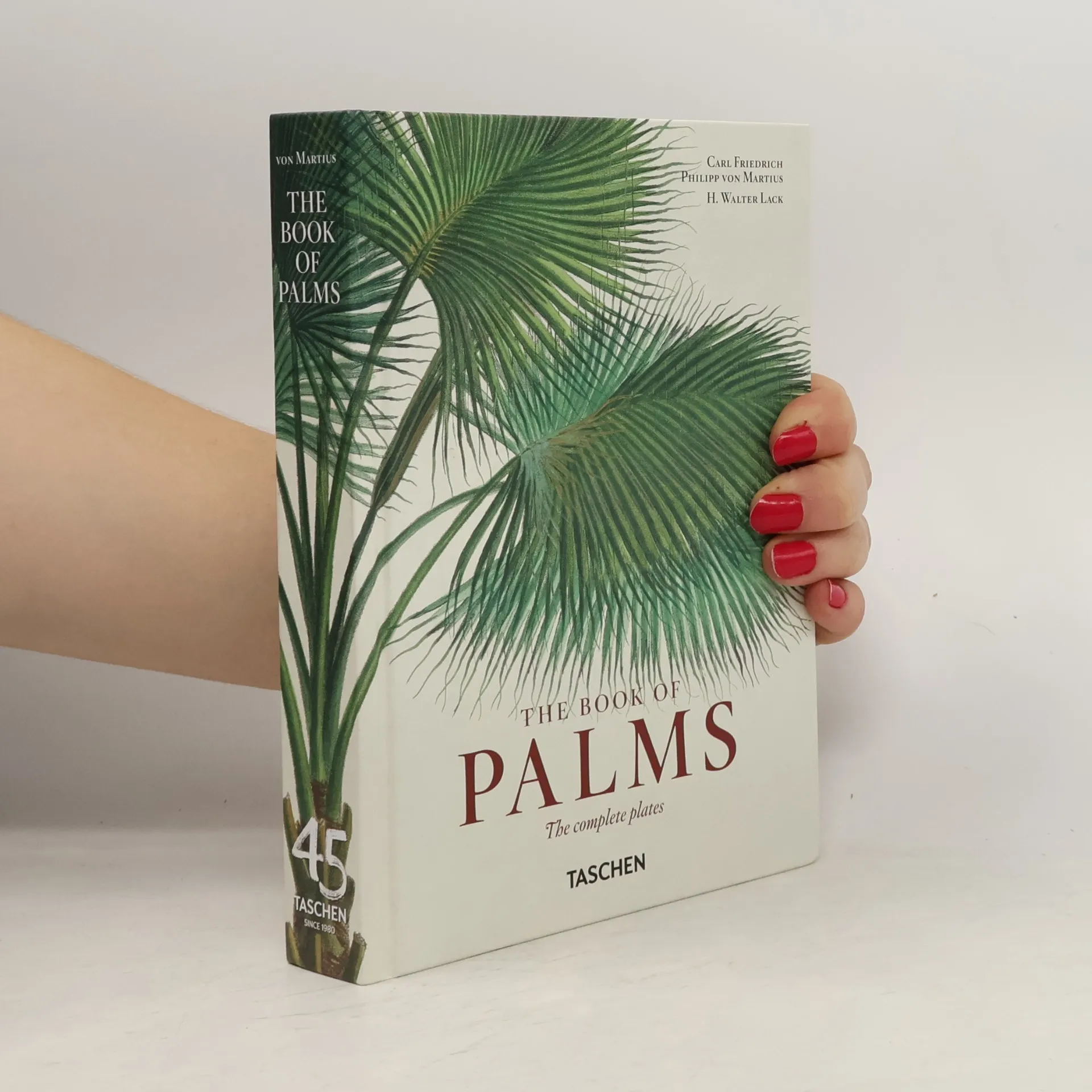
Incredible illustrations of tropical palm trees On December 15, 1868, Carl Friedrich Philipp von Martius (1794–1868), Professor of Botany at the University of Munich and director of the Royal Botanic Garden, was carried to his grave in a coffin covered with fresh palm leaves. The fronds were a reference to his groundbreaking Natural History of Palms: a work in three volumes, published between 1823 and 1853. This encyclopedic treasury of 240 exquisite chromolithographic illustrations was based on von Martius’s expeditions through Brazil and Peru. From 1817 to 1820, he traveled over 2,250 km (1,400 miles) through the Amazon basin to investigate natural history and native tribes with zoologist Johann Baptist von Spix. The result was an unrivaled catalogue of all known genera of the palm family, outlining the modern classification of palms, describing all the palms of Brazil, and producing the first maps of palm biogeography. Von Martius’s folio is unusual in its inclusion of cross-sectioned diagrams, conveying the architecture of these mighty trees, which central Europeans would have found hard to imagine accurately. Equally remarkable are the color landscapes showing various palms—often standing alone in simple and elegant beauty.
100 [Hundert] botanische Juwelen
- 216 pages
- 8 hours of reading
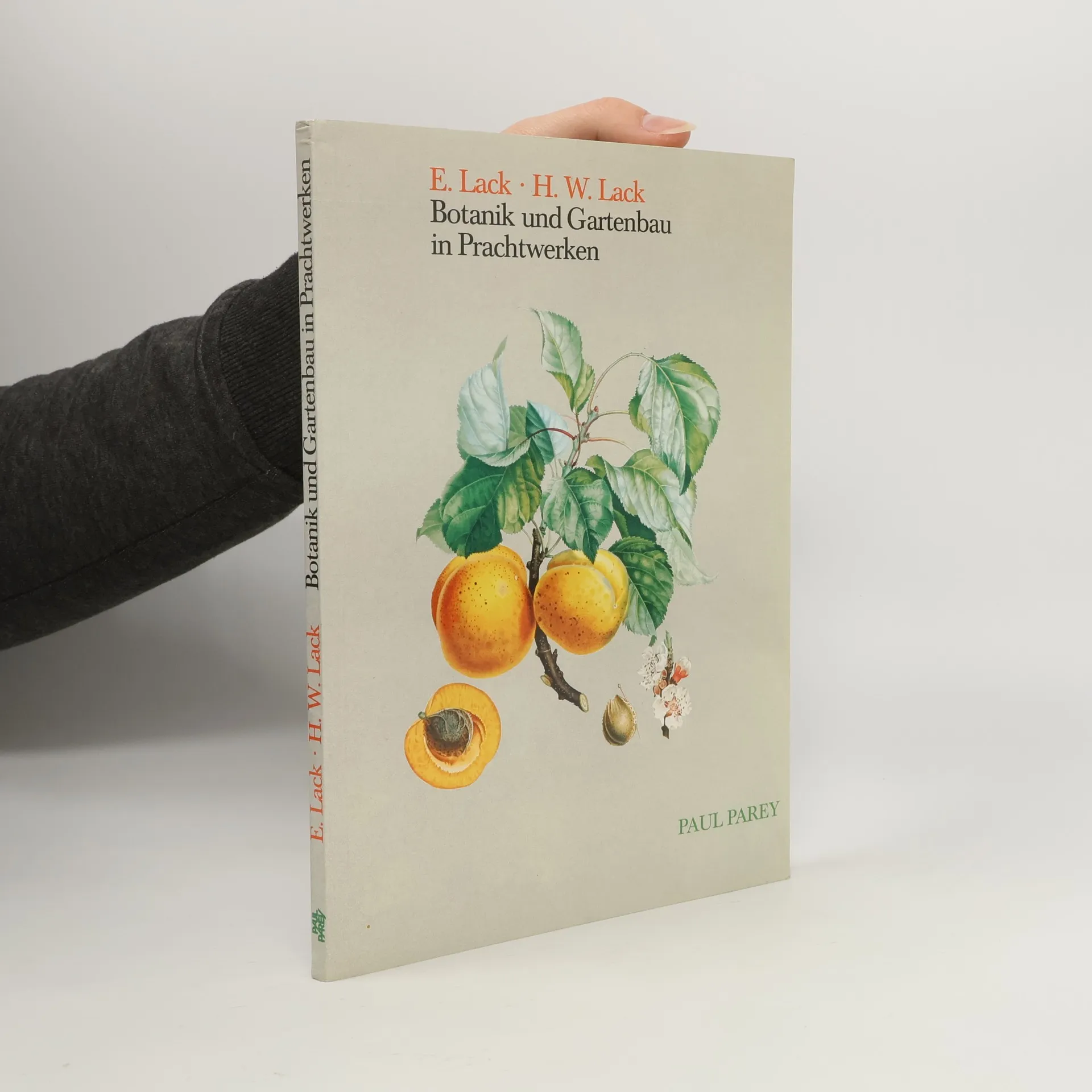
Botanik und Gartenbau in Prachtwerken
- 129 pages
- 5 hours of reading
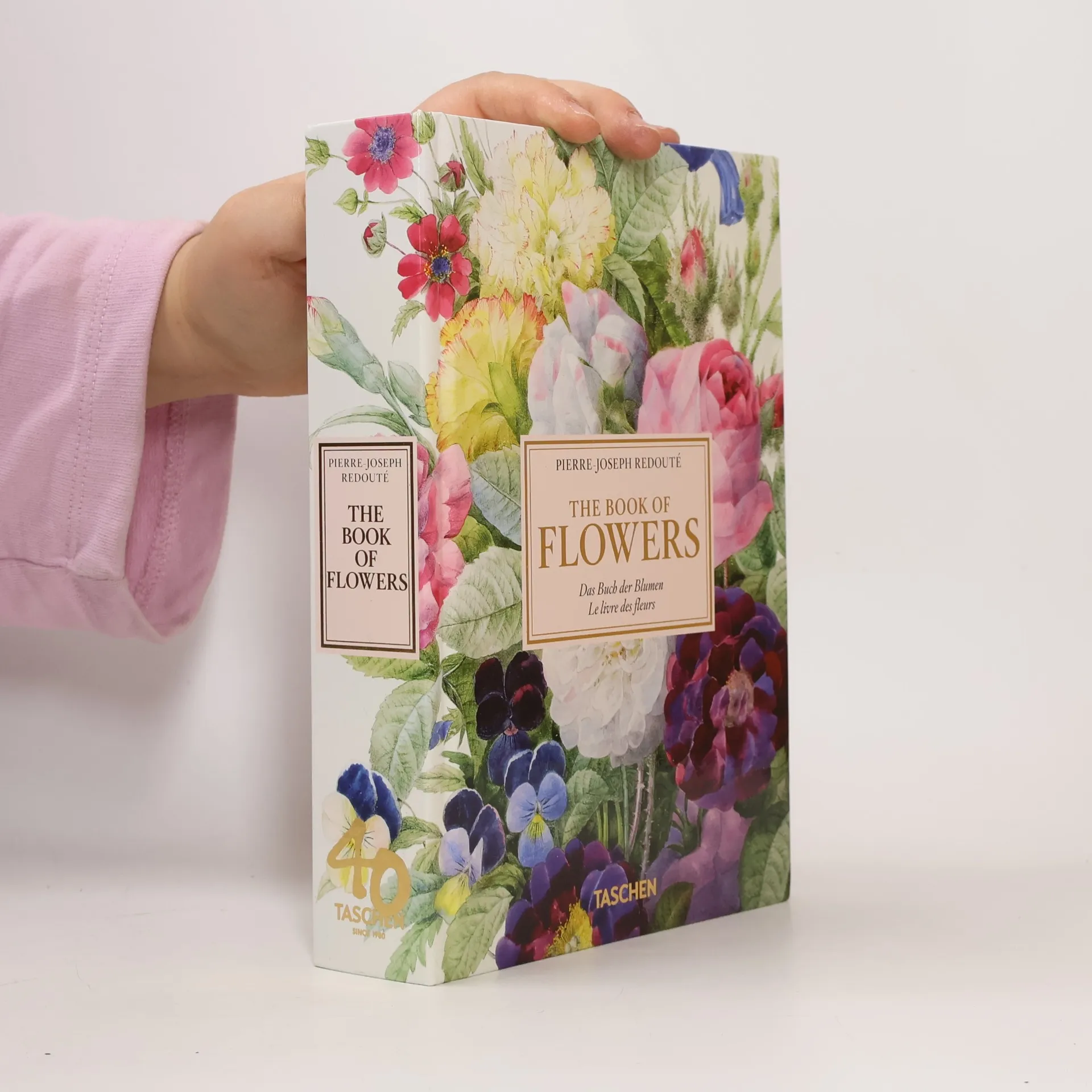
The Book of Flowers
- 512 pages
- 18 hours of reading
Der im Herzogtum Luxemburg im damaligen Belgien geborene französische Blumenmaler Pierre-Joseph Redouté (1759–1840) widmete sich ausschließlich der Darstellung der Vielfalt von Blütenpflanzen in Aquarellen, die mit sorgfältigen botanischen Beschreibungen als Kupferstiche veröffentlicht wurden. Der Liebling wohlhabender Pariser Mäzene – darunter Napoleons Joséphine – wurde auch der „Raffael der Blumen“ genannt und gilt bis zum heutigen Tag als Meister der botanischen Illustration. Diese Sammlung bringt unsere erfolgreiche XL-Ausgabe auf ein handlicheres Format und vereint einige der schönsten Farbstiche aus Redoutés Illustrationen zu Les Roses (Die Rosen) und Choix des plus belles fleures et de quelques branches des plus beaux fruits (Auswahl der schönsten Blumen und Zweige einiger der schönsten Früchte), ergänzt um die schönsten Tafeln aus Les Liliacées (Die Lilien). Damit bietet er einen eindrucksvollen Überblick über Redoutés einmalige Begabung, Genauigkeit mit Schönheit zu paaren, sowie Einblicke in die prachtvollen Treibhäuser und Gärten eines längst vergangenen Paris.
Bibliotheca Universalis: Martius. El libro de las palmeras
- 568 pages
- 20 hours of reading
On December 15, 1868, Carl Friedrich Philipp von Martius (1794–1868), Professor of Botany at the University of Munich and director of the Royal Botanic Garden, was carried to his grave in a coffin covered with fresh palm leaves. The fronds were a reference to his groundbreaking Natural History of a work in three volumes, published between 1823 and 1853. This encyclopedic treasury of 240 exquisite chromolithographic illustrations was based on von Martius’s expeditions through Brazil and Peru. From 1817 to 1820, he traveled over 2,250 km (1,400 miles) through the Amazon basin to investigate natural history and native tribes with zoologist Johann Baptist von Spix. The result was an unrivaled catalogue of all known genera of the palm family, outlining the modern classification of palms, describing all the palms of Brazil, and producing the first maps of palm biogeography. Von Martius’s folio is unusual in its inclusion of cross-sectioned diagrams, conveying the architecture of these mighty trees, which central Europeans would have found hard to imagine accurately. Equally remarkable are the color landscapes showing various palms―often standing alone in simple and elegant beauty.
![100 [Hundert] botanische Juwelen](https://rezised-images.knhbt.cz/1920x1920/46395713.webp)