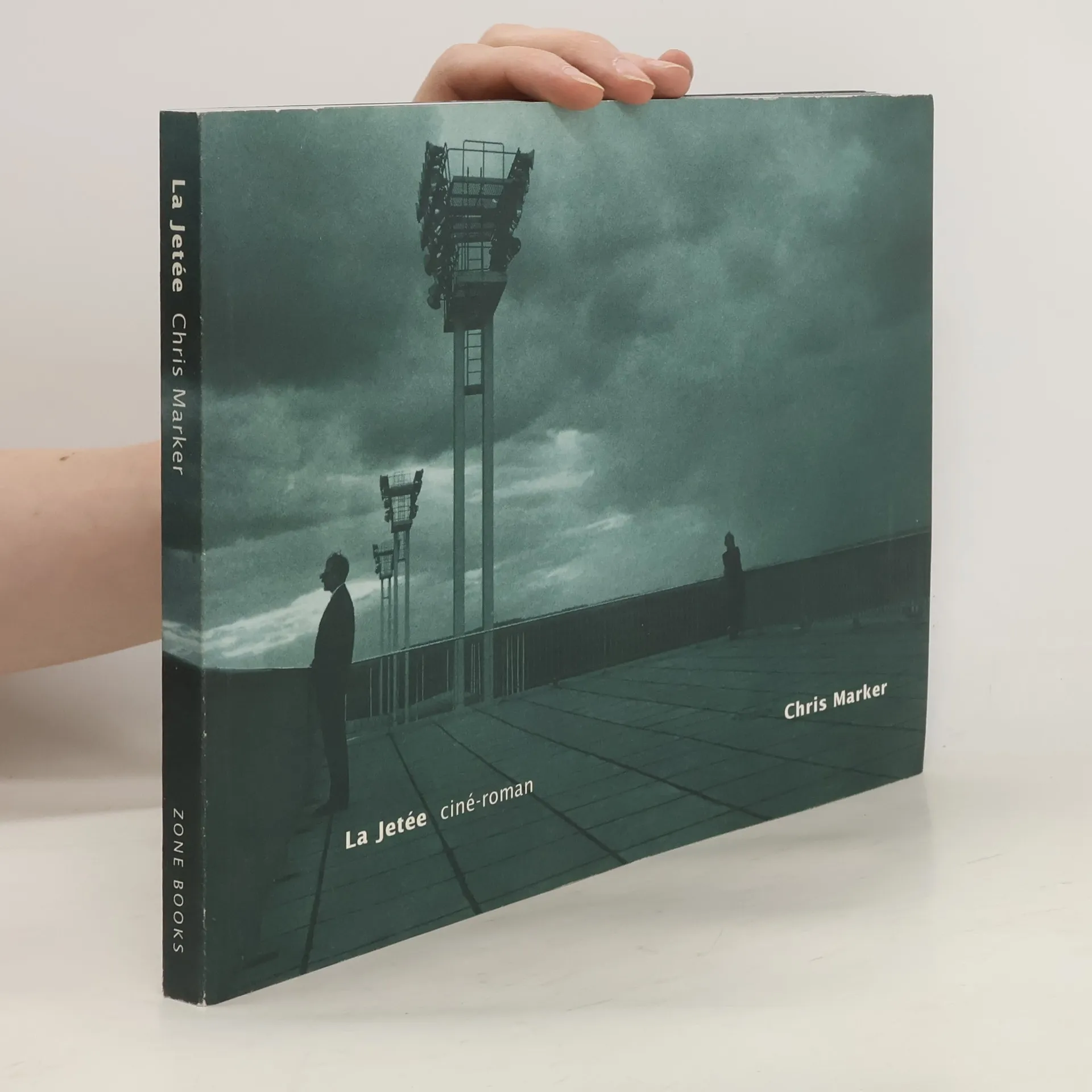
"La Jetee", the science-fiction film about time and memory after a nuclear apocalypse, was released in 1964. Chris Marker composed this story almost entirely of black-and-white stills photographs. This edition reproduces the film's original images along with the script in both English and French.
Chris Marker Books
July 29, 1921 – July 29, 2012
Chris Marker was a French artist renowned for his photography, films, and multimedia works. His creations delved into profound explorations of memory, time, and identity. Marker's artistic output frequently blended visual storytelling with philosophical inquiry, leaving a lasting legacy in documentary filmmaking and art.



Staring Back
- 165 pages
- 6 hours of reading
The book features 200 black-and-white photographs from Chris Marker's extensive personal archives, spanning from 1952 to 2006. It showcases images related to his renowned films, portraits of iconic figures, and candid shots of everyday people encountered during his travels. A significant section documents political protests, including the 1967 Pentagon march and the 2006 demonstrations in France. Accompanying the photographs are unpublished texts and annotations by Marker, along with essays by curator Bill Horrigan and art historian Molly Nesbit, enriching the visual experience.
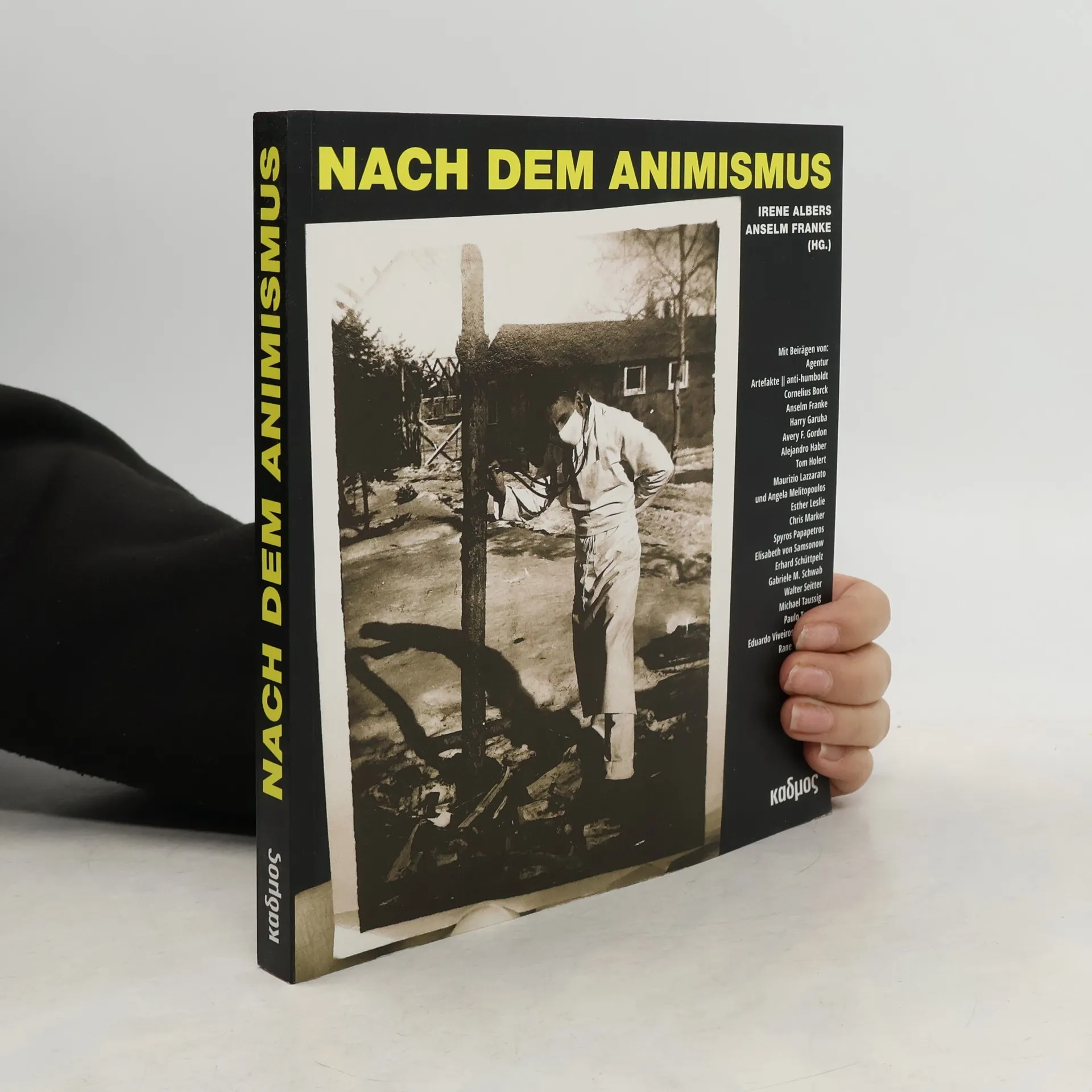
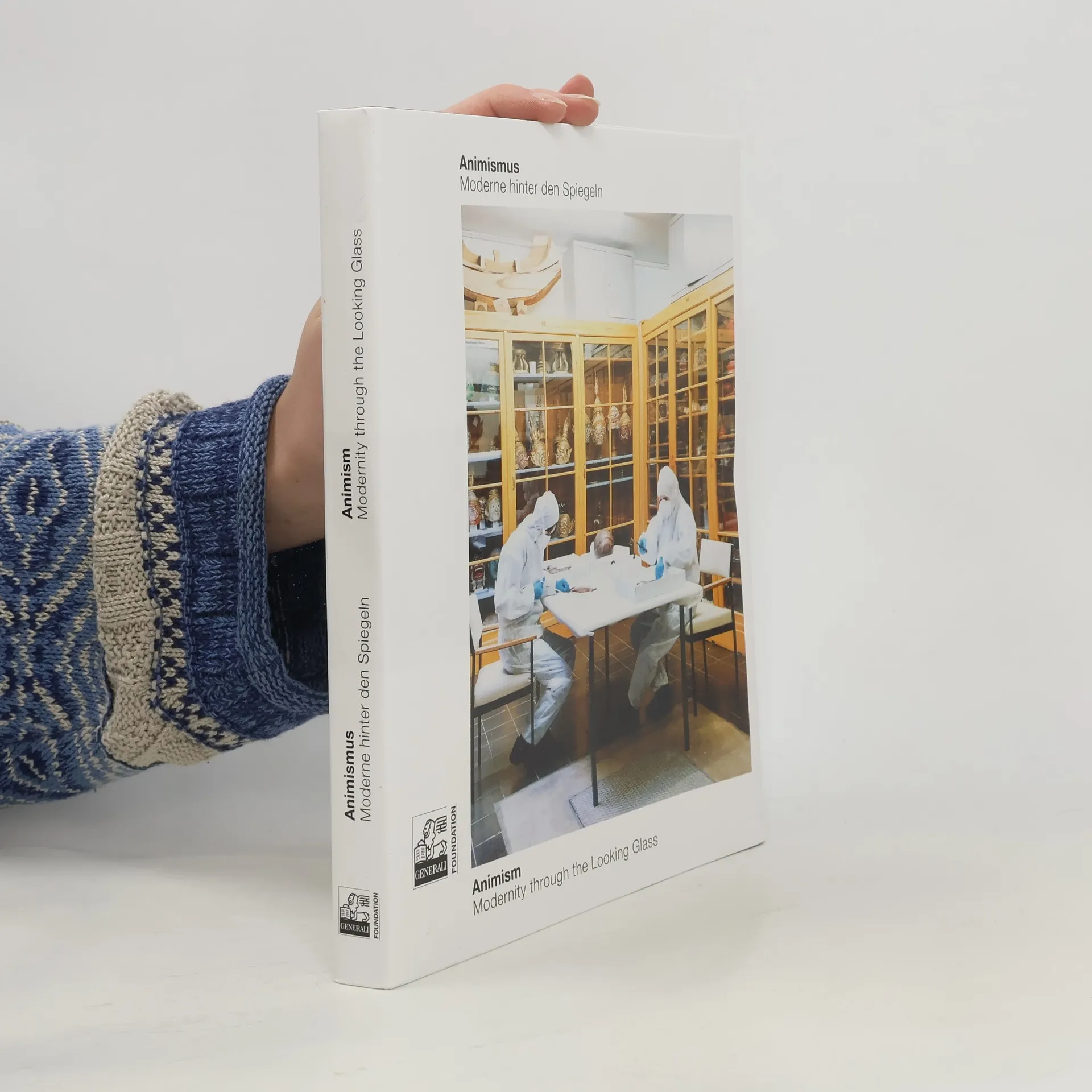
This volume takes its cue from the ethnological concept of animism, a term for religions that view objects as having souls of their own. Animism emerged as an anthropological category in the nineteenth century, often occurring as a folk belief underlying more established religions, particularly in Africa and Southeast Asia. The term has proved also influential in psychoanalysis, where it denotes mental states in which no division is made between inner and outer realities. This volume brings together artworks, documents and artifacts to create an essayistic appraisal of works by such artists and filmmakers as Didier Demorcy, Walt Disney, Jimmie Durham, Eric Duvivier, Henri Michaux, Thomas Alva Edison, Candida Hofer, Luis Jacob, Ken Jacobs, Yayoi Kusama, Len Lye, Chris Marker, Alain Resnais, Daria Martin, Ana Mendieta, Hans Richter and others.
Nach dem Animismus
- 256 pages
- 9 hours of reading
'Animismus' bezeichnet Praktiken und Ontologien, die die Natur und Objekte nicht objektiv, sondern subjektiv wahrnehmen und behandeln. Edward B. Tylor, der den Begriff prägte, sah Animisten als unfähig an, zwischen belebter und unbelebter Materie zu unterscheiden, was zu kolonialistischen Überlegenheitsvorstellungen führte. Der Begriff bezieht sich nicht auf eine Wiederbelebung, sondern auf eine notwendige Revision, die durch ethnologische Beiträge verdeutlicht wird, darunter ein Text des brasilianischen Ethnologen Eduardo Viveiros de Castro, der eine Welt mit vielfältigen subjektiven Positionen entwirft. Animismus wird als relationale Epistemologie oder Ontologie verstanden, die die Differenz von Natur und Kultur provoziert und nicht-menschlichen Akteuren Handlungsmacht verleiht. Paulo Tavares diskutiert, wie die Natur zum Rechtssubjekt werden kann, während das 'animistische Imaginäre' innerhalb der westlichen Moderne thematisiert wird. Bruno Latour hinterfragt, wie die Moderne Materie für tot erklärt und gleichzeitig den Animismus zum Schweigen bringt. Die Beiträge des Bandes nutzen das Animismus-Konzept als analytisches Werkzeug, um ethnographische Perspektiven auf Wissenschaft, Wirtschaft, Kunst und Philosophie zu reflektieren. Der Band versammelt wissenschaftliche und künstlerische Beiträge aus der Konferenz und Ausstellung 'Animismus' im Haus der Kulturen der Welt.
Taschenbuch für den Maschinenbau 1-2
- 2 volumes