Epistemological Explorations, Orientation, and Mapping in Medieval Literature
324 pages
12 hours of reading
A comparative study of medieval literature reveals shared fundamental ideas and concepts across the period. The concept of the trial serves as a crucial epistemological tool for protagonists, offering insights into the values and ideals prevalent in medieval society. This exploration deepens our understanding of the cultural and intellectual landscape of the time.
Exploring the influence of secret agents and beings in medieval literature, this book delves into how poets incorporated the concept of the "secret" into their works. It highlights the ways in which these hidden elements shaped human experiences and narratives, revealing a rich tapestry of alternative dimensions that permeate medieval texts.
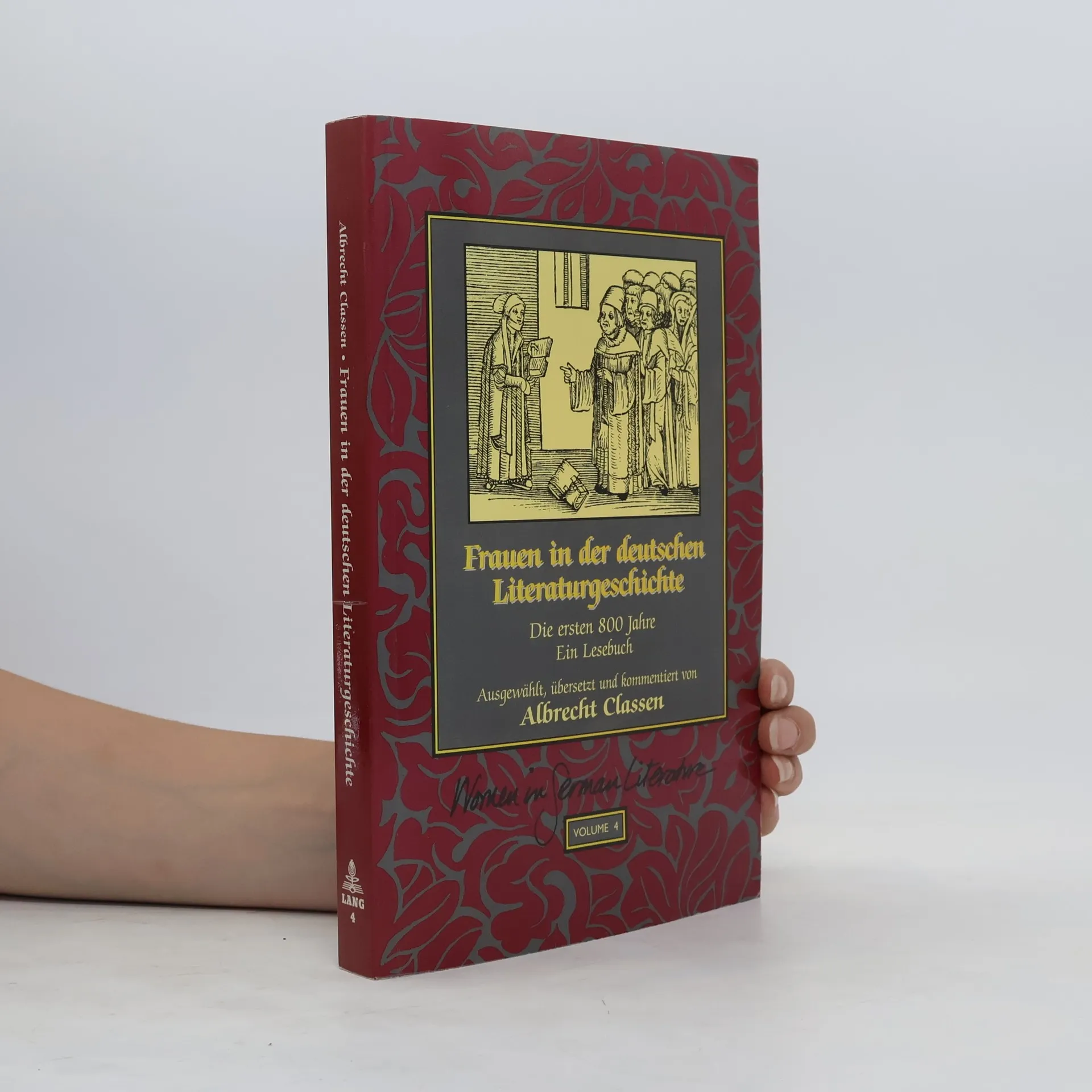
Frauenstimmen und Frauentexte der mittelalterlichen und frühneuzeitlichen deutschen Literaturgeschichte sind hier zum erstenmal teils in Übersetzung, teils in vorsichtiger Anpassung an das Neuhochdeutsche in einem akademischen Lesebuch vereinigt. Viele der Texte sind bis heute noch nicht ediert worden und stellen Neufunde dar. Die Zahl von Frauendichtungen des Mittelalters, der Reformationszeit und des Barocks erweist sich als überraschend groß. Für jede Dichterin bzw. Textgruppe gibt es eine auf dem neuesten Forschungsstand beruhende biographisch-interpretative Einführung. Leitfragen schlagen dem Leser Richtungen vor, nach welchen Kriterien die Texte zu analysieren sind.
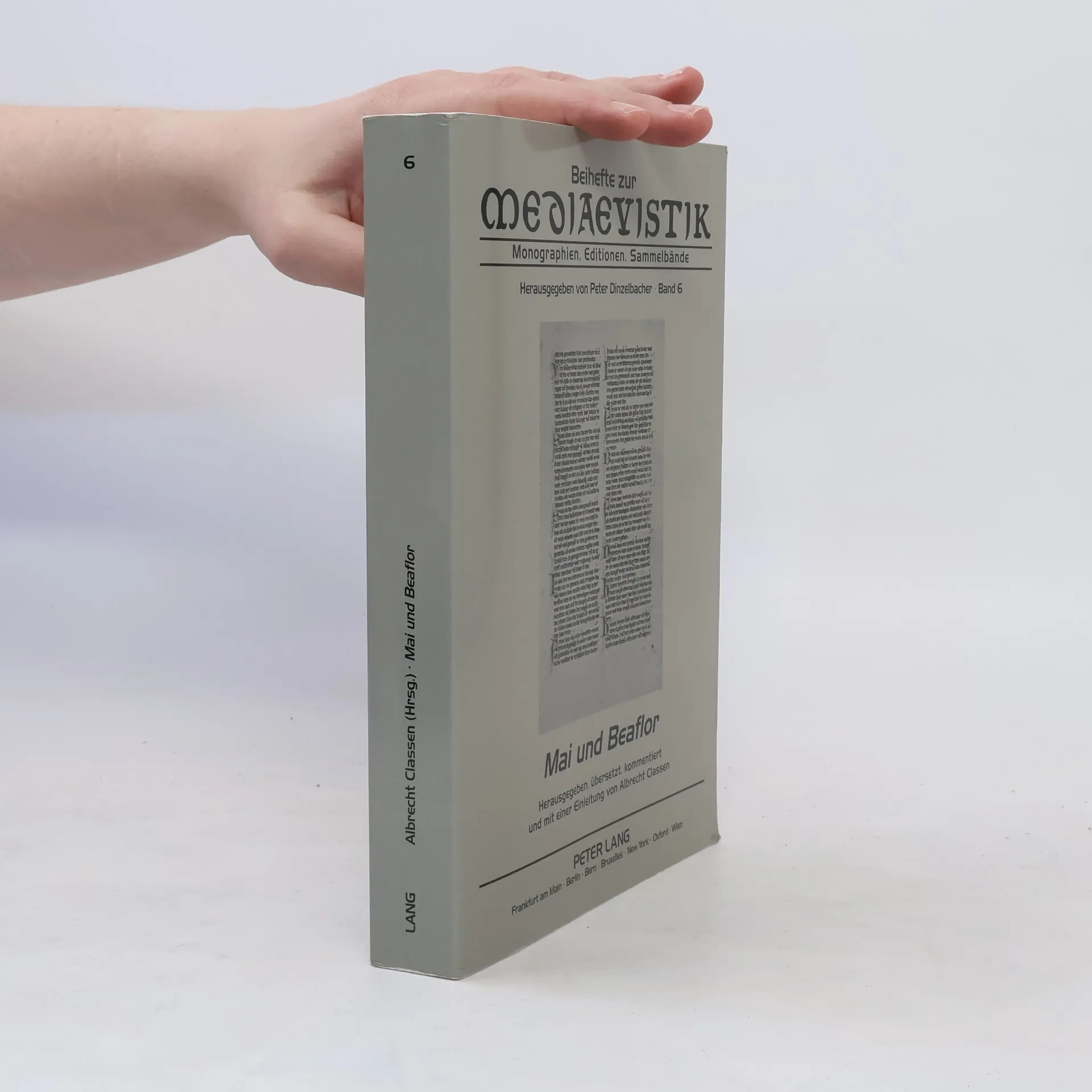
Im späten 13. Jahrhundert schuf ein anonymer mittelhochdeutscher Dichter den höfischen Versroman Mai und Beaflor. Er hat bis heute nicht die ihm angemessene Aufmerksamkeit und Anerkennung der Forschung gefunden, obwohl der Text zahlreiche spannende Themen wie das zwischenmenschliche Beziehungsgeflecht, extreme Gefühlsempfindungen, schwierige juristische Probleme und religiöse Konflikte behandelt. Mai und Beaflor gehört zu den Versromanen des späten 13. Jahrhunderts, die zwar stark sentimental gestaltet sind, die aber einen eigenständigen Charakter besitzen und aus ästhetischer und ethischer Sicht nicht mit den «klassischen» mittelhochdeutschen Romanen zu vergleichen sind, da sie von anderen Idealen und Werten getragen werden. In dieser Arbeit wird dieser Text endlich wieder der Forschung zur Verfügung gestellt und für diejenigen, die des Mittelhochdeutschen nicht mächtig sind, ins Neuhochdeutsche übersetzt.
Berichte aus dem Alltag in den wirklich fremden USAund andere Reflexionen
84 pages
3 hours of reading
In einer Sammlung von Essays und Satiren reflektiert der Autor über seine Erfahrungen in den USA, insbesondere im Südwesten, und beleuchtet die kulturellen Unterschiede aus einer deutschen Perspektive. Er thematisiert die Ambivalenz des amerikanischen Lebens: die Vielzahl an Möglichkeiten, die sowohl positive als auch negative Aspekte mit sich bringen. Persönliche Erlebnisse und fiktive Szenarien vermischen sich, um eine ehrliche und oft humorvolle Betrachtung der Realität zu bieten. Ernüchterung und der Verlust von Illusionen sind ebenso präsent wie die Chance auf schmunzelnde Erkenntnisse.
Albrecht Classen, Mediävist und Dichter, präsentiert eine Auswahl neuer Texte, in denen er satirisch und philosophisch über sein Leben in den USA reflektiert. Er beleuchtet soziale und politische Bedingungen mit ironischem Blick und verbindet dies mit nostalgischen Gedanken an seine Jugend. Das poetische Wort dient als Schlüssel zu Erkenntnissen.
Die andere Seite einer idealisierten Vergangenheit: Literatur und Sexualität
369 pages
13 hours of reading
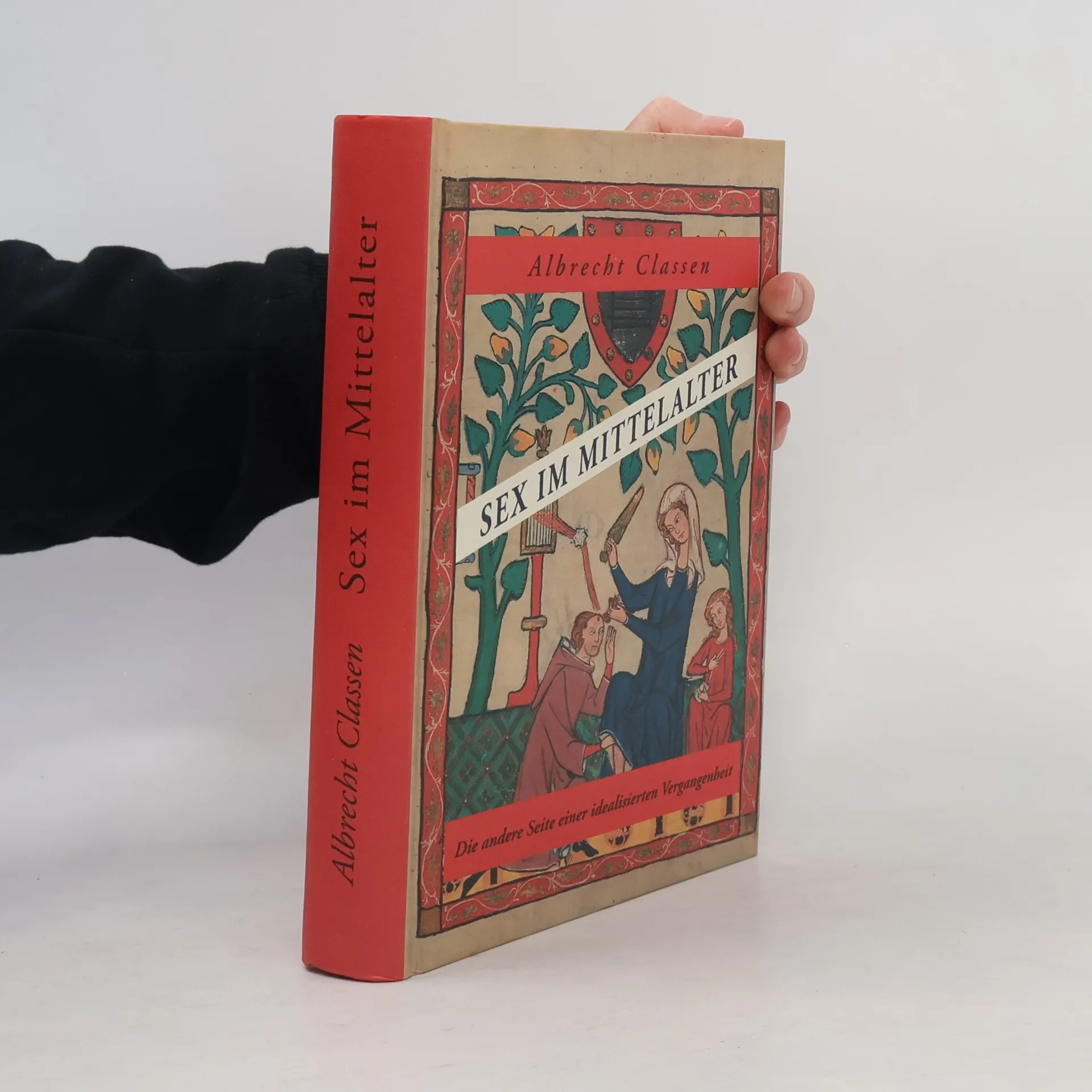
Während man bisher durchaus gewillt gewesen ist, das Phänomen der höfischen Liebe als ein zentrales Thema in der (hoch-)mittelalterlichen Welt anzuerkennen, hat man doch meist darüber hinweggesehen, wie stark das Interesse der Dichter und Künstler auf die Sexualität gerichtet gewesen ist. Im frühen Mittelalter gingen kirchliche Autoren vielfach auf die unterschiedlichsten geschlechtlichen Versuchungen ein, vor denen es sich zu hüten galt. Im hohen und späten Mittelalter aber gewann Sex zunehmend an Relevanz sowohl für die höfische Gesellschaft als auch für die bürgerlich-städtische Welt, wovon lateinische, deutsche, englische, französische und italienische Texte beredtes Zeugnis ablegen. „Sex im Mittelalter“ reißt endlich die verlogene Maske ab, die man noch im 19. Jahrhundert verschämt dieser entfernten Epoche aufgesetzt hatte, und zeigt auf, wie intensiv und vergnüglich man im Mittelalter (einschließlich der Frühen Neuzeit) so z. B. bei Hrotsvitha von Gandersheim, Guillaume le Neuf, Neidhart, Chaucer, Oswald von Wolkenstein, Boccaccio oder Marguerite de Navarre mit sexuellen Aspekten umgegangen ist.