Arnold Bennett was a remarkable literary figure of his era, deeply connected to the English Potteries he immortalized as the Five Towns. Driven by ambition, he mastered various forms of writing, leaving a lasting legacy primarily through his novels. His fictional works are celebrated for their realistic portrayal of life and social dynamics. Beyond fiction, Bennett also penned influential self-improvement books, offering readers insightful guidance on living effectively and cultivating literary appreciation.
Enoch Arnold Bennett, an influential English author, is celebrated for his extensive literary output, including 34 novels and numerous short stories and plays. His works often depict life in a fictionalized version of the Potteries, known as The Five Towns. Beyond fiction, Bennett contributed to journalism and worked in the Ministry of Information during World War I. His versatility extended to cinema writing in the 1920s, showcasing his ability to engage with various forms of media throughout his prolific career.
Originally published in 1910, this guide offers down-to-earth, practical advice about how to make the most of your day and how to strike the work-life balance—an issue still at the forefront of modern society’s concerns As you look back on the year that has just past, do you feel as though you spent another 12 months merely existing instead of truly living? Do you often go to bed at night with an anxious, sinking feeling that you wasted away another precious day? The important lesson, according to Arnold Bennett's guide, is to commit to carving out some time each day to do things that will really enrich your life and help you progress. Investing all your hours in a job you dislike; your routine consisting of getting up, going to work, coming home, unwinding, and going to bed—Bennett argues that this is not living but simply existing. Bennett's solution is to make the most of the time either side of working hours, the commute, the evening hours, and that golden time, the weekend! Time can be spent in various pursuits, from literature, enjoying of the arts, or even just time spent in reflection. This pioneering and original lifestyle and time management guide is succinctly and cleverly written in an easy-to-read and narrative style that readers will enjoy and find as useful today as it was 100 years ago.
The narrative centers on an artistic and passionate young woman, portrayed through a striking first-person perspective. Her love for music enhances her enchanting experiences, while her journey through love and suffering is intricately woven into her success as a novelist. The prose is emotionally charged and poetic, reflecting the complexities of love's sacred and profane aspects. The story invites readers to ponder the existence of such a character, embodying the author's own desires for love and connection, making it a thought-provoking and rewarding read.
A middle-aged bookshop proprietor marries a widowed shopkeeper, but their chance for late-in-life happiness is threatened by his obsessive miserliness. Winner of the 1923 James Tait Black Memorial Prize.
Originally published over a century ago, this classical work has been deemed significant throughout history. Alpha Editions has taken steps to preserve its legacy by republishing it in a modern format, ensuring it remains accessible to current and future readers. The book has been meticulously reformatted and retyped, providing a clear and readable text, distinct from traditional scanned copies.
The narrative centers on Priam Farll, a gifted portrait artist whose exceptional talent earns him acclaim and demand in the art community. Despite his professional success and the admiration he receives, Farll remains a reclusive figure, preferring solitude over the spotlight. This contrast between his public persona and private life highlights the complexities of fame and the struggles of an introverted artist.
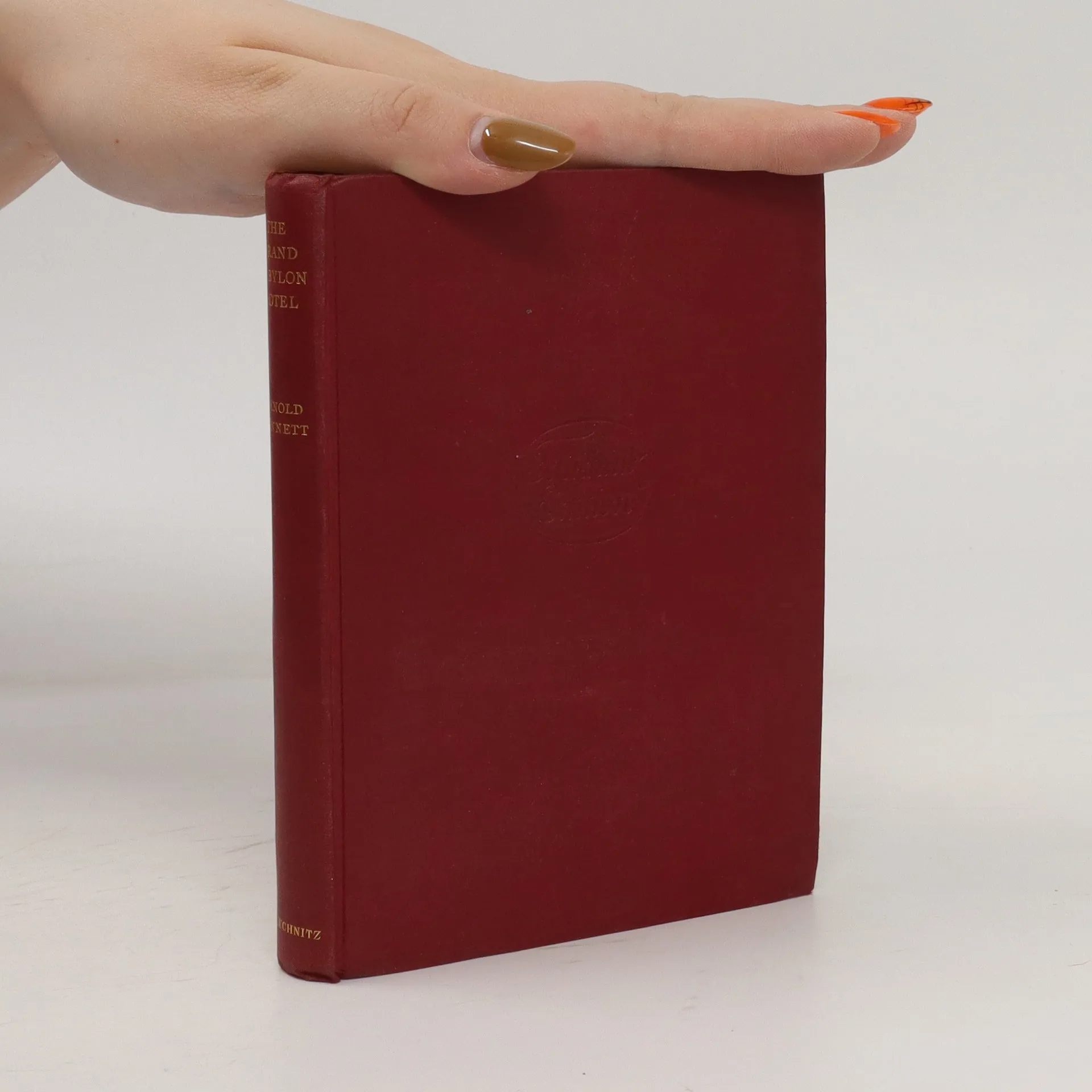
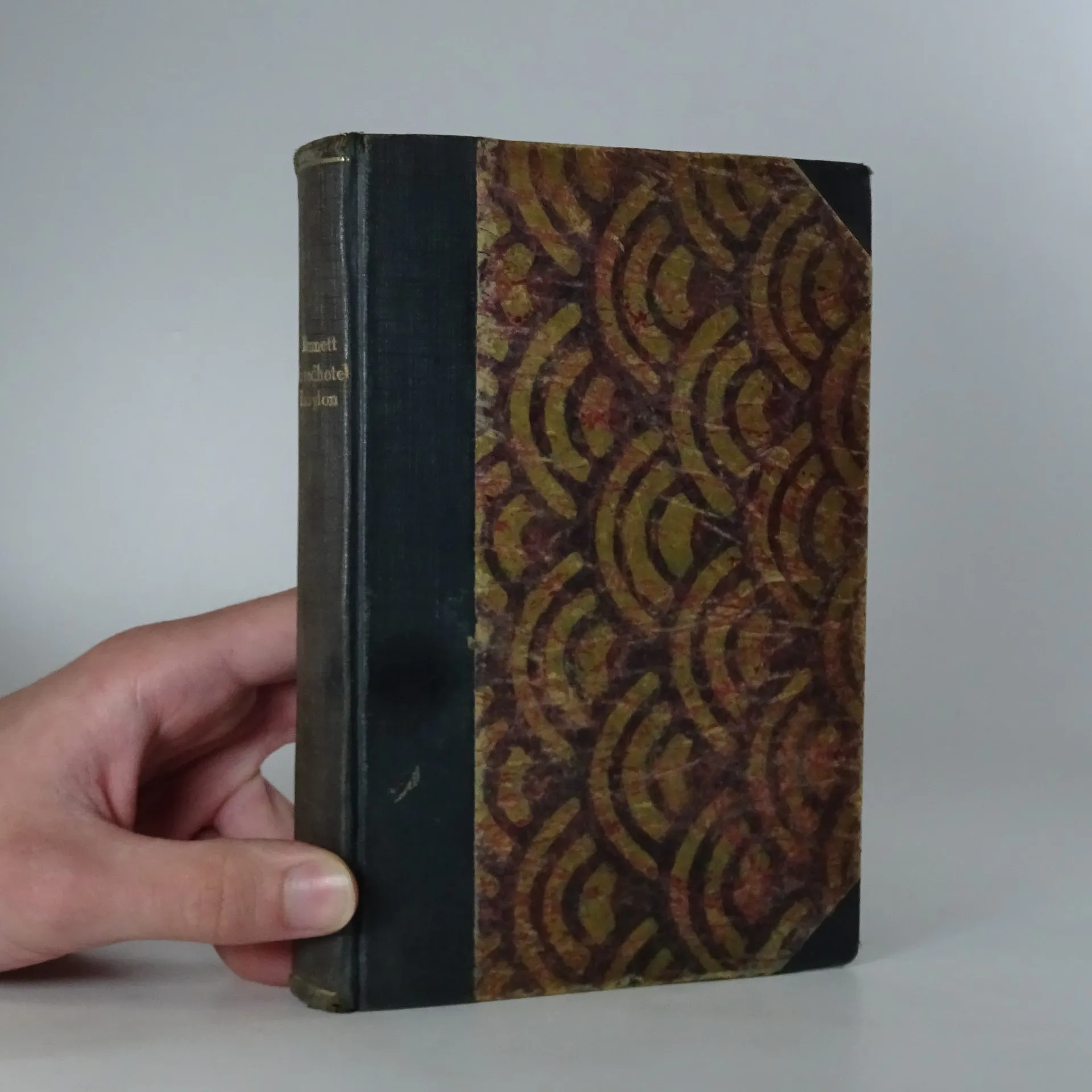
Set in a lavish hotel reminiscent of the Savoy, the story revolves around the intriguing disappearance of a German prince. Blending mystery with the opulence of early 20th-century luxury, the narrative unfolds within the vibrant atmosphere of the Grand Babylon Hotel. Originally serialized in the Golden Penny, this novel showcases Arnold Bennett's keen observation of society and hospitality, paving the way for his later works.
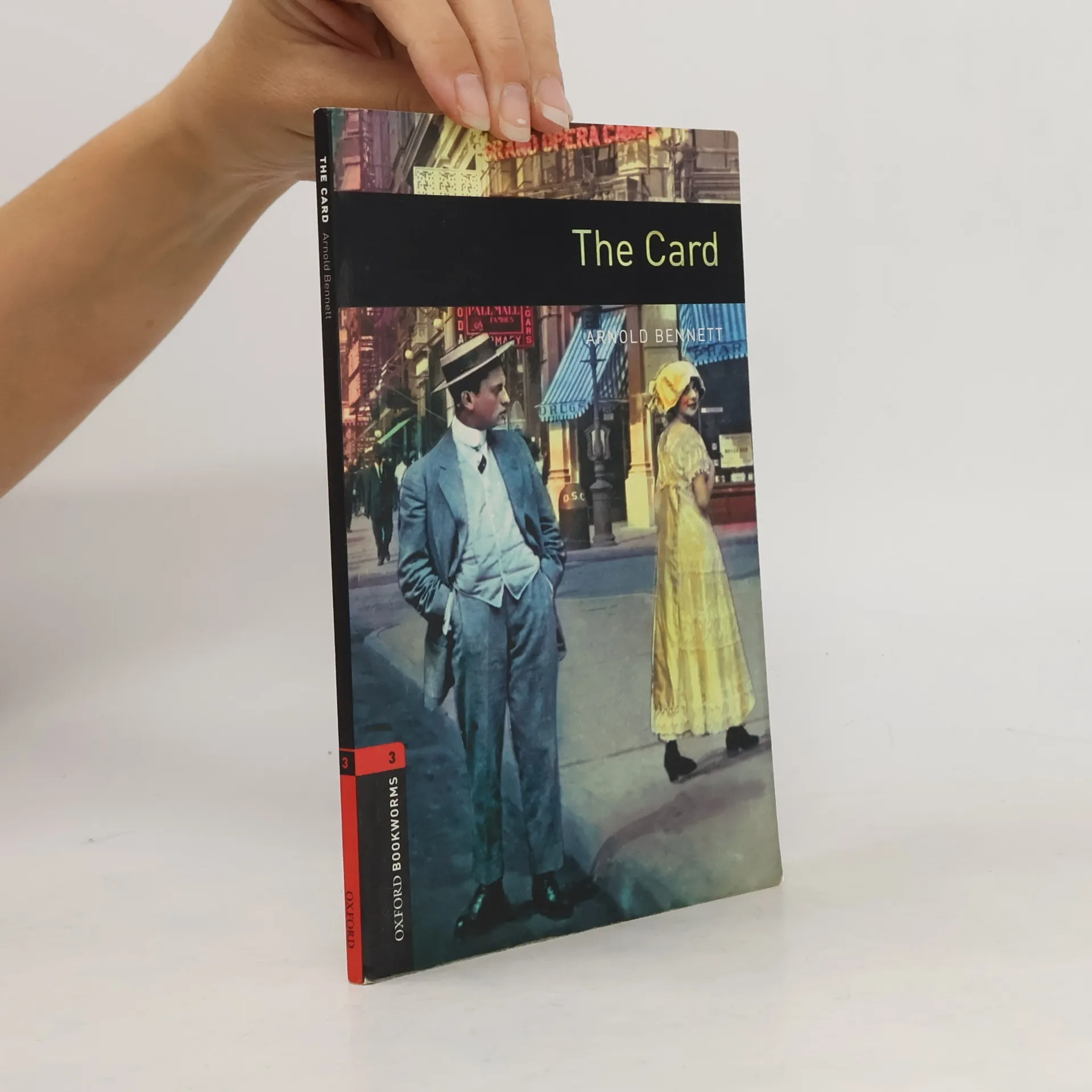
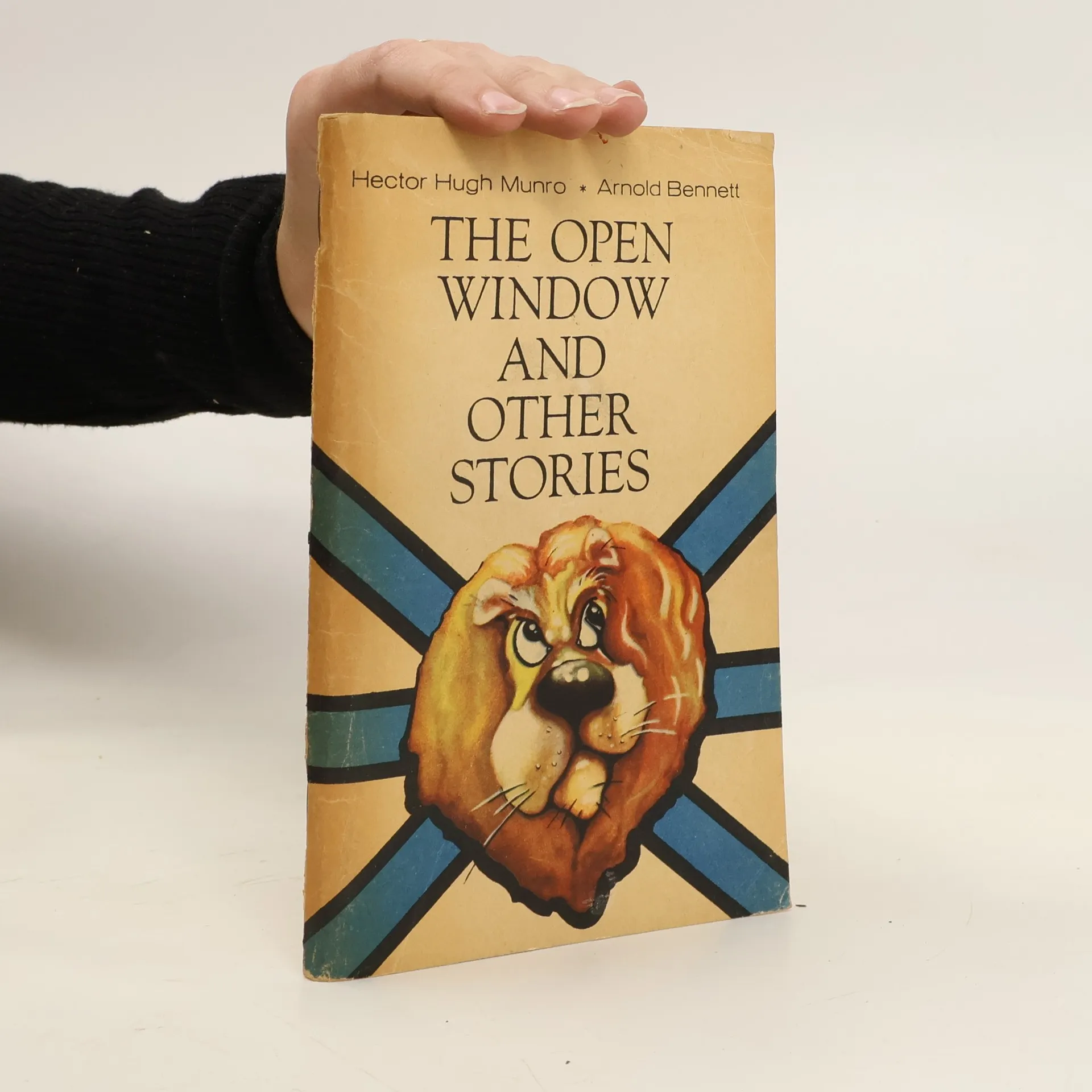
This award-winning collection of adapted classic literature and original stories develops reading skills for low-beginning through advanced students. Accessible language and carefully controlled vocabulary build students' reading confidence. Introductions at the beginning of each story, illustrations throughout, and glossaries help build comprehension. Before, during, and after reading activities included in the back of each book strengthen student comprehension. Audio versions of selected titles provide great models of intonation and pronunciation of difficult words.
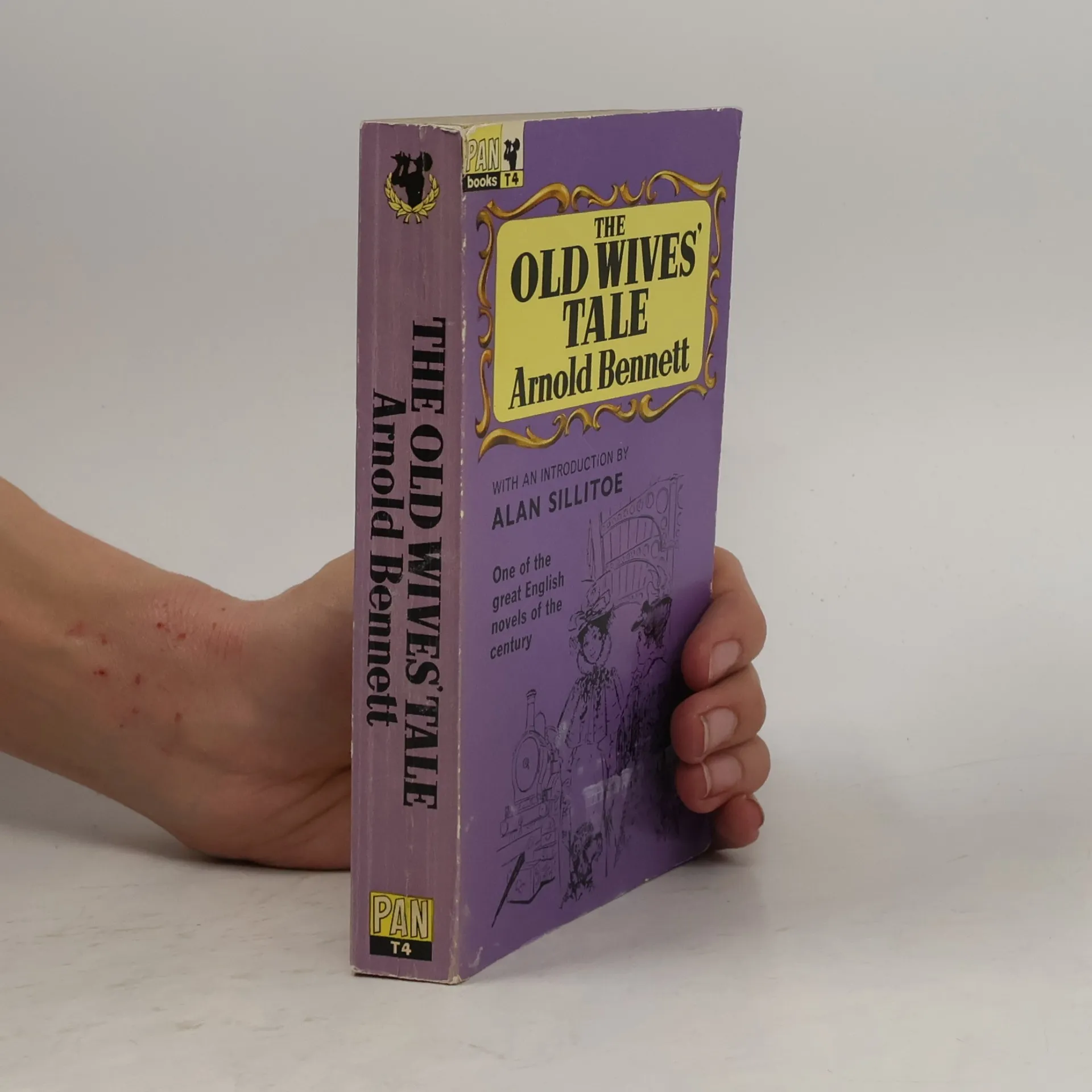
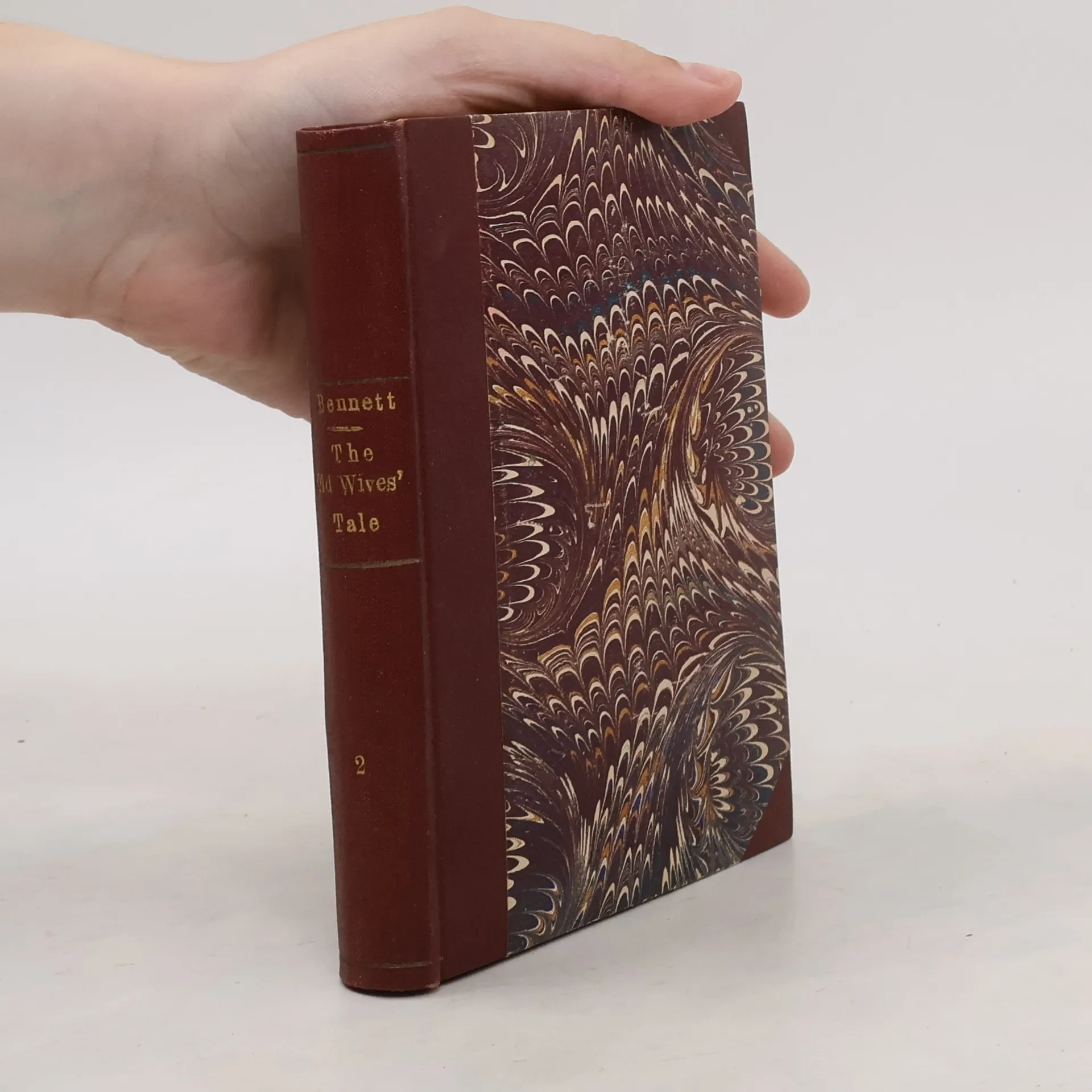
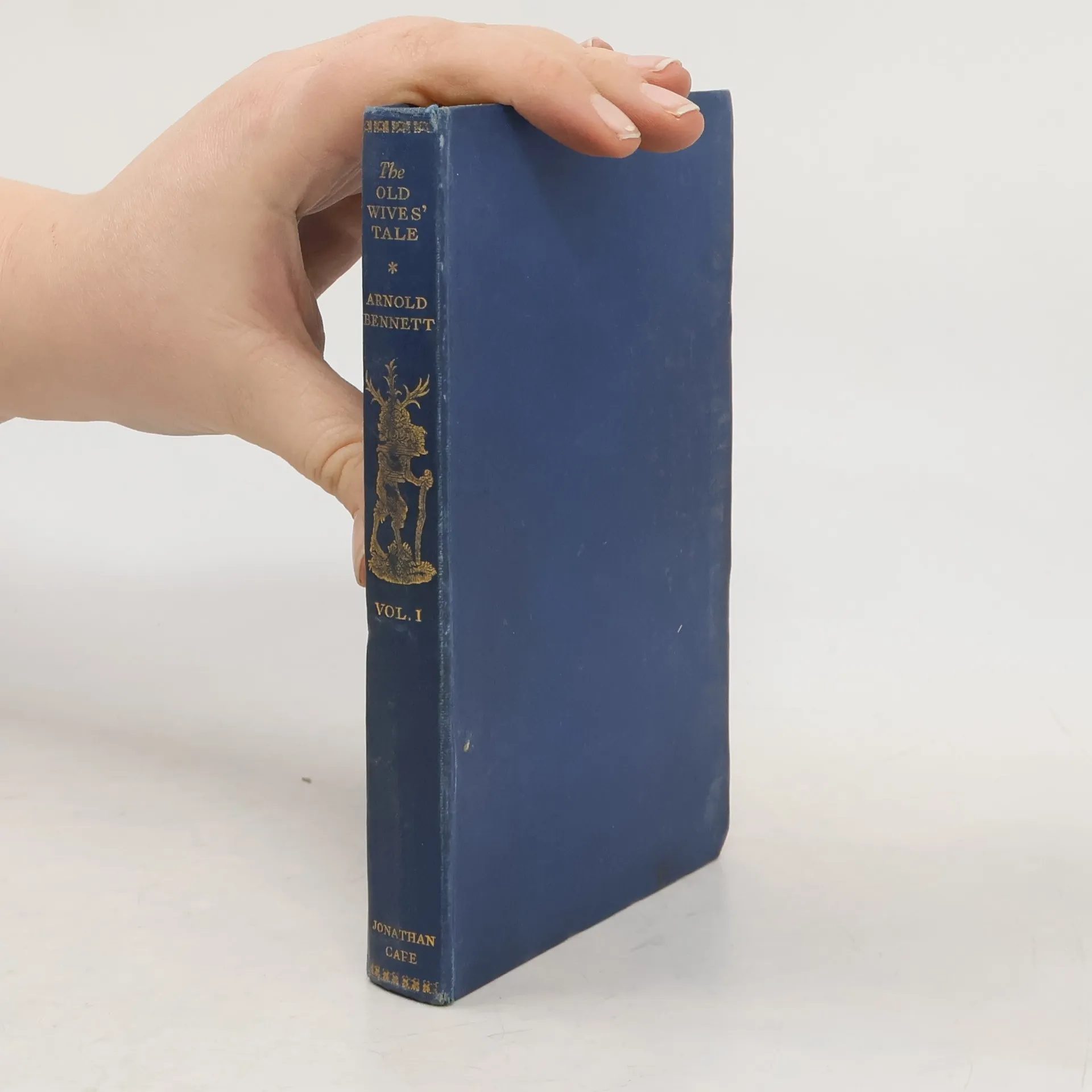
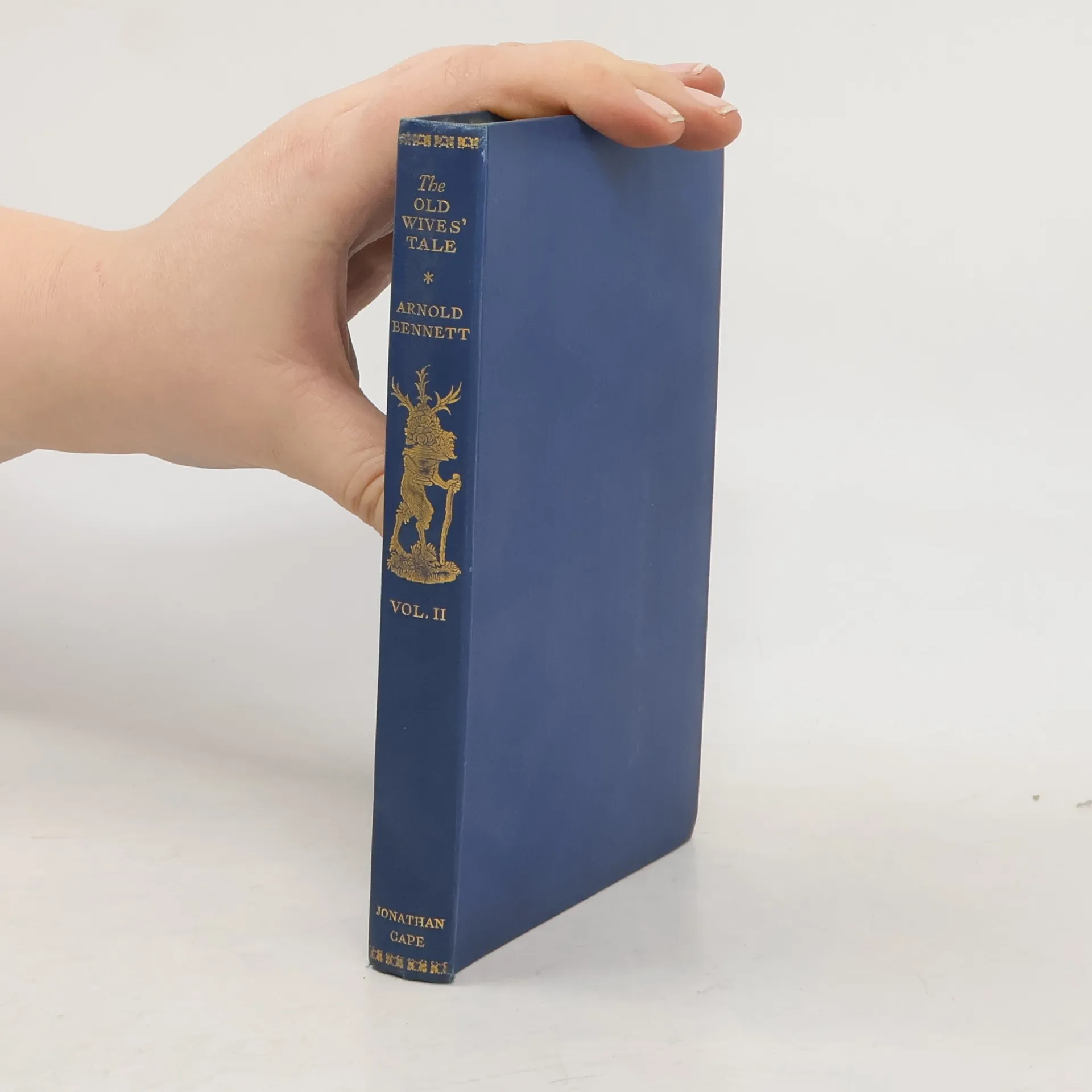
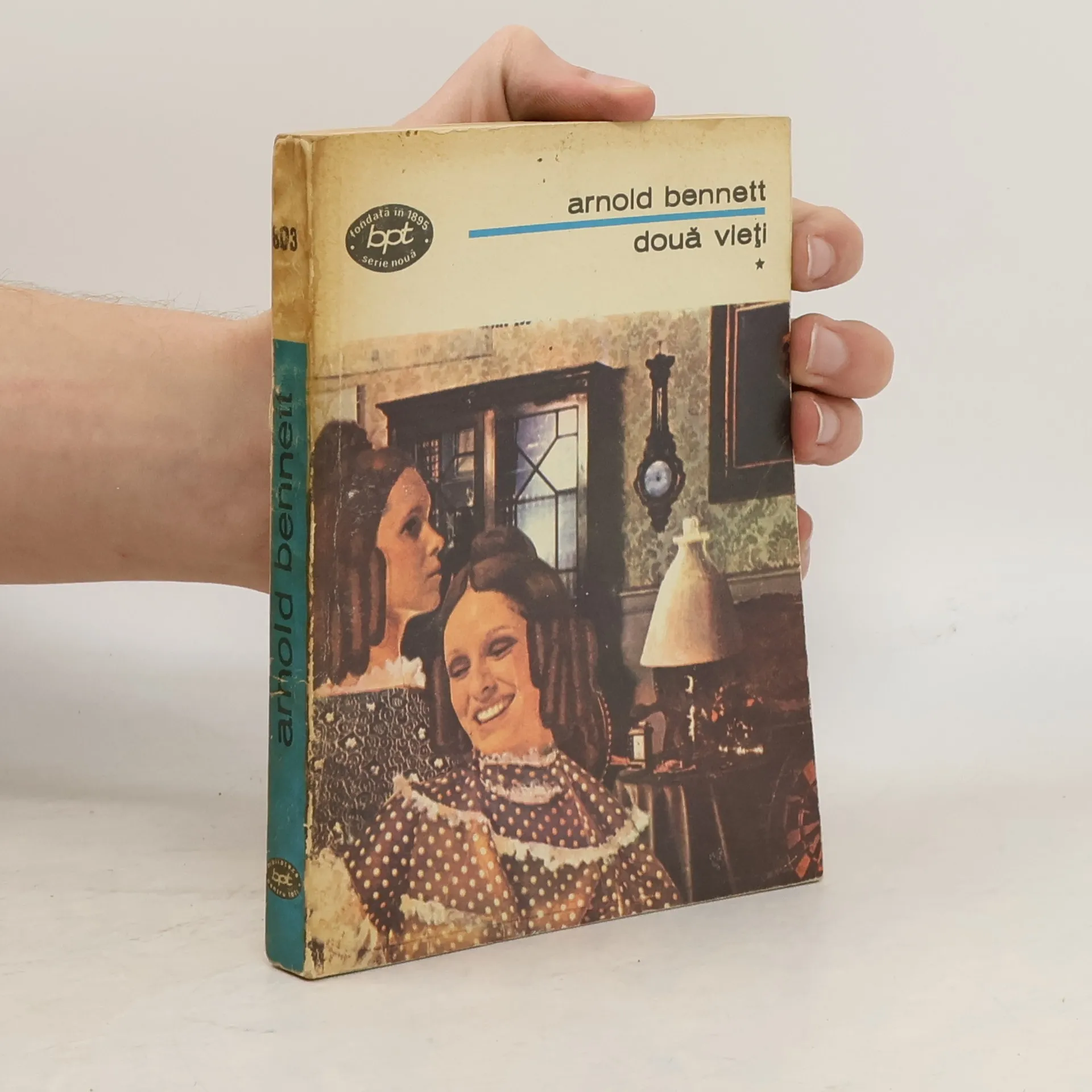
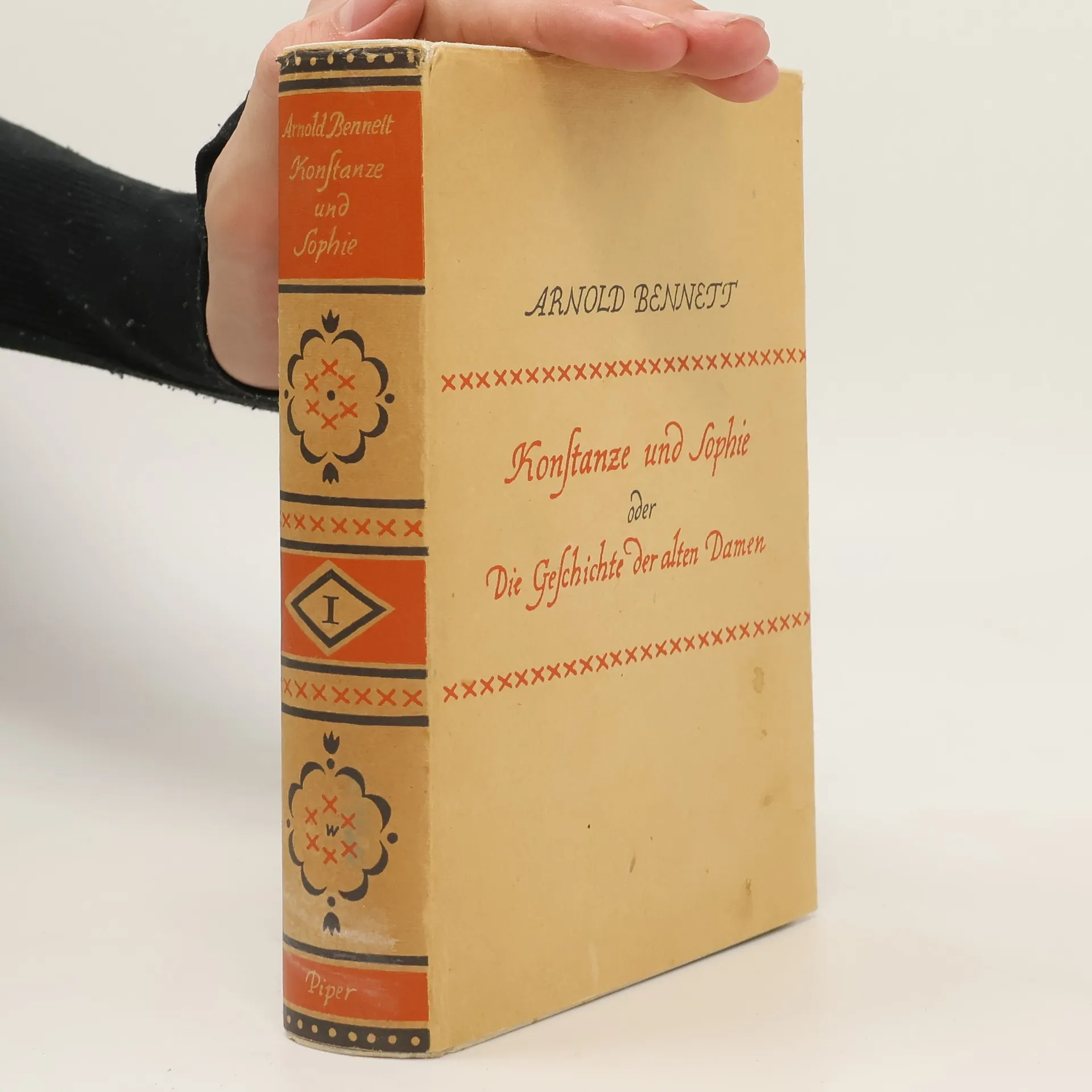
H.G. Wells described The Old Wives' Tale as "by far the finest long novel written in English and in the English fashion". He was, of course, speaking for his own generation, and a hundred years later the opinion may seem somewhat exaggerated. However, there is no doubt that The Old Wives' Tale is a superb novel of its kind, and it is still as readable and enjoyable as ever. First published in 1908, it tells the story of the Baines sisters--shy, retiring Constance and defiant, romantic Sophia--over the course of nearly half a century. Bennett traces the lives of the sisters from childhood in their father's drapery shop in provincial Bursley, England, during the mid-Victorian era, through their married lives, to the modern industrial age, when they are reunited as old women. The setting moves from the Five Towns of the Staffordshire Potteries to exotic and cosmopolitan Paris. It was fascinating to learn from Bennett's journal how he saw an old lady in a cafe and was inspired to think of how her life might have been lived, how she must have once been young. The plot of the novel came to him fairly promptly, and, as they say, the rest is history. This novel was serialized on British television with great success circa 2000.
A novel about a boy growing to manhood in the last quarter of the 19th century. The first in a trilogy, it includes a portrait of an autocratic father.
Set in the early 20th century, this comedic novel follows the misadventures of Helen, the niece of a miserly uncle. The story unfolds with humorous twists as Helen navigates her relationship with her uncle and the challenges that arise from his stinginess. Originally serialized as "The Miser's Niece," it showcases Arnold Bennett's sharp wit and keen observations of human nature, making for an entertaining exploration of family dynamics and societal expectations.
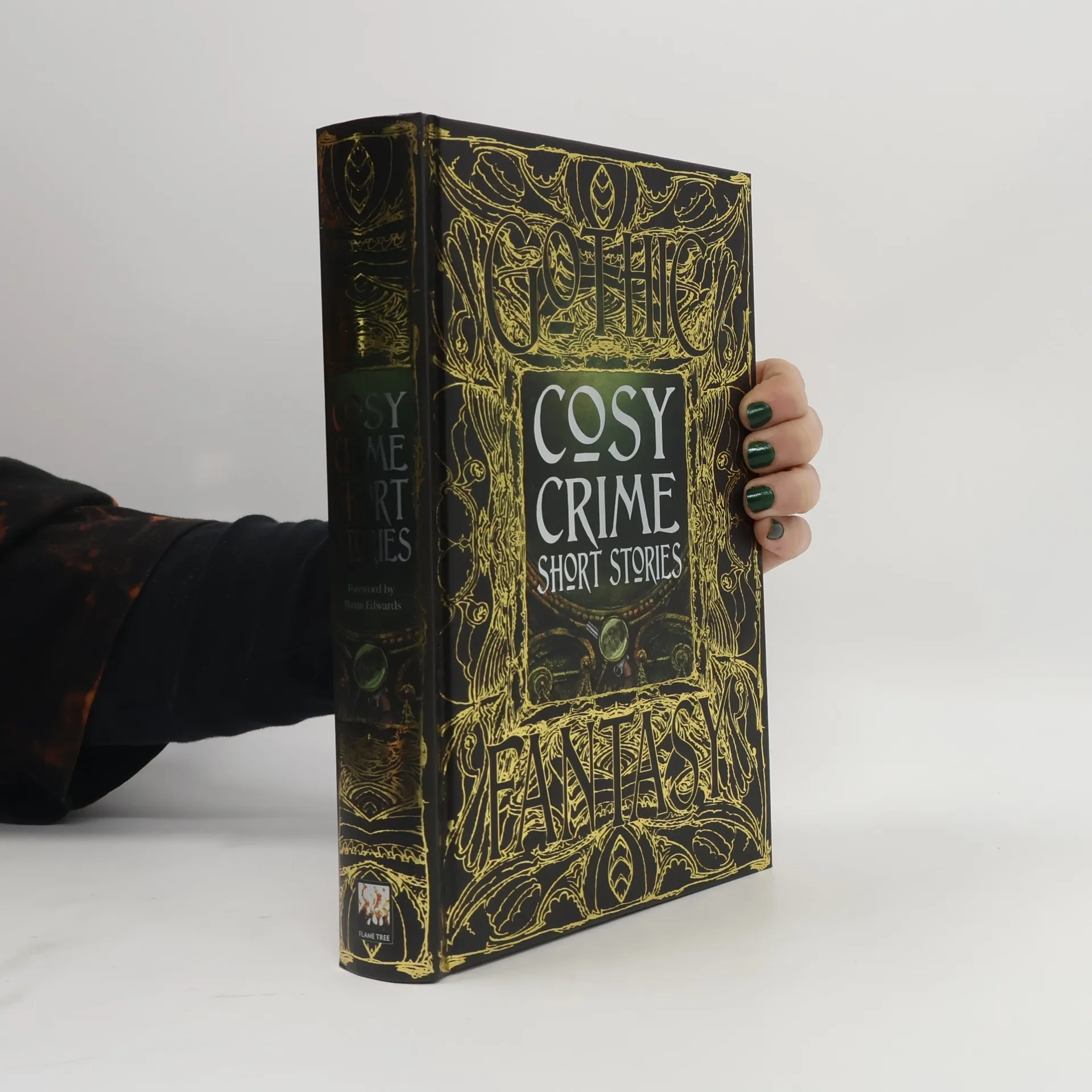
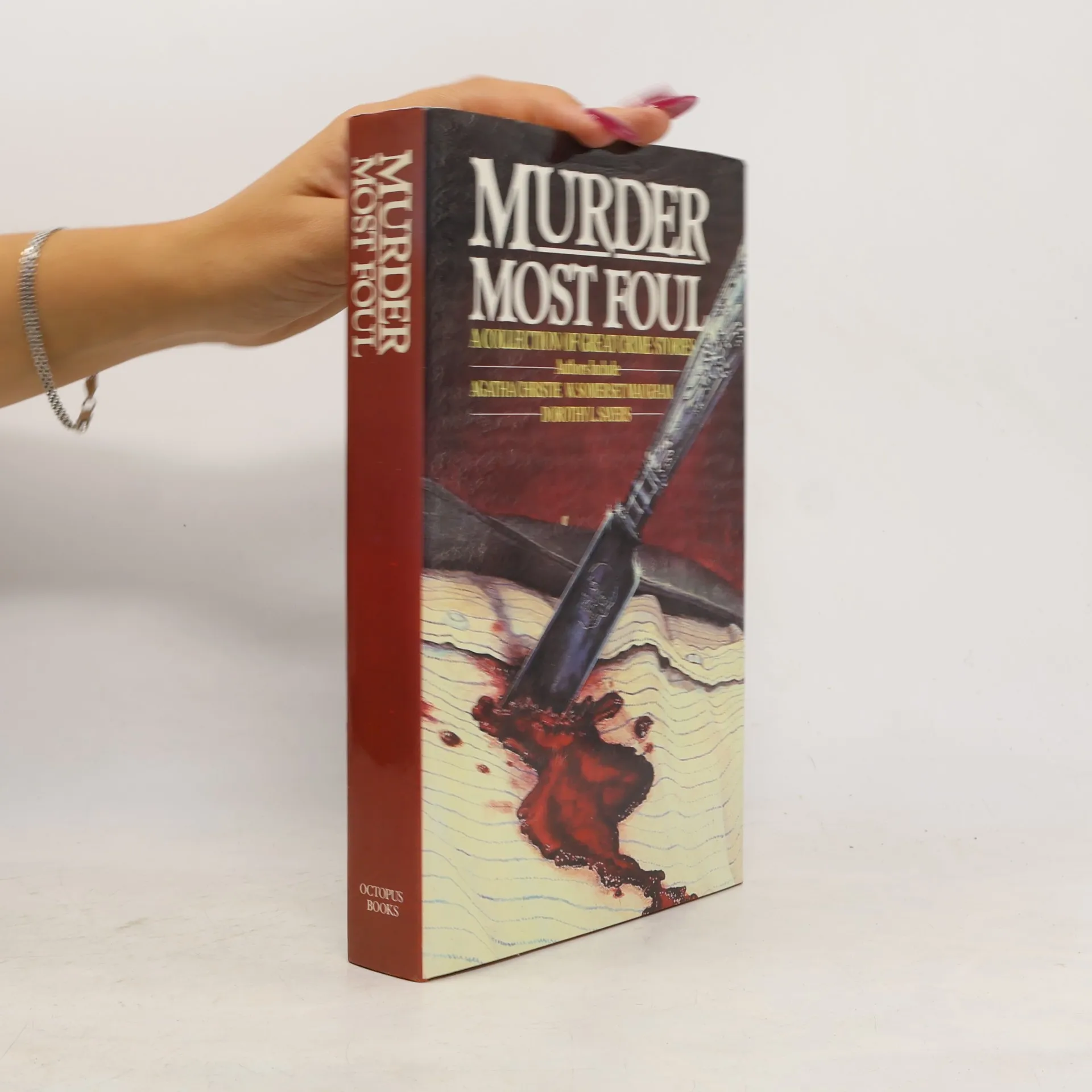
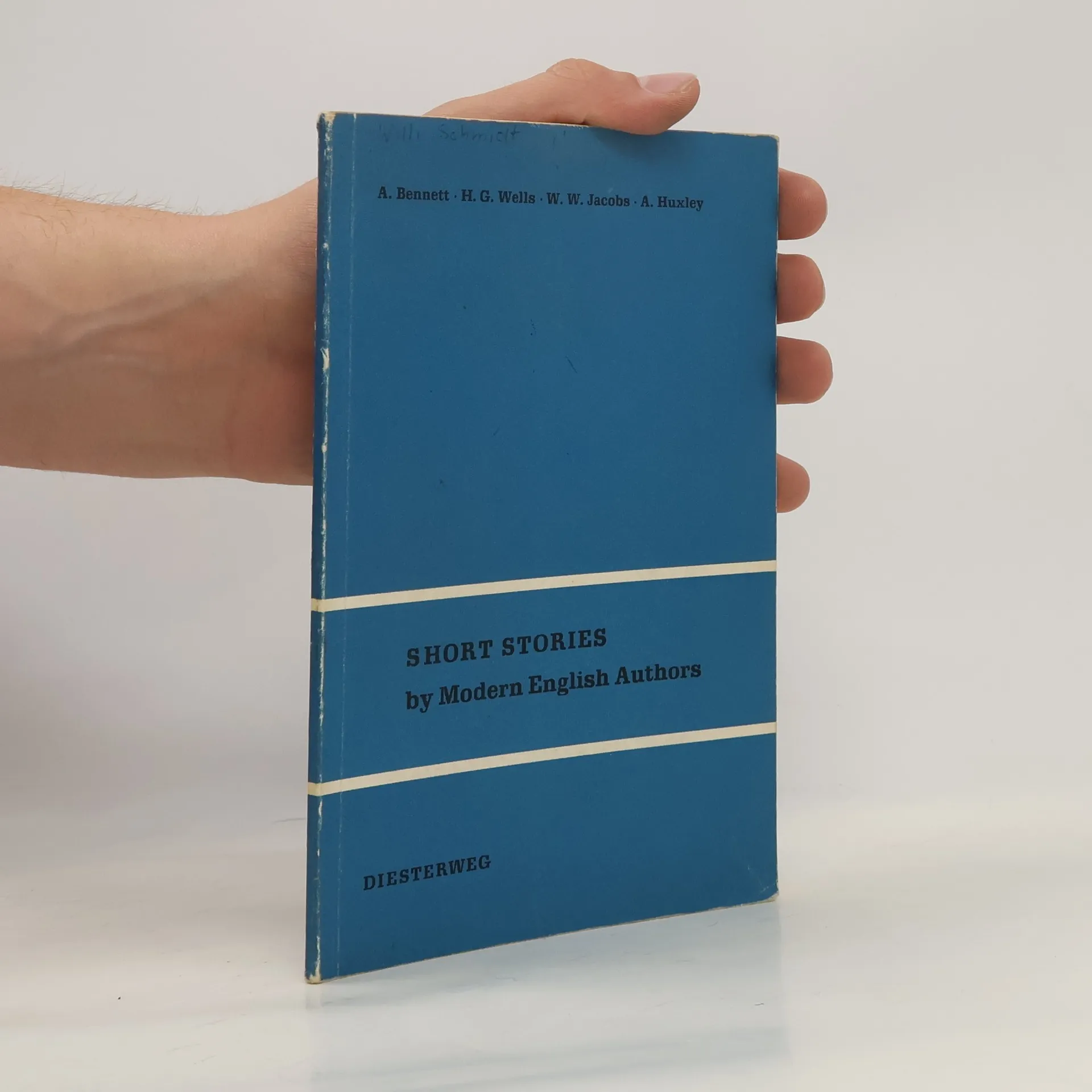
Includes short stories: Best Ghost Stories, Best Fairy Stories, Celtic Fairy Tales and Tales of the Macabre. This new collection of detective stories of the golden age includes intriguing tales by Edgar Allan Poe, Edgar Wallace, G K Chesterton, 'Sapper', E W Hornung, and Arnold Bennett.
Following the great success of our Gothic Fantasy deluxe edition short story compilations, including Agents & Spies , Murder Mayhem and Lost Worlds , this latest in the series is packed with armchair detectives, murders in the vicarage, family secrets unravelling in gossipy ears, and the ingredients of a genteel bloodbath in an otherwise delightful village. Contains a fabulous mix of classic and brand new writing, with authors from the US, Canada, and the UK.
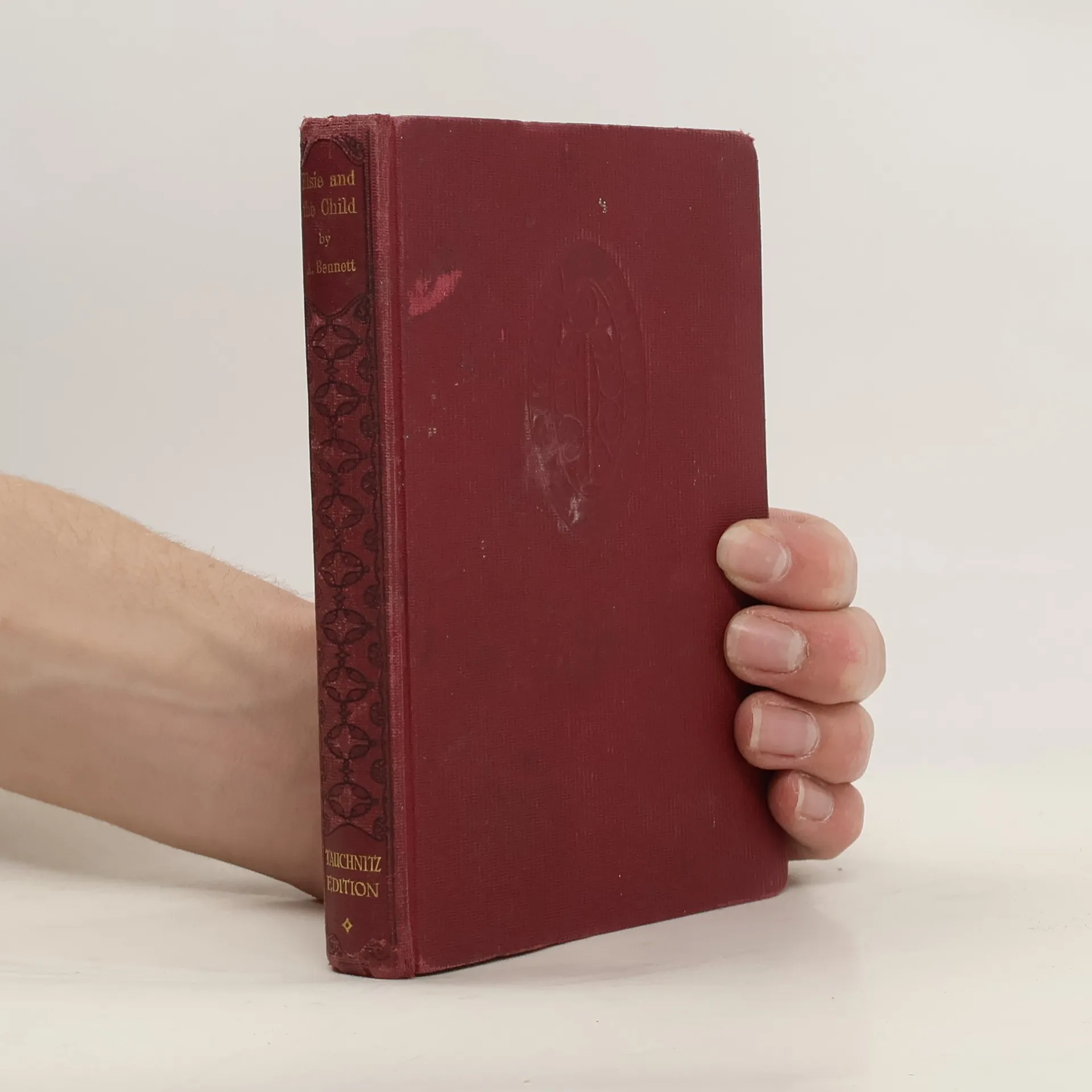
Thirteen tales about various residents of London, the first of them being Elsie Sprickett, the domestic servant who had already appeared in Arnold's well received 1923 novel Riceyman Steps.
Enoch Arnold Bennett, an English novelist, is celebrated for his extensive literary output, which includes 34 novels, numerous short stories, and plays, as well as contributions to various newspapers and periodicals. His works often take place in a fictionalized setting known as The Five Towns, reflecting his deep connection to the Potteries region. Bennett also had a diverse career, including a role in the Ministry of Information during WWI and writing for cinema in the 1920s, showcasing his versatility and influence in early 20th-century literature.
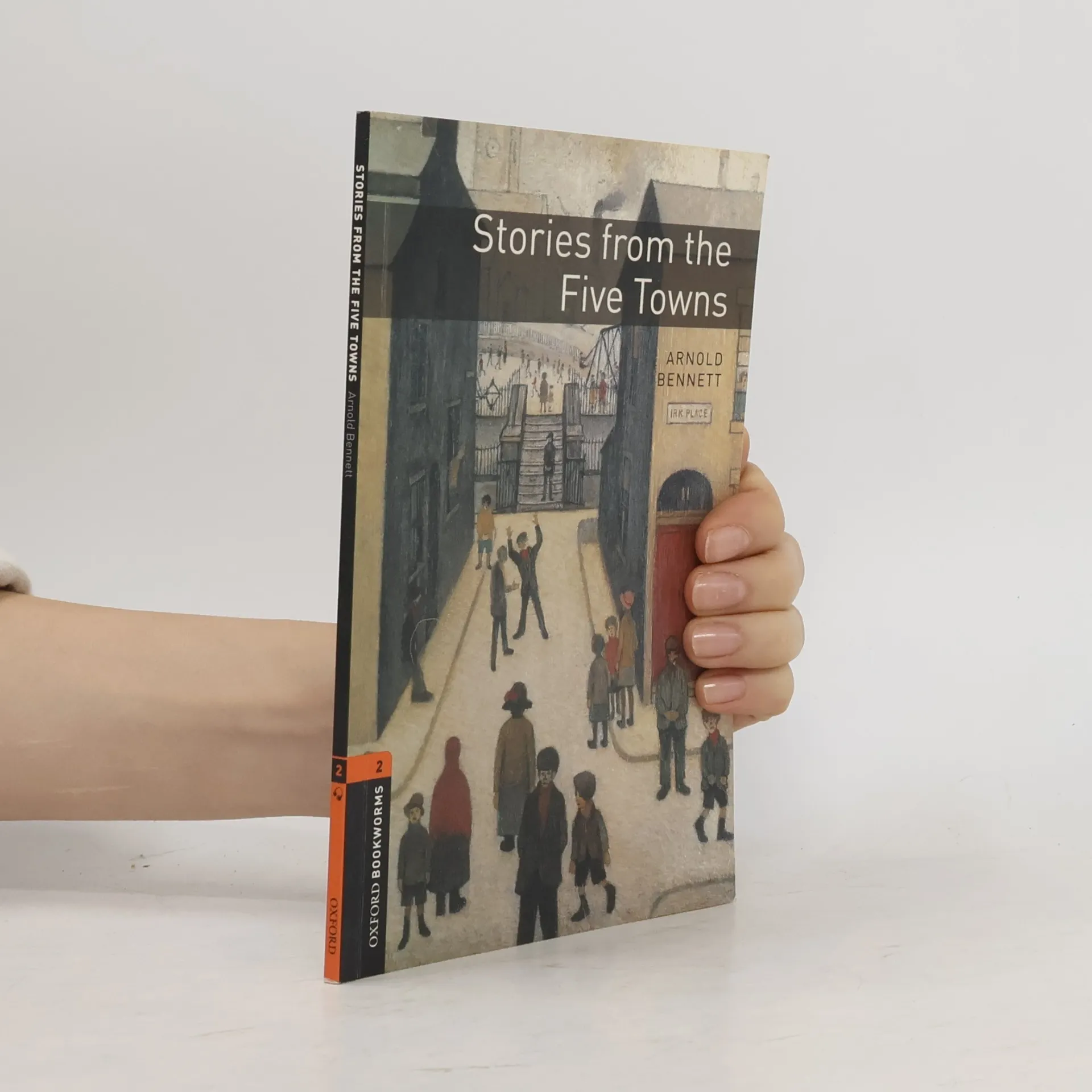
Arnold Bennett is famous for his stories about the Five Towns and the people who live there. They look and sound just like other people, and, like all of us, sometimes they do some very strange things. There's Sir Jee, who is a rich businessman. So why is he making a plan with a burglar? Then there is Toby Hall. Why does he decide to visit Number 11 Child Row, and who does he find there? And then there are the Hessian brothers and Annie Emery - and the little problem of twelve thousand pounds.--Quatrième de couverture
Set over a century ago in Stoke-on-Trent, the narrative offers a compelling glimpse into the life of a privileged mother with adult children. The story explores themes of societal expectations and personal fulfillment, reflecting on the choices made by those who seem to navigate life correctly. While the resolution may feel overly tidy, it highlights Bennett's keen understanding of women's experiences, shaped by his background in writing for a women's magazine.
The book features a collection of various topics, organized into distinct sections that cover a wide range of subjects. Each section is thoughtfully curated to provide insights and knowledge on its respective theme. Readers can expect a blend of informative content, engaging narratives, and possibly illustrations or examples that enhance understanding. This comprehensive approach invites exploration and encourages readers to delve into each topic with curiosity.
Set against a backdrop of poignant emotions, this tragic love story explores the complexities of relationships and the bittersweet nature of love. The narrative unfolds with a focus on the characters' struggles and desires, ultimately leading to a placid resolution that reflects the nuances of human experience. Enoch Arnold Bennett, an accomplished English writer, weaves a tale that delves into the themes of love, loss, and acceptance, showcasing his versatility beyond his well-known novels.
Set in the late 19th century, this debut novel explores the life of a man from the North, highlighting the cultural contrasts between industrial and rural England. Bennett's narrative delves into themes of ambition and identity, offering a vivid portrayal of regional life. Despite receiving critical acclaim, including praise from Joseph Conrad, the book did not achieve financial success for its author. The story reflects Bennett's early literary style and sets the stage for his future works.
This publication focuses on reproducing historical works in large print, catering specifically to individuals with impaired vision. By prioritizing accessibility, the publisher Megali aims to enhance the reading experience for those who may struggle with standard text sizes, ensuring that important historical texts remain available to a wider audience.
Focusing on accessibility, this publication from Megali aims to assist readers with impaired vision by providing a large print reproduction of a historical work. The emphasis on readability highlights the commitment to inclusivity in literature, making it easier for a broader audience to engage with historical texts.
The book features stunning illustrations for each chapter that complement its cover design, enhancing the visual experience of the reader. These artistic elements not only add aesthetic appeal but also create a cohesive theme throughout the narrative, making it a delight for both the eyes and the imagination.
The publishing house Megali focuses on producing large print editions of historical works, catering specifically to individuals with impaired vision. Their commitment to accessibility ensures that classic literature remains available and enjoyable for a broader audience.
This book is a reproduction of a historical work, published by Megali, which focuses on making literature accessible to those with impaired vision through large print. The initiative highlights the importance of inclusivity in reading, allowing a wider audience to engage with historical texts.
The novel delves into the life of Hilda Lessways, a young woman navigating her personal and societal challenges in early 20th-century England. As part of the "Clayhanger" series, it offers a rich portrayal of her struggles and triumphs, reflecting the complexities of women's roles during that era. Through Hilda's journey, readers gain insight into the social dynamics and expectations of the time, making it a poignant exploration of character and resilience.
The book is a reproduction of a historical work, presented in large print to enhance accessibility for individuals with impaired vision. Published by Megali, a company dedicated to making historical texts more readable, it aims to preserve important literature while catering to the needs of visually impaired readers.
Originally published over a century ago, this classical work has maintained its significance throughout history. Alpha Editions has undertaken the task of preserving it by republishing in a modern format, ensuring clarity and readability. The book has been meticulously reformatted and retyped, avoiding scanned copies to enhance the reading experience for both present and future generations.
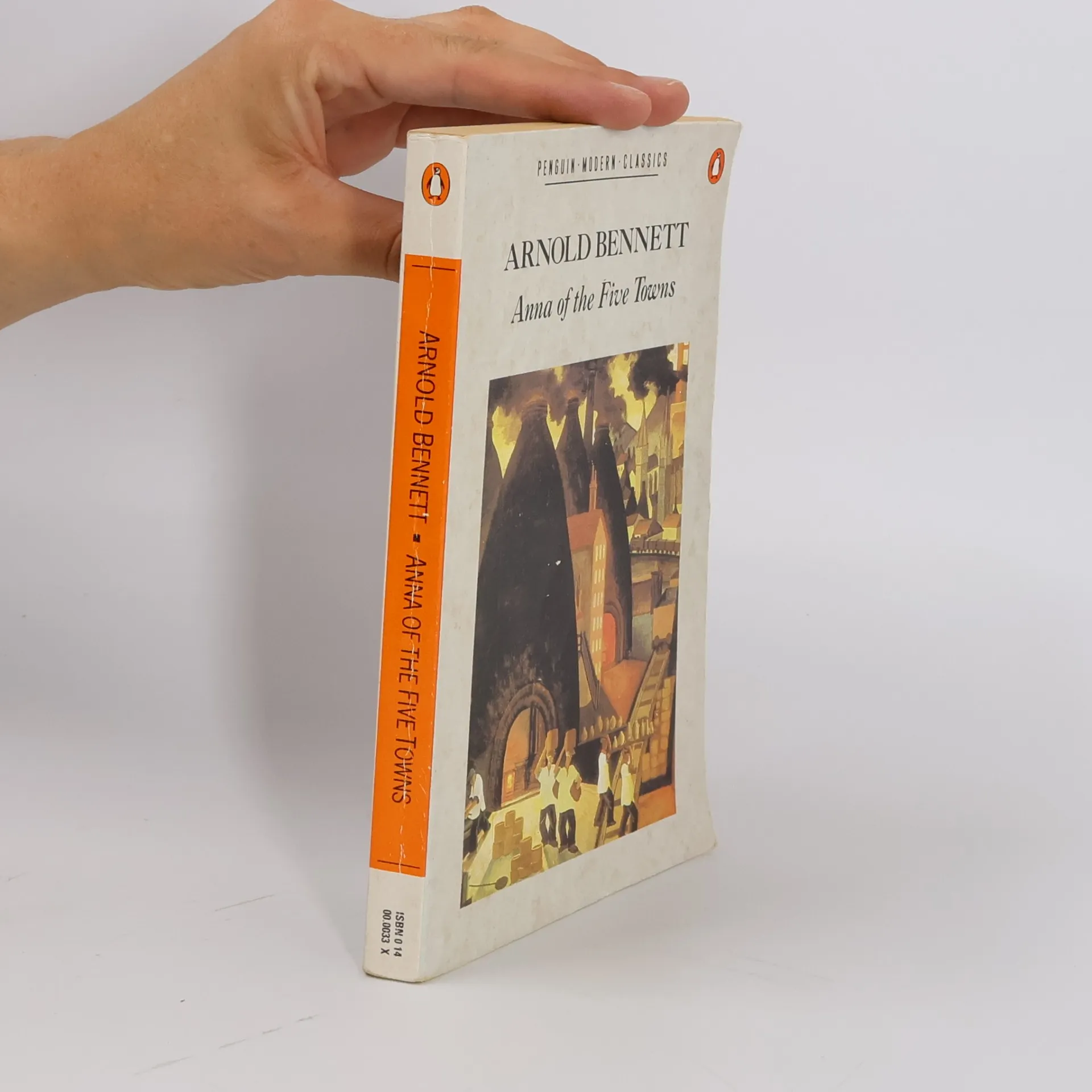
1902. Anna of the Five Towns depicts the severe economic and moral pressures of life in the Staffordshire Potteries in the late nineteenth century. Against the vitality and harshness of the Five Towns, Bennett's narrative is a compelling delineation of his heroine's attempts to gain freedom and independence from her father and the repressive regime of Methodism. This is the first of Bennett's novels to mark out the province of the Five Towns where much of his later fiction is set.
The book has been meticulously reformatted and retyped to ensure clarity and readability, preserving its significance throughout history. Alpha Editions aims to maintain its legacy by republishing it in a modern format, making it accessible to both present and future generations. This effort highlights the importance of the text while providing a fresh presentation, free from the limitations of scanned copies.
Enoch Arnold Bennett, a prolific English author, crafted an extensive body of work including 34 novels and numerous short stories and plays. His writing often revolves around the fictionalized setting of The Five Towns, reflecting the life and culture of the Potteries. Bennett's versatility is evident as he contributed to over 100 newspapers, worked in the Ministry of Information during WWI, and wrote for cinema in the 1920s. His literary legacy highlights his significant impact on early 20th-century literature.
Die übernatürliche Erzählung entfaltet sich um die faszinierende Opernsängerin Rosetta Rosa, deren Schönheit eine unheimliche Anziehungskraft ausübt. Der junge Arzt Carl Foster wird von ihr in den Bann gezogen, doch bald wird er von mysteriösen und gespenstischen Erscheinungen heimgesucht. Als ein weiterer Verehrer von Rosa auf rätselhafte Weise stirbt, beginnt Carl zu glauben, dass seine Liebe zu ihr einen tödlichen Fluch mit sich bringen könnte. Die Handlung entfaltet sich in einem spannenden Wechselspiel zwischen London und Paris und verbindet Elemente des Schreckens mit romantischen Konflikten.
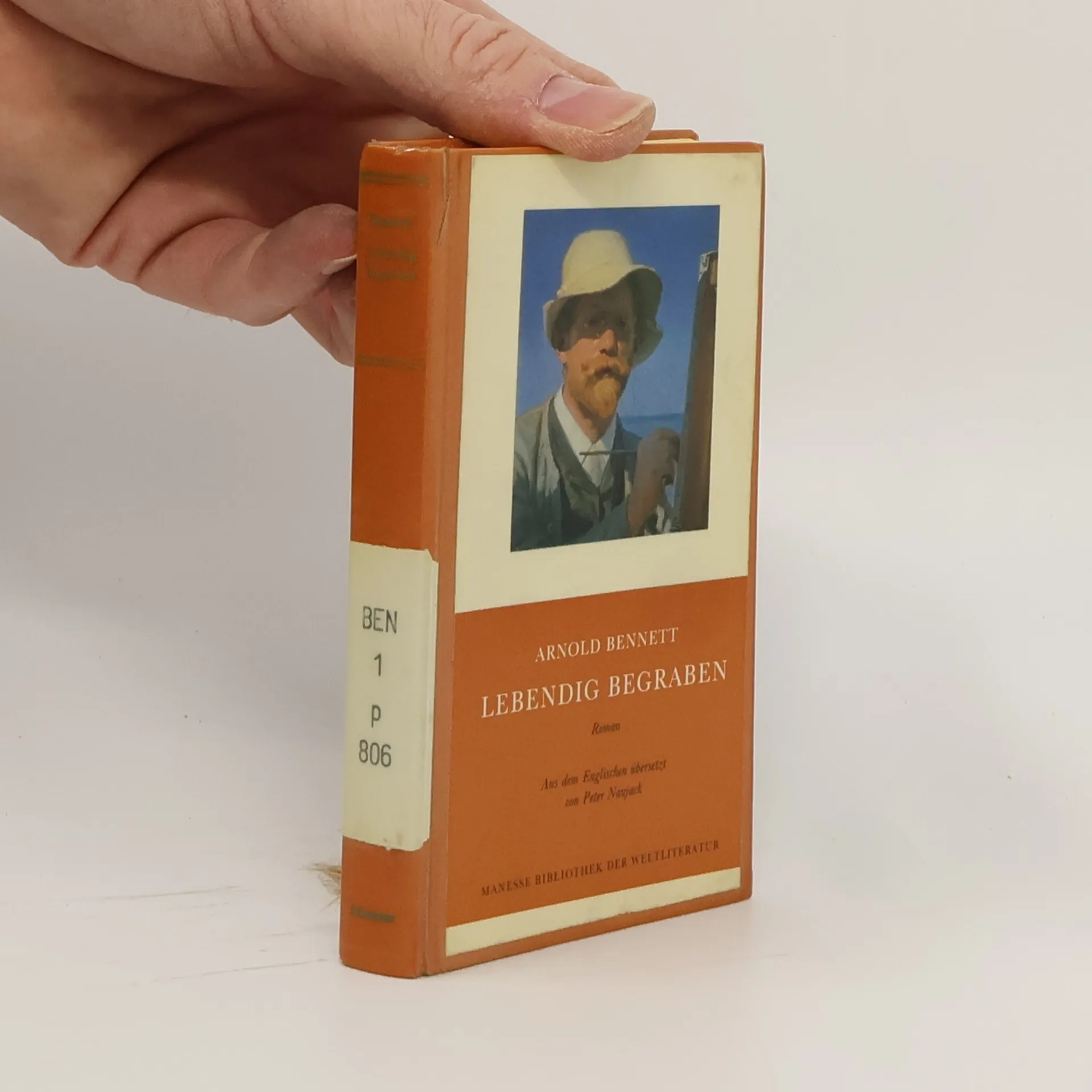
Eine geniale Satire, "Lebendig begraben" (1908) ist Bennett in seiner charmantesten und witzigsten Form. Es ist die Geschichte eines renommierten, aber äußerst schüchternen Malers, Priam Farll, der die Identität seines verstorbenen Valets, Henry Leek, annimmt, um der Aufmerksamkeit der Presse zu entkommen.
Barcelona. 22 cm. 366 p. Encuadernación en tapa blanda de editorial ilustrada. Bennett, Arnold 1867-1931. Trauducción, Iris Menéndez. Traducción These twain .. Este libro es de segunda mano y tiene o puede tener marcas y señales de su anterior propietario. 8470174754
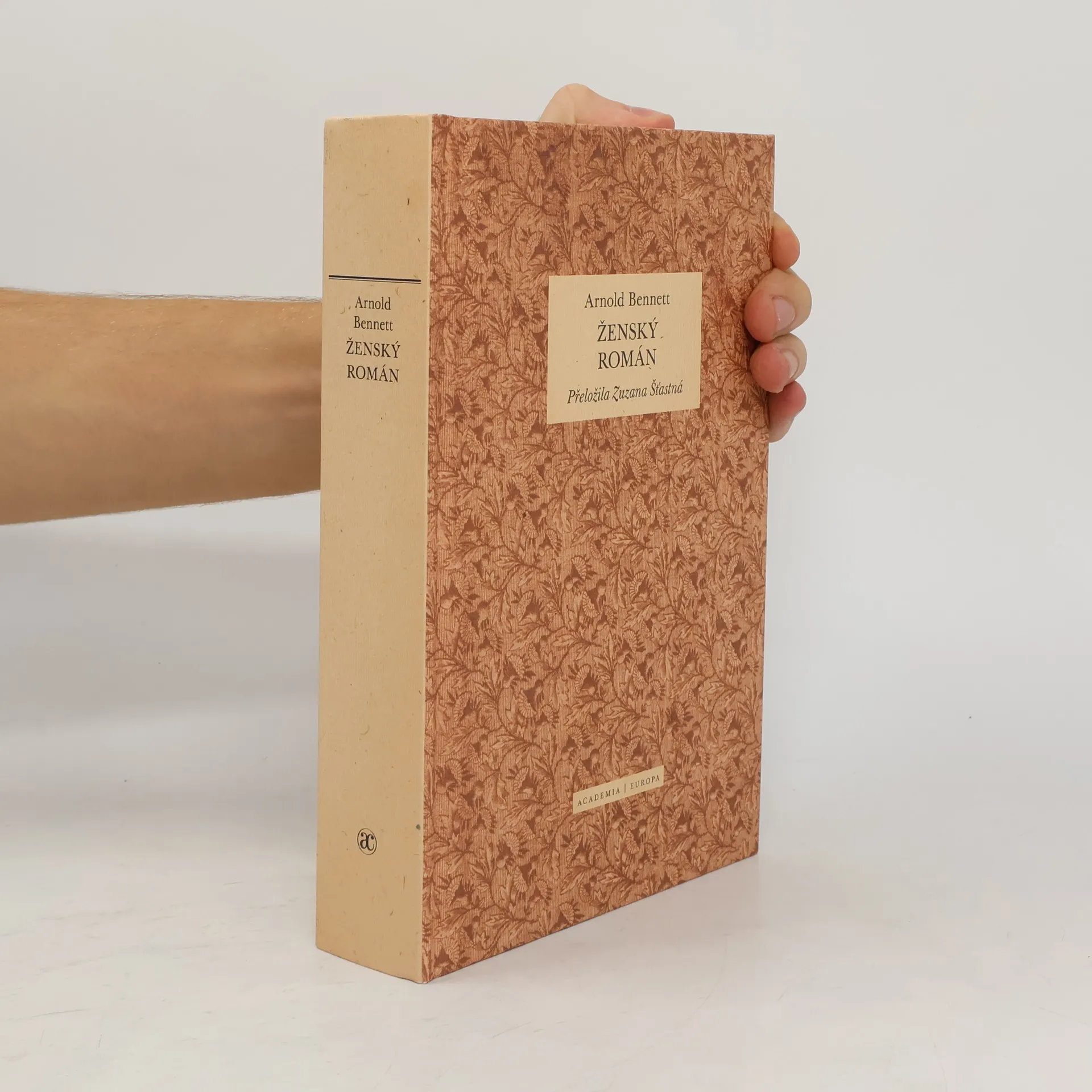
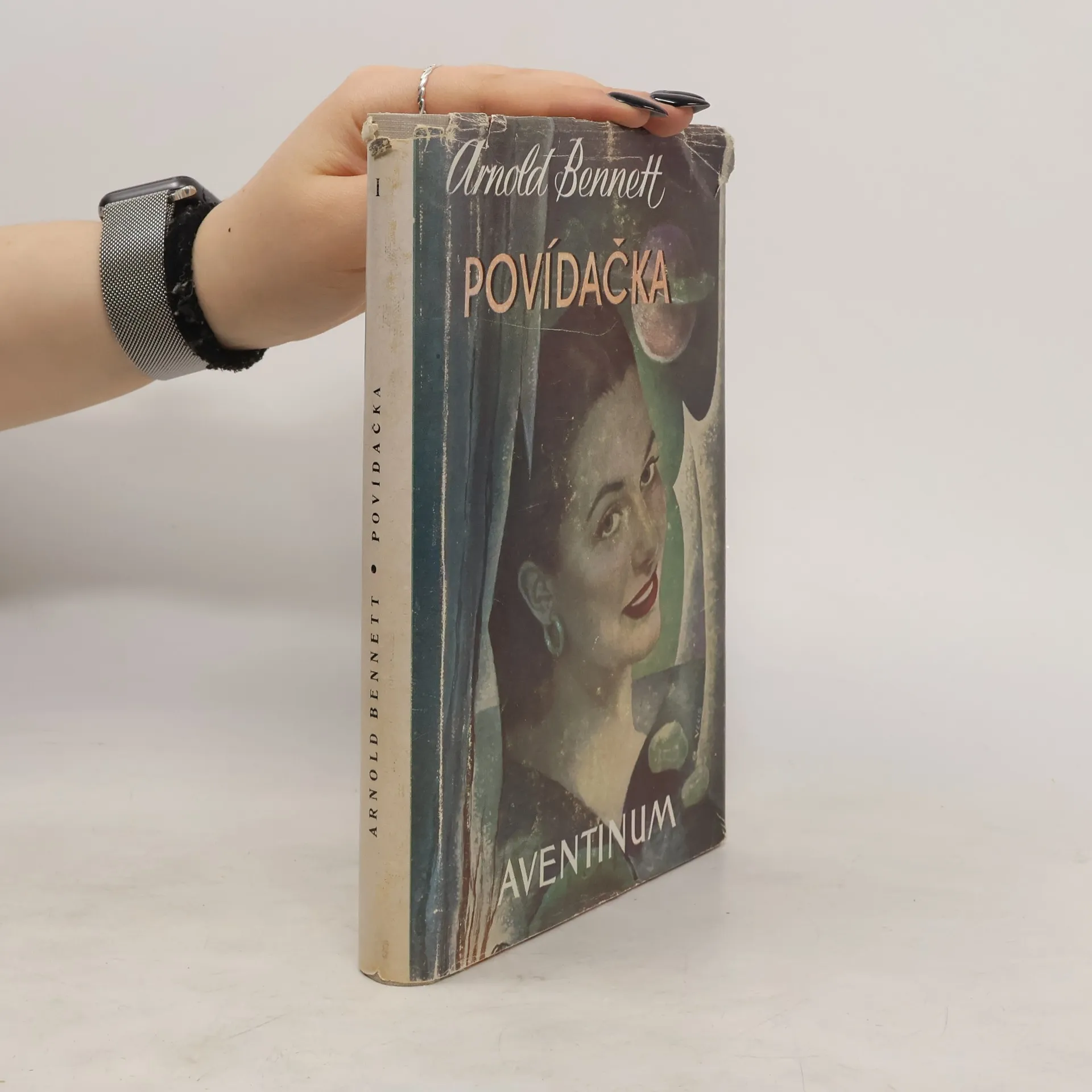
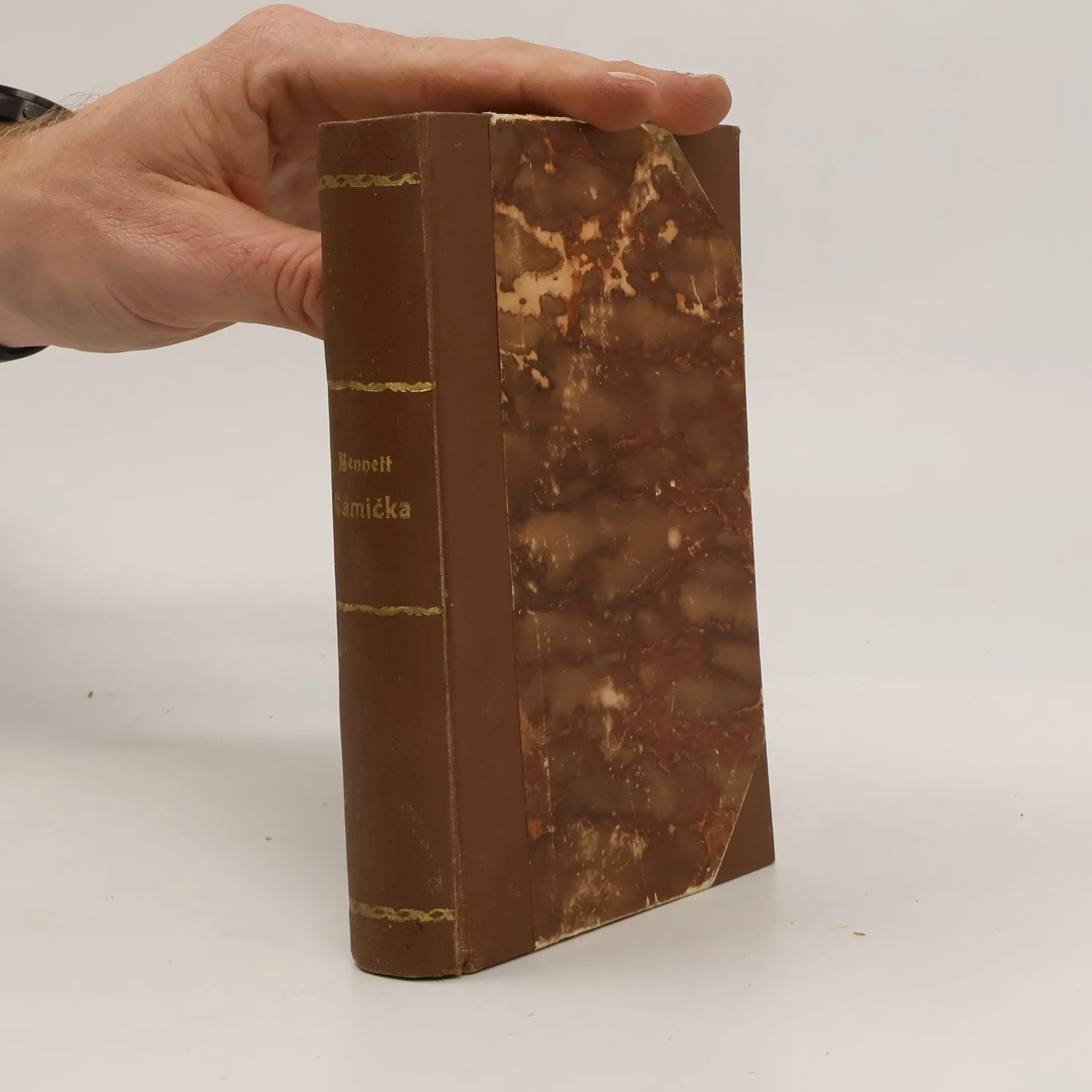
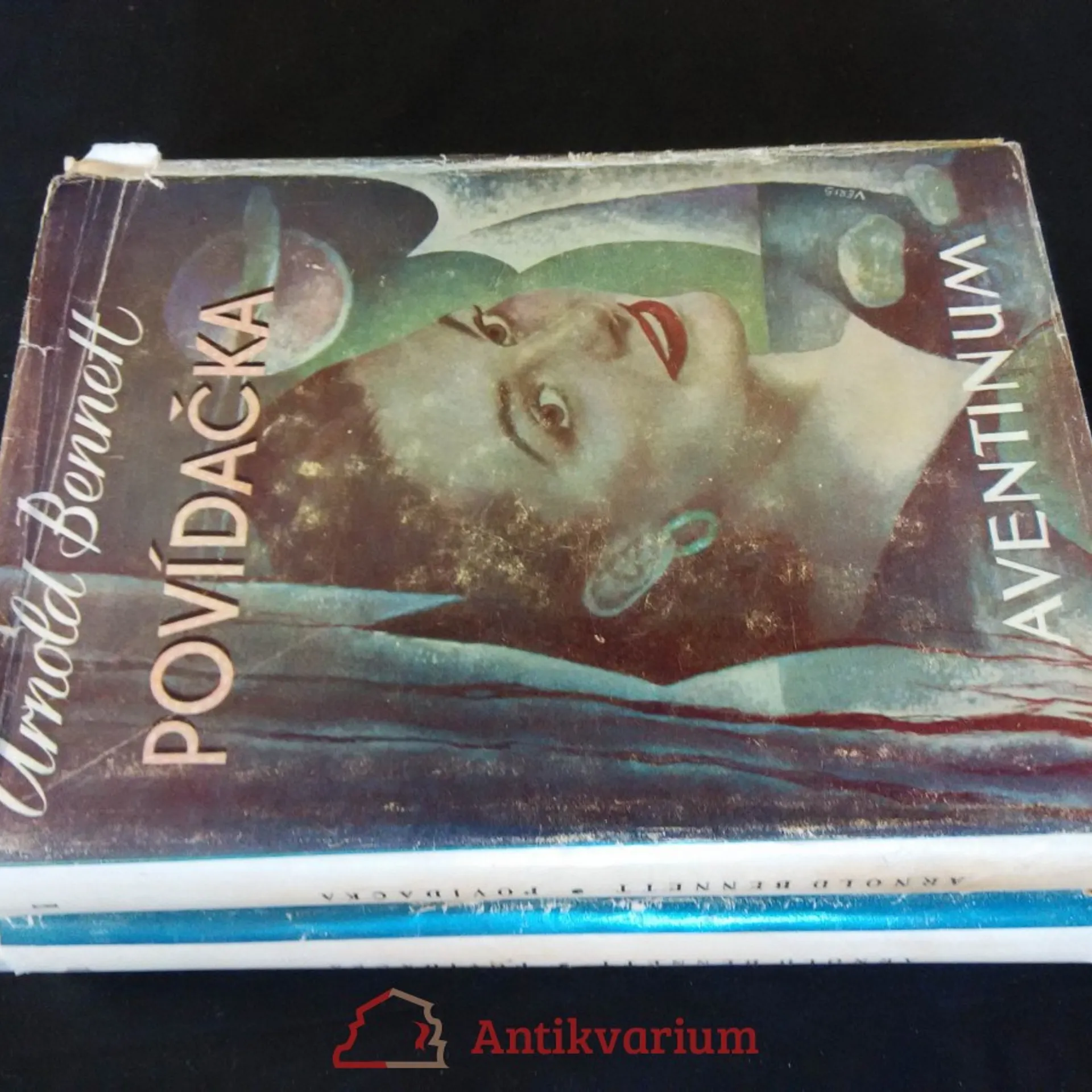
Bennettovo dílo Ženský román (v orig. Old Wives' Tale) patří ke klasickým dílům anglické literatury - např. kritik John Carey jej v knize Pure Pleasure zahrnul do svého výběru padesáti kvalitních a zároveň čtenářsky nejvděčnějších románů 20. století. Nový český překlad Ženský román se v názvu snaží tak jako originál o ironickou dvojznačnost. Bennett si do titulu vypůjčil lehce pejorativní idiomatické spojení (česky nejspíše "babská povídačka"), ale pojal ho v doslovném smyslu a skryl pod něj psychologicky nesmírně propracovaný příběh (tale) o životě dvou povahově odlišných sester a později manželek (wives). Mezi jejich společným dětstvím a stářím sleduje osudy jedné z nich v rodném Staffordshiru a druhé v Prusy obléhané Paříži a všímá si přitom zdánlivě všedních, a přece magických i traumatických okamžiků lidského života, jež jsou nezávislé na "velkých" dějinách. Nakladatelská anotace.
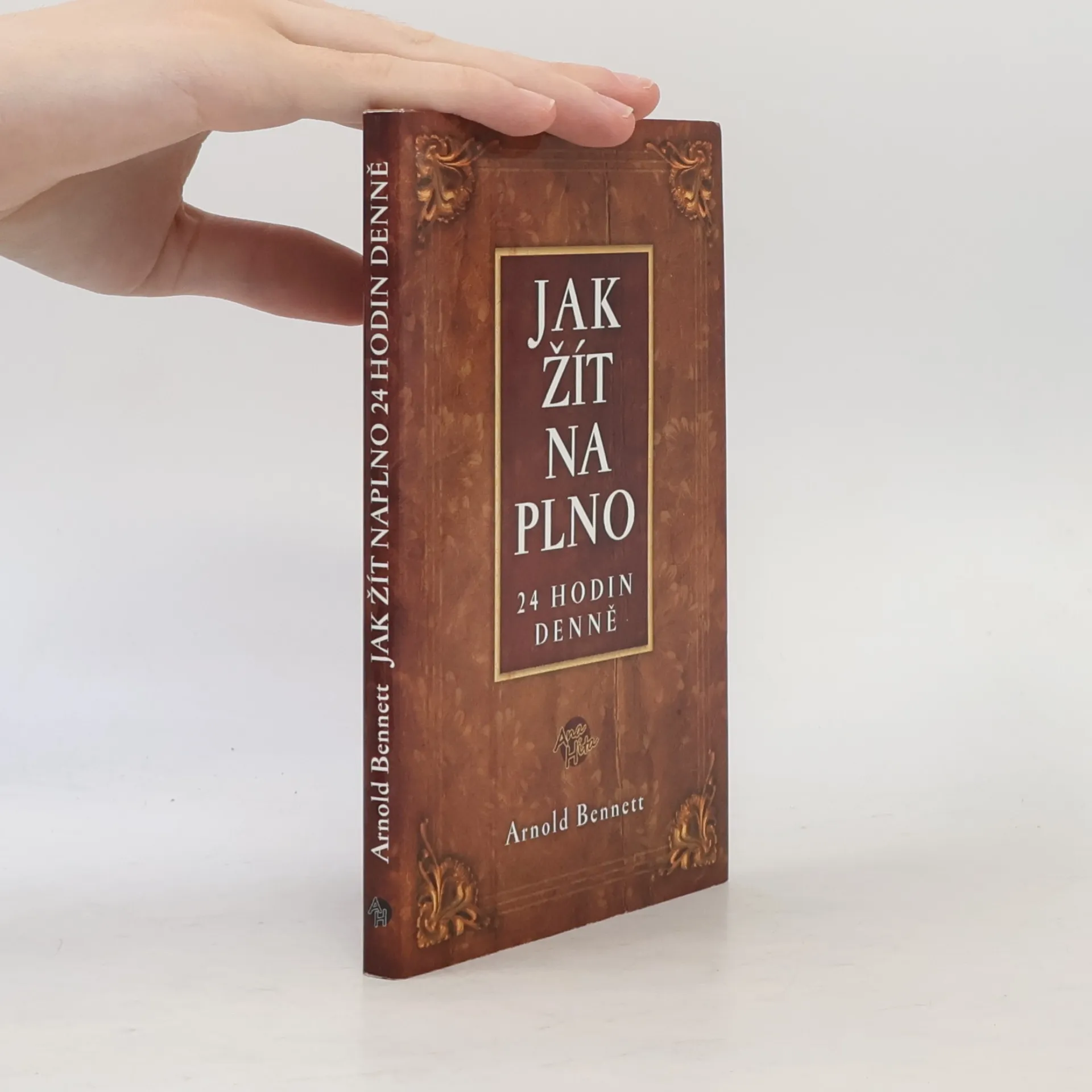
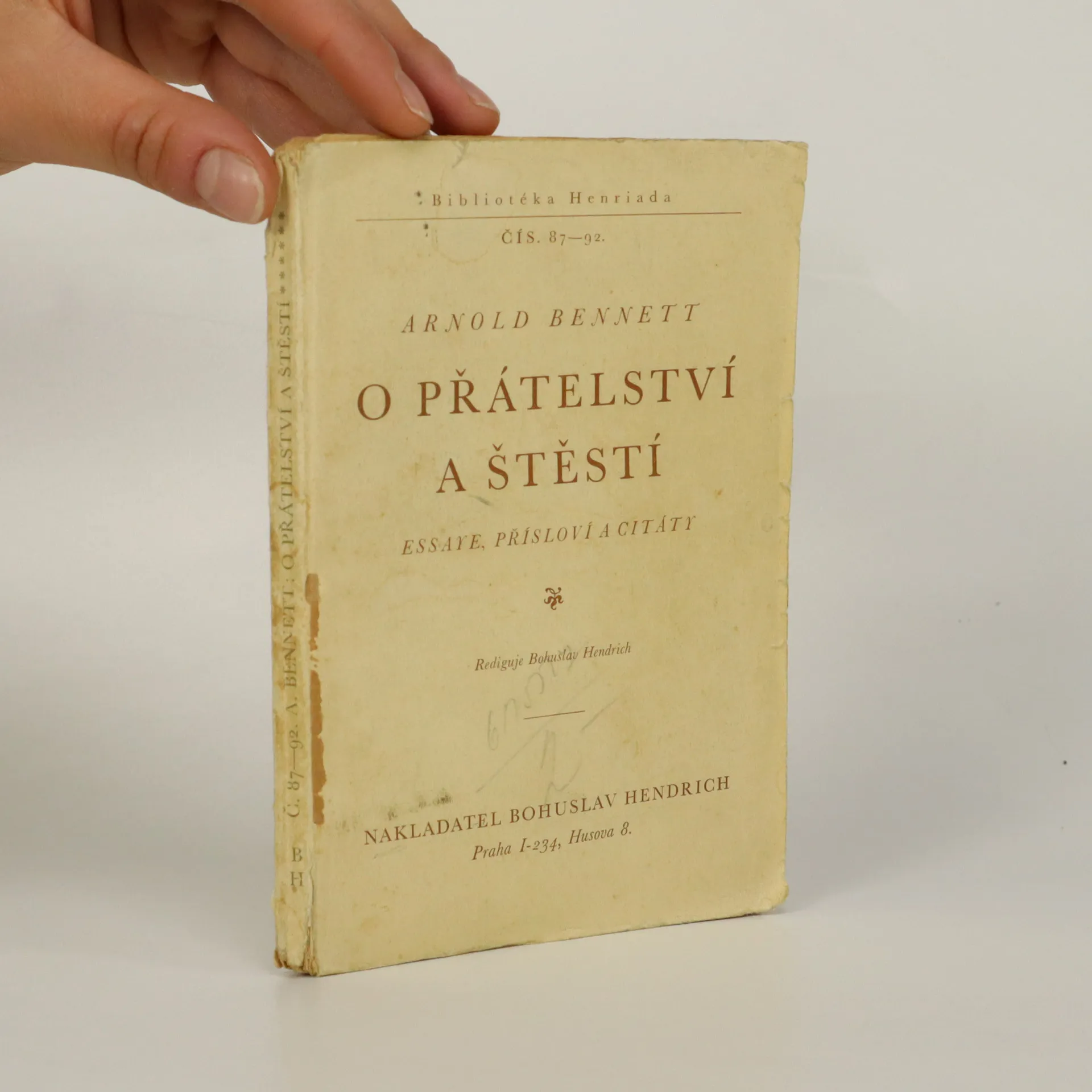
Kniha srozumitelným způsobem odpovídá na věčný lidský problém s nedostatkem času. Kniha nabízí snadno následovatelný návod k plnému využití času běžného dne a tím nás vede ke splnění našich životních snů a přání.
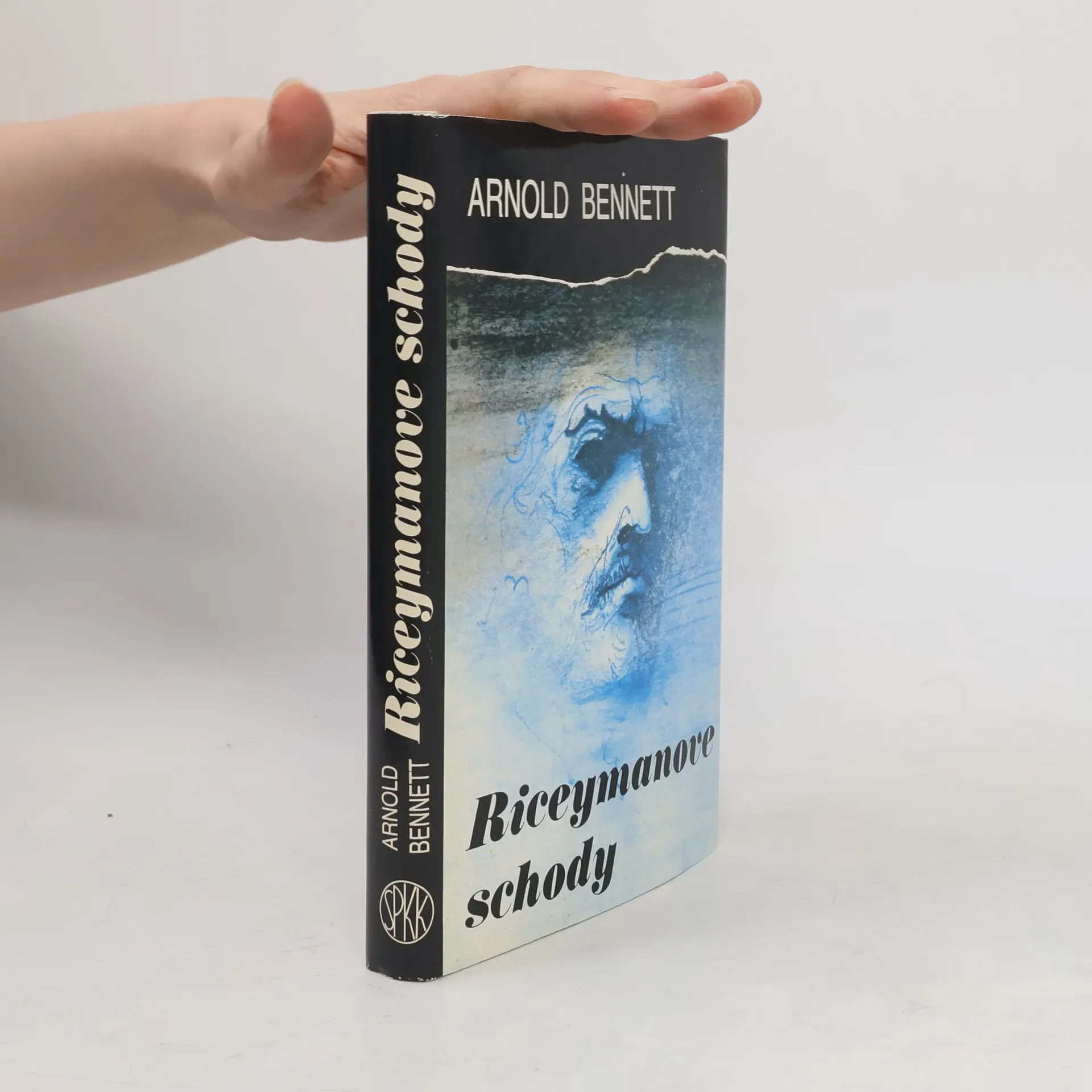
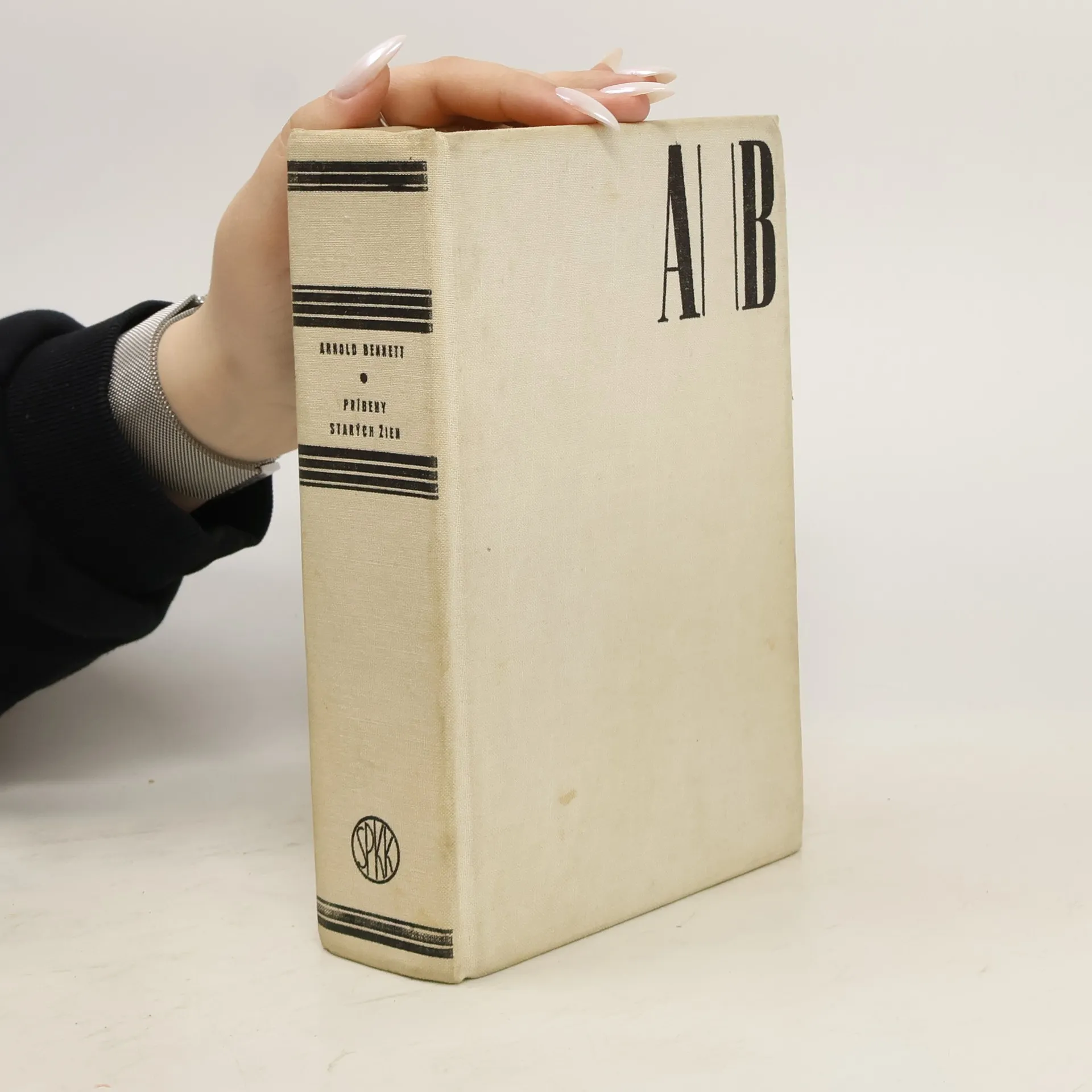
Román o velkoměstském lakomci, jenž je posedlý neukojitelnou touhou po výdělku a chorobnou šetrností. Umírá u naplněné pokladny, aniž pochopil, že v honbě za penězi promarnil svůj život. Jedno z nejlepších a nejpopulárnějších děl anglického spisovatele Arnolda Bennetta (1867-1931).
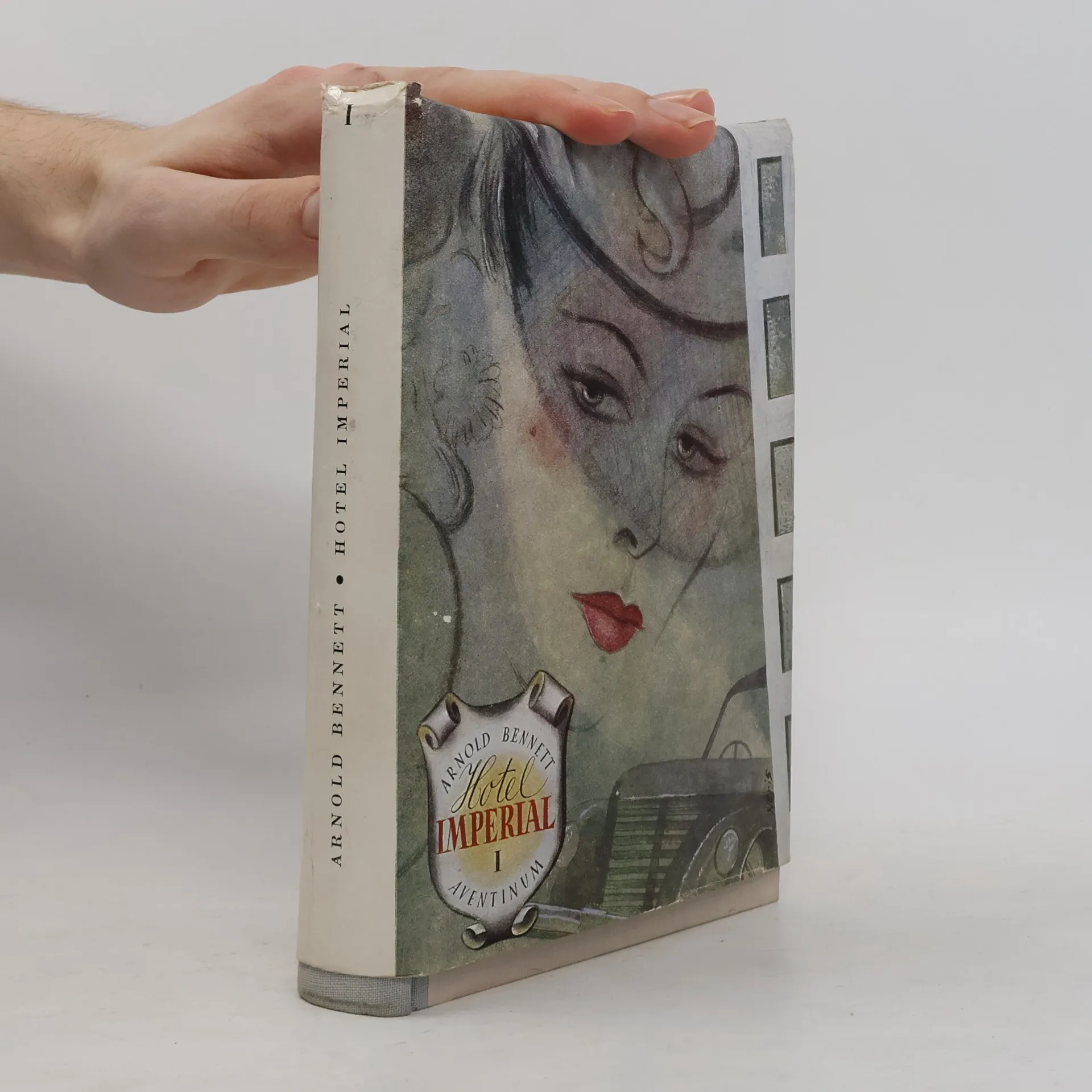
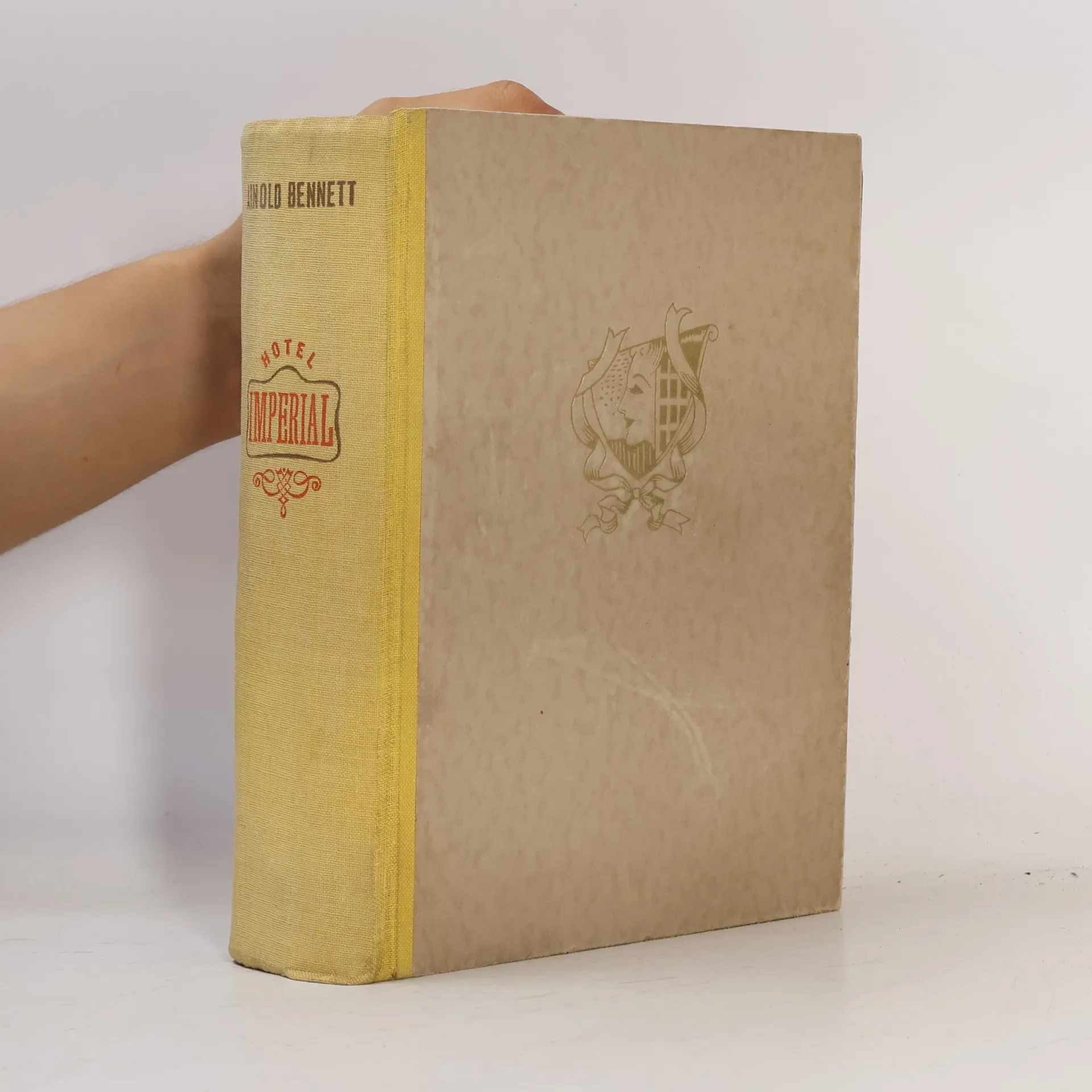
Román plný jemné ironie a vtipu. Mistrný vzor dobrodružného románu, který je pln dobrodružství a napínavosti, nečekaných obratů a rozuzlení. Dvojice lovící miliony mladého dědice, učenec zapletený do složité historie dědictví a kazící soustavně plány dobrodruhů, nečekané rozuzlení celé složité zápletky, to vše je tu vylíčeno s lehkým humorem, pod kterým proniká bystrá a hluboká znalost lidské povahy a přesné myšlení autorovo. Román, který upoutá slohem i dějem tak, že jej přečtete jedním dechem.
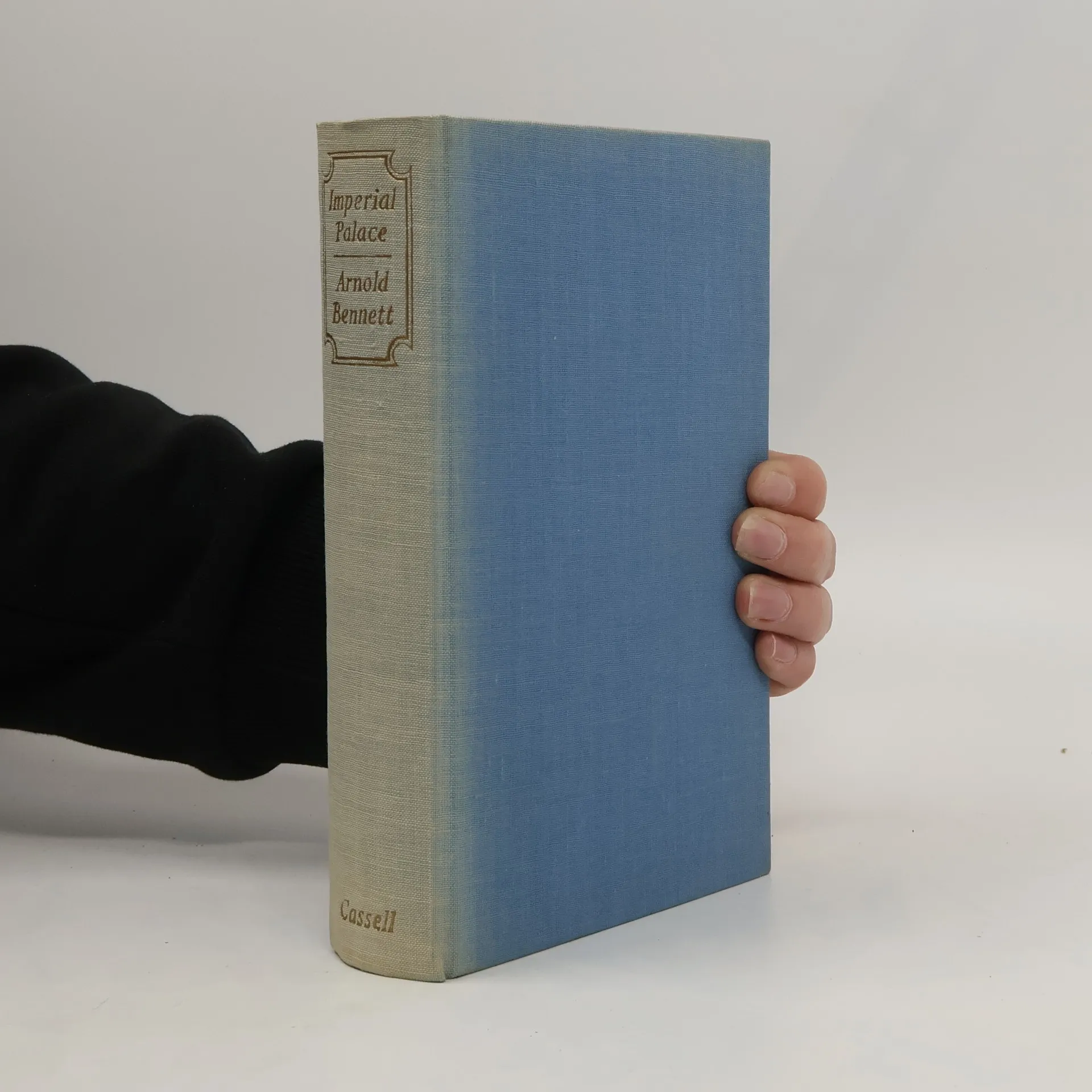
Román o londýnskom antikvariátnikovi pánovi Earlforwaldovi, žijúcom v Clerkenwelli... Dej sa odohráva po I. svetovej vojne a v titulnej postave autor vytvoril portrét ľudskej skúposti, radiaci sa k nezabudnuteľným postavám svetovej literatúry, ako sú Harpagon, Gobseck či Grandet. Doslov: Ján Vilikovský
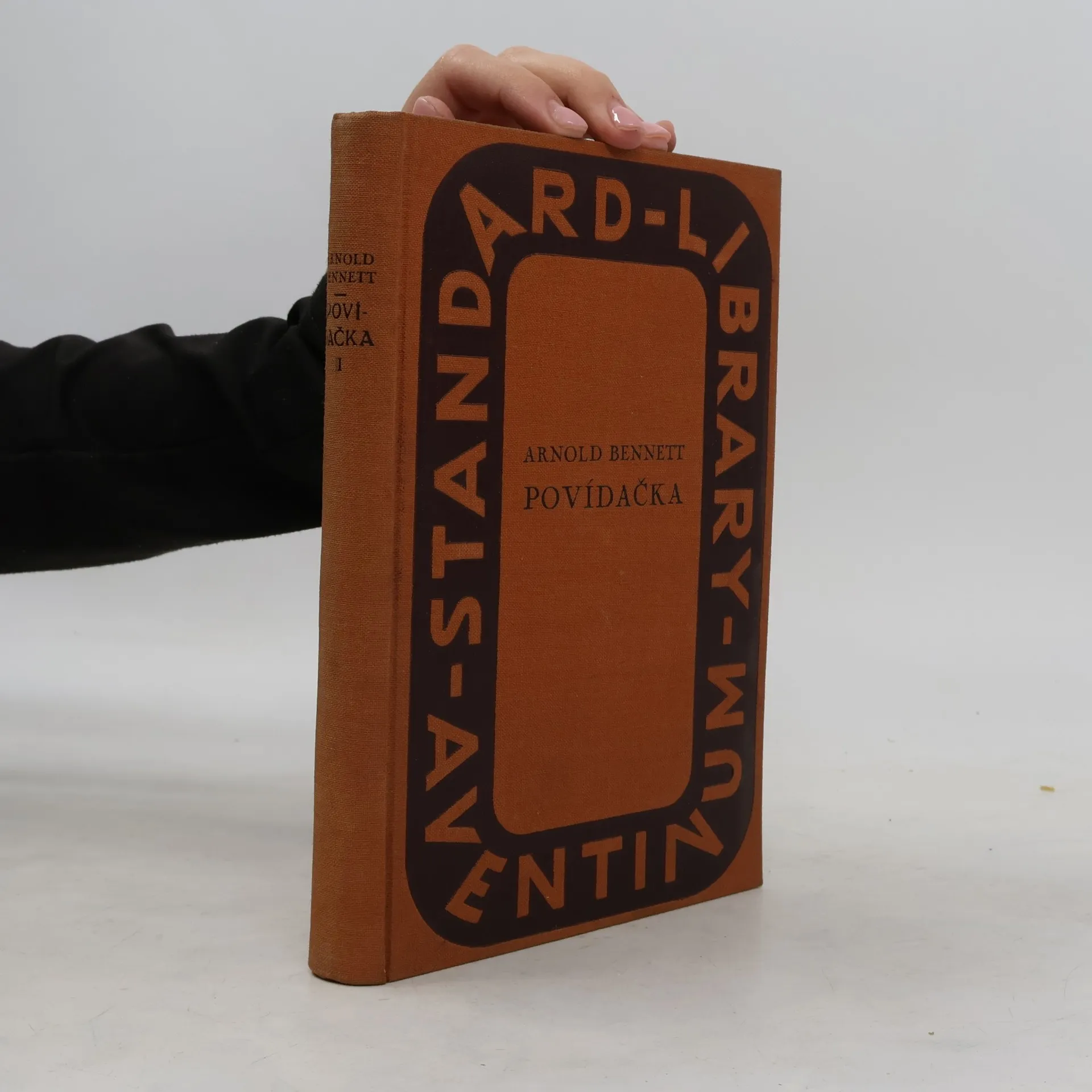
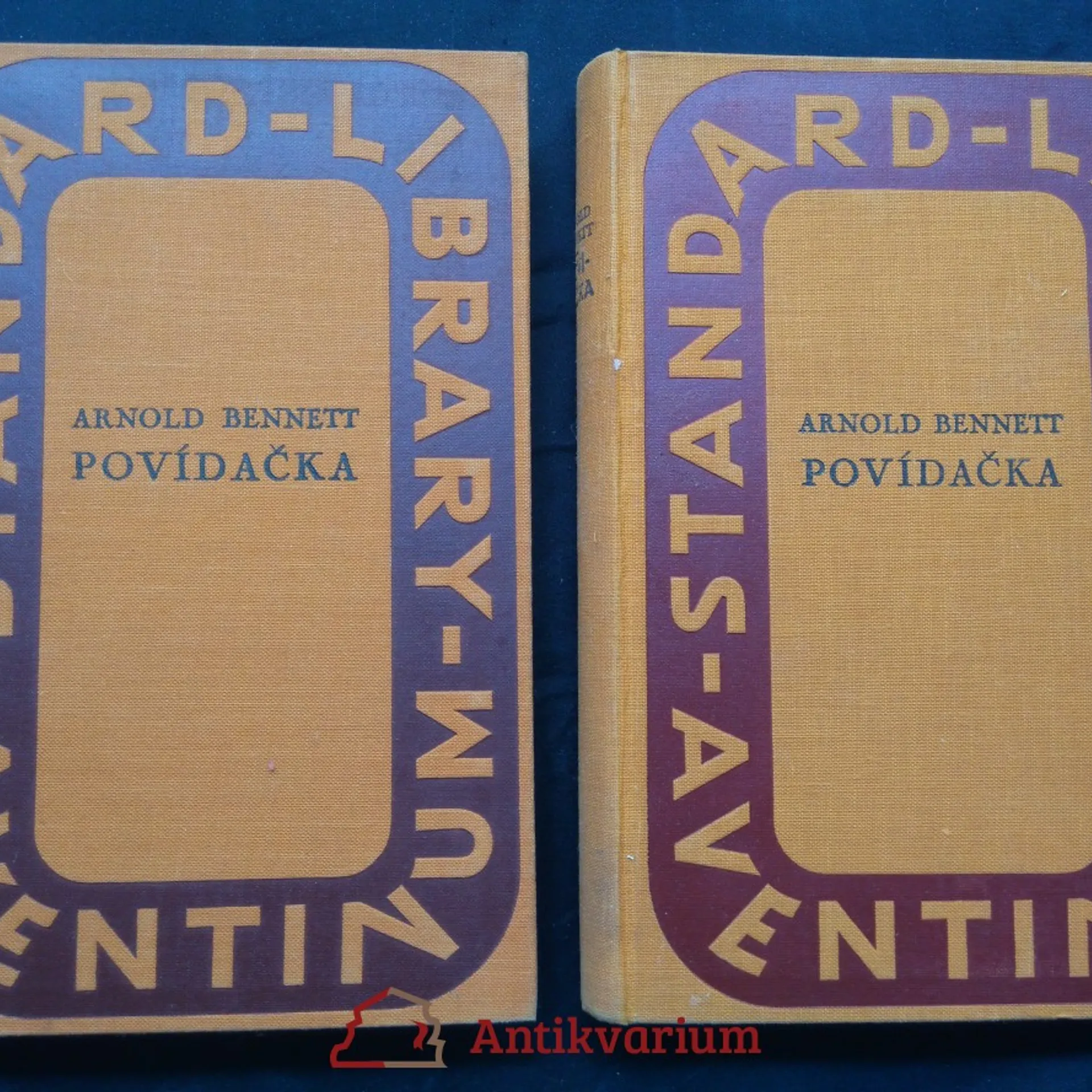
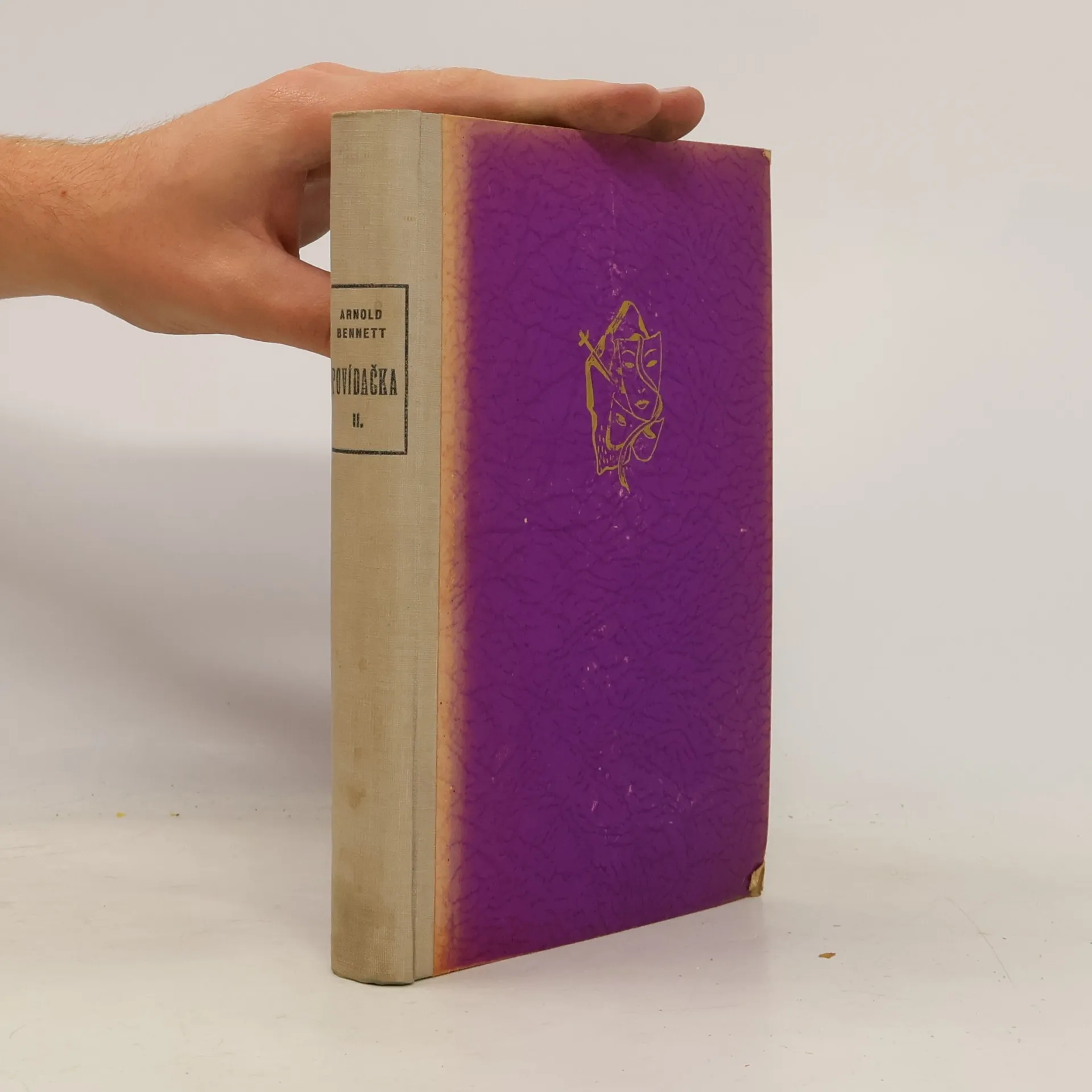
Obsáhlý soubor povídek autora ve třech dílech a dvou knihách.Povídky jsou většinou inspirovány jeho rodným krajem Staffordshire, ale i ponuré předměstí Londýna.
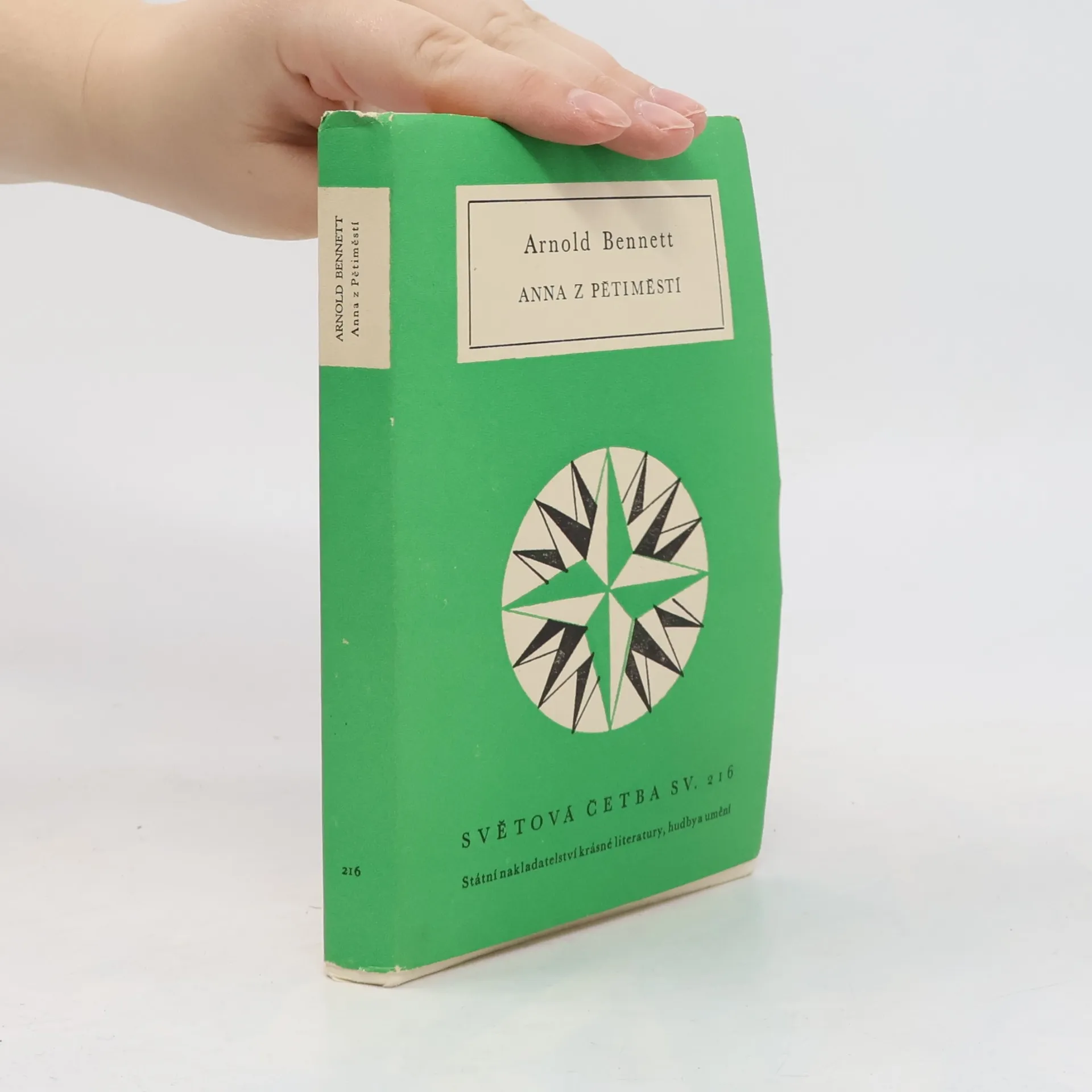
Na poměrně malé, sevřené ploše v účinné a výstižné zkratce se Bennettovi podařilo vytvořit neobyčejně živý portrét dospívající dívky, bohaté dědičky ohromného majetku, jejímž údělem je však trpký osud lakomcovy dcery. Anna - bezelstná, bystrá a vnímavá - postupně stále víc trpí a střetává se s otcovým nelidským despotismem, avšak nedovede se mu odvážně opřít. Proto když se do ní zamiluje mladý bohatý továrník, váží si jeho laskavosti a něhy, které dosud nepoznala a svoluje k sňatku. Opravdový milostný vztah však poznává, až když je pozdě. Jen jednou jedenkrát se dokáže vzbouřit, na víc však už nemá sil, a tak je odsouzena při svém bohatství k citově chudému životu. Celý baladický příběh jedenadvacetileté Anny vyrůstá na pozadí průmyslového a dravě podnikatelského kraje, jehož atmosféru Bennett dobře znal, a proto tak pravdivě vystihl.
Novela sleduje život dvou povahou odlišných sester, Constance a Sofie Bainesové, od jejich mládí, přes práci v matčině textilnictví až do stáří. Příběh pokrývá zhruba sedmdesát let od roku 1840 do 1905 a je zasazen do anglického Burslemu a Paříže. Kniha, která poprvé vyšla v roce 1908,je obecně považována za jednu z nejlepších Bennettových prací.
Novela sleduje život dvou povahou odlišných sester, Constance a Sofie Bainesové, od jejich mládí, přes práci v matčině textilnictví až do stáří. Příběh pokrývá zhruba sedmdesát let od roku 1840 do 1905 a je zasazen do anglického Burslemu a Paříže. Kniha, která poprvé vyšla v roce 1908,je obecně považována za jednu z nejlepších Bennettových prací.