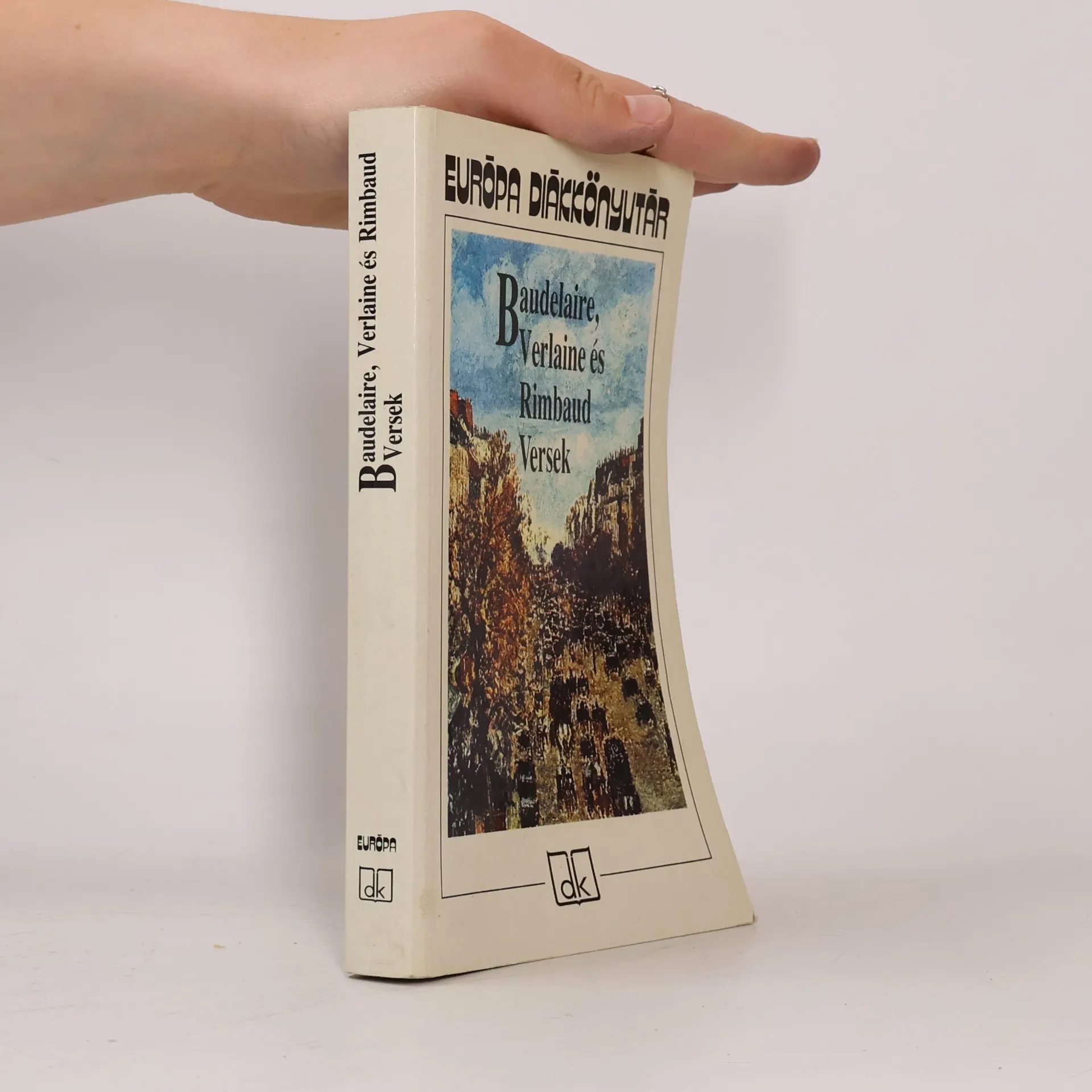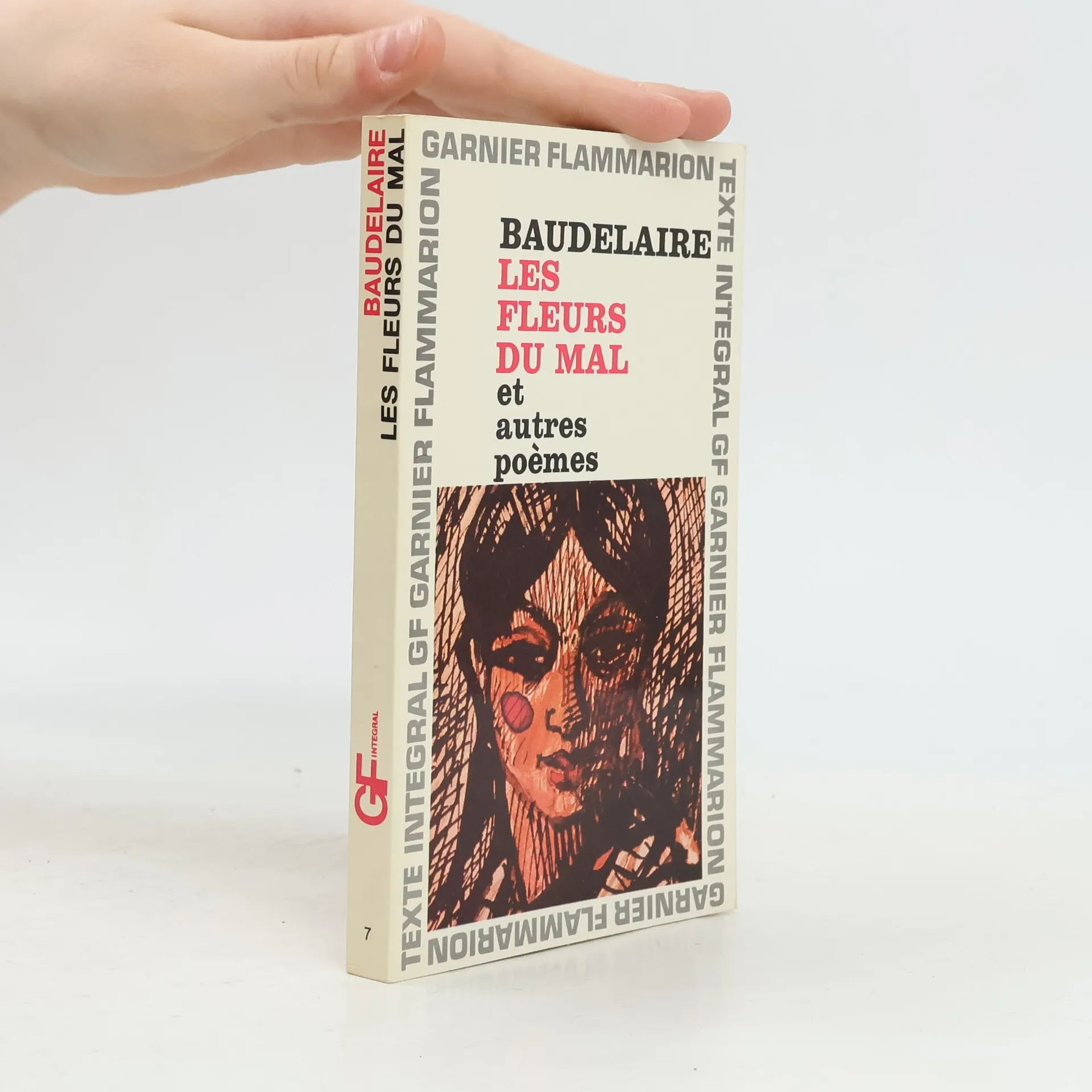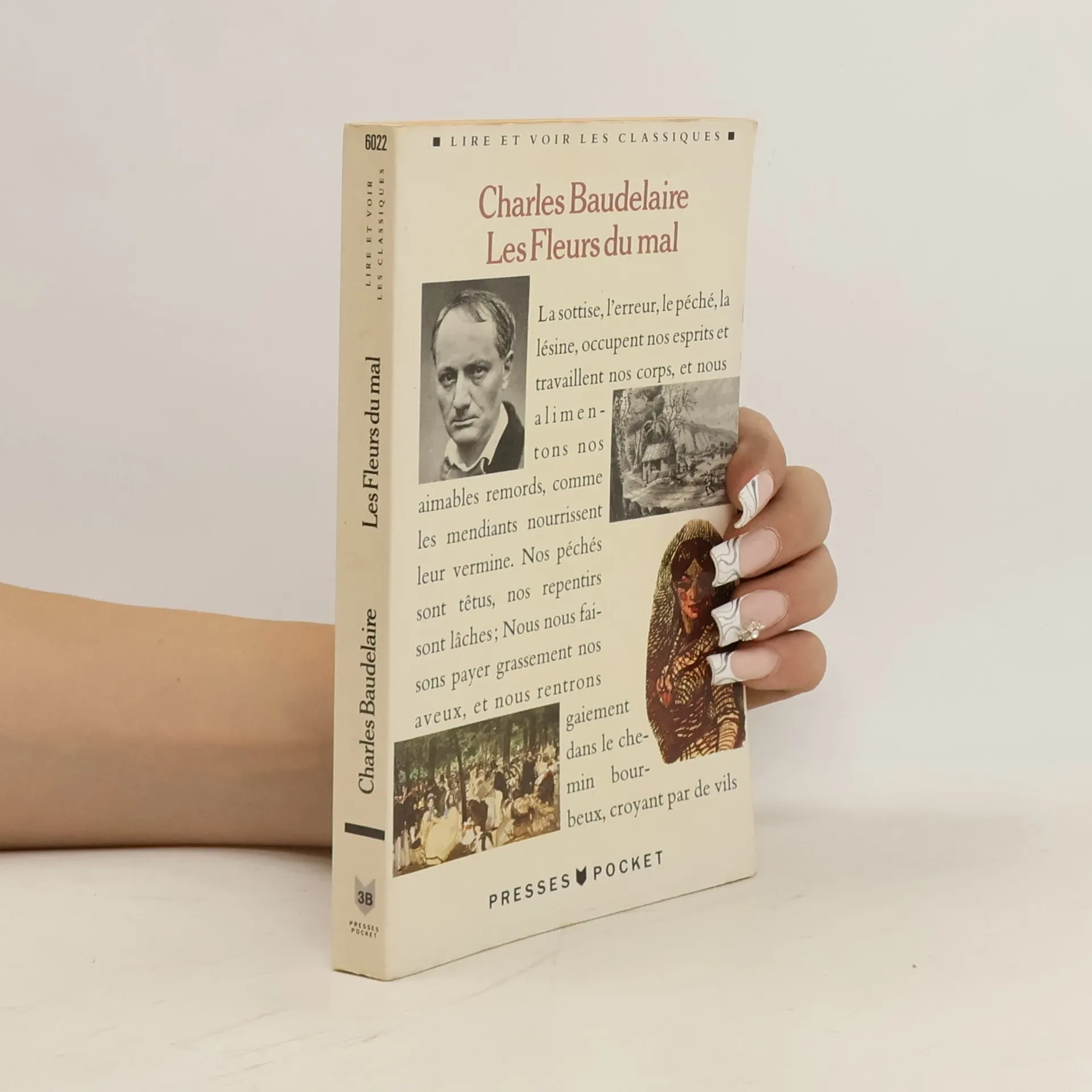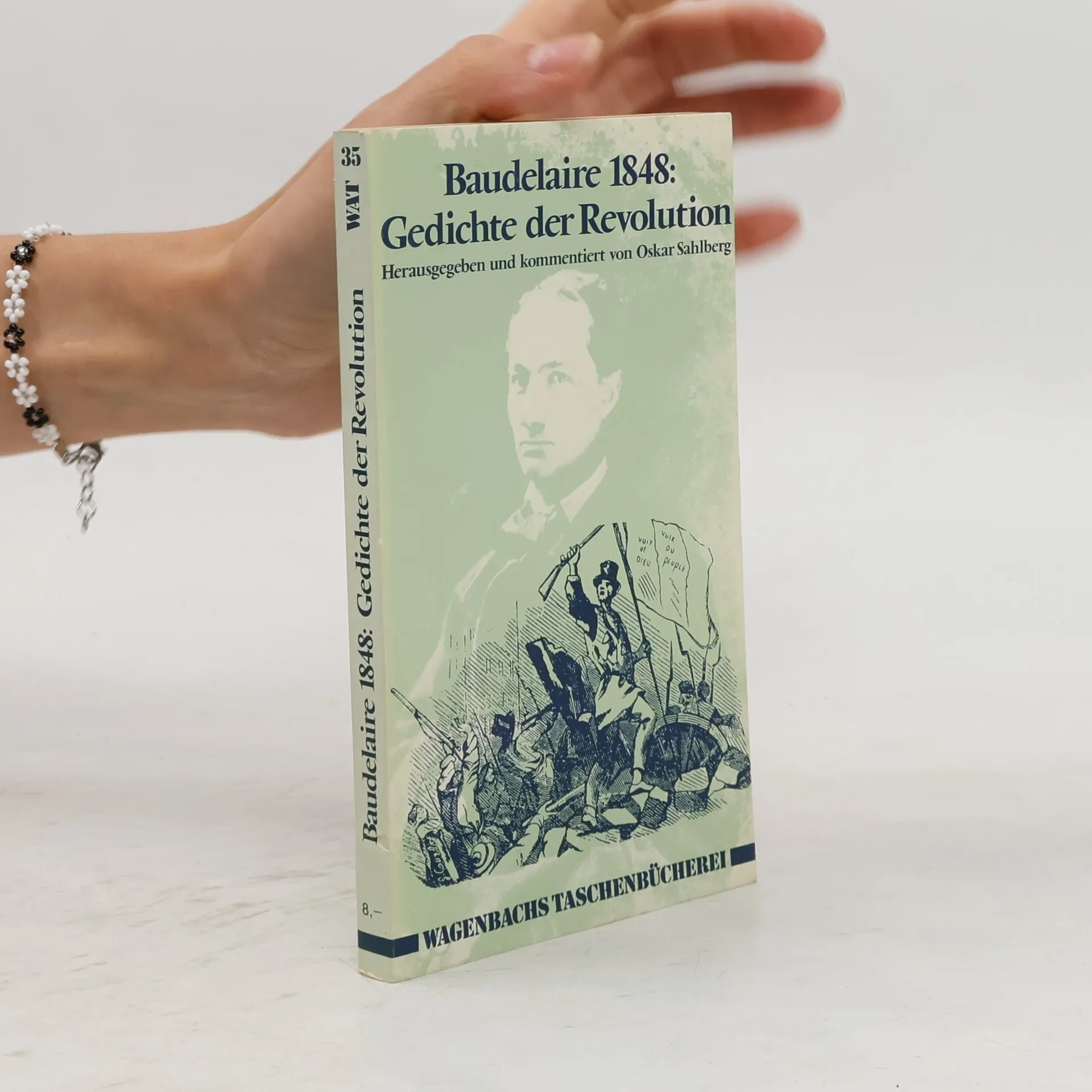

Explore the latest books of this year!
Bookbot

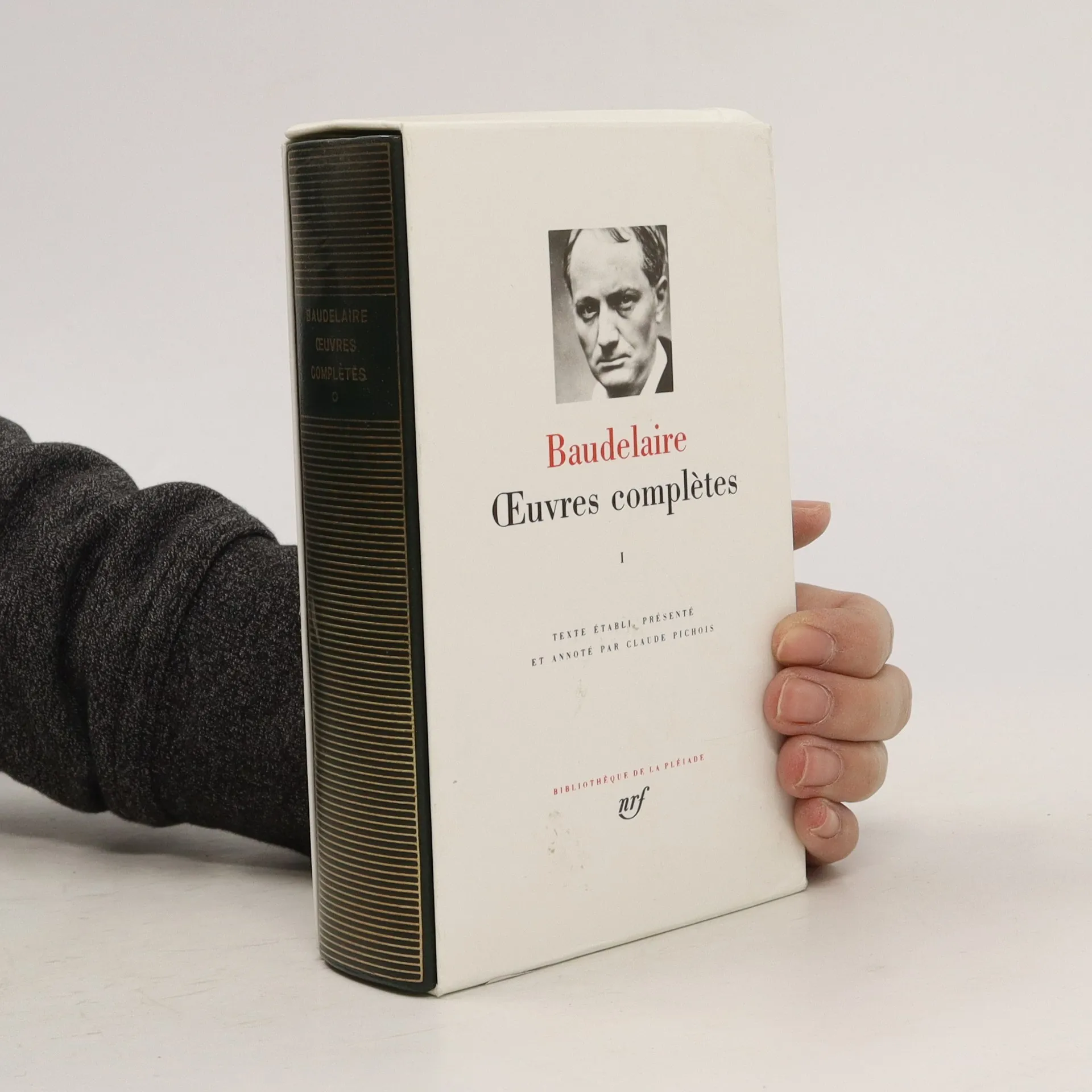
Charles Baudelaire

    April 9, 1821 – August 31, 1867
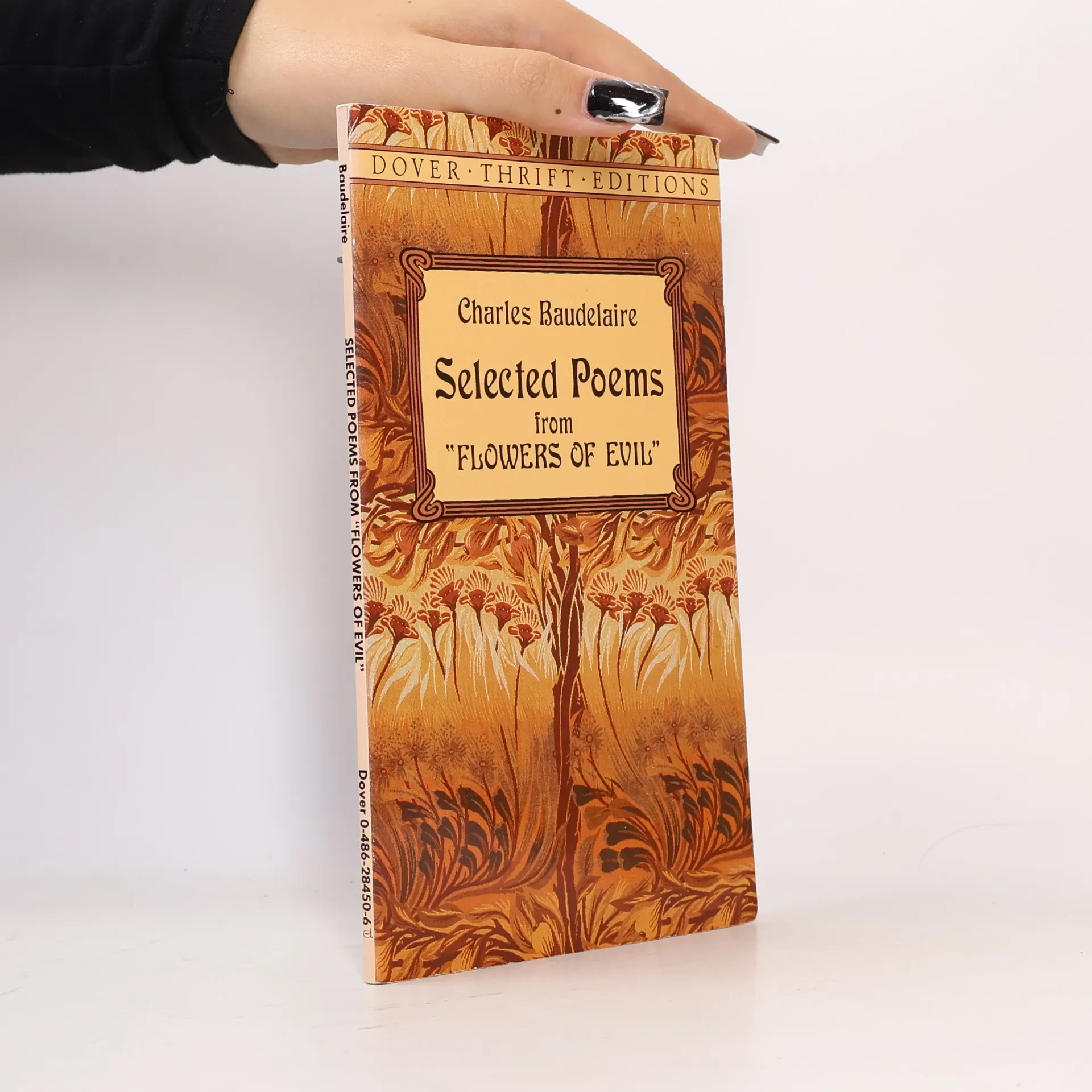
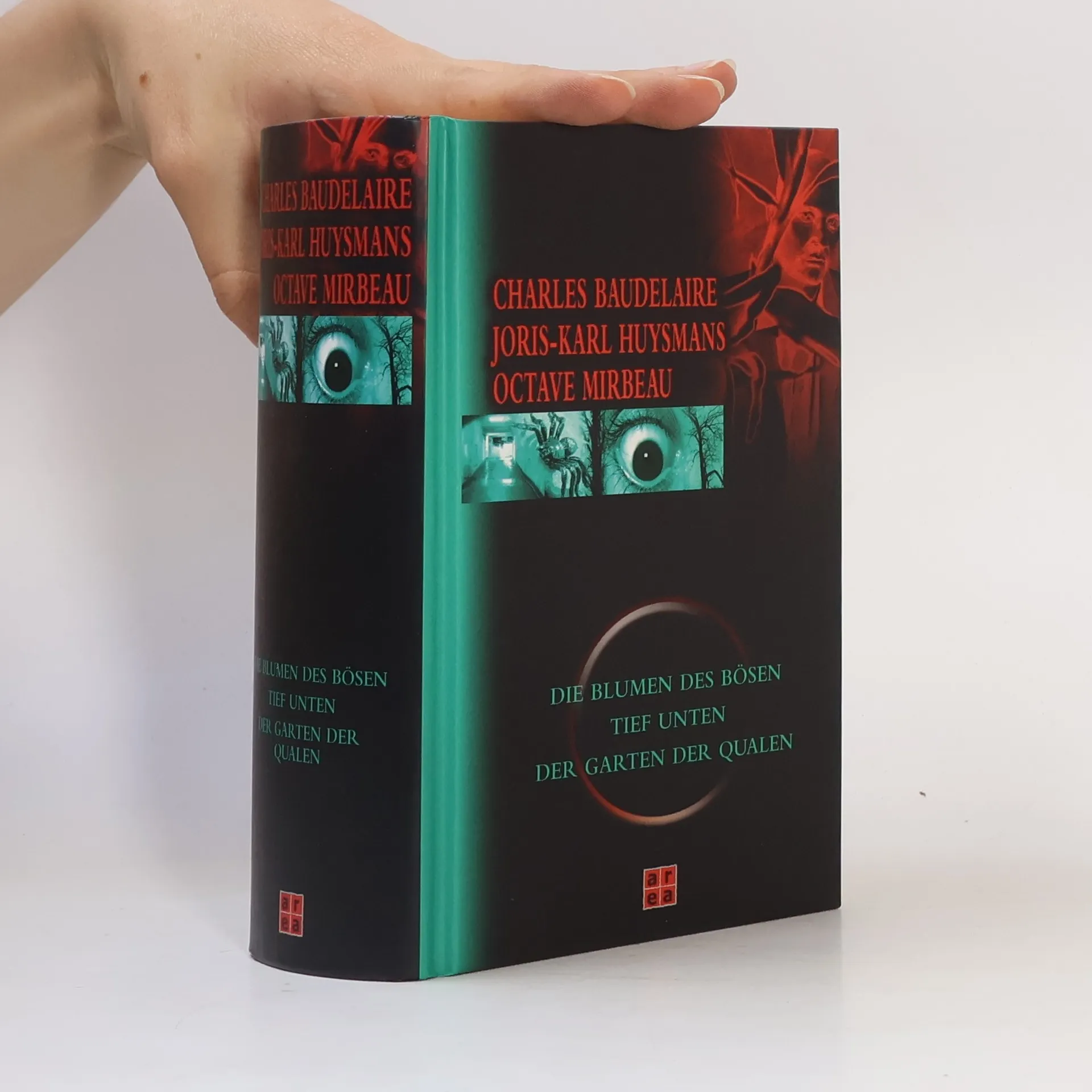
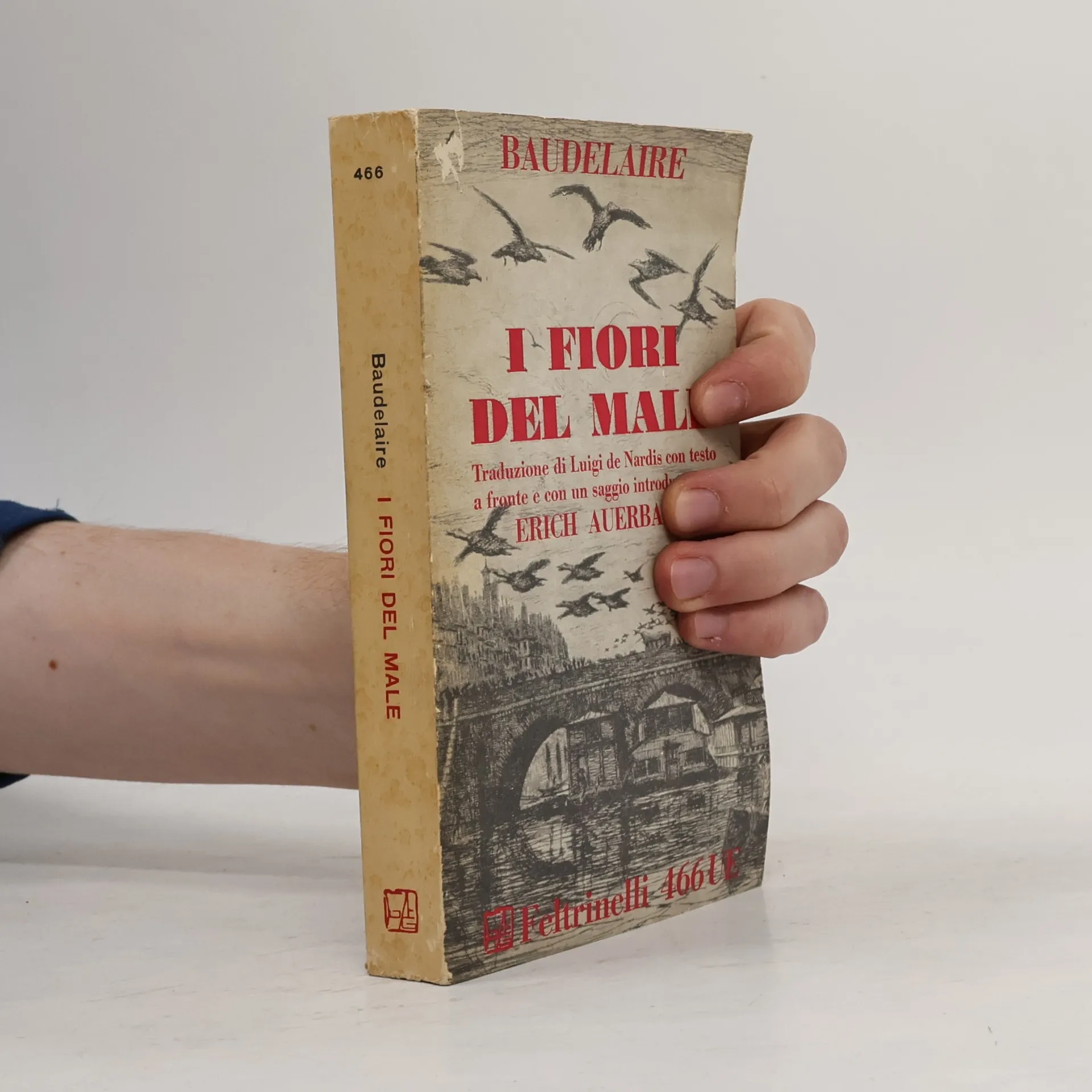
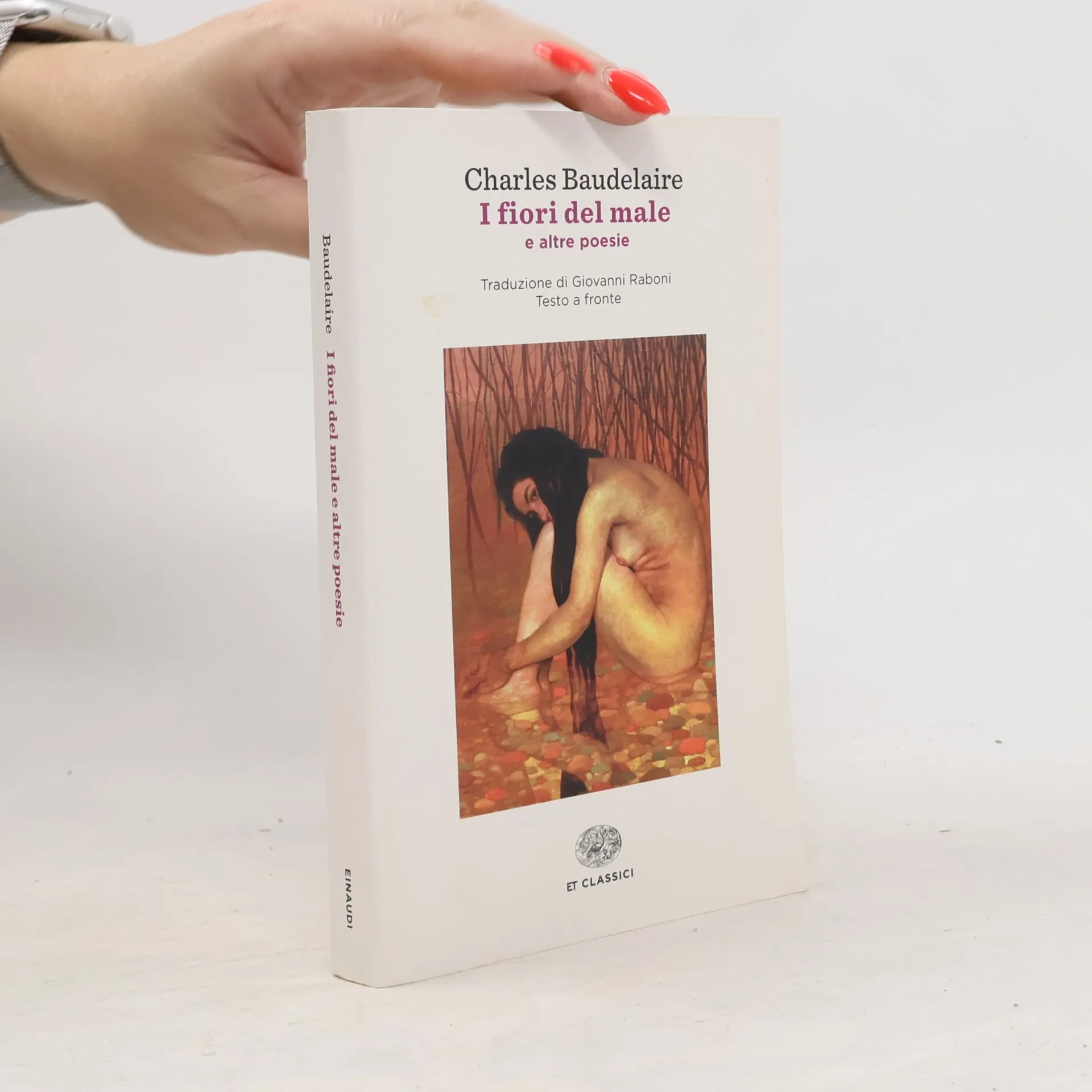
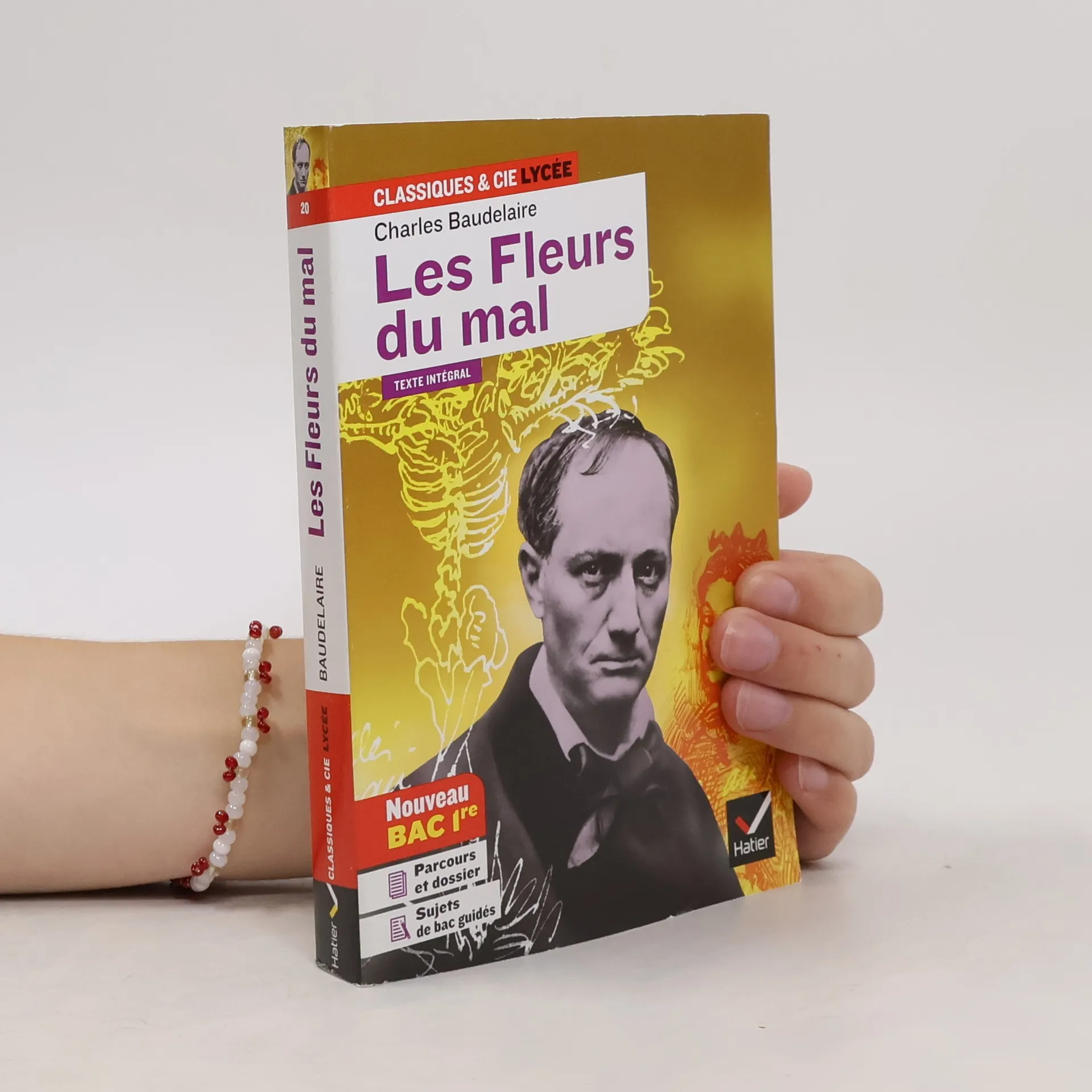
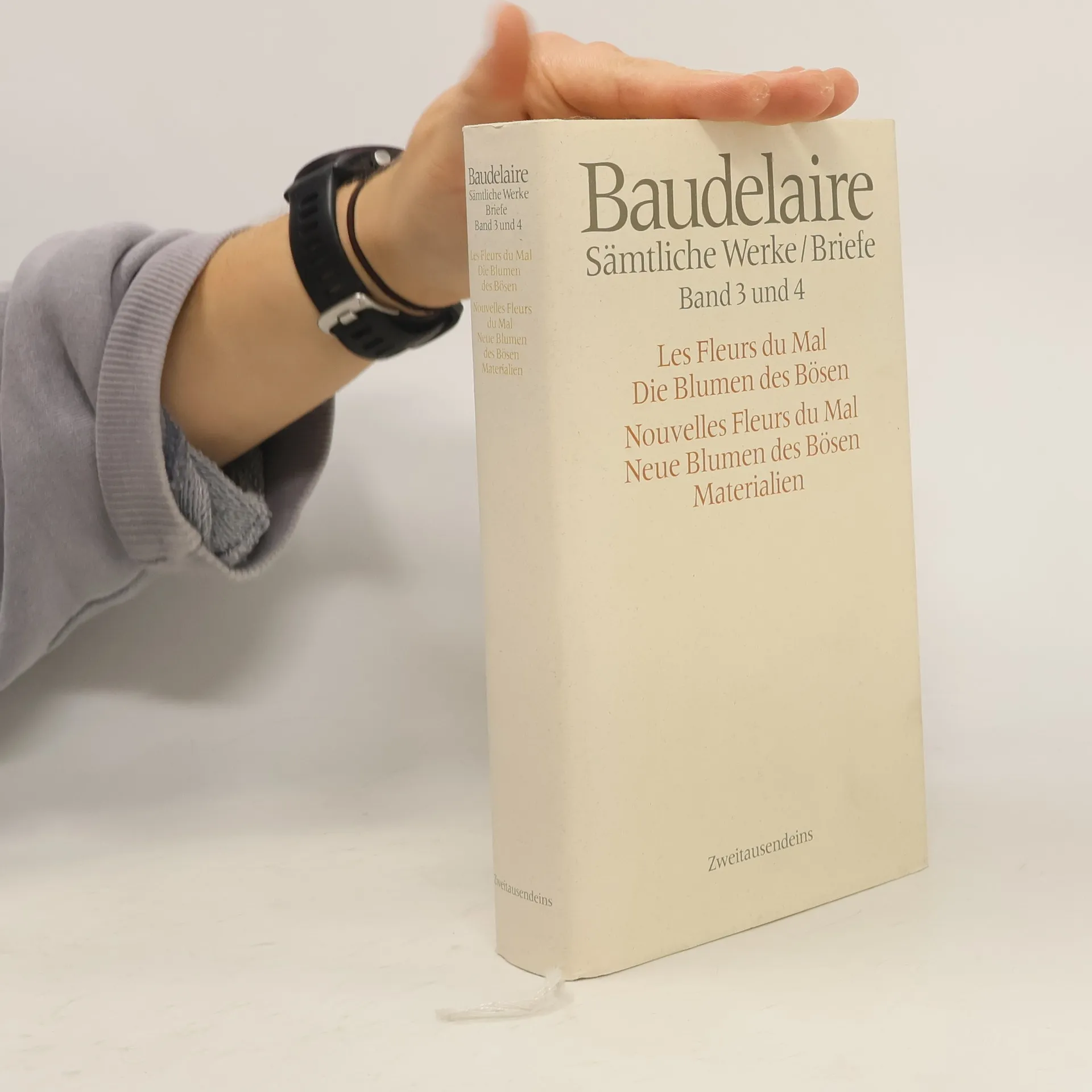
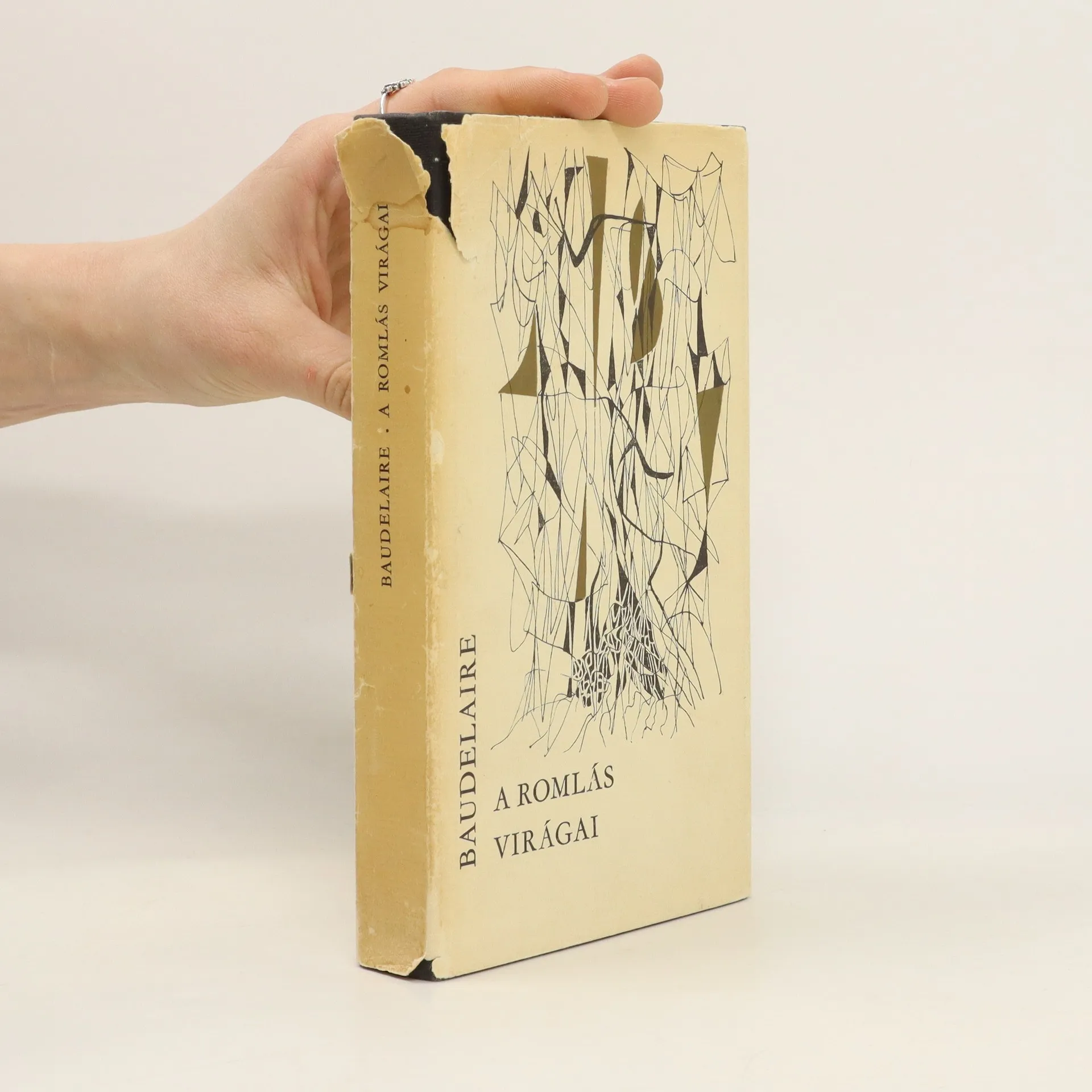
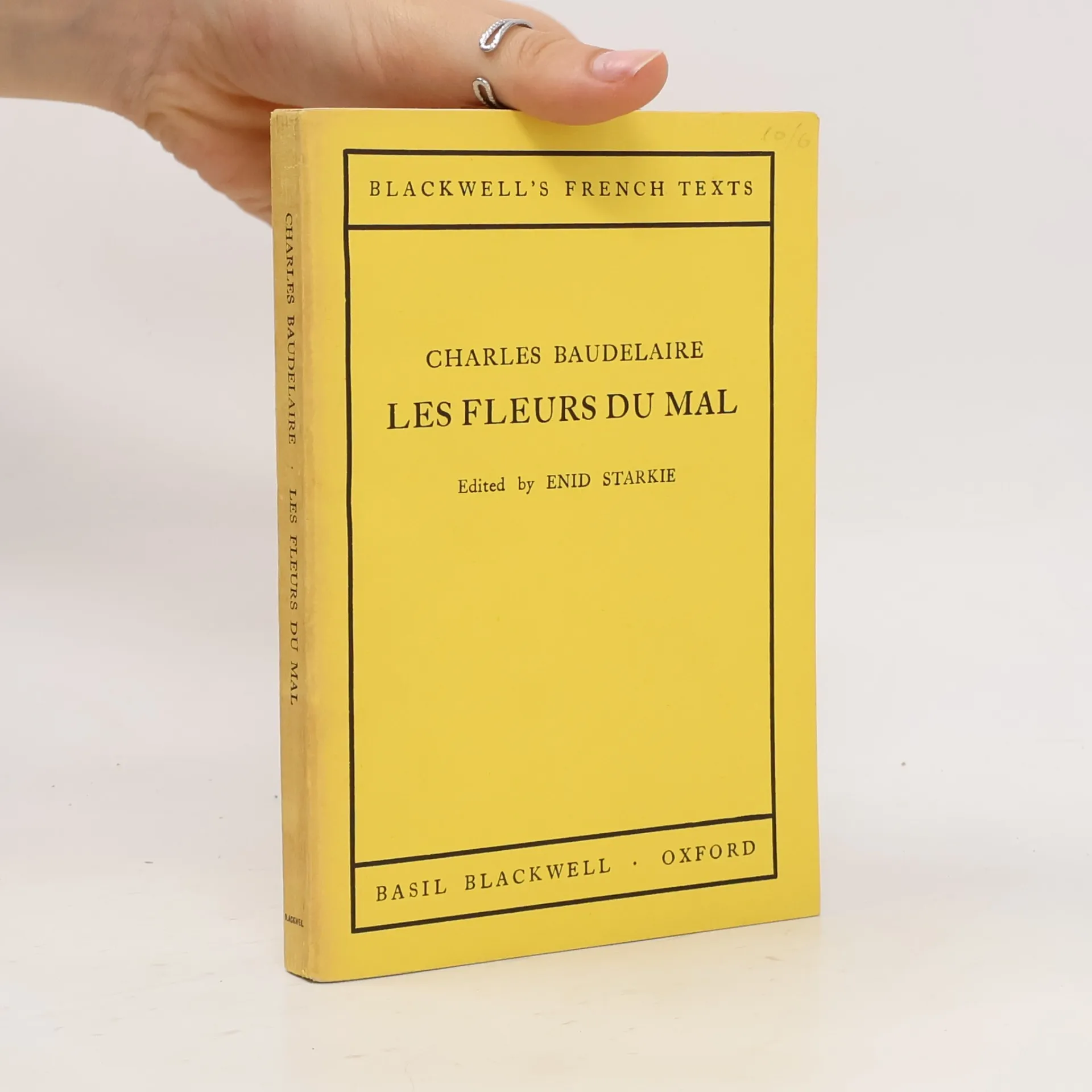
    The Flowers of Evil
    Late Fragments
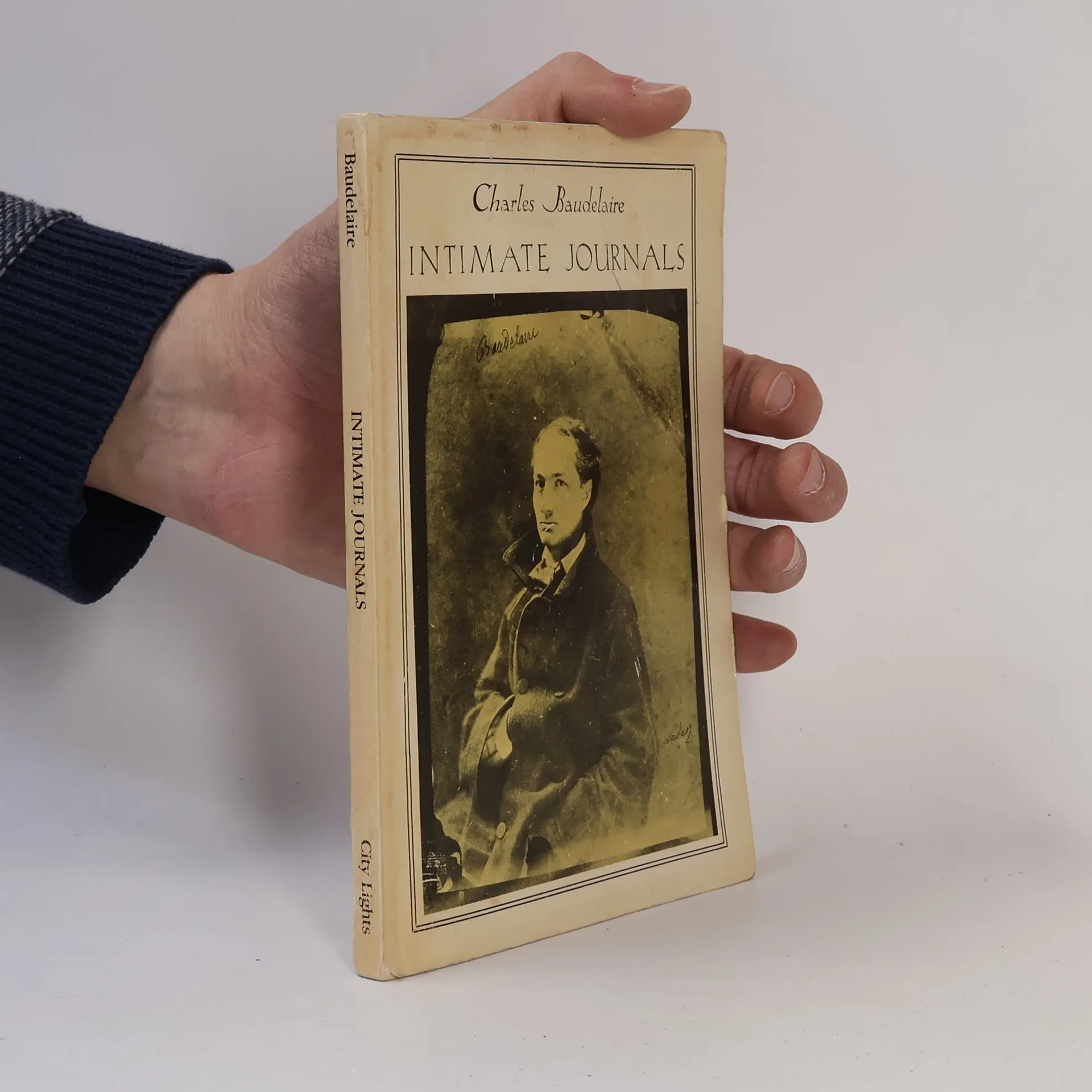
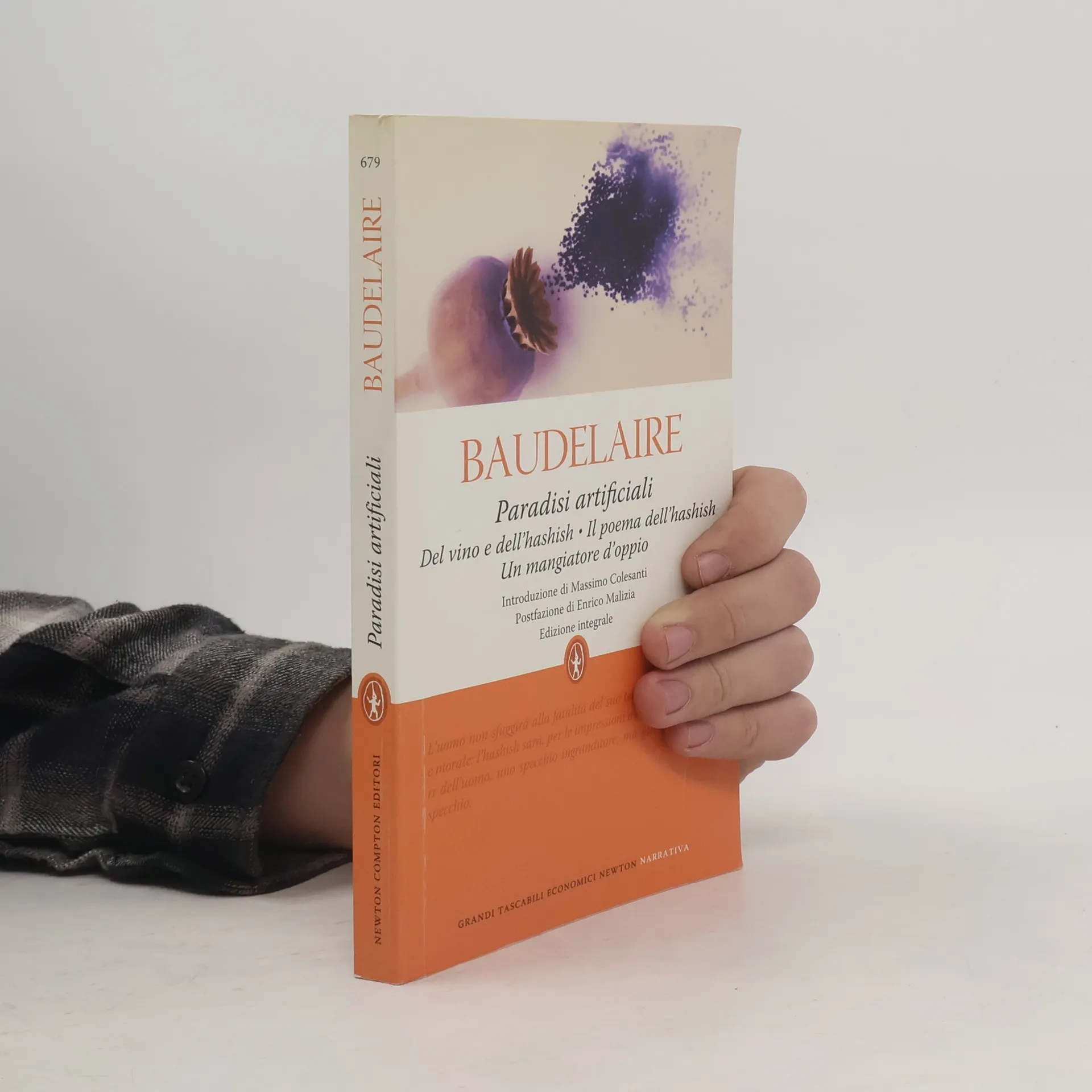
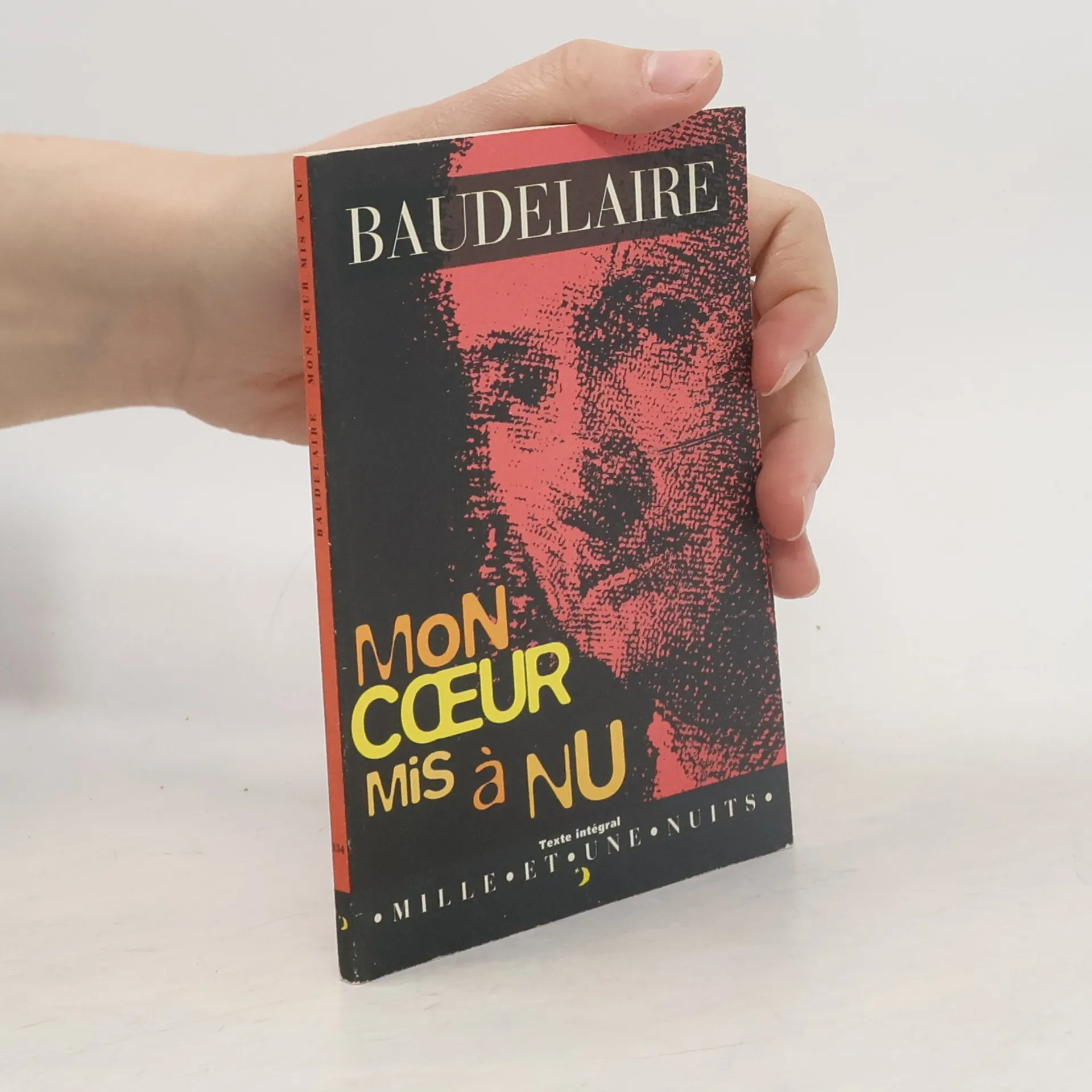
    My Heart Laid Bare
    Baudelaire: Poems
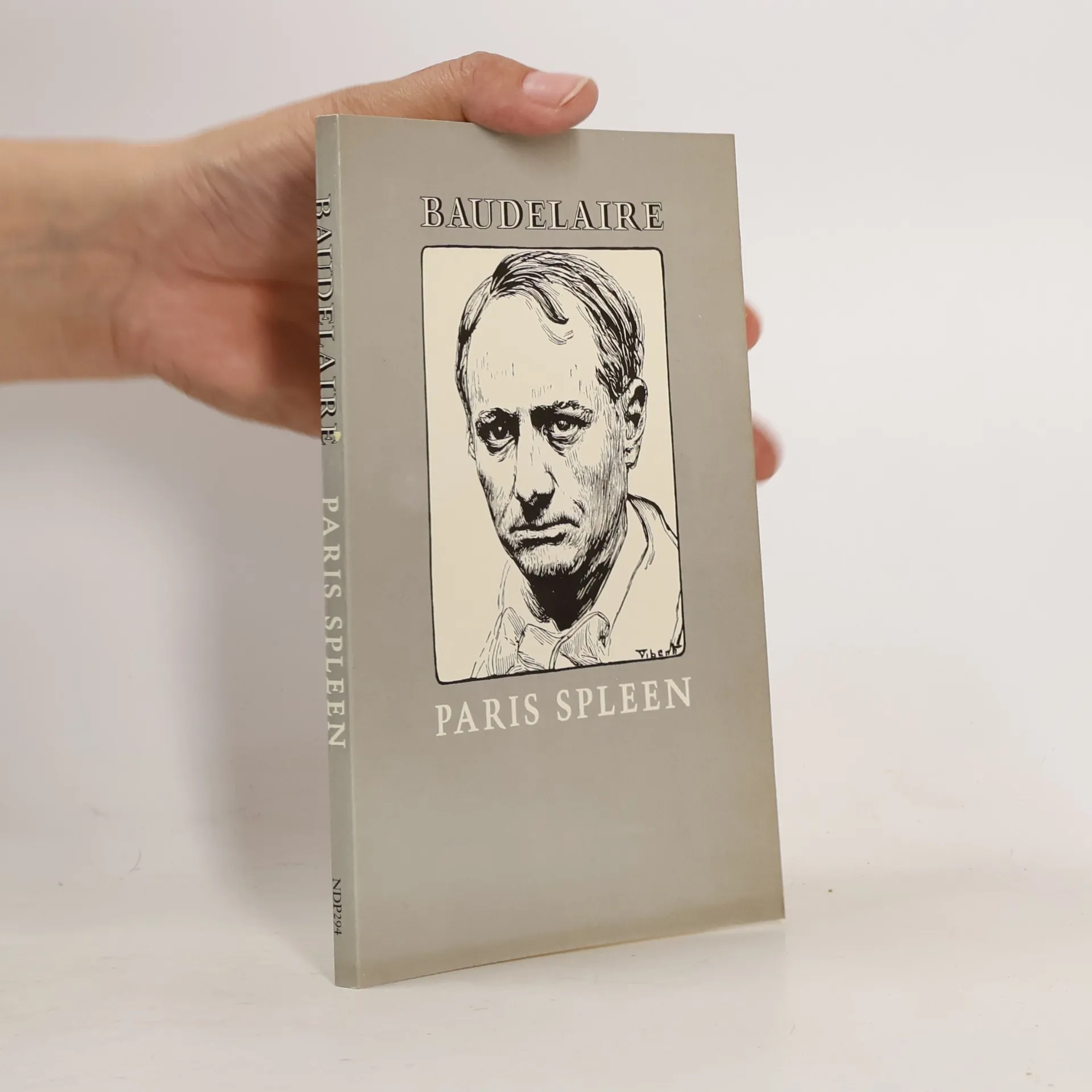
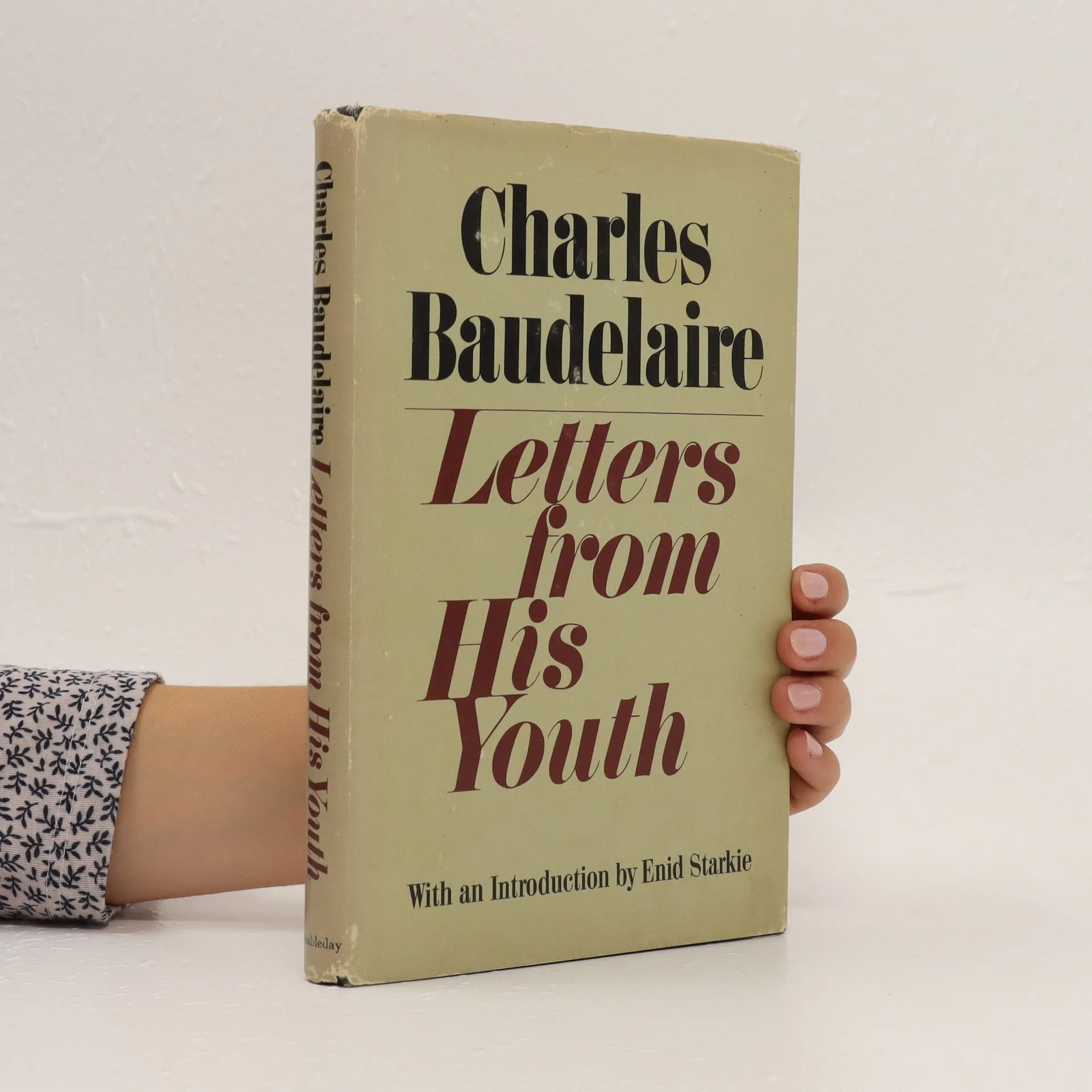
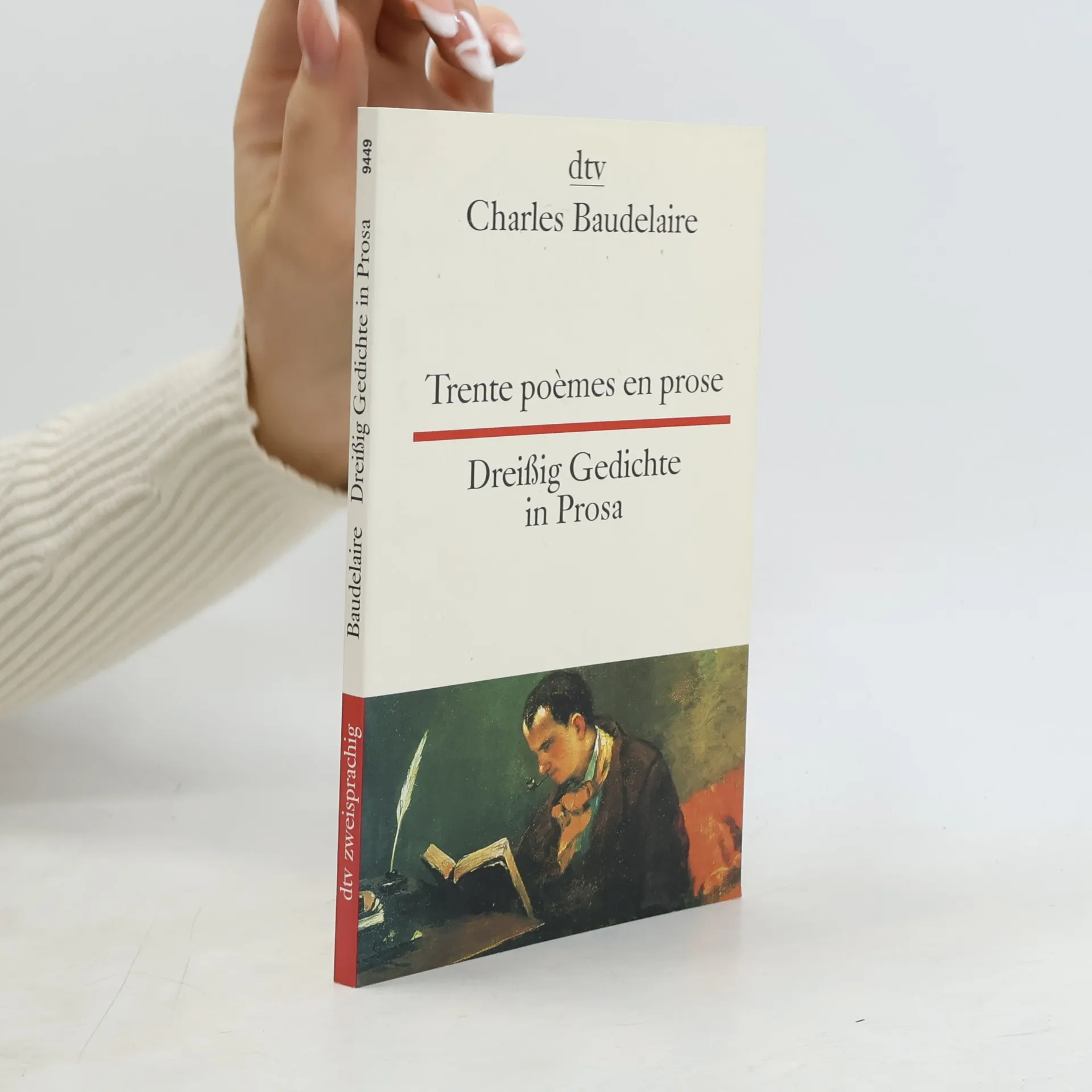
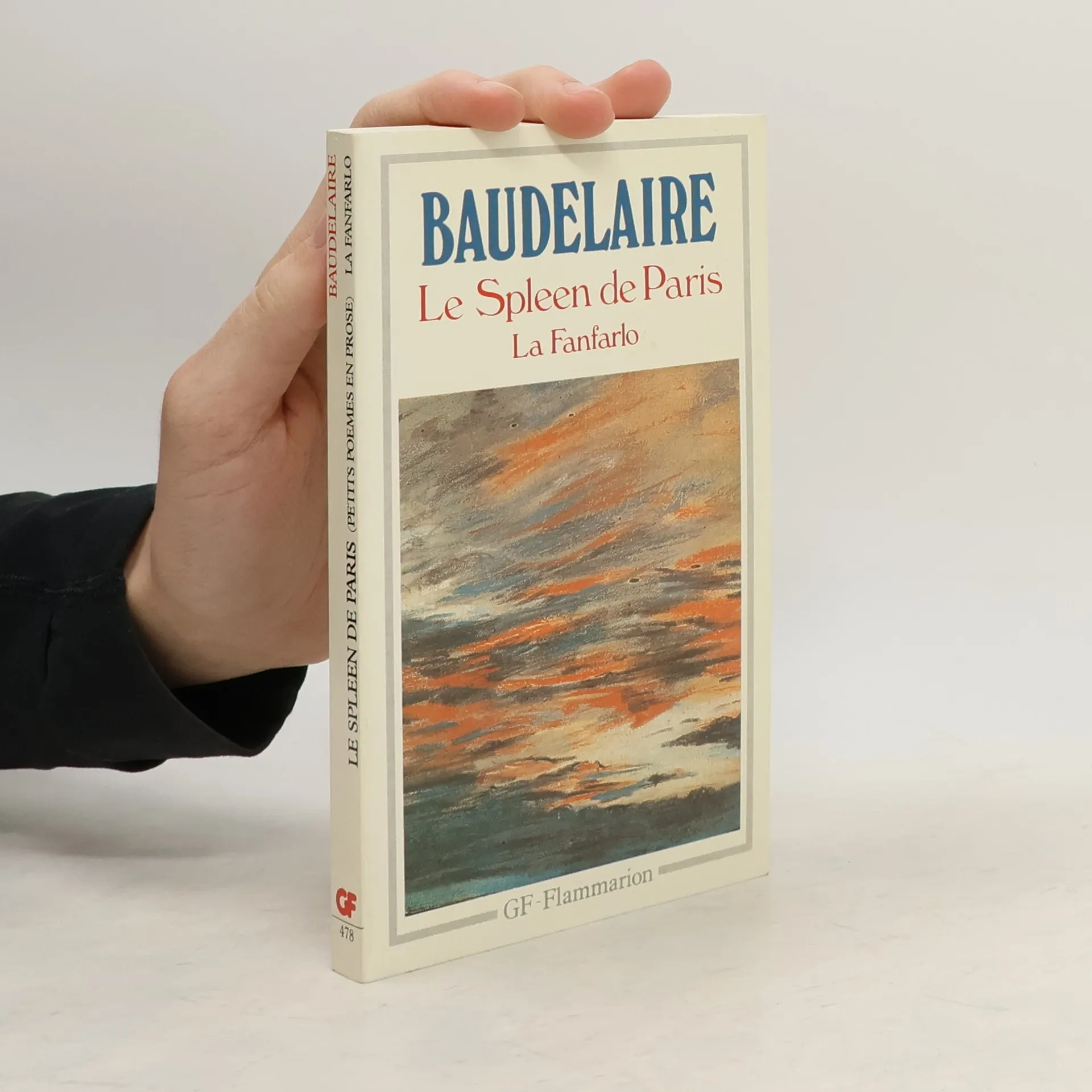
    Paris Spleen: Dual-Language Edition
    Charles Baudelaire: His Life
    • Charles Baudelaire: His Life

      • 208 pages
      • 8 hours of reading
      4.5(22)Add rating

      CHARLES BAUDELAIRE: HIS LIFE --- By Théophile Gautier --- With poems translated by Guy Thorne --- Charles Baudelaire (1821-1867) was a celebrated 19th century French poet, author of the famous Flowers of Evil poetic sequence, first published in 1857. Baudelaire is a poet's poet par excellence, a brilliant craftsman who produced some of the finest poems in the French language. Baudelaire was known as a dandy who led a bohemian lifestyle; he knew many of the artists of the era (Manet, Nadar, Delacroix, and Gautier). Baudelaire's influence on subsequent poets and artists has been immense. This book by Charles Baudelaire's friend Théophile Gautier is an important early study of the poet. Gautier offers a biography of the poet, and looks at his work. In the second part, Guy Thorne translates a selections of Baudelaire's poems, including from his two best-known collections - the Flowers of Evil and the Little Poems In Prose. A group of letters from Baudelaire are also included, and an essay on Baudelaire's influence. --- Illustrated. 204 pages. Paperback, with a full colour cover.With the French text of Baudelaire's poetry. www.crmoon.com
      Charles Baudelaire: His Life
    • Published posthumously in 1869, Paris Spleen was a landmark publication in the development of the genre of prose poetry - a form which Baudelaire saw as particularly suited for expressing the feelings of uncertainty, flux and freedom of his age - and one of the founding texts of literary Modernism.

      Paris Spleen: Dual-Language Edition
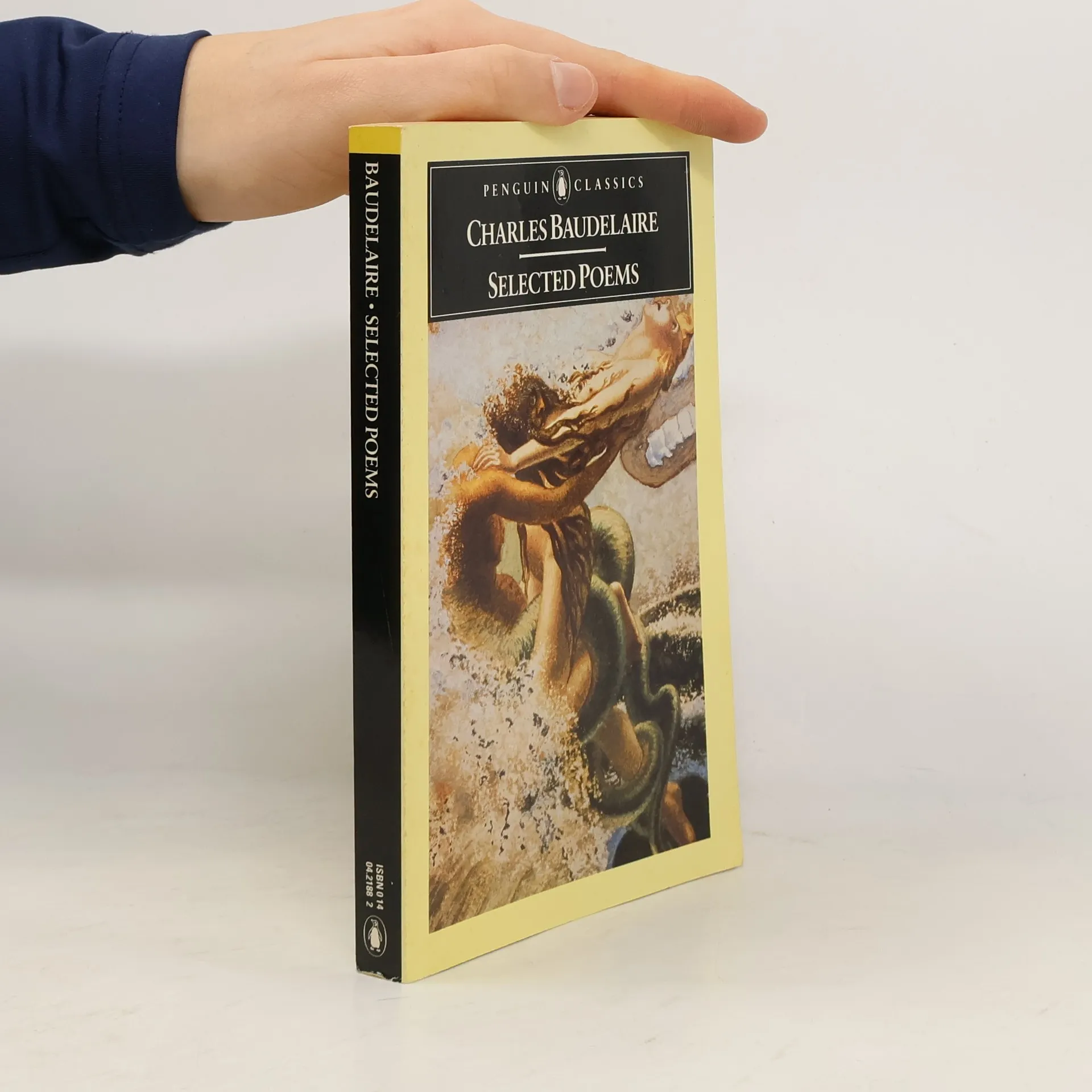
    • Modern poetry begins with Charles Baudelaire (1821-67), who employed his unequalled technical mastery to create the shadowy, desperately dramatic urban landscape -- populated by the addicted and the damned -- which so compellingly mirrors our modern condition. Deeply though darkly spiritual, titanic in the changes he wrought, Baudelaire looms over all the work, great and small, created in his wake.

      Baudelaire: Poems
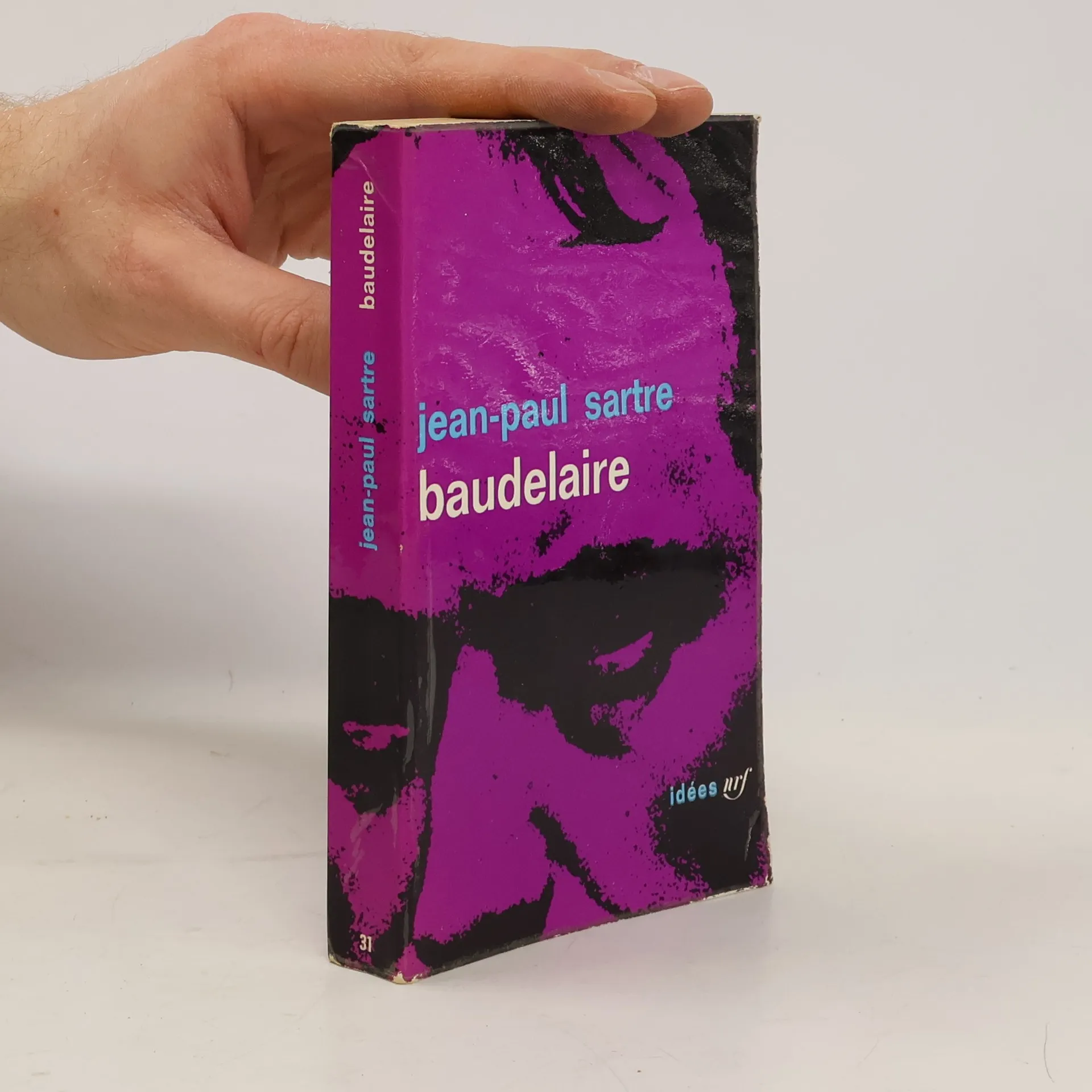
    • My Heart Laid Bare

      & other texts

      • 280 pages
      • 10 hours of reading

      The book presents a dandy who challenges utilitarianism, asserting that true progress comes from individual moral endeavor rather than societal norms. This figure, embodying both a keen observer and philosopher, delves into the human experience, dissecting reality with a critical eye. Rejecting the notion of mere consumption, he embraces a form of creative work that fortifies the spirit. Baudelaire's dandy-flâneur navigates society, reflecting its complexities and decadence, offering profound psychological insights that resonate with thinkers like Nietzsche.

      My Heart Laid Bare
    • Late Fragments

      • 384 pages
      • 14 hours of reading
      4.1(10)Add rating

      The first English collection of the late poetry and prose fragments of literary icon Charles Baudelaire

      Late Fragments
    • The Flowers of Evil

      • 399 pages
      • 14 hours of reading
      4.2(11907)Add rating

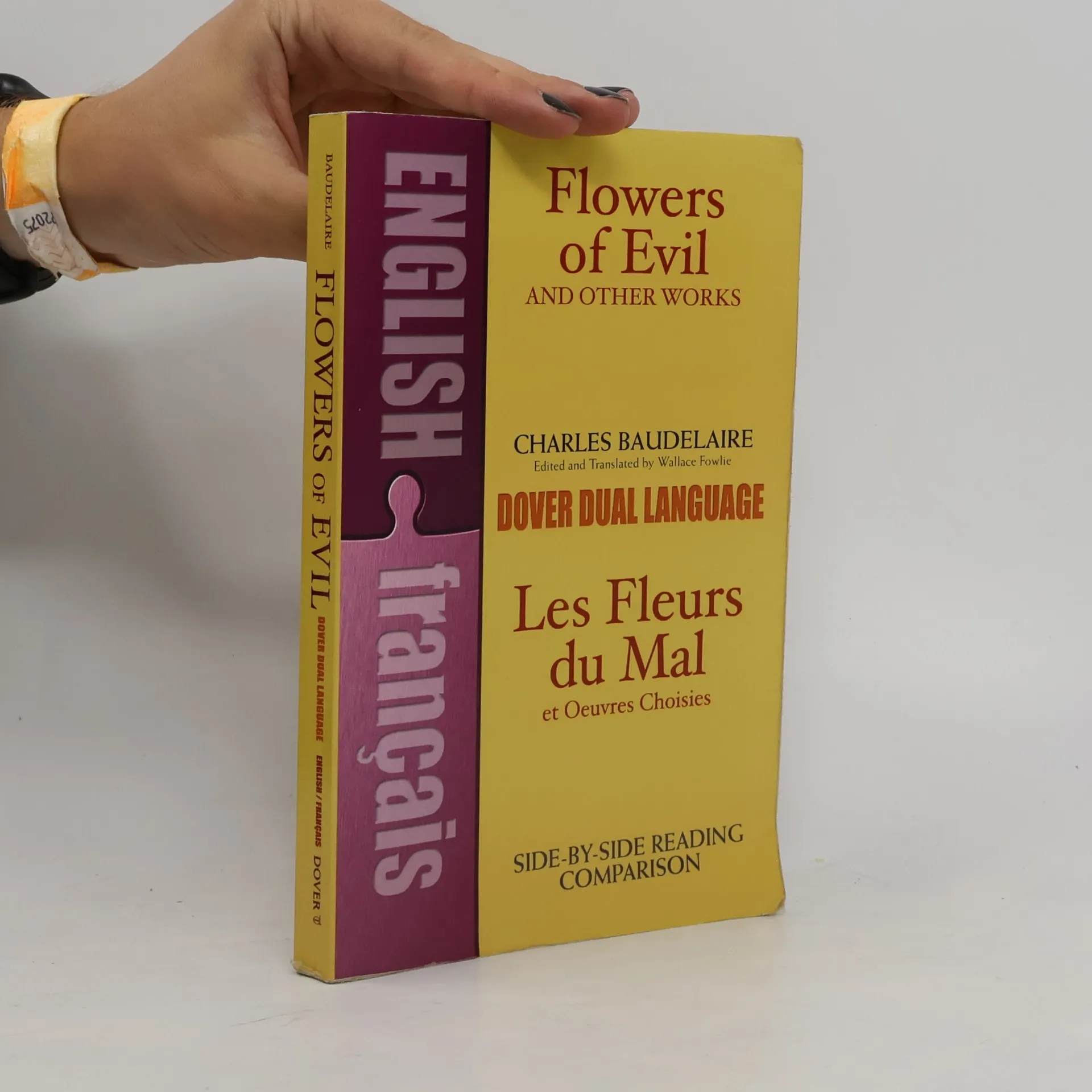
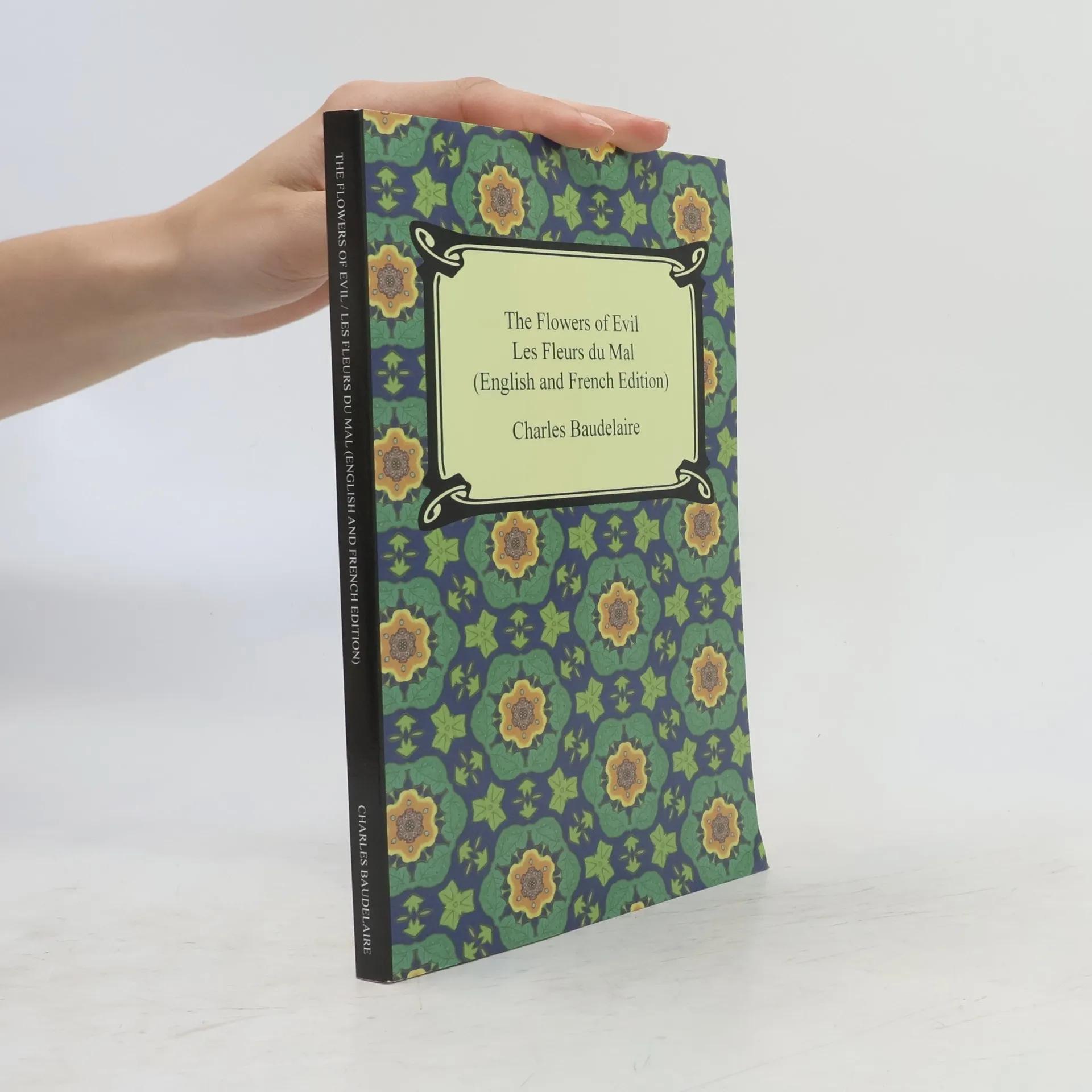
      A parallel-text edition of the poems of Baudelaire with a new translation which restores once banned poems to their original places and reveals the full richness and variety of the collection.

      The Flowers of Evil
    • The Salon of 1846

      • 160 pages
      • 6 hours of reading
      4.0(29)Add rating

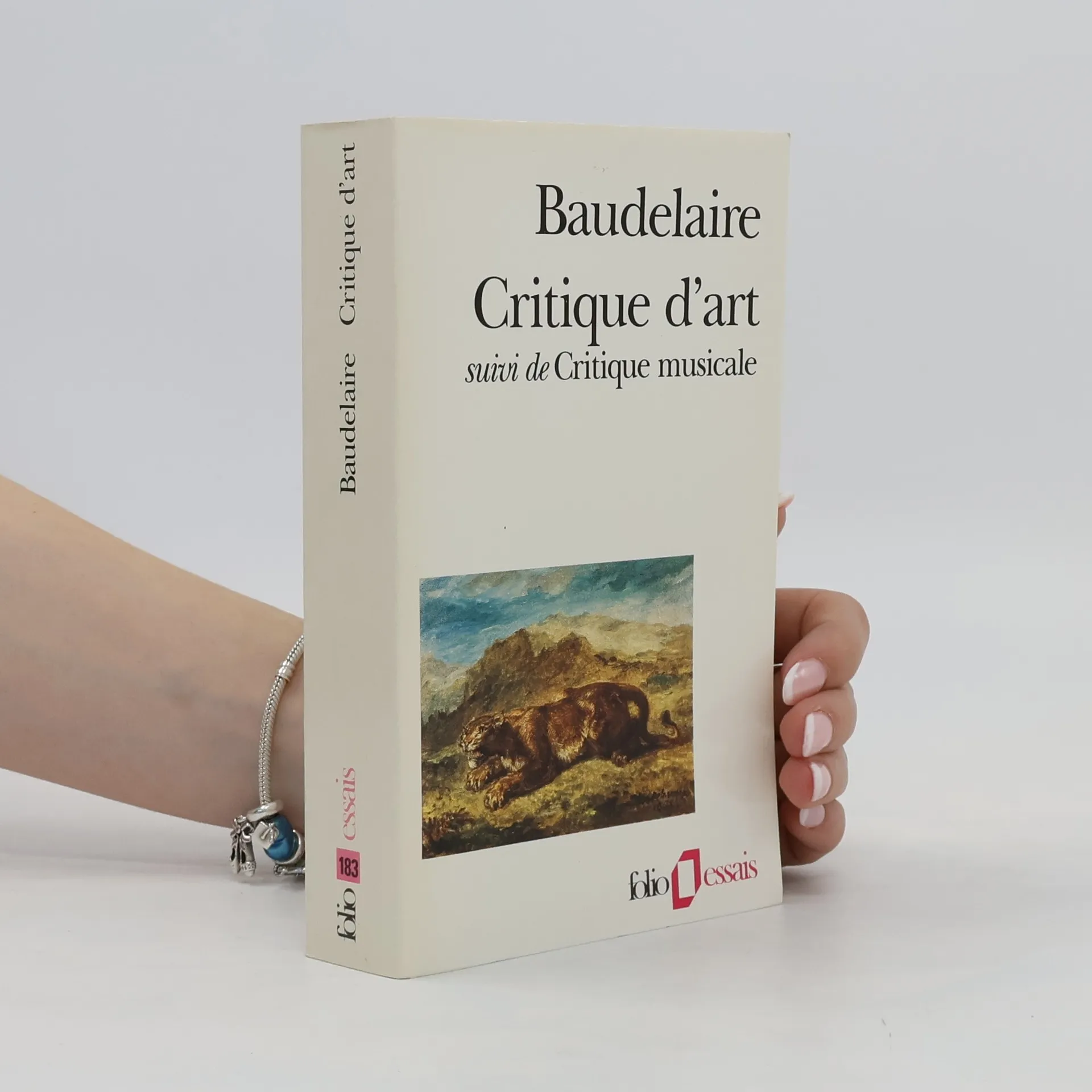
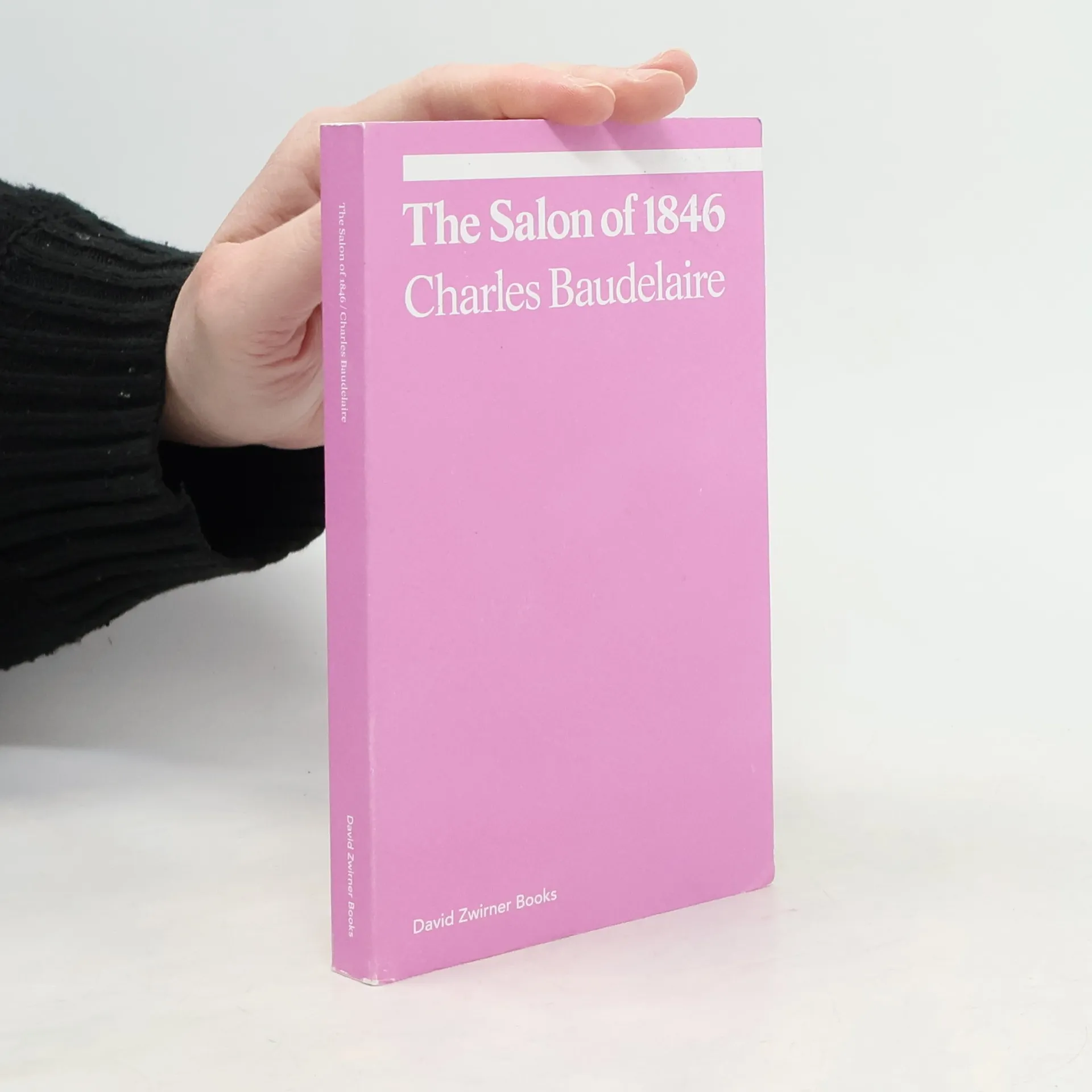
      In his introduction to Charles Baudelaire’s Salon of 1846, the renowned art historian Michael Fried presents a new take on the French poet and critic’s ideas on art, criticism, romanticism, and the paintings of Delacroix. Charles Baudelaire, considered a father of modern poetry, wrote some of the most daring and influential prose of the nineteenth century. Prior to publishing international bestseller Les Fleurs du mal (1857), he was already notable as a forthright and witty critic of art and literature. Captivated by the Salons in Paris, Baudelaire took to writing to express his theories on modern art and art philosophy. The Salon of 1846 expands upon the tenets of Romanticism as Baudelaire methodically takes his reader through paintings by Delecroix and Ingres, illuminating his belief that the pursuit of the ideal must be paramount in artistic expression. Here we also see Baudelaire caught in a fundamental struggle with the urban commodity of capitalism developing in Paris at that time. Baudelaire’s text proves to be a useful lens for understanding art criticism in mid-nineteenth-century France, as well as the changing opinions regarding the essential nature of Romanticism and the artist as creative genius. Acclaimed art historian and art critic Michael Fried’s introduction offers a new reading of Baudelaire’s seminal text and highlights the importance of his writing and its relevance to today’s audience.
      The Salon of 1846
    • Invitation to the Voyage

      • 200 pages
      • 7 hours of reading
      3.5(17)Add rating

      “Baudelaire is indeed the greatest exemplar in modern poetry in any language,” said T. S. Eliot. We experience Baudelaire in myriad ways through his multifaceted writing. His sensuous poems—dreams of escape to an impossible, preferably tropical, elsewhere—draw us in with their descriptive and perceptual richness. There is also the bitter, compassionate, and desolate Baudelaire. Ultimately, Baudelaire’s true genius might reside in his expressive force and in the tension between his passions and intellect. The latter is most evident in his control of rhetoric and poetic form, and—given the poems’ density of language, thought, and feeling—his astonishing clarity. This new English rendition of Baudelaire by award-winning translator Beverley Bie Brahic includes poems from his celebrated Les Fleurs du mal, Les Épaves, Le Spleen de Paris, and Paradis artificiels . It also includes several of his prose poems, as well as an excerpt from his famous essay on wine and hashish. The poems in verse have Baudelaire’s French originals on facing pages; the prose poems, unaccompanied by their originals, are printed near the poems in verse with which they resonate. Complete with the translator’s illuminating introduction and notes, this beautifully crafted volume is an important addition to Baudelaire’s work in English translation. 

      Invitation to the Voyage
    • The Painter of Modern Life

      • 128 pages
      • 5 hours of reading
      3.7(286)Add rating

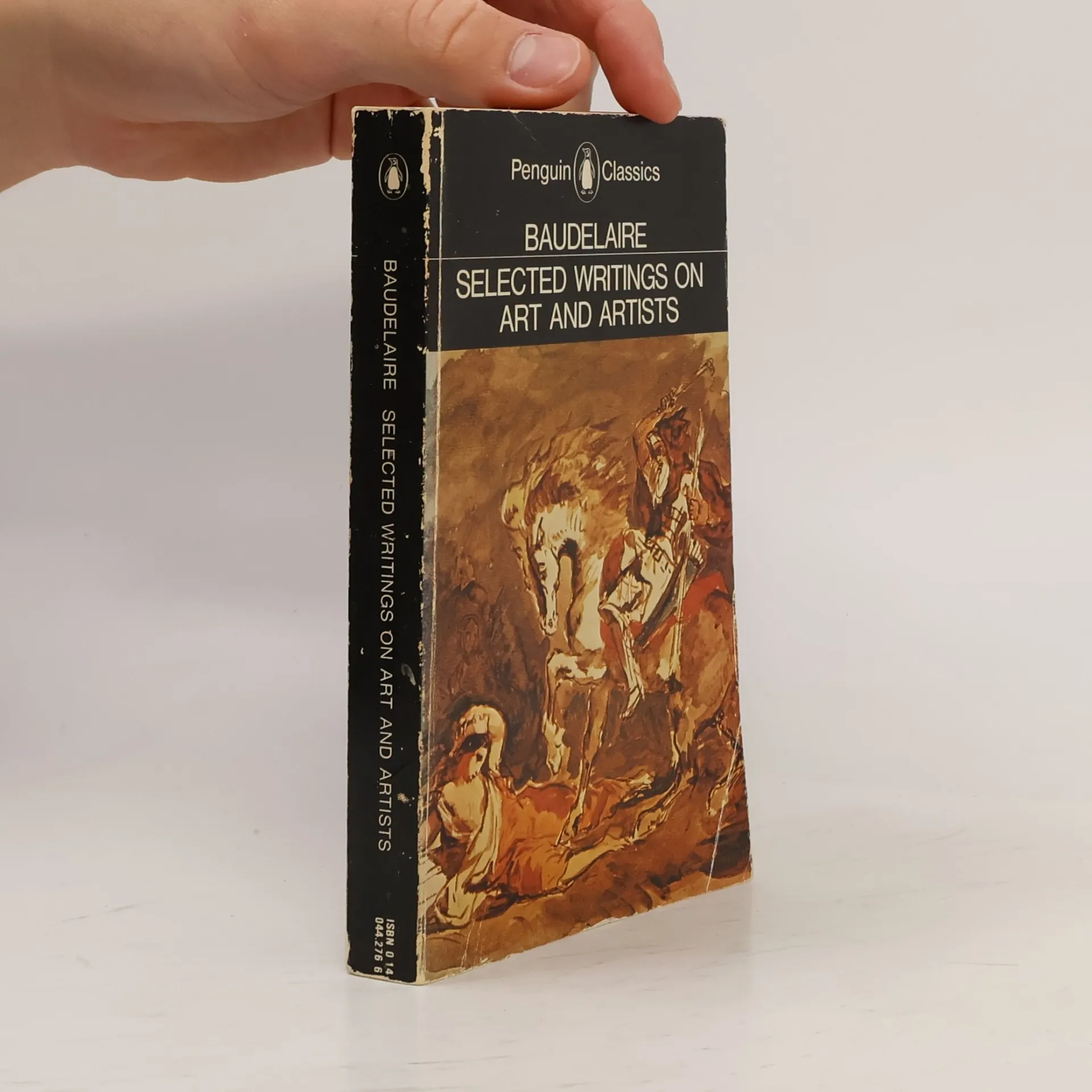
      Poet, aesthete and hedonist, Baudelaire was also one of the most groundbreaking art critics of his time. Here he explores beauty, fashion, dandyism, the purpose of art and the role of the artist, and describes the painter who, for him, expresses most fully the drama of modern life.

      The Painter of Modern Life
    • The Flowers of Evil

      The Award-Winning Translation

      • 208 pages
      • 8 hours of reading

      Featuring a bilingual format, this edition presents a renowned French classic alongside its definitive English translation, allowing readers to appreciate the nuances of both languages. It serves as an excellent resource for language learners and literature enthusiasts alike, providing insight into the original text while making it accessible to a wider audience.

      The Flowers of Evil