Explore the latest books of this year!
Bookbot

Augusto Roa Bastos

    June 13, 1917 – April 26, 2005

    Augusto Roa Bastos was a seminal Paraguayan novelist and short story writer, recognized as a towering figure in 20th-century Latin American literature. His work is profoundly shaped by his experiences with dictatorial regimes and life in exile, masterfully blending Paraguayan myths, history, and the Guaraní language within a baroque style of magical realism. Roa Bastos gained renown for his intricate novels that often confront the theme of the dictator, delving into the inner lives of rulers and the collective destinies of nations. His distinctive neobaroque style, weaving reality with mythic elements, secured his international acclaim and a lasting place in literary history.

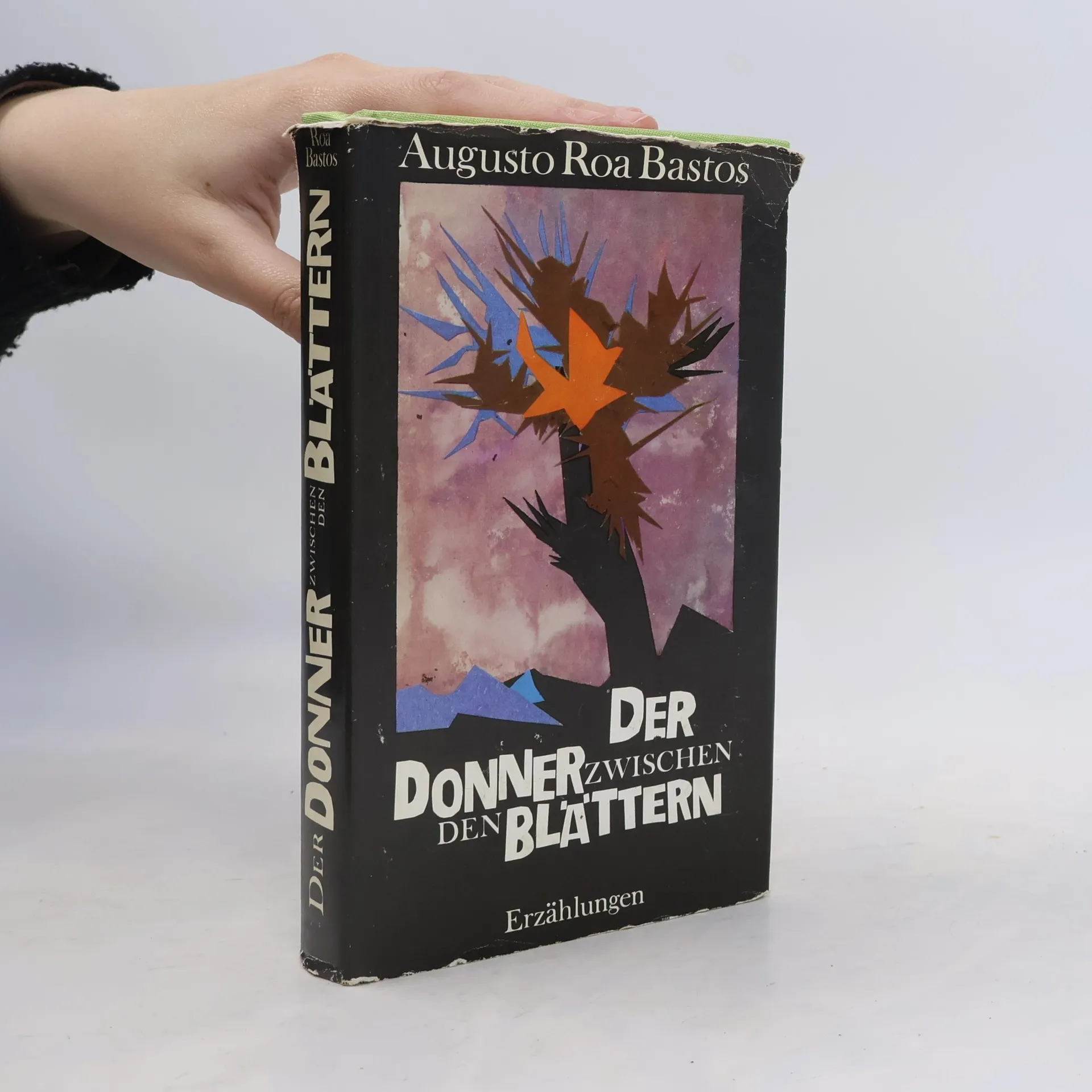
    Der Donner zwischen den Blättern
    Hijo de hombre
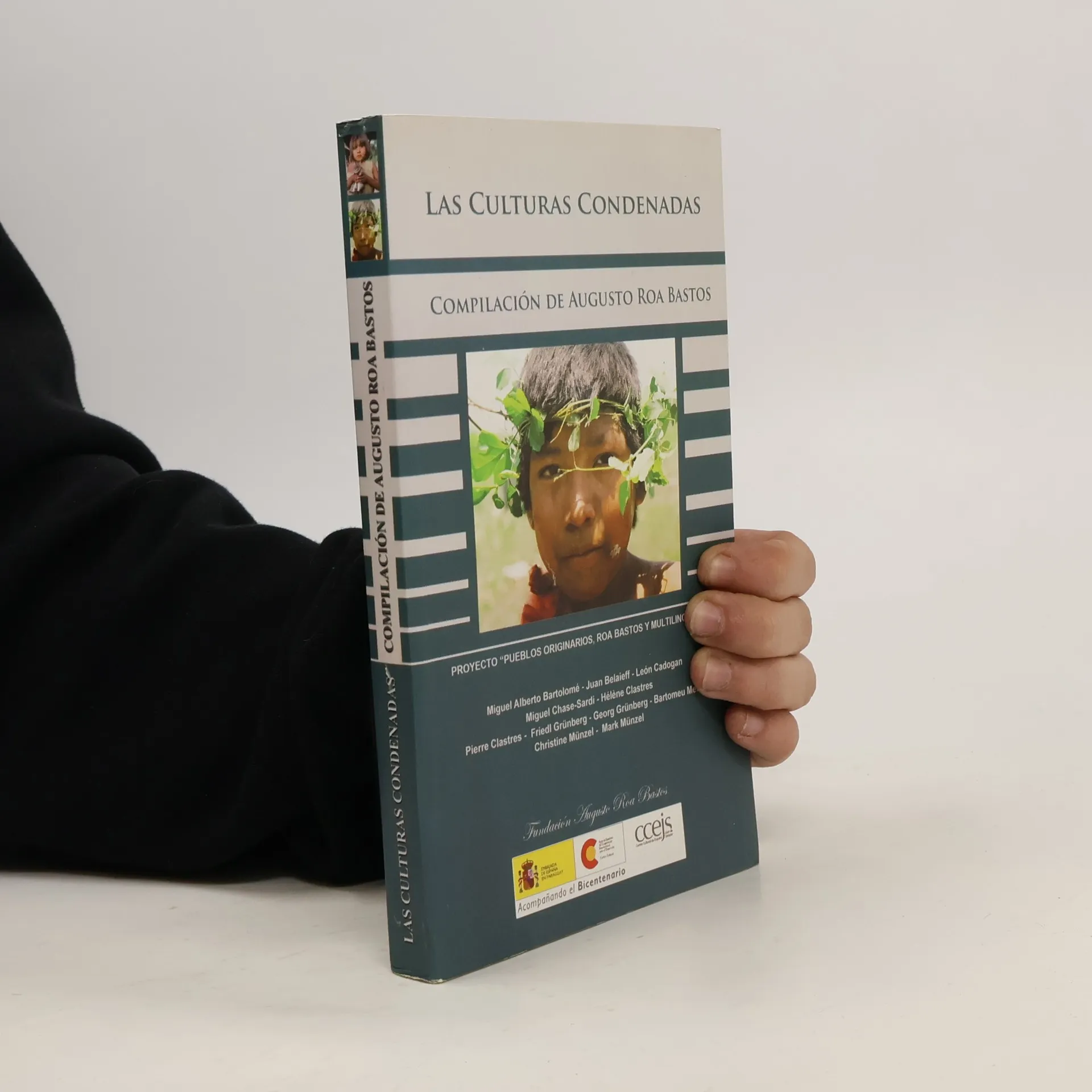
    Las culturas condenadas
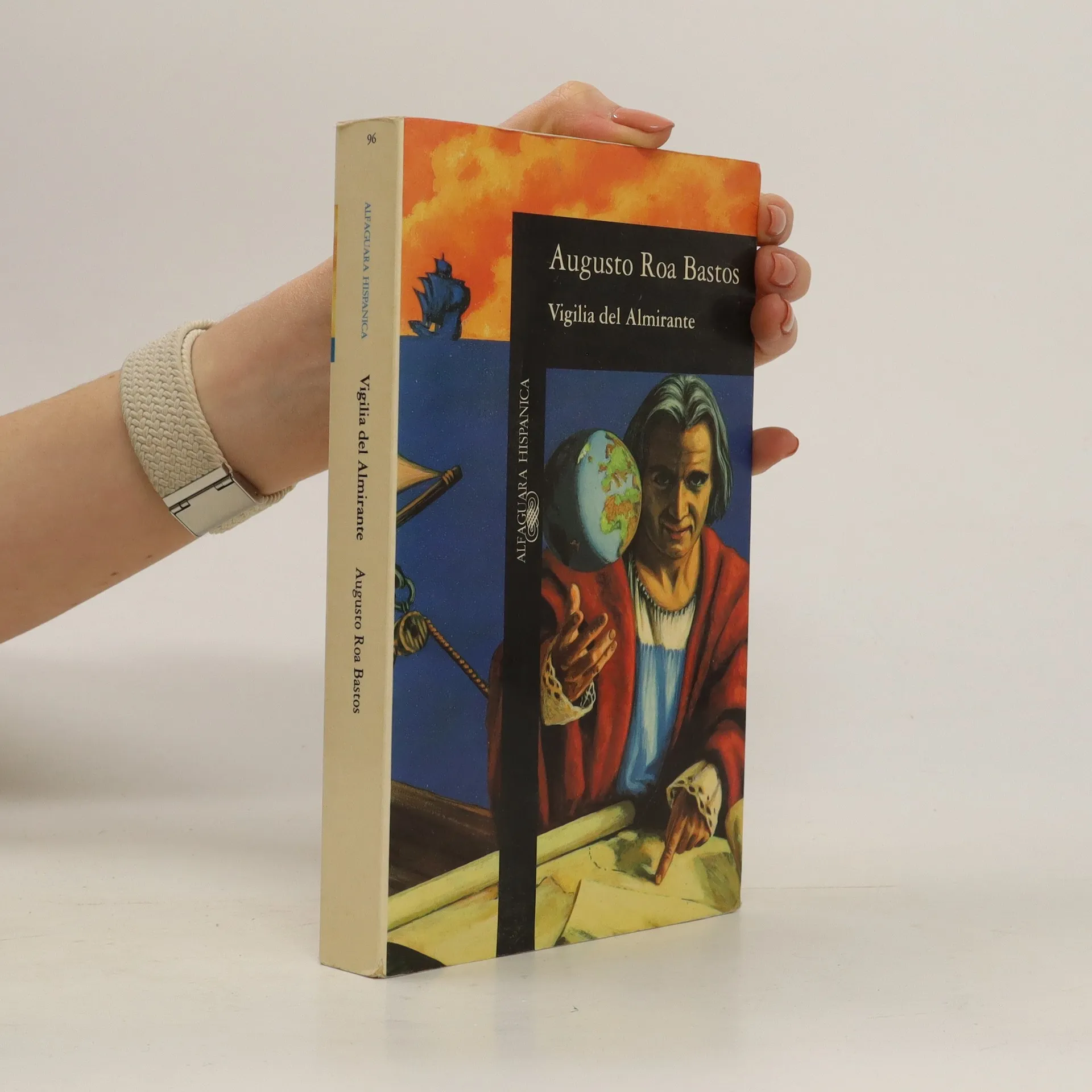
    Vigilia del Almirante
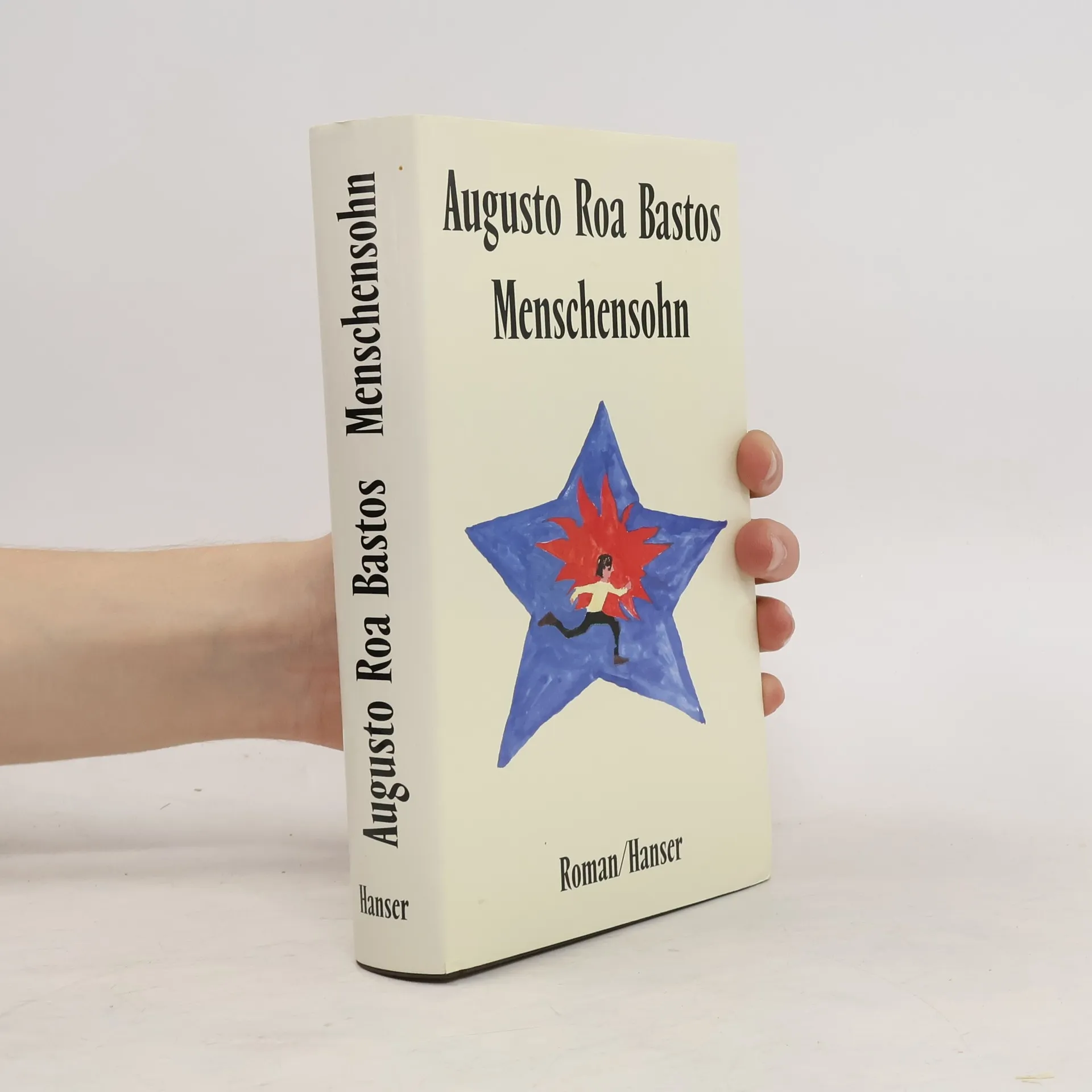
    Menschensohn
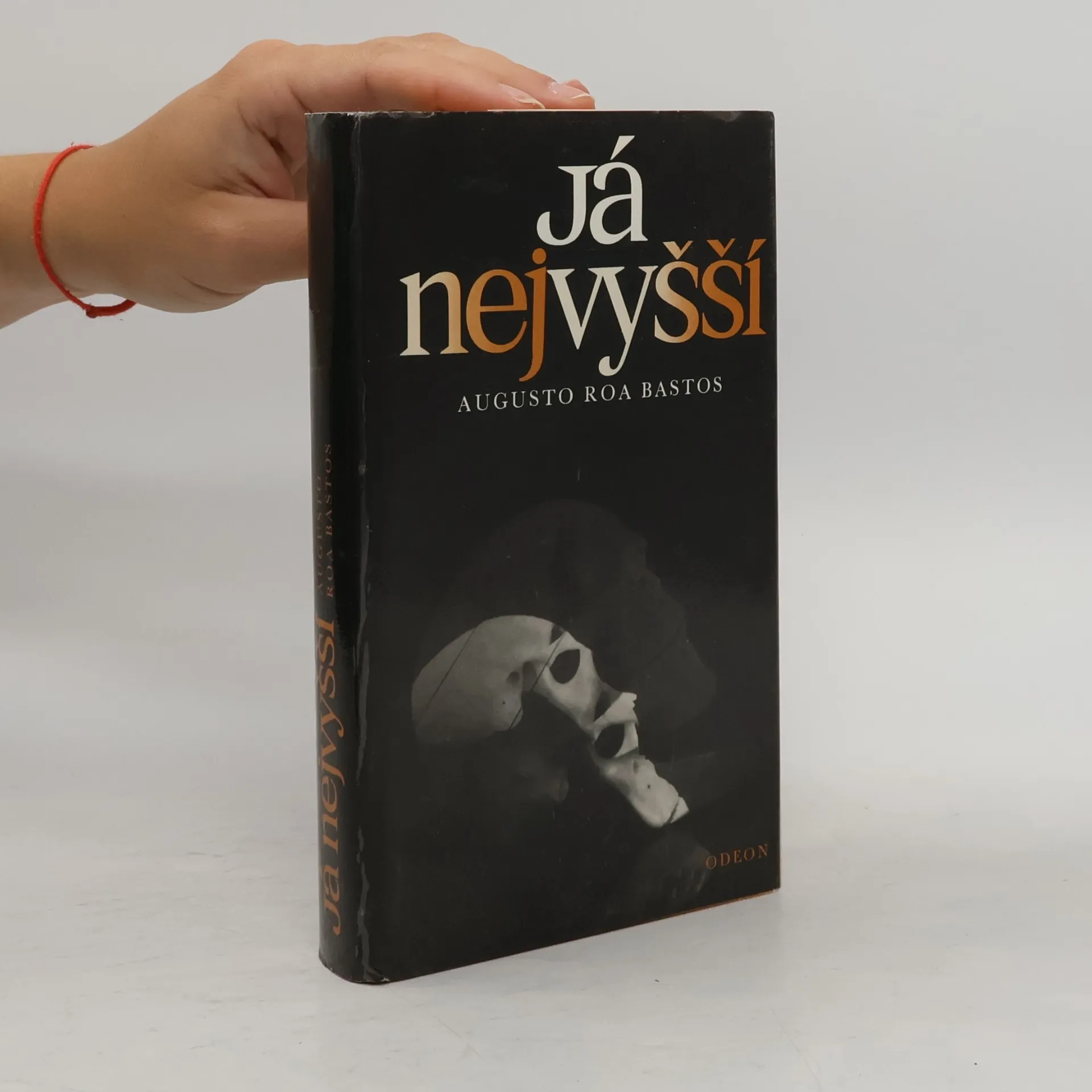
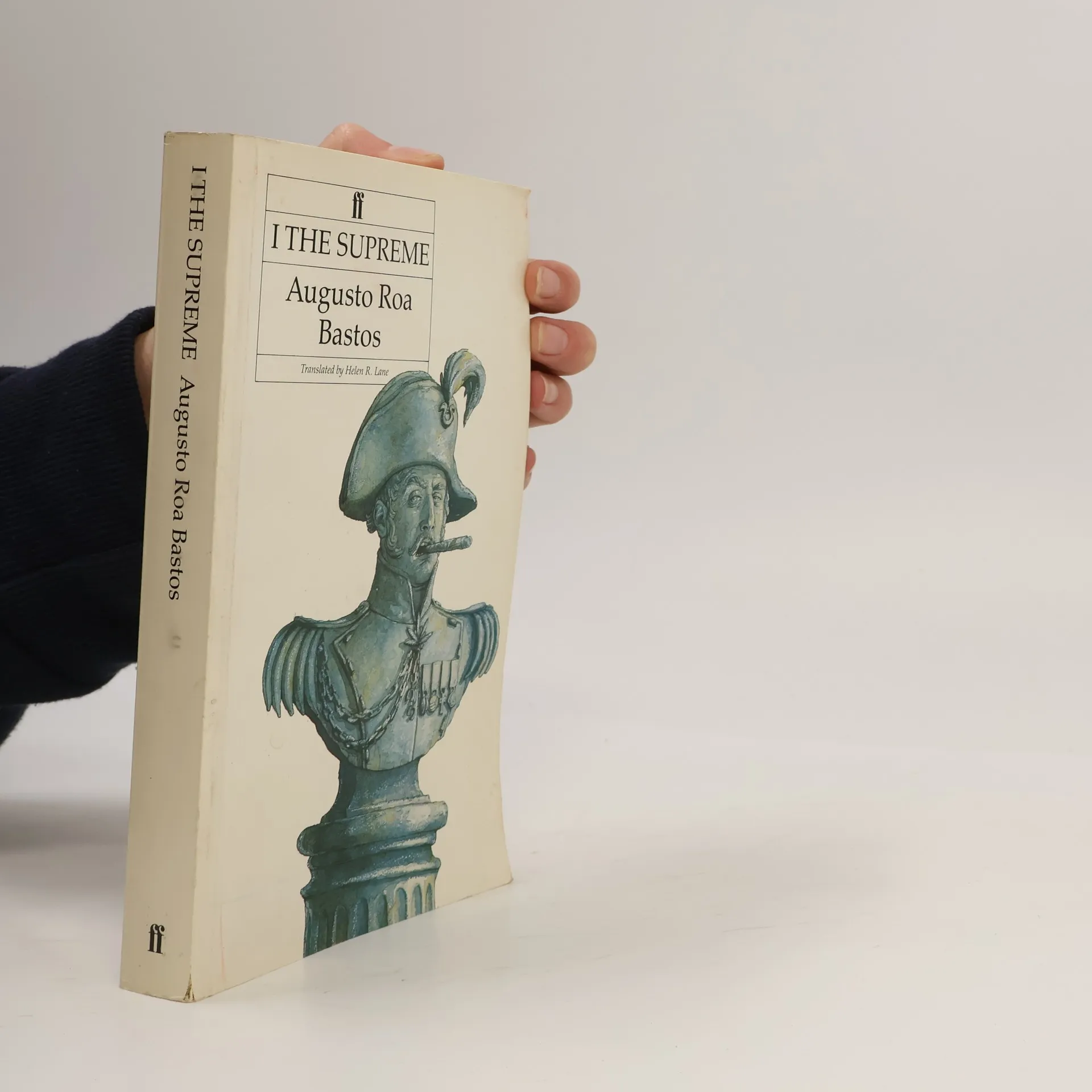
    I the Supreme
    • I the Supreme

      • 433 pages
      • 16 hours of reading
      4.1(29)Add rating

      Latin America has seen, time and again, the rise of dictators, Supreme Leaders possessed of the dream of absolute power, who sought to impose their mad visions of Perfect Order on their own peoples. Latin American writers, in turn, have responded with fictional portraits of such figures, and no novel of this genre is as universally esteemed as Augusto Roa Bastos's I the Supreme, a book that draws on and reimagines the career of the man who was "elected" Supreme Dictator for Life in Paraguay in 1814.By turns grotesque, comic, and strangely moving, I the Supreme is a profound meditation on the uses and abuses of power—over men, over events, over language itself.
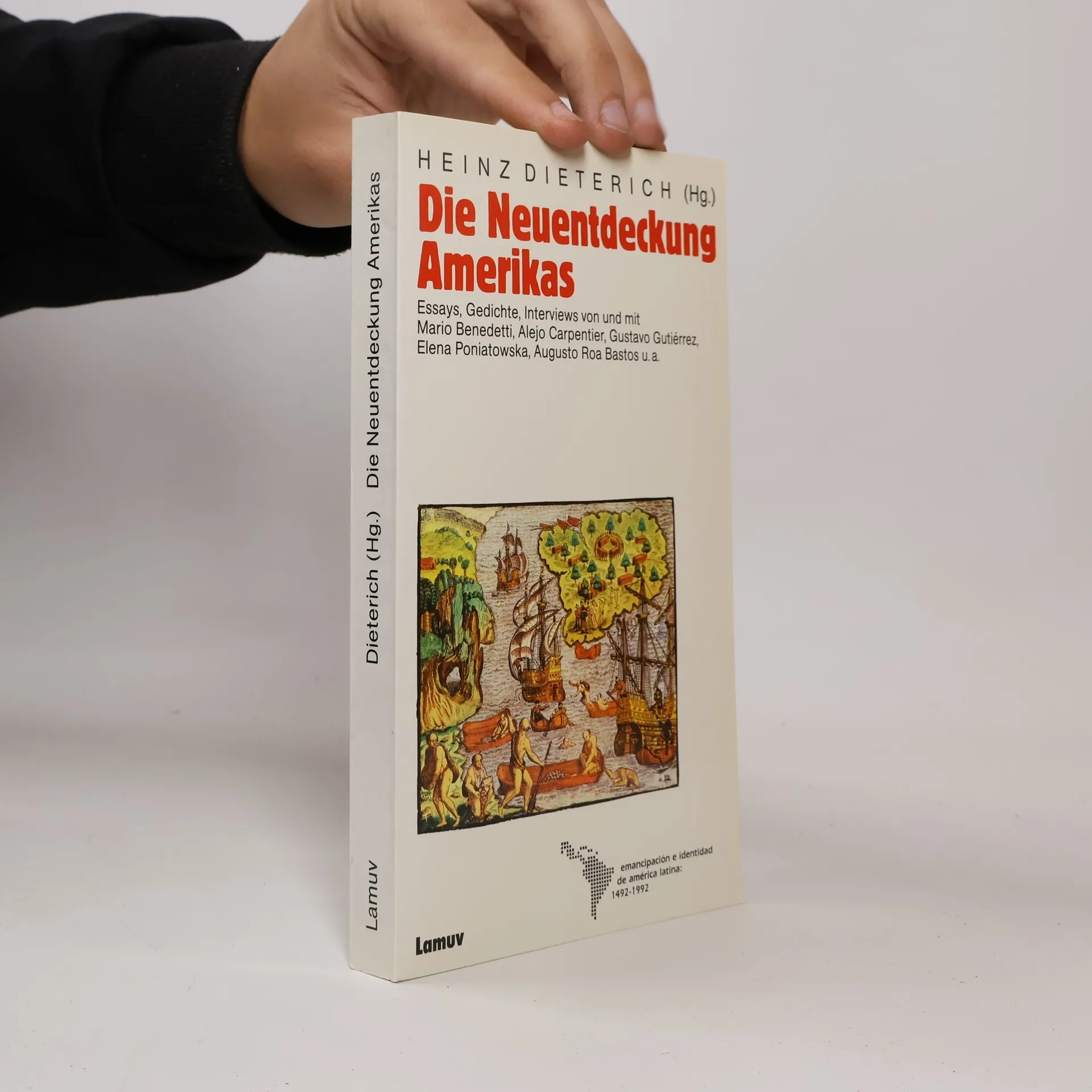
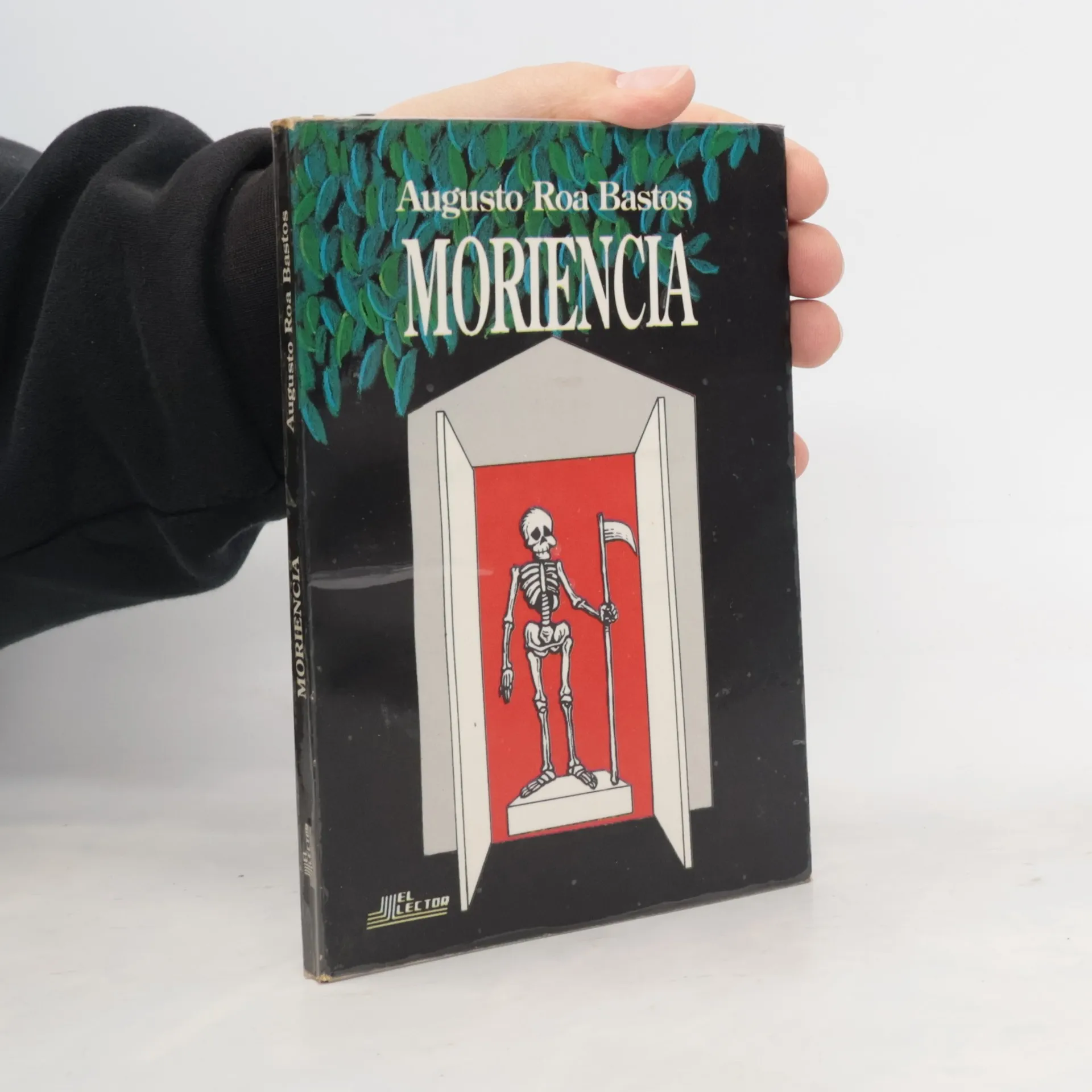
      I the Supreme
    • Von der Unterdrückung zur Befreiung: in Roa Bastos' packendem Roman wird die grausame Geschichte Paraguays aufgerollt, vom blutigen 19. Jahrhundert über den Bauernaufstand des Jahres 1912 bis zur Präsidentschaft Stroessners. Ein farbenreiches, spannendes Buch, das mit Hundert Jahre Einsamkeit von Gabriel García Márquez zu den bleibenden Zeugnissen der modernen lateinamerikanischen Literatur gehört.

      Menschensohn
    • Con la presente obra, Roa Bastos, galardonado con el premio Cervantes, realizó su contribución al quinto centenario del descubrimiento de América. "Quiere este texto recuperar la carnadura del hombre común, oscuramente genial, que produjo sin saberlo, sin proponérselo, sin presentirlo siquiera, el mayor acontecimiento cosmográfico y cultural registrado en dos milenios de historia de la humanidad. Este hombre enigmático, tozudo, desmemoriado para todo lo que no fuera su obsesión, nos dejó su ausencia, su olvido. La historia le robó su nombre. Necesito quinientos años para nacer como mito". Escrita desde el lado del nuevo mundo descubierto por Colón, Vigilia del Almirante plantea una reivindicación del universo indígena que, en esta apasionante novela, el propio navegante reclama para los habitantes primitivos. Repleta de sorpresas literarias e históricas, Vigilia del Almirante supone una contribución polémica y audaz a la mejor literatura de nuestro tiempo.

      Vigilia del Almirante
    • Historický román, v němž autor vytváří obraz paraguayských národních dějin první poloviny 19. století a zároveň analyzuje individuální osud politika a diktátora, který položil základy samostatného státu Paraguaye.

      Já nejvyšší
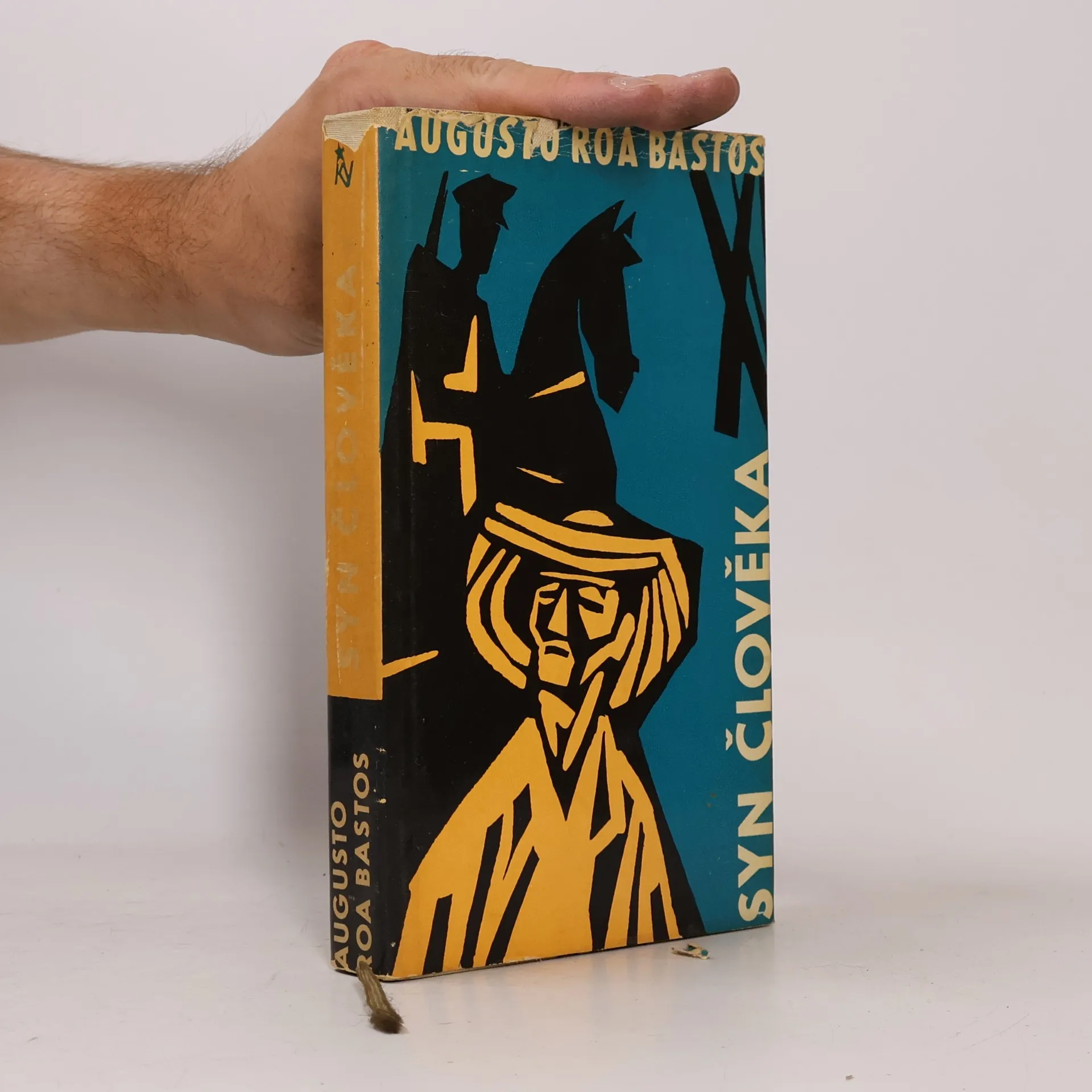
    • Román, který ve dvou částech (Vyhnanci, Bojový úkol) líčí válku mezi Paraguají a Bolívií o Chaco. Kniha se stala podkladem pro film Zelené peklo. Autor sám charakterizoval knihu jako pravdivé a palčivé svědectví o tragickém období života paraguajského člověka a lidu amerického kontinentu, který se již po celá staletí potácí mezi vzpourou a útlakem, mezi potupou a mezi světlým proroctvím, které mu přinášejí jeho mučedníci.

      Syn člověka