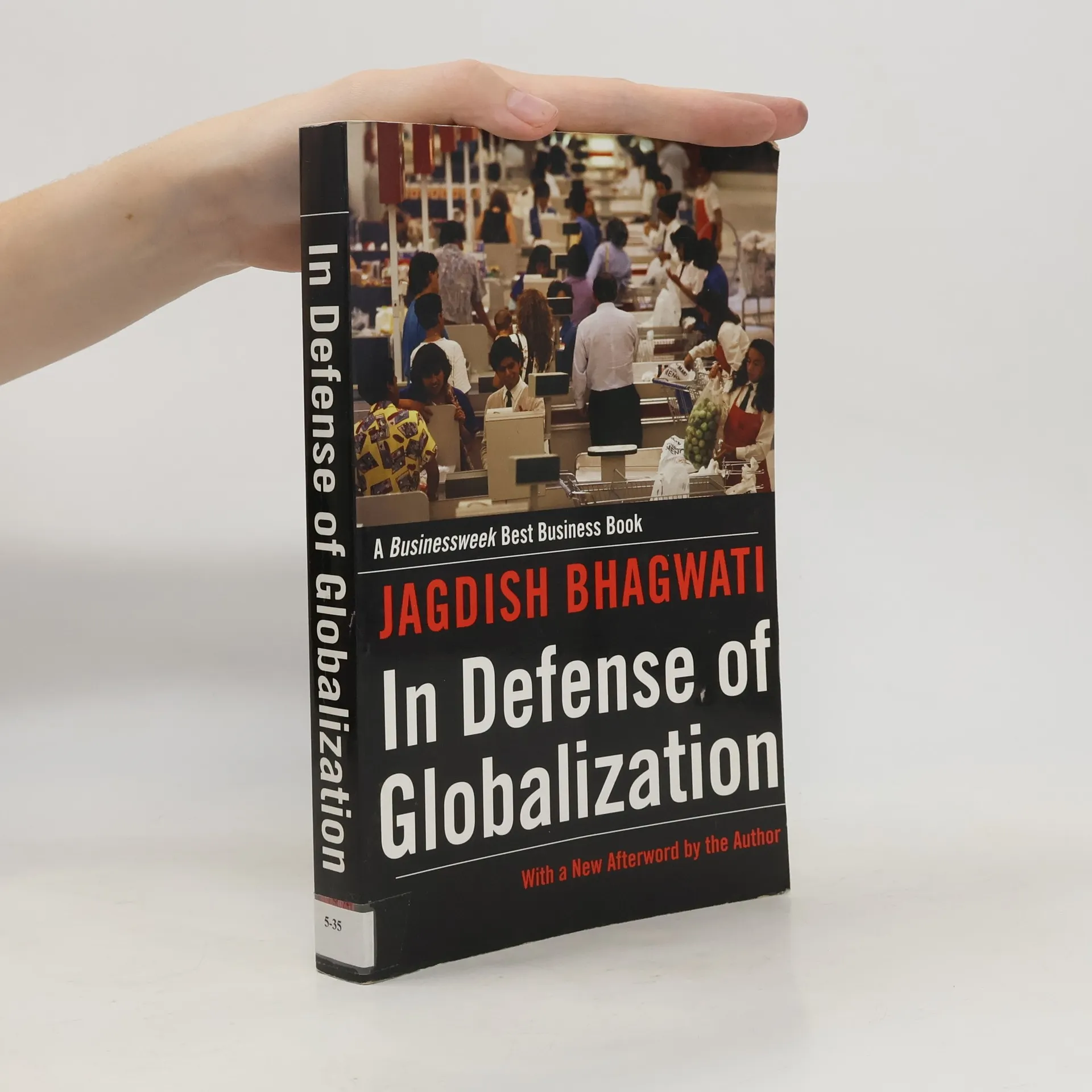
In the passionate debate that currently rages over globalization, critics have been heard blaming it for a host of ills afflicting poorer nations, everything from child labor to environmental degradation and cultural homogenization. Now Jagdish Bhagwati, the internationally renowned economist, takes on the critics, revealing that globalization, when properly governed, is in fact the most powerful force for social good in the world today. Drawing on his unparalleled knowledge of international and development economics, Bhagwati explains why the "gotcha" examples of the critics are often not as compelling as they seem. With the wit and wisdom for which he is renowned, Bhagwati convincingly shows that globalization is part of the solution, not part of the problem. This edition features a new afterword by the author, in which he counters recent writings by prominent journalist Thomas Friedman and the Nobel Laureate economist Paul Samuelson and argues that current anxieties about the economic implications of globalization are just as unfounded as were the concerns about its social effects.
Jagdish Bhagwati Book order (chronological)
Jagdish Bhagwati is a distinguished economist whose work delves deeply into international trade and free trade advocacy. His analyses illuminate the complexities of the global economy, emphasizing the benefits of open markets. Bhagwati's academic career and his fervent promotion of free trade have established him as an influential figure in economic thought. His insights shape discussions on the world economy, charting a course towards prosperity.




Free Trade Today
- 144 pages
- 6 hours of reading
Free trade and economic globalization are facing significant challenges from various groups, including environmentalists, human rights activists, and traditional protectionist lobbies. These groups, often framing their agendas in terms of justice and rights, have staged prominent protests in cities like Seattle and Prague, questioning the benefits of free trade and labeling it a corporate interest. Building on his previous work, Jagdish Bhagwati draws on his Stockholm lectures and recent developments in commercial policy theory to argue that social and environmental goals can align with free trade. He posits that free trade, by improving living standards, can better support these agendas than trade restrictions can. After defending free trade, Bhagwati explores alternative approaches to achieving it, advocating for multilateralism and critiquing recent bilateral and regional agreements like NAFTA for creating disorder in the global trading system. He also supports unilateral liberalization as a viable path forward. Written in a clear and engaging style, this work is essential for anyone interested in economic policy or the global economy, offering insights from one of today’s leading economic thinkers.
The Wind of the Hundred Days: How Washington Mismanaged Globalization
- 397 pages
- 14 hours of reading
The collection features thought-provoking essays that delve into international trade, emphasizing the intricacies of US foreign trade policy. It explores the implications of trade agreements, global market dynamics, and the impact of policy decisions on both domestic and international economies. The essays challenge conventional views and encourage readers to consider the broader consequences of trade practices, making it a compelling read for those interested in economic policy and global relations.
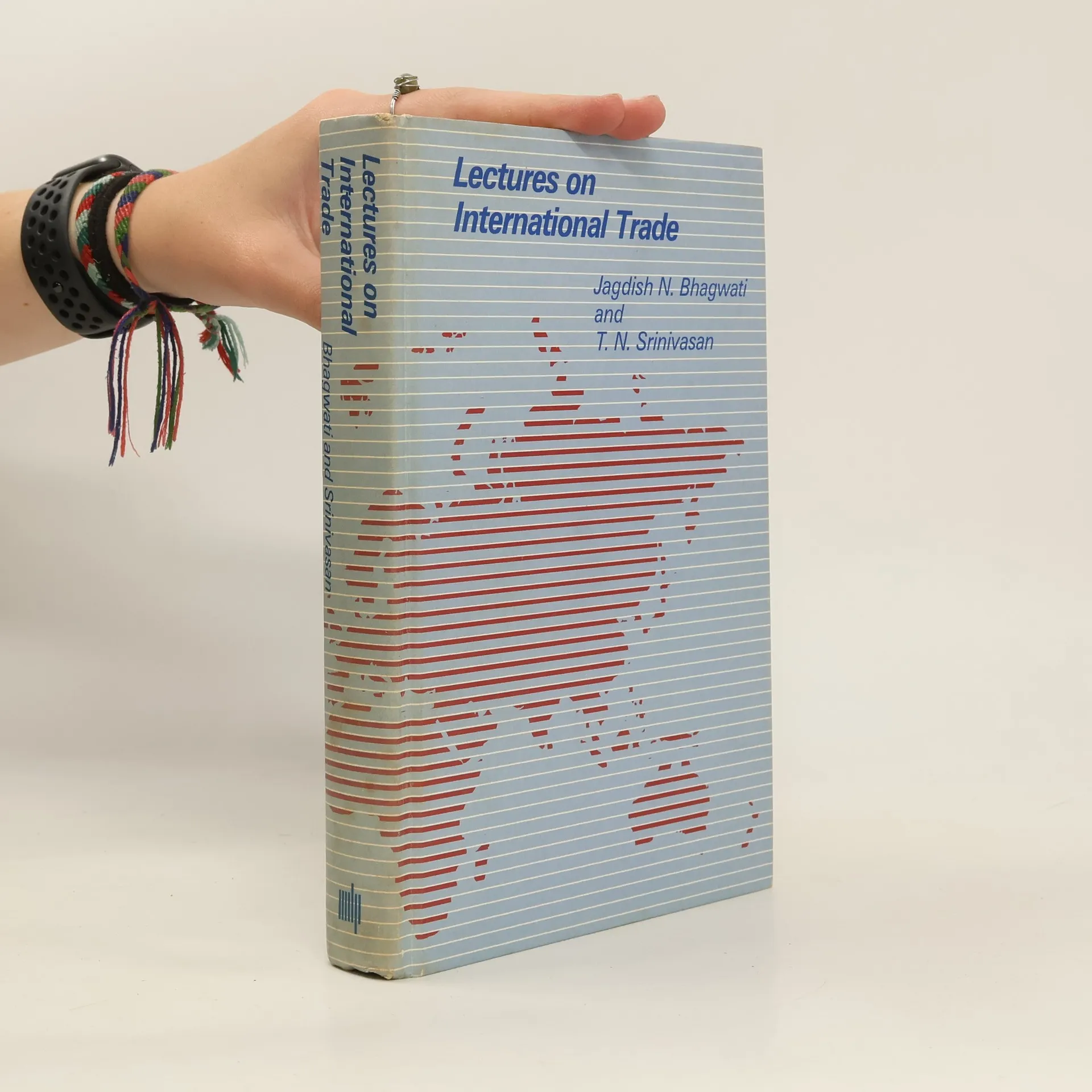
Lectures on International Trade
- 414 pages
- 15 hours of reading
The pattern of trade; Model and analytic relationships in ricardian theory; Ricardian theory and the pattern of trade; Alternative models and theories; Tariffs and trade equilibrium; Tariffs versus quotas; Trade and welfare in an opean economy; Recent theoretical developments
International Trade
Selected Readings