Bayard Taylor Books
Bayard Taylor was an American poet, literary critic, translator, and travel writer. His work is characterized by keen observations of diverse cultures and landscapes, rendered with an engaging narrative flair. Taylor approached his craft with a profound curiosity about the world and its people, evident in his detailed and vivid descriptions. His writings frequently explore themes of journey, discovery, and cross-cultural understanding.



Faust I and II
- 329 pages
- 12 hours of reading
Goethe's most complex and profound work, Faust was the effort of the great poet's entire lifetime. Written over 60 years, it can be read as a document of Goethe's moral and artistic development. Faust is made available to the English reader in a completely new translation that communicates both its poetic variety and its many levels of tone. The language is present-day English, and Goethe's formal and rhythmic variety is reproduced in all its richness.
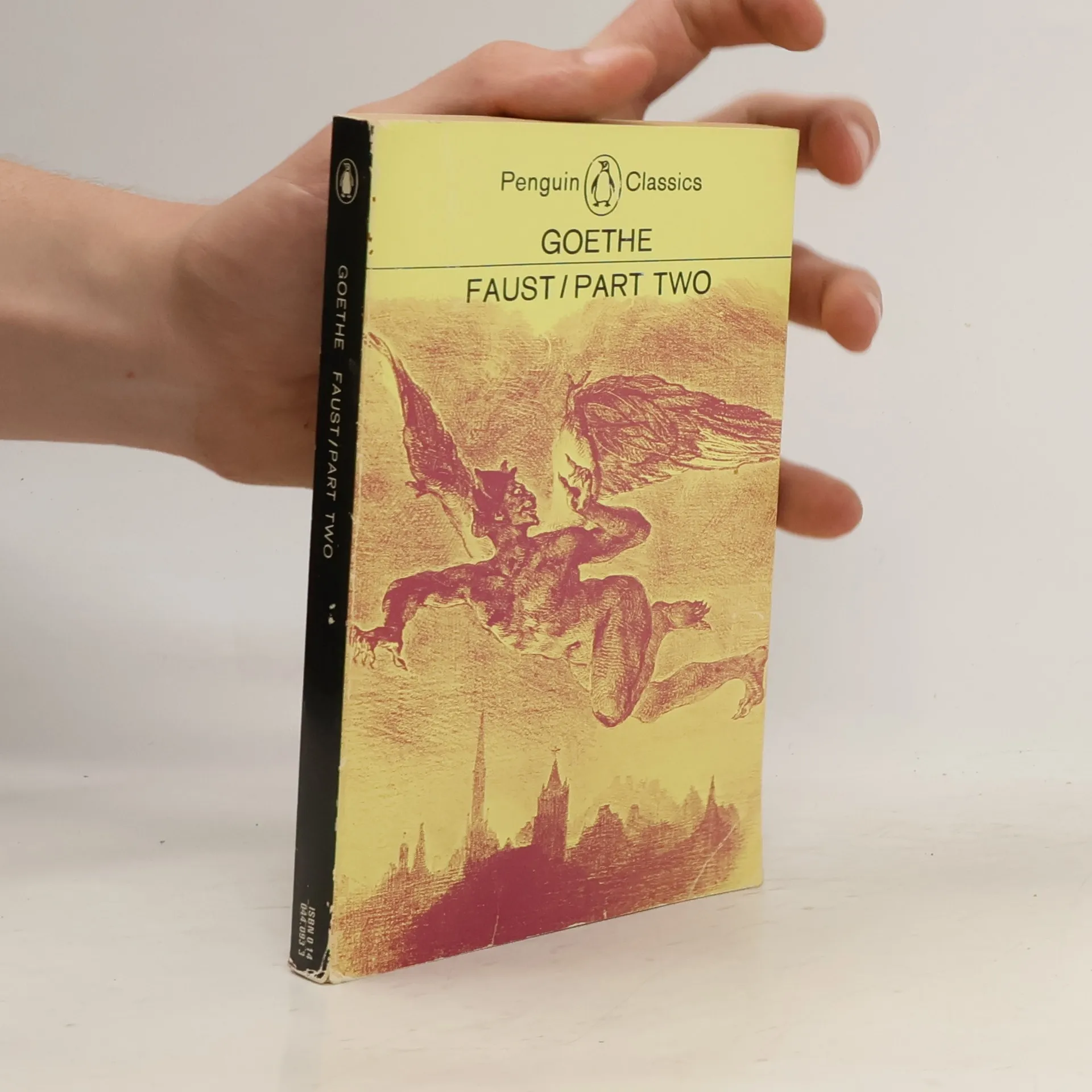
Faust. Part two
- 288 pages
- 11 hours of reading
The second part of Goethe's masterpiece opens with Faust struggling to recover from the death of his beloved Gretchen. The quick-witted demon Mephistopheles soon persuades him to look beyond his sorrow and enter the world of politics and power, but the great scholar is still eager for new sensations, and asks Mephistopheles to reveal Helen of Troy to him in a vision. Overwhelmed by her beauty, Faust demands she be brought back from the underworld - but even this fails to bring him contentment, and his appetite for knowledge remains unsated. Completed a few months before Goethe's death, this rich and allusive work weaves together a wealth of diverse philosophical ideas and influences, reworking the medieval myth of Dr Faustus and speculating upon the search for truth in the Age of Enlightenment.
This edition focuses on making historical works accessible to individuals with impaired vision through large print. Published by Megali, the book is a reproduction of an original text, ensuring that important historical content is preserved and easily readable for a wider audience.
A Journey to Central Africa
- 540 pages
- 19 hours of reading
Originally published in 1857, this reprint offers readers a chance to explore the historical context and themes of the era. It captures the essence of the time through its narrative and characters, providing insights into the social dynamics and cultural influences of the period. The book's enduring relevance and literary significance make it a valuable addition to any collection.
Cyclopaedia of Modern Travel: A Record of Adventure, Exploration and Discovery, for the Past Fifty Years
- 960 pages
- 34 hours of reading
The book is a reprint of a classic work originally published in 1856, preserving the historical context and insights of its time. It offers readers a glimpse into the themes and issues prevalent during the mid-19th century, making it a valuable resource for those interested in the era's literature and societal reflections. The reprint aims to maintain the authenticity of the original text while making it accessible to contemporary audiences.
Northern Travel
- 440 pages
- 16 hours of reading
This reprint presents a classic work originally published in 1858, offering readers a chance to explore the themes and context of the time. The book retains its historical significance and literary value, showcasing the author's unique style and perspective. Readers can expect an authentic experience of the period's culture and ideas, making it a valuable addition to any collection of historical literature.
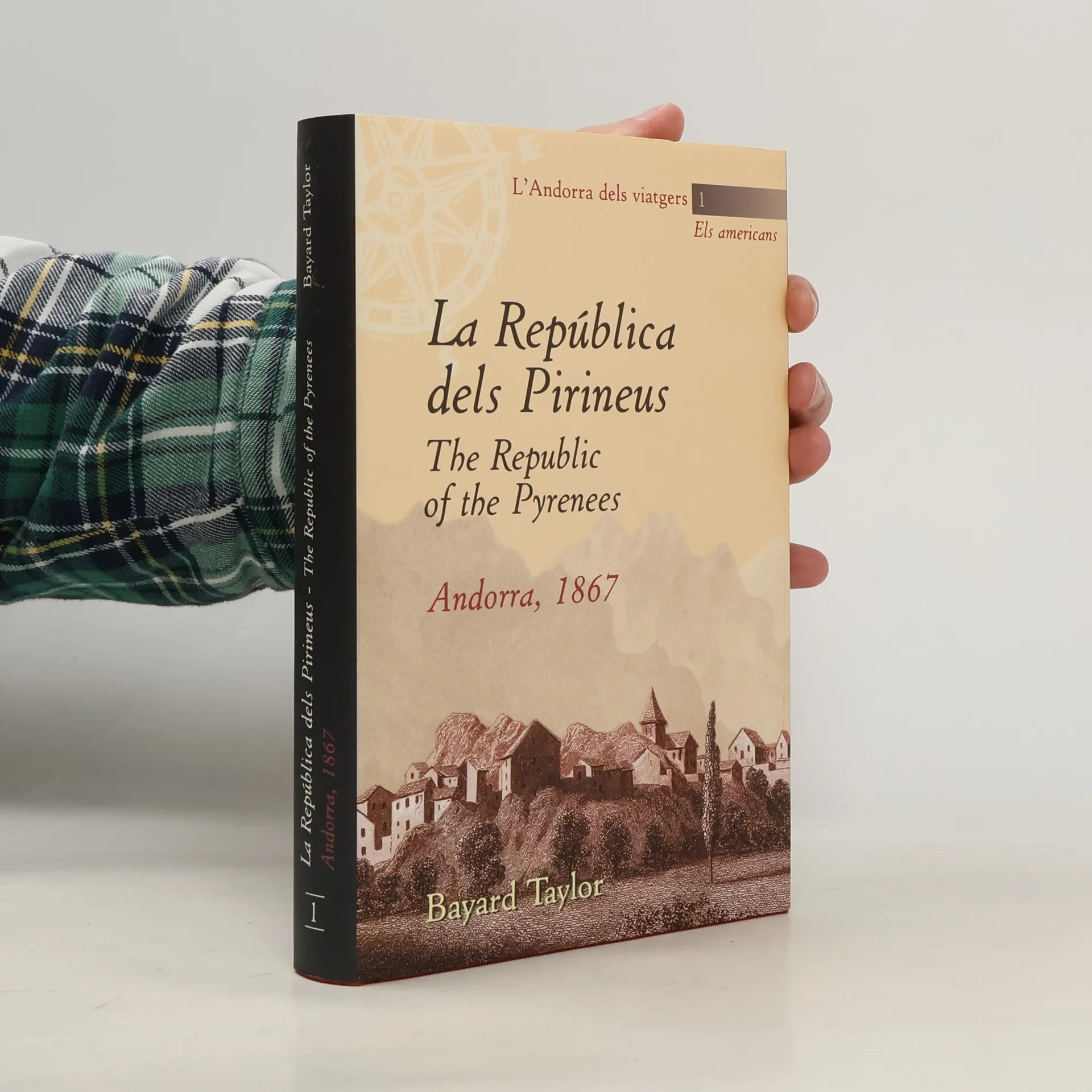
La República dels Pirineus, Andorra, 1867
- 245 pages
- 9 hours of reading
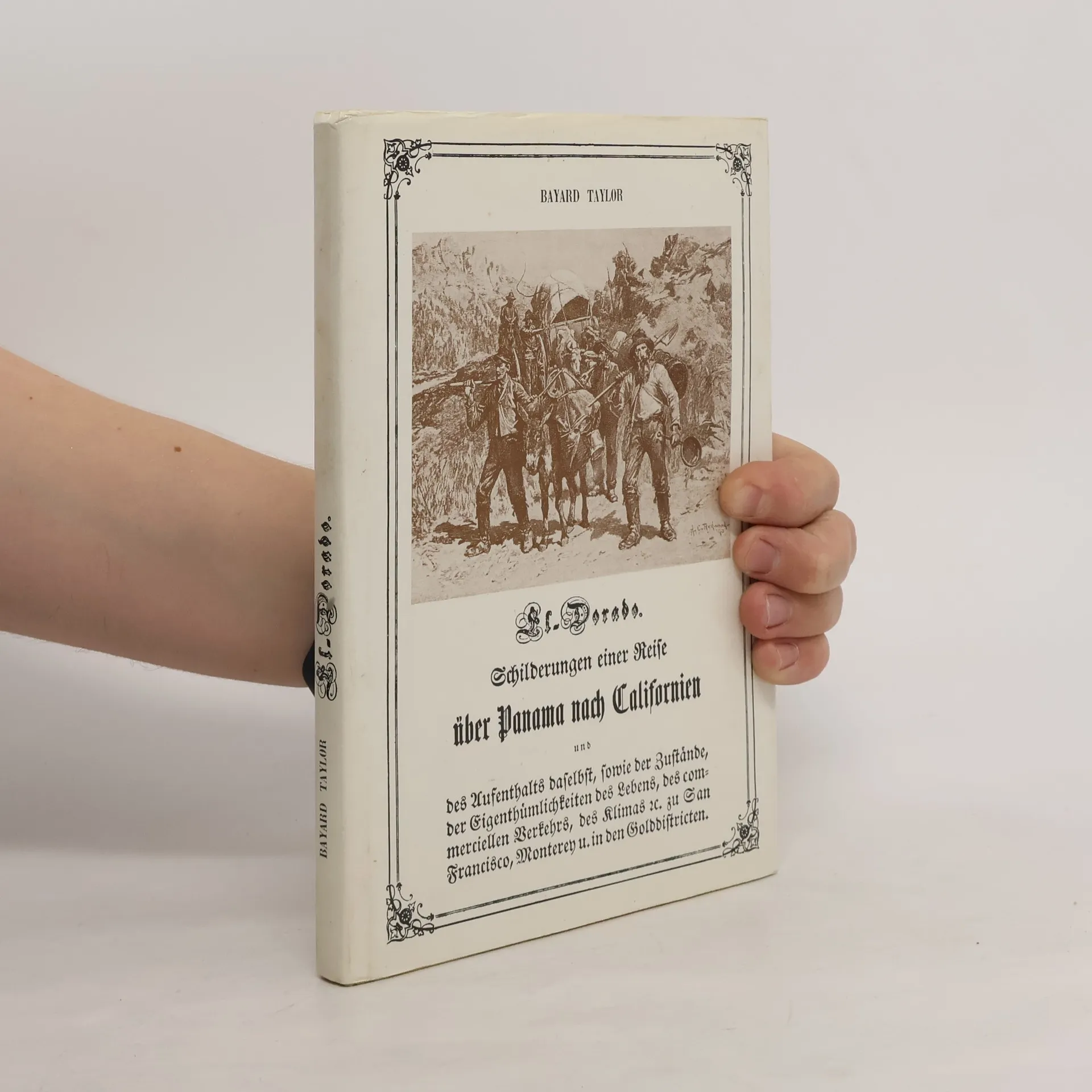
Das Eldorado, das Bayard Taylor in seiner jugendlichen Poesie imaginierte, war nicht halb so fabelhaft wie das Kalifornien, das er im historischen Jahr 1849 tatsächlich sah. Er schloss sich der Flut der Goldsucher an, nicht als Glücksritter, sondern als Journalist, und segelte von New York auf einem überfüllten Dampfer. Der Anblick von San Francisco überwältigte ihn: die brodelnden Berge, das Wasser und die Luft, die wenigen hundert Häuser, die sich vor seinen Augen zu vermehren schienen, und die Straßen, die von Menschen "einer vielfältigen und bizarren Art" wimmelten. Der Immobilienmarkt boomte, und Vermögen wurden in zwei Monaten gemacht, verloren und wiedergewonnen. Bevor Taylor 1850 über Mexiko nach New York zurückkehrte, würde er die Missionen, Goldlager und verstreuten Ranches im Landesinneren besichtigen; das landwirtschaftliche Potenzial der Täler notieren; und mit den überlandziehenden Auswanderern sprechen. Indem er den fieberhaften Puls einer zusammengewürfelten Gesellschaft erfasste, würde er, wie alle anderen, durch Kalifornien verändert werden.