All of Auden's books of poems from the 1930s, including previously unpublished poems, are augmented by selections from his essays, reviews, film scripts, and stage and radio plays of the same period
W. H. Auden Books
- W. H. Auden
February 21, 1907 – September 29, 1973


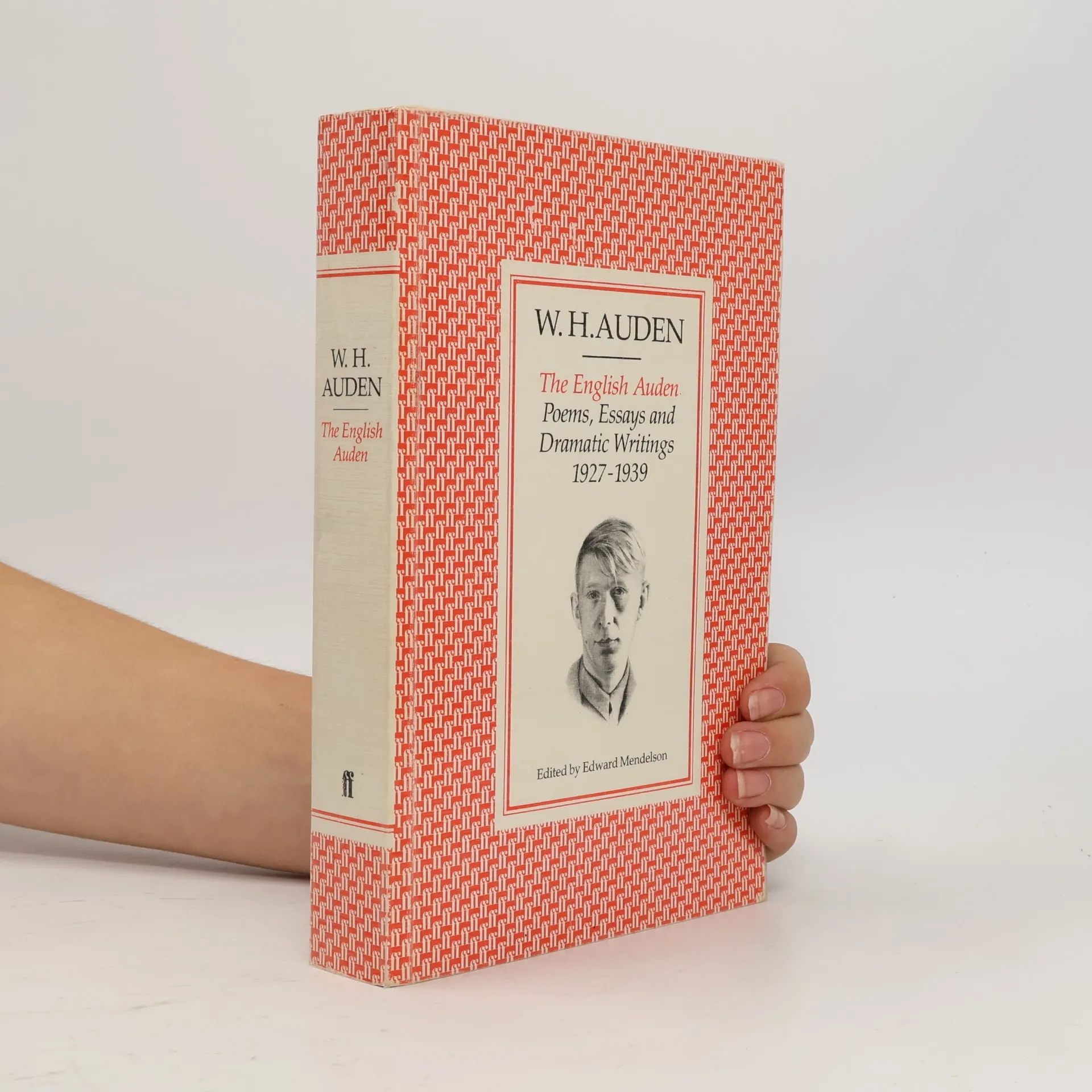
W. H. Auden's poetry is explored in this comprehensive first complete edition, featuring both published and previously unpublished works. Edited by Edward Mendelson, this volume spans Auden's early career from 1927 to 1939, showcasing his development as a poet. It includes juvenilia, unpublished poems, and song lyrics intended for Benjamin Britten. The text presents original versions alongside detailed annotations that highlight Auden's revisions and clarify obscure references, offering a deep insight into his artistic evolution.
The second volume of this complete edition showcases W. H. Auden's poetic evolution from 1940 until his passing in 1973. It features all his published works from this period, including collections like The Double Man and Epistle to a Godson, alongside previously unpublished poems and songs. Edited by Edward Mendelson, the volume offers original texts, revised versions, and annotations that clarify obscure references, providing a comprehensive view of Auden as a mature artist. It also includes an edited version of his incomplete work, Thank You, Fog.
Collected Auden
- 960 pages
- 34 hours of reading
This collection presents all the poems W.H. Auden wished to preserve, in the texts that received his final approval. Together, these works display the range of Auden's voice and the breadth of his concerns, and his deep knowledge of the traditions he inherited
The exploration of Romanticism is examined through the theme of the sea, with a particular focus on Herman Melville's Moby-Dick. Auden employs a Christian existentialist perspective to analyze the tendency of Romantic writers to escape from responsibility and community. Drawing from diverse sources, including the Bible and Baudelaire, the work delves into the complexities of human nature and the philosophical implications of seeking freedom in isolation.
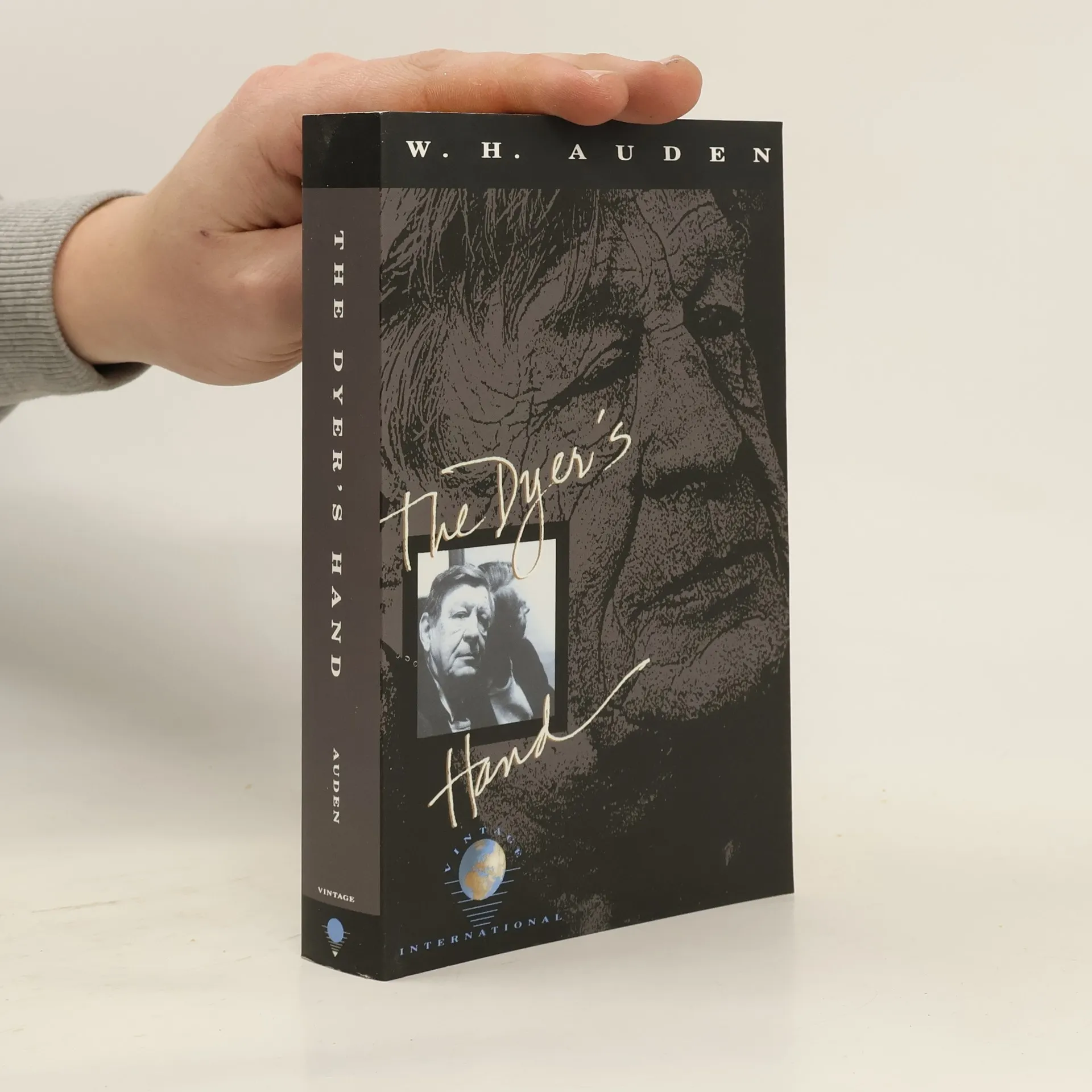
The Dyer's Hand
- 527 pages
- 19 hours of reading
In this volume, W. H. Auden assembled, edited, and arranged the best of his prose writing, including the famous lectures he delivered as Oxford Professor of Poetry. The result is less a formal collection of essays than an extended and linked series of observations—on poetry, art, and the observation of life in general.The Dyer's Hand is a surprisingly personal, intimate view of the author's mind, whose central focus is poetry—Shakespearean poetry in particular—but whose province is the author's whole experience of the twentieth century.
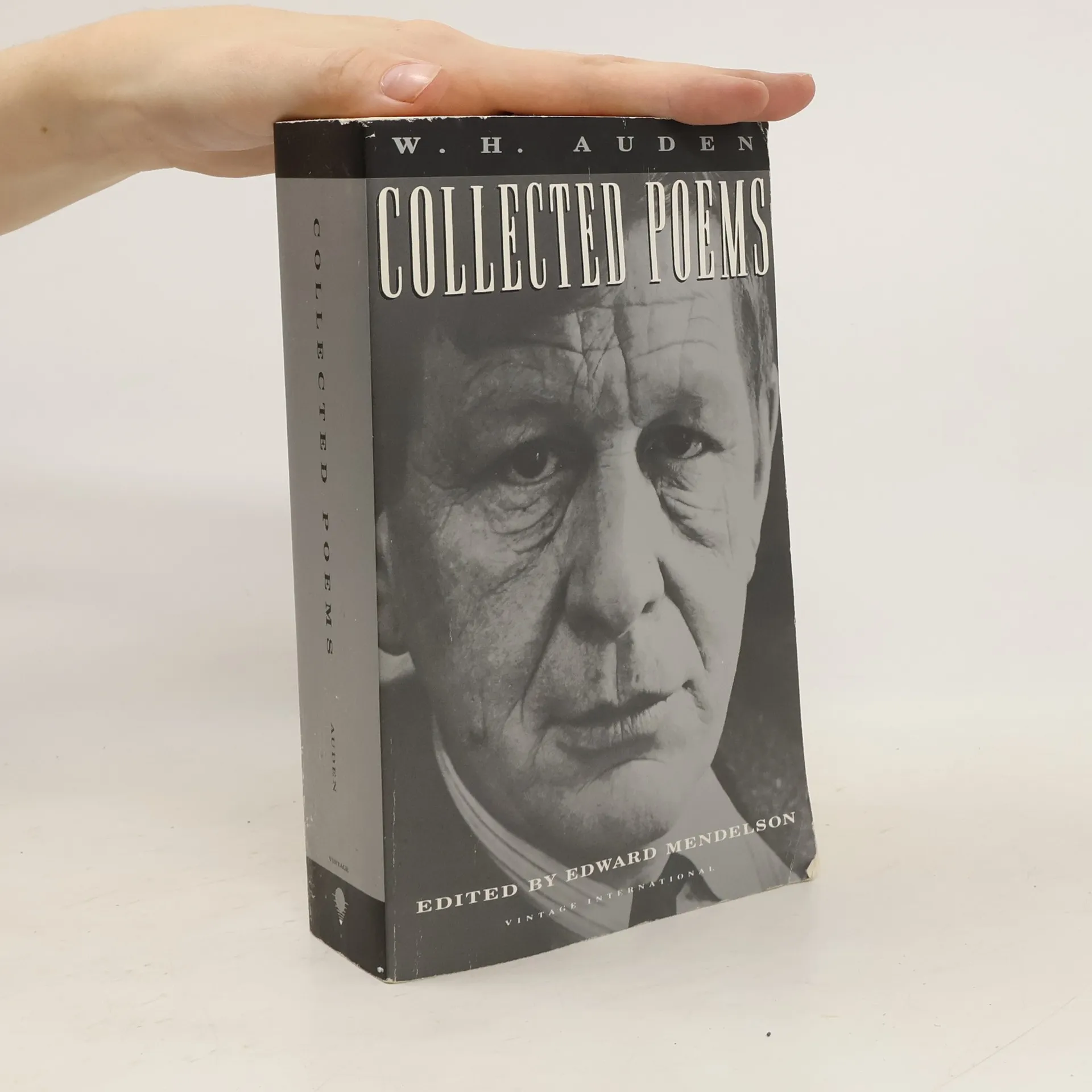
Between 1927 and his death in 1973, W. H. Auden endowed poetry in the English language with a new face. Or rather, with several faces, since his work ranged from the political to the religious, from the urbane to the pastoral, from the mandarin to the invigoratingly plain-spoken. This collection presents all the poems Auden wished to preserve, in the texts that received his final approval. It includes the full contents of his previous collected editions along with all the later volumes of his shorter poems. Together, these works display the astonishing range of Auden's voice and the breadth of his concerns, his deep knowledge of the traditions he inherited, and his ability to recast those traditions in modern times.
The Shield of Achilles is a poem by W. H. Auden first published in 1952, and the title work of a collection of poems by Auden, published in 1955. It is Auden's response to the detailed description, or ekphrasis, of the shield borne by the hero Achilles in Homer's epic poem the Iliad.The poem is the title work of The Shield of Achilles, a collection of poems in three parts, published in 1955, containing Auden's poems written from around 1951 through 1954. It begins with the sequence "Bucolics", then miscellaneous poems under the heading "In Sunshine and In Shade", then the sequence Horae Canonicae.It won the U.S. National Book Award for Poetry in 1956.
Another Time
- 128 pages
- 5 hours of reading
Some of his most famous and often quoted (or misquoted) lines appear in their original form, including the text of two poems in particular - 'Spain 1937' and 'September 1,1939' - that he later altered or repudiated. '[He] has made himself into a kind of unofficial poet laureate.
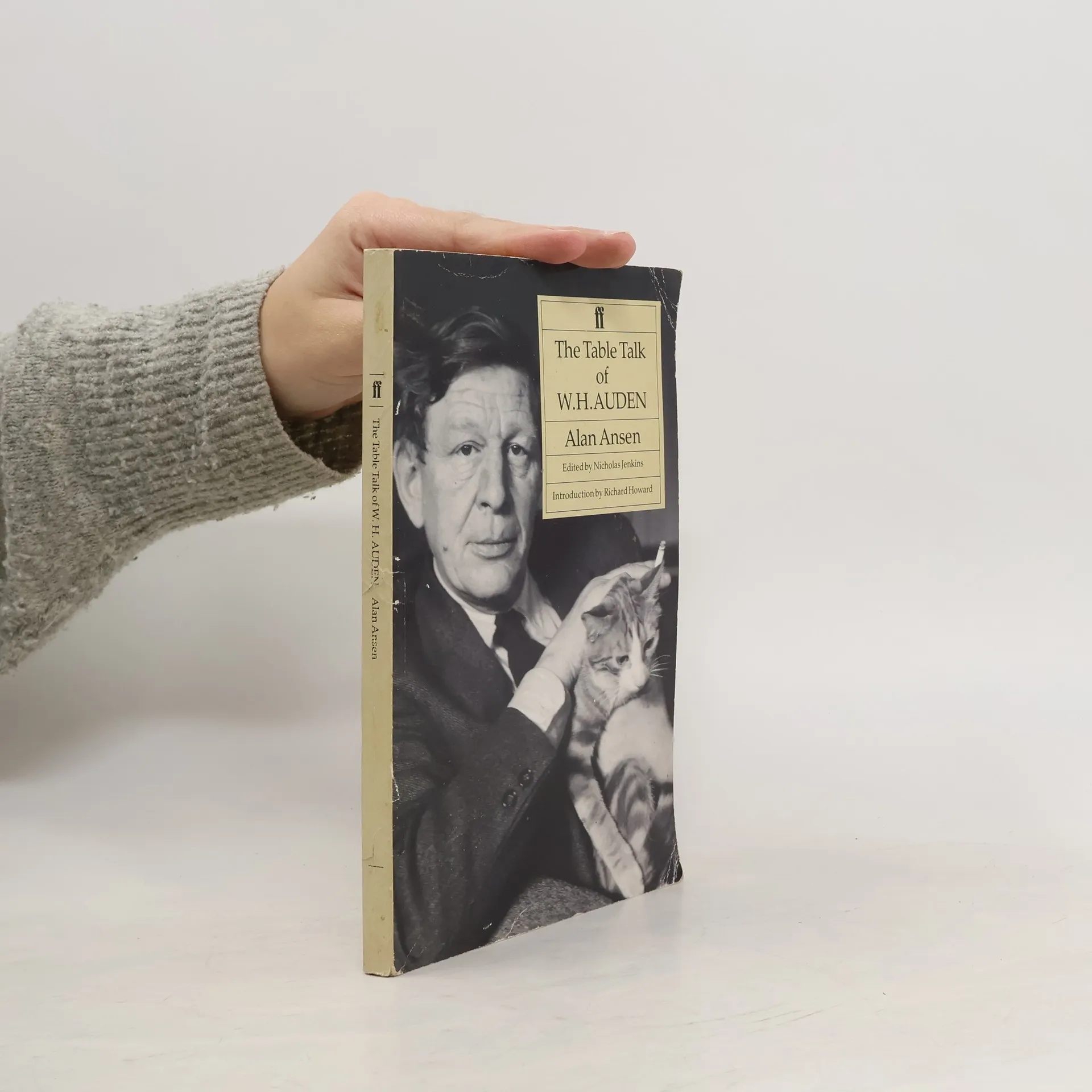
In New York, between 1946 and 1948, the scholar and poet Alan Ansen made rapid notes of Auden's inimitable conversation. This book is a record of Auden's private, offhand and sometimes wayward remarks and opinions about art, literature, music, politics, religion and sexuality.
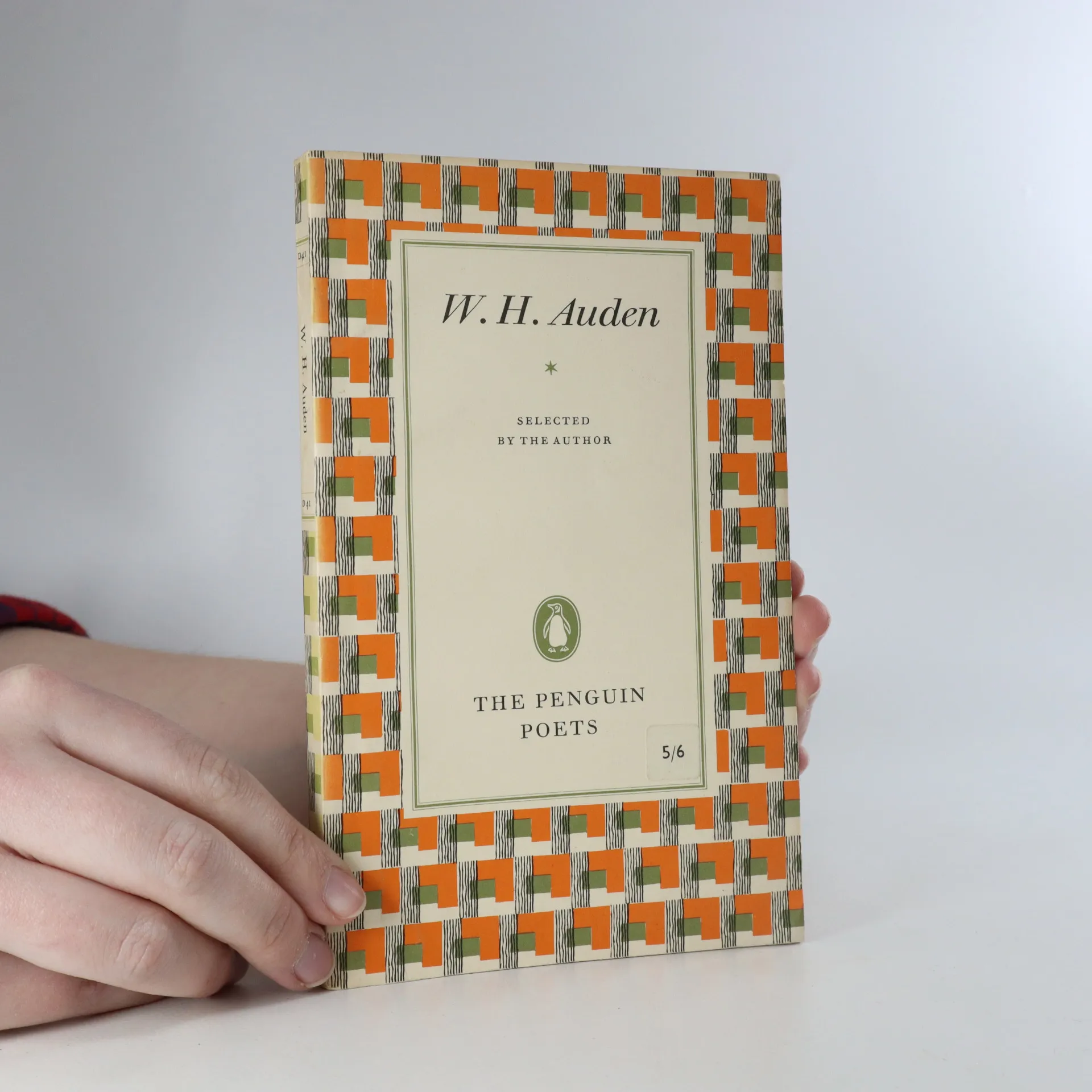
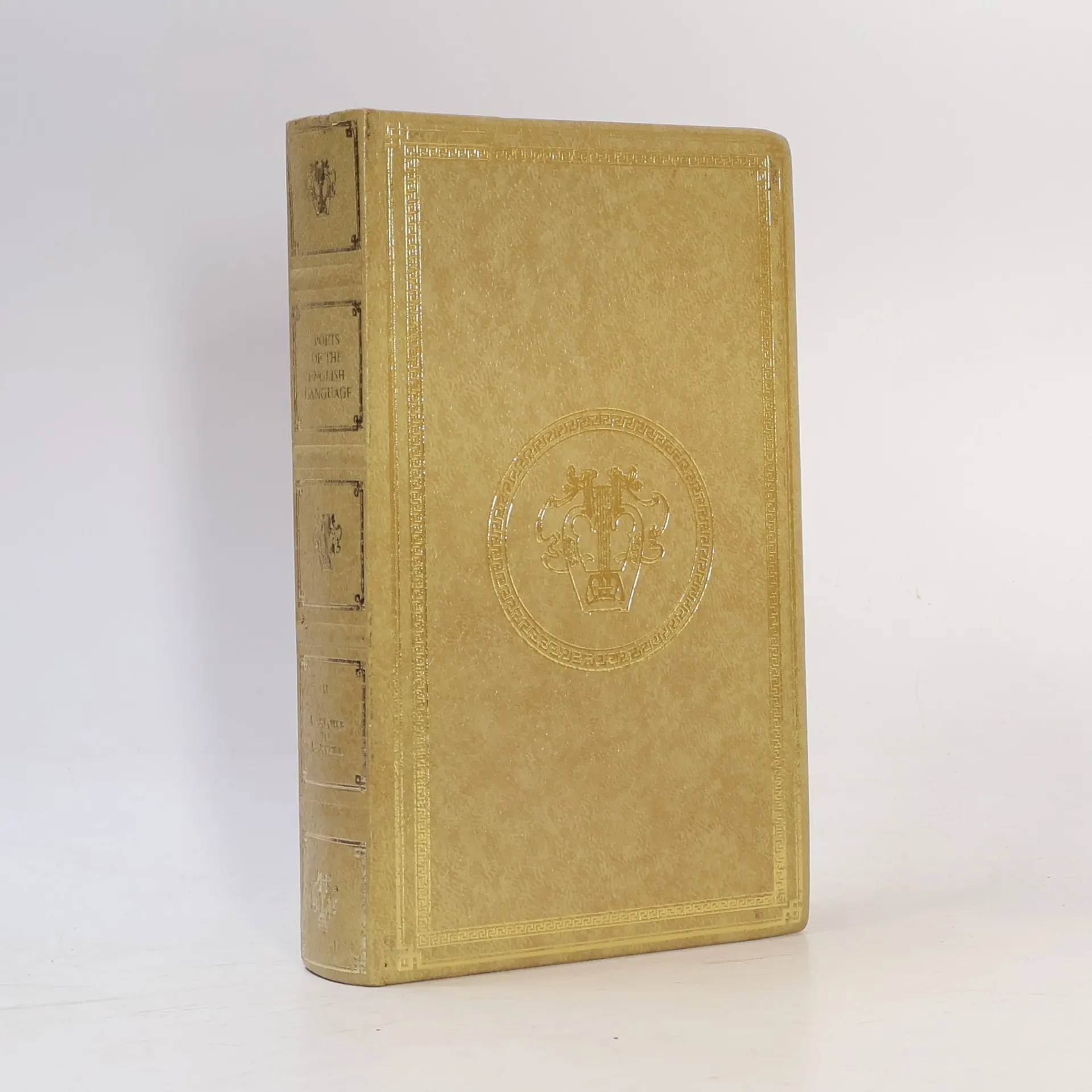
Auden was once described as the Picasso of modern poetry - a tribute to his ceaseless experimentation with form and subject matter. Beginning with Anglo- Saxon poetry and ending with an Horatian expansiveness and conversational sweep, this volume is essential reading for anyone seriously interested in modern poetry after T.
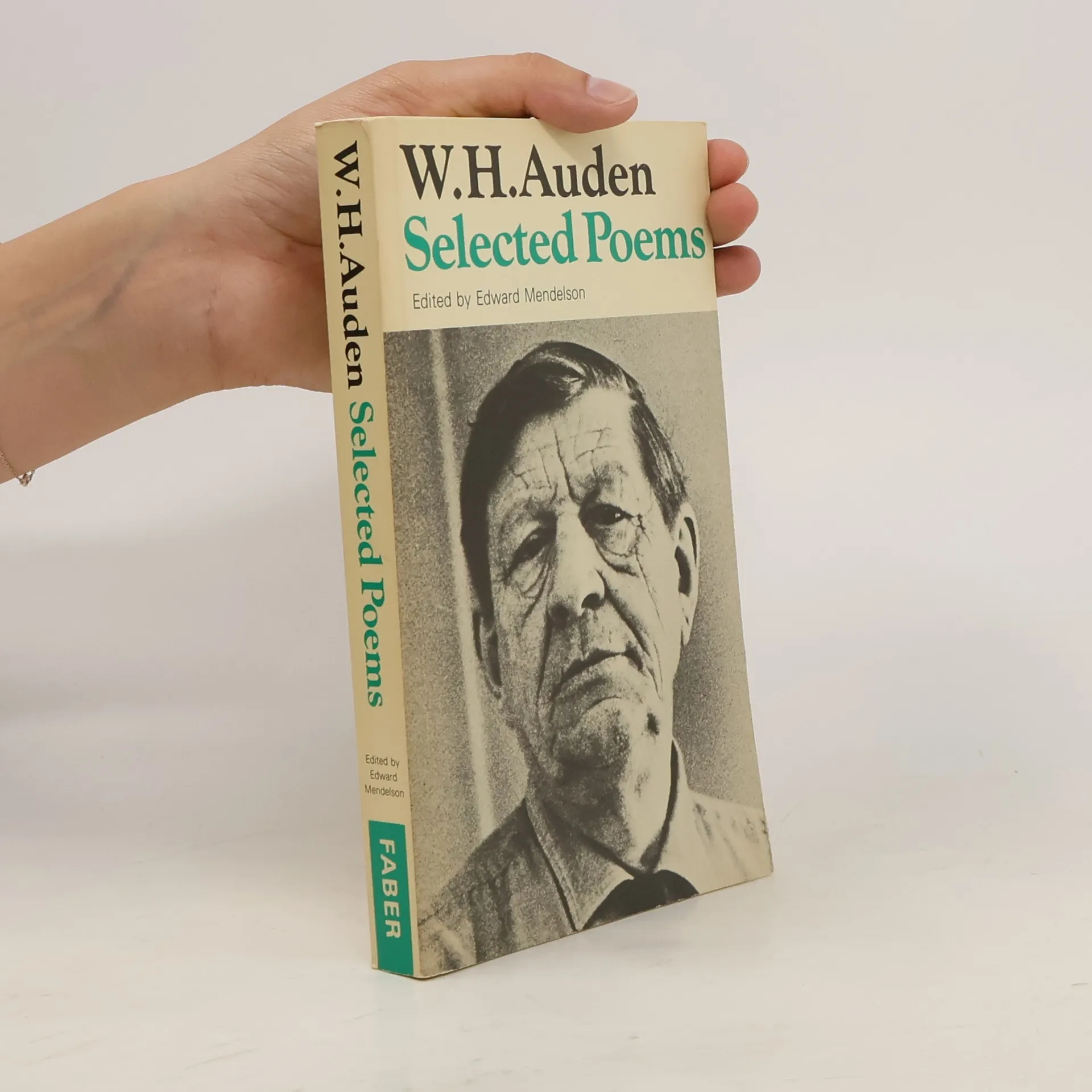
This significantly expanded edition of W. H. Auden's Selected Poems adds twenty poems to the hundred in the original edition, broadening its focus to better reflect the enormous wealth of form, rhetoric, tone, and content in Auden's work. Newly included are such favorites as Funeral Blues and other works that represent Auden's lighter, comic side, giving a fuller picture of the range of his genius. Also new are brief notes explaining references that may have become obscure to younger generations of readers and a revised introduction that draws on recent additions to knowledge about Auden. As in the original edition, the new Selected Poems makes available the preferred original versions of some thirty poems that Auden revised later in life, making it the best source for enjoying the many facets of Auden's art in one volume.
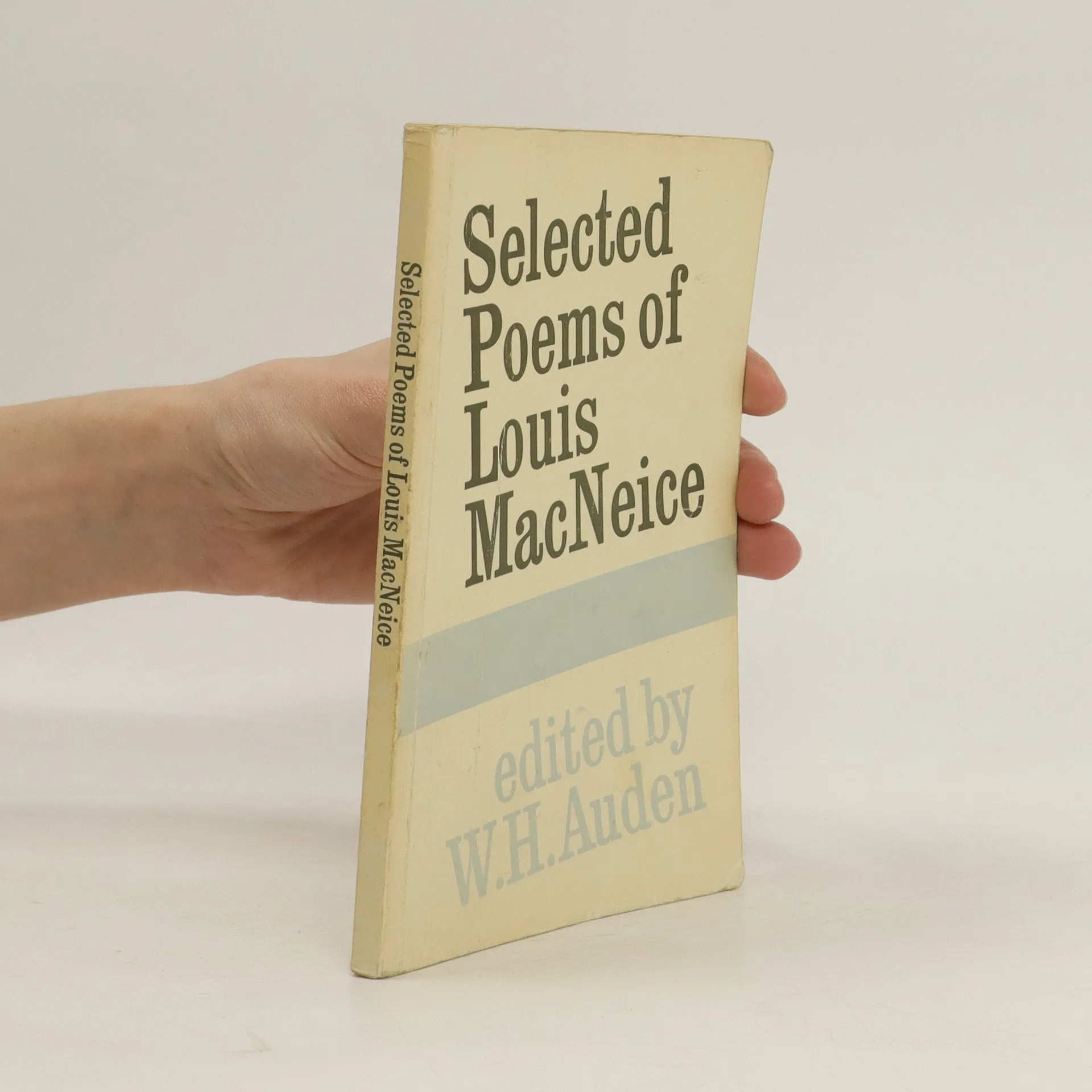
Selected poems of Louis Macneice selected and introduced by W.H. Auden.
- 160 pages
- 6 hours of reading
Book by MacNeice, Louise
Thank You, Fog
- 57 pages
- 2 hours of reading
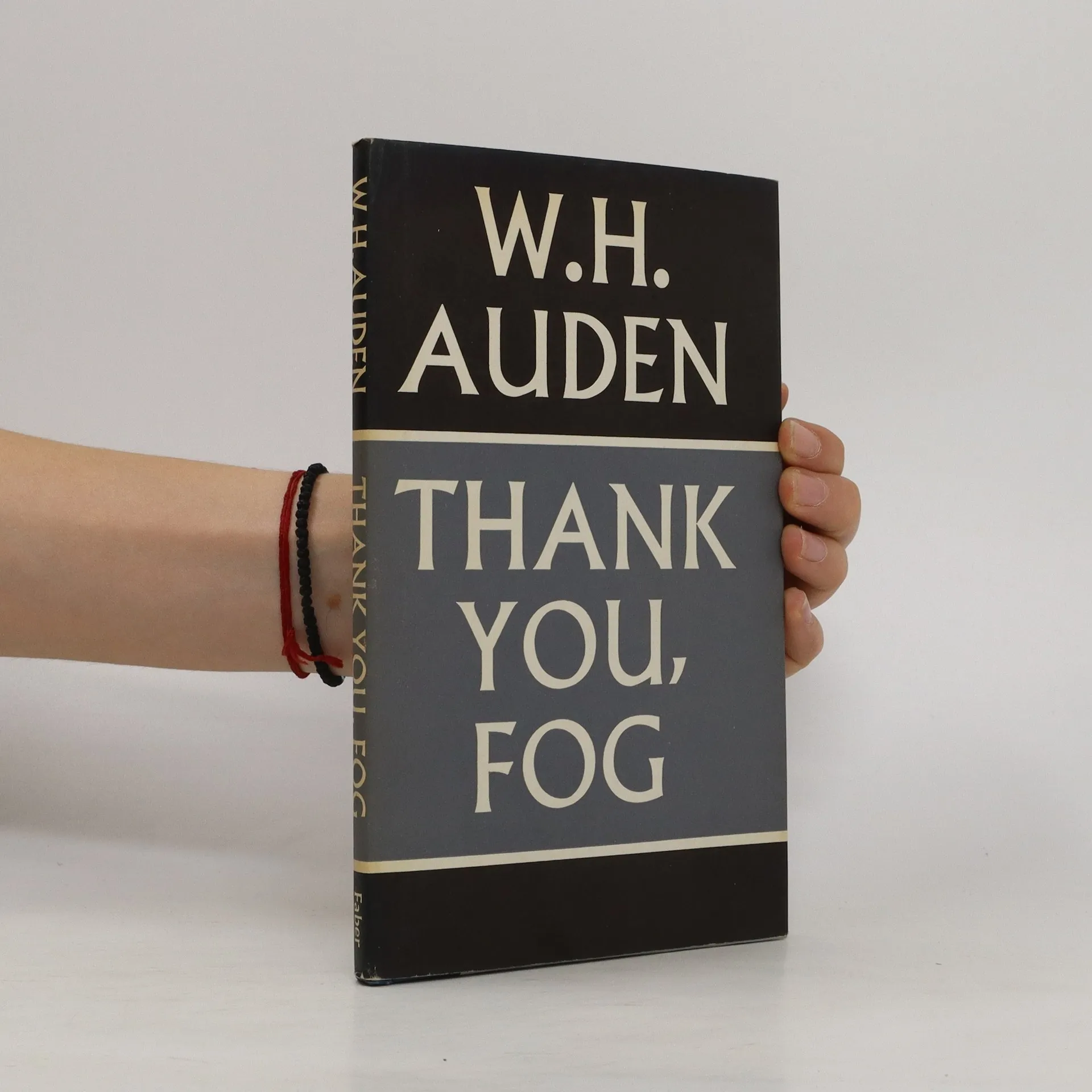
In this final, surprising collection published posthumously in 1974, Auden – the creator of the poetry of the Thirties, who passed through Germany at the dawn of Nazism, the Spain of the Civil War, and the tumultuous China, almost fleeing across the ocean on the eve of World War II, becoming an American citizen and commuting for many seasons between Europe and the United States – returns to that Oxford from which he departed. Here the old poet first thanks the Fog – "Immaculate Sister" of Smog (all too well known in New York), "bitter enemy of haste" – which from his cottage at Christ Church College he has had the chance to rediscover, appreciating its muffled beauty once again; he writes dawn and night poems for friends, a discourse to animals, and an ode to the diencephalon, using with sovereign ease meters, rhymes, measures, stanzas, and schemes of all kinds, archaic words and technical terms, the most varied tones, registers, and accents. He also thanks the poets who were his masters throughout his life: Hardy, Frost, Yeats, Graves, Brecht, concluding with Horace and Goethe. Finally, "comfortable in the den of his self, / Madonna and Child," paradoxically pious, he allows himself the daring of a lullaby. It is the farewell, colloquial and familiar, of a sage.
Best-loved poems
- 224 pages
- 8 hours of reading
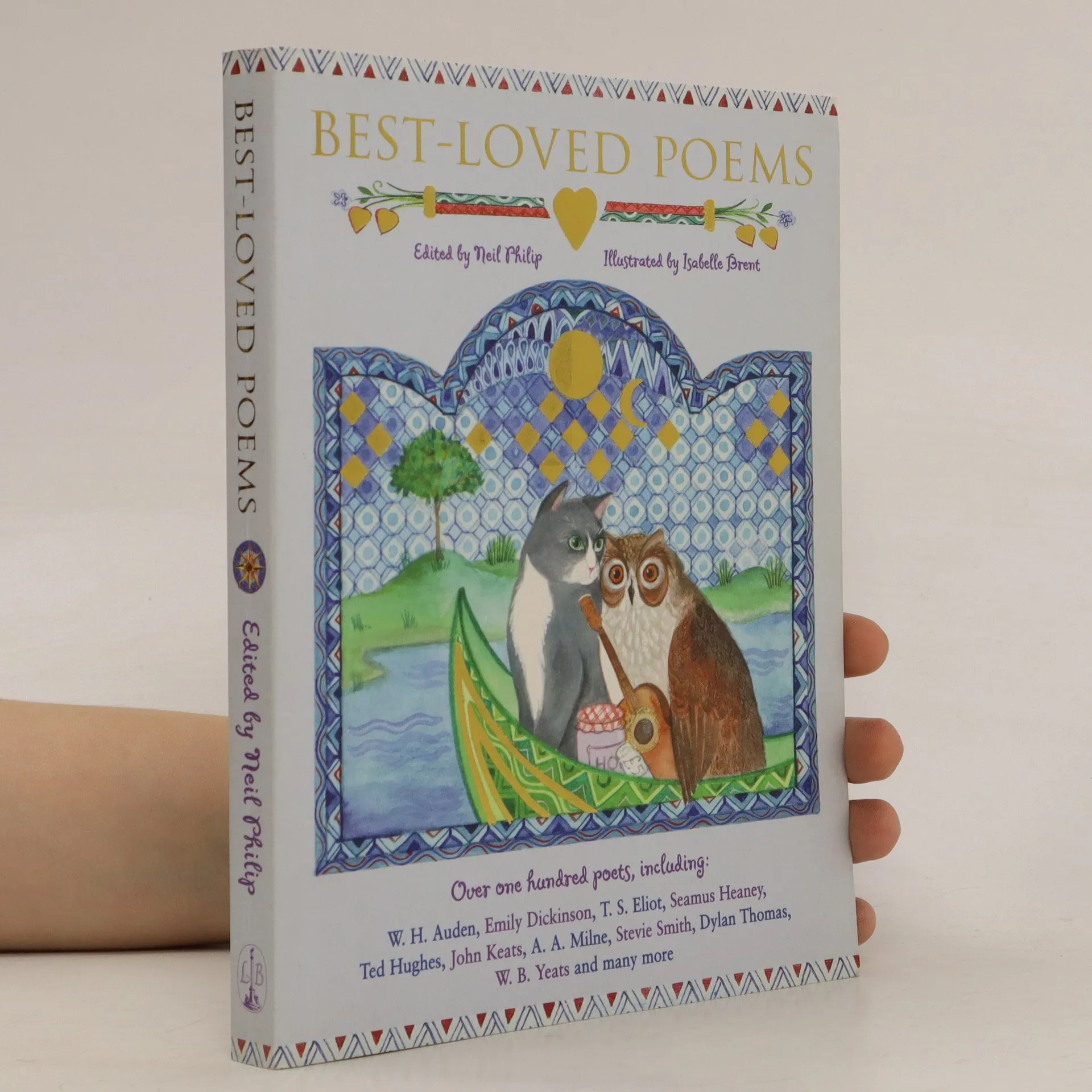
This highly accessible collection gathers together the best-loved gems of English language verse, from the deeply moving to the hilariously silly. The poems span the entire range of verse from high drama to stuff-and-nonsense and are presented in nine sections: Poems of Childhood and Youth; Poems of Love and Marriage; Poems of Life; Poems of Loss and Comfort; Poems of War and Peace; Poems to Read Aloud; Poems to Read Quietly; Poems of Animals and Nature and Poems of Magic and Mystery. The anthology includes works by William Blake, Dylan Thomas, Seamus Heaney, Robert Burns, T S Eliot, Rudyard Kipling, W B Yeats and many, many more. The poems have all been chosen and arranged by Neil Philip and the volume is illustrated throughout with watercolour borders and decorative motifs by Isabelle Brent, glowing with her trademark gold leaf.
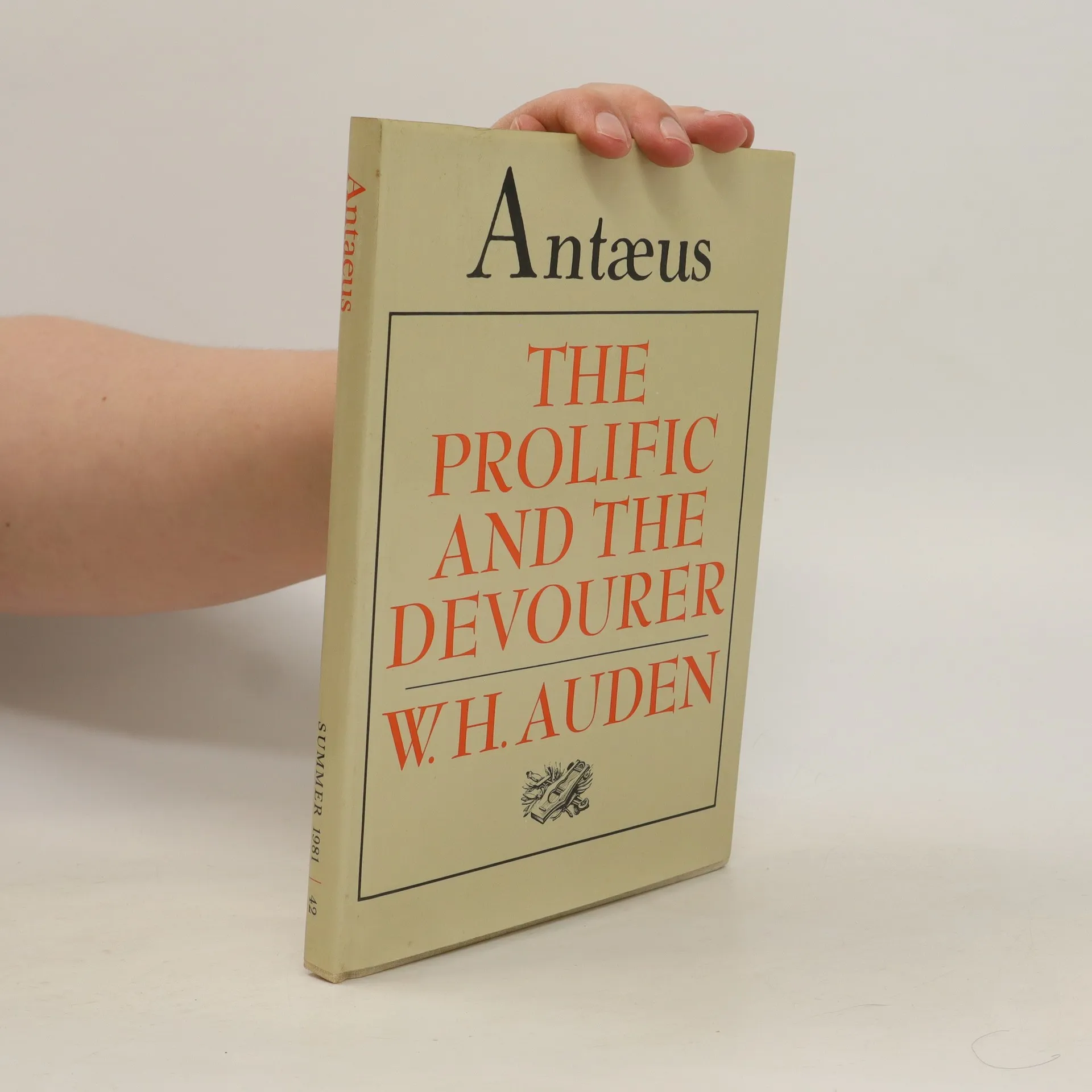
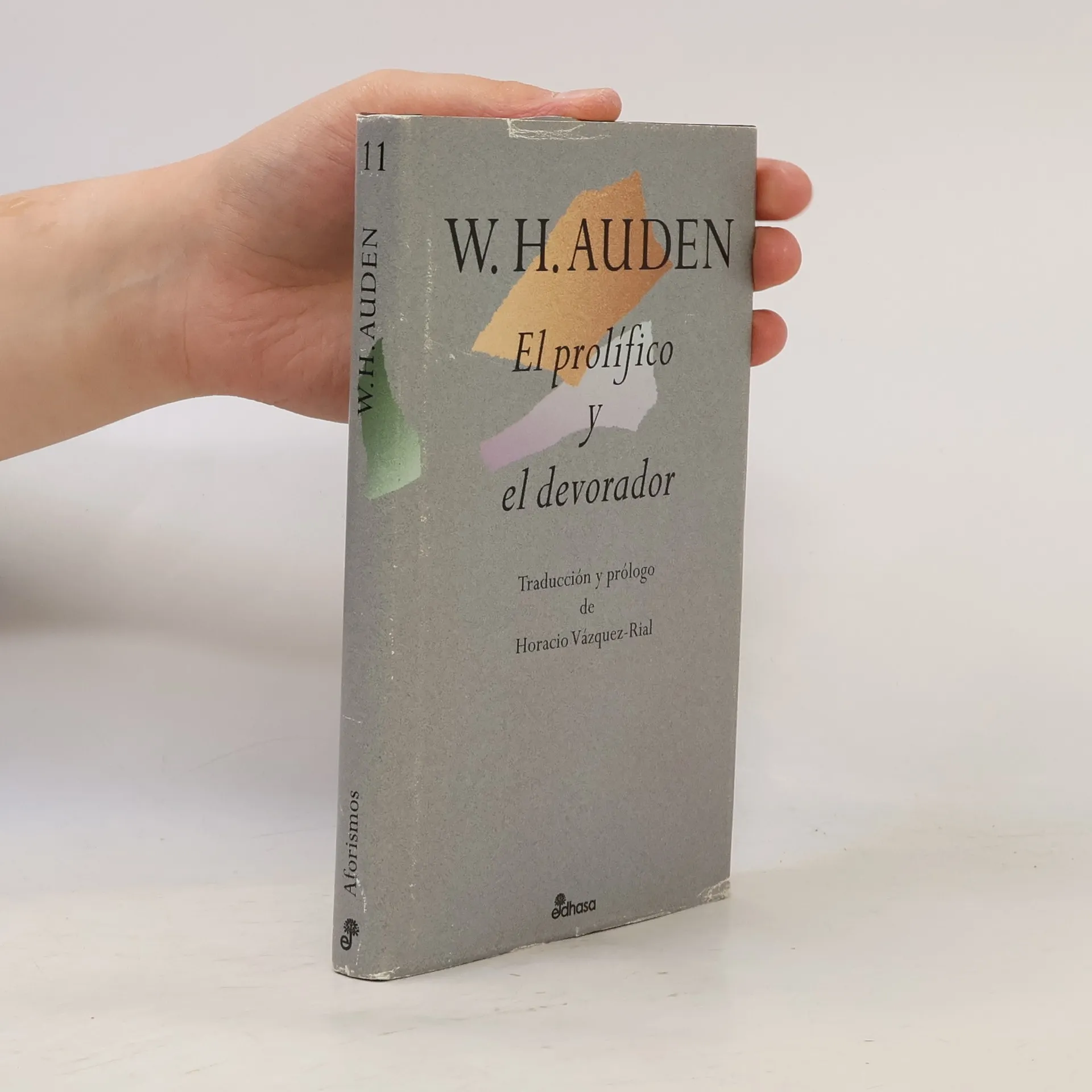
The Prolific and the Devourer
- 93 pages
- 4 hours of reading
New Ecco Press,, 1981.. Fine in a near fine dustjacket.. First printing. A book of aphorisms begun by Auden in 1939 - part 1 had originally appeared in Anteus in 1976, but this is the first publication of the entire work. The entire issue is devoted to this and to an index of Anteus, Numbers 1- 42. The uncommon hardcover issue.
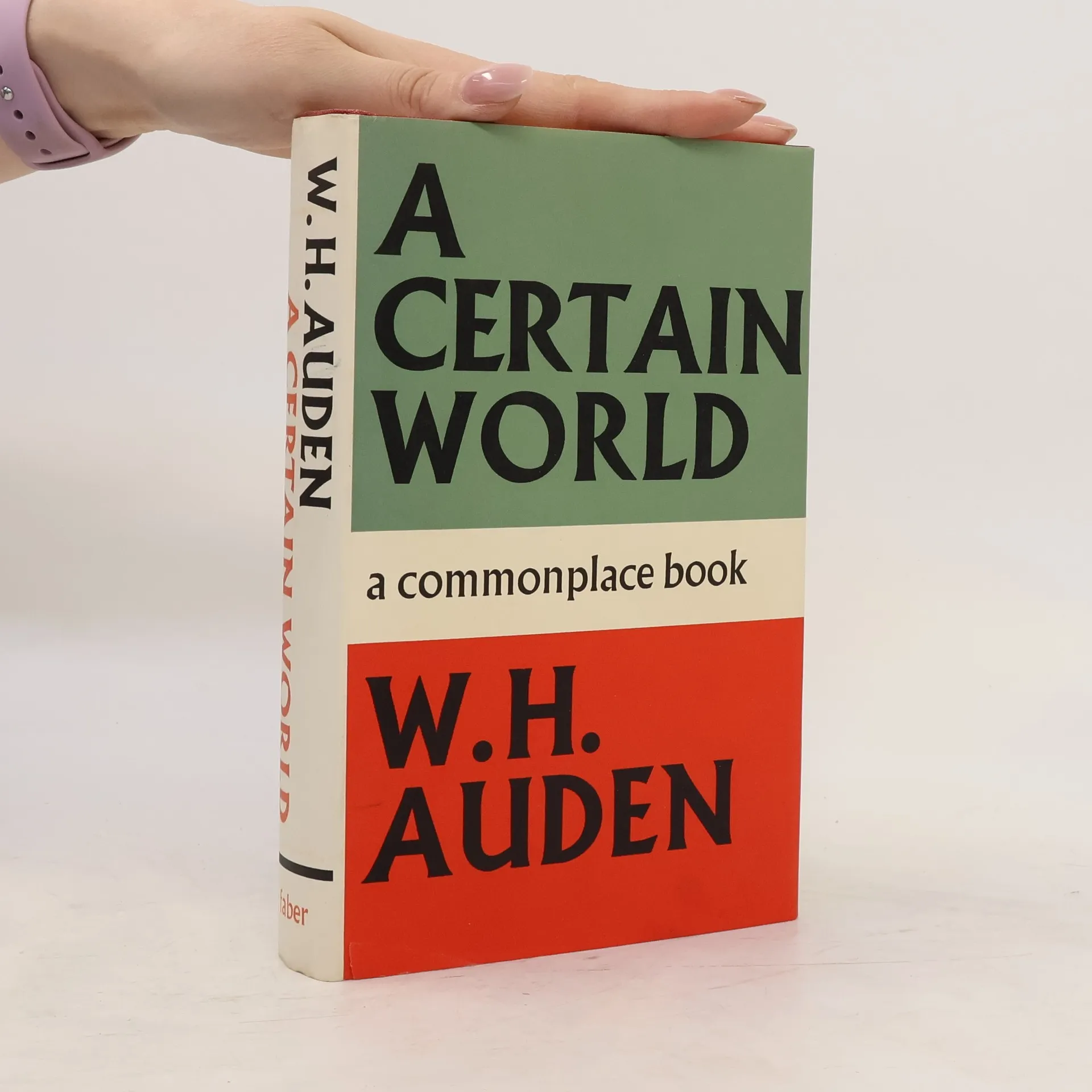
A Certain World
- 452 pages
- 16 hours of reading
A Certain World
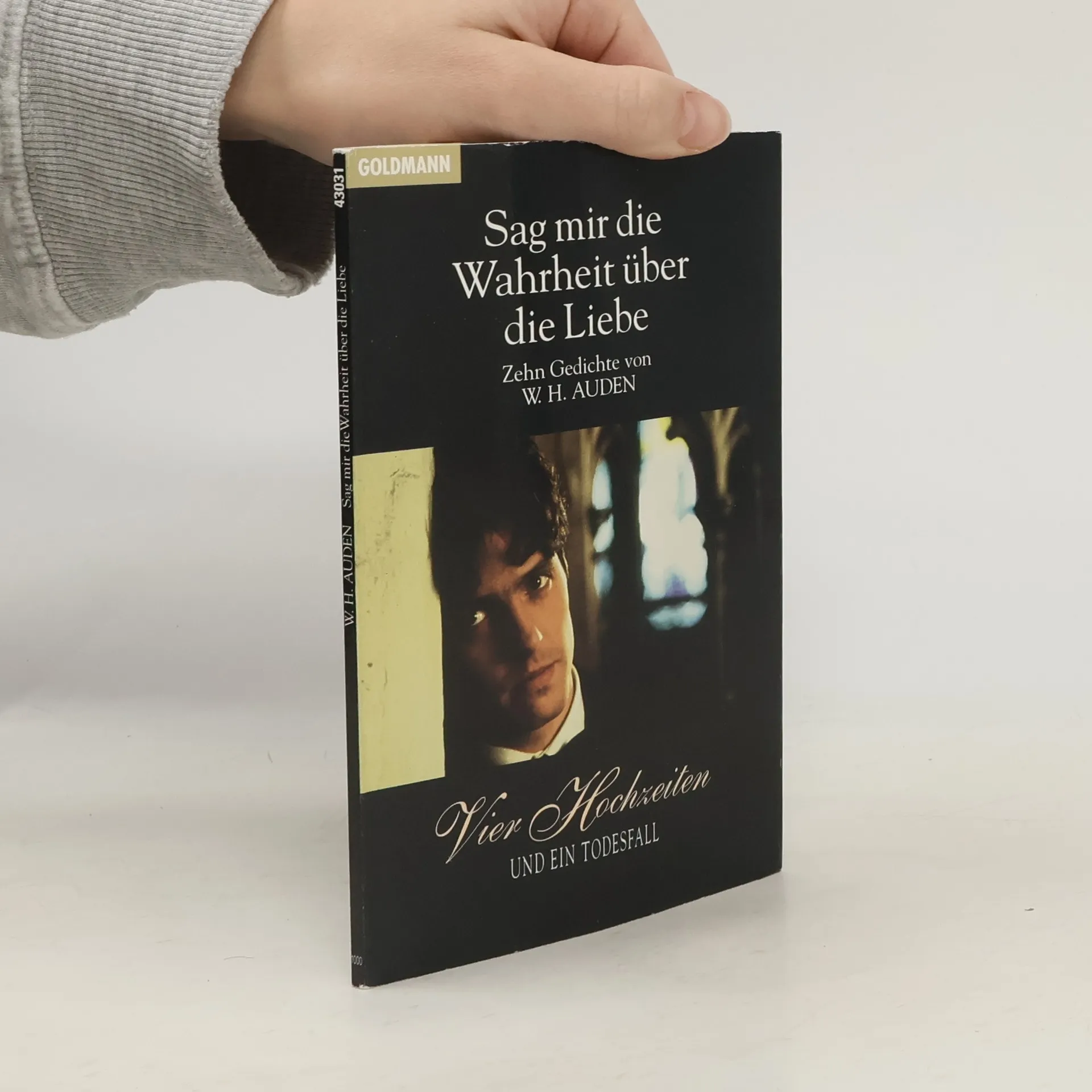
Had he been writing now, Auden might have penned a poem titled "Tell me the Truth About Publishing," as this special collection was inspired by the success of the 1994 film Four Weddings and a Funeral, featuring one of his poems. Spanning from October 1932 to June 1948, the poems could have been more revealing if arranged chronologically; however, commercial demands place "Funeral Blues" at the end, while "Lullaby," arguably superior, is tucked inside. This period coincides with Auden's move to America in January 1939, and "Calypso" captures the rhythm of a train taking him to New York. Many poems exude a jolly air and were written as cabaret songs, with "At Last the Secret is Out" being tongue-in-cheek regarding Auden's sexuality, despite the heterosexual cover. This volume serves as a good introduction to Auden's work. "Funeral Blues" expresses disbelief at life continuing after loss, with a flippant yet poignant tone: "Put crepe bows round the white necks of the public doves." He juxtaposes grandiosity with the mundane, enveloping readers in profound love. "Lullaby" evokes the preciousness of a fleeting night with someone unattainable, leaving much unexplained yet drawing readers back: "Lay your sleeping head, my love, / Human on my faithless arm..." What an astonishing opener.
A Tolkien Treasury
- 96 pages
- 4 hours of reading
Stories, poems, illustrations, and essays by writers such as W.H. Auden, Colin Wilson, and Edmund Wilson that celebrate the work of the popular fantasy writer J.R.R. Tolkien.
Letters from Iceland
- 312 pages
- 11 hours of reading
In the summer of 1936, W H Auden and Louis MacNeice visited Iceland on commission to write a travel book, but found themselves capturing concerns on a scale that were far more international. This is a collaboration in poetry and prose, reportage and correspondence, published in 1937 with the Spanish Civil War newly in progress.
The Faber book of aphorisms
- 416 pages
- 15 hours of reading
Aphorisms are not witticisms or epigrams, but general truths succinctly stated. This anthology contains 3000 quotations from a wide variety of aphorists ranging from Heraclitus to Ogden Nash, as well as Jane Austen, Pascal, Freud, Goethe, the Duke of Wellington, Shaw, Jean Cocteau and many more.
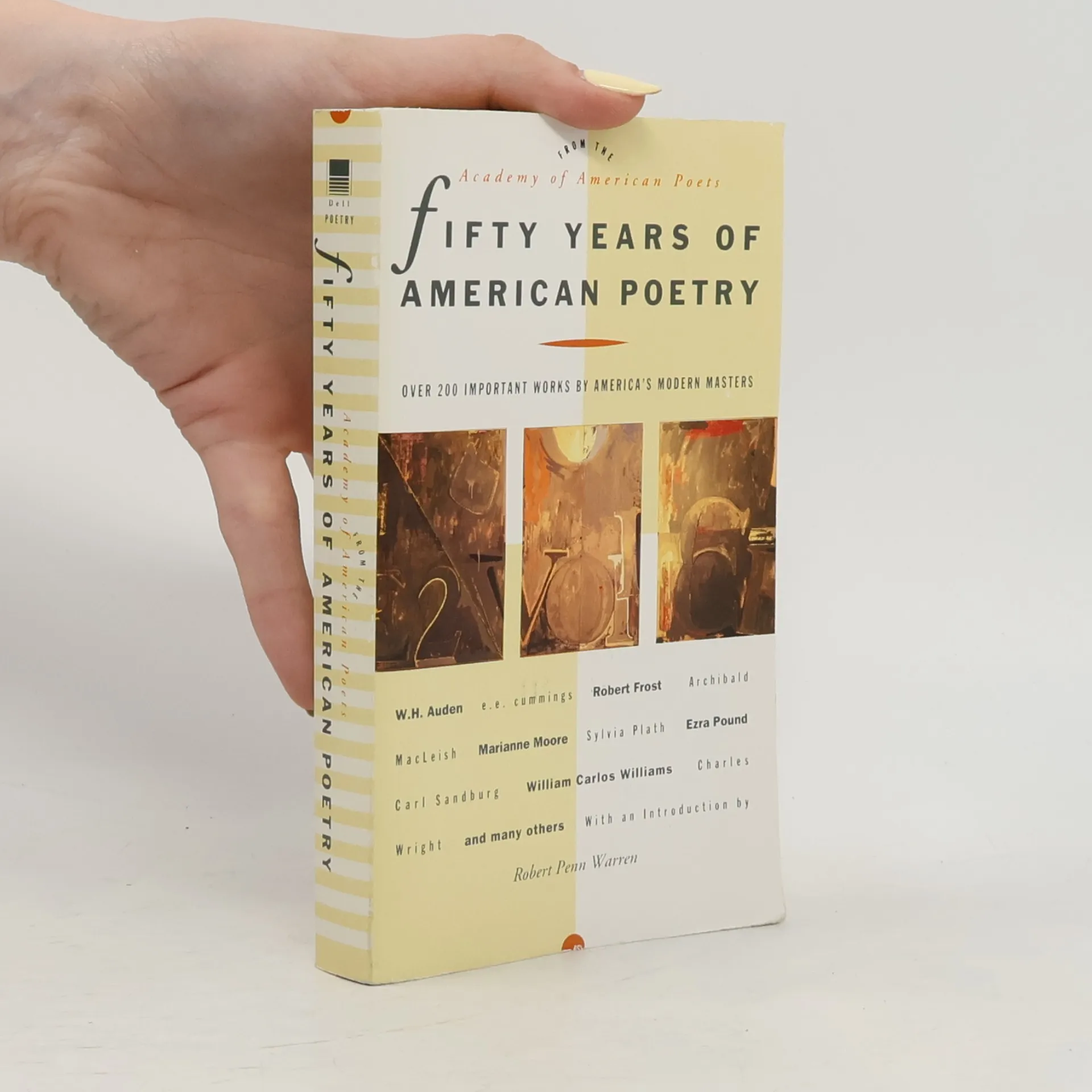
Academy of American Poets: Fifty Years of American Poetry
Over 200 Important Works by America's Modern Masters
- 320 pages
- 12 hours of reading
Seer, critic, lover, madwoman—the poet's sensibility allows us to experience diverse perspectives in this rich collection of contemporary American poetry. Featuring a poem from each chancellor, fellow, and award winner of the Academy of American Poets since 1934, this anthology showcases a unique array of literary styles and themes that have shaped the last five decades. Readers will encounter both familiar and new voices, as well as the great American poems that resonate deeply with our minds and hearts. The Academy's mission is to encourage and foster the production of American poetry, embracing poets of all schools and methods. This anthology serves as a representative cross-section of American poetry over the past 50 years, reflecting the institution's commitment to change and growth. It emphasizes that poetry is not solely for poets but for everyone. Compiled with this ethos, the collection aims to educate and inspire, offering insight into the dynamic evolution of American poetry. The Academy of American Poets stands as the only institution capable of assembling such a distinctive anthology, having consistently supported poets and promoted poetry as an accessible and vital part of the American literary landscape.
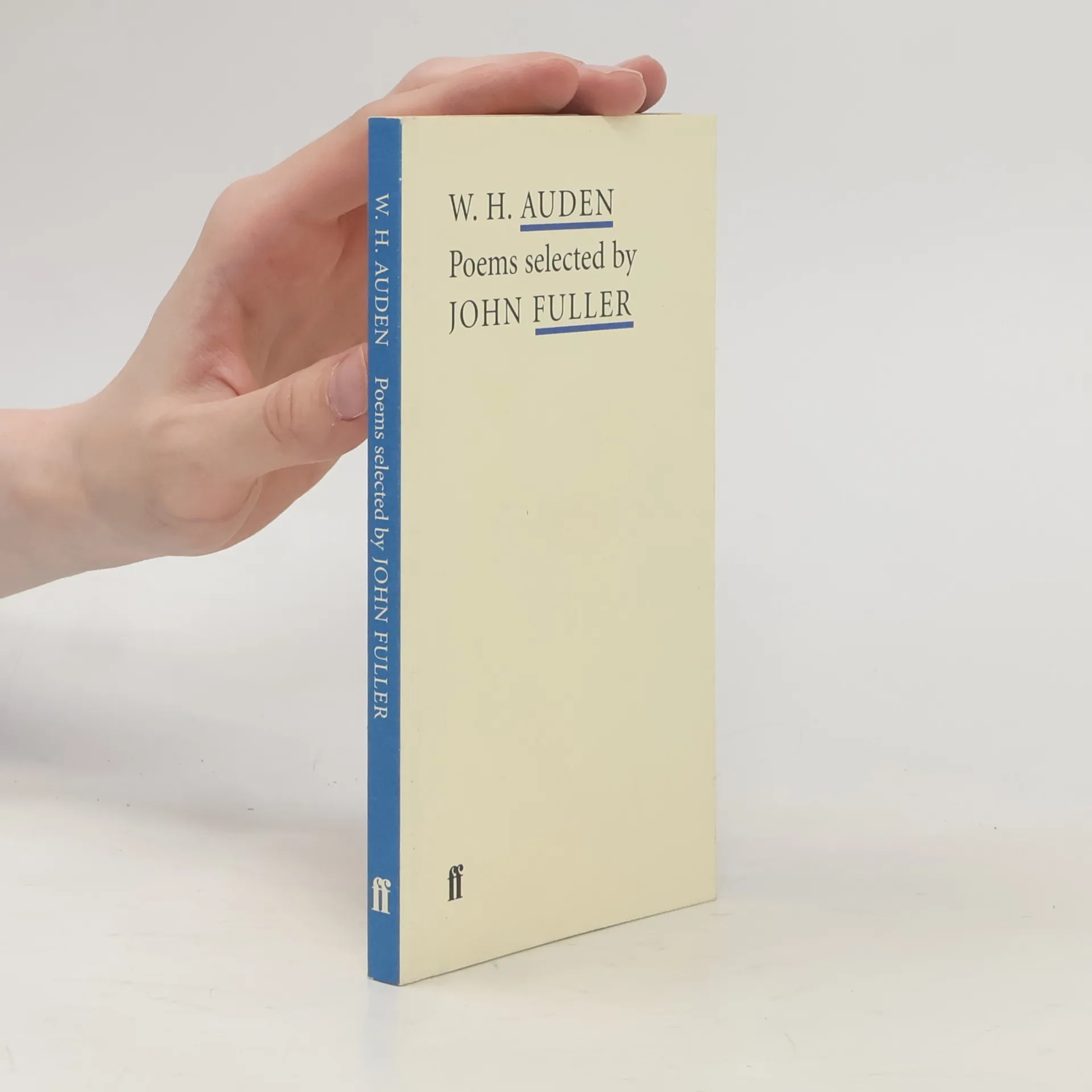
In this series, a contemporary poet advocates a poet of the past or present whom they have particularly admired. By their selection of verses and by the personal and critical reactions they express, the selectors offer intriguing insight into their own work.
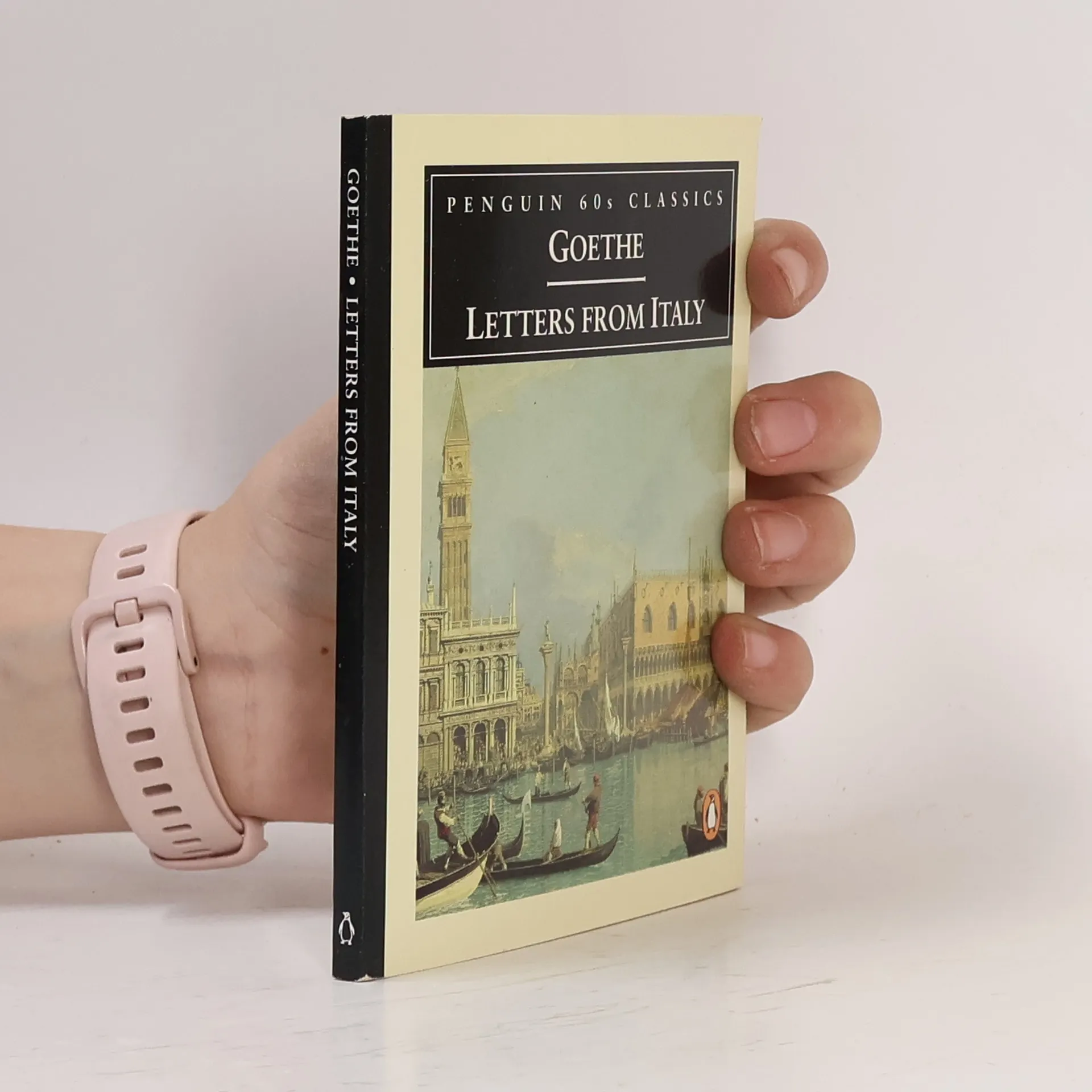
Letters from Italy
- 96 pages
- 4 hours of reading
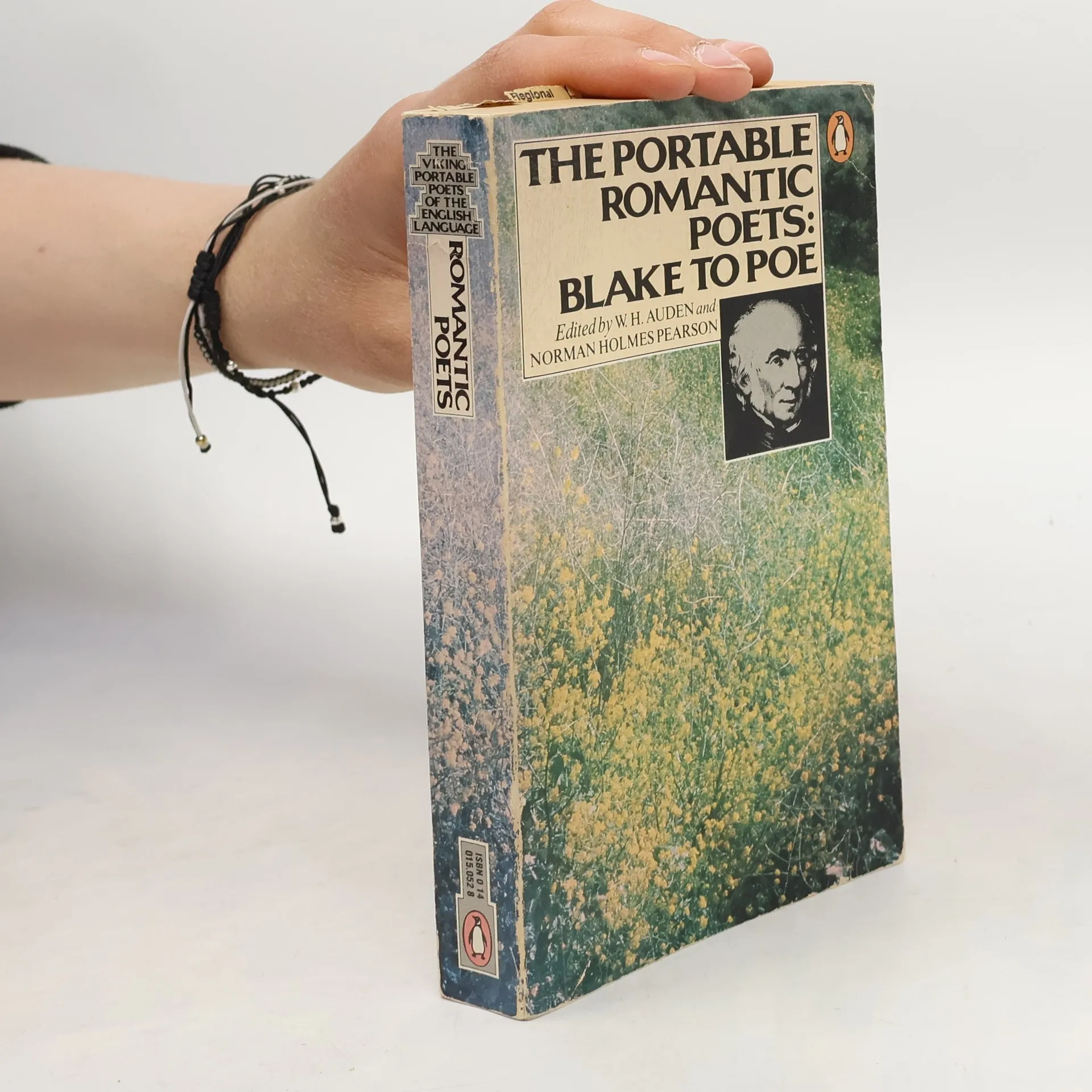
The Portable Romantic Poets: Romantic Poets
Blake to Poe (The Viking Portable Library)
- 576 pages
- 21 hours of reading
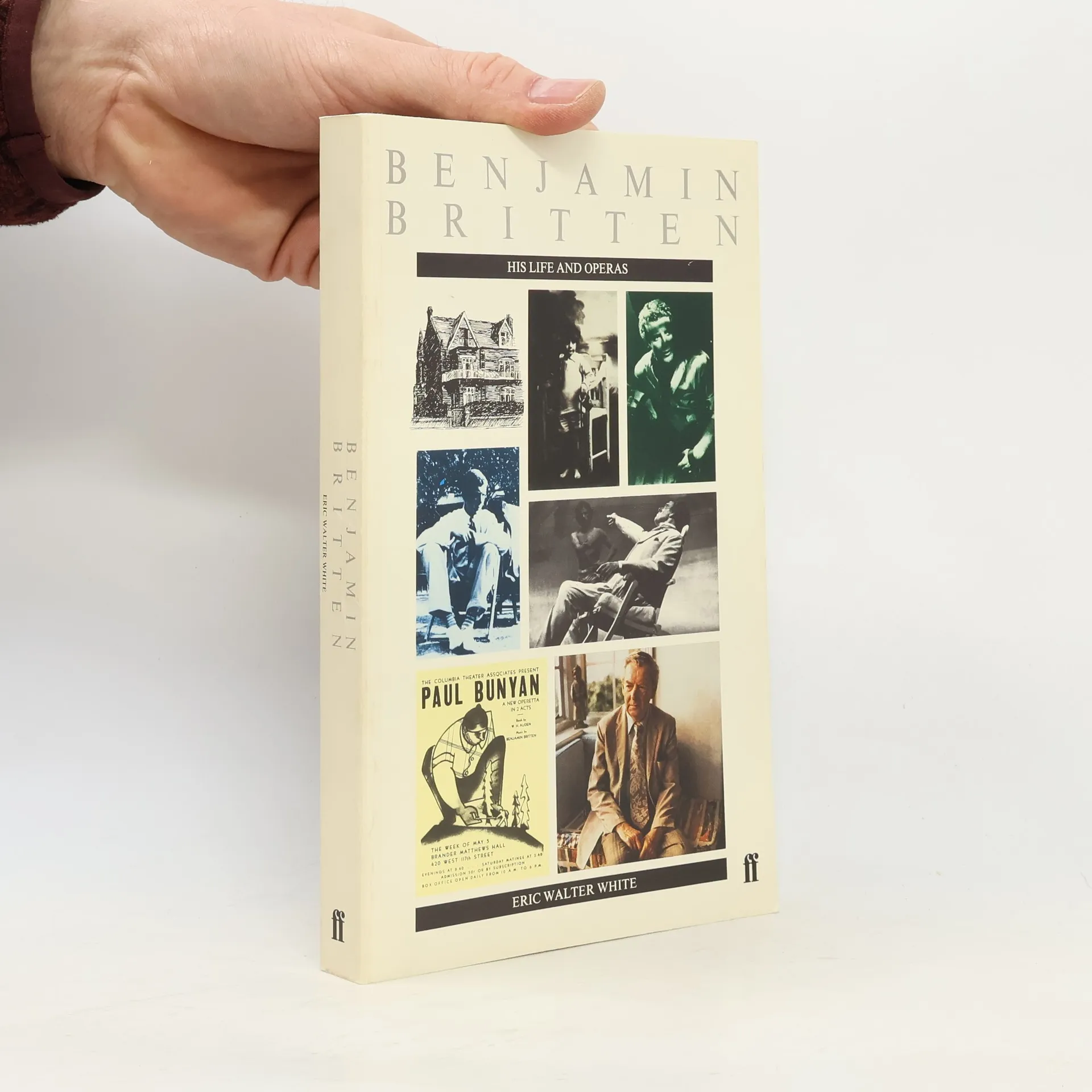
This book concentrates on Britten's operatic output, offering insights into the whole range of this prodigious composer's music. The text is lavishly illustrated with plates that reveal both the diversity of his operatic development and comprise a distinctive pictorial bibliography.
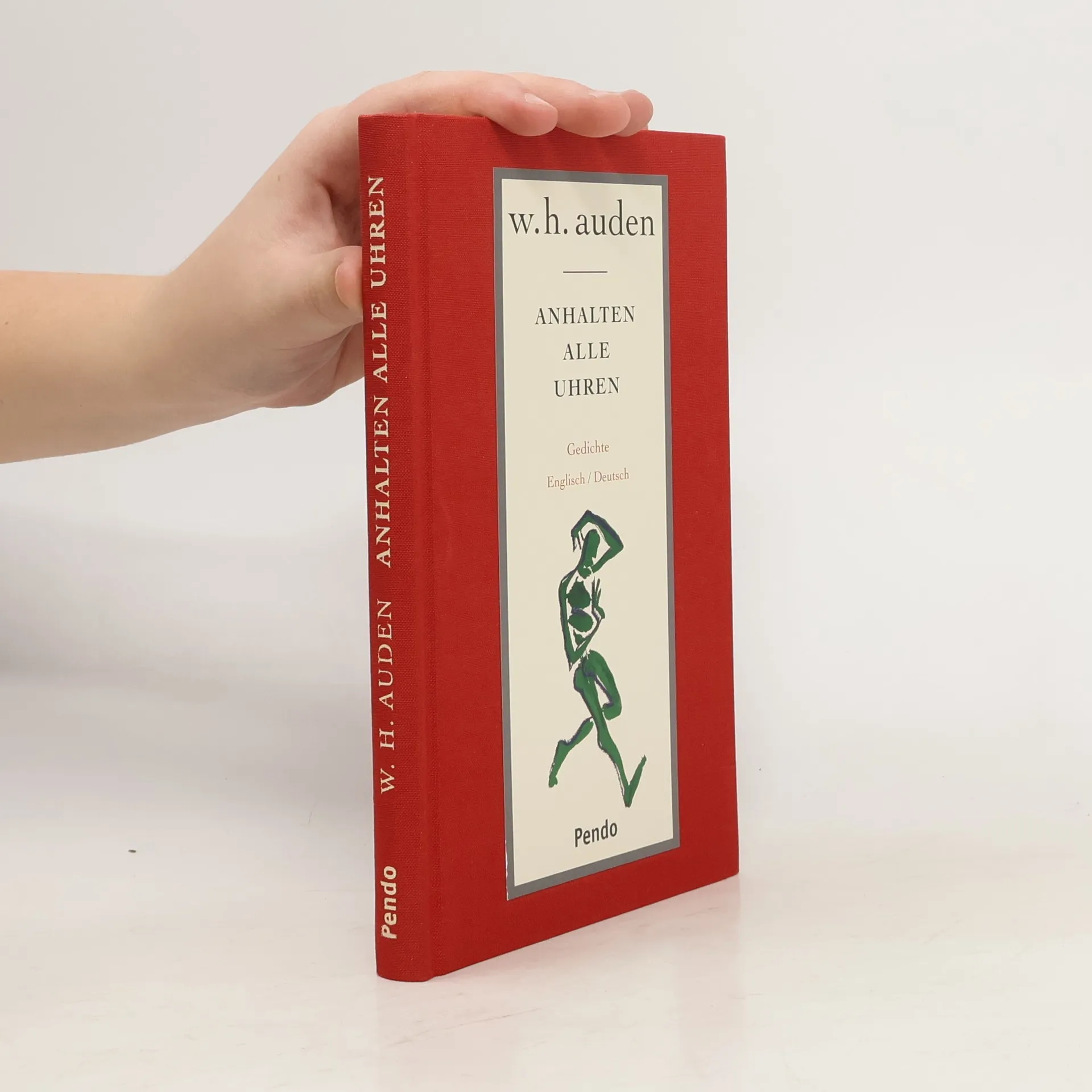
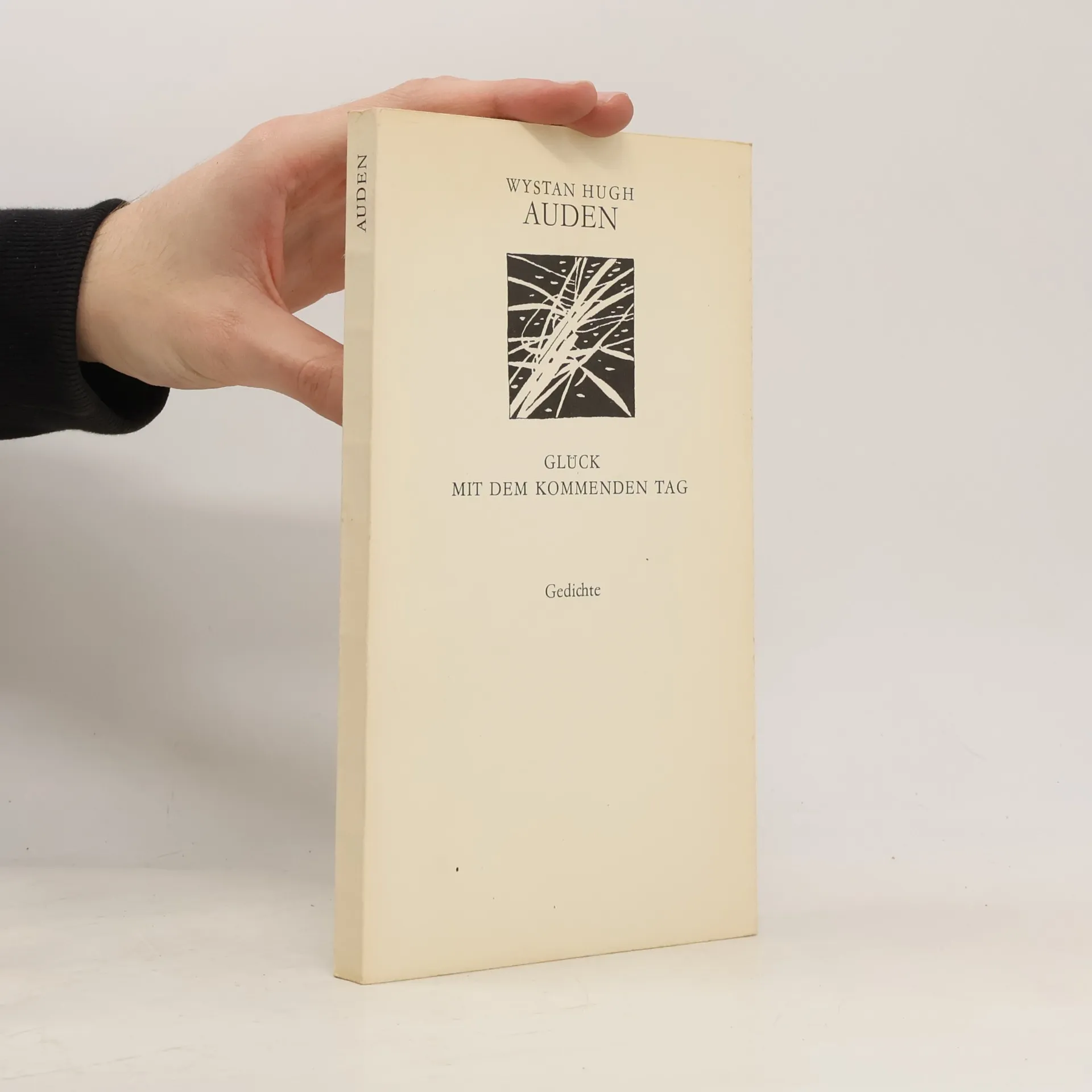
Der Band, herausgegeben von Hanno Helbling, versammelt eine Auswahl von W.H. Audens Gedichten in englischer und deutscher Sprache. Auden, einer der bedeutendsten Lyriker des 20. Jahrhunderts, thematisiert Krieg, Zerstörung und Tod. Die Übersetzungen stammen von bekannten Dichtern wie Erich Fried und Ernst Jandl.
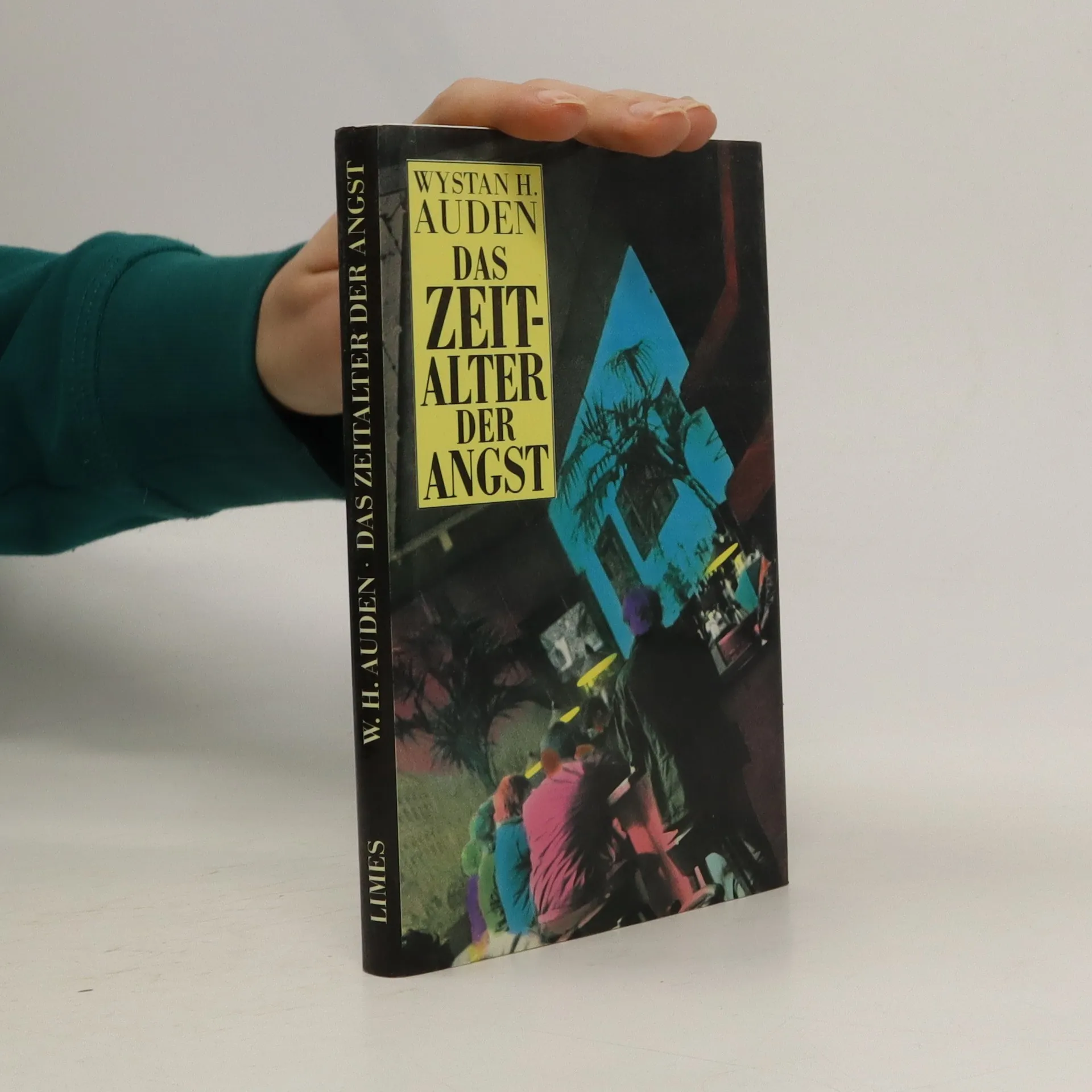
Das Zeitalter der Angst
- 116 pages
- 5 hours of reading
Als es 1947 veröffentlicht wurde, war "Das Zeitalter der Angst" - W. H. Audens letztes, längstes und ehrgeizigstes Buchgedicht - sofort ein kraftvoller Ausdruck, der die Vorstellungskraft des kulturellen Moments einfing, das es diagnostizierte und benannte. Begonnen als ein Gespräch unter vier Fremden in einer Bar in der Third Avenue in New York, gewann Audens Analyse der westlichen Kultur während des Zweiten Weltkriegs den Pulitzer-Preis und inspirierte eine Symphonie von Leonard Bernstein sowie ein Ballett von Jerome Robbins. Dennoch waren die Kritiken zu dem Gedicht stark gespalten, und heute, trotz seiner anhaltenden Berühmtheit, wird es von den Lesern ungerechtfertigt vernachlässigt.
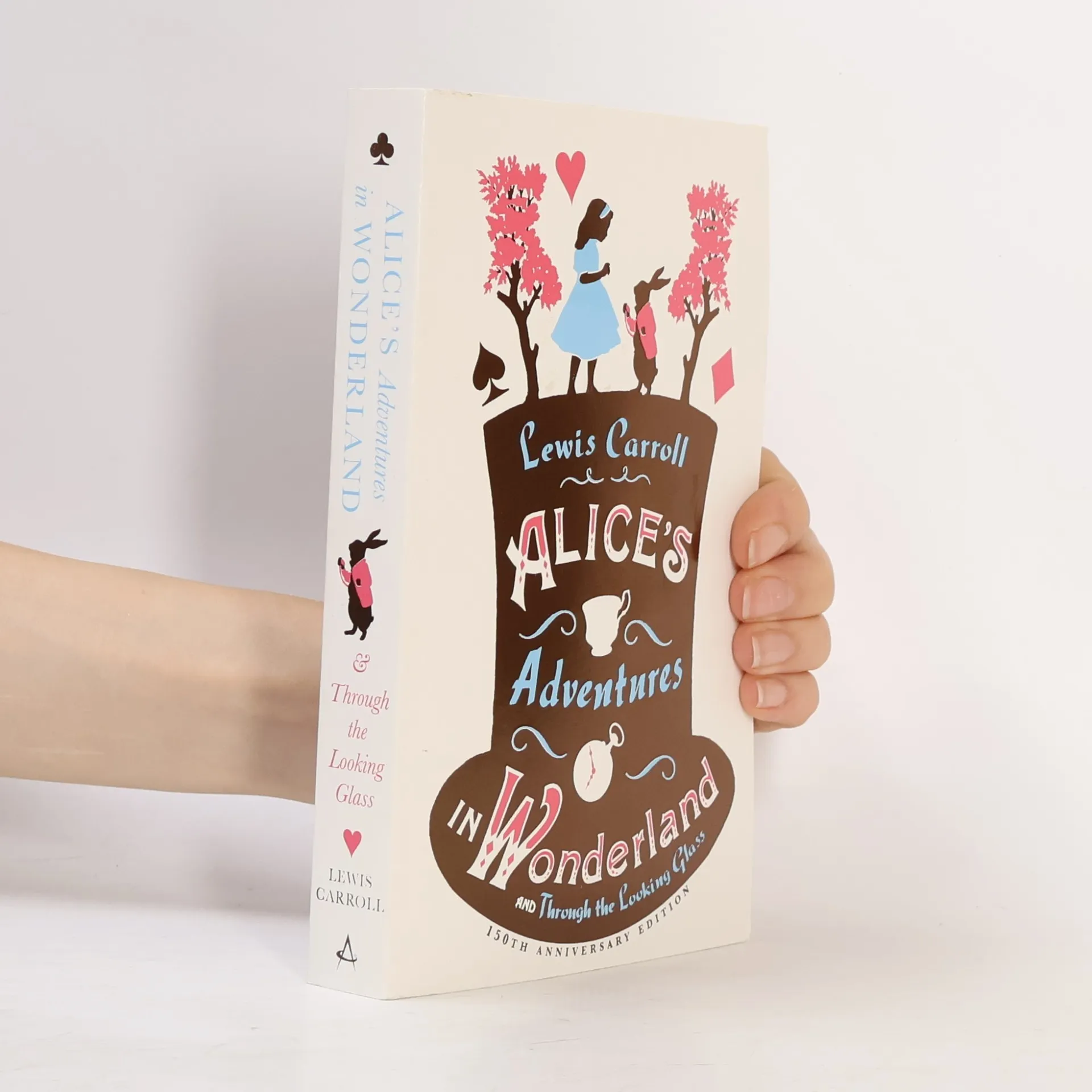
Alice's Adventures In Wonderland And Through The Looking Glass
- 387 pages
- 14 hours of reading
Klasické příběhy Lewise Carrolla ožívají v této nádherné ilustrované edici. Alice, zvědavá hrdinka, se vydává na podivuhodnou cestu poté, co spadne do králičí nory, a setkává se s nezapomenutelnými postavami, jako je znepokojivý Bílý králík, děsivá Královna srdcí a fascinující Bláznivý kloboučník. Tyto milované příběhy jsou prezentovány v jednom svazku, který ukazuje okouzlující ilustrace a oslavuje některé z nejikoničtějších postav literatury. Interaktivní prvky obohacují čtenářský zážitek, včetně Alice s prodloužitelnými končetinami, králičího domu, který odhaluje obrovskou Alici, táhla pro Cheshire Cat, které zanechává pouze jeho úsměv, kyvadlového flaminga na kroketovém klubu a odnímatelné mapy světa Zrcadla. Tato ilustrovaná edice slibuje, že se stane cennou památkou na dlouhá léta.
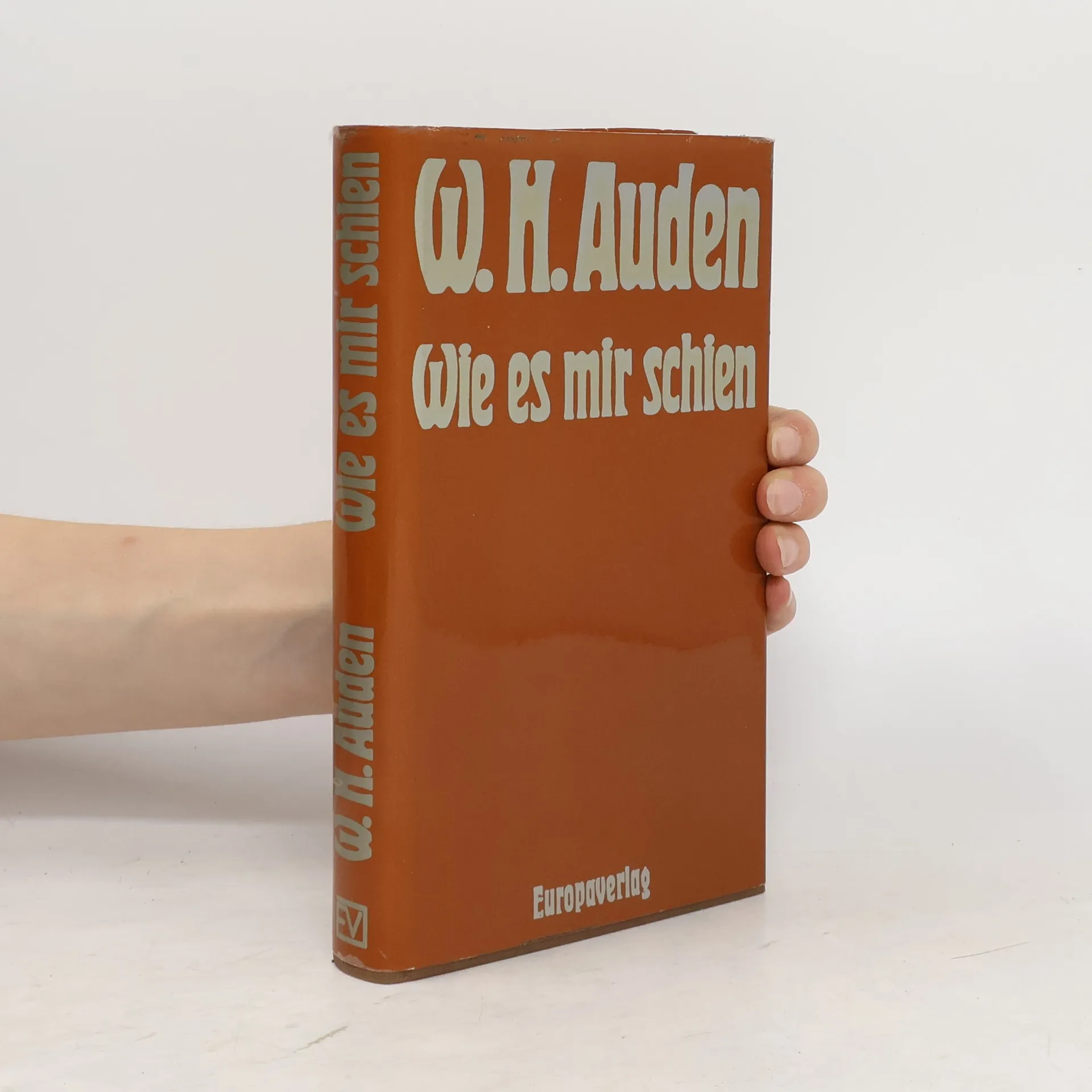
Wie es mir schien
- 375 pages
- 14 hours of reading
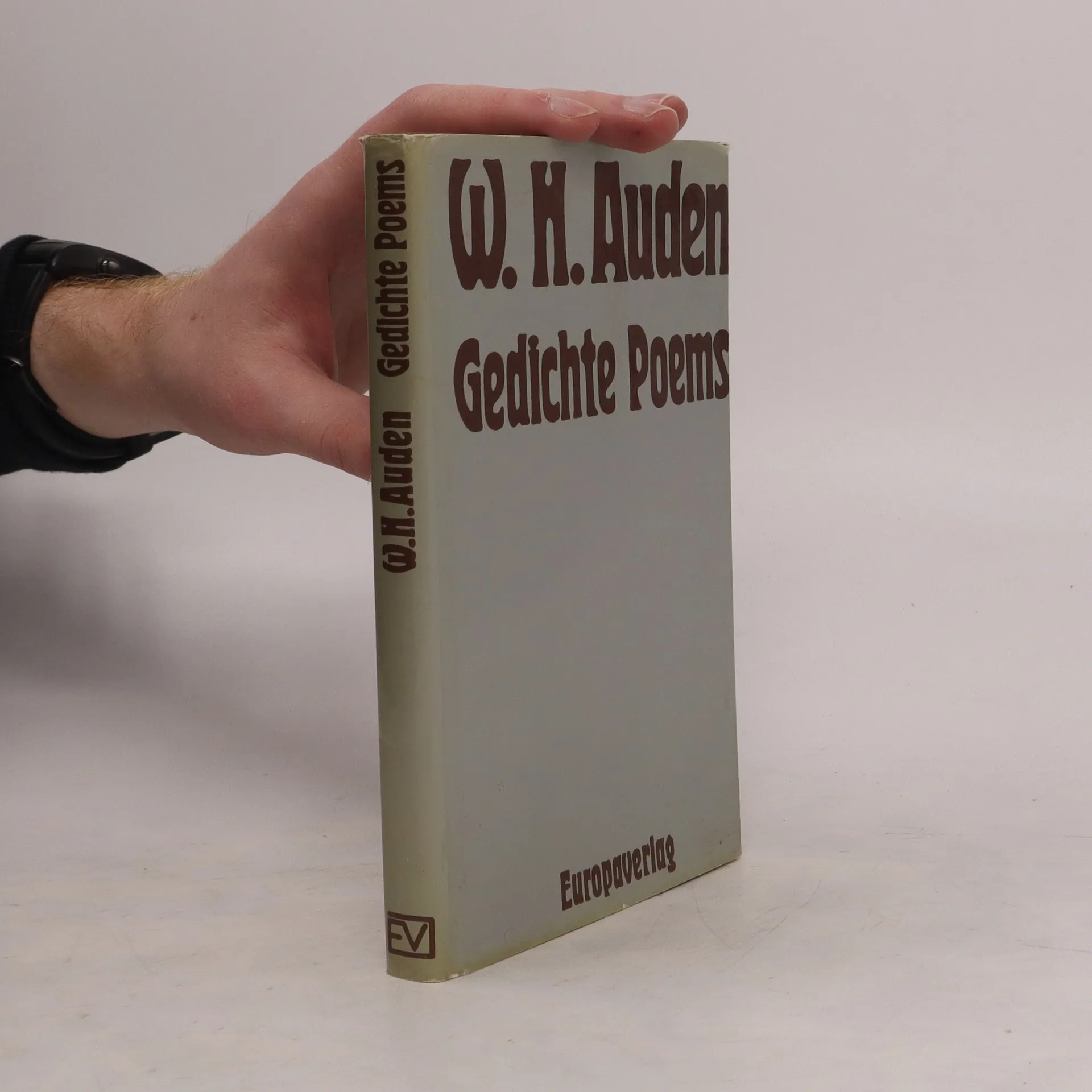
Gedichte / Poems
- 222 pages
- 8 hours of reading
Aus Shakespeares Welt
- 213 pages
- 8 hours of reading
Ein Bewusstsein der Wirklichkeit
- 246 pages
- 9 hours of reading
Glück mit dem kommenden Tag
Gedichte
Aforismos - 11: El prolífico y el devorador
- 176 pages
- 7 hours of reading
La perfección técnica de la poesía de Auden, junto con la variedad temática y formal, y su prodigiosa capacidad de renovación, han motivado que en ocasiones se haya comparado su obra con la de Picasso. Esta es una buena muestra de su genio.
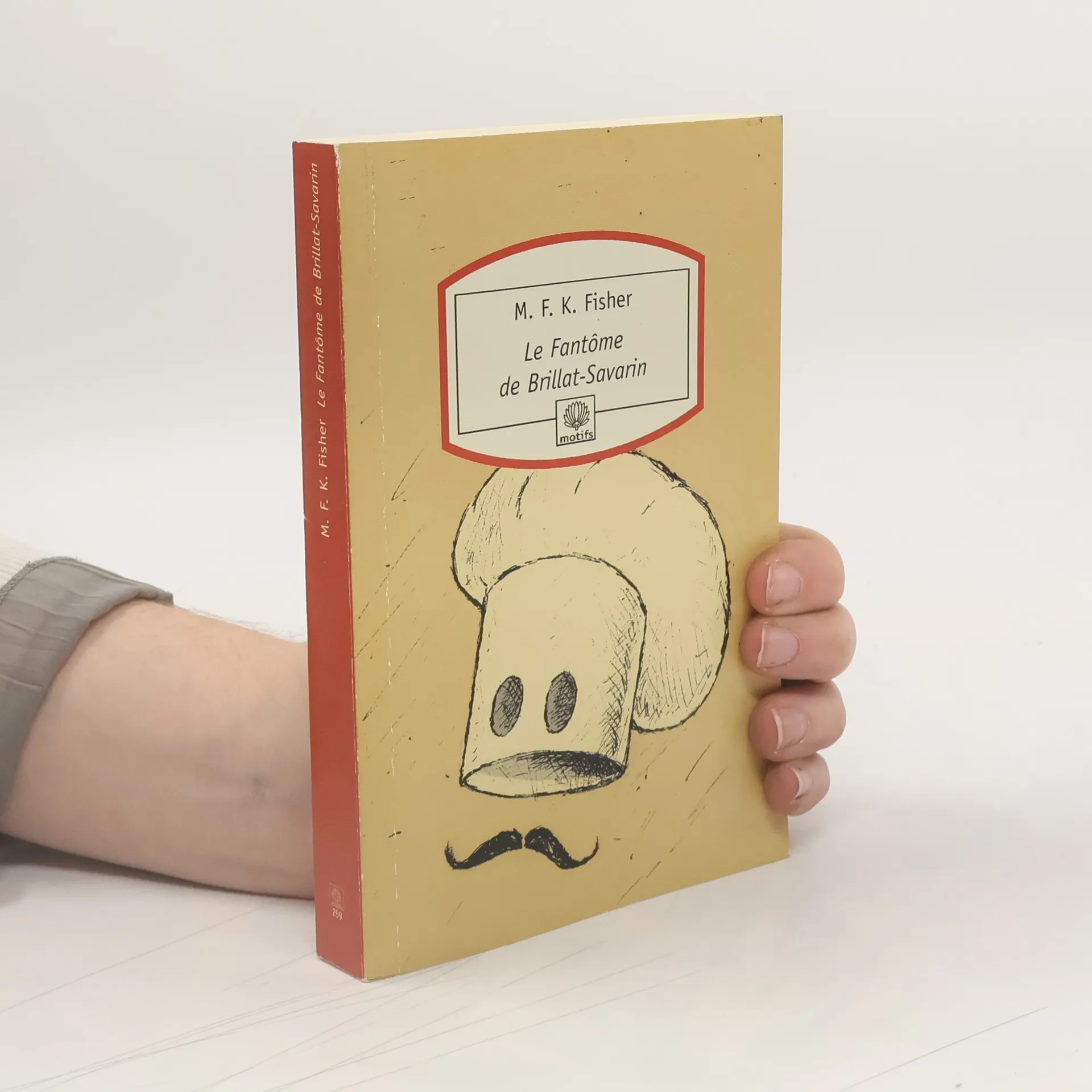
Le fantôme de Brillat-Savarin
- 303 pages
- 11 hours of reading
Mary Frances Kennedy Fisher (1908-1992) est l'auteur de Biographie sentimentale de l'huître, L'Élixir d'amour, Le Petit Chien d'Aix-en-Provence, Une mariée à Dijon, Un loup au dîner, tous publiés dans la collection "Anatolia". Du même auteur paraît simultanément Mes belles années d'avant-guerre, dans la même collection. Aimée et admirée pour son originalité et pour sa fantaisie autant que pour son intelligence et son style, le poète W H. Auden n'hésita pas à la reconnaître, dès ses débuts, comme "la plus grande styliste de langue anglaise". Elle fut aussi la traductrice en anglais de la Physiologie du goût, de Jean-Anthelme Brillat-Savarin. Son œuvre complète est en cours de traduction.
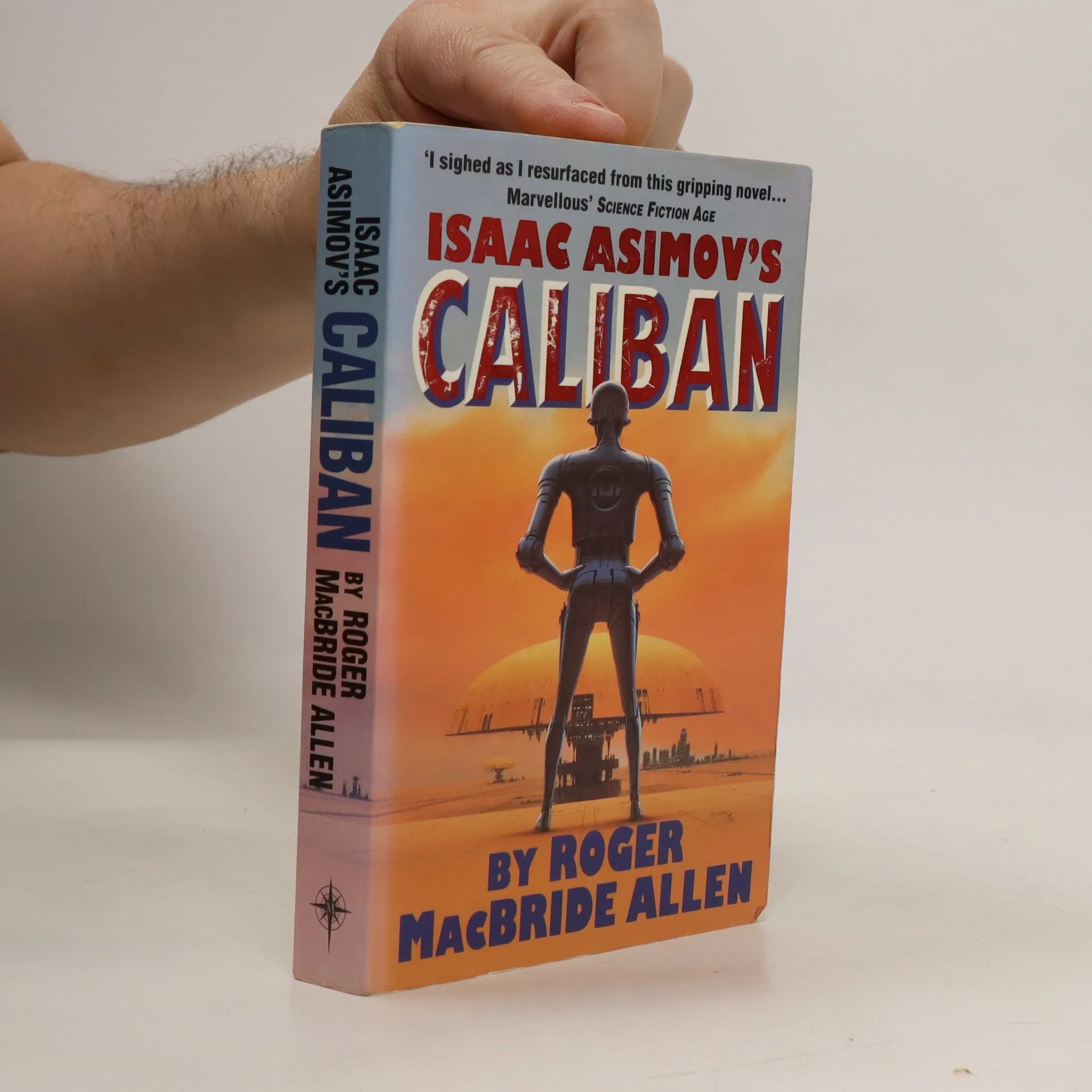
Isaac Asimov's Caliban
- 312 pages
- 11 hours of reading
In a universe protected by the Three Laws of Robotics, humans are safe. The First Law states, A robot may not injure a human being, or, through inaction, allow a human being to come to harm. When an experiment with a new type of robot brain goes awry, the unthinkable happens. Caliban is created... A robot without guilt or conscience. A robot with no knowledge of or compassion for humanity. A robot without the Three Laws. Caliban is a searing examination of Asimov's Three Laws of Robotics, a challenge welcomed and sanctioned by Isaac Asimov, the late beloved genius of science fiction, and written with his cooperation by one of today's hottest talents, Roger MacBride Allen, New York Times bestselling author of Ambush at Corella, The Modular Man, and The Ring of Charon.