
Explore the latest books of this year!
Bookbot

Cesare Cases

    March 24, 1920 – July 27, 2005
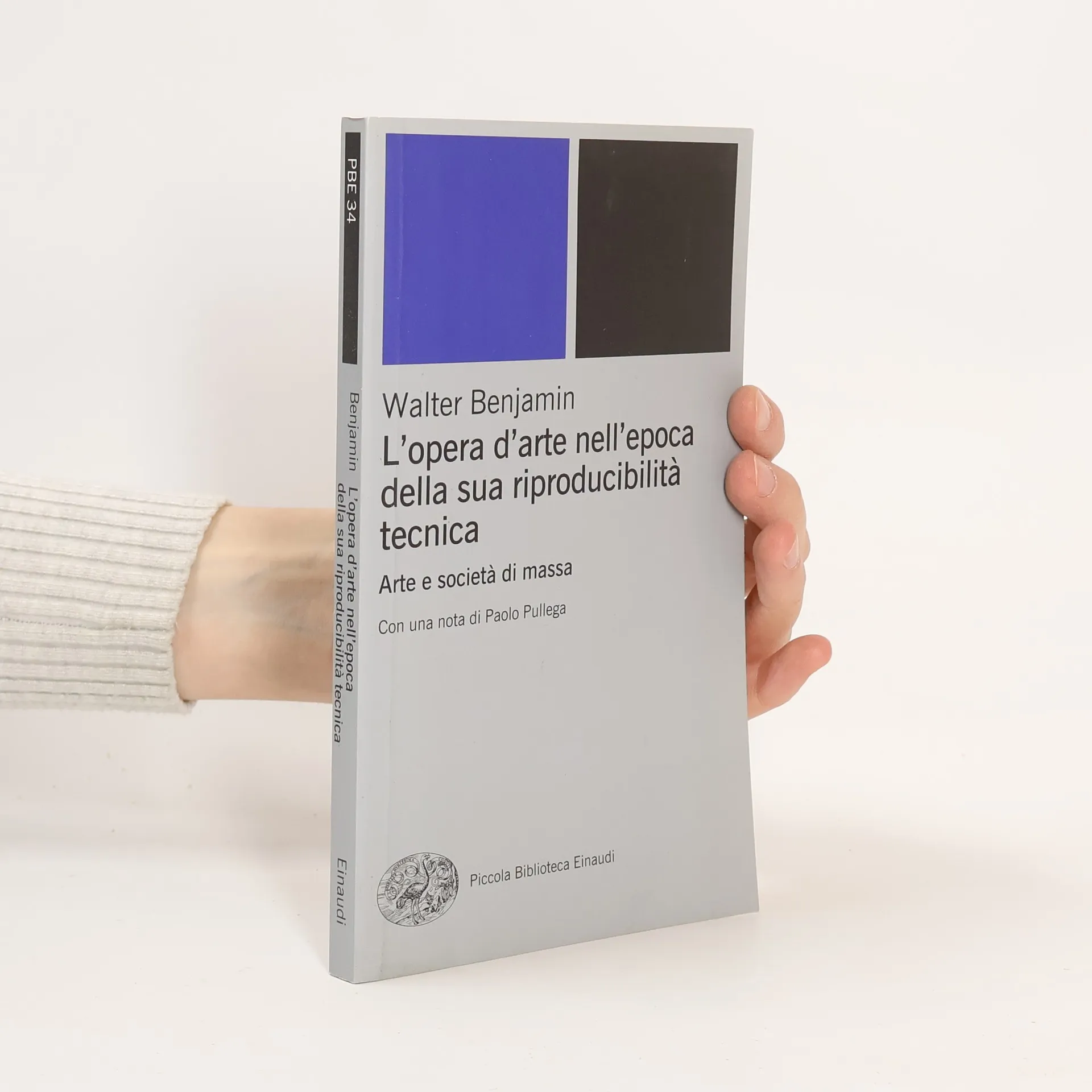
    Piccola Biblioteca Einaudi. Nuova serie - 34: L'opera d'arte nell'epoca della sua riproducibilità tecnica
    Der Verlust der Totalität
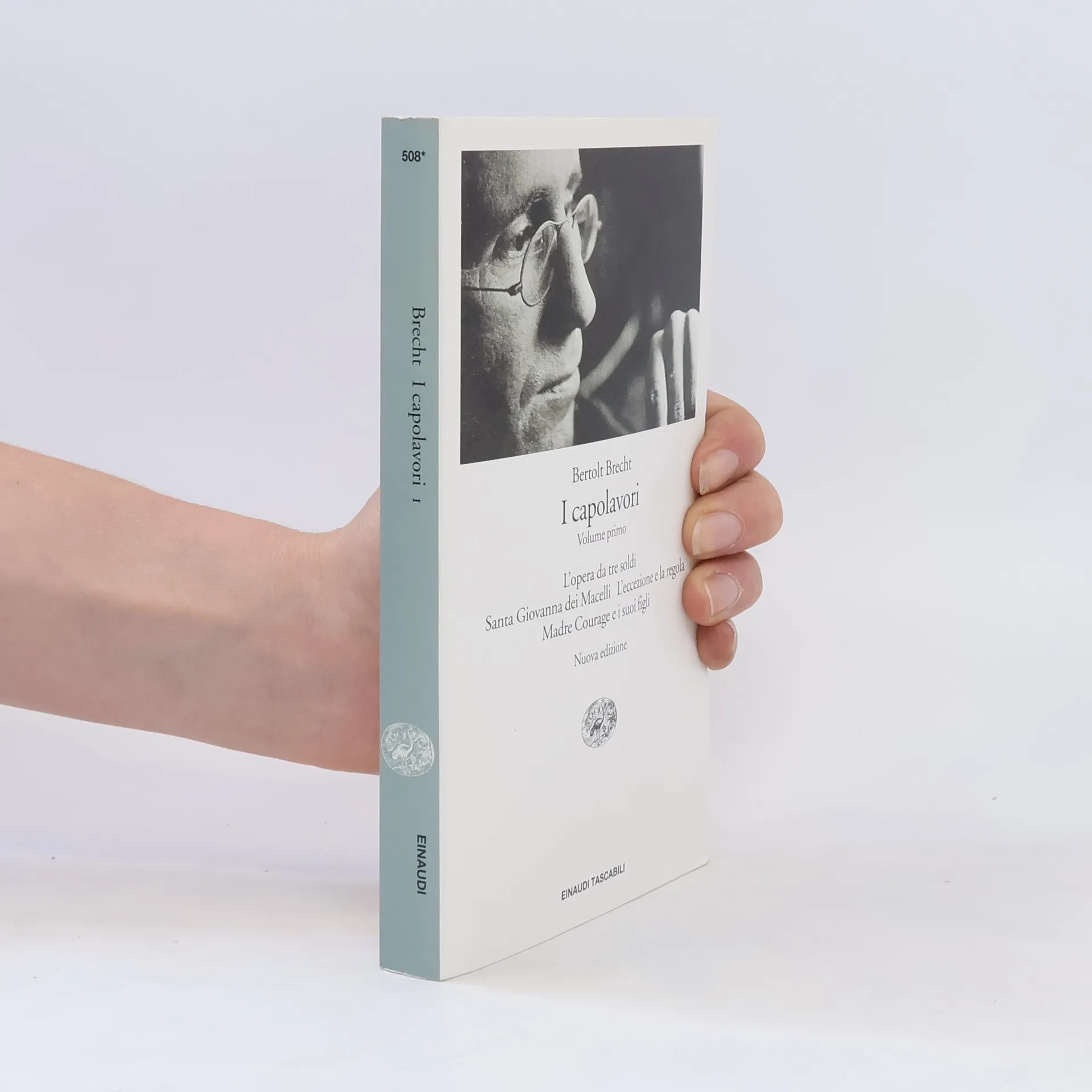
    I capolavori
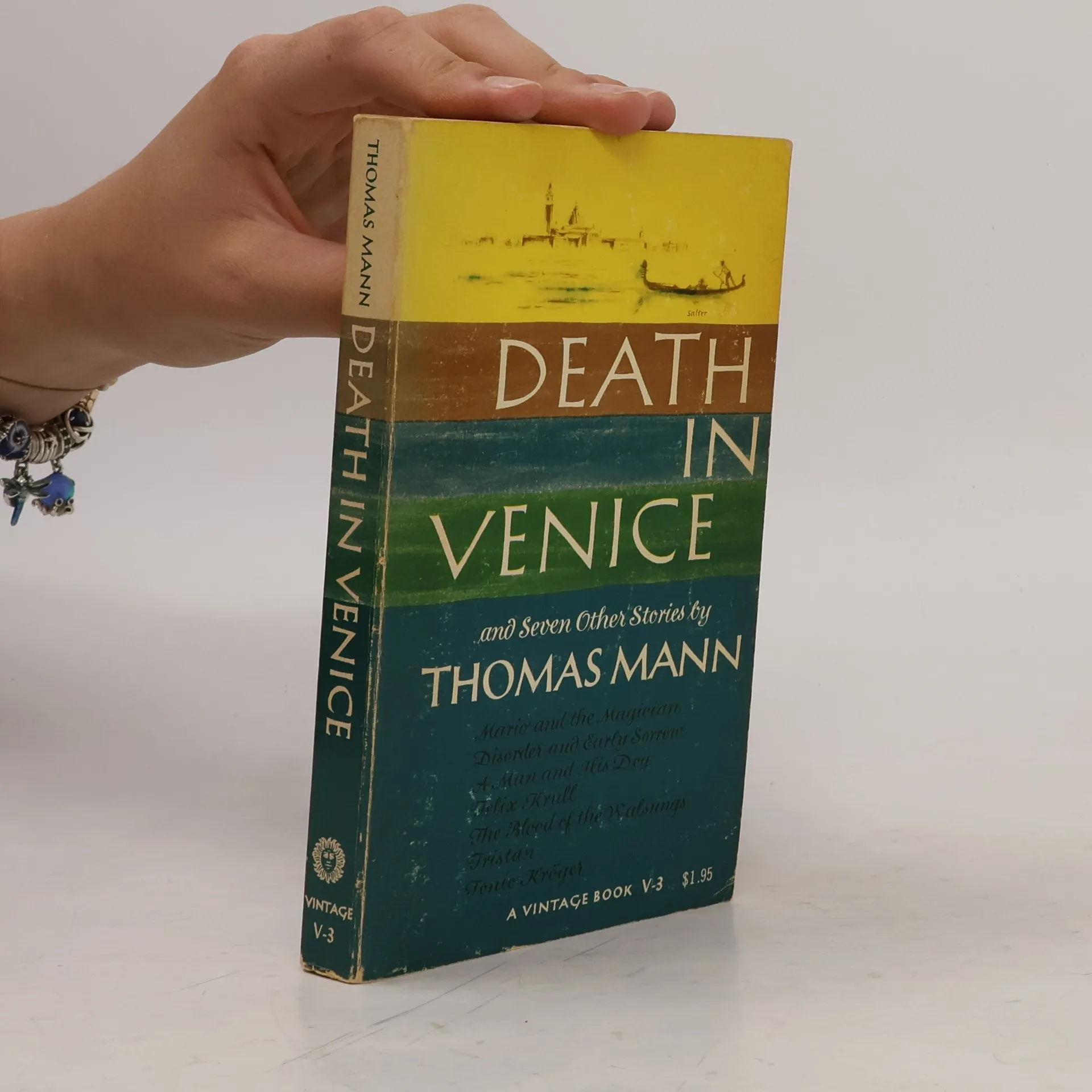
    Death in Venice
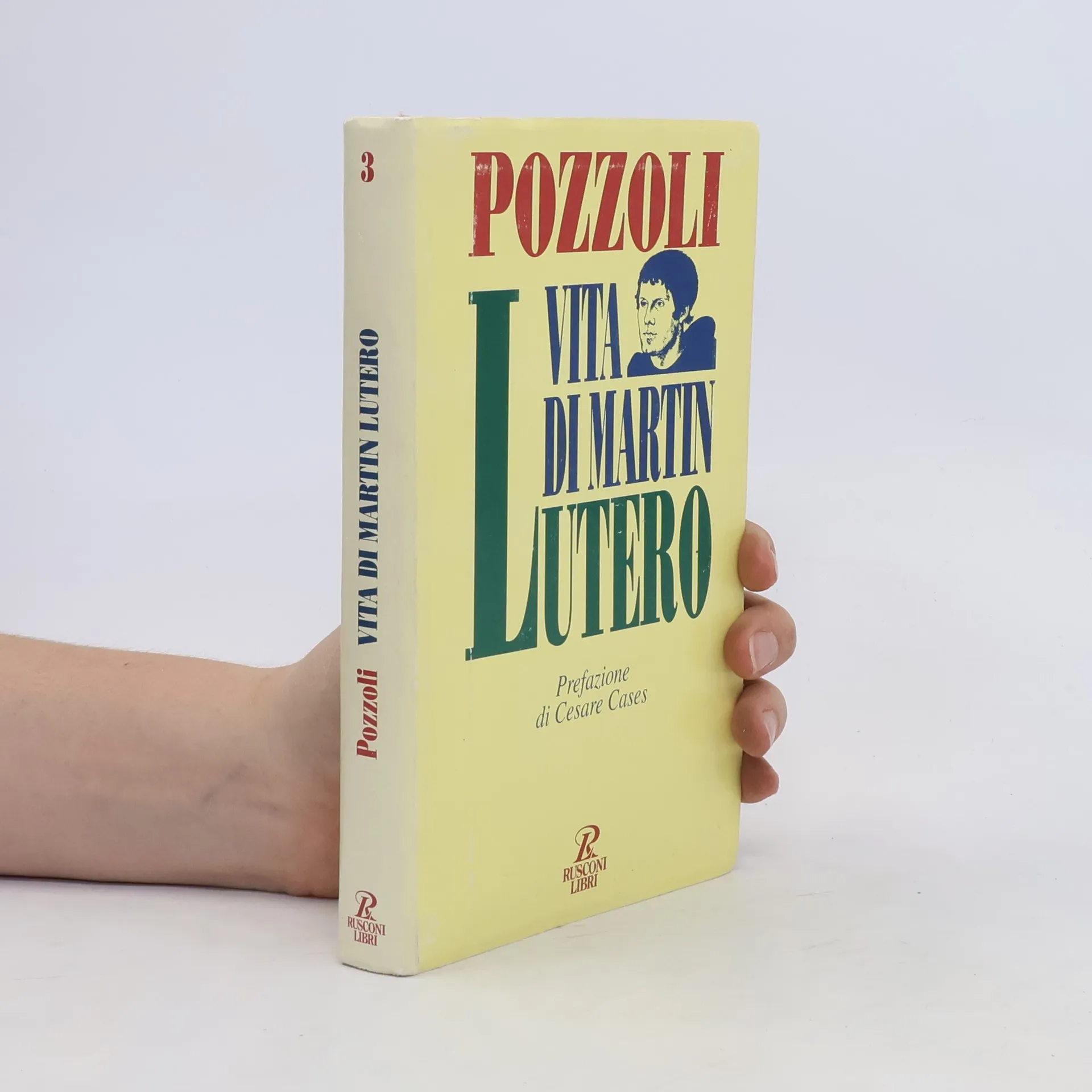
    Vita di Martin Lutero
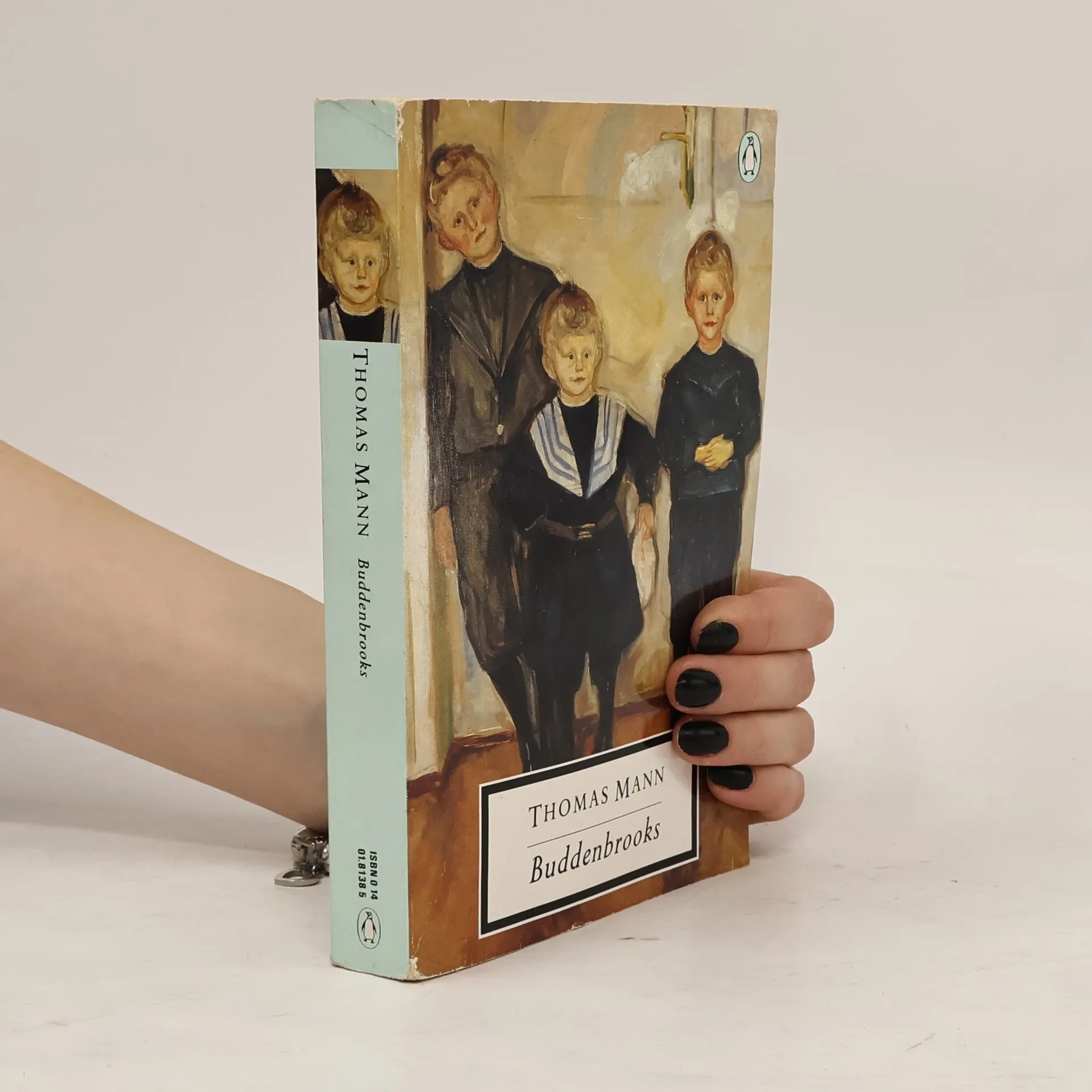
    Buddenbrocks
    • Buddenbrocks

      • 592 pages
      • 21 hours of reading

      Buddenbrooks, first published in Germany in 1901, when Mann was only twenty-six, has become a classic of modern literature. It is the story of four generations of a wealthy bourgeois family in northern Germany facing the advent of modernity; in an uncertain new world, the family’s bonds and traditions begin to disintegrate. As Mann charts the Buddenbrooks’ decline from prosperity to bankruptcy, from moral and psychic soundness to sickly piety, artistic decadence, and madness, he ushers the reader into a world of stunning vitality, pieced together from births and funerals, weddings and divorces, recipes, gossip, and earthy humor. In its immensity of scope, richness of detail, and fullness of humanity, buddenbrooks surpasses all other modern family chronicles. With remarkable fidelity to the original German text, this superb translation emphasizes the magnificent scale of Mann’s achievement in this riveting, tragic novel.

      Buddenbrocks
      4.2
    • Death in Venice tells how Gustave von Aschenbach, a writer utterly absorbed in his work, arrives in Venice as a result of a 'youthfully ardent thirst for distant scenes,' and meets there a young boy by whose beauty he becomes obsessed. His pitiful pursuit of the object of his abnormal affection and its inevitable and pathetic climax is told here with the particular skill the author has for this shorter form of fiction. (blurb) Em A Morte em Veneza, Thomas Mann apresenta uma escrita complexa e profunda, onde quase cada parágrafo pode ter várias leituras. Em contraponto, o enredo é praticamente inexistente: um homem de meia-idade viaja até Veneza, apaixona-se platonicamente por um jovem rapaz polaco extremamente atraente e morre sem sequer ter trocado uma palavra com ele.

      Death in Venice
      3.8
    • Negli anni '60 il teatro di Brecht conosce una stagione di particolare fortuna, grazie anche alle memorabili regie di Giorgio Strehler per il Piccolo Teatro di Milano. Dopo una lunga parentesi in cui sembrava dimenticato, il teatro di Brecht è ora al centro di nuove letture e interpretazioni. La ricorrenza del centenario della nascita offre l'occasione di un bilancio distaccato, cui possono concorrere il nuovo saggio introduttivo che Cesare Cases ha steso appositamente per questa edizione, e l'ampio apparato informativo di schede e di note desunto dall'edizione critica, pubblicata in Germania a cura di Helmut Riediger

      I capolavori
    • Der Verlust der Totalität

      • 319 pages
      • 12 hours of reading

      Mit diesem Buch kann einer der eigenwilligsten Denker Italiens endlich entdeckt werden: Cesare Cases. Das Leben des „critico militante“, der als Kind liberaler Juden in Norditalien aufwuchs, war geprägt von den Katastrophen, aber auch den Hoffnungen des vergangenen Jahrhunderts: von Faschismus und Emigration, der Utopie des Kommunismus und dem Trauma des Stalinismus bis zur neuen Linken. Mit Ironie, Nachdenklichkeit, zuweilen auch Strenge hat Cases die kulturellen Debatten seines Landes begleitet. Und er hat als Germanist das Publikum in Italien mit vielen Autoren der deutschsprachigen Literatur und Philosophie vertraut gemacht.

      Der Verlust der Totalität
    • La Gioconda su un foulard o l'incisione di un concerto di Ravel diretto dall'autore stesso e ogni giorno riascoltabile sono due esempi di quel fenomeno che Benjamin definisce "la perdita dell'aura" nell'epoca della riproducibilità tecnica dell'arte, ossia la perdita del "qui e ora" magico ed unico che si fonde con la creazione artistica e la contraddistingue. Nel chiuso di una automobile, ad esempio, mediante un mangianastri si può ascoltare quel concerto di Ravel al di fuori della sua unicità spazio-temporale, oggettivandolo e spersonificandolo. Nondimeno, la perdita del carisma insito nell'opera d'arte, "unica" eppure riprodotta, non è deplorata da Benjamin con quell'attegiamento aristocratico che contraddistingue alcuni esponenti della Scuola di Francoforte. Egli collega infatti la "perdita dell'aura" nella società contemporanea all'irruzione delle masse sulla scena e alla loro richiesta di cultura che è gioco forza diventi una merce. La riproduzione dell'opera d'arte in "sede impropria" non ne comporta una perdita di qualità, ma piuttosto una desacralizzazione, il che favorisce un'esperienza laica della cultura e ne sostituisce il valore rituale con un valore espositivo antiestetizzante.

      Piccola Biblioteca Einaudi. Nuova serie - 34: L'opera d'arte nell'epoca della sua riproducibilità tecnica