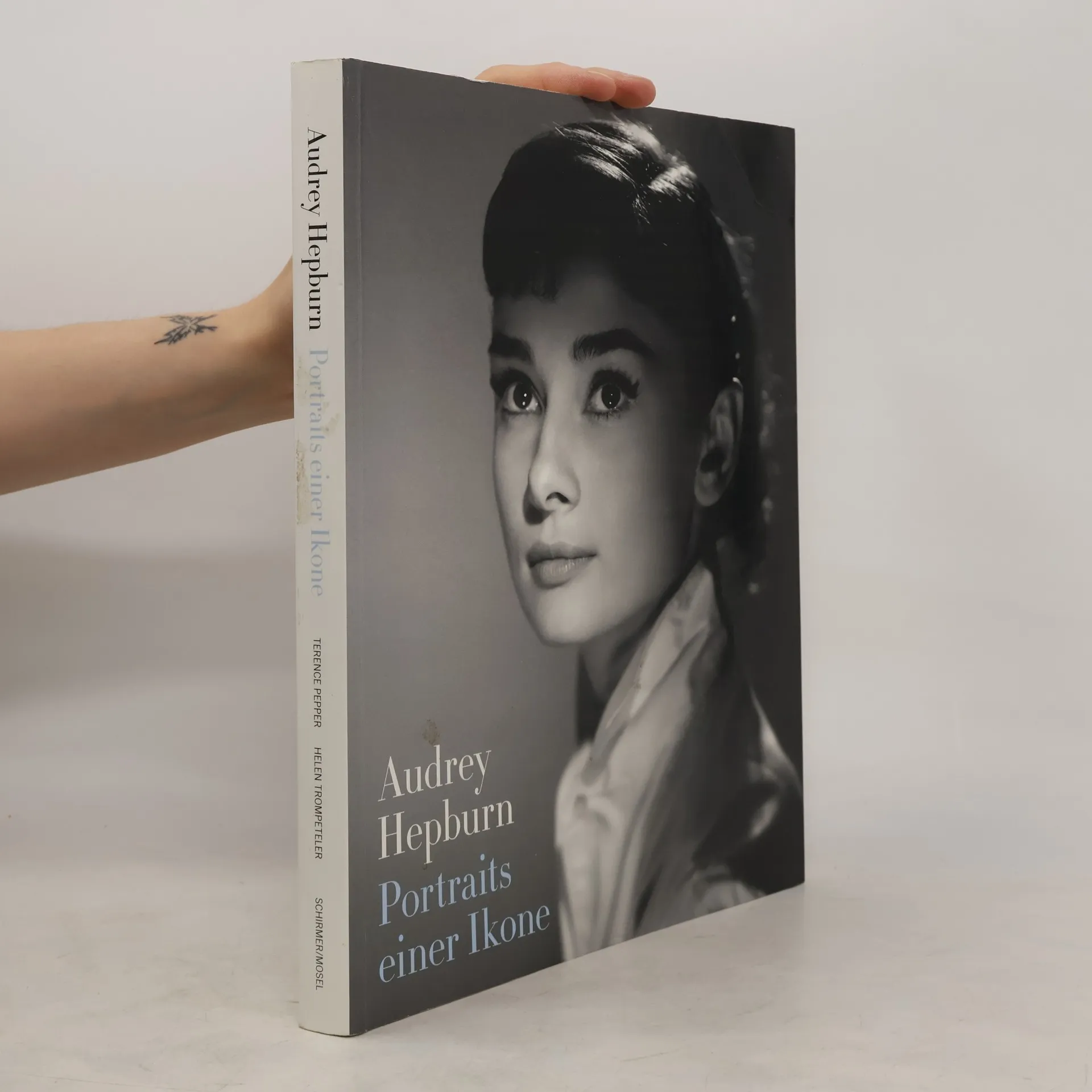
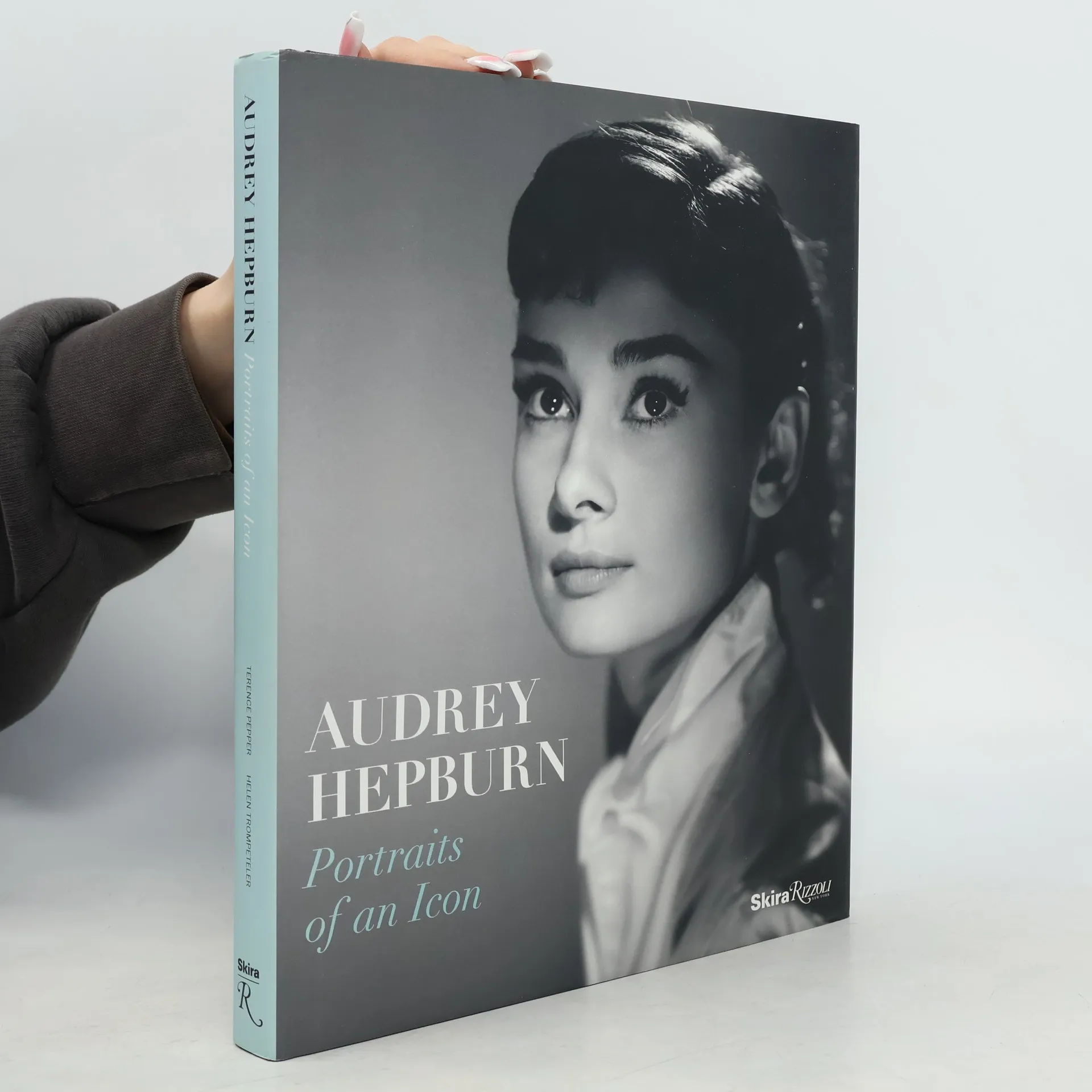
Sie war Hollywoods liebenswertester Star, die Verkörperung aller Teenagerträume und der lebende Beweis für die irdische Existenz von Engeln. Audrey Hepburn (1929–1993), der schon zu Lebzeiten die Herzen eines Millionenpublikums zuflogen, erfreut sich nach wie vor ungebrochener Sympathie und Popularität. Die Filme, mit denen sie in den 1950er und 60er Jahren weltberühmt wurde – Ein Herz und eine Krone, Sabrina, Frühstück bei Tiffany, Charade, My Fair Lady –, gehören inzwischen zu den Evergreens des feiertäglichen TV-Programms, und als Holly Golightly vor den Schaufenstern von Tiffany ist sie längst zur unsterblichen und tausendfach reproduzierten Ikone geworden. Diesem Status als Ikone unserer Zeit geht jetzt die National Portrait Gallery in London mit einer Ausstellung nach, die Kuratorin und Vizedirektorin Pim Baxter mit Audrey Hepburns Söhnen Luca Dotti und Sean Hepburn Ferrer aus dem reichen Bilderfundus der eigenen Bestände und des Familienarchivs zusammenstellte. Von Kinderphotos über Portraits und Publicity Shots berühmter Photographen bis zu Aufnahmen von Dreharbeiten und Modephotos wird er wieder lebendig: der unsterbliche Mythos Audrey Hepburn. Unser Band ist die deutsche Ausgabe des begleitenden Katalogs.
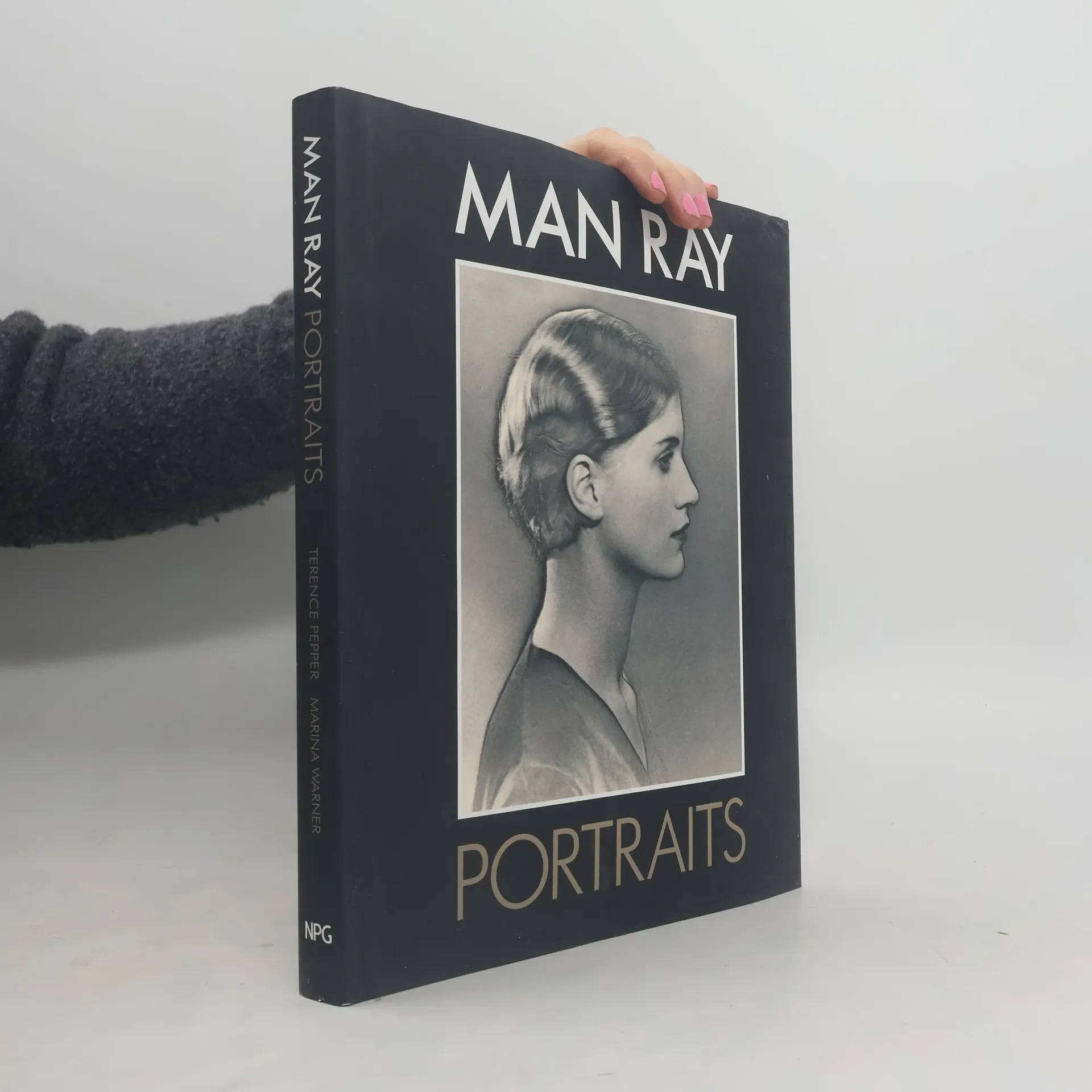
Terence Pepper Book order (chronological)


Published to accompany an exhibition held Feb. 7-May 27, 2013, at the National Portrait Gallery, London; June 22-Sept. 8, 2013, at the Scottish National Portrait Gallery, Edinburgh; Oct. 28, 2013-January 19, 2014, at the Pushkin Museum of Fine Arts, Moscow.
Vanity Fair Portraits
- 255 pages
- 9 hours of reading
'Vanity Fair Portraits' traces the cultural history of the 20th century and its leading personalities in the pages of a magazine that helped usher in the modern age and which has itself become a benchmark of modern achievement.
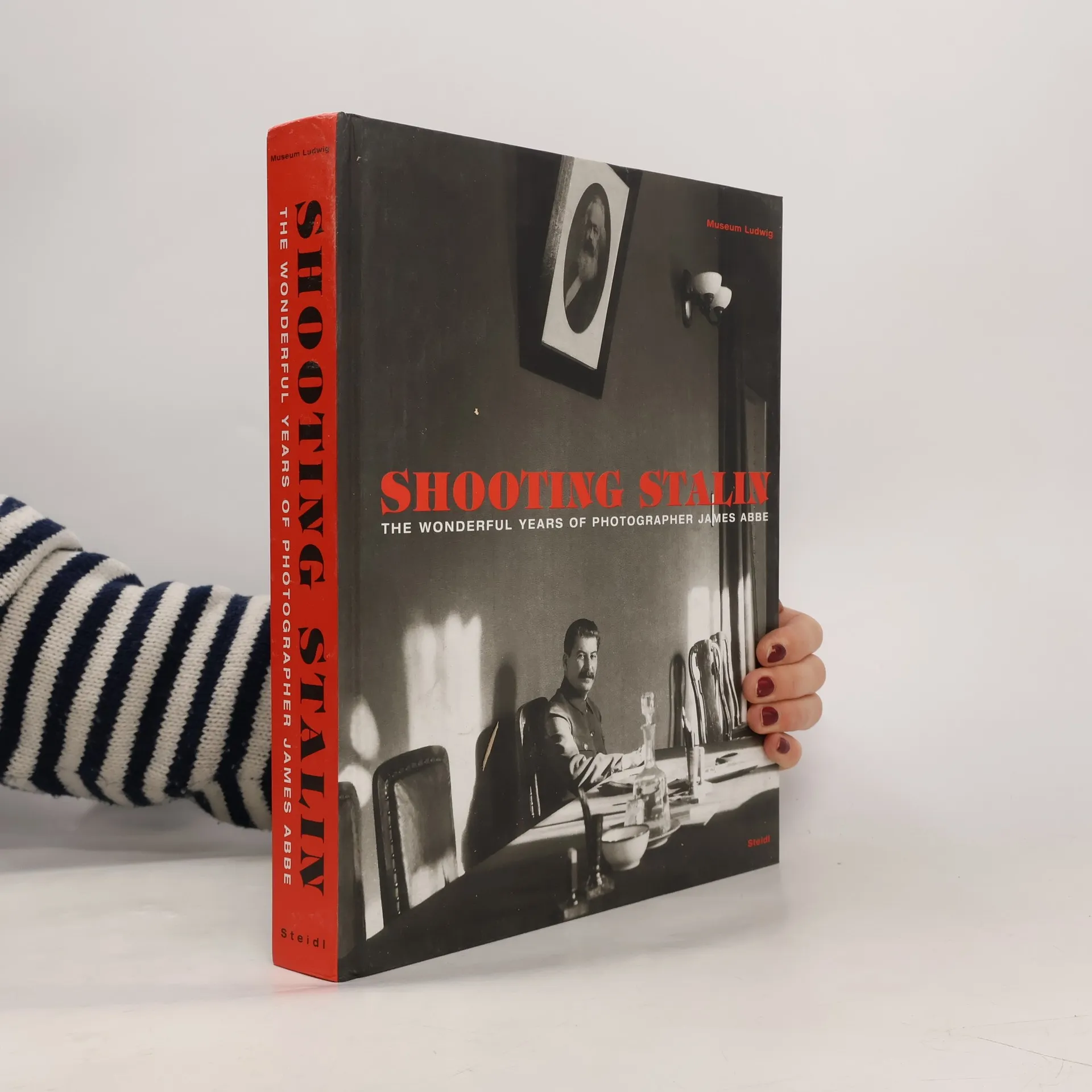
Although he was a contemporary of Alfred Eisenstaedt and Erich Salomon--and was just as smart and foolhardy--James Abbe is by no means as famous as his legendary colleagues. American-born Abbe published superb photo documentaries featuring Stalin's Moscow, the last years of the Weimar Republic and the battlefields of the Spanish Civil War. Obsessive and fearless, Abbe got close to the dictators of Europe--Hitler, Mussolini, Franco--and in 1932, he was the only American given permission to photograph Stalin. Eventually, photographing world leaders became his specialty. In pursuit of various interests, Abbe made contact with Russian film directors and artists such as Sergej Eisenstein, Dziga Vertov and Vsevolod Meyerhold, indulging his passion for film, theater, dance and, above all, the mysteries of whatever happened backstage. Many of his pictures--portraits of Rudolph Valentino, Mae West, Josephine Baker and Charlie Chaplin--have become icons of modern photography. Others, like his portrait of Thomas Mann, remained unknown until their recent discoveries. Shown here is a cross-section of the rich catalogue of Abbe's work, in more than 300 tritones.