

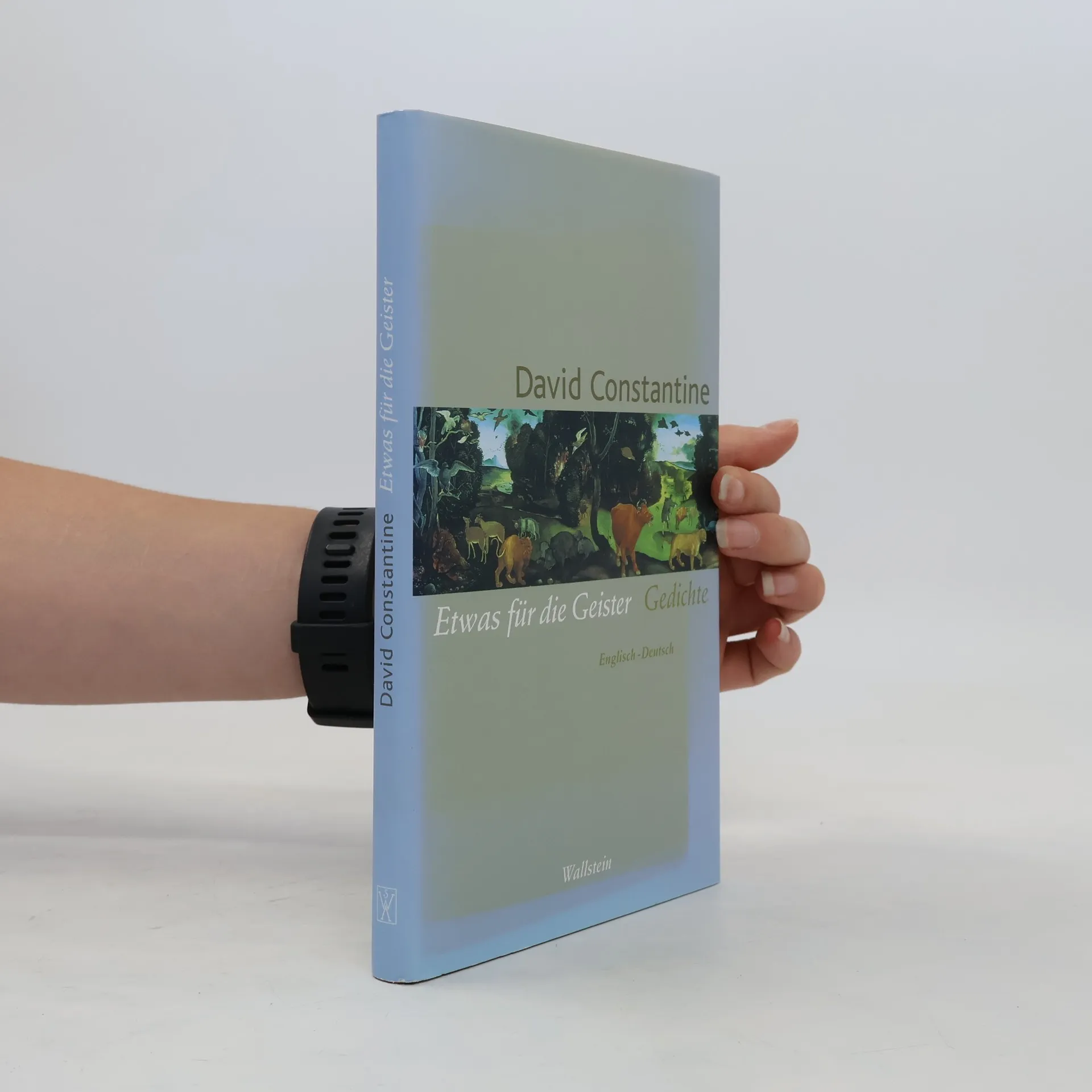
Bilingual edition (English/German). The poems are marked by restraint, avoiding exhibitionism while drawing on profound influences like Edward Thomas, D.H. Lawrence, Keats, Hardy, Goethe, Hölderlin, Kleist, and French poets Michaux and Jacottet. David Constantine's writing subtly inspires readers towards a freer, fuller, and truer life.
David Constantine Books
David Constantine crafts narratives that delve into the intricacies of human experience, exploring themes of memory, loss, and the search for meaning within the everyday. His prose is characterized by its precision, atmospheric depth, and keen observation of emotional landscapes. Beyond his own fiction, Constantine's work as a translator and editor reveals a profound engagement with diverse literary traditions, enriching his unique voice. His stories often capture the quiet dramas and profound undercurrents of ordinary lives.
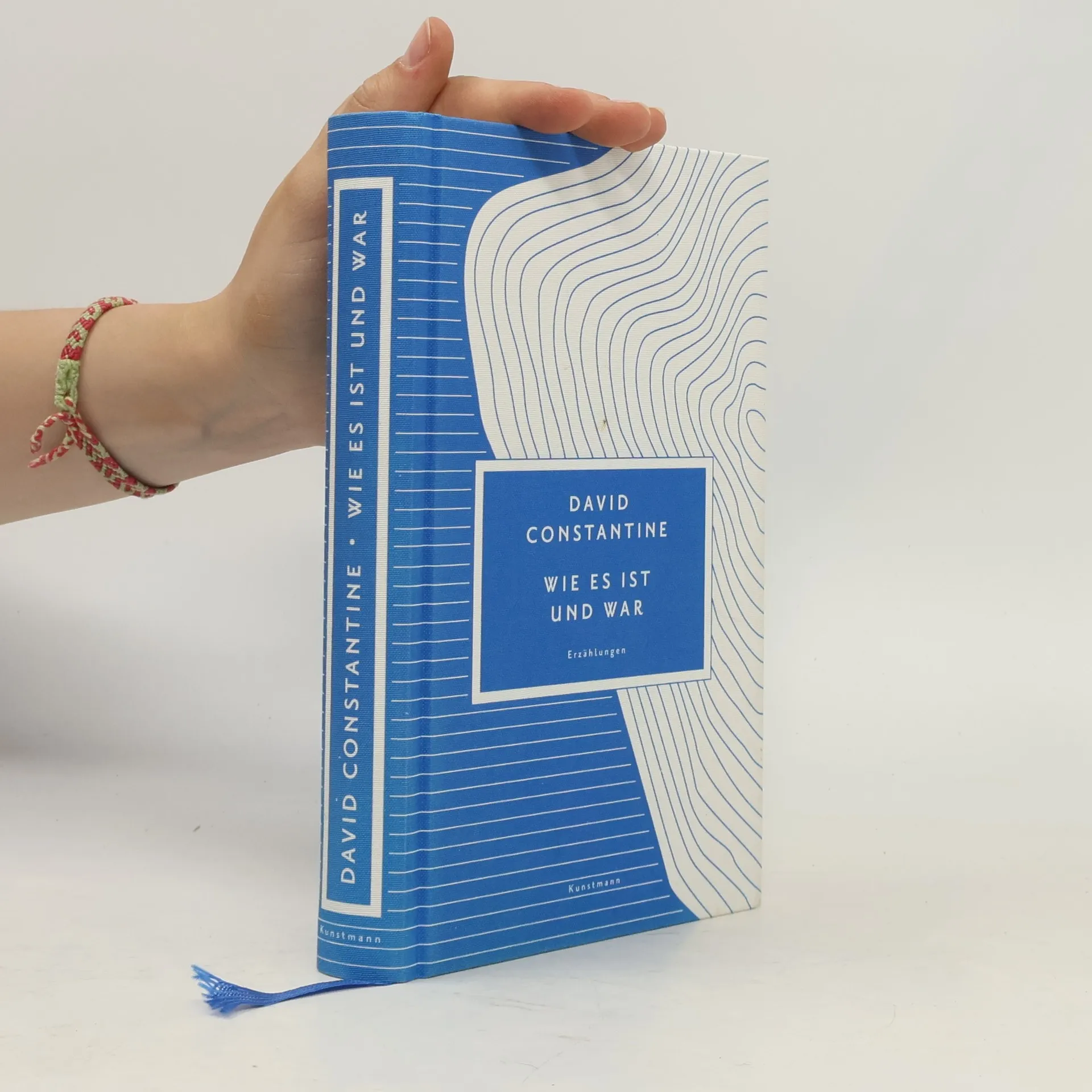
David Constantines Erzählungen sind einzigartig und zeichnen sich durch poetische, teils zarte, teils aufwühlende Bilder sowie eine scharfe Beobachtung der archaischen Kräfte in Mensch und Natur aus. Sie spiegeln sein Gespür für die Schönheit und Sonderbarkeit der Welt wider. Eine Frau, seit Jahrzehnten im Eis konserviert, bricht in die fünfzig Jahre währende Ehe der Mercers ein und bringt sie ins Wanken. Der erfolgreiche Investmentberater Mr. Silverman verliert seine Seele, ohne dass es jemand bemerkt. Lou entdeckt bei Owen die verblüffende Schönheit der Natur, die über die gewöhnlichen Pfade einer Liebesbeziehung hinausgeht. Die Atmosphäre dieser Erzählungen ergreift sofort. Der Alltag wird für die Menschen bedrohlich, sie fühlen sich isoliert und suchen Halt im Ungewissen. Oft bleibt unklar, was sie um jeden Preis meiden oder anstreben wollen, wie der konservierte Körper der Frau, der im schmelzenden Eis eines Schweizer Gletschers auf Entdeckung wartet. Doch die Landschaft und Natur bieten Möglichkeiten der Erlösung und kleine Schätze, die Trost spenden – wie das Treibholz, aus dem ein Strandgutsammler seine Idee von Perfektion schnitzt. Diese siebzehn Short Stories aus über zwei Jahrzehnten zeigen, warum der Autor als einer der besten zeitgenössischen Schriftsteller gilt. Ihre eindringliche Sprache ist aufrüttelnd und „stark genug, um zu helfen“.