

In this work, noted sociologist of technoscience John Law narrates the British endeavor to develop the TSR2 military aircraft, revealing how such technological projects are embedded in complex contexts. Law challenges the binary distinction between modernist and postmodernist views of knowledge, subjects, and objects, arguing instead for a perspective where these elements are “fractionally coherent.” This concept suggests that they can coalesce without being centered. By examining the design, construction, and eventual cancellation of the TSR2, Law employs various metaphors to illustrate its fractional nature and the interactions among its components. He provides insights into system dynamics, exploring the interplay between singularity and multiplicity, and offering new interpretations of concepts like oscillation, interference, fractionality, and rhizomatic networks. The methodologies and insights presented will be crucial for students in science and technology studies, while also appealing to those interested in how contemporary paradigms restrict our understanding of objects in their full complexity.
John Law Book order (chronological)
John Law was a Scottish economist who posited that national wealth was dependent on trade. His theories and practical implementations, including the establishment of the Banque Générale, initiated significant shifts in French finance. However, Law is also associated with a notorious speculative bubble and subsequent economic collapse that impacted France.

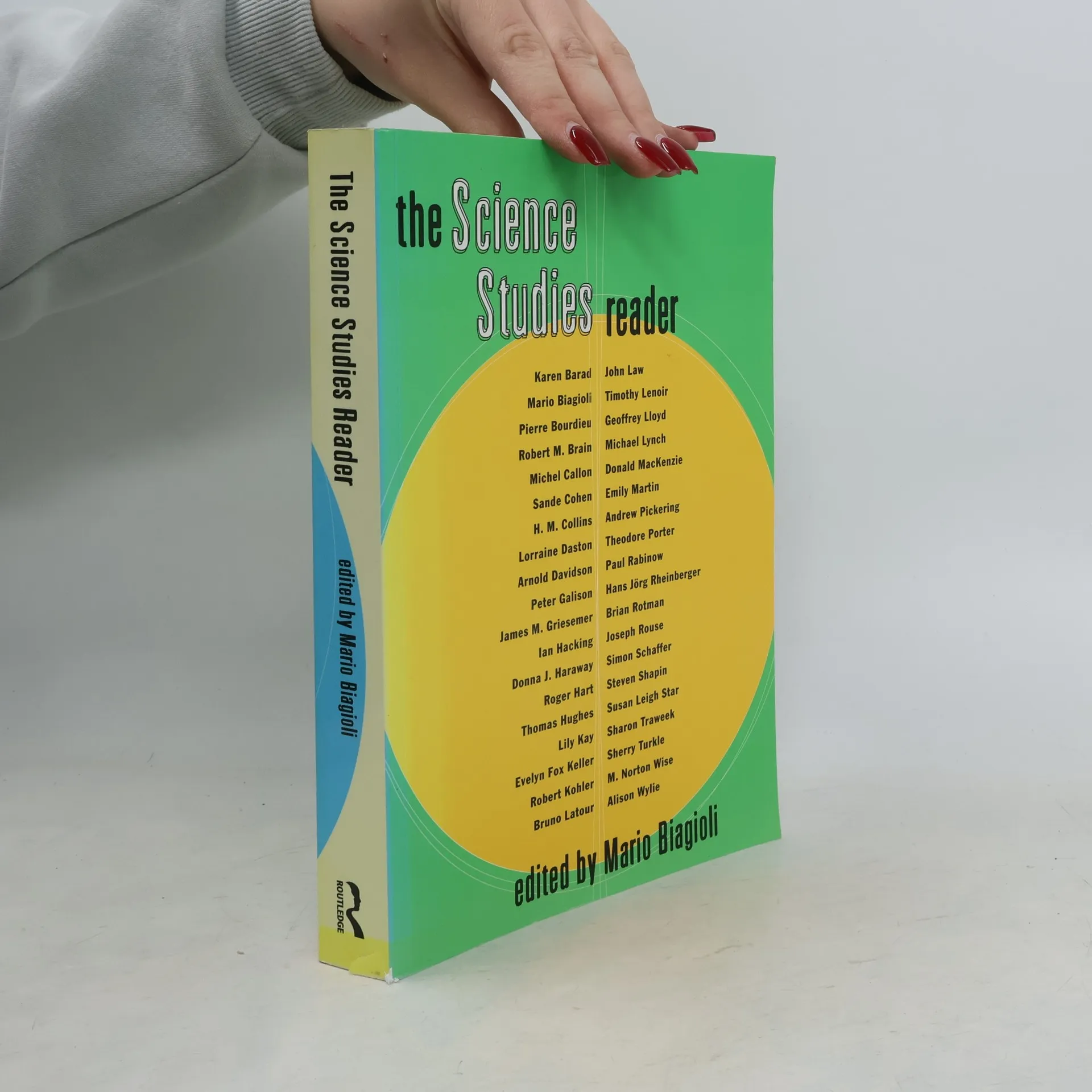

The Science Studies Reader
- 590 pages
- 21 hours of reading
The Reader focuses on the practices of modern and contemporary science and technology located in different national and institutional settings, with some attention to non- Western contexts. By mapping some of the open questions and points of tension likely to occupy the field for years to come, the essays in the Reader cast fresh light on what "science" means at the end of the twentieth century.
Handel, Geld und Banken
- 310 pages
- 11 hours of reading