Explore the latest books of this year!
Bookbot

Orlando Figes

    November 20, 1959

    Orlando Figes is a British historian specializing in Russia, delving into the depths of Russian history and society. His writing is characterized by a detailed examination of the complex social, political, and cultural forces that shaped the Russian nation. Figes brings to readers not only key events but also the daily lives and thoughts of ordinary people, creating a vivid and insightful portrait of the past. His approach offers an engaging and profound understanding of one of the world's most influential nations.

    Orlando Figes
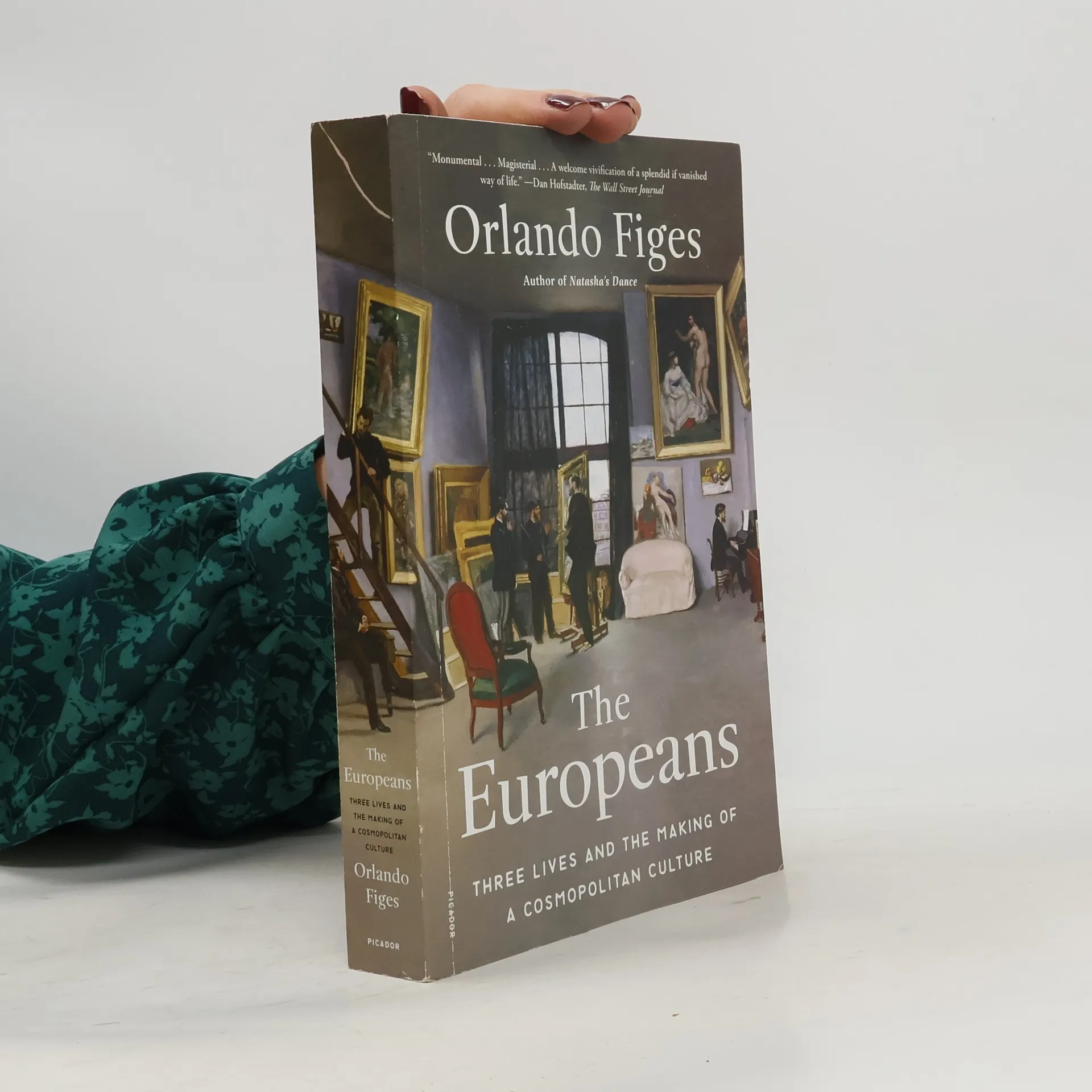
    The Europeans: Three Lives and the Making of a Cosmopolitan Culture
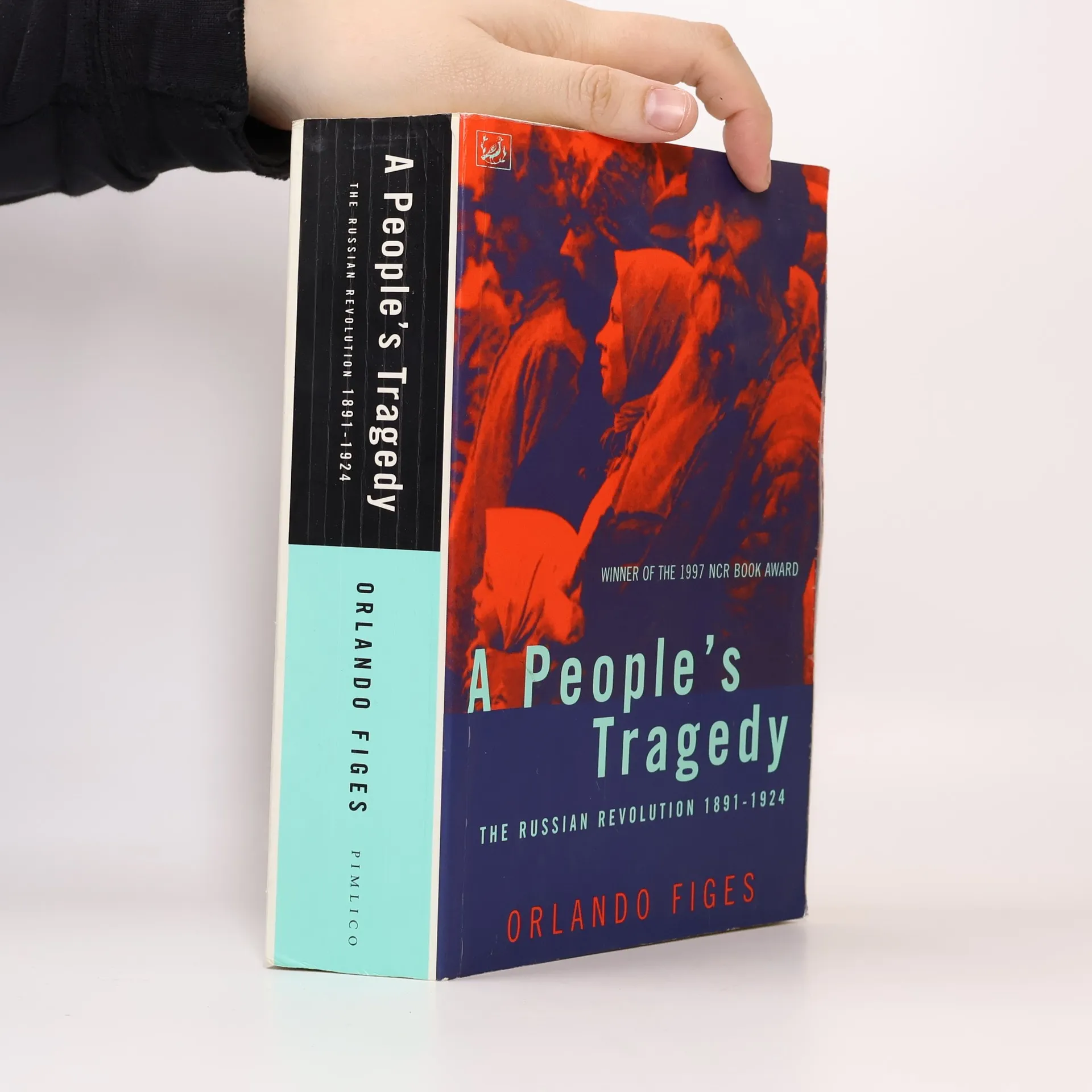
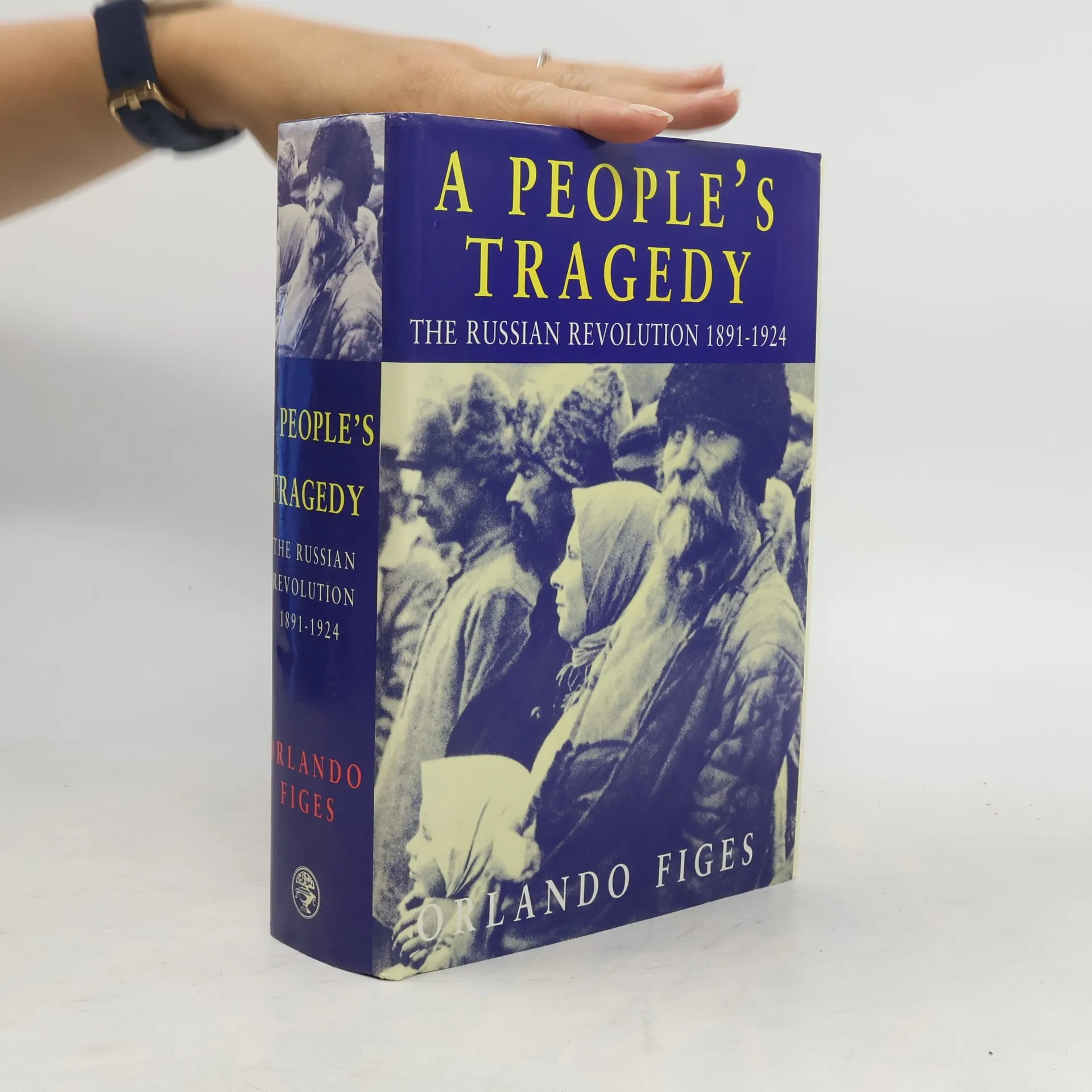
    A People's Tragedy: The Russian Revolution 1891-1924. Russland - Die Tragödie eines Volkes, englische Ausgabe
    The Whisperers
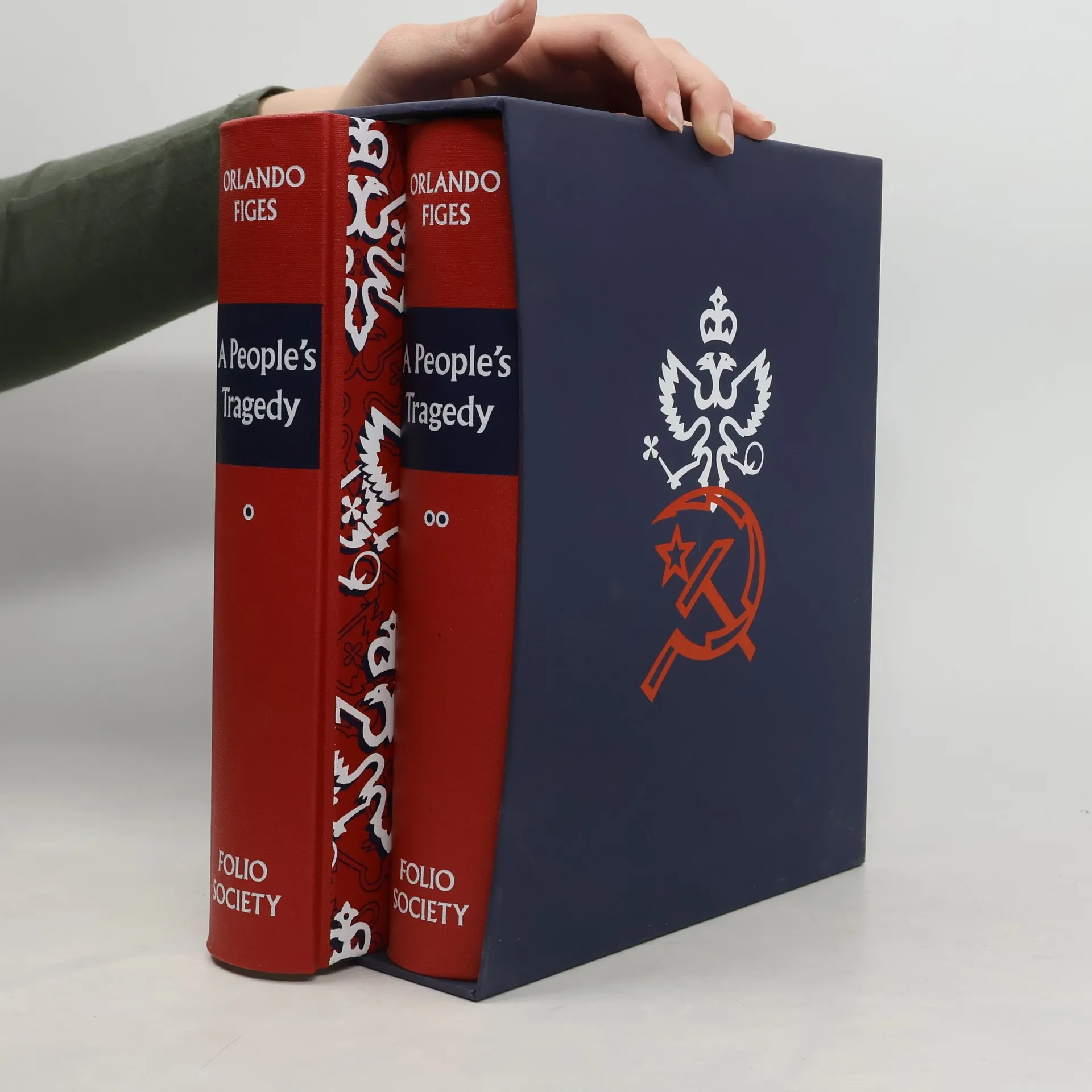
    A People's Tragedy. The Russian Revolution 1891-1924
    A People's Tragedy
    A People's Tragedy. The Russian Revolution 1891-1924
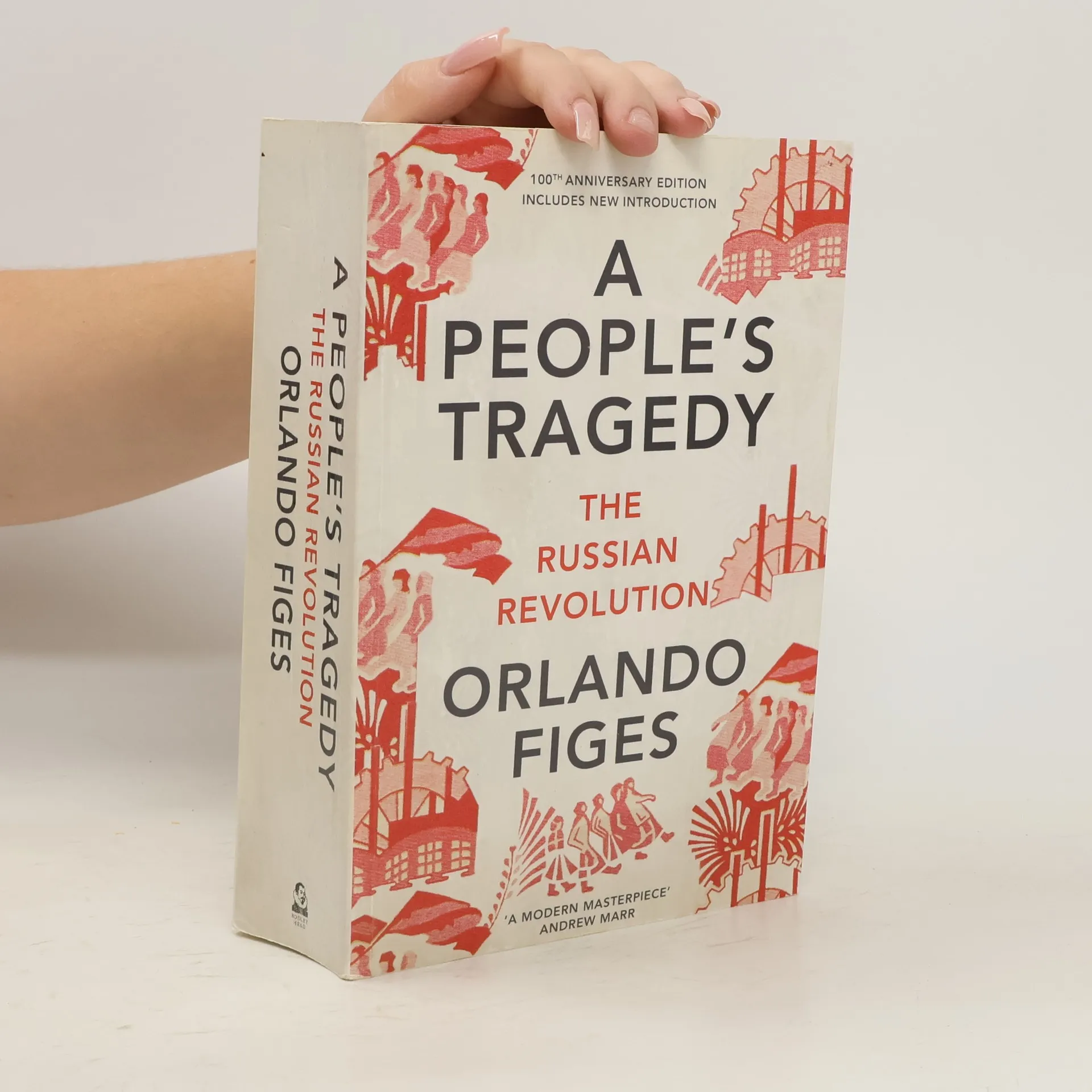
    • Unrivalled in scope and brimming with human drama, A People's Tragedy is the most vivid, moving and comprehensive history of the Russian Revolution available today. 'A modern masterpiece' Andrew Marr 'The most moving account of the Russian Revolution since Doctor Zhivago' Independent Opening with a panorama of Russian society, from the cloistered world of the Tsar to the brutal life of the peasants, A People's Tragedy follows workers, soldiers, intellectuals and villagers as their world is consumed by revolution and then degenerates into violence and dictatorship. Drawing on vast original research, Figes conveys above all the shocking experience of the revolution for those who lived it, while providing the clearest and most cogent account of how and why it unfolded. Illustrated with over 100 photographs and now including a new introduction that reflects on the revolution's centennial legacy, A People's Tragedy is a masterful and definitive record of one of the most important events in modern history.
      A People's Tragedy. The Russian Revolution 1891-1924
      4.6
    • A People's Tragedy

      The Russian Revolution, 1891–1924

      • 923 pages
      • 33 hours of reading

      Vast in scope and rich in original research, this profound account of the Russian Revolution captures the event's epic yet human scale. The author presents a panorama of Russian society before the revolution and narrates the violent erasure of these social forces. The narrative is enhanced by individual stories drawn from private writings, following figures like the patriotic general Brusilov, the progressive peasant Semenov, and the critical socialist Maxim Gorky, as they witness their hopes crumble and their world disintegrate. This unique perspective portrays the revolution as a tragedy for both the Russian people and individuals caught in its turmoil. The author emphasizes that the major social forces—peasants, workers, soldiers, and the empire's subject peoples—were not merely victims of the Bolsheviks but also active participants in their own complex revolutionary narratives. The text argues that the failure of democracy in 1917 was deeply rooted in Russian culture and social history, suggesting that what began as a people's revolution harbored the seeds of its degeneration into violence and dictatorship. This work serves as a compelling exploration of one of the century's most significant events.

      A People's Tragedy
      4.4
    • Russia under the old regime - The crisis of authority - Russia in revolution (February 1917-March 1918) - The civil war and the making of the Soviet system (1918-24); Lenin - Marx - Stalin - Kerensky - Trotskysk_____________

      A People's Tragedy. The Russian Revolution 1891-1924
      4.4
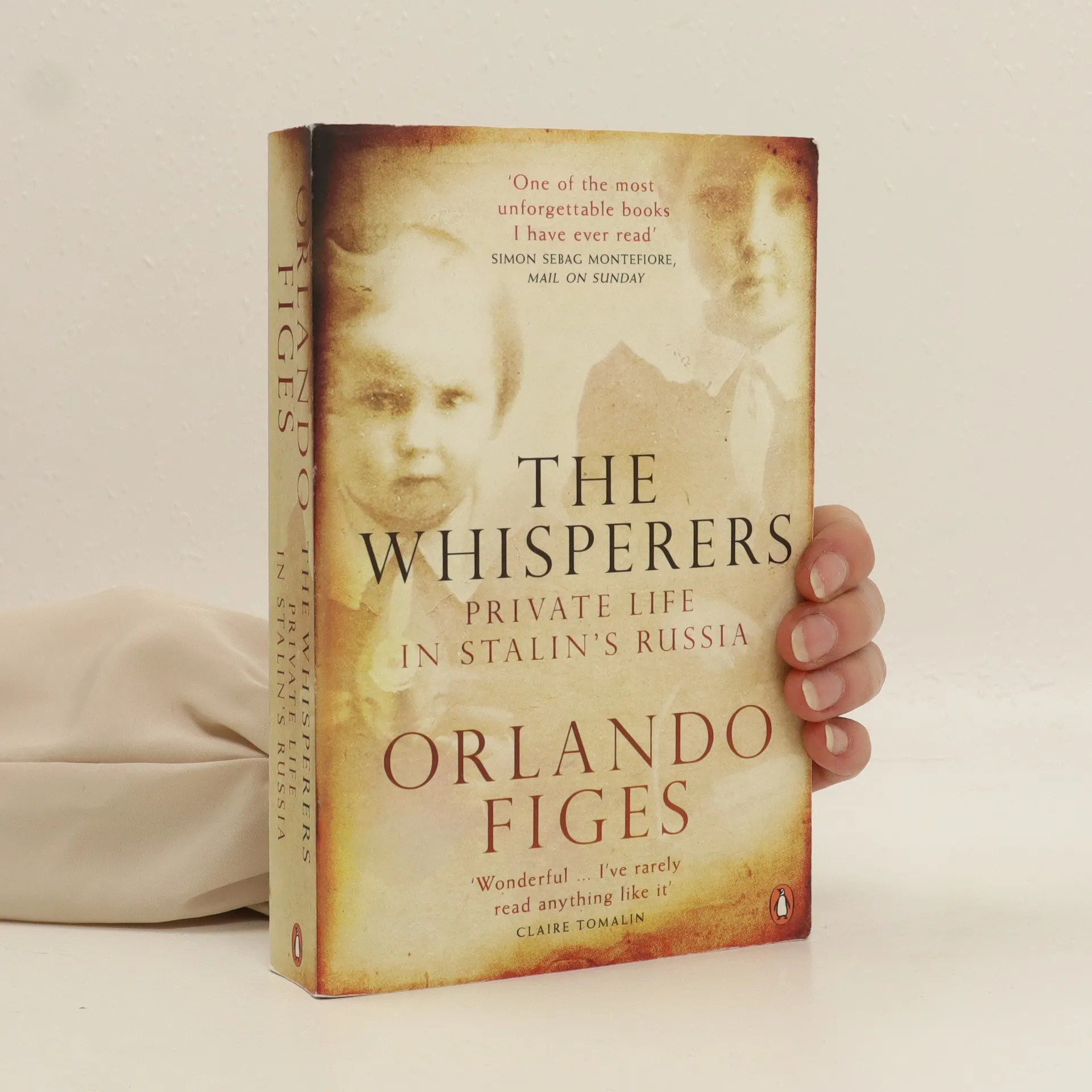
    • The Whisperers

      Private Life in Stalin's Russia

      • 739 pages
      • 26 hours of reading

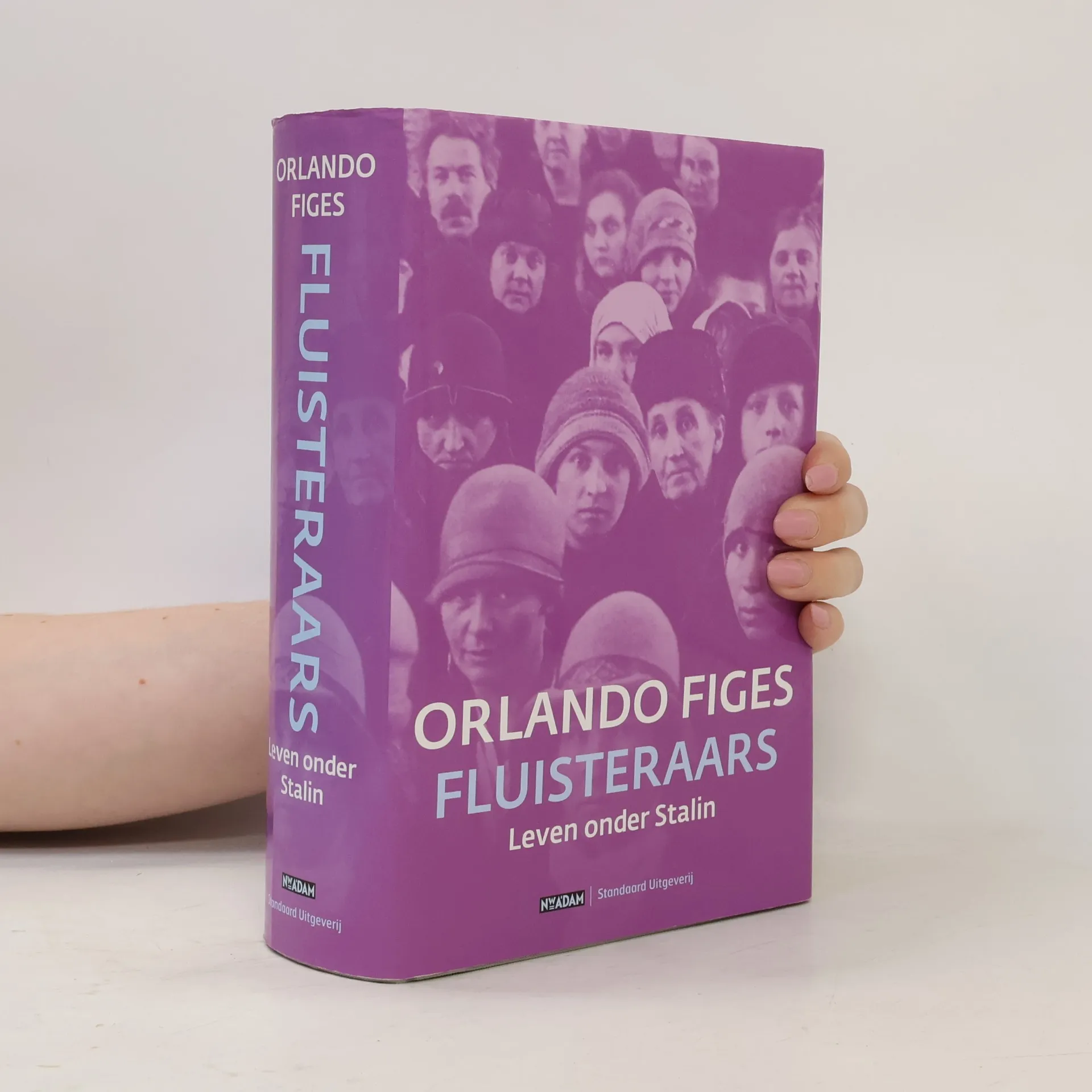
      From the award-winning author of A People's Tragedy and Natasha's Dance comes a landmark account of private life during the darkest years of Soviet repression. While many narratives focus on the public aspects of Stalin's dictatorship—arrests, trials, and the horrors of the gulags—this work uniquely delves into the regime's impact on personal lives. Utilizing a wealth of newly discovered documents, it unveils the inner world of ordinary Soviet citizens navigating a landscape rife with mistrust, fear, and betrayal. Spanning from the 1917 Revolution to Stalin's death and beyond, the author re-creates the moral complexities faced by Russians, where a single misstep could devastate a family or, paradoxically, lead to its salvation. The narrative takes readers into cramped communal apartments, where minor disputes could escalate into deadly denunciations, and examines the Communist loyalists who often viewed their own arrests as mere misunderstandings. Informers are also portrayed with nuance, illustrating how anyone could become a collaborator in such a repressive environment. This expansive portrayal captures a society where whispers were the norm, whether to shield loved ones or to betray them, offering a gripping account of lives lived under impossible circumstances.

      The Whisperers
      4.4
    • Magnificent and beautifully written, this book offers an absorbing exploration of how Europe's cultural life transformed throughout the 19th century. It is a massively impressive work that combines enjoyment with deep knowledge, providing insights into the mechanisms of history and the individuals who shape it. The narrative revolves around the intertwined lives of three remarkable figures: the great singer Pauline Viardot, the esteemed writer Ivan Turgenev, and Pauline's husband, Louis. Their ambitious lives intersected with a vibrant array of artists navigating a prosperous, pan-European culture born from significant economic and technological changes. Innovations like trains, telegraphs, and printing enabled artists to exchange ideas and thrive across the continent, from the British Isles to Imperial Russia, in a new cosmopolitan age. This masterpiece reveals huge cultural shifts through intimate details and lesser-known stories, particularly highlighting the touching and complex love triangle involving Turgenev and the Viardots. The book refreshes our understanding of pivotal moments in European high culture, allowing readers to appreciate the precariousness of the salons, premieres, and bestsellers that defined the era.

      The Europeans: Three Lives and the Making of a Cosmopolitan Culture
      4.3
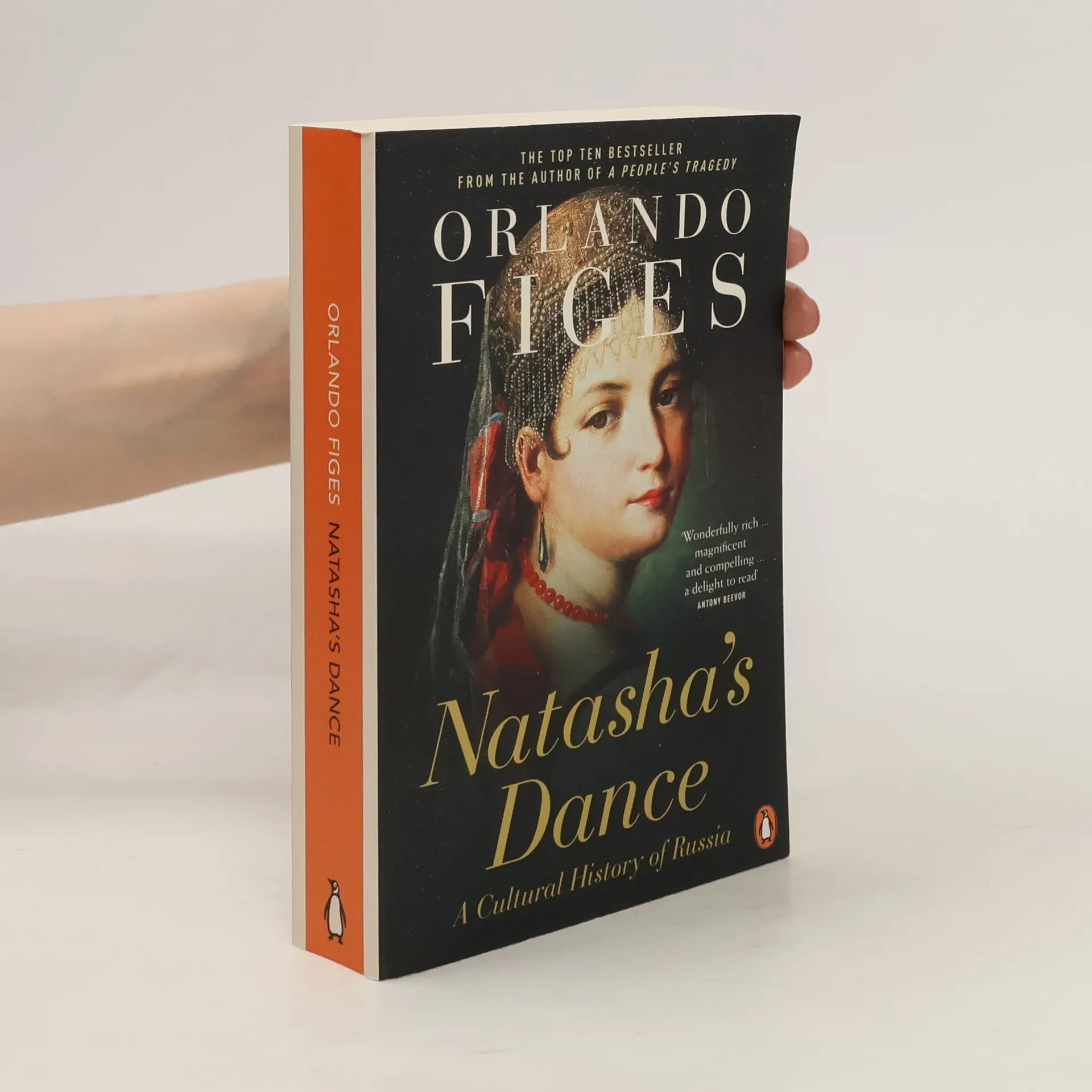
    • Natasha's Dance conjures up the whole panorama of Russia's mighty culture, in a way that is fresh, intimate and immediate. Whether talking about music or novels, buildings or paintings, Orlando Fige's narrative should sweep the reader along through a series of set-piece chapters.

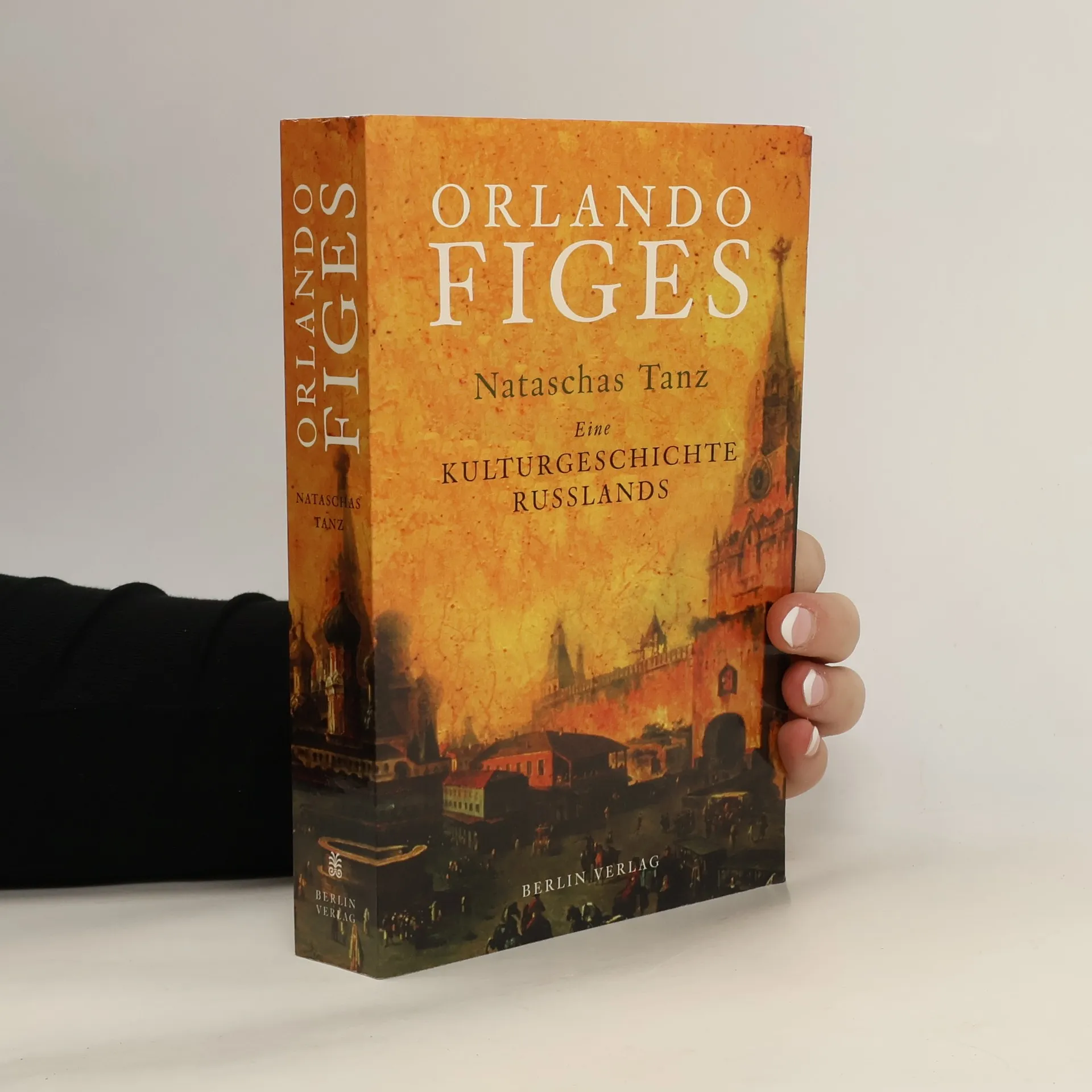
      Natasha's Dance. A cultural history of Russia
      4.3
    • The Europeans

      • 576 pages
      • 21 hours of reading

      The Europeans is a richly enthralling, panoramic cultural history of nineteenth-century Europe, told through the intertwined lives of three remarkable people- a great singer, Pauline Viardot, a great writer, Ivan Turgenev, and a great connoisseur, Pauline's husband Louis. Their ambitious lives and complex loves were bound up with an astonishing array of writers, composers and painters all trying to make their way through the exciting, prosperous European cultural landscape that came about as a result of huge economic and technological change. This culture - through trains, telegraphs and printing - allowed artists of all kinds to exchange ideas and make a living, as they travelled across the whole continent from the British Isles to Imperial Russia. The Europeans is Orlando Figes' masterpiece. It describes huge changes through intimate details, little-known stories and through the lens of Turgenev and the Viardots' touching, strange love triangle. Events which we now see as central to European high culture are made completely fresh, allowing the reader to revel in the sheer precariousness with which the great salons, premieres and bestsellers came into existence.

      The Europeans
      4.2
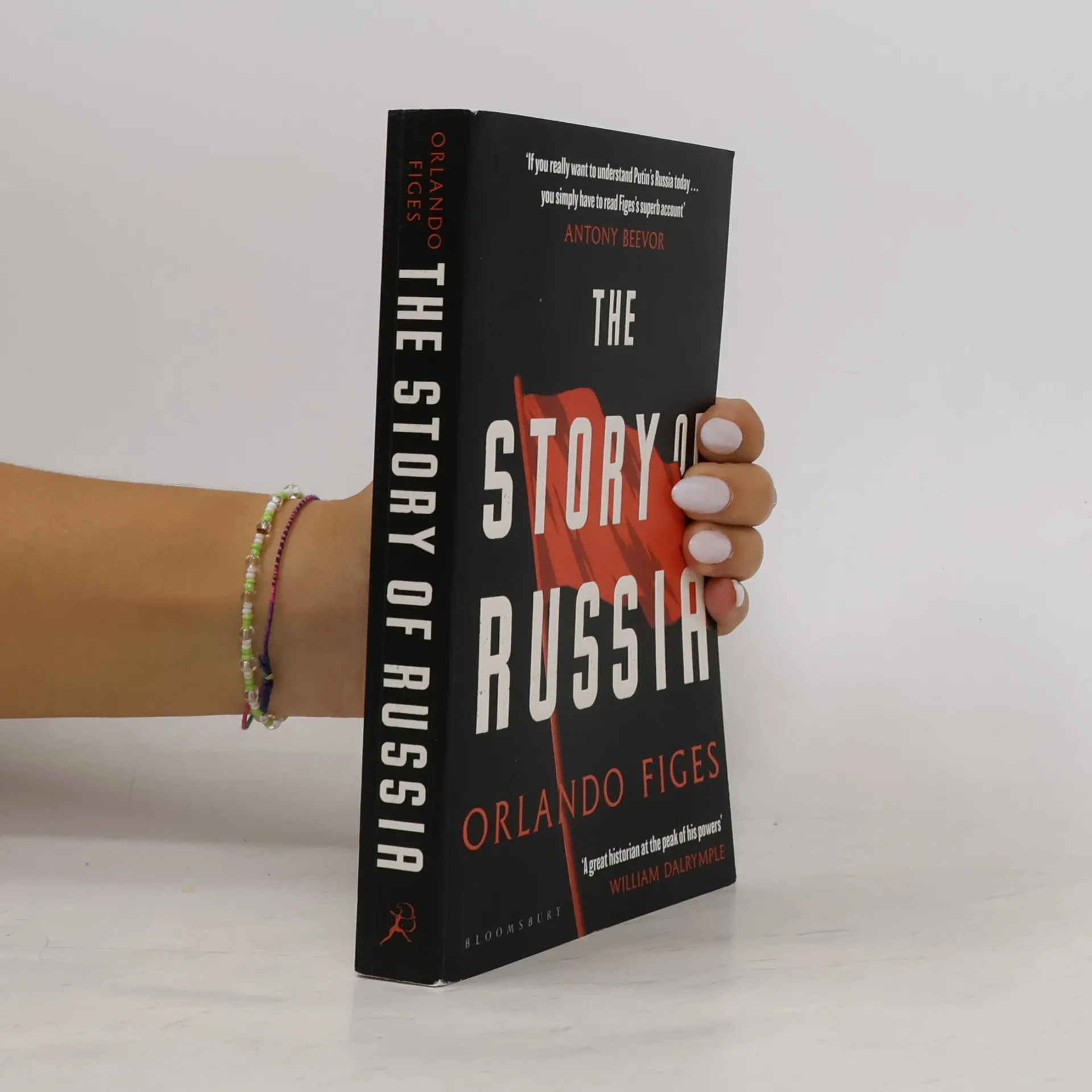
    • No other country has been so divided over its own past as Russia. None has changed its story so often. How the Russians came to tell their story, and to reinvent it as they went along, is a vital aspect of their history, their culture and beliefs. To understand what Russia's future holds - to grasp what Putin's regime means for Russia and the world - we need to unravel the ideas and meanings of that history.0In The Story of Russia, Orlando Figes brings into sharp relief the vibrant characters that comprise Russia's rich history, and whose stories remain so important in making sense of the world's largest nation today - from the crowning of sixteen-year-old Ivan the Terrible in a candlelit cathedral, to Catherine the Great, riding out in a green uniform to arrest her husband at his palace, to the bitter last days of the Romanovs.0Beautifully written and based on a lifetime of scholarship, The Story of Russia is a major and definitive work from the great storyteller of Russian history: sweeping, suspenseful, masterful

      The Story of Russia
      4.1
    • The Crimean War

      • 626 pages
      • 22 hours of reading

      This definitive account explores a significant yet overlooked conflict that has profoundly influenced contemporary history. The author, celebrated as a masterful storyteller among modern Russian historians, delves into the intricacies of this war, revealing its lasting impact on current geopolitical dynamics. Through detailed narratives and insights, the book sheds light on the complexities and consequences of the conflict, making it an essential read for those interested in understanding the forces that have shaped the modern world.

      The Crimean War
      4.1
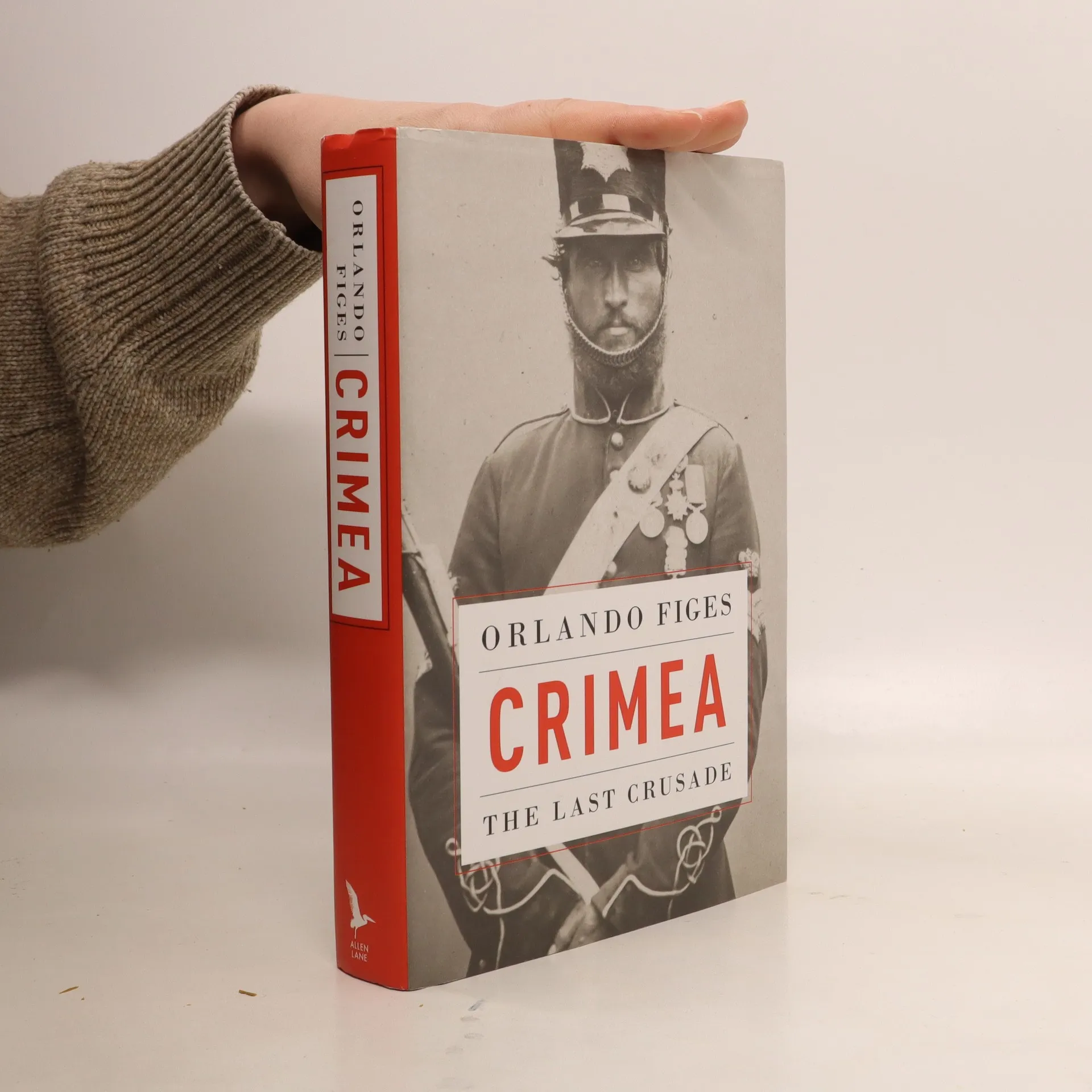
    • Crimea : the last crusade

      • 550 pages
      • 20 hours of reading

      The Crimean War, a pivotal conflict of the mid-19th century, resulted in the deaths of at least 800,000 men and saw Russia facing a powerful coalition of Britain, France, and the Ottoman Empire. Driven by territorial ambitions and fears of the Ottoman Empire's collapse, the war was also fueled by a fervent belief among the Tsar and his ministers that they were on a crusade to protect Orthodox Christians and control the Holy Land. This conflict was marked by deep-seated hatreds, particularly the pervasive Russophobia throughout Europe. Orlando Figes' major work reexamines this extraordinary war, highlighting its modern aspects—such as extensive photography, the telegraph, and its status as the first 'newspaper war'—while also showcasing traditional elements, including illiterate soldiers and high disease casualties. Iconic events like the Charge of the Light Brigade and the Siege of Sebastopol are covered, alongside a broader understanding of the diverse nationalities involved. The war's impact extended beyond Crimea to the Danube principalities, the Baltic, and the Caucasus, with British ambitions for partitioning Russia. Figes draws on a wealth of untapped sources to provide insight into the lived experiences of those affected, from ordinary soldiers in harsh conditions to Tsar Nicholas, who relentlessly sought religious salvation.

      Crimea : the last crusade
      4.1
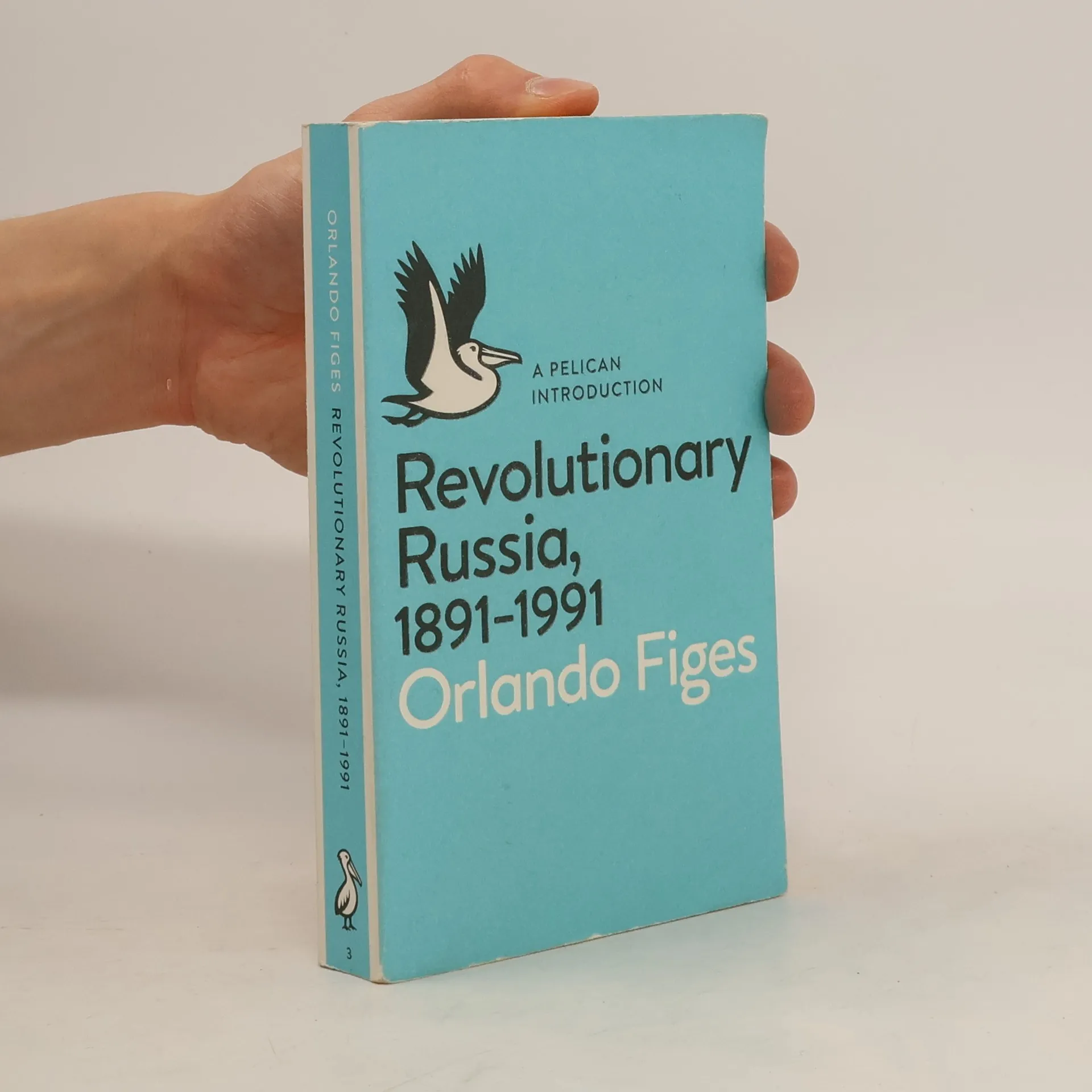
    • Revolutionary Russia, 1891-1991

      • 473 pages
      • 17 hours of reading

      What caused the Russian Revolution? Did it succeed or fail? Do we still live with its consequences? This book deals with these questions.

      Revolutionary Russia, 1891-1991
      4.0
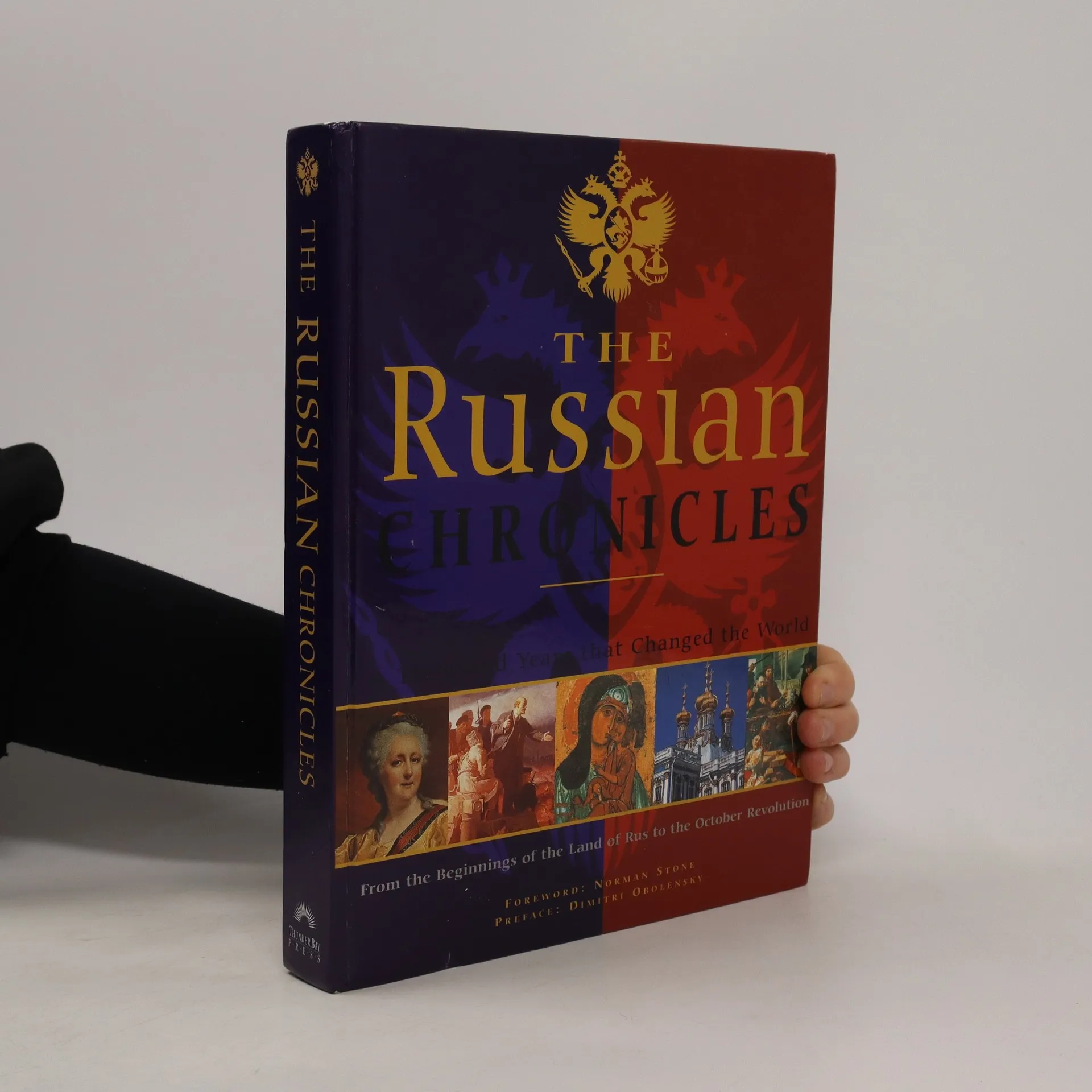
    • The Russian Chronicles

      • 400 pages
      • 14 hours of reading

      Through chronicles etched on parchment, folk song, private letters & official reports, the Russian people themselves speak out & tell the story of this troubled land from its beginning to the 1917 Revolution.

      The Russian Chronicles
      3.6
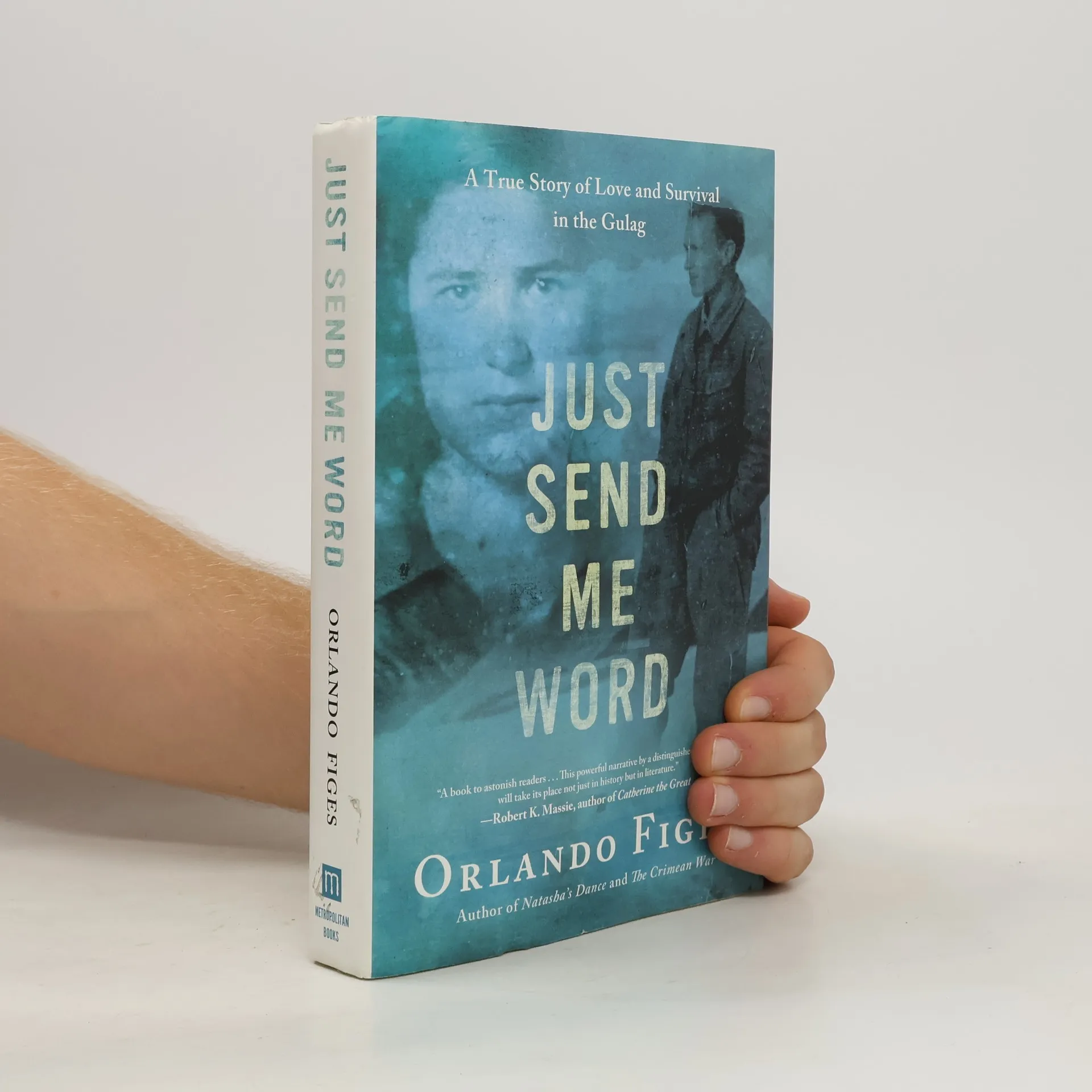
    • Just Send Me Word

      • 333 pages
      • 12 hours of reading

      Figes reconstructs a heroic and touching love story that occurred in the midst of one of Stalin's most notorious work camps, drawing on personal letters, KGB archives and recent interviews to brilliantly illustrate the broader world in which their story unfolded.

      Just Send Me Word
      3.9
    • Einfühlsam verbindet Figes die öffentliche Sphäre der großen Politik und die privaten Überzeugungen der Beteiligten zu einer fesselnden Erzählung, in der die Revolution als menschliche Tragödie begriffen wird. Ein meisterhaftes Panorama der russischen Revolutionsära 1891-1924, in dem unzählige Stimmen von Zeitgenossen in Tagebüchern, Briefen und persönlichen Aufzeichnungen zu Wort kommen

      Die Tragödie eines Volkes. Die Epoche der russischen Revolution 1891-1924
      4.9
    • Europejczycy

      • 608 pages
      • 22 hours of reading

      Ona: Pauline Viardot, megagwiazda opery, uwielbiana w całej Europie. On: Iwan Turgieniew, rosyjski pisarz, bezgranicznie zakochany w Pauline. On numer 2: Louis Viardot, mąż Pauline, krytyk, którego oceny wpływały na kariery wielu twórców. W tle XIX wiek, pełen przemian politycznych, społecznych i kulturalnych. Jak doszło do tego, że około 1900 roku na całym kontynencie obowiązywały te same lektury, obrazy i muzyka? W jaki sposób powstał europejski kanon, który stanowi fundament kultury wysokiej nie tylko w Europie, ale i tam, gdzie osiedlili się Europejczycy? Ten kosmopolityzm, wspólnota dzieł sztuki i myśli, umożliwił wybitnym talentom zaistnienie na międzynarodowej scenie. Orlando Figes ilustruje to na przykładzie trójki artystów, których kariery rozwijały się bez granic. Pauline Viardot, z hiszpańskiej rodziny Garcia, znana jako francuska mezzosopranistka, śpiewała włoskie opery, przyjaźniła się z rosyjskimi pisarzami i mieszkała w Niemczech. Doświadczyła problemów na styku kultury i ekonomii, pokazując, że aby przetrwać, kultura musi działać jak biznes. Europejczycy ukazują, jak daleko zaszliśmy w rozwoju, jednocześnie przypominając, że pewne dylematy są wieczne i wciąż aktualne.

      Europejczycy
      4.5
    • Hundert Jahre Revolution

      • 384 pages
      • 14 hours of reading

      100 Jahre Russische Revolution Oktober 2017 Die Wirkung der Russischen Revolution von 1917 erstreckt sich über die Jahrzehnte der Diktatur bis in die Gegenwart. Die Sowjetführer waren bis zuletzt überzeugt, dass sie die von Lenin begonnene Revolution fortsetzten und auf ihre Ziele hinarbeiteten: eine kommunistische Gesellschaft des materiellen Überflusses und ein neuer kollektiver Menschentyp. In einem historischen Moment, da in Russland unter Putin die autoritäre Staatstradition wieder auflebt, liefert Figes eine überzeugende Interpretation des russischen 20. Jahrhunderts.

      Hundert Jahre Revolution
      4.7
    • Szepty

      • 800 pages
      • 28 hours of reading

      W 'Szeptach' Orlando Figes opisuje historie ludzi, którzy żyli w czasach dyktatury stalinowskiej. Są wśród nich także znane postaci: Anna Achmatowa, Jelena Bonner, Bułat Okudżawa, Konstantin Simonow... Korzystając z setek rodzinnych archiwów, a także niezliczonych wywiadów, autor odtwarza tamten świat dramatycznych moralnych wyborów i kompromisów. Świat, w którym ludzie mówili szeptem, aby ochronić siebie, rodzinę lub przyjaciół, a życie prywatne w warunkach totalnej kontroli państwa wydawało się niemożliwe.

      Szepty
      5.0
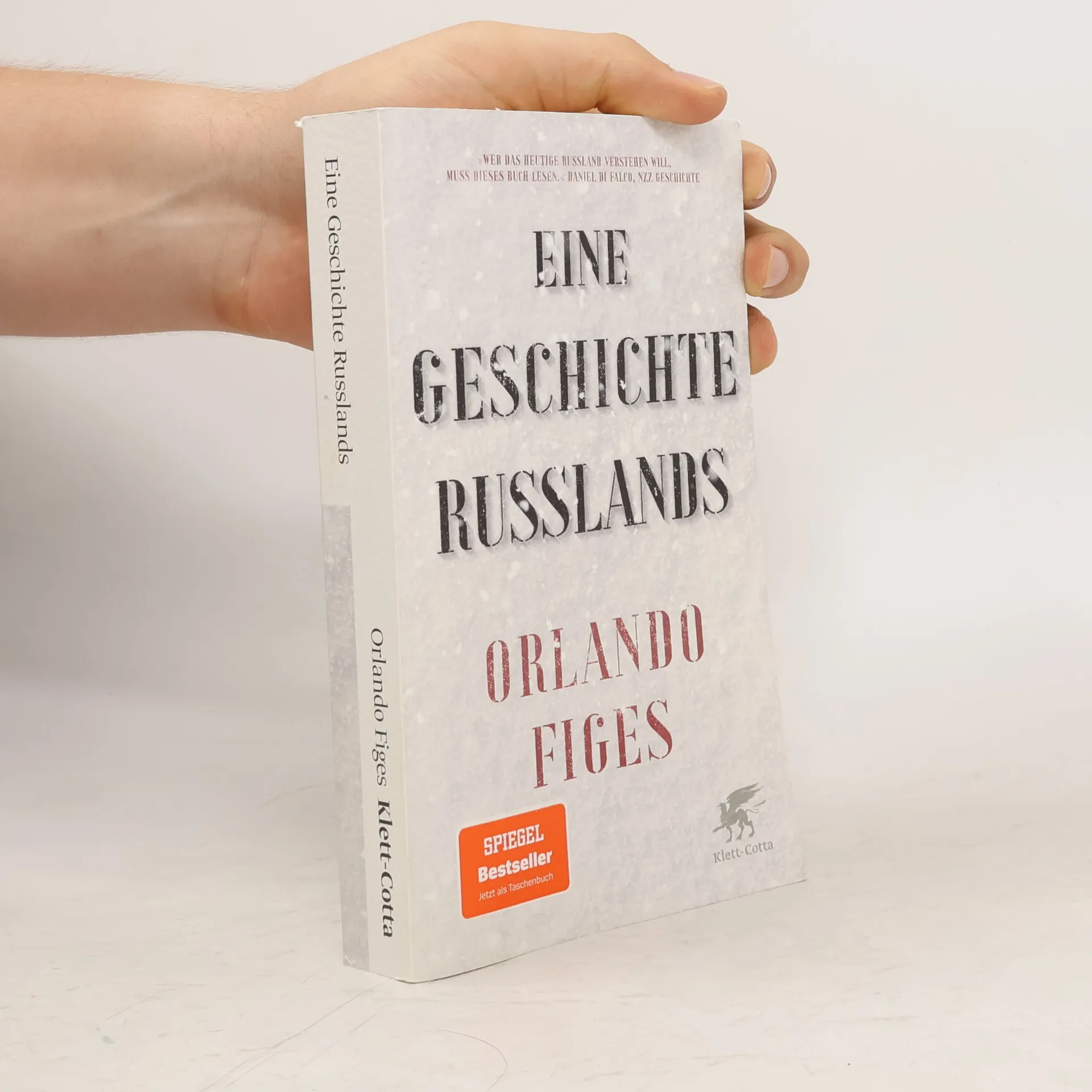
    • Die fesselnde Erzählung von Russlands Geschichte durch Orlando Figes entfaltet ein großes Panorama der russischen Seele, von Mythen über kulturelle Errungenschaften bis hin zur Weltpolitik des 20. Jahrhunderts und der Gegenwart. Figes nimmt die Leser mit auf eine packende Reise durch die Zeit, in der er die Selbstwahrnehmung der Russen und deren ständige Neuerfindung thematisiert. Er beleuchtet die Anfänge als Jäger und Sammler und das Leben der Bauern im ersten nachchristlichen Jahrtausend. Die Jahrhunderte der Monarchie, das Zarenreich, der Totalitarismus nach der Oktoberrevolution 1917 und die Perestroika Gorbatschows bis zu Putins Krieg werden souverän rekapituliert. Der Autor deutet die Mythen, Ereignisse und Ideologien, die das Denken und Handeln Russlands prägen, und thematisiert die Notwendigkeit einer Autokratie, die Verehrung des "Heiligen Zaren" sowie den russischen kollektivistischen Geist. Figes gelingt es meisterhaft, die zentralen Aspekte der russischen Geschichte herauszuarbeiten, sodass deren innere und äußere Dramatik sichtbar wird. Dieses hochaktuelle Werk ist unerlässlich für alle, die das heutige Russland und seine Konflikte verstehen wollen. Figes' brillante Prosa bringt die Geschichte und Kultur Russlands so nahe, dass man ihren Herzschlag spüren kann.

      Eine Geschichte Russlands
      5.0
    • La serie di volumi di Orlando Figes esplora la complessa storia della rivoluzione russa dal 1891 al 1924, analizzando le dinamiche sociali, politiche ed economiche che hanno portato al crollo dell'Impero zarista e all'emergere del regime sovietico. Attraverso un'ampia ricerca storica, Figes presenta le esperienze di diversi gruppi sociali, dai contadini agli intellettuali, e i loro ruoli nel movimento rivoluzionario. I temi principali includono la lotta per la giustizia sociale, le tensioni etniche e le conseguenze della guerra civile. Tra i personaggi chiave vi sono figure storiche come Lenin, Trotsky e i leader locali che hanno influenzato gli eventi. Il lavoro di Figes offre una visione dettagliata delle speranze e delle sofferenze di un popolo in tumulto, evidenziando le contraddizioni e le complessità di un periodo cruciale della storia russa.

      La tragedia di un popolo. La rivoluzione russa 1891-1924
    • Książka, bez której nie zrozumiecie dzisiejszej Rosji. ANNE APPLEBAUM Żaden kraj nie był tak głęboko podzielony w sprawie swojej historii jak Rosja. Żaden nie zmieniał tak często opowieści o własnej przeszłości. To, jak Rosjanie opowiadają o swoich dziejach i w każdym pokoleniu tworzą ich nową wersję, jest ważną częścią ich historii, kultury i poglądu na świat. Aby wiedzieć, co kryje przyszłość Rosji – zrozumieć, co reżim Putina oznacza dla Rosji i świata – musimy poznać idee i sens rosyjskiej historii. W książce Orlando Figesa barwne postaci z bogatych dziejów Rosji stają przed nami jak żywe. Bez znajomości ich biografii nie da się dziś zrozumieć największego kraju świata – począwszy od koronacji szesnastoletniego Iwana Groźnego w moskiewskim soborze i ubranej w zielony mundur Katarzyny Wielkiej jadącej aresztować swego męża, a skończywszy na ostatnich, tragicznych dniach Romanowów. Opowieść o Rosji, wybornie napisana i oparta na długoletnich studiach, jest arcydziełem autora, który jak nikt potrafi opowiadać o dziejach Rosji. To książka mająca rozmach, trzymająca w napięciu, mistrzowska.

      Opowieść o Rosji
    • Wojna krymska była brutalnym konfliktem, który zabił co najmniej milion ludzi i zmusił Rosję do walki z potężną koalicją Wielkiej Brytanii, Francji i Imperium Osmańskiego. Konflikt ten toczył się o terytorium, z obawą, że upadek państwa Osmanów umożliwi Rosji kontrolę nad rozległymi obszarami od Bałkanów po Zatokę Perską. Miał również charakter religijny, z niebezpiecznym przekonaniem, że Rosja powinna sprawować władzę nad wszystkimi prawosławnymi chrześcijanami. Książka Orlanda Figesa przedstawia nową perspektywę na tę wojnę, ukazującą okrucieństwo i niekompetencję. Był to pierwszy nowoczesny konflikt, dokumentowany przez fotografie i relacje prasowe, a jednocześnie wojna tradycyjna, z analfabetami w szeregach żołnierzy i oficerami-amatorami, co prowadziło do ogromnych strat z powodu chorób. Autor opisuje znane epizody, takie jak szarża Lekkiej Brygady czy oblężenie Sewastopola, ale także kulturę Krymu, zniszczoną przez walki. Figes korzysta z różnorodnych źródeł, aby ukazać doświadczenia uczestników, od brytyjskiego żołnierza w okopie po cara Mikołaja, zmagającego się z własnymi ograniczeniami w dążeniu do religijnego zbawienia.

      Wojna krymska 1853-1856. Ostatnia krucjata w.2
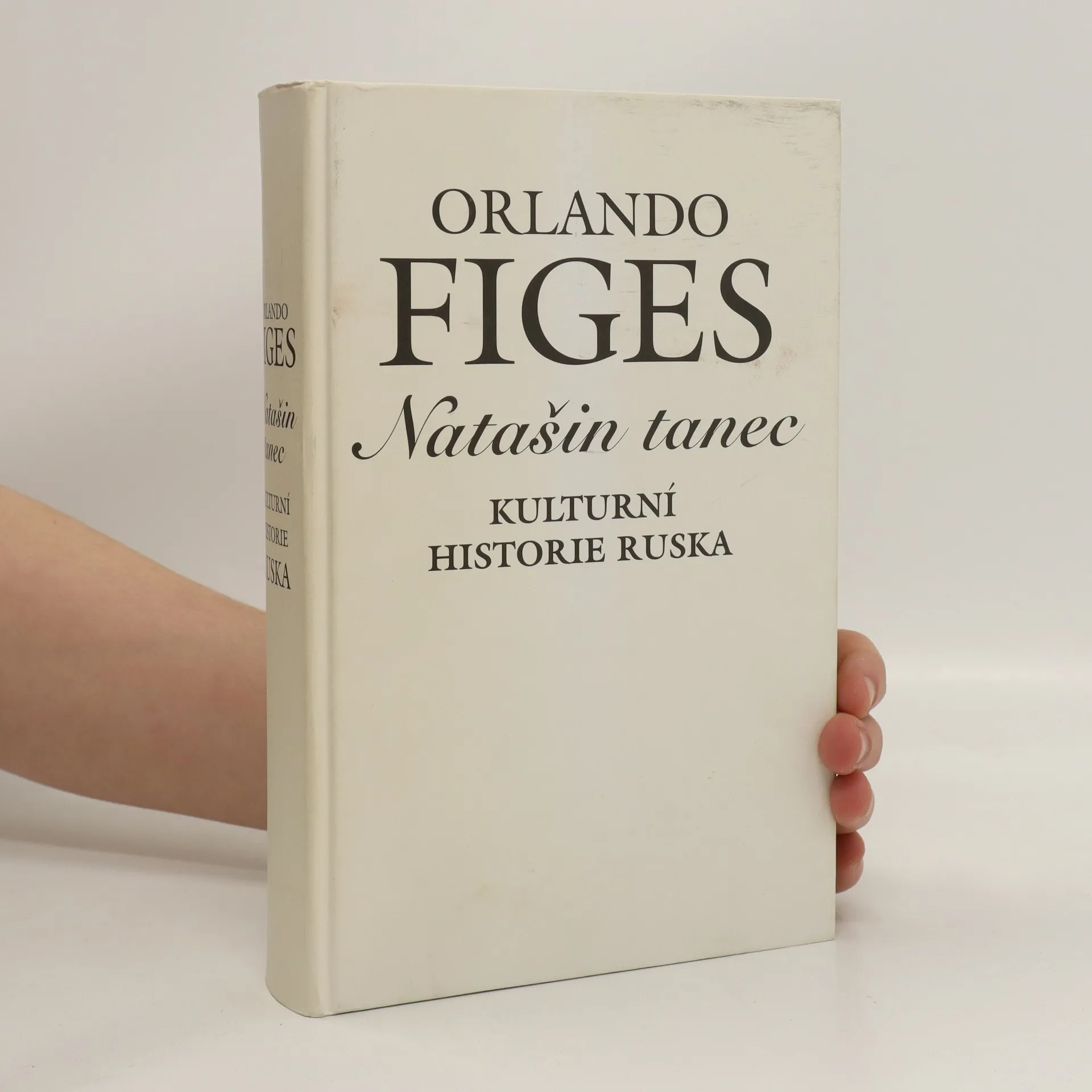
    • Jak již napovídá podtitul knihy, jedná se o dějiny kultury. V této knize nejde ale jen o poezii, hudbu či výtvarné umění, píše se zde i o obyčejném životě, o lidových zvycích a víře. Natašin tanec, to je Figesova bezprecedentně objevná a inspirující výprava do Ruska, za jeho kulturou a obyvateli.

      Natašin tanec. Kulturní historie Ruska
      4.7
    • Evropané

      • 560 pages
      • 20 hours of reading

      Nová kniha renomovaného autora Orlanda Figese strhujícím způsobem líčí kulturní historií Evropy devatenáctého století. Její panoramatický příběh vypráví prostřednictvím propletených životů tří pozoruhodných lidí: skvělé zpěvačky Pauliny Viardotové, jejího manžela Louise a skvělého spisovatele Ivana Turgeněva. Jejich vášnivé, ambiciózní životy byly svázány s celou řadou úžasných umělců – spisovatelů, hudebních skladatelů a malířů snažících se najít své uplatnění ve vzrušující, prosperující a skutečně celoevropské kultuře, která vznikla jako důsledek obrovských ekonomických a technologických změn. Tato kultura – prostřednictvím vlaků, telegrafu a tisku – umožnila umělcům všeho druhu vyměňovat si nápady a zároveň si vydělávat na živobytí. Navíc jim zpřístupnila cestování po celém kontinentu, od Britských ostrovů po carské Rusko. Umělci tak začali využívat výhod nového kosmopolitního věku. Kniha Evropané je Figesovým mistrovským dílem. Prostřednictvím intimních detailů a málo známých příběhů, a především optikou Ivana Turgeněva a manželů Viardotových – tohoto dojemného a poněkud zvláštního milostného trojúhelníku – popisuje obrovské historické změny. Události, které dnes řadíme k těm základním v dějinách evropské vysoké kultury, v knize znovu ožívají a čtenáři je tak umožněno vychutnat si dobu, kdy byly tyto události cela čerstvé, dobu, v níž vznikaly velké salony

      Evropané
      4.8
    • Britský historik Orlando Figes vypráví skutečný příběh o lásce a přežití v gulagu. Lva a Světlanu, milence z Moskvy, na čtrnáct let rozdělila Lvova vojenská služba a zajetí ve druhé světová válce a poté jeho věznění v táboře. Lev a Světlana si psali dopisy, které přes ostnatý drát lágru pašovali dělníci a úředníci. Figes líčí osudy zamilovaného páru na základě těchto dopisů, které neprošly cenzurou a jsou jediným rozsáhlým souborem zaznamenávajícím poměry v gulagu psaným v reálném čase, a nikoli jako vzpomínky. Autor je skvělý vypravěč a v knize ukazuje, že láska, oddanost a naděje mohou zvítězit i v těch nejhorších časech, na nejděsivějších místech a v nesnesitelných podmínkách.

      Navštěvuj mě v snu : pravdivý příběh o lásce a přežití v gulagu
      4.2
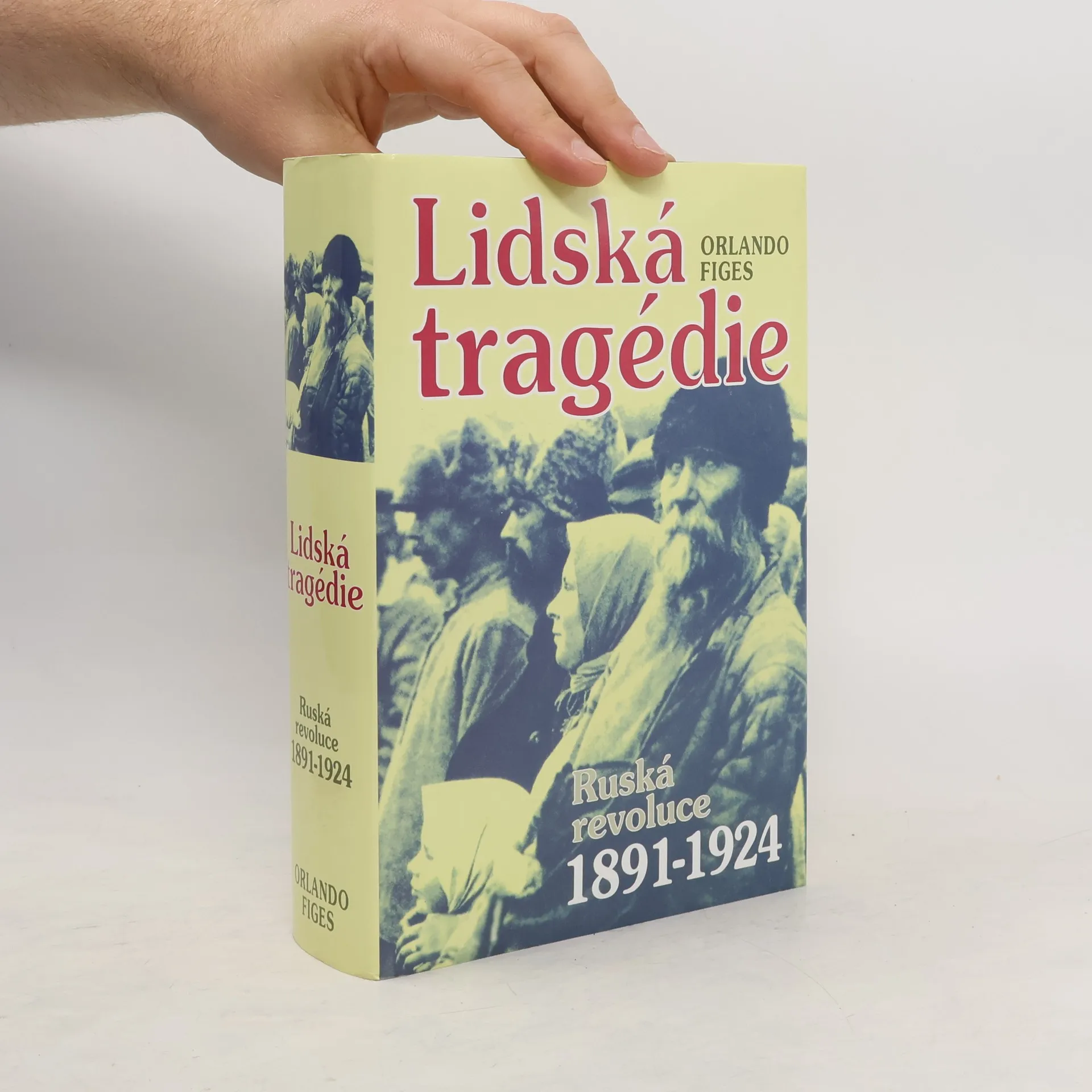
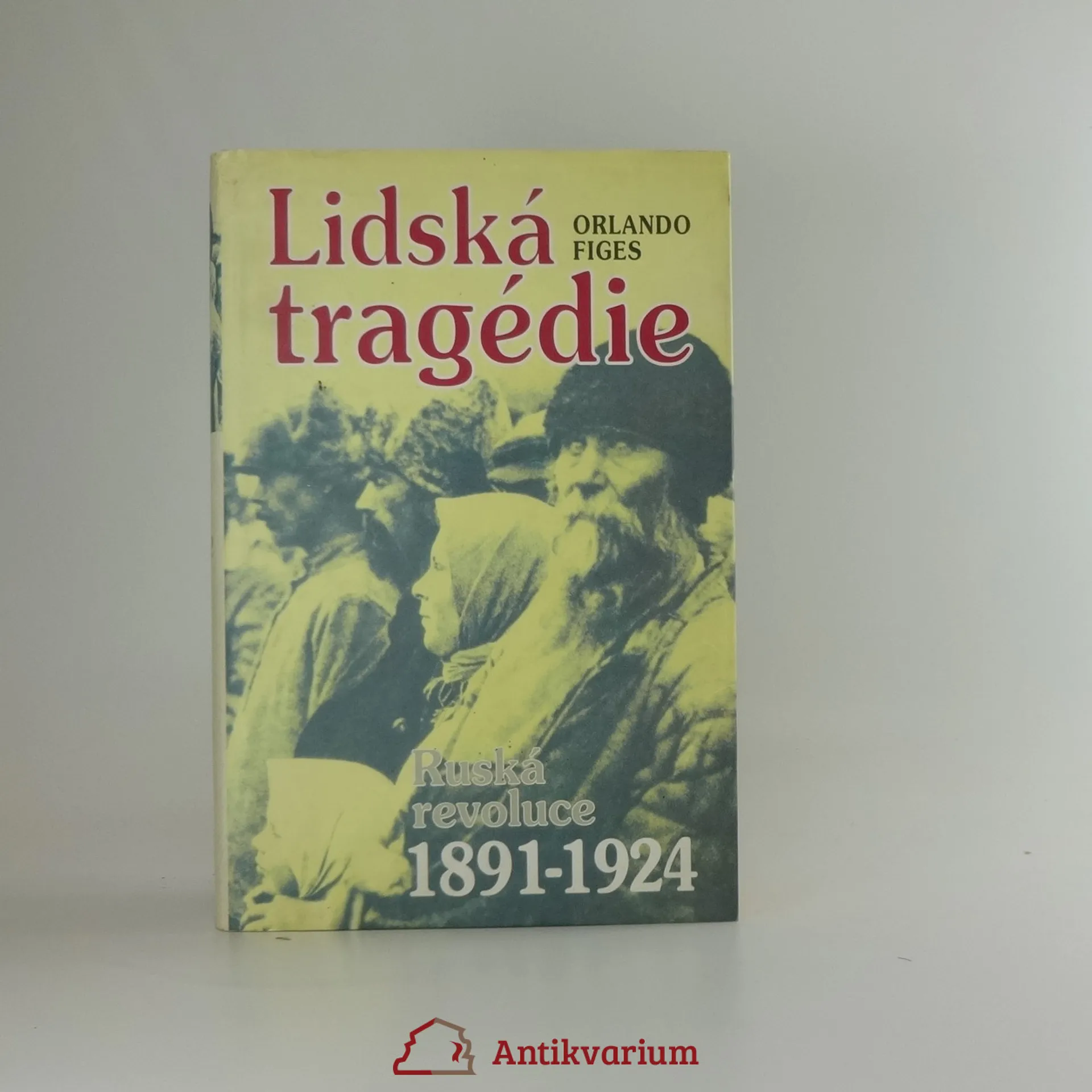
    • Lidská tragédie

      Ruská revoluce 1891-1924

      • 838 pages
      • 30 hours of reading

      Práce renomovaného odborníka na moderní ruské dějiny přibližuje ruskou revoluci v širším časovém záběru - její společenské kořeny a upevňování institutů revoluční moci. Příběh začíná v devadesátých letech devatenáctého století, ve chvíli skutečného počátku revoluční krize, přesněji v roce 1891, kdy reakce veřejnosti na hladomor poprvé vychýlila střelku do směru, který vedl nevyhnutelně ke srážce s carským samoděržavím. Končí v roce 1924 Leninovou smrtí ve chvíli, kdy revoluce opsala celý kruh a kdy byly položeny základy všech hlavních stalinských institucí, ne-li rovnou všech praktik.

      Lidská tragédie
      3.9
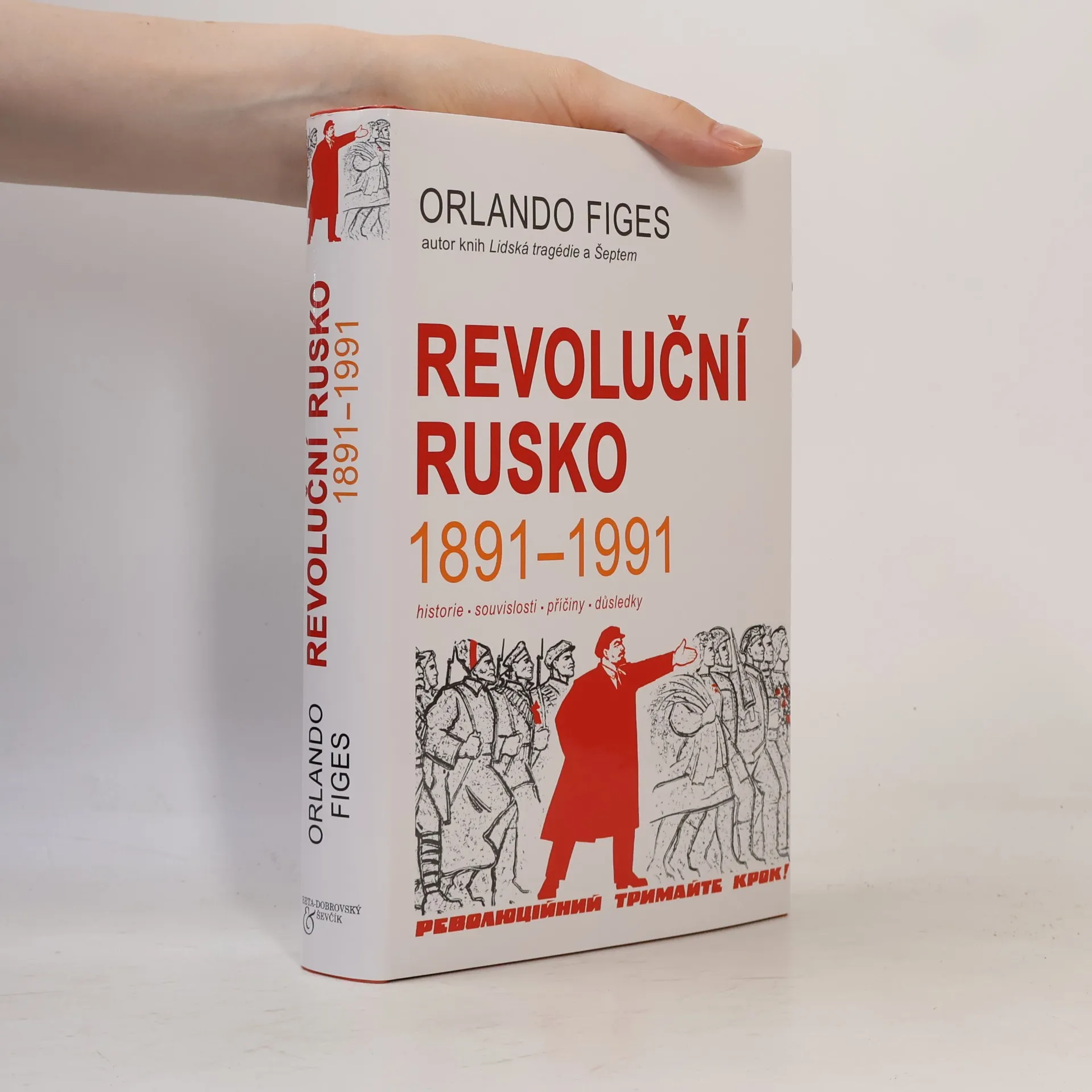
    • Revoluční Rusko 1891-1991

      • 366 pages
      • 13 hours of reading

      Uznávaný odborník Orlando Figes nezkoumá Říjnovou revoluci jako izolovanou událost, ale jako staletý koloběh násilí s utopickými cíli. Ve vytříbeném a pronikavém díle nabízí nečekaný pohled na známé dění. Ukazuje, že revoluce si uchovávala tytéž idealistické cíle od svého počátku v roce 1891 až do roku 1991, kdy se zhroutil Sovětský svaz, protože až do samého konce sovětští vůdci věřili, že jsou nositeli leninských idejí. Figesův text přináší zásadní změnu v přístupu a vyhodnocení jedné z nejvýznamnějších událostí dvacátého století.

      Revoluční Rusko 1891-1991