Founded in 1796, Concord experienced the evolutionary growing pains that many Southern towns faced in the 19th and 20th centuries. Concord has shifted from agricultural hamlet to textile town to a city of progress and innovation, and it is currently the 10th-largest city in North Carolina and home to a population of almost 100,000.
A brewing storm sets the stage for a gripping tale of suspense and tension. As dark clouds gather, characters must confront their fears and secrets, leading to unexpected revelations. The impending weather mirrors the turmoil in their lives, pushing relationships to the brink and testing their resilience. Themes of survival, betrayal, and the search for truth intertwine, creating a captivating narrative that keeps readers on the edge of their seats as they navigate the chaos that unfolds.
Exploring the theme of fear and disorientation, the narrative delves into the psychological impacts of being lost, both physically and emotionally. It examines the characters' struggles as they navigate their surroundings and confront their deepest anxieties. The story unfolds through suspenseful scenarios that highlight the primal instinct for survival and the haunting question of what it truly means to be lost in a world filled with uncertainty.
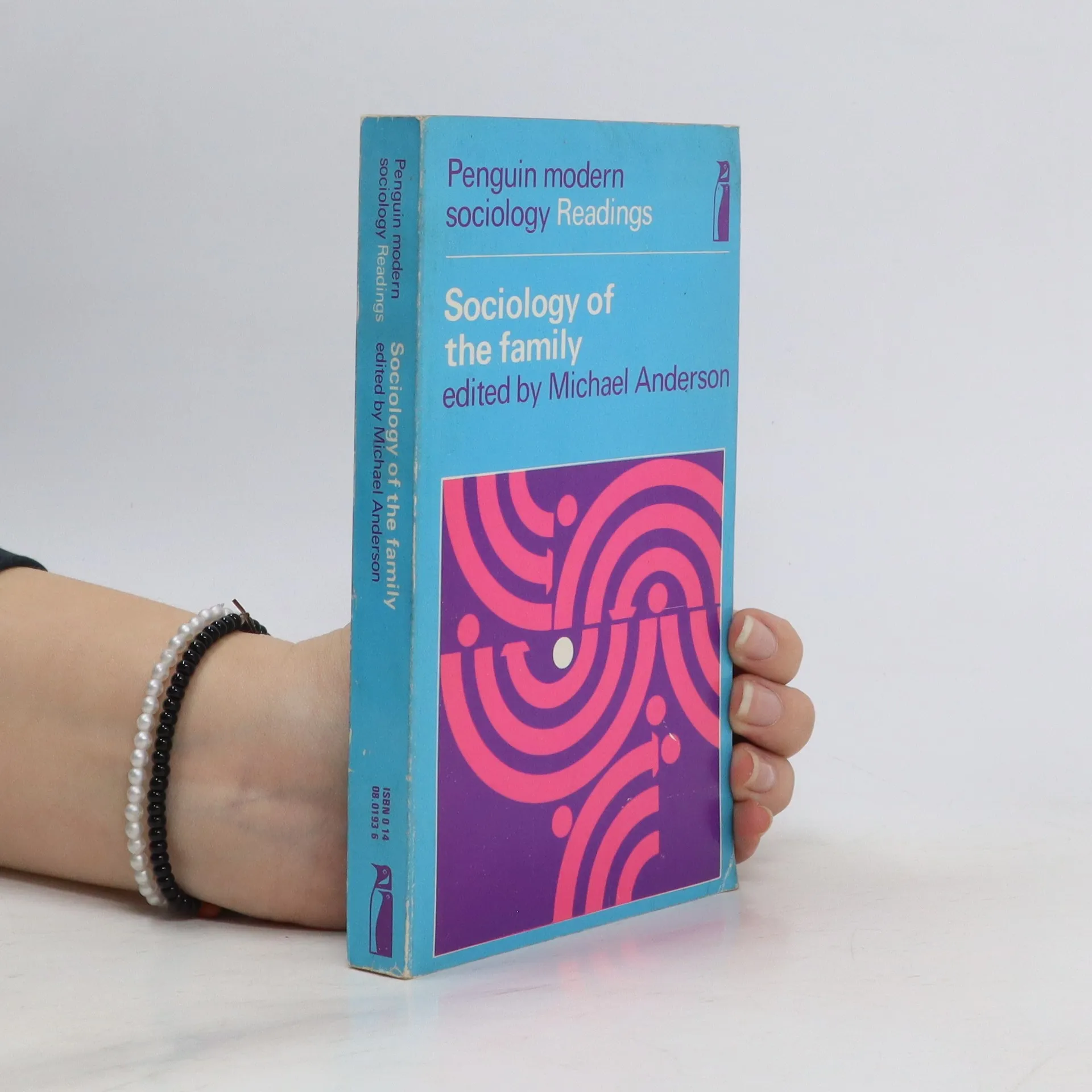
The book offers an in-depth exploration of the evolution of family structures in Western Europe and North America, tracing significant historical shifts and cultural influences. It examines how social, economic, and political changes have shaped familial roles and relationships over time, providing a thorough understanding of the complexities of family life in these regions. Through various historical lenses, it highlights the diverse experiences and transformations of families, making it a valuable resource for those interested in social history.
Exploring the diverse perspectives within Scripture, this book encourages readers to view the differing voices of biblical authors as strengths rather than inconsistencies. Through eight chapters, it compares various authors, highlighting their contradictions while celebrating the richness of theological diversity. By embracing these "blessed contradictions," the work offers fresh insights into understanding God, ethics, and theodicy, inviting a more nuanced appreciation of the Bible's multifaceted nature.
Ellie is a charming elevator with a personality all her own, bringing joy and excitement to the daily lives of those who ride her. As she navigates the ups and downs of her building, Ellie forms connections with the residents, each with their own stories and dreams. Through her adventures, themes of friendship, community, and the importance of small moments are explored, making this a delightful tale for readers of all ages. Ellie's journey highlights how even the simplest things can have a profound impact on people's lives.
Max is a unique dragon who stands out for his inability to breathe fire, setting him apart from his fiery peers. This distinction leads him on a journey of self-discovery, where he learns to embrace his individuality and find his own strengths. Along the way, Max encounters challenges that test his courage and resilience, ultimately revealing that being different can be a source of strength and inspiration.
Exploring the unique characteristics of Antarctica, this book delves into its extreme environment as the highest, driest, coldest, and most isolated continent on Earth. It highlights the breathtaking landscapes, diverse ecosystems, and the challenges posed by its harsh climate. Through vivid descriptions, readers gain insight into the continent's significance for scientific research and its role in understanding climate change. The narrative captures the essence of this enigmatic land, making it a compelling read for those fascinated by natural wonders.
Diagrams 2000, held at the University of Edinburgh from September 1-3, 2000, marked the inaugural event in a new interdisciplinary conference series focused on the Theory and Application of Diagrams. This conference emerged from the recognition of the significant role diagrams play in human communication and the growing use of graphical environments in computing. The study of diagrammatic notations is becoming a distinct research field, intersecting various scientific disciplines such as cognitive science, artificial intelligence, and computer science. Over recent years, several successful workshops have been organized around this theme, including Thinking with Diagrams and Reasoning with Diagrammatic Representations. Diagrams represent both complex cognitive phenomena and advanced computational artifacts, necessitating an interdisciplinary approach for effective study. To foster collaboration and knowledge exchange, the aforementioned workshops merged into Diagrams 2000, aiming to establish a premier international conference series. This initiative seeks to provide a comprehensive forum for researchers from diverse academic backgrounds to explore the nature of diagrammatic representations and their applications in both human cognition and machine processing.