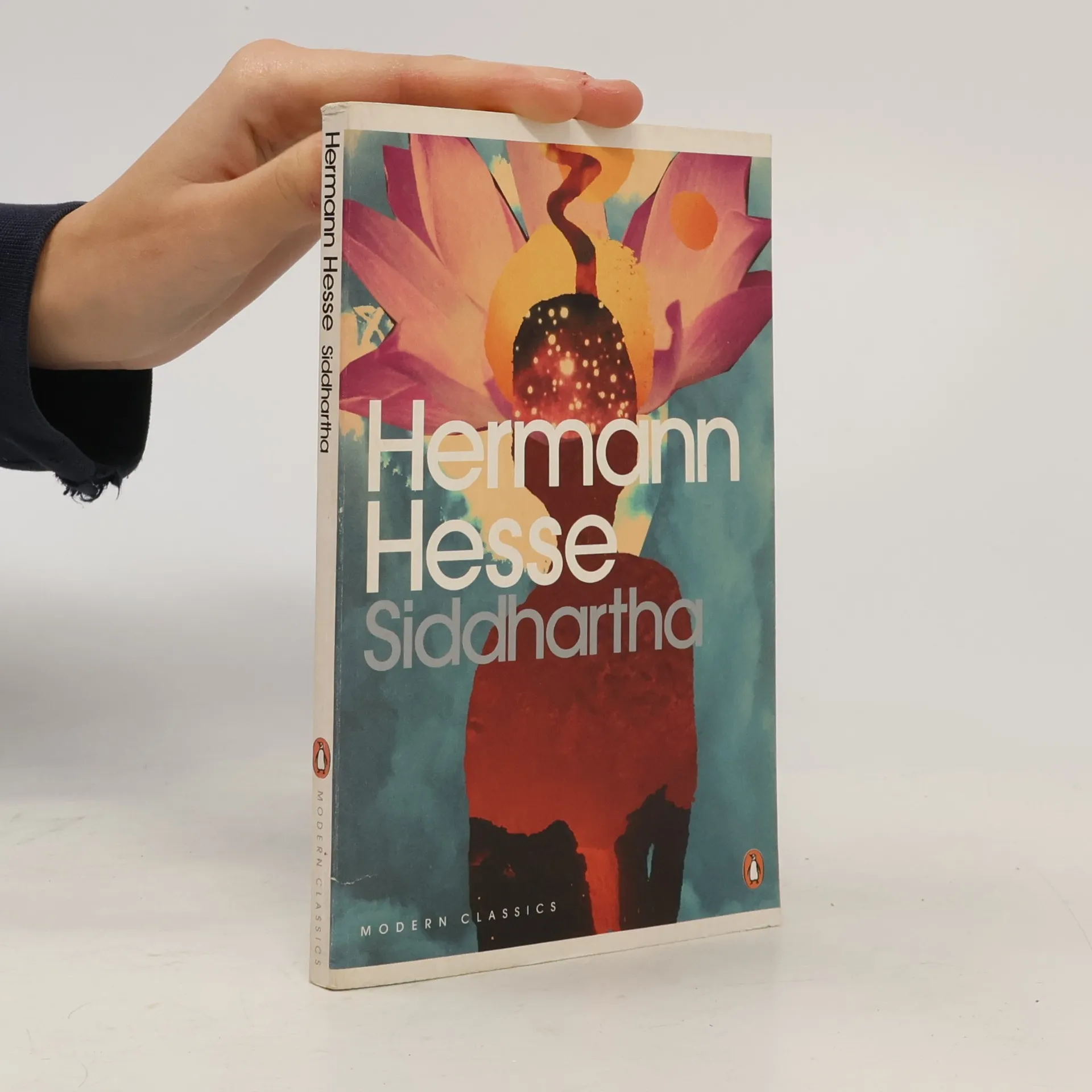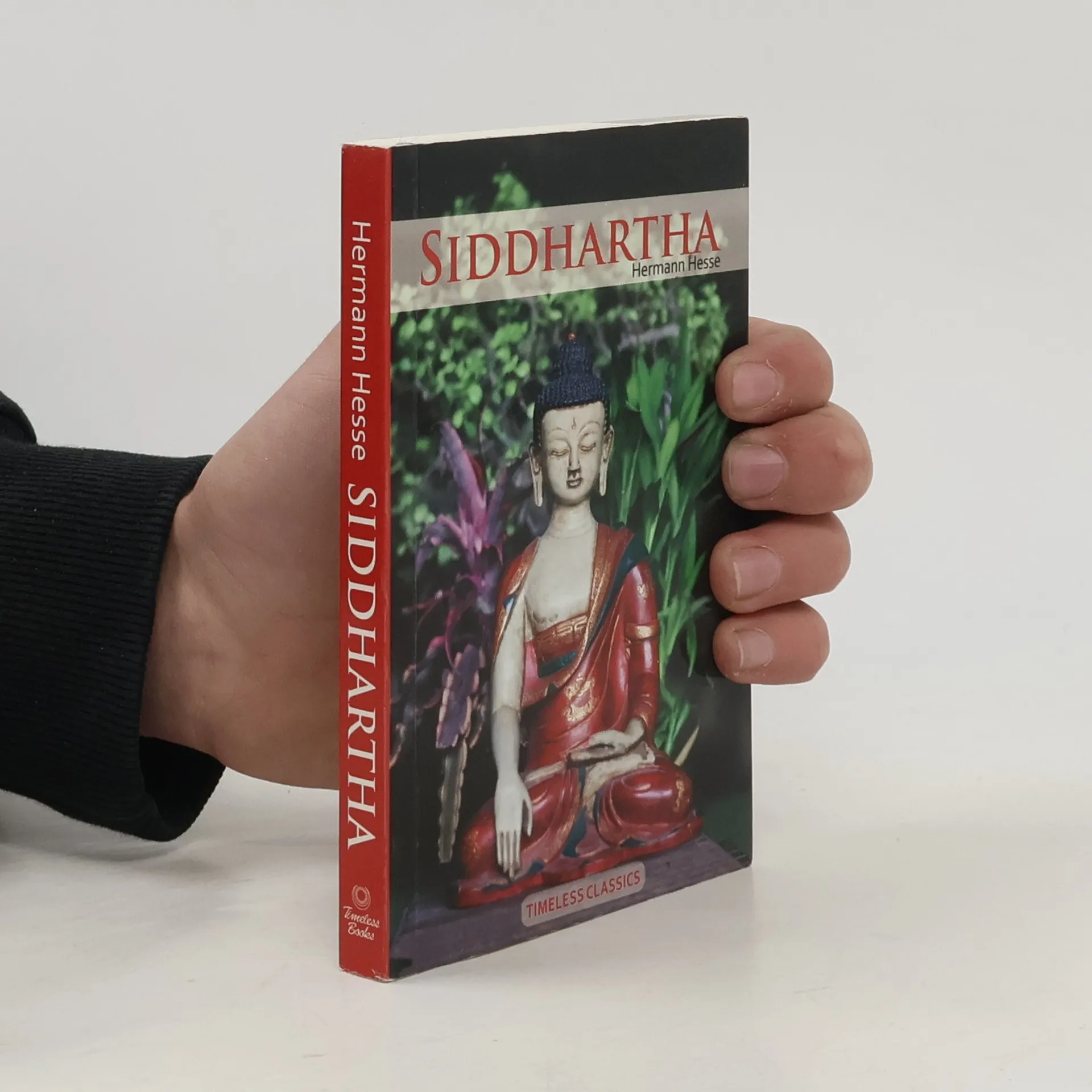



The classic novel of a quest for knowledge that has delighted, inspired, and influenced generations of readers, writers, and thinkers—a perennial favorite for graduation gifts. Nominated as one of America’s best-loved novels by PBS’s The Great American Read Though set in a place and time far removed from the Germany of 1922, the year of the book’s debut, the novel is infused with the sensibilities of Hermann Hesse’s time, synthesizing disparate philosophies–Eastern religions, Jungian archetypes, Western individualism–into a unique vision of life as expressed through one man’s search for meaning. It is the story of the quest of Siddhartha, a wealthy Indian Brahmin who casts off a life of privilege and comfort to seek spiritual fulfillment and wisdom. On his journey, Siddhartha encounters wandering ascetics, Buddhist monks, and successful merchants, as well as a courtesan named Kamala and a simple ferryman who has attained enlightenment. Traveling among these people and experiencing life’s vital passages–love, work, friendship, and fatherhood–Siddhartha discovers that true knowledge is guided from within.

Hermann Hesse Books
Hermann Hesse's literary works delve into the individual's profound search for spirituality and meaning outside societal norms. His narratives, often imbued with a yearning for a more natural existence, resonated deeply with readers seeking alternative paths amidst rapid societal change. Hesse masterfully weaves themes of identity and self-discovery with a distinctive narrative style that has earned him widespread acclaim.


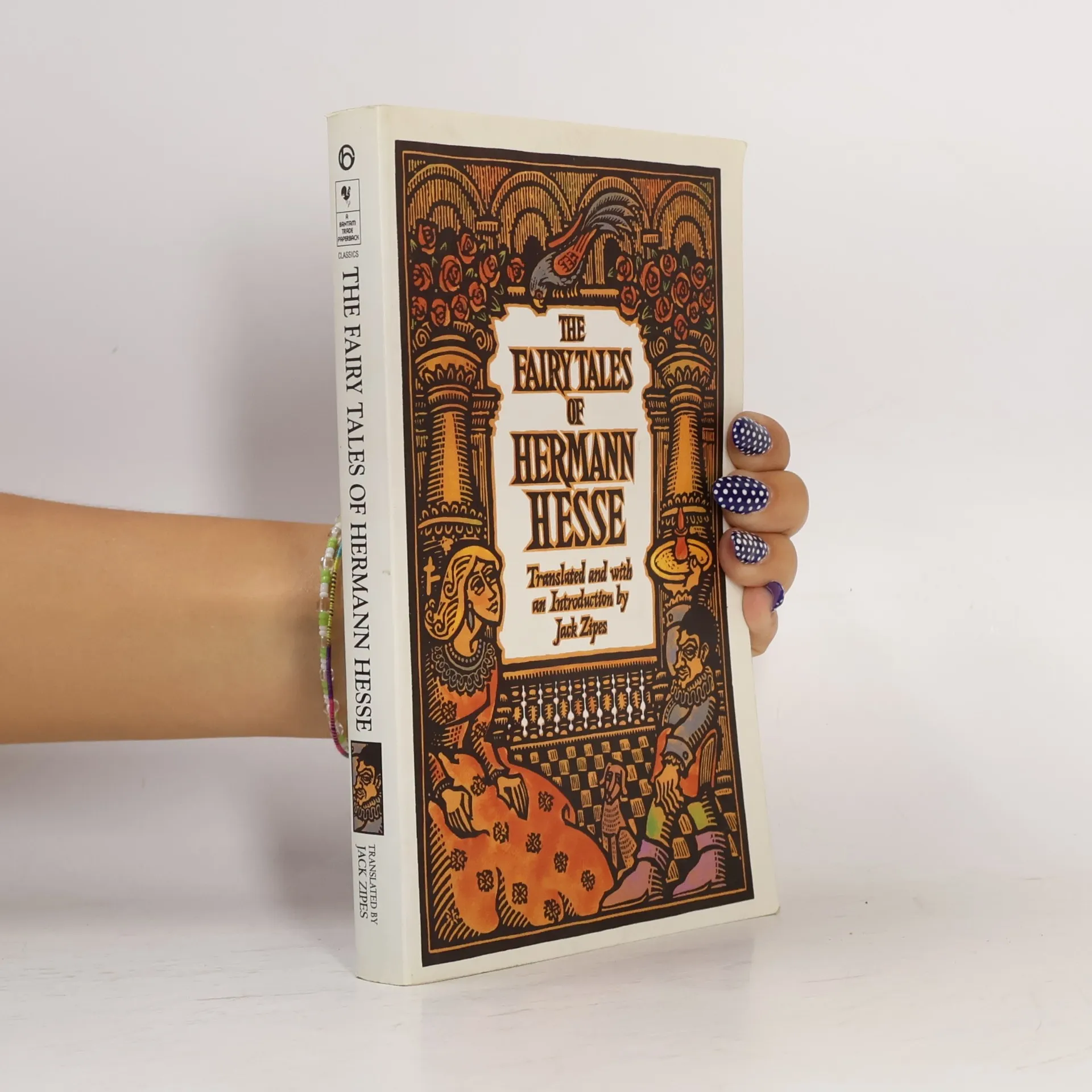
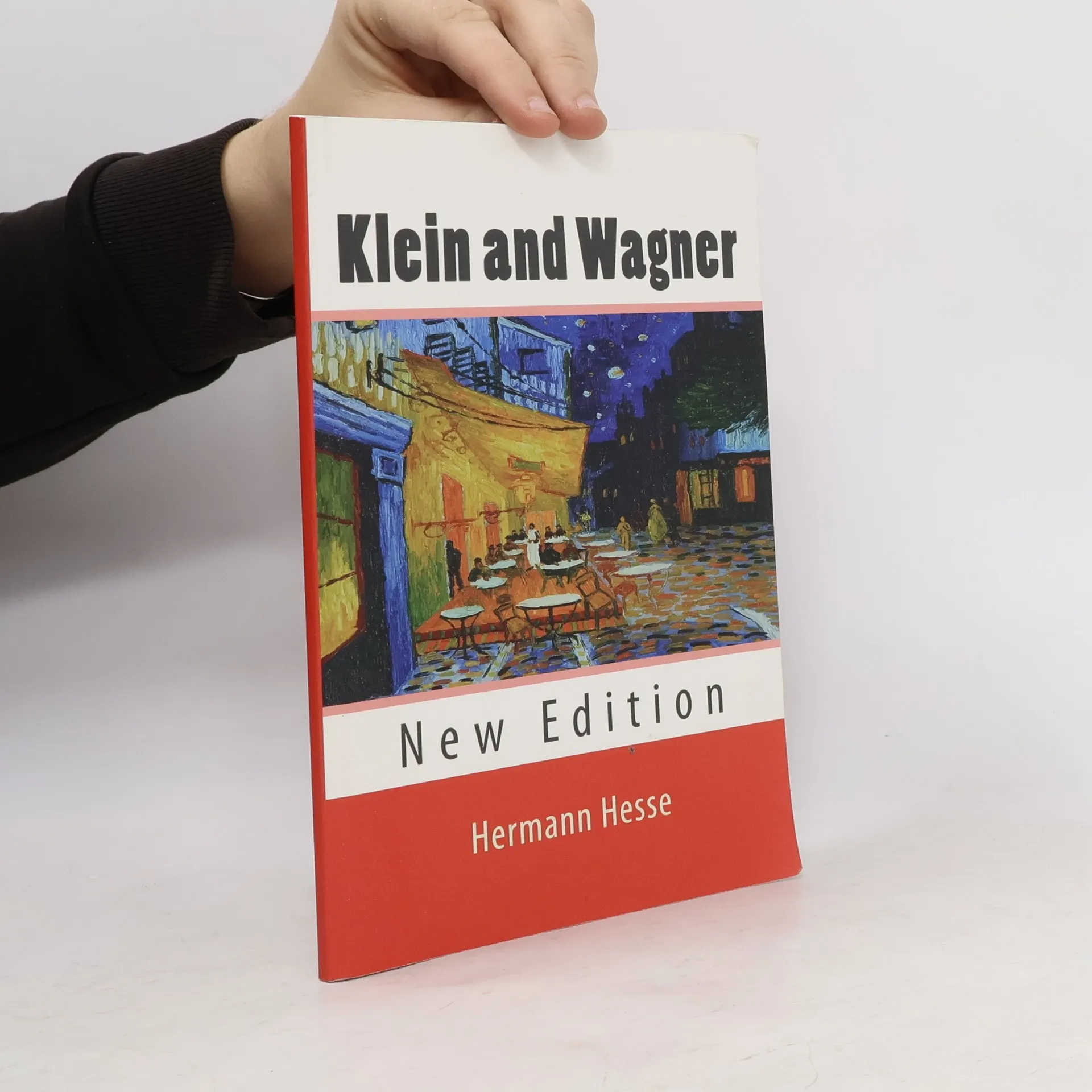
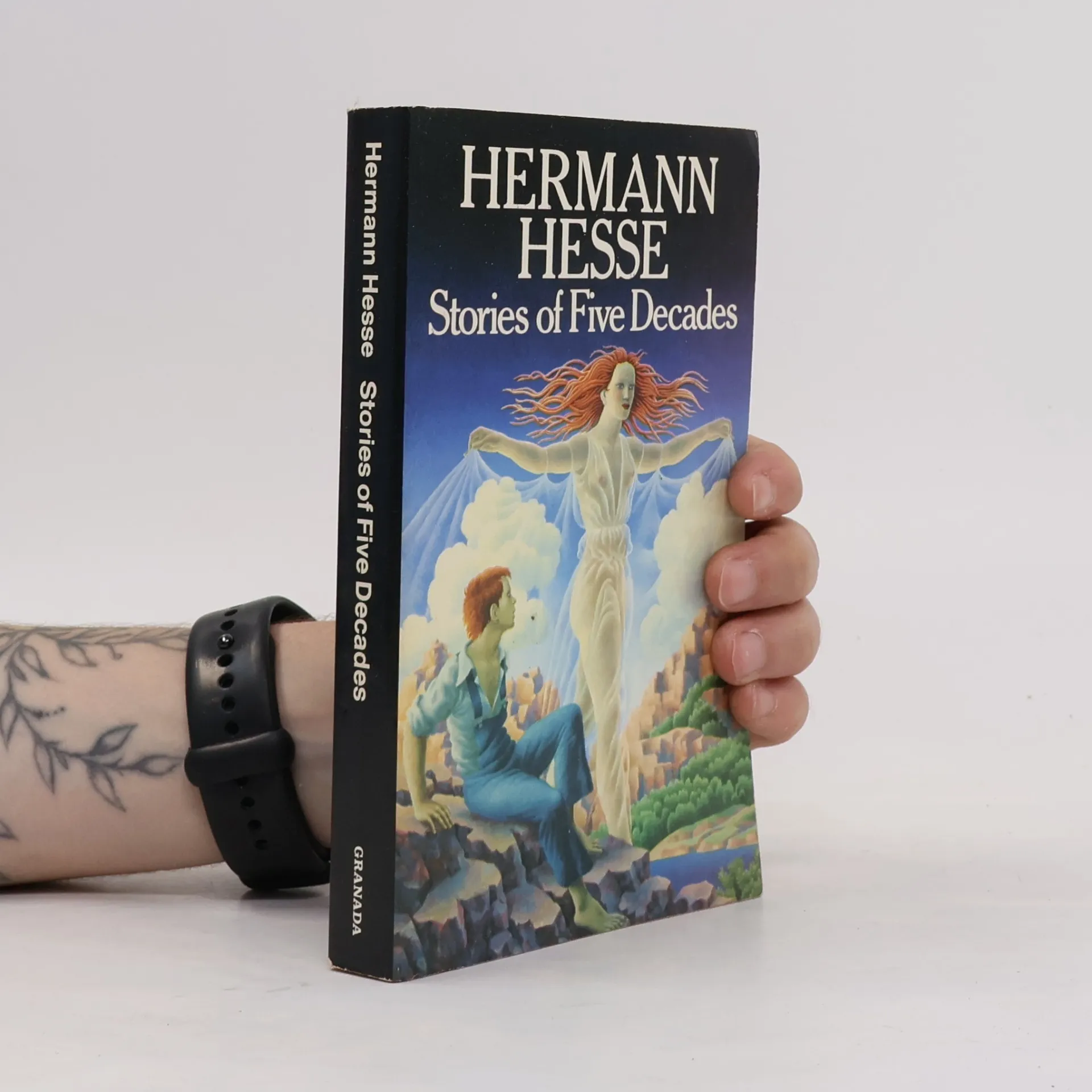
A collection of 23 short stories written during 1899-1948, 20 here translated for the first time: The Island Dream (1899)Incipit vita nova (1899)To Frau Gertrud (1899)November Night (1901)The Marble Workd (1904)The Latin Scholar (1906)The Wolf (1907)Walter Kompff (1908)The Field Devil (1908)Chagrin d'Amour (1908)A Man by the Name of Ziegler (1908)The Homecoming (1909)The City (1910)Robert Aghion (1913)The Cyclone (1913)From the Childhood of St. Francis of Assisi (1919)Inside and Outside (1920)Tragic (1923)Dream Journeys (1927)Harry, the Steppenwolf (1928)An Evening with Dr. Faust (1929)Edmund (1934)The Interrupted Class (1948)
The Seasons of Life
- 160 pages
- 6 hours of reading
A never-before-seen volume of poetry by the preeminent poet laureate Herman Hesse--a beautiful companion to Seasons of the Soul and the author's better-known prose work. Organized into four parts--spring, summer, autumn, and winter--The Seasons of Life relates the transitions in nature to the organic progressions of human life from birth through death. From the mundane to the sublime, the spiritual to the political, and private feeling to expressed opinion, Hesse touches on the range of human experience, inviting the reader to consider both the beauty and what Hesse called the "adversities of life." Beloved by readers as a wise and open friend, Hesse offers in this never-before-translated volume an honest portrayal of a whole life: its lessons and mysteries, its glories and despairs. The poet's voice--so treasured in his novels among a worldwide English-speaking audience--can now be enjoyed through this new translation in the follow-up to Seasons of the Soul.
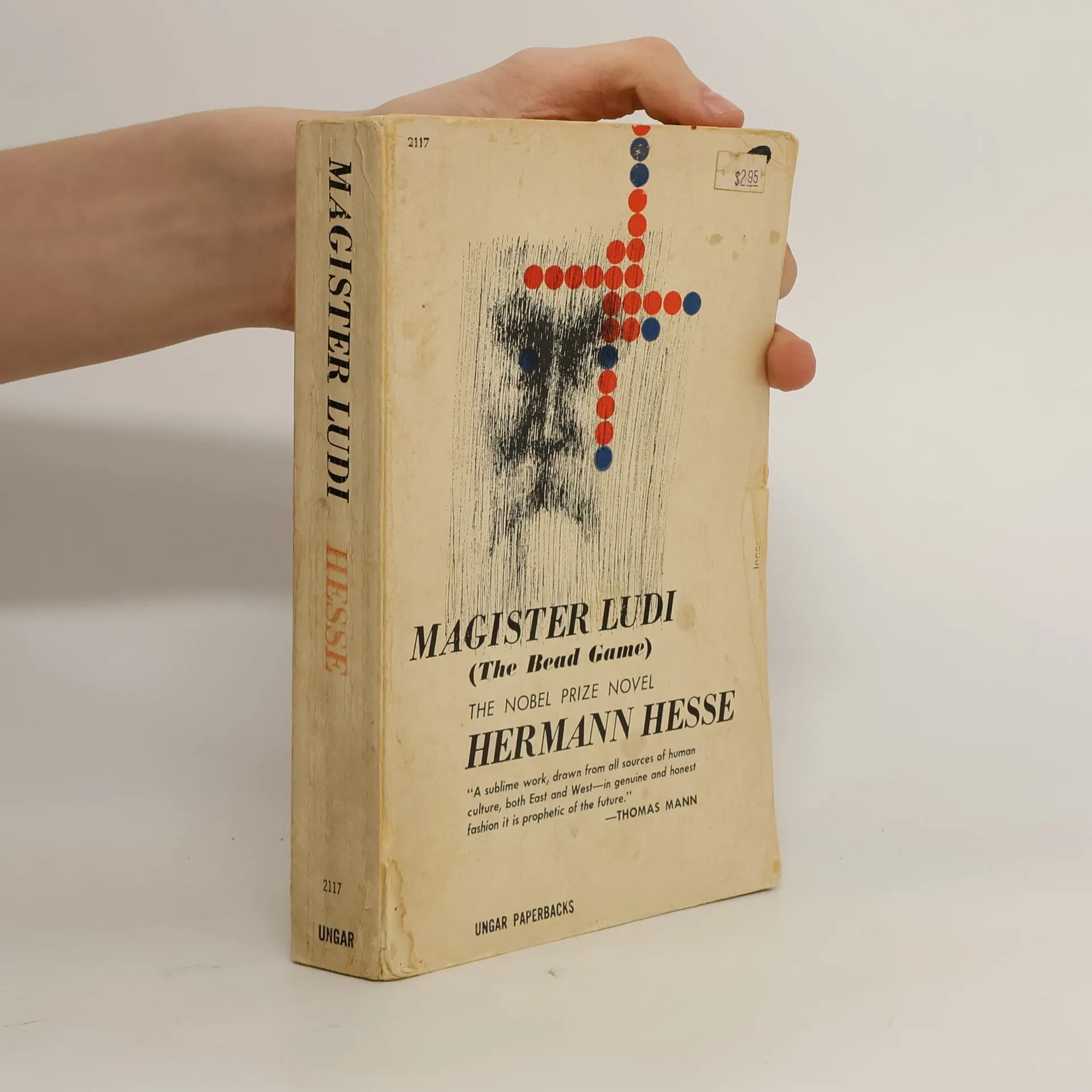
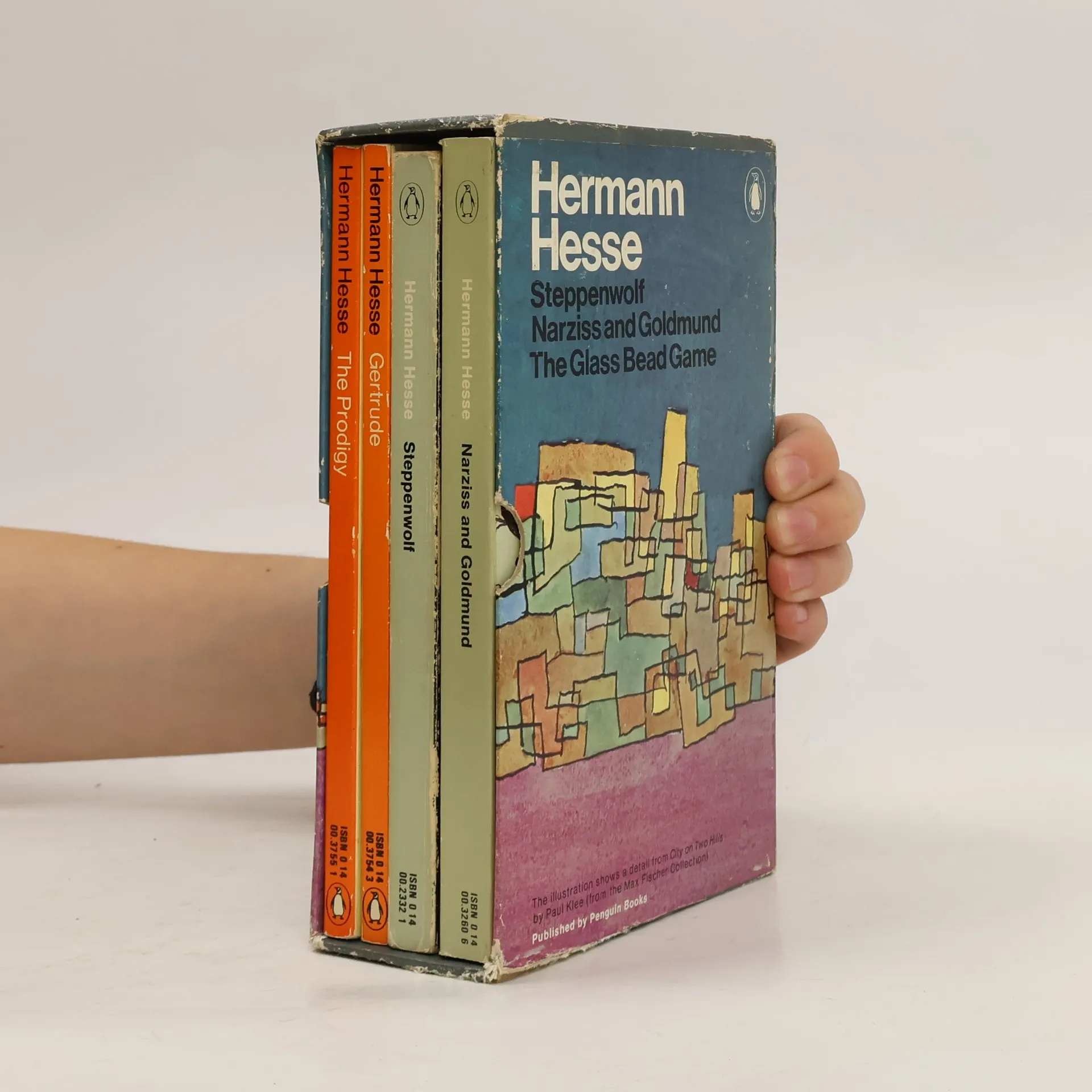
Set in a distant post-apocalyptic future, the narrative revolves around an elite group of intellectuals engaged in an intricate game that synthesizes cultural and scientific knowledge from various eras. This profound exploration of modern life's complexities showcases Herman Hesse at the peak of his creativity, reflecting his philosophical insights. Celebrated by literary figures like Thomas Mann and T. S. Eliot, it stands as a significant work of the twentieth century, encapsulating Hesse's prophetic vision and artistic mastery.
Written in a prose of almost biblical simplicity and beauty, Siddhartha is the story of a soul's long quest for the answer to the enigma of man's role on earth. As a youth, the young Indian Siddhartha meets the Buddha but isn't content with the disciple's role. He must work out his own destiny--a torturous road on which he experiences a love affair with the beautiful courtesan Kamala, the temptation of success and riches, the heartache of struggling with his own son, and finally, renunciation and self-knowledge. The name "Siddhartha" is often given to the Buddha himself--perhaps a clue to Hesse's aims contrasting the traditional legendary figure with his own conception. This new edition of the classic Siddhartha includes The Dhammapada ("Path of Virtue"), the 423 verses attributed to the Buddha himself, which forms the essence of the ethics of Buddhist philosophy.
The Seasons Of The Soul
- 113 pages
- 4 hours of reading
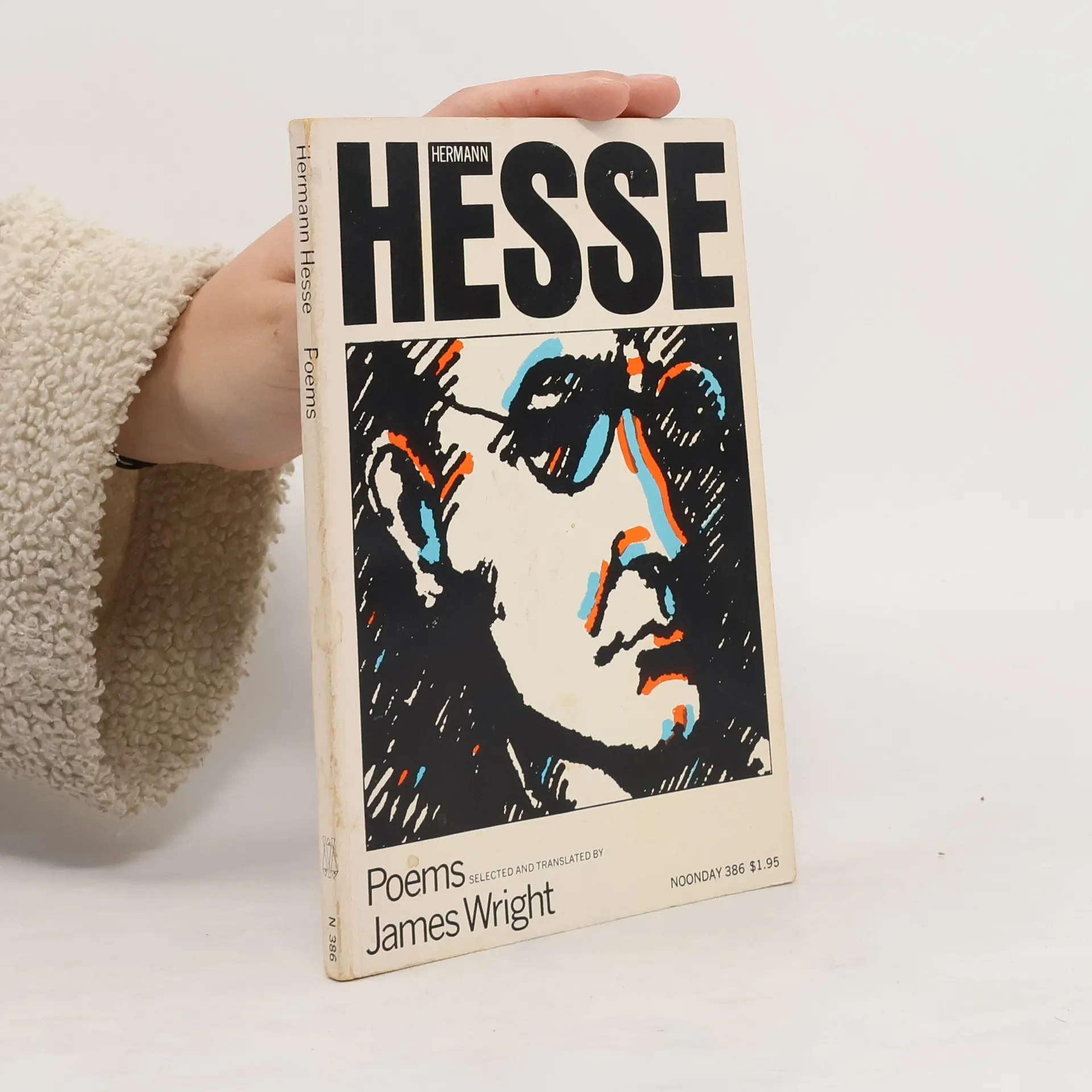
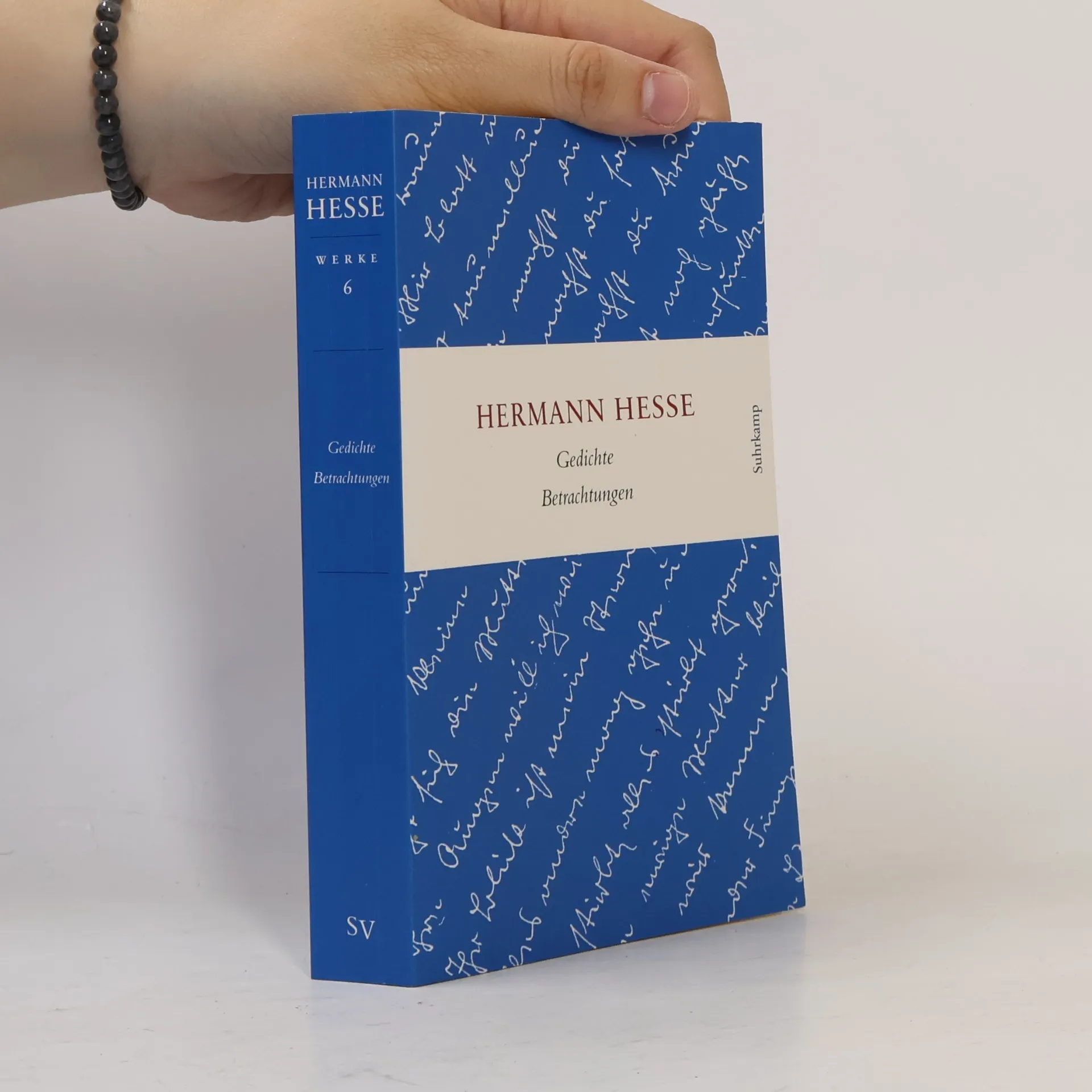
"This volume presents a selection of sixty-eight poems which were written over a time span of sixty-four years"--Provided by publisher
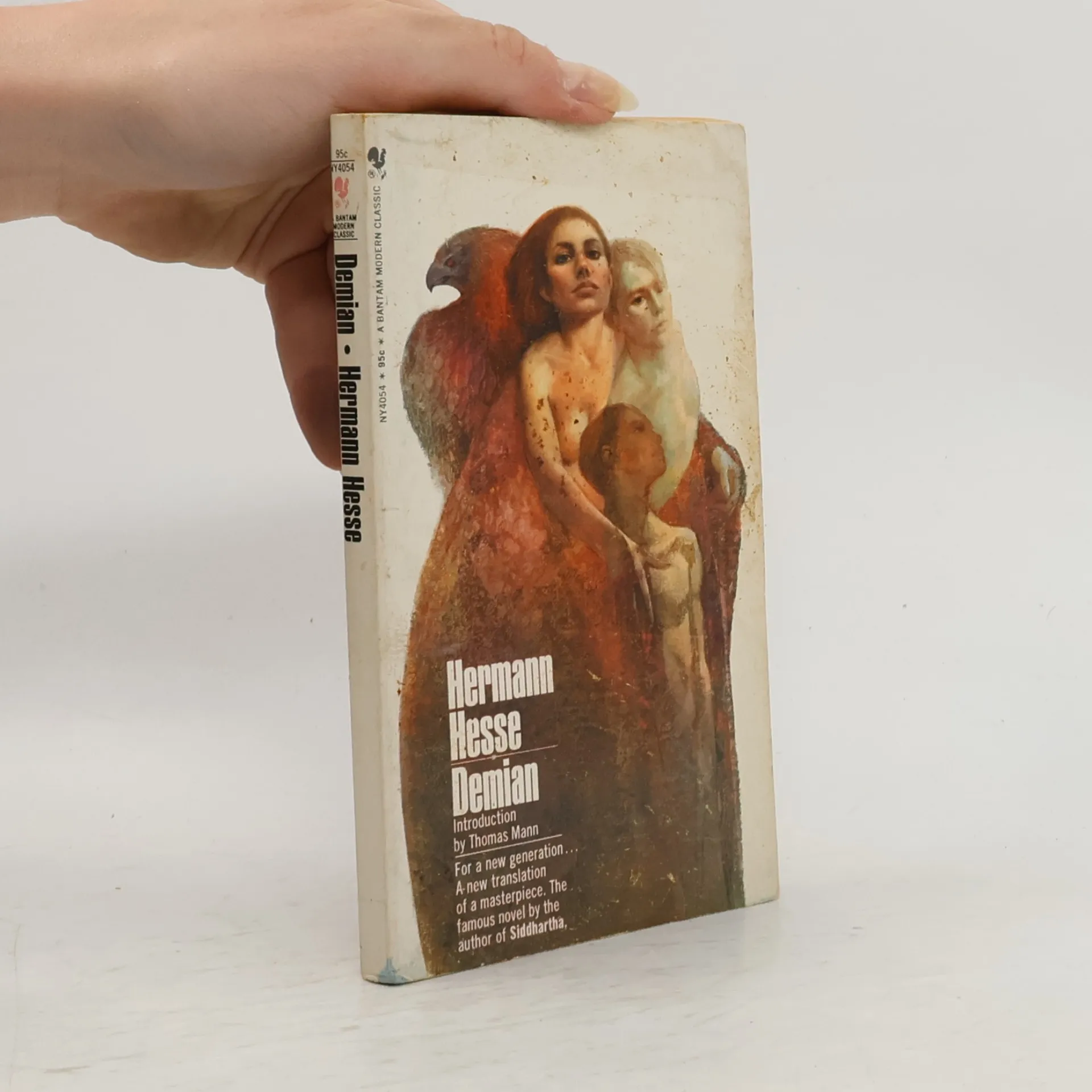
Schoolboy Emil Sinclair boasts of a theft and finds himself blackmailed by a bully. He turns to Max Demain in whom he finds a friend and mentor. Under this strangely self-possessed figure's guidance, Emil discovers a new world of corruption and evil.
Singapore dream and other adventures
- 141 pages
- 5 hours of reading
Hermann Hesse's voyage to the East Indies, recorded in journal entries and other writings translated into English for the first time, describes the experiences that influenced his greatest works. “I knew but few of the trees and animals that I saw around me by name, I was unable to read the Chinese inscriptions, and could exchange only a few words with the children, but nowhere in foreign lands have I felt so little like a foreigner and so completely enfolded by the self-existing naturalness of life’s clear river as I did here.” In 1911, Hermann Hesse sailed through southeastern Asian waters on a trip that would define much of his later writing. Hesse brings his unique eye to scenes such as adventures in a rickshaw, watching foreign theater performances, exploring strange floating cities on stilts, and luxuriating in the simple beauty of the lush natural landscape. Even in the doldrums of travel, he records his experience with faithful humor, wit, and sharp observation, offering a broad vision of travel in the early 1900s. With a glimpse into the workings of his mind through the pages of his journals, poems, and a short story—all translated into English for the first time—these writings describe the real-life experiences that inspired Hesse to pen his most famous works.
Soul of the age
- 347 pages
- 13 hours of reading
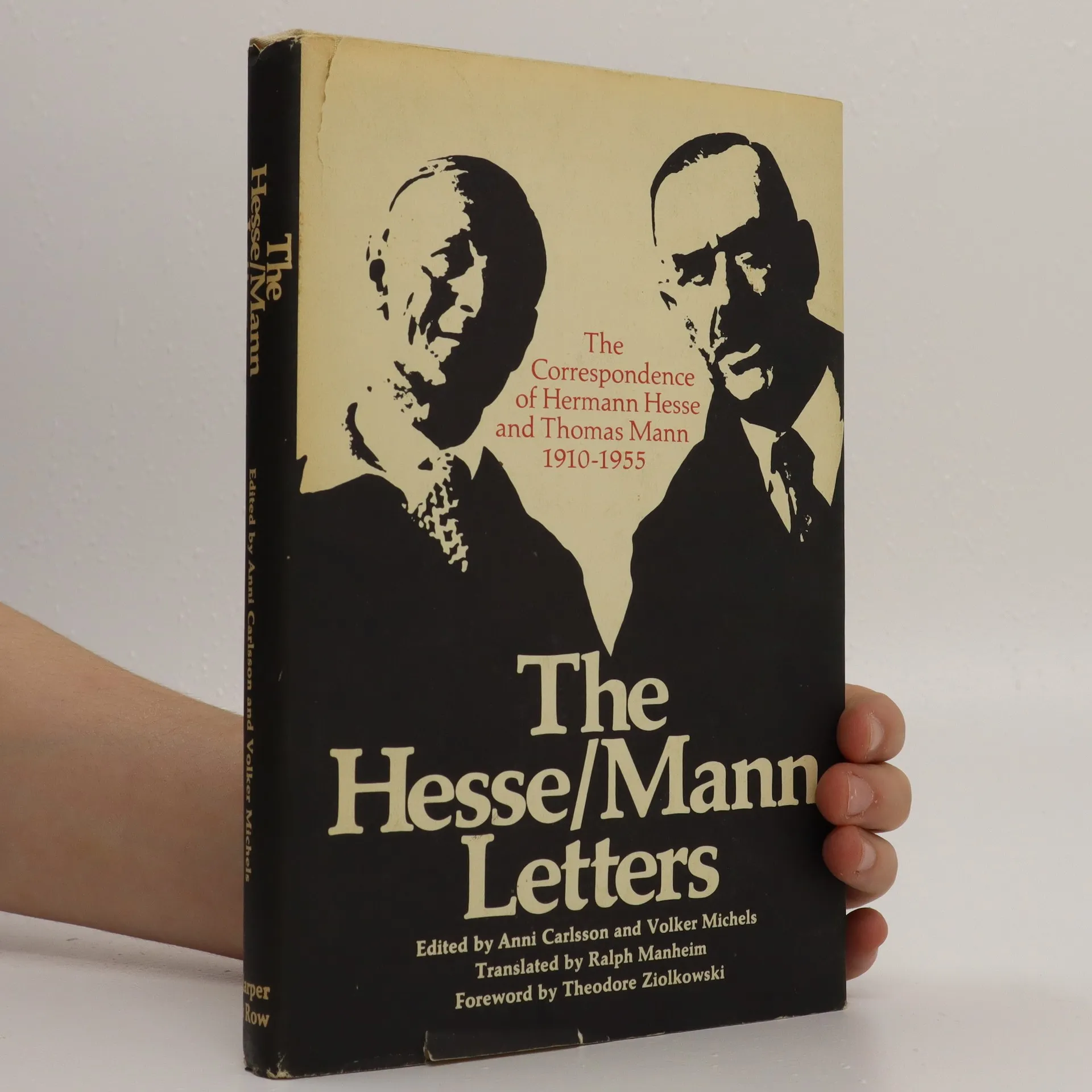
This collection contains some 300 letters (Hesse wrote more than 30,000 during his lifetime) which provide an intimate look at the writer's three marriages and his relationships with his sons, friends, and colleagues, as well as a record of his early resistance to and despair at the two world wars, his interest in contemporary literature, and his love for nature. Steppenwolf, Narcissus and Goldmund, and The glass bead game are among the most widely read novels of this century. Annotation copyrighted by Book News, Inc., Portland, OR
Steppenwolf
- 256 pages
- 9 hours of reading
Steppenwolf is a poetical self-portrait of a man who felt himself to be half-human and half-wolf. This Faust-like and magical story is evidence of Hesse's searching philosophy and extraordinary sense of humanity as he tells of the humanization of a middle-aged misanthrope. Yet this novel can also be seen as a plea for rigorous self-examination and an indictment of the intellectual hypocrisy of the period. As Hesse himself remarked, "Of all my books Steppenwolf is the one that was more often and more violently misunderstood than any other".