

Explore the latest books of this year!
Bookbot

Peter D. Ward

    Peter Douglas Ward is an American paleontologist and professor who delves into mass extinctions and the evolutionary history of life on Earth. In his popular science works, he explores how past climate change events shaped species extinctions, connecting these historical occurrences to future planetary threats. Ward's writing often examines the fragility of life in the universe and the uncommonness of complex life, utilizing the fossil record to understand Earth's evolution and ultimate fate.

    Die große Flut
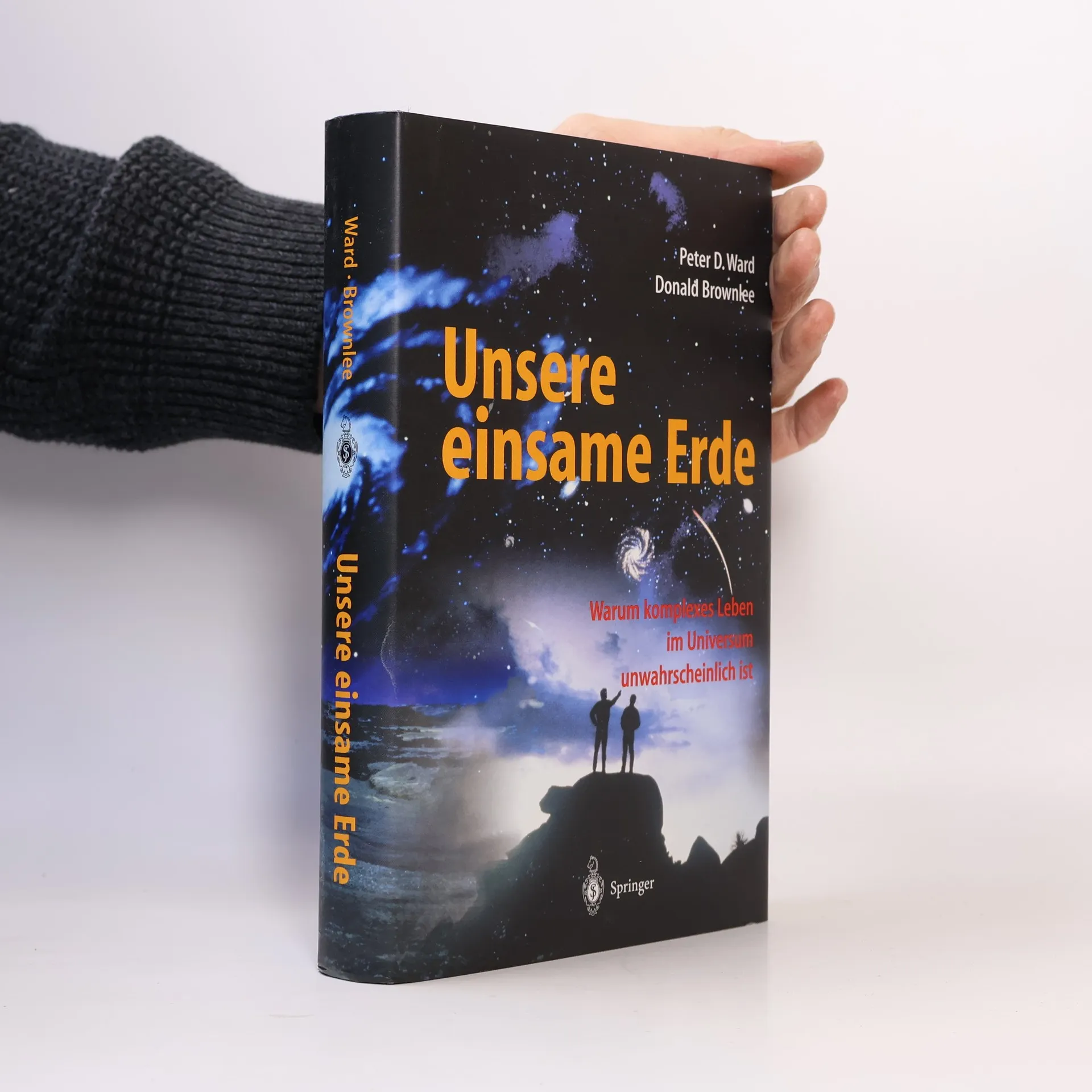
    Unsere einsame Erde
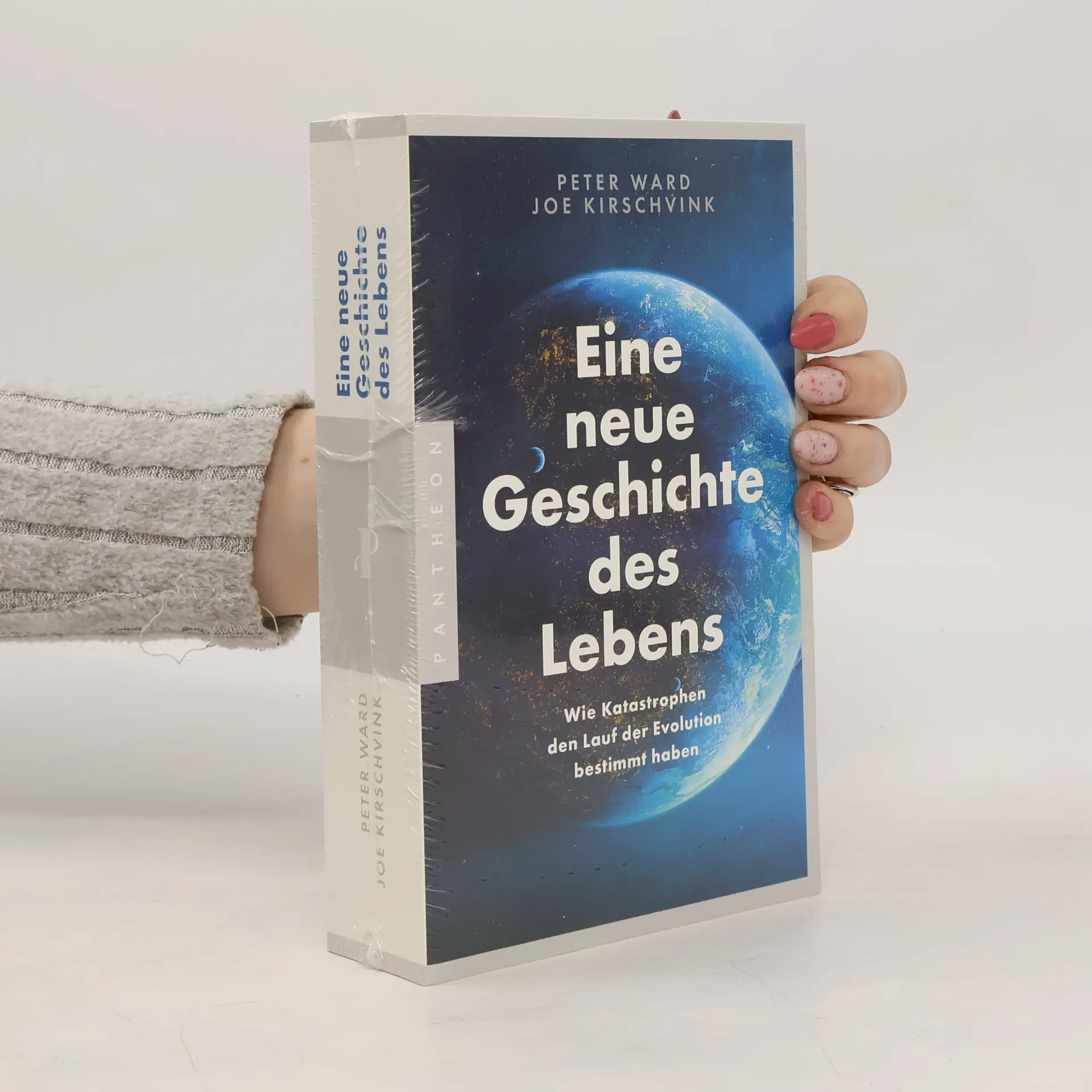
    Eine neue Geschichte des Lebens
    Lamarck's Revenge
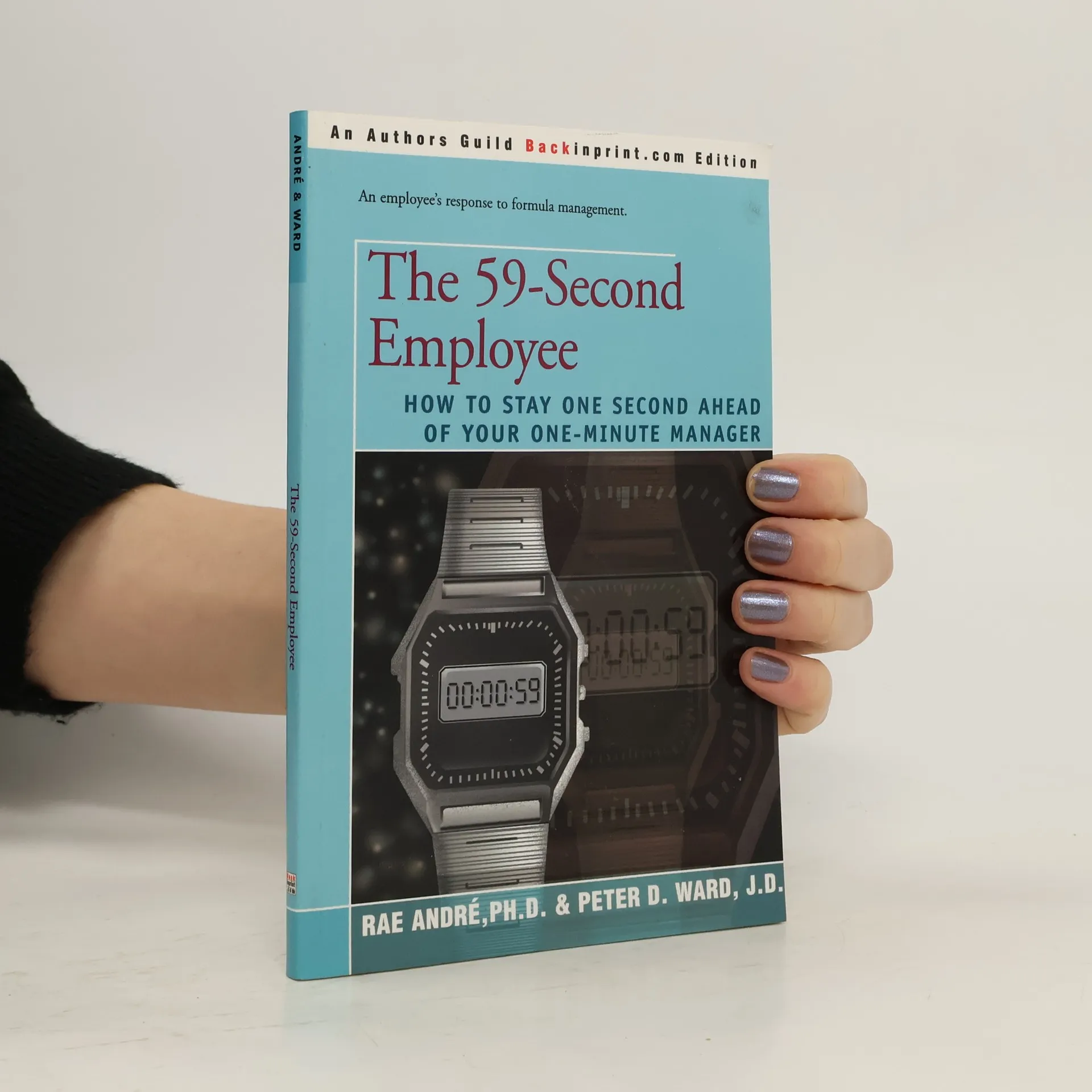
    The 59-Second Employee
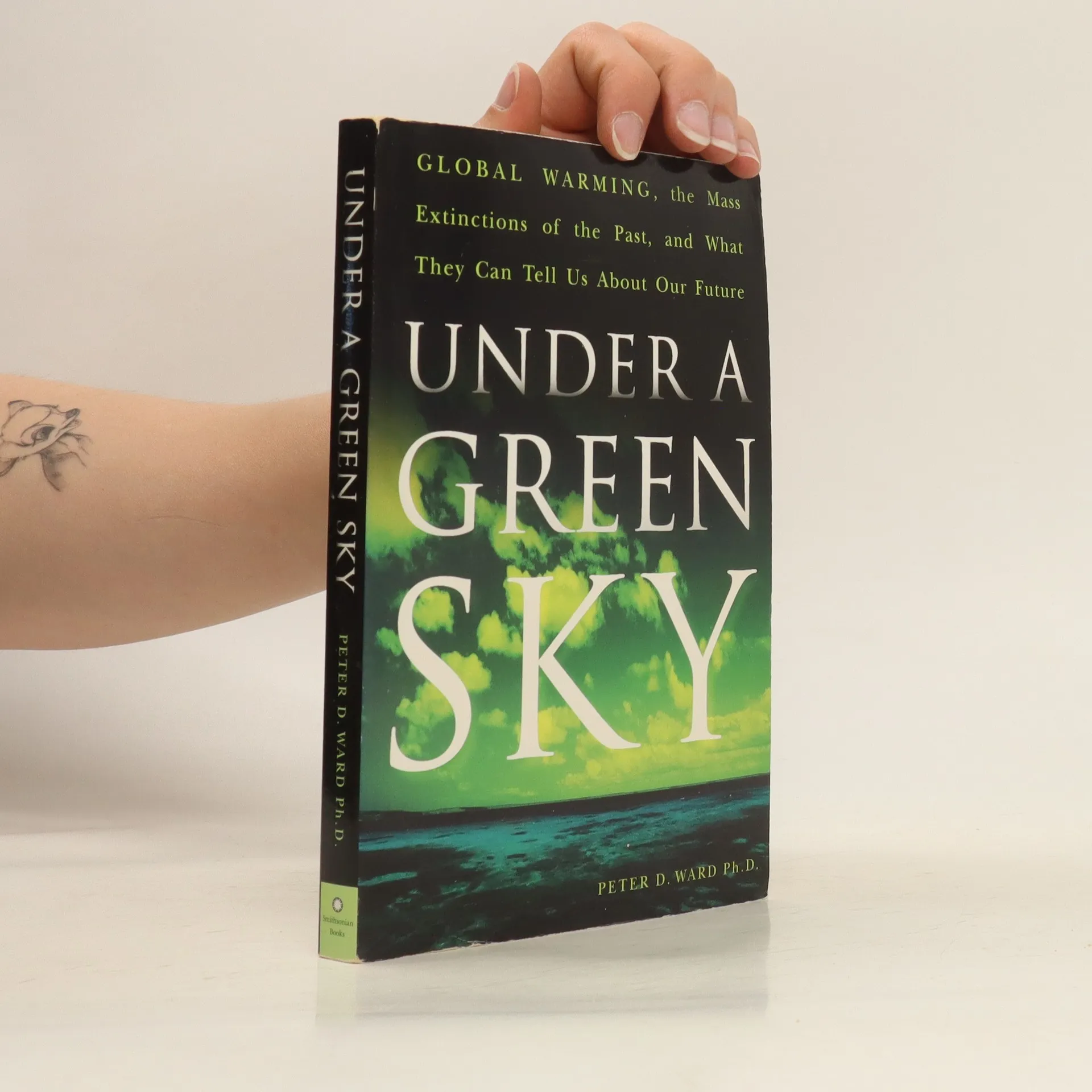
    Under a Green Sky
    • Die große Flut

      Was auf uns zukommt, wenn das Eis schmilzt. Hochwasserschutz im Klimawandel, die Ursachen, Auswirkungen und Lösungen

      Anhaltende Dürren, tobende Stürme, brennende Wälder – wer glaubt, damit seien die Auswirkungen des Klimawandels aufgezählt, irrt: Das Meer wird eine der schwerwiegendsten Bedrohungen für viele Menschen sein. Noch weiß niemand genau, wie hoch das Wasser steigen wird. Doch mit dem Schmelzen der polaren Eiskappen hat ein Prozess begonnen, der immer mehr an Fahrt aufnimmt. Küstenstädte werden überflutet, Ackerland wird durch eindringendes Salz unbrauchbar. Peter D. Ward schaut auf Zeiten zurück, in denen sich die Erde erwärmt hat und die Meere angestiegen sind, und zeichnet daraus ein mögliches Bild für die Zukunft. Ein aufrüttelndes Buch und ein dringender Appell, die Erwärmung nicht über 2 Grad ansteigen zu lassen.
      Die große Flut2021
    • Lamarck's Revenge

      How Epigenetics Is Revolutionizing Our Understanding of Evolution's Past and Present

      • 287 pages
      • 11 hours of reading

      This compelling exploration of epigenetics reveals surprising insights into inheritable traits. Initially described by Jean-Baptiste Lamarck in the 1700s to explain the inheritance of acquired characteristics, epigenetics was overshadowed by Darwin's theory of evolution through genetic mutations in the 1800s. However, natural selection could not fully account for the rapid re-diversification of species after mass extinctions. Recent advancements in DNA and RNA studies have revived interest in epigenetics, demonstrating how a single small molecule can induce significant physical and physiological changes in future generations, influencing where molecules attach in descendants. Peter Ward, a paleontologist and astrobiologist, simplifies this complex process for general readers, using it to reassess the history of our species—from ancient times through the Black Plague to the present—and its impact on our physiology, behavior, and intelligence. Particularly concerning are the chapters detailing current epigenetic changes driven by toxins, environmental pollutants, famine, poor nutrition, and exposure to violence. This eye-opening examination reveals how traits are inherited and how external influences shape what we pass on to future generations.

      Lamarck's Revenge2018
    • - »Eine Erdgeschichte, die so noch nie erzählt worden ist.« DER SPIEGEL Peter Ward und Joe Kirschvink, zwei der renommiertesten Forscher im Bereich der Geowissenschaften, erzählen die Geschichte des Lebens gänzlich neu: So zeigen sie beispielsweise, dass plötzliche Katastrophen eine viel größere Rolle für die Entwicklung des Lebens spielten als bisher angenommen. Was die Dinosaurier wirklich zum Verschwinden brachte und warum es einst wohl eine völlig vereiste Erde gab, zählt ebenso zu ihren neuen Erkenntnissen. Ein beeindruckender Blick auf die Evolutionsgeschichte, darauf, wie das Leben vermutlich begann, aber auch, wie seine Zukunft aussehen könnte.

      Eine neue Geschichte des Lebens2016
      4.0
    • Under a Green Sky

      • 272 pages
      • 10 hours of reading

      More than 200 million years ago, a cataclysmic event known as the Permian extinction destroyed more than 90% of all species and nearly 97% of all living things. Its origins have long been a puzzle for paleontologists, and during the 1990s and the early part of this century a great battle was fought between those who thought that death had come from above and those who thought something more complicated was at work. Paleontologist Peter D. Ward, fresh from helping prove that an asteroid had killed the dinosaurs, turned to the Permian problem, and he has come to a stunning conclusion. In his investigations of the fates of several groups of mollusks during those extinctions and others, he discovered that the near-total devastation at the end of the Permian was caused by rising levels of carbon dioxide leading to climate change. But it's not the heat (nor the humidity) that's directly responsible for the extinctions, and the story of the discovery of what is responsible makes for an fascinating, globe-spanning adventure.

      Under a Green Sky2007
      3.9
    • Unsere einsame Erde

      • 376 pages
      • 14 hours of reading

      Sind wir vielleicht allein im Universum? Die Antworten überraschen und führen den Leser auf eine faszinierende Reise von den vulkanischen Quellen des Ozeanbodens bis zum Jupiter-Mond. „. ein stellares Beispiel präziser Ausdruckskraft.“ (American Scientist)

      Unsere einsame Erde2001
      4.0
    • The 59-Second Employee

      How to Stay One Second Ahead of Your One-Minute Manager

      • 116 pages
      • 5 hours of reading

      The 59-Second Employee is an employee’s response to formula management, an antidote to the quick-fix corporation. It is a little book that speaks volumes about cooperation in management and brings more control to those at the bottom of the corporate ladder. It describes how employees can use one-minute phrasing, reprimands, and goal-setting to their own advantage and how any employee can learn to ‘manage up.’ Originally published by Houghton Mifflin, The 59-Second Employee sold more than 100,000 copies and was reprinted in numerous foreign editions. It was a Publishers Weekly best-selling trade paperback.

      The 59-Second Employee2000
      2.9