

The Trials of a Translator
- 136 pages
- 5 hours of reading
This author was renowned as a Roman Catholic priest, theologian, and writer of detective stories. His literary output encompasses essays and novels, often delving into spiritual themes and intellectual puzzles. His distinctive style and profound meditations on faith and reason resonate throughout his work.


During the WWII bombing of London, Ronald Knox-a priest, radio personality, detective novelist, scholar, and Catholic convert-found himself the chaplain of a girls' school where students were being sheltered. When his existing homilies were exhausted, Knox began to write new ones for his students based on the Apostles' Creed. The homilies were so well-received that they were later published as The Creed in Slow Motion. With resurgent interest in the life and writings of Knox, as well as the changes to the English translation of the Creed, the new edition of this classic could not be more timely. Knox's unpacking of the Apostles' Creed provides an accessible, loving, and witty example of Anglo-Catholic thought at its best.
The narrative explores the personal journey of Msgr. Ronald Knox as he transitions from Anglicanism to Catholicism. It delves into his awakening from a complacent faith, his efforts to rationalize his previous beliefs, and ultimately his quest for truth. Knox contrasts the nature of Catholicism, which he views as a teachable system of belief, with Anglicanism, which he describes as more of a tradition and feeling deeply rooted in cultural and familial ties. This reflection highlights the complexities of faith and the search for deeper understanding.
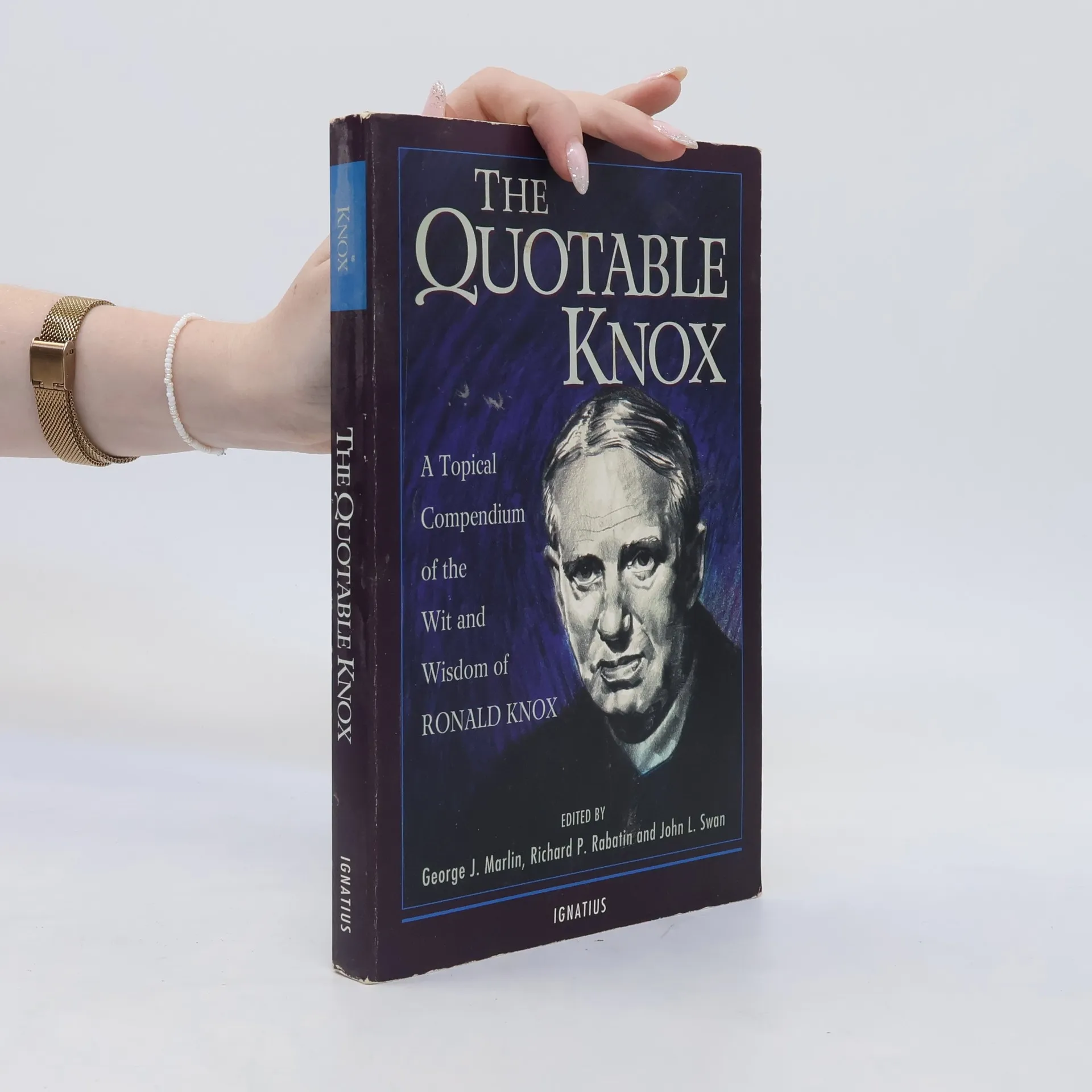
A Topical Compendium of the Wit and Wisdom of Ronald Knox
Monsignor Ronald Knox was a scholar, preacher, essayist, poet and mystery writer who, throughout his long career, always defended the common man against the elite's latest fads and vices. This book provides quotes from the variety of Knox's numerous works to give readers a sense of that Orthodox tradition. Also included is a bibliography of Knox's works, indices of sources and topics, and an introduction to the life and works of Knox by Monsignor Eugene Clark.

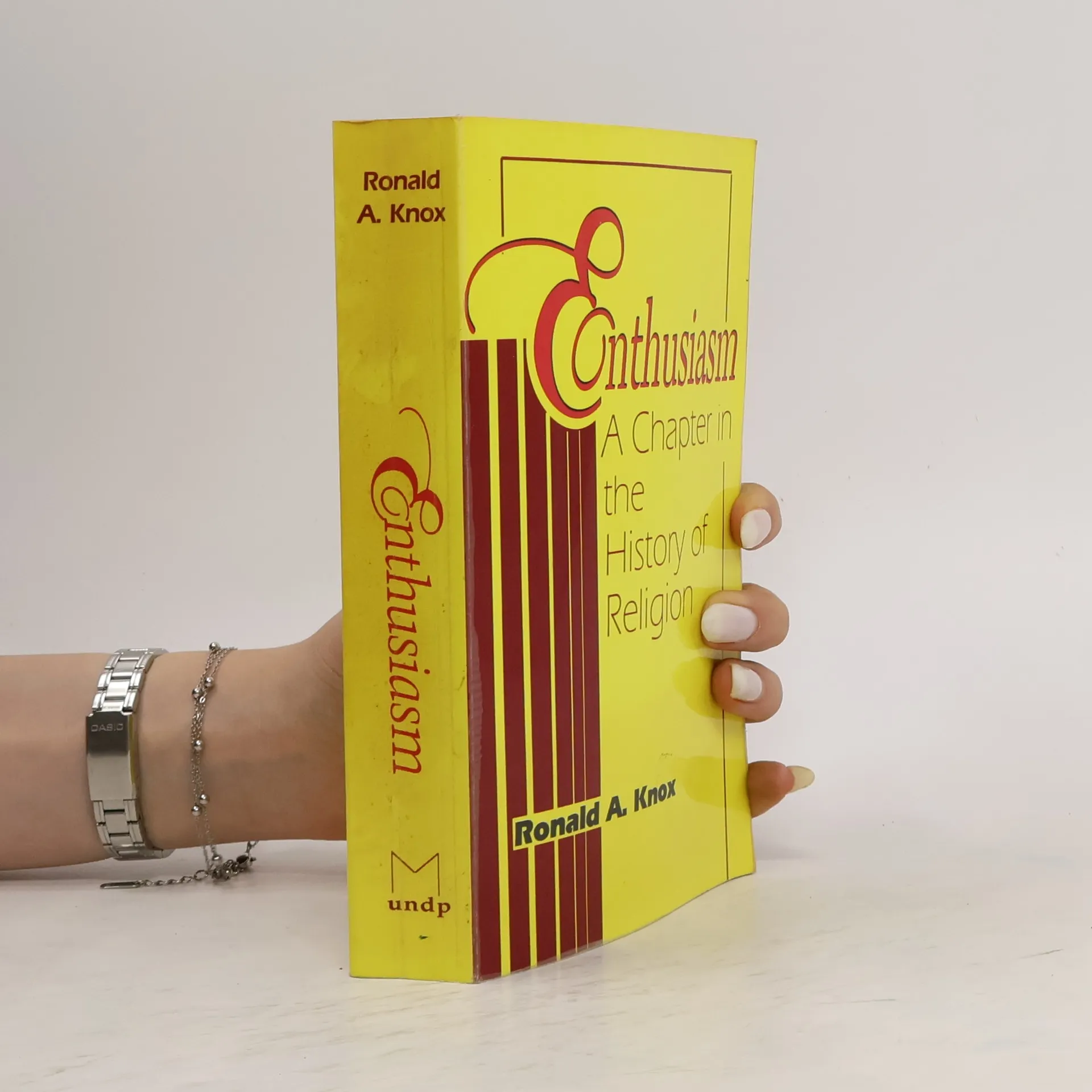
A Chapter in the History of Religion : with Special Reference to the XVII and XVIII Centuries
Originally published: New York: Oxford University Press, 1950.
„Die von Ronald Arbuthnott Knox im Mai 1932 im “Magazin der aktuellen Ewigkeitswerte„, dem “Querschnitt„, veröffentlichte Variante “Psychoanalyse des Struwwelpeters„, läßt sich leicht als Vorläufer des Anti-Struwwelpeters von 1970 lesen unter dem Motto “. und wenn die Zivilisation Erkenntnis und Disziplin des Triebes bedeutet, so ist die Menschlichkeit durch Ironie am sichtbarsten". Knox führt uns die bekannten Geschichten des Struwwelpeters in zehn Fallgeschichten in geistreicher Analyse vor. In aufklärerischer Ironie deckt Knox die bloß wissenschaftlich angewendete Technik der Psychoanalyse in ihrer unzulänglichen Beliebigkeit auf, zeigt, wie die von Dr. Sigmund Freud grundgelegte Technik von seinen Epigonen zur Methode ausgeleiert wurde. Knox' humorvolle Wissenschaftskritik zeig tund menschliche Tragödien, ungeahnte seelische Tiefen und Krisen aller Protagonisten des Struwwelpeters, die uns so und auch anders in unserem heutigen Alltag sehr vertraut erscheinen". Rolf -Peter Baacke
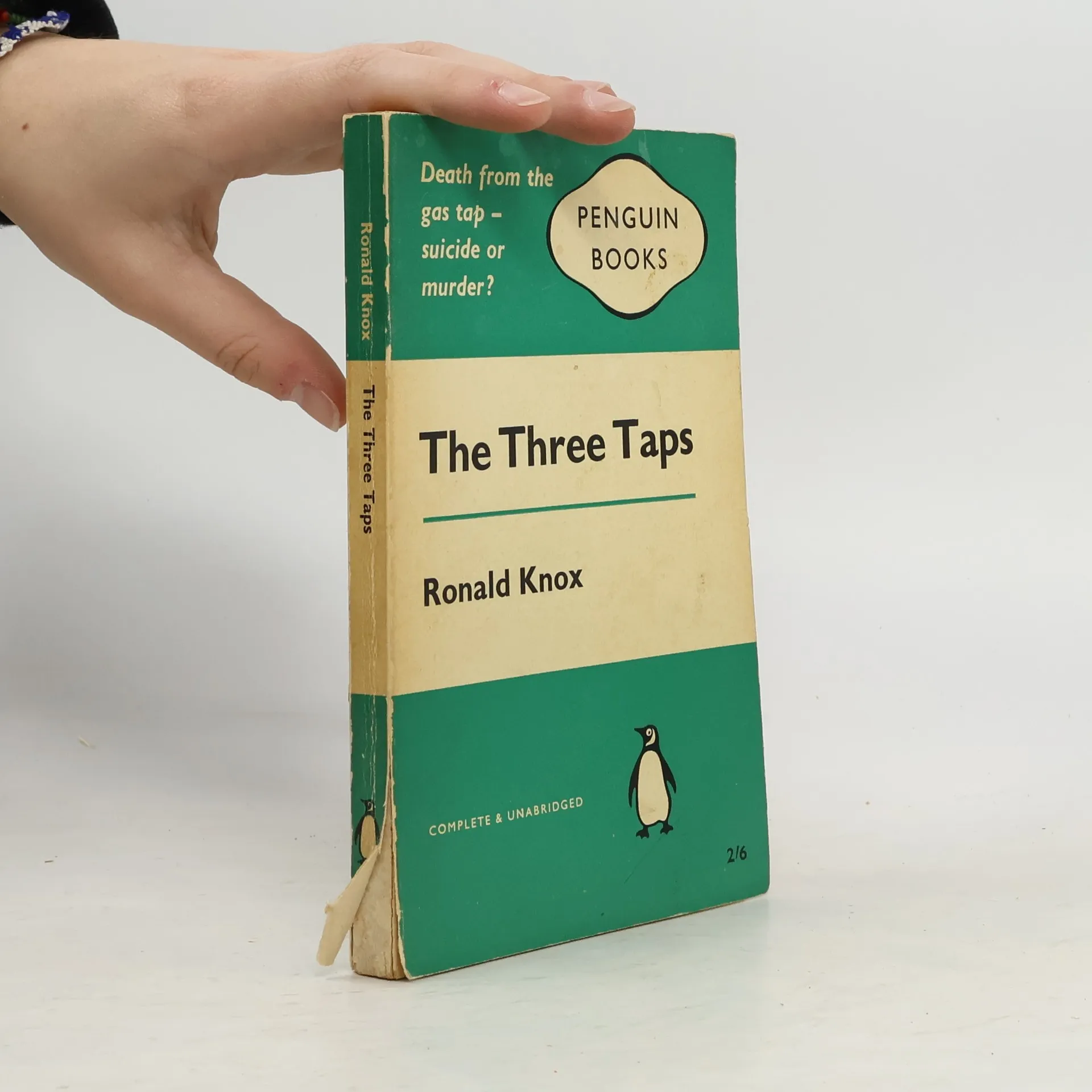
The business of death has given insurance investigator Miles Bredon a unique outlook on life in this witty Golden Age mystery. Jephthah Mottram has been given some bad news from his doctor. The very rich man has only two years left to live. But he doesn’t even make it that far. While on a fishing holiday in the Midlands of England, he’s found dead of an apparent suicide by gas. Sadly, that would be the best-case scenario for Indescribable Insurance, which wouldn’t have to pay out the benefits. To that end, the company sends out its own private detective to investigate the matter. Arriving at the Load of Mischief Inn, Miles Bredon is met by a policeman with whom he served in the war, who has his own theory about the tragedy—and it is murderous. The two men make a friendly wager over who will prove their case, never expecting just how much greed and vanity can complicate a life—and a death . . .