

On the 60th anniversary of the bombing that claimed Naomi's young mother in Obasan, Joy Kogawa revisits her second novel—Itsuka—now retitled Emily Kato In Obasan, Naomi's childhood was torn apart by Canada's betrayal of Japanese Canadian citizens during the 1940s. Years later, living quietly as a schoolteacher in the prairies, Naomi suffers the passing of the dear aunt and uncle who raised her, and her wounds are reopened. But Naomi's other aunt—the feisty Emily Kato—convinces her to move to Toronto and encourages her to become involved in the Japanese Canadian fight for redress. Politically charged and intimately poetic, Emily Kato tells the story of one community's struggle for justice, extraordinary commitment, and profound hope.
Joy Kogawa Books
Joy Kogawa is an author whose work delves into themes of injustice and cultural identity. Her writing often draws from personal experience with the forced internment of Japanese Canadians during World War II. Through her poetry and prose, she explores the complexities of history and the search for belonging. Kogawa is also dedicated to educating the public and preserving the memory of the Japanese Canadian community.
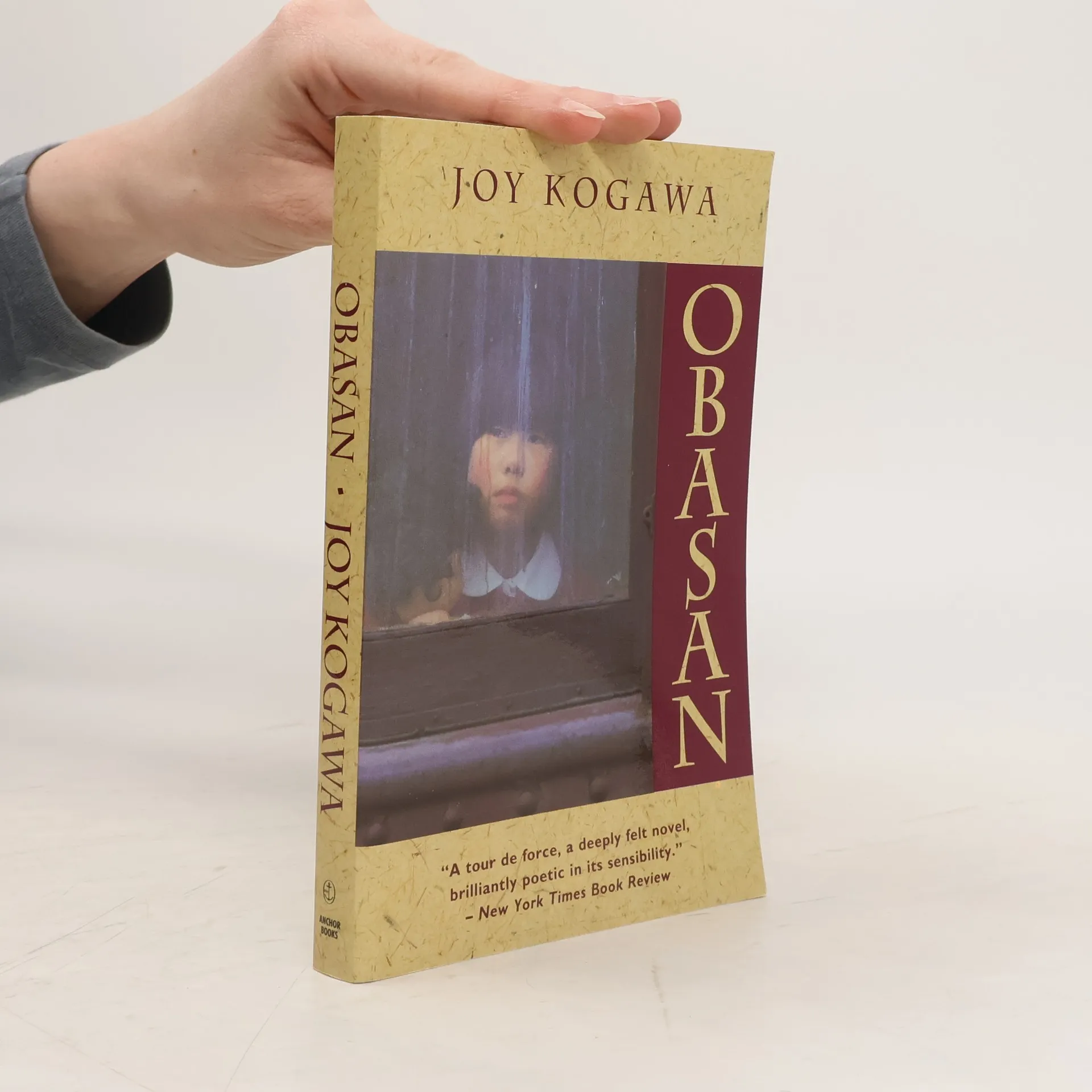

Winner of the American Book AwardBased on the author's own experiences, this award-winning novel was the first to tell the story of the evacuation, relocation, and dispersal of Canadian citizens of Japanese ancestry during the Second World War.
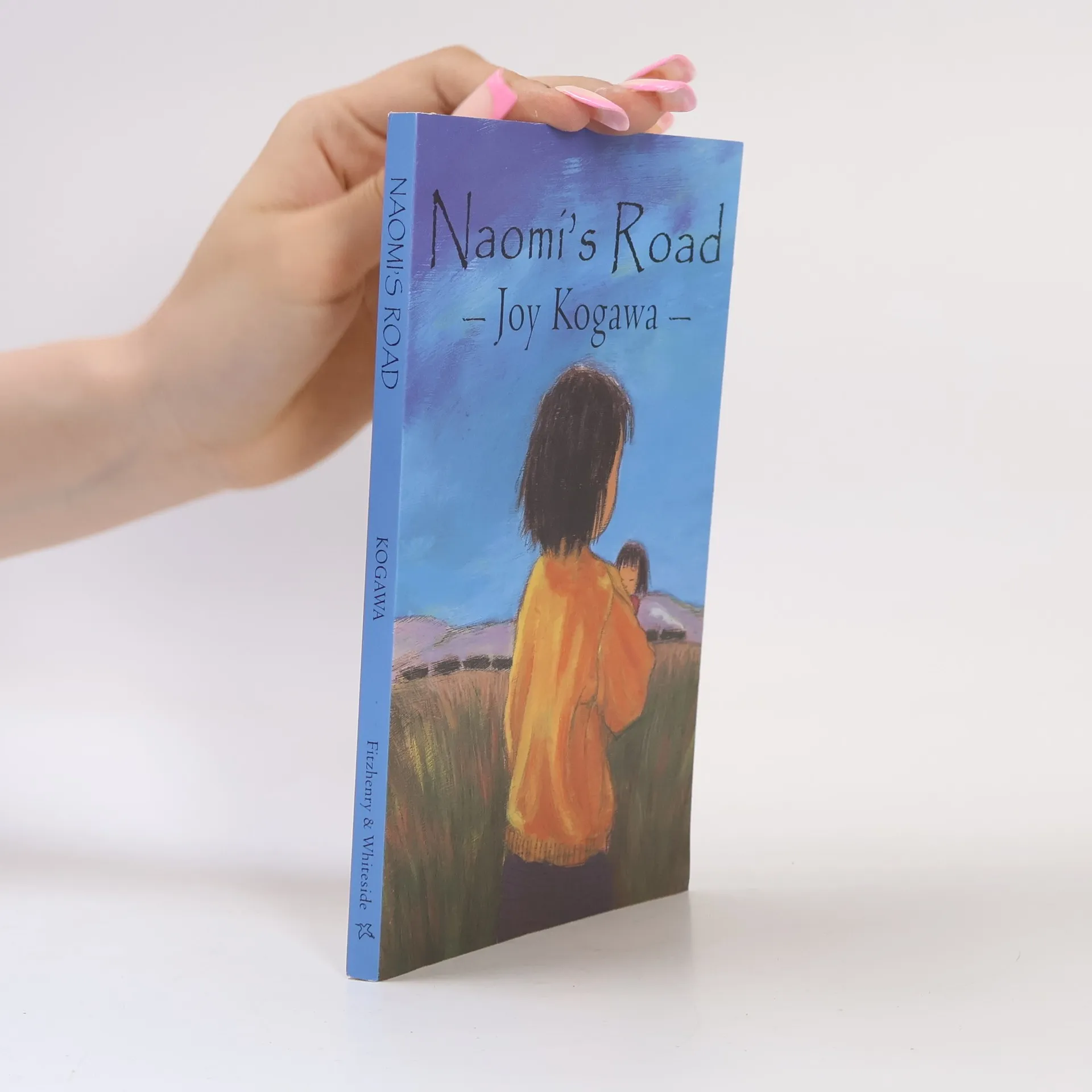
Naomi's Road
- 120 pages
- 5 hours of reading
A brand new edition of a children's classic, first published in 1986, tells the poignant story of a Japanese-Canadian girl whose family is uprooted during World War II. Separated from their parents, Naomi and her brother Stephen are sent to an internment camp in British Columbia. For young Naomi, war means losing her home in Vancouver and being apart from her parents. Told from a child's perspective, the narrative avoids anger or malice, serving as a powerful indictment of the injustices faced by Japanese-Canadian citizens during and after the war. This new edition features an expanded version of the story published in Japan, introducing more of Naomi's extended family and addressing the question many fans have asked: What happened to Naomi's mother? It includes a historical note, a new ending, and illustrations by popular children's illustrator Ruth Ohi, making it essential for both fans of the original and a new generation of readers. Praise from Publishers highlights Kogawa's ability to convey Naomi's childlike perspective, emphasizing her experiences of missing her parents and navigating prejudice without bitterness, showcasing an unyielding human spirit and hope amidst adversity.