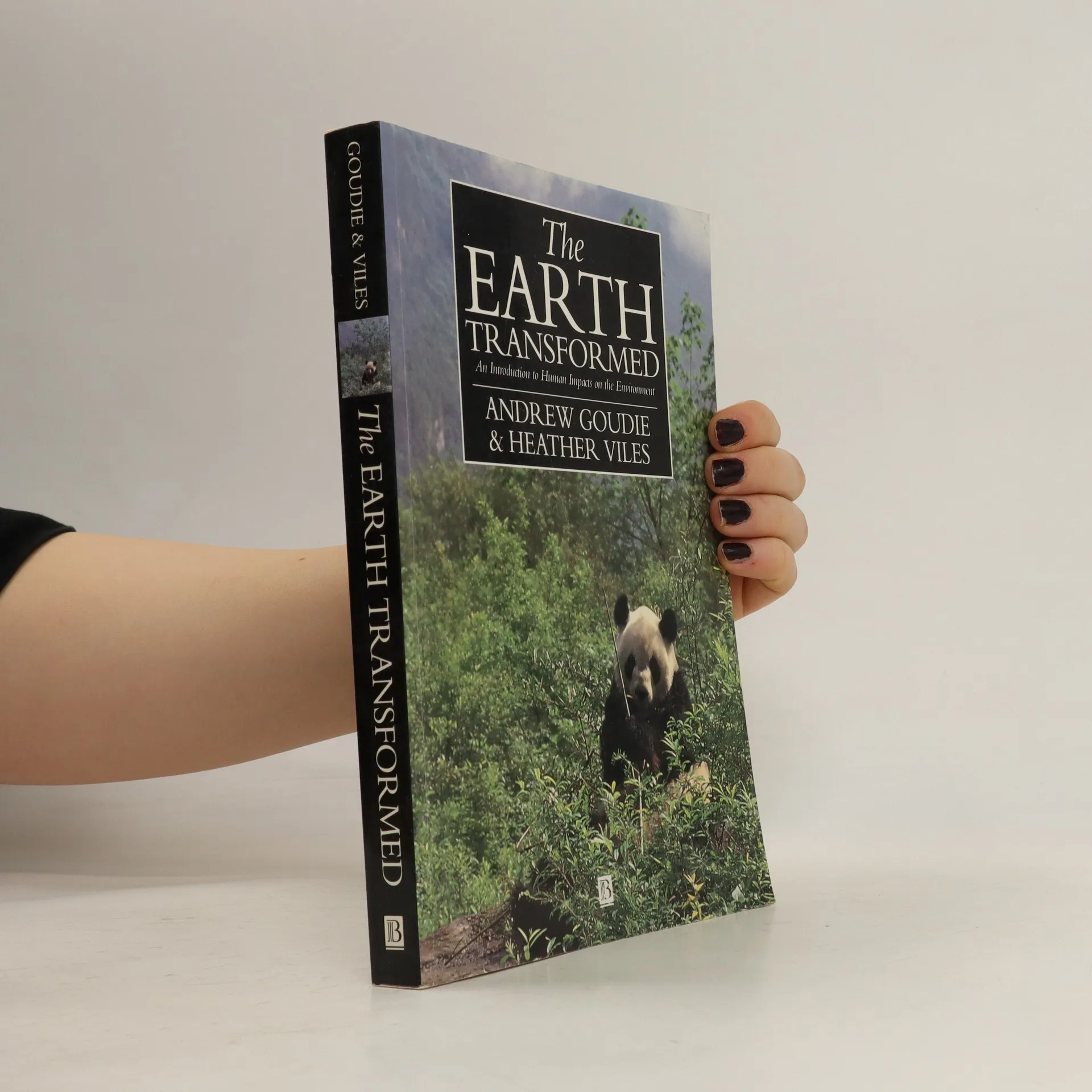
The Earth Transformed answers the need for a concise, non-technical introduction to the ways in which the natural environment has been and is being affected by human activities. It is simply and engagingly written, and illustrated with maps, diagrams, figures and photographs. Among the subjects described and considered by the authors are desertification, deforestation, wetland management, biodiversity, climatic change, air pollution, the impact of cities on climate and hydrology, erosion, salinization, waste disposal, sea level rise, marine pollution, coral reef degradation and aquaculture. The book is organized around 45 case studies taken from all parts of the globe and chosen for their intrinsic interest and representative nature. Further features of the book include guides to further reading, suggestions for debate and study, and a glossary of terms. The book is aimed to meet the needs of students beginning courses on environmental science and geography.
Andrew Goudie Books
Andrew Goudie is a leading geographer whose work focuses on desert geomorphology, wind erosion, and climatic change. His extensive publications, including influential textbooks, delve into human impacts on the environment. Goudie's research, blending fieldwork with theoretical analysis, offers valuable insights into the Earth's natural systems' dynamics. His approach emphasizes the interconnectedness of geological processes and global environmental challenges.


Landscapes and Geomorphology: A Very Short Introduction
- 137 pages
- 5 hours of reading
Landscapes are all around us, but most of us know very little about how they have developed, what goes on in them, and how they react to changing climates, tectonics, and human activities. This Very Short Introduction discusses the key ideas and methods used to study and examine landscapes, and their importance in cultural terms.
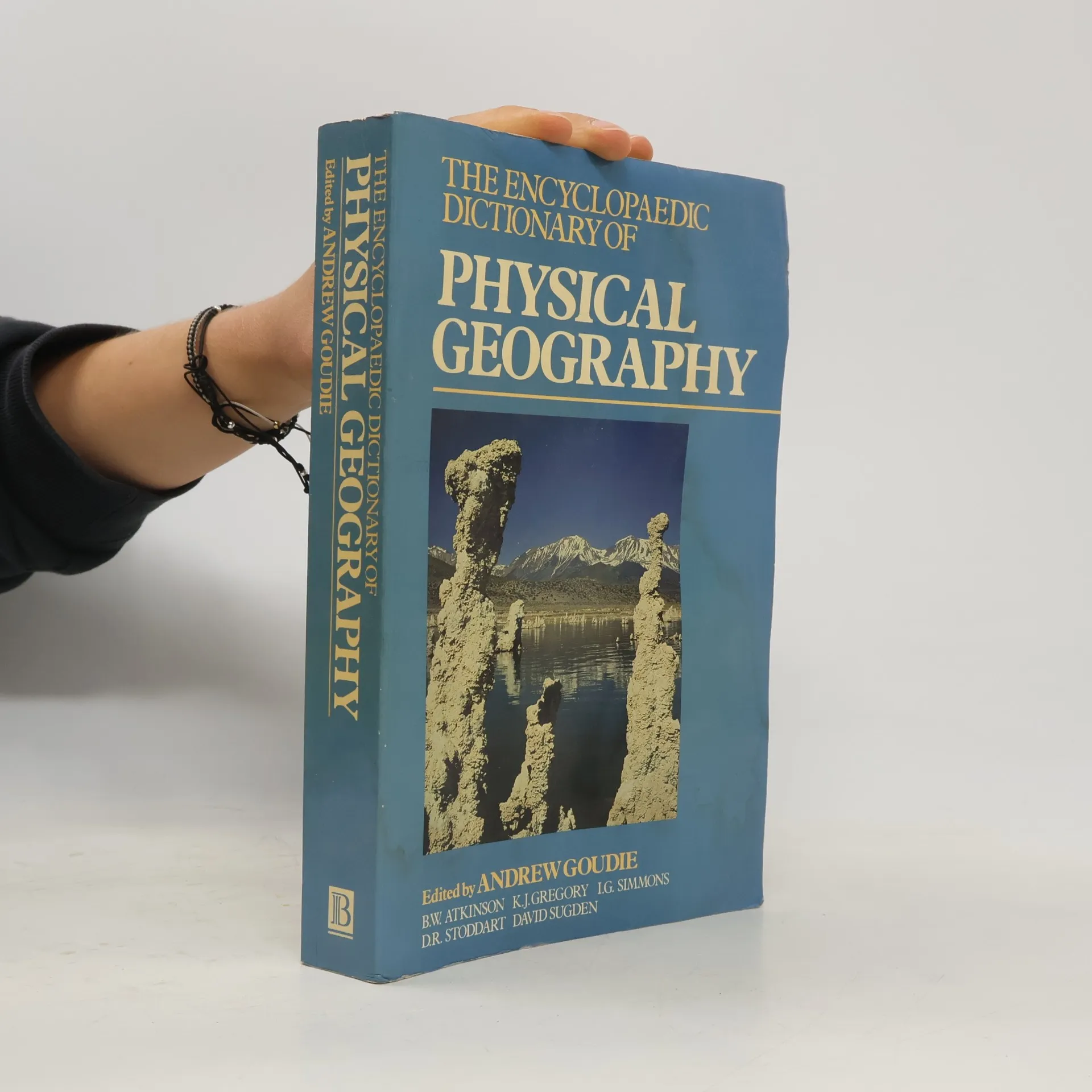
The Encyclopaedic Dictionary of Physical Geography
- 544 pages
- 20 hours of reading
A companion to The dictionary of human geography intended for professional scientists, graduate students, and teacher. The well illustrated entries range from simple definitions to page-long articles. Annotation copyrighted by Book News, Inc., Portland, OR
Desert Landscapes of the World with Google Earth
- 284 pages
- 10 hours of reading
Focusing on desert landscapes, this book showcases a collection of annotated Google Earth images that highlight both natural and man-made landforms. Each image is paired with descriptive text detailing the features, their locations, and origins. Additionally, some sections include ground images captured by the author, enhancing the visual experience and providing a deeper understanding of these unique environments.
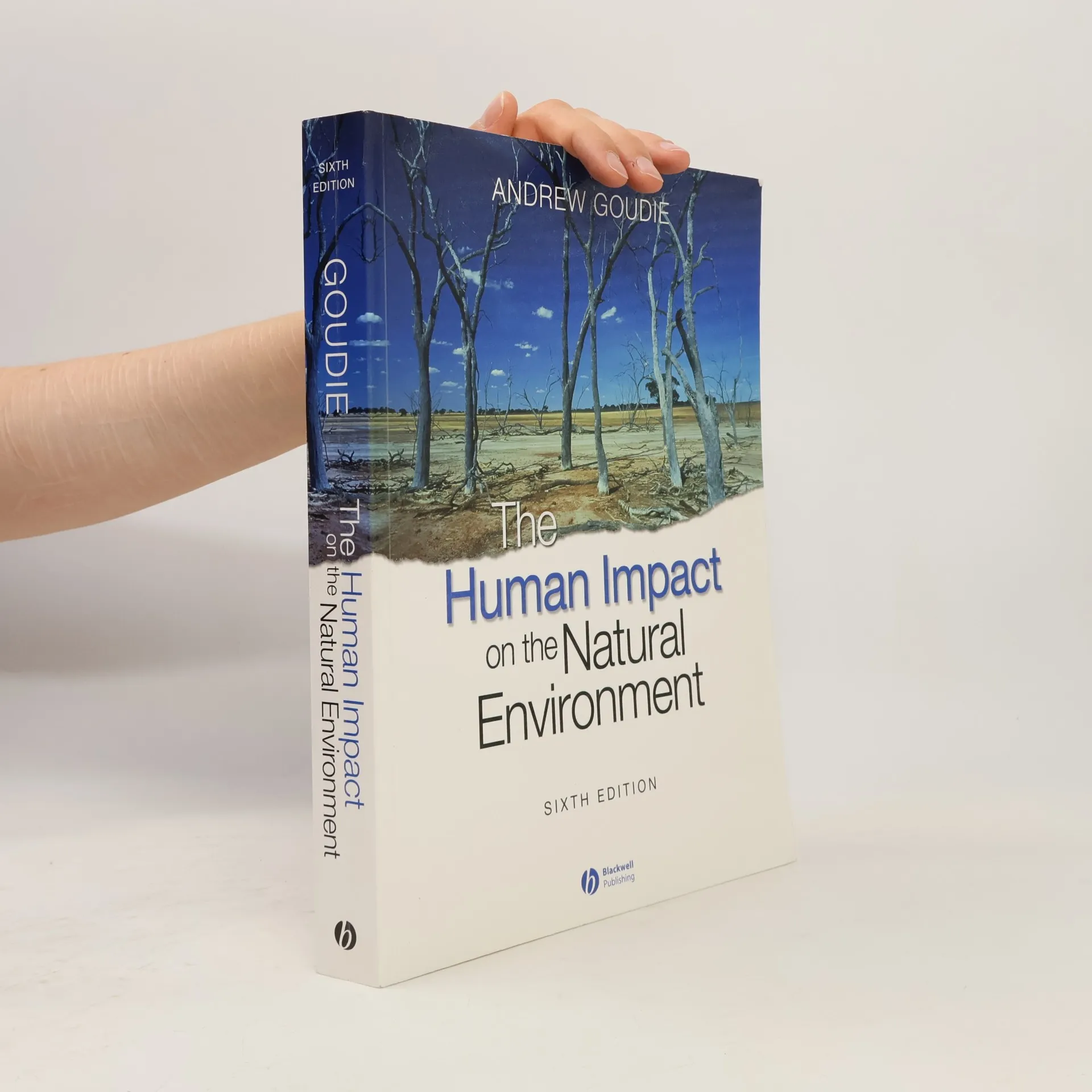
Geomorphological Variations
- 407 pages
- 15 hours of reading
The new edition of this classic student text provides an up-to-date and comprehensive view of the major environmental issues facing the world today, and is an essential introduction to the past, present and future impact of humans on Earth. Explores the impact of humans upon vegetation, animals, soils, water, landforms, and the atmosphere. Updated extensively, with many new figures and up-to-date statistics. Four completely new chapters explore the ways in which global climate change may have an impact on Earth in the future. A new design makes the text even more accessible and easy to use.
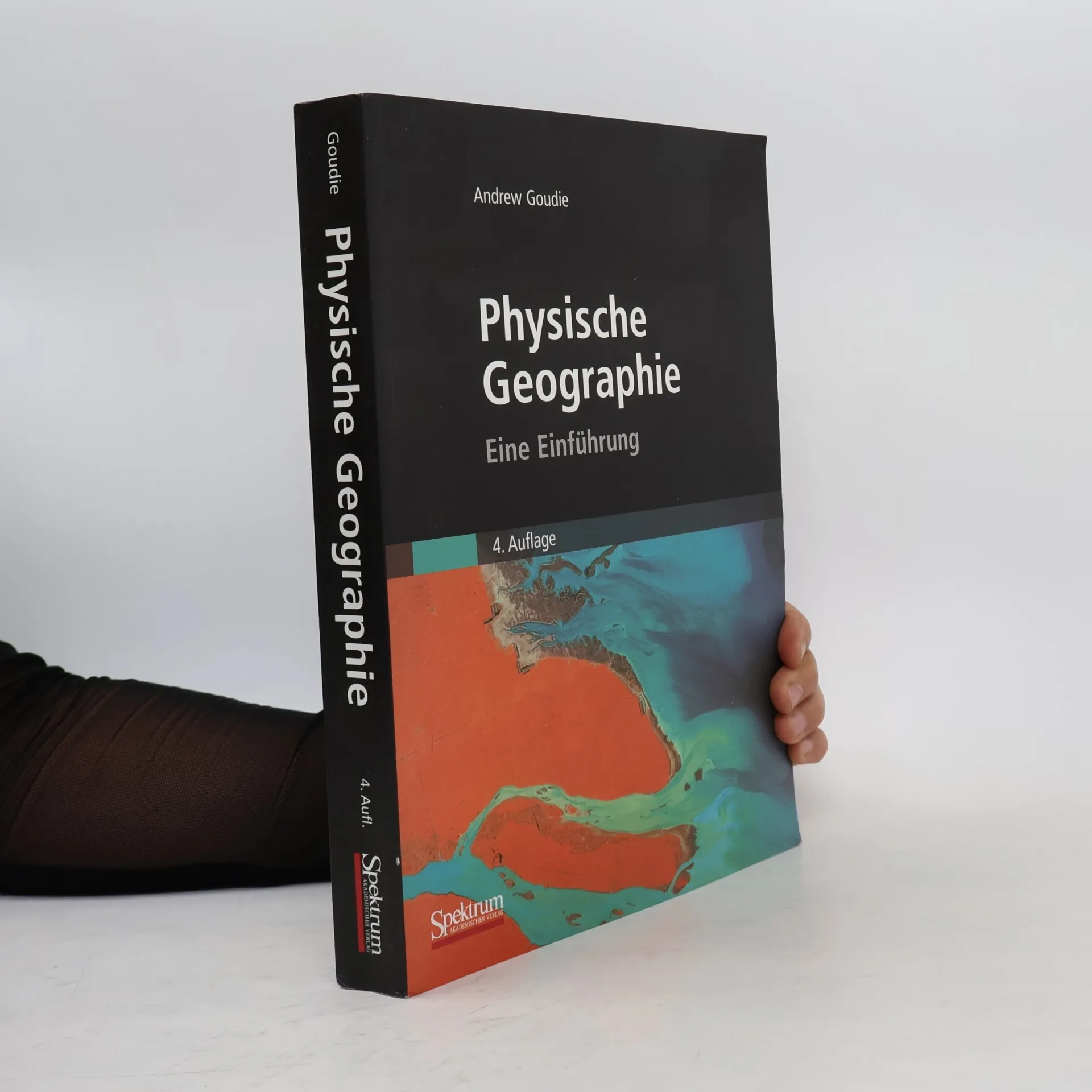
Physische Geographie - 4. Auflage
- 506 pages
- 18 hours of reading
"Physische Geographie" ist ein modernes, einführendes Lehrbuch, das auch in der aktualisierten und erweiterten 4. Auflage durch seine klare Darstellung, die instruktiven Abbildungen sowie die Veranschaulichung der Lehrinhalte an vorwiegend europäischen Beispielen besticht. Studenten der Geographie wie der Umweltwissenschaften und der Ökologie lernen mit diesem erfolgreichen Werk die Prozesse der Erde in ihrer gegenseitigen räumlichen und zeitlichen Abhängigkeit zu verstehen. Prüfungsrelevante Fakten der Geomorphologie, Klimatologie, Hydrologie, Bodenkunde und Biogeographie sowie die Wechselbeziehungen zwischen Mensch und Umwelt sind geschickt in den Stoff eingebunden. Die deutsche Fassung wurde auf die hiesigen Studienverhältnisse abgestimmt. Andrew Goudie ist Professor für Geographie an der Universität Oxford. Er erhielt die Medaille der Royal Geographical Society und die Mungo Park Medaille der Royal Scottish Geographical Society. Er hat sich als Verfasser mehrerer erfolgreicher Lehrbücher einen Namen gemacht.