Getting started; Basic structural modeling; Advanced structural modeling; Basic behavioral modeling; Advanced behavioral modeling; Architectural modeling; Wrapping up
Grady Booch Book order (chronological)
This author is a recognized figure in software engineering, celebrated for their foundational contributions to the development of critical modeling languages. Their work has significantly shaped the way complex software systems are designed and understood, impacting the industry on a global scale.

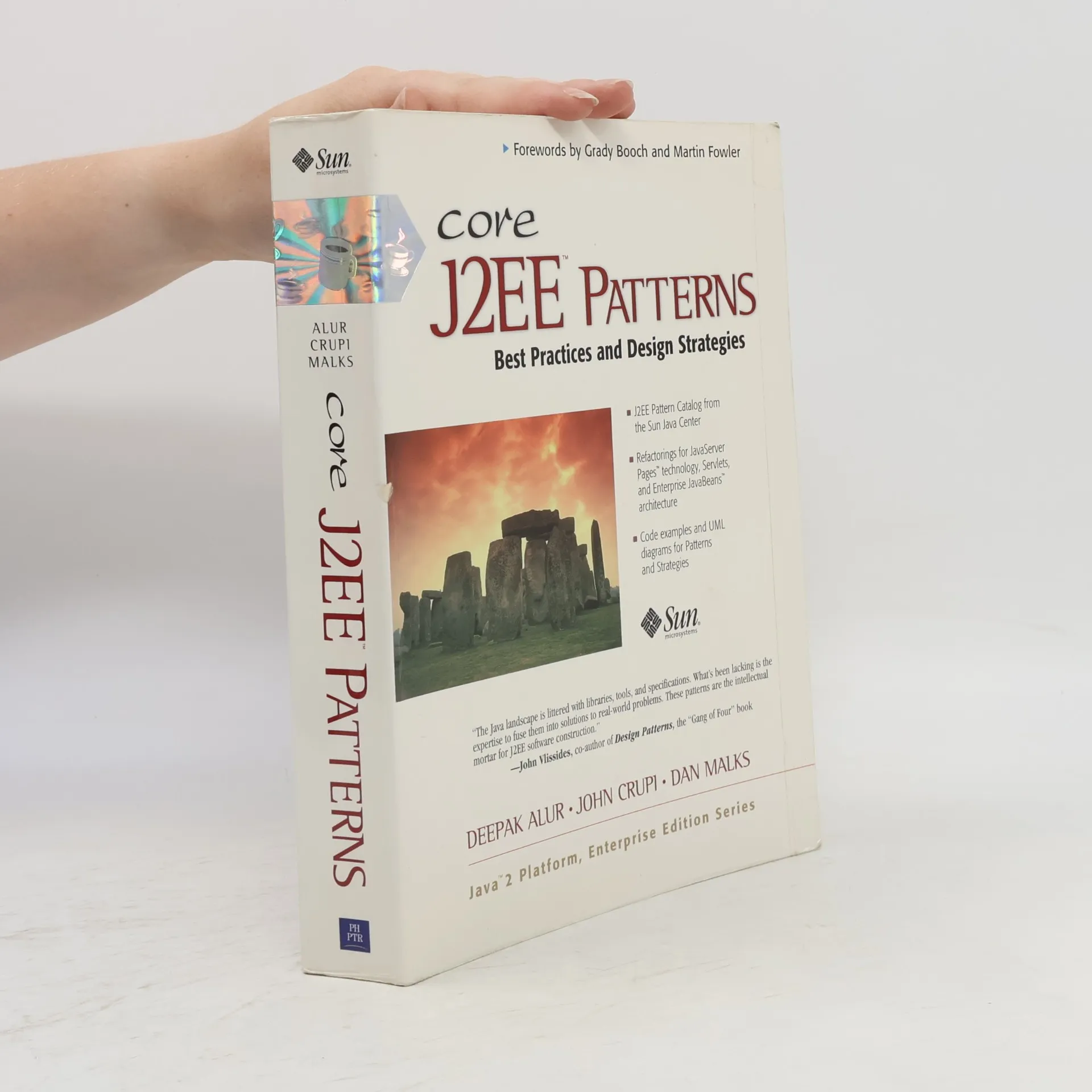
Over the last few years, Java 2 Platform, Enterprise Edition (J2EE) technology has emerged and matured as a standard platform for building enterprise applications. While the platform has matured into a solid offering for developing and deploying enterprise applications, it does offer its challenges. As developers, often we confuse learning the technology with learning to design with the technology. In this book, senior architects from the Sun Java Center, Suns Java consulting organization share with the reader their cumulative design experience with and expertise on J2EE technology.The primary focus of the book is on patterns, best practices, design strategies, and proven solutions using the key J2EE technologies including JavaServer Pages (JSP), Servlets, Enterprise Java Beans (EJB), and Java Message Service (J.M.S) API. Other ancillary technologies like JDBC and JNDI are also discussed as relevant to their usage in these patterns. The J2EE Patterns catalog with 16 patterns and numerous strategies is presented to document and promote best practices for these technologies.In addition to the patterns and strategies, the book offers the following: *Presents various design strategies
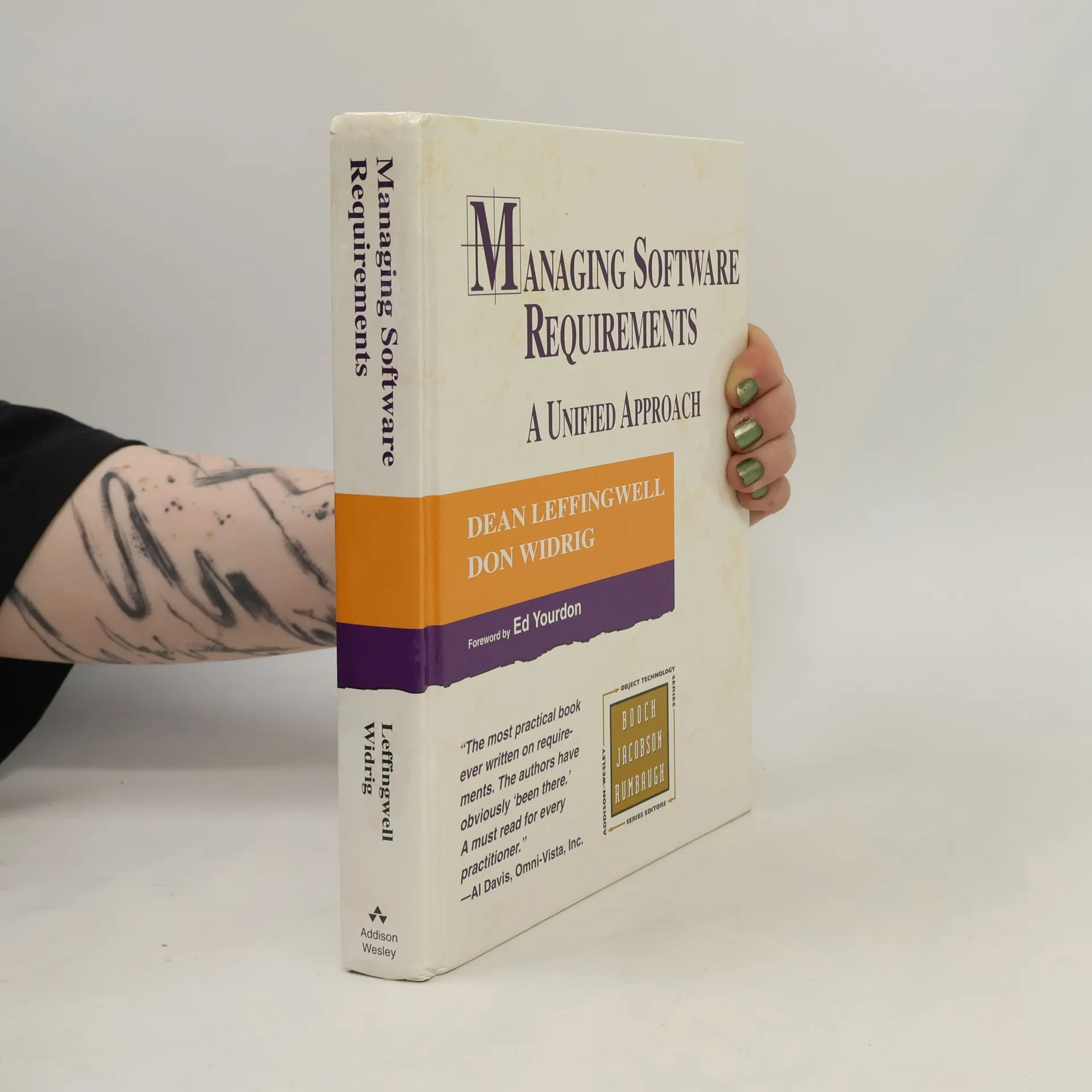
Two leading experts on requirements management demonstrate how to define exactly what software systems should do in terms that can be implemented and won't have to be redone later. Coverage includes: analyzing problems, defining systems, building and validating systems, and more.
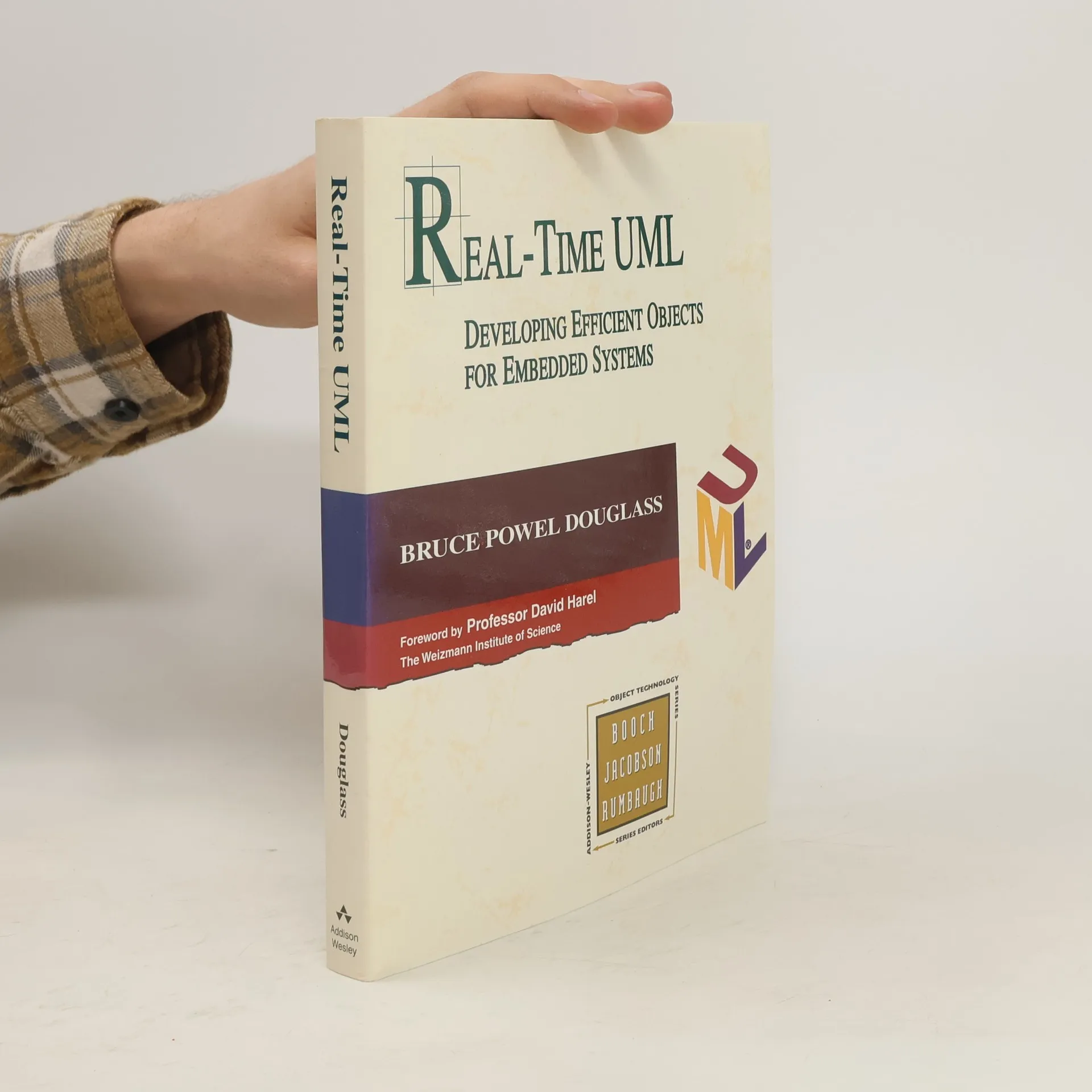
Real- Time UML. Developing Efficient Objects for Embedded Systems
- 363 pages
- 13 hours of reading
This book is the concise, 'distilled' introduction that developers of real-time systems need to begin the transition to object-oriented analysis and design and modeling with UML. The book includes special in-depth discussions of finite state machines, object identification strategies, and real-time design patterns to help beginning and experienced developers alike.
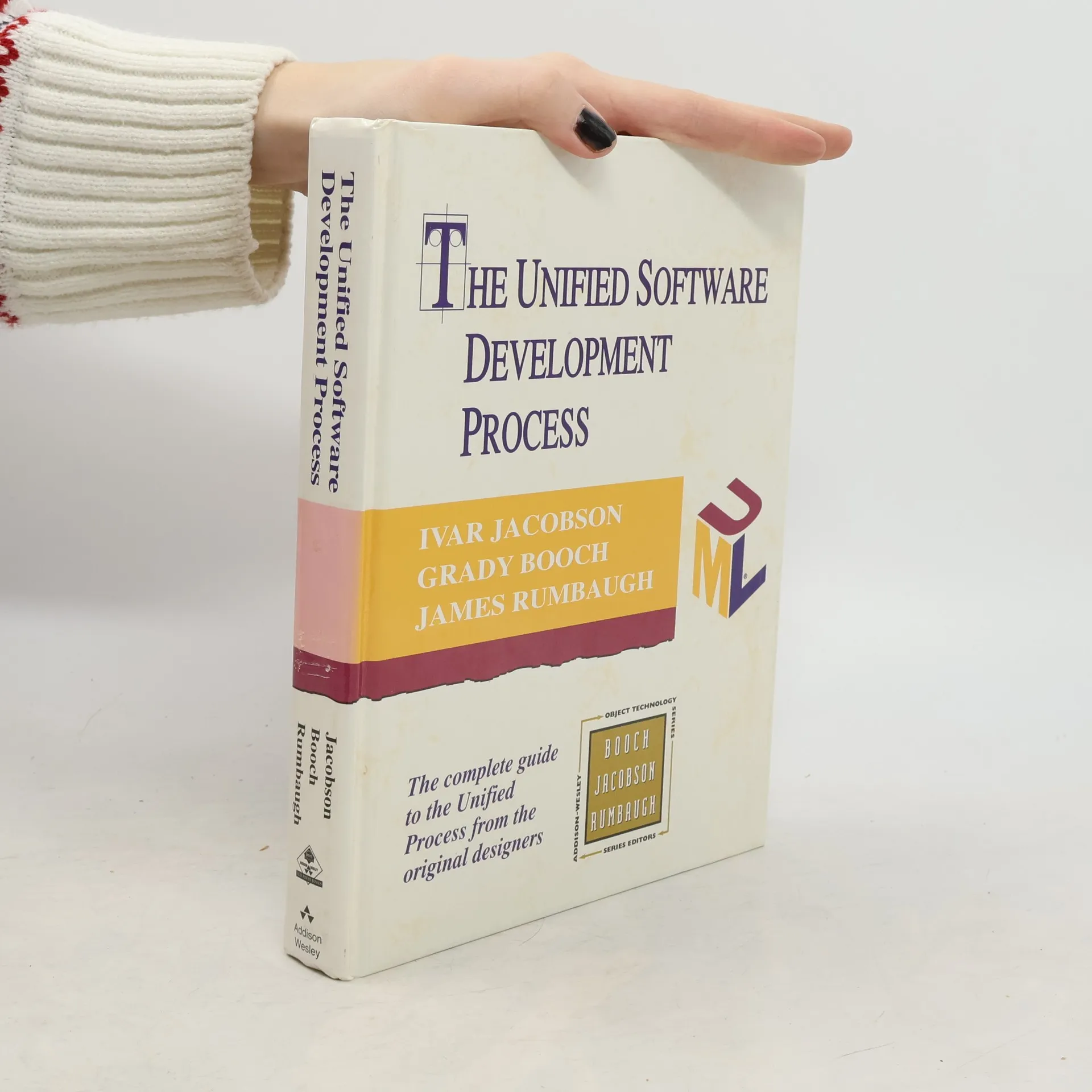
Addison-Wesley Object Technology Series: The Unified Software Development Process
- 463 pages
- 17 hours of reading
Provides an overview of the Unified Process for software development, with a practical focus on modeling using the Unified Modeling Language (UML). This book demonstrates how the notation and process complement one another, using UML models to illustrate the new process in action. It describes the constructs such as use cases, actors, and more.
Here is the first book to introduce Catalysis, a next-generation method for constructing open component systems from frameworks, based on UML and OMG standards. Using Catalysis, programmers have the ability to describe a complex system based on content perspectives or views. Each view defines a pattern with supporting models. Catalysis provides well-defined consistency rules across models and the mechanisms for composing views. .
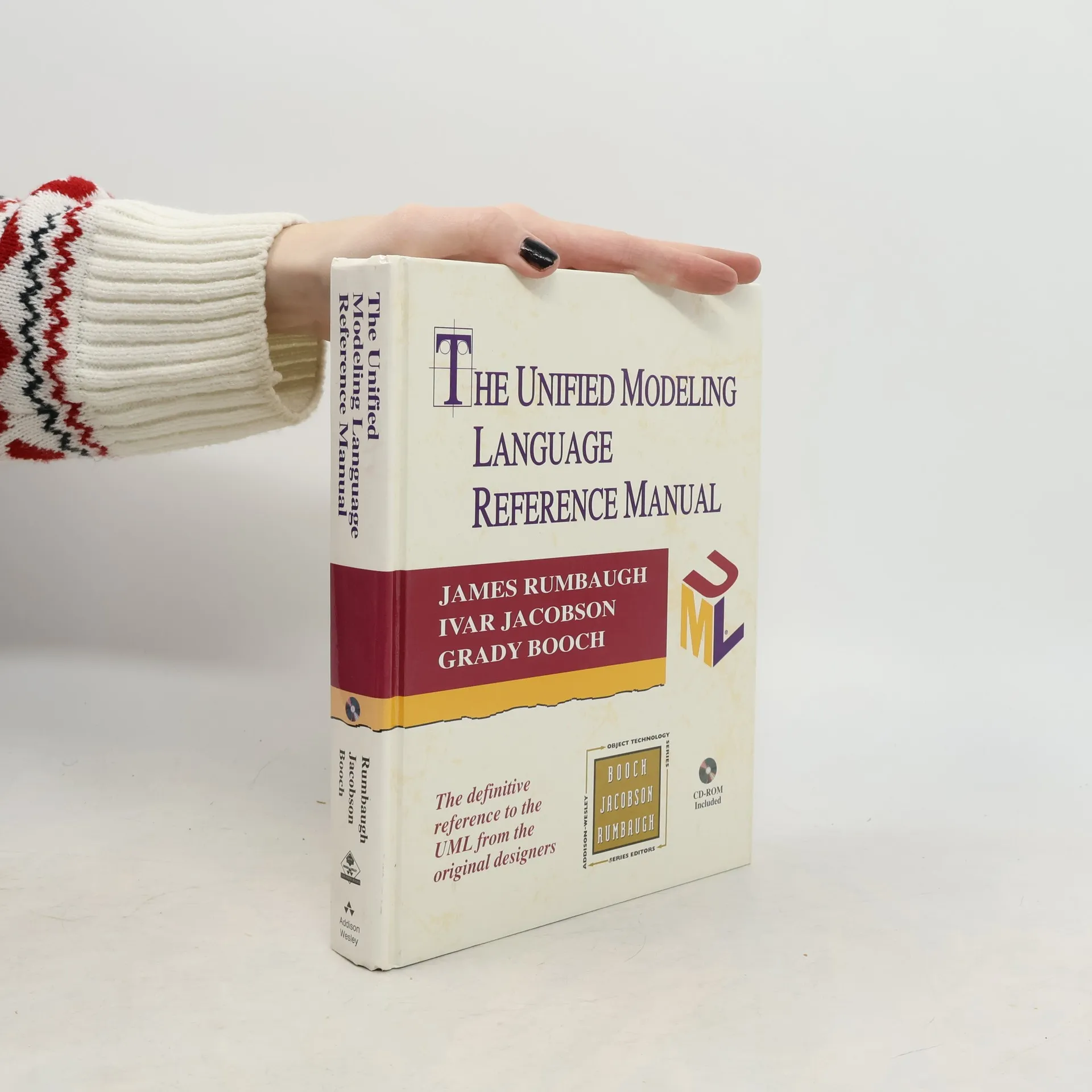
The Unified Modeling Language Reference Manual
- 550 pages
- 20 hours of reading
The Unified Modeling Language (UML) has rapidly become the standard notation for modeling software-intensive systems. This book provides the definitive description of UML from its original developers - James Rumbaugh, Ivar Jacobson, and Grady Booch. Whether you are capturing requirements, developing a software architecture, designing the implementation, or trying to understand an existing system, this is the book for you.
Essential COM
- 464 pages
- 17 hours of reading
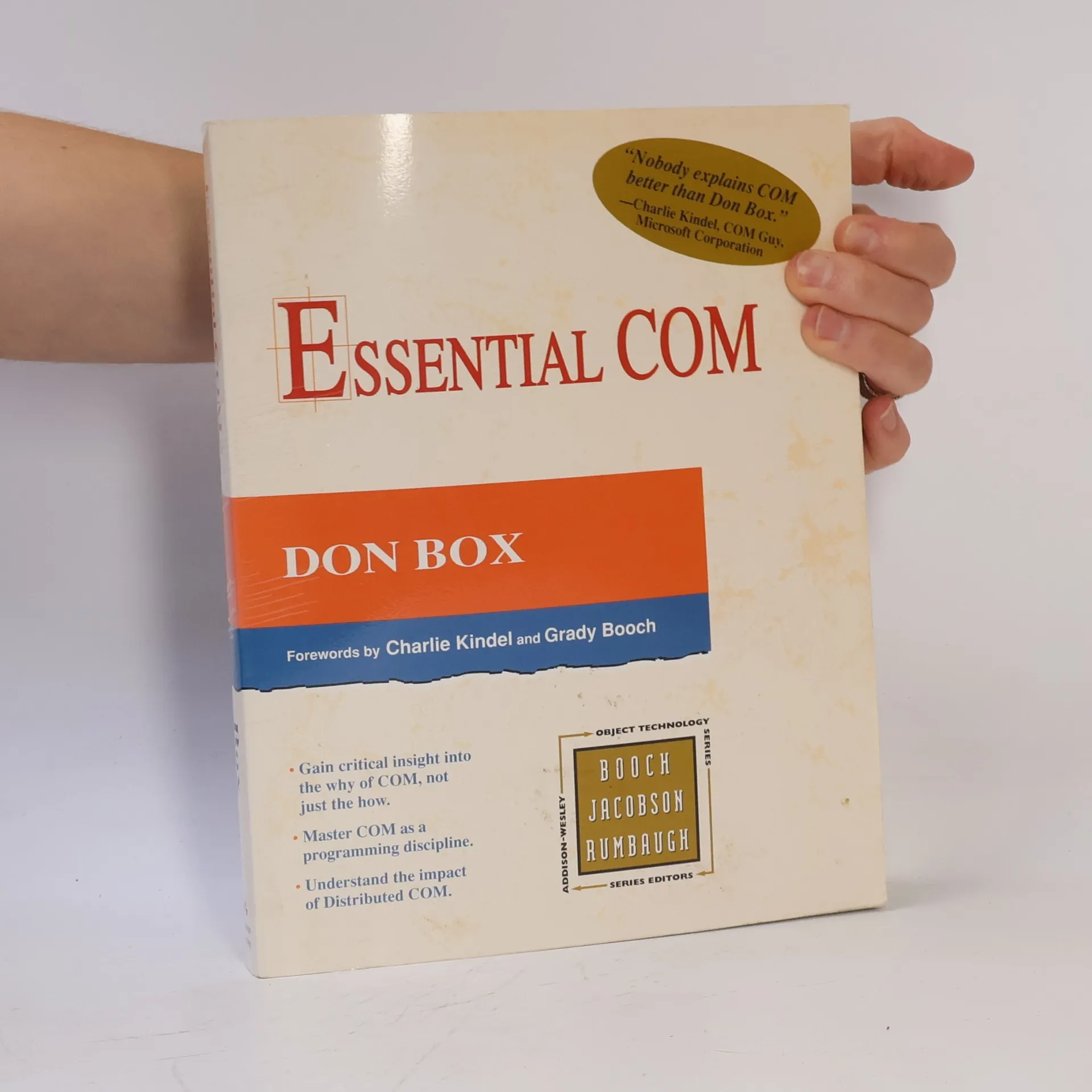
Written by a leading COM authority, this unique book reveals the essence of COM, helping developers to truly understand the why, not just the how, of COM. Understanding the motivation for the design of COM and its distributed aspects is critical for developers who wish to go beyond simplistic applications of COM and become truly effective COM programmers, and to stay current with extensions, such as Microsoft Transaction Server and COM+. Box examines COM from the perspective of a C++ developer, offering a familiar frame of reference to ease you into the topic.
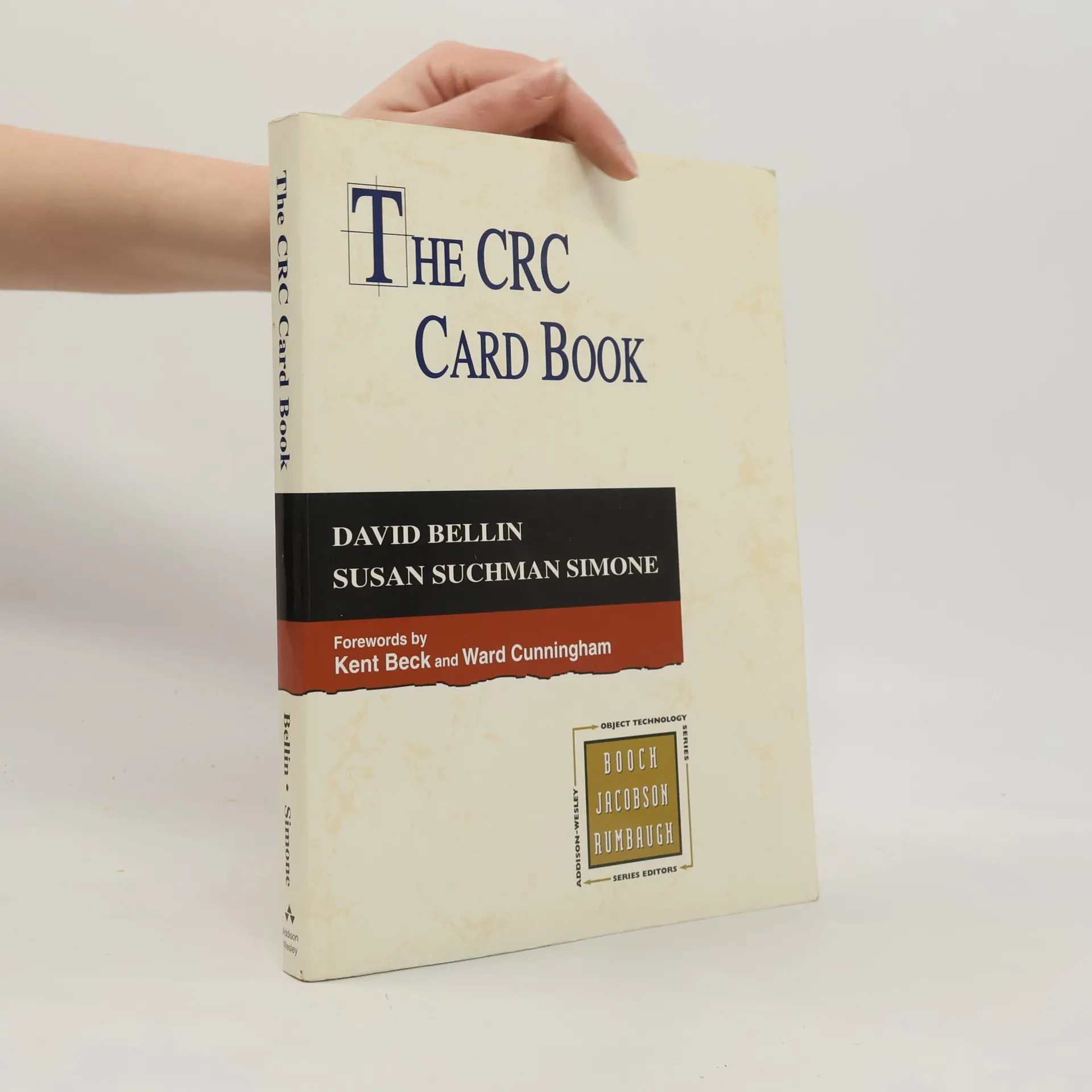
The CRC Card Book
- 290 pages
- 11 hours of reading
This concise book addresses the actual details involved with using CRC cards, including coverage of the team approach to analysis and examples of program code (Java, C++, and Smalltalk) derived from the use of the CRC card method.
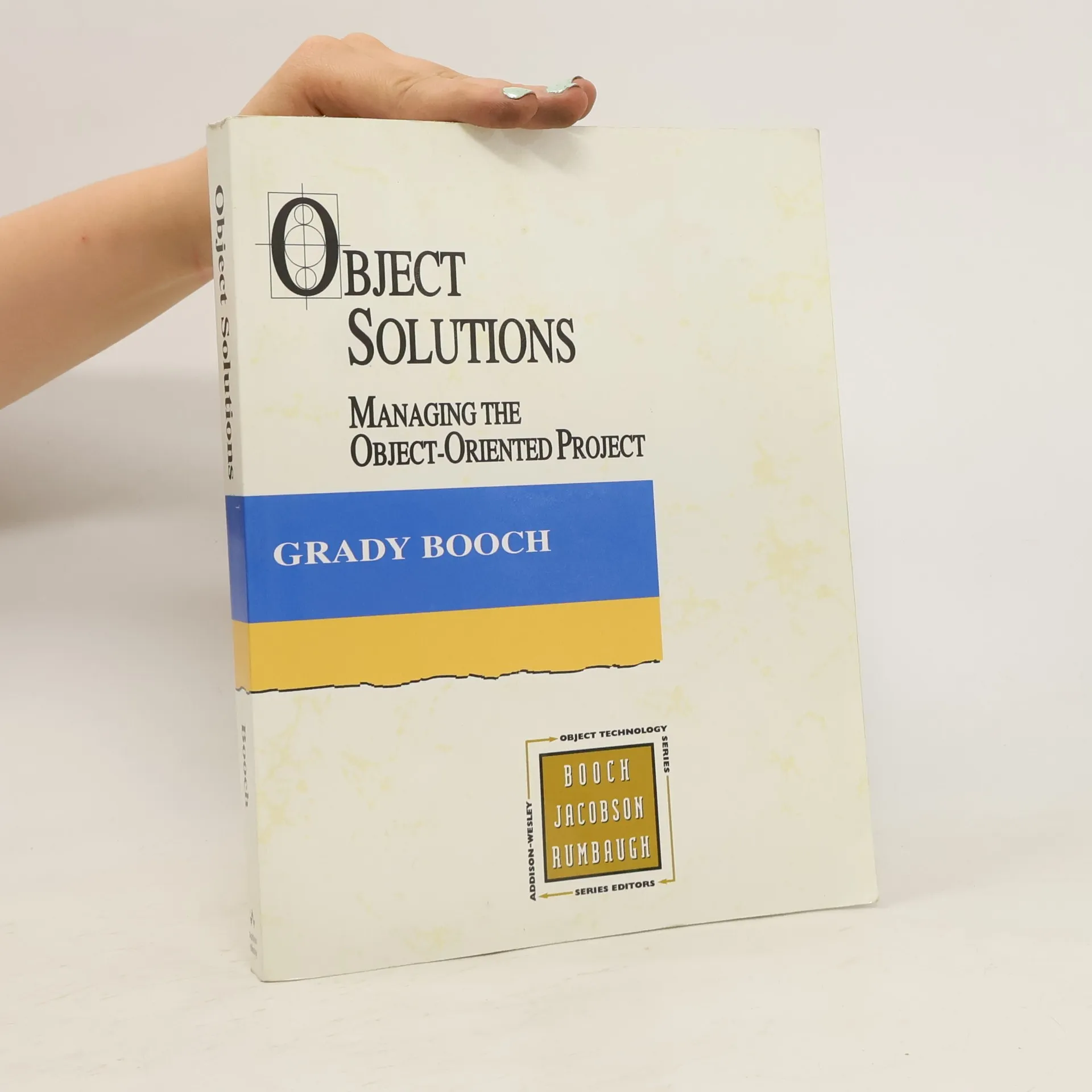
Object Solutions is a direct outgrowth of Grady Booch's experience with object-oriented project in development around the world. This book focuses on the development process and is the perfect resource for developers and managers who want to implement object technologies for the first time or refine their existing object-oriented development practice. The book is divided into two major sections. The first four chapters describe in detail the process of object-oriented development in terms of inputs, outputs, products, activities, and milestones. The remaining ten chapters provide practical advice on key issues including management, planning, reuse, and quality assurance. Drawing upon his knowledge of strategies used in both successful and unsuccessful projects, Grady Booch offers pragmatic advice for applying object-technologies and controlling projects effectively.
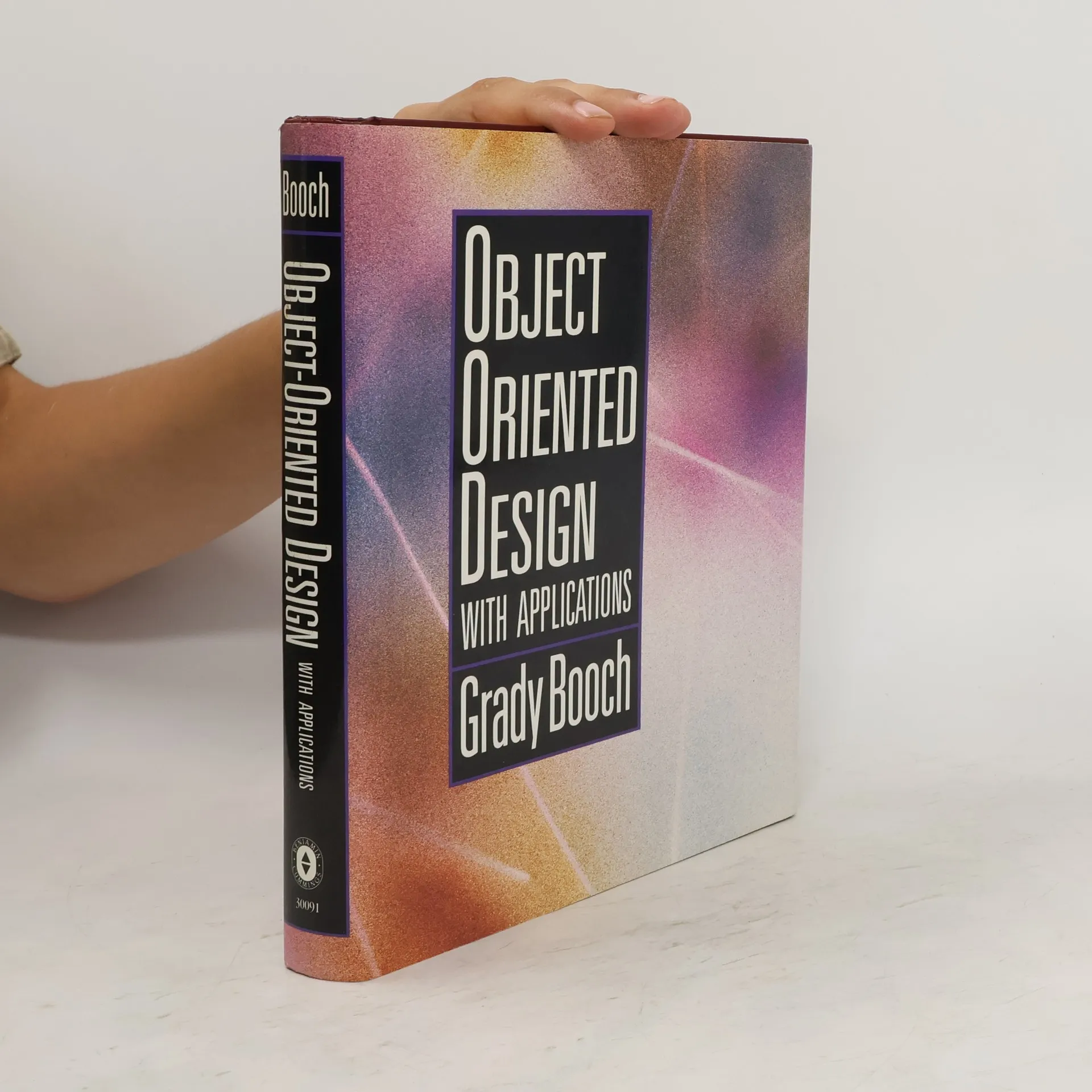
Object Oriented Design with Applications
- 580 pages
- 21 hours of reading
New topics covered in the third edition include the Unified Software Development Process, UML, Patterns, Java, and Components.