

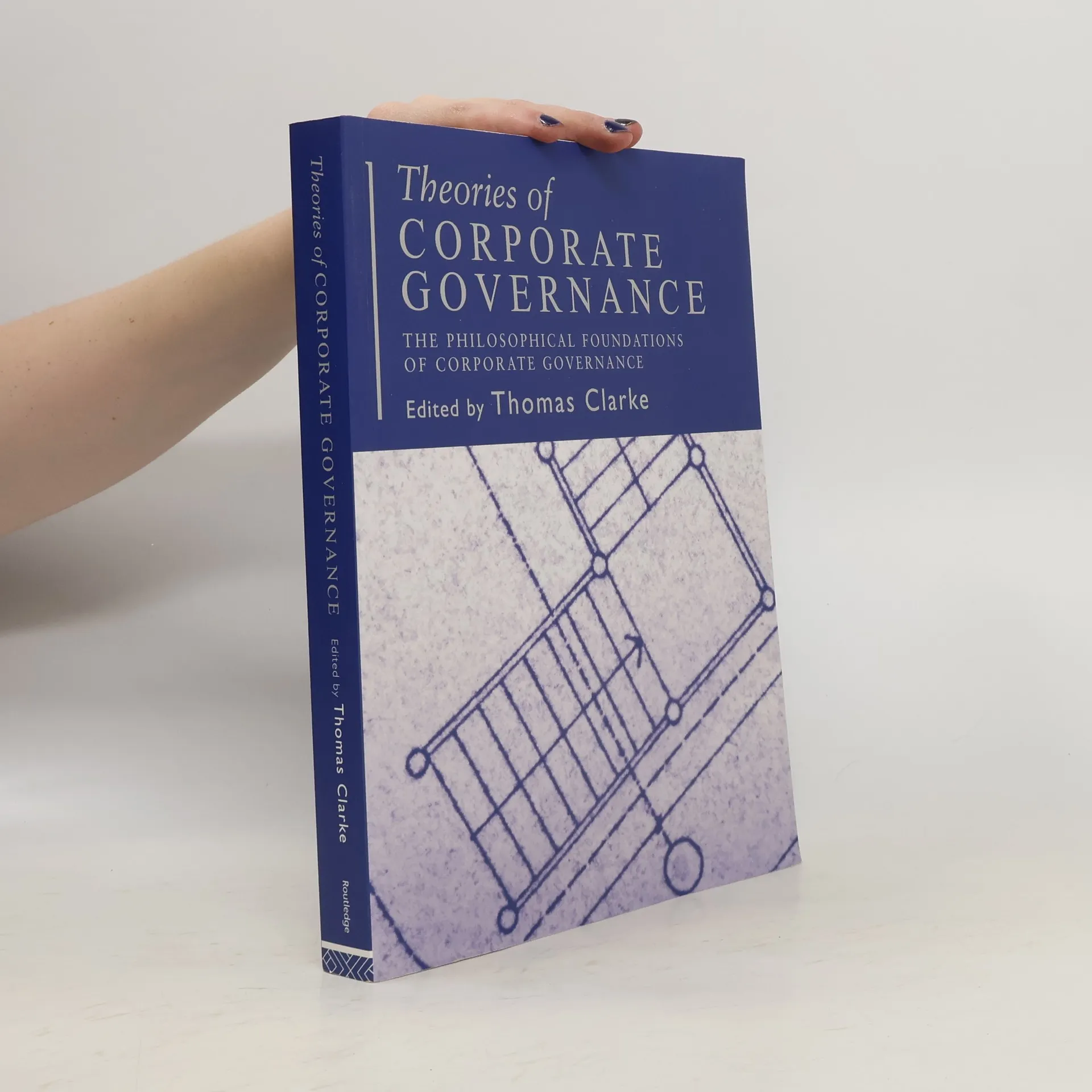
In the wake of the financial and corporate scandals of recent years, corporate governance increasingly is recognised as being at the heart of understanding how and why businesses are run as they are. But while there are diverse and well-established theories of corporate governance, they are rarely gathered in a coherent and comparative way.This comprehensive reader brings together the most influential writing in the field, with editorial commentary, to provide a uniquely interdisciplinary resource for students and lecturers that underpins contemporary analysis of corporate governance. Topics covered include: Structured to provide an introduction and overview of corporate governance from the classical theories to contemporary controversies, this reader functions either as a stand-alone text, or as a companion to International Corporate Governance , a textbook also authored by Thomas Clarke.
Thomas Clarke Books
Thomas A. Clark is a Scottish poet whose work consistently attends to form and the experience of walking in the landscape, returning again and again to the lonely terrain of the Highlands and Islands. In 1973, with artist Laurie Clark, he started Moschatel Press. Initially a vehicle for small publications by other writers, it soon developed into a means of formal investigation within his own poetry, treating the book as imaginative space and the page as a framing device or quiet around an image or phrase.

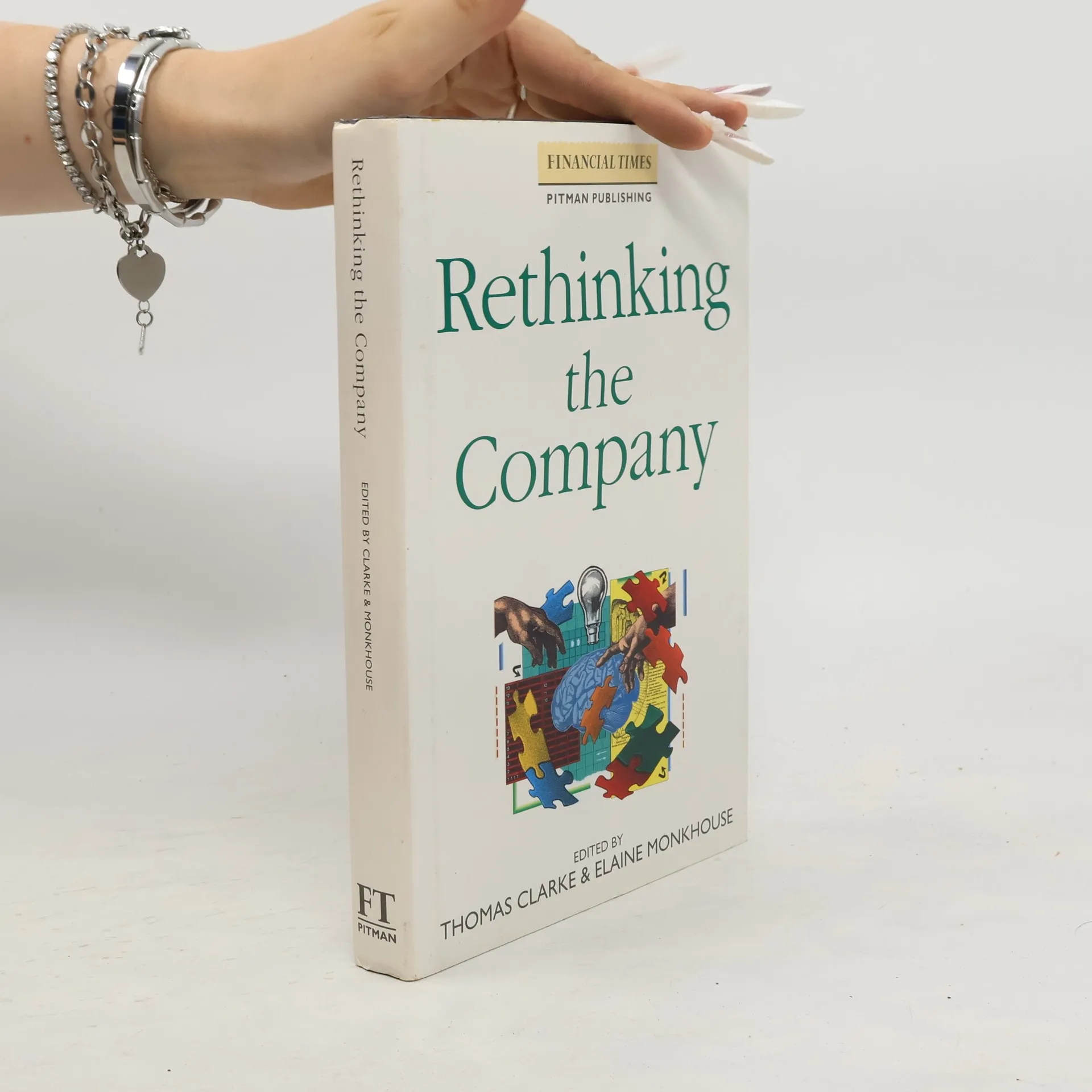
Rethinking the Company
- 352 pages
- 13 hours of reading
Offering a practical account of the forces shaping business over the 21st century, this text covers technology, director's competencies, learning, governance and globalization. It examines the impact of environmental, legal and political pressures on corporate activity.
Impact of corporations on the economies and societies of all countries has focused attention on the importance of corporate governance. As the adequacy of the existing dominant paradigms of corporate governance are increasingly challenged, the search for coherent new paradigms is a vital task for corporate governance in the future.
Comparative Corporate Governance
- 158 pages
- 6 hours of reading
This work provides a concise insight into the defining impulses of late 20th and early 21st century corporate governance through a series of competing epoch-making paradigmatic contests.
The twins had always held a simmering power in the darkest corridors of their mortal bodies but had never found the key to unlock it until now. Until Gren