


Explore the latest books of this year!
Bookbot

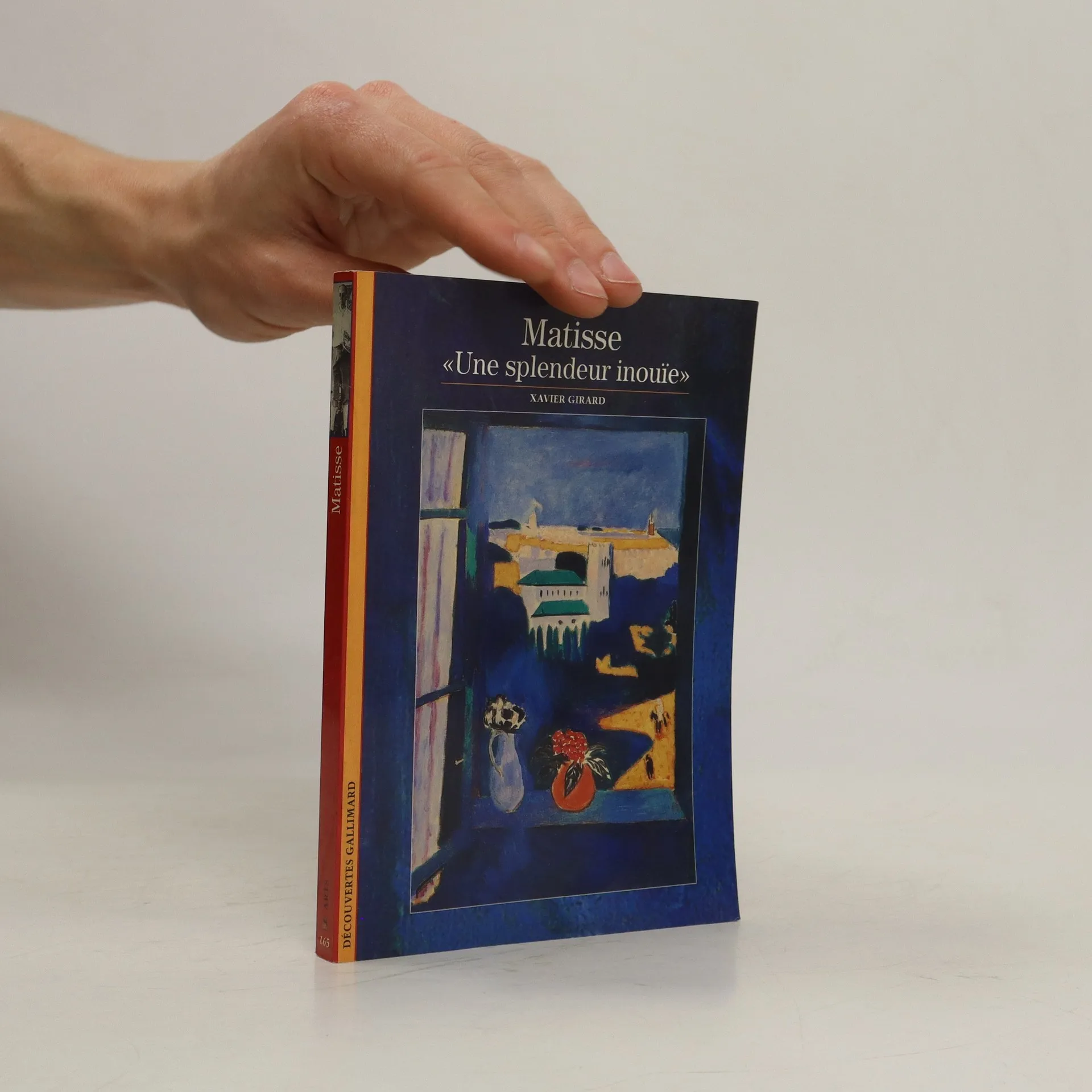
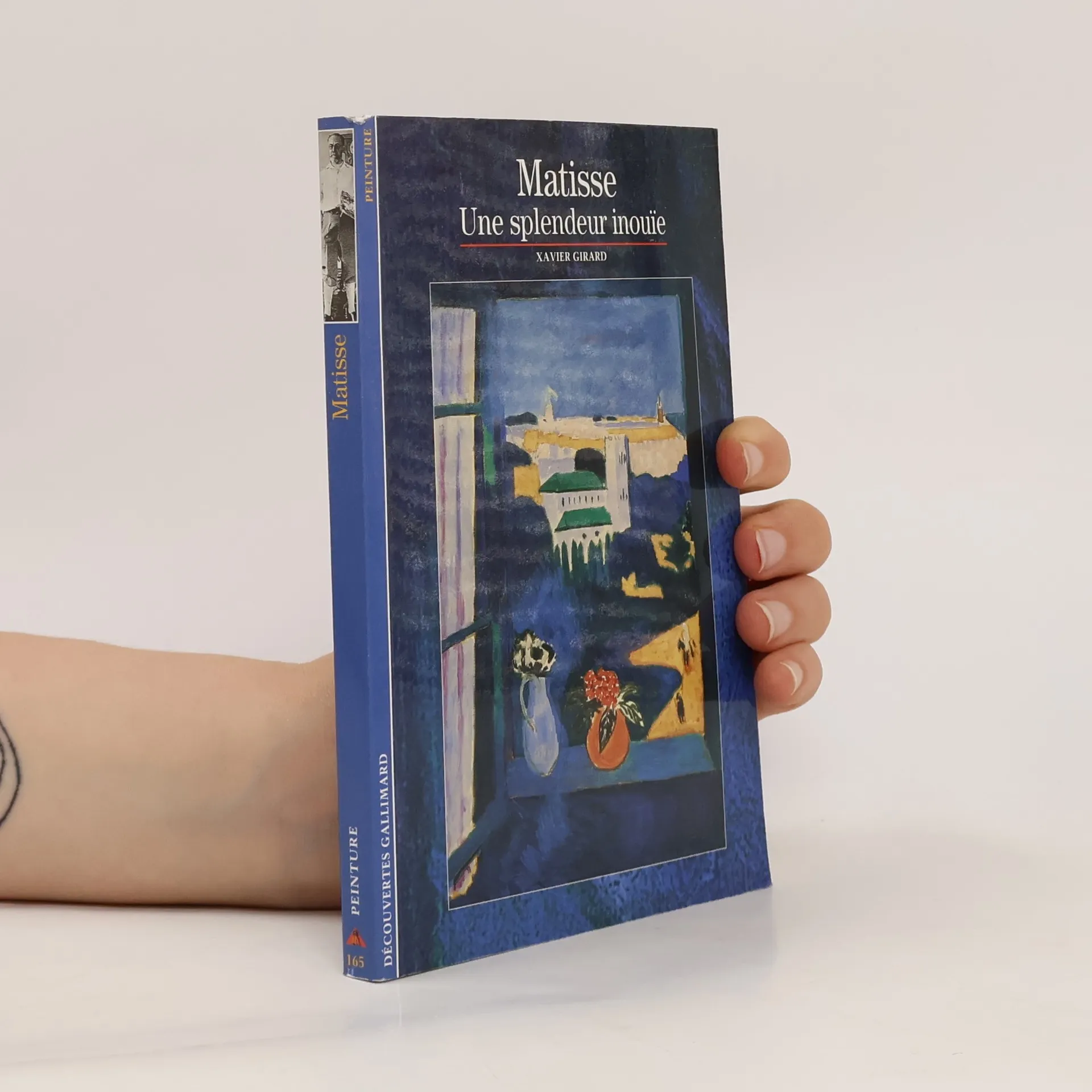
Xavier Girard

    Matisse : "une splendeur inouïe"
    Matisse
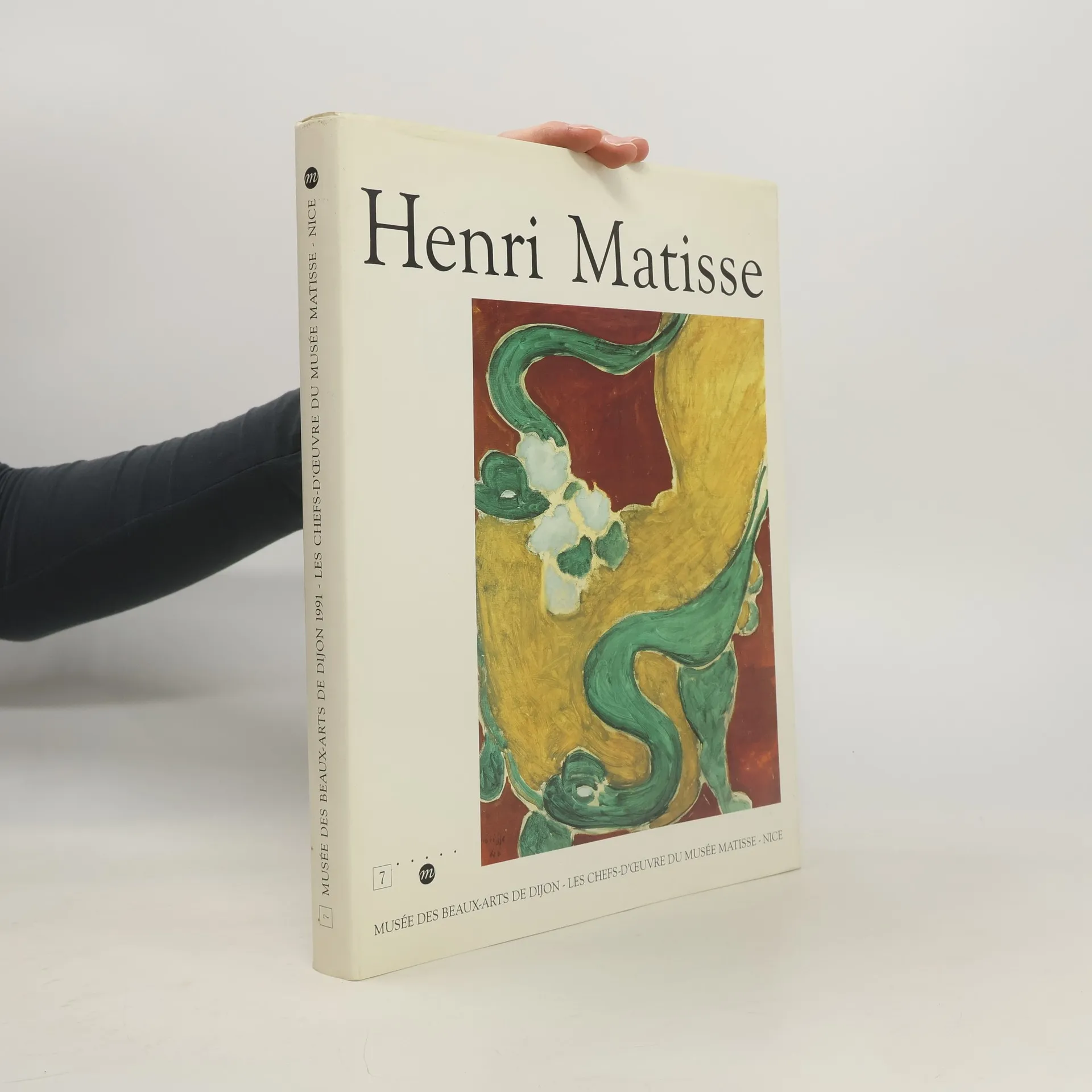
    Henri Matisse
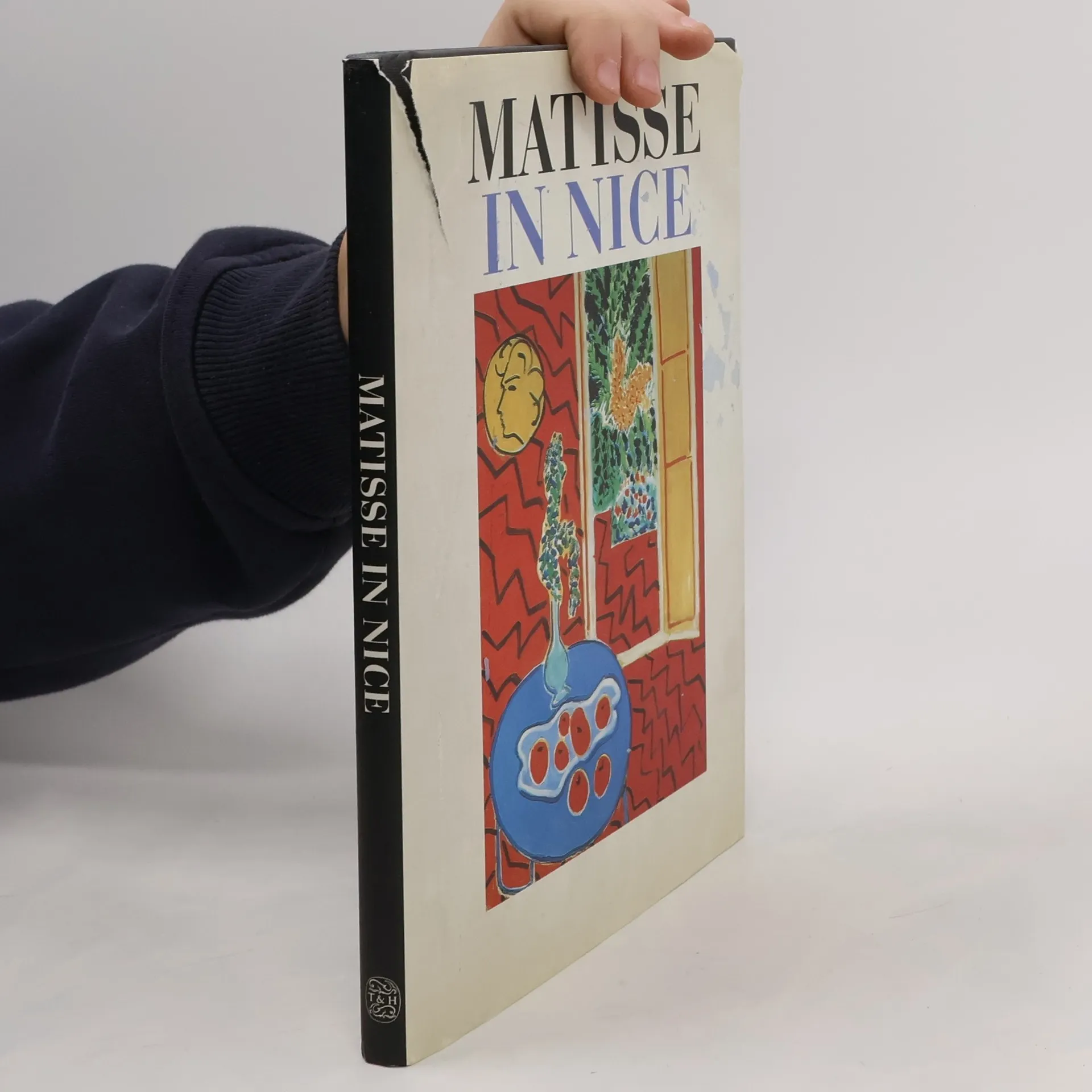
    Matisse in Nice, 1917-1954
    • Matisse in Nice, 1917-1954

      • 79 pages
      • 3 hours of reading

      For Matisse, Nice was more a state of mind than a place. At his happiest and most creative in this warm, light-filled environment, he produced there some of his most beautiful works: luminous vistas; sensuous models in bright, flower-filled interiors; open windows looking out onto dazzling blue seas. From 1917 until 1954, the influence of Nice pervades Matisse's paintings and sculptures. The colours of his radiant masterpieces are represented in the plates contained in this work, while a text explores the depth of his artistic vision and the influences of the South of France.
      Matisse in Nice, 1917-1954
    • Matisse, the bard of colour, and Picasso, the breaker of moulds: together, these two giants shaped the world of modern art. They were, as Picasso once said, "North Pole, South Pole." The work of Henri Matisse (1869-1954) is a sensous hymn to colour, that wild yet subtle colour which he tamed, mastered and managed, and which expressed his feelings towards women and the world. Colour was the tool with which he controlled line, arabesque, volume, light transparency, reflection and space, and though he did not shrink from pushing his creativity to the verge of abstraction, he never succumbed to it entirely. It was an approach well noted by America's Abstract Expressionists. This new and carefully conceived freedom marked not only the extraordinary significance of the painter and sculptor Matisse in the history of modern art, but also his influence, which was no less decisive than that of his main rival, Pablo Picasso. In fact, Matisse's stylistic liberation actually goes one step further in the pursuit of his own personal goal - the perfect synthesis of line and colour - by which he sought revolutionary approaches to the great tradition of French painting by drawing upon its classical aspects.

      Henri Matisse
    • Matisse

      • 176 pages
      • 7 hours of reading

      Premier analyste de son œuvre, Matisse s'est tu, obstinément, sur lui-même. La biographie s'arrête où commence la continuité réelle de la vie. A la porte de l'atelier. Où le temps s'efface au cadran de la création. Et cède la place aux murs empourprés, à la clarté phosphorescente des tableaux. Mais qu'on y prenne garde. Les grands aplats des rouges et des bleus, les mouvements d'une ligne désancrée et la lumière éblouissante d'une image dessinée à même la couleur, toutes ces inventions, si semblables au bonheur, ne forment pas des lieux idéaux ou sacrés mais les espaces d'un travail ininterrompu. A travers lequel Matisse chercha l'allègement dans la somptuosité.

      Matisse