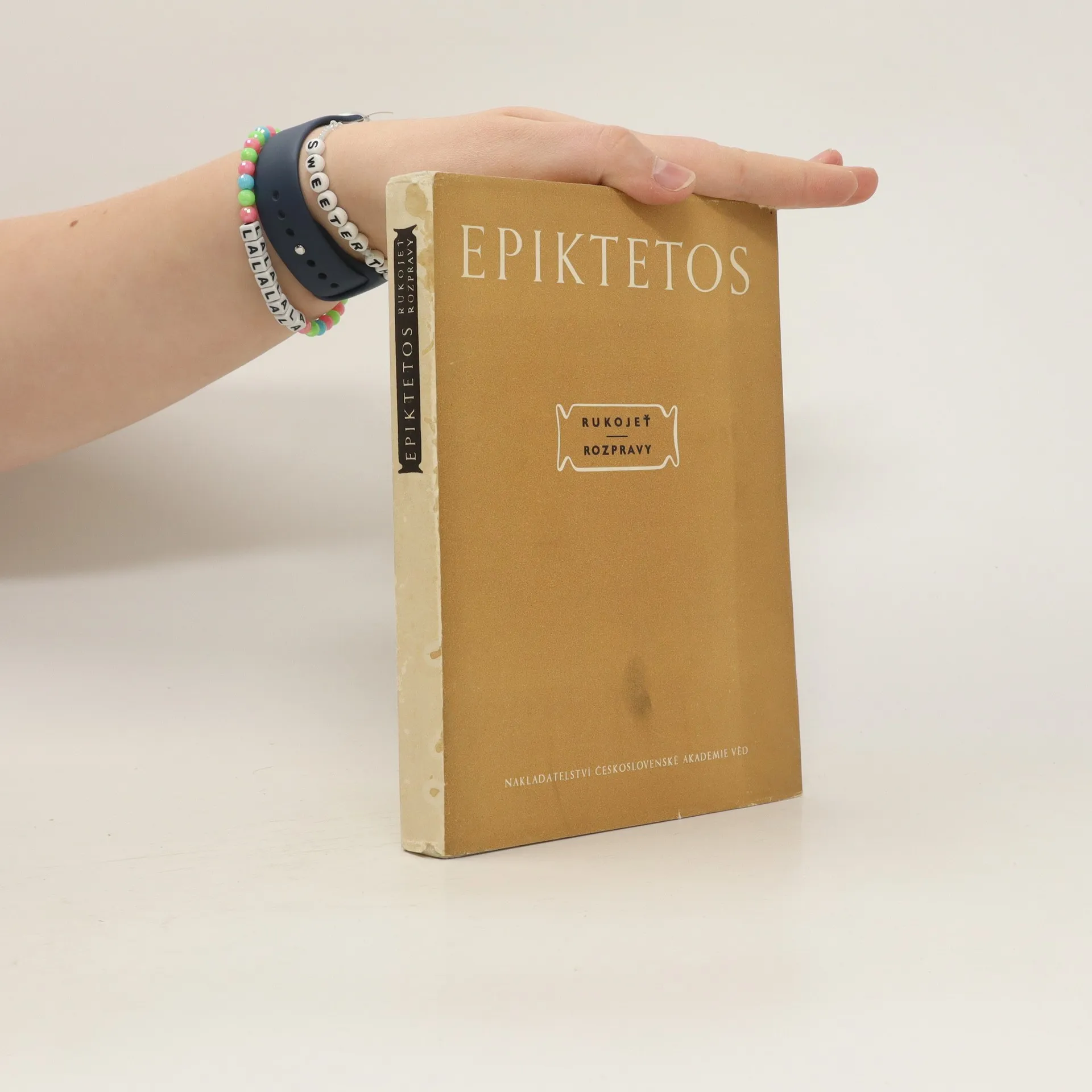
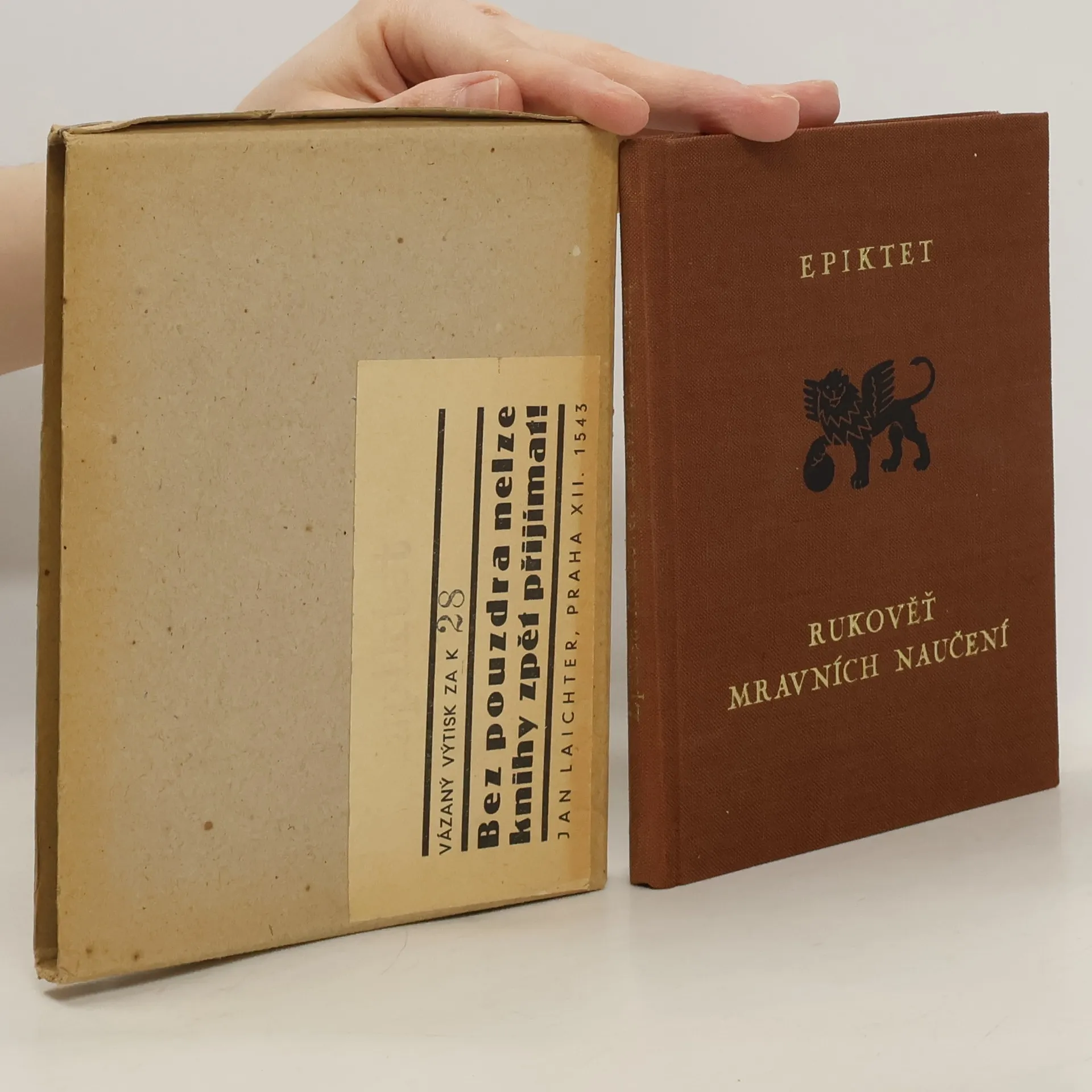
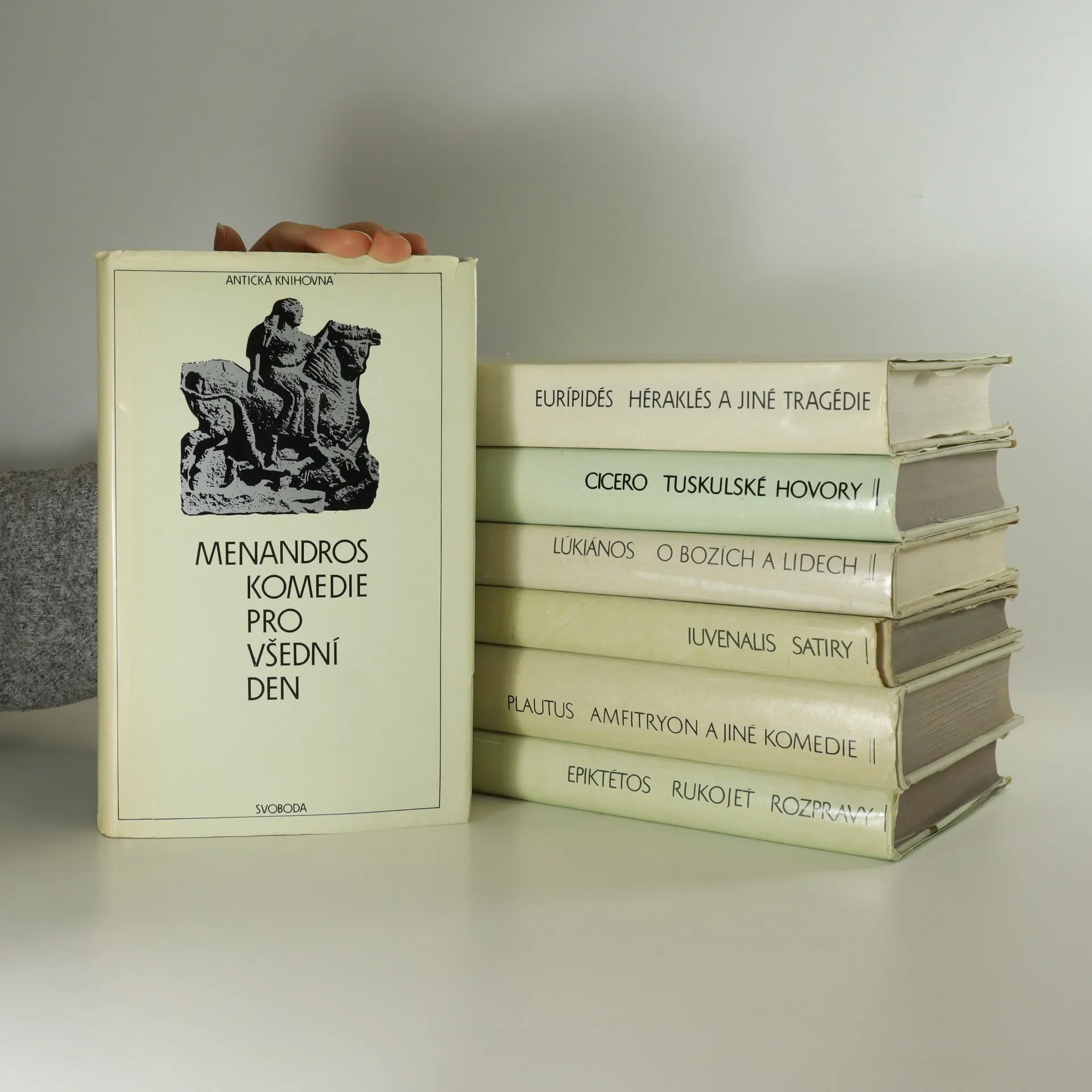
Epiktet Books




The Complete Works
- 480 pages
- 17 hours of reading
The complete surviving works of Epictetus, a pivotal Stoic philosopher from antiquity, present profound insights on personal agency and moral self-improvement. Born into slavery around 50 CE, Epictetus became a philosophy teacher after gaining his freedom. Following his expulsion from Rome, he dedicated his life to teaching in Greece. His influential works include a series of discourses, recorded by his student Arrian, and the Handbook, which encapsulates the essence of Epictetus's teachings. Central to his philosophy is the idea that happiness hinges on understanding what is within our control and what is not. While our internal states and reactions are ours to manage, external events are determined by a benevolent deity, and we should regard them, along with our bodies, possessions, and relationships, as indifferent—striving to make the best use of them. The Discourses and Handbook serve as practical guides for self-improvement, detailing the necessary work and exercises for enriching one’s life. Edited and translated by esteemed scholar Robin Waterfield, this collection offers modern readers valuable perspectives on coping with challenges such as death, exile, interpersonal relationships, and the unpredictability of life.
Stoic Classics Collection
Marcus Aurelius's Meditations, Epictetus's Enchiridion, Seneca's On a Happy Life, On the Shortness of Life, On Peace of Mind & On Providence
- 222 pages
- 8 hours of reading
This collection features six foundational texts of Stoic philosophy, offering insights into resilience, virtue, and the nature of happiness. Readers will explore the teachings of renowned Stoic philosophers, including Seneca, Epictetus, and Marcus Aurelius, each providing practical wisdom on how to navigate life's challenges with a calm and rational mindset. The works emphasize the importance of self-control, moral integrity, and understanding the world around us, making it a valuable resource for anyone seeking personal growth and philosophical guidance.
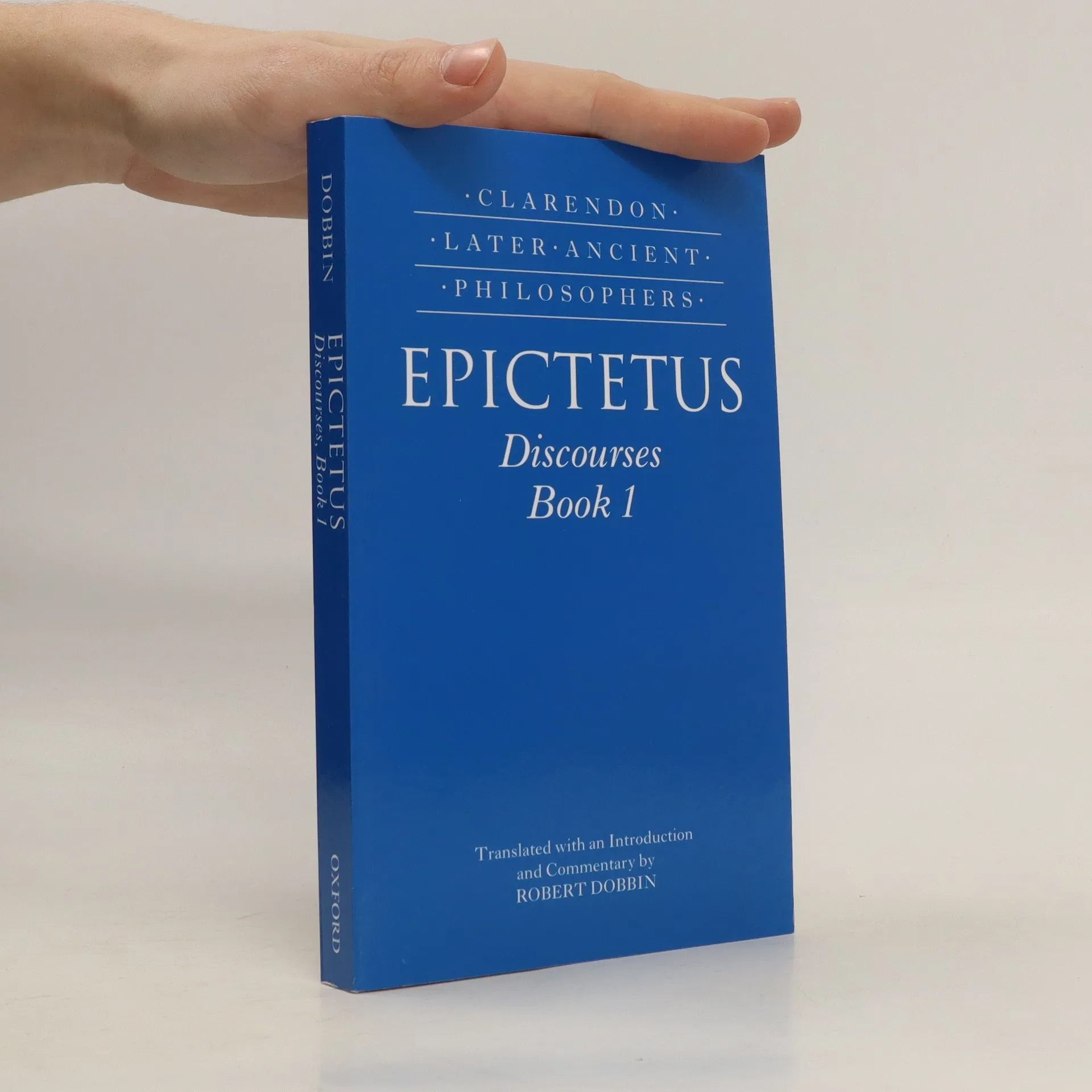
Robert Dobbin presents a new translation into clear modern English of the first book of Epictetus' Discourses, accompanied by the first ever commentary on the work in English. The Discourses, composed around AD 100, are a key source for ancient Stoicism, one of the most influential schools of thought in Western philosophy.
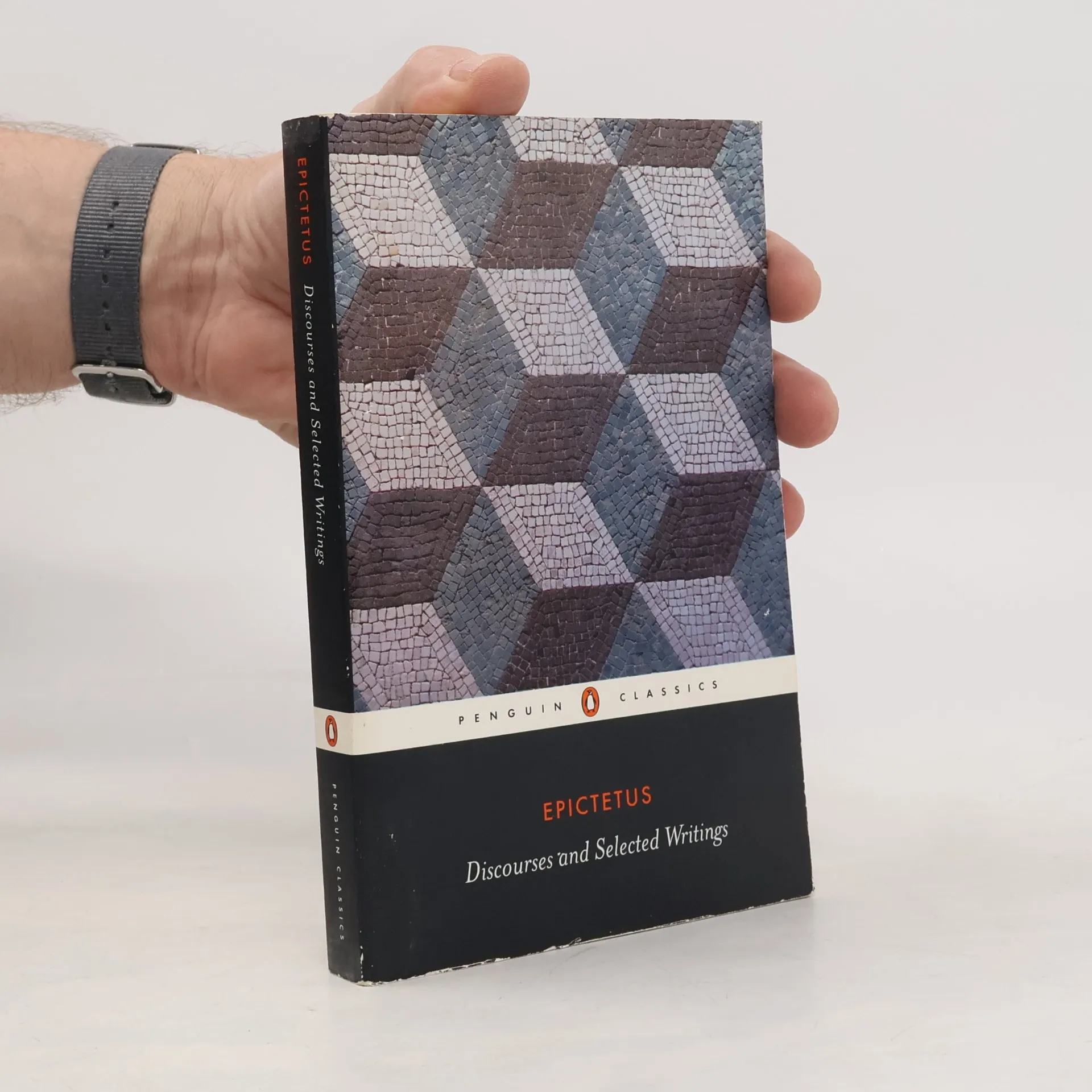
Discourses and Selected Writings
- 400 pages
- 14 hours of reading
Epictetus, a Greek stoic and freed slave, ran a thriving philosophy school in Nicropolis in the early second century AD. His animated discussions were celebrated for their rhetorical wizardry and were written down by Arrian, his most famous pupil. Together with the Enchiridion, a manual of his main ideas, and the fragments collected here, The Discourses argue that happiness lies in learning to perceive exactly what is in our power to change and what is not, and in embracing our fate to live in harmony with god and nature. In this personal, practical guide to the ethics of stoicism and moral self-improvement, Epictetus tackles questions of freedom and imprisonment, illness and fear, family, friendship and love, and leaves an intriguing document of daily life in the classical world.
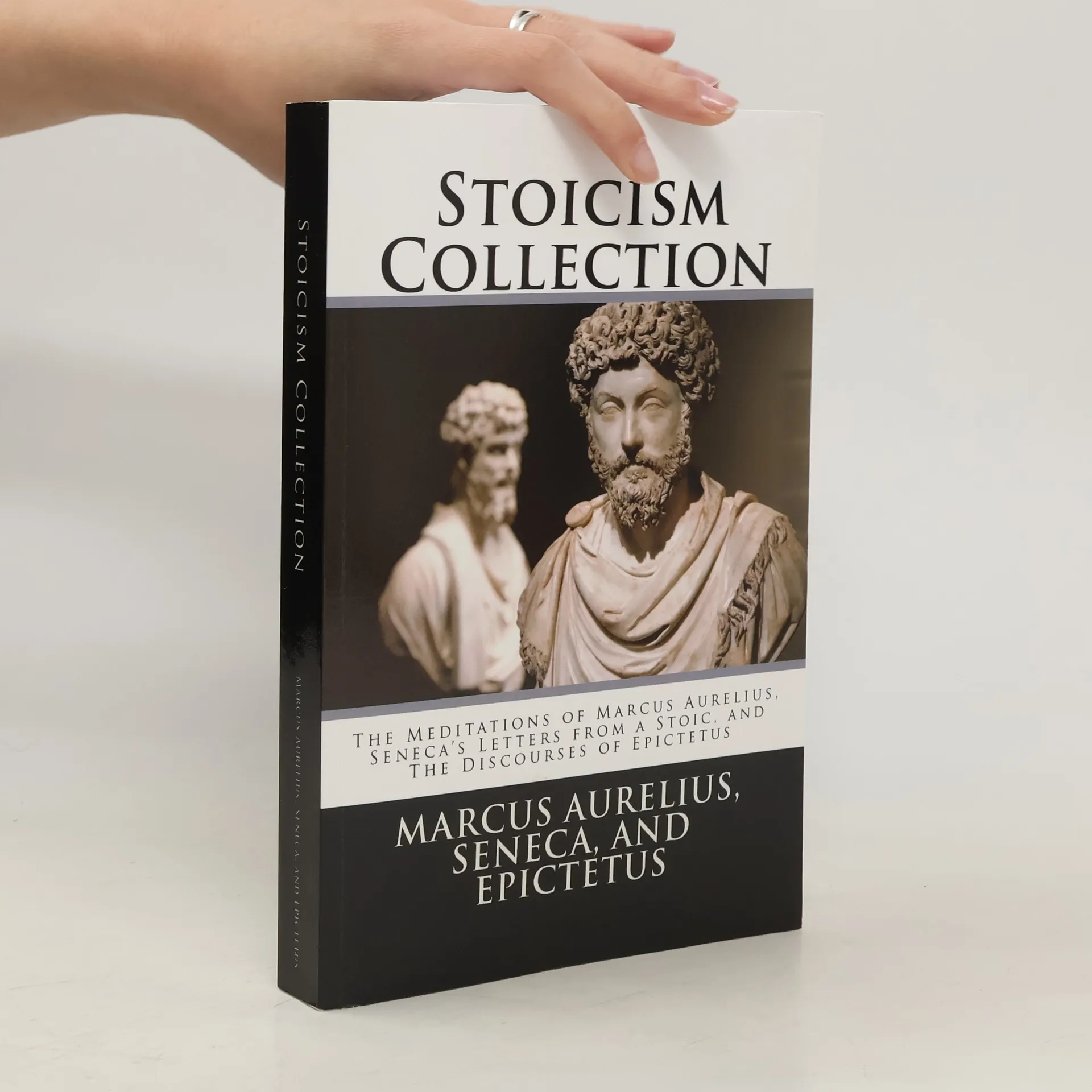
Stoicism Collection
- 410 pages
- 15 hours of reading
This Stoicism Collection contains three of the most notable Stoic pieces, The Meditations of Marcus Aurelius, Seneca's Letters from a Stoic, and The Discourses of Epictetus. These three pieces are the foundations of Stoicism.
Unlike the vast majority of The Golden Sayings editions, which are public domain reprints from more than a century ago, Stanhope's version updates this 2,000 year old collection of aphorisms in straightforward, modern English. It is by far the greatest and most useful edition of The Golden Sayings to date with its lively translation, explanatory notes drawn from top Epictetus scholars, enigmatic pictures, and introductory material. One of the three great Roman Stoics and a representative of the ethical and philosophical pinnacle of classical Roman civilisation, Epictetus was born in the first century and influenced philosophy during the time of the New Testament.
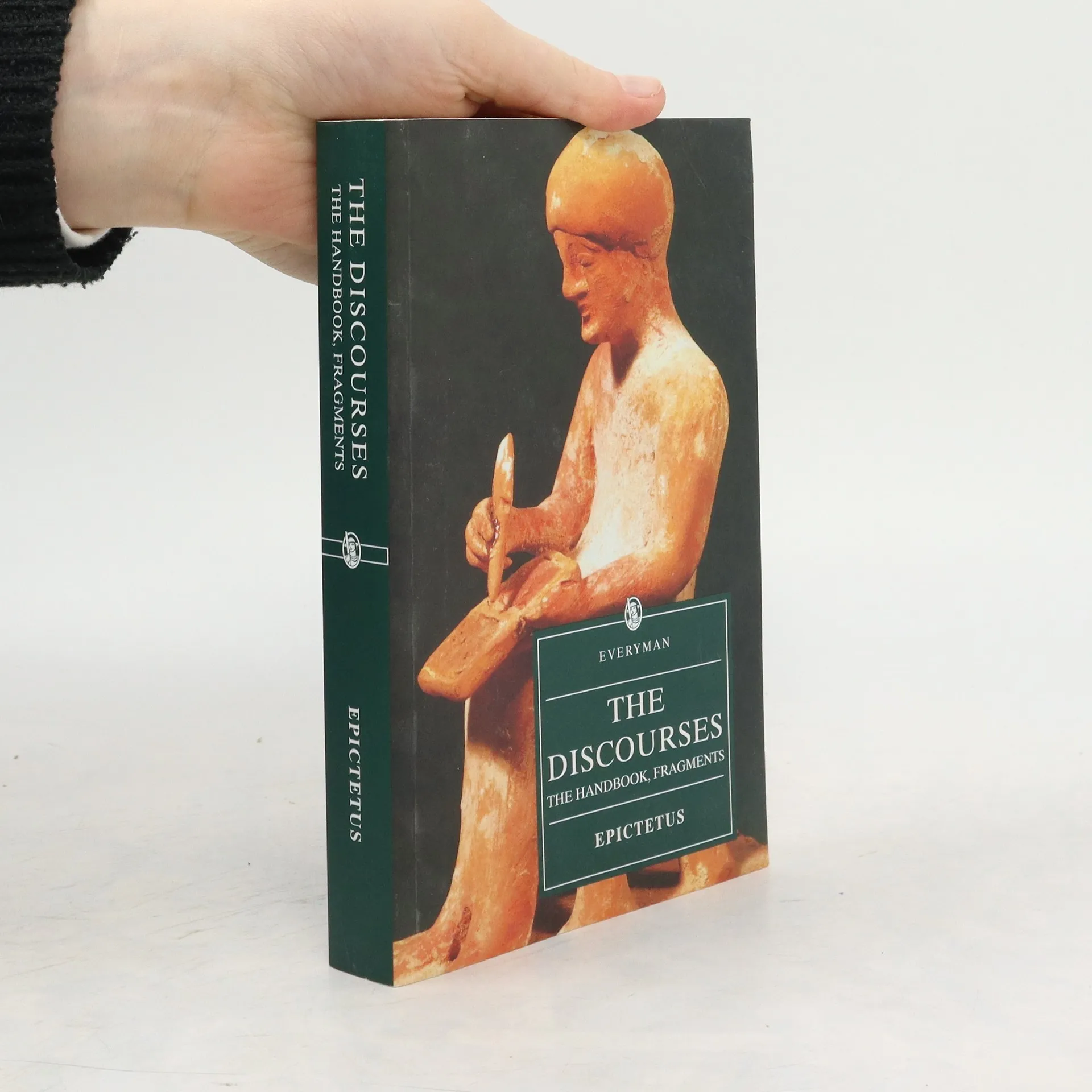
The Discourses. The Handbook, Fragments
- 384 pages
- 14 hours of reading
For centuries, Stoicism was virtually the unofficial religion of the Roman world The stress on endurance, self-restraint, and power of the will to withstand calamity can often seem coldhearted. It is Epictetus, a lame former slave exiled by Emperor Domitian, who offers by far the most precise and humane version of Stoic ideals. The Discourses, assembled by his pupil Arrian, catch him in action, publicly setting out his views on ethical dilemmas. Committed to communicating with the broadest possible audience, Epictetus uses humor, imagery conversations and homely comparisons to put his message across. The results are perfect universal justice and calm indifference in the face of pain. The most comprehensive edition available with an introduction, notes, selected criticism, glossary, and chronology of Epictetus' life and times.
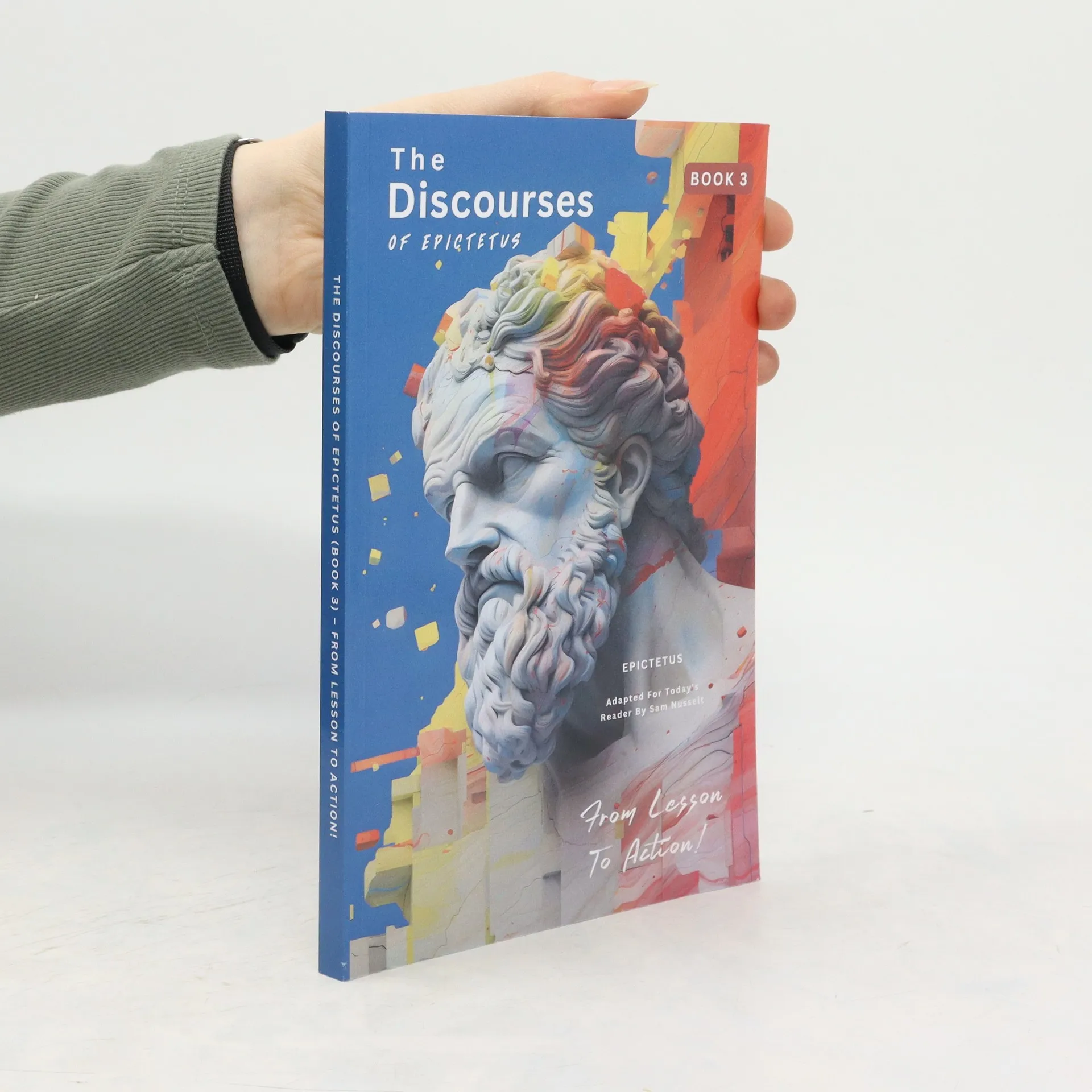
The Discourses of Epictetus (Book 3) - From Lesson To Action!
Adapted For Today's Reader | Bringing Stoic Philosophy to the Present
- 172 pages
- 7 hours of reading
This guide offers practical strategies for incorporating Stoic philosophy into daily life. It explores key Stoic principles, emphasizing resilience, mindfulness, and rational decision-making. Readers will find actionable advice on managing emotions, overcoming challenges, and cultivating a sense of inner peace. Through real-life examples and exercises, the book aims to empower individuals to lead more fulfilling lives by embracing Stoic wisdom and applying it to modern situations.
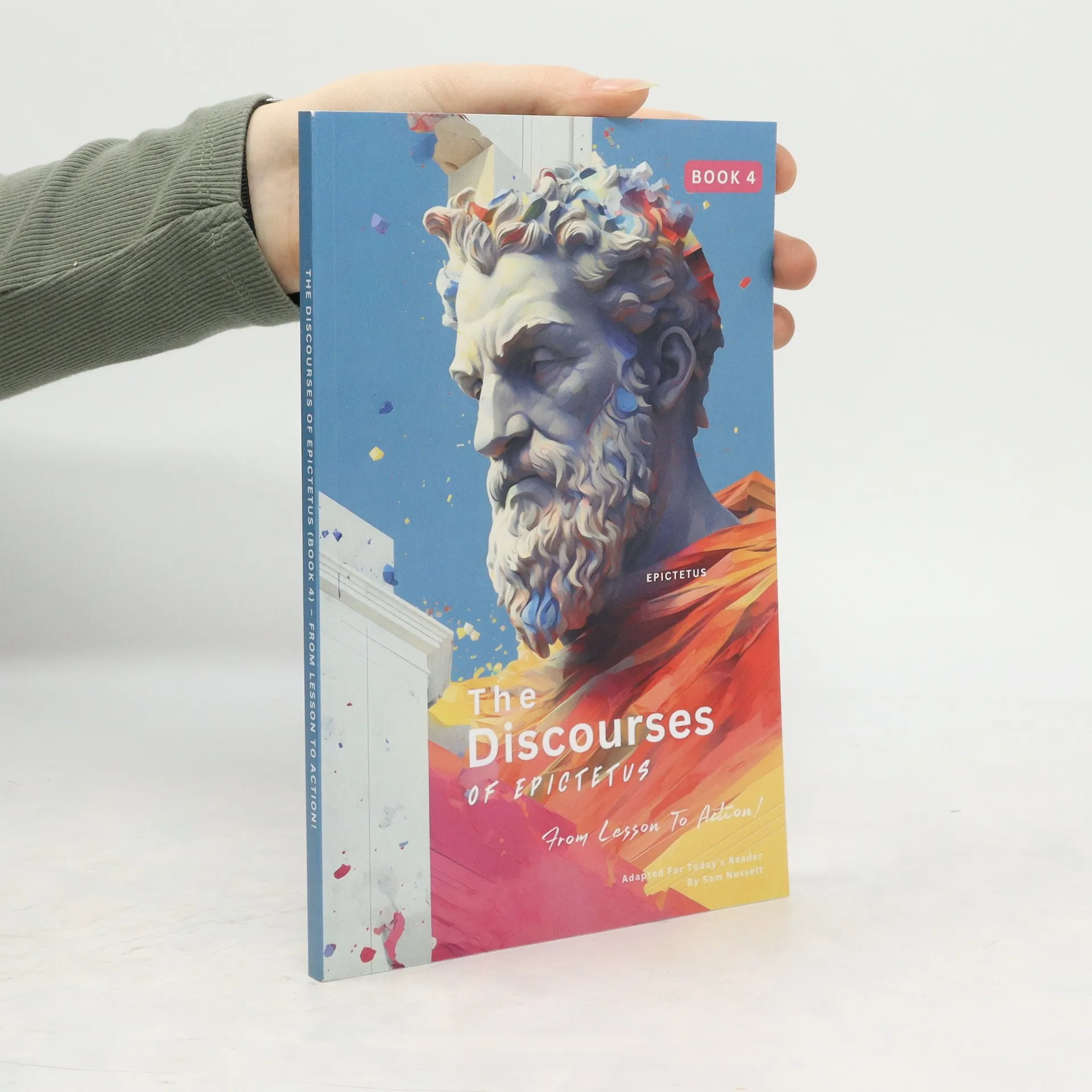
The Discourses of Epictetus (Book 4) - From Lesson To Action!
Adapted For Today's Reader | Bringing Stoic Philosophy to the Present
- 120 pages
- 5 hours of reading
Exploring the principles of Stoicism, this guide offers practical strategies for integrating its teachings into everyday life. It emphasizes the development of resilience, emotional control, and rational thinking to navigate challenges effectively. Readers will learn how to cultivate a mindset that embraces adversity and fosters personal growth, making Stoicism accessible and applicable in modern contexts. Through actionable advice and relatable examples, the book serves as a valuable resource for anyone seeking to enhance their well-being and mental strength.
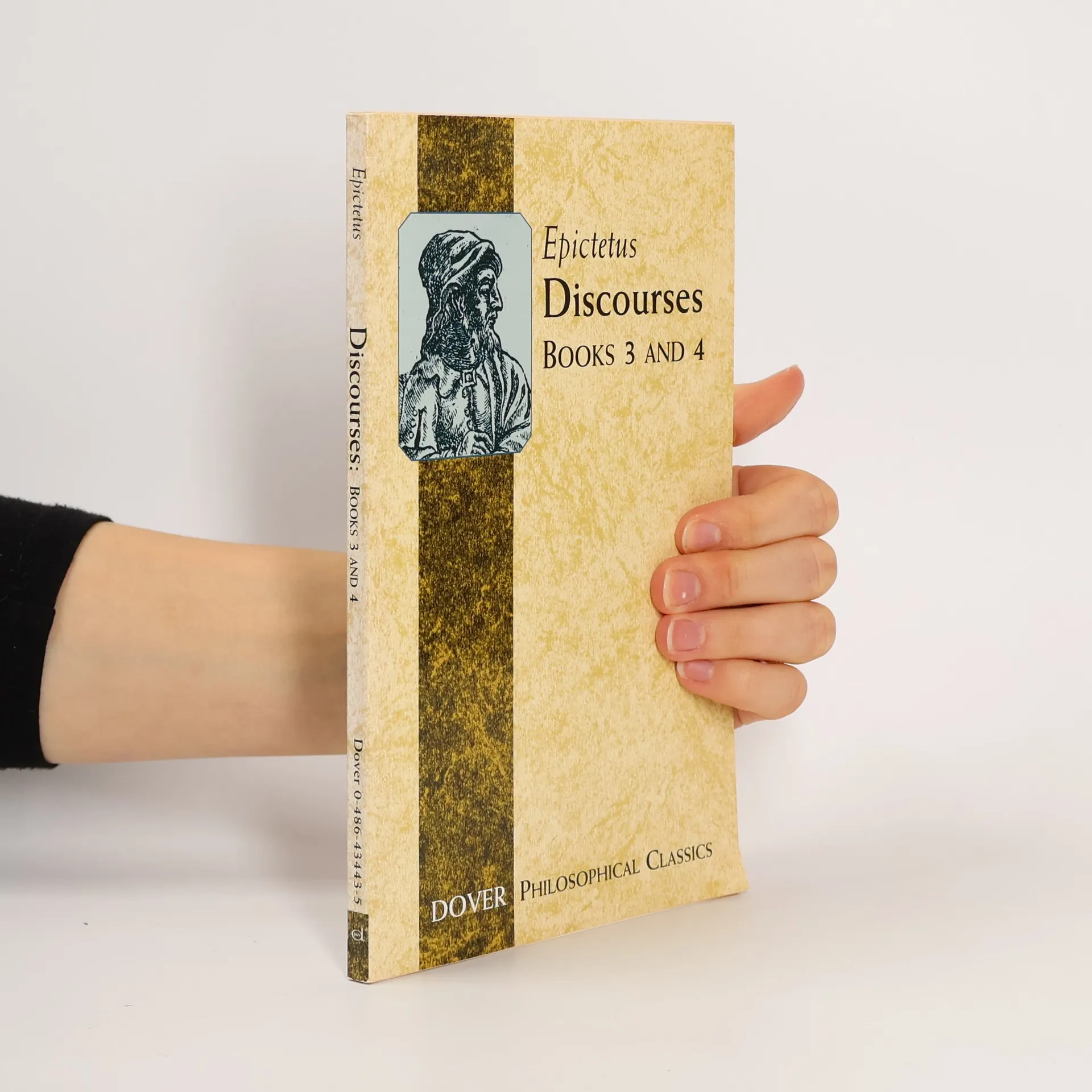
Philosophical Classics - 3-4: Discourses
- 128 pages
- 5 hours of reading
In this compilation of Books 3 and 4 of Epictetus' Discourses — the second of a two-volume set — the philosopher discusses the quest for freedom, the nature of solitude, cynicism, fear, discretion, the avoidance of quarrels, and other subjects of enduring interest and concern.
Selected Discourses of Epictetus, and the Enchiridion
- 118 pages
- 5 hours of reading
The book emphasizes the importance of living one's philosophy rather than merely discussing it. Drawing on the teachings of Epictetus, it encourages readers to embody Stoic principles in their daily lives, promoting resilience, self-discipline, and a deep understanding of personal values. Through practical insights and reflections, it aims to inspire individuals to act in accordance with their beliefs, fostering a more meaningful and intentional existence.
Stoic Six Pack
Meditations of Marcus Aurelius The Golden Sayings Fragments and Discourses of Epictetus Letters from a Stoic and The Enchiridion
- 518 pages
- 19 hours of reading
This collection features six foundational works of Stoic philosophy, including Marcus Aurelius' "Meditations" and Seneca's "Letters from a Stoic." It also includes key texts by Epictetus, such as "The Golden Sayings," "Fragments," and "The Enchiridion," along with selected discourses. Each text offers profound insights into resilience, virtue, and the art of living, providing readers with timeless wisdom for personal growth and self-discipline. Together, these works serve as a comprehensive introduction to Stoic thought.
Handbook of Epictetus also known as Enchiridion written by legendary Greek Stoic philosopher Epictetus is a manual of Stoic ethical advice. Compiled by Arrian, who was a student of Epictetus, this great classic will surely attract a whole new generation of readers. For many, the Handbook of Epictetus is required reading for various courses and curriculums. And for others who simply enjoy reading timeless pieces of classic literature, this gem by Epictetus is highly recommended. Published by Classic Books America and beautifully produced, the Handbook of Epictetus would make an ideal gift and it should be a part of everyone's personal library.
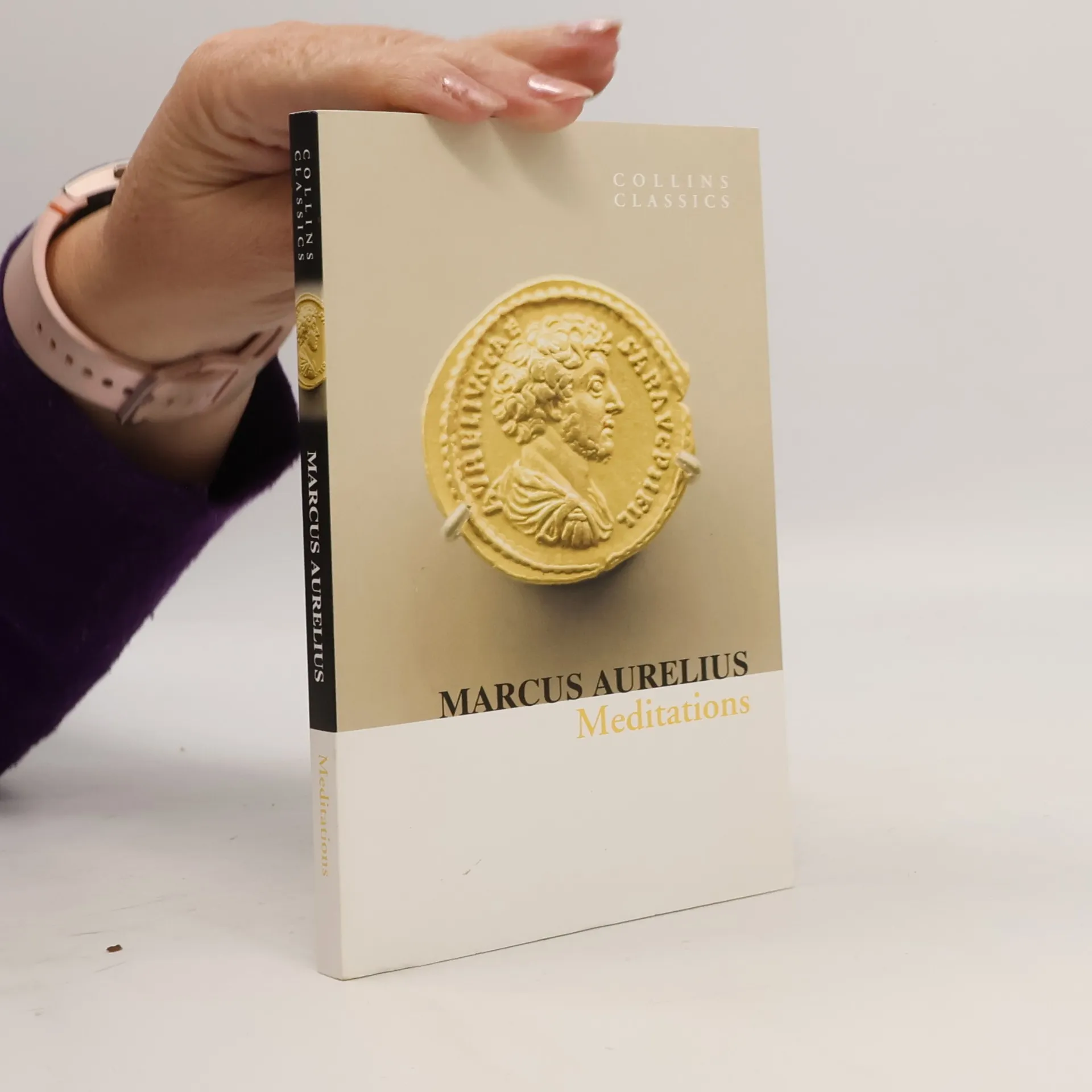
Meditations
- 256 pages
- 9 hours of reading
HarperCollins is proud to present its incredible range of best-loved, essential classics. Our life is what our thoughts make it The extraordinary writings of Marcus Aurelius (AD 121-180), the only Roman emperor to have also been a stoic philosopher, have for centuries been praised for their wisdom, insight and guidance by leaders and great thinkers alike. Never intended for publication, Meditations are the personal notes born from a man who studied his unique position of power as emperor while trying to uphold inner balance in the chaotic world around him. Boldly challenging many of our biggest questions, Aurelius wrestles with the divided self, considering the complexities of human nature, rationality and moral virtue, affirming its place as one of the most timeless, significant works of philosophy to date.
Focusing on practical philosophy, Epictetus encourages students to examine their opinions, anxieties, and desires to achieve true fulfillment. His informal lectures provide insights into Stoic thought, emphasizing the importance of self-control and understanding one's reactions to external events. The collection also features the Enchiridion, a manual that distills key Stoic principles for daily living, making these teachings accessible for anyone seeking personal growth and resilience.
The Stoic way of Life
- 178 pages
- 7 hours of reading
This book contains many powerful and effective practices for a modern person. If you want to have control over things that belong to your internal state, then The Stoic way of Life is for you.
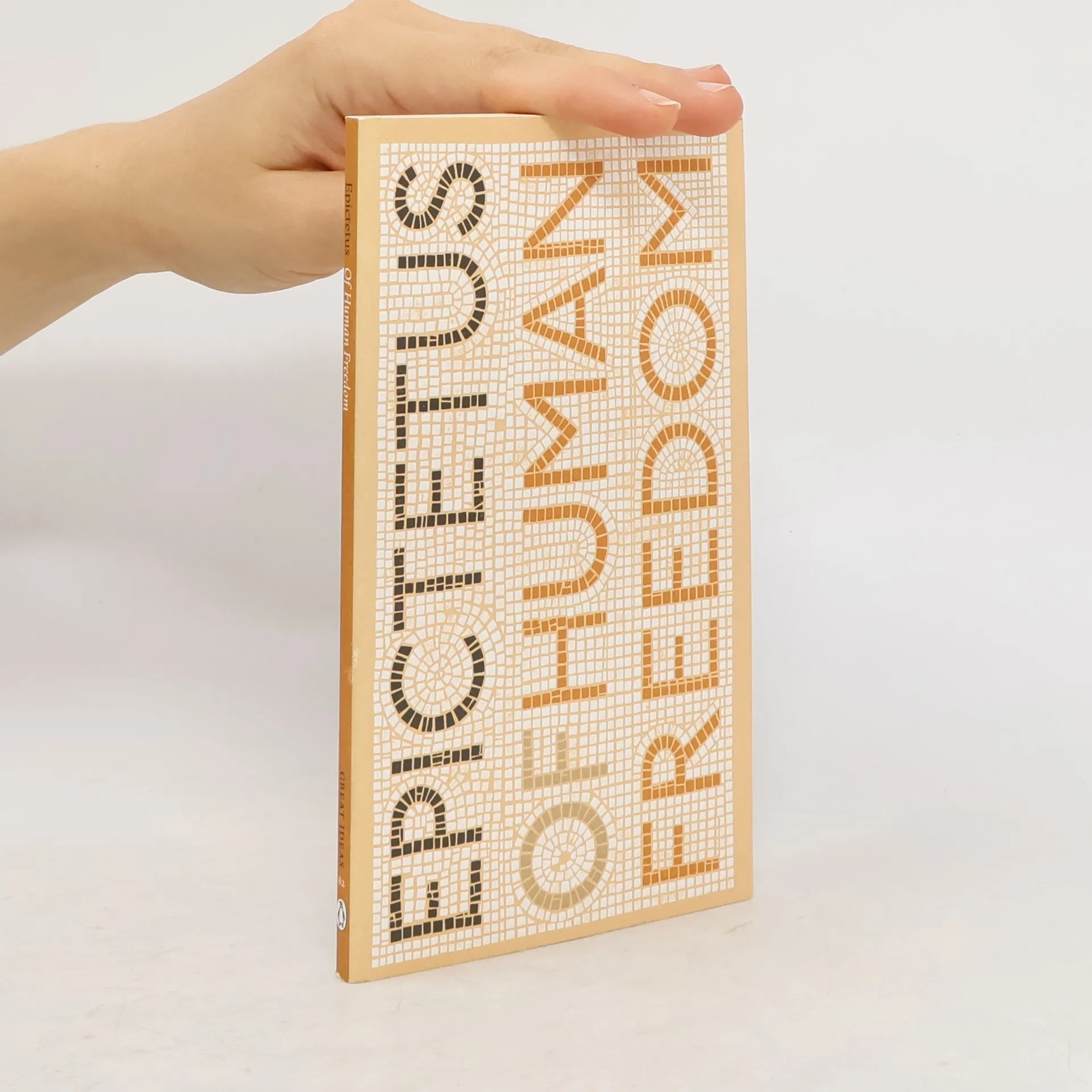
Of Human Freedom
- 112 pages
- 4 hours of reading
A practical guide to moral self-improvement and living a good life. It tackles questions of freedom and imprisonment, stubbornness and fear, family, friendship and love, and leaves an intriguing document of daily life in the classical world.
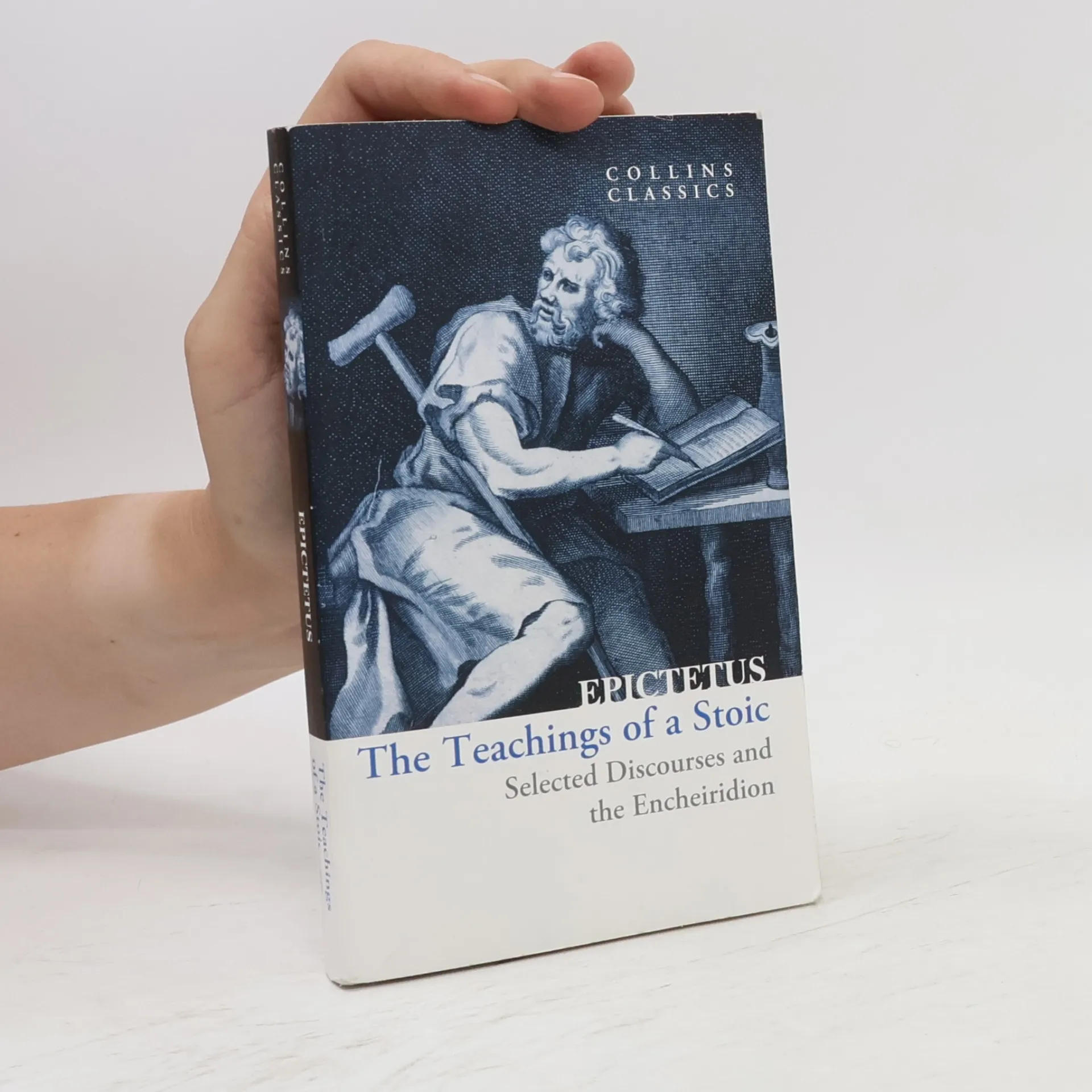
The Teachings of a Stoic
- 224 pages
- 8 hours of reading
HarperCollins is proud to present its incredible range of best-loved, essential classics.
Discourses of Epictetus
- 480 pages
- 17 hours of reading
The teachings of Epictetus, a former slave and disabled philosopher, offer profound insights into Stoic philosophy. Through his discourses, readers gain access to the wisdom of a revered teacher whose thoughts on resilience, ethics, and the nature of freedom have influenced countless generations. His journey from adversity to intellectual prominence serves as a testament to the enduring power of Stoic principles.
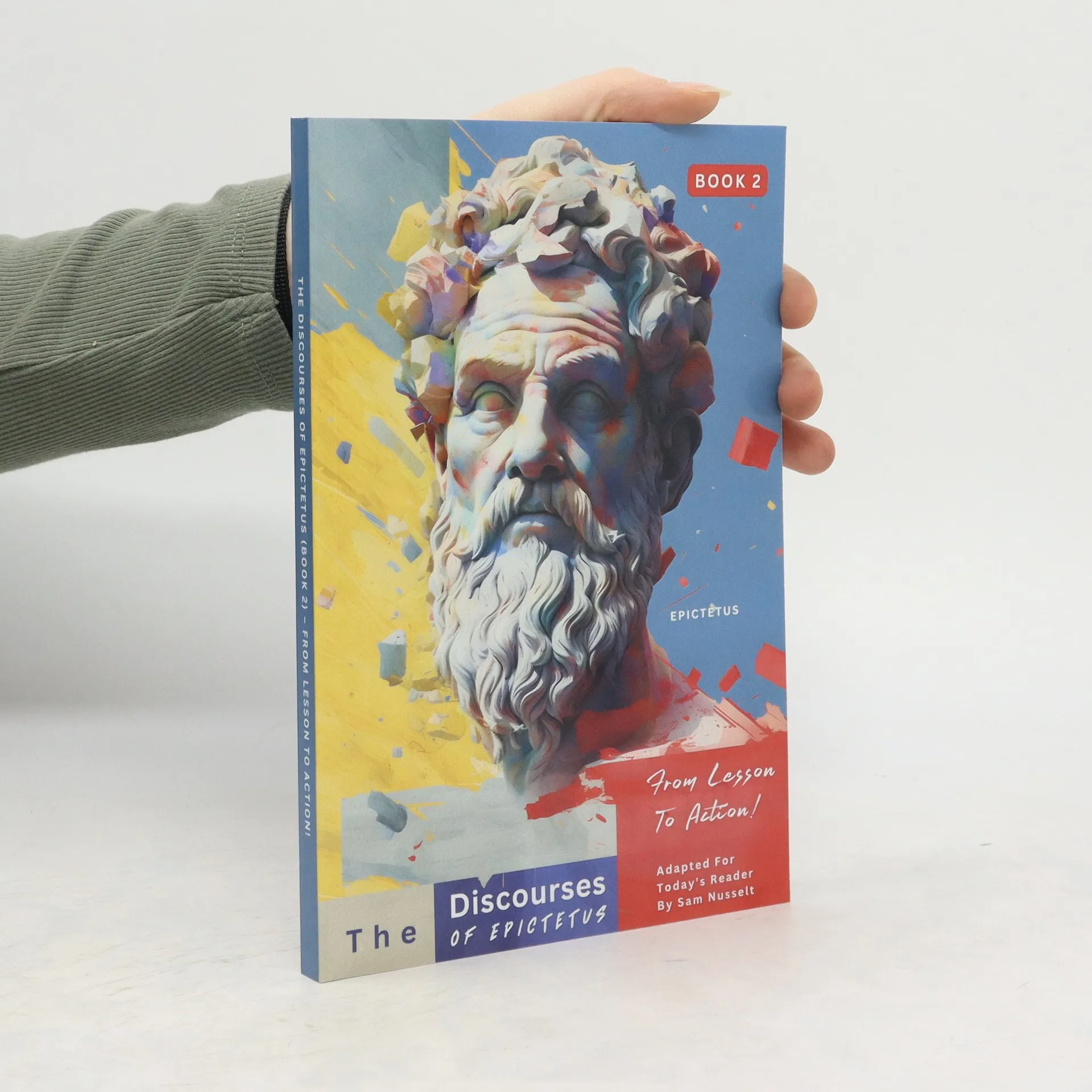
The Discourses of Epictetus (Book 2) - From Lesson To Action!
Adapted For Today's Reader | Bringing Stoic Philosophy to the Present
- 170 pages
- 6 hours of reading
Focusing on the practical application of Stoic philosophy, this guide offers readers actionable insights to integrate Stoic principles into everyday life. It delves into key concepts such as resilience, mindfulness, and emotional control, providing exercises and real-life examples to help cultivate a Stoic mindset. The book aims to empower individuals to navigate challenges with greater clarity and composure, ultimately leading to a more fulfilling and balanced existence.
The Discourses of Epictetus and the Enchiridion (Deluxe Library Edition)
- 352 pages
- 13 hours of reading
Focusing on the importance of personal perception, the Discourses of Epictetus offers practical guidance for managing opinions, anxieties, and desires to achieve fulfillment. Through informal lectures, Epictetus encourages students to cultivate self-awareness and resilience. The collection also features the Enchiridion, a handbook that distills key Stoic principles for everyday application, making these teachings accessible for those seeking to navigate life's challenges with a Stoic mindset.
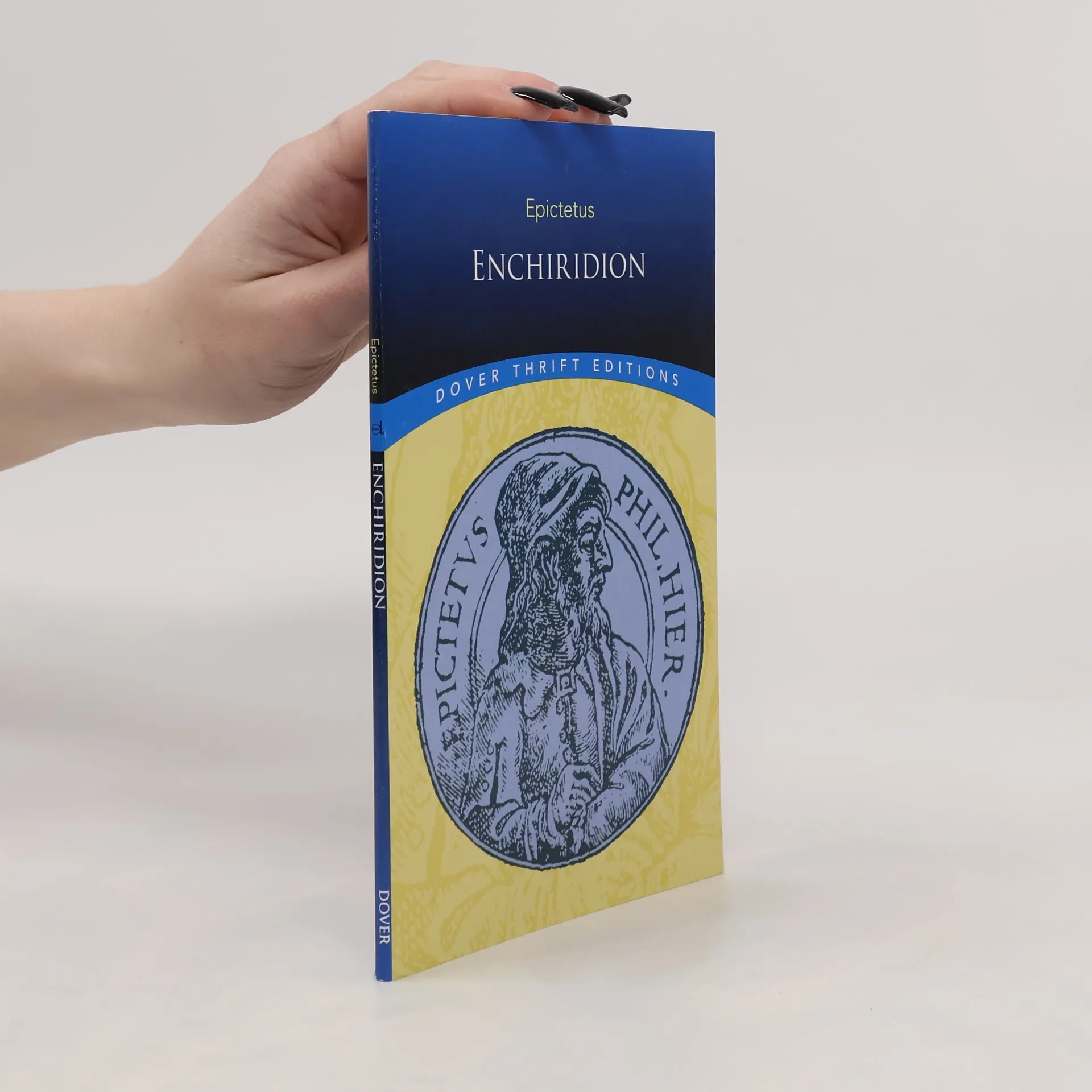
Enchiridion (with a Selection from the Discourses)
- 136 pages
- 5 hours of reading
Exploring the life and teachings of Epictetus, a prominent Stoic philosopher born into slavery in 55 AD, this volume delves into his philosophy of emotional detachment and rationality. The "Enchiridion," compiled by his student Arrian, serves as a practical guide for achieving happiness through acceptance of one's circumstances. This edition features a selection of Epictetus' discourses, showcasing the essence of Stoicism and its emphasis on harmony with the universe. Enhanced by an introduction from T. W. Rolleston, it is printed on premium acid-free paper.
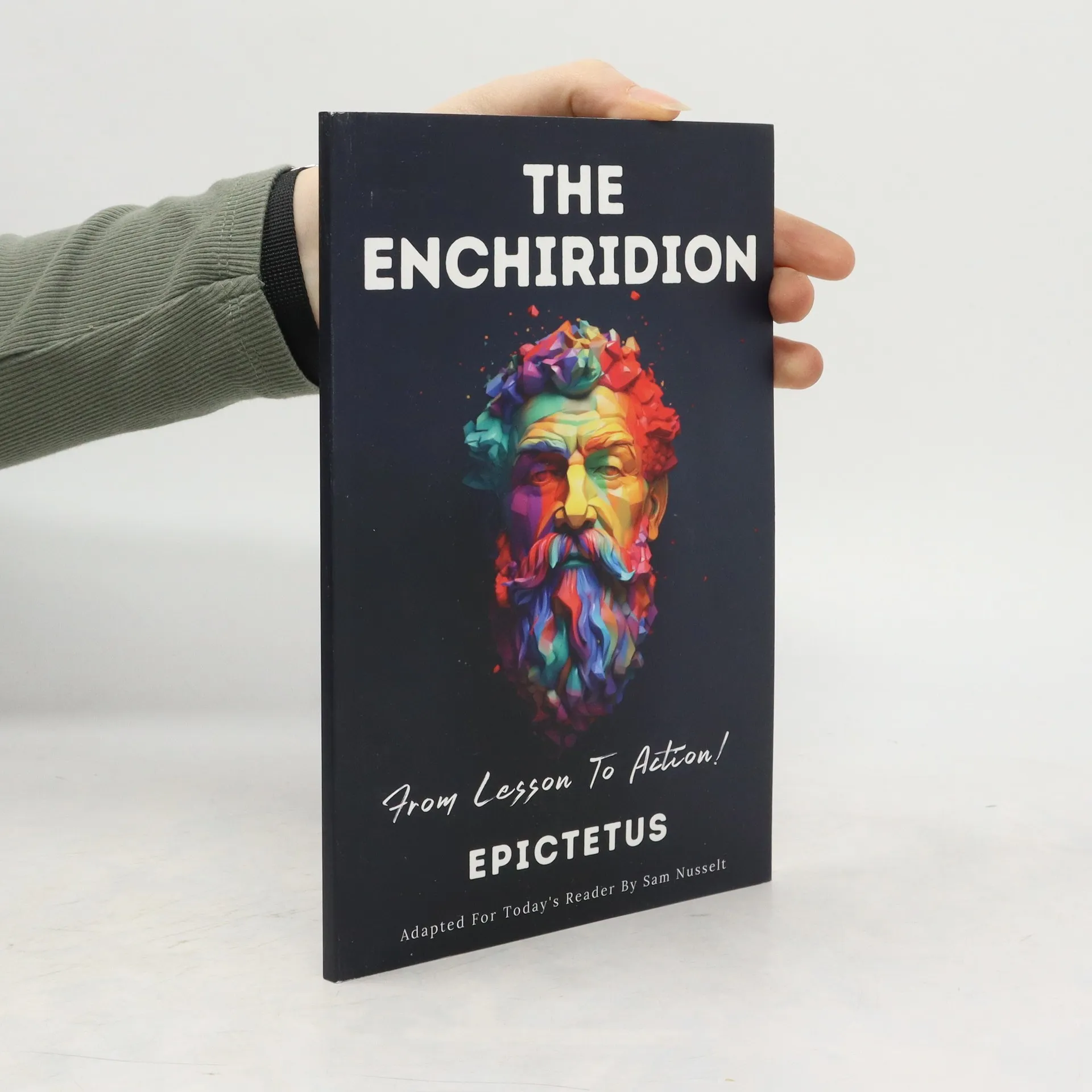
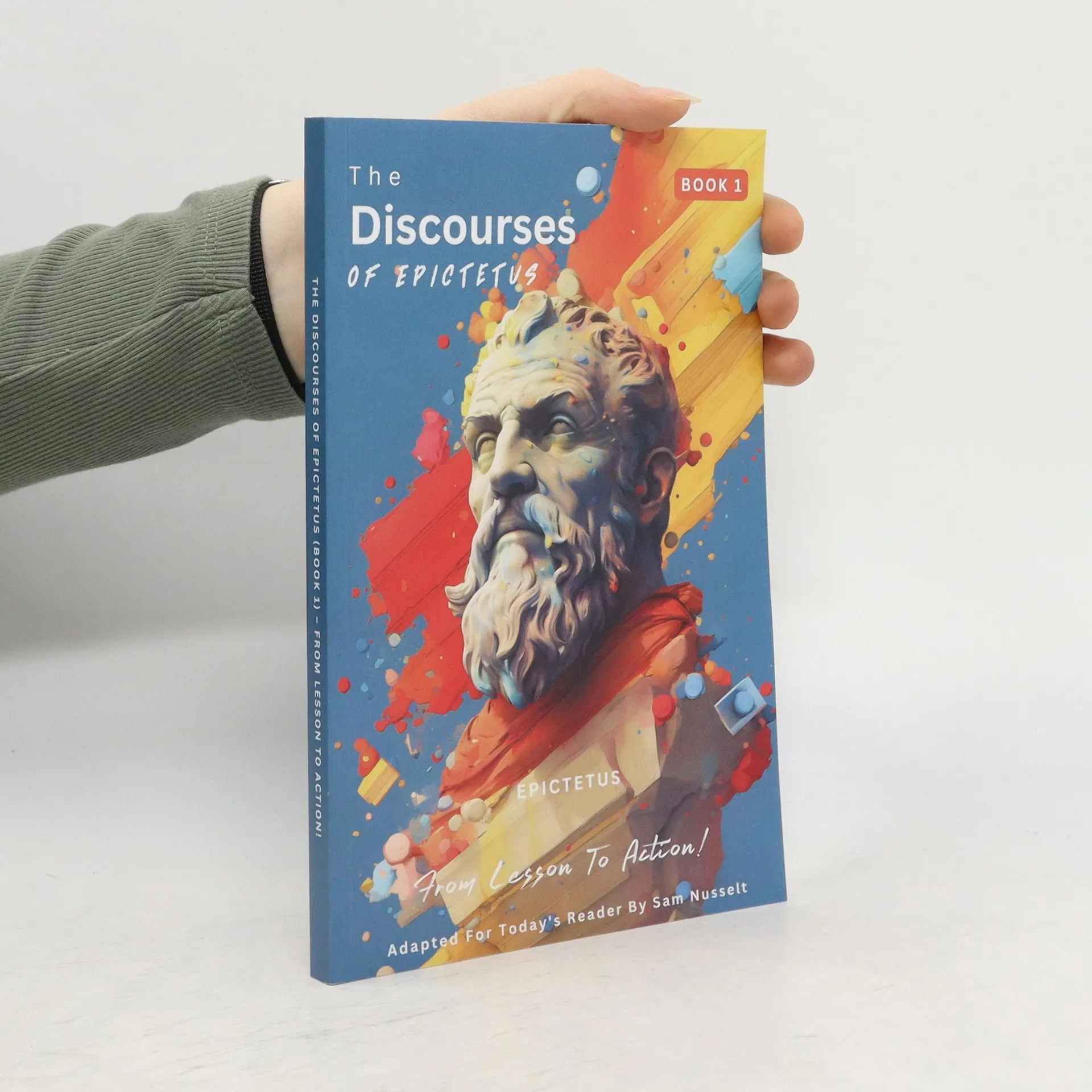
The Discourses of Epictetus (Book 1) - From Lesson To Action!
Adapted For Today's Reader | Bringing Stoic Philosophy to the Present
- 178 pages
- 7 hours of reading
Focusing on the principles of Stoicism, this guide offers practical strategies for integrating its teachings into everyday life. It emphasizes the importance of mindfulness, emotional resilience, and rational thinking to navigate challenges and improve personal well-being. Through relatable examples and actionable exercises, readers are encouraged to cultivate a Stoic mindset, fostering self-discipline and inner peace. The book serves as a valuable resource for anyone seeking to enhance their mental fortitude and lead a more fulfilling life.
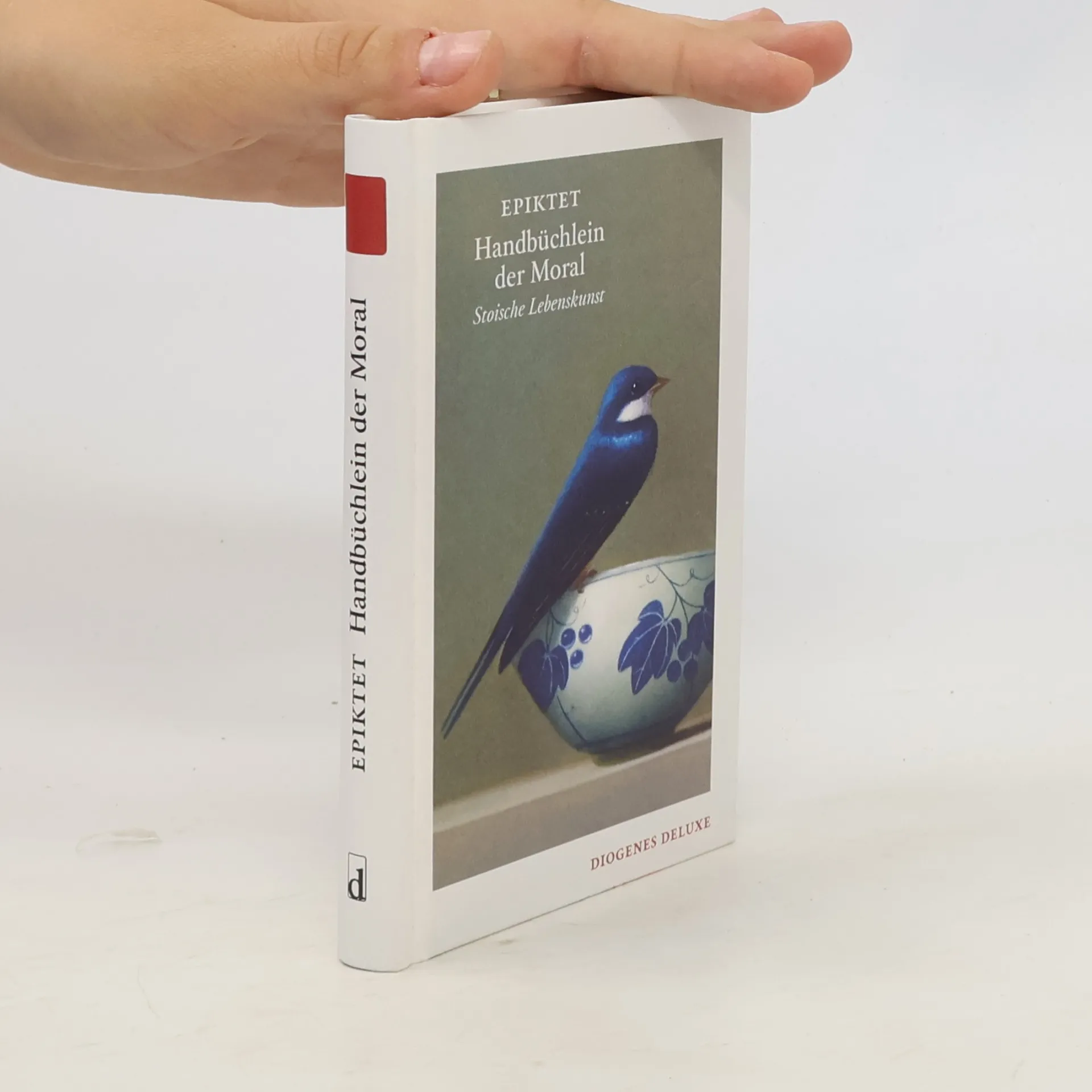
Lebenskunst
Das klassische Handbuch für Charakterkraft, Glück und Wirksamkeit. Eine Neuinterpretation von Sharon Lebell – Epiktet: The Art of Living deutsche Ausgabe
- 176 pages
- 7 hours of reading
Epiktet wurde um 55 n. Chr. im Römischen Reich in die Sklaverei geboren. Nach seiner Befreiung gründete er eine einflussreiche Schule der stoischen Philosophie, die betont, dass der Mensch das, was ihm im Leben widerfährt, oft nicht kontrollieren kann, aber seine Reaktionen darauf. Aber genau darin liegt eine nahezu unendliche Kraft, ein erfülltes Leben zu finden. Sharon Lebell hat sich in diesem Buch die Hauptwerke Epiktets, bis heute einer der wichtigsten stoischen Philosophen, vorgenommen und einer Neubearbeitung unterzogen. Es erfolgt nicht nur eine Übertragung von Epiktets »Handbüchlein« in eine moderne und leicht verständliche Sprache, sondern auch eine umfassende Neuinterpretation seiner Lehre, aus der sich vielfältige und ganz praktische Anweisungen ergeben, die für jedermann verständlich und jederzeit anwendbar sind und die in ihrer praktischen Anwendung im Endeffekt fast zwangsläufig zu einem ausgefüllten, glücklichen Leben führen.
Wybrane diatryby i Encheiridion
- 232 pages
- 9 hours of reading
Epiktet, grecki filozof, przekazuje swoje nauki poprzez dialogi i spory, które zostały spisane przez jego ucznia, Flawiusza Arriana. Jego filozofia koncentruje się na naturze człowieka, wolności i szczęściu, podkreślając, że zrozumienie tych kwestii jest kluczowe dla osobistego spełnienia, czyli eudajmonii. W obliczu współczesnych wyzwań i nierealistycznych pragnień, które często pozostają niespełnione, jego myśli są bardziej aktualne niż kiedykolwiek. Diatryby i Encheiridion mają na celu pomóc czytelnikom zrozumieć prawdziwe znaczenie przyjemności, obowiązków i cnót. Epiktet podkreśla, że filozofia ma moc nadawania życiu sensu i przynoszenia szczęścia. Rozróżnia rzeczy, na które mamy wpływ, i te, które są poza naszą kontrolą, wskazując, że niepowodzenia, które nie są naszą winą, nie powinny wywoływać żalu. Ta niewielka książeczka, oparta na przekładzie George'a Longa, wymaga od czytelnika refleksji i uważności. To lektura dla tych, którzy pragną uporządkować swoje życie i nadać mu znaczenie. Klucz do szczęścia leży w przestaniu martwienia się rzeczami, na które nie mamy wpływu. Epiktet przypomina, że zdrowy rozsądek i proste działanie są niezwykle cenne.
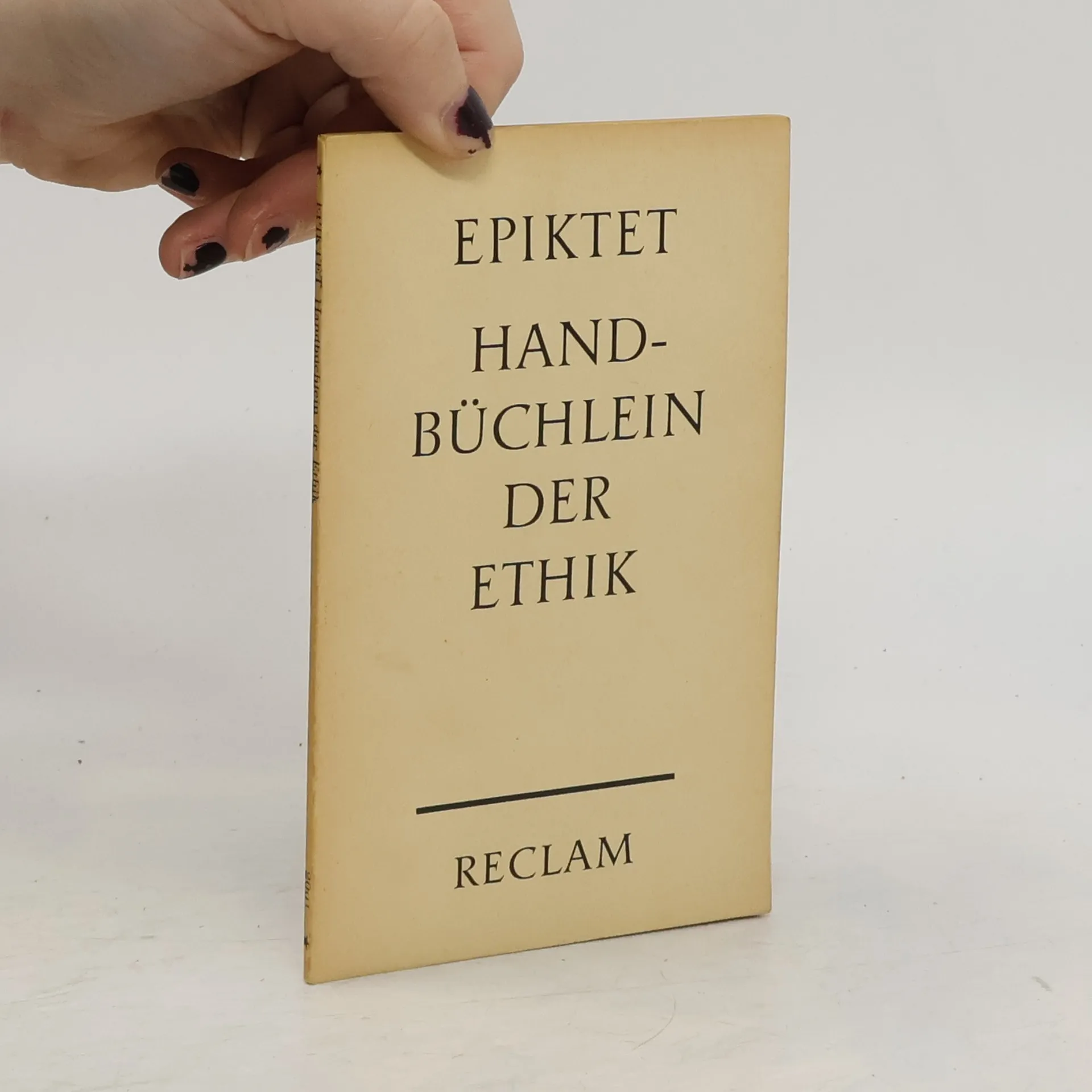
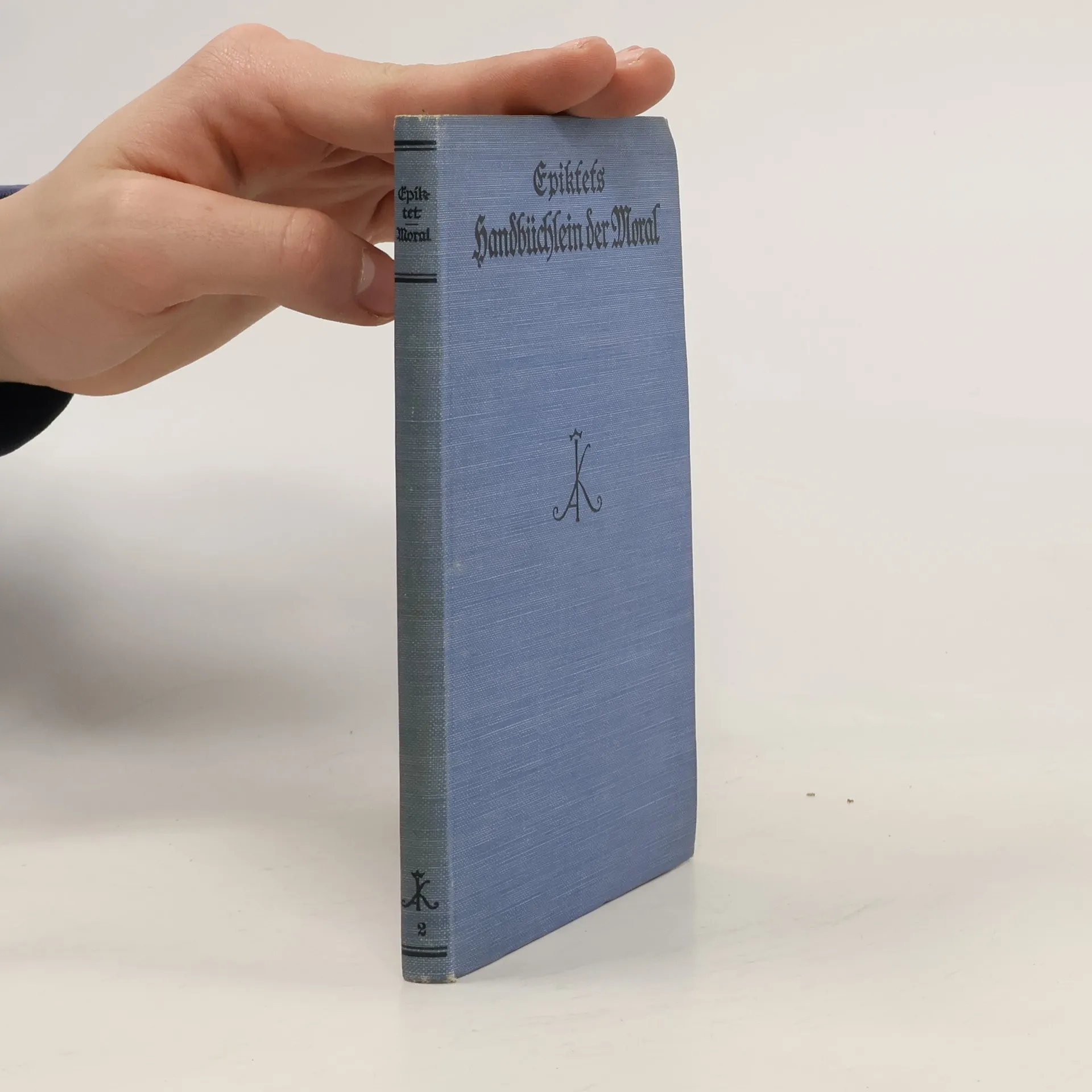
Handbüchlein der Moral und Unterredungen 2.
- 126 pages
- 5 hours of reading
Epiktets Handbüchlein der Moral
Nebst einer Auswahl seiner Unterredungen
Философия стоицизма, провозглашающая стойкость и мужество, бесстрашие и терпение, пренебрежение к смерти и стремление к добродетели, являлась нравственной основой античного мира. Она руководила поступками людей и устанавливала формы поведения среди образованной элиты в Греции и Риме вплоть до III века нашей эры. В данное издание вошли тексты двух видных представителей Марка Аврелия и Эпиктета. Читатель найдет в них наставления древних мудрецов о благородной жизни, любопытные размышления о бессмертии, о гармонии со Вселенной, о любви, терпении и о многом другом.
Staroveký manuál rozvoja osobnosti a správneho prístupu k životu. Filozof Epiktétos, oslobodený otrok a známa osobnosť svojej doby, sa prostredníctvom Manuálu prihovára k čitateľovi ako k svojmu žiakovi, ktorý sa rozhodol zmeniť a zlepšiť svoj život. Ponúka súbor rád a pravidiel, ktoré, ak správne aplikované, mu majú priniesť duševný kľud a šťastie. Manuál sa snaží odhaliť, kde skutočne leží ľudská sloboda a čo je príčinou ľudského utrpenia. Epiktétos, narodený v chudobe a otroctve, neskôr velebený verejnosťou a stretávajúci sa i so samotným rímskym cisárom, dospel k hlbokému porozumeniu toho, ako nakladať so životnými strasťami a ako pristupovať k svojmu osudu. Epiktétov Manuál bol svojho času nazývaný srdcom stoickej filozofie a dodnes patrí k svetovo najčítanejším dielam klasickej literatúry. Na rozdiel od dobovej literatúry sa ale vyznačuje nebývalou jasnosťou a stručnosťou. Text nie je nijako štylisticky zaťažený historickými postupmi a útvarmi. Bol napísaný výlučne ako súbor poznámok z Epiktétových prednášok, preto je strohý a priamy. Počas dvoch tisícročí od svojho vzniku, Epiktétovo dielo preukázateľne pomohlo mnohým tým, ktorí sa do neho začítali, nájsť svoj smer v živote, postaviť sa na vlastné nohy a uspieť. Jeho idey sa navždy stali súčasťou filozofie osobnostného rozvoja a jeho ideologická príbuznosť s východnou filozofiou výstižne ilustruje jeho univerzálnosť a autenticitu.
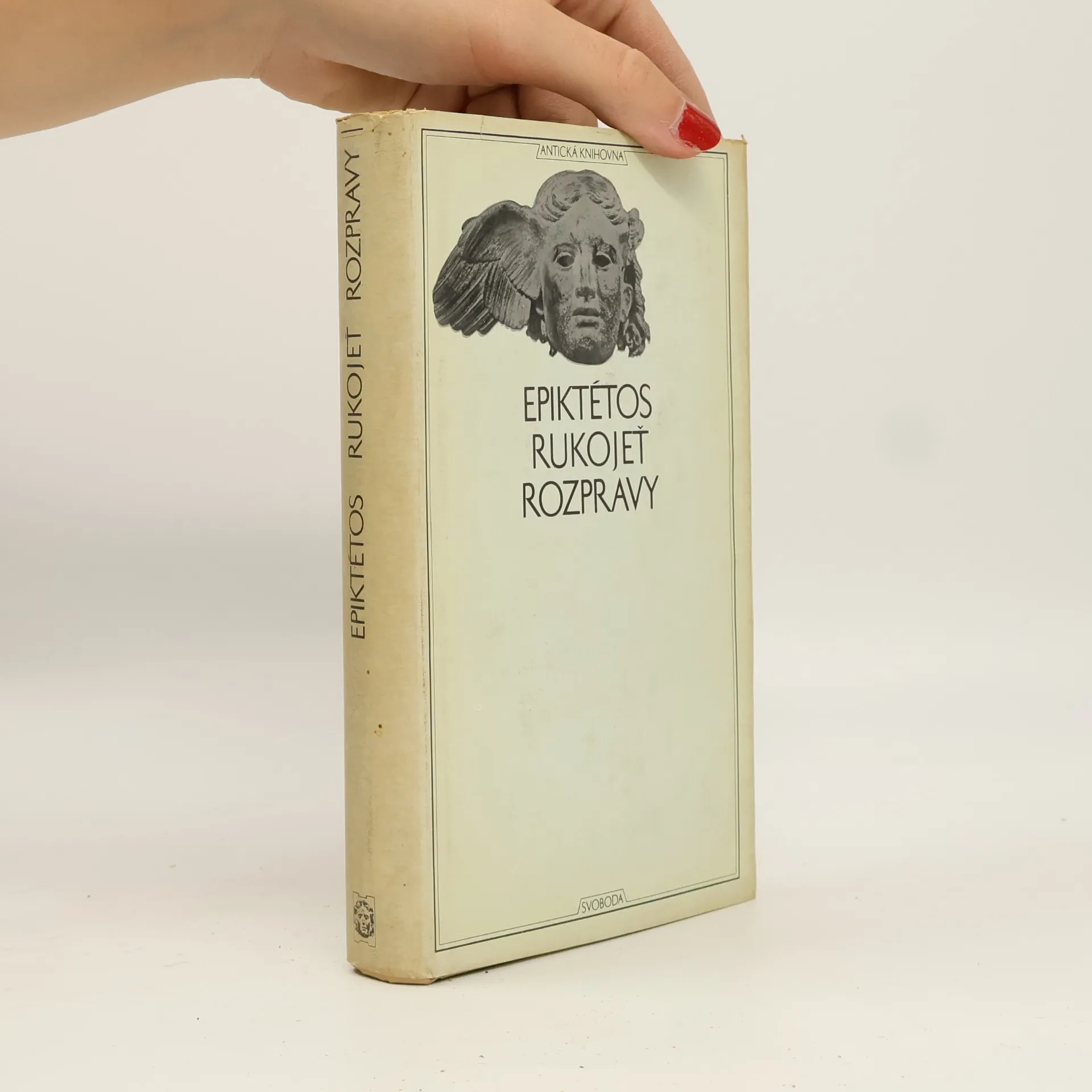
Epiktétova nauka o mravním jednání, zejména o mravní sebevýchově člověka, podává po způsobu takzvané diariblé, filosofické rozpravy, čas od času kořeněné anekdotami, citáty z básníků, názornými a mnohdy drastickými příklady, alegoriemi, apostrofami, personifikacemi a zejména hojnýmidialogy, neztratila podnes na své působnosti a na ceně.
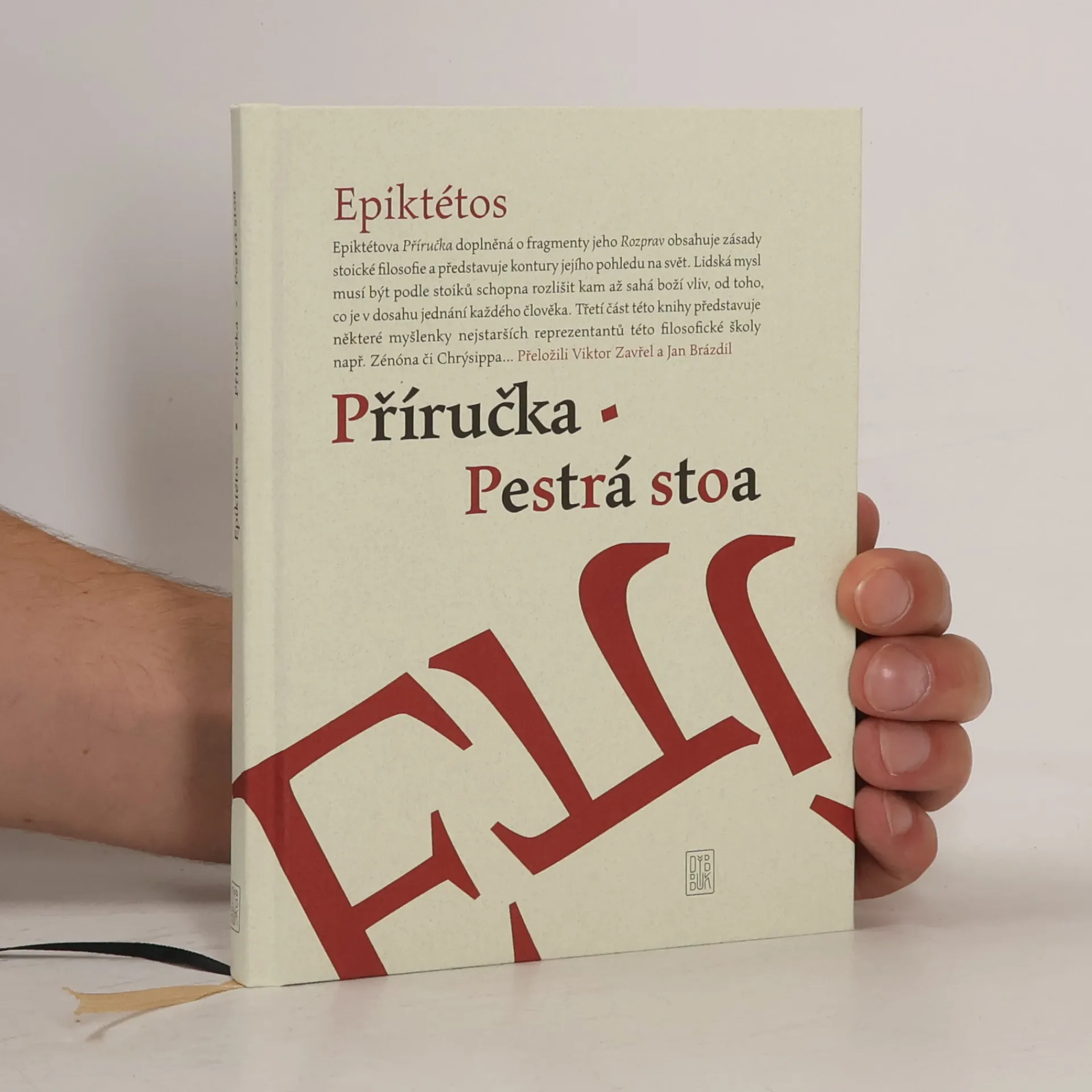
Příručka ; Pestrá stoa
- 104 pages
- 4 hours of reading
Epiktétova Příručka doplněná o fragmenty jeho Rozprav obsahuje zásady stoické filosofie a představuje kontury jejího pohledu na svět. Lidská mysl musí být podle stoiků schopna rozlišit kam až sahá boží vliv, od toho, co je v dosahu jednání každého člověka. Třetí část této knihy představuje některé myšlenky nejstarších reprezentantů této filosofické školy např. Zénóna či Chrýsippa, zarámována tu souhlasnými komentáři Senecovými, jinde jízlivými poznámkami Ciceronovými. Primárním úkolem knihy není představit souvislý výklad stoického učení, ale být svému čtenáři užitečnou pomůckou a dopomoci mu k pokroku směrem k blaženosti. Tedy k životu zcela svobodnému a pokojnému, oproštěnému od bolesti, ale i neuvážené slasti. Aby u svého čtenáře takového pokroku mohl dosáhnout, představuje Epiktétos nejen přísnou stoickou doktrínu, ale také menší krůčky, důvtipné a prozíravé rady a mentální cviky, založené na bystrém pozorování lidské psychiky.
O životě Epiktéta toho víme málo spolehlivého. Již starověké zprávy o něm jsou hodně nepřesné a odporují si. Ani jeho věk není bezpečně zjištěn; obecně se může říct, že žil v druhé polovině 1. Století a v prvé polovině 2. Století, tedy asi 50-130 po Kr. Pocházel z Frýgie, v Římě otročil v domě jakéhosi Epafrodita. Pán poznav jeho nadání dal ho vyučovati ve filosofii u Musonia Rufa. Epiktétos se oddal filosofii stoické. Byv propuštěn na svobodu vyučoval v Římě a těšil se velké přízni a oblibě. R. 94 byl spolu s jinými filosofy vypovězen a odstěhoval se do Nikopole, kde zemřel. Jeho učení je učení staroattické stoy namířené na cíl praktický. Jádrem je výklad o dobru a zlu. Epiktét učí, že dobro a zlo jsou věci zcela závislé na naší vůli. Vrchol dobra je rozumný způsob praktického života. Člověk žije ve společnosti, proto se všechno myšlení i konání musí řídit zřetelem společenským. Lidé jsou špatní, protože nevědí, co je dobré. Snášejme tedy chyby bližních a nehněvejme se na ně. I špatní jsou nutnou součástí světa řádně řízeného božskou prozřetelností. Šťasten je ten, kdo dobře plní úkol od Boha určený; v tomto konání dobra nemůže mu překážet nikdo. Poznámky: podle původního vydání u Bohuslava Hendrycha v Praze roku 1938
Myšlenky
- 320 pages
- 12 hours of reading