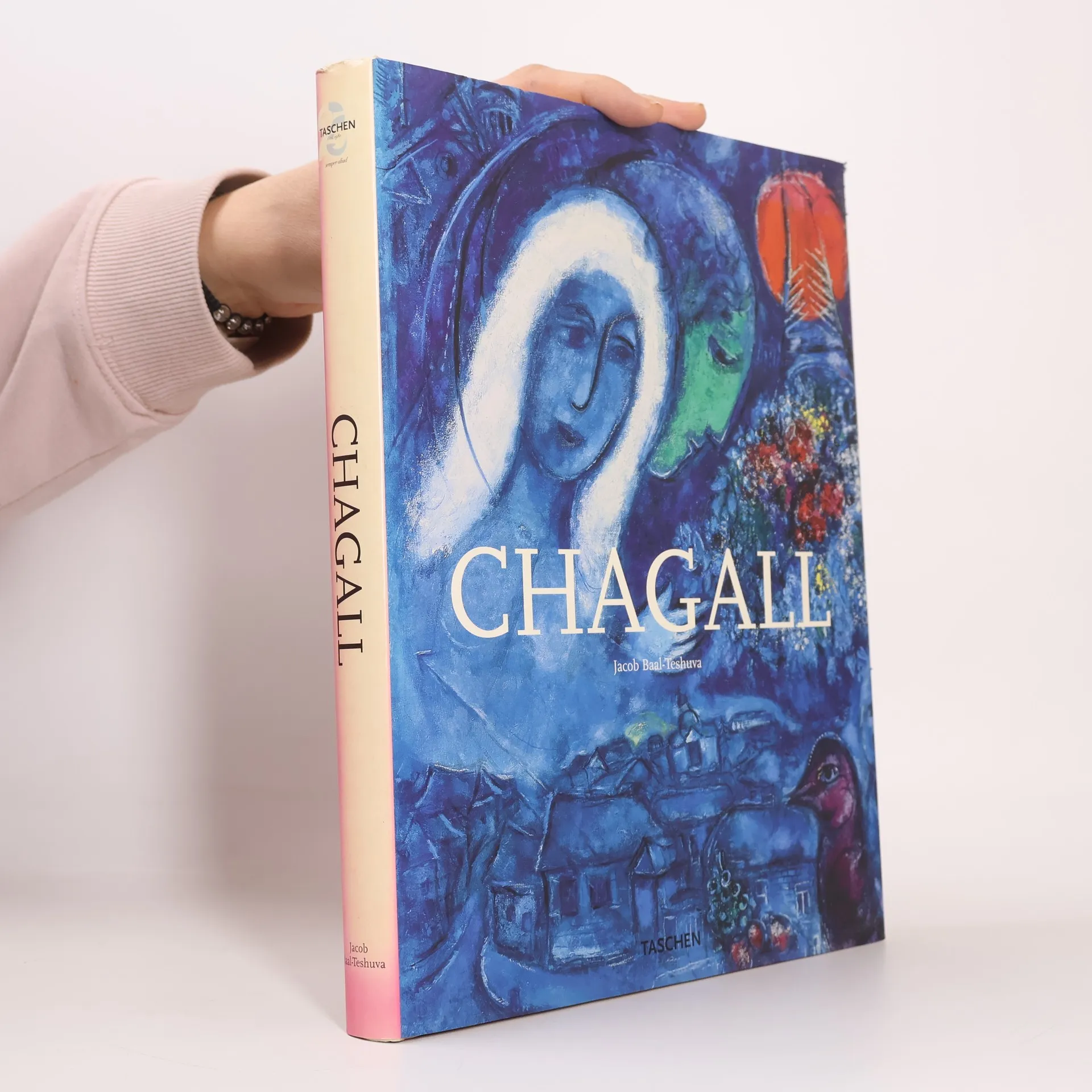
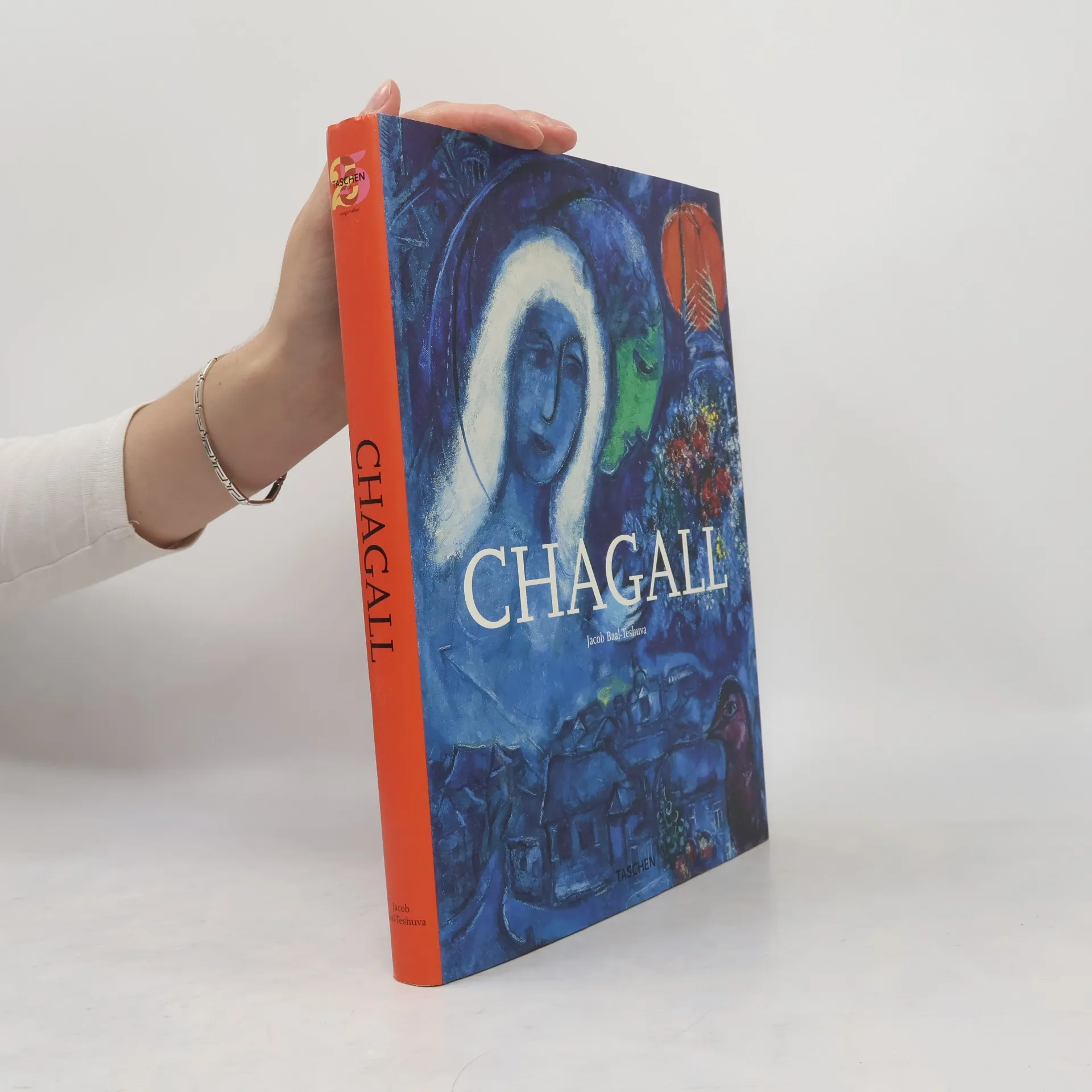
Marc Chagall 1887-1985
- 279 pages
- 10 hours of reading
Leven en werk van de beeldend kunstenaar, met de nadruk op de veelzijdigheid van zijn werk in verschillende technieken.


Leven en werk van de beeldend kunstenaar, met de nadruk op de veelzijdigheid van zijn werk in verschillende technieken.
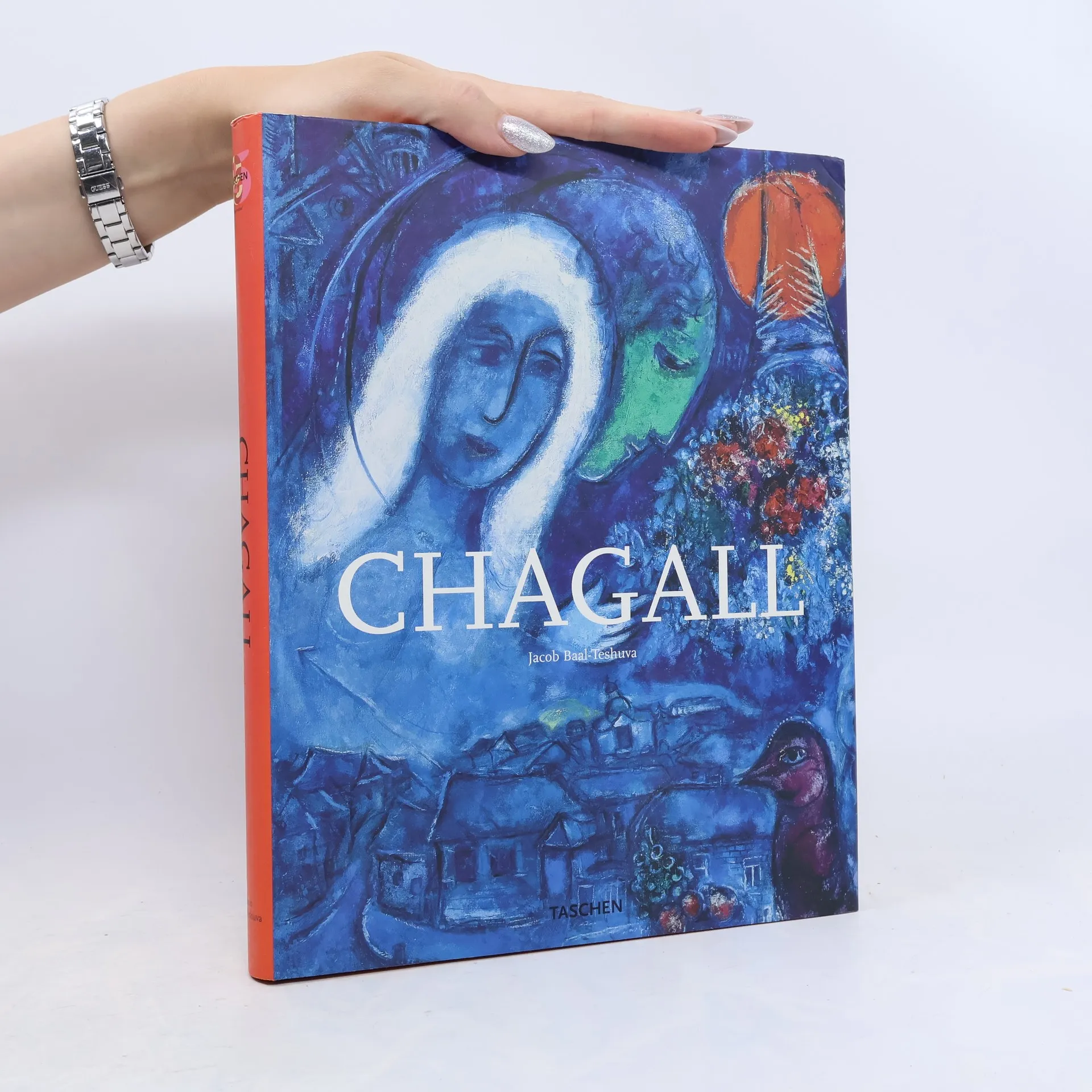
Henry Miller beschrieb Marc Chagall einmal als einen "Dichter mit den Flügeln eines Malers." Die Seiten von Chagall sind gefüllt mit Bildern, die die Worte des Schriftstellers wahr machen. Obwohl Chagall hauptsächlich als Maler in Erinnerung bleibt, drückte sich seine künstlerische Vision in vielen anderen Formen aus, darunter Skulpturen, Mosaiken und die Glasfenster, die das Art Institute of Chicago sowie Synagogen und Kirchen in Europa und den Vereinigten Staaten schmücken. Der Band gewährt den Lesern Einblicke in sein umfangreiches Werk und die Möglichkeit, Chagall auf seinem Weg von seinen frühen Jahren in Russland nach Paris, in die Vereinigten Staaten und zurück nach Frankreich zu begleiten. In dieser Zeit flirtete seine Malerei mit den verschiedenen Kunstbewegungen um ihn herum – insbesondere dem Surrealismus und dem Fauvismus – aber seine dominierenden Themen blieben über die sieben Jahrzehnte, in denen er Kunst schuf, konstant. Chagalls Mystik, sein tiefes religiöses Empfinden und seine Verspieltheit werden in den hunderten von farbigen Bildern, die in diesem Band üppig reproduziert sind, offenbart. Der Kommentar des Chagall-Experten und Freundes Jacob Baal-Teshuva führt die Leser geschickt durch die verschiedenen Stimmungen und Medien des Künstlers und unterstreicht die Leidenschaft des Glaubens und der Gefühle, die all seine Kunstwerke prägten.
" La profonde connaissance que Jacob Baal-Teshuva a de la vie et de l'œuvre de Marc Chagall fat de cette monographie uni ouvrage passionnant, complet et bien, illustré. Je la recommande chaleureusement. " Elie Wiesel, Prix Nobel de la paix en 1986. " Il existe des dizaines de livres sur Marc Chagall [...], mais ce dernier ouvrage, écrit par un ami de l'artiste né à Jérusalem, les supplante tous. Superbement mis en page et imprimé, [...] les centaines d'illustrations donnent l'une des meilleures présentations de Chagall jamais publié " Jérusalem Post, Jérusalem.
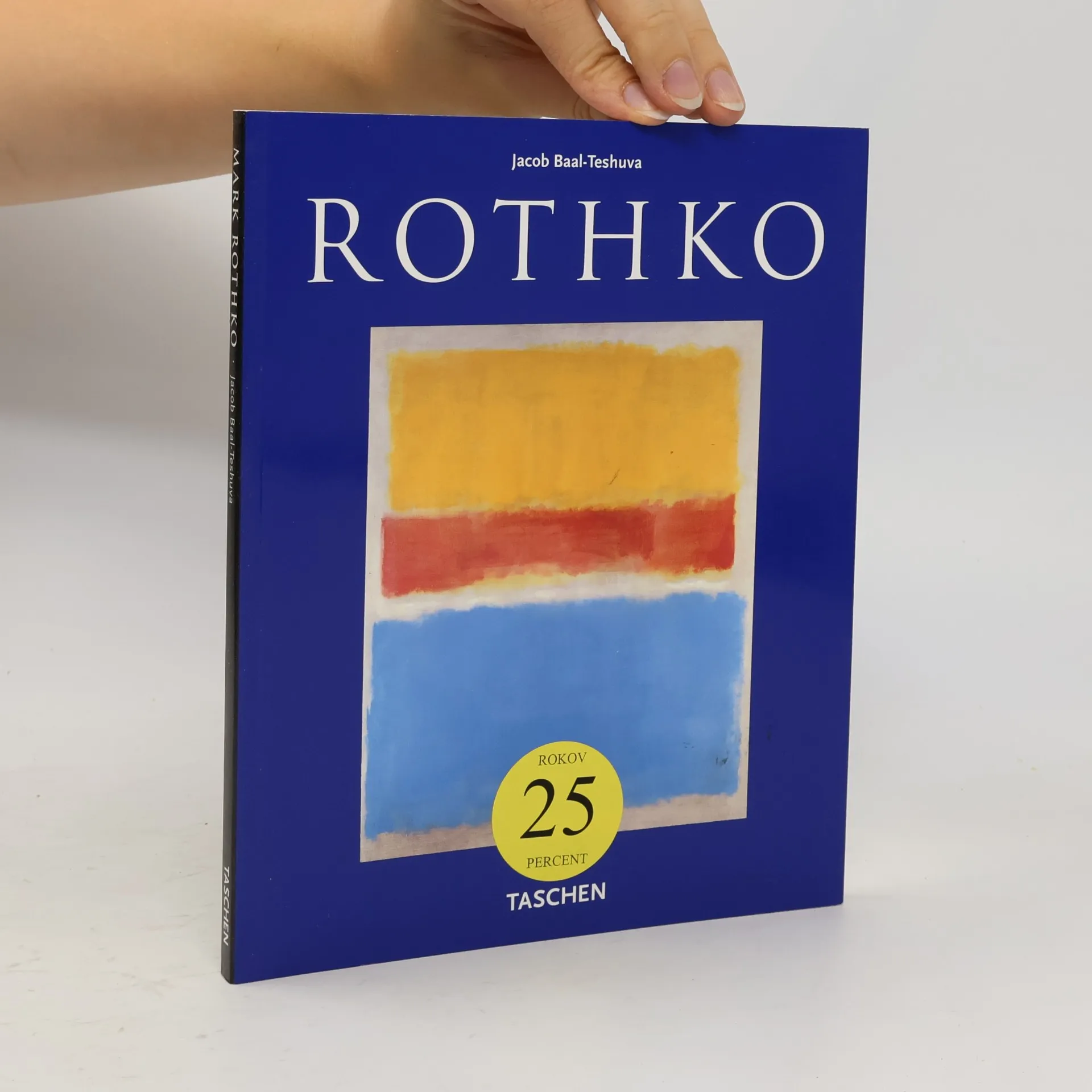
An overview of the life and work of artist Mark Rothko, this volume exhibits his mythological content, simple flat shapes, and imagery inspired by primitive art.
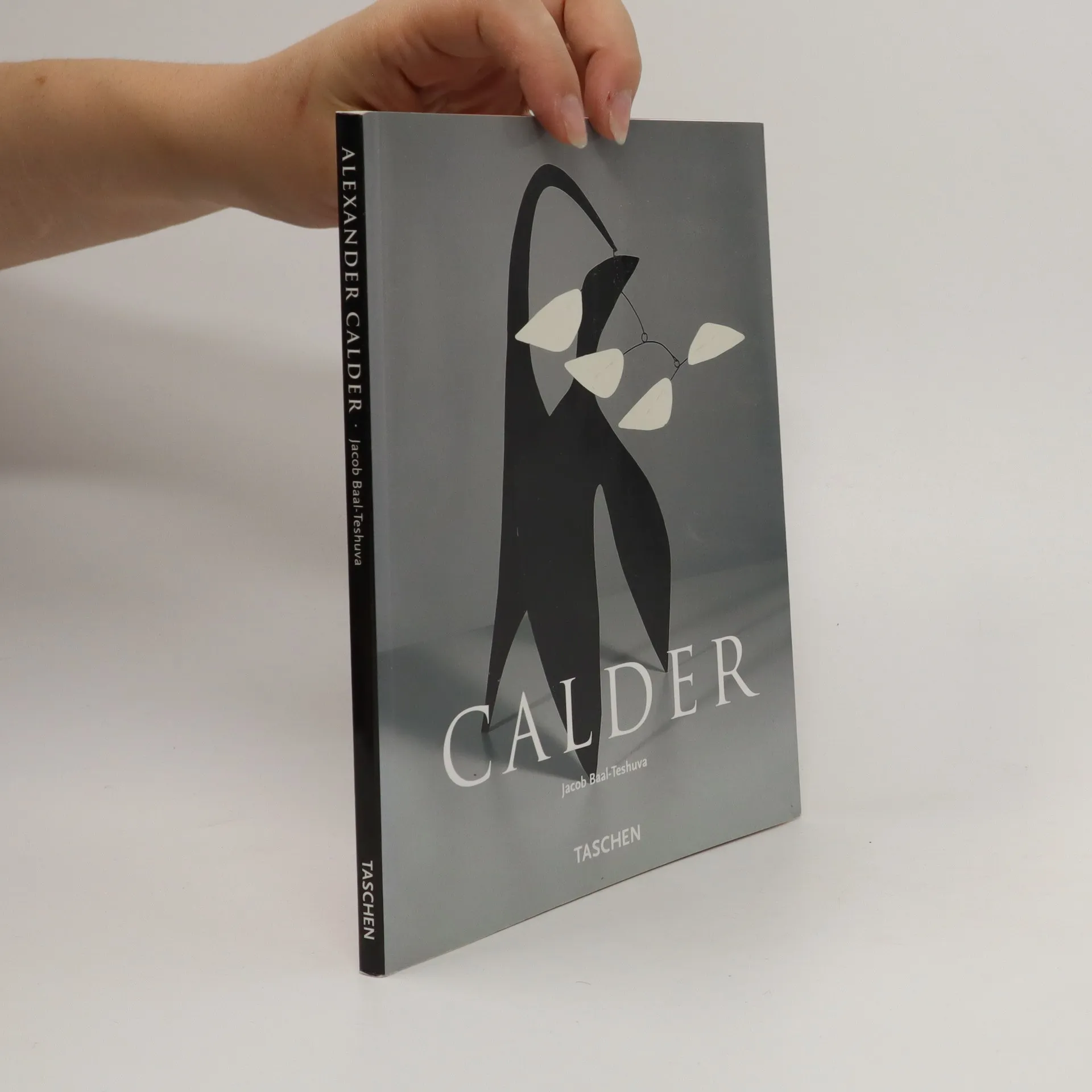
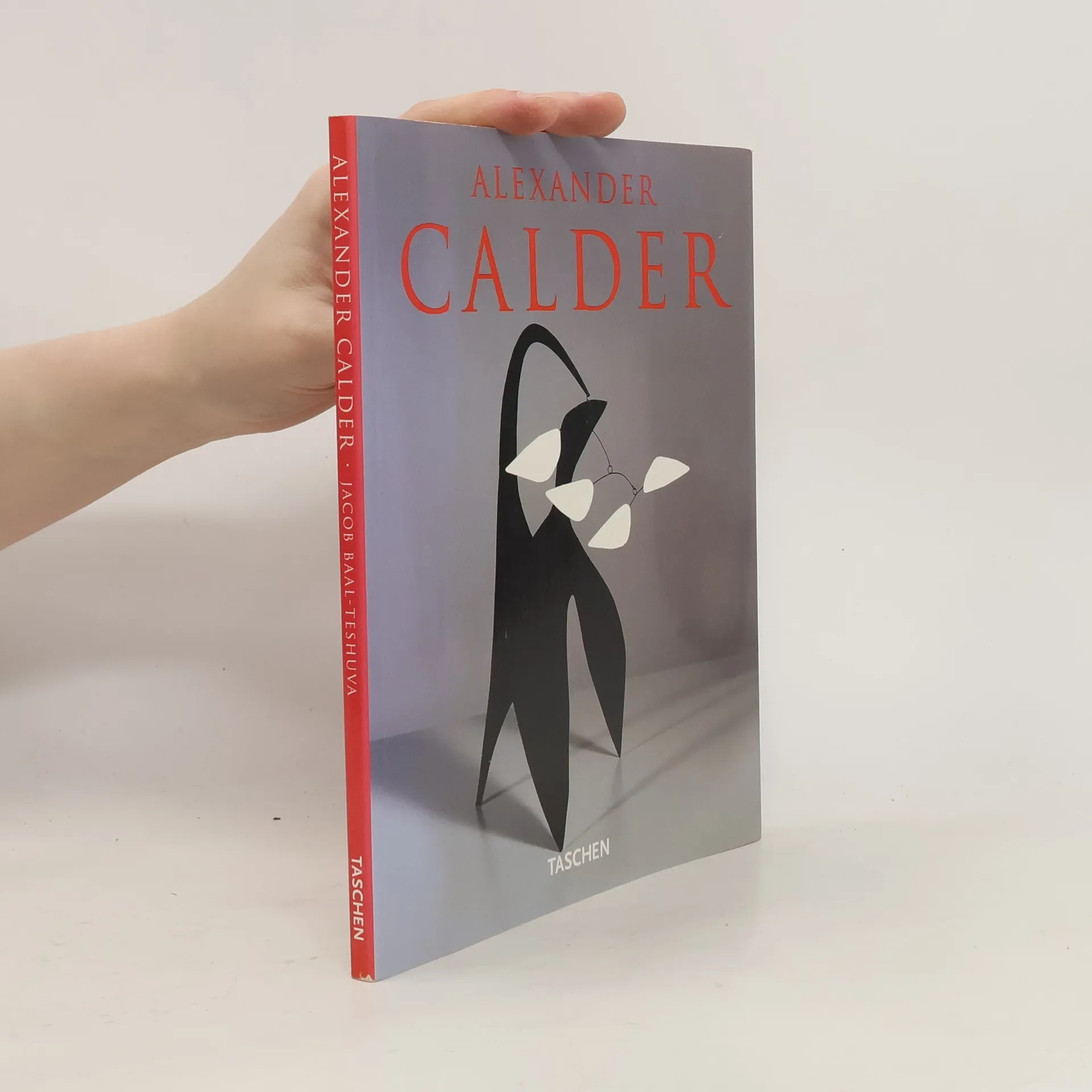
When the final tally of key movers in the plastic arts of this century is compiled, there is no doubt that maestro of movement Alexander Calder (1898-1976), the man who put the swing into sculpture, will be near numero uno. Calder took it off the plinth, gave it to the wind, and left us kinetic playgrounds of the spirit. He operated at the point where Modernity and nature Fused, developing an environmental art that changed the medium Forever. Visiting his Paris atelier in 1932, Duchamp coined the term "Mobiles" For Calder's delicate wire and disc pieces, constructions that would soon become immensely popular. But he didn't rest on his innovations. Friends with Miro, Mondrian and Leger, Calder also turned his hand to painting, drawing, gouaches, toys, textiles and utensil design. A graphic master who sketched as much in air as in ink, the Sixties and Seventies saw Calder take on the monumental, translating the dynamics of cities into both his Mobiles and "Stabiles". At a time when sculpture was perceived to be the antithesis of movement, Calder unmade gravity and freed the elements in a body of work that is still sending a wind of change through the art world today.
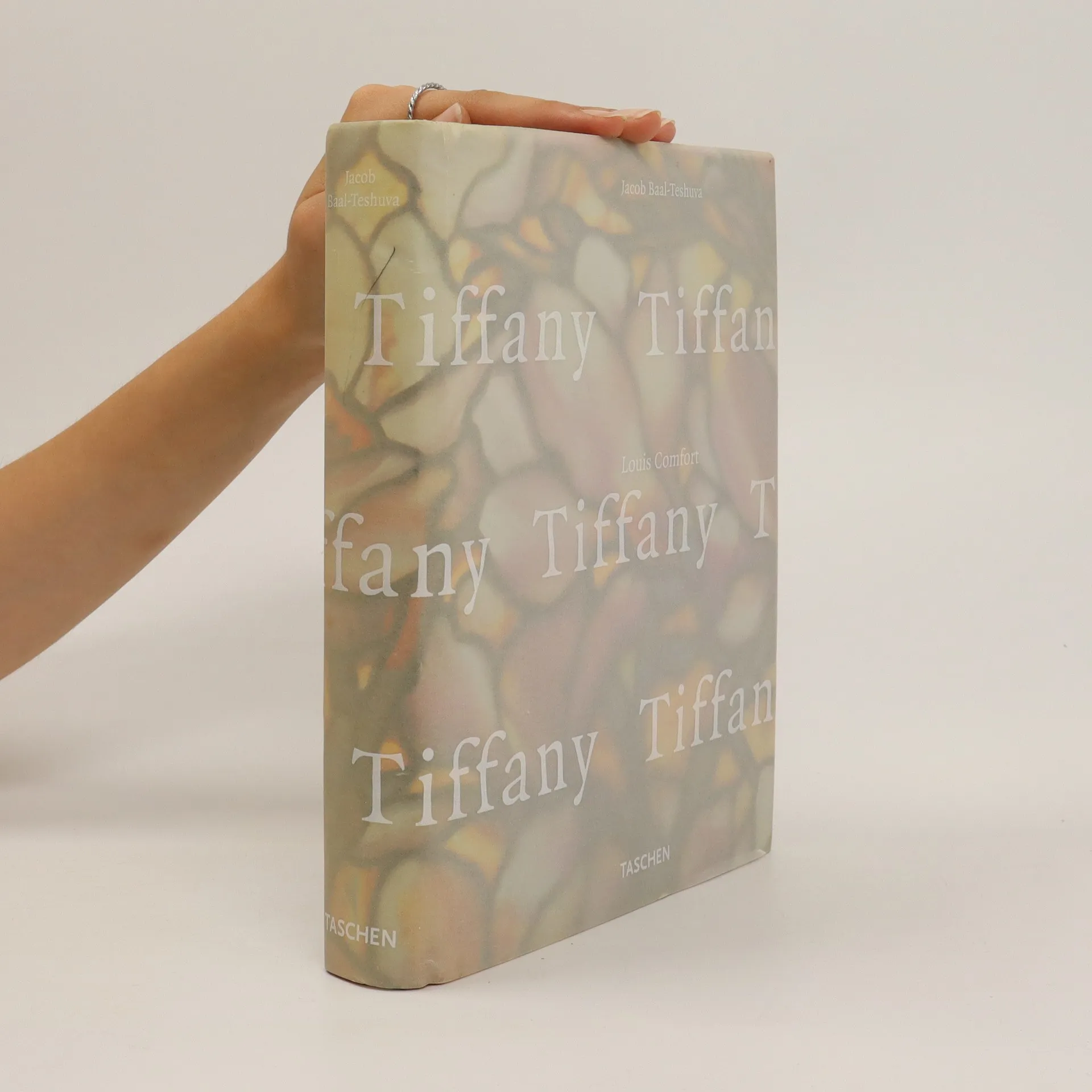
This sumptuous volume provides an overview of fifty years of the career of Louis Comfort Tiffany (1848-1933), one of the most original, talented, and influential designers of his generation. A principal proponent of Art Nouveau in the United States, he is known worldwide. The eldest son of Charles Louis Tiffany, a renowned jeweler and silversmith who founded Tiffany & Co. in New York in the 19th century, Louis Comfort Tiffany chose an artistic career instead of taking over his father's business. He traveled to Europe and Africa, where, at the age of 20, he was captivated by the beauty of stained glass in churches. Upon returning to the United States, he became interested in glass and mosaics, creating an iridescent glass that, through exposure to vapors and metallic oxides, takes on radiant colors. He named this handmade glass Favrille. Tiffany's workshops produced thousands of panels, lampshades, vases, mosaics, enamels, jewelry, bronzes, and other decorative objects. He also focused on interior decoration, furniture, carpets, and ceramics, winning numerous awards at the 1900 International Exposition in Paris. He dedicated his life to the pursuit of beauty.
Text in English and German. Published to accompany the exhibition held at Museum Wurth, Kunzelsau, 27 September 2001 - 1 January 2002
A thorough record of the life and art of Marc Chagall, a Russo-French Jewish artist associated with several major artistic styles and one of the most successful artists of the 20th century. This work, written by a longtime friend of Chagall's, spans his early work in Russia and the monumental pieces of his later life. An early modernist, he created works in virtually every artistic medium, including painting, book illustrations, stained glass, stage sets, ceramic, tapestries and fine art prints. This work contains reproductions that capture his use of intense, glowing colors and the unique world he created, full of magic, enchantment, and fantasy
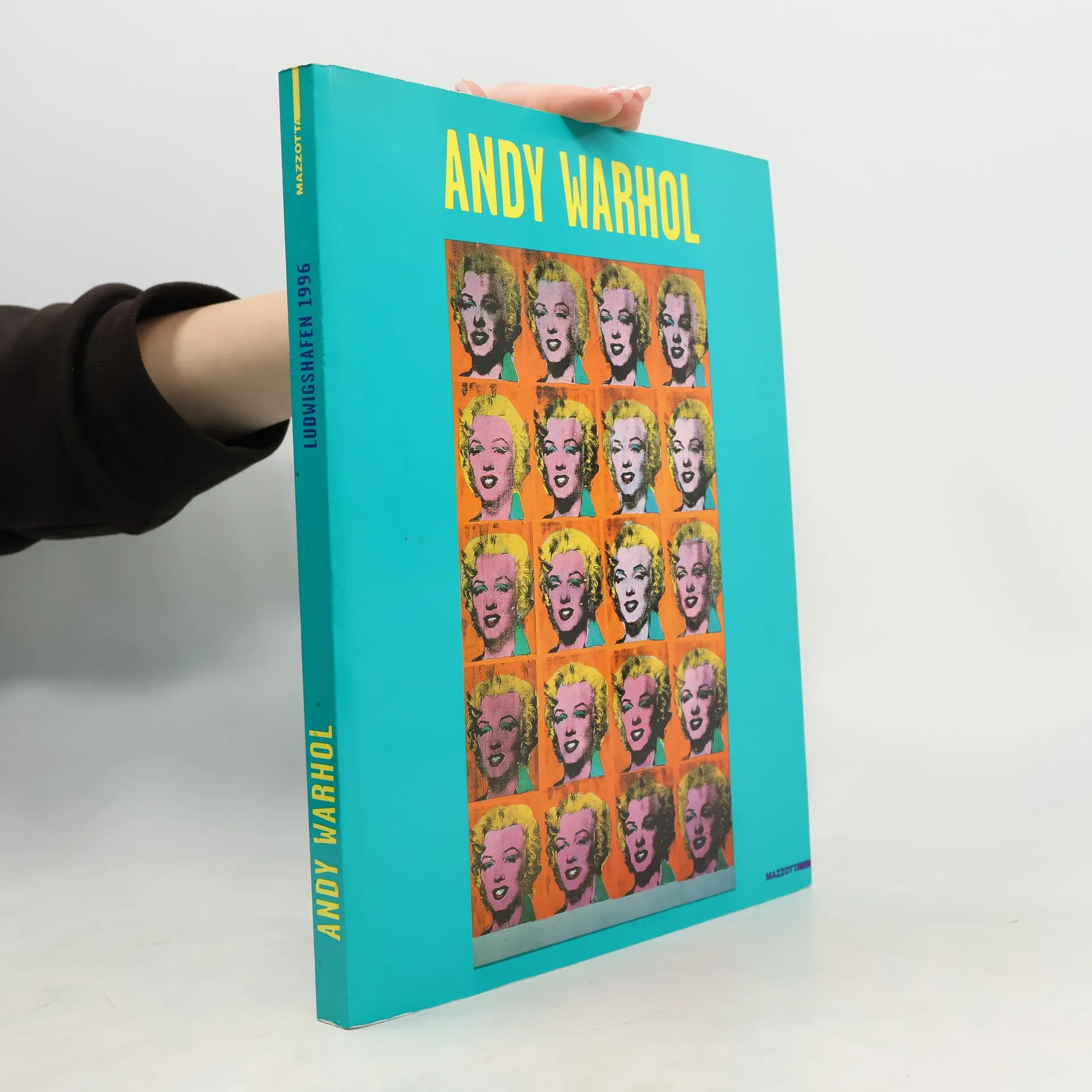
Herausgegeben von Richard W. Gassen. Wilhelm-Hack-Museum, Ludwigshafen am Rhein. 1996 198 S. Broschiert. Milano: Mazzotta,
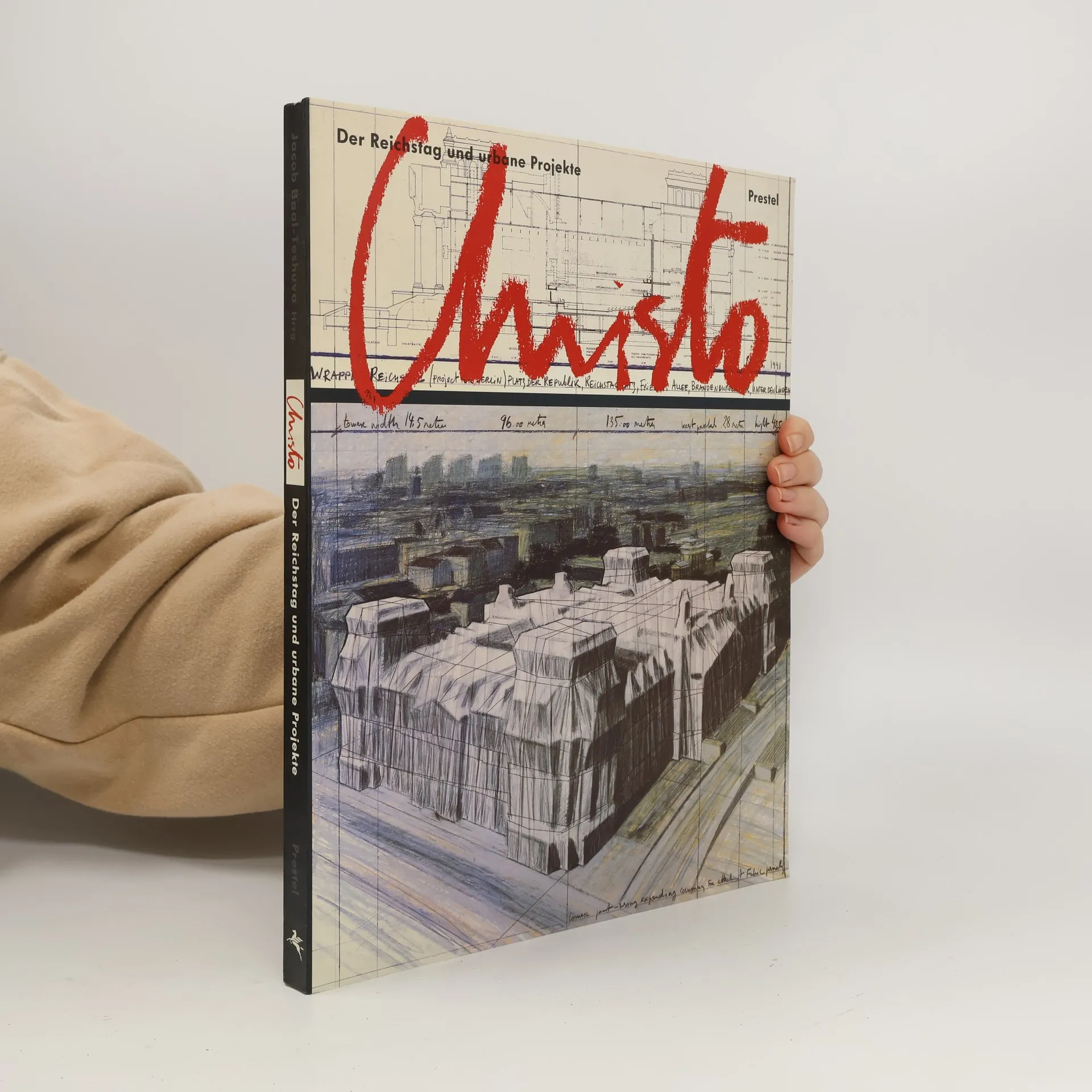
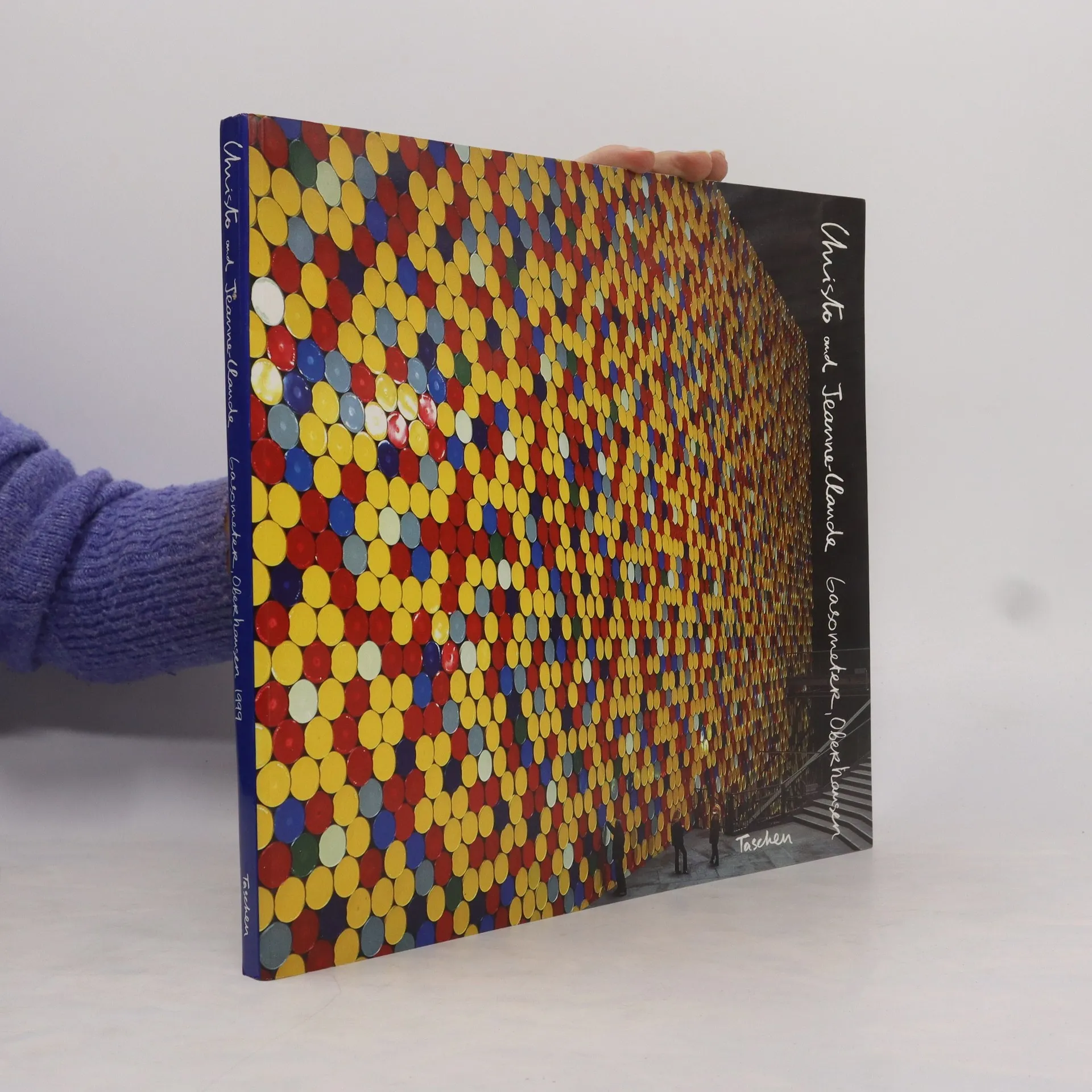
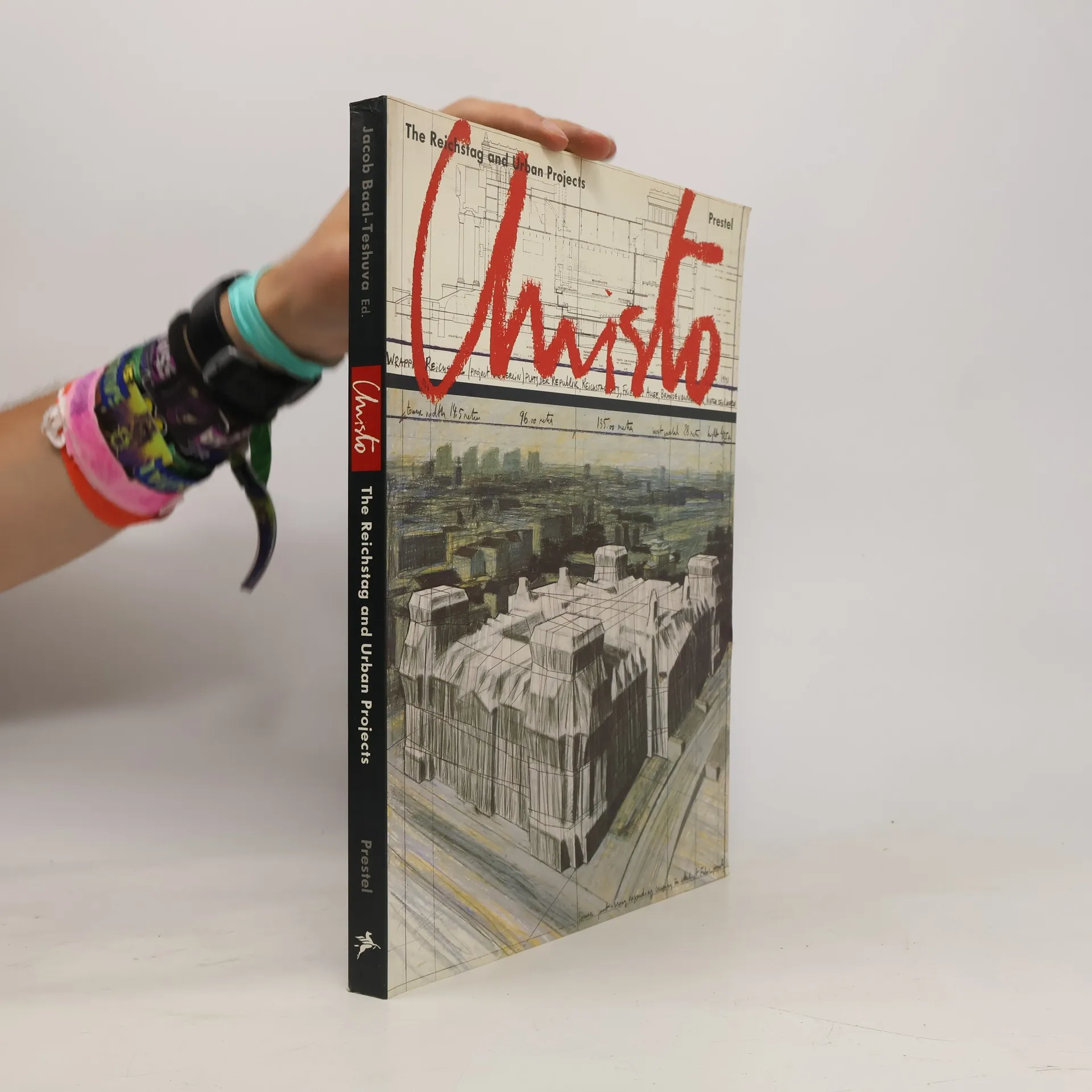
Fabric monuments In the summer of 1995, the Reichstag building in Berlin was transformed into an immense sculptural experience by Christo and Jeanne-Claude along with a team of hundreds of workers. Using fabric materials has become a famous tradition for Christo and landscape projects in the USA, Japan, and Australia and urban projects such as the Pont Neuf Wrapped in Paris have established them as the most extraordinary artist couple of the age. This in-depth survey of their unusual work is illustrated with absorbing photographs by Wolfgang Volz. About the Each book in TASCHEN’s Basic Art series
Book by Christo
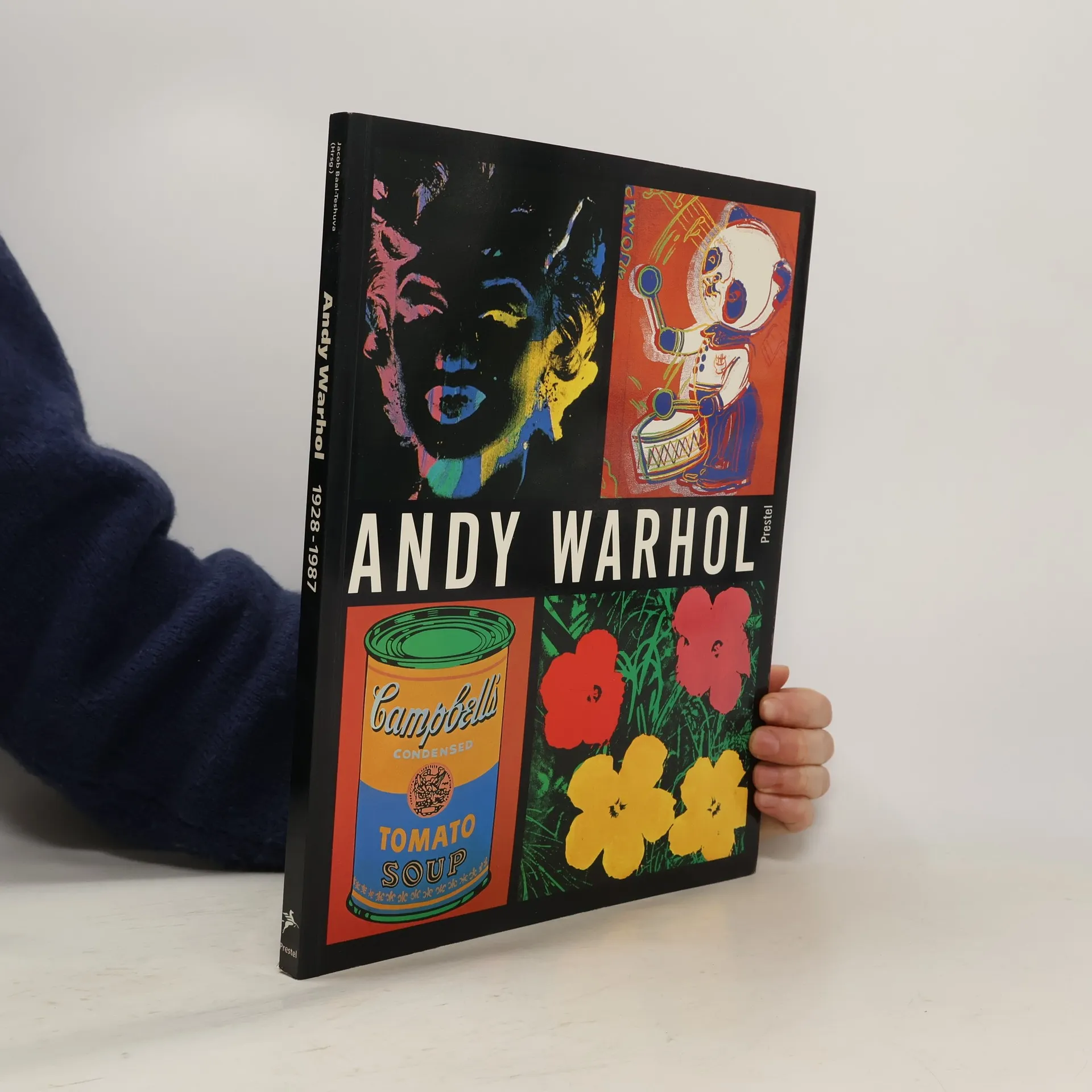
Spannende Neuentdeckungen für Warhol-Kenner und -Liebhaber: Über 100 Werke aus zwei qualitätvollen Privatsammlungen bieten neben Bekanntem und Geliebtem auch frühe Tempera-Bilder aus der Vor-Pop-Zeit und erstmals die Serie der „Gemälde für Kinder“.