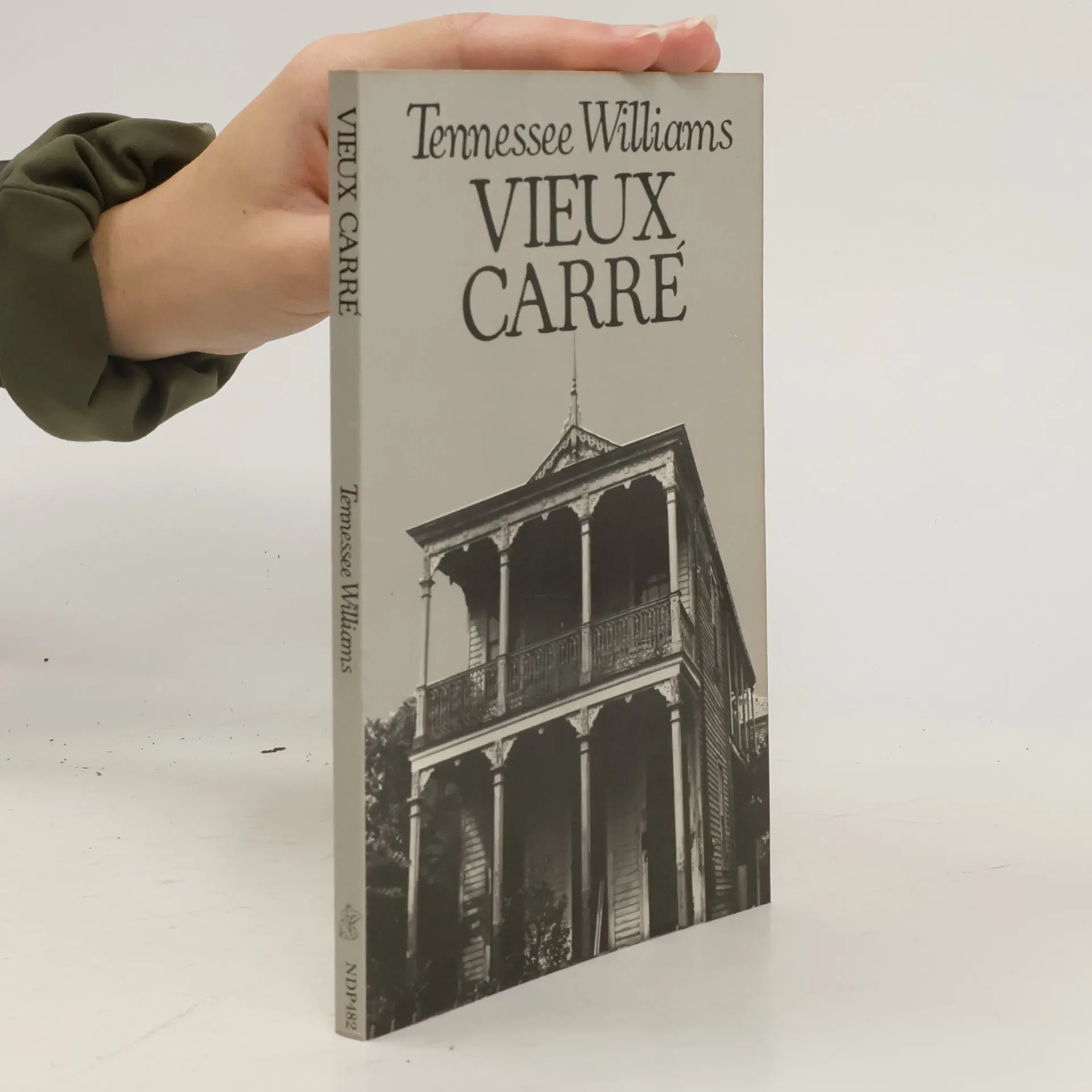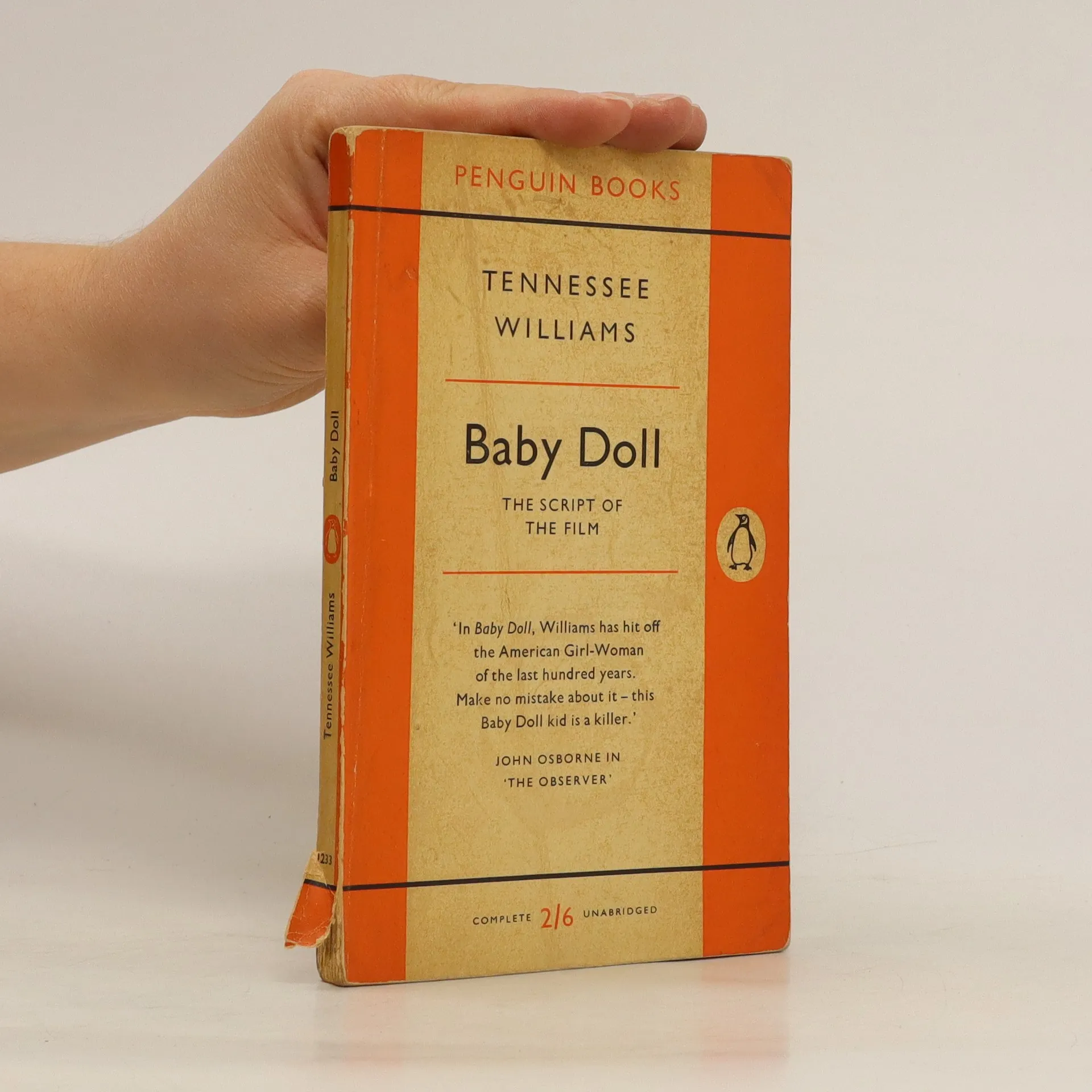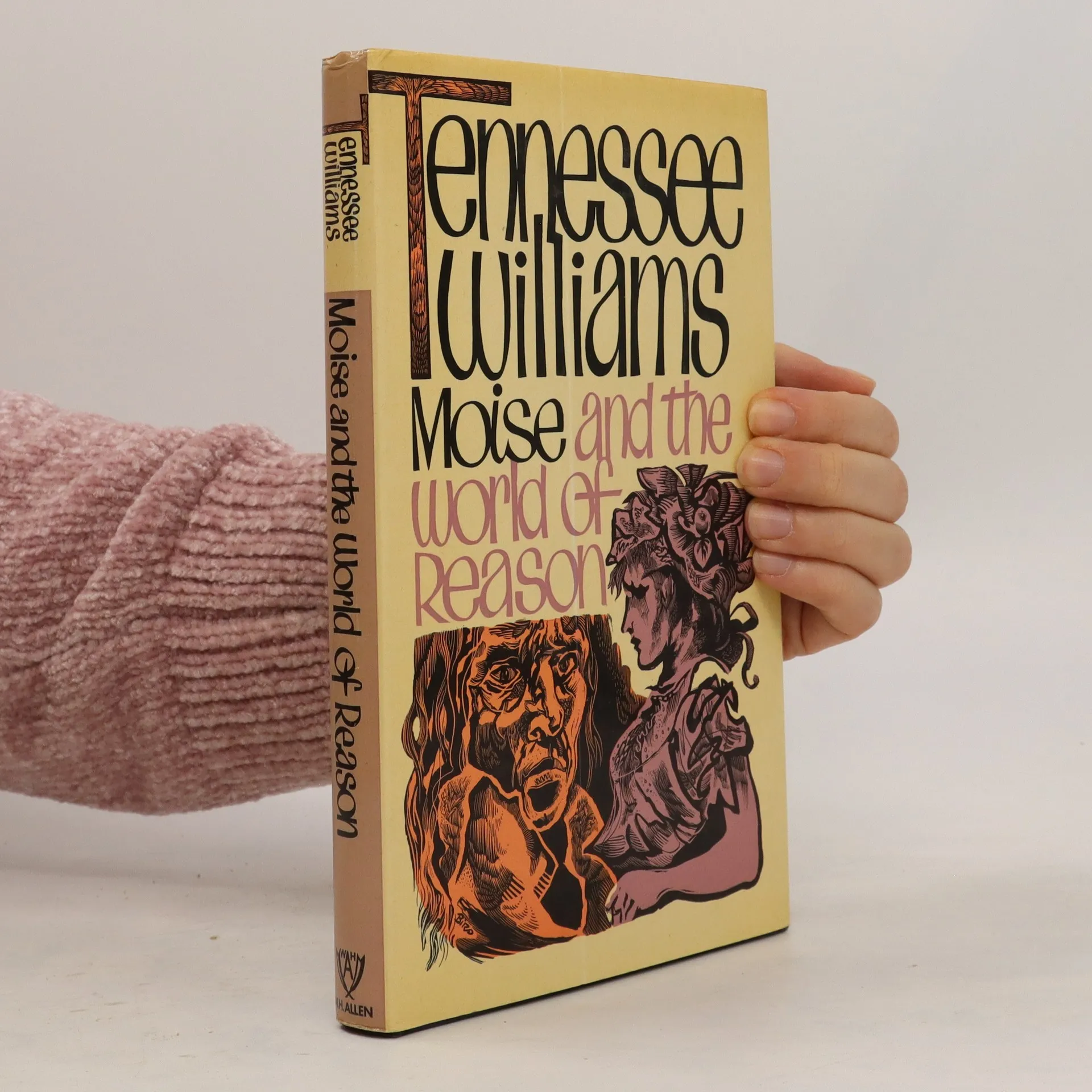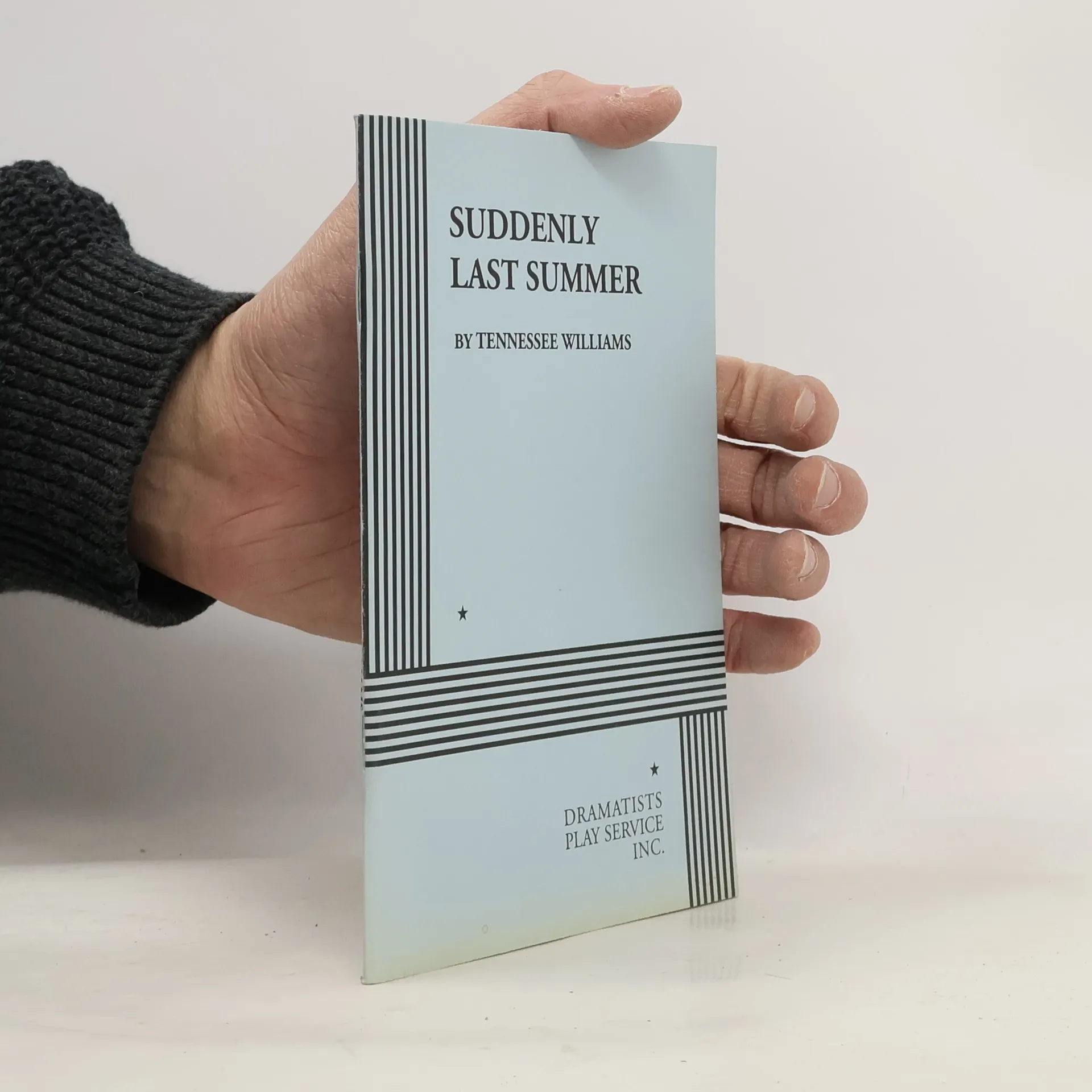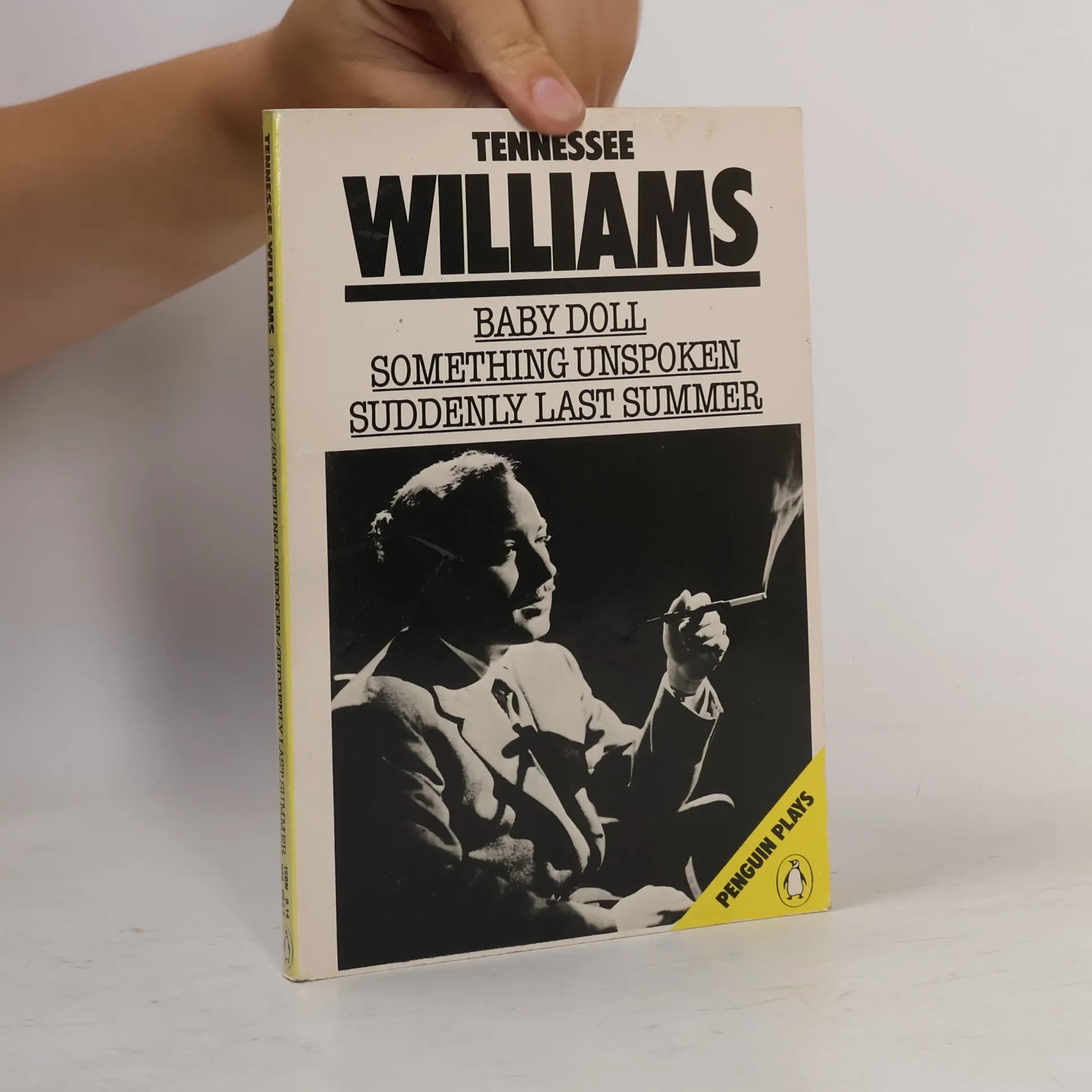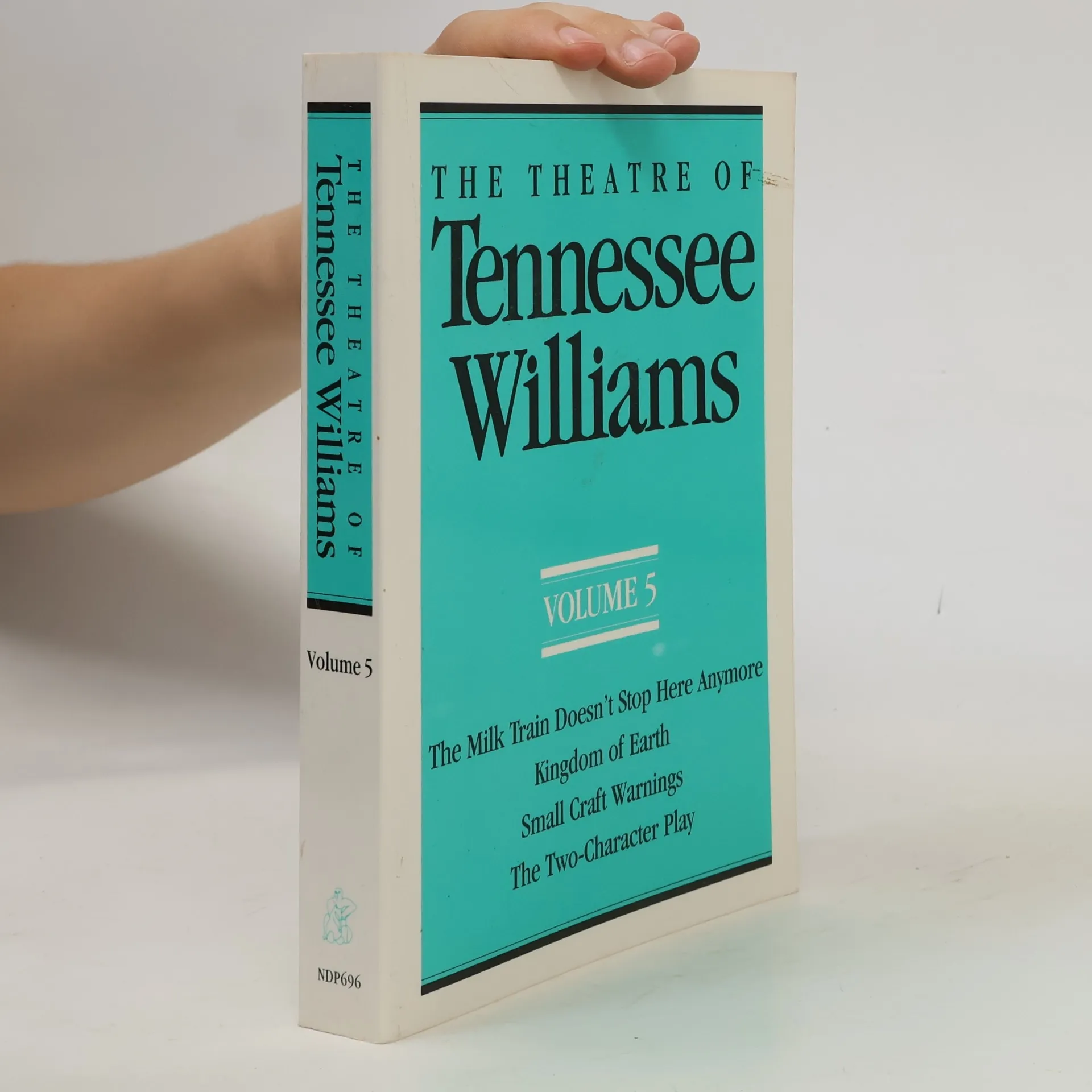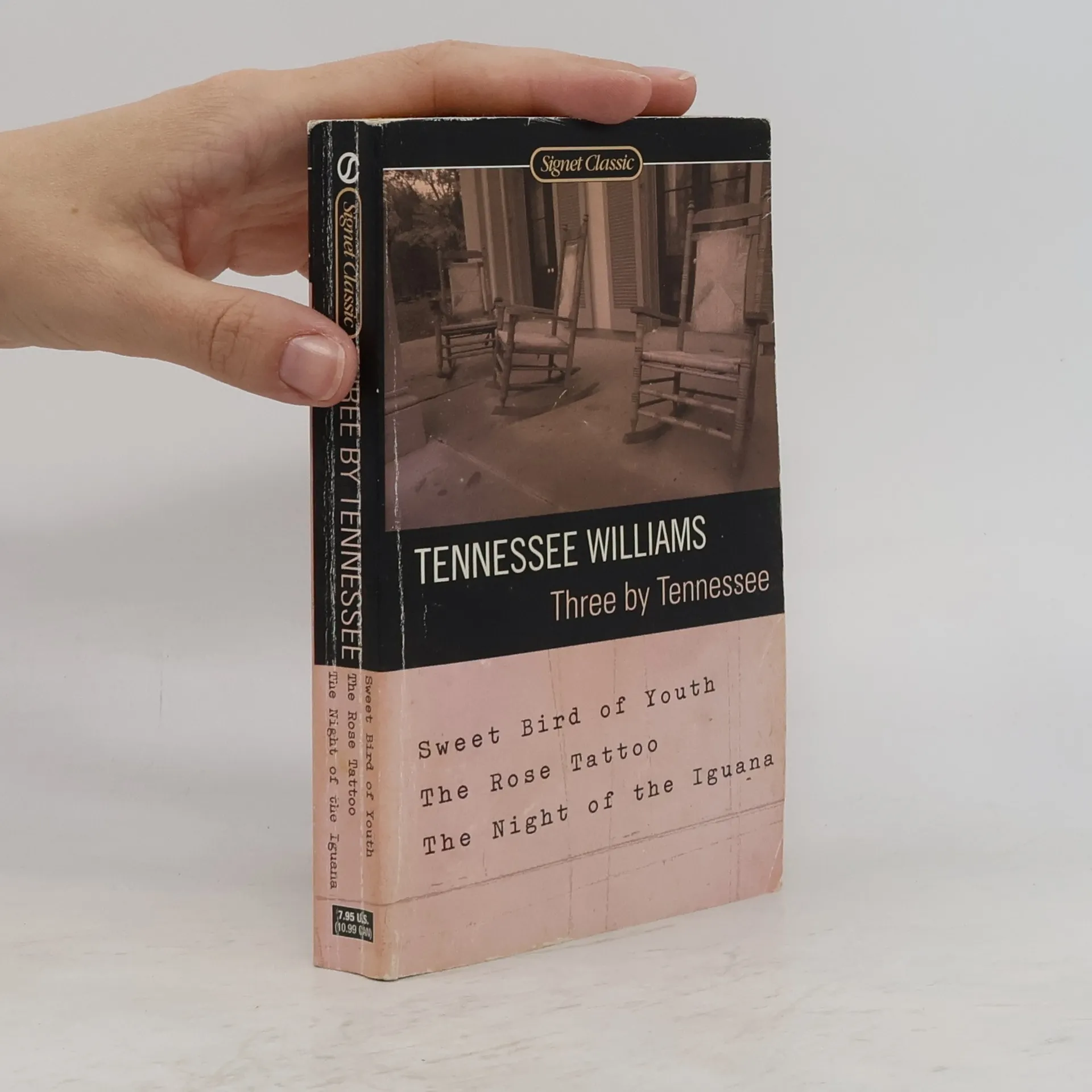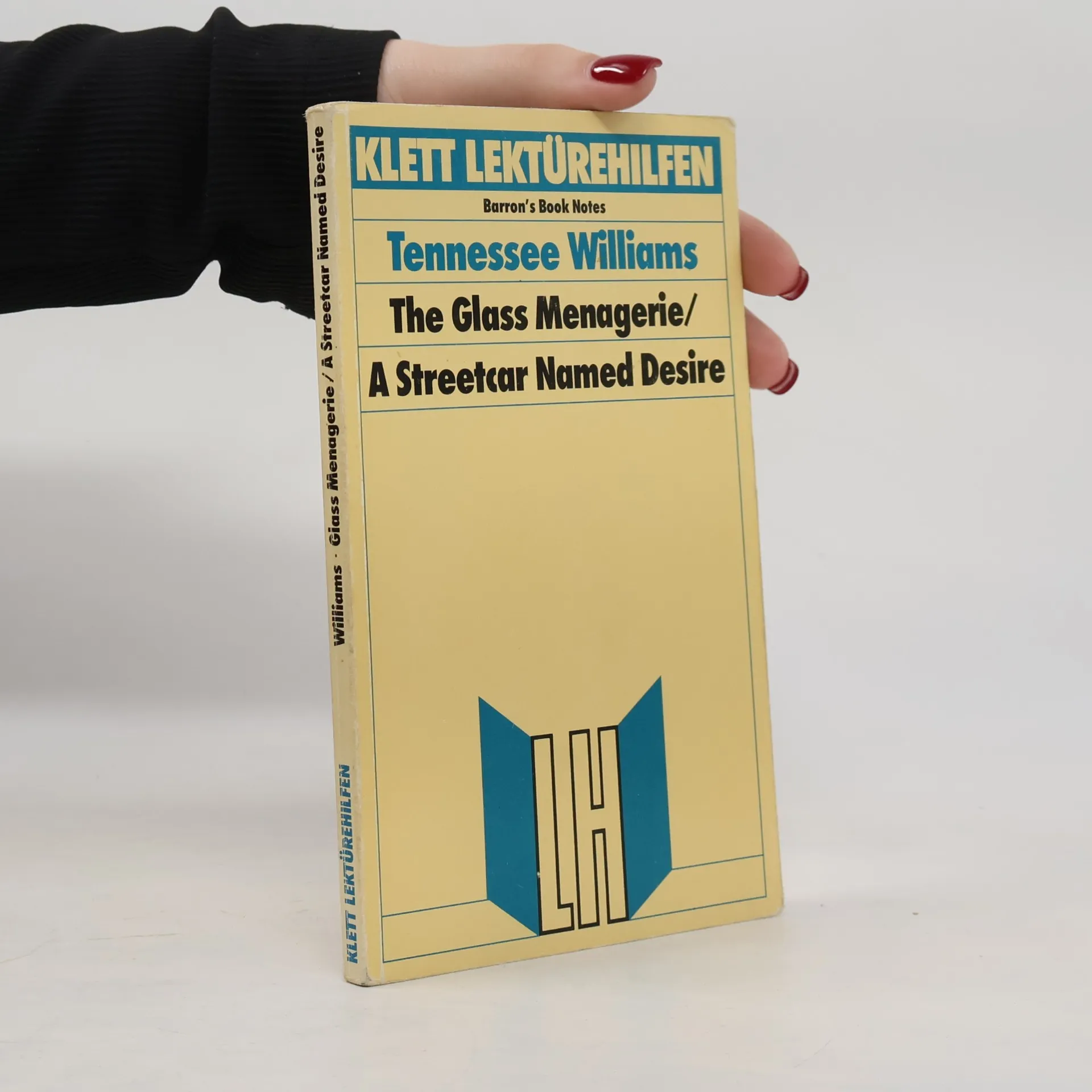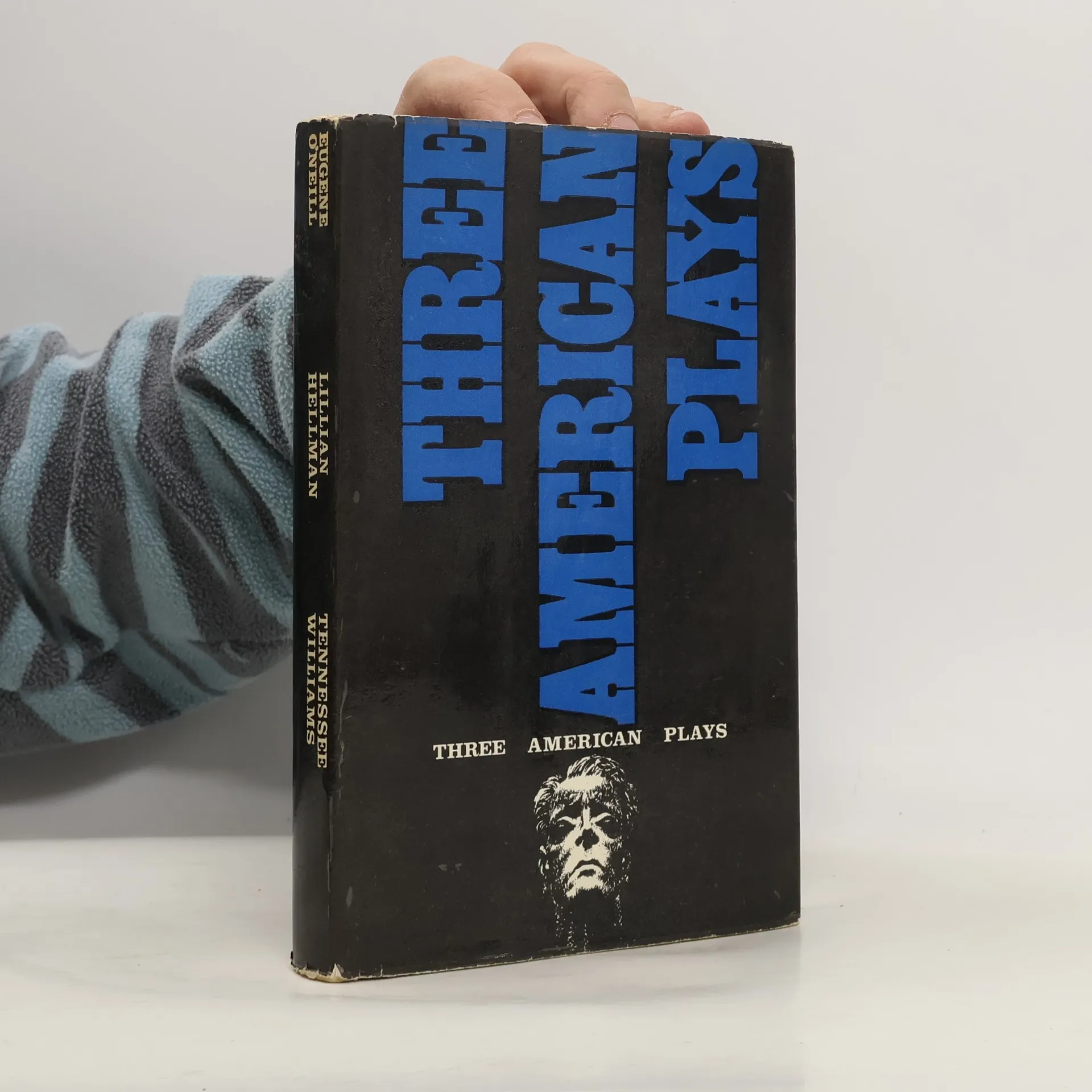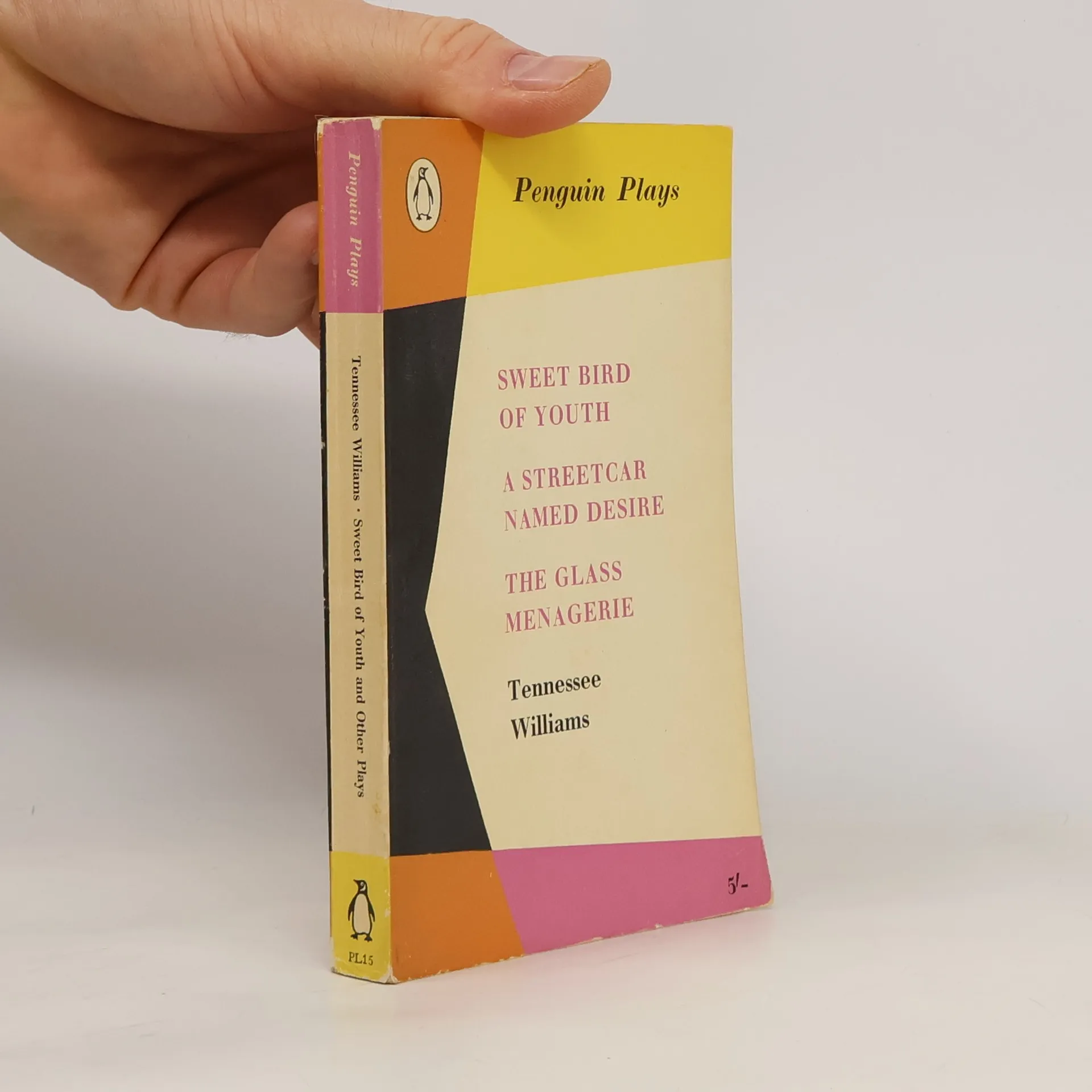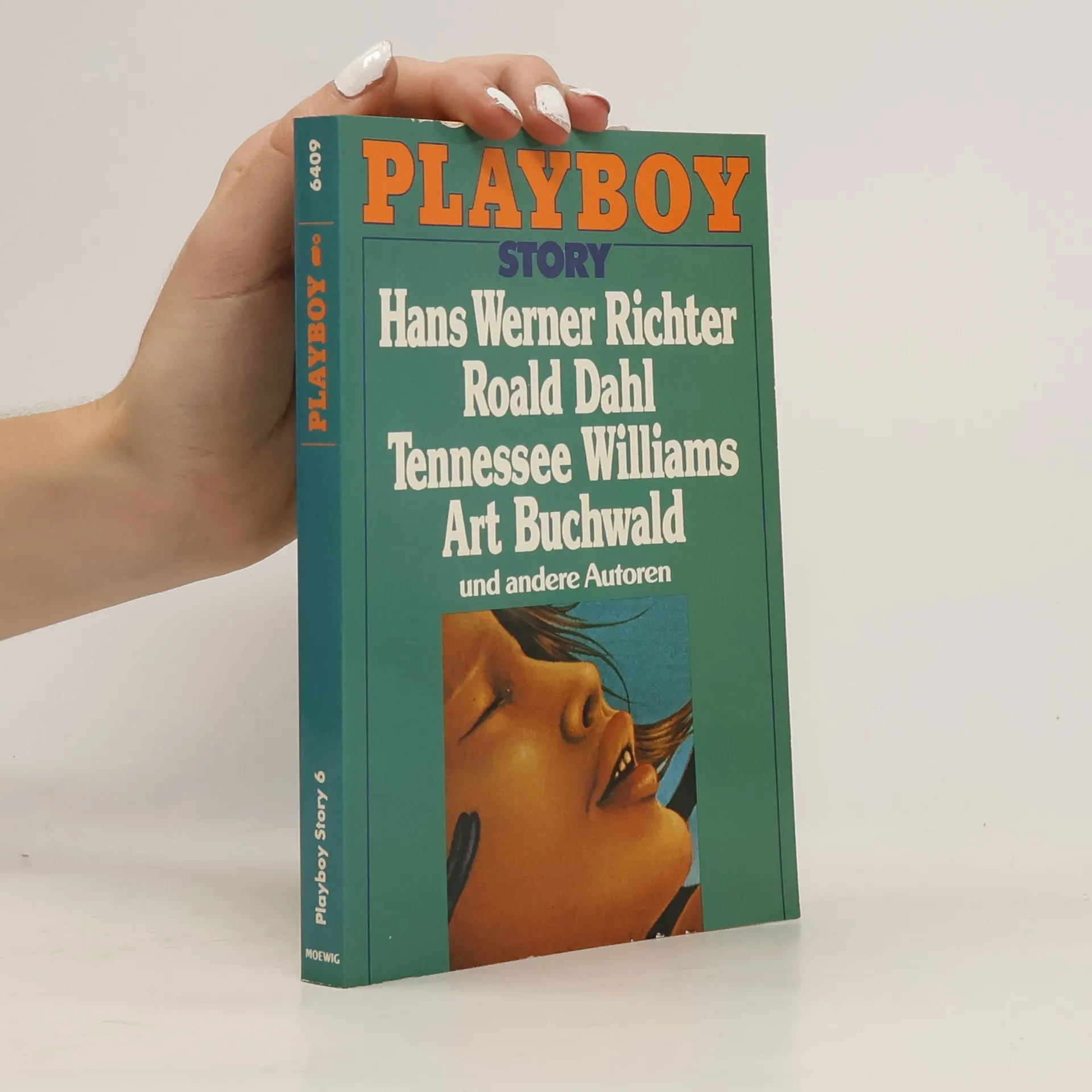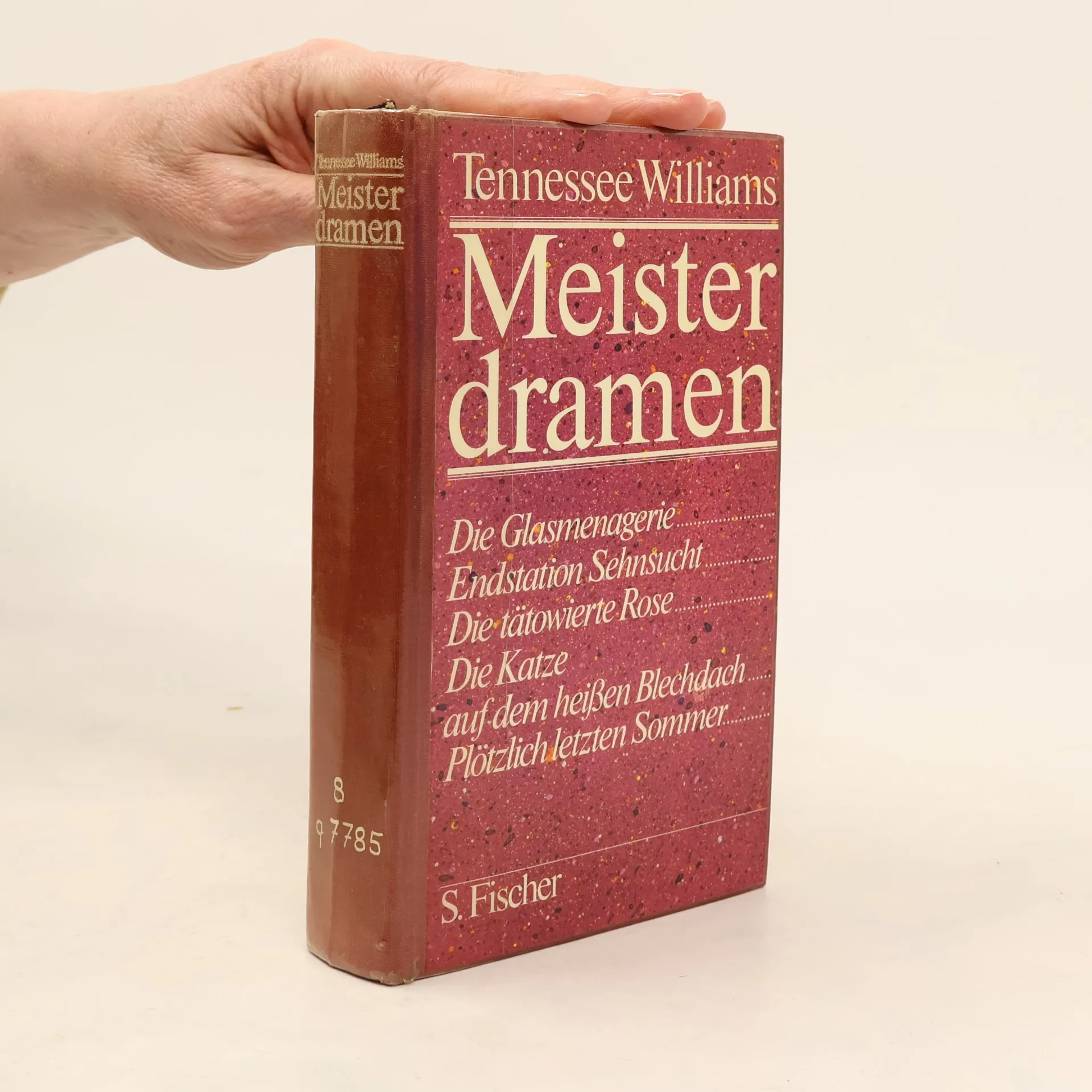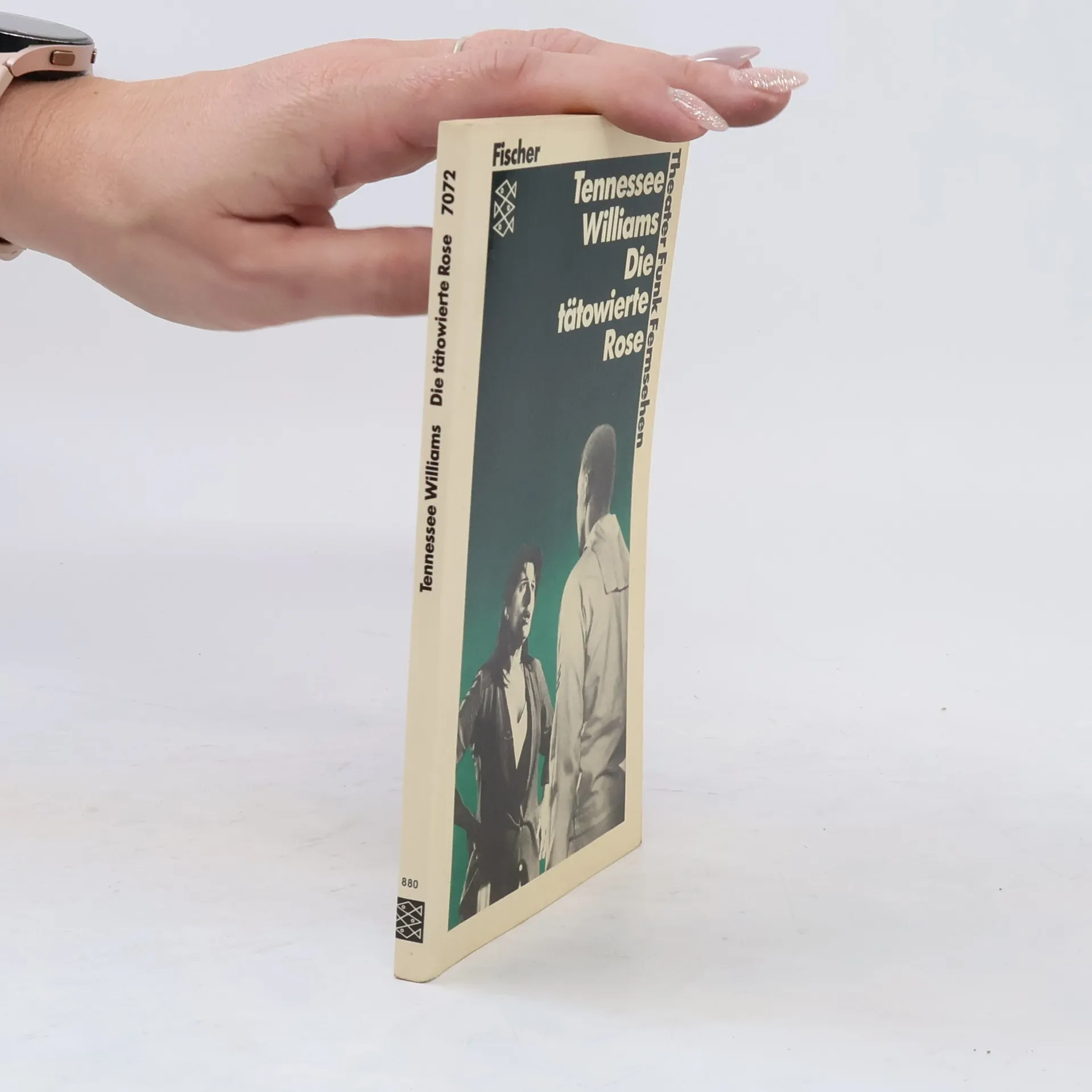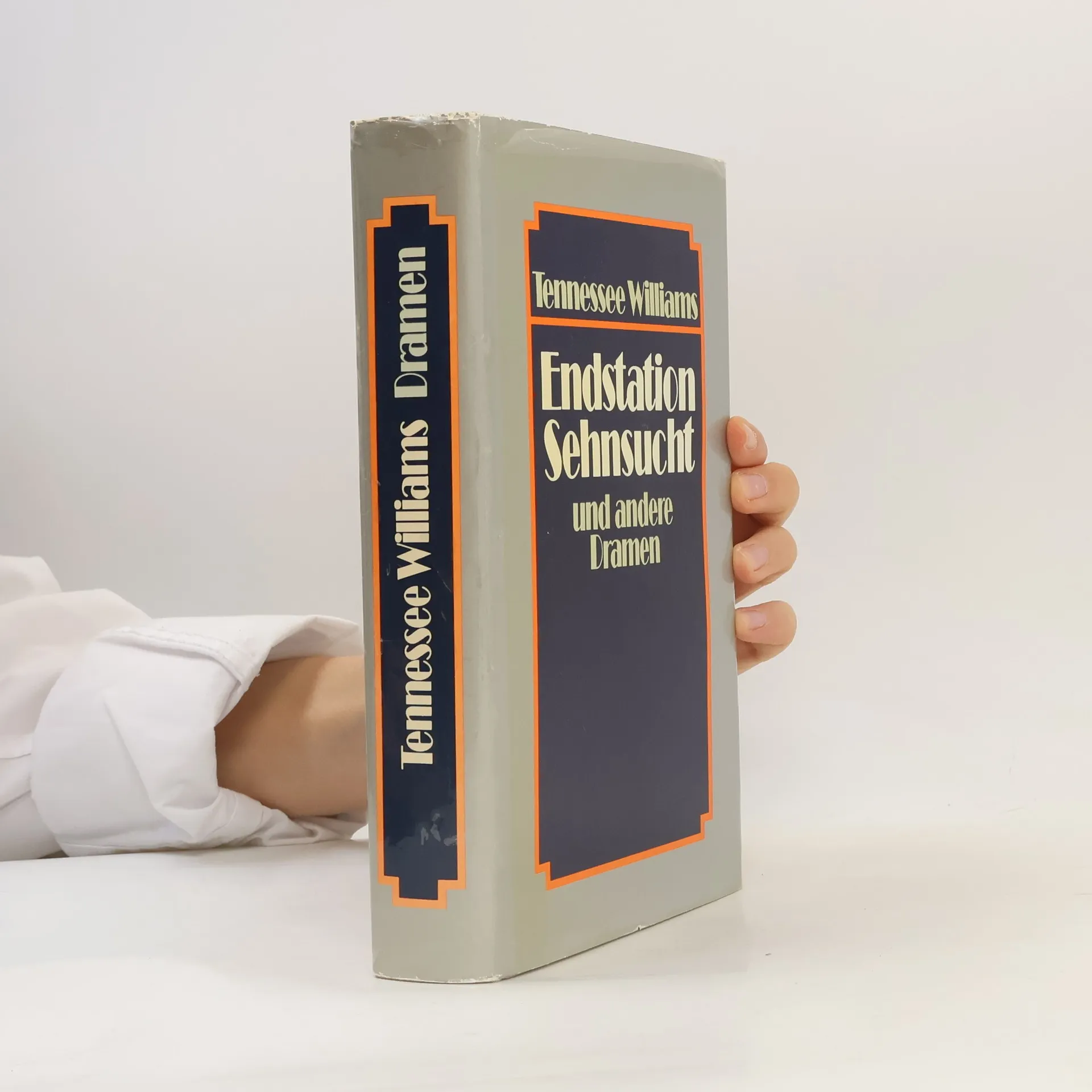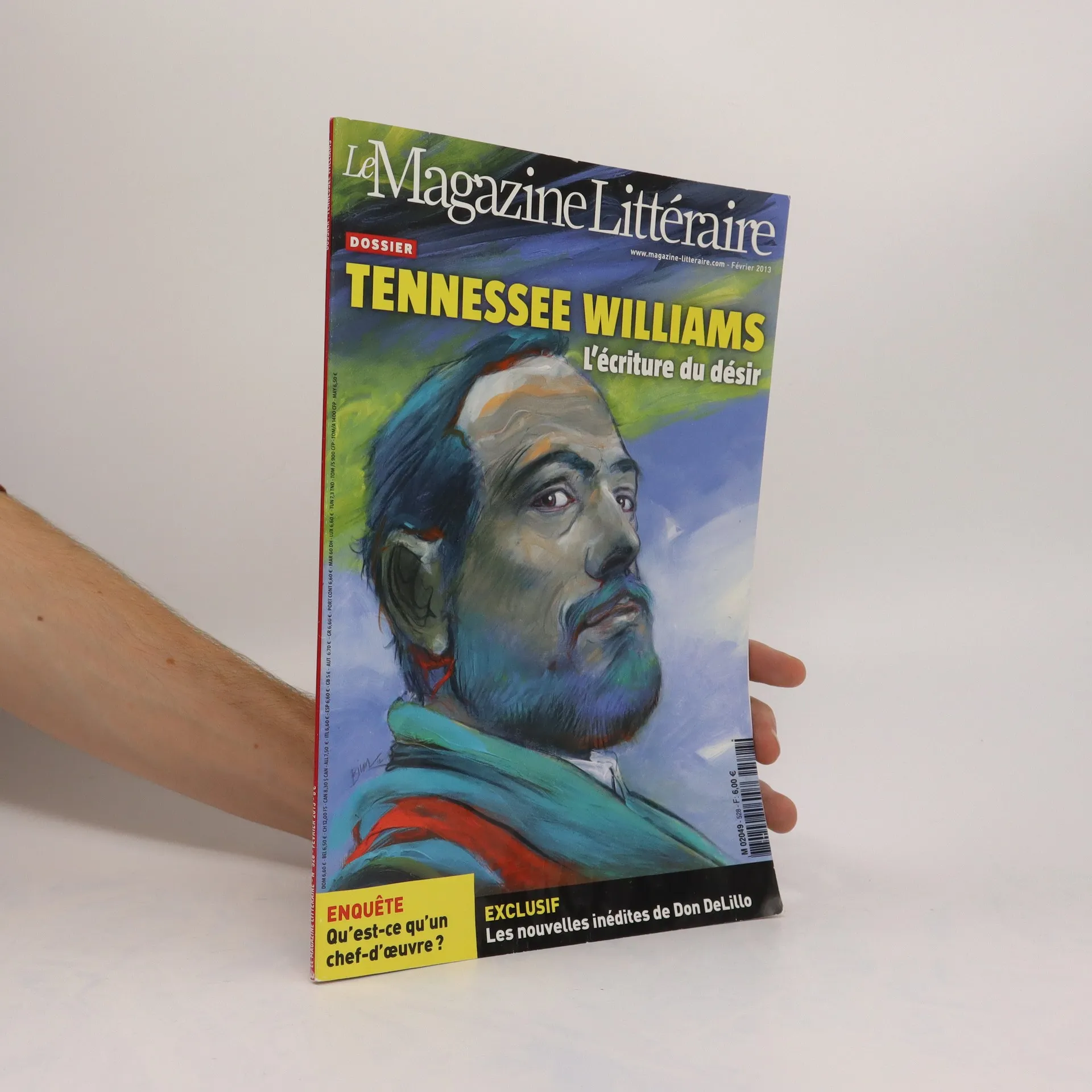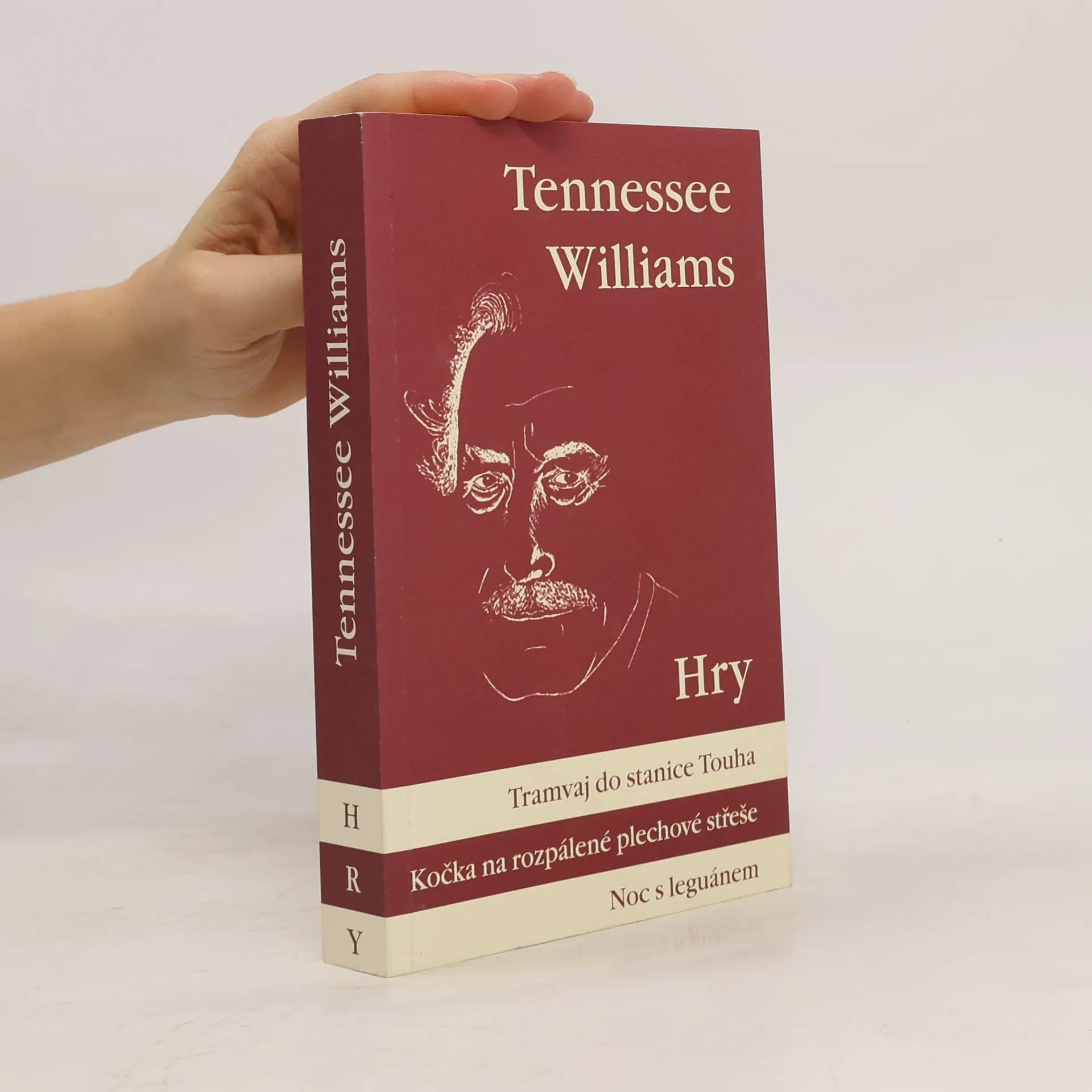
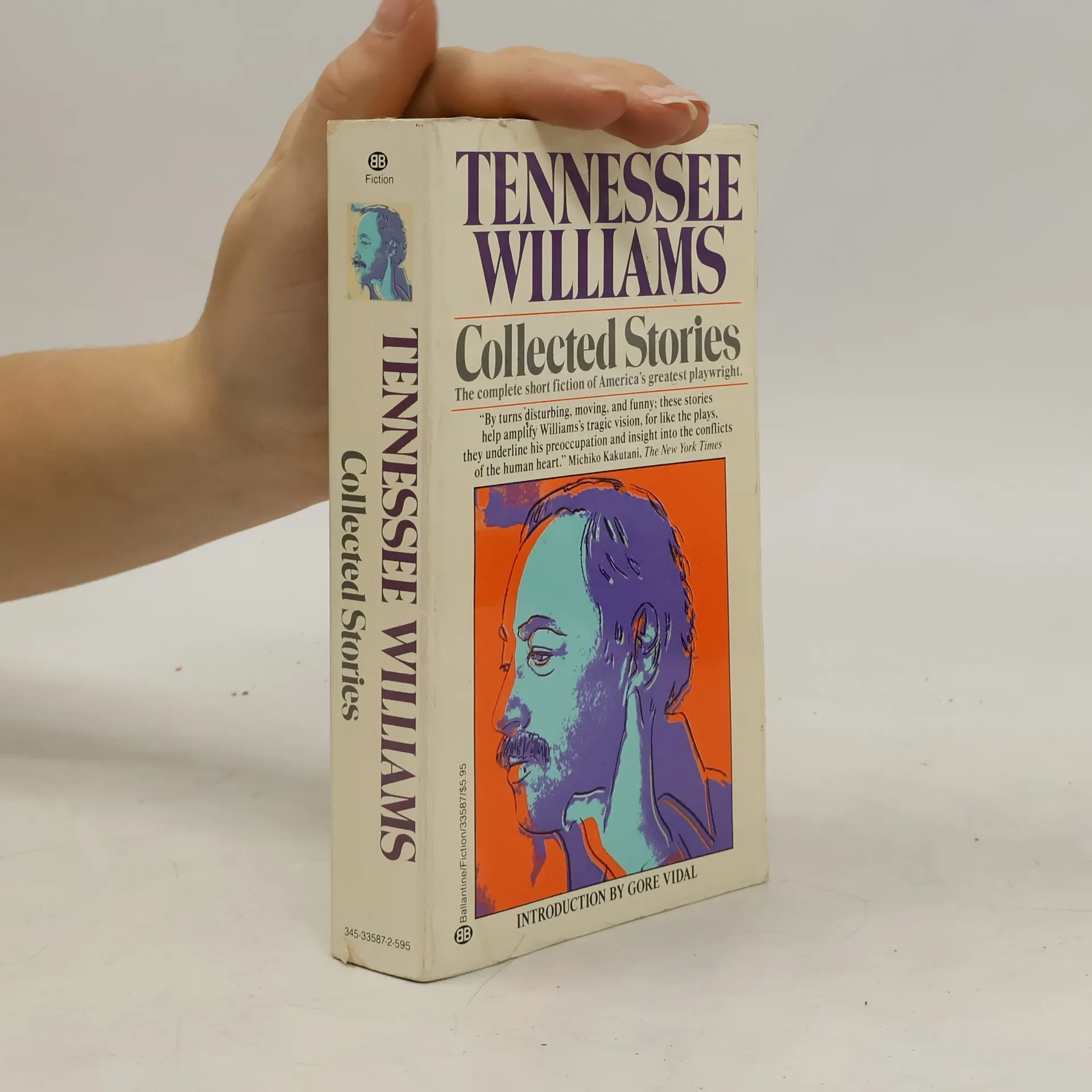
This 20th-century American playwright is renowned for his deeply psychological dramas, which often explore vulnerability, desperation, and the complexities of human relationships. His work is characterized by poetic language and intense emotional portraits of characters battling their inner demons and societal pressures. Williams masterfully captured the bittersweet realities of life, frequently set against the backdrop of a nostalgic South. His plays have become cornerstones of American theater, continuing to resonate with audiences for their raw honesty and artistic brilliance.
The book features a series of insightful interviews with the renowned playwright known for his impactful works such as Cat on a Hot Tin Roof, A Streetcar Named Desire, and The Glass Menagerie. These conversations delve into his creative process, the themes of his plays, and his reflections on the theater's role in society. Readers gain a deeper understanding of his artistic vision and the personal experiences that shaped his iconic characters and narratives.
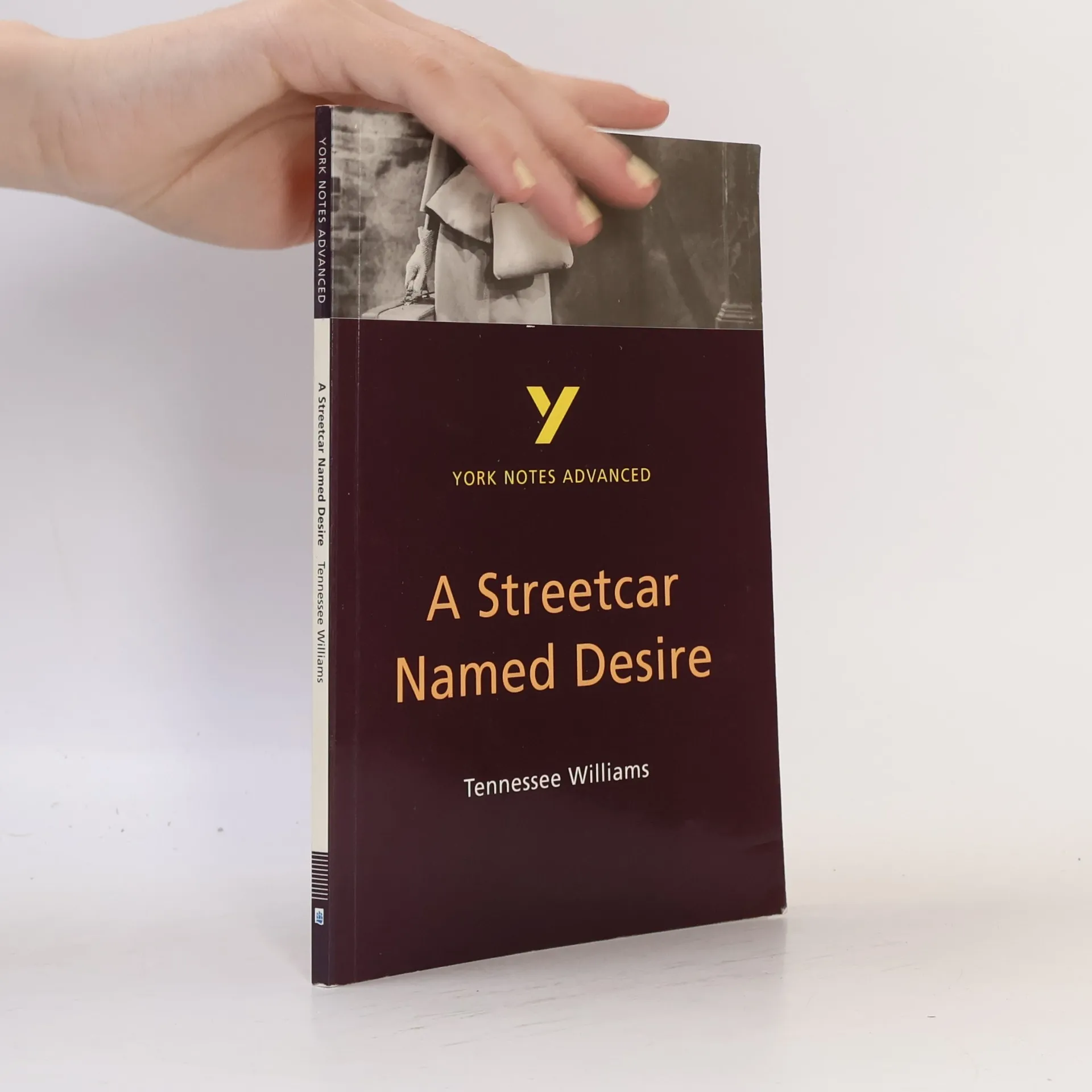
With detailed analysis of the text, discussions on themes, historical
backgrounds and author biographies, York Notes offers students the best
insight into the world of English Literature.
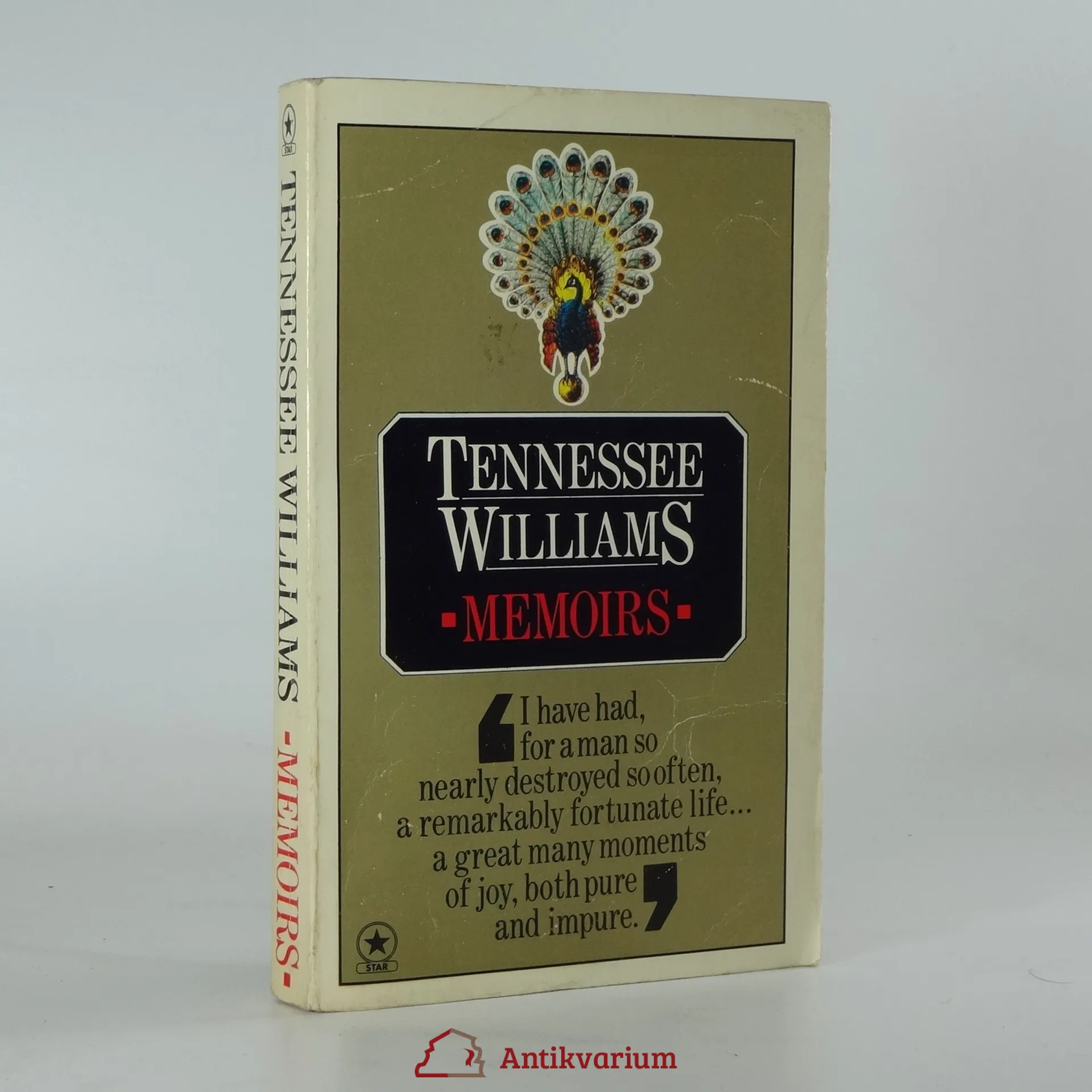
Recreates the milieux Williams knew and chronicled so movingly--from his gypsy youth in St. Louis and New Orleans to his days of celebrity in Hollywood and New York.
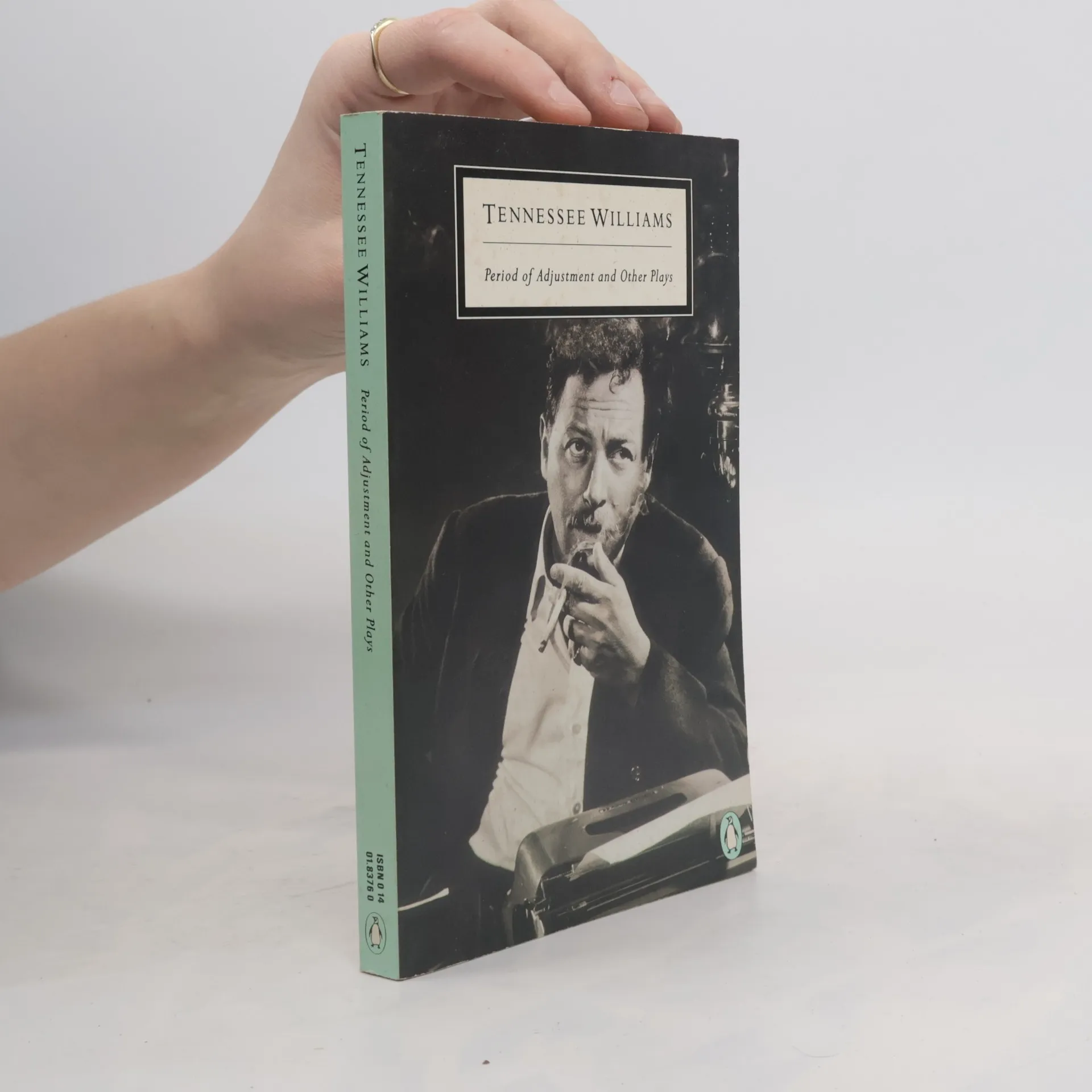
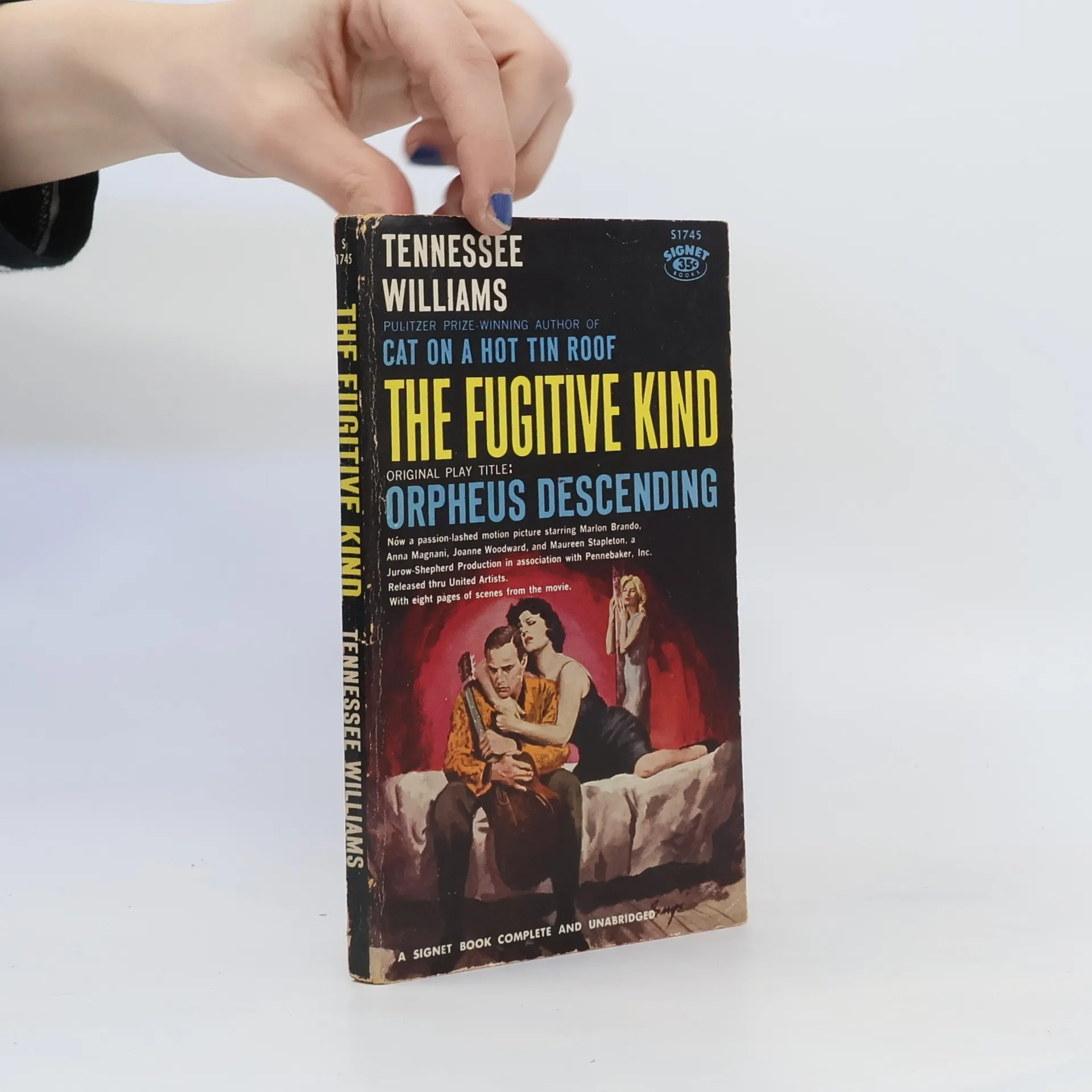
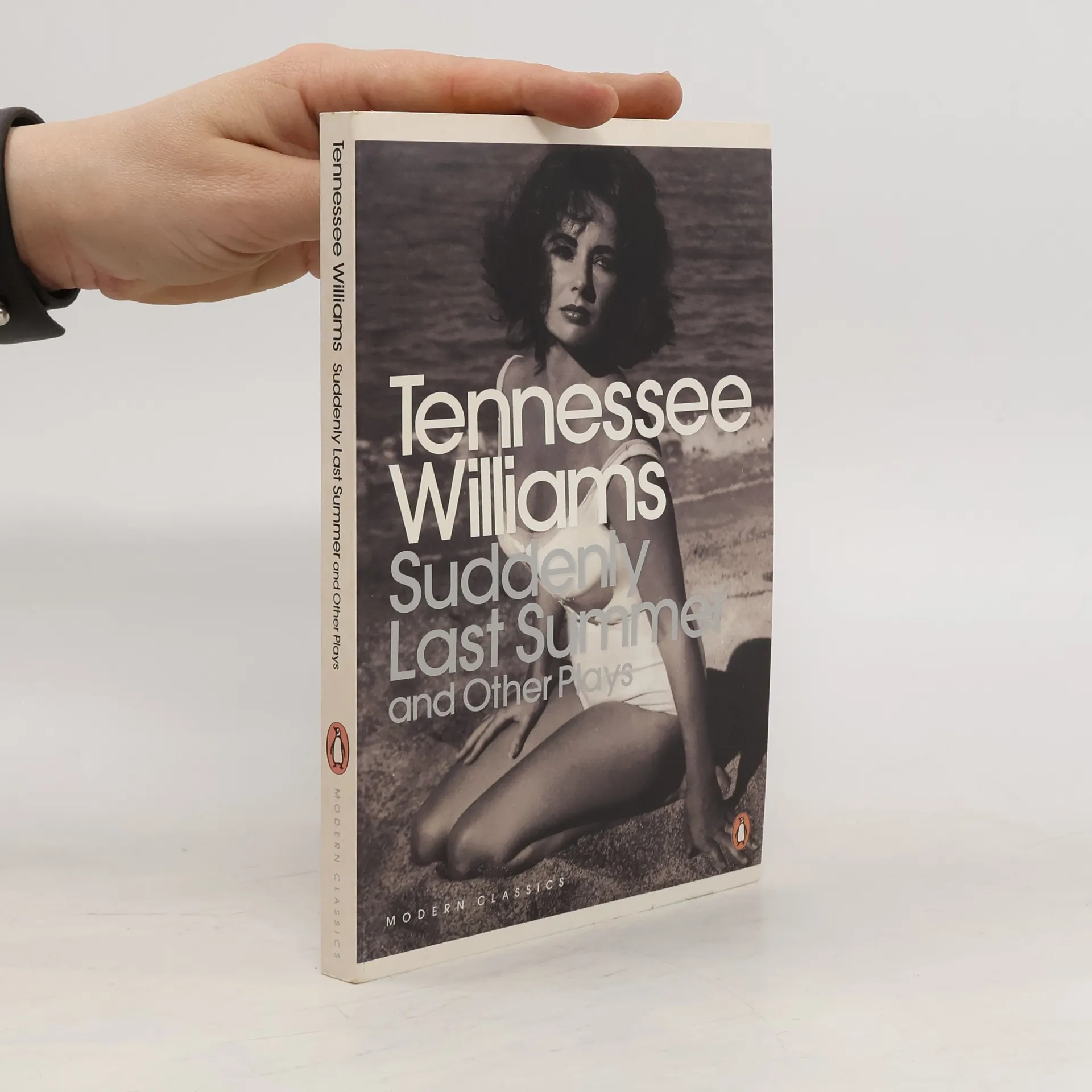
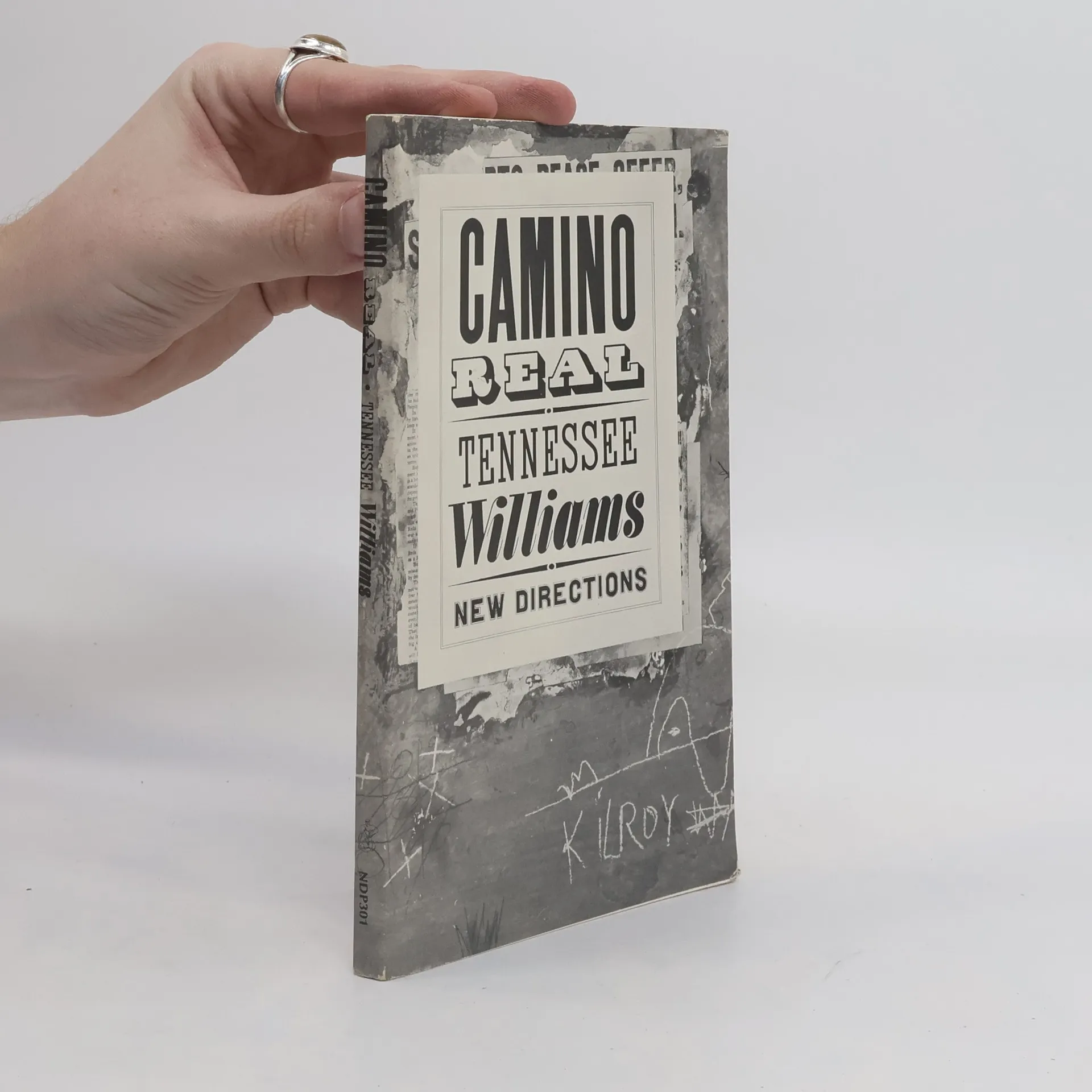
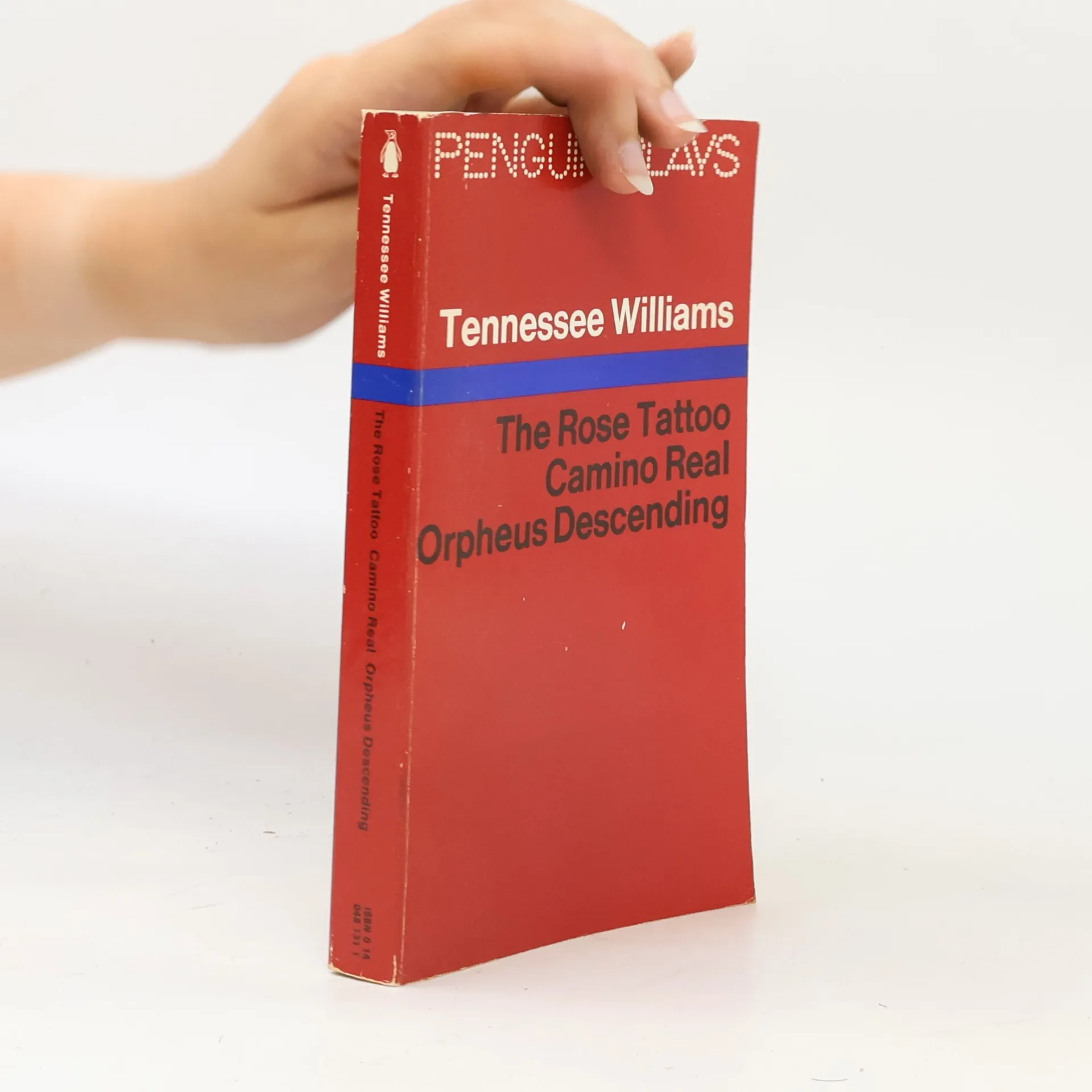
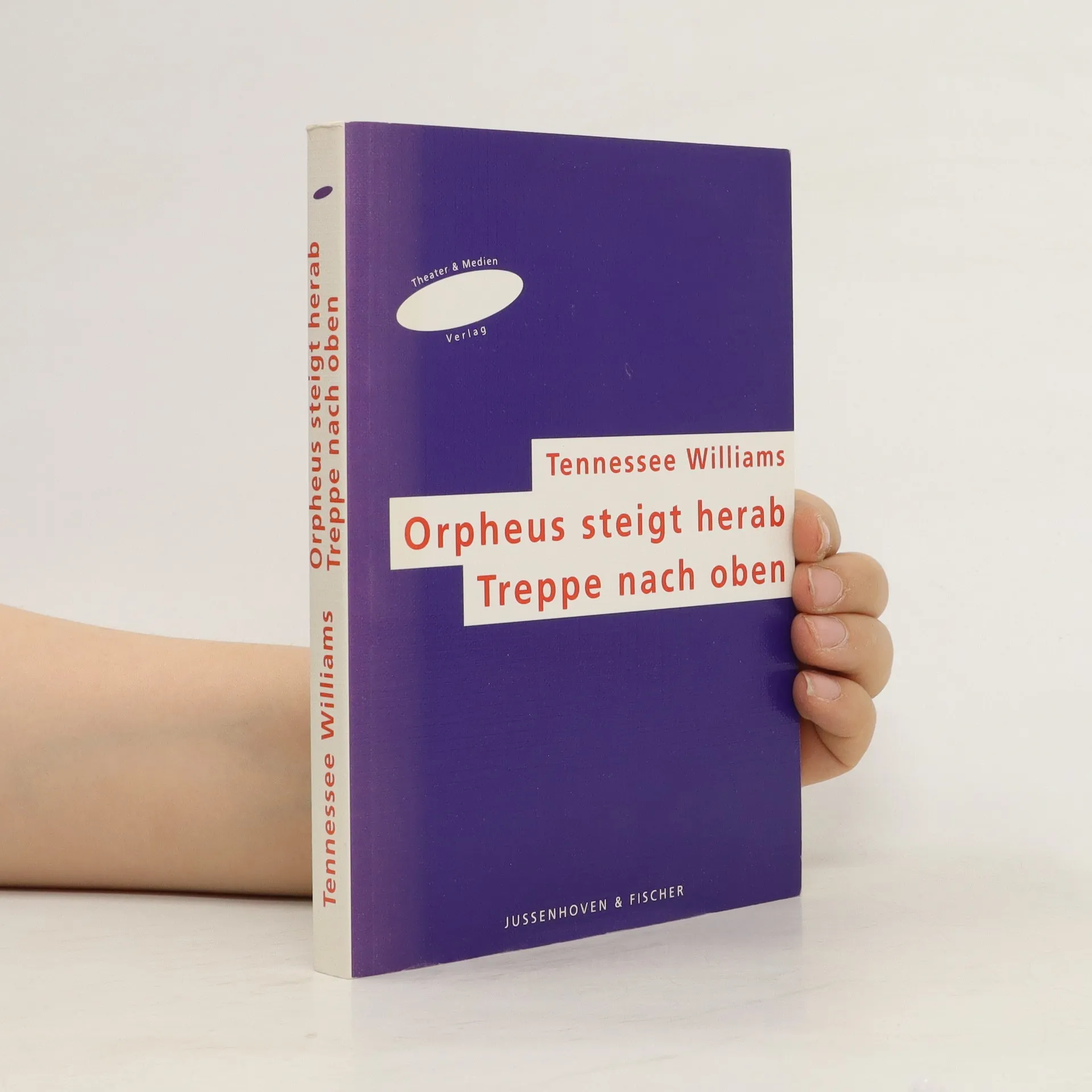
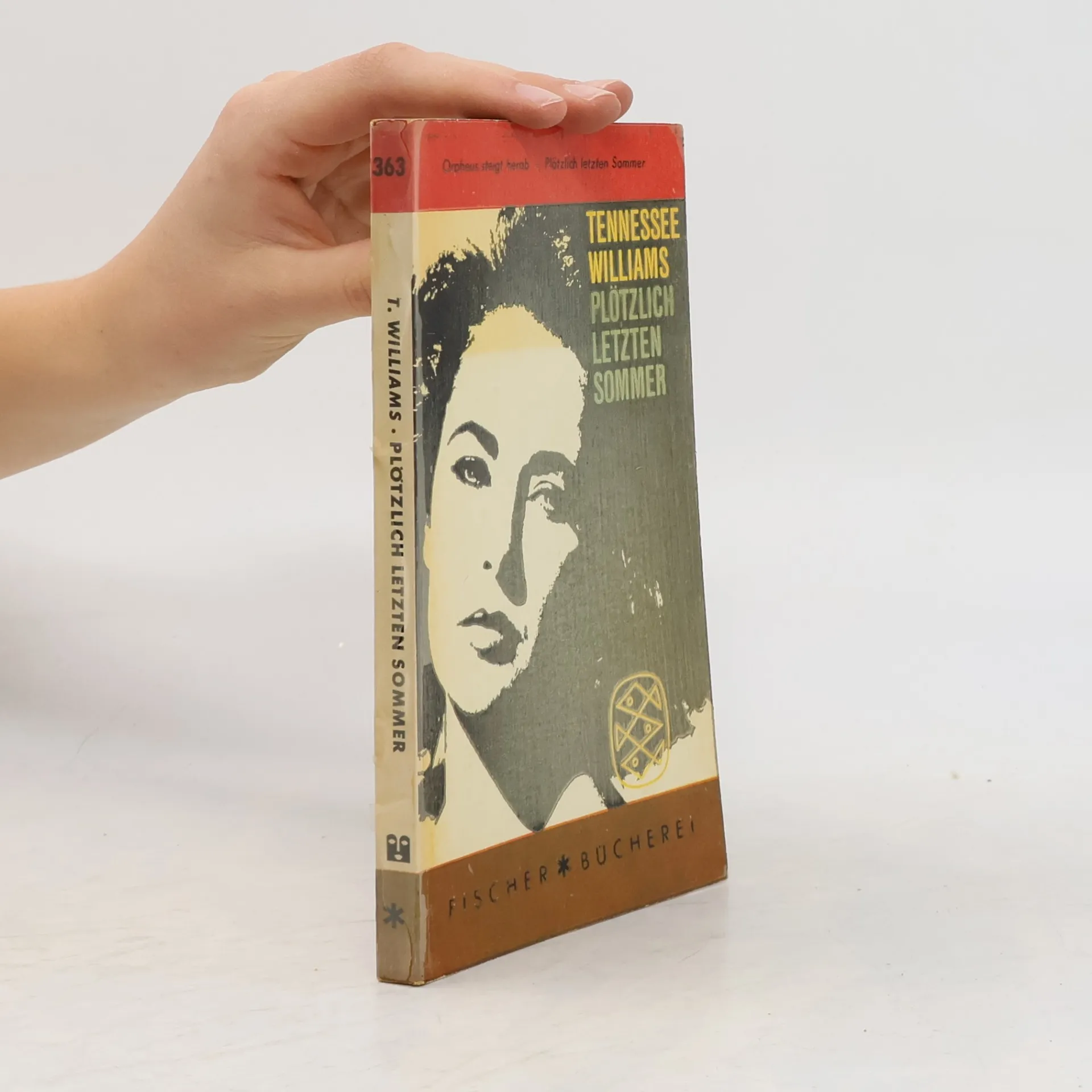
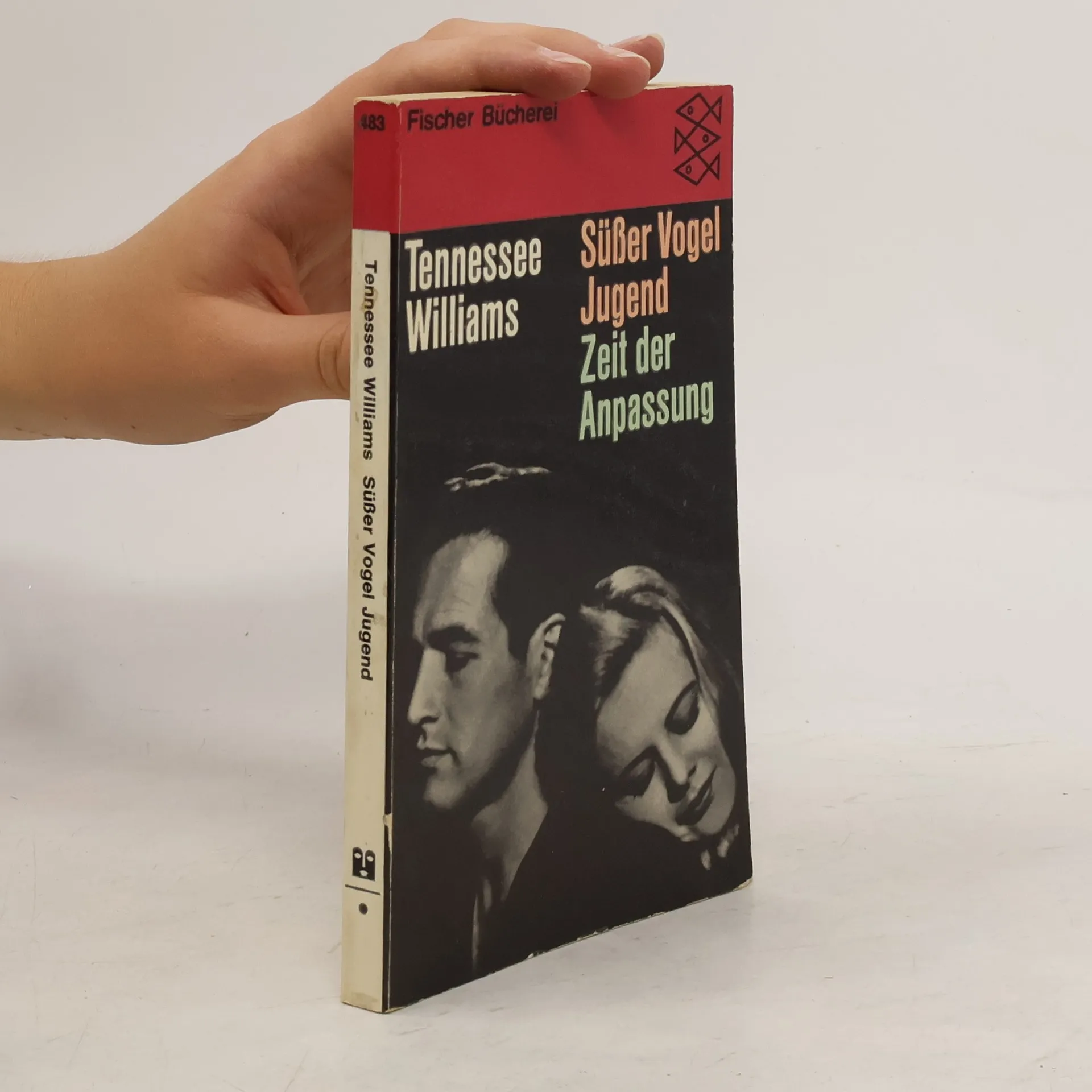
This anthology contains four of the Pulitzer Prize-winning playwright's most brilliant works: Summer and Smoke, Orpheus Descending, Suddenly Last Summer and Period of Adjustment. "The innocent and the damned, the lonely and the frustrated, the hopeful and the hopeless . . . (Williams) brings them all into focus with an earthy, irreverently comic passion".--Newsweek.
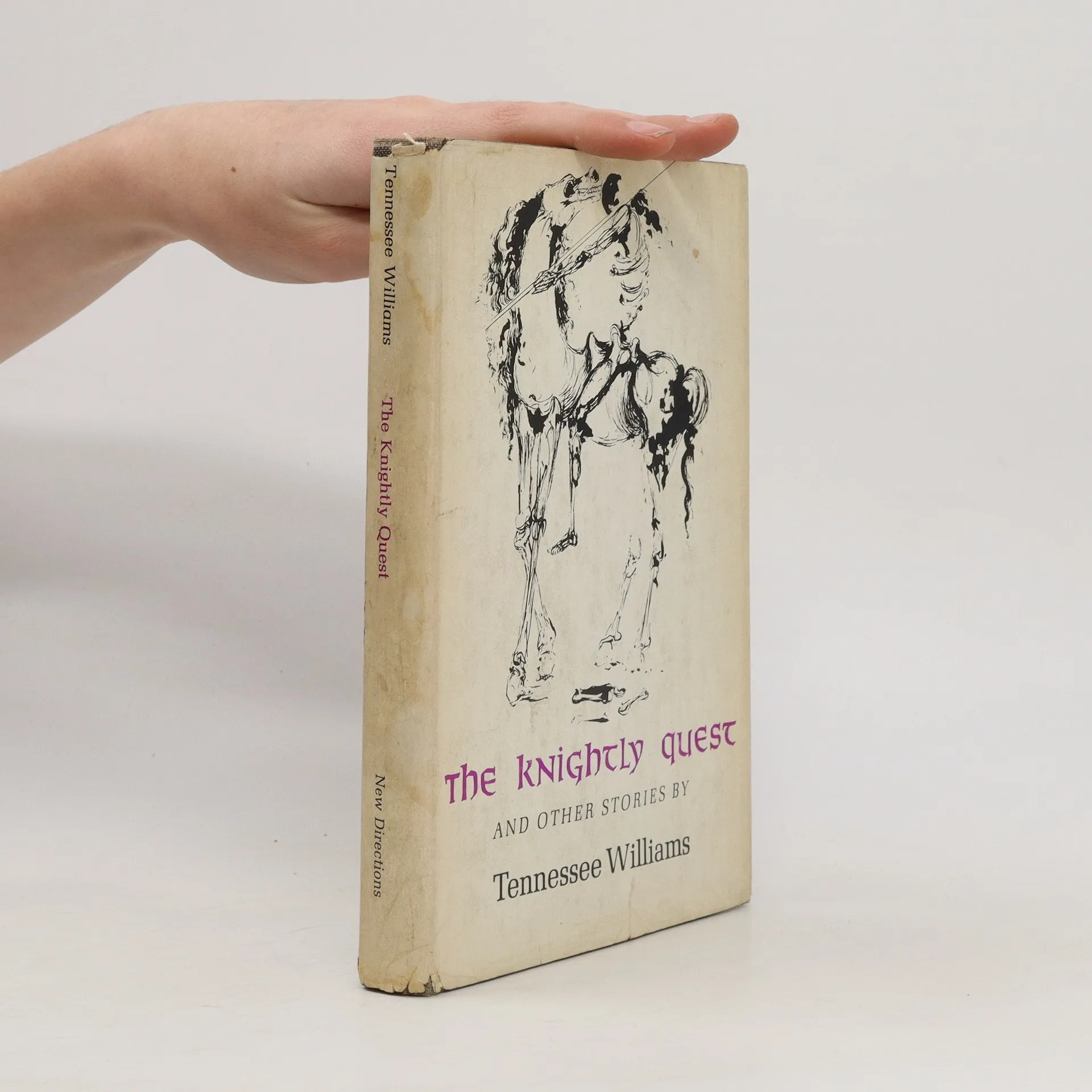
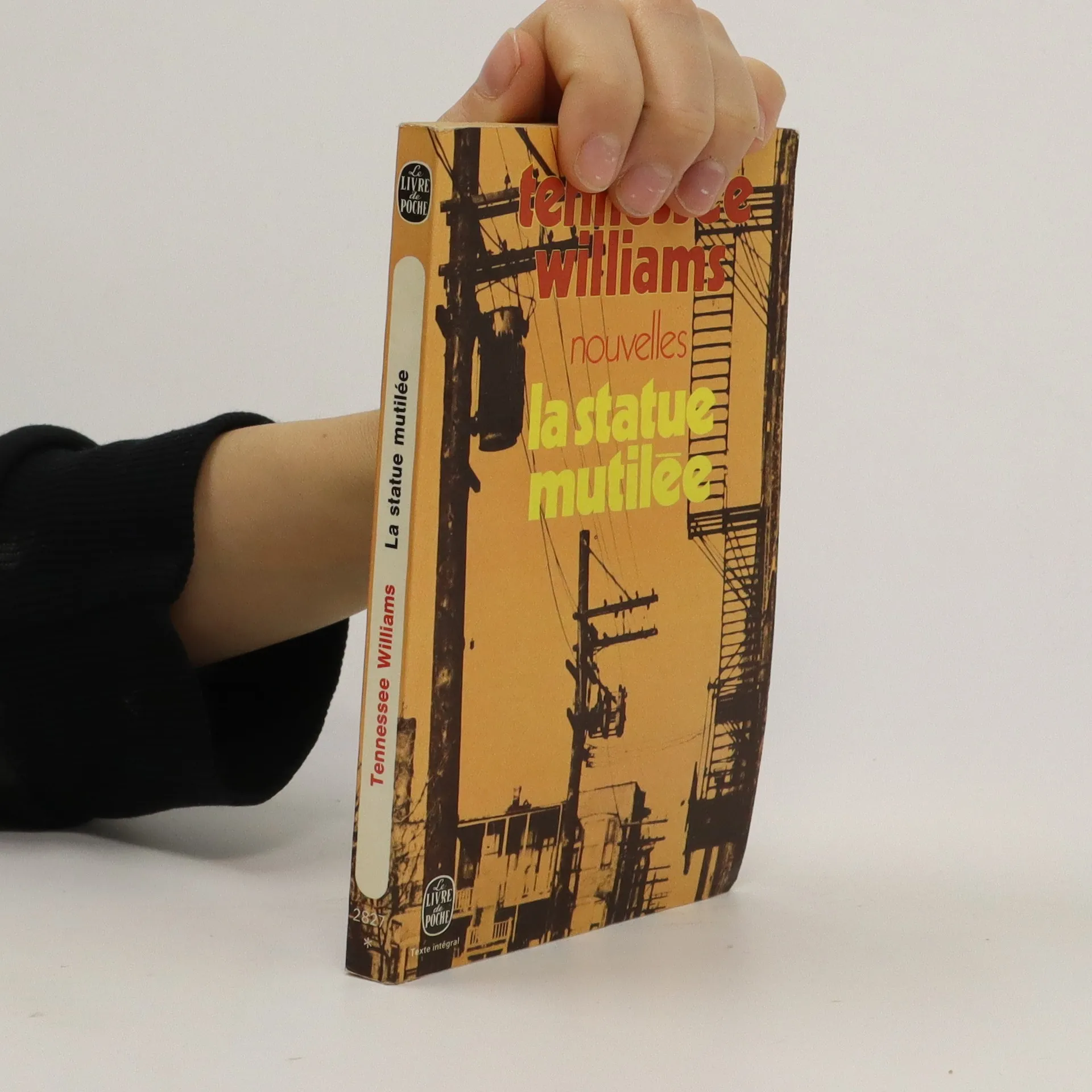
The collection features early writings by Thomas Lanier Williams, showcasing his distinctive voice before he gained fame as a playwright. Set against the backdrop of Missouri, these tales reveal the foundational elements of his storytelling style, offering a glimpse into the themes and character development that would later define his renowned works.
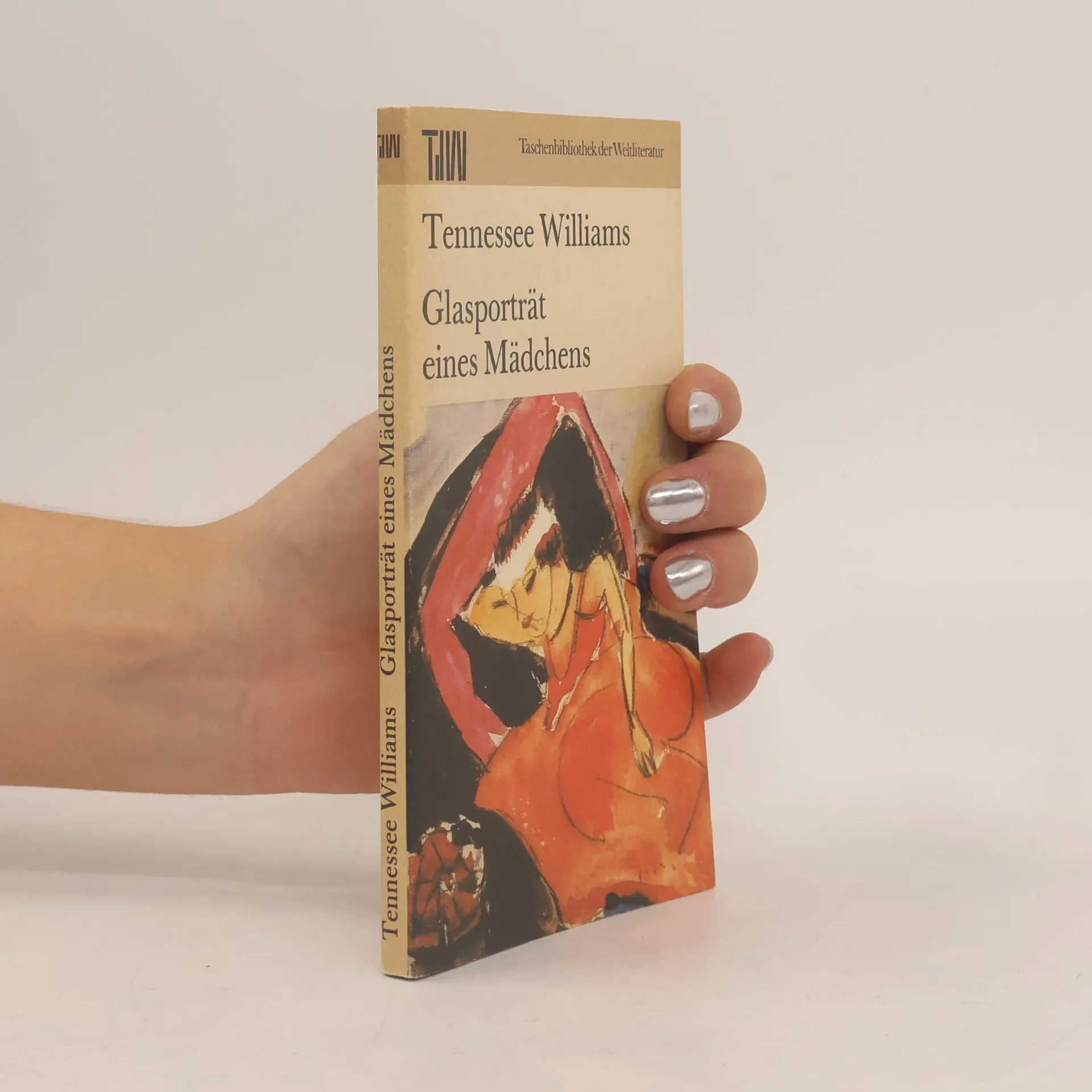
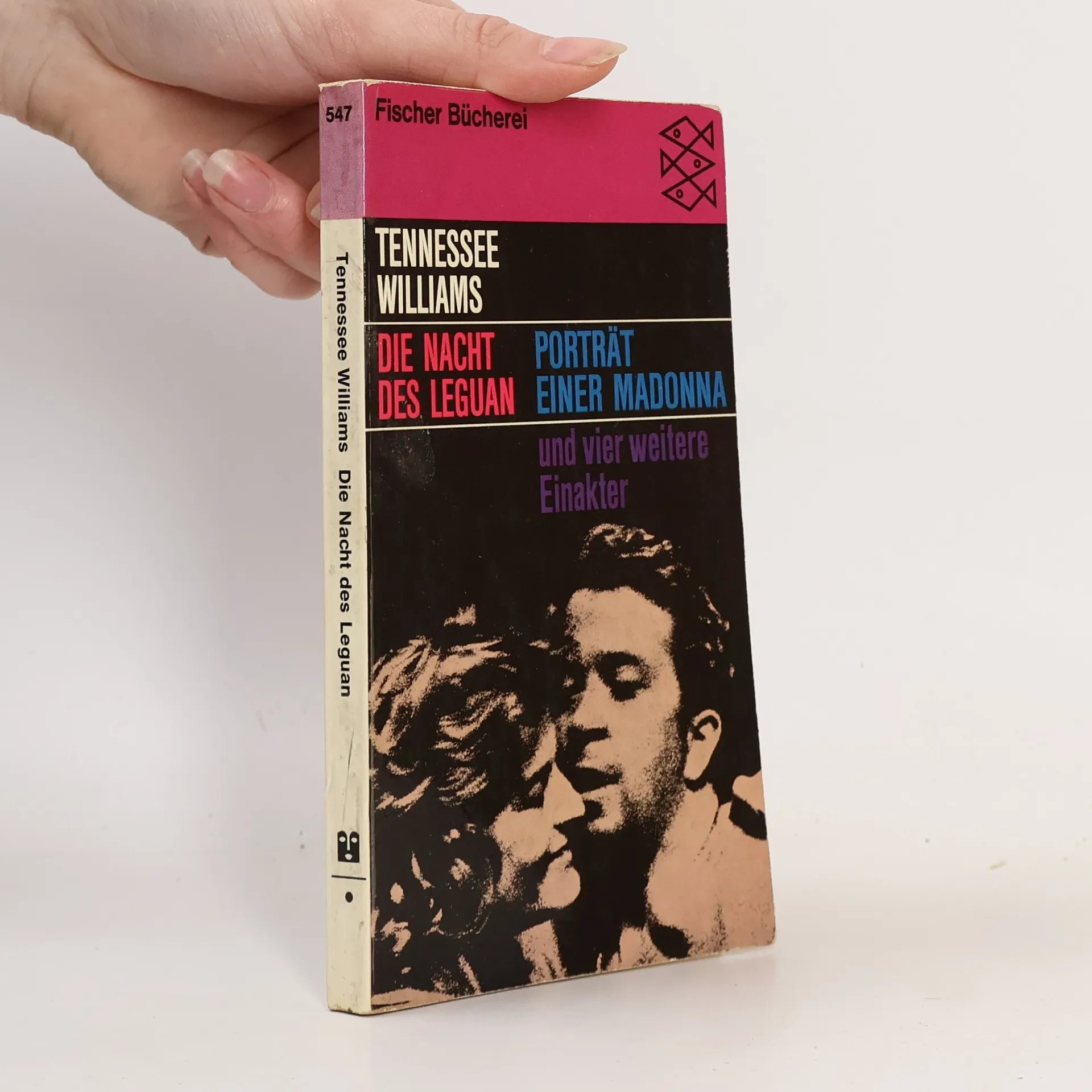
1. Cat on a hot roof: the play alludes to the presence of homosexuality in Southern society and examines the complicated rules of social conduct in this culture. 2. The milk train doesn't stop here anymore: geen homorelevantie. 3. The night of the Iguana: Edith Jelkes, an art teacher from Mississippi is travelling to recover from a breakdown. Needing sympathetic companionship, she makes friendly advances to two homosexual American writers and tries to enlist their aid in freeing a captive iguana
- Presents the most important 20th-century criticism on major works from "The Odyssey through modern literature- The critical essays reflect a variety of schools of criticism- Contains critical biographies, notes on the contributing critics, a chronology of the author's life, and an index- Introductory essay by Harold Bloom
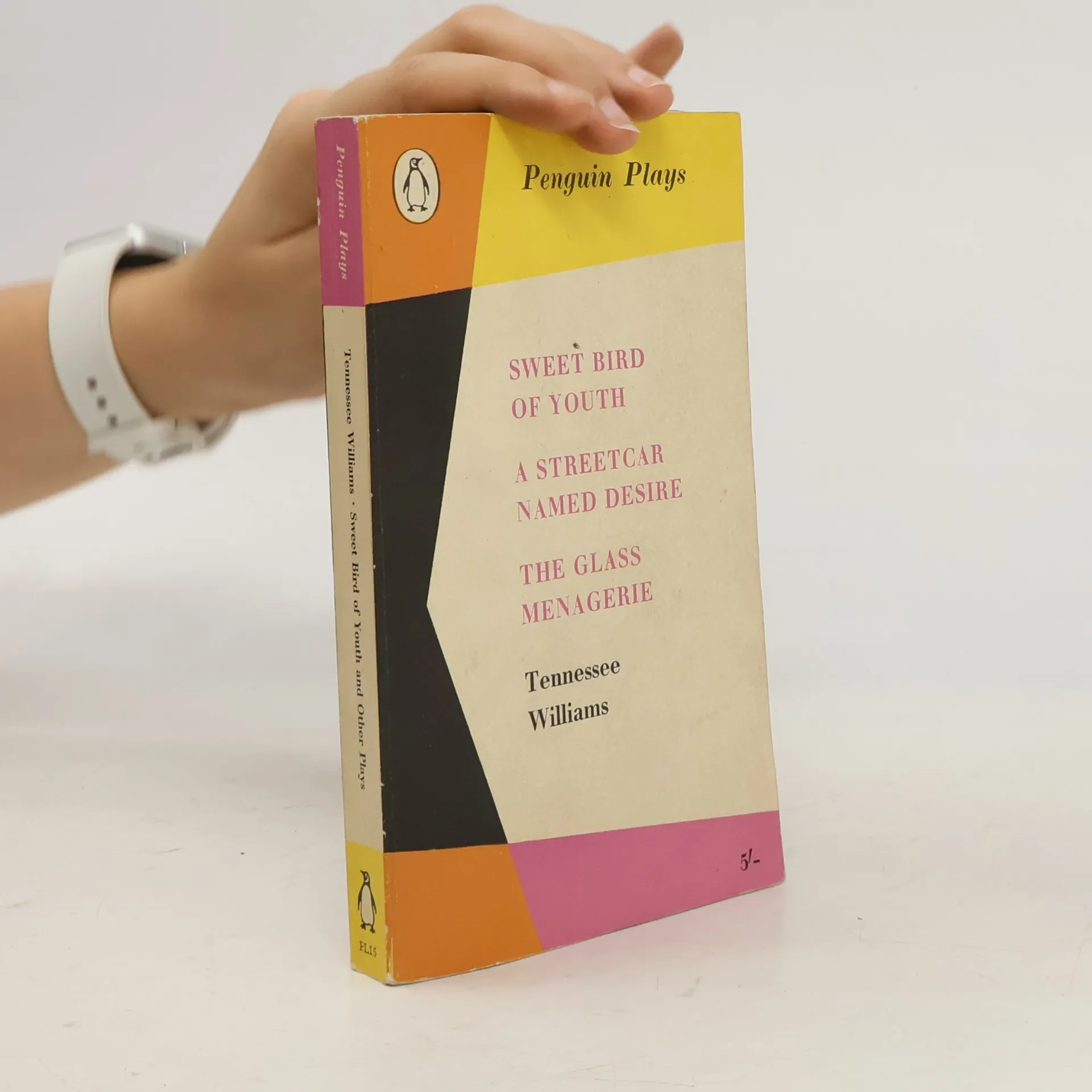
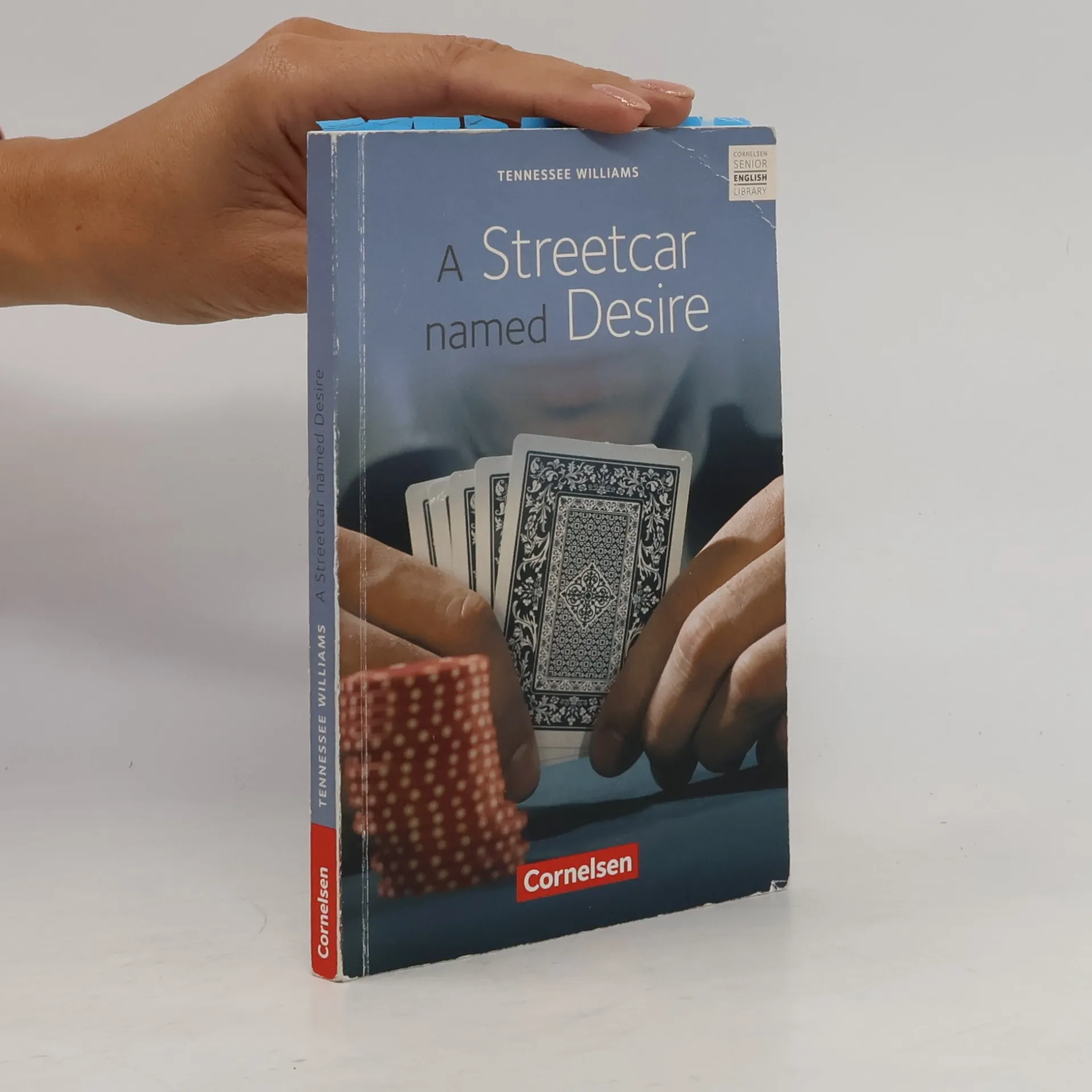
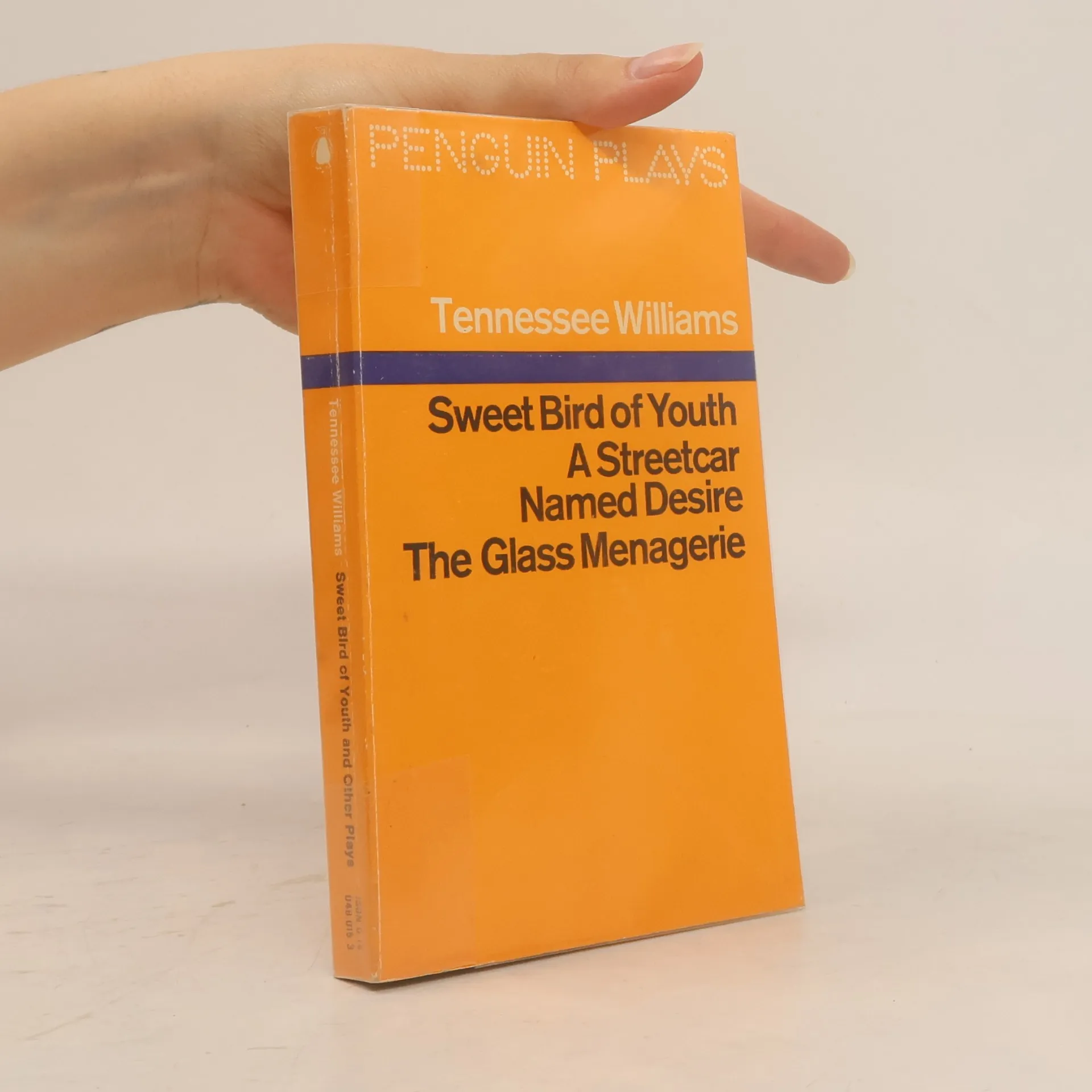
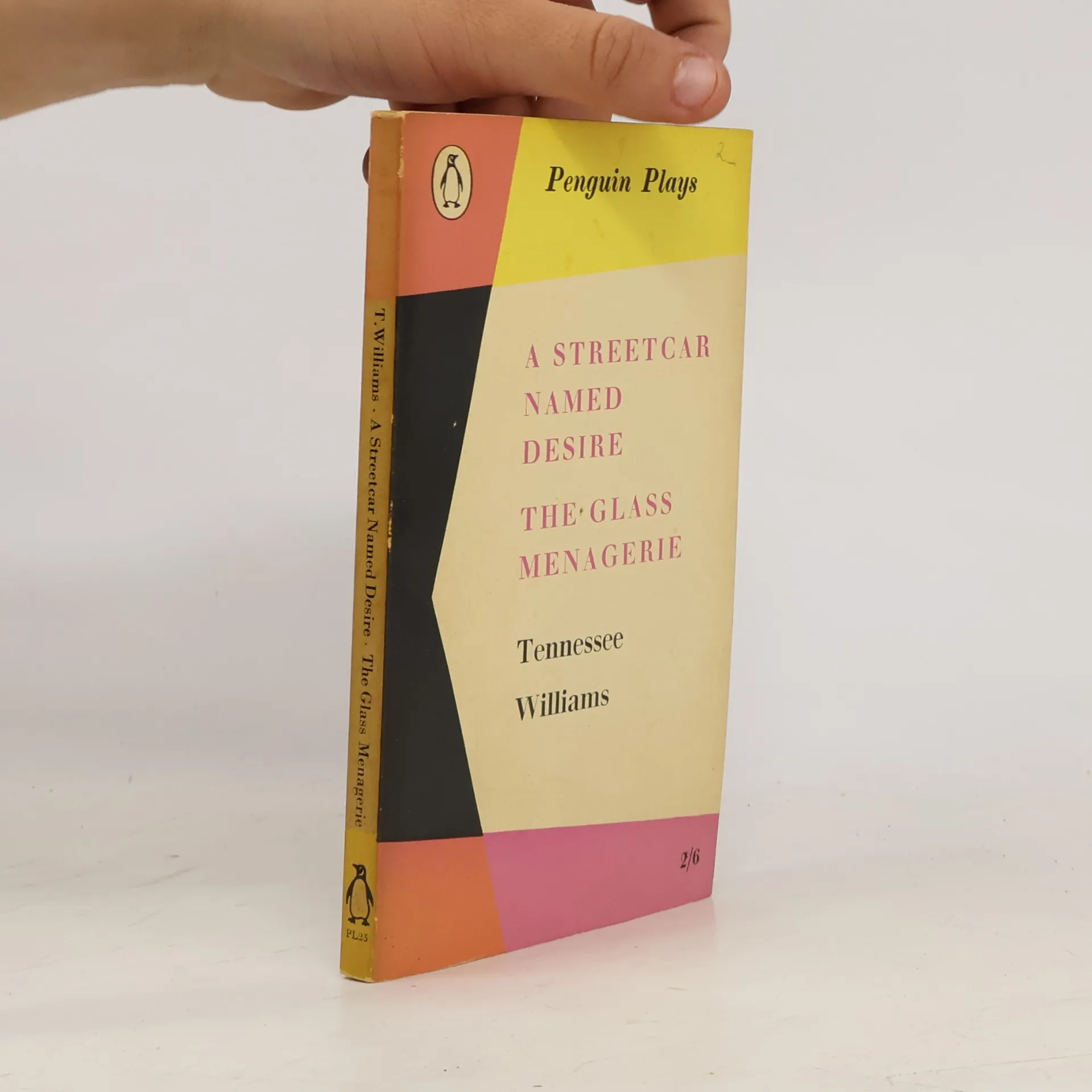
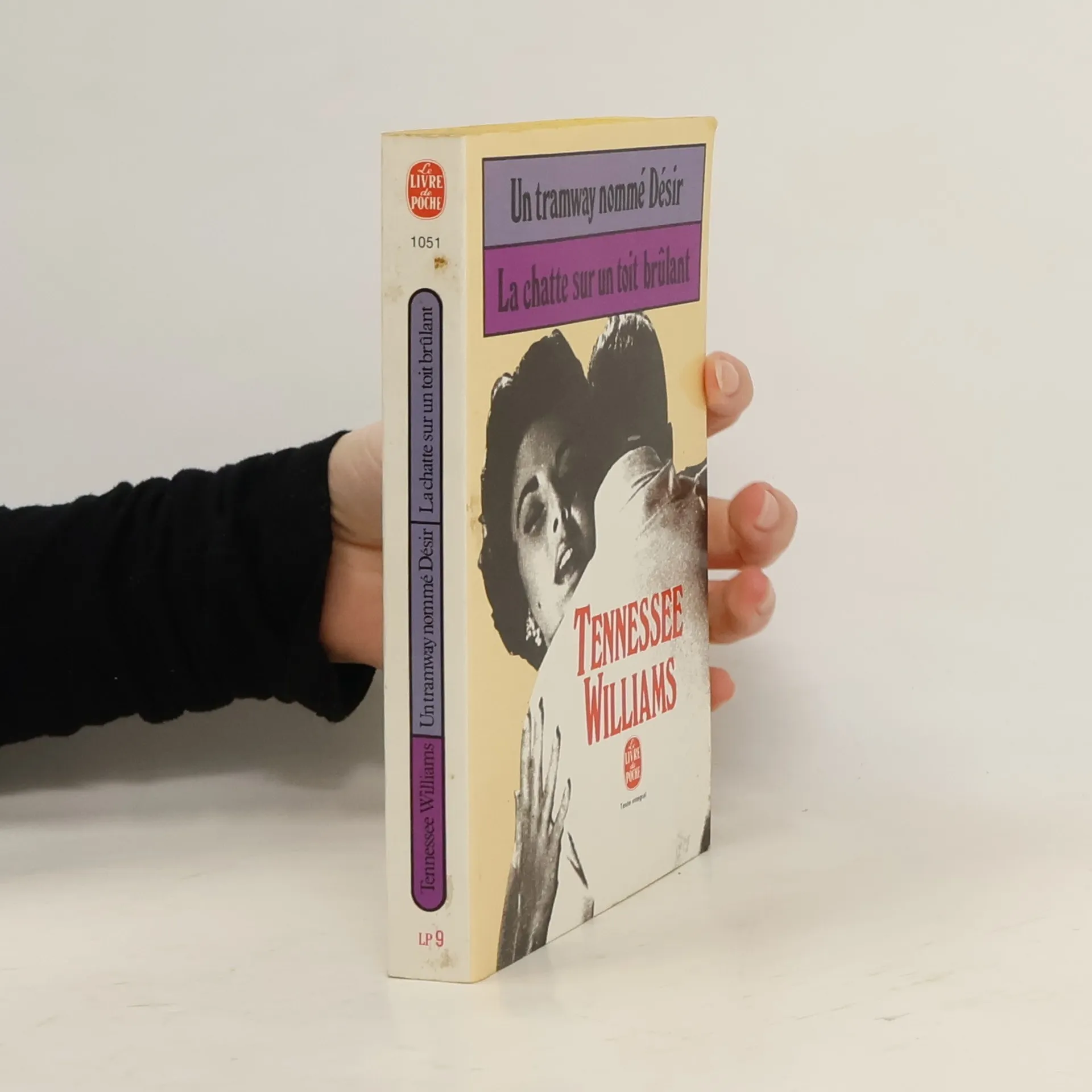
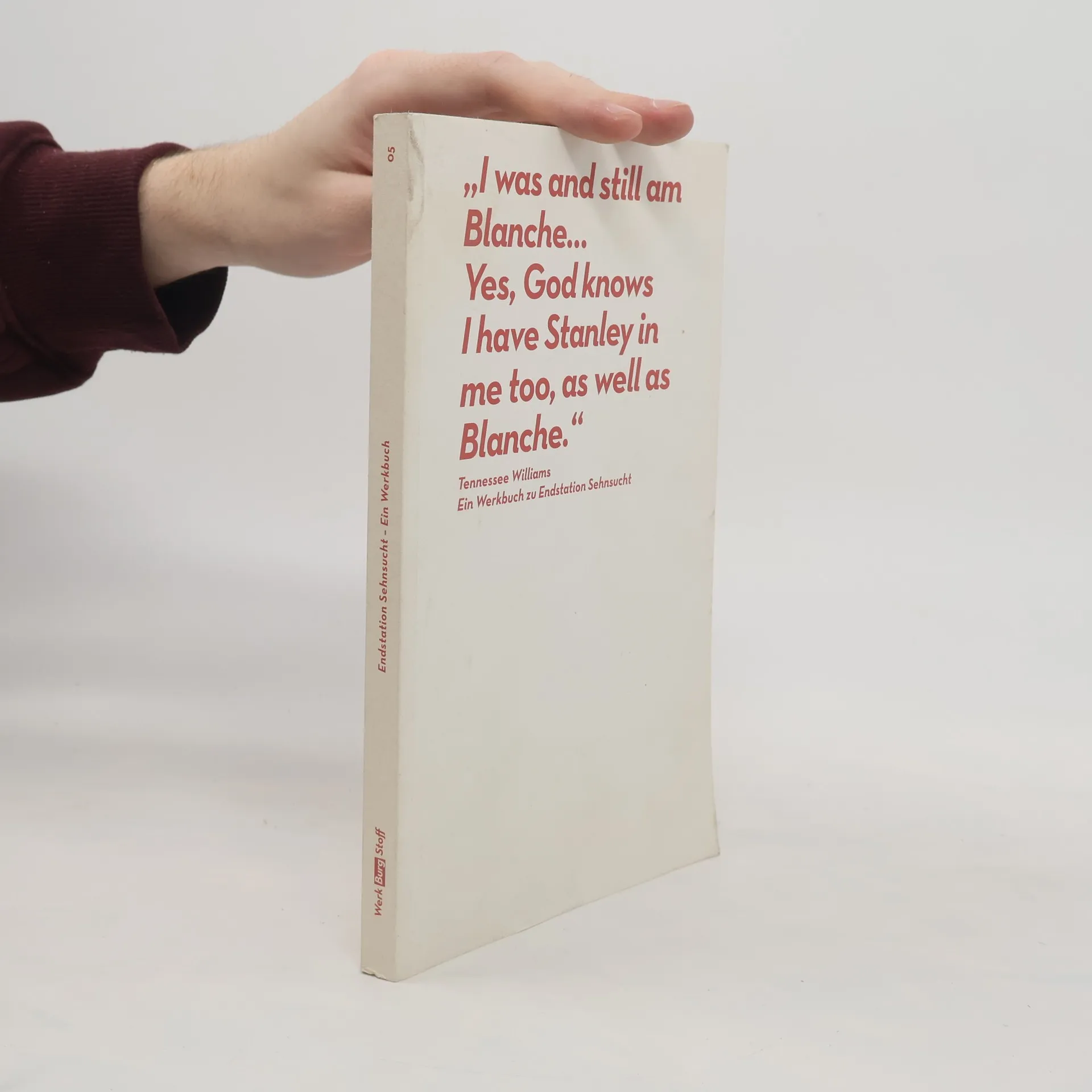
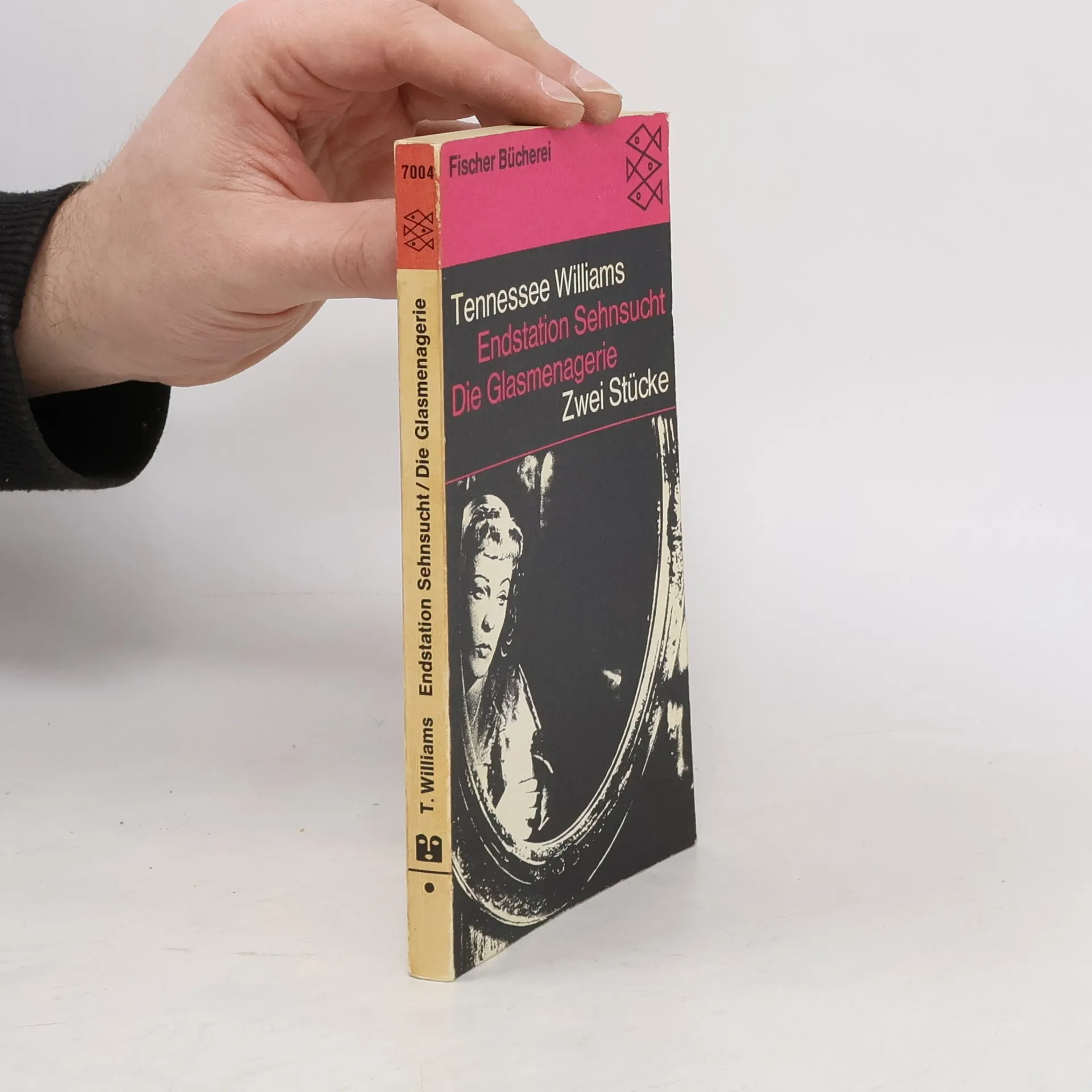
Writing in 1959, at about the time Elia Kazan directed Sweet Bird of Youth on Broadway, Tennessee Williams described his first successful play as being "about as violent as you can get on the stage. During the 19 years since then I have only produced five plays that are not violent". First among them The Glass Menagerie, the memory play which was first presented in London in 1948 and in which he employed every device of scenery, lighting, and music to evoke nostalgia. The following year, he scored one of his biggest successes with A Streetcar named Desire, in which a woman's pathetic fantasies of primness and respectability are stripped down and violently exposed in New Orleans. --back cover
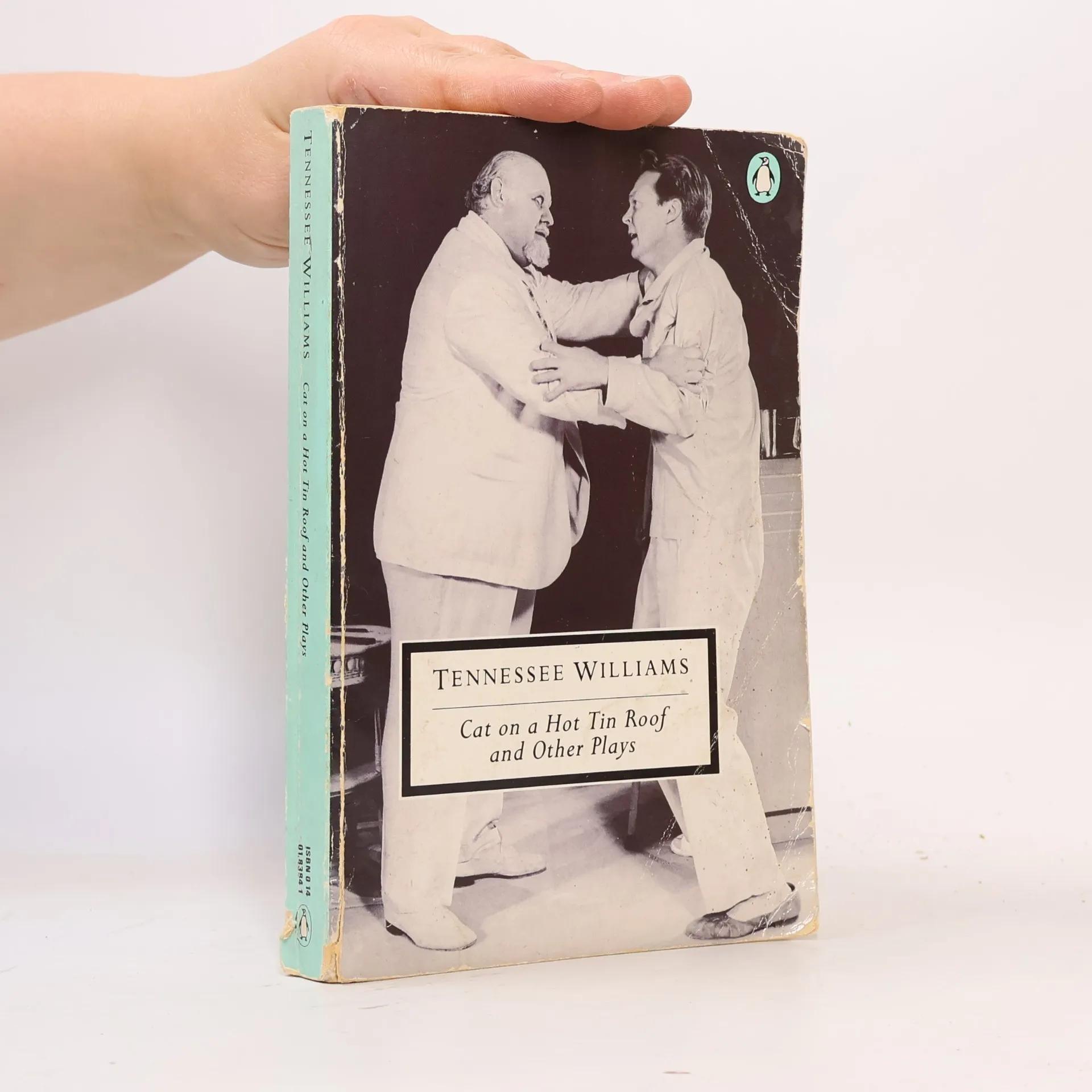
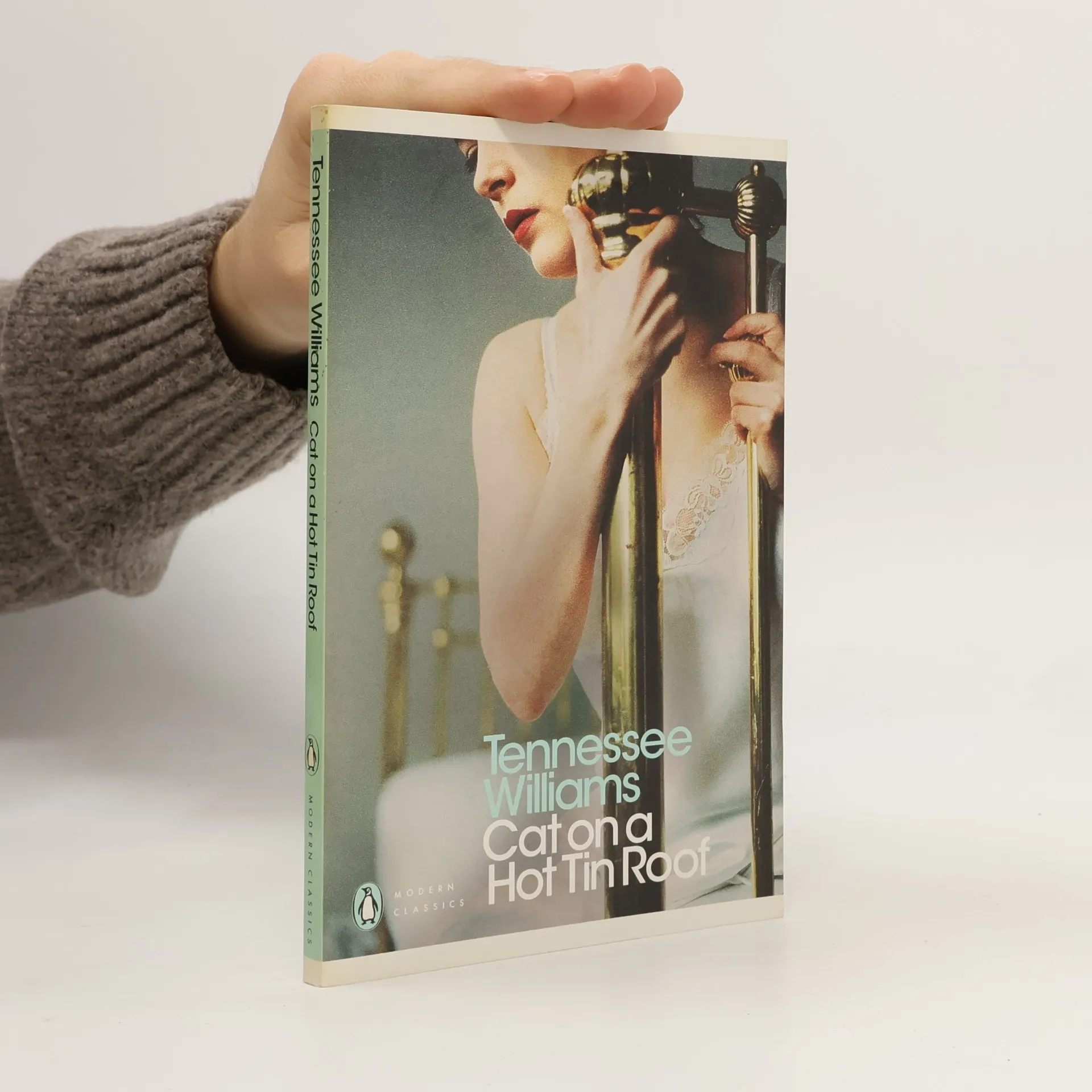
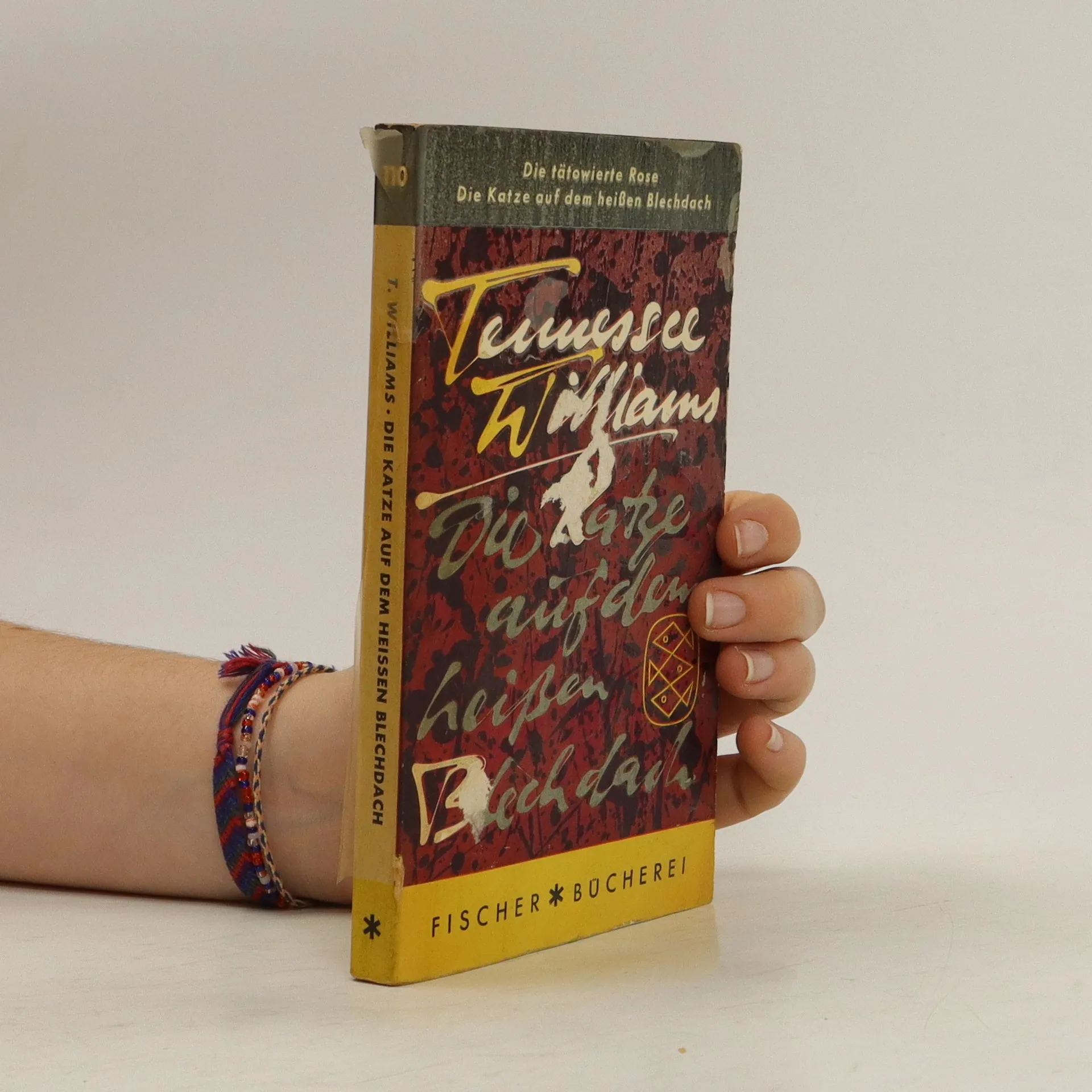
Cat on a Hot Tin Roof first heated up Broadway in 1955 with its gothic American story of brothers vying for their dying father's inheritance amid a whirlwind of sexuality, untethered in the person of Maggie the Cat. The play also daringly showcased the burden of sexuality repressed in the agony of her husband, Brick Pollitt. In spite of the public controversy Cat stirred up, it was awarded the Pulitzer Prize and the Drama Critics Circle Award for that year. Williams, as he so often did with his plays, rewrote Cat on a Hot Tin Roof for many years—the present version was originally produced at the American Shakespeare Festival in 1974 with all the changes that made Williams finally declare the text to be definitive, and was most recently produced on Broadway in the 2003-04 season. This definitive edition also includes Williams' essay "Person-to-Person," Williams' notes on the various endings, and a short chronology of the author's life. One of America's greatest living playwrights, as well as a friend and colleague of Williams, Edward Albee has written a concise introduction to the play from a playwright's perspective, examining the candor, sensuality, power, and impact of Cat on a Hot Tin Roof then and now.