

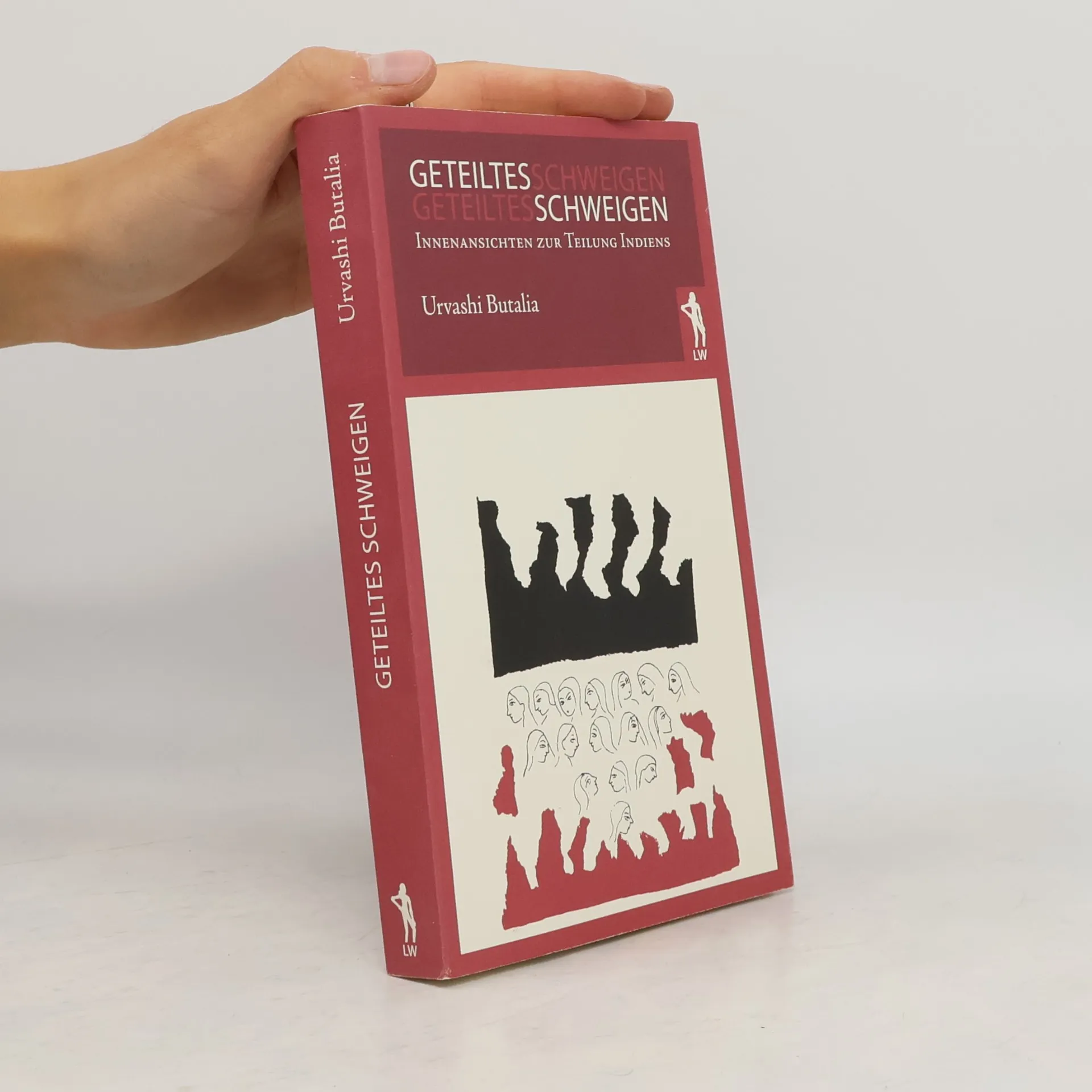
The partition of India in 1947 resulted in one of history's largest human displacements, with over twelve million people uprooted, a million dead, and countless women abducted and raped. Despite the enormity of this tragedy, the personal stories of those affected remain largely unknown. Urvashi Butalia addresses this gap by centering individual experiences and private pain in her exploration of the partition's aftermath. Through a decade of interviews and an analysis of diaries, letters, and documents, she highlights how marginalized groups—children, women, lower castes, and untouchables—were impacted by this upheaval. Butalia intertwines her own partition-scarred family history with the narratives of others, uncovering voices that persist in private despite the silence surrounding this event. She poses challenging questions about the roles of community, caste, and gender in the violence of partition, and examines the gap between the intended and actual outcomes of this historical moment. By sharing these painful truths, Butalia emphasizes the importance of remembrance and storytelling as a means for survivors to begin healing and confronting their past. Her work offers a sensitive and poignant account of the quest to uncover the realities behind the silence of partition.
Urvashi Butalia Books
Urvashi Butalia is a prominent Indian feminist and historian whose work critically examines the lives and histories of women in India. As a co-founder of Kali for Women, India's first feminist publishing house, she has been instrumental in bringing women's voices and experiences to the forefront of Indian literature and scholarship. Her writing and research delve into themes of gender, memory, and identity, striving to uncover and amplify marginalized narratives. Butalia's contributions offer profound insights into the complex social and cultural fabric of India, challenging conventional historical accounts.
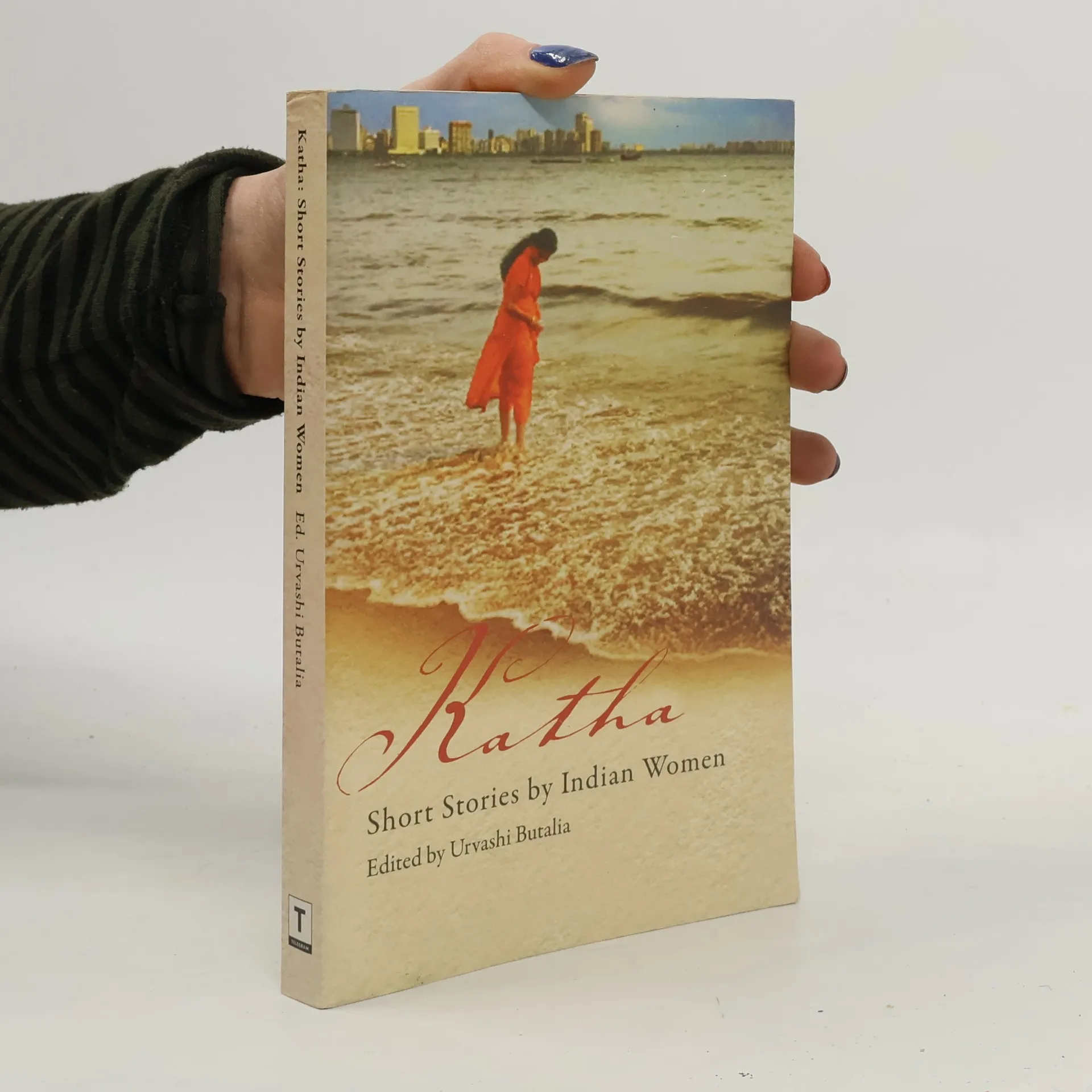

Whether it is in the kitchen or elsewhere, Indian women's stories have been handed down from generation to generation, enriched and embroidered along the way.But with the coming of political change and print culture many women's voices were silenced. It is only in more recent times that these voices can again be heard, in all their confidence and variety.This collection covers many languages and cultures and reflects the vast and complex cultures of India.Part of a series showcasing contemporary women writers from around the world.Urvashi Butalia is a publisher and writer based in India. She is co-founder of Kali for Women, India's first feminist publishing house, and is now director of Zubaan, an imprint of Kali. She has published many books, including the award-winning The Other Side of Silence: Voices from the Partition of India. She has co-edited In Other Words: Women's Writing from India, Truth Tales: Stories from India and The Slate of Life. She is also editor of The Inner Line: Women's Stories from India.
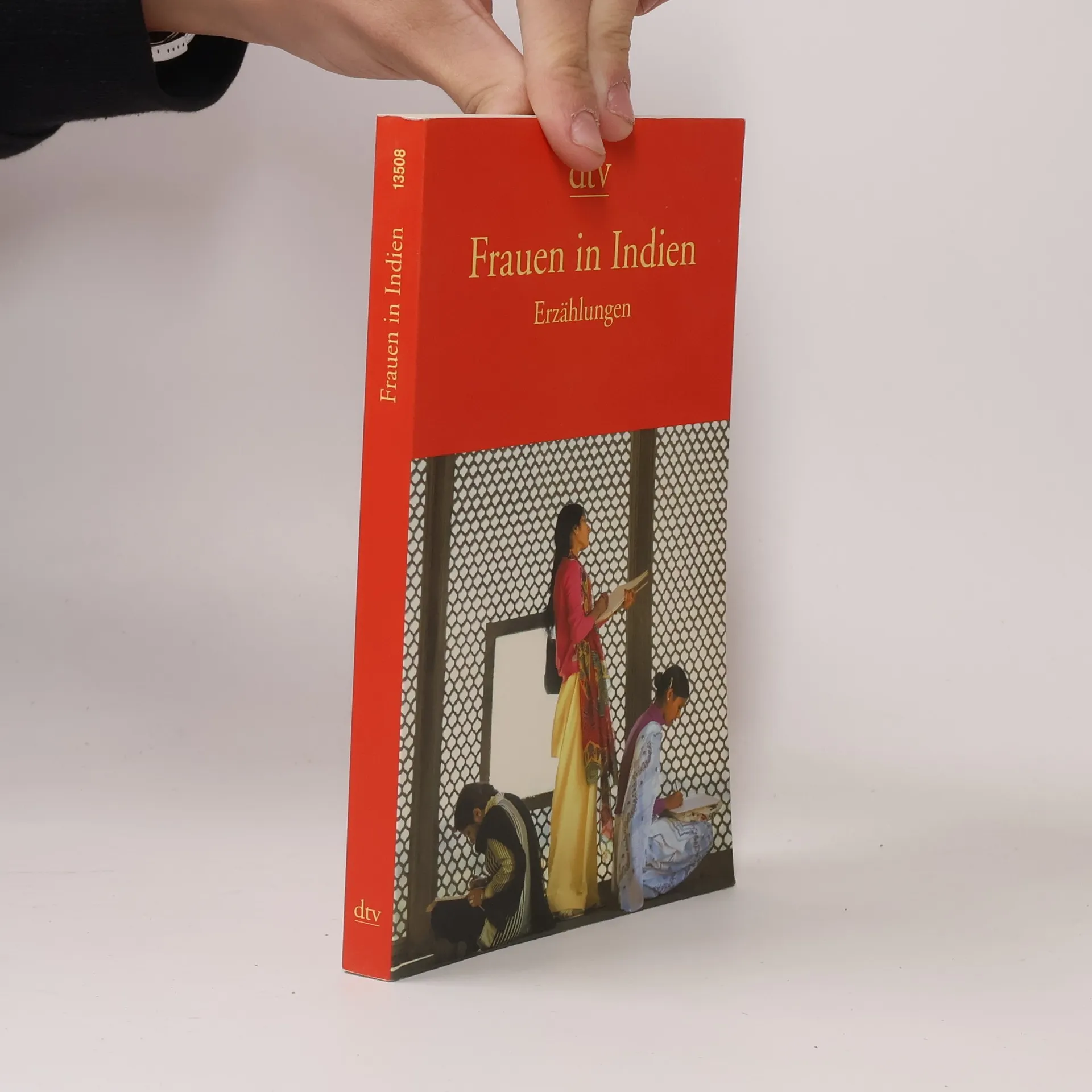
Eine neue Sammlung von Geschichten indischer Erzählerinnen – sowohl einige der bestbekannten in Indien als auch neue Stimmen sind hier zusammengetragen. Wir lesen vom Schicksal einer verwitweten jungen Frau, die sich den für sie vorgeschriebenen Hindu-Riten nicht fügt, von den unvorhersehbaren Schrecken, die eine andere Frau in einer arrangierten Ehe erleidet, von einer privilegierten Kindheit, von der merkwürdigen Verwandlung einer Ehefrau und Mutter beim Fest der Schlangen, von Leere und Sehnsucht in einer modernen Ehe und von der Durchsetzungskraft einer Matriarchin, die beschließt, eine Reise nach London zu unternehmen, und sich zur Geißel der Mitreisenden und der besuchten Verwandtschaft entwickelt. Vieles andere mehr gibt es in dieser abwechslungsreichen Sammlung von Erzählungen zu entdecken, dabei geht es um die Rolle der Frau in der sich ständig verändernden modernen indischen Gesellschaft, um politische und religiöse Erwartungen, aber auch um Themen wie Umweltprobleme und Nationalitätenkonflikte im Vielvölkerstaat Indien.
Die politische Teilung Indiens führte zu einer der größten menschlichen Katastrophen der Geschichte, bei der zwölf Millionen Menschen zwischen Indien und Pakistan wanderten. Diese Migration war oft von blutigen Gemetzeln begleitet, und etwa eine Million Menschen starben, während 75.000 Frauen entführt und vergewaltigt wurden. Tausende Familien wurden auseinandergerissen, Häuser zerstört und Dörfer entvölkert. Die Flucht erfolgte meist zu Fuß in großen Gruppen, wobei die längste Kolonne bis zu 400.000 Flüchtlinge zählte und acht Tage benötigte, um ein Ziel zu erreichen. Während die „Fakten“ der Teilung in Büchern dokumentiert sind, sind die persönlichen Geschichten, die das wahre Ausmaß der Tragödie zeigen, oft verborgen. Urvashi Butalia hat über einen Zeitraum von mehr als 10 Jahren Interviews geführt, um zu ergründen, wie Menschen die Teilung erlebten und welche Auswirkungen sie auf ihr Leben hatte – insbesondere Kinder, Frauen und Kastenlose. Um zu verstehen, warum bestimmte Themen offen besprochen werden, während andere im Schweigen bleiben, beleuchtet sie die Geschichte ihrer eigenen Familie und stellt Fragen, bevor sie die Erzählungen anderer betrachtet, um Mechanismen von Verdrängung, Täterschaft, Gewalt und Identitätsfindung nachzuvollziehen.
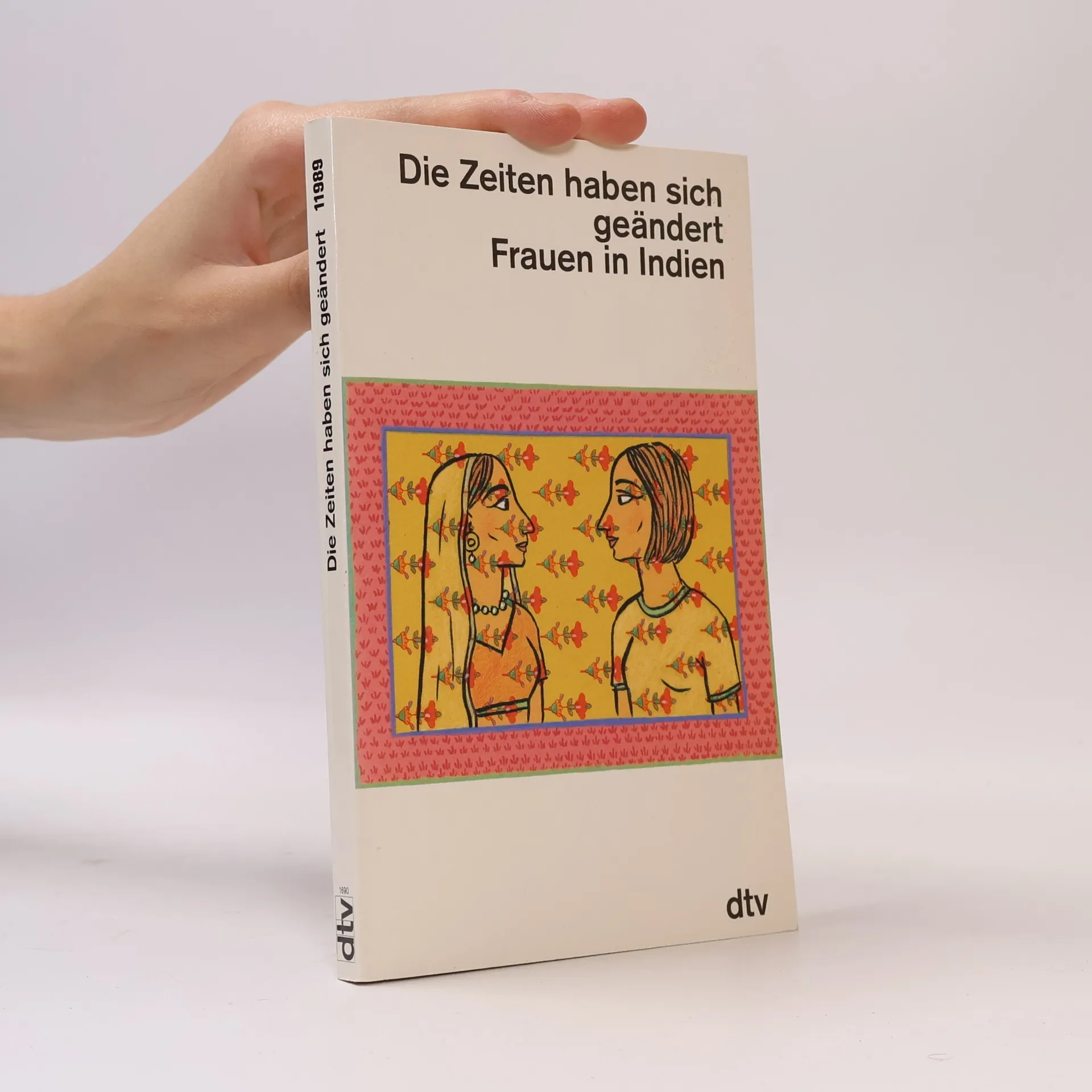
dtv Literatur: Die Zeiten haben sich geändert: Frauen in Indien
- 172 pages
- 7 hours of reading