Gendered Innovations
How Gender Analysis Contributes to Research: Report of the Expert Group "Innovation Through Gender"
- 137 pages
- 5 hours of reading


Londa Schiebinger is a historian of science whose work delves into the intricate relationship between human societies and the natural world, particularly focusing on the historical impact of scientific discovery and exploitation. Her research often examines how scientific knowledge, especially in botany, has been shaped by and has influenced global power dynamics and colonialism. She critically analyzes the methodologies and ethical implications of past scientific endeavors, urging a reevaluation of their legacies.


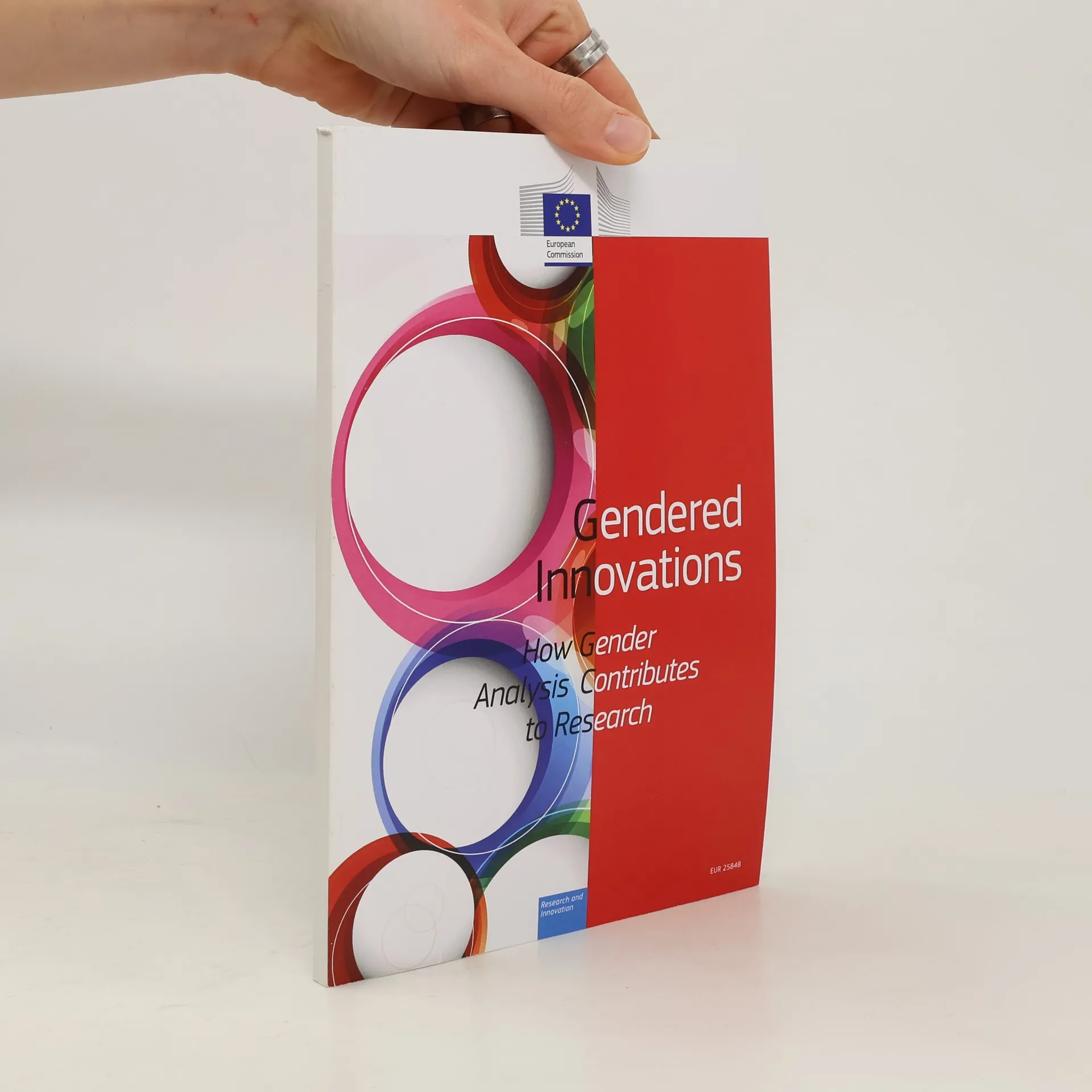

How Gender Analysis Contributes to Research: Report of the Expert Group "Innovation Through Gender"
Eighteenth-century natural historians created a peculiar, and peculiarly durable, vision of nature--one that embodied the sexual and racial tensions of that era. When plants were found to reproduce sexually, eighteenth-century botanists ascribed to them passionate relations, polyandrous marriages, and suicidal incest, and accounts of steamy plant sex began to infiltrate the botanical literature of the day. Naturalists also turned their attention to the great apes just becoming known to eighteenth-century Europeans, clothing the females in silk vestments and training them to sip tea with the modest demeanor of English matrons, while imagining the males of the species fully capable of ravishing women.
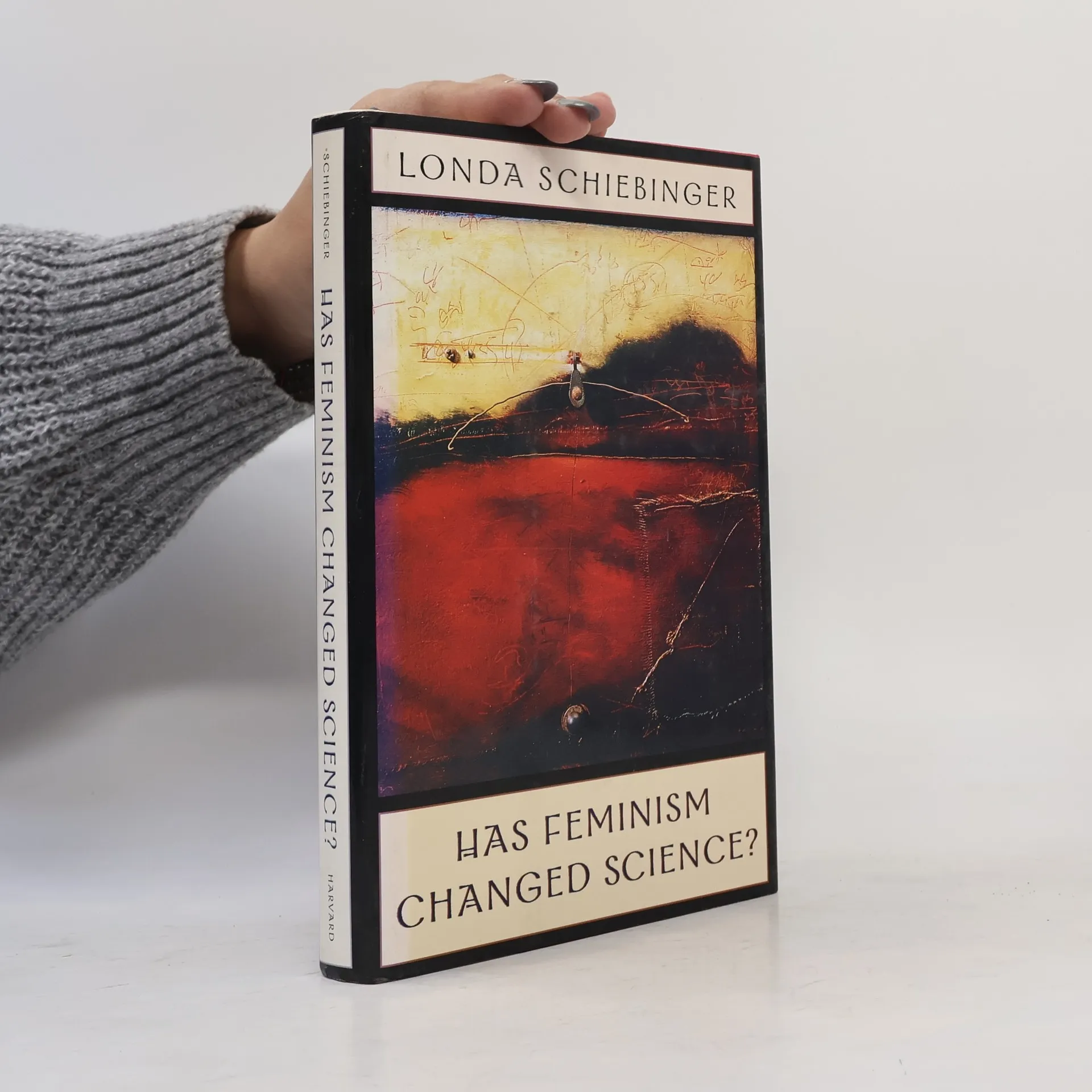
Do women do science differently? This provocative book explores this question, examining the history of women in science and the impact of gender on scientific knowledge. It assesses women's experiences in the profession and their contributions to various fields. The author investigates the number of women scientists, their chosen disciplines, and the gendered culture within science. She challenges the stereotype that women scientists are inherently more holistic and collaborative, while also highlighting the significant challenges they face, such as balancing careers with domestic responsibilities. The book delves into whether feminist perspectives have positively influenced scientific content, offering a nuanced gender analysis across disciplines like physical sciences, medicine, archaeology, and biology. It reveals how feminist scientists have introduced new theories, posed innovative questions, and expanded fields of study, ultimately contributing to a richer understanding of science.
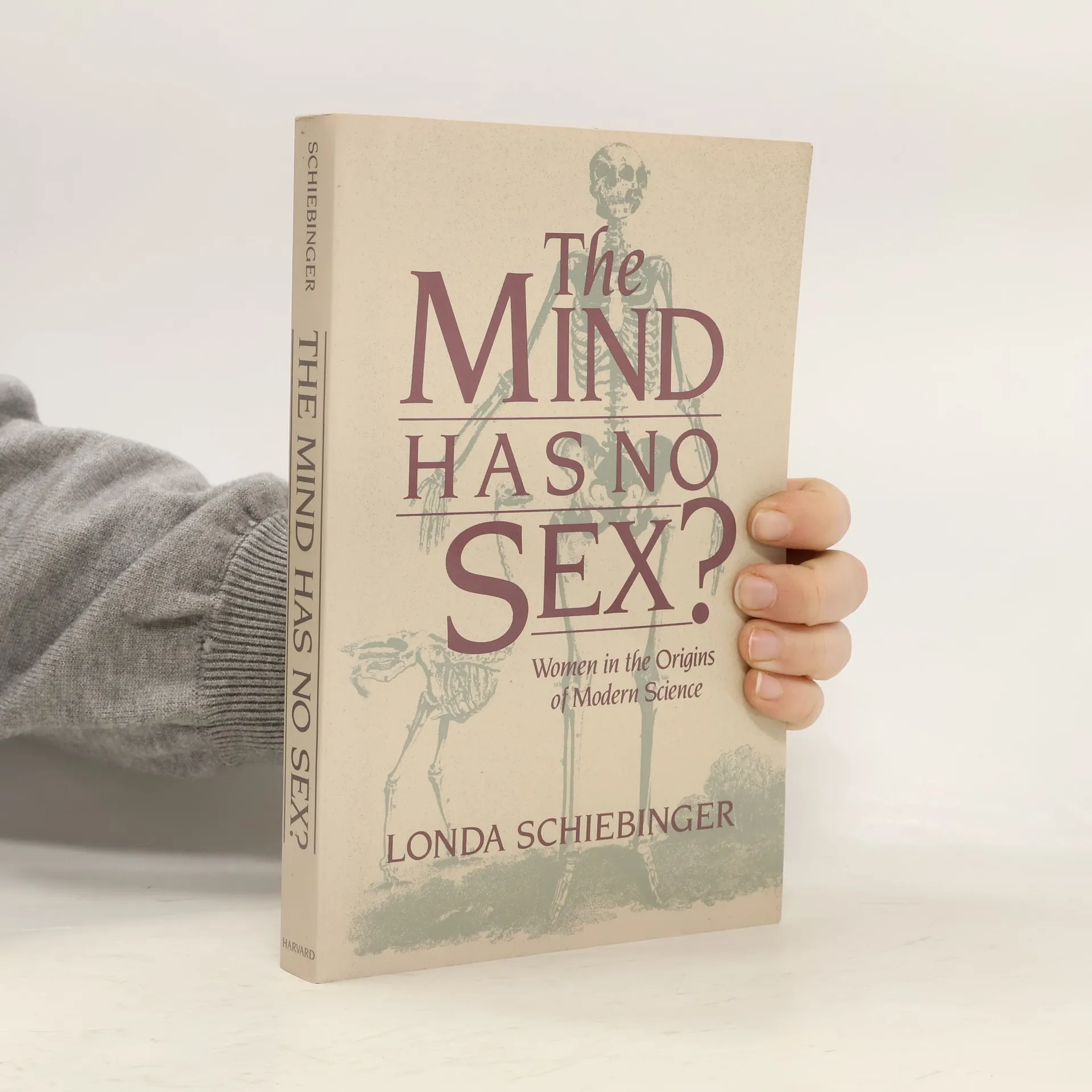
Erkenntnis und Geschlecht in den Anfängen der Wissenschaft
In a bid to secure women's place in scientific culture, Fran�ois Poullain de la Barre claimed in 1673 that "the mind has no sex." Londa Schiebinger's comprehensive history explores women's contributions to early modern science, highlighting the fluctuating dynamics of gender equality in intellectual spheres. She challenges the "great women" narrative, revealing broader developments in scientific culture that have been overlooked. Contrary to the belief that women were excluded from the scientific revolution, Schiebinger illustrates how trends encouraged their participation. Aristocratic women engaged in Renaissance court discourse and led salons in seventeenth-century Paris, while women from artisan backgrounds pursued research in fields like astronomy. These women fought to redefine gender roles within emerging scientific academies. However, the Enlightenment's promises remained unfulfilled, as scientific and social upheavals sidelined women and initiated a "scientific revolution in views of sexual difference." Illustrations of ideal female skeletons depicted women as suited for domesticity but inadequate in science. Concurrently, women's influence waned as midwifery and medical practices became professionalized. By the late eighteenth century, a system emerged that obscured women's inequalities. Schiebinger's work uncovers a forgotten legacy of women in science and examines the cultural forces that continue to shape scientif