


The Frontiers of Meaning
- 148 pages
- 6 hours of reading
Originally the content of three lectures given in Rome in 1993, this work offers a study of music, as text, as performance, and as listening experience.


Originally the content of three lectures given in Rome in 1993, this work offers a study of music, as text, as performance, and as listening experience.
An exhilarating exploration of the musical language forms and styles of the Romantic period, The Romantic Generation captures the spirit that enlivened a generation of composers and musicians, and in doing so conveys the very sense of Romantic music. 728 musical examples.
Nobody writes better about music .... again and again, unerring insight into just the features that make the music special and fine.-The New York Review of Books
How does a work of music stir the senses, creating feelings of joy, sadness, elation, or nostalgia? This title details the array of stylistic devices and techniques used to represent or convey sentiment. It traces the use of radically changing intensities in the Romantic works of the nineteenth century.
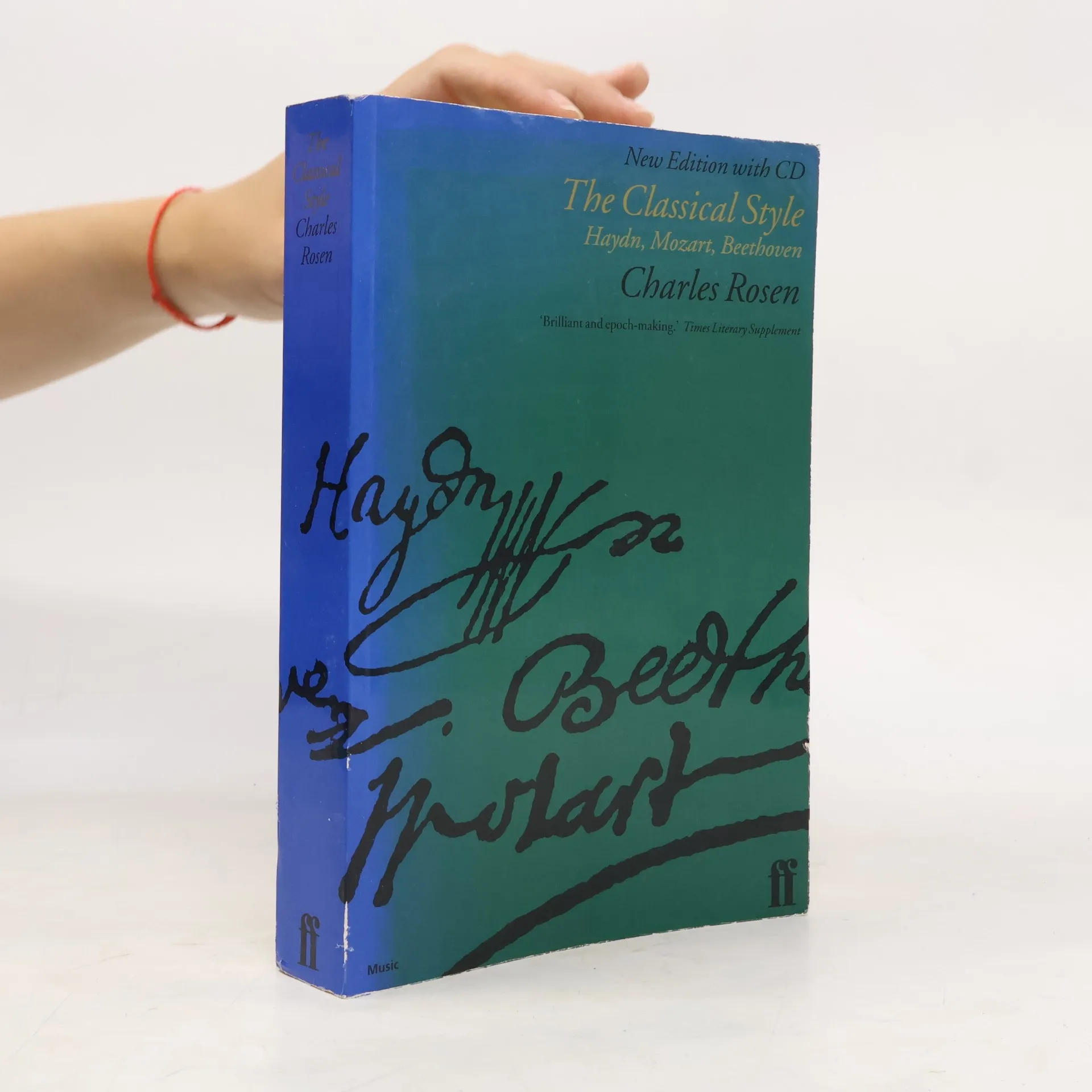
In the book, Rosen concentrates on the three major figures of the time - Haydn, Mozart and Beethoven - because 'it is in terms of their achievements that the musical vernacular can best be defined'. In this expanded edition, Rosen follows the development of each composer's best known genres: for Haydn, the symphony and string quartet;
"The Joy of Playing, the Joy of Thinking is a masterclass for music lovers. In interviews originally conducted and published in French, Rosen's friend Catherine Temerson asks carefully crafted questions to elicit his insights on the evolution of music-not to mention painting, theater, science, and modernism. Rosen touches on the usefulness of aesthetic reflection, the pleasure of overcoming stage fright, and the drama of conquering a technically difficult passage. He tells vivid stories on composers from Chopin and Wagner to Stravinsky and Elliott Carter. In Temerson's questions and Rosen's responses arise conundrums both practical and metaphysical. Is it possible to understand a work without analyzing it? Does music exist if it isn't played? Rosen takes readers to the heart of the musical matter. 'Music is a way of instructing the soul, making it more sensitive,' he says, 'but it is useful only insofar as it is pleasurable. This pleasure is manifest to anyone who experiences music as an inexorable need of body and mind.'"-- Provided by publisher
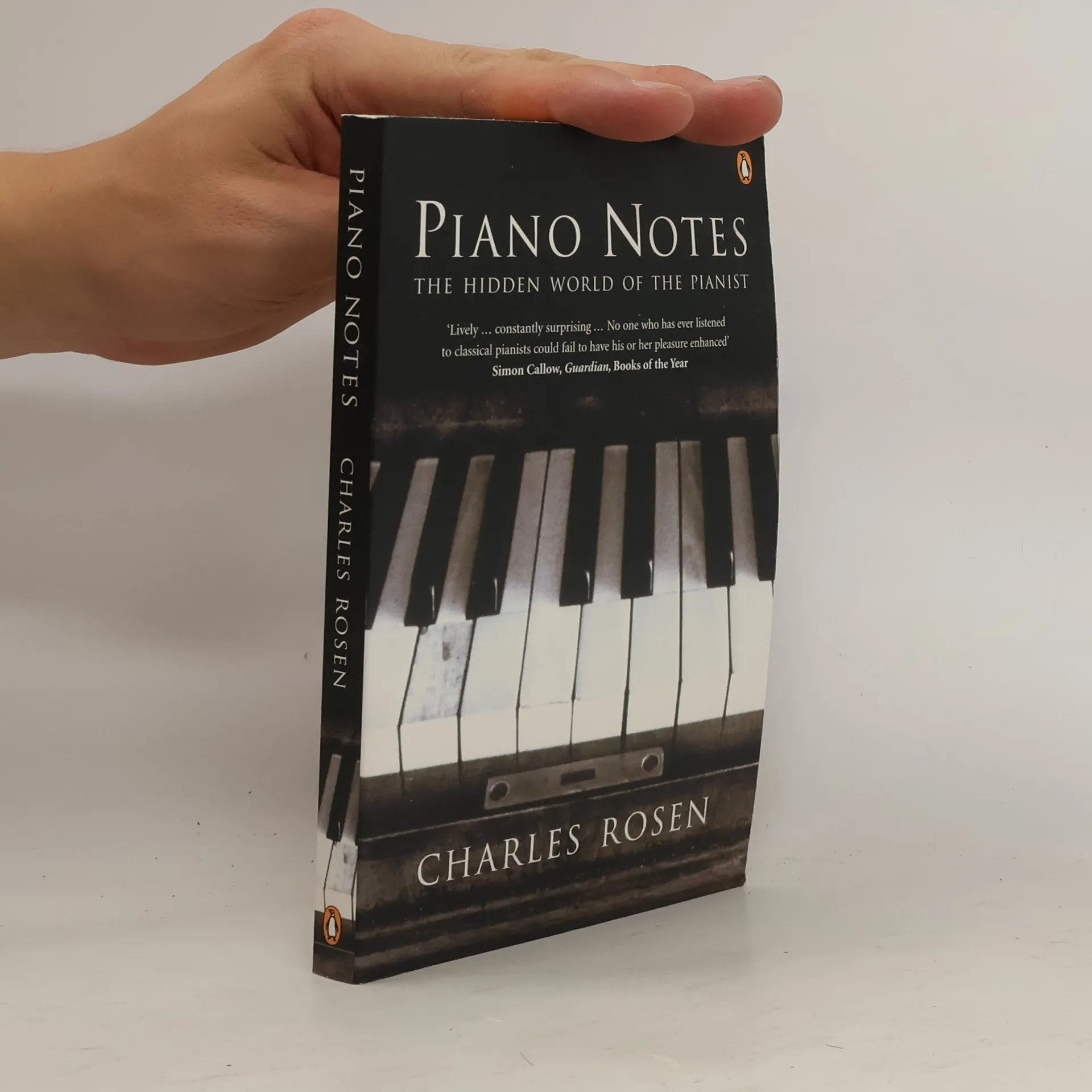
In this eloquent, intimate exploration of the delights and demands of the piano, world-renowned concert pianist and music writer Charles Rosen draws on a lifetime's wisdom to consider every aspect of the instrument: from what makes a beautiful sound to suffering from stage fright, from the physical challenges of playing to tales of great musicians, including Vladimir Horowitz's recording tricks, Rachmaninov s hands and why Artur Rubenstein applied hairspray to the keys. Gracefully blending anecdote, history, expertise and memoir, Piano Notes will enchant anyone with a passion for music.
Is there a moment in history when a work receives its ideal interpretation? Or is perpetual negotiation required to preserve the past and accommodate the present? The freedom of interpretation, Charles Rosen suggests in these sparkling explorations, exists in a delicate balance with fidelity to the identity of the original work.
An overview of all excavations that have been conducted at Troy, from the nineteenth century through the latest discoveries between 1988 and the present. číst celé
This work probes the structure and significance of the increasingly numerous and highly visible plays set in contemporary society's dead ends the hospitals, insane asylums, prisons, and military training camps so aptly described by Erving Goffman as total institutions." Carol Rosen shows how the setting in these plays tends to engulf and then to exclude the audience, turning an encompassing stage structure a closed, controlling, absolute system into a protagonist that overwhelms the characters. Originally published in 1983. The Princeton Legacy Library uses the latest print-on-demand technology to again make available previously out-of-print books from the distinguished backlist of Princeton University Press. These editions preserve the original texts of these important books while presenting them in durable paperback and hardcover editions. The goal of the Princeton Legacy Library is to vastly increase access to the rich scholarly heritage found in the thousands of books published by Princeton University Press since its founding in 1905.