Collects photographs of such blues musicians as Muddy Waters, Howlin' Wolf, Koko Taylor, Reverend Gary Davis, Otis Spann, and Albert King
David Harrison Books



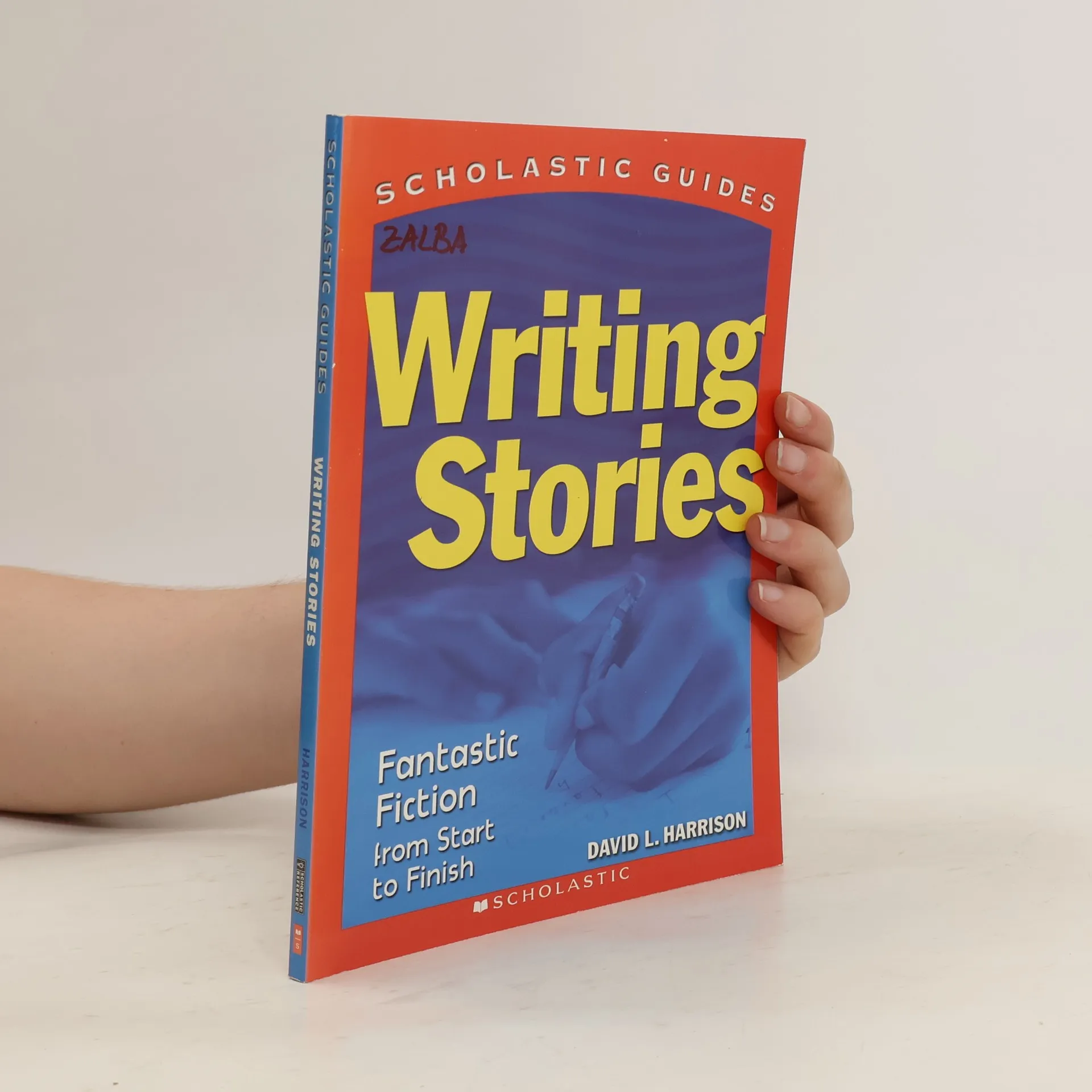

A helpful reference guide for readers is designed to encourage, inspire, and improve story writing abilities, complete with writing guidelines, helpful tips, writing techniques and methods, examples of character and plot development, and other useful tools of the trade. Simultaneous.
When languages die
The extinction of the world's languages and the erosion of human knowledge
- 304 pages
- 11 hours of reading
In When Languages Die, K. David Harrison illustrates the individual face of language loss, as well as its global scale. Languages are the accretion of thousands of years of a peopleʼs science and art - from observations of ecological patterns to creation myths. The author shows that the disappearance of a language is a loss not only for the community of speakers itself but also for our common human knowledge of mathematics, biology, geography, philosophy, agriculture, and linguistics. In this century, we face a massive erosion of the human knowledge base. The global abandonment of indigenous languages will bring a massive loss of accumulated knowledge and culture - this book argues for the irreplaceable nature of these unique knowledge systems and the urgency of documenting them before they are lost forever. Book jacket. Includes information on Australia, calendars, creation myths, directions, epics, fish, folksonomy, genetics, grammar, Himalayan mountains, horse, indigenous people, knowledge, literacy, maps, metaphor, months, naming, nomads, oral traditions, Os (middle Chulym), Papua New Guinea, place names, reindeer, rivers, shamans, sign languages, singing, song, species, taxonomy, units of time, time reckoning, Tofa (Tofalar, Karagas), Tuvan, writing systems, Yukaghir, etc.
Rum Pum Pum
- 40 pages
- 2 hours of reading
Journey through a jungle in this story about animal sounds, friendship, and music from two of the most beloved contemporary children's books author-poets."Rrrrh!" means "Let's be friends" in tiger talk, but the other animals don't understand him and run away! Maybe the gentle "rum-pum-pum" of a found drum can help him.Tiger strikes the drum with his tail--and friends start to a monkey who says "chee-chee-chee" which means "I will come too" in monkey talk, a rhino who says "ouggh" which means "I will come too" in rhino talk, a parrot that says "scree-awk," a chameleon, an elephant, and eventually a child--who is now reunited with the drum he lost. Because of the drum, the tiger is no longer lonely.Information about tiger conservation is included in the back.
The White Tribe of Africa
South Africa in Perspective
red hardcover
(Guitar Educational). Did you know that thousands of popular songs can be played using nothing but three chords? This book will teach you just three simple chords that can be used to play every song included in this collection. Add the customized strum patterns for each song and you'll be well on your way to playing the guitar! 19 songs are Beverly Hills (Weezer) * Blowin' in the Wind (Bob Dylan) * Coat of Many Colors (Dolly Parton) * I Still Haven't Found What I'm Looking For (U2) * Leaving on a Jet Plane (John Denver) * Love Me Do (The Beatles) * Sweet Home Alabama (Lynyrd Skynyrd) * The Tide Is High (Blondie) * What I Got (Sublime) * and more.
Focusing on the fundamental principles of manual machining, this textbook covers techniques for shaping various materials while connecting traditional toolmaking skills with modern CNC machine operation. It serves as a valuable resource for those looking to understand both hands-on machining processes and the programming aspects essential for production environments.
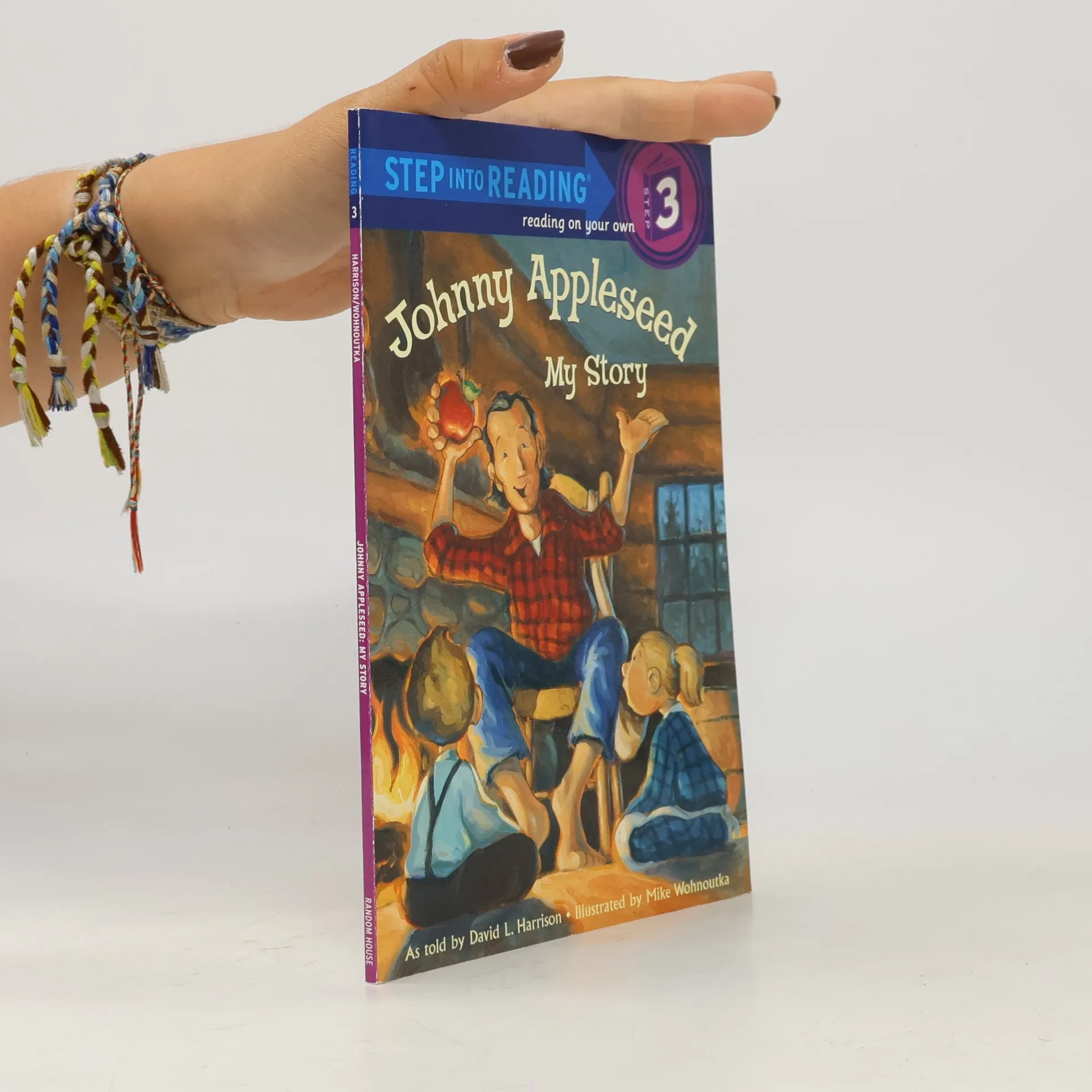
Johnny Appleseed was an important historical figure, well known for planting apple orchards across the new frontier. But he was also a master storyteller! In his own folksy voice, Johnny Appleseed tells his story to a couple of entranced children in this fictionalized Step 2 title. Readers learn how he started planting apple trees—and about some of the myths and true stories of his life.
World of Blues
- 144 pages
- 6 hours of reading
This evocative tribute to the blues draws from African roots and discovers its contemporary echo in the music of John Lee Hooker. With over two hundred photographs of the most important bluesmen, this work constitutes a vivid portrait of a musical form whose popularity continues to grow and whose artistic value is increasingly recognized.
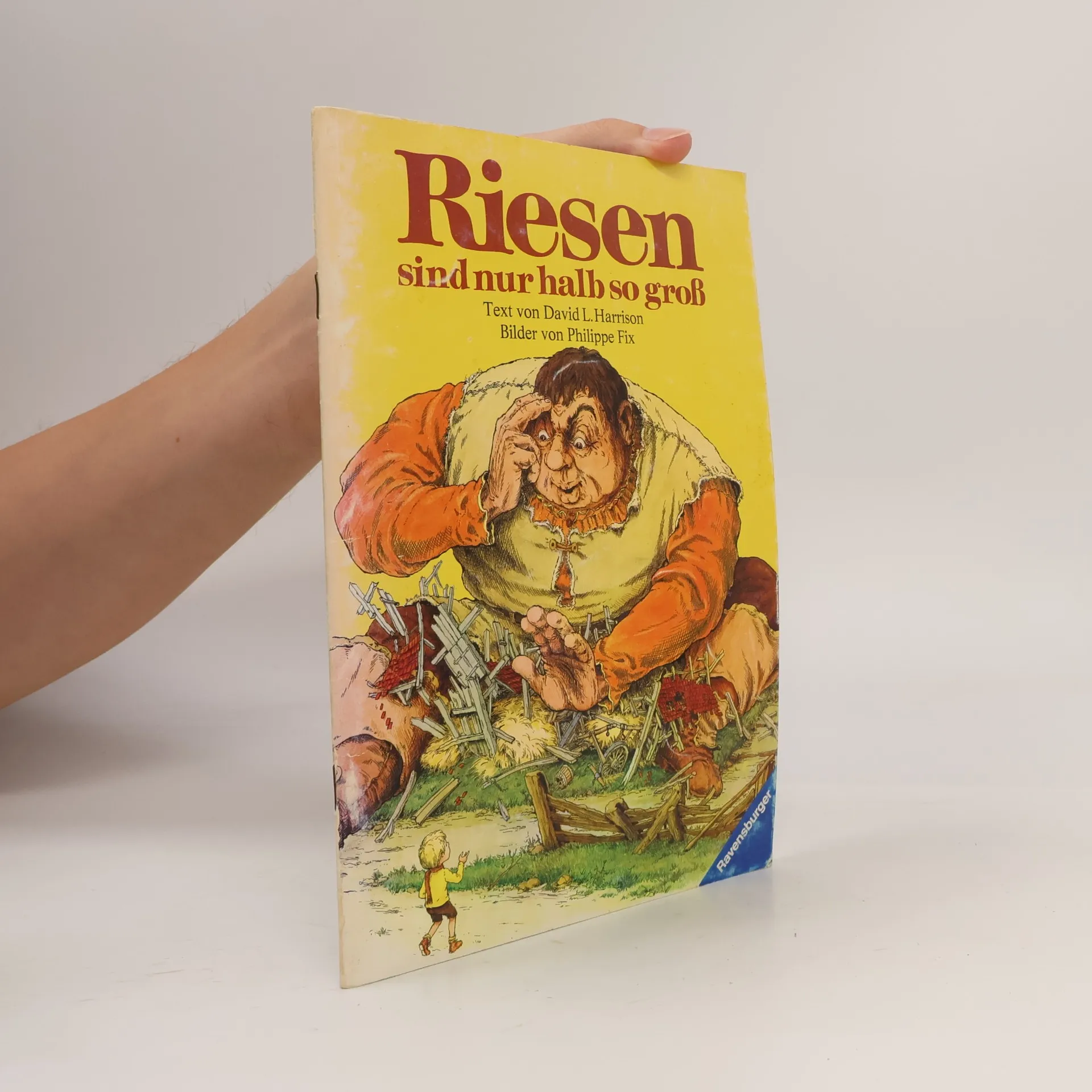
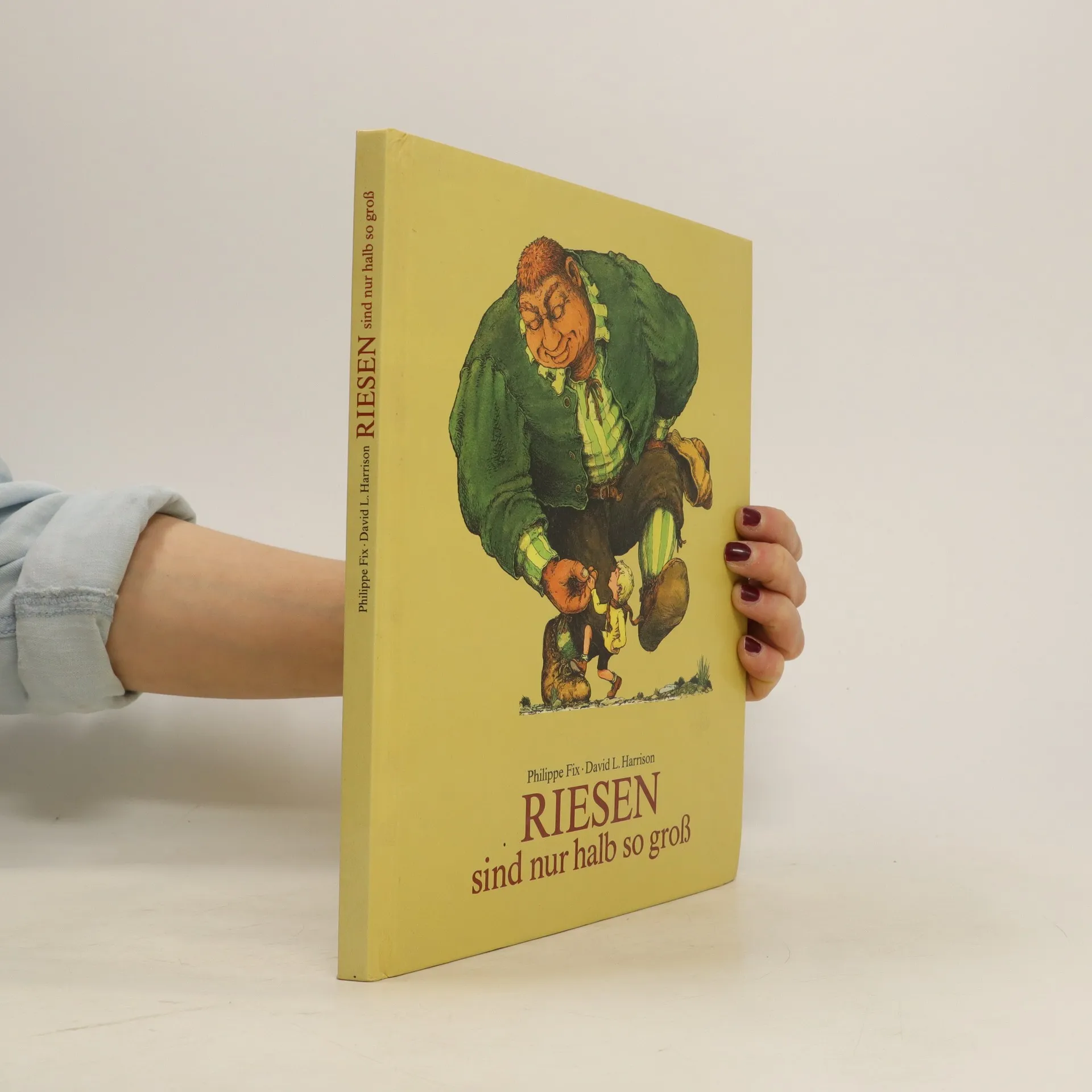
Ein Riese hält einen Jungen an: 'Was ist mit dir?' – 'Ich habe ein Geheimnis, das muss ich dringend meiner Mutter erzählen.' Kurzerhand steckt der Riese den Jungen in seine Brusttasche und läuft zu zwei anderen Riesen. Auch die bedrängen den Jungen, das Geheimnis zu verraten. Schließlich flüstert er es dem größten ins Ohr. Der ergreift sofort die Flucht! Als die beiden anderen Riesen das Geheimnis erfahren, flüchten sie ebenfalls. Der Junge ist frei. Er läuft nach Hause, wo ihn seine Mutter ins Bett steckt. Sein Geheimnis? Er bekommt die Masern! Auch in den zwei weiteren Geschichten weiß ein Junge mit Riesen umzugehen, mit Empathie und mit Witz. David Harrisons The Book of Giant Stories von 1972 ist längst ein Kinderklassiker. Die Neuausgabe erscheint mit den verspieltrealistischen Originalillustrationen von Philippe Fix, in neuer, lesefreundlicher Gestaltung.
Reusachtige reuzenverhalen
- 44 pages
- 2 hours of reading
Die Welt des Blues
- 141 pages
- 5 hours of reading