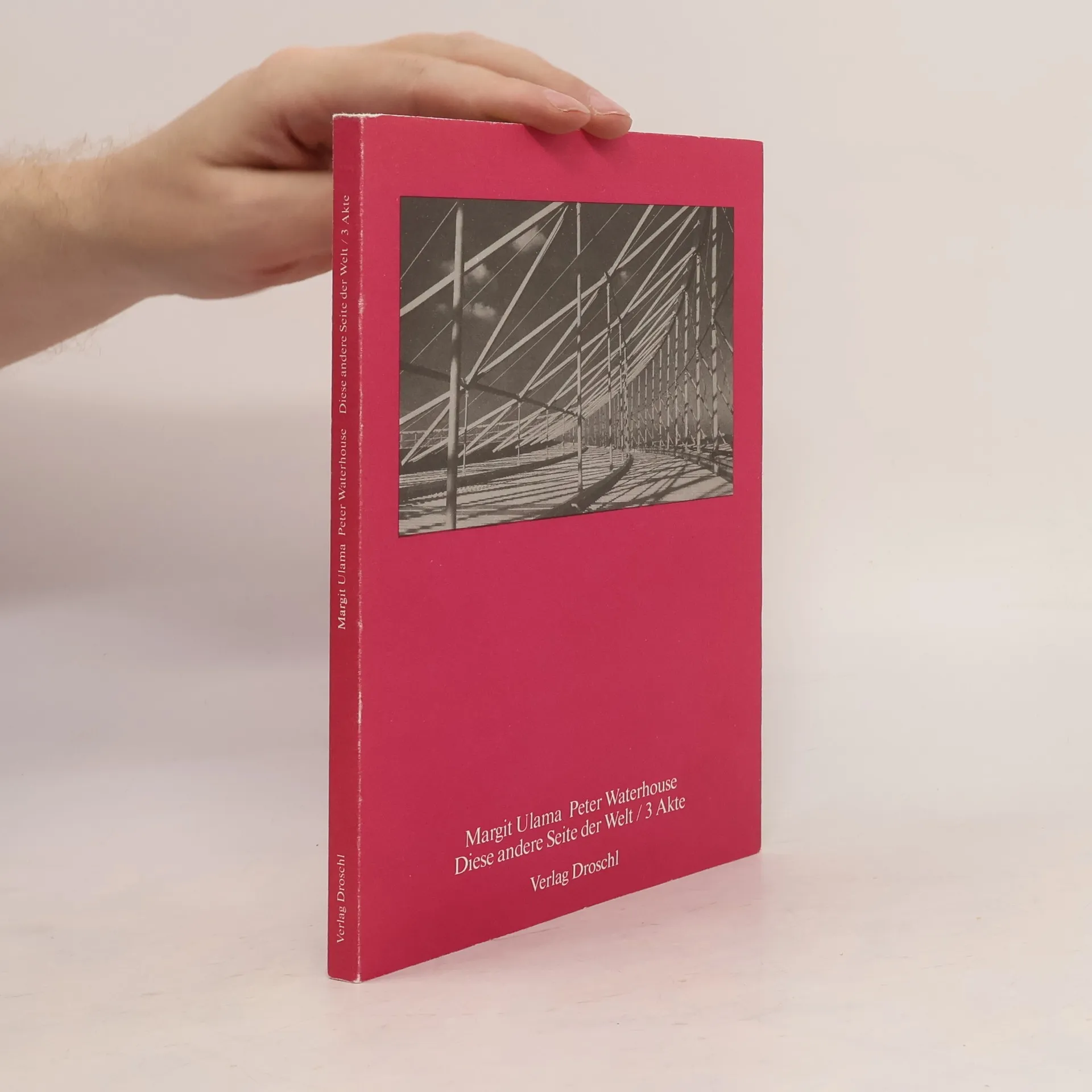
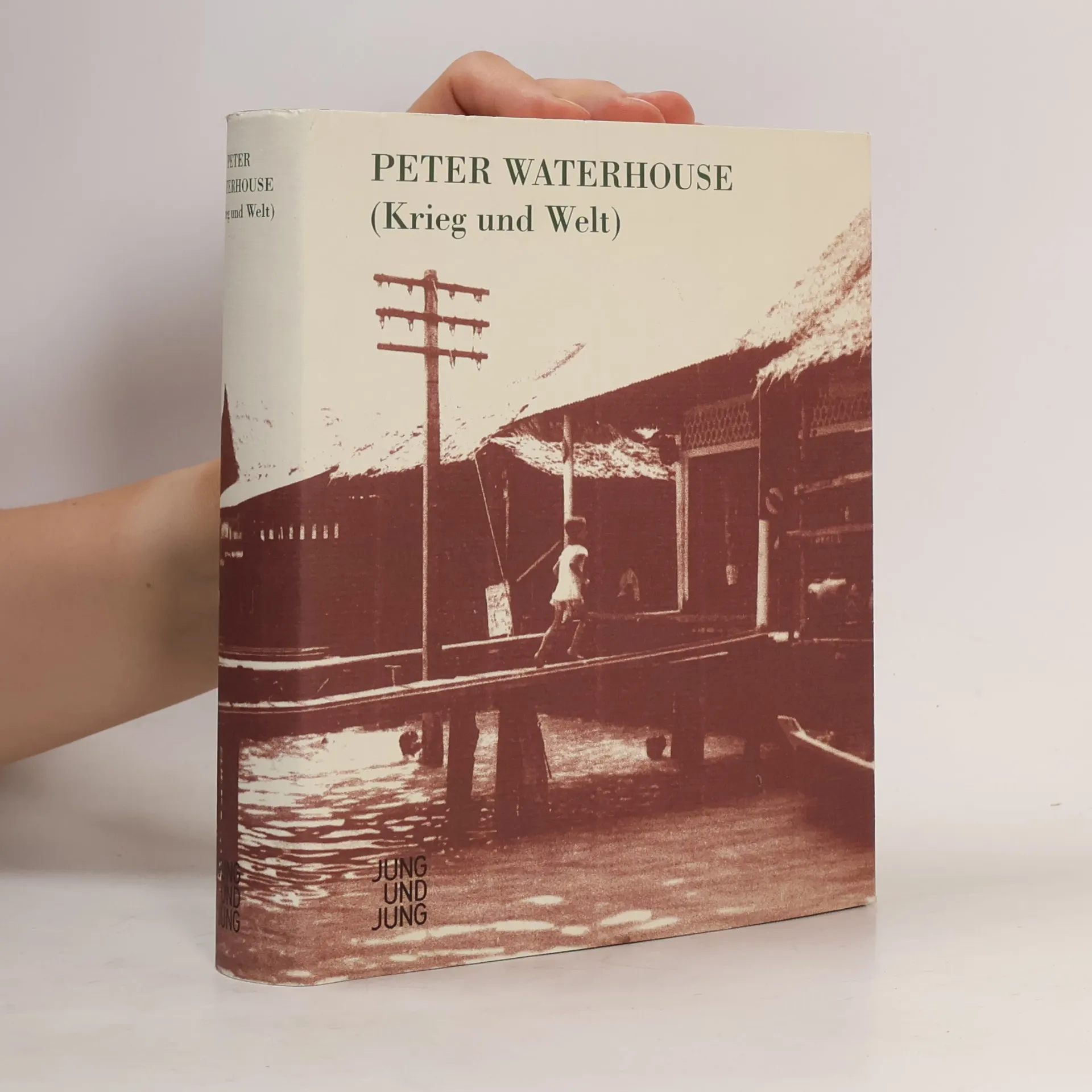
(Krieg und Welt)
- 669 pages
- 24 hours of reading


Peter Waterhouse is an Austrian author whose work spans poetry, essays, short stories, plays, non-fiction, and novels, alongside translations from English and Italian. His writing delves into the depths of human experience with remarkable linguistic precision, often exploring themes of identity and memory. Waterhouse's style is characterized by its introspective nature and subtle observations that invite contemplation. His ability to weave intricate narratives and profound insights marks him as a distinctive voice in contemporary literature.

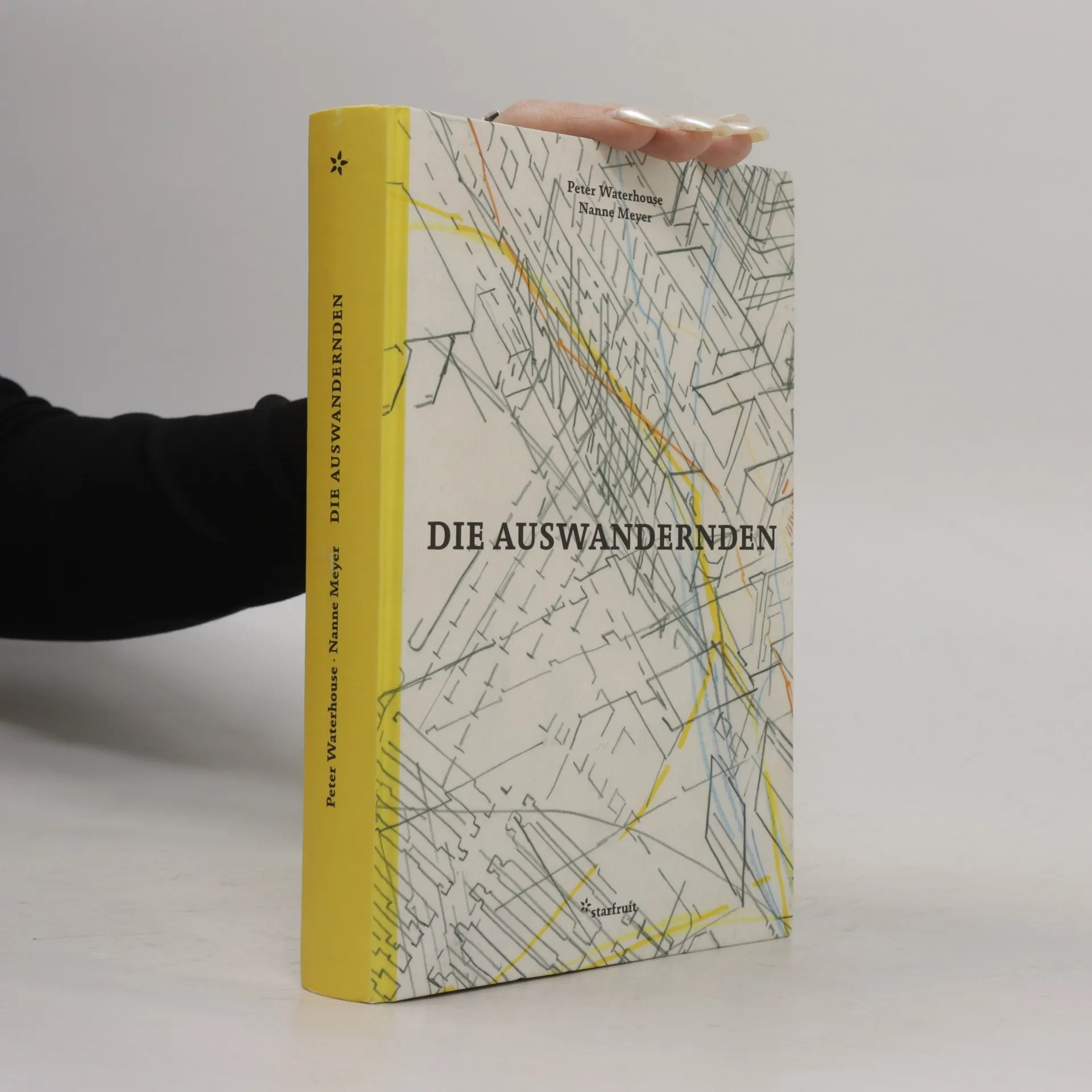
Writer Peter Waterhouse, who was awarded the Grand Austrian State Prize in 2012, is described as “uncompromising, poetic and by nature inquisitive” (Süddeutsche Zeitung), and as a “child of heaven haunted by the art of precision” (Friederike Mayröcker). Waterhouse spent several years working on his new novel “Die Auswandernden” (“The Emigrants”) and, as circumstances dictated, it is not only a great work of linguistic art, but also of impressive topical relevance. The book tells the story of Media, who has fled from a Caucasian village to Austria, of her struggles with the foreign language, the abysmal depths of an asylum process, of absurd-seeming interrogations, protocols, and decisions, and Kafkaesque authorities and courts. At the same time, it is a novel about the author’s love for people on the fringes of society, and of course also about his love of language, of words, and the sounds of words, of shifts and expansions of meaning. Furthermore, this book documents the congenial collaboration between Peter Waterhouse and illustrator Nanne Meyer: text and images combine in an intriguing and bewildering way and heighten the senses through which we perceive our world – a world that is as precious as it is vulnerable.
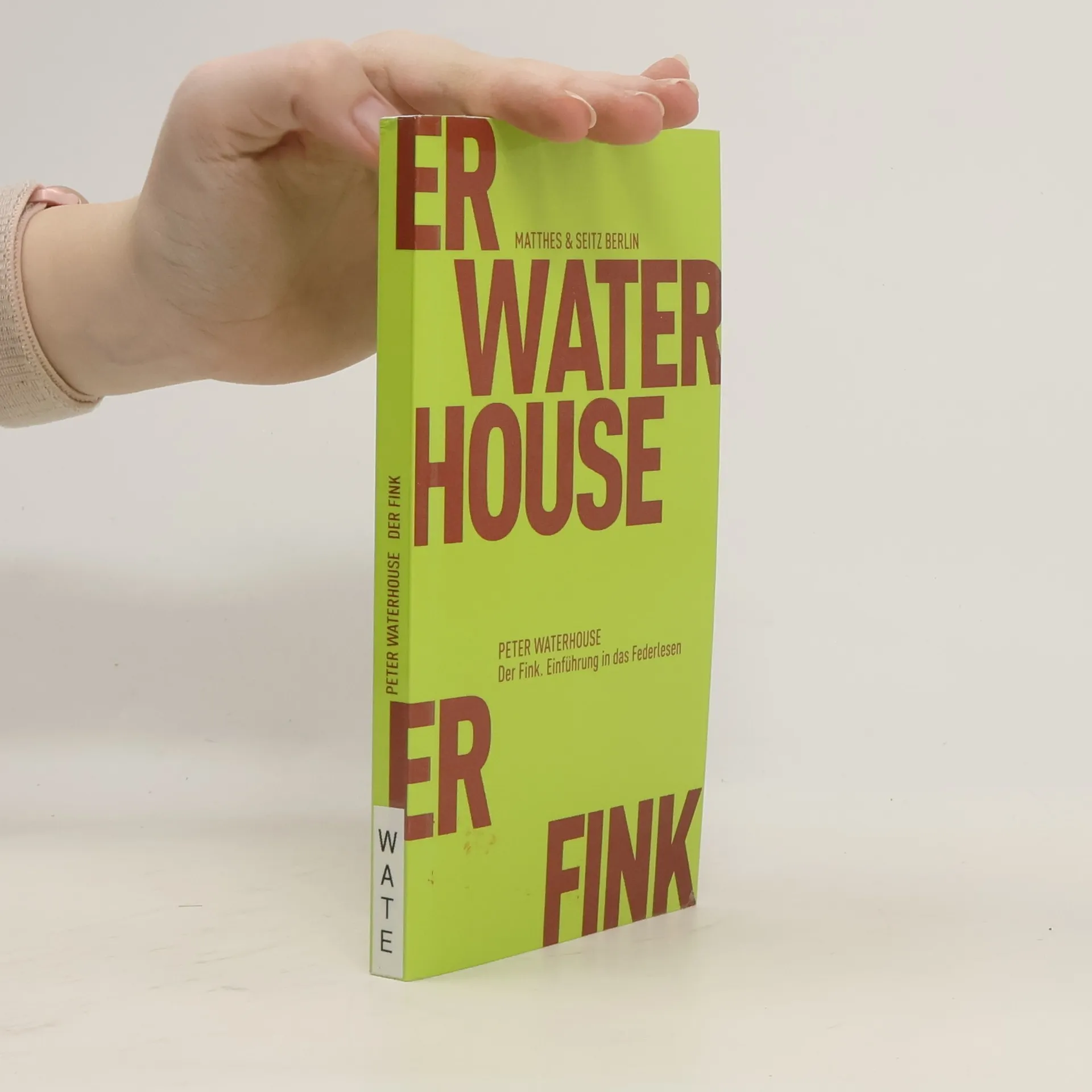
Der Fink, eine Vogelart, scheint in einigen Gedichten von Friederike Mayröcker eher eine Lautart zu sein, mehr Laut als Vogel. Als Laut ist er weniger stabil, er lebt, solange er lautet. Er lebt, solange er wie ein Vogel in der Luft fliegt und tönt und singt – er lebt, indem er anfängt und unfertig ist. Diesem Lautenden und Unfertigen folgen die vorliegenden Essays über Gedichte von Friederike Mayröcker, Erich Fried und einer neuen Arbeit von Elfriede Jelinek. Waterhouse entdeckt in ihnen einen Gegenentwurf zur Welt der Gewalt, zur waltenden Welt. Das Federlesen wird entdeckt, ein Handwerk oder eine Kunst, die nur in verneinenden Formen noch in Erinnerung ist: Ohne viel Federlesens. Ohne Federlesen jedoch geht die Gewalt vor, konsequent rücksichtslos, ohne Sinn für das Kleinste, dem diese Essays nachforschen.
Das Stück untersucht auf raffinierte Weise Dualismen, indem es deren Bedeutung hinterfragt und das Ursprüngliche sowie Ungesagte offenbart.
Für die unsichtbare Universität (Edition Galrev)
German