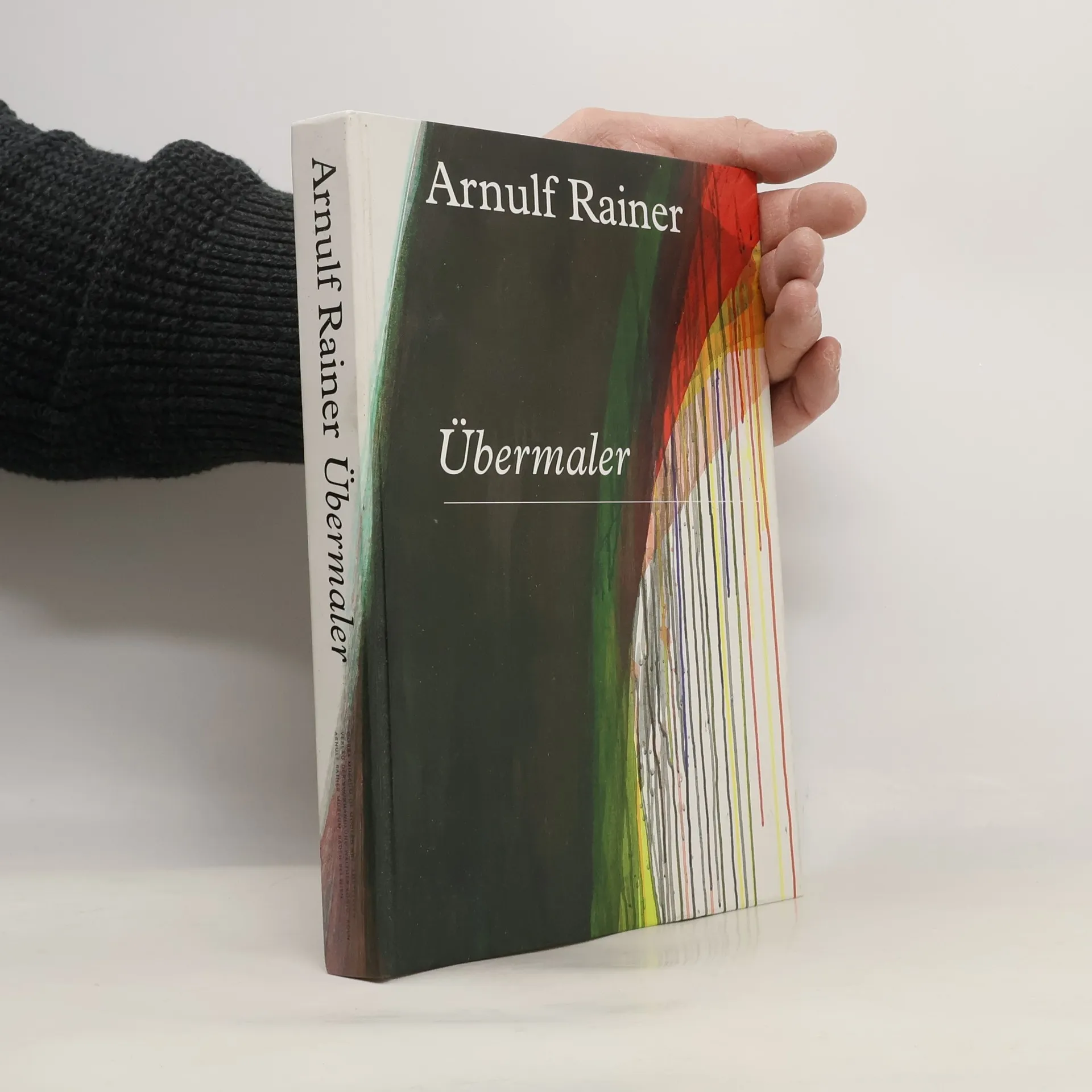
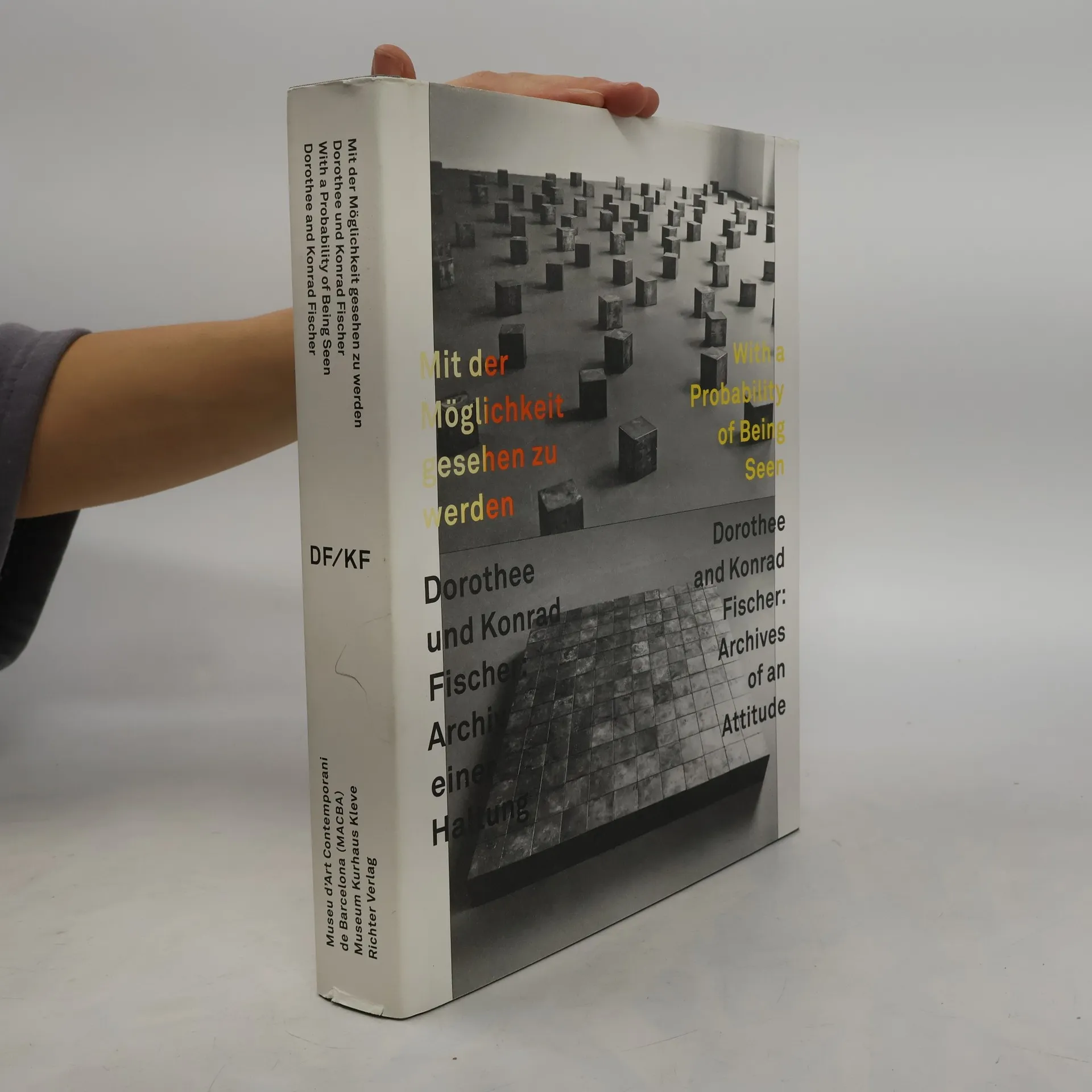
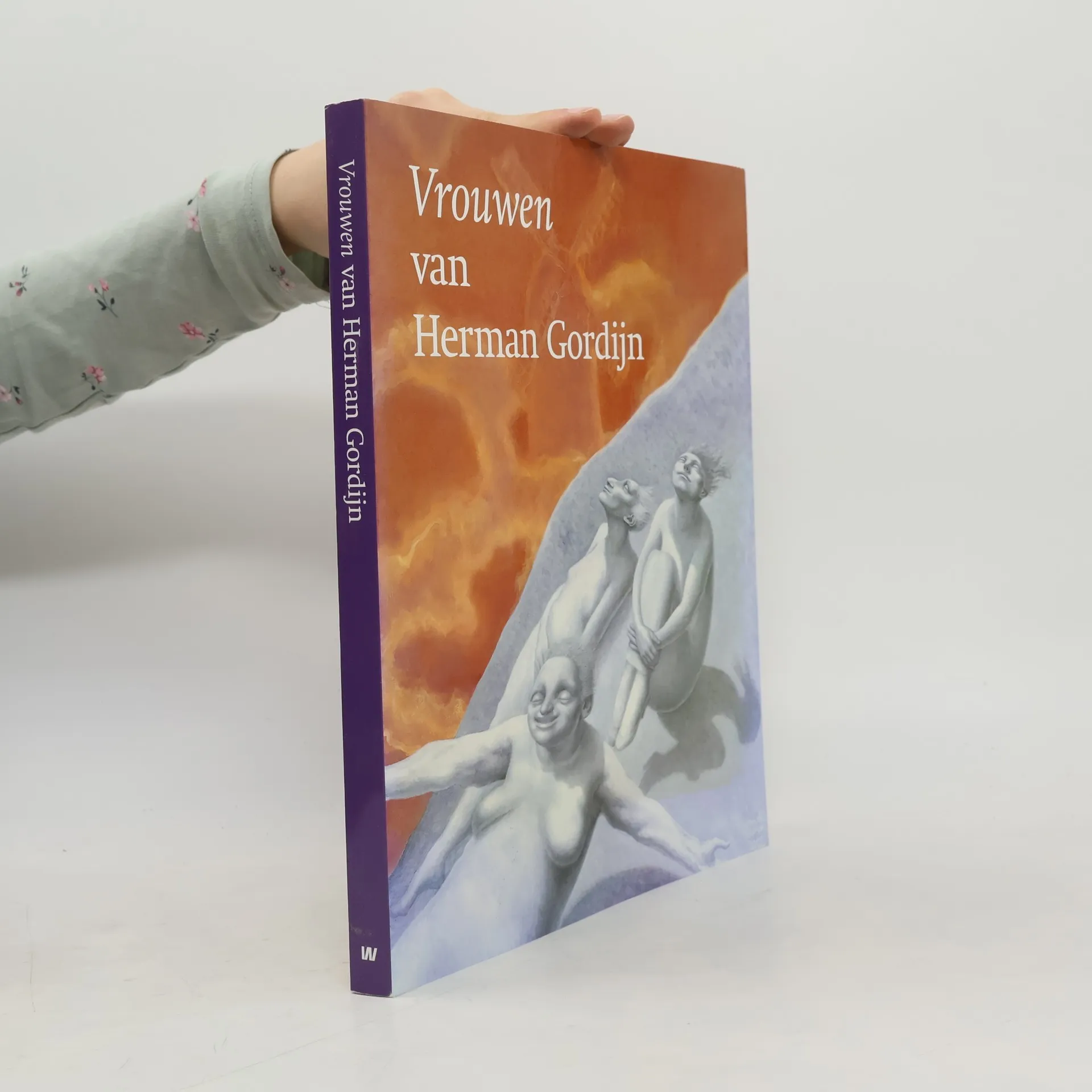
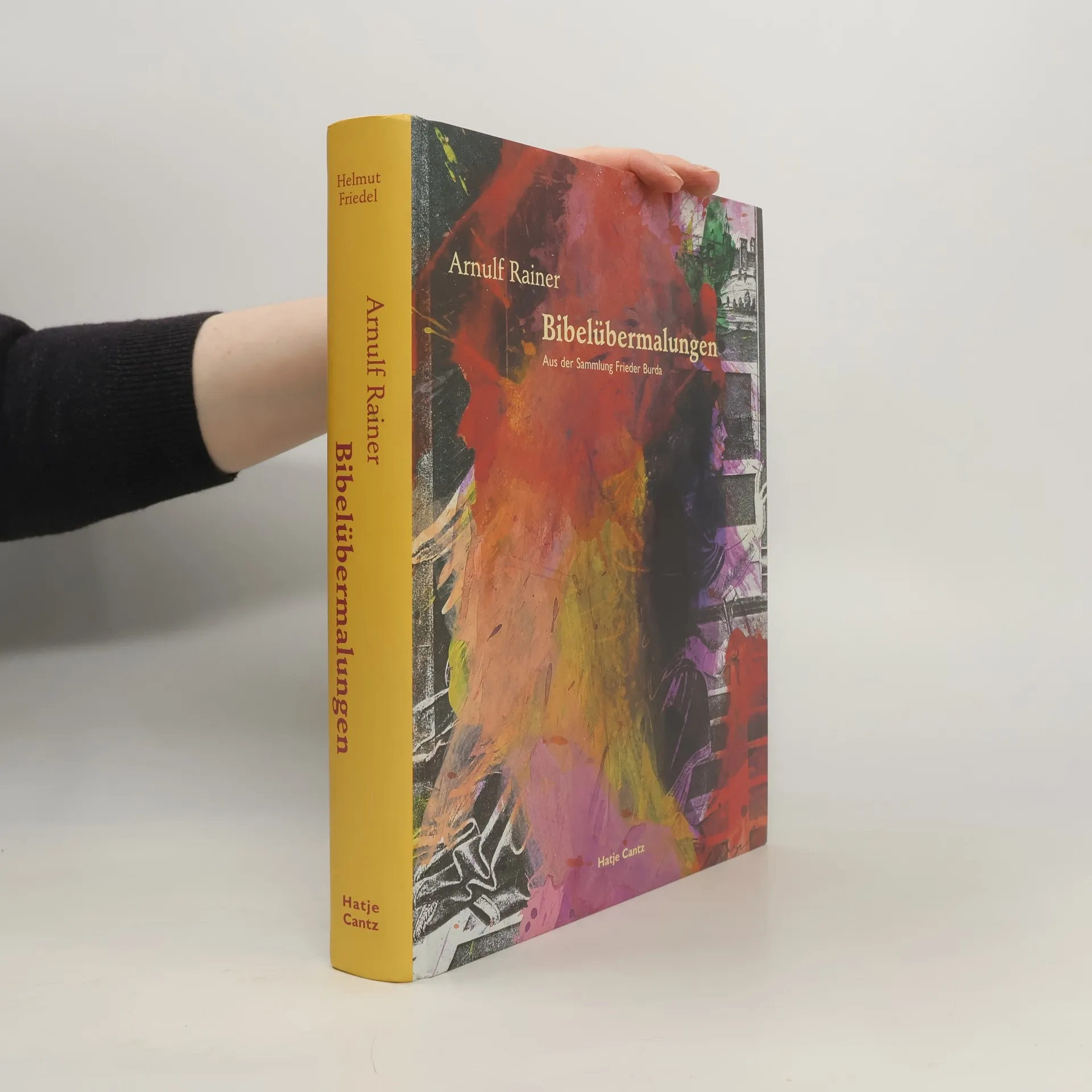
‚Arnulf Rainer Übermaler‘ veranschaulicht anhand des malerischen Werkes der letzten 15 Jahre die ungebrochene Schaffenskraft des großen österreichischen Künstlers. In Verbindung mit ausgewählten frühen Werken zeichnet der umfangreiche Band die kontinuierliche Entwicklung Arnulf Rainers Oeuvres nach. Ergänzend dazu bietet die Publikation einen Einblick in das kontrastreiche, zeichnerische Schaffen Arnulf Rainers.
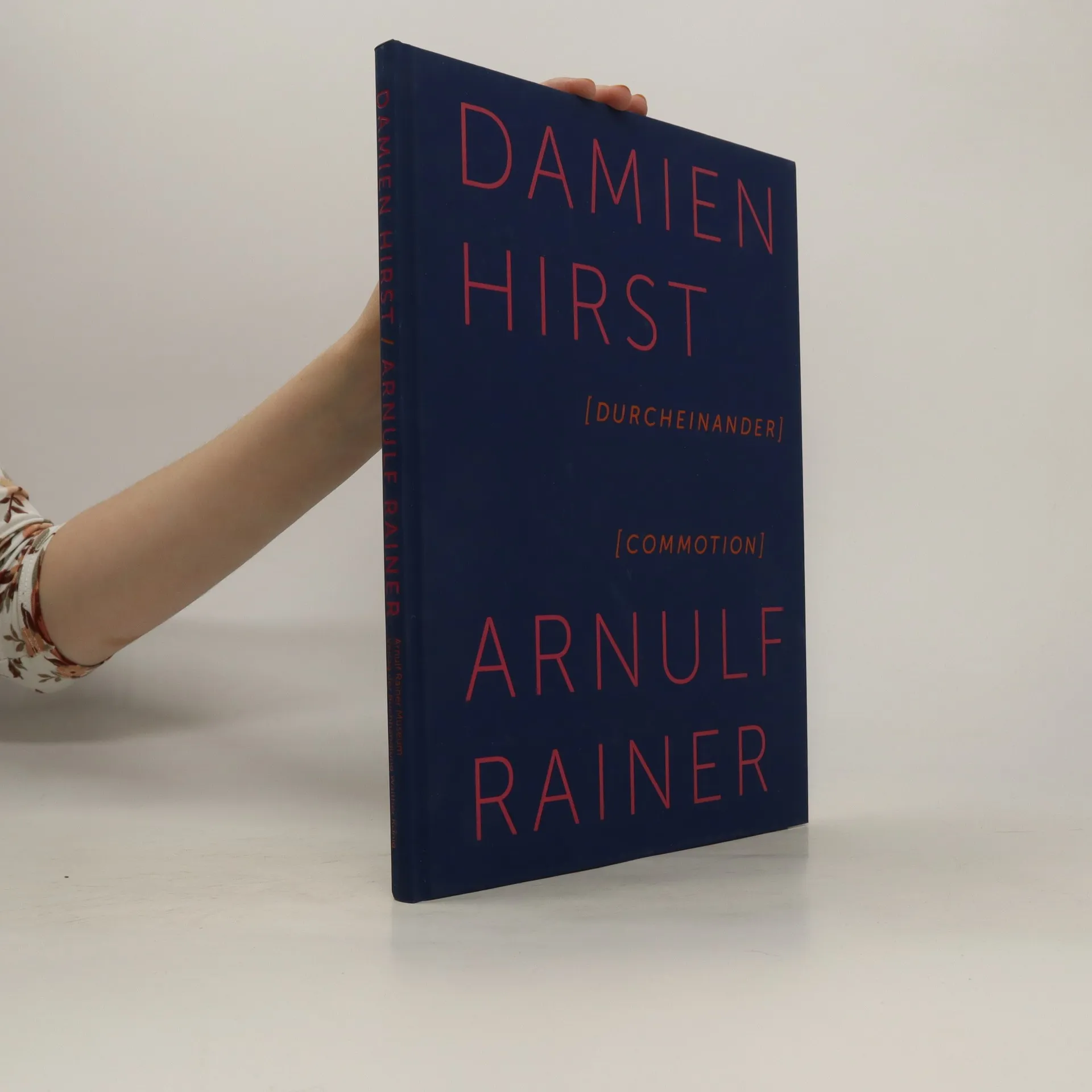
Hirst's series, Two Weeks One Summer come together with selected works by Arnulf Rainer.In this exhibition, Damien Hirst's expressionistic and self-reflective still lifes from 2008 to 2012 encounter Arnulf Rainer's energetic finger paintings, actionistic Face Farces and contemplative over-paintings from the early 1950s.Published on the occasion of the exhibition Commotion at Arnulf Rainer Museum, Baden, 25 April - 5 October 2014.English and German text.
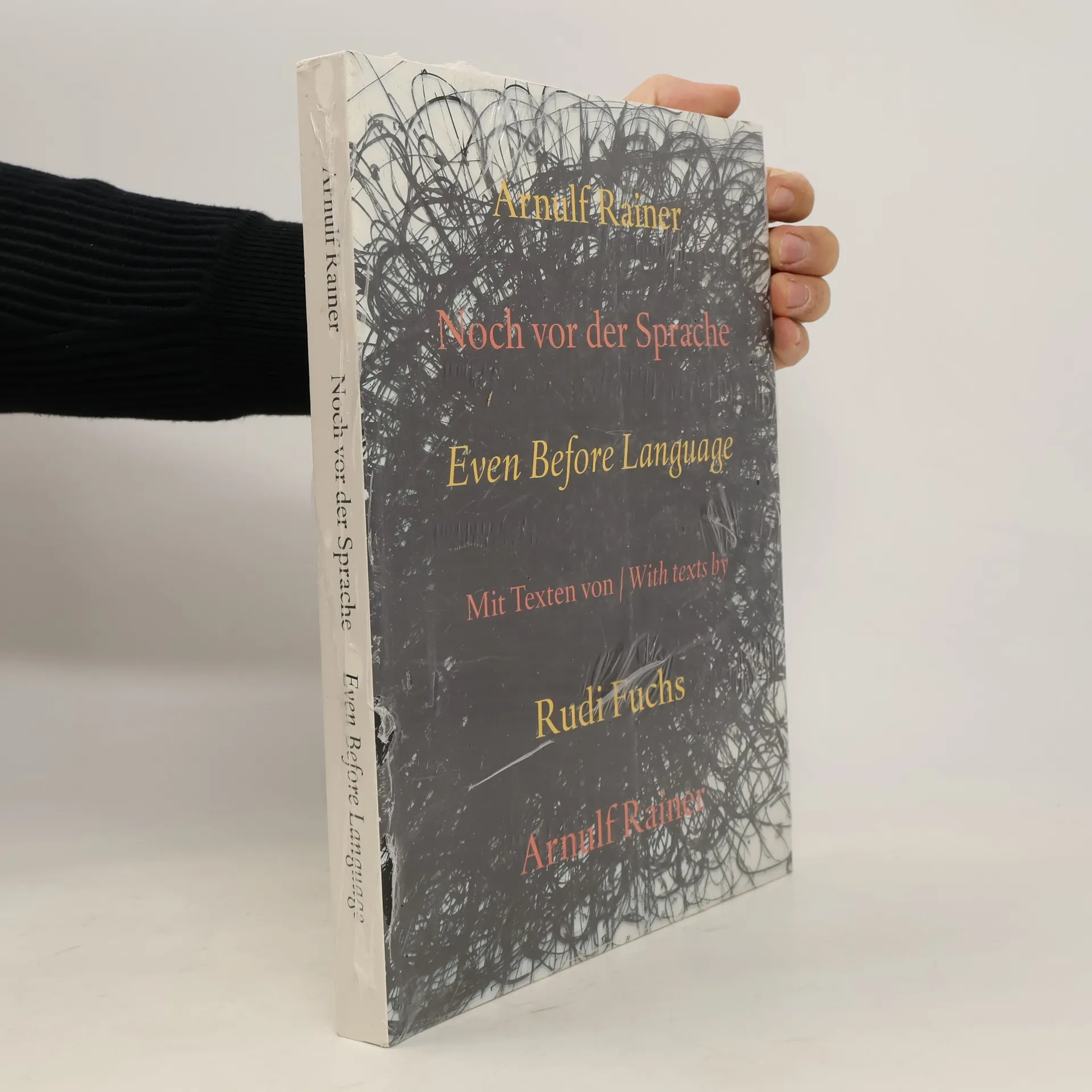
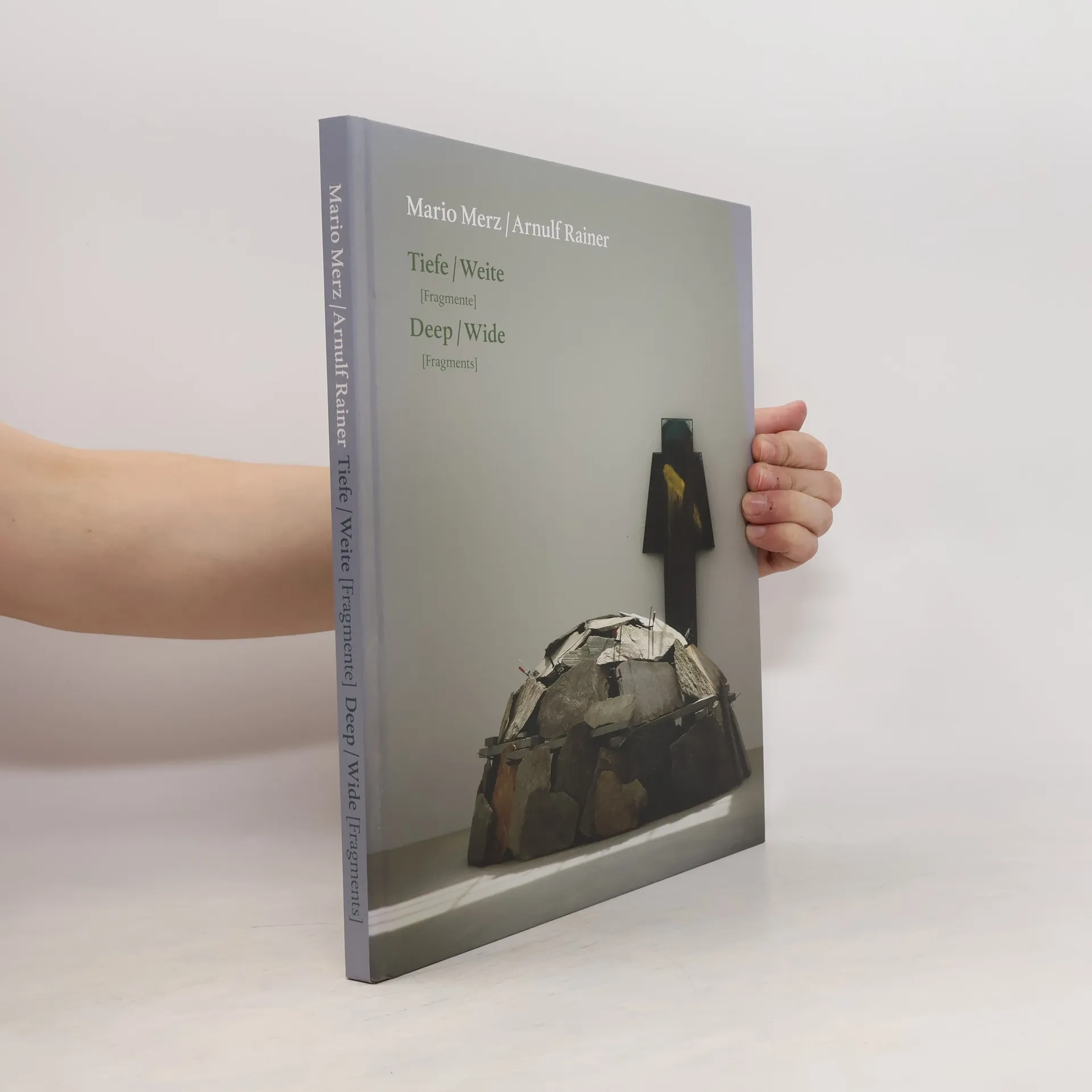
Erstmals nach ihrem gemeinsamen Auftritt vor einunddreißig Jahren bei der Weltausstellung der Kunst - der documenta VII (1982) in Kassel - werden Werke Arnulf Rainers und Mario Merz' wieder unter der Regie des international renommierten Ausstellungsmachers Rudi Fuchs wieder miteinander korrespondieren. Die großformatigen Gemälde Arnulf Rainers und die raumgreifenden Installationen und Bildobjekte Mario Merz' erzählen trotz all ihrer formalen Unterschiede eine gemeinsame Geschichte: jene von der Suche nach größtmöglicher künstlerischer Integrität, Authentizität und Freiheit.
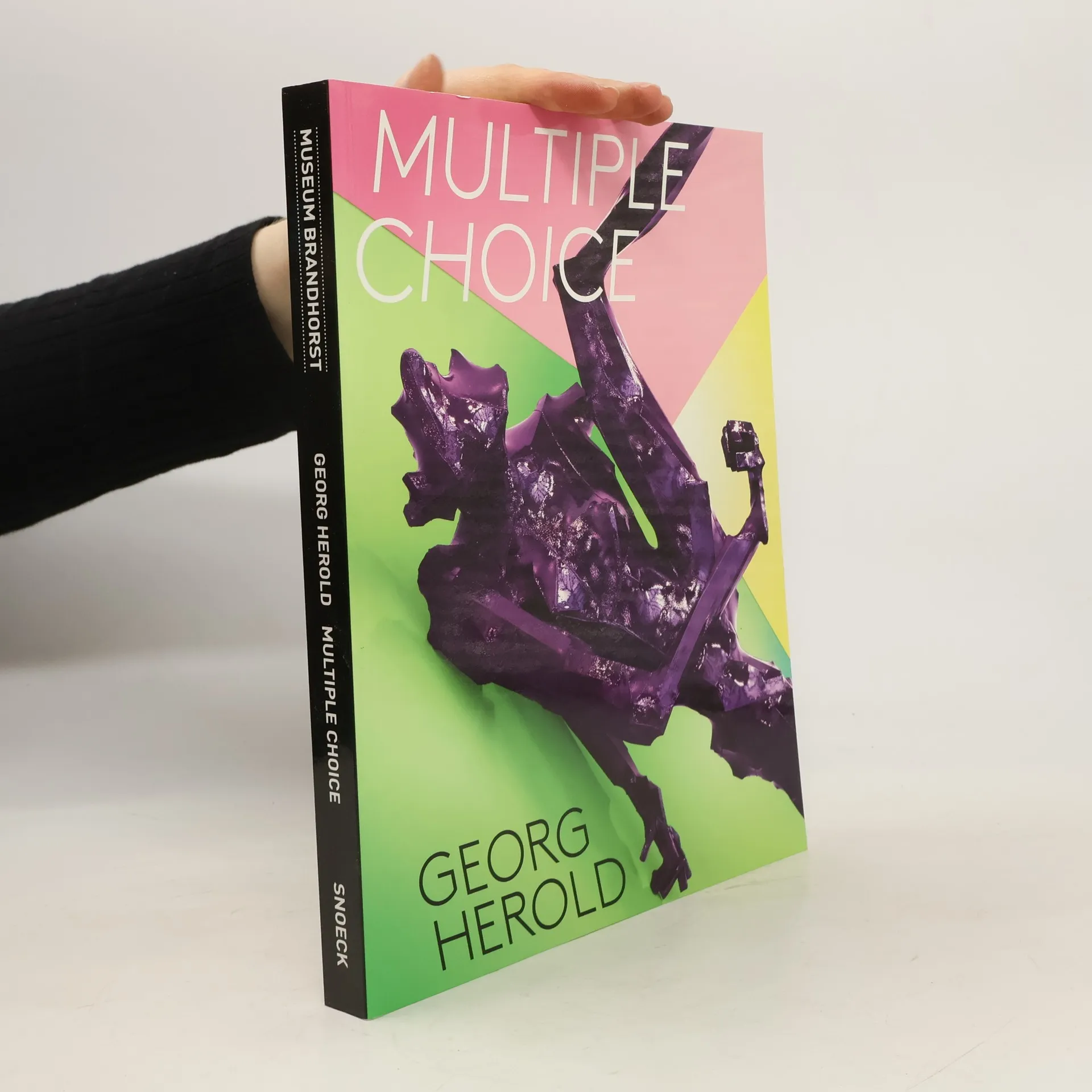
Sculptor Georg Herold has developed a strong presence in the United States since his career took off in the early 1970, when he alongside Albert Oehlen and Martin Kippenberger, was part of a group of radical young German artists mentored by Sigmar Polke. This full color catalog highlights many aspects of Herold s work, such as his fetishistic, larger than life figures made of unexpected materials like roof laths, canvas and screws or his abstract portrait made of numbered fish eggs. Herold continues to revel in an ironic, pop tinged sensibility that turns viewer expectations upside down. With texts by Rudi Fuchs, Friedrich Wilhelm Heubach, Nina Schleif and Armin Zweite.
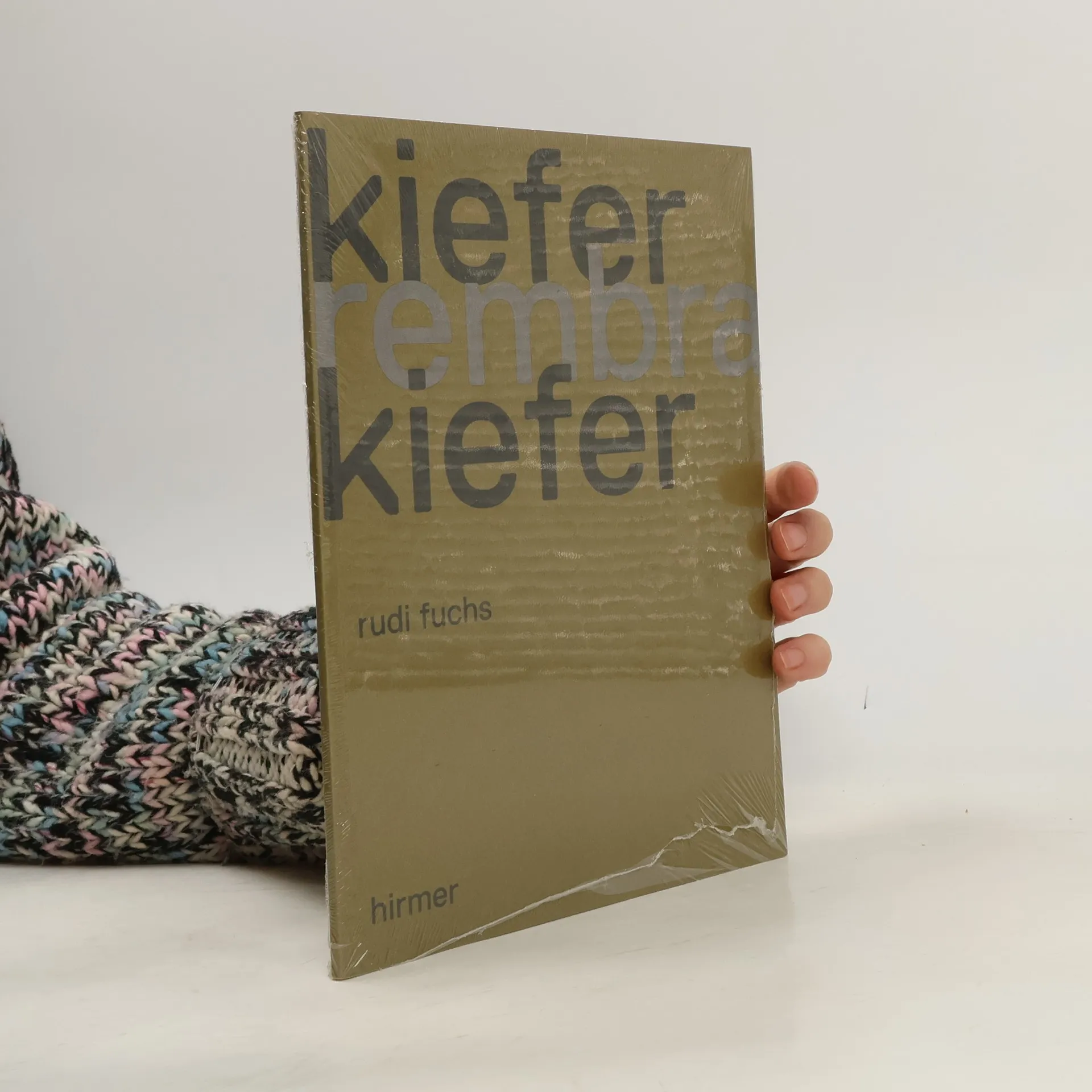
Das Rijksmuseum in Amsterdam inszeniert eine spektakuläre Konfrontation zwischen Rembrandts Nachtwache und einem neuen Werk von Anselm Kiefer, um frische Perspektiven auf die Kunstrezeption zu eröffnen. Kiefer, einer der prominentesten zeitgenössischen deutschen Künstler, wurde eingeladen, sich von der Nachtwache inspirieren zu lassen. Ihm wurde völlige Freiheit gewährt, um mit der temporären Präsentation des berühmten Vorgängers, der künstlerischen Situation in den Niederlanden sowie seinen eigenen Erfahrungen und Konzepten neue Wege des Verständnisses von alter und gegenwärtiger Kunst zu erkunden. Diese experimentelle Anordnung nutzt die Möglichkeiten des provisorischen Zustands des Museums, um sich mit zeitgenössischen künstlerischen Strategien auseinanderzusetzen. Ab dem 7. Mai 2011 wird die bereits kontrovers diskutierte Installation La berceuse (for Van Gogh) im Nachtwachen-Saal des Philips-Flügels zu sehen sein. Erst dann wird sich dieser Künstlerdialog in Bildern dokumentieren lassen, um seine gedankliche und formale Tragweite zu analysieren.
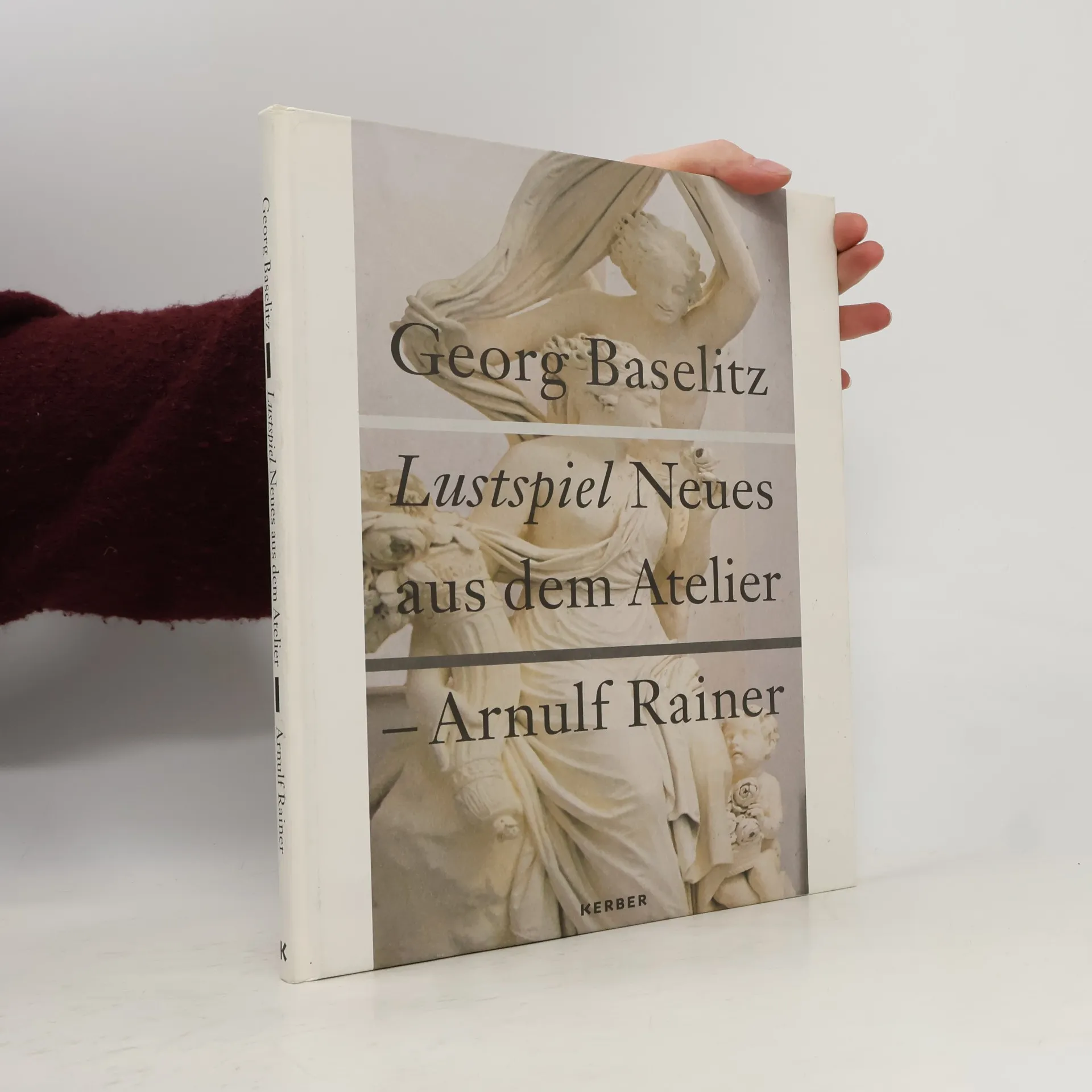
Dieser Katalog stellt aktuelle Werke von zwei herausragenden Figuren der zeitgenössischen deutschen Kunst, Georg Baselitz und Arnulf Rainer, gegenüber. Obwohl Rainers übermalte Reproduktionen von Landschaften und klassischen Porträts sich stilistisch von Baselitz' abstraktem Gesturalismus unterscheiden, teilen die Arbeiten beider Künstler eine lebendige Farbpalette und eine ansteckende Lebensfreude. Dieser Band feiert ihre gemeinsamen Qualitäten komödiantischer Vitalität. Die hier reproduzierten Werke stammen aus der Zeit von etwa 2008 bis heute und reichen in ihrem Charakter von warmer, chaotischer, de Kooning-ähnlicher Abstraktion (Baselitz) bis zu leuchtenden, mutigen Übermalungen kunsthistorischer Reproduktionen und alter Fotografien (Rainer) – alle zeigen eine beharrliche Frische und Freiheit.
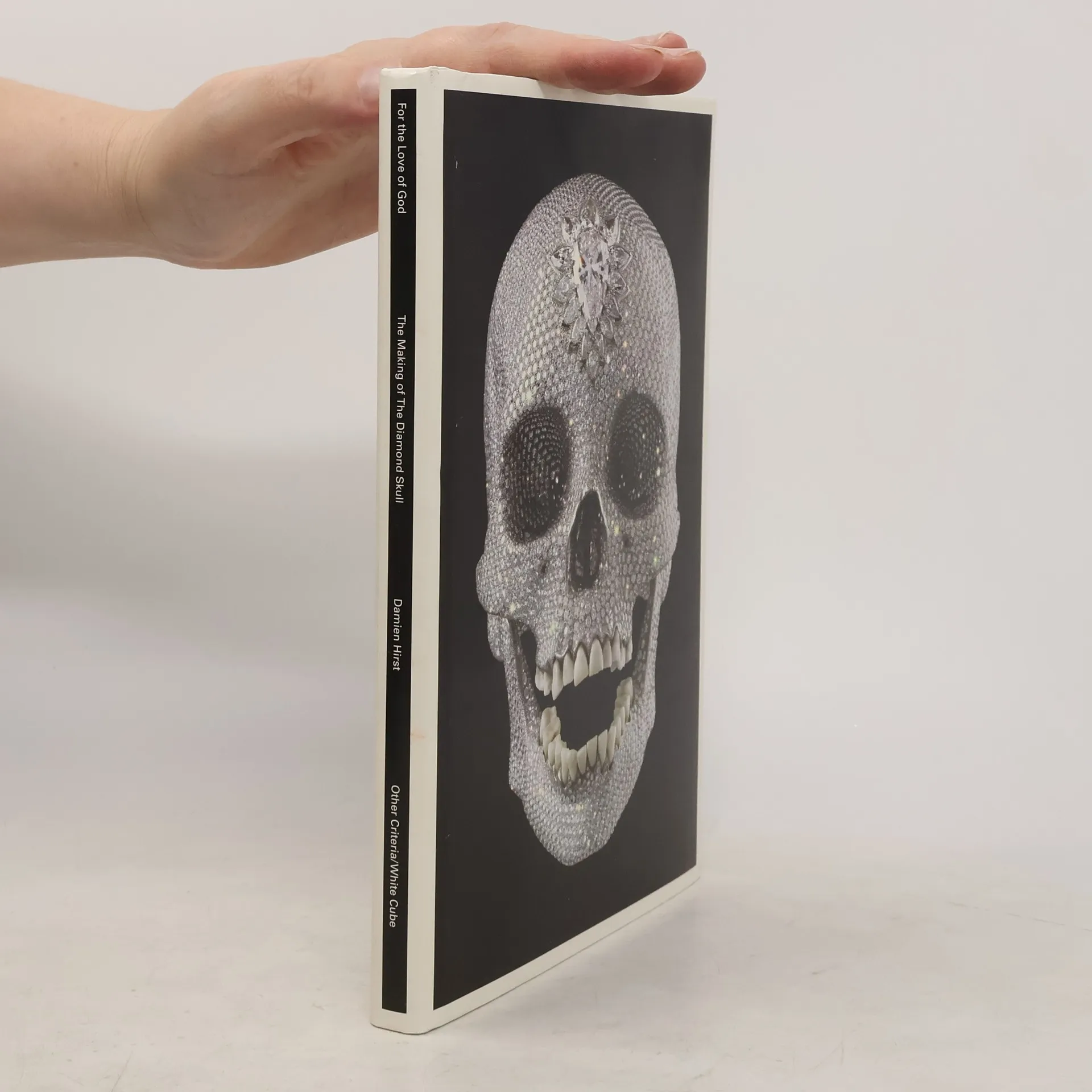
This book is a creative guide to the making of arguably the most extraordinary art object to be made in the 21st century. Published to accompany the 2007 exhibition Damien Beyond Belief at White Cube, London, it gives a fascinating pictorial insight into how Hirst's diamond skull piece "For the Love of God" was conceived and produced. Illustrated with candid behind-the-scenes photographs by Johnnie Shand Kydd, the book includes a number of preparatory drawings by Damien Hirst and a fold out image of the diamond skull. Accompanying this is an essay by the art historian Rudi Fuchs, who "The skull is out of this world, celestial almost. I tend to see it as a glorious intense victory over death." A number of leading experts in the fields of archaeology and dentistry have also contributed detailed studies on the diamond skull, including analyses of its age and ancestry.
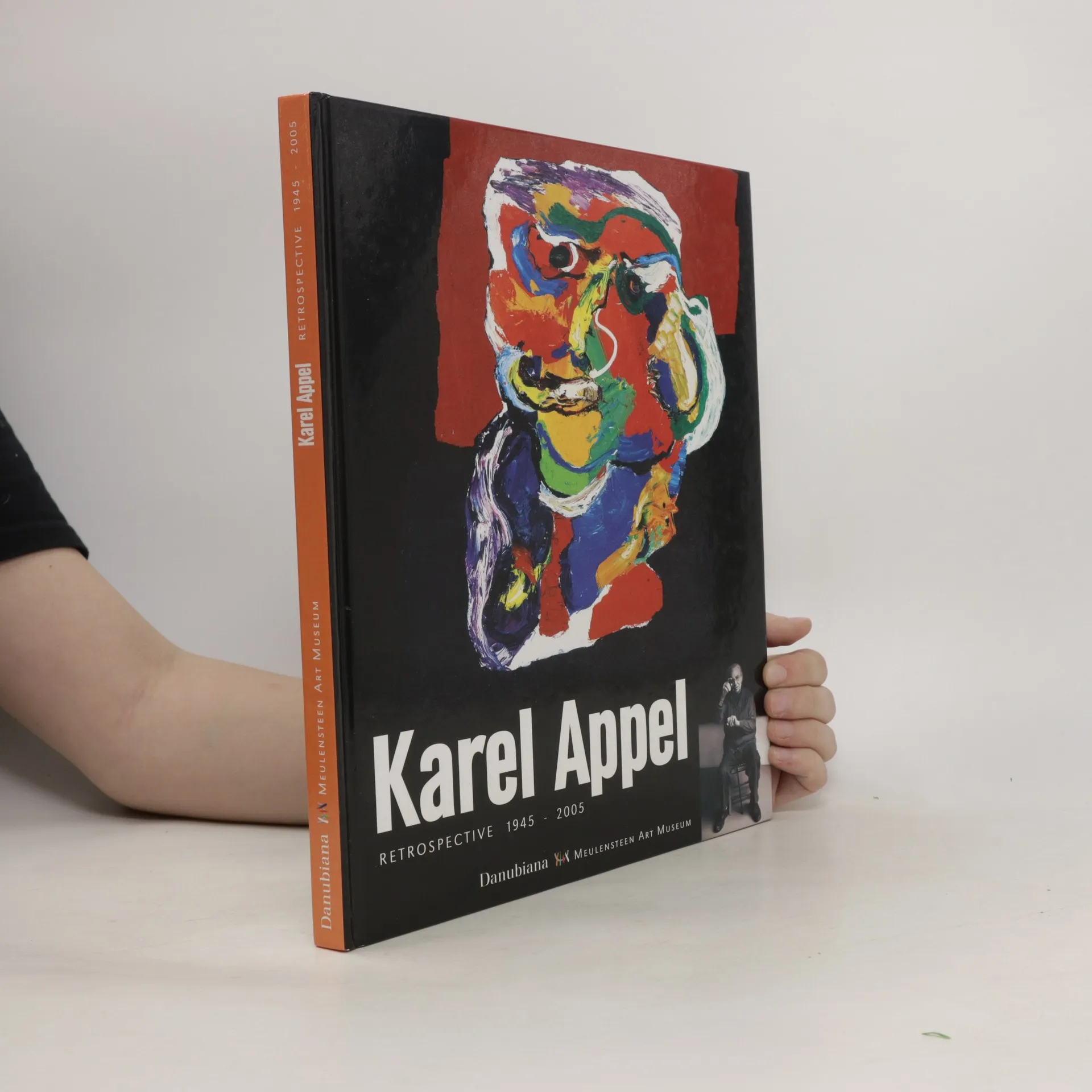
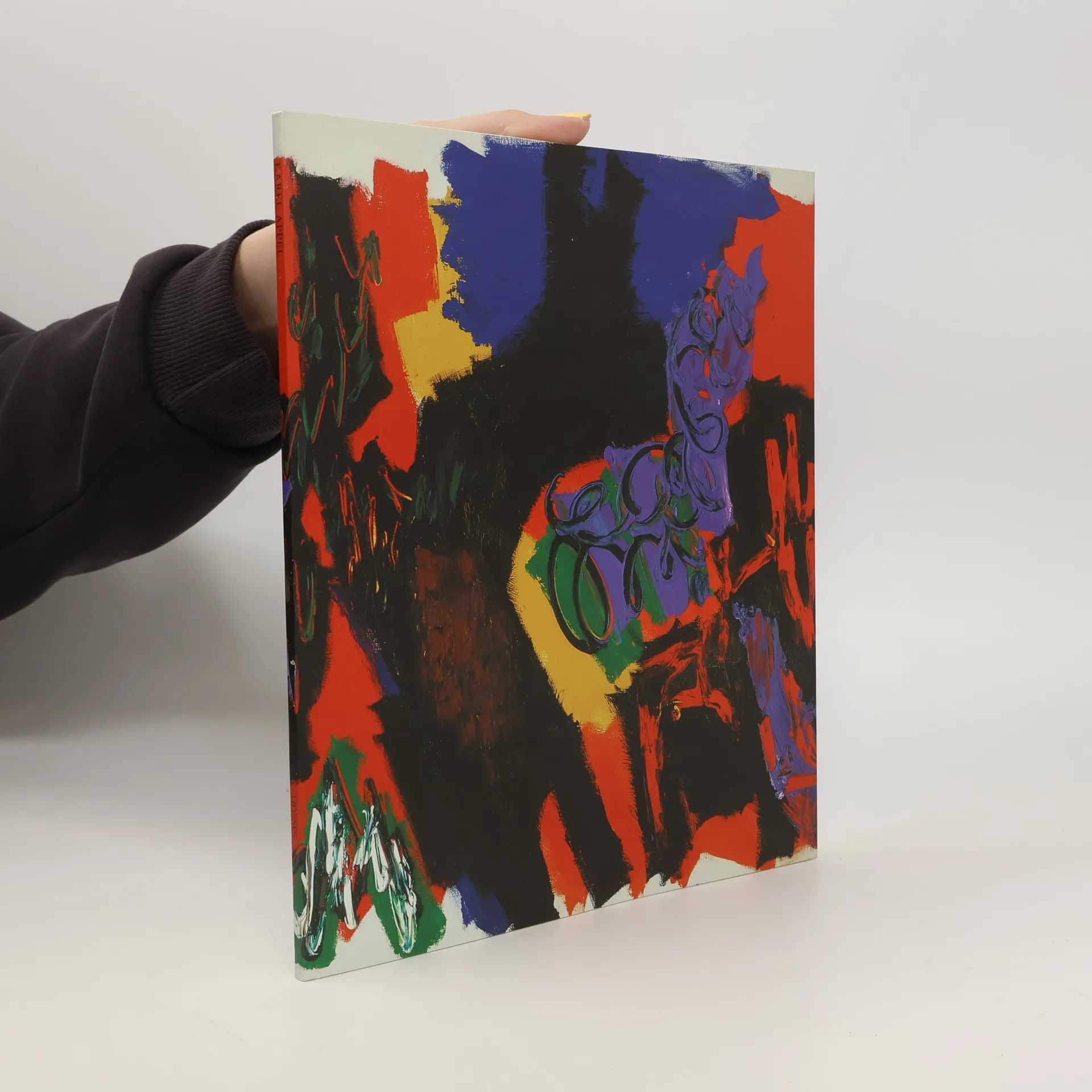
No discussion of postwar Dutch art--or postwar European art--is complete without mentioning Karel Appel, whom many consider Holland's most important painter. Appel attended the Academy of Arts in Amsterdam from 1940 to 1943, and then bided his time painting landscapes and portraits in an era when artists were forbidden to buy materials or exhibit unless they joined the German "Chamber of Culture." After the liberation, as reproductions of works by Picasso and others began to find their way to Holland, Appel rebelled against his studio training, founded several avant garde groups (including Cobra), and then moved to Paris. Years of travel and experimentation with subjects, colors and materials, left him with a close relationship to the American art community and studios all over the world. Appel is a sculptor and a ceramist, too, but he is above all an expressionist, a man of passion led by spontaneity, who has conversely made a lasting mark.
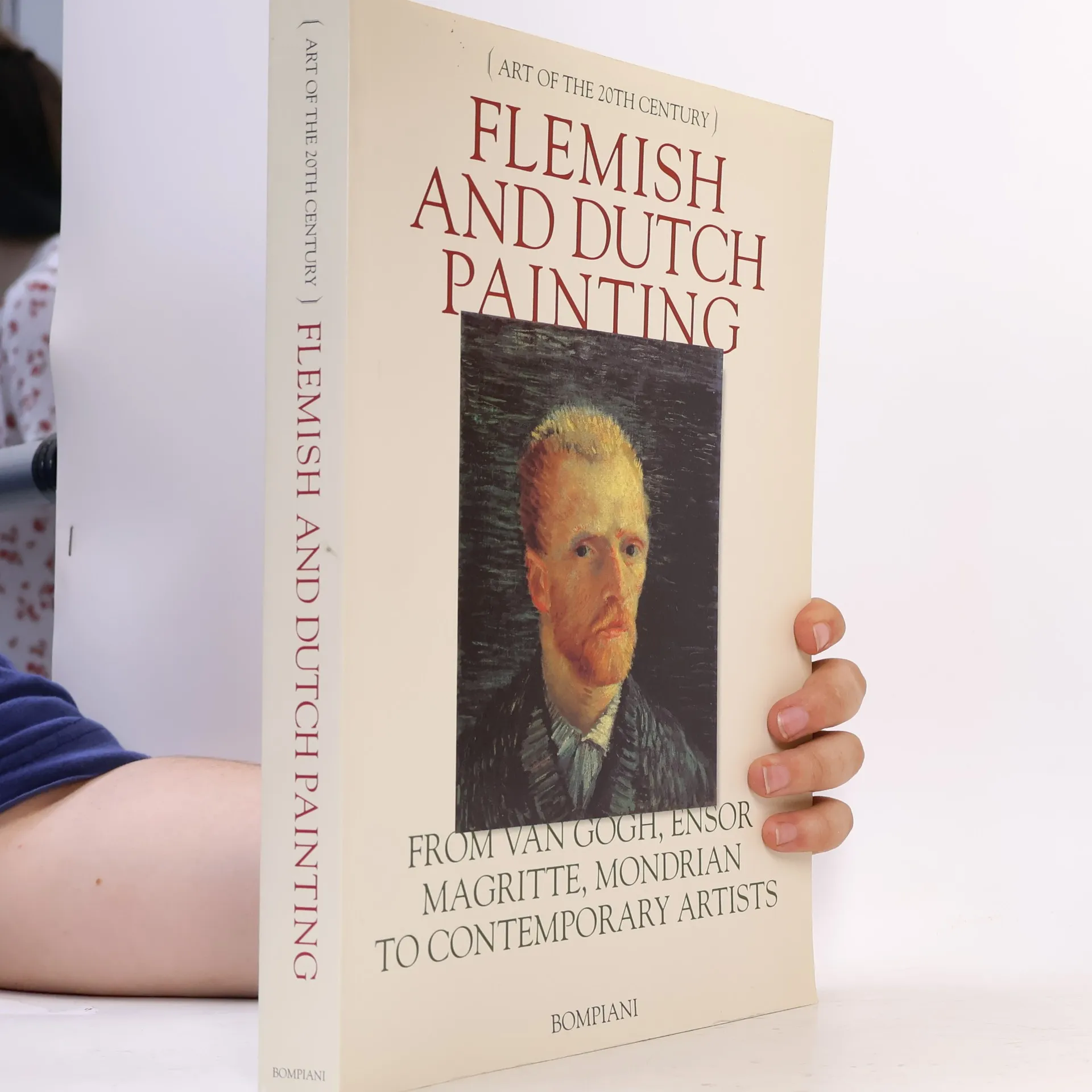
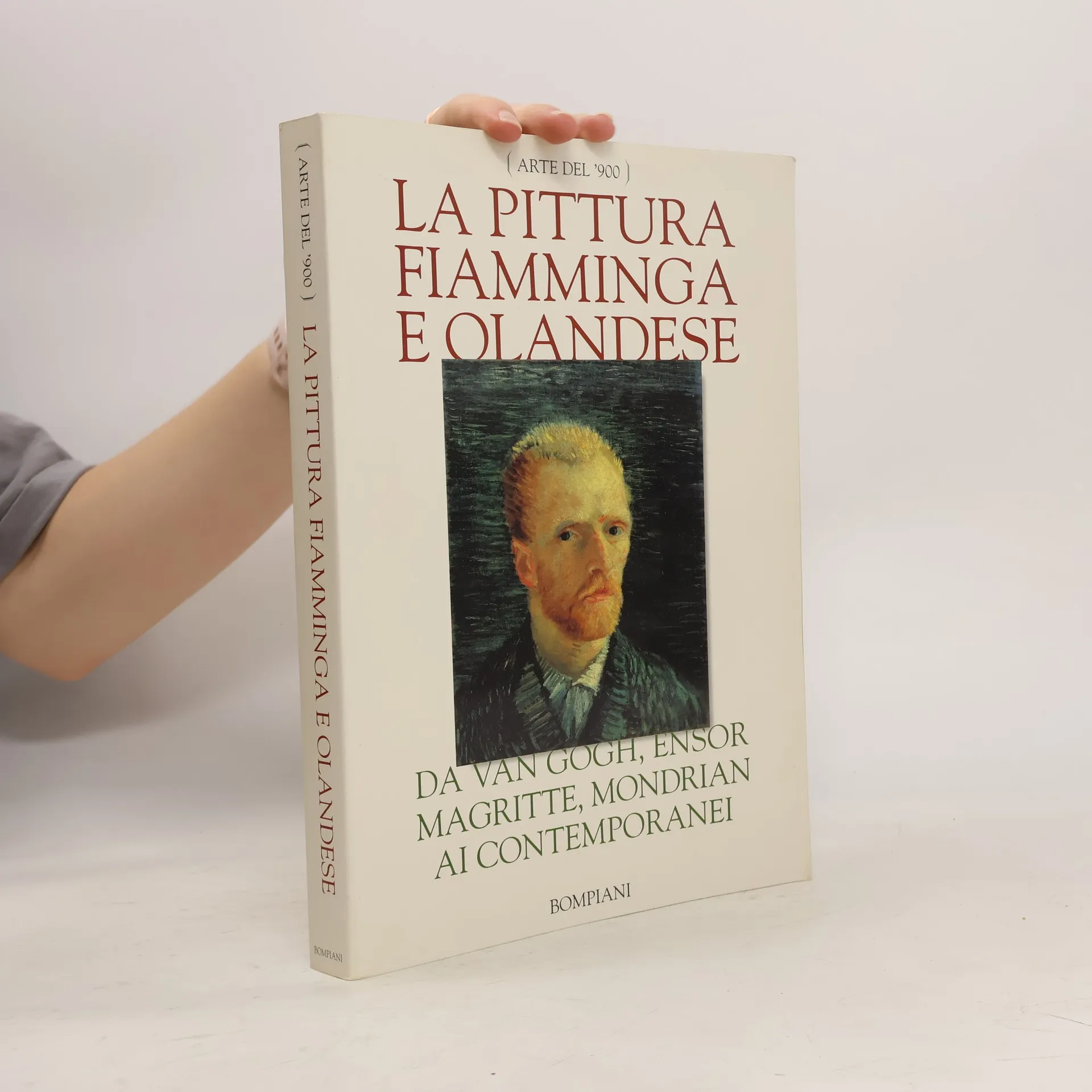
From Van Gogh, Ensor, Magritte, Mondrian To Contemporary Artists ; On The Occasion Of The Exhibition Art Of The 20th Century, Palazzo Grassi, Venice, March 16th - July 13th 1997
359 pages
13 hours of reading
Flemish and Dutch Painting from Van Gough, Ensor Magritte, Mondrian to Contemporary Art
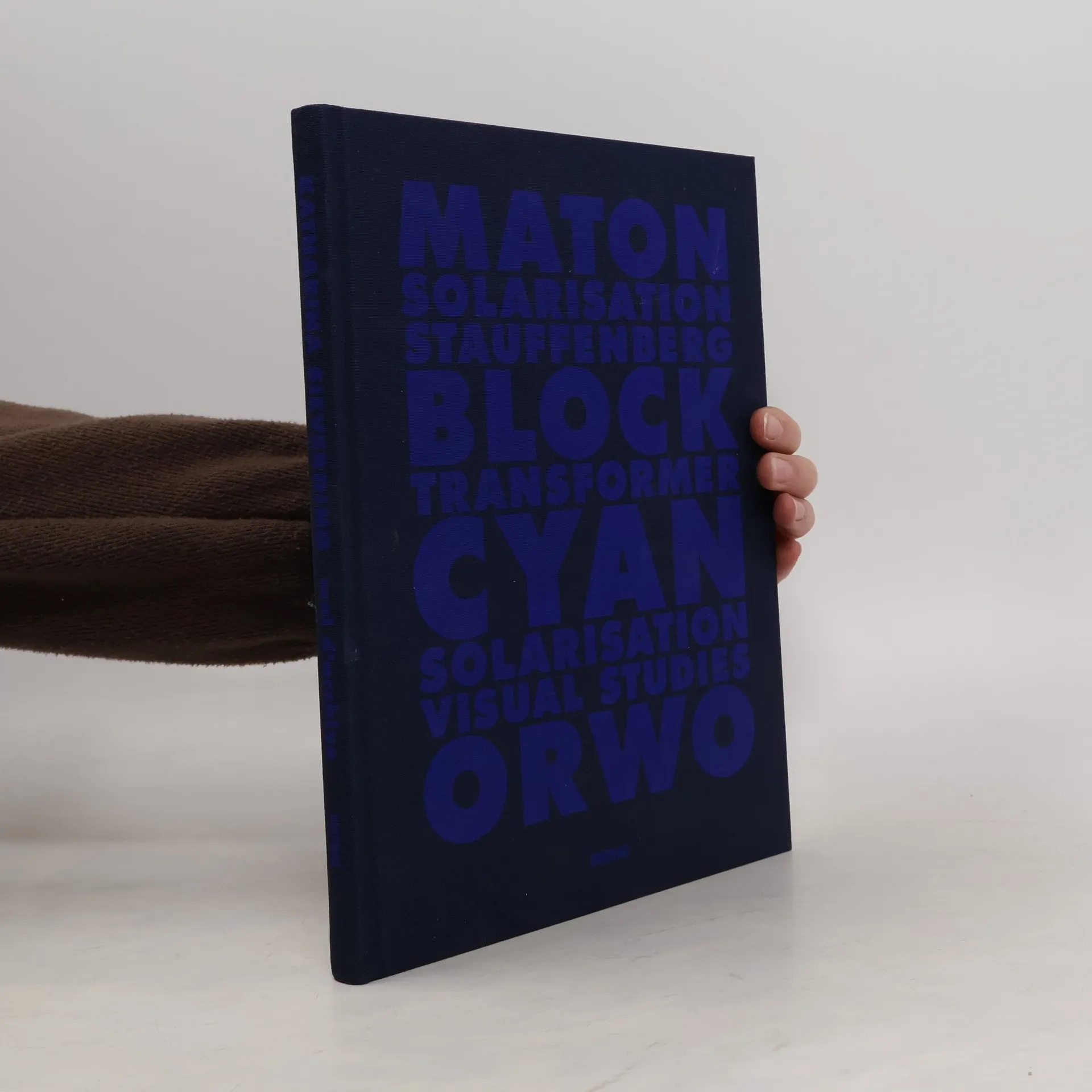
Over the course of more than four decades, Katharina Sieverding (b. Prague, 1944; lives and works in Düsseldorf) has built an oeuvre that has charted a wide terrain between the poles of individuality and society, sentiment and critique, presence and withdrawal. The book, designed by Sieverding and her studio, presents a novel documentation of the work Stauffenberg-Block. Created in 1969, Stauffenberg-Block consists of sixteen large-format color photographs and is dedicated to Claus Stauffenberg, a member of the resistance against Hitler who was executed in 1944 after his failed attempt to assassinate the dictator. The book combines it with the series F (1969) and Transformer-Cyan-Solarisation (1973/74). The three ensembles of works are based on the conceptual use of the artist’s self-portrait. Its serial repetition and continual transformation calls the capacity of the individual portrait to record the subject’s identity in question. Two works from the series Visual Studies (2002) and the archival storage unit ORWO (2014), presented as a spatial object, round out the selection. They hint at the wide-ranging visual archive on which Katharina Sieverding’s work draws. With an introductory essay on feminism, antifascism, and psychedelia by Diedrich Diederichsen.
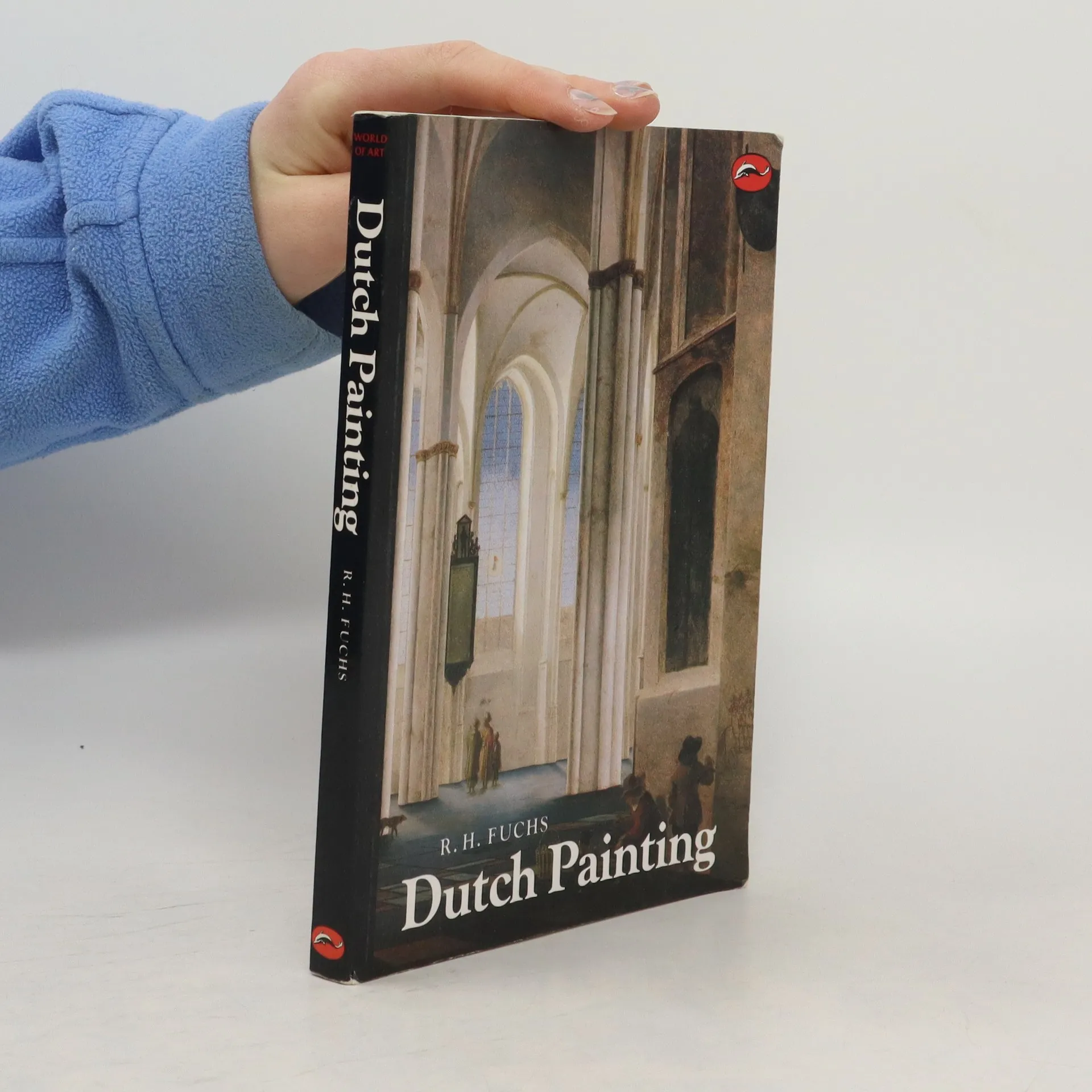
Dutch art spans the history of Western easel painting from the Middle Ages to the present, and has a psychological development of its own which makes it a fascinating field of study. With a fresh and critical eye, Fuchs reviews its evolution from the foundation of Netherlandish realism in the fifteenth century with the Van Eycks, through the elevated style of Renaissance history painting, the language of symbols of the seventeenth century and the work of its masters--Claesz's still-lifes, the portraits of Hals and Rembrandt, and Ruisdael's landscapes--and on through eighteenth- and nineteenth-century realism, right up to Van Gogh's pioneering Expressionism, the radical simplification of Mondrian, and the art of Dibbets and Brouwn. 197 illus., 20 in color.
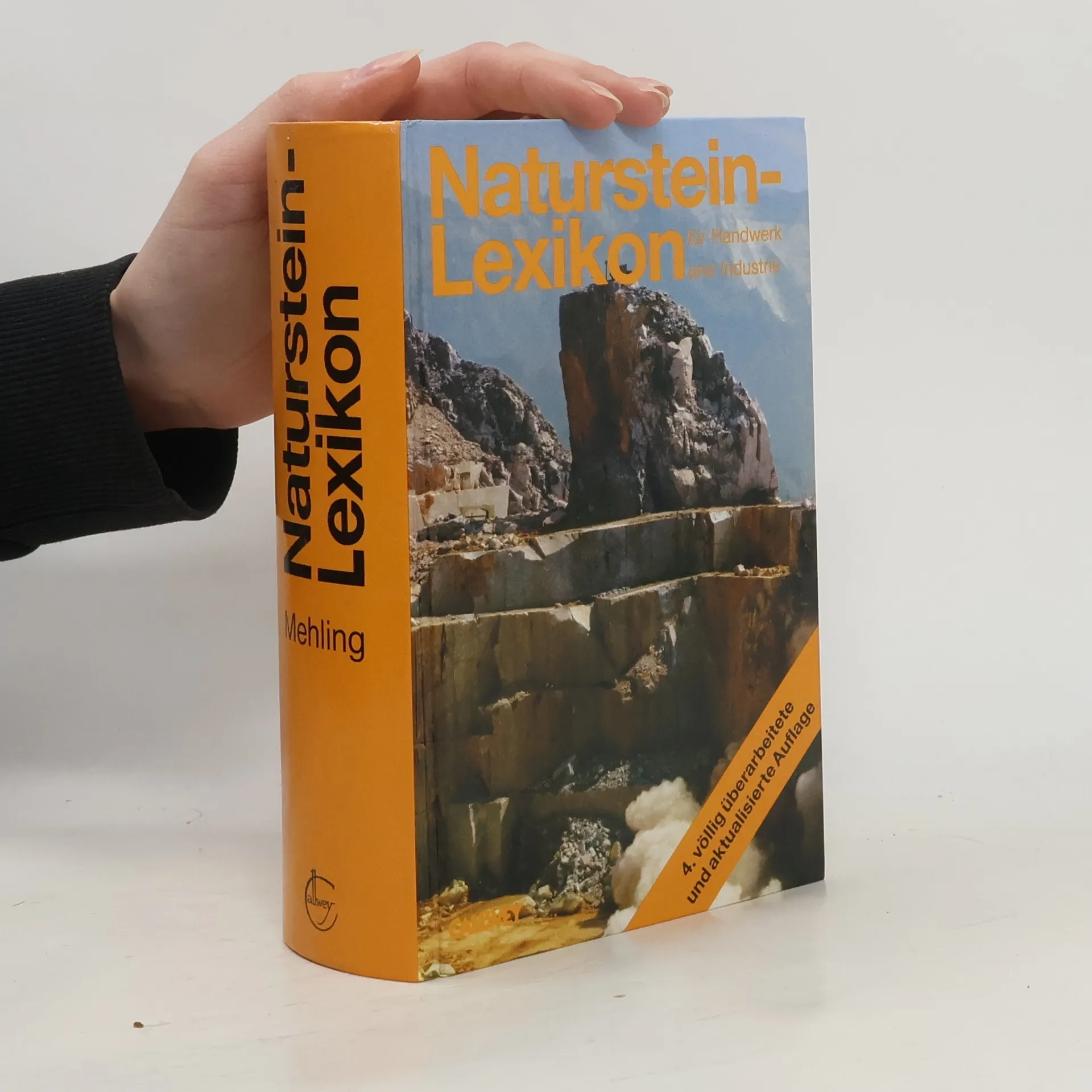
Werkstoff, Werkzeuge und Maschinen, Wirtschaft und Handel, Gestaltung und Techniken von der Antike bis heute - 4. völlig überarbeitete und aktualisierte Auflage