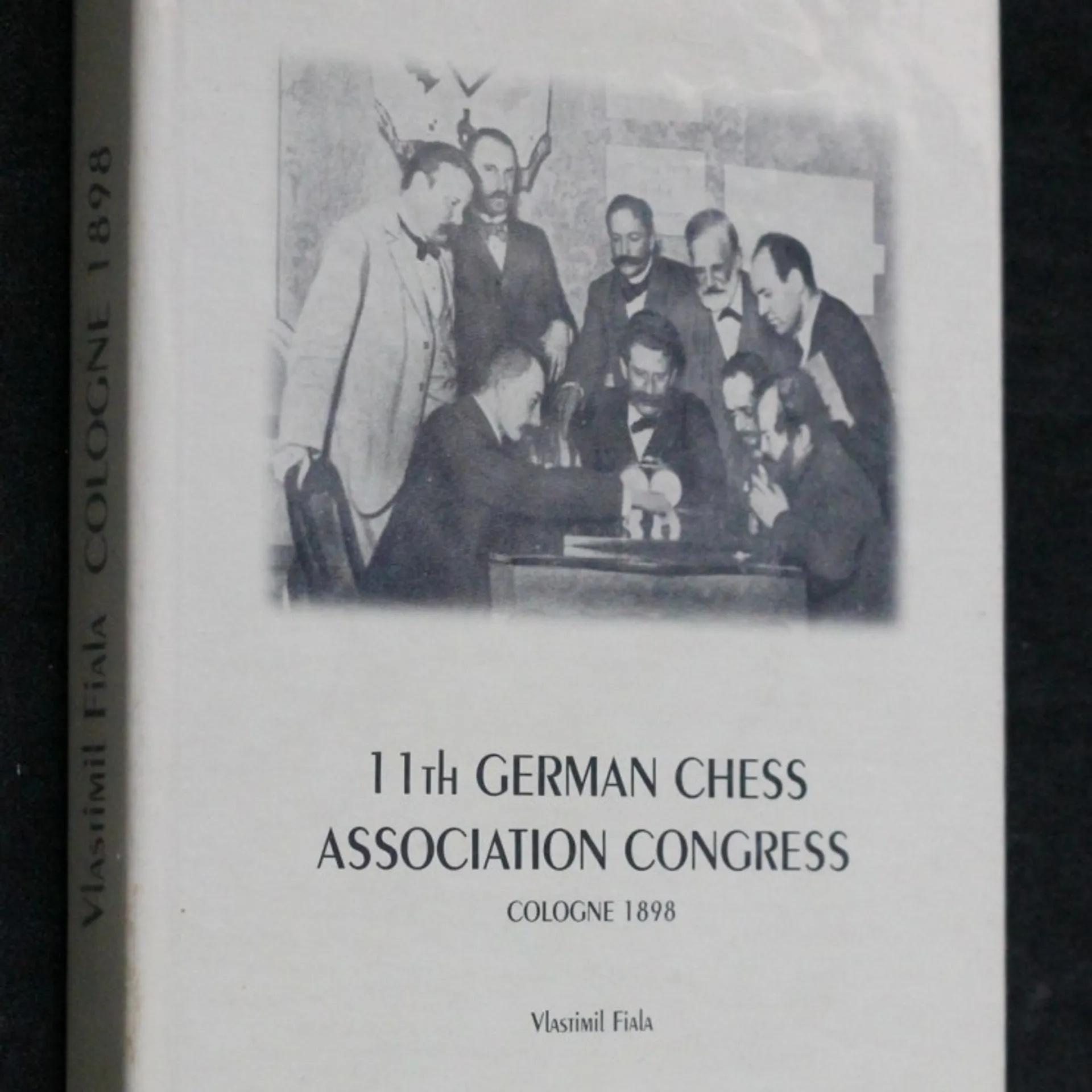
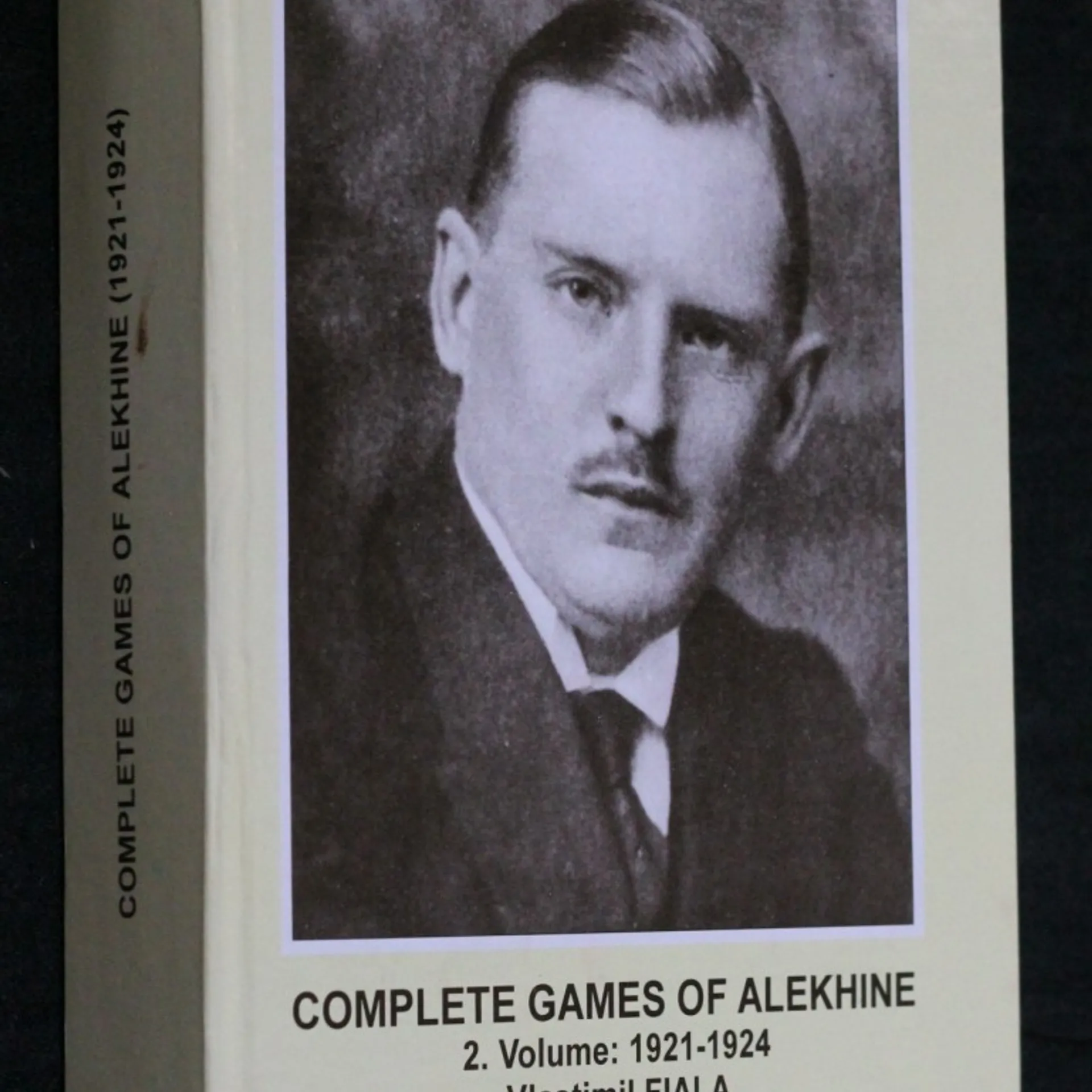
The best account of chess career of the Fourth World's chess champion A. Alekhine. The Third volume covers Alekhine's chess activities in 1925-1927. It was the busy period when Alekhine was poised to seize the world crown from Capablanca, covering several strong events (Paris and Badem-Baden in 1925, Hastings 1925-26, Semmering and Dresden in 1926, New York and Kecskemet in 1927) plus a host of simultaneous exhibitions. Includes contemporary accounts of events such as his amazing 25/28 world-breaking blindfold simultanoues at Paris in 1925, where Alekhine had to be lifted out of his armchar at the end of his 13-hour, 29-cigarrete marathon and detailed description of all known Alekhine's simul exhibitions at France, Switzerland, Czechoslovakia, the Netherlands, Hungary, etc. The book contains 297 games, almost of them are fully annotated, Indexes of the players and openings, large photograph section.
Vlastimil Fiala Books
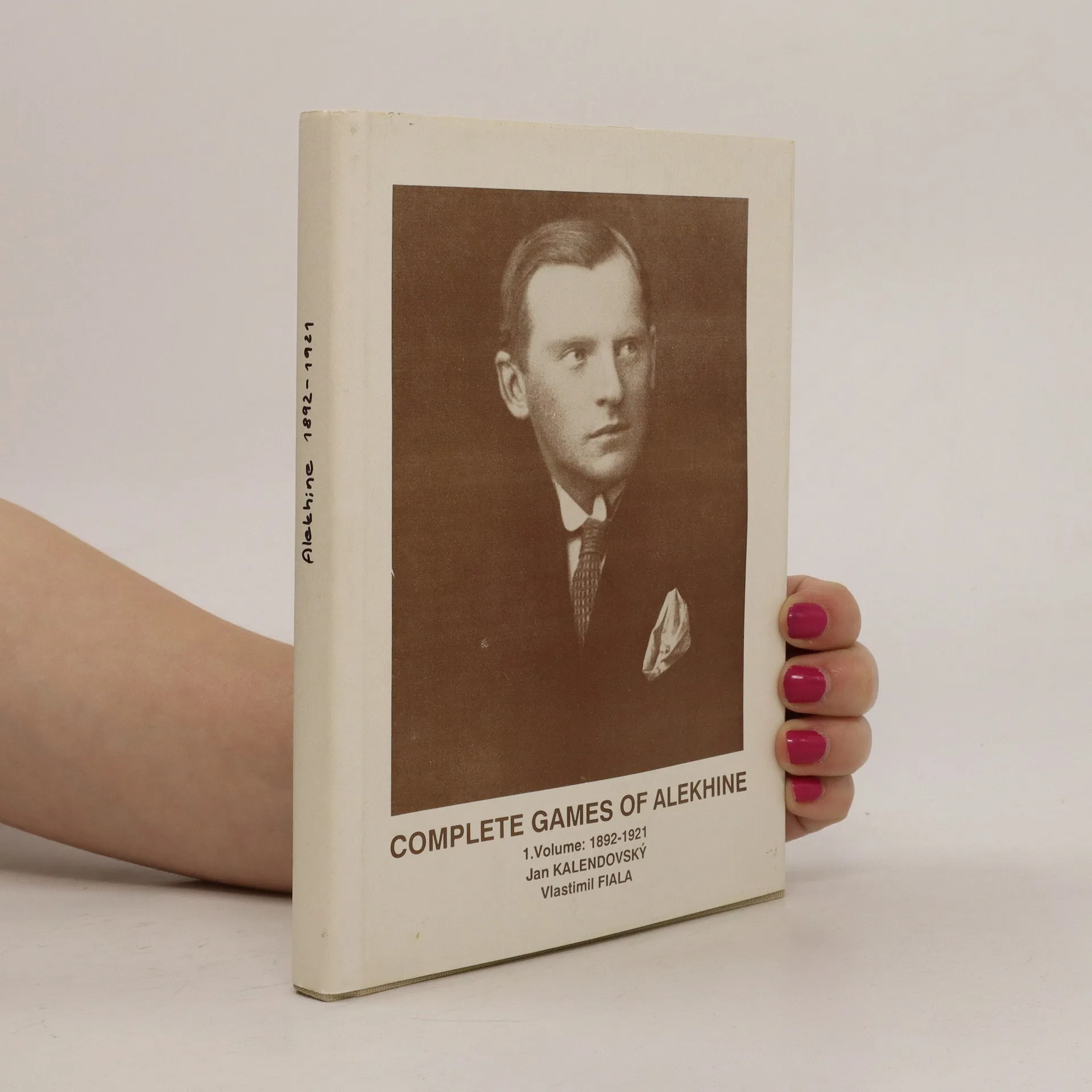

Complete games of Alekhine. 1. volume, 1892-1921
- 187 pages
- 7 hours of reading
The best account of chess career of the Fourth World's chess champion A. Alekhine. The First volume covers Alekhine's chess activities in 1892-1921. Czech historians are tracking down the games of the legendary Russian world champion. This volume begins with chess notebooks from Alekhine's childhood, charts his development into a world class player by St. Petersburg 1914, his detention and escape during World War One and his narrow scrape with the authoritites in Soviet Russia. As well the 334 games scores, some with notes, there are reproduction photos as a fascinating biography (British Chess Magazine review). Indexes of the players and openings.
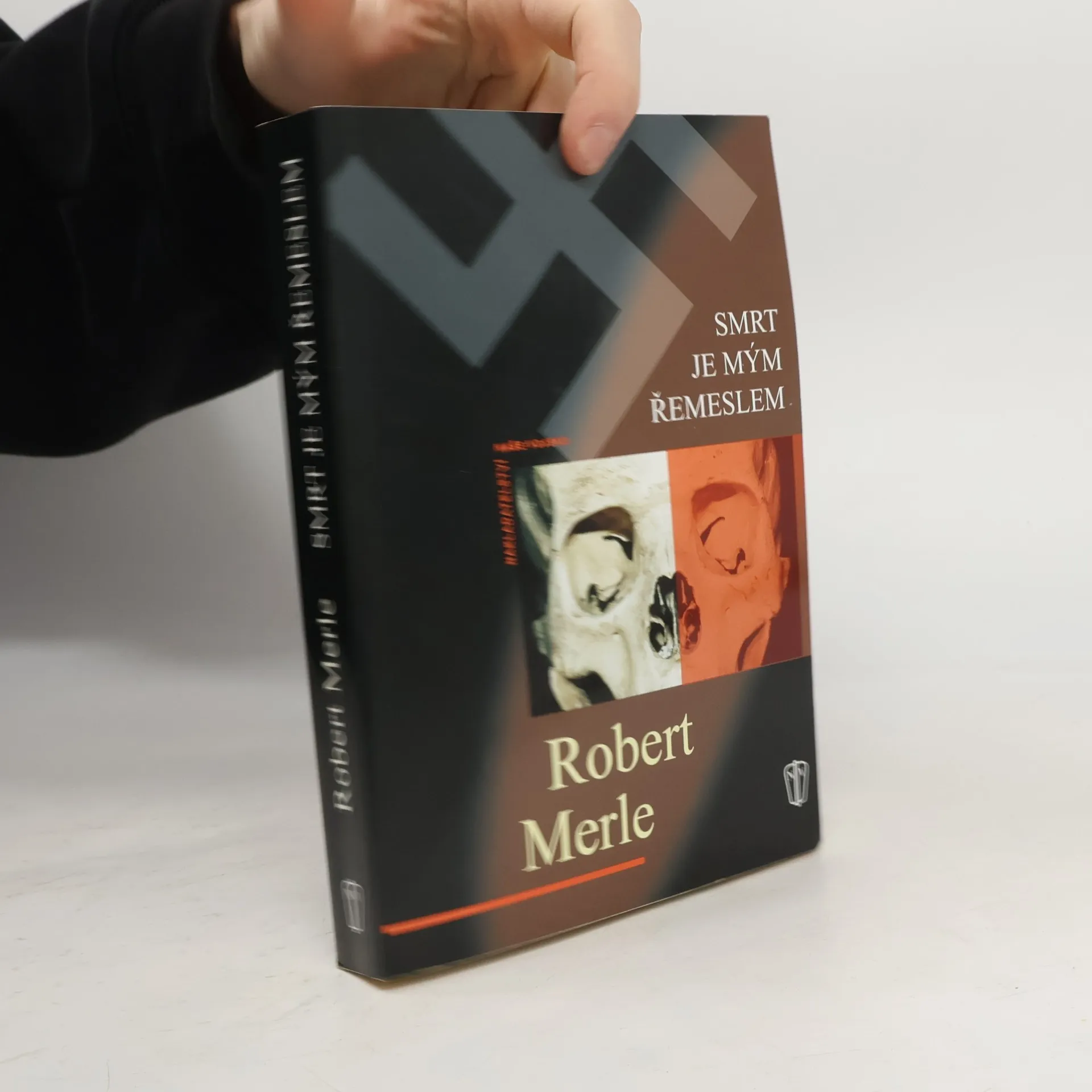
Román Smrt je mým řemeslem je psychologickou studií "vzorného nacisty" Langa, inspirovanou skutečnou postavou válečného zločince Rudolfa Hösse. V horizontu let 1913 až 1945 zachycuje takřka deníkovou formou proměnu "obyčejného" člověka ve zvráceného jedince, zrůdu odpovědnou za vraždění v koncentračním táboře Osvětim. Krize poválečného Německa dvacátých let minulého století, růst nacismu a fašismu, mravní krach velké části národa - to vše vytváří horizont děsivého příběhu o ztrátě smyslu pro nejzákladnější lidské hodnoty. Cyničnost a nedostatek rozlišovacích schopností, které tento úpadek doprovázejí, nejlépe ilustruje scéna z knihy, kdy je Lang postaven ve Varšavě před soud. Na obvinění, že zabil tři a půl miliónu osob, požádá o slovo a odpoví, jako by nechápal pravý význam svých slov: "Promiňte, zabil jsem jich jenom dva a půl miliónu."
Жизнь Тулуз-Лотрека
- 280 pages
- 10 hours of reading
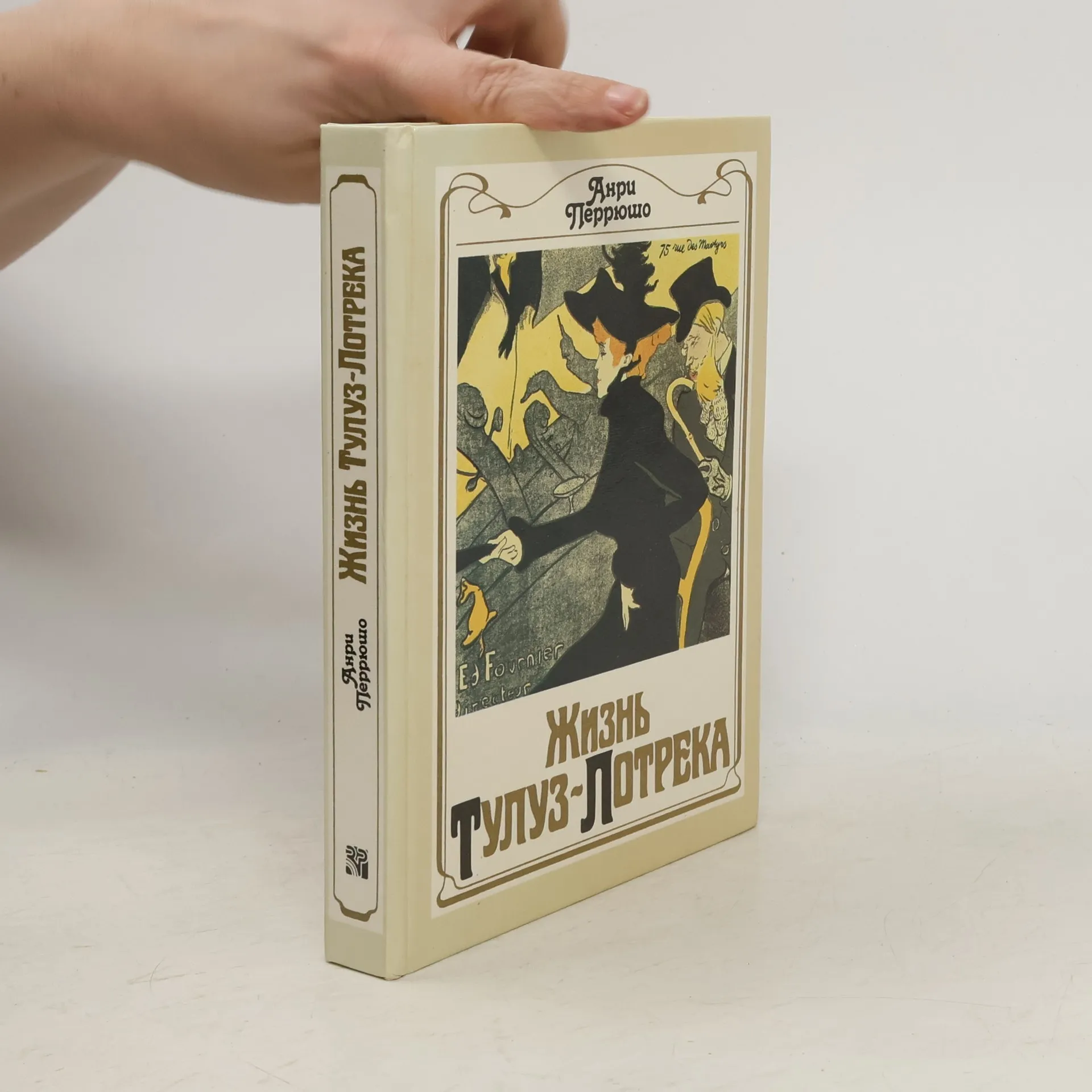
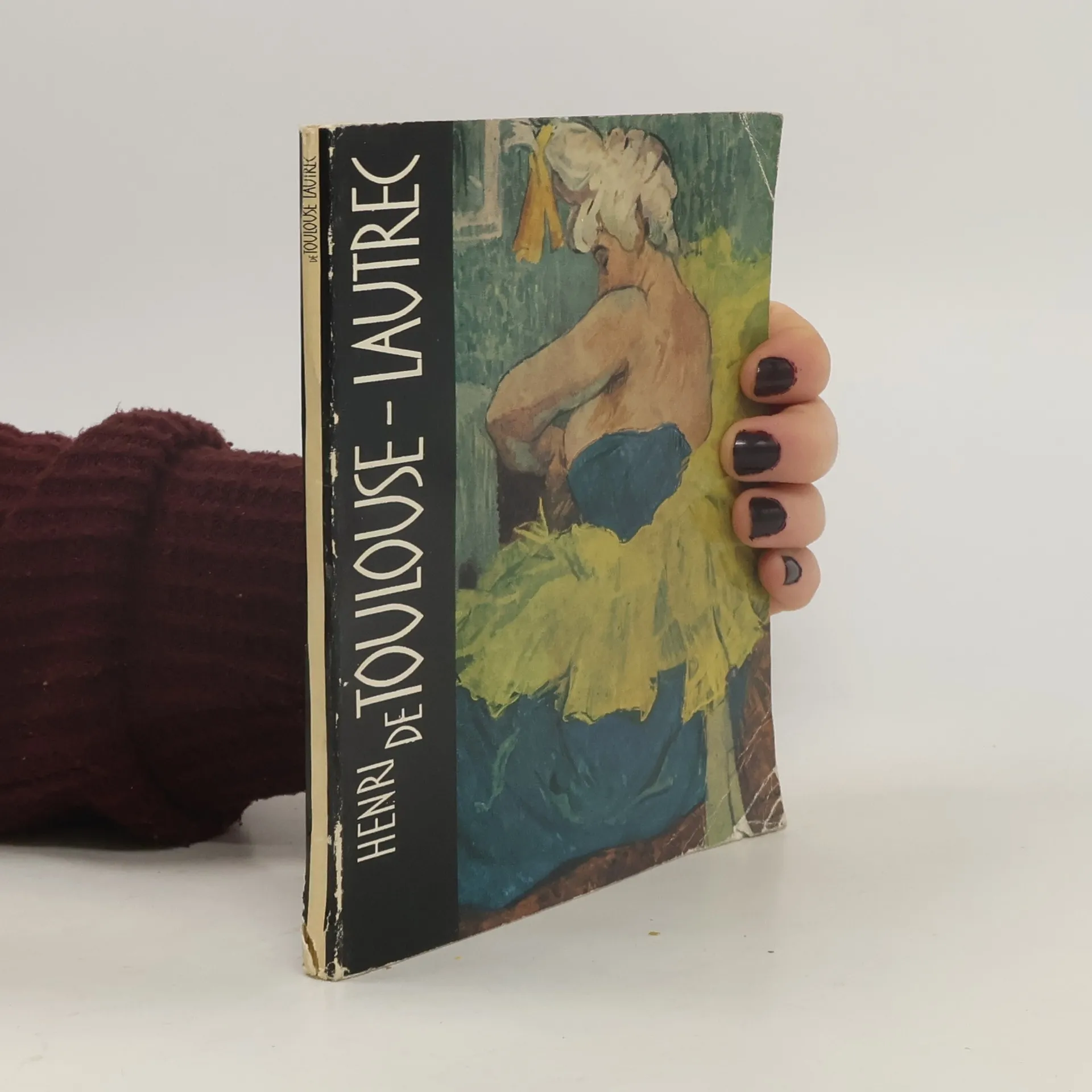
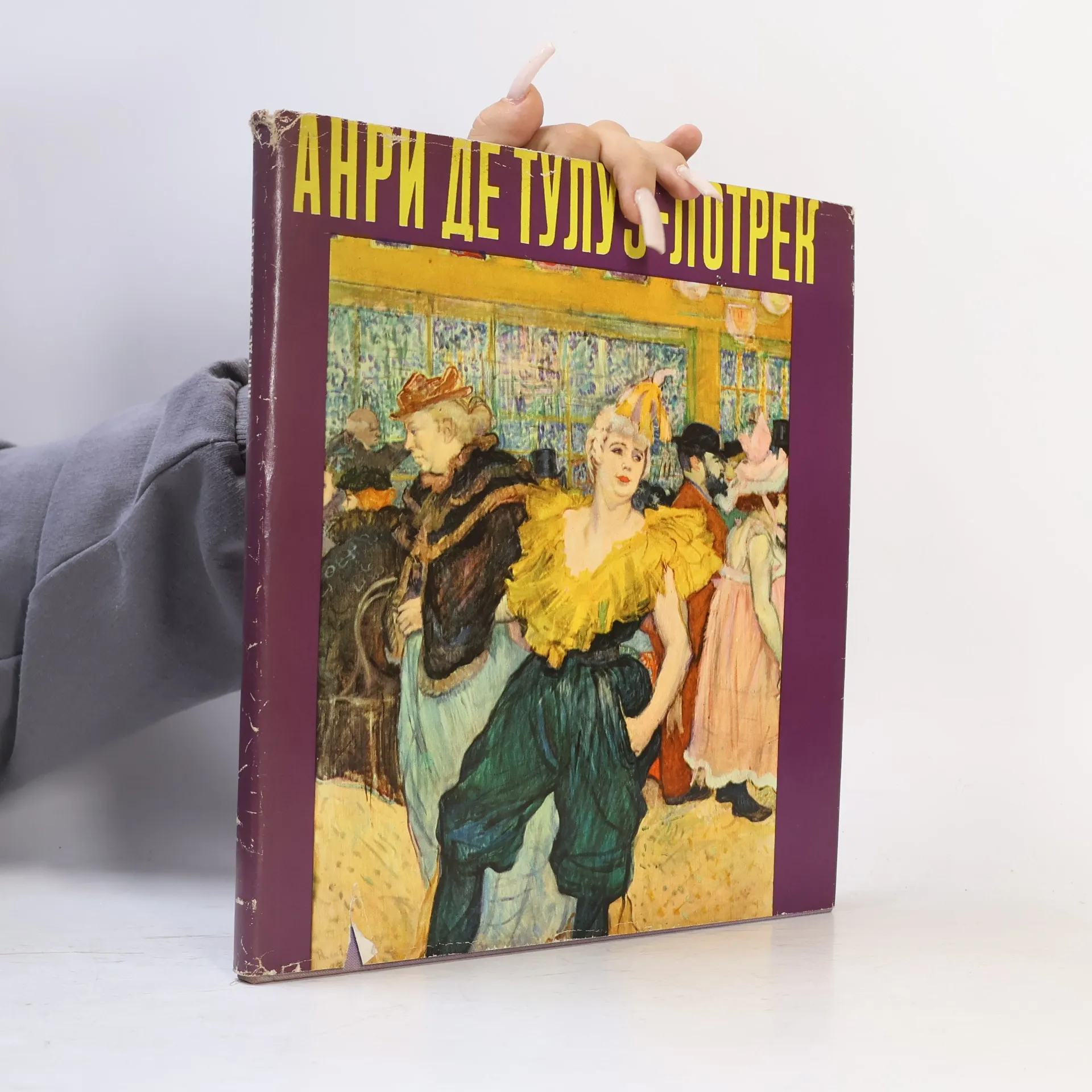
Биографическая книга о знаменитом французском художнике - жизненный путь этого гения от его рождения в аристократической семье, через жизнь в среде художественной богемы до трагической, преждевременной смерти.
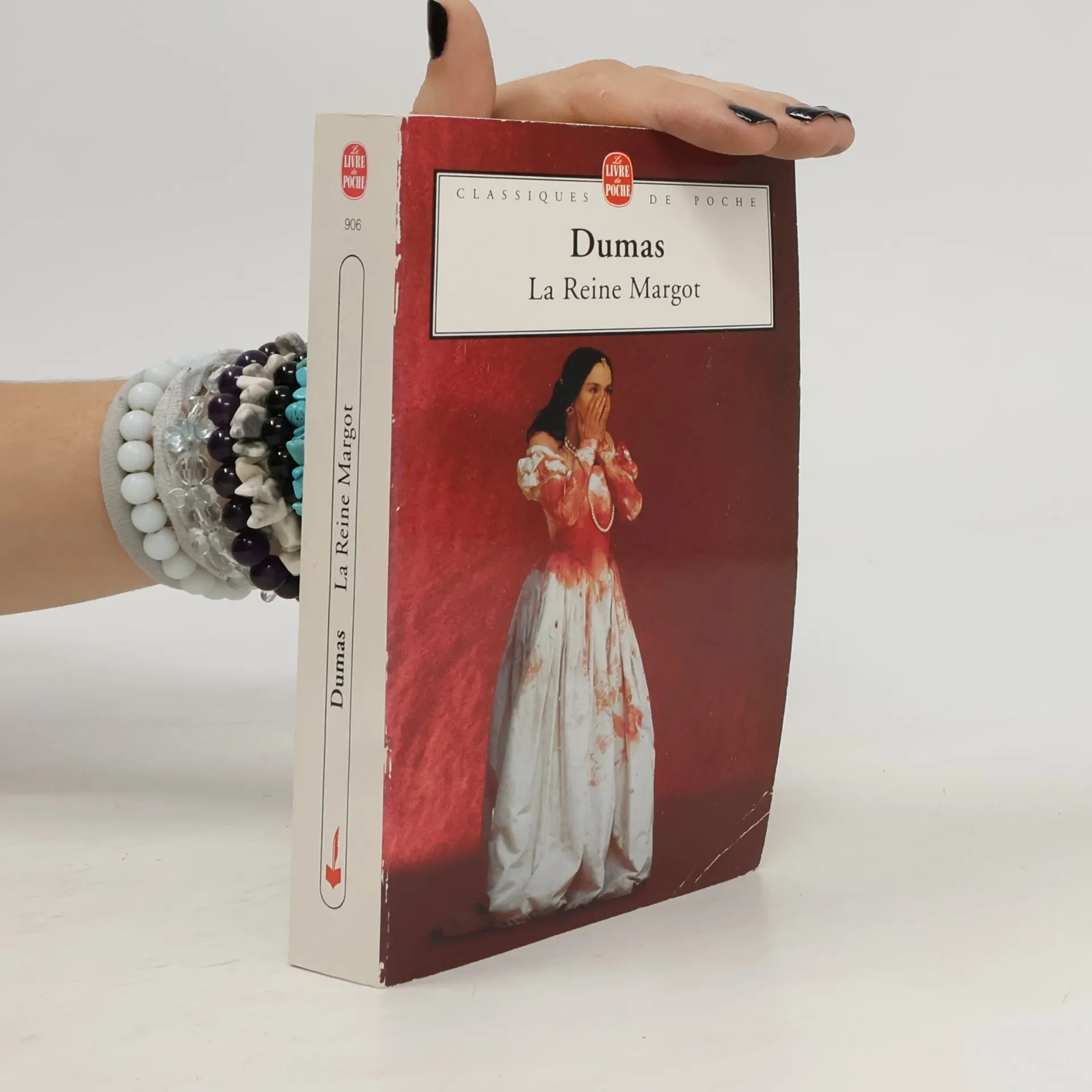
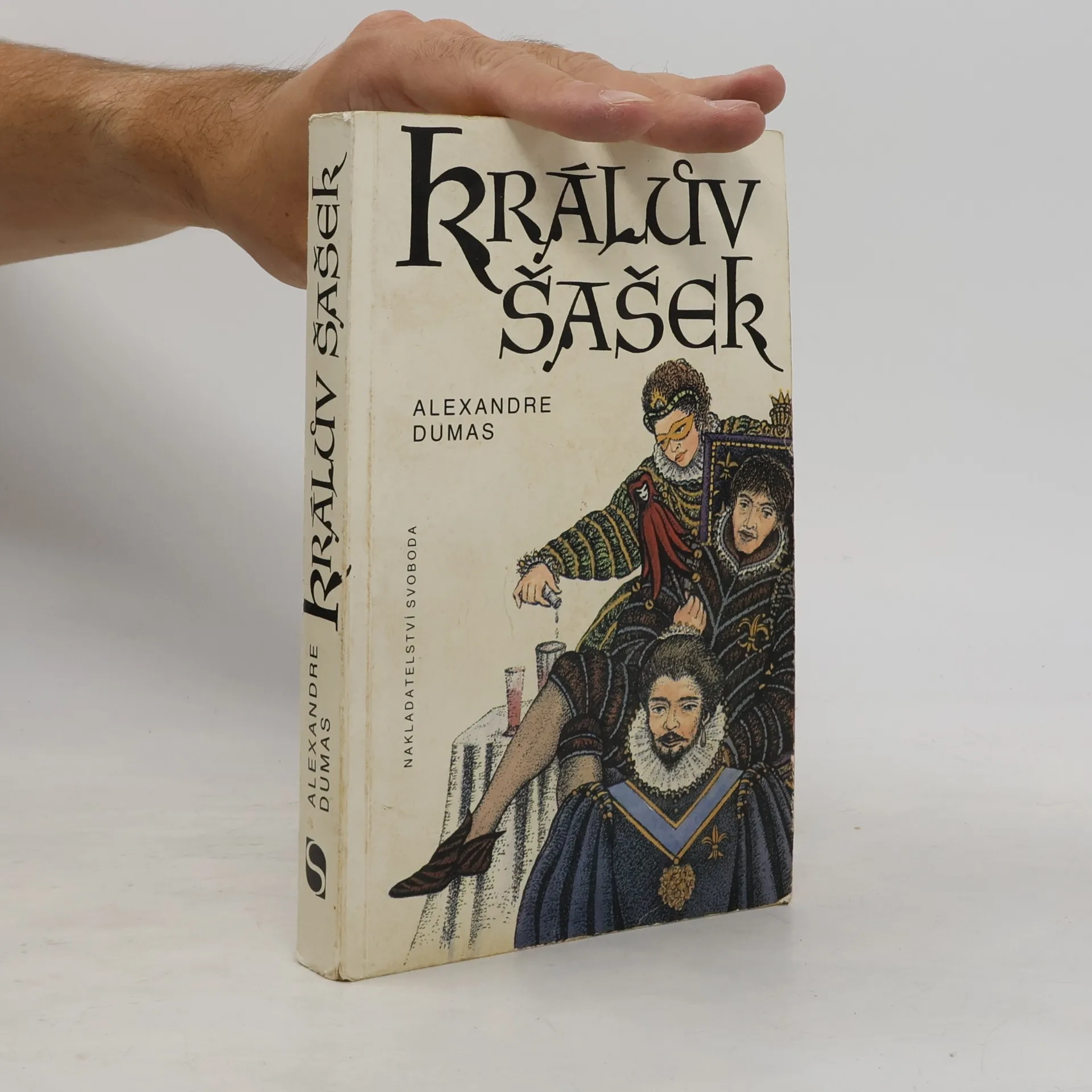
1572. La France des guerres de religion est devenue le champ clos des grands seigneurs et des prétendants au trône. A Paris, le jeune roi protestant de Navarre, le futur Henri IV, vient d'épouser Marguerite de Valois, dite Margot ; mariage politique qui n'empêche pas les Guise et le roi Charles IX de fomenter les horreurs de la Saint-Barthélemy. Sur les pas du jeune comte de La Mole, dont s'éprend éperdument la belle Margot, et de son compagnon, le tonitruant Annibal de Coconnas, nous entrons dans ce labyrinthe d'intrigues, d'alliances, de trahisons. Les poignards luisent sous les pourpoints. René le Florentin fournit les poisons à l'implacable Catherine de Médicis. Le vieux Louvre avec ses fêtes brillantes, ses passages secrets, son peuple de soldats et de jolies femmes, est le théâtre où se déploient en mille péripéties les jeux de l'amour, de la politique, de la haine. Le père des Trois Mousquetaires nous en donne une passionnante chronique, où sa pétulante bonne humeur survit aux plus sanglants épisodes.
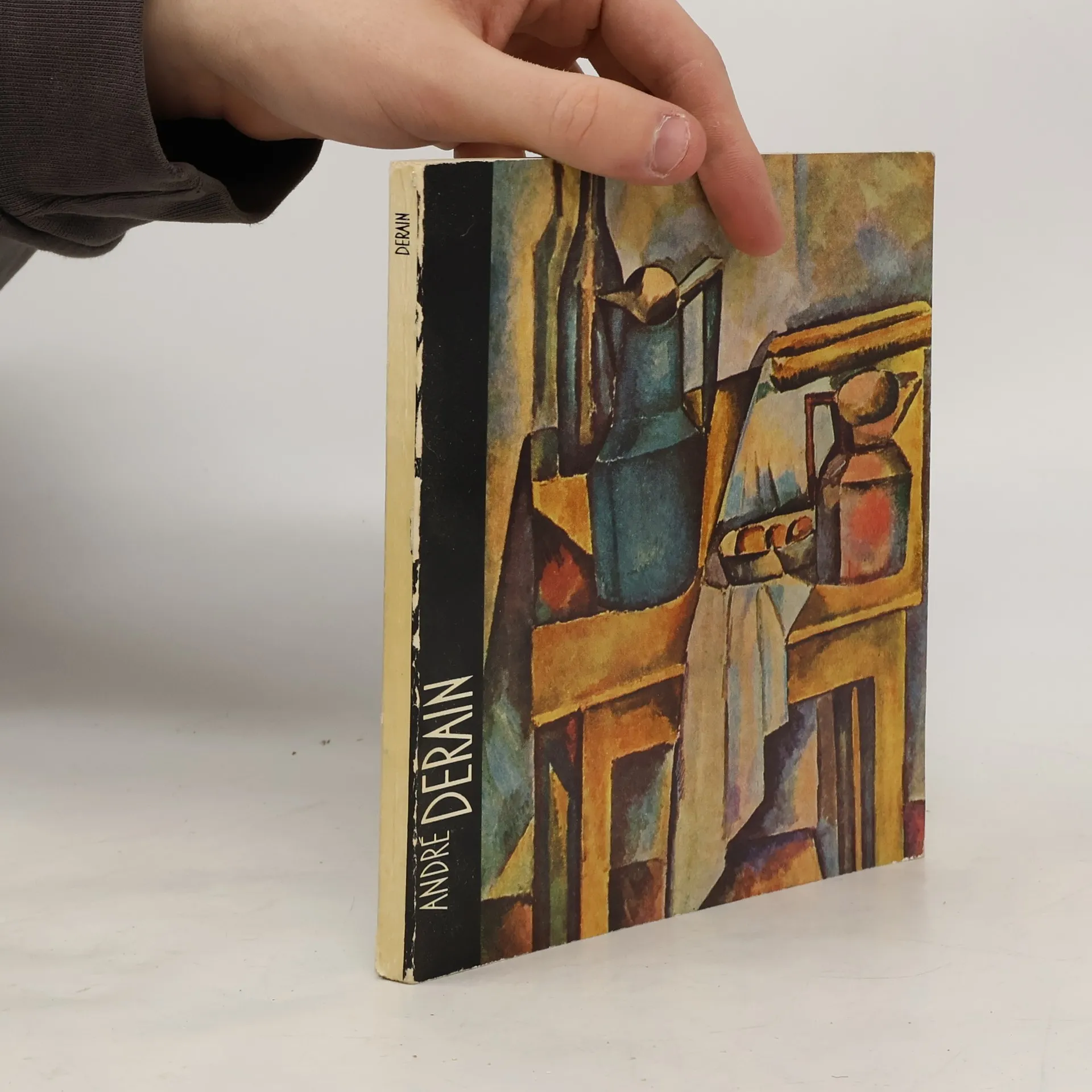
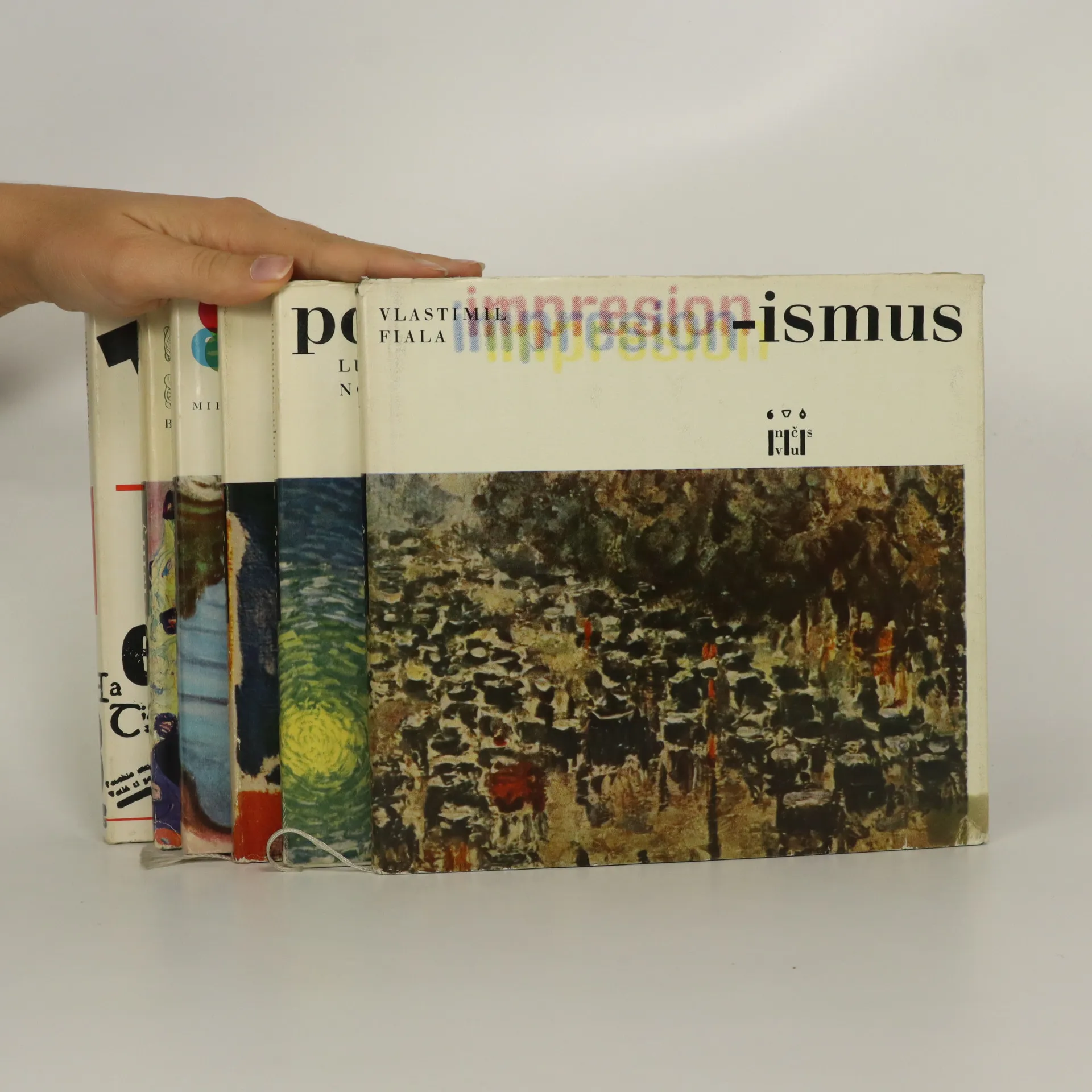
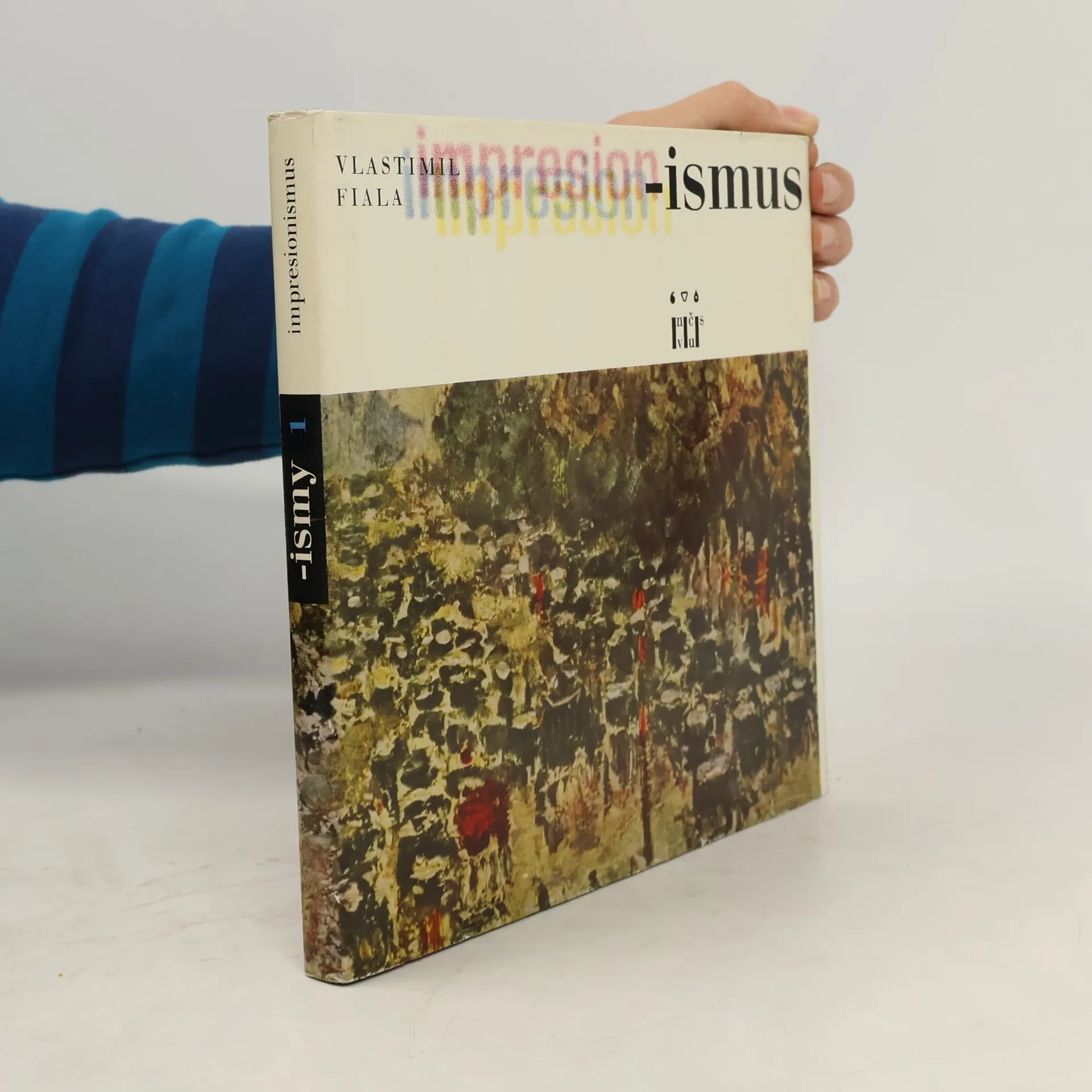
Autor se zamýšlí nad tvorbou francouzského malíře, jenž vynikal v malbě krajinářské i figurální, zapsal se významně do historie moderní knižní ilustrace a zapůsobil i na vývoj některých našich malířů, jako byli B. Piskač, A. Justitz, F. Muzika, J. Trampota, B. Kubišta, R. Kremlička, V.Špála a a jiné..
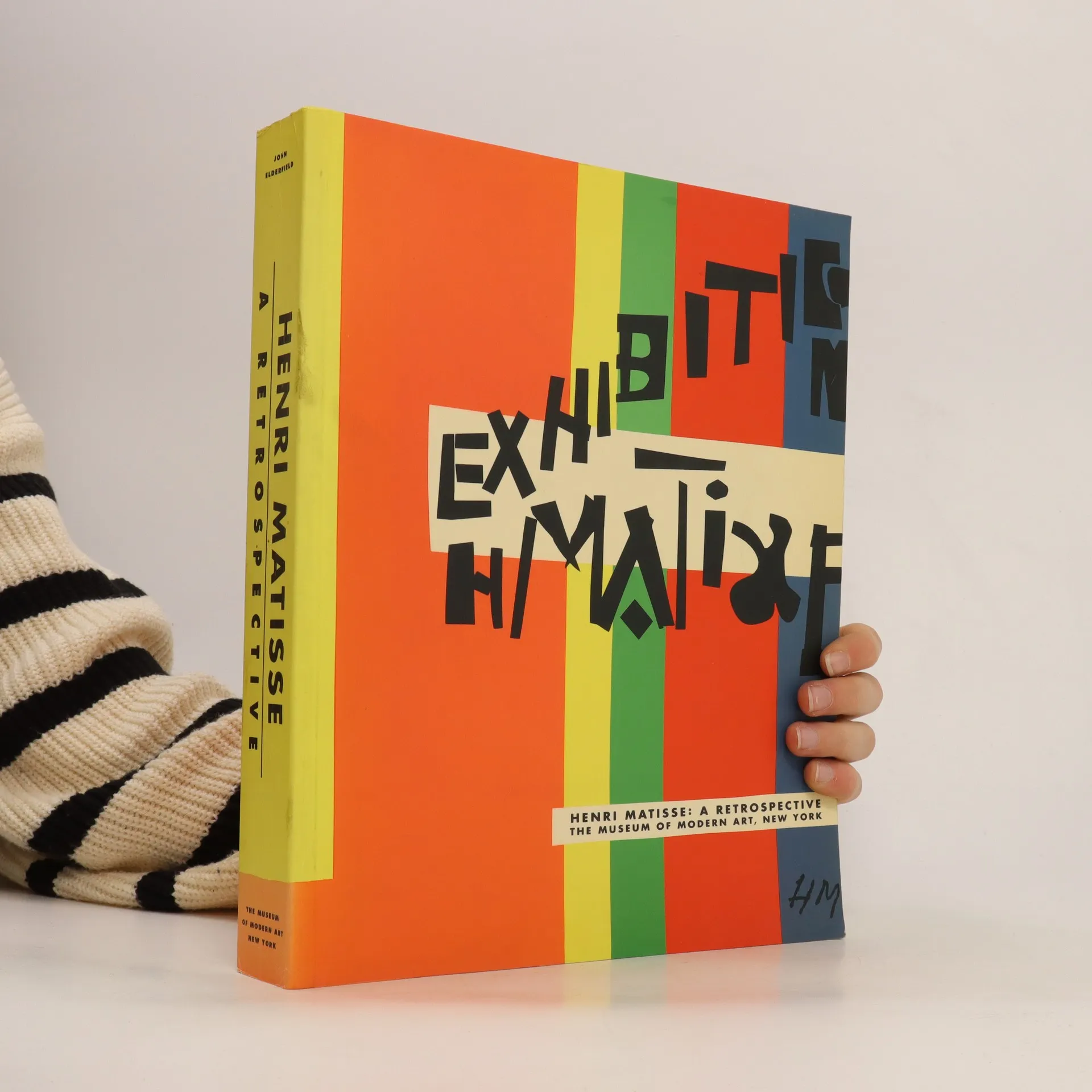
Matisse, the bard of colour, and Picasso, the breaker of moulds: together, these two giants shaped the world of modern art. They were, as Picasso once said, "North Pole, South Pole." The work of Henri Matisse (1869-1954) is a sensous hymn to colour, that wild yet subtle colour which he tamed, mastered and managed, and which expressed his feelings towards women and the world. Colour was the tool with which he controlled line, arabesque, volume, light transparency, reflection and space, and though he did not shrink from pushing his creativity to the verge of abstraction, he never succumbed to it entirely. It was an approach well noted by America's Abstract Expressionists. This new and carefully conceived freedom marked not only the extraordinary significance of the painter and sculptor Matisse in the history of modern art, but also his influence, which was no less decisive than that of his main rival, Pablo Picasso. In fact, Matisse's stylistic liberation actually goes one step further in the pursuit of his own personal goal - the perfect synthesis of line and colour - by which he sought revolutionary approaches to the great tradition of French painting by drawing upon its classical aspects.
Králův šašek
- 393 pages
- 14 hours of reading
Historický román Králův šašek volně navazuje na romány Královna Margot a Paní z Monsoreau. Je to třetí část ze série Hugenoti odehrávající se ve Francii v období náboženských válek (druhá polovina XVI. století).
Úloha politických aktérů v procesu decentralizace
- 616 pages
- 22 hours of reading
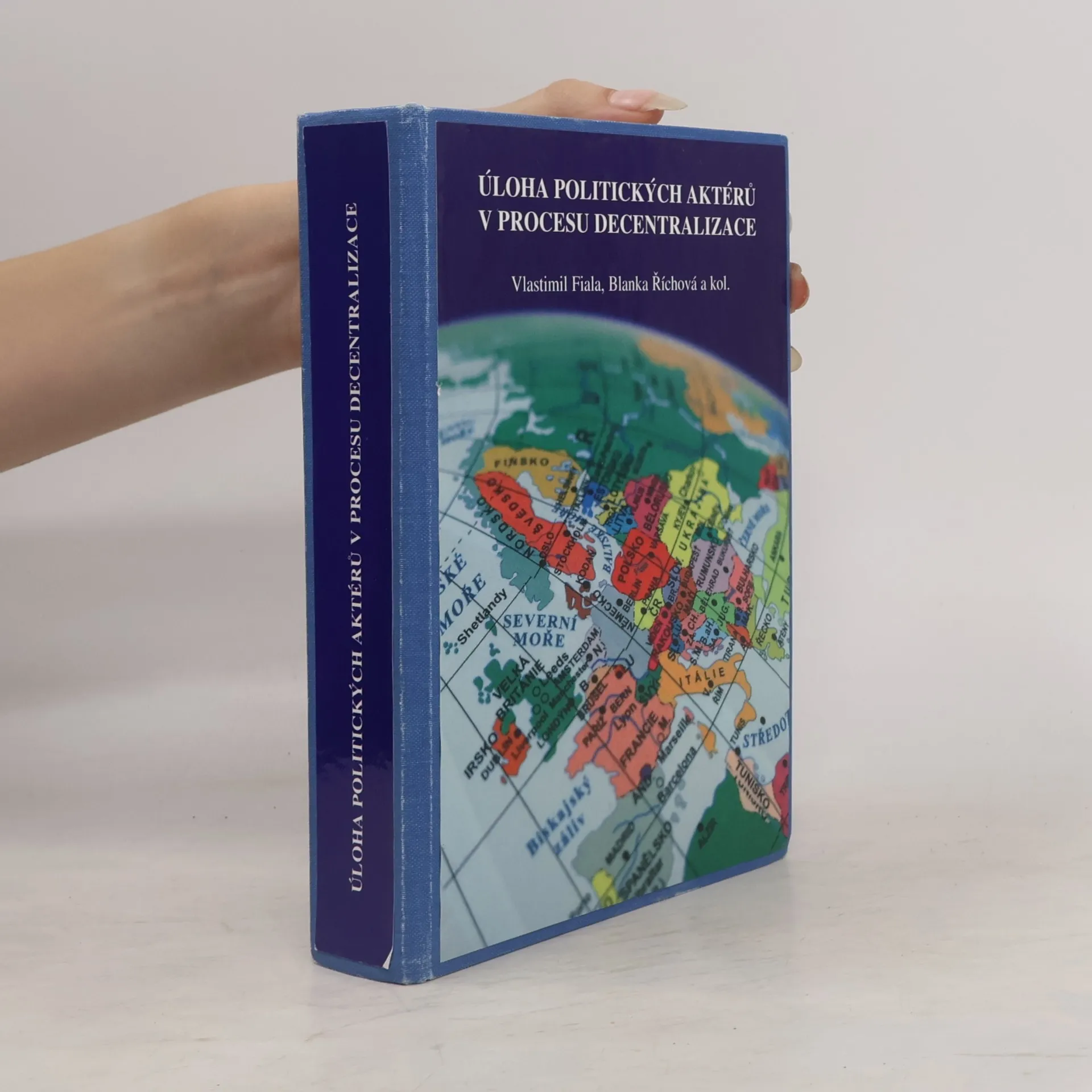
Sborník přibližuje vliv politických subjektů na současný decentralizační proces v několika evropských zemích. Vydalo nakl. Moneta - FM ve spolupráci s katedrou politologie a spol. věd Právnické fakulty Univerzity Palackého v Olomouci a katedrou politologie Institutu politologických studií Univerzity Karlovy v Praze.
Chicot the Jester
- 662 pages
- 24 hours of reading
Set in a vibrant historical context, the novel features a clever jester who dares to mock royalty and cleverly outmaneuvers a knight in battle. This character-driven tale showcases Dumas's talent for crafting memorable personalities and engaging plots. The book is a collaboration with Auguste Maquet and is celebrated among Dumas's works, appealing to both fans and collectors. Accompanying the text is a new biography of Dumas, enhancing the reader's understanding of the author behind the iconic stories.
Nové prameny
Svazek 40
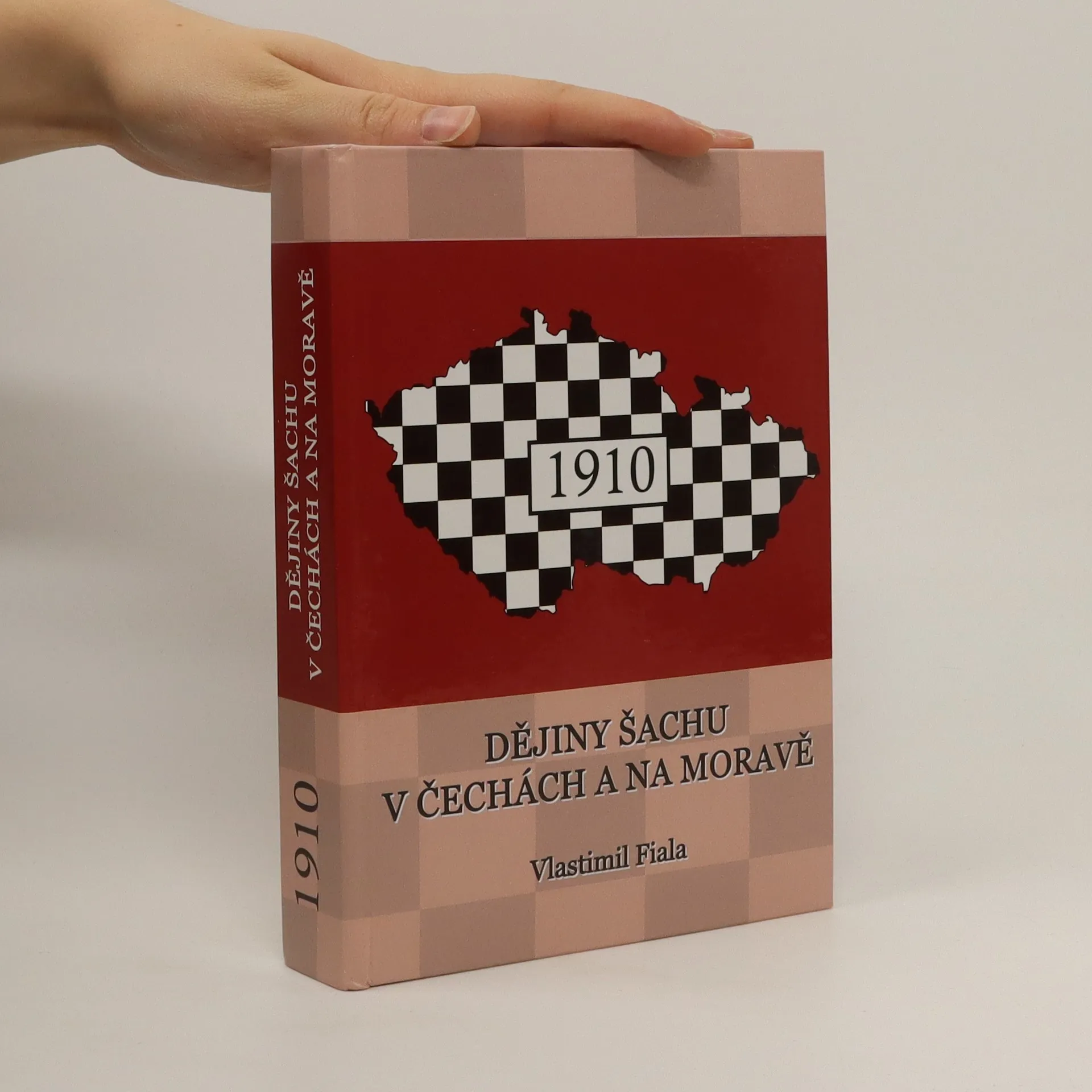
Dějiny šachu v Čechách a na Moravě
- 492 pages
- 18 hours of reading
Česká historická šachová ročenka : rok 1910 Kniha obsahuje vše, co se v roce 1910 událo v praktickém a korespondenčním šachu na území dnešní České republiky a také v cizině, pokud se soutěží zúčastnili čeští hráči. Najdete zde informace o událostech v roce 1910 a komentáře k nim; dále 286 partií, většina z nich je komentovaná, často z více zdrojů; výsledky turnajů a zápasů včetně 70 tabulek; na téměř 200 stranách informace o činnosti českých a moravských šachových klubů; 70 stran se věnuje korespondenčnímu šachu. Na konci několik indexů - bibliografie, index partií, index zahájení a všeobecný jmenný index (obr.7), který čítá více než 1000 jmen. Jedná se o první svazek série, další svazky se budou věnovat předcházejícím nebo následujícím rokům. Autor, známý šachový historik a vydavatel Vlastimil Fiala, čerpal informace kromě dostupných knih, časopisů a šachových rubrik také z archivů různých knihoven, jak veřejných, tak soukropmých. Mnoho těchto materiálů je jen obtížně dostupných, neboť nejsou uveřejněné online. 7 obrázků.
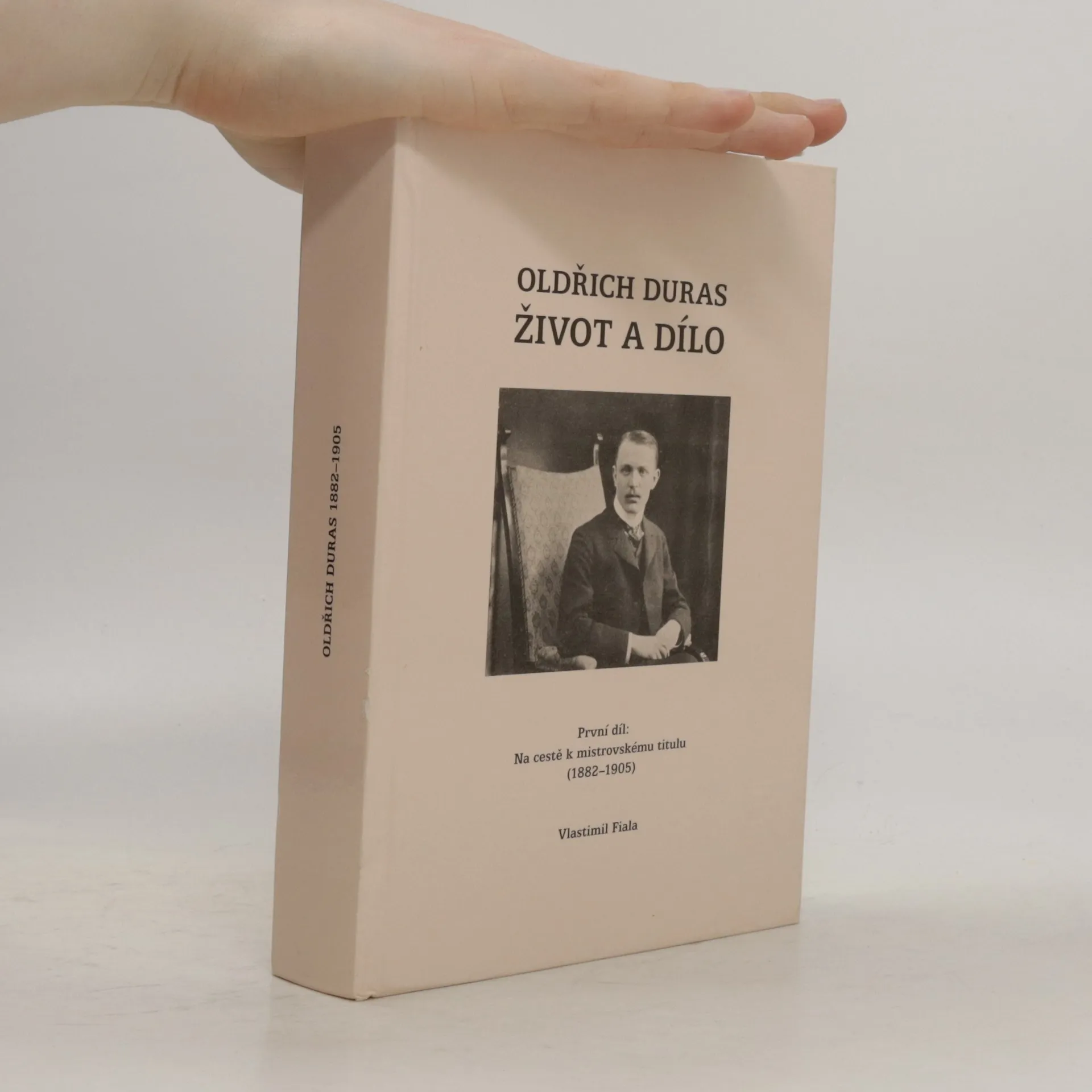
Oldřich Duras. Život a dílo. První díl: Na cestě k mistrovskému titulu (1882-1905)
- 496 pages
- 18 hours of reading
Teoretické a metodologické problémy evropské integrace
- 343 pages
- 13 hours of reading
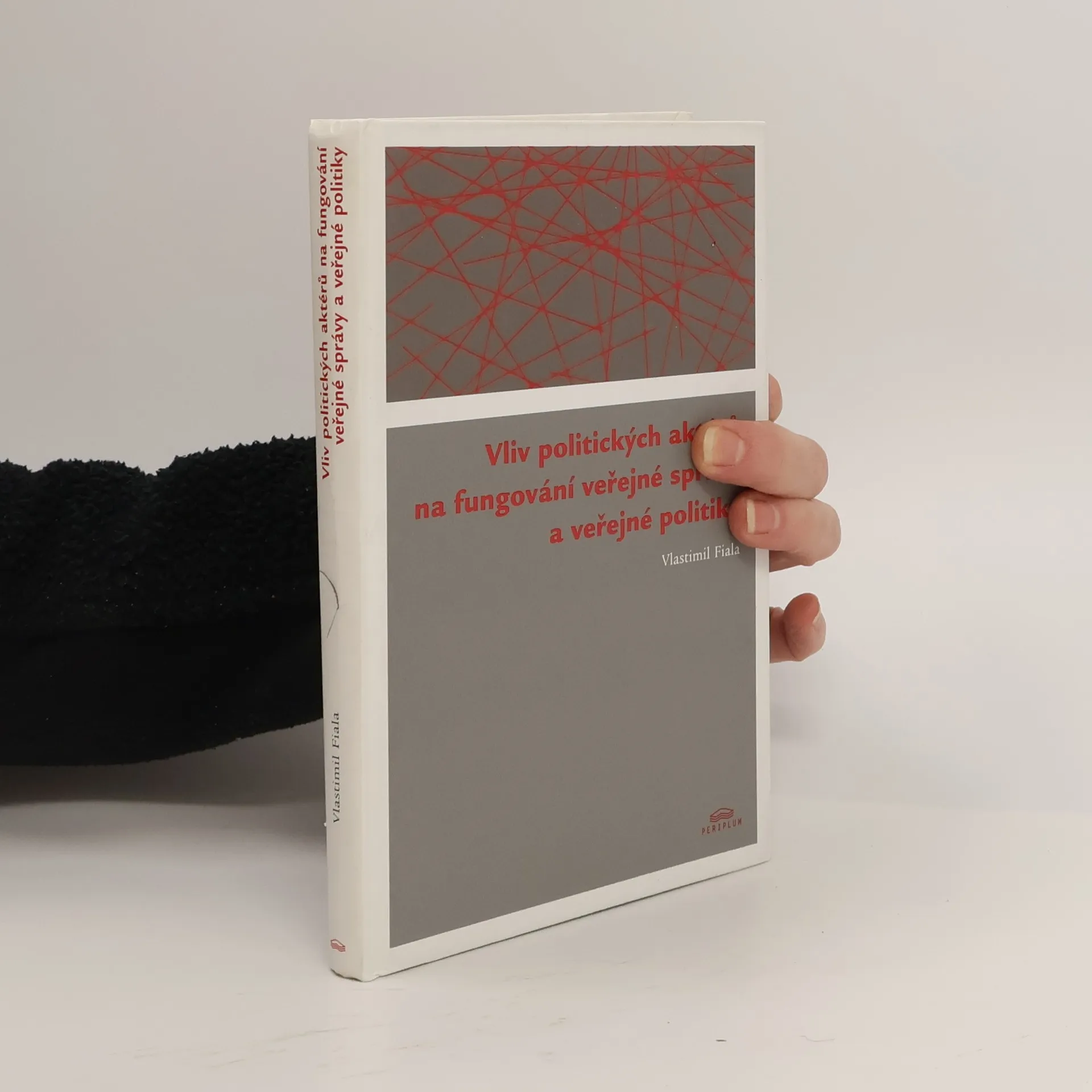
Vliv politických aktérů na fungování veřejné správy a veřejné politiky
- 189 pages
- 7 hours of reading
V posledních dvou desetiletích došlo k zásadní proměně českého politického systému. Komunistický režim nahradily demokraticky zvolené instituce. Součástí rozsáhlé transformace se stala i veřejná správa, která má klíčový význam pro správné fungování každého státu. Prostřednictvím veřejné správy se realizují programové cíle vlády a je to oblast, kde se každý občan dostává do přímého kontaktu se státem. Předkládaná monografie se zabývá především problematikou úlohy politických aktérů v procesu modernizace veřejné správy.
Kolibřík prodlouženém formátu!, černá, celokožená vazba, na ní stříbrným nápis velkými písmeny, na boku rovněž, typografie Milan Jaroš
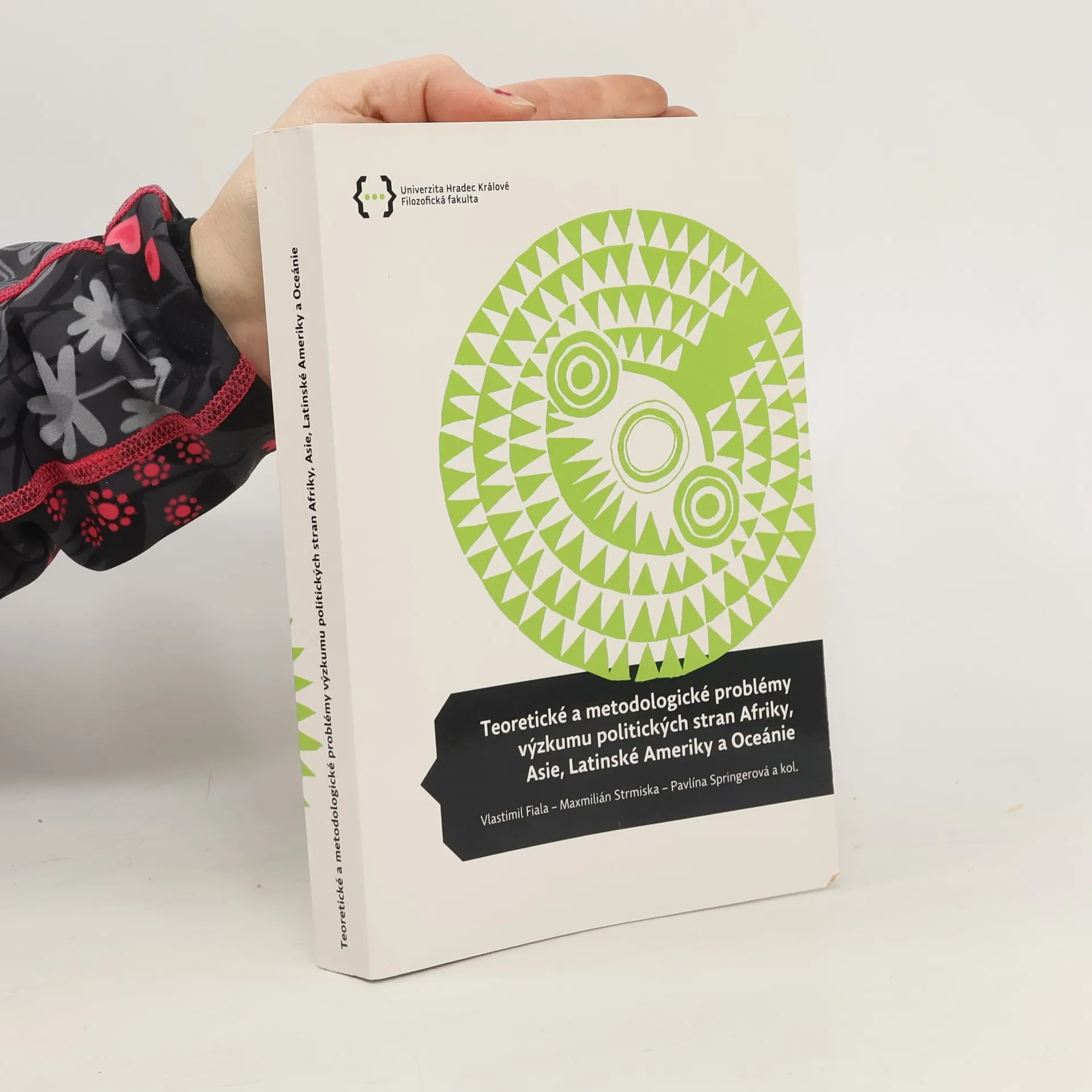
Teoretické a metodologické problémy výzkumu politických stran Afriky, Asie, Latinské Ameriky a Oceánie
- 350 pages
- 13 hours of reading
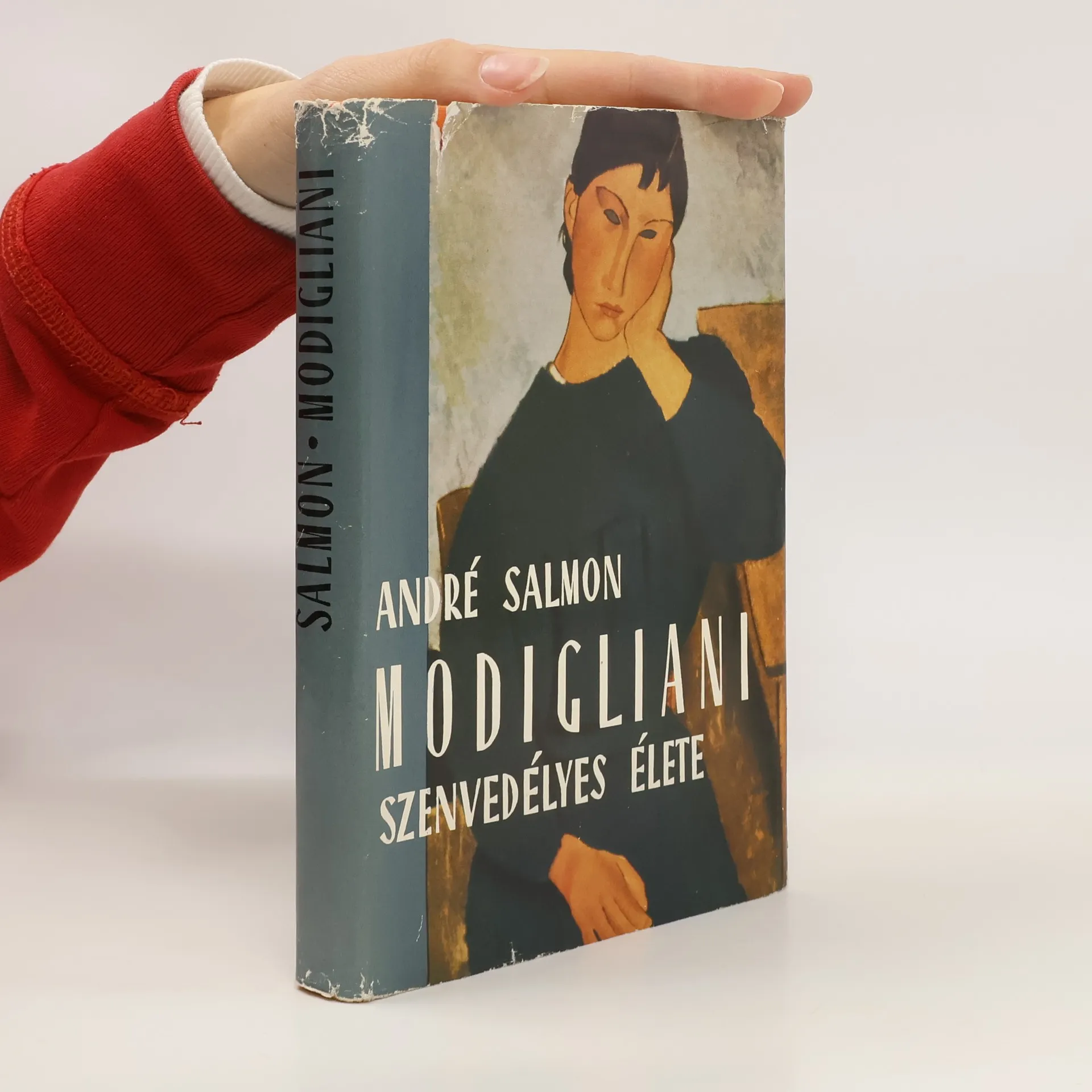
Amedeo Modigliani napjainkban a világ modern festészetének egyik legnagyobb alakja. Festményei a legismertebb művészeti galériák és magángyűjtemények büszkeségei. Modigliani, az olasz származású livornói művész, aki a 20. század eleji párizsi iskola egyik „proklet” festője volt, életében csupán szerény elismerésben részesült, fiatalon, szegénységben és tragikus körülmények között hunyt el. André Salmon, író, költő és művészeti kritikus, életrajzi regényében új és polemikus módon próbálja megörökíteni a nagy művész és ember sorsát, alapos kutatás és kortársak közvetlen tanúvallomásai alapján, akikkel személyesen is kapcsolatban állt. Életrajza különlegessége abban rejlik, hogy élénken és drámaian idézi fel Montmartre és Montparnasse világát, a modern művészet születő központjait, ahol olyan személyiségek bontogatták szárnyaikat, mint Picasso, Braque, Modigliani, Soutine, Apollinaire és Max Jacob.
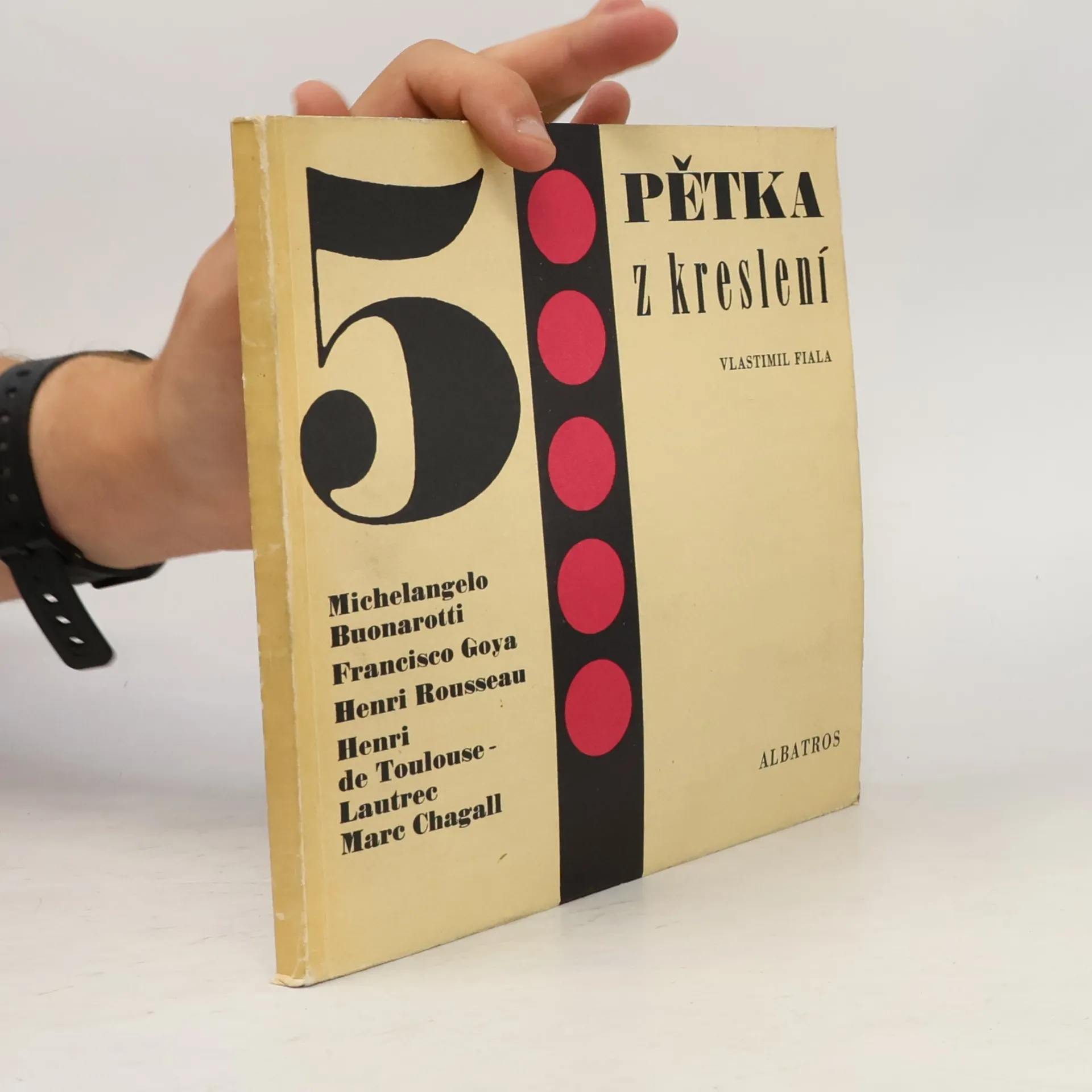
Poutavé vyprávění o životě a tvůrčím zápase pěti světových velikánů výtvarného umění se vyznačuje pestrostí dob a dramatičností lidských osudů. Michelangelo Buonarroti, Francisco Goya, Henri Rousseau, Henri de Toulouse-Lautrec a Marc Chagall udivují svou zanícenou vytrvalostí, s níž zdolávali životní obtíže a prosazovali svůj umělecký názor. Bohatá obrazová dokumentace knížky a časté úryvky z cizích vzpomínkových a životopisných prací, otištěné po straně vlastního autorova textu, ještě více přibližují líčené umělce.
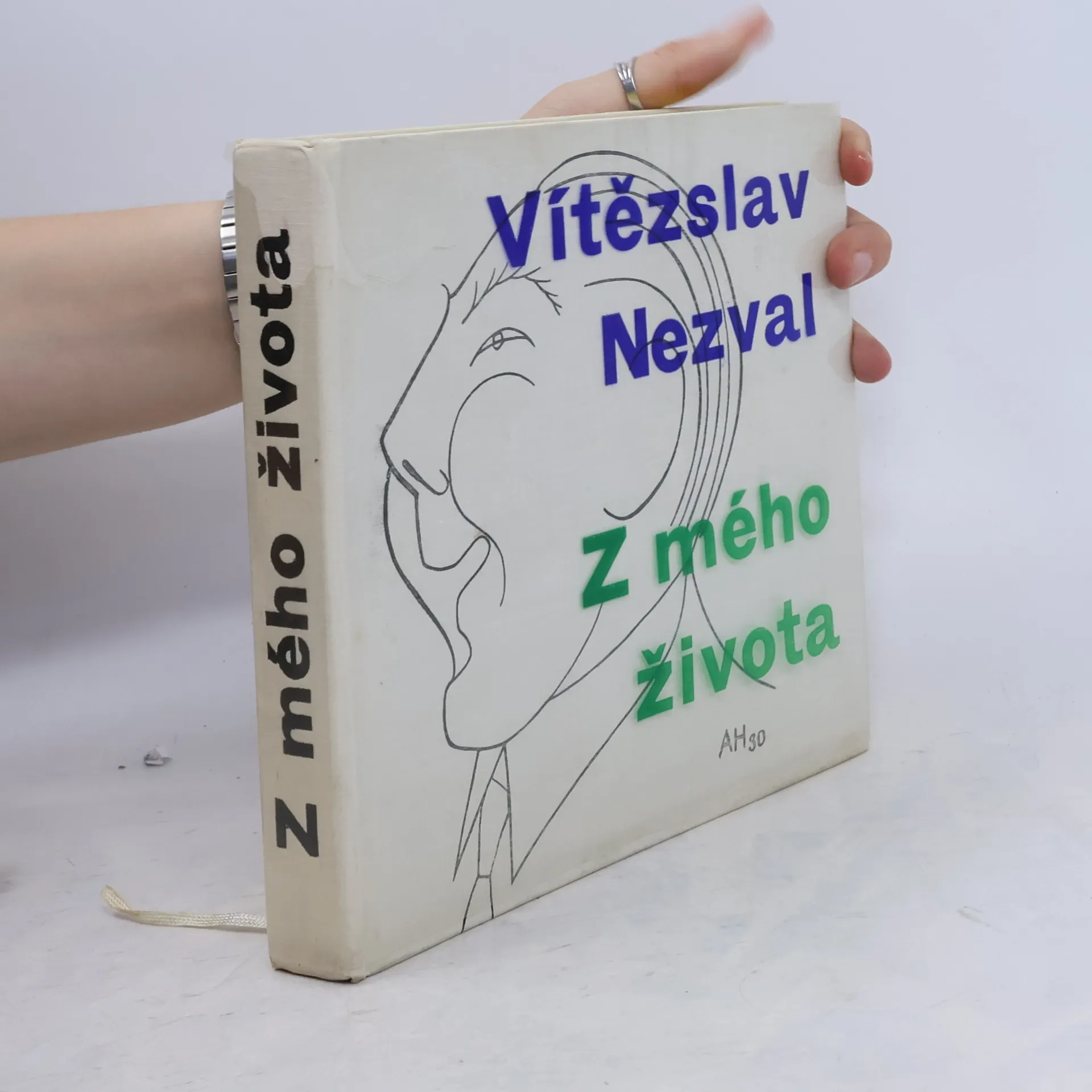
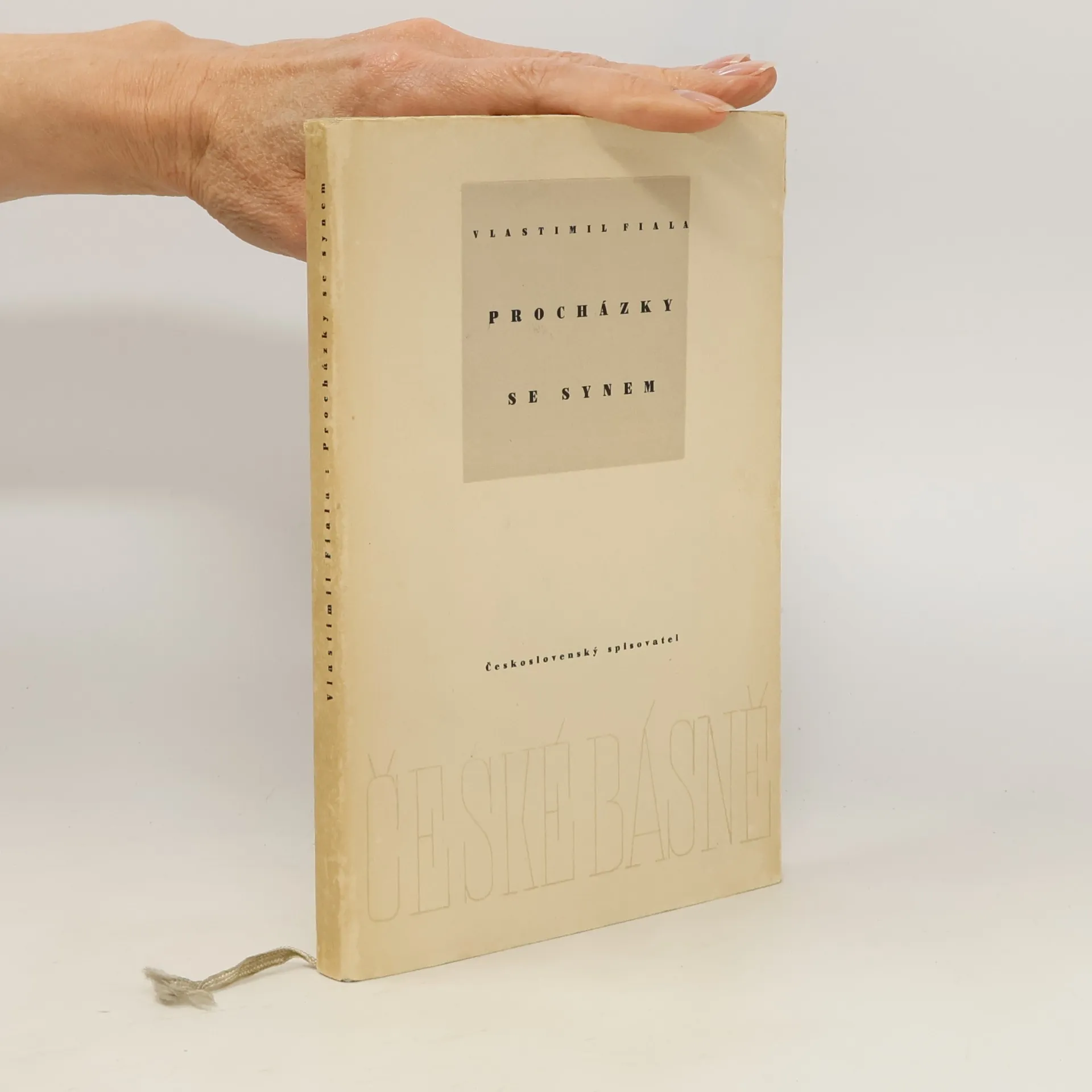
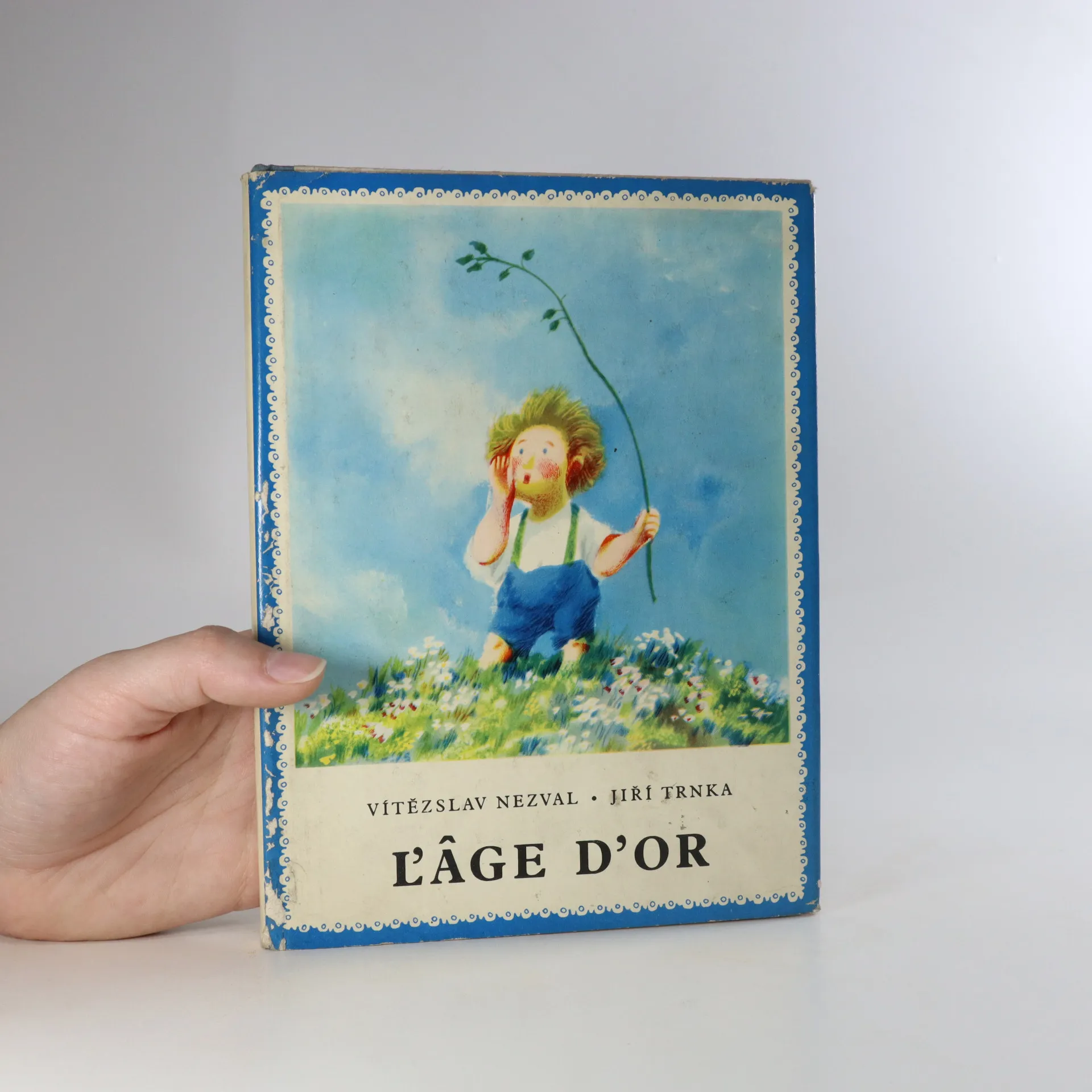
V nedokončených pamětech, které byly v roce 1957-1958 otiskovány v časopisu Kultura, vzpomíná Nezval na své mládí a začátky své literární dráhy až do let třicátých. Toto životopisné vyprávění je přerušováno četnými úvahami o problémech umění, jež svědčí o Nezvalově všestranném uměleckém nadání i širokém rozhledu. Citlivé portréty Nezvalových přátel a vpravdě básnicky zachycené dojmy z uměleckého kvasu 20. a 30. let.
Autor seznamuje s životními osudy i prostředím ve kterém tvořil slavný francouzský malíř a vysvětlujícími poznámkami k jednotlivým obrazům provází jeho dílo, jež se stalo výraznou součástí moderního umění.
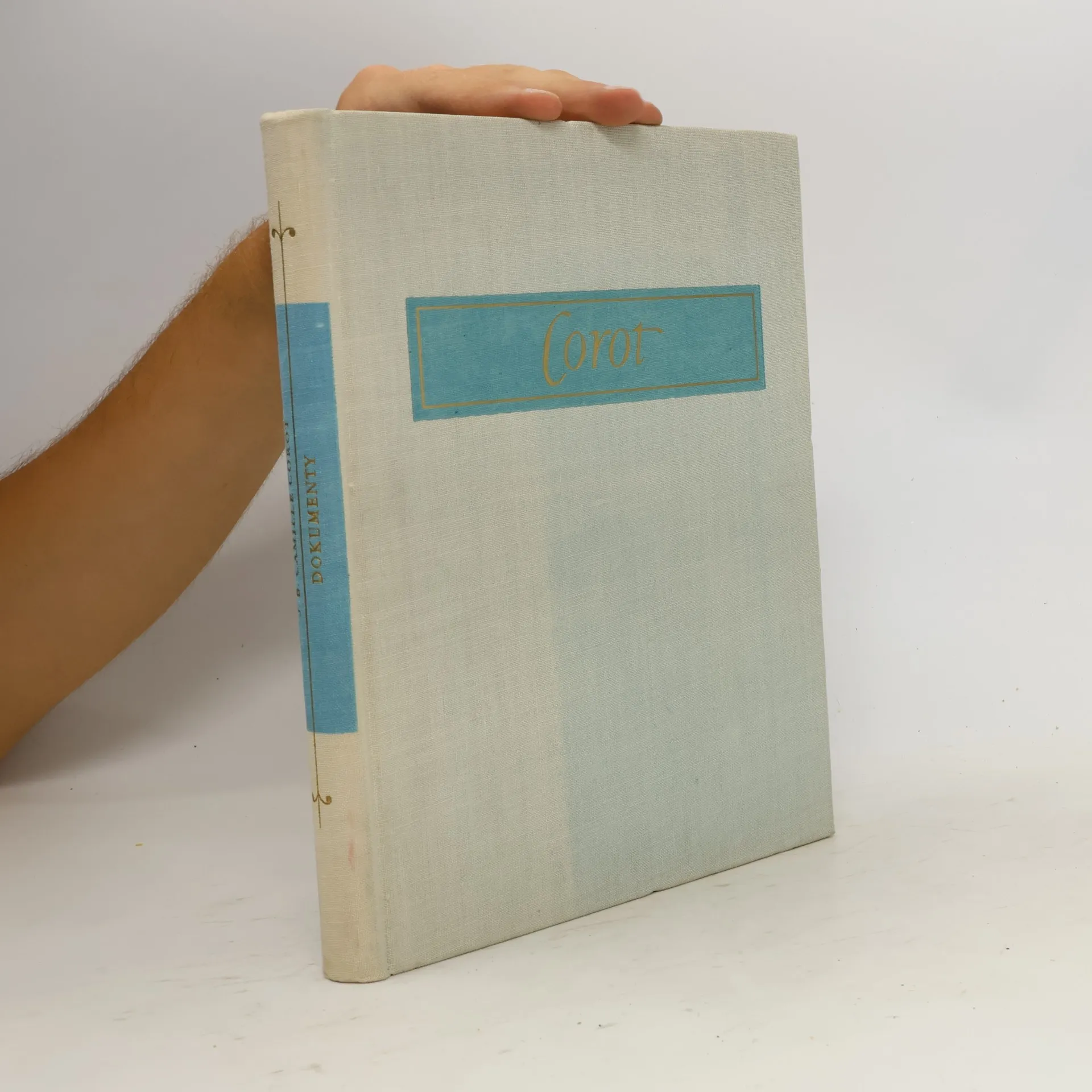
Výbor korespondence, úvah a vzpomínek francouzského malíře Jean-Baptiste Camille Corota sestavená Vlastimilem Fialou.
Druhé - přepracované vydání studie z roku 1964.
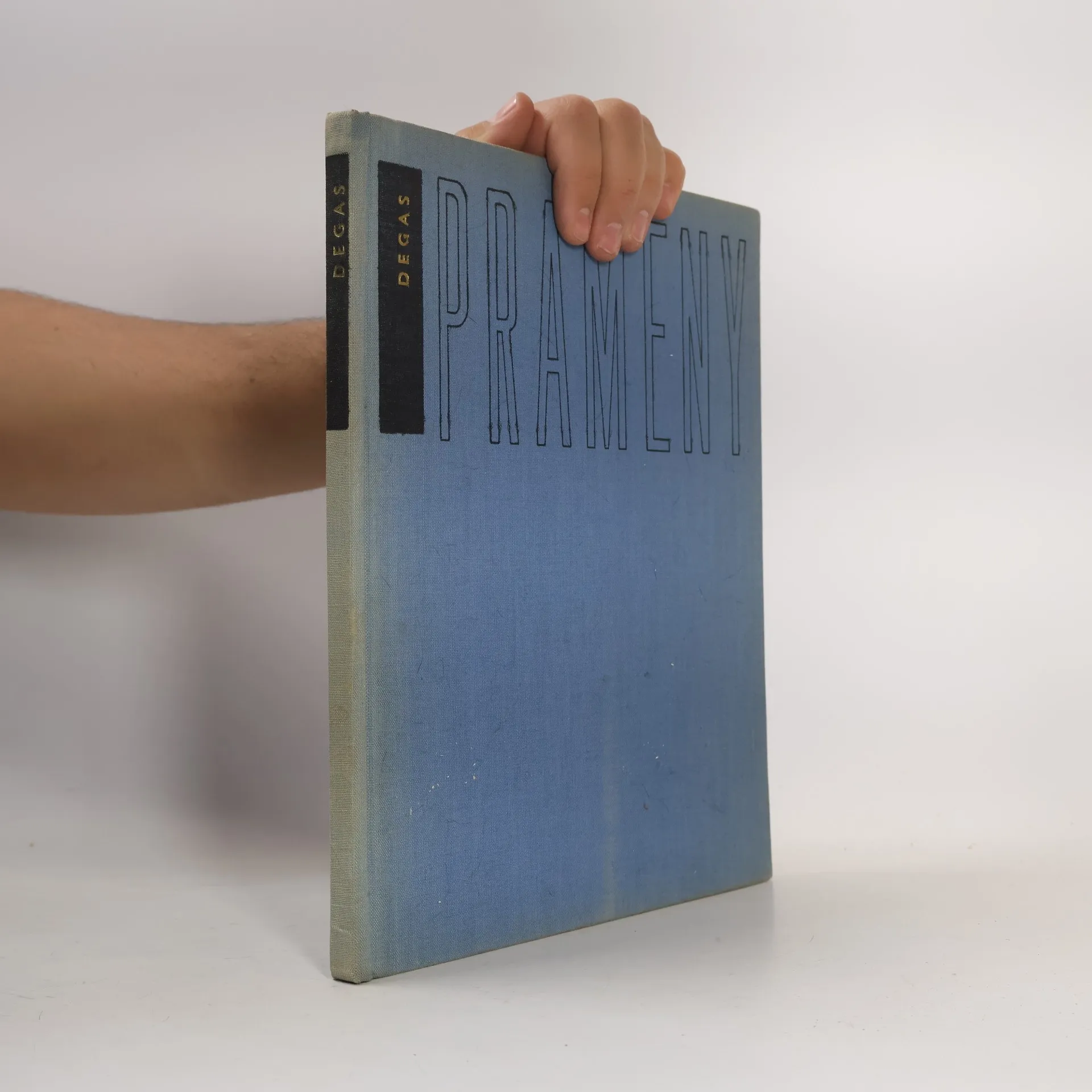
Obrazová publikace věnovaná francouzskému malíři, jenž byl jedním ze zakladatelů impresionismu a proslul zejména svými obrazy tanečnic a ženských aktů, ale - jak upozorňuje obsáhlá úvodní studie - malířství objevil i nový svět sociální tematiky ve svých obrazech pracujících žen.
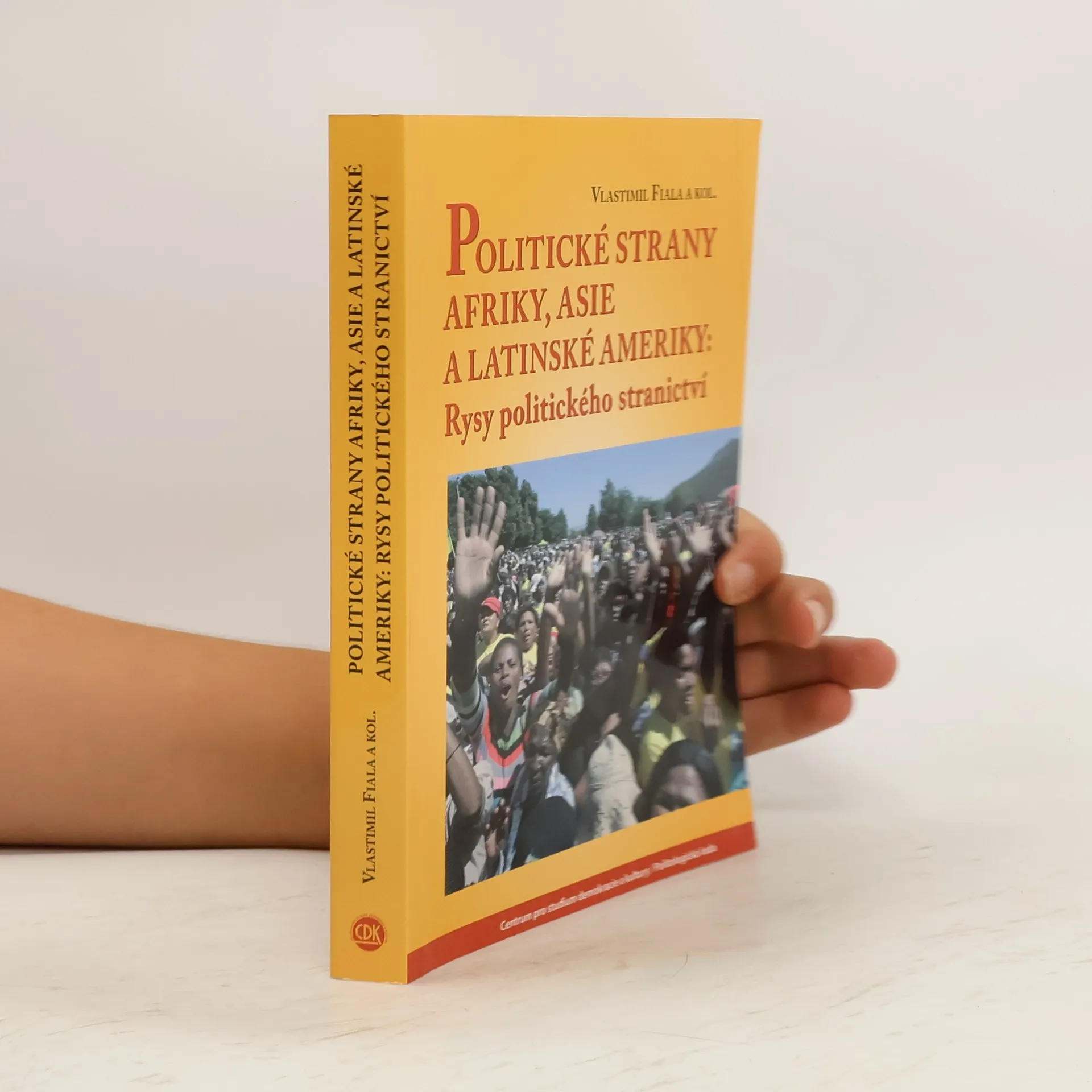
Předkládaná publikace analyzuje politické strany v mimoevropských zemích, čímž reaguje na nedostatek výzkumu v této oblasti, který se většinou soustředí na euro-americké společnosti. Hlavním cílem je ověřit platnost současných teorií politických stran v kontextu mimoevropského politického stranictví a zahájit debatu o vzniku, vývoji, zániku, institucionalizaci a typech těchto stran. Publikace je rozdělena do dvou sekcí. První část se zaměřuje na teoreticko-metodologické aspekty vzniku politických organizací v mimoevropských oblastech. Obsahuje studii o institucionalizaci politických stran a jejich typologii, která vyústí v zamyšlení nad různými přístupy k výzkumu politických stran v euro-americkém a mimoevropském kontextu. Druhá sekce přináší případové studie, které se věnují specifickým rysům politického stranictví v Africe, Asii a Latinské Americe, jako je afro-marxismus, transformace guerillových hnutí na politické strany, etnické politické strany, charakter kongresových systémů a postavení žen v latinskoamerické politice. Tato publikace tak rozšiřuje spektrum otázek a přispívá k hlubšímu porozumění politickému stranictví mimo Evropu.
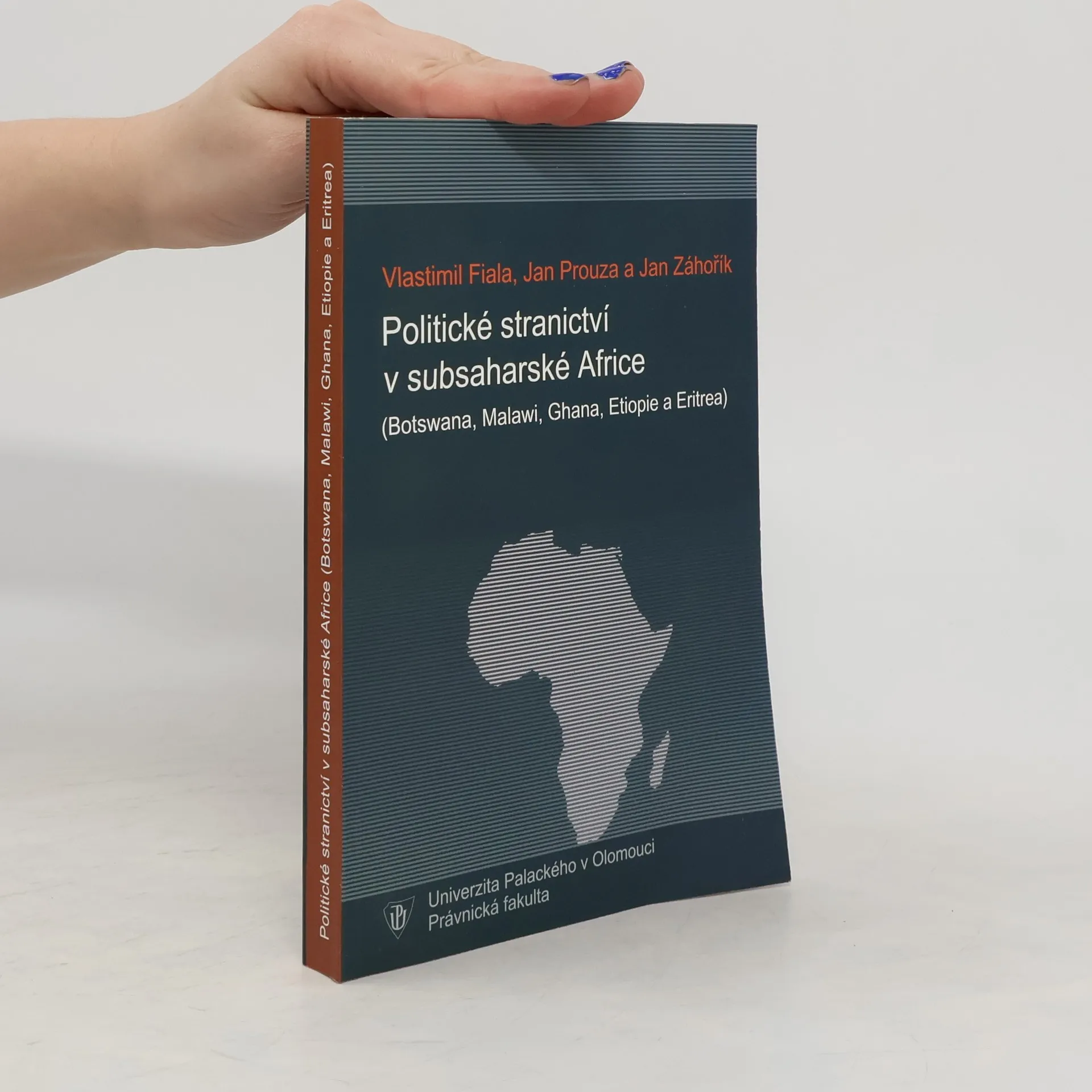
Politické stranictví v subsaharské Africe: Botswana, Malawi, Ghana, Etiopie a Eritrea
- 282 pages
- 10 hours of reading
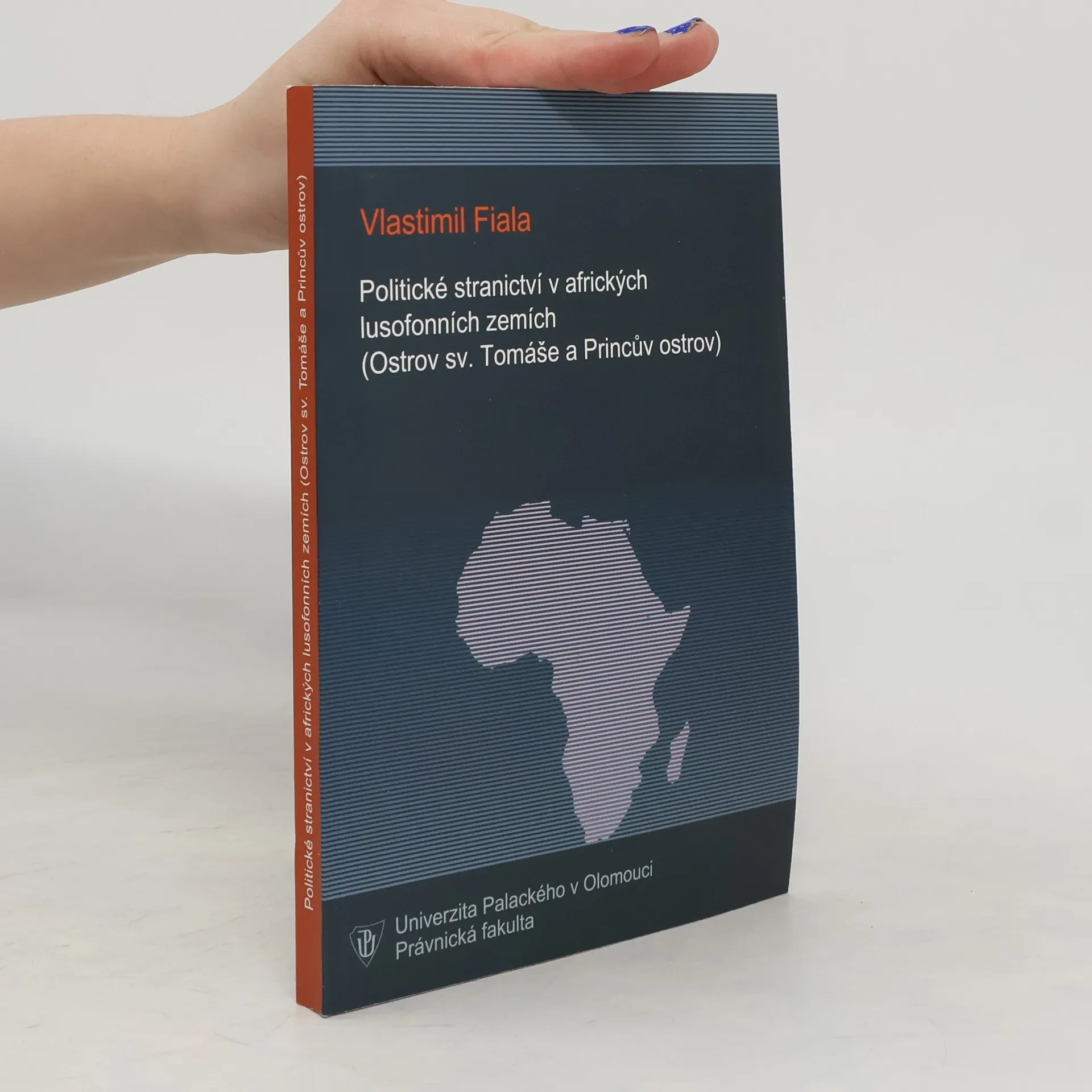
Politické stranictví v afrických lusofonních zemích. Ostrov sv. Tomáše a Princův ostrov
- 198 pages
- 7 hours of reading
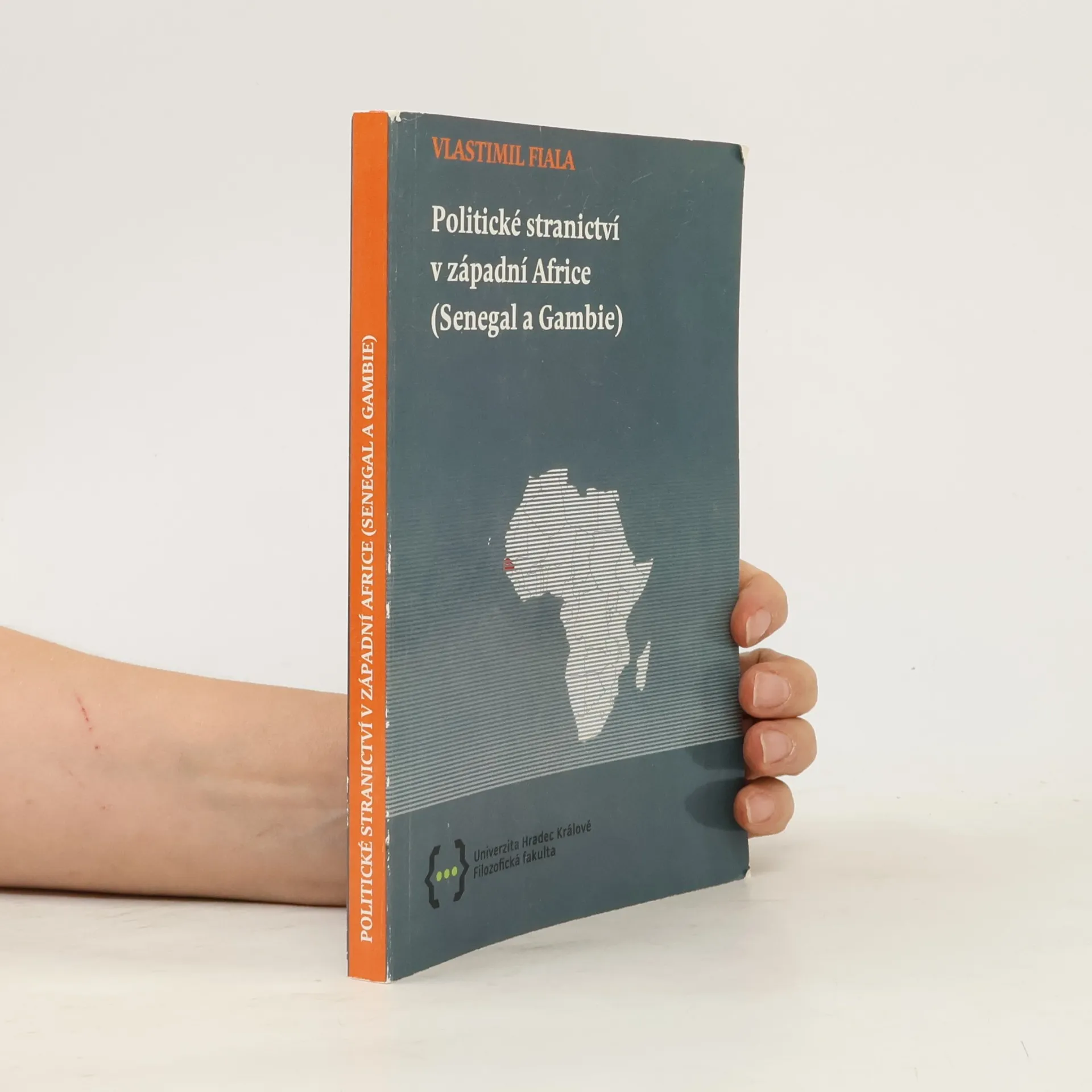
Politické stranictví v západní Africe (Senegal a Gambie)
- 200 pages
- 7 hours of reading
Tato monografie je rozdělena do dvou částí. Po úvodu následují dvě případové studie politického stranictví v Senegalu a Gambii. Obě tyto studie mají obdobnou vnitřní strukturu. Nejdříve je krátce přiblížen politický vývoj jednotlivých zemí od získání politické nezávislosti až do současnosti s cílem naznačit hlavní etapy vývoje jejich politického systému a charakterizovat politické prostředí, ve kterém jejich politické strany vyvíjely svou politickou činnost. Větší pozornost je pak samozřejmě zaměřena na období po roce 1990, které je charakteristické rozsáhlou demokratizační vlnou.
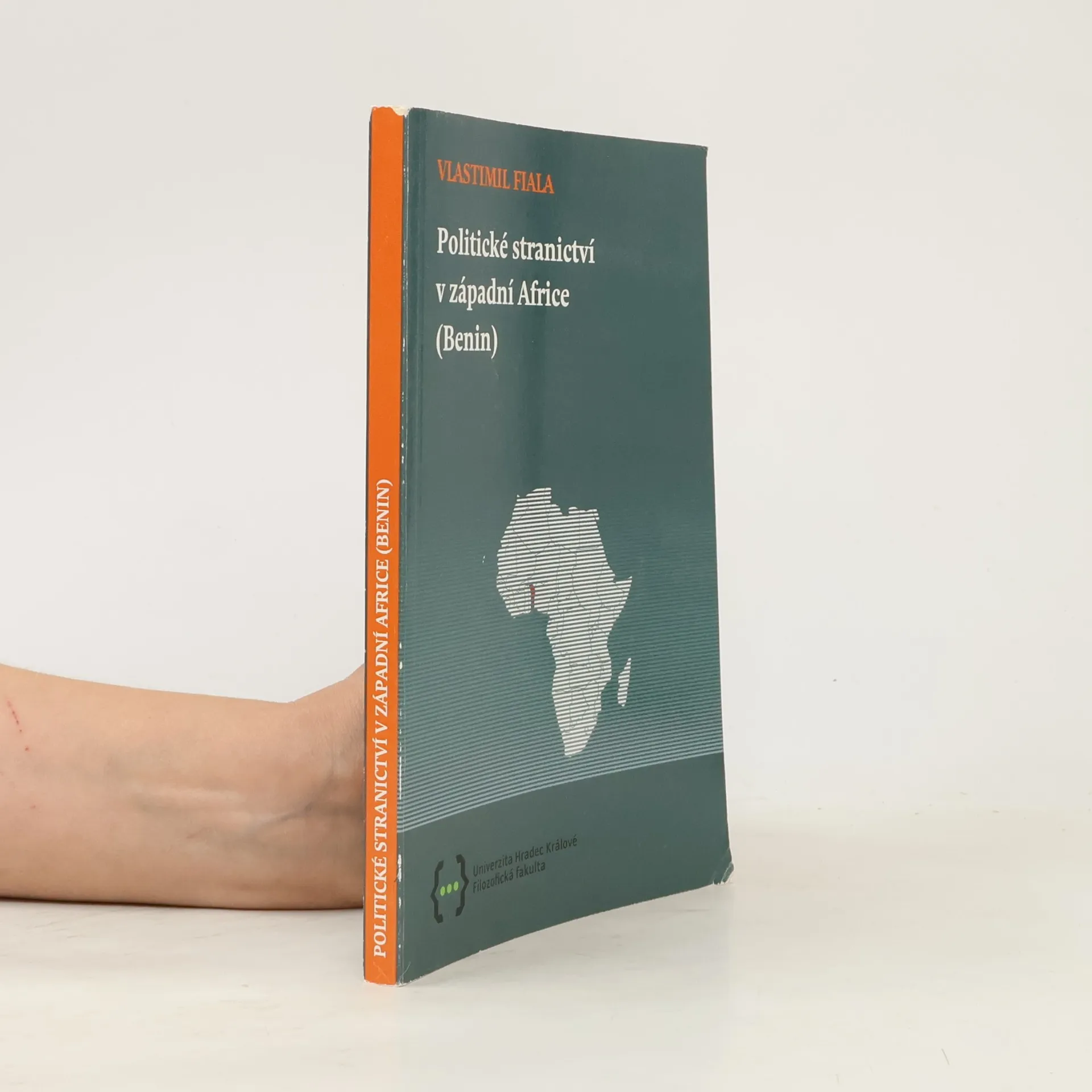
Politické stranictví v západní Africe (Benin)
- 160 pages
- 6 hours of reading
Publikace je rozdělena do tří hlavních částí. V první části, která je vnitřně rozdělena do několika subkapitol, se věnujeme politickému vývoji Dahome a posléze od roku 1975 Beninu. Druhá část se zevrubně věnuje vývoji dahomského a beninského politického stranictví a ve své vnitřní struktuře víceméně kopíruje dělení podle subkapitoly věnované politickému vývoji. Kapitola věnovaná politickému stranictví Beninu se opírá o řadu zásadních publikací, které byly věnovány různým etapám politického vývoje v této malé západoafrické zemi.