

Die Sammlung bietet erprobte Erschließungen, die dazu einladen, die Bibel neu zu entdecken und ihre zeitlose Aktualität zu erkennen. Sie zeigt auf, dass das Christentum nicht nur eine Lehre ist, sondern vielmehr als Anregung für einen Vertrauensakt zu einem göttlichen Geheimnis dient, das die Welt durchdringt. Der Fokus liegt auf der Erfahrung von Trost, Orientierung und der Einladung, sich mit der spirituellen Dimension des Lebens auseinanderzusetzen.
Klaus P. Fischer Book order (chronological)
Klaus Fischer was a German teacher and science fiction writer, best remembered for his contributions to the Perry Rhodan franchise. His writing focused on expansive space sagas and innovative concepts that enriched the genre. Fischer helped shape visions of the future and interstellar adventures that resonate with readers. His legacy lives on in stories that spark imagination and explore humanity's potential among the stars.


"Hörer des Wortes" - Abgrund und Geheimnis der Welt
- 244 pages
- 9 hours of reading
Wenn wir die Welt primär als Werkstatt oder als Labor behandeln, angezogen von der Aussicht "Wir werden Götter sein" (Y.N. Harari), verschwindet ihr Geheimnis und damit auch die Wahrnehmung von Resonanz aus der Tiefe. Wer als Mensch jedoch seine Nachdenklichkeit behält und seine Hörfähigkeit vertieft, empfängt Hinweise, Worte, Botschaften der heimlichsten Art, die ein Leben sinnstiftend verändern können. Nötig wäre aber ein geduldiges Umdenken (metánoia), das bis an die Wurzel der abendländischen Geistesgeschichte reicht. Dazu will vorliegende Schrift anregen.
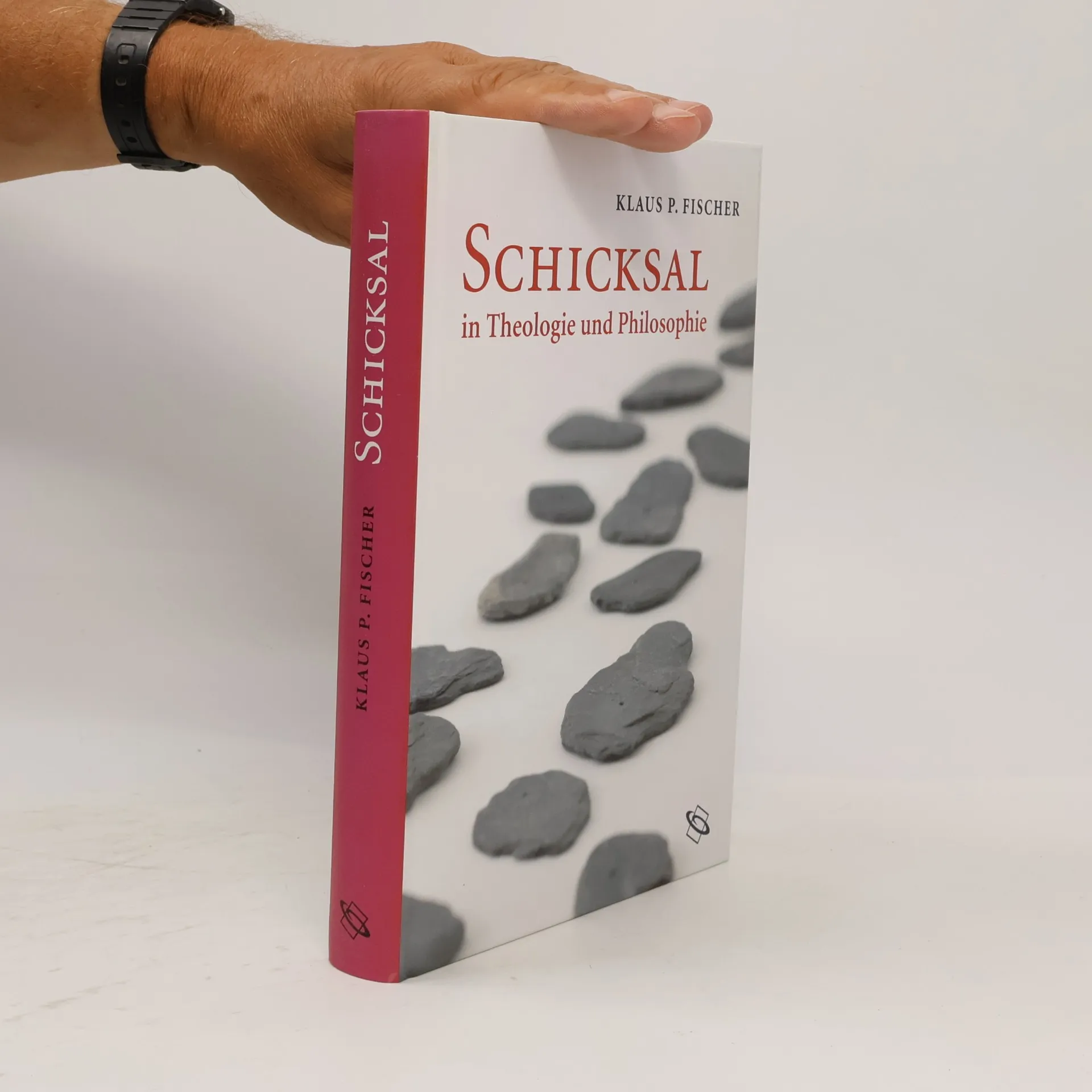
Schicksal in Theologie und Philosophie
- 360 pages
- 13 hours of reading
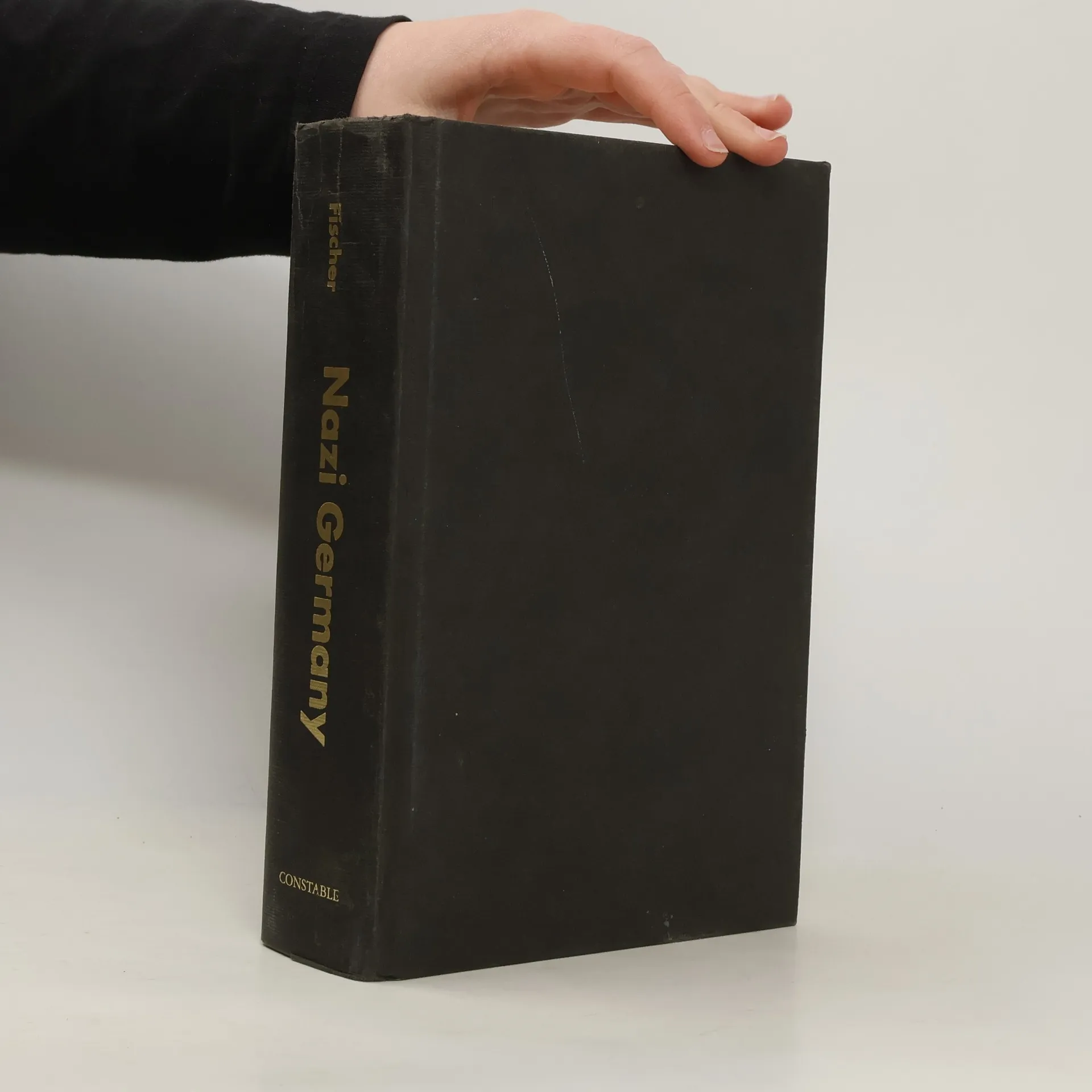
Nazi Germany
- 700 pages
- 25 hours of reading
The book explores the complex history of Germany from 1870 to 1945, focusing on significant events and figures that shaped the nation during this tumultuous period. It delves into the rise of Hitler and the Nazi regime, detailing the establishment of Nazism, the SS, and the NSDAP, alongside the socio-political context of the Weimar Republic and the impact of the Versailles Treaty. Key events such as the Hitler Putsch, the Gleichschaltung, and the Röhm Purge are examined, along with the propaganda techniques and mass mobilization strategies employed by the Nazis. The narrative addresses the role of women, religion, and the pervasive themes of racial purity and antisemitism, culminating in the Holocaust and genocide. It also covers Germany's foreign policy, military campaigns, and the consequences of World War II, including the battles of Stalingrad and Normandy, and the eventual unconditional surrender. The book further investigates the psychological aftermath of the war, including feelings of guilt and shame among the German population, and the legacy of Nazi ideology. It touches on war crimes, medical experiments, and the experiences of the civilian population during the Nazi occupation of various countries. Throughout, it reflects on the broader implications of nationalism and trauma in shaping modern Germany.
Die Sache mit dem Teufel
- 254 pages
- 9 hours of reading