
Explore the latest books of this year!
Bookbot

Jewgeni Iwanowitsch Samjatin

    January 20, 1884 – March 10, 1937
    Jewgeni Iwanowitsch Samjatin
    Серебряный век. Поэзия
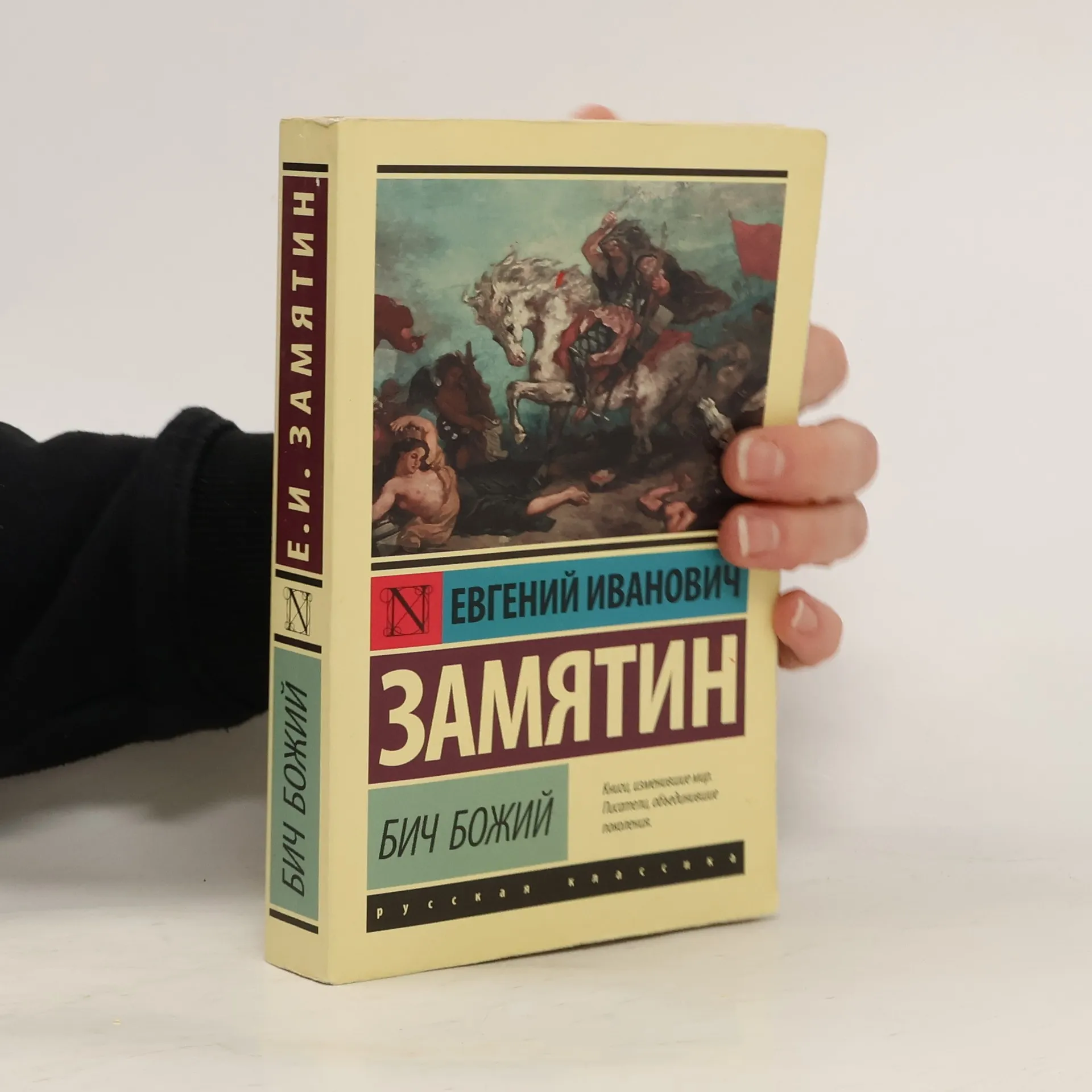
    Бич Божий
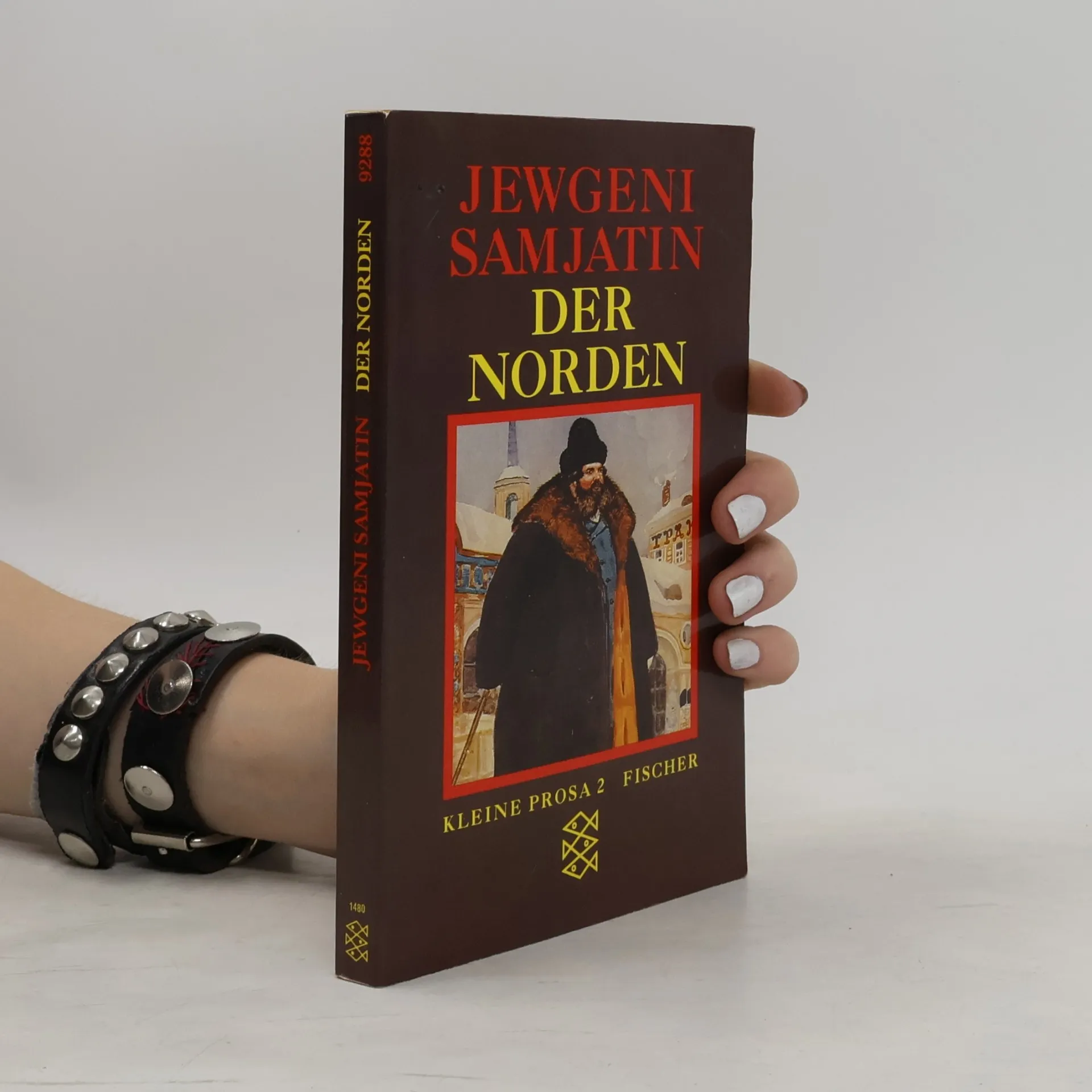
    Der Norden
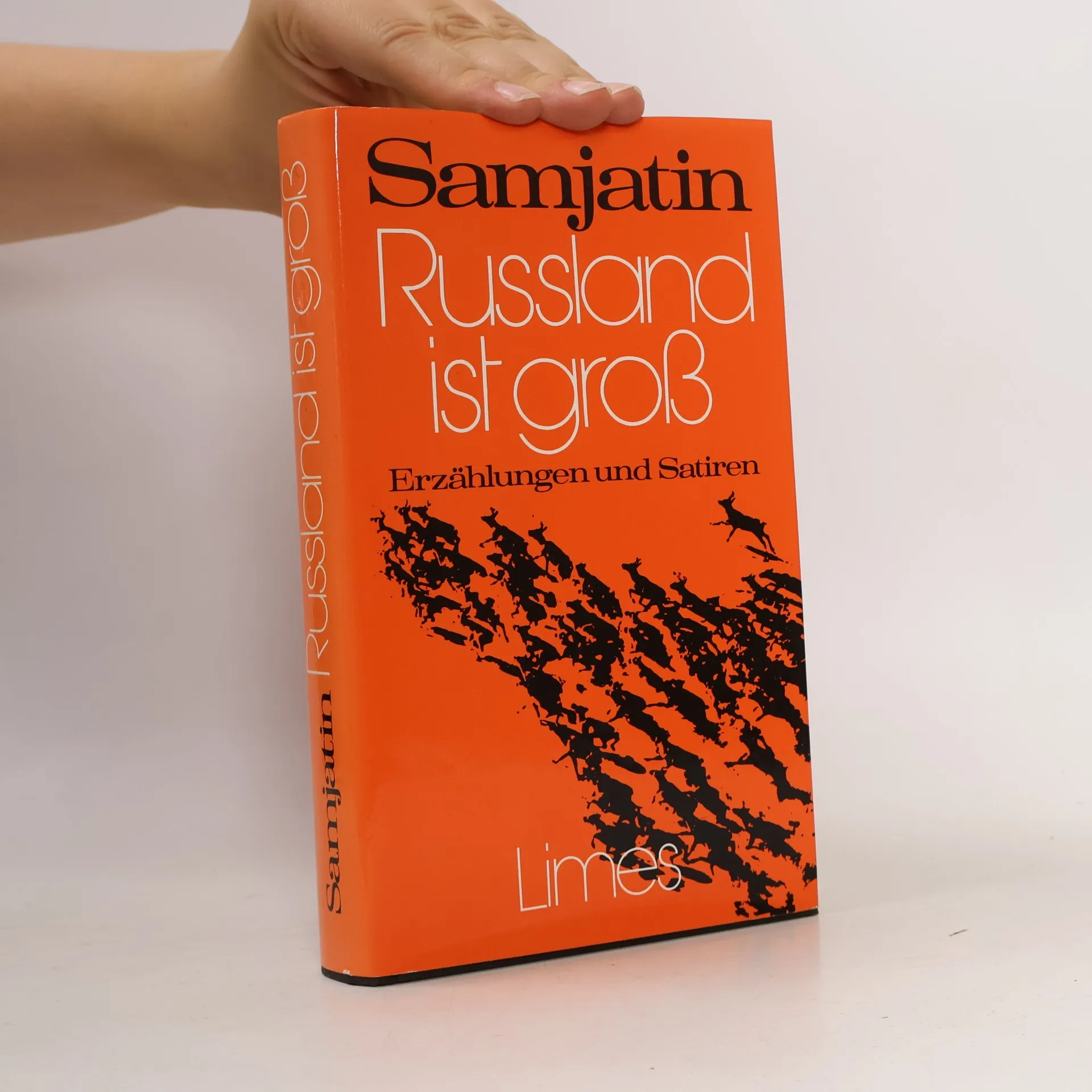
    Rußland ist groß. Erzählungen und Satiren
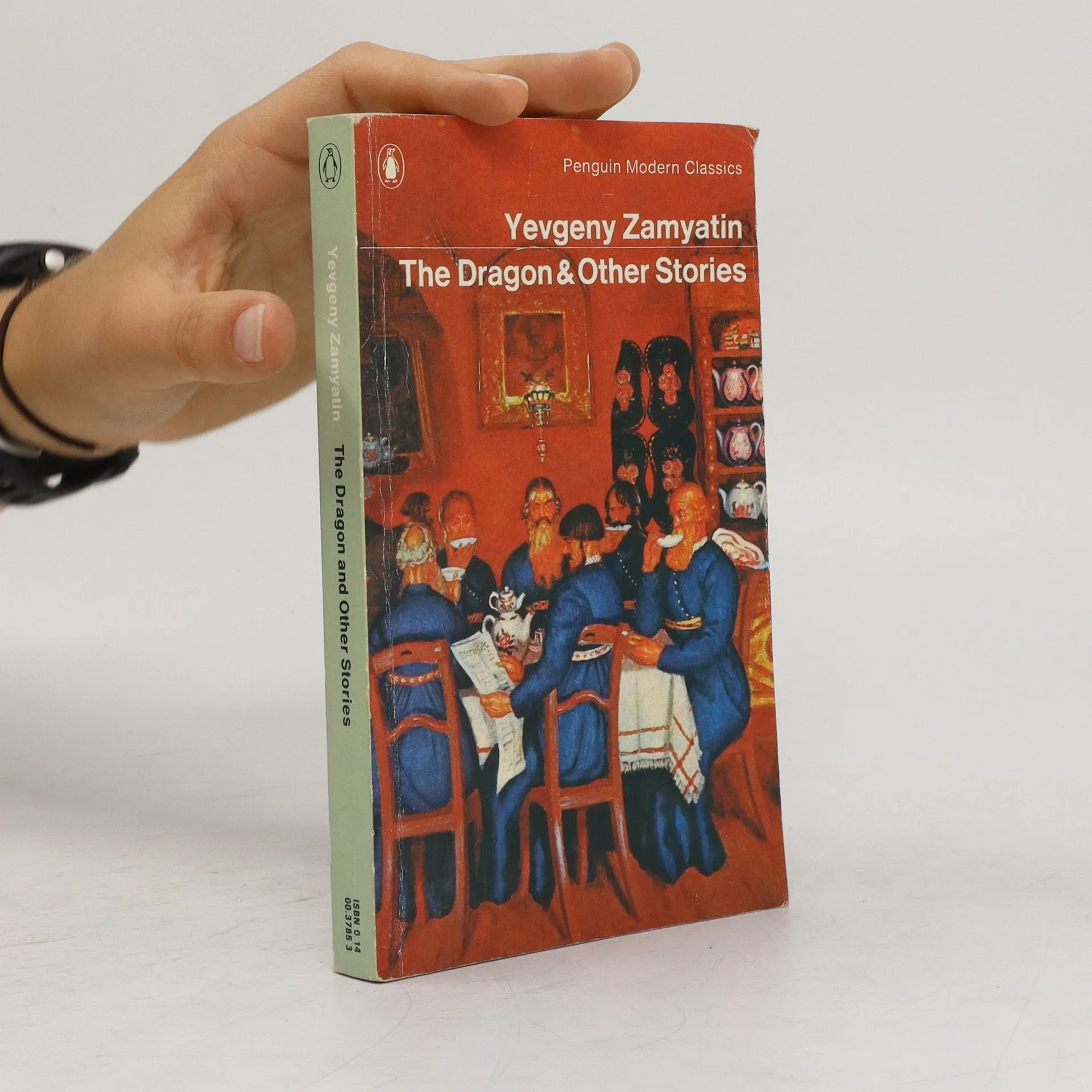
    The Dragon & Other Stories
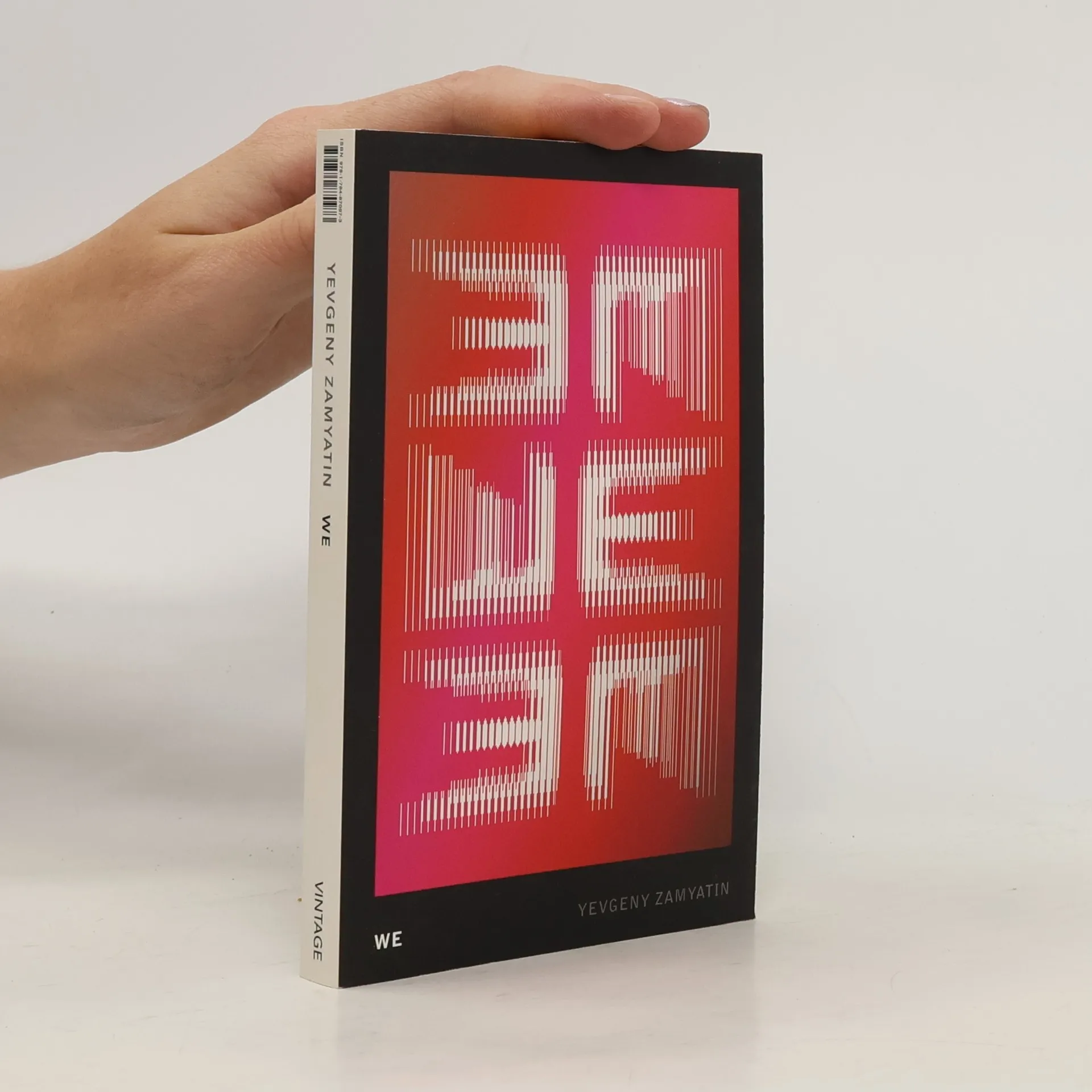
    We
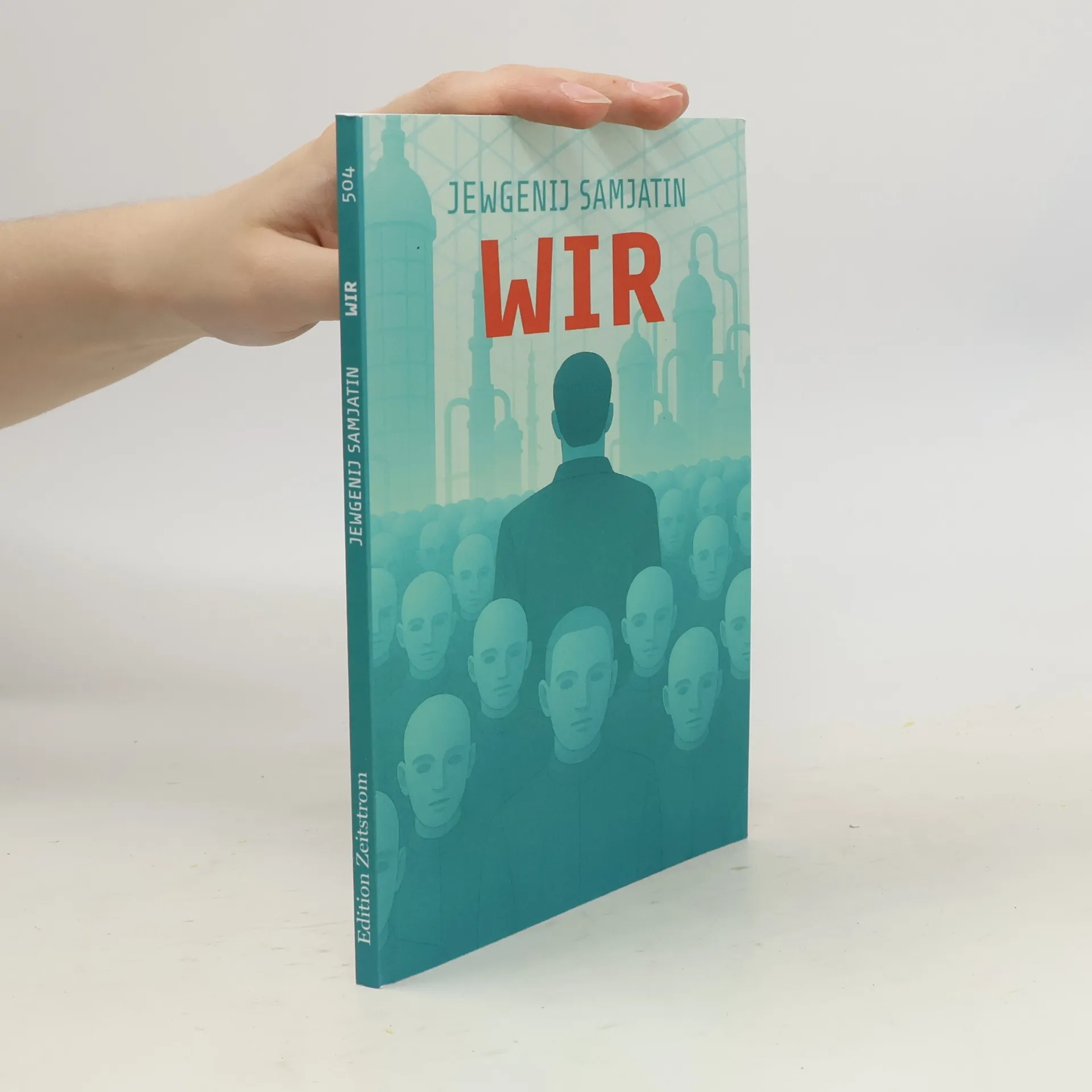
    • Wir

      Moderne Neuübersetzung des dystopischen Klassikers – Die Ur-Dystopie, die Orwell und Huxley prägte

      • 225 pages
      • 8 hours of reading

      Die Vernunft muss siegen. Das Ich muss sterben. Tausend Jahre nach der Errichtung des Einen Staates ist das Glück keine Frage des Gefühls mehr, sondern eine mathematische Gewissheit. Hinter Mauern aus Glas leben die Nummern in perfekter, quadratischer Harmonie. Jeder Schritt ist Teil einer gigantischen Gleichung, jeder Atemzug folgt dem Takt des Wohltäters. D-503, Konstrukteur des Raumschiffs INTEGRAL, ist ein gläubiger Diener dieser Logik. Er versteht die Welt als Funktion, das Individuum als vernachlässigbares Infinitesimal. Doch dann begegnet er I-330. Sie ist das unlösbare X, die radikale Störung im System. Plötzlich brennt eine Sonne, die nicht mehr nur hell, sondern lärmend hell ist, und D-503 entdeckt das gefährlichste aller Übel: eine Seele. Jewgenij Samjatins Meisterwerk aus dem Jahr 1920 ist die Ur-Dystopie der Moderne – die fundamentale Inspiration für George Orwells 1984 und Aldous Huxleys Schöne neue Welt.
      Wir2026
    • Бич Божий

      Книги, изменившие мир. Писатели, объединившие поколения.

      • 320 pages
      • 12 hours of reading

      Бич Божий посвящён детству и юности великого завоевателя — царя гуннов Аттилы, который швырнул Европу под копыта своих бесчисленных степных орд. Повесть написана колоритно, увлекательно, ярко и образно. В сборник также входят рассказы, написанные Замятиным в мрачную эпоху революции и первых постреволюционных лет, демонстрирующие различные грани его выдающегося таланта прозаика — от дикой сатиры до поэтического лиризма, от жёсткого реализма до философской притчи.

      Бич Божий1999
      3.9
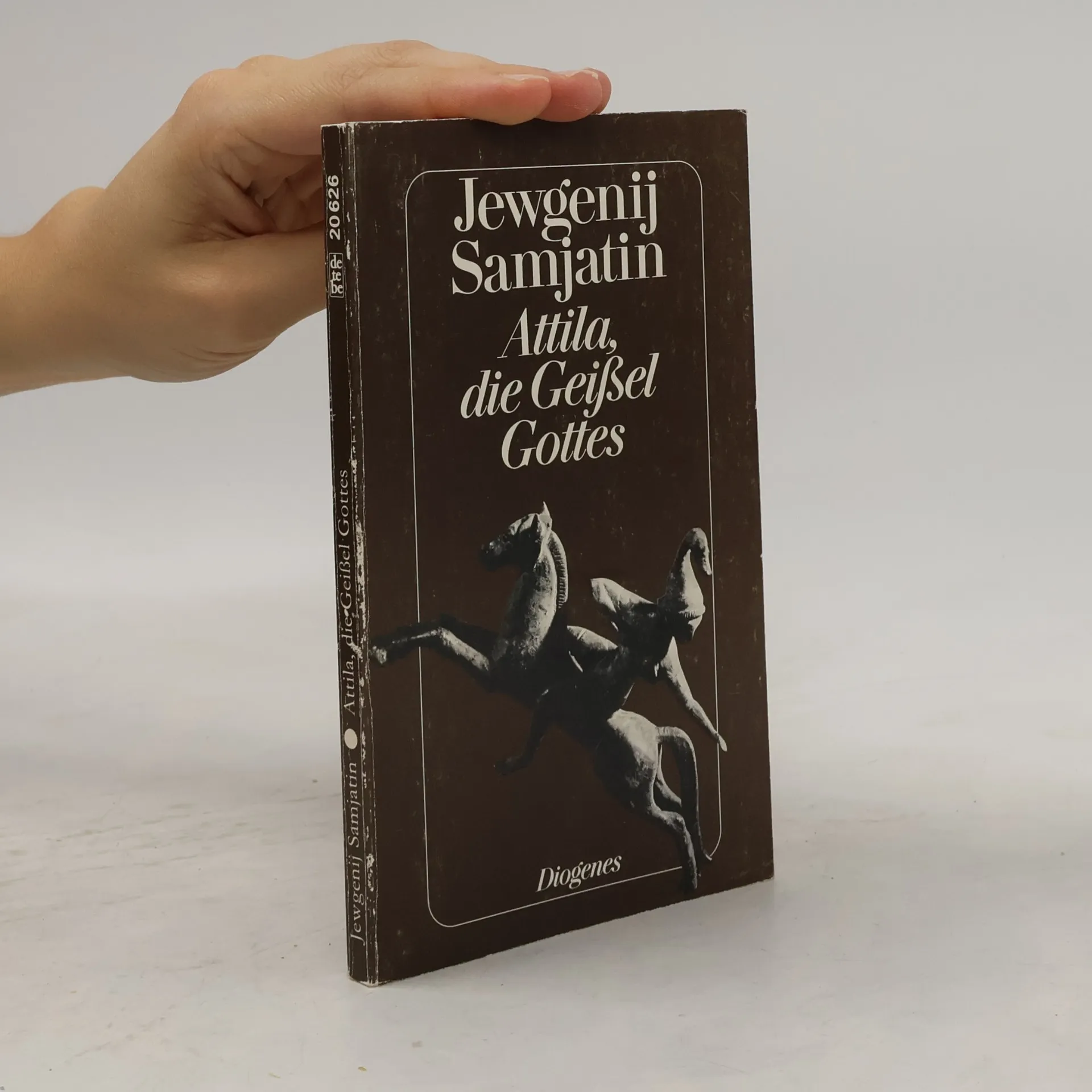
    • Attila, die Geißel Gottes

      • 118 pages
      • 5 hours of reading

      Der Roman schildert die Erlebnisse des jungen Attila, der als Geisel nach Rom geschickt wird und dort den Verfall des römischen Imperiums mit Verachtung beobachtet. Im Kontrast dazu steht der Historiker Priscus, der die Ereignisse bewusst analysiert. Durch dichte Bilder und fragmentarische Szenen entfaltet Samjatin die innere Entwicklung Attilas und reflektiert die prekäre Lage Roms, während sich der Konflikt zwischen einer aufstrebenden und einer zerfallenden Welt anbahnt.

      Attila, die Geißel Gottes1991
    • Im Norden spielt ein blaues Licht, und die Stille wird noch tiefer, noch grausamer. Es ist, als wäre man auf dem Grund der Welt, als türmte sich darüber undurchdringliches, blaues Eis, als schiene durch die tausend Werst starke Eisschicht eine gefrorene Sonne auf den Grund.

      Der Norden1990
      4.0
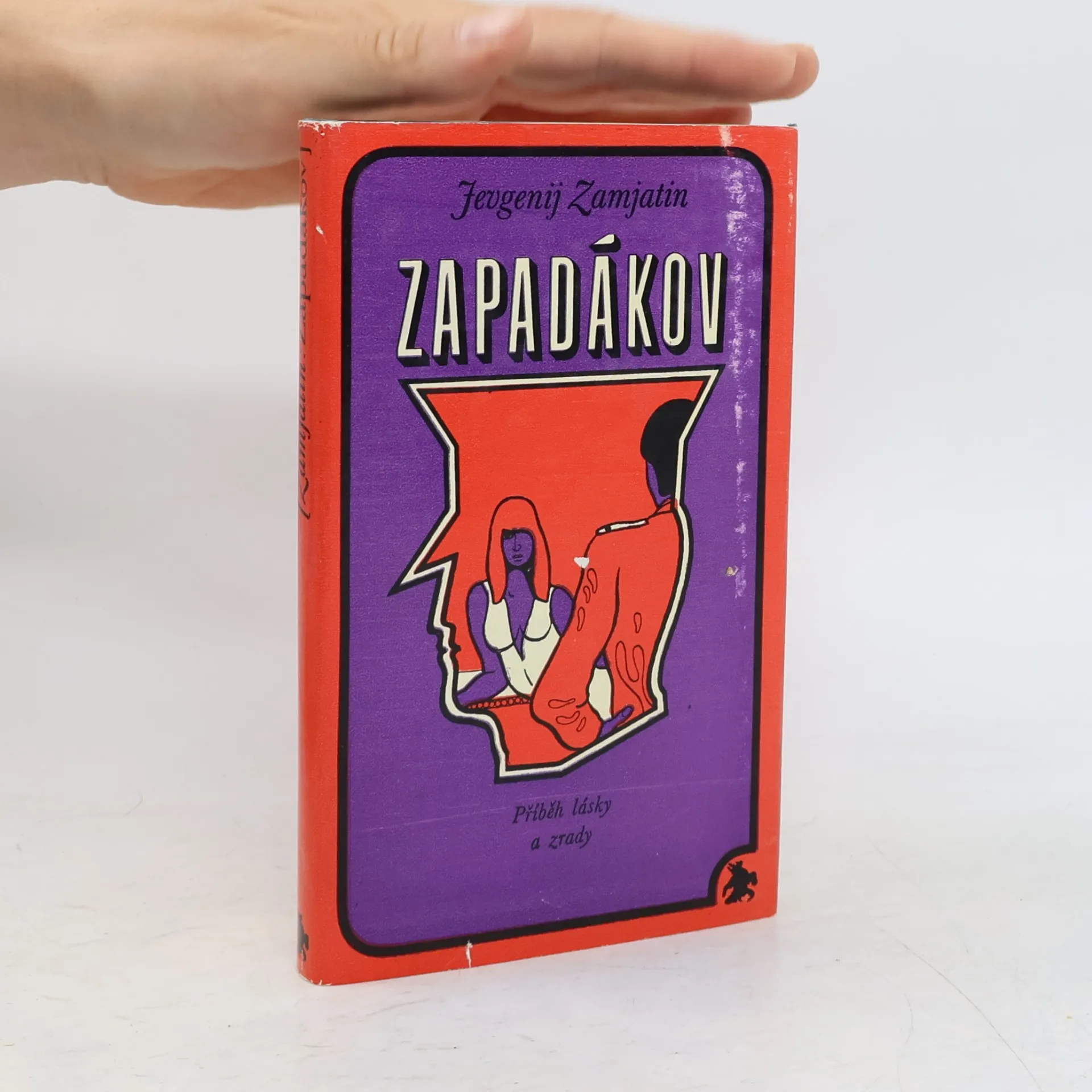
    • Soubor tří próz z různých období tvorby jednoho z nejvýznamnějších ruských prozaiků dvacátého století. Kritická novela Zapadákov (1914), odhalující poměry v carské armádě, líčí tragickou lásku mladého důstojníka na zapadlé vojenské posádce. Novela Psí život (1912) vypráví o venkovském zlodějíčkovi a chudákovi, který se po svízelném životě stává policejním strážmistrem. Poslední z nich, ponurá novela Vysoká voda (1929), je mistrným vyprávěním o ženě, jež si při porodu vzpomíná na zločin, který spáchala na životě své schovanky.

      Zapadákov1970
    • We

      • 320 pages
      • 12 hours of reading

      We takes place in a distant future, where humans are forced to submit their wills to the requirements of the state, under the rule of the all-powerful Benefactor, and dreams are regarded as a sign of mental illness. In a city of straight lines, protected by green walls and a glass dome, a spaceship is being built in order to spearhead the conquest of new planets. Its chief engineer, a man called D-503, keeps a journal of his life and activities: to his mathematical mind everything seems to make sense and proceed as it should, until a chance encounter with a woman threatens to shatter the very foundations of the world he lives in. Written in a highly charged, direct and concise style, Zamyatin's 1921 seminal novel – here presented in Hugh Aplin's crisp translation – is not only an indictment of the Soviet Russia of his time and a precursor of the works of Orwell and the dystopian genre, but also a prefiguration of much of twentieth-century history and a harbinger of the ominous future that may still lay ahead of us.

      We1927
      3.9