Chip War
- 431 pages
- 16 hours of reading
Why control of the microchip industry has been the driving force of Western economic and military success, and the potential threats posed by China's actions


Chris Miller is an author whose work is characterized by a raw and intense atmosphere, often delving into the dark corners of the human psyche. His narratives explore the boundaries between good and evil, morality and chaos with uncompromising honesty. Miller's style is direct and impactful, allowing readers to fully immerse themselves in tense plotlines and unsettling themes. His writing will appeal to those seeking literature that is both provocative and engrossing.

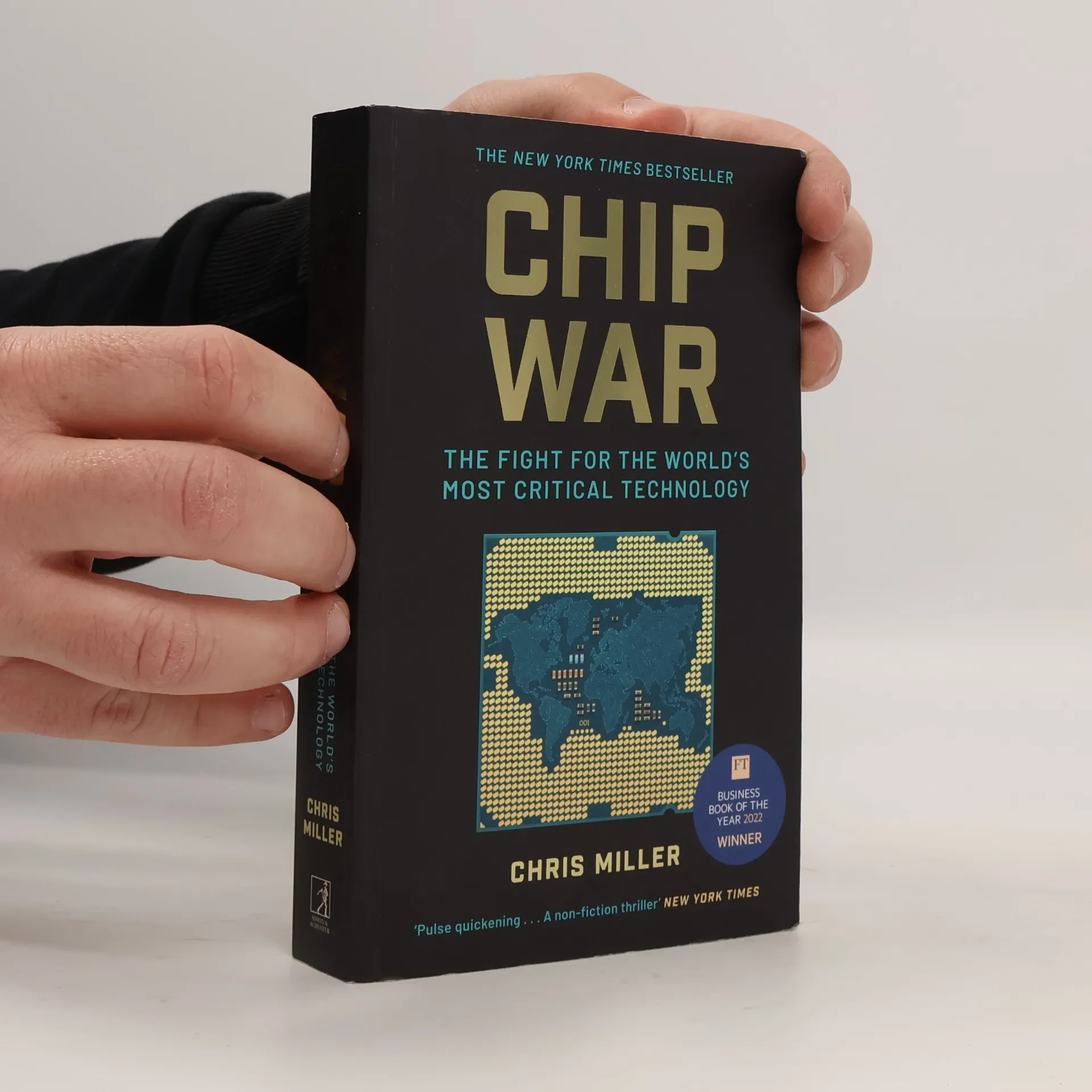
Why control of the microchip industry has been the driving force of Western economic and military success, and the potential threats posed by China's actions
Generations of Russians have pursued wealth and power in the East, colonizing Pacific regions and spreading political influence into Asia. Why have these efforts largely failed? Chris Miller argues that Russian citizens and leaders, concentrated in the European borderlands, have always struggled to maintain faith and interest in eastward expansion.
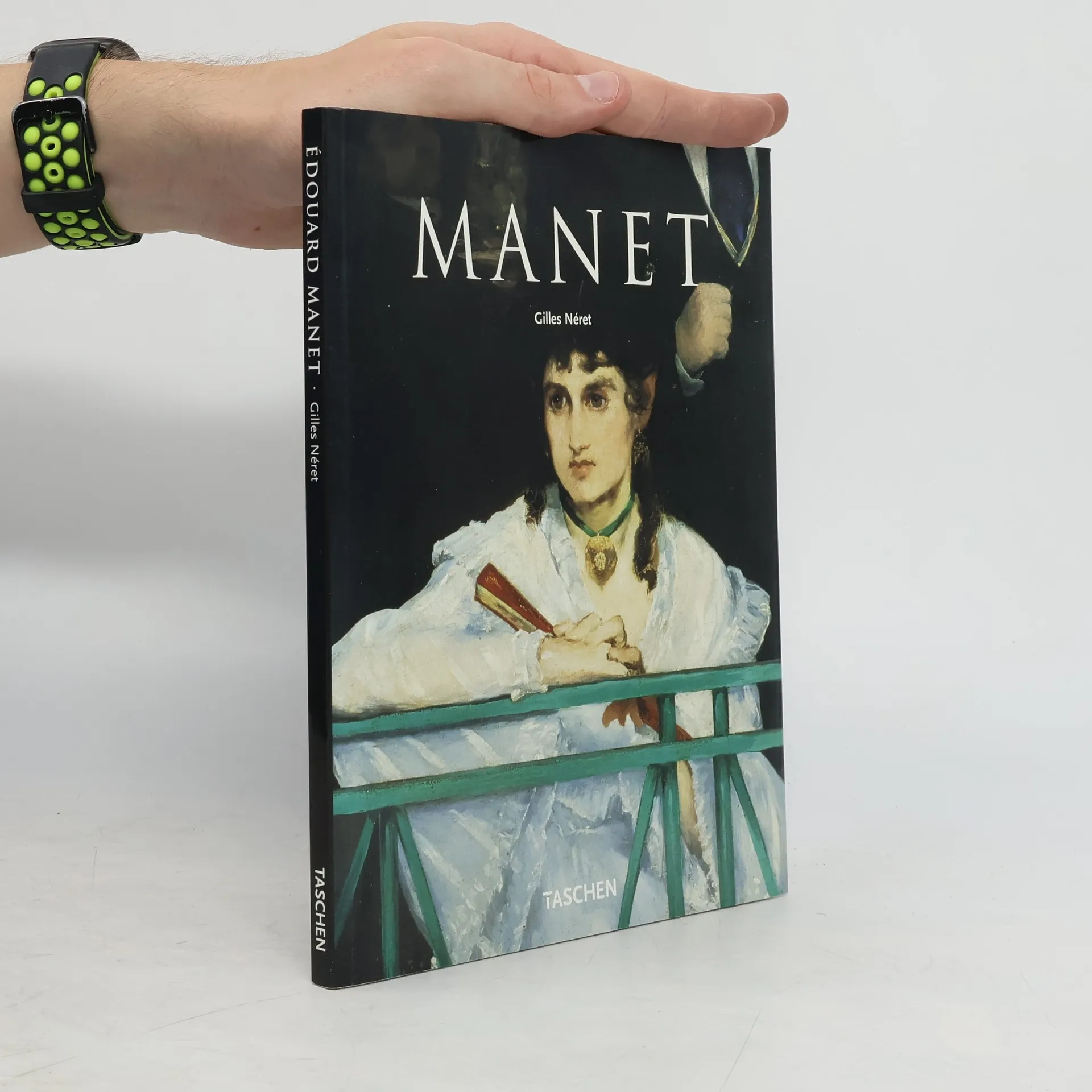
The inventor of modernity Violently criticized during his lifetime for his supposedly provocative paintings, French painter Edouard Manet (1832-1883) is now considered a master of inestimable importance in the history of painting. His 1863 painting "Déjeuner sur l’herbe" depicting two clothed men picnicing with a nude woman—now considered one of the most memorable images of the 19th century—stirred up controversy for what many considered its vulgar audacity. It was famously rejected by the Paris Salon and exhibited in the Salon des Refusés. Manet’s bold style helped pave the way from Realism to Impressionism, and in doing so ushered in the age of modern art. About the Each book in TASCHEN’s Basic Art series
The history of Northern Michigan Asylum, established in 1885, is explored through its founding context, significant figures like Dr. James Decker Munson, and its evolution over 104 years as Traverse City State Hospital. The narrative covers the institution's peak population of 3,000, its impact on mental health care in Michigan, and the eventual decline leading to its closure in 1989. The book also highlights efforts for renovation and preservation, emphasizing its enduring significance within the Traverse City community.
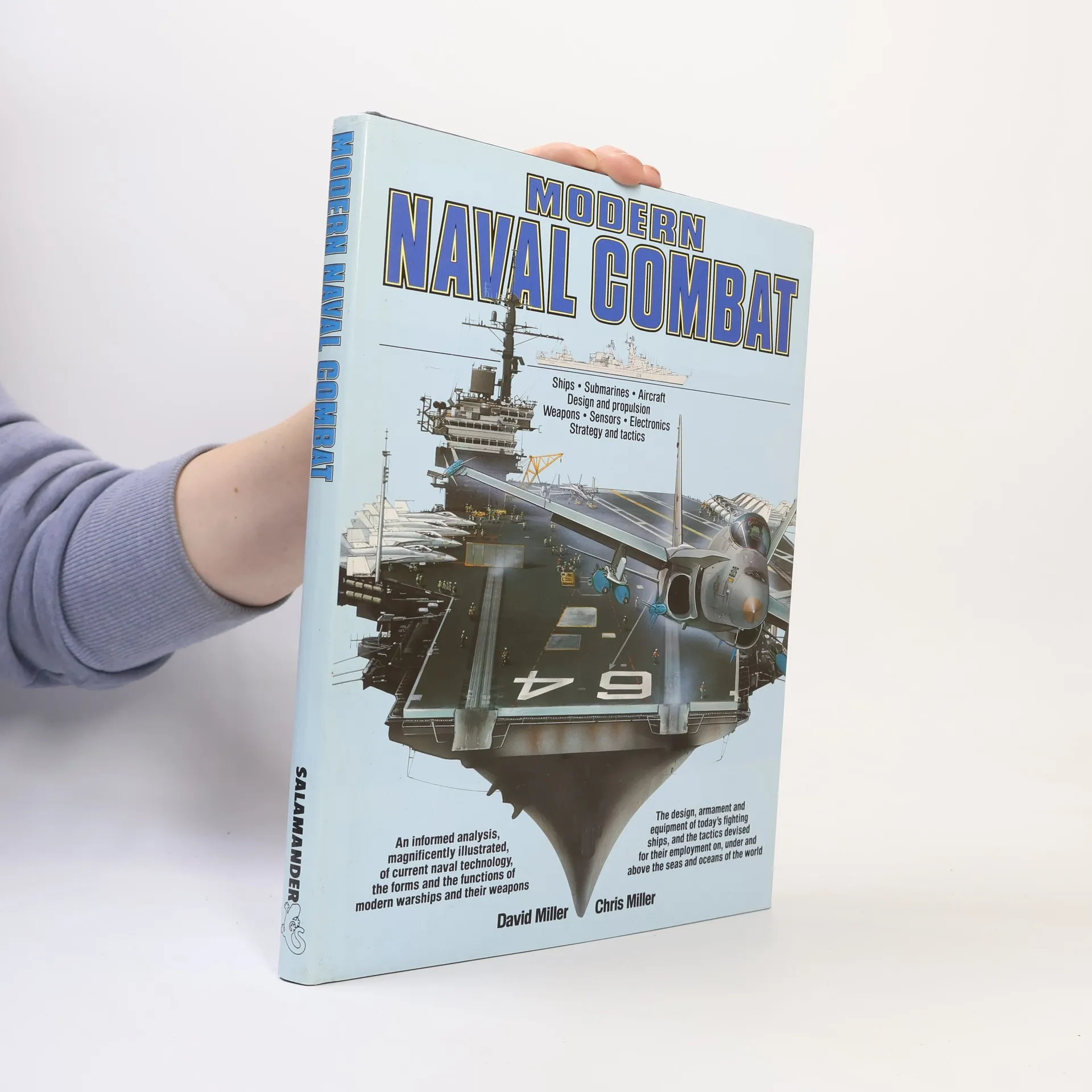
Examines the operations of the various systems, both individually and in combination, that make up modern naval warfare design, and discusses the evolution of naval tactics and the current practice in surface, anti-submarine, air, and mine warfare.
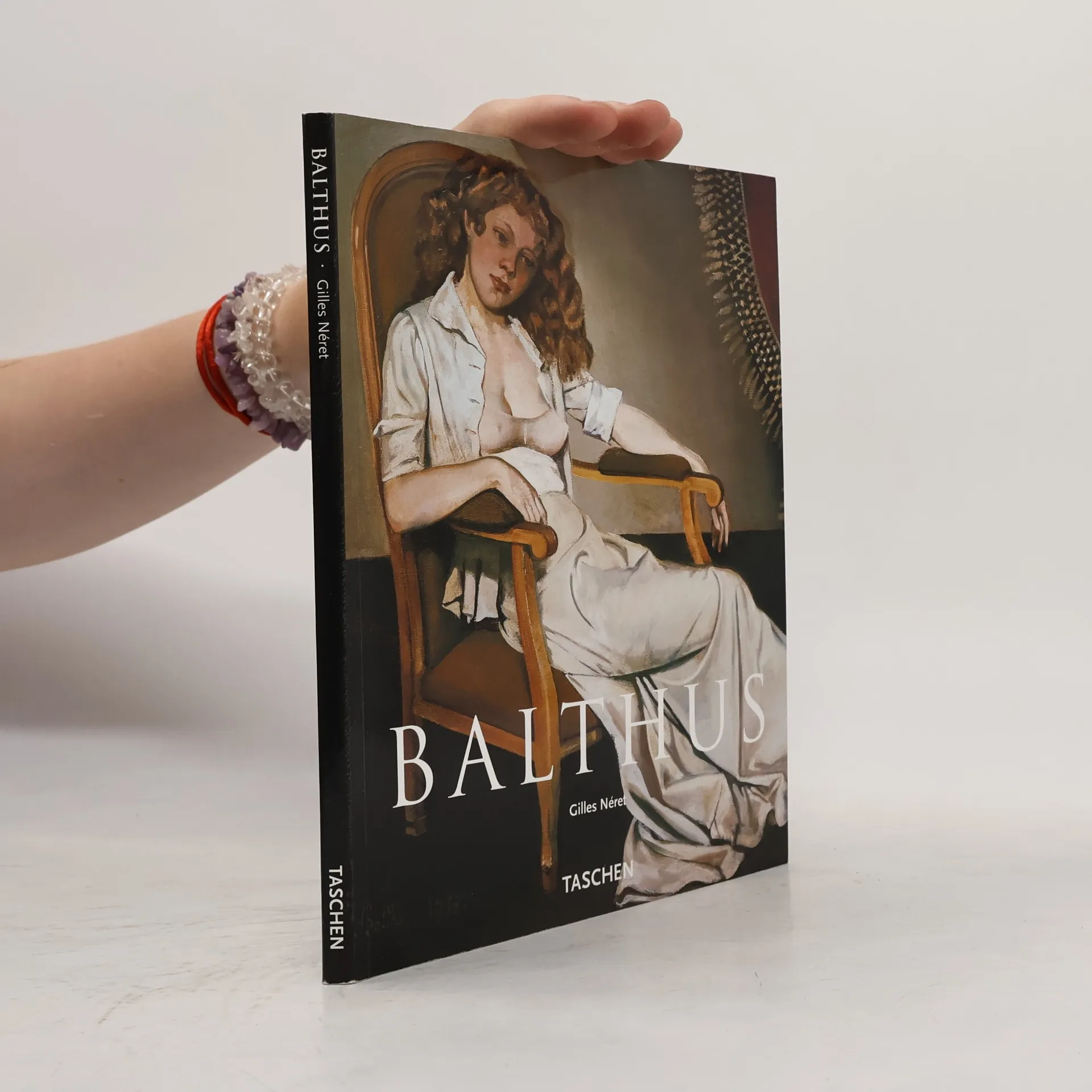
Realist of the unreal French-German painter Count Balthasar Klossowski de Rola (1908-2001), known as Balthus, shocked the Parisian art world in 1934 with his dreamy, sensual, Neo-Classical portraits of nymphets at a time when Surrealism and abstraction were de rigueur. As a provocateur, Balthus was often scorned; as an artist, he was widely embraced as a prodigy. In response to critics of his realist style, Balthus said: "The real isn't what you think you see. One can be a realist of the unreal and a figurative painter of the invisible." His erotic, poetic paintings live on as examples of the best figurative work of the modern era.
The Awesomely Depraved Saga of the Fraternity That Inspired the Movie
With a vibrant mix of humor and eccentric characters, the narrative explores themes of sexuality and personal growth through outrageous situations. The lively antics and racy elements create an entertaining atmosphere, while underlying valuable life lessons emerge for those attentive enough to notice. This book promises a blend of laughter and insight, making it a delightful read for fans of comedic storytelling.
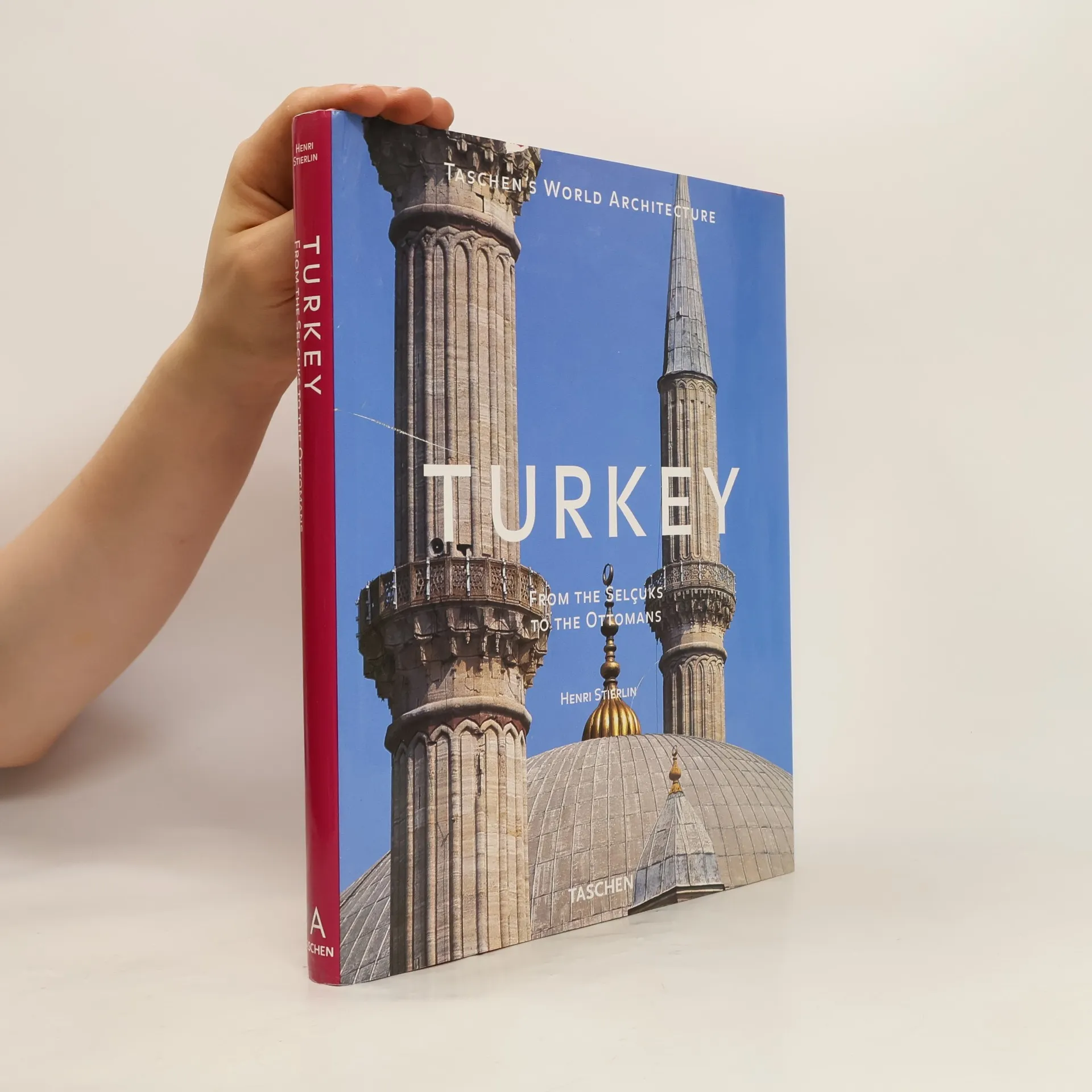
From the Selcuk period and the early Ottoman style of Iznik and Bursa to the classicism of Edirne and the masterpieces of Sinan, this volume sets out the achievements of Islamic architecture from the 13th to the 19th century. Henri Stierlin's vivid account includes portraits of such key figures as the celebrated court architect, Sinan, Sultan Suleyman the Magnificent and Grand Vizier Mehmet Pasa Sokollu.
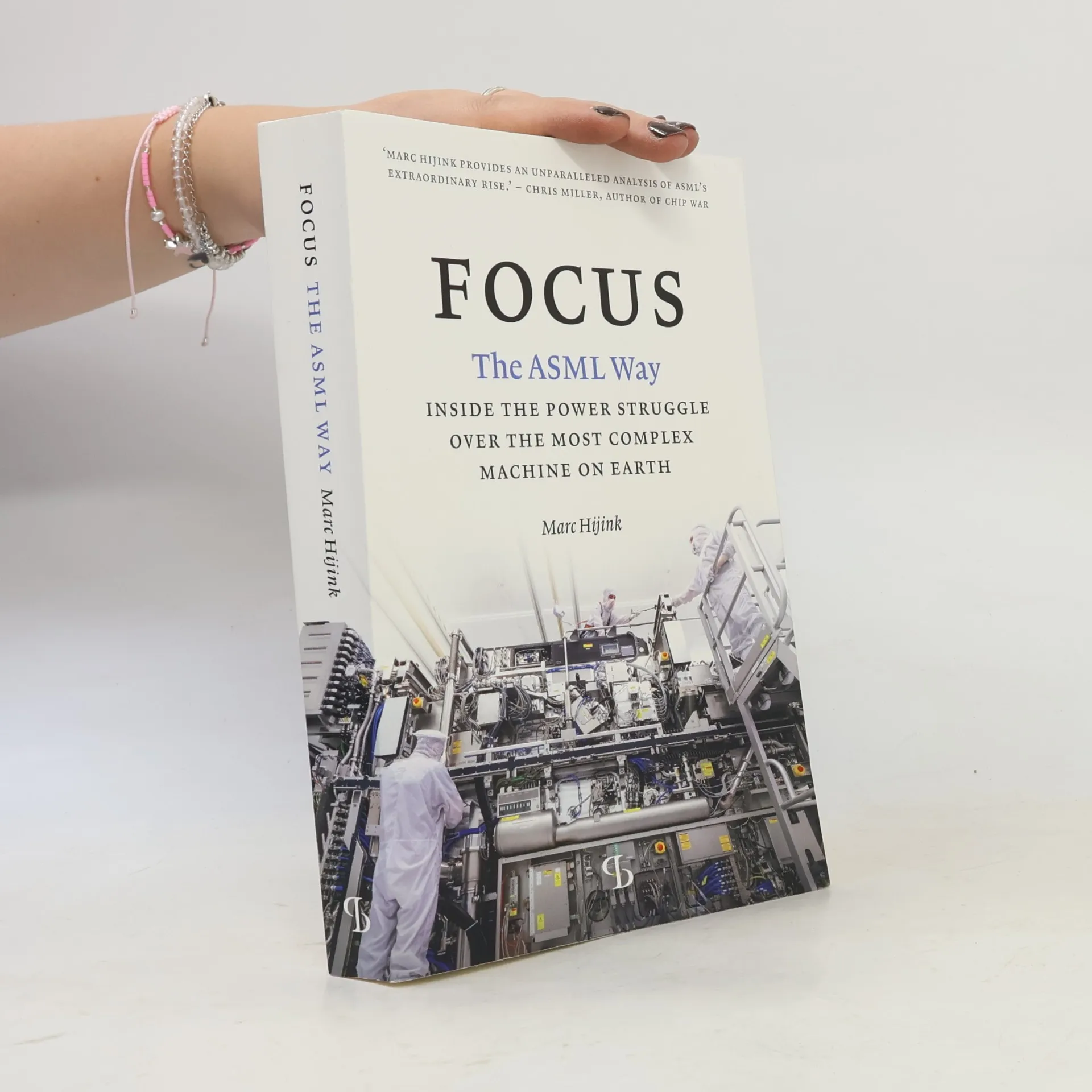
Inside the Power Struggle over the Most Complex Machine on Earth
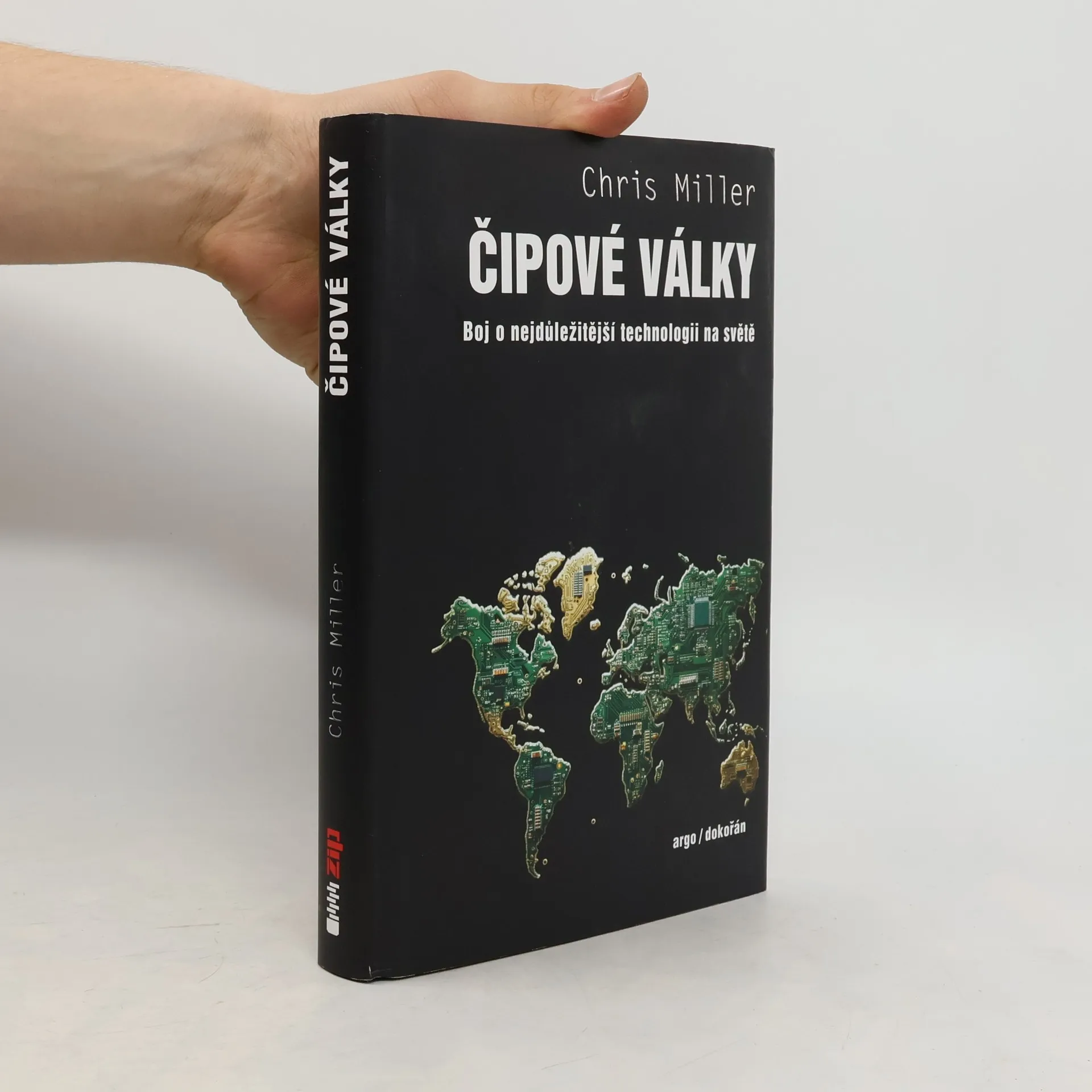
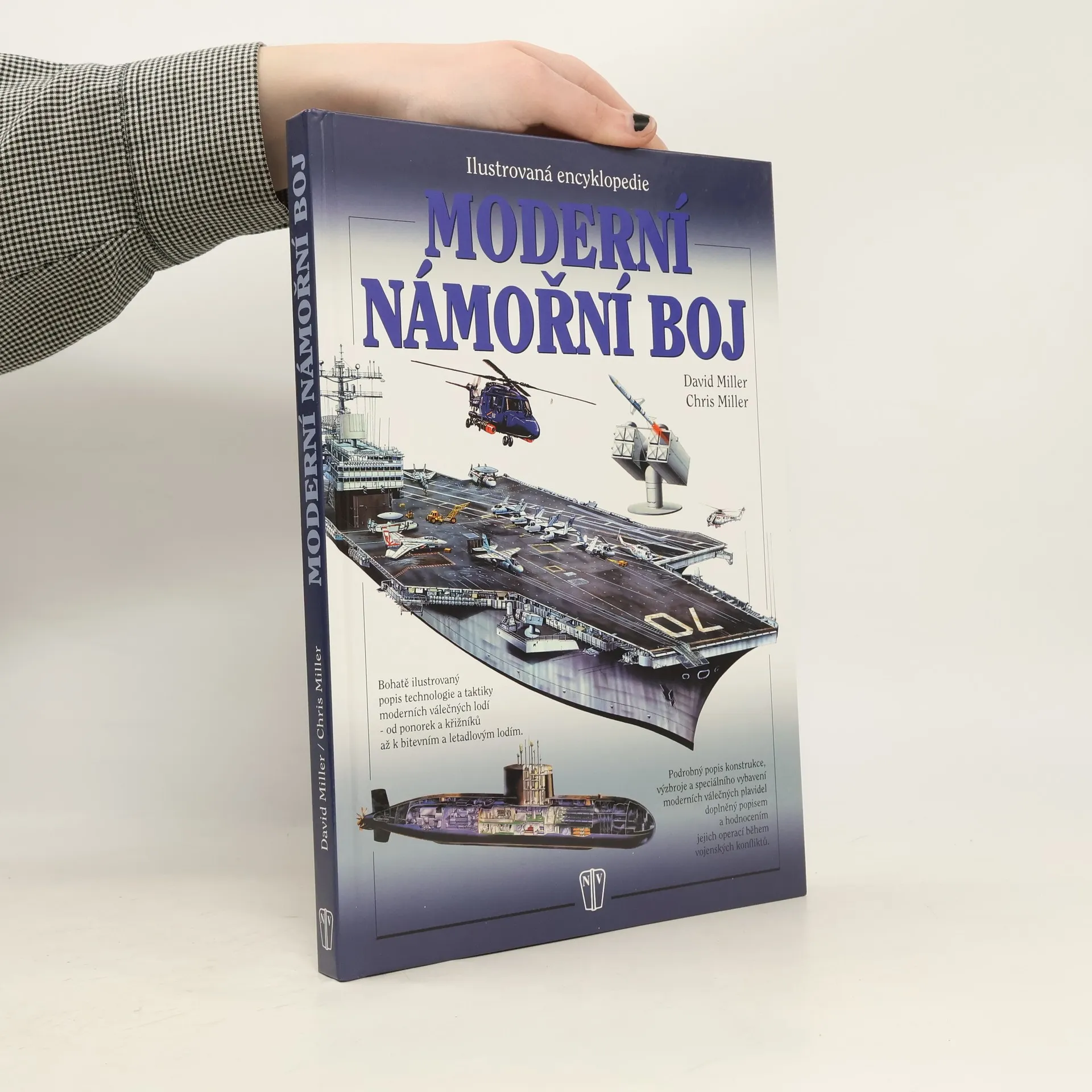
Americký historik Chris Miller nám ve knize Čipové války připomíná, že lidstvo v posledních sedmdesáti letech zažilo nejbouřlivější technologickou revoluci ve své historii - rozvoj čipů po desetiletí stoupá závratným tempem, které nemá u žádné jiné technologie obdoby. Miller tvrdí, že právě využití exponenciálně rostoucího výpočetního výkonu stálo za vítězstvím Spojených států ve studené válce a zajistilo jim současnou vojenskou a ekonomickou dominanci. Mikročipy jsou zásadním prostředkem k dosažení geopolitických ambicí, a proto jejich vývoji a výrobě věnuje stále větší pozornost i Čína. Nejpokročilejší logické čipy na světě dlouhou dobu dokázala vyrobit pouze jediná firma na Tchaj-wanu, na který si Peking stále asertivněji klade nárok. Nadcházejícím geopolitickým třenicím, jež se budou odrážet v celé světové ekonomice, proto podle Millera nemůžeme porozumět, pokud nevezmeme v potaz souboj o kontrolu nad výrobou těchto mikroskopických součástek, jež pohánějí dnešní svět.
Výpravná obrazová publikace o námořní taktice, konstrukci, vybavení a výzbroji jednotlivých tříd letadlových a bitevních lodí, doprovodných hladinových plavidel i ponorek na přelomu 80. a 90. let minulého století. Obsáhlé samostatné části autoři zaměřili na námořní techniku a taktiku, nejvíce prostoru dostalo třiačtyřicet abecedně uspořádaných kategorií plavidel a ponorek vojenského námořnictva Spojených států, Sovětského svazu, Velké Británie, Francie a dalších zemí. Někoho více zaujme konstrukce, pohon, zbraňové systémy a detekční zařízení na moderních lodích, jiného vývoj taktiky námořních bitev, nasazení námořního letectva či prostředky pro obtížný boj s nebezpečnými ponorkami. Technická data a popis charakteristických typů plavidel doplňují velké názorné kresby a fotografie.