

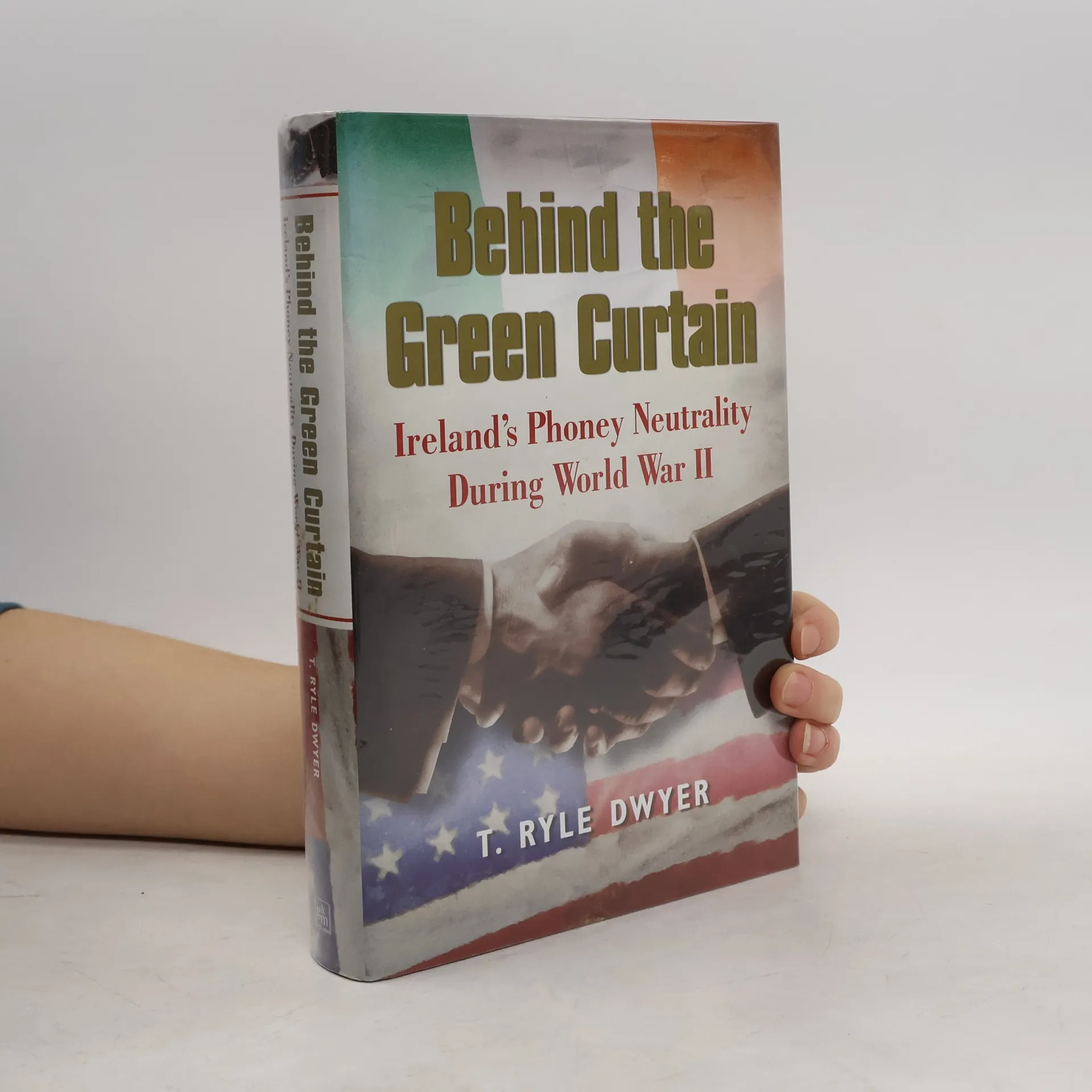
Previously, it had been well understood that, for reasons of geographical location, Ireland had been prepared 'to show a certain consideration for Britain' as Eamon de Valera explained to the German minister in Dublin. It was equally known that combatants were not treated with absolute equality. Allied airmen who crash landed in Ireland were quietly repatriated to the UK across the land border with Northern Ireland. Over-fly rights were granted and tens of thousands of Irish men fought in the British Army. German air crew who crash-landed in Ireland were, however, interned for the duration of the war.What Dr Dwyer has uncovered goes far beyond any of this. Dwyer reveals that Irish diplomats were used as spies for the United States during the course of the war. Irish diplomats in Europe supplied information to the OSS--the predecessor of the CIA--with the full knowledge and consent of de Valera. Behind the Green Curtain is a comprehensive account of Irish neutrality, focusing strongly on the American, British--and to a lesser extent the Canadian-- connection. It confirms beyond any doubt that Ireland made a positive and partisan contribution to the allied war effort. Neutrality has become a shibboleth of modern Irish politics. Behind the Green Curtain explodes the myth behind that shibboleth in the most decisive way.
T. Ryle Dwyer Book order (chronological)
Thomas Ryle Dwyer delves into the intricacies of historical events, meticulously analyzing their impact on human lives. His work is characterized by a profound insight into the past, presented through engaging narrative prose. Dwyer explores the complex social and political dynamics that have shaped history. His writing style is both scholarly and accessible.
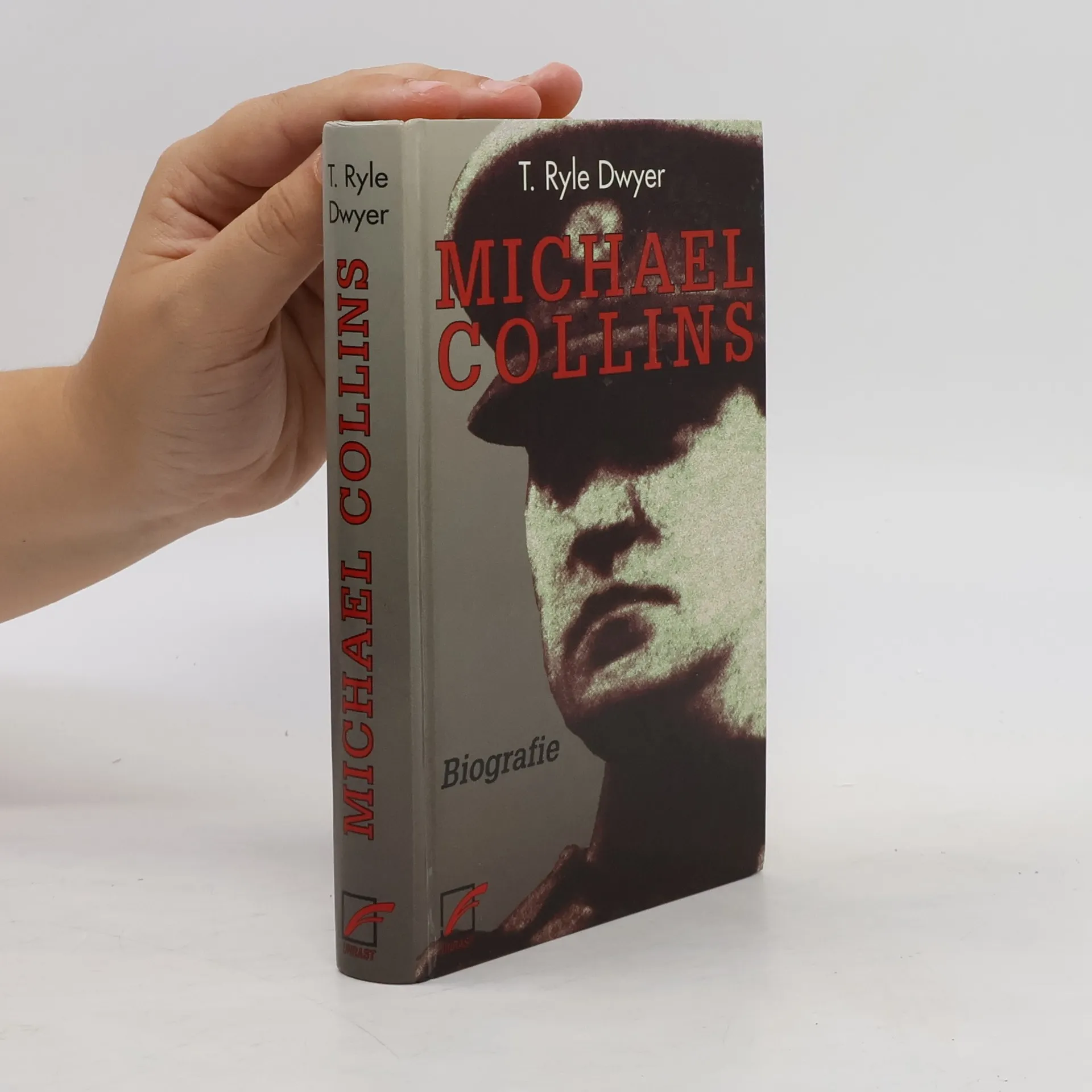

Michael Collins and Eamon de Valera were the two most charismatic leaders of the Irish revolution. This joint biography looks first at their very different upbringings and early careers. Both fought in the 1916 rising, although it is almost certain that they did not meet during that tumultuous week. Their first encounter came when Collins had been released from jail after the rising but de Valera was still inside. Collins was one of those who wanted to run a Sinn Fein candidate in the Longford by-election of 1917. De Valera and other leaders opposed this initiative but the Collins group went ahead anyway and the candidate won narrowly. The incident typified the relationship between the two men: They were vastly different in temperament and style. But it was precisely in their differences and contradictions that their fascination lay. De Valera, the political pragmatist, hoped to secure independence through political agitation, whereas the ambitious Collins, with his restless temperament and boundless energy, was an impassioned patriot who believed in terror and assassination. T. Ryle Dwyer examines the years 1917-22 through the twists and turns of their careers. In an epilogue, he considers the legacy of Collins on de Valera's later political life. This book is the first attempt to examine both men in a comparative light.
Michael Collins
- 255 pages
- 9 hours of reading
Der irische Historiker T. R. Dwyer erzählt hier die Geschichte des charismatischen irischen Rebellen Michael Collins, der bereits 1916 am legendären Osteraufstand in Dublin teilgenommen hatte und im Verlauf der anglo-irischen Auseinandersetzungen und während des Irischen Unabhängigkeitskrieges (1919-1921) als Leiter der geheimdienstlichen Abteilung der IRA zu dem Mann wurde, der die militärischen Weichen für Irlands Unabhängigkeit stellte.§Für die Briten war Collins seinerzeit der meistgesuchte irische Terrorist - für die Iren ist er bis heute ein von Mythen umwobener Nationalheld, dessen bewegtes Leben im politischen Untergrund jetzt von verfilmt wurde.§Er war der Prototyp des modernen Stadtguerillero, der den Briten den Waffenstillstand von 1921 aufzwang und schließlich auch die irische Delegation leitete, die mit Churchill und Chamberlain um Irlands Freiheit verhandelte.