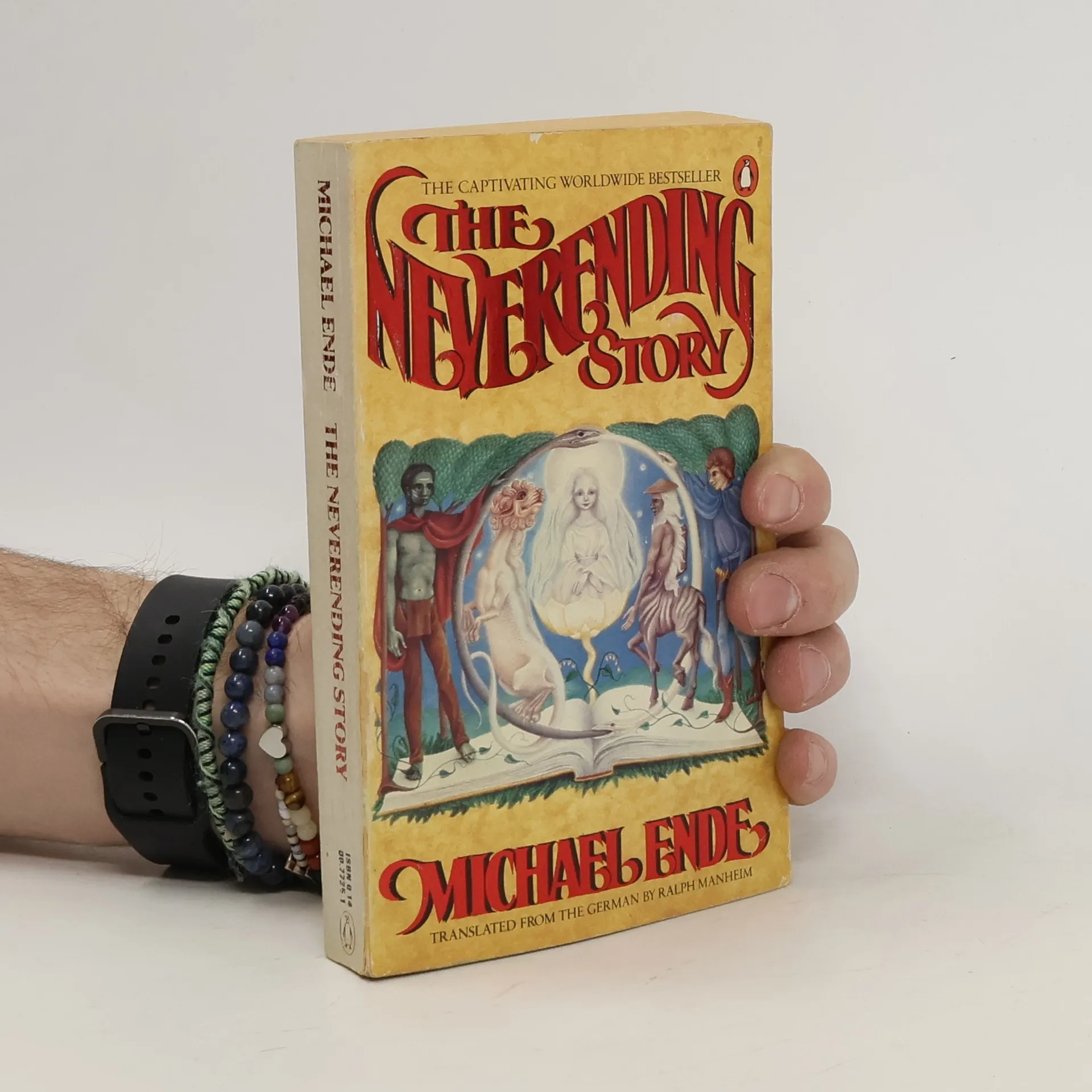
Small, fat Bastian Balthazar Bux is nobody's idea of a hero, least of all his own, until he finds himself stepping through the pages of a mysterious book into the world of Fantastica! Age 9+ 148 pages
4.2


This author is a principal translator from German into Spanish, having rendered the works of German-language writers into his native tongue. His translations are characterized by a profound understanding of both languages and literary traditions. Beyond his extensive work in literary translation, he also contributes to the academic world as a professor and is recognized for his deep engagement with literature. His expertise bridges cultures, making significant German literary voices accessible to Spanish-speaking readers.


Small, fat Bastian Balthazar Bux is nobody's idea of a hero, least of all his own, until he finds himself stepping through the pages of a mysterious book into the world of Fantastica! Age 9+ 148 pages
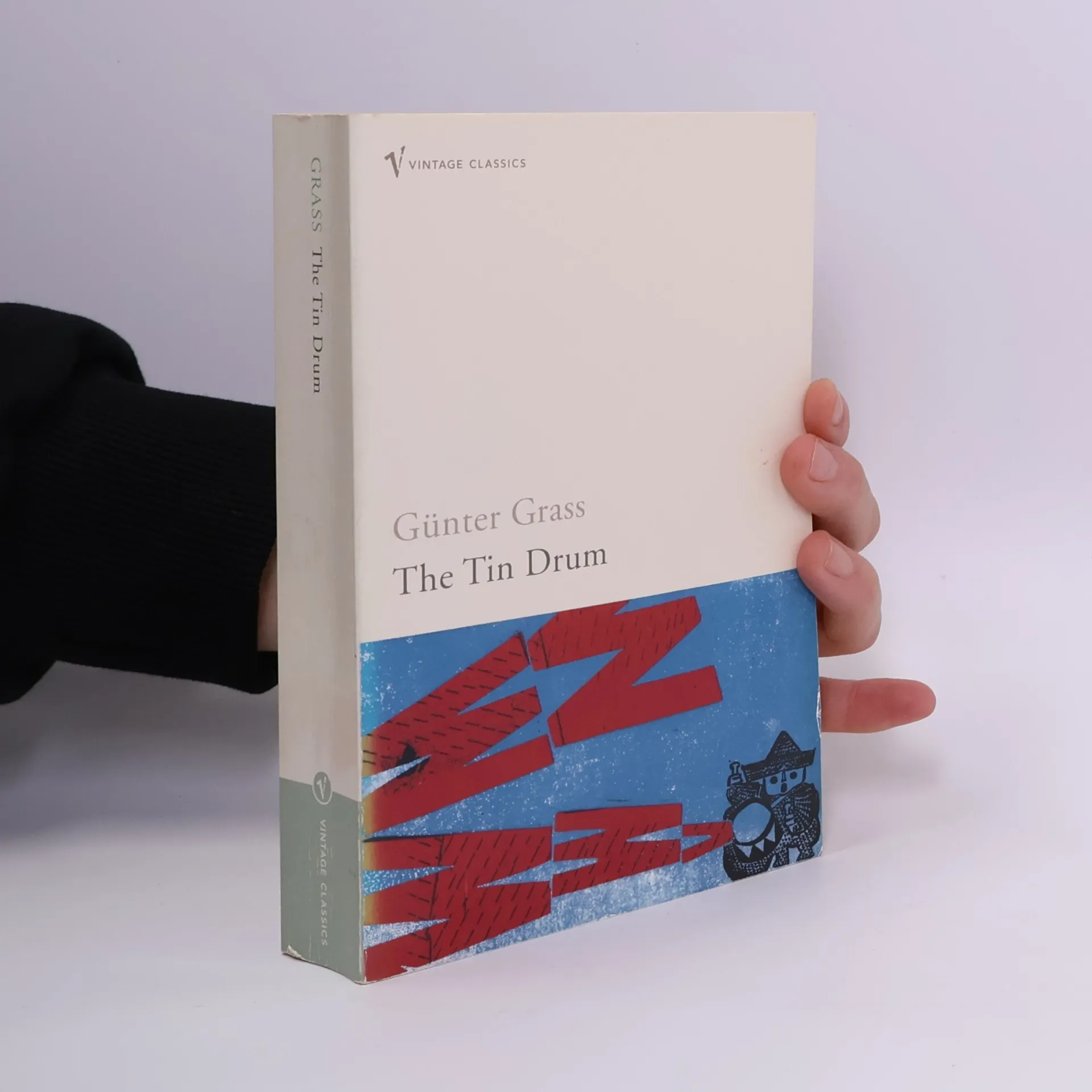
The publication of The Tin Drum in 1959 launched G-nther Grass as an author of international repute. Bitter and impassioned, it delivers a scathing dissection of the years from 1925 to 1955 through the eyes of Oskar Matzerath, the dwarf whose manic beatin
Peeling the Onion is a searingly honest account of Grass' modest upbringing in Danzig, his time as a boy soldier fighting the Russians, and the writing of his masterpiece, The Tin Drum, in Paris. It is a remarkable autobiography and, without question, one of Gunter Grass' finest works. By the Nobel Prize- winning author of The Tin Drum.
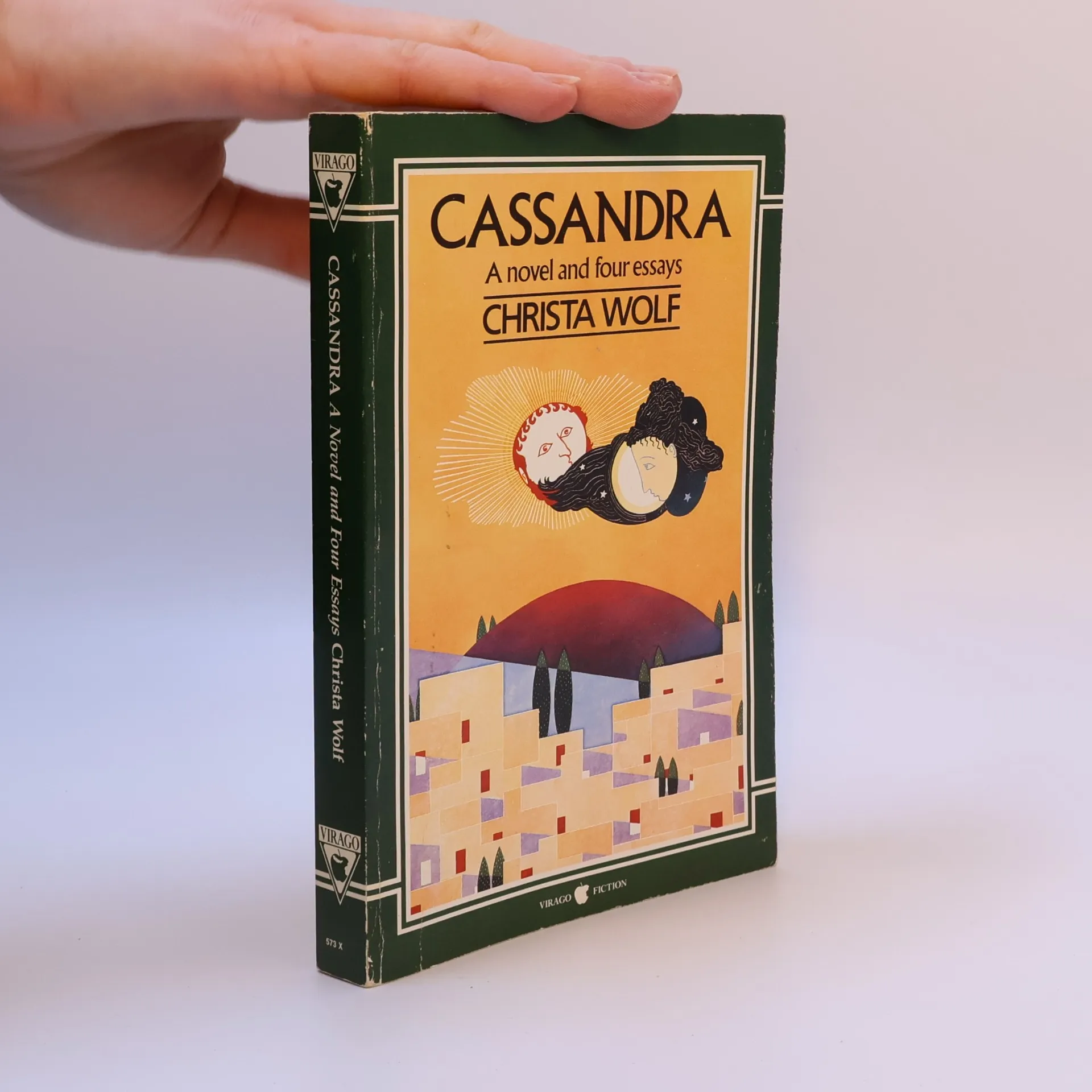
Kassandra, die "Seherin", ist die schillerndste Frauenfigur der griechischen Mythologie: Sie sagte dem übermächtigen Troja den Untergang voraus, wurde nicht gehört und musste ihre Prophezeiung mit dem Leben bezahlen. Christa Wolf hat ihre eigene Kassandra erfunden, an einem unbestimmten Ort zu einer unbestimmten Zeit: eine am Ende gescheiterte Heldin, die sich gegen die Gewalt der Diktatur und gegen die Macht der Männer auflehnt, nur ihrer eigenen Überzeugung verpflichtet.
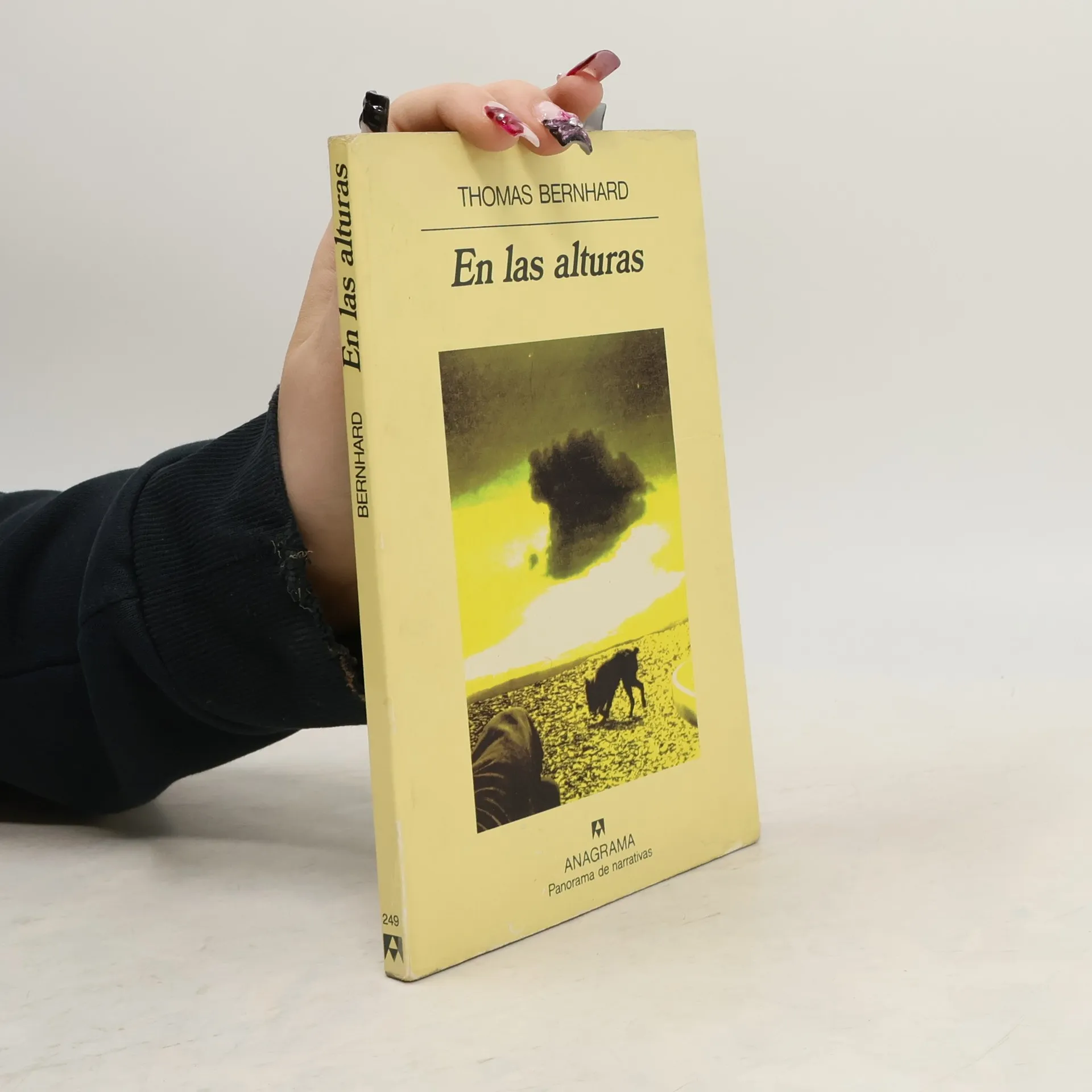
Anotar, utilizar la falta de consideración hacia todo y, por consiguiente, también hacia sí mismo: se podría ser el lema que encabezara este libro, un gran poema en forma de relato. Partiendo de innumerables retazos de pensamiento, observaciones y alusiones, Thomas Bernhard esboza una verificación del mundo y de sí mismo cuyo objetivo es el conocimiento: Me preparo para mí mismo; todo esto no es más que una preparación para mí mismo . Entretejidos, hay jirones de un fin de semana en un hostal que 'el cronista de tribunales' visita para encontrarse allá con 'la señorita'. Aparecen otros personajes: el hostelero, el jardinero, el chófer, la cantante, los asilados del vecino manicomio, pero también la voz del catedrático, a quien el amor ha precipitado en la infelicidad, o la figura de la judía, a quien atormenta el vecino. Entre esos seres - repelido por ellos, pero atraído también, una y otra vez - vive el narrador. Sin embargo, en realidad su única compañía es su perro, que está alrededor de él, con él, dentro de él. Sorprende ver con qué claridad pueden encontrarse ya casi todos los elementos de la imaginación de Thomas Bernhard en este libro, escrito antes de Helada . Por añadidura, su autor se muestra abierto, delicado y vulnerable hasta tal punto, que tal vez pudiéramos llamarlo su obra más personal.
Mr Hoppy loves Mrs Silver. Mrs Silver loves Alfie the tortoise. Sometimes Mr Happy wishes he could become a tortoise. Until one day he finds a way to win Mrs Silver's heart, with the help of a little magic and some cabbage . . .
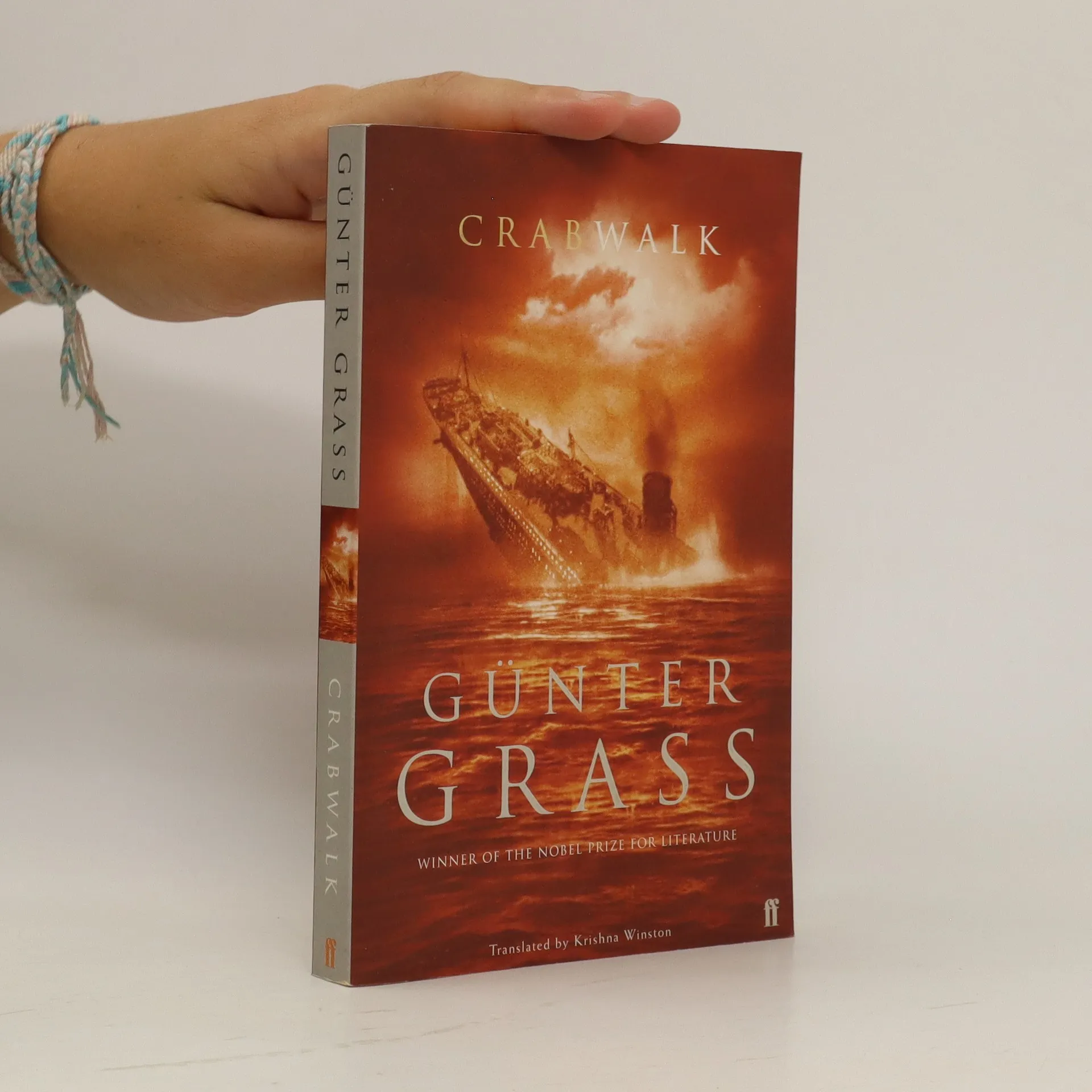
From Books Cover: Gunter Grass has been wrestling with Germany's past for decades now. In this new novel Grass examines a subject that has long been taboo - the suffering of Germans during World War II. It is the story of the sinking of the Wilhelm Gustloff, a former cruise ship turned refugee carrier, by a Soviet submarine in January 1945. Some 9,000 people, most of them women and children fleeing from the advancing Red Army went down in the Baltic Sea, making it the deadliest maritime disaster of all time. Grass's narrator is one of the few survivors, a middle-aged journalist who live in Berlin. Born to an unwed mother on a lifeboat the night of the attack, Paul Pokriefke tries to piece together the tragic events. While his mother Tulla sees her whole existence in terms of that calamitous moment, Paul wishes their life could have been more normal, less touched by the past. For his teenage son Konrad, who dabbles in the dark, far-right corner of the internet, the Gustloff embodies the denial of Germany's wartime agony.
It is 1967, in a Viennese hospital. In separate wards: the narrator named Thomas Bernhard, is stricken with a lung ailment; his friend Paul, nephew of Ludwig Wittgenstein, is suffering fom one of his periodic bouts of madness. Bernhard traces the growth of an intense friendship between two eccentric, obsessive men who share a passion for music, a strange sense of humor, brutal honesty, and a disgust for bourgeois Vienna. "[Wittgenstein's Nephew is] a meditative fugue for mad, brilliant voices on the themes of death, death-in-life and the artist's and thinker's role in society . . . oddly moving and funny at the same time."—Joseph Coates, Chicago Tribune "Mr. Bernhard's memoir about Paul Wittgenstein is a 'confession and a guilty homage to their friendship; it takes the place of the graveside speech he never delivered. In its obsessive, elegant rhythms and narrative eloquence, it resembles a tragic aria by Richard Strauss. . . . This is a memento mori that approaches genius.'"—Richard Locke, Wall Street Journal