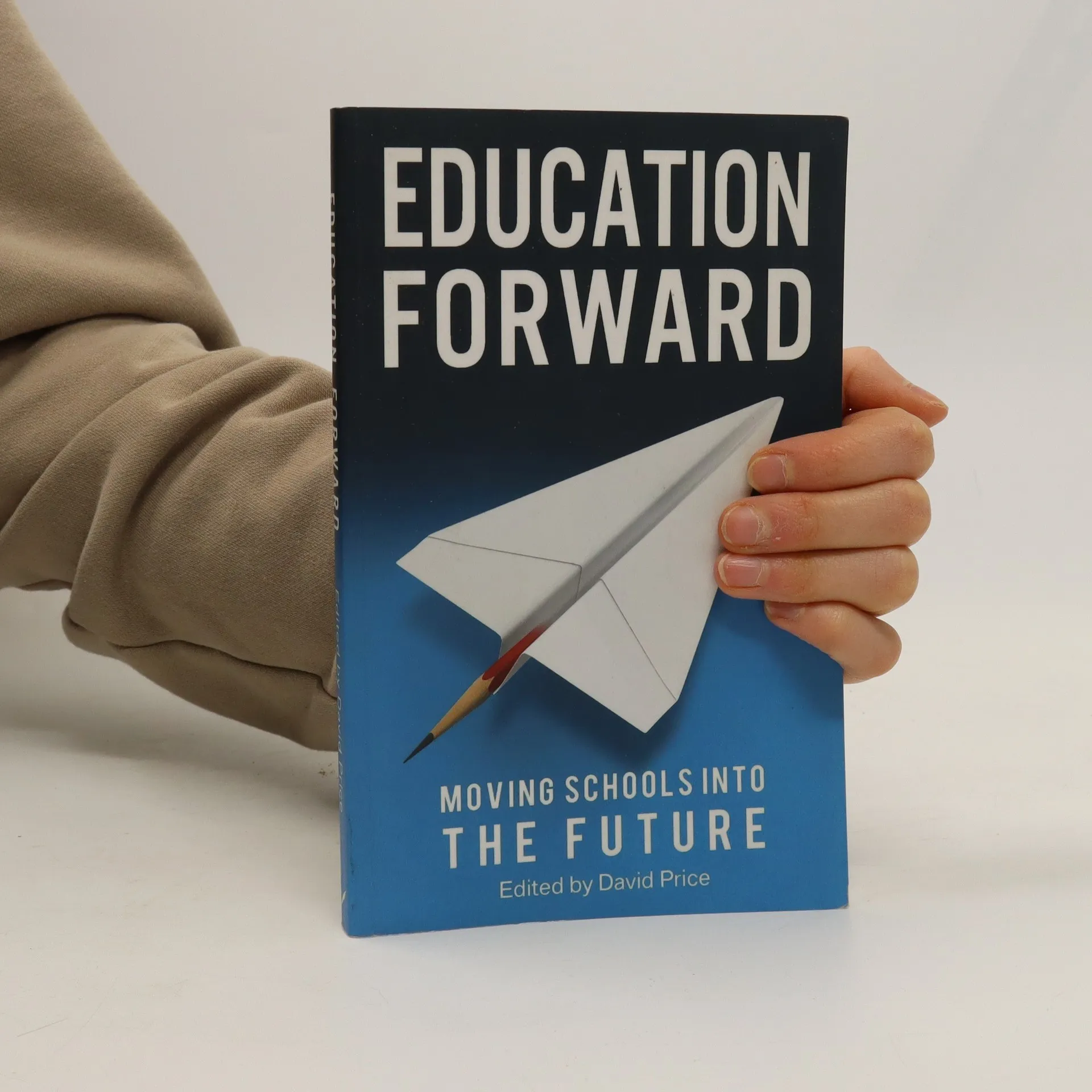
Too often, we think of school as a fixed-rail path we all have to follow: teachers teach, students learn, exams are taken, futures set. That's how it's been since the introduction of compulsory schooling in the 19th century. But parents, teachers and corporations around the world are now voicing their dissatisfaction with education systems that are no longer fit for purpose. Too many of our young people are not being adequately prepared for the unprecedented challenges they will face in a world that is changing as rapidly as ours is. We should be preparing them for the test of life, not a life of tests. A group of distinctive voices - working in education and beyond - has produced a collection of essays that presents a call to action, a positive way forward, and a programme of change. Education Forward challenges us all to find another story for the future of schools.
Guy Claxton Book order (chronological)
Guy Claxton explores the nature of intelligence and learning, investigating how conscious effort can be less crucial than intuitive or subconscious processes. He examines how thinking less can paradoxically lead to increased intellectual capacity. His work delves into the development of deeper, more automated thought processes that enable more effective problem-solving. Claxton's approach highlights the significance of the intuitive and subconscious elements of cognition.

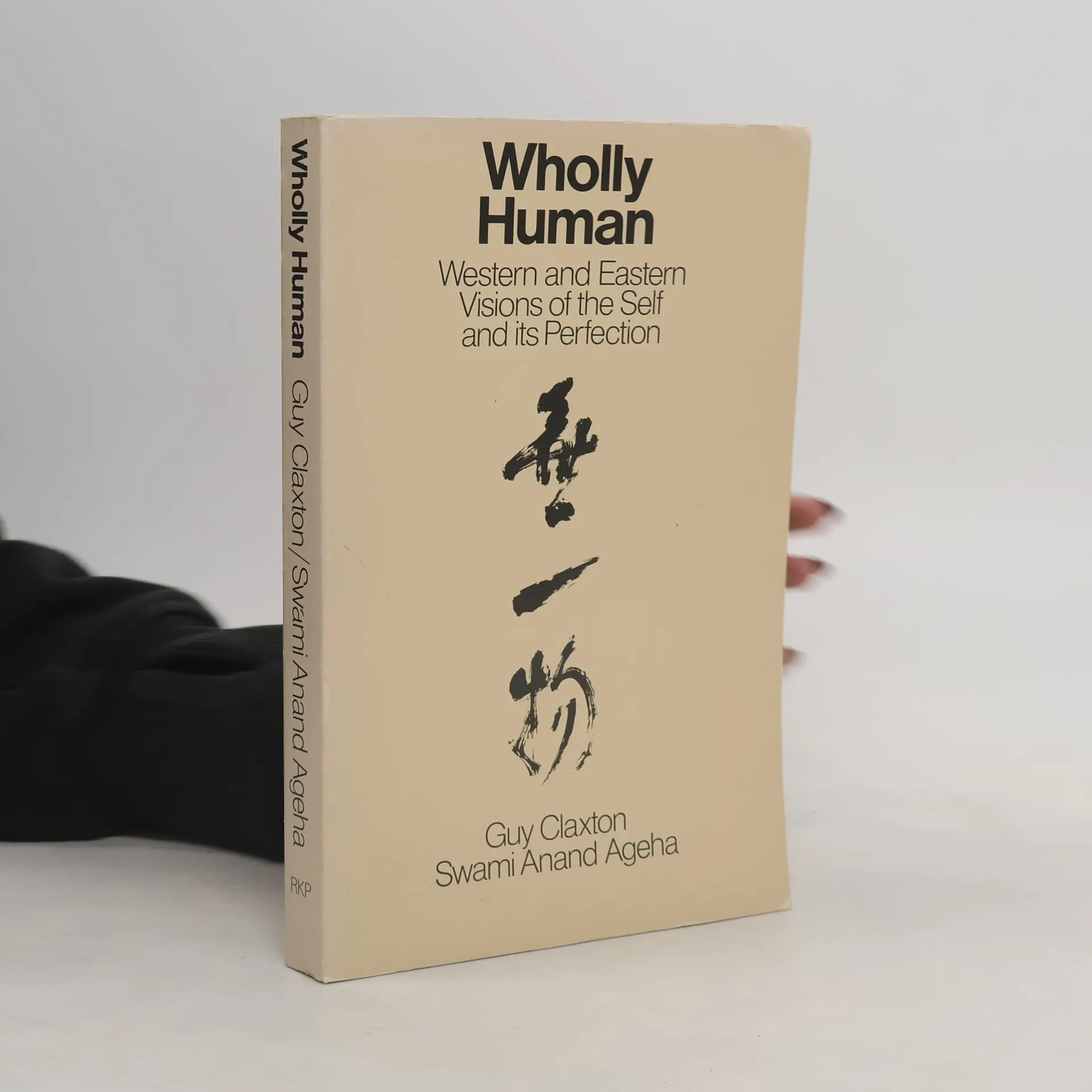
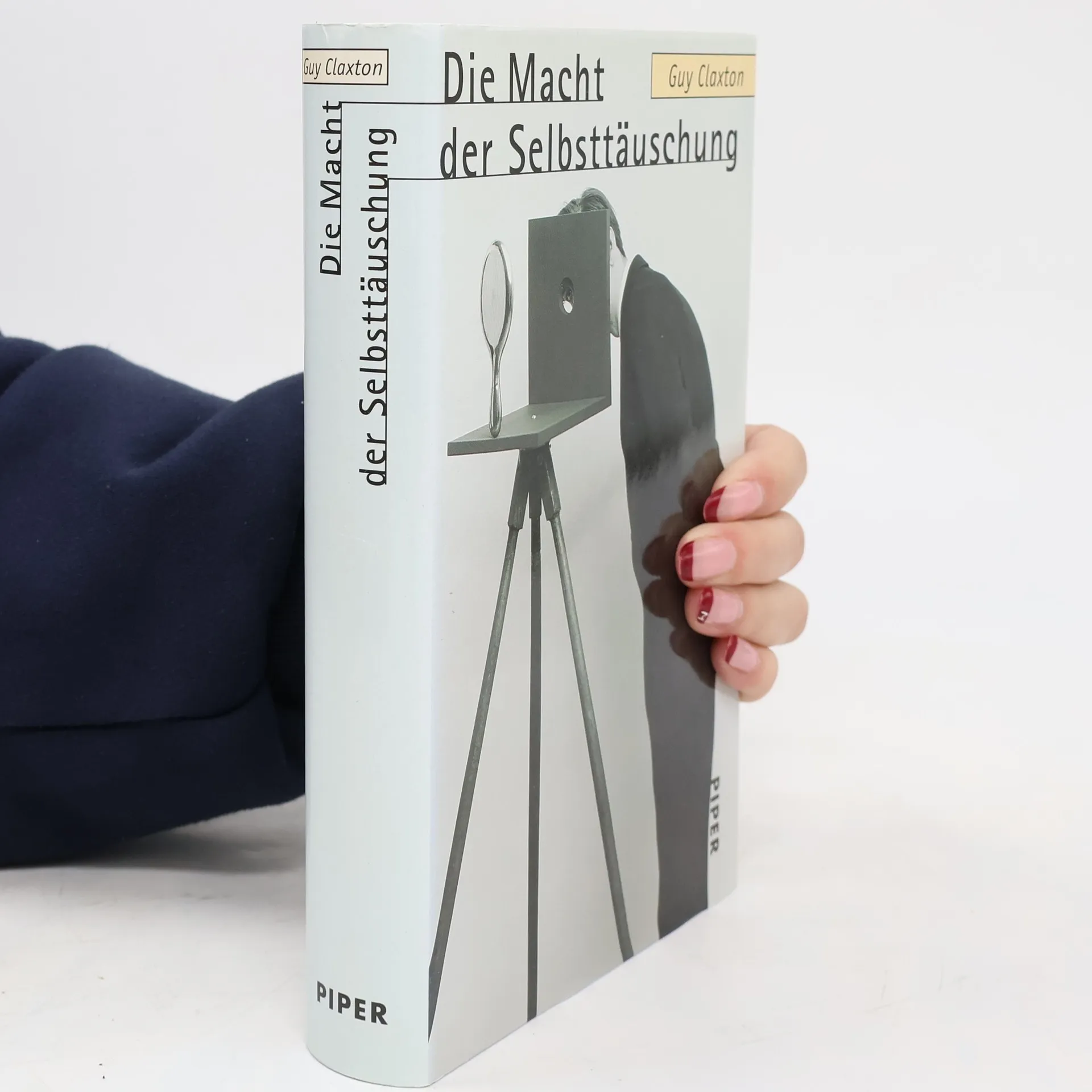
Intelligence in the Flesh
- 344 pages
- 13 hours of reading
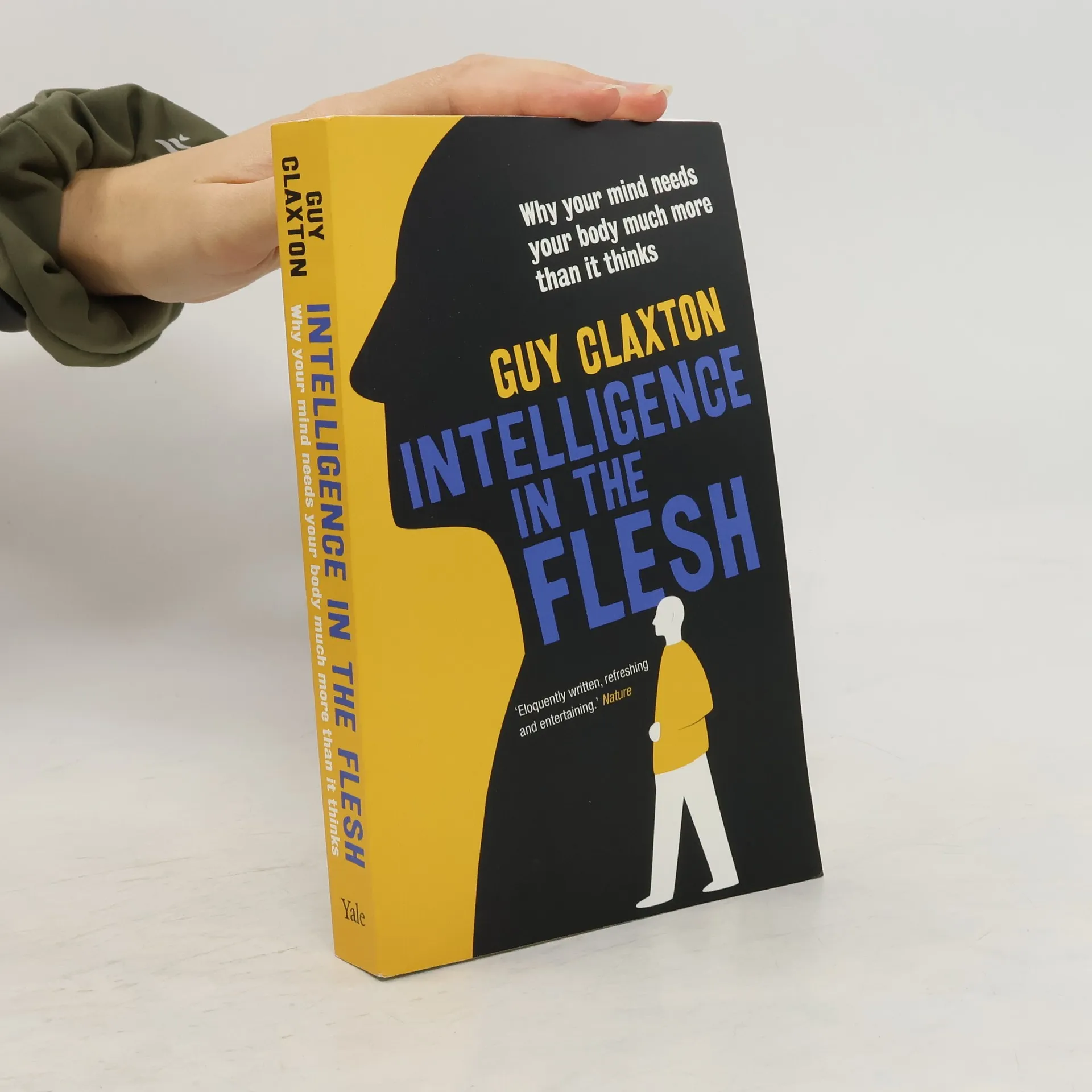
An enthralling exploration that upends the prevailing view of consciousness and demonstrates how intelligence is literally embedded in the palms of our hands If you think that intelligence emanates from the mind and that reasoning necessitates the suppression of emotion, you'd better think again--or rather not "think" at all. In his provocative new book, Guy Claxton draws on the latest findings in neuroscience and psychology to reveal how our bodies--long dismissed as mere conveyances--actually constitute the core of our intelligent life. From the endocrinal means by which our organs communicate to the instantaneous decision-making prompted by external phenomena, our bodies are able to perform intelligent computations that we either overlook or wrongly attribute to our brains. Embodied intelligence is one of the most exciting areas in contemporary philosophy and neuropsychology, and Claxton shows how the privilege given to cerebral thinking has taken a toll on modern society, resulting in too much screen time, the diminishment of skilled craftsmanship, and an overvaluing of white-collar over blue-collar labor. Discussing techniques that will help us reconnect with our bodies, Claxton shows how an appreciation of the body's intelligence will enrich all our lives.
What's the Point of School?
- 224 pages
- 8 hours of reading
Guiding readers past the sterile debates about City Academies and dumbed-down exams, this book proves that education's key responsibility should be to create enthusiastic learners who will go on to thrive as adults in a swiftly- changing, dynamic world.
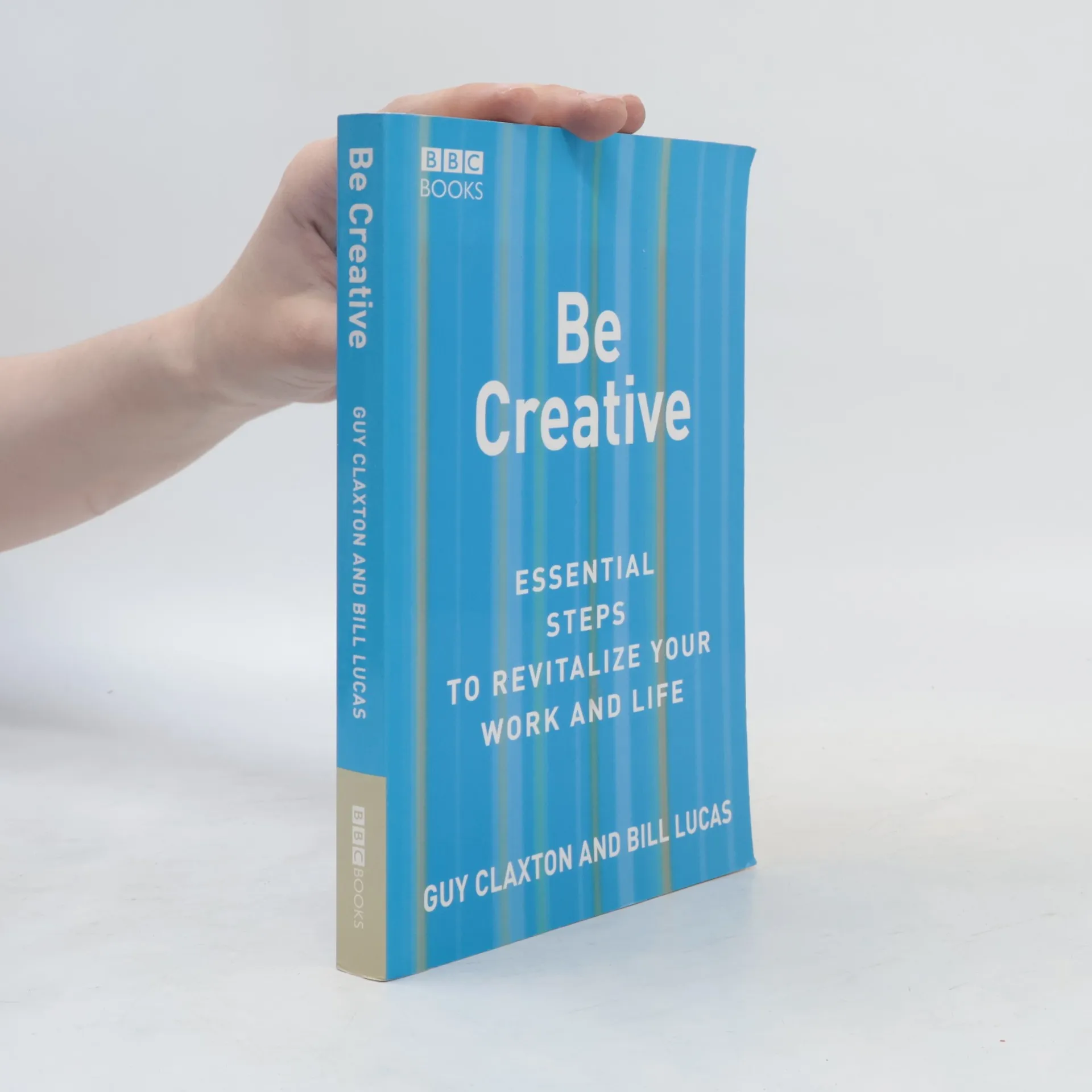
Creativity is a major economic force of the 21st Century and a vital part of everyday life. To achieve harmony, balance and personal success in our lives we need to think more creatively, become self-aware and respond to changing circumstances in a flexible and effective way. With practical exercises and inspiring examples, Guy Claxton and Bill Lucas demonstrate how to break away from old habits and free up your mind. The show you how to appreciate uncertainty, entertain outrageous opposites and stay open to the forces of ambiguity and possibility. Inklings, hunches, imagination, humour and even dreams can all play their part in liberating your creativity. *Access How to surf your own inner-net, and how to soften up to find inspiration when thinking too hard gets in the way. *Creativity at How to develop workplaces and build teams that support new thinking and creative dialogue, and allow ideas to germinate. *Living How to take things in, communicate well, uncover possibilities you never dreamed of and make them work.
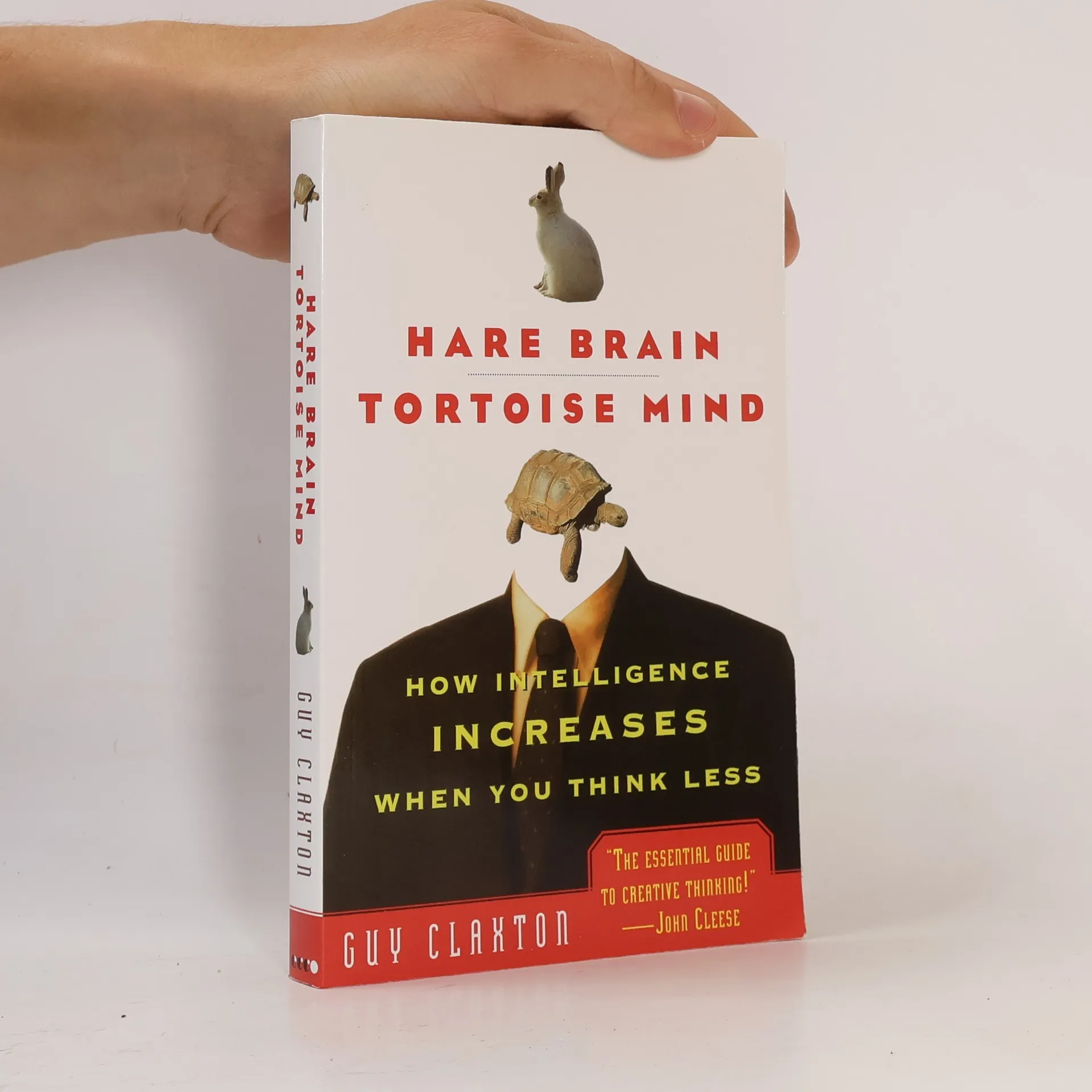
In these accelerated times, our decisive and businesslike ways of thinking are unprepared for ambiguity, paradox, and sleeping on it." We assume that the quick-thinking "hare brain" will beat out the slower Intuition of the "tortoise mind." However, now research in cognitive science is changing this understanding of the human mind. It suggests that patience and confusion--rather than rigor and certainty--are the essential precursors of wisdom. With a compelling argument that the mind works best when we trust our unconscious, or "undermind," psychologist Guy Claxton makes an appeal that we be less analytical and let our creativity have free rein. He also encourages reevaluation of society's obsession with results-oriented thinking and problem-solving under pressure. Packed with Interesting anecdotes, a dozen puzzles to test your reasoning, and the latest related research, Hare Brain, Tortoise Mind is an Illuminating, uplifting, stimulating read that focuses on a new kind of well-being and cognition.